Honey Island Swamp and Its Monster
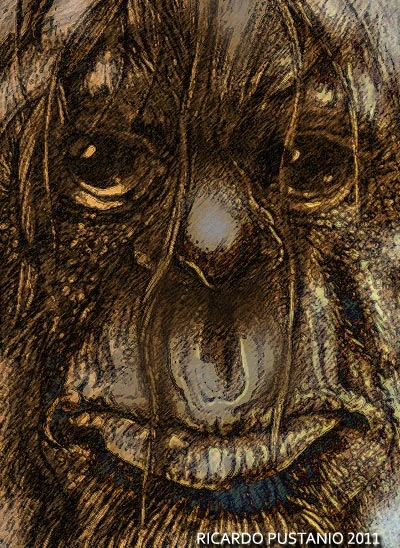
Standing over 7.5 feet tall and weighing between 400-500+ pounds, the Honey Island Swamp Monster — also known as the Louisiana Wookie — is said to be covered in a thick coat of matted gray or brown hair and swamp weed. Its yellow eyes are seemingly reptilian, and the smell it emits has been called the stench of death. This primitive creature has long been blamed for the deaths of livestock and the mysterious disappearances of children in adjacent areas. Popular lore in the region is that the Honey Island Swamp Monster might be the horrifying product of a union between a chimpanzee and an alligator. And in the darkly primordial swamplands that must look much the same now as they did thousands of years ago, the existence of almost any creature seems possible — no matter how ominous. One of the strangest legends surrounding the Honey Island Swamp Monster revolves around a train wreck which allegedly occurred near the Pearl River in the early part of the 20th century. According to this legend, the train was full of exotic animals from a traveling circus, which fled into the swamps after the train derailed. While most of the creatures would soon perish in the harsh swamp land, the legend goes on to tell us that a troop of chimpanzees managed to survive and even went as far as to interbreed with alligators. The result was a strange colony of reptilian like mammals. However, this is impossible, because monkeys and alligators cannot interbreed. The Honey Island Swamp Monster is alleged to have a foul stench like other cryptids specifically in the Hairy Hominids category (Bigfoot, Skunk ape, Missouri monster, etc.), possibly due to the marsh's natural smell.
Bukit Timah y el hombre mono
El punto más alto de Singapur y un resto de selva primaria en mitad de la ciudad. Aquí se describe una criatura desde 1805, conocida como el hombre mono de Bukit Timah: de pelaje gris, metro y medio de alto y andar bípedo. Los avisos han llegado en oleadas, sobre todo durante la ocupación japonesa, cuando había gente escondida en el bosque, y de nuevo en 2007, lo que causó revuelo en la prensa singapurense.
Comentarios
Entra para dejar un comentario
Todavía no hay comentarios. Sé el primero.