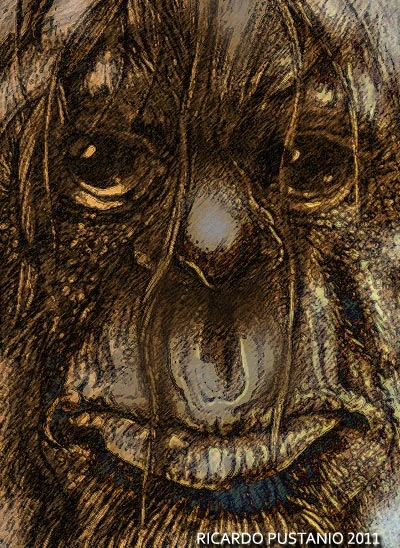
Honey Island Swamp and Its Monster
Standing over 7.5 feet tall and weighing between 400-500+ pounds, the Honey Island Swamp Monster — also known as the Louisiana Wookie — is said to be covered in a thick coat of matted gray or brown hair and swamp weed. Its yellow eyes are seemingly reptilian, and the smell it emits has been called the stench of death. This primitive creature has long been blamed for the deaths of livestock and the mysterious disappearances of children in adjacent areas. Popular lore in the region is that the Honey Island Swamp Monster might be the horrifying product of a union between a chimpanzee and an alligator. And in the darkly primordial swamplands that must look much the same now as they did thousands of years ago, the existence of almost any creature seems possible — no matter how ominous. One of the strangest legends surrounding the Honey Island Swamp Monster revolves around a train wreck which allegedly occurred near the Pearl River in the early part of the 20th century. According to this legend, the train was full of exotic animals from a traveling circus, which fled into the swamps after the train derailed. While most of the creatures would soon perish in the harsh swamp land, the legend goes on to tell us that a troop of chimpanzees managed to survive and even went as far as to interbreed with alligators. The result was a strange colony of reptilian like mammals. However, this is impossible, because monkeys and alligators cannot interbreed. The Honey Island Swamp Monster is alleged to have a foul stench like other cryptids specifically in the Hairy Hominids category (Bigfoot, Skunk ape, Missouri monster, etc.), possibly due to the marsh's natural smell.
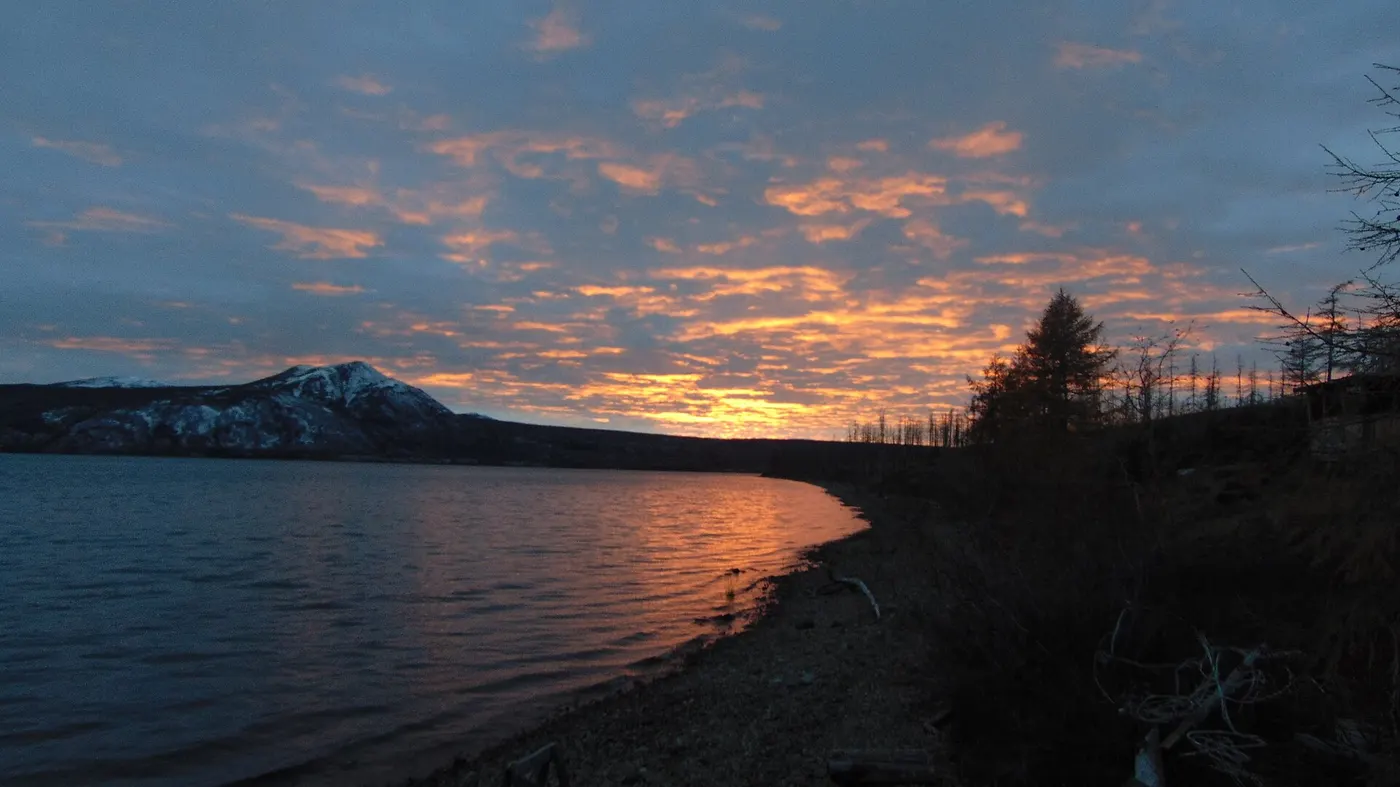
Jezioro Łabynkyr i jego diabeł
Jezioro w rejonie ojmiakońskim w Jakucji, jednym z najzimniejszych zamieszkanych miejsc na Ziemi. Tamtejsi Ewenowie mówią o diable od XIX wieku: ciemnym stworze o ogromnej paszczy, który porywa renifery i psy. Jezioro zachowuje się zimą osobliwie i utrzymuje otwartą wodę przy pięćdziesięciu stopniach mrozu. Wyprawy sonarowe rejestrowały przy dnie duże obiekty i żadna niczego nie wydobyła.
Komentarze
Zaloguj się, aby dodać komentarz
Jeszcze nie ma komentarzy. Bądź pierwszy.