 Mystical places in Peru
8 legends · 6 cities
Regions and cities
Department of Cusco2
Department of La Libertad1
Department of Lima1
Ica2
By kind of place
All places
The Ica Stones
From 1966 the Peruvian physician Javier Cabrera assembled more than fifteen thousand engraved andesite stones: men riding dinosaurs, heart transplants, telescopes. The collection became a mainstay of the whole literature of forgotten civilisations. They were supplied by a farmer, Basilio Uschuya, and in 1975 he told reporters he was carving them himself — the alternative was answering for trading antiquities. In 1977, for a BBC documentary, he engraved a fresh stone on camera with a dental drill and aged it with shoe polish and stove soot. Not one stone from the collection has ever been recovered from an archaeological layer.
Nazca and the Three-Fingered Mummies
Since 2017 Jaime Maussan has been exhibiting small pale bodies with elongated skulls and three fingers on each hand, said to come from a cave near Nazca — and in 2023 he exhibited them to the Mexican congress. Peruvian prosecutors seized part of the collection and in 2018 published a forensic report led by Flavio Estrada: dolls assembled from human and animal bones held together with modern adhesive, with animal skulls standing in for human ones. Peru's college of archaeologists and its ministry of culture demanded an investigation. The bodies are still on the conference circuit.
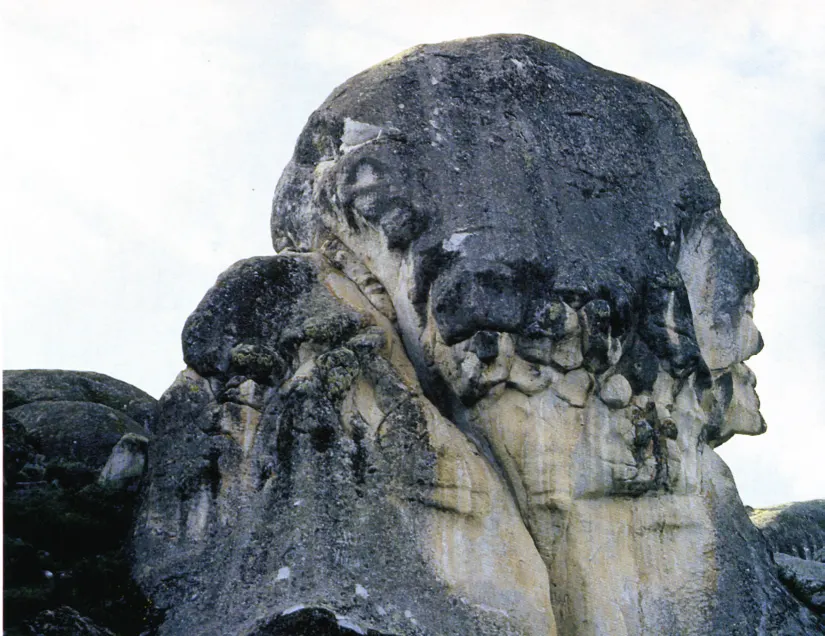
Marcahuasi and the Plateau of Stone Faces
A plateau at four thousand metres in the Peruvian Andes, strewn with weathered rocks in which faces and animal figures appear under the right light. The Peruvian researcher Daniel Ruzo announced in the 1950s that they were the work of an ancient civilisation; geologists hold the shapes to be erosion and the resemblance to be the work of human eyesight. From the 1970s the plateau became a place for esoteric groups to camp, and reports of lights arrived with them. They have been described here for decades, and Marcahuasi is a fixture on Peruvian lists of sighting sites. It can only be reached on foot or on horseback, the nights are cold, and most of the observations were made by people who came for them.
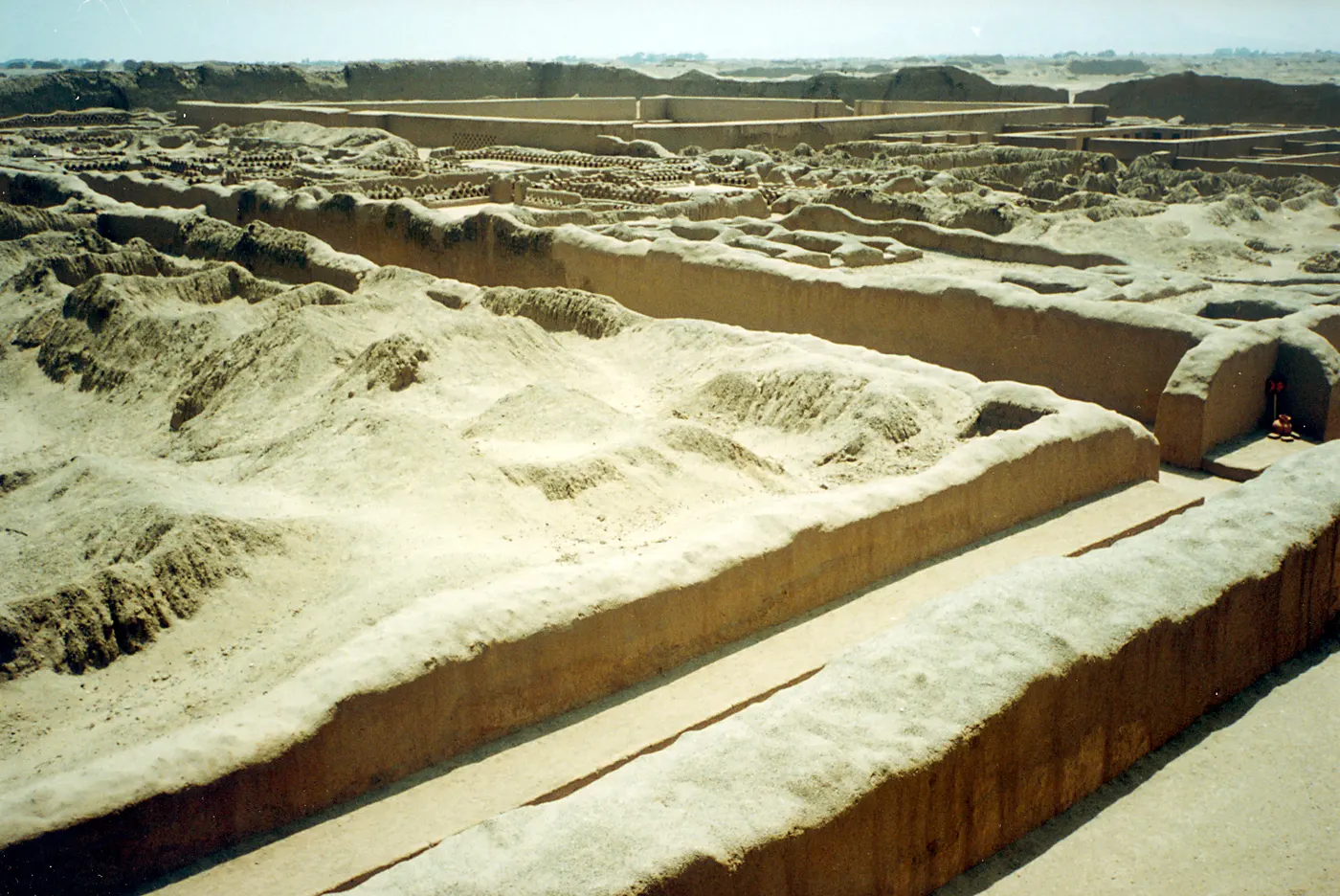
Chan Chan
The largest adobe city in the world: twenty square kilometres of mudbrick walls, capital of the Chimú kingdom until the Inca took it around 1470. The walls carry reliefs of sea creatures and waves. In 2018 a burial was found here containing the remains of more than a hundred and forty children and two hundred llamas — the largest known child sacrifice in history, made, judging by the silt layers, during a flood.
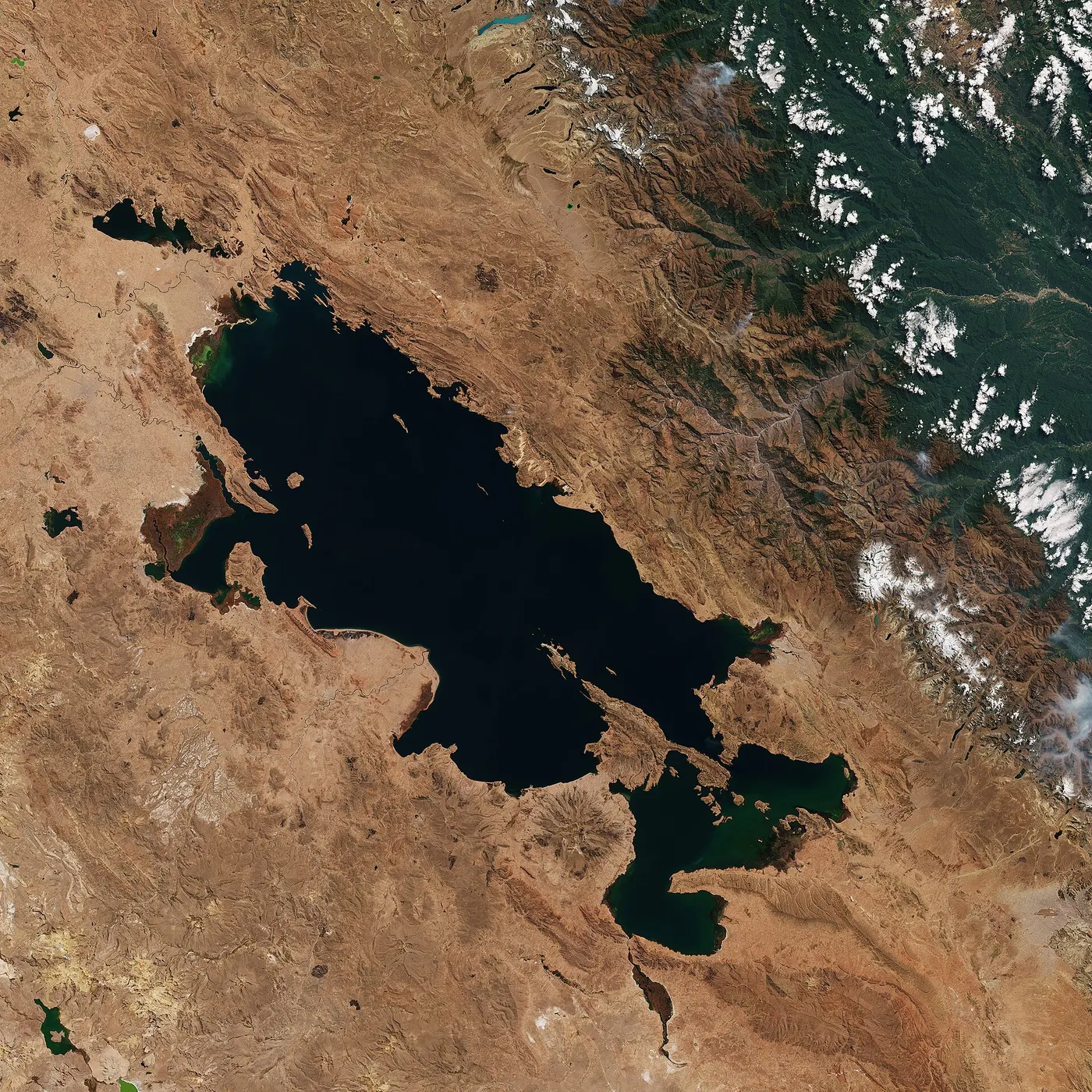
Lake Titicaca
The highest navigable lake in the world, on the Peru–Bolivia border, from which Inca tradition has Manco Cápac emerging to found their empire. In 2000 an underwater expedition found a stone terrace and a wall some eight hundred metres long on the bed near the Island of the Sun — pre-Inca Tiwanaku construction, now submerged. Offerings are still recovered from the bottom: gold figurines, incense, llama bones.
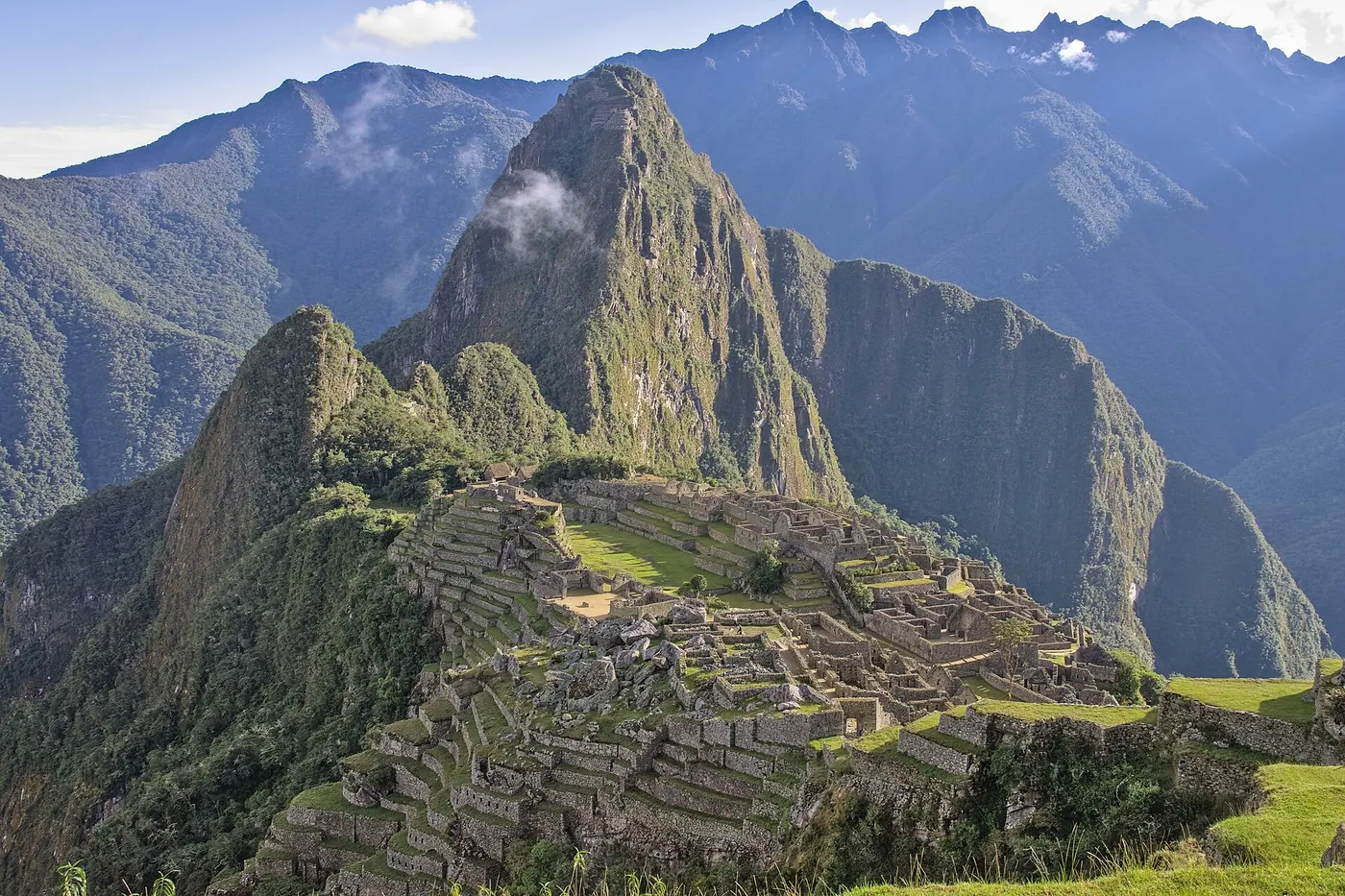
Machu Picchu
An Inca city on the saddle between two peaks at eight thousand feet, built around 1450 and abandoned perhaps a century later — probably to smallpox, which arrived ahead of the Spaniards themselves. The conquistadors never reached it and never learned it was there. The stones are fitted without mortar so closely that a knife blade will not go between them, and the Intihuatana, a carved pillar, casts almost no shadow at the solstices.
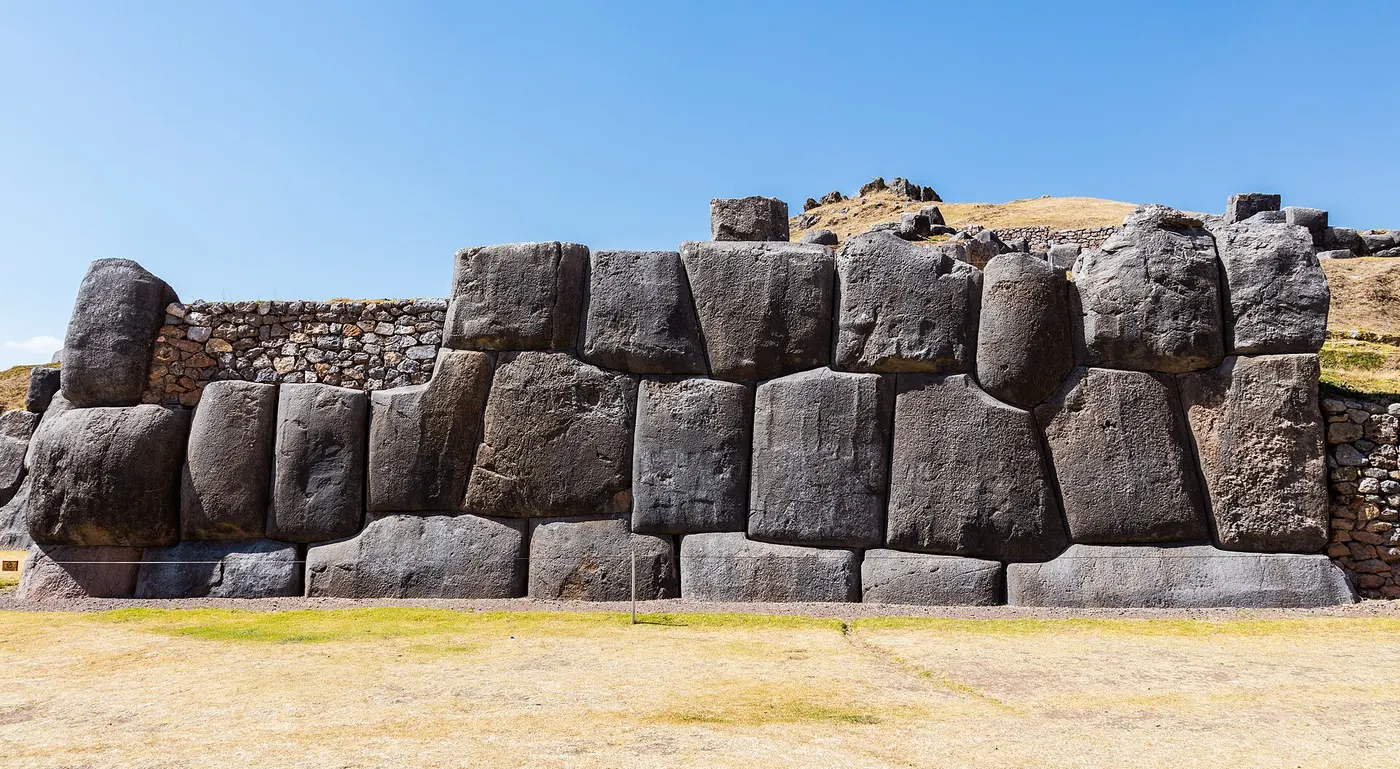
Sacsayhuamán
An Inca fortress above Cusco, built from multi-tonne blocks fitted together without mortar so tightly that a knife blade will not pass between them. How they were shaped and lifted is still debated.
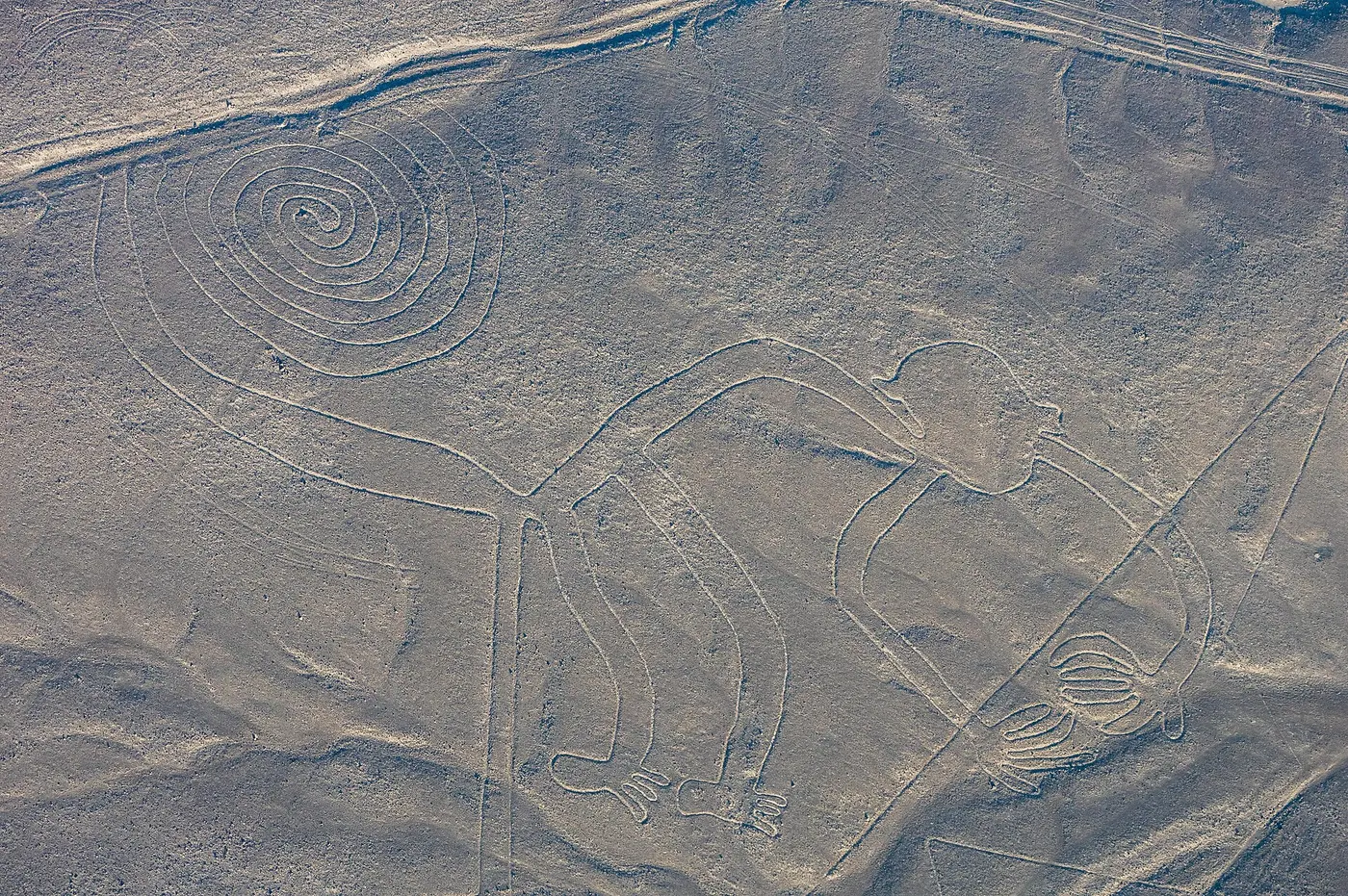
Nazca Lines
Giant geoglyphs etched into the desert of southern Peru more than 1,500 years ago. The animal figures and geometric patterns are only fully legible from the air — their purpose is still unresolved.