Urban Legends — a map of mystical and anomalous places
A map of mystical and anomalous placesAbandoned buildings, anomalous zones, UFO sightings, ghost encounters and urban legends from around the world — on one map, every place graded for danger.
Picks from the catalogue
View all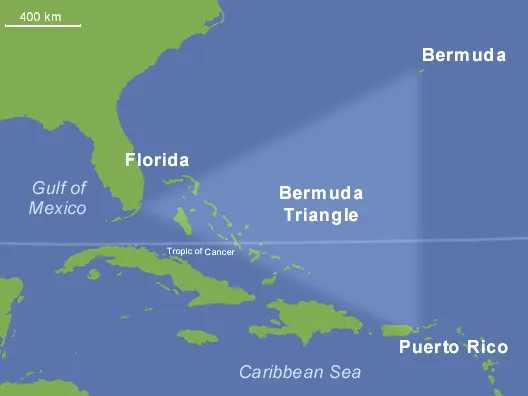
Bermuda Triangle
The Bermuda Triangle (also known as the "Devil's Triangle") is a loosely defined oceanic region in the western North Atlantic, conventionally demarcated by points connecting the Bermuda archipelago, Miami (Florida), and San Juan (Puerto Rico). Encompassing an area of roughly 1 to 1.5 million square kilometers, the sector encompasses the Florida Straits, the Bahamas, and portions of the Sargasso Sea. Throughout the latter half of the 20th century, the zone became the premier global archetype of maritime and aviation lore, reputed across popular culture for the unexplainable disappearance of dozens of vessels and aircraft.
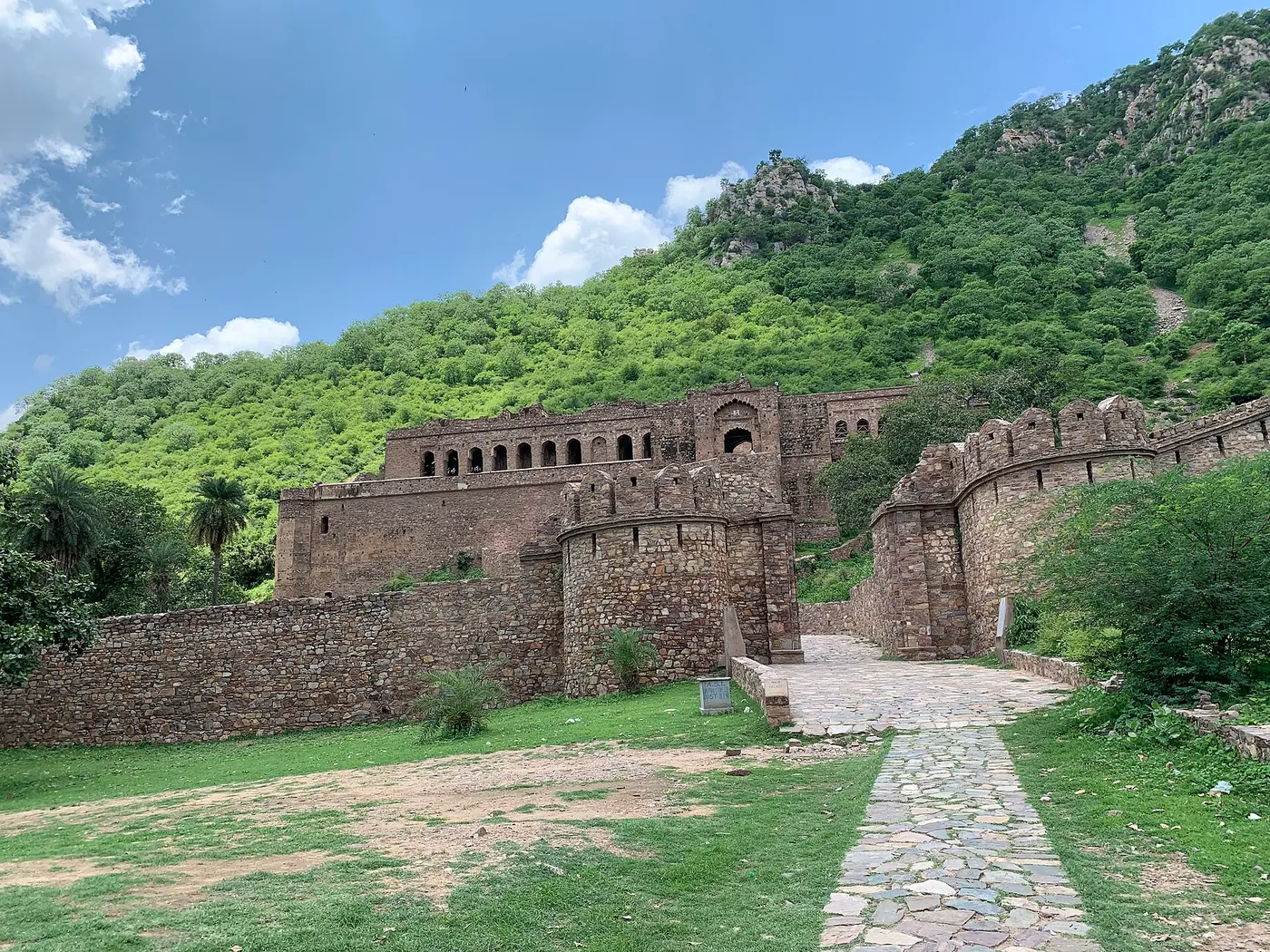
Bhangarh Fort
Bhangarh Fort is a monumental late-16th- to early-17th-century abandoned fortified city located in the Alwar district of Rajasthan, India, situated at the base of the Aravalli Range bordering the Sariska Tiger Reserve. Encompassing the ruins of a multi-tiered royal palace, stone bazaars, defensive bastions, and ornate Hindu temples, the complex is designated as a Monument of National Importance by the Archaeological Survey of India (ASI) and is globally famous as "the most haunted place in Asia."
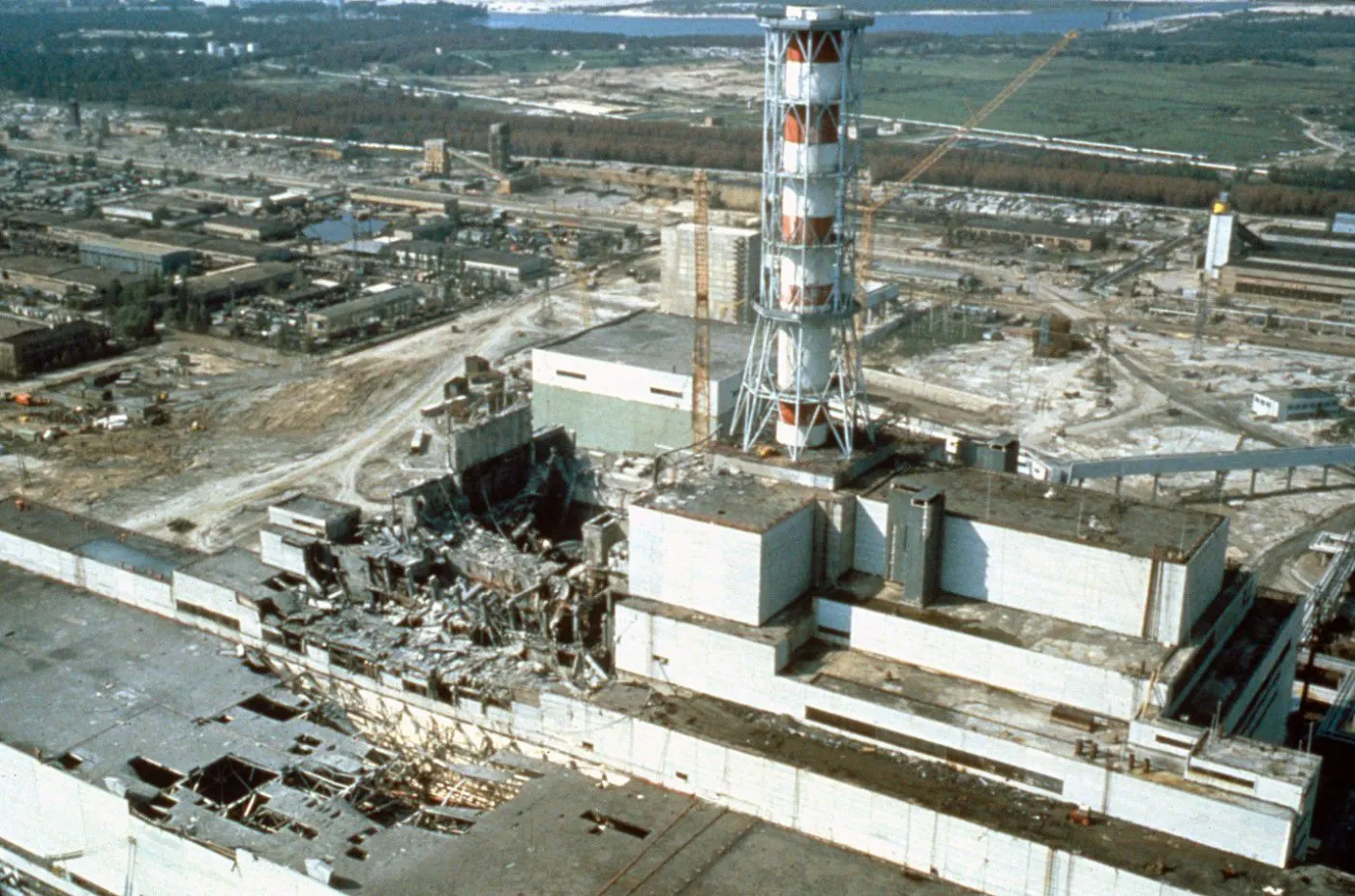
The Chernobyl Nuclear Power Plant
The Chernobyl Nuclear Power Plant (officially the V. I. Lenin Nuclear Power Station, or ChNPP) is a decommissioned nuclear energy facility located in the Vyshhorod Raion of Kyiv Oblast, Ukraine, along the Pripyat River and a man-made cooling reservoir, roughly 3 kilometers southeast of the abandoned city of Pripyat and 18 kilometers northwest of Chernobyl. On April 26, 1986, the site suffered the most catastrophic reactor breach in nuclear history (Level 7, the maximum on the INES scale), which destroyed Reactor Unit 4. Today, ChNPP is a specialized decommissioning site enclosed by the monumental New Safe Confinement arch structure.
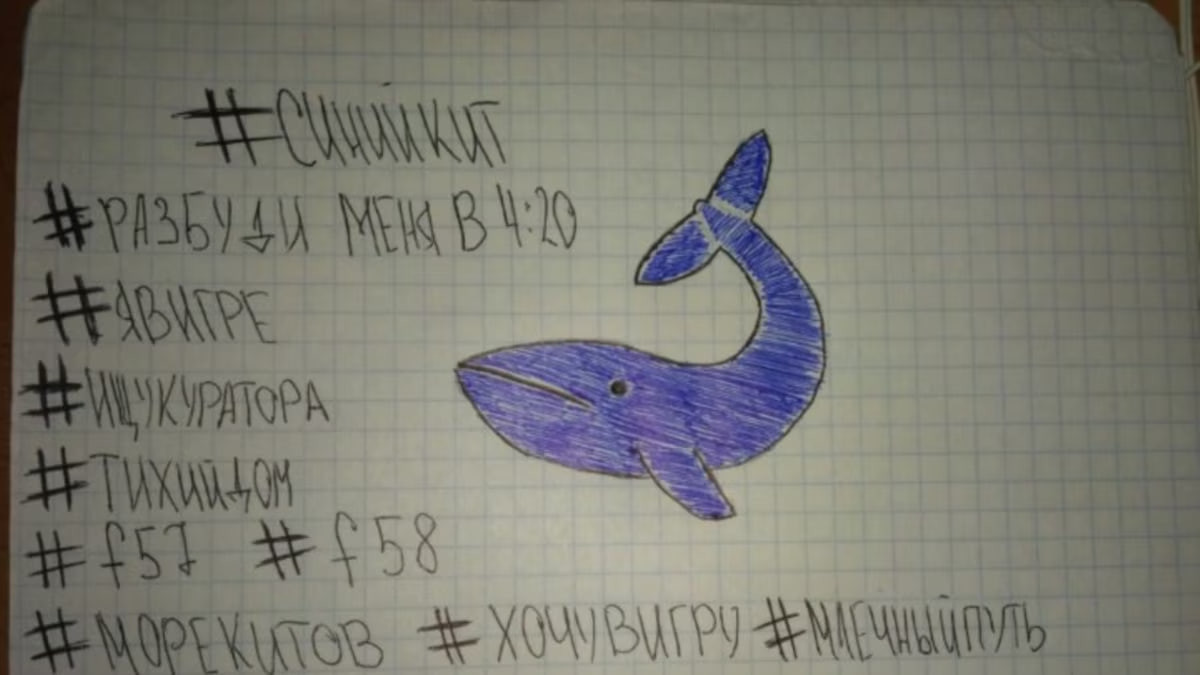
The "Blue Whale"
The "Blue Whale" phenomenon (also known as "Death Groups," "f57," "Quiet House," or "Wake Me Up at 4:20") is a viral digital urban legend, an international moral panic, and a destructive social-media alternate reality game (ARG) that originated within the Russian-speaking web (principally the VKontakte platform) in late 2015. Between 2016 and 2017, the narrative of a clandestine syndicate of online "curators" systematically coercing hundreds of teenagers into self-harm across a 50-day sequence triggered massive public panic, prompted reforms in Russian criminal law, and gained global infamy as a supposed worldwide cyber threat.
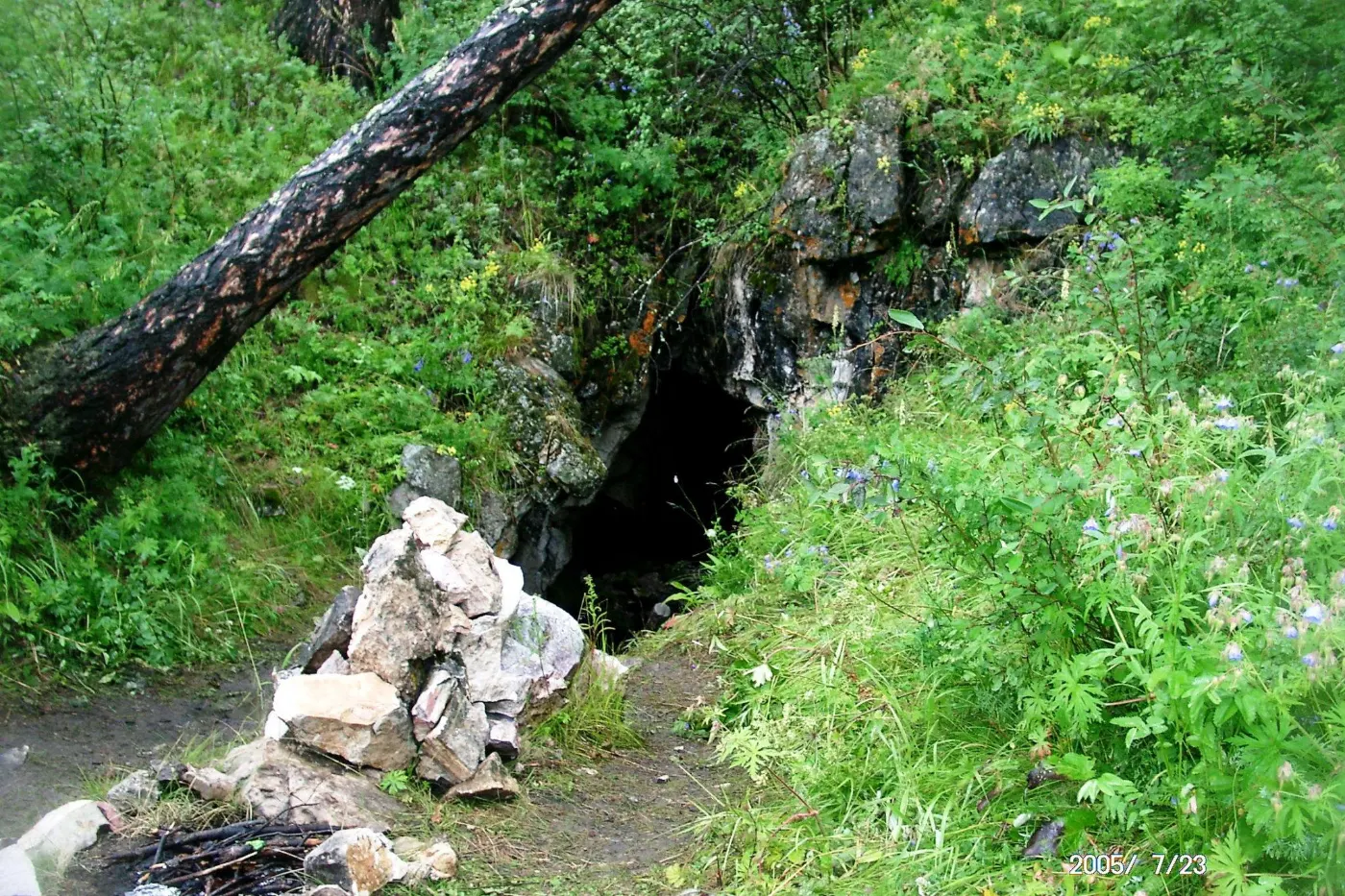
Kashkulak Cave
Kashkulak Cave (colloquially known as the "Cave of the Black Devil" or the "White Shaman's Cave") is a karst cavern system in the Batenevsky Ridge of the Kuznetsk Alatau mountains, situated in the Shirinsky District of Khakassia, Russia. Featuring a three-tier network of galleries descending to a depth of 49 meters with over 800 meters of mapped corridors, the site earned notoriety in the late Soviet period as an anomalous subterranean hotspot where explorers and scientists experienced acute panic attacks, disorientation, and waking hallucinations.
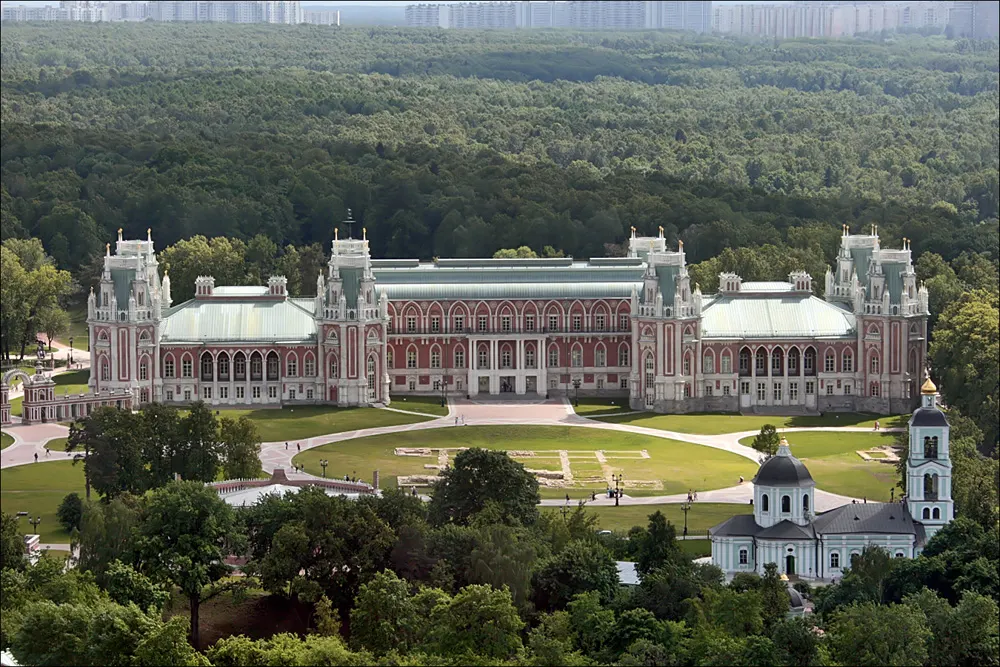
Tsaritsyno and the Rejected Palace
The Tsaritsyno State Historical, Architectural, Art and Landscape Museum-Reserve is an expansive imperial palace and park estate in southern Moscow, commissioned in 1775 by Empress Catherine the Great. It stands as Europe's largest complex built in the Russian Gothic (pseudo-Gothic romanticism) style and represents one of the most dramatic architectural sagas in Russian history: the nearly completed grand residence was abruptly rejected and ordered dismantled by the Empress herself, leaving the site as a romantic, unfinished ruin for more than two centuries.
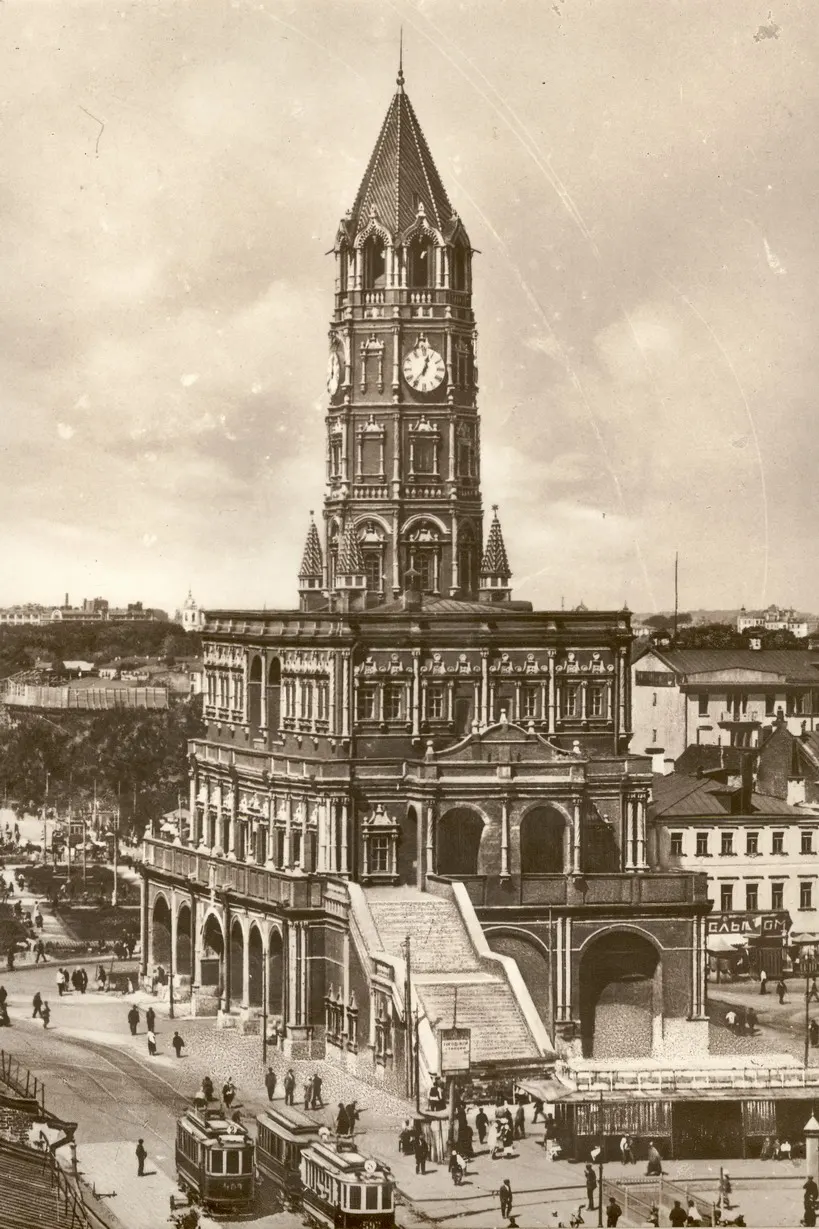
The Sukharev Tower and Jacob Bruce
The Sukharev Tower was a masterpiece of late-17th-century Russian civil architecture, formerly standing at the junction of Moscow's Garden Ring, Sretenka Street, and Prospekt Mira. Commissioned by Peter the Great and designed in the ornate Naryshkin Baroque style, the 60-meter-tall red-and-white monument functioned as a ceremonial city gate, the administrative birthplace of the Russian Imperial Navy, and the nation’s first astronomical observatory. In folk memory, the landmark is permanently tied to one of Peter's closest intellectual confidants, Field Marshal Jacob Bruce, who was mythologized as the supreme warlock and sorcerer of the Russian Empire.
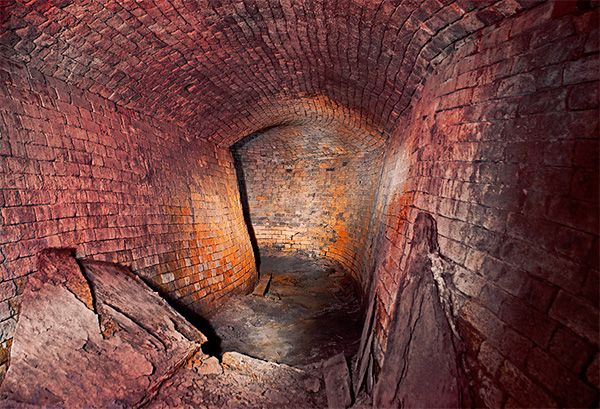
The Library of Ivan the Terrible
The Lost Library of Ivan the Terrible (known in Russian as the "Libereya") is a legendary repository of ancient classical and Byzantine manuscripts, parchment scrolls, and codices purportedly assembled by Russia's first crowned Tsar, Ivan IV. Popular mythology claims this priceless collection of ancient Greek, Latin, and Hebrew literature was sealed away inside subterranean brick vaults beneath the Moscow Kremlin, the Alexandrov Kremlin, or the royal estate of Kolomenskoye, standing for four centuries as one of the world's most sought-after literary grails.
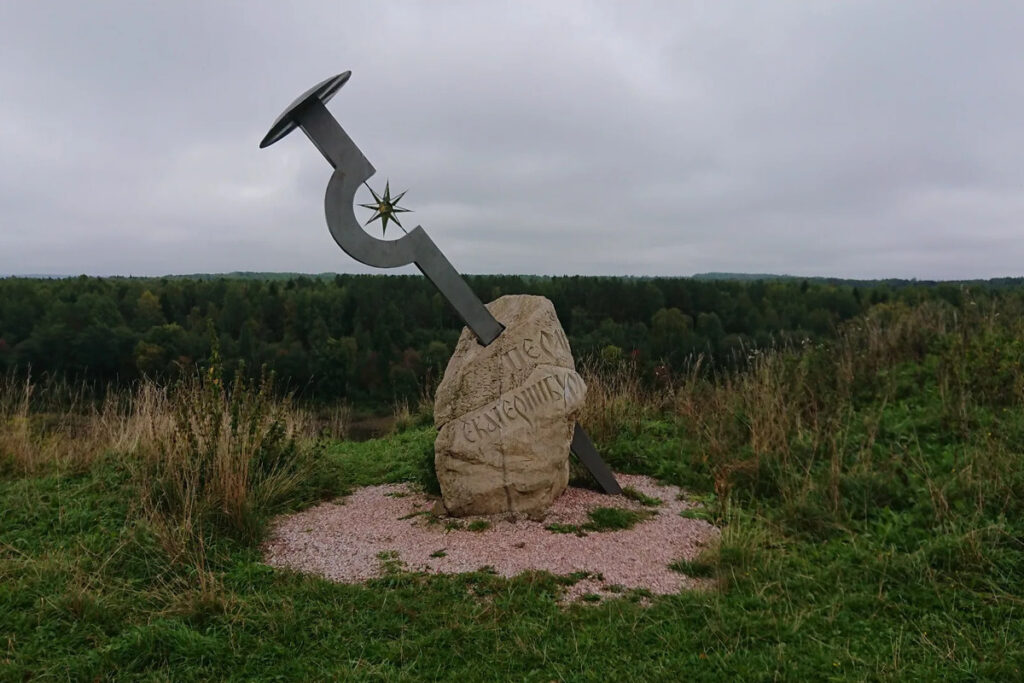
The Molebka Triangle
The Molebka Triangle (also known as the M-Zone or the Perm Anomalous Zone) is a geographic area spanning roughly 70 square kilometers in the Kishertsky District of Perm Krai, Russia, situated along the Sylva River near the historic village of Molebka. In the late 1980s, this remote pocket of Ural taiga transformed into the Soviet Union's first and most famous recognized "paranormal zone," becoming a global epicenter for UFO tourism and ufological expeditions.
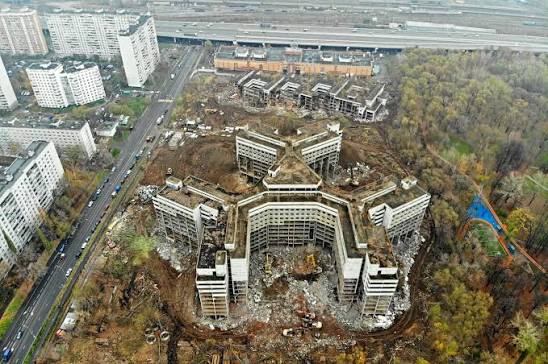
The Khovrino Hospital
The Khovrino Abandoned Hospital (colloquially known as "HZB" or "The Umbrella") was a notorious Soviet mega-scale unfinished complex, formerly situated at 2 Klinskaya Street in the Khovrino District of northern Moscow. Built in a monumental modernist and brutalist architectural style, the 1,300-bed facility famously formed a three-pointed star from the air that precisely mirrored the international biohazard symbol and the Umbrella Corporation insignia from Resident Evil. For over three decades, the derelict complex served as the ultimate urban exploration mecca in post-Soviet Russia, cultivating extensive dark urban mythology before its complete demolition in late 2018.
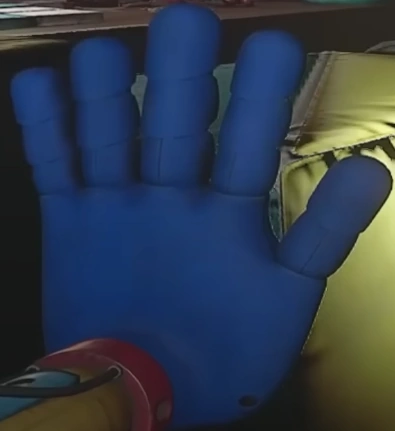
The Blue Hand
The Artek International Children's Center (formerly the All-Union Pioneer Camp Artek) on the southern coast of Crimea near Gurzuf. Covering over 200 hectares beneath the slopes of Bear Mountain (Ayu-Dag), the world's largest youth camp complex functioned as the primary creative incubator for Soviet children's oral folklore. Here, around evening campfires and along the Black Sea shore, the quintessential Soviet camp creepypasta—the tale of the "Blue Hand"—was honed and passed down across generations.
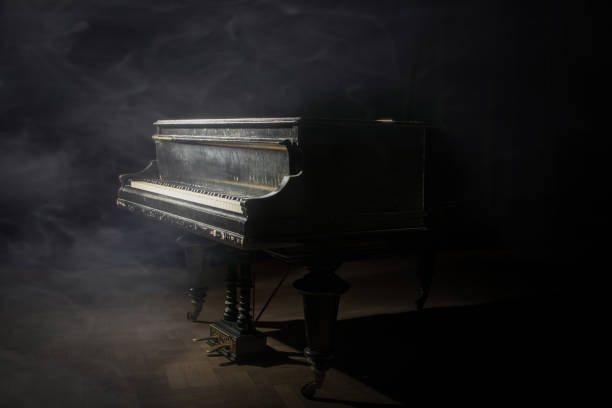
The Black Grand Piano
Children's music schools, assembly halls of Soviet pioneer camps, and youth pioneer palaces (anchored symbolically by the Moscow Pioneer Palace on Sparrow Hills). Within Soviet juvenile subculture of the 1970s and 1980s, the classical instrument of bourgeois prestige and musical education transformed into the central artifact of an iconic urban horror legend: the "Black Grand Piano" (or "Black Upright"), which secretly drained the blood of young musicians.
What this map is
Urban Legends is an interactive map of mystical, anomalous and paranormal places: 494 legends across 69 countries. Abandoned buildings and zones with a bad name, UFO sightings, ghost encounters, cryptids and urban legends — all of it pinned to coordinates, and every pin opens into the whole story.
Every place carries a danger level, a six-step colour code from white to black. It says nothing about how interesting a place is; it says what the accounts promise someone who goes there. White marks an invention with a known author, black the places where the count is still open.
The catalogue is sorted by kind of place, by country and by city. Places are sent in by readers and checked before they are published, and the site reads in five languages. What is true here, what is legend, and how to add a place of your own — see the frequently asked questions.