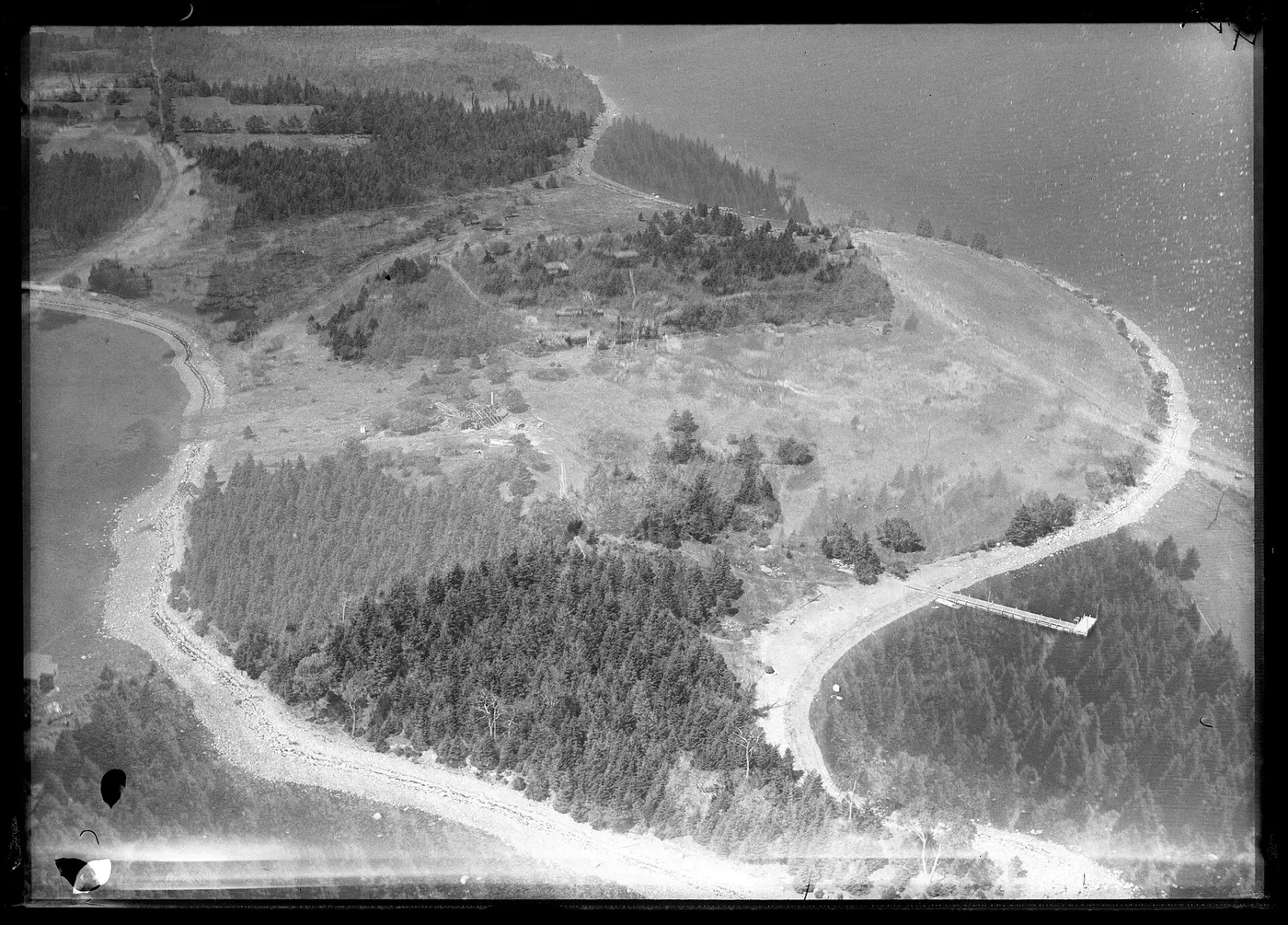
The Oak Island Money Pit
Oak Island is a small, 140-acre tree-covered island situated in Mahone Bay off the Atlantic coast of Nova Scotia, Canada. The island achieved global renown as the site of the "Money Pit"—an enigmatic subterranean shaft where treasure hunters, syndicates, and media ventures have spent hundreds of years and millions of dollars conducting the longest, most expensive treasure hunt in modern history.
The legend
Danger Level: Orange (According to lore and excavation records, treasure hunters have died) In 1795, young Daniel McGinnis spotted a circular depression beneath an ancient oak tree bearing an old ship’s tackle block. Digging down, he and his companions unearthed tiered oak log platforms every ten feet, along with layers of charcoal, putty, and tropical coconut fiber. At a depth of 90 feet, workers reportedly found a carved stone bearing an inscription decoded as: "Forty feet below, two million pounds lie buried." Shortly after, the pit catastrophically flooded with seawater, sparking claims of elaborate booby-trapped flood tunnels engineered from nearby Smith's Cove. Lore links the supposed cache to Knights Templar relics, Captain Kidd’s pirate bounty, Marie Antoinette’s jewels, or missing Shakespearean manuscripts. A chilling island prophecy claims seven searchers must die before the treasure is found (six documented deaths have occurred to date).
What actually happened?
Geologists and scientific skeptics attribute the original pit to a natural karst sinkhole. Oak Island's bedrock consists of soft limestone and gypsum (anhydrite), which dissolve in groundwater to create deep, unstable sinkholes that swallow surface soil and trees. The alleged "man-made booby-trap flood tunnels" are natural subterranean cavern systems connected to Mahone Bay that fill with seawater at high tide. The presence of coconut fiber is easily explained by its standard historical use as protective ship ballast and cargo dunnage on transatlantic merchant routes. Over two centuries of bulldozing, heavy shaft-drilling, and dynamite blasting obliterated the original stratigraphy, leaving modern searchers to endlessly rediscover timber and debris left behind by earlier expeditions. The famous "90-foot inscribed stone" vanished without a single surviving rub or photograph, likely invented by the 19th-century Onslow Syndicate to solicit private investor capital.
History
Organized excavation efforts began in 1795 and expanded through successive syndicates, including the Onslow Company, the Truro Syndicate, and multiple 19th-century investment ventures. Industrial accidents claimed six lives over the decades due to boiler explosions, toxic gasses, and shaft collapses. In 1909, a young Franklin D. Roosevelt invested in and visited the search operations. The mystery saw a massive modern resurgence in the 21st century after Michigan brothers Rick and Marty Lagina purchased controlling interest in the island, turning their high-tech drilling operations into the long-running reality television series "The Curse of Oak Island."
Where is it?
Mahone Bay, Lunenburg County, Nova Scotia, Canada; Oak Island (approximately 45 miles / 70 km southwest of Halifax).
Can you visit?
Partially yes. The island is connected to the mainland by a private causeway built in 1965. The majority of the territory is privately owned by Oak Island Tours Inc. During the summer tourist season (typically May to October), the Oak Island Interpretive Centre operates museum exhibits and hosts ticketed guided tours. However, unguided wandering, trespassing across the causeway, or approaching the active heavy-machinery excavation area around the Money Pit is strictly prohibited and patrolled by security.
The Hindu Milk Miracle
On the morning of 21 September 1995 word went round Delhi that statues of Ganesha were drinking milk from a spoon. By midday milk was being offered to images all over India, and then in temples in Britain, Canada and Nepal; Delhi sold out of milk and the traffic stopped. That same day India's Ministry of Science and Technology sent a team to the temples, which showed that the milk leaves the spoon through surface tension and the capillary action of porous stone and marble, and then runs down the statue in a thin film. When food colouring was added to the milk the trace became visible over the whole figure. By the evening of the next day the phenomenon had stopped of itself.
Comments
No comments yet. Be the first.