 Mystical places in Kazakhstan
5 legends
Regions and cities
Kyzylorda Region1
By kind of place
All places
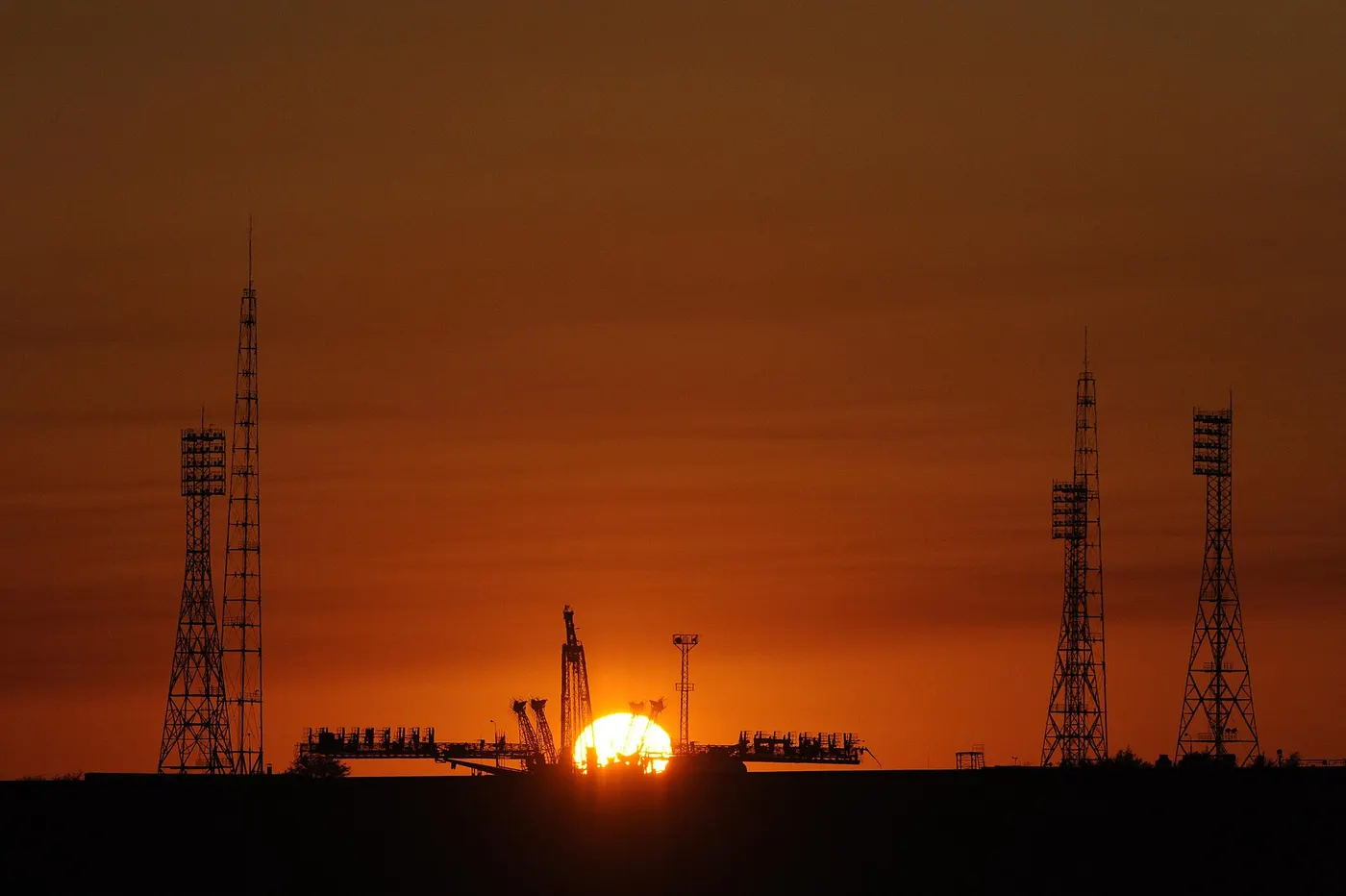
Baikonur and a Sky Full of Explanations
The Baikonur Cosmodrome in the Kyzylorda Region of Kazakhstan is the world's first and largest operational spaceport, long surrounded by reports and rumors of unidentified flying objects. Particular intrigue surrounds accounts by Soviet military personnel and rocket engineers describing glowing spheres, discs, and light beams observed over launch pads and ballistic missile silos.
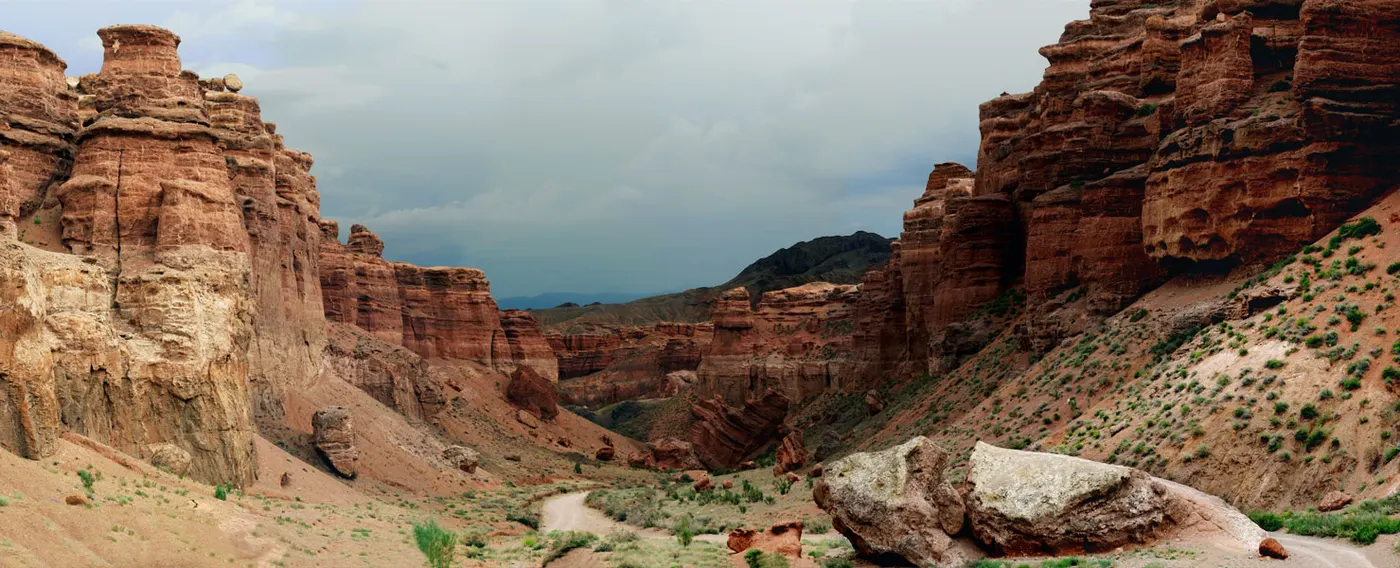
The Charyn Canyon
Charyn Canyon is an immense natural gorge system extending roughly 154 kilometers along the Charyn River within the Charyn National Natural Park in southeastern Kazakhstan (approximately 195 kilometers east of Almaty). Its most famous section, the "Valley of Castles" (spanning 2 kilometers with sheer walls dropping 150 to 300 meters), features striking layers of ochre-red sedimentary sandstone and conglomerate weathered into the shapes of towering towers, fortress parapets, and ruined ramparts, earning it global recognition as a Central Asian sibling to the American Grand Canyon.
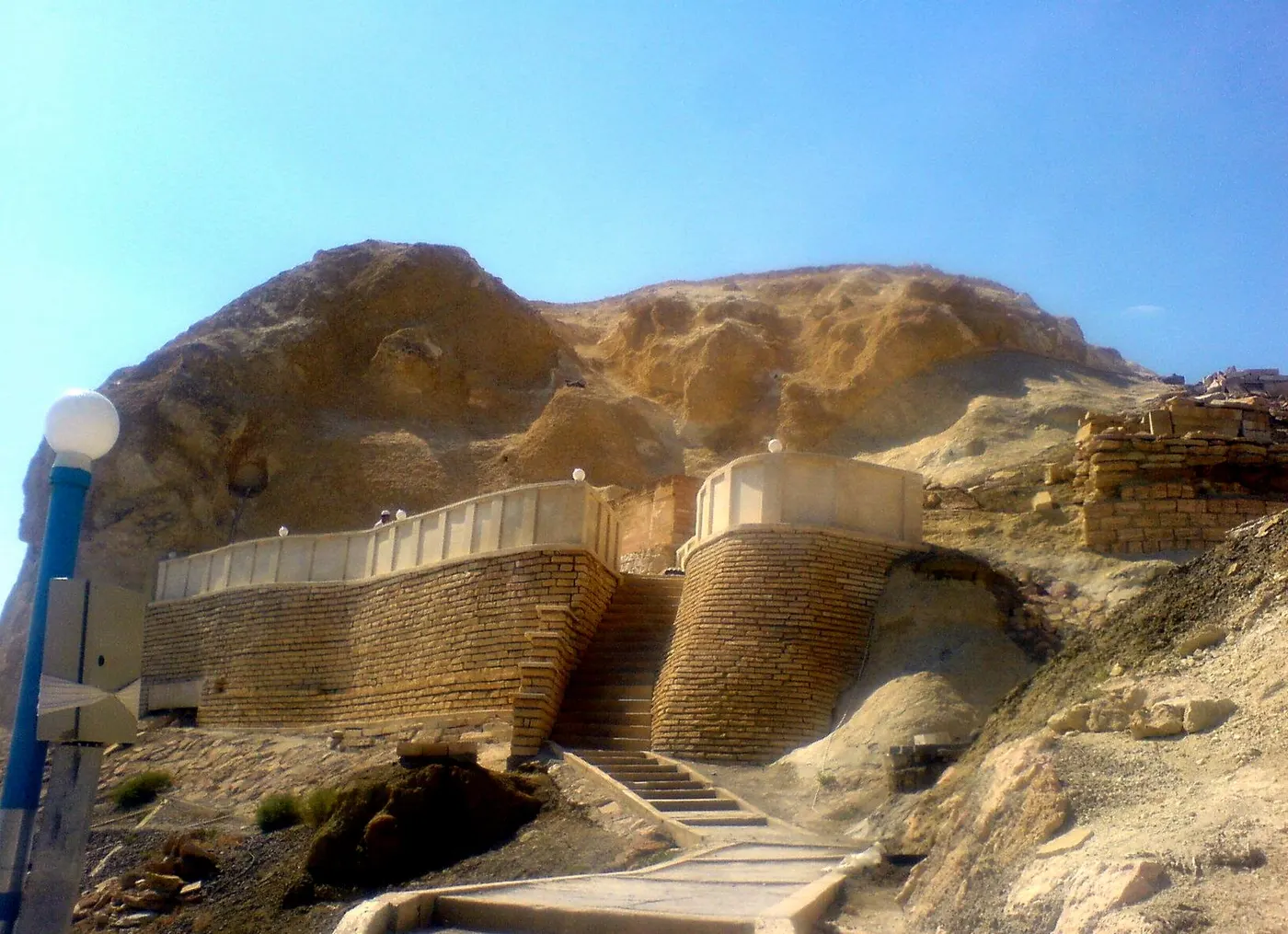
Mangystau
A region on the eastern shore of the Caspian where chalk outliers stand in the desert like the ruins of cities, and ridges of perfectly round stone spheres emerge from the ground — concretions up to three metres across. Beket-Ata is here too, an underground mosque cut into a chalk hill by a Sufi preacher in the eighteenth century; a steady stream of pilgrims comes to it, and tradition requires the night before a visit to be spent in the neighbouring valley.
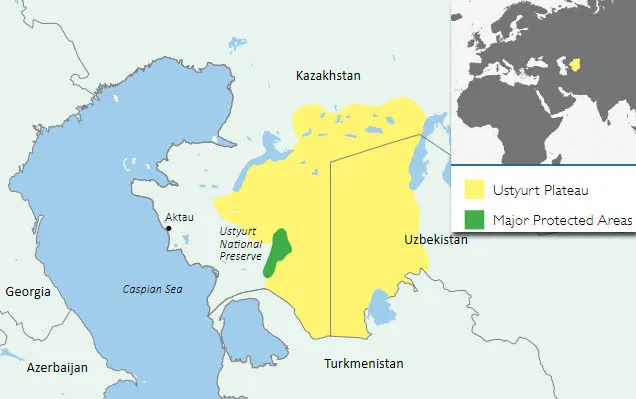
The Ustyurt Plateau
A stony desert between the Caspian and the Aral, breaking to the plain in escarpments a hundred and fifty metres high. From the air the Ustyurt arrows are visible — stone-built structures up to a kilometre long, noticed only in aerial survey in the 1980s. They are read as drive-hunting traps, but who built them is disputed, and estimates of their age run into thousands of years. The place is empty enough that several ungulate species presumed extinct were found here.
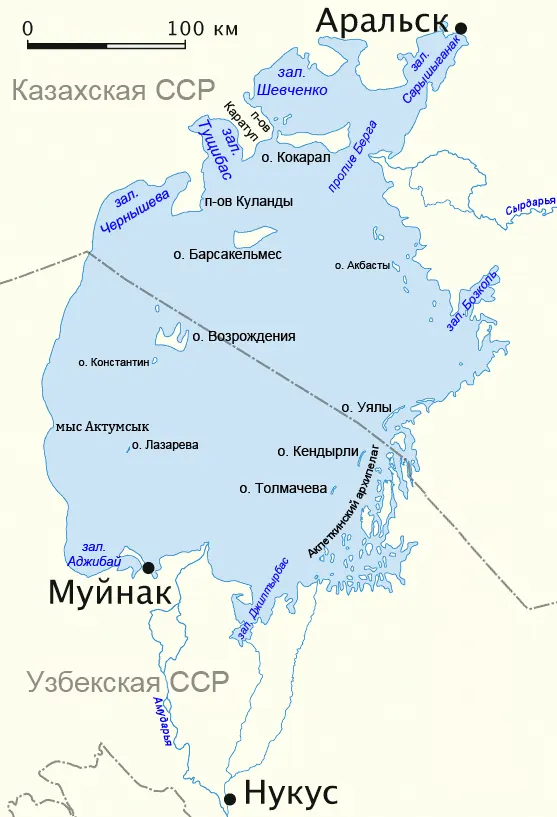
Barsa-Kelmes
A former island in the Aral Sea whose Kazakh name means "go and you will not return". As the sea retreated it stopped being an island and became part of a salt desert. In Soviet times it carried stories of time slips: people who left for a day and came back weeks later, watches running behind. They ran in the magazine Tekhnika — Molodyozhi in the 1980s, which is where they spread from. No instrumental confirmation ever appeared, and the place has since become a monument to an ecological catastrophe instead.