 Ghost sightings — Japan
Ghost sightings — Japan. 6 places in the catalogue, each with coordinates, the story behind it and a danger level from white to black.
Teke Teke
The upper half of a woman's body, moving on its elbows with the clattering sound the legend is named for. The story makes her a schoolgirl cut in two by a train. Its persistence has a simple explanation: in a country with the densest railway network in the world everyone has a level crossing of their own where the legend becomes local. Like most Japanese urban legends of the later twentieth century it spread by word of mouth through schools, long before the internet.
Aka Manto: red paper or blue
Another inhabitant of Japanese school toilets, and the cruellest in construction. A voice from the last cubicle asks which paper you want, red or blue. Choosing red means one thing, blue another, and both are bad; refusing to answer, in most versions, does not save you either. The legend is interesting because it is built as a trap with no exit: there is no right answer, and that is the point — it is the shape of a fear of being asked something you cannot answer correctly.

Hanako-san of the school toilet
Restrooms of elementary and junior high schools across Japan (conventionally the third stall on the third floor of the girls' lavatory). Hanako-san (Toire no Hanako-san / "Hanako of the Toilet") is the definitive supernatural entity of modern Japanese school folklore (gakkō no kaidan). Emerging during the post-war decades, the spectral figure evolved into a ubiquitous national myth, synthesizing ancient Shinto animism, the collective trauma of World War II air raids, and adolescent rituals of courage testing (kimodameshi).
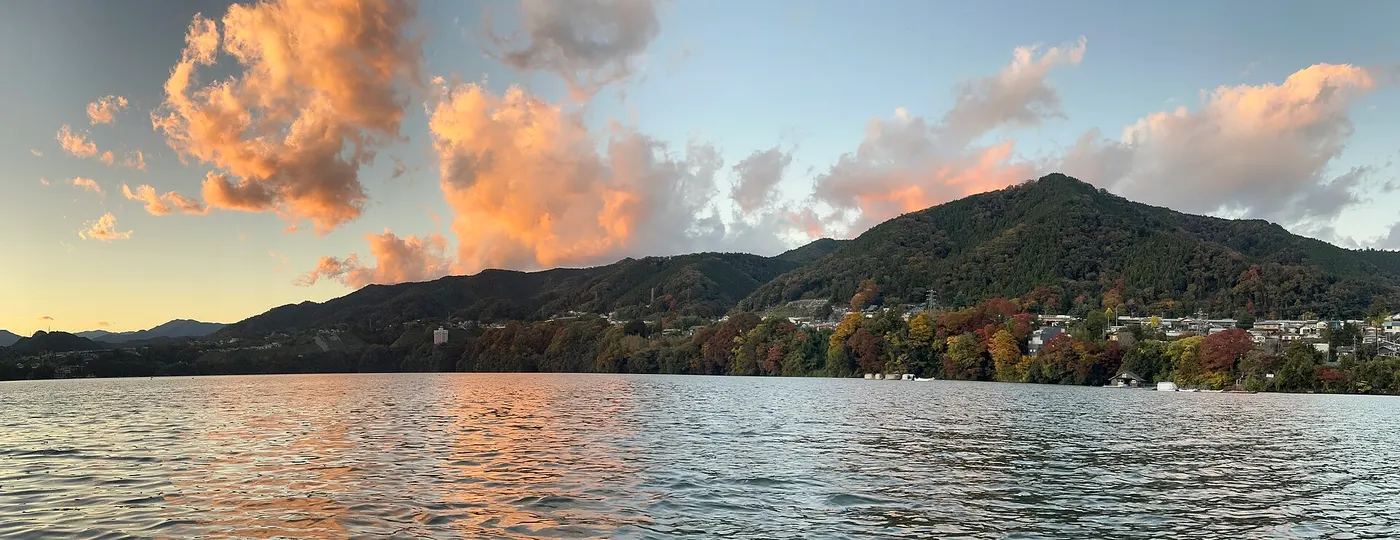
Lake Sagami
An artificial lake in Kanagawa Prefecture, made in 1947 by flooding a valley — houses and a stretch of road remain beneath the water. It was the first reservoir built in Japan after the war. It has acquired a reputation as a place people do not come back from: drownings and suicides here run notably above average, and local accounts tie that to the drowned village.
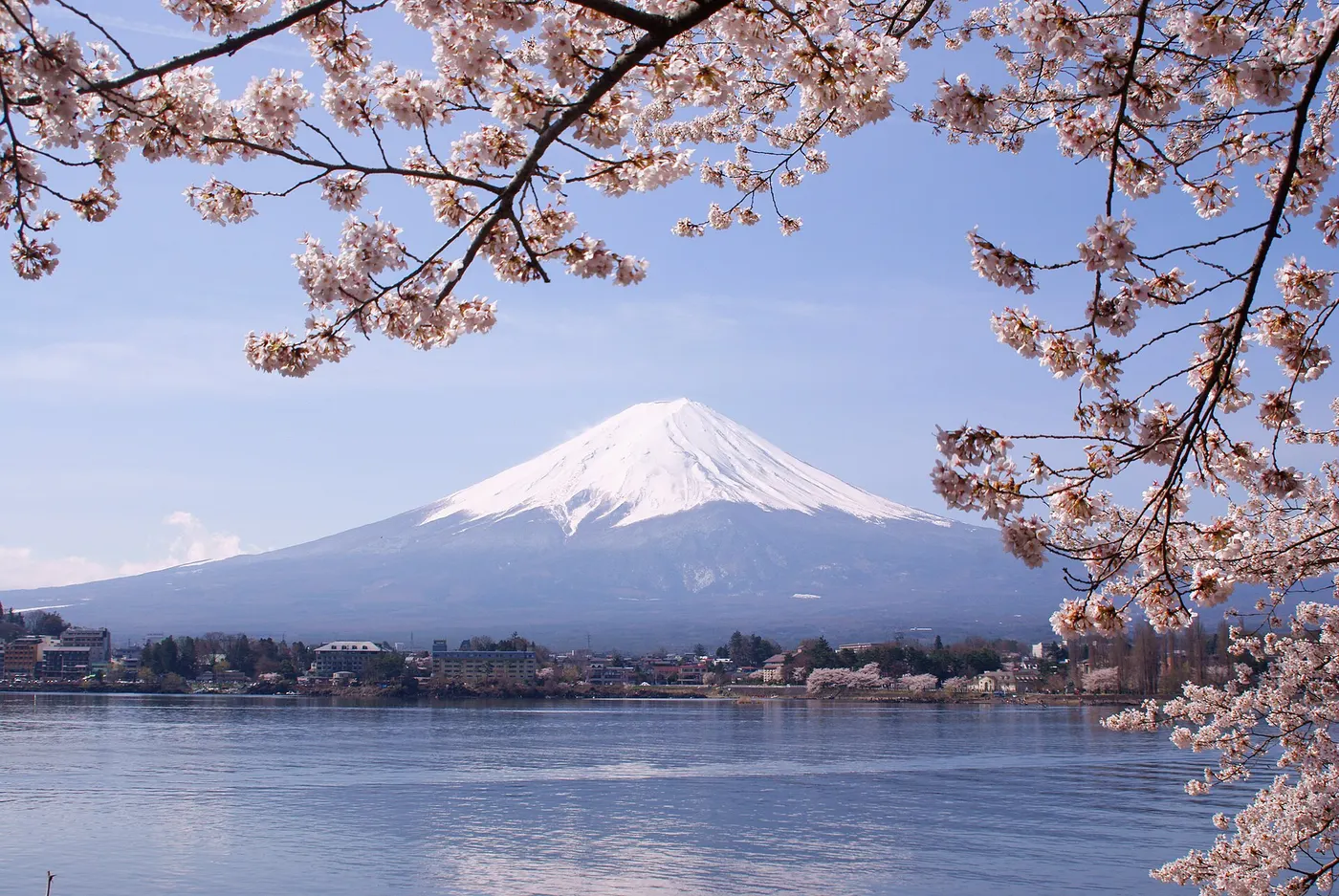
Oiran Buchi
A gorge in Yamanashi Prefecture attached to one of Japan's grimmer traditions. In the sixteenth century, the account goes, when the Kurosawa gold mine was closed, fifty-five courtesans who knew the layout of the workings were led onto a suspended platform above the river — and the ropes were cut. There is nothing to confirm it historically, but the site is formally treated as a place of remembrance, and the bridge has the reputation to match.
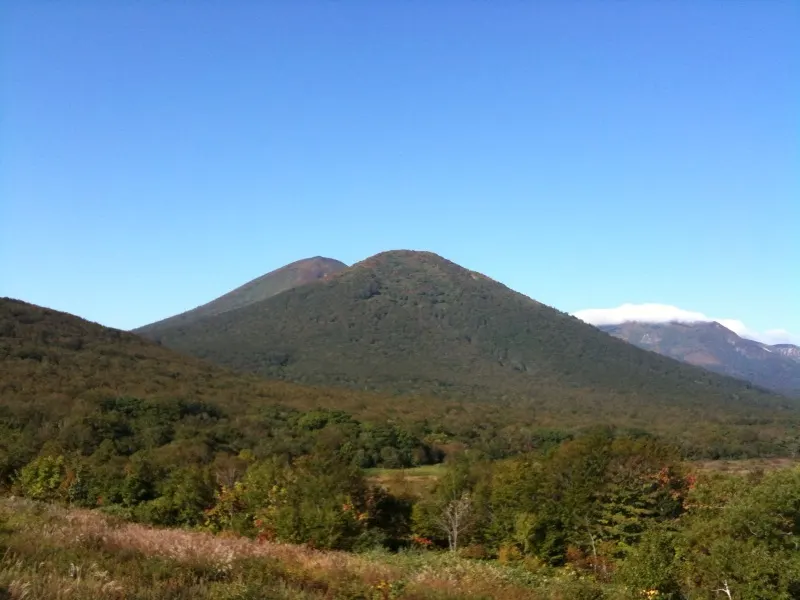
The Hakkōda Mountains
Mountains in northern Honshū where, in January 1902, an army unit was almost wiped out on a training march: of two hundred and ten men, eleven survived. A blizzard of exceptional force caught them and some froze standing up. It remains the worst disaster in the history of mountain travel. The place is called one of the bleakest in Japan, and accounts of meeting soldiers on the trail are unremarkable here.