 Ghost sightings — Russia
Ghost sightings — Russia. 5 places in the catalogue, each with coordinates, the story behind it and a danger level from white to black.
The White Caver
The underground counterpart of the Black Climber, known to everyone who goes into caves across the former Soviet Union. What makes him white is calcite, settled on his clothes over years below ground. Meeting him traditionally means the party has lost the route. Cavers have a half-joking initiation rite for newcomers in which he is described — a rare case of folklore whose carriers know perfectly well it is folklore, and which is none the weaker for it.
The Black Climber
A figure in black who appears in the mountains: in some accounts he helps the lost, in others he leads them off the path. The legend is common to Soviet mountaineering as a whole and has been recorded in the Caucasus, the Tian Shan and the Pamirs; each region has its own version of who he was in life — usually somebody who was abandoned on a rope. The story has a practical point, and it explains its durability: it says out loud what actually happens in mountains, and what that world fears more than dying.
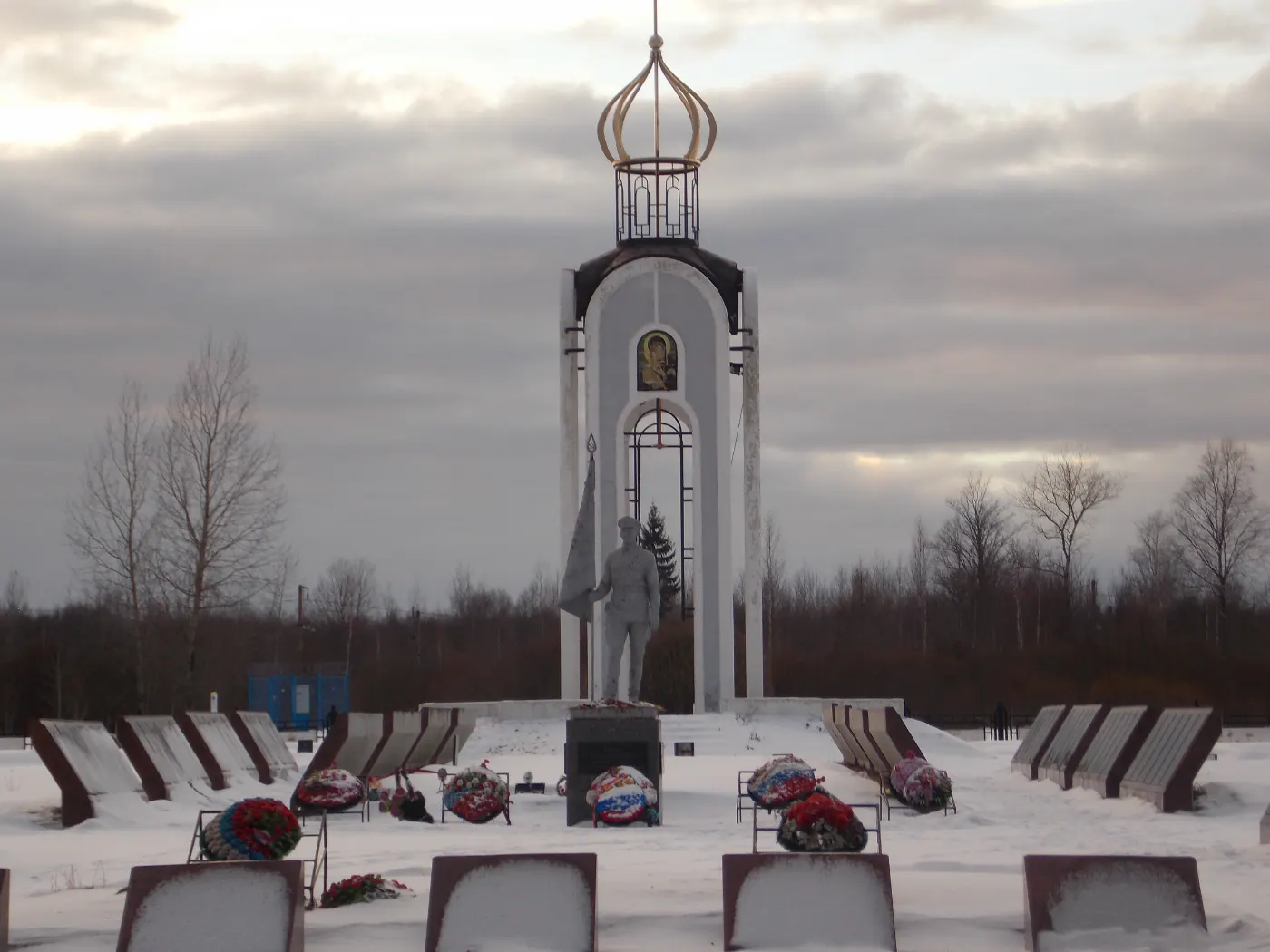
Myasnoy Bor
The Myasnoy Bor tract in the Novgorod Region, grimly known as the "Valley of Death," is a dense, swampy forest that became the site of one of the most harrowing tragedies of the Great Patriotic War. In 1942, during an attempt to break the Siege of Leningrad, brutal fighting unfolded here, claiming the lives of tens of thousands of Soviet soldiers.
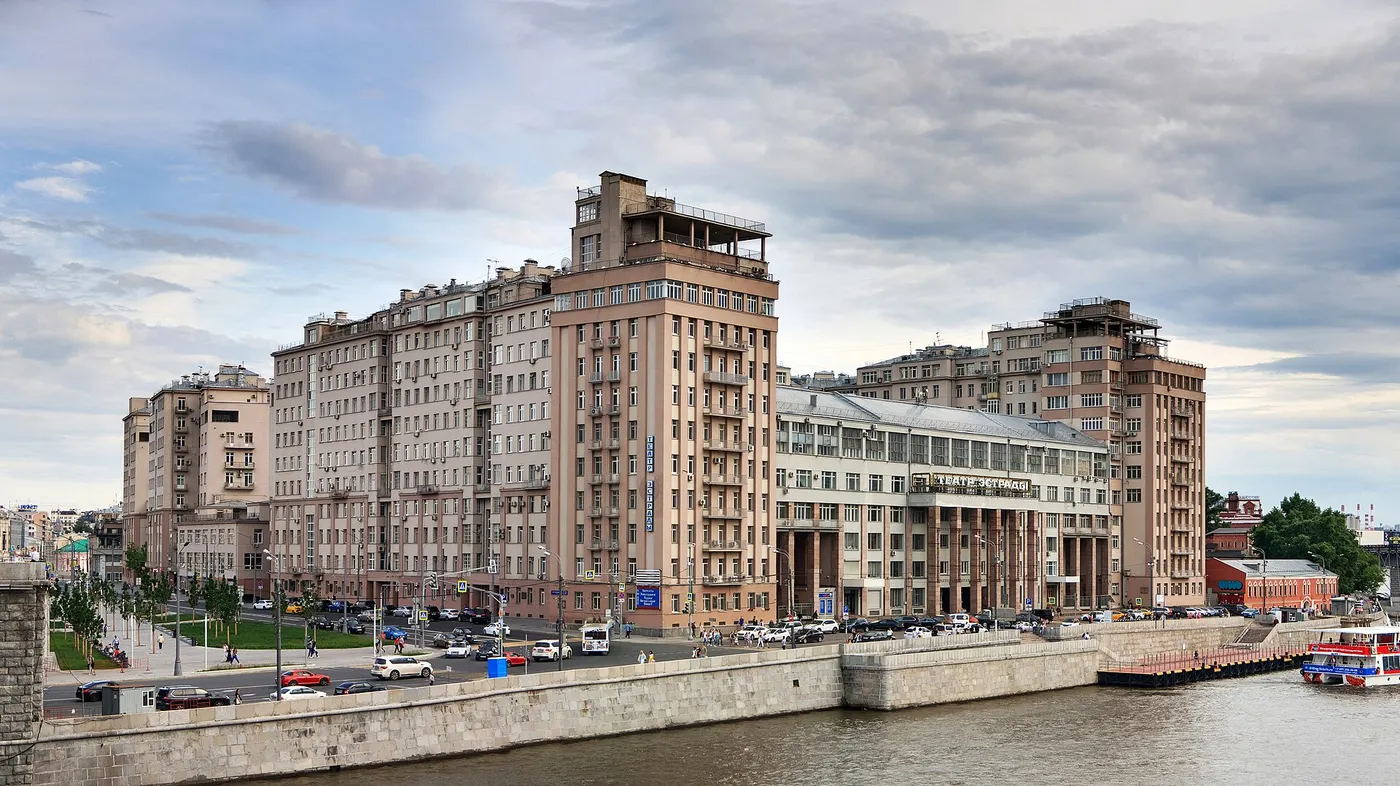
The House on the Embankment
The Government Building on Bersenevskaya Embankment (globally known as the "House on the Embankment," designed by Boris Iofan, 1931) is a monumental Constructivist residential complex opposite the Kremlin. Engineered as a self-contained "commune-city" for the Soviet political, cultural, and military elite, it became a tragic symbol of the Great Purge and Moscow's most myth-laden residential address.
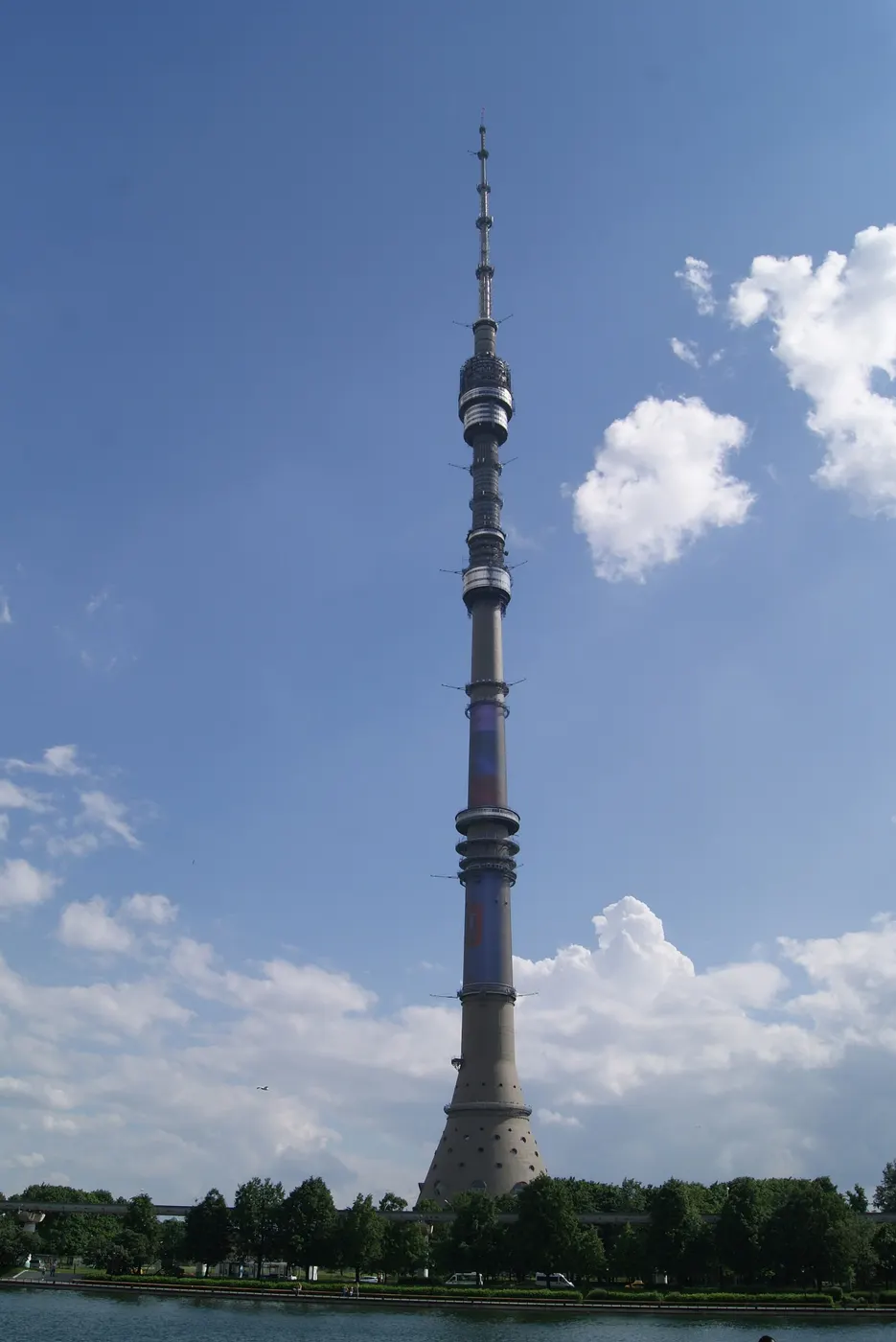
Ostankino and the Crone with the Staff
Ostankino was built on the ground of an old cemetery, and Moscow's most persistent legend attaches to that fact. In the sixteenth century, when the boyar Sotin set out to plough a field here, a hunched old woman with a staff appeared and told him not to disturb those lying in the earth — or misfortune would find whoever did. She has been "seen" before every disaster in the area since; staff at the television centre recalled her in the days before the tower fire of 2000. People mention her matter-of-factly, the way they mention an omen, and almost nobody can say where they first heard it.