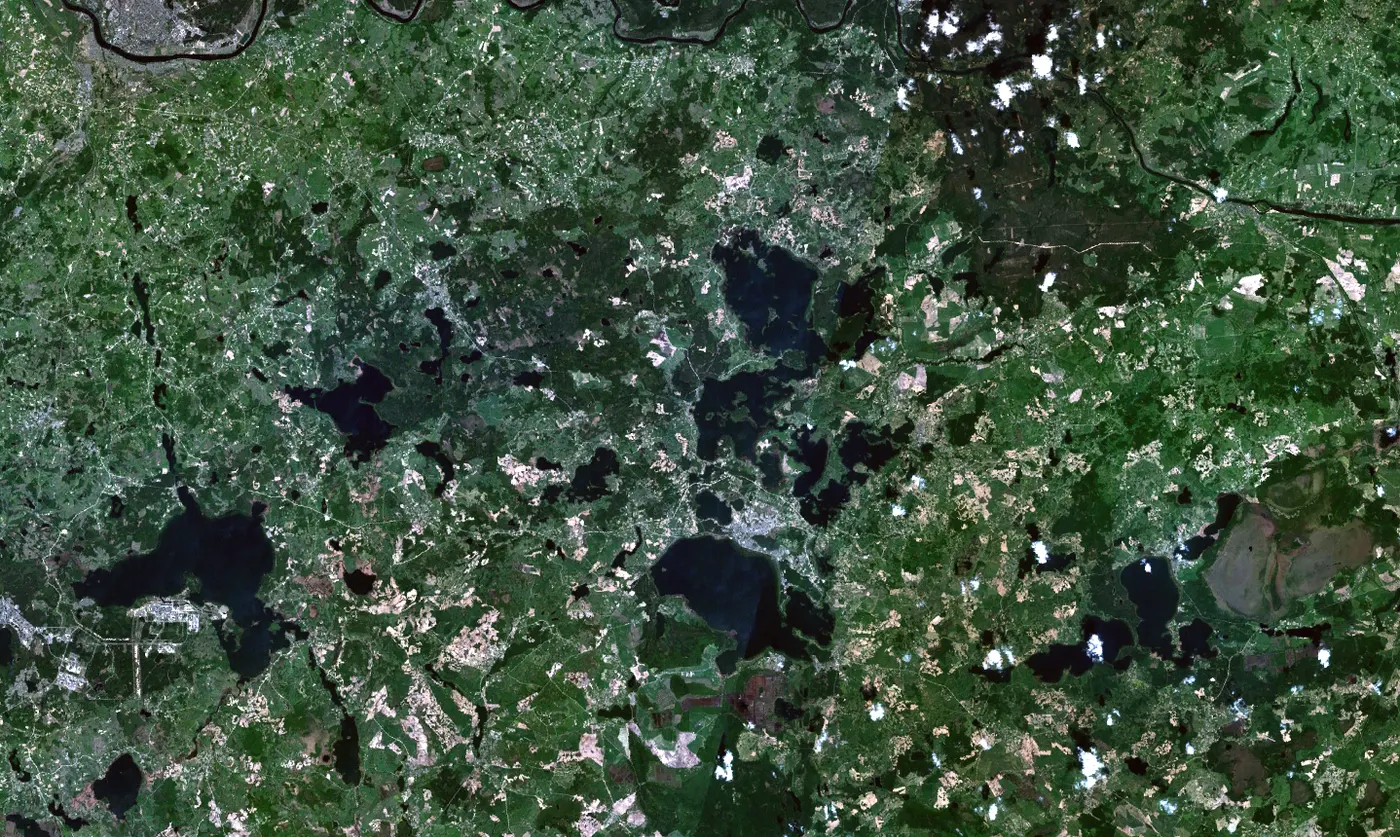
The Braslav Lakes and the Tsmok
Braslav Lakes National Park in the Vitebsk Region of Belarus is a scenic expanse of glacial lakes, rolling ridges, and island labyrinths steeped in ancient Baltic-Slavic folklore. The region's core mythological symbol is the Tsmok—the legendary Belarusian dragon and aquatic serpent said to inhabit the deep, cold waters of local lakes such as Drivyaty and Volos.
The legend
Unlike the malevolent dragons of Western European folklore, the Belarusian Tsmok was traditionally revered as a just guardian of the depths and the master of waters. Legends held that this colossal serpent maintained balance across the lakes: while benevolent toward respectful travelers, it would conjure sudden violent squalls and overturn the vessels of greedy poachers who dared desecrate the waters.
What actually happened?
The myth originates from the region's unique glacial hydrology and aquatic wildlife. The Braslav lakes feature complex basins with abrupt drop-offs reaching depths of up to 40 meters, underwater springs, and sudden cold currents. Waterlogged timber surfacing unexpectedly, massive European catfish, and optical distortions in the heavy morning mist frequently created the illusion of a giant reptilian serpent.
History
The reverence for water serpents in the Braslav area dates back to pre-Christian Baltic and early Slavic traditions, where aquatic spirits symbolized fertility and nature's power. Later immortalized in classic literature by Belarusian author Uladzimir Karatkievich, the Tsmok has become the region's premier cultural tourism brand, inspiring sculptures, themed nature trails, and annual folklore festivals.
Where is it?
The national park is situated in the Braslav District in the northwestern Vitebsk Region of Belarus, near the borders with Lithuania and Latvia, surrounding the historic town of Braslav.
Can you visit?
Yes, the park is fully accessible for travel and recreation. It features well-developed tourism infrastructure, including marked nature trails (such as the Belmont Park route), viewpoints like Mount Mayak, campgrounds, and resorts. Visitors intending to camp or fish recreationally must obtain a standard park permit.
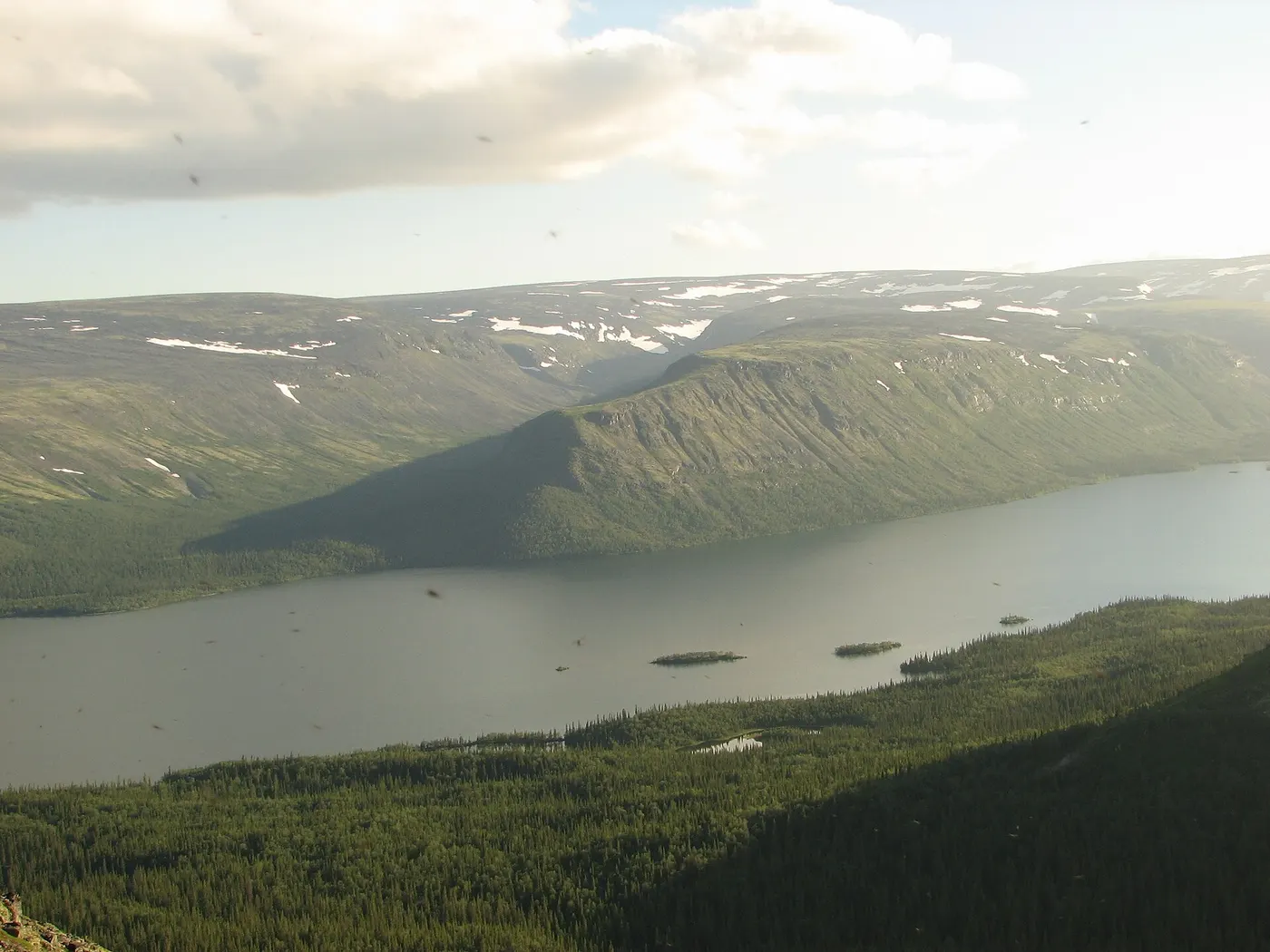
Lake Seydozero and the Kuiva
A sacred Sámi lake in the Lovozero massif, on whose sheer cliff a dark human figure nearly seventy metres tall stands out — the Kuiva. The Sámi took it for the shadow of a giant killed for attacking their land, and avoided fishing within sight of the rock. Geologists speak of lichen staining and wet stone in the fissures. Barchenko's expedition came here in 1922 looking for traces of Hyperborea and, by rumour, found something; the material was classified and the man himself shot in 1938.
Comments
No comments yet. Be the first.