Red level — mystical places on the map
Places with deaths or disappearances attached — one story, one list of names, one investigation that was never closed. Some have coroners' records behind them and some only a tradition four centuries old; the level says how heavy the account is, not how well it is evidenced.
22 placesAbout the danger levels
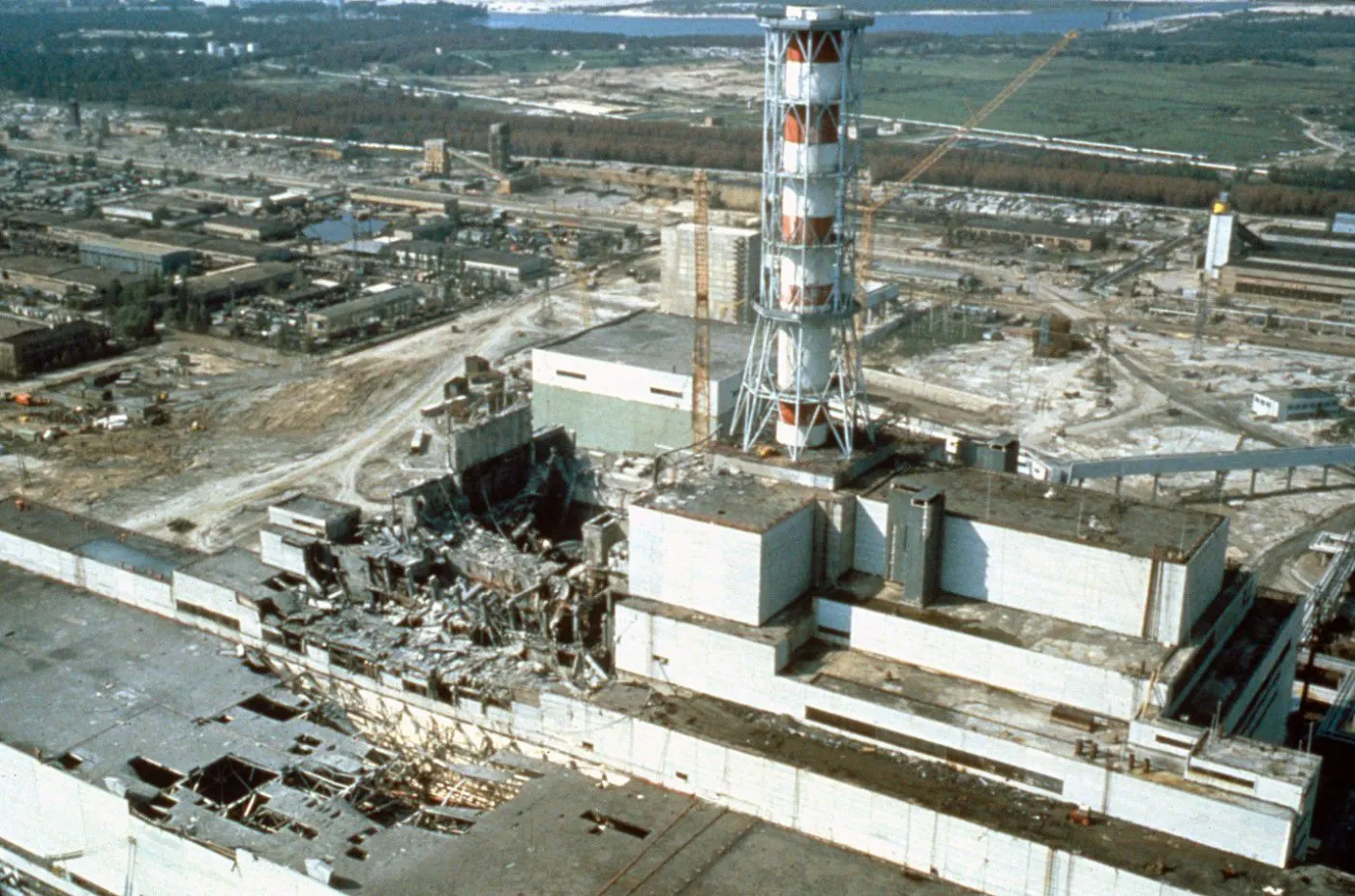
The Chernobyl Nuclear Power Plant
The Chernobyl Nuclear Power Plant (officially the V. I. Lenin Nuclear Power Station, or ChNPP) is a decommissioned nuclear energy facility located in the Vyshhorod Raion of Kyiv Oblast, Ukraine, along the Pripyat River and a man-made cooling reservoir, roughly 3 kilometers southeast of the abandoned city of Pripyat and 18 kilometers northwest of Chernobyl. On April 26, 1986, the site suffered the most catastrophic reactor breach in nuclear history (Level 7, the maximum on the INES scale), which destroyed Reactor Unit 4. Today, ChNPP is a specialized decommissioning site enclosed by the monumental New Safe Confinement arch structure.
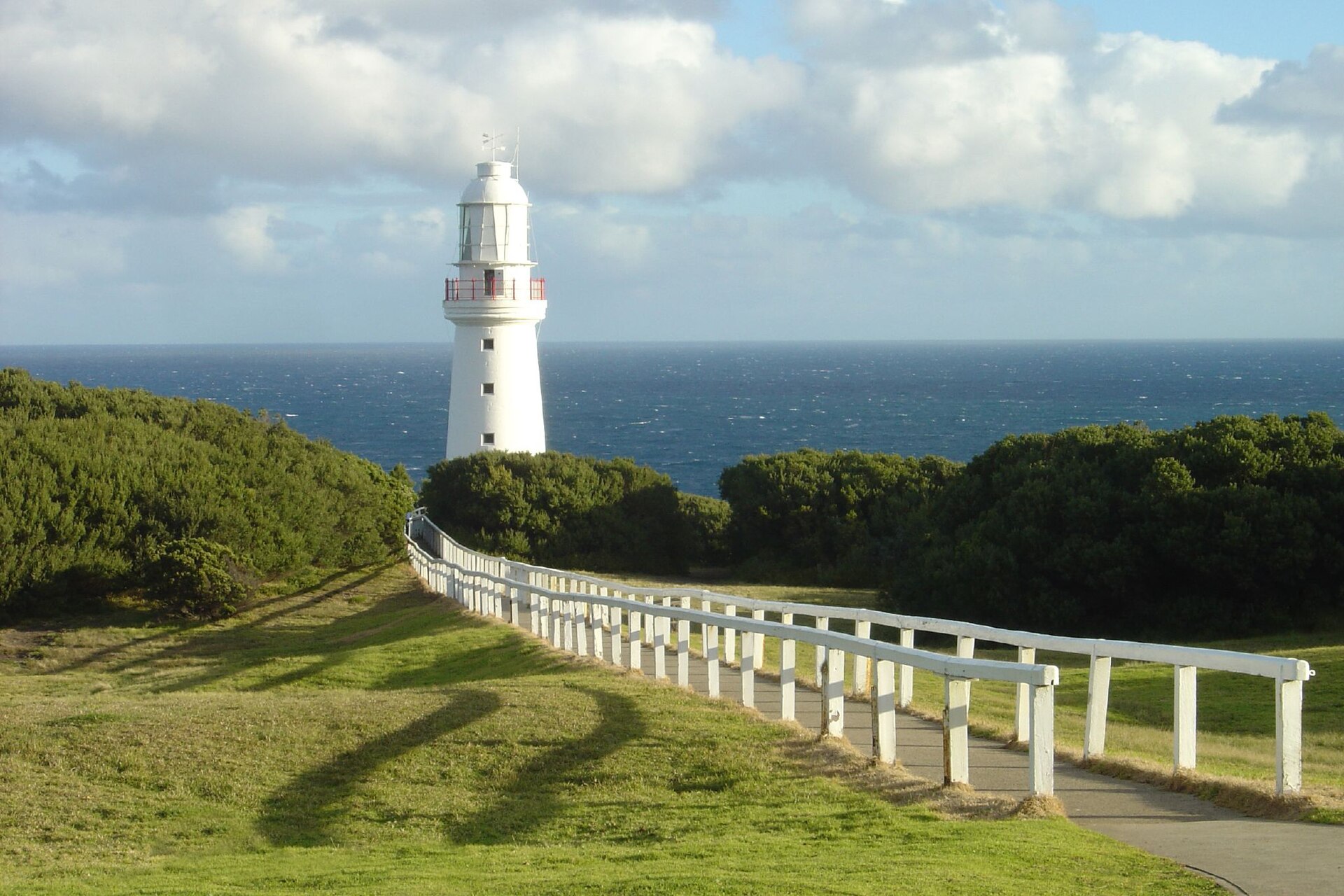
Cape Otway and Valentich's Last Transmission
On 21 October 1978 a twenty-year-old pilot, Frederick Valentich, was flying a Cessna 182 alone over Bass Strait south of this cape and told Melbourne control that a large object with four bright lights was accompanying him. His last words were "it is not an aircraft"; then seventeen seconds of metallic scraping on the air, and silence. Neither aircraft nor body was found. Five years later a cowl flap from that production run was recovered off King Island; it could not be tied to his machine. The official finding is that the cause is unknown. Disorientation and inverted flight, and a staged disappearance, have both been considered; neither has been shown.
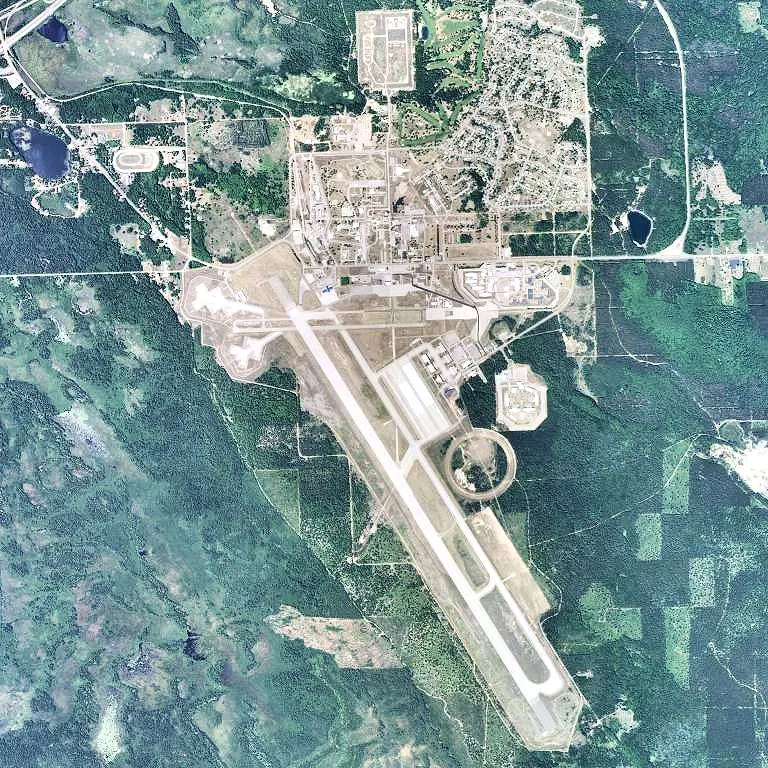
Kinross and the Aircraft That Went into the Lake
On 23 November 1953 an F-89 interceptor was scrambled from this Michigan base after an unidentified return over Lake Superior. Radar tracked both, they closed — and merged into one. Then the single return went away, and the aircraft, with Lieutenant Felix Moncla and Lieutenant Robert Wilson aboard, did not come back. The search found neither wreckage nor bodies. The Air Force later said the target had been a Canadian transport; Canada replied that it had no aircraft in the area. In 2006 a private expedition announced it had found an intact F-89 on the bottom; the photographs turned out to be a fake, which the organisers admitted. The crash site has still not been found.
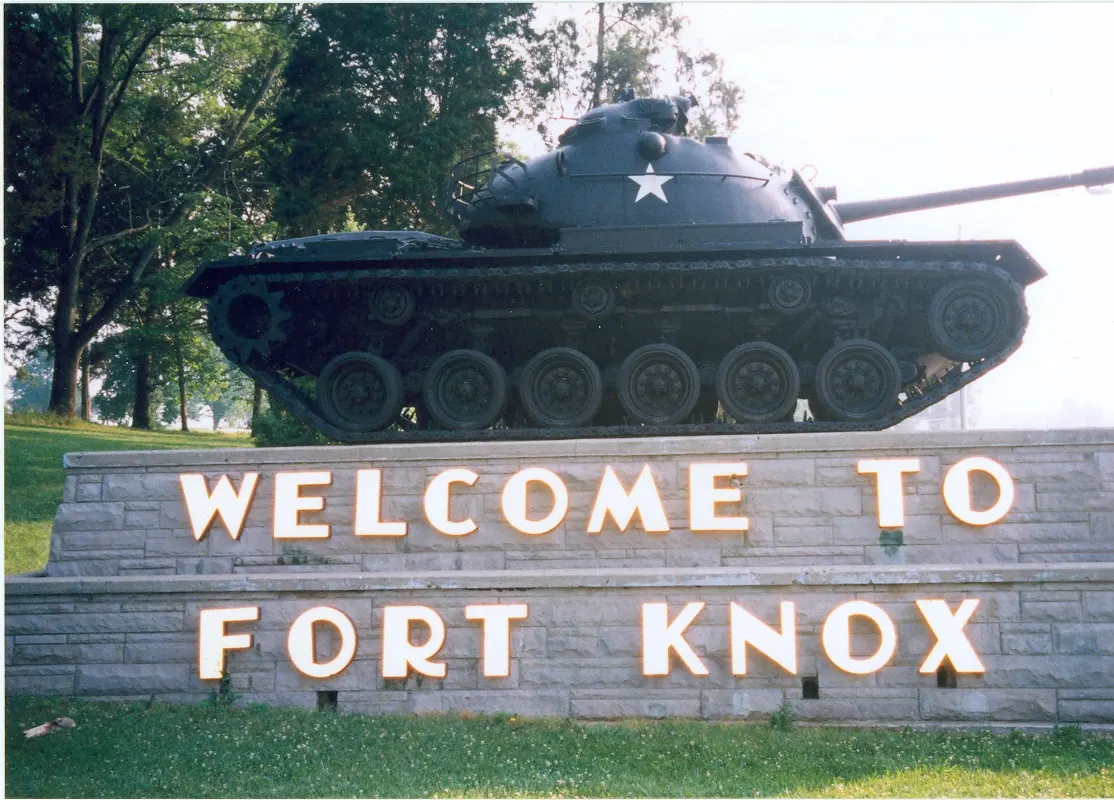
Fort Knox and the Death of Captain Mantell
On 7 January 1948 a large bright object was reported over Kentucky and a flight of fighters was scrambled. Captain Thomas Mantell climbed after it, radioed that he could see something "metallic and of tremendous size", and kept climbing without an oxygen mask. His aircraft came down south of Franklin; Mantell was killed. The military first said Venus. It was later established that the object was a classified high-altitude Skyhook balloon the pilots had no way of knowing about: from the ground such a balloon looks exactly as Mantell described it. It is the first death connected with the pursuit of an unidentified object, and it set the tone of the subject for years.
Cropsey
A children's bogeyman with a hook, told on Staten Island for generations — until children began disappearing in the neighbourhood in the 1980s and it emerged that a former orderly from the abandoned Willowbrook school was living beside it. Willowbrook was a real institution, closed after a 1972 investigation exposed appalling conditions. A rare and unpleasant case of a local bogeyman and a documented local history meeting at the same point on the map.
Aka Manto: red paper or blue
Another inhabitant of Japanese school toilets, and the cruellest in construction. A voice from the last cubicle asks which paper you want, red or blue. Choosing red means one thing, blue another, and both are bad; refusing to answer, in most versions, does not save you either. The legend is interesting because it is built as a trap with no exit: there is no right answer, and that is the point — it is the shape of a fear of being asked something you cannot answer correctly.
The Hairy Hands of Dartmoor
A stretch of the B3212 between Postbridge and Two Bridges on English Dartmoor, where unexplained crashes began in the early 1920s: drivers and motorcyclists described hairy hands seizing the wheel and wrenching it towards the verge. After several deaths in 1921 the local press took it up, and engineers who examined the road found a plainer cause — a badly cambered surface that pulled vehicles off line. The road was rebuilt, the crashes stopped, and the legend stayed.
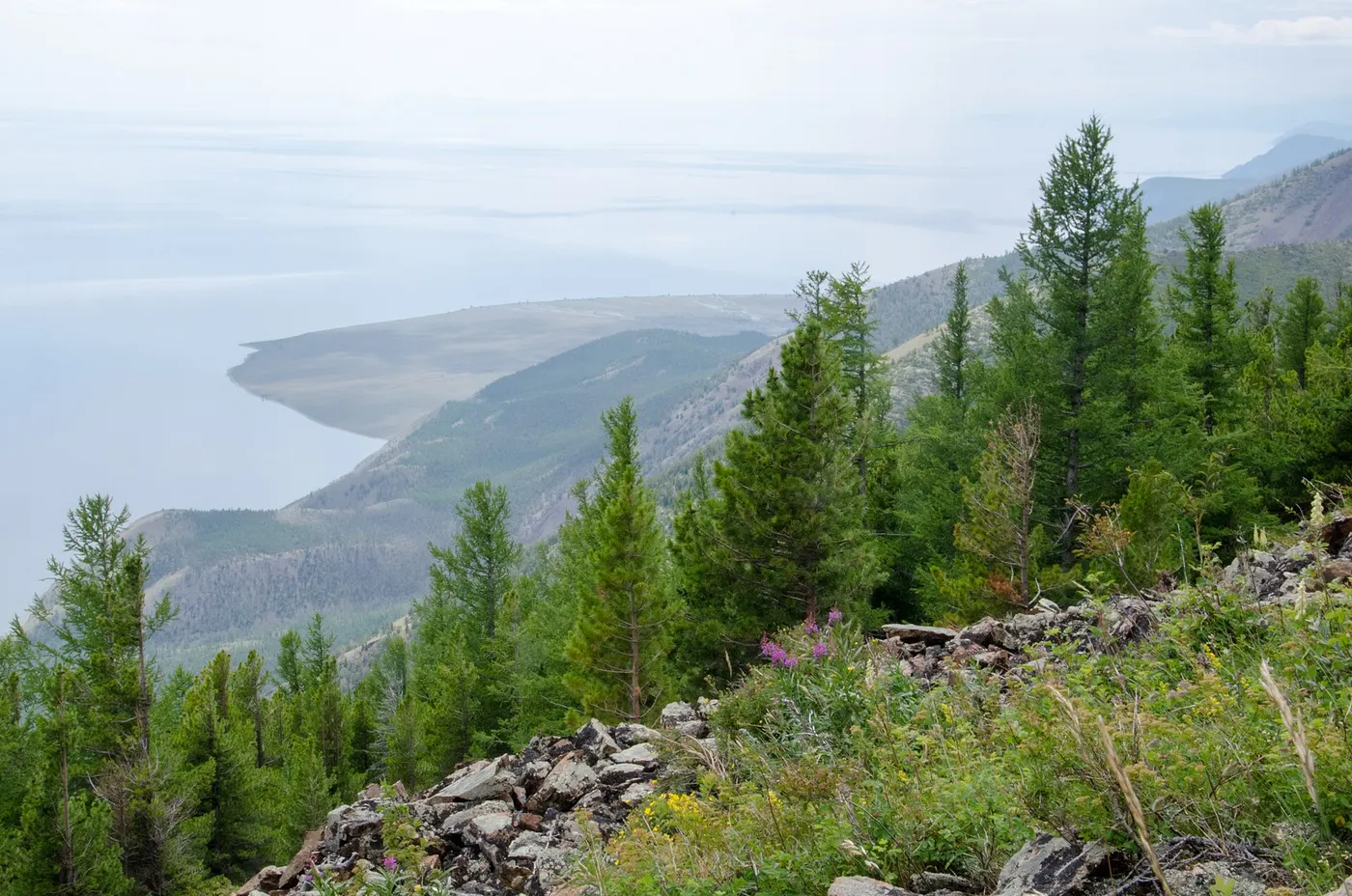
Cape Ryty on Baikal
One of the most closed stretches of the Baikal shore: the Buryats hold it to be ground one does not set foot on — spirits live there, and the penalty for trespass is illness or death. Women were forbidden to approach at all. A stone wall of unknown age and purpose survives on the cape, and a compass behaves unpredictably here because of a magnetic anomaly. It lies within a nature reserve, and getting there legally is next to impossible.
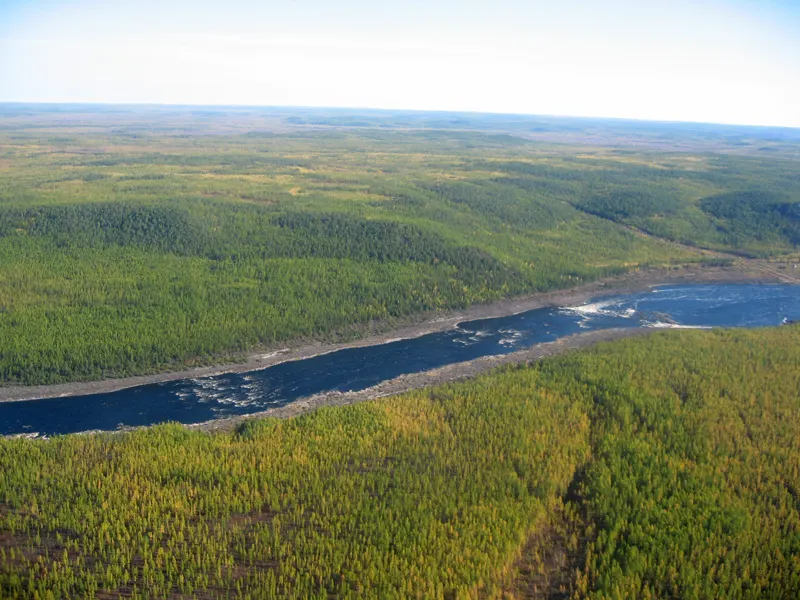
The Valley of Death on the Vilyuy
A stretch of the upper Vilyuy known to the Yakuts as Elyuyu Cherkechekh, the valley of the dead. Tradition places metal hemispheres in the ground there, warm inside, in which one can shelter from the cold — but whoever spends the night falls ill and dies soon after. The first written mentions of the cauldrons date to the nineteenth century. No expedition has found anything, including several in the 2000s with metal detectors; explanations range from outcrops of trap basalt to spent rocket stages.
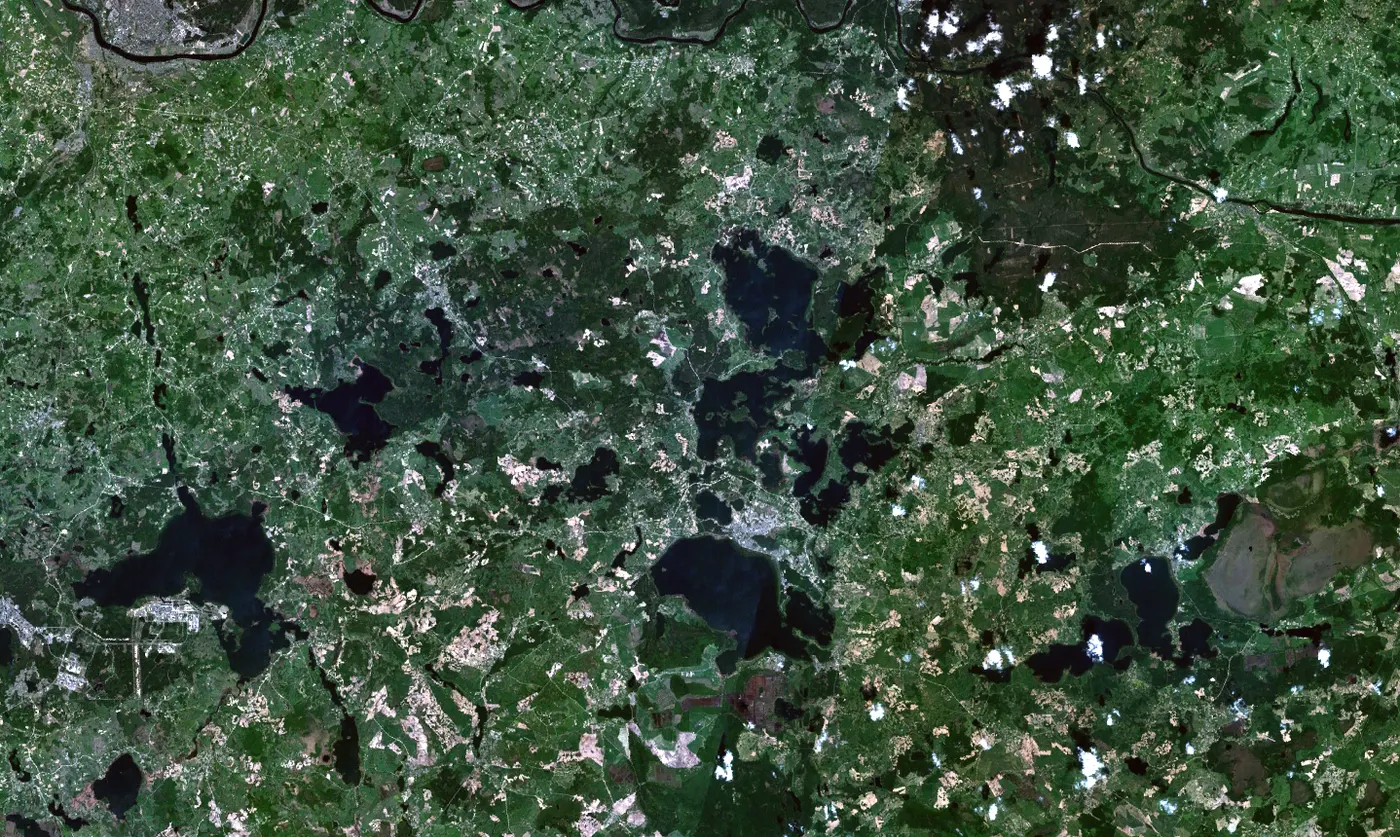
The Braslav Lakes and the Tsmok
Braslav Lakes National Park in the Vitebsk Region of Belarus is a scenic expanse of glacial lakes, rolling ridges, and island labyrinths steeped in ancient Baltic-Slavic folklore. The region's core mythological symbol is the Tsmok—the legendary Belarusian dragon and aquatic serpent said to inhabit the deep, cold waters of local lakes such as Drivyaty and Volos.
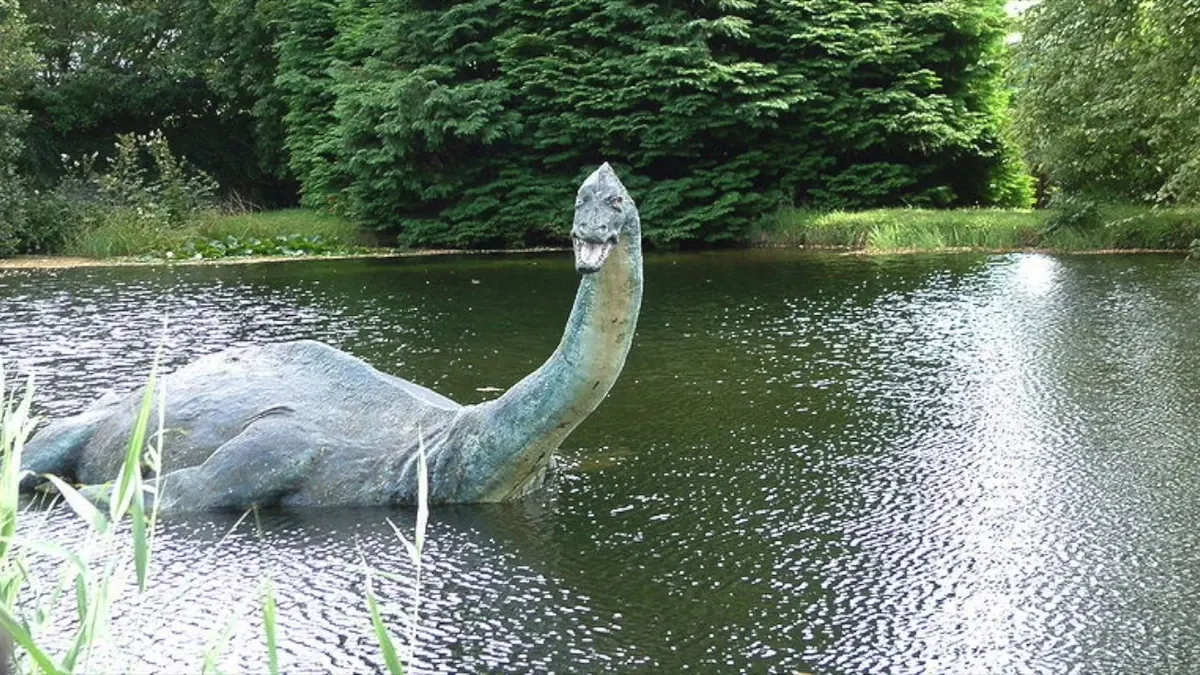
Lake Brosno and Its Dragon
Lake Brosno in the Tver Region is one of the deepest freshwater lakes in Central Russia, widely dubbed the "Russian Loch Ness." Surrounded by dense Valdai taiga and reaching depths of over 40 meters, the lake is famous for the cryptozoological legend of the "Brosno Dragon"—a mysterious giant aquatic beast said to dwell in its subterranean karst caverns.

Nan Madol
A city of ninety-two artificial islets built off Pohnpei in Micronesia from basalt columns weighing up to fifty tons, stacked like logs without mortar. How they were moved is unknown; local tradition says sorcerers made the stones fly. The city was abandoned around 1628. Pohnpeians consider the place dangerous and say one does not sleep there — a chief who tried, the account goes, was dead by morning.
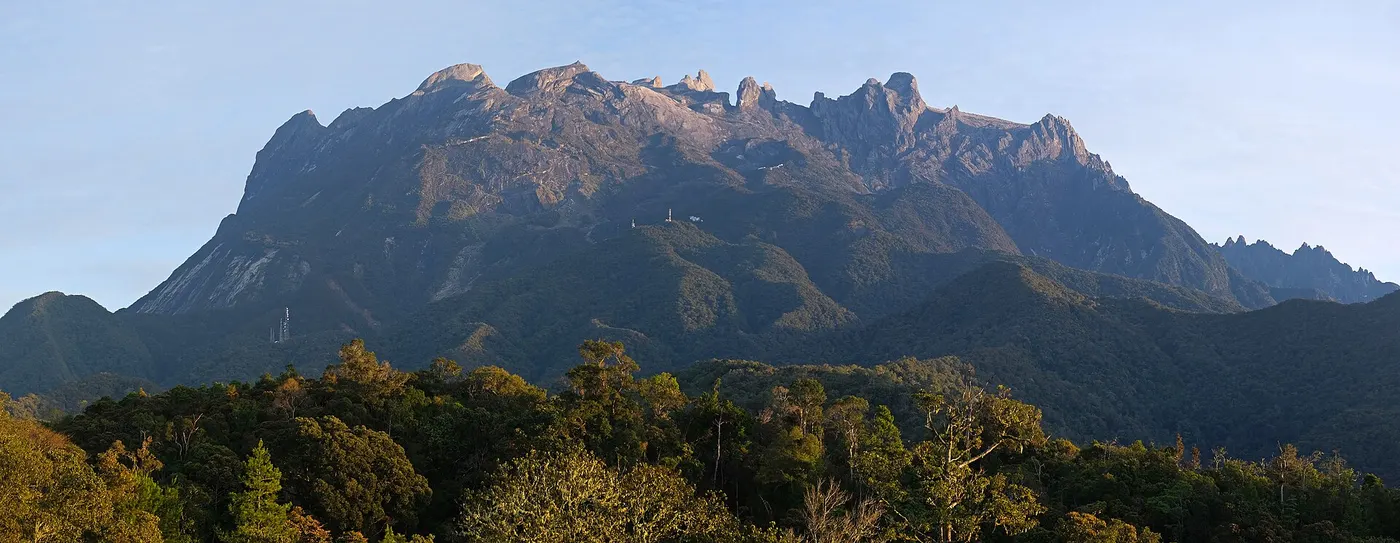
Mount Kinabalu
Borneo's highest mountain, held by the Kadazan-Dusun to be the resting place of ancestral spirits. Until the 1990s a rite involving the sacrifice of seven white chickens was required before climbing, and it is still performed once a year. In 2015 a group of tourists stripped at the summit for photographs; days later an earthquake killed eighteen people, and local authorities connected the two directly.
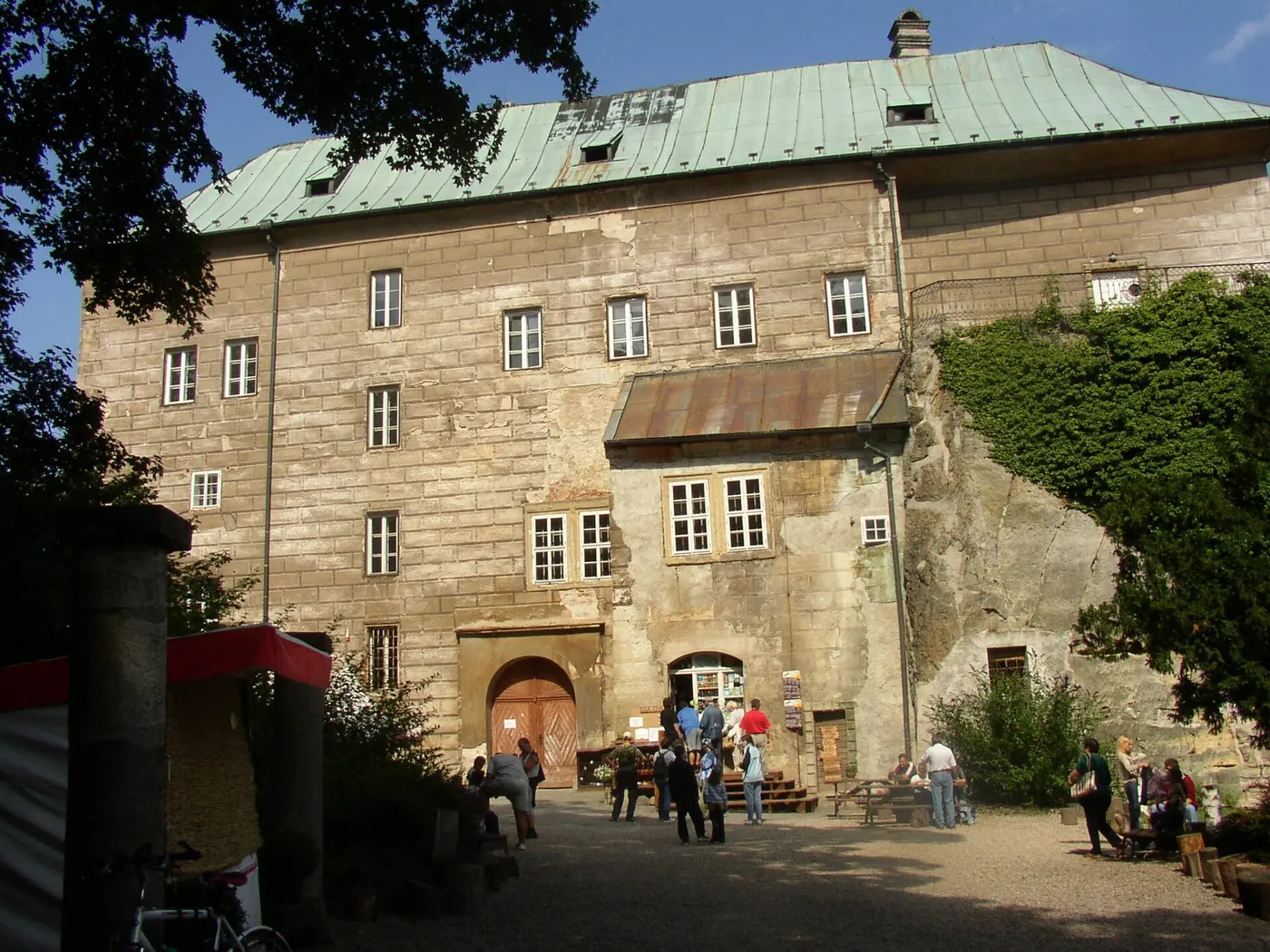
Houska Castle
A Gothic castle in Bohemia, built in the thirteenth century in a place with no water, no roads and no population — that is, with no military or economic purpose at all. Legend explains it by the chapel standing directly over a chasm held to be an entrance to hell: a condemned man was promised his freedom for going down, came back white-haired and died within days. The castle is fortified as though against something inside rather than out.
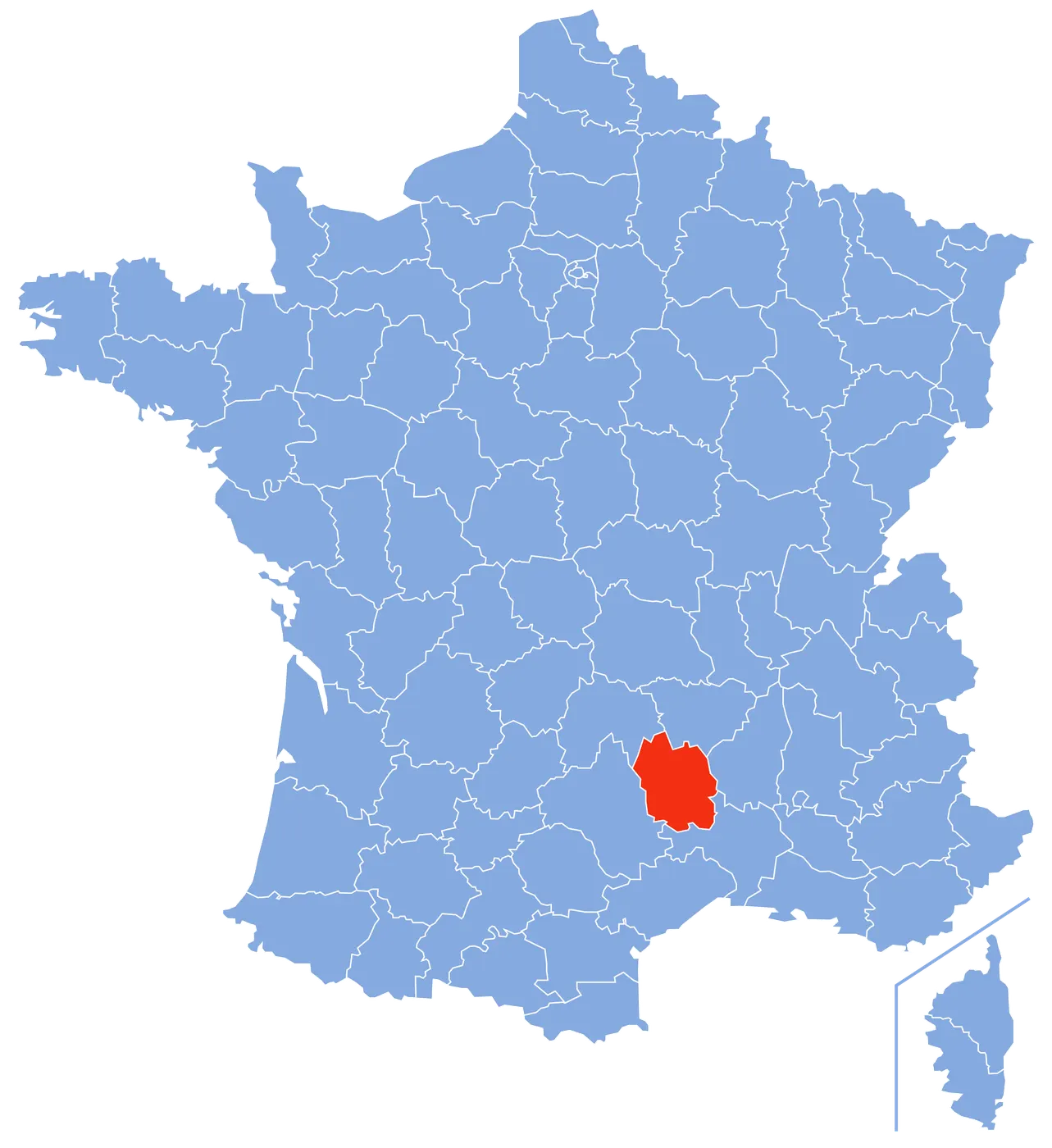
Gévaudan
A historical region of southern France where, between 1764 and 1767, something killed around a hundred people — mostly women and children herding livestock. Witnesses described a beast the size of a calf, russet-furred with a black stripe along its back. Louis XV sent royal huntsmen and offered a reward larger than an official's yearly salary. The killings stopped after a local hunter, Jean Chastel, shot a large animal; what it was is still argued over.
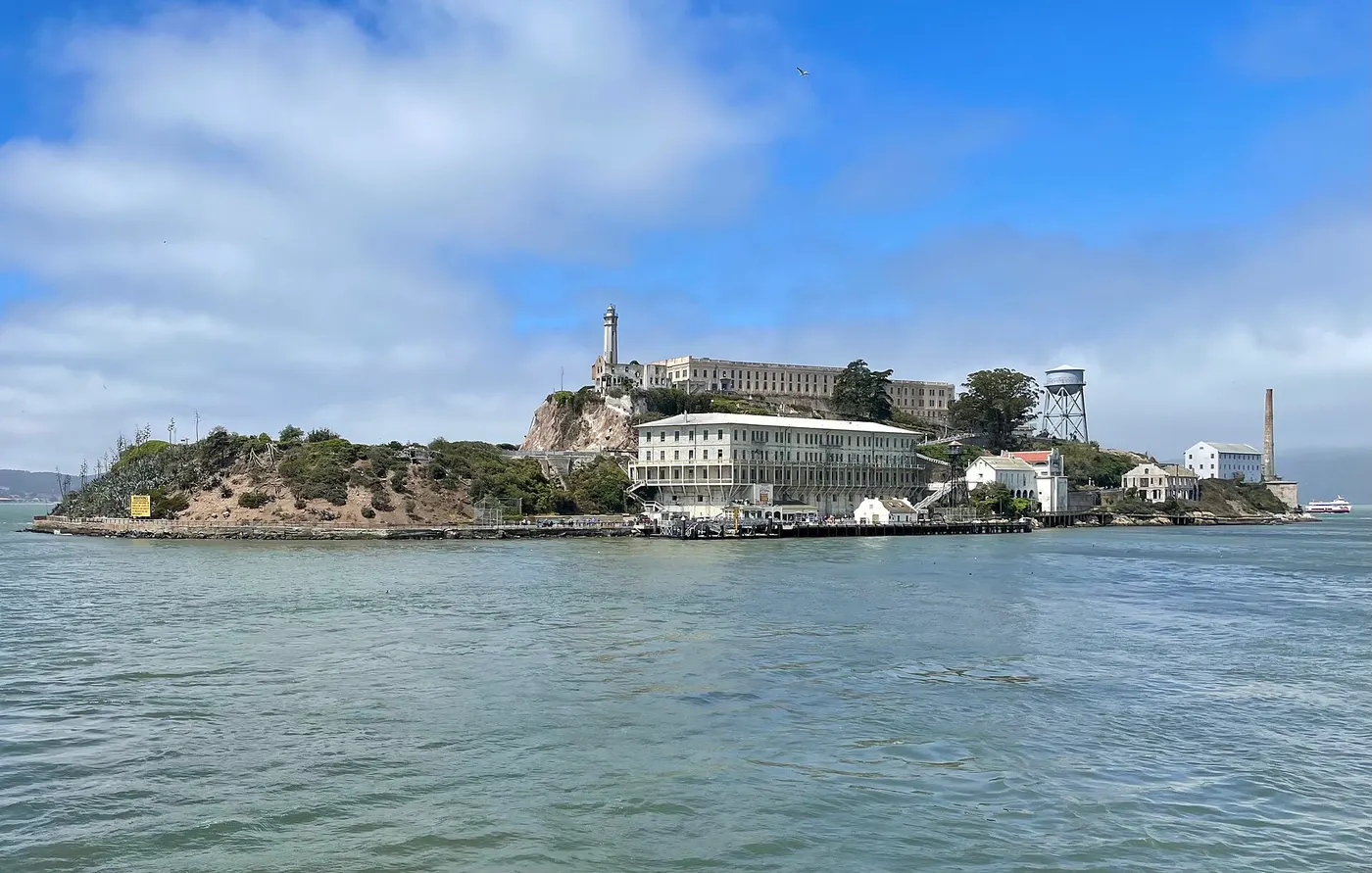
Alcatraz
The island prison in San Francisco Bay, in use from 1934 to 1963 for men other prisons could not hold. D Block has its own reputation — the isolation cells known as the hole, where prisoners were kept in complete darkness; most of the guards' accounts of screaming come from there, and from cell 14D, where a man is said to have died in a night after shouting that something was in there with him. The bay tribes considered the island a place of bad spirits long before the prison.
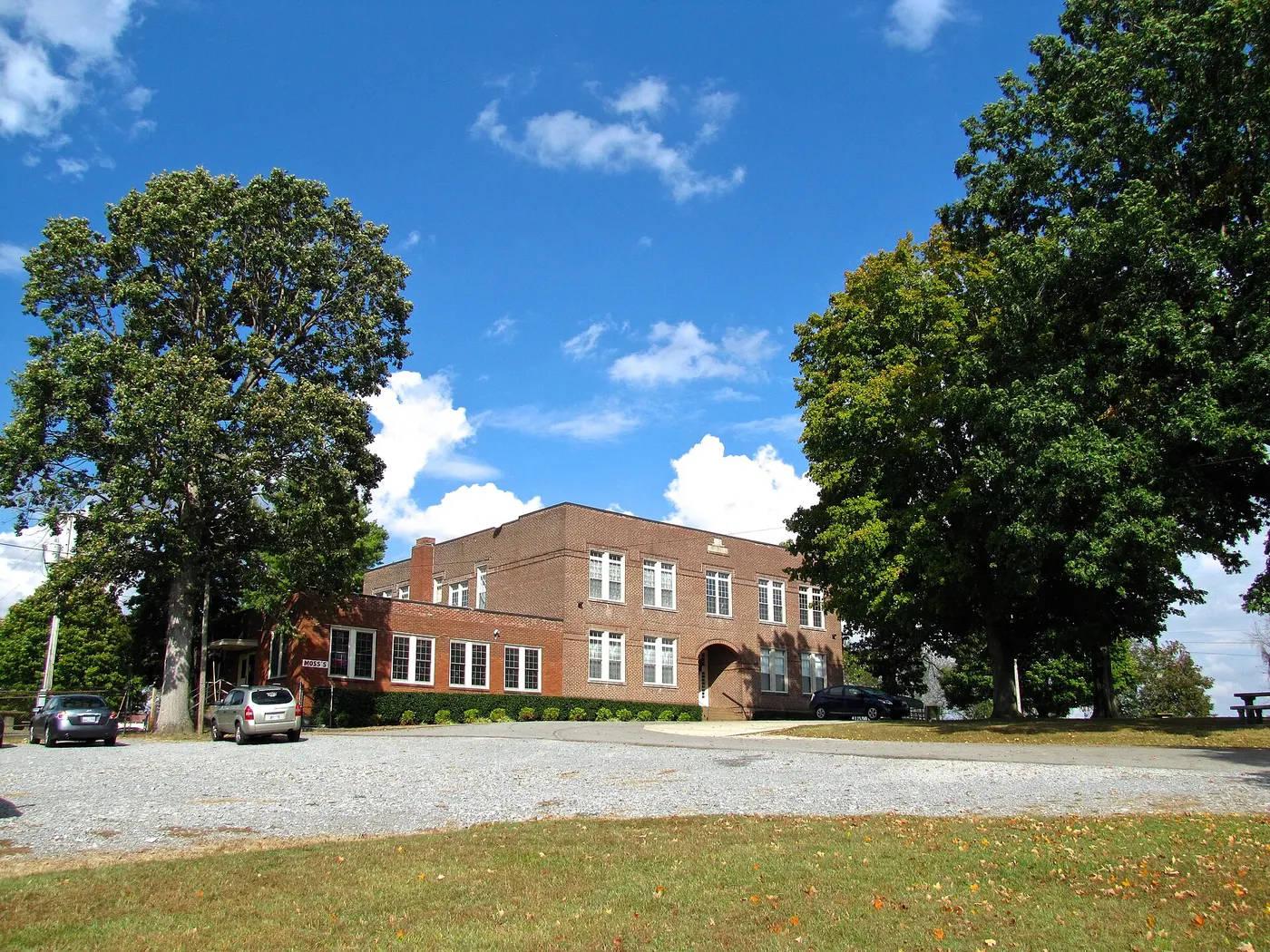
The Bell Witch Cave
From 1817 to 1821 the family of John Bell in Tennessee was, by many contemporary accounts, tormented by something: pinches and slaps, bedclothes pulled away, and eventually a voice that argued, quoted sermons and finally promised to kill the head of the household. Bell died in 1820 with a vial of unidentified liquid found beside him. Local tradition holds it the only case in American history of a documented killing by a spirit.
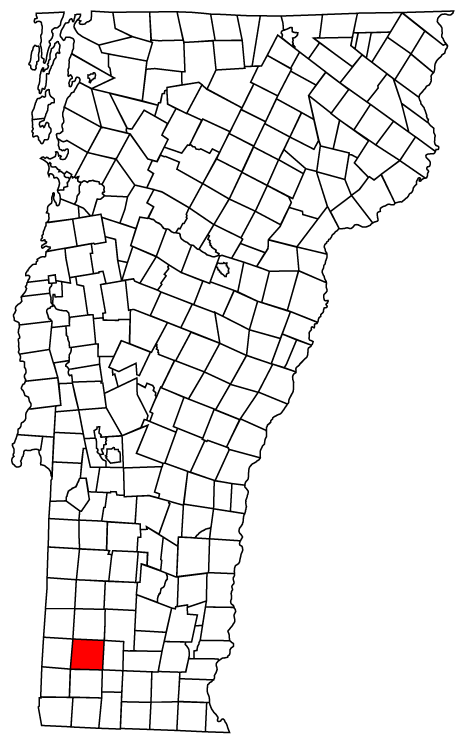
The Bennington Triangle
Between 1945 and 1950 five people vanished without trace in the woods below Glastenbury Mountain: an experienced guide, a college student, a war veteran, an eight-year-old boy, and a woman travelling by bus. Only one body was ever found, seven months later, on ground that had already been searched. Tradition holds that the local tribes considered the mountain cursed and used it only for burial. The town of Glastenbury itself was formally unincorporated in 1937 for want of residents.
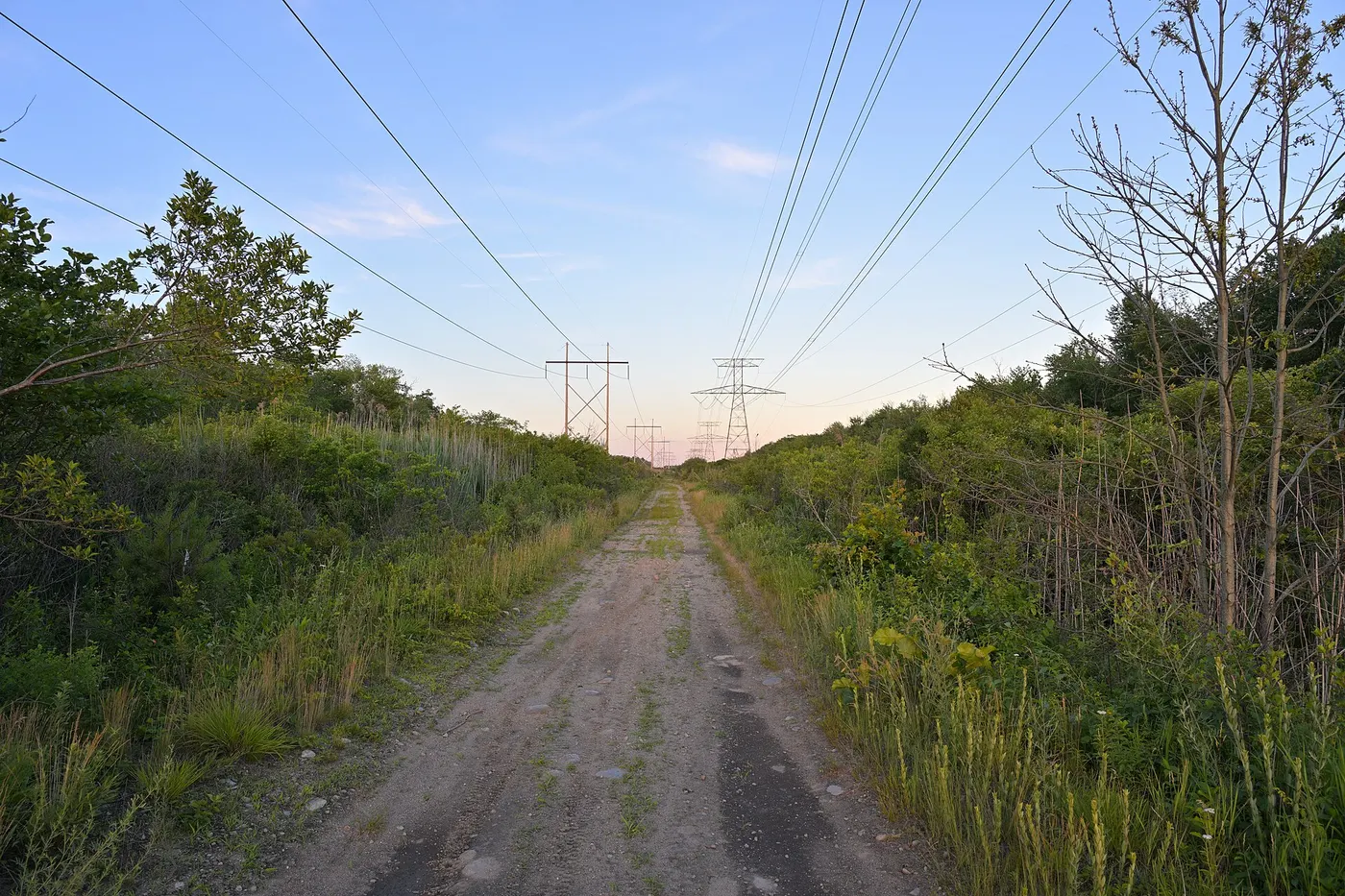
The Bridgewater Triangle
A two-hundred-square-mile patch south of Boston, centred on Hockomock Swamp — Wampanoag for "the place where spirits dwell". Every sort of story collects here at once: lights in the sky, Bigfoot sightings, giant birds, ritually killed livestock, disappearances. The cryptozoologist Loren Coleman gathered them under one name in the 1970s, and the triangle has lived as a single anomaly since, though nothing but geography connects the stories.
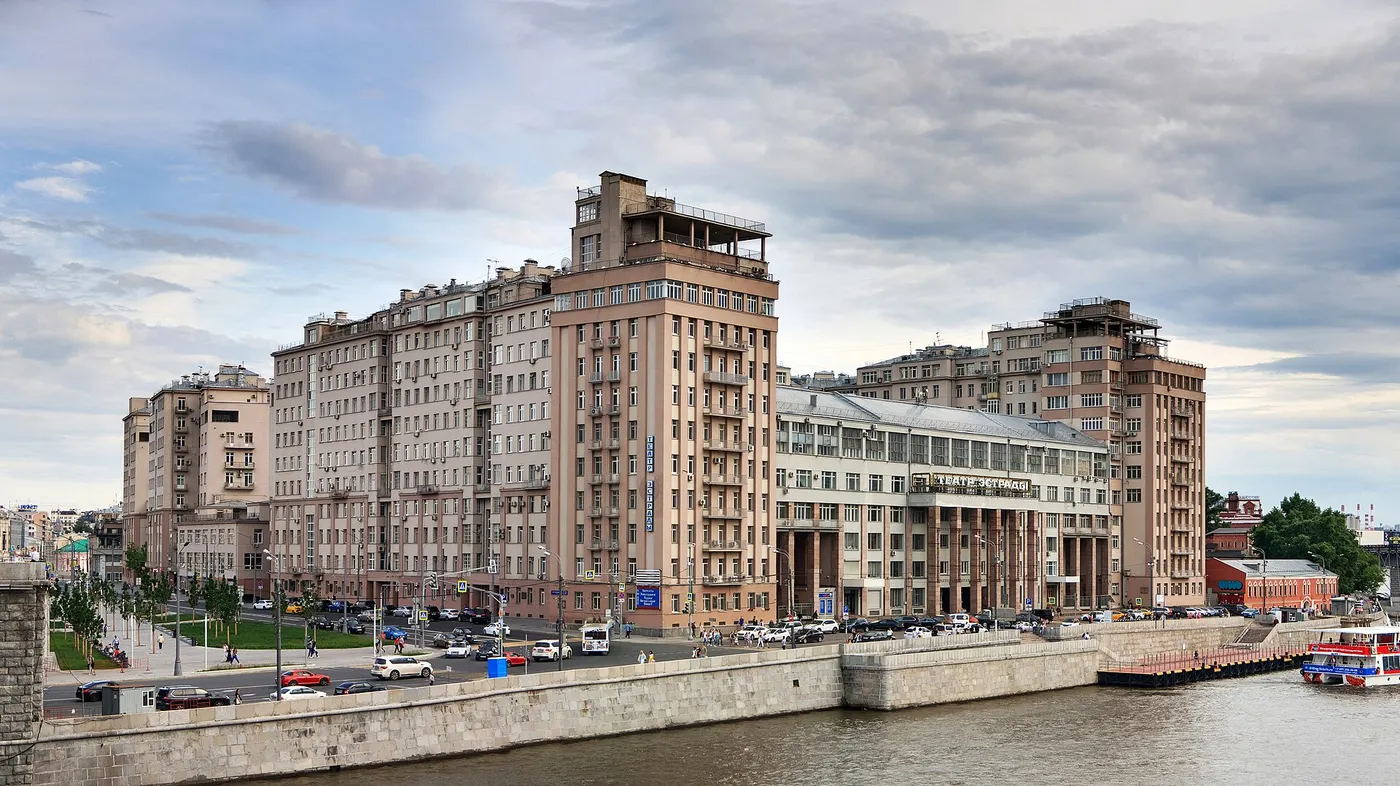
The House on the Embankment
The Government Building on Bersenevskaya Embankment (globally known as the "House on the Embankment," designed by Boris Iofan, 1931) is a monumental Constructivist residential complex opposite the Kremlin. Engineered as a self-contained "commune-city" for the Soviet political, cultural, and military elite, it became a tragic symbol of the Great Purge and Moscow's most myth-laden residential address.
Kuldhara
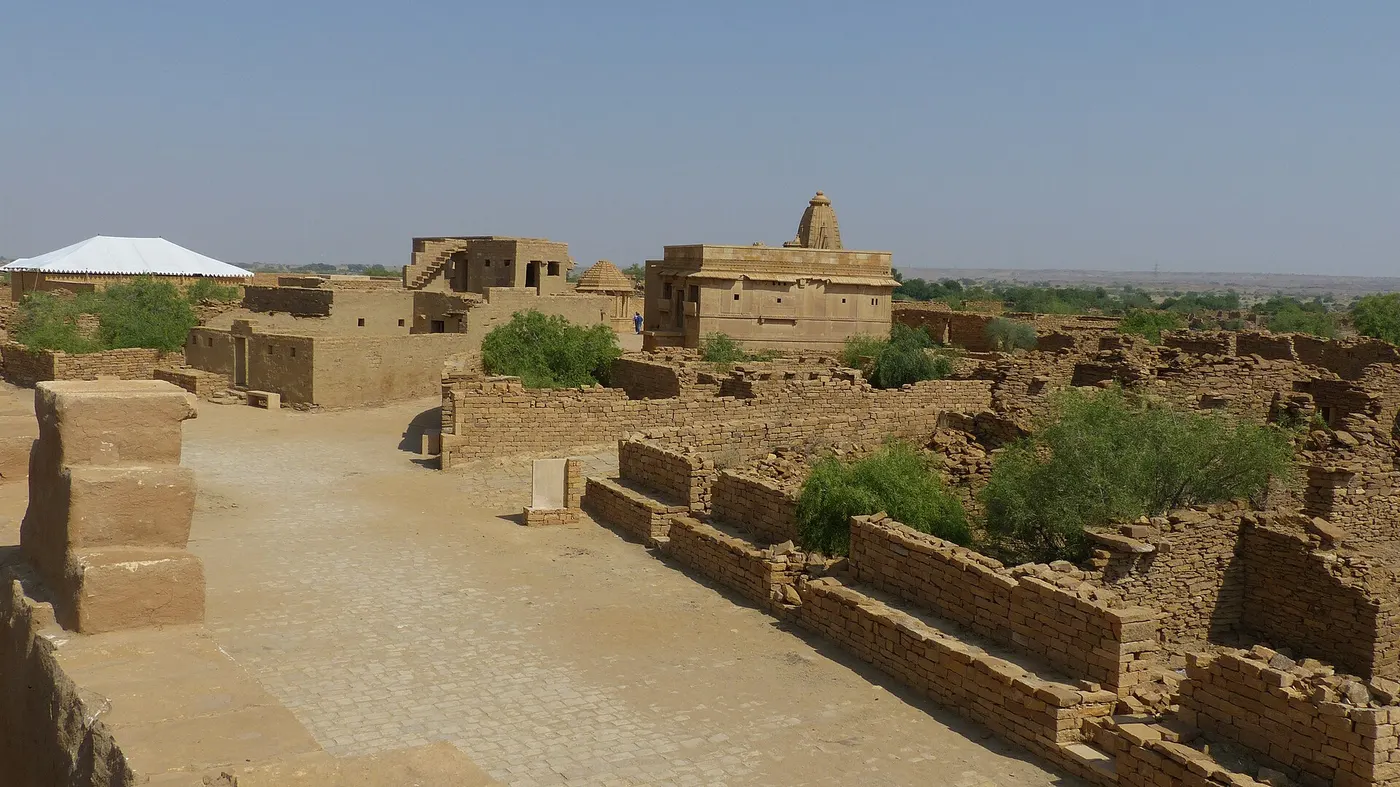
A village in the Thar Desert near Jaisalmer that its inhabitants abandoned in a single night around 1825 and never returned to. The story goes that the state minister demanded the village headman's daughter, and rather than hand her over the whole community of eighty-four villages walked out in the dark — quietly enough that none of their neighbours noticed them going. On leaving, the brahmins cursed the place: anyone who tried to settle there would not survive the night. The houses have stood empty for almost two centuries since, in the middle of otherwise inhabited land. The stone walls, staircases and doorways are intact — not ruined, simply left, as though the owners had stepped out and never come back.
Pripyat
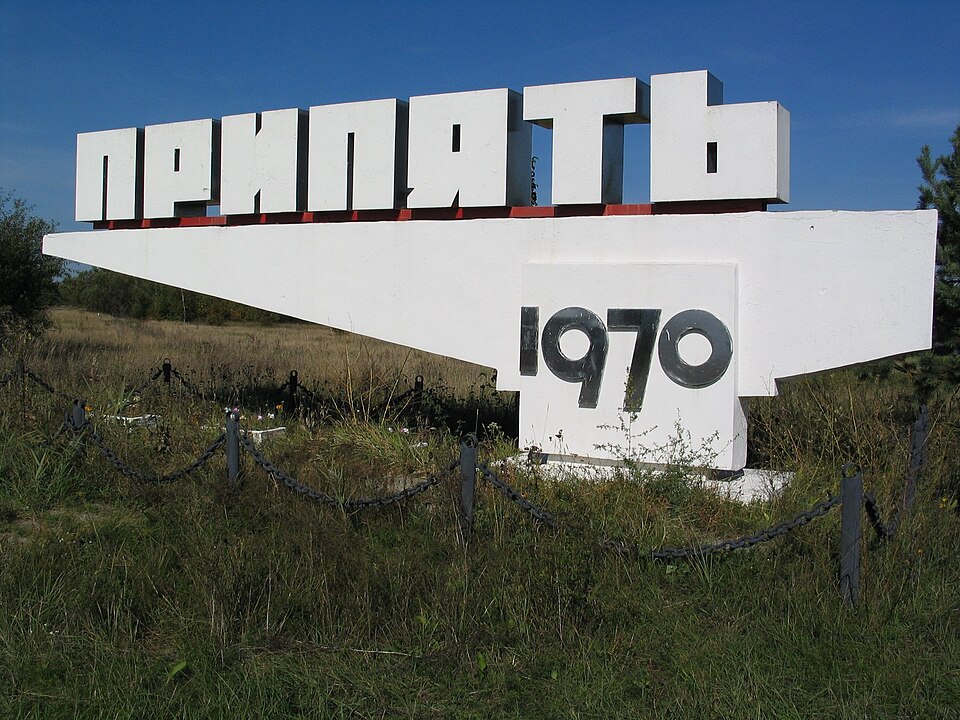
Pripyat is an abandoned city of regional significance situated in the Vyshhorod Raion of Kyiv Oblast, Ukraine, along the banks of the Pripyat River roughly 3 kilometers from the Chernobyl Nuclear Power Plant (ChNPP) and 16 kilometers from the border with Belarus. Founded in February 1970 as the ninth Soviet "atomgrad" (atomic company town) for power plant personnel, the municipality was completely evacuated on April 27, 1986, following the catastrophic explosion of ChNPP Reactor No. 4. Housing nearly 50,000 residents at the time of the disaster, Pripyat became the world's premier modern ghost town, serving as an open-air monument to industrial failure, a frozen time capsule of late-Soviet urban planning, and the ground zero of global urban exploration culture.