The Columbus Poltergeist
A modest single-story suburban residence located at 3496 Broadmoor Avenue in East Columbus, Ohio, United States. In March 1984, this typical home of adoptive parents John and Joan Resch became the epicenter of an international media storm regarding a sequence of alleged psychokinetic disturbances known as the "Columbus Poltergeist" (or the "Tina Resch case"), emerging as one of the most celebrated and thoroughly debunked episodes in the history of paranormal research.
The legend
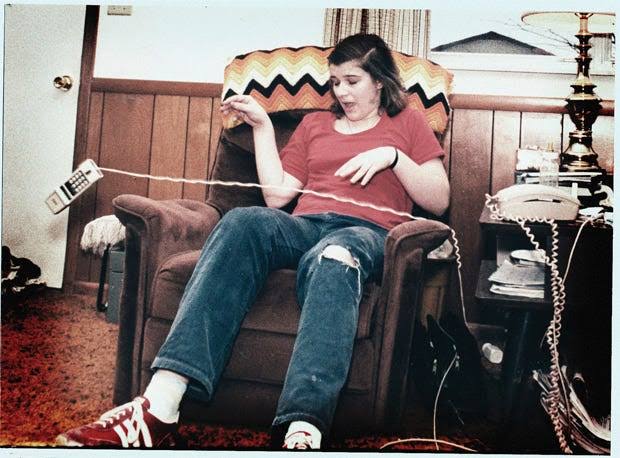
Danger Level: Green (A juvenile domestic fabrication and media-fueled telekinesis hoax posing zero physical danger) In early March 1984, the Resch family alerted local police and news agencies that their household was under assault by an invisible kinetic force. Centered around their 14-year-old adopted daughter, Tina Resch, heavy armchairs reportedly overturned on their own, framed paintings dropped from walls, glassware shattered, lamps crashed, and rolls of paper unspooled across hallways. The frenzy peaked when photojournalist Fred Shannon of The Columbus Dispatch published a viral photograph showing a heavy telephone handset and base seemingly levitating across the room toward Tina as she recoiled on a sofa. Prominent parapsychologist William G. Roll of the Foundation for Research on the Nature of Man (FRNM) arrived on the scene and formally classified the outbreak as an authentic manifestation of Recurrent Spontaneous Psychokinesis (RSPK), heralding it as definitive scientific proof of mind-over-matter abilities.
What actually happened?
The events in Columbus were thoroughly debunked through independent inquiries led by investigator and stage magician James Randi alongside professional television news crews: Caught on camera: Skeptical photojournalists from regional station WTVN-TV set an active studio video camera on a tripod, intentionally feigning that equipment was powered down while engaging adults in conversation. The continuous footage caught Tina Resch looking around to ensure no adult was observing her, reaching out with her arm to intentionally shove a standing floor lamp to the carpet, and screaming that it had moved on its own. When confronted with the tape, the teenager admitted her involvement, explaining she manufactured the events to see if reporters could be fooled. The flying telephone analyzed: A forensic photo-interpretation conducted by James Randi dissected Fred Shannon's iconic photograph. Hand posture, vector blur, and the tension trajectory of the curly handset cord demonstrated that Tina had manually hooked and pulled the phone unit off the end table toward her lap, triggering the photographer's reflex shutter flash mid-arc. Psychological drivers: Tina was an emotionally distressed, adopted adolescent growing up in a rigid, crowded foster-care domestic environment. Staging poltergeist episodes functioned as an unconscious cry for attention, instantly transforming an overlooked teen into the focus of her parents, local authorities, and national television networks. Parapsychological confirmation bias: The incident became a textbook case in scientific skepticism showing how credulous researchers like William Roll were deceived. Lacking training in sleight-of-hand and misdirection, parapsychologists repeatedly relied on biased eyewitness testimony while rationalizing away clear indications of deliberate teenage manipulation.
History
The active phase unfolded between March 3 and March 12, 1984, drawing crowds of neighborhood spectators and broadcast crews to the Resch home. Media intrigue collapsed following the release of the WTVN-TV unedited footage and investigative exposés published by CSICOP (now the Committee for Skeptical Inquiry). The subsequent life of Tina Resch was marked by genuine personal tragedy devoid of supernatural elements: as an adult living under the name Christina Boyer, she struggled with severe interpersonal instability. In 1992, her three-year-old daughter Amber was killed in Georgia from blunt force head trauma; in 1994, Boyer entered an Alford plea to avoid capital murder charges, resulting in a life sentence that she continues to serve in a Georgia correctional facility.
Where is it?
Franklin County, East Columbus (Berkley Park neighborhood), Columbus, Ohio, United States; the residential property is situated at 3496 Broadmoor Avenue, Columbus, OH 43213.
Can you visit?
The house on Broadmoor Avenue remains private residential property. Located on an open suburban municipal street in Columbus, the exterior can be viewed from the public sidewalk or roadway. Entering the yard, driveway, or residence constitutes illegal trespassing under Ohio law. The Resch family vacated the house decades ago; the current homeowners have no association with the 1984 events, and visitors should fully respect their privacy.
The Oak Island Money Pit
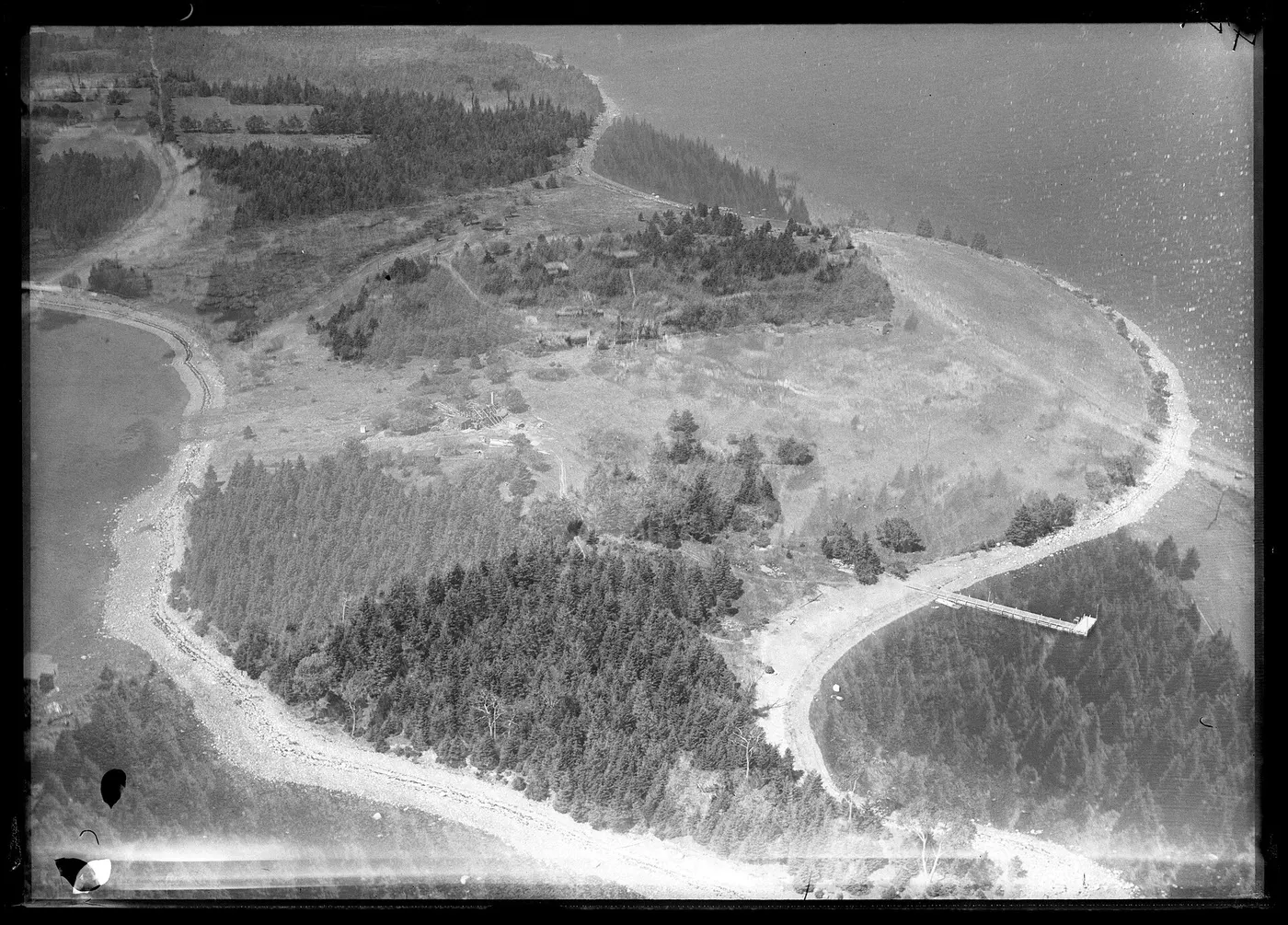
Oak Island is a small, 140-acre tree-covered island situated in Mahone Bay off the Atlantic coast of Nova Scotia, Canada. The island achieved global renown as the site of the "Money Pit"—an enigmatic subterranean shaft where treasure hunters, syndicates, and media ventures have spent hundreds of years and millions of dollars conducting the longest, most expensive treasure hunt in modern history.
Comments
No comments yet. Be the first.