Green level — mystical places on the map
Real places with nothing on their record — nothing that is reported to have happened to anybody. A history, a rumour, an atmosphere, a building with a past: the story is about the place itself rather than about what it does to whoever walks in. Most of the catalogue sits here, and that is the honest answer rather than a dull one.
138 placesAbout the danger levels
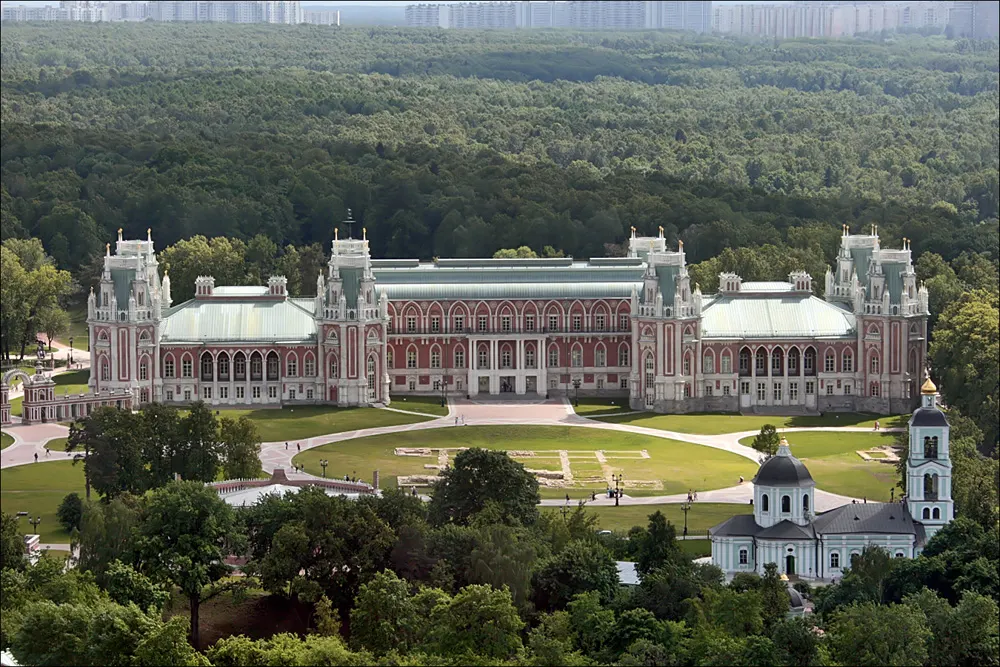
Tsaritsyno and the Rejected Palace
The Tsaritsyno State Historical, Architectural, Art and Landscape Museum-Reserve is an expansive imperial palace and park estate in southern Moscow, commissioned in 1775 by Empress Catherine the Great. It stands as Europe's largest complex built in the Russian Gothic (pseudo-Gothic romanticism) style and represents one of the most dramatic architectural sagas in Russian history: the nearly completed grand residence was abruptly rejected and ordered dismantled by the Empress herself, leaving the site as a romantic, unfinished ruin for more than two centuries.
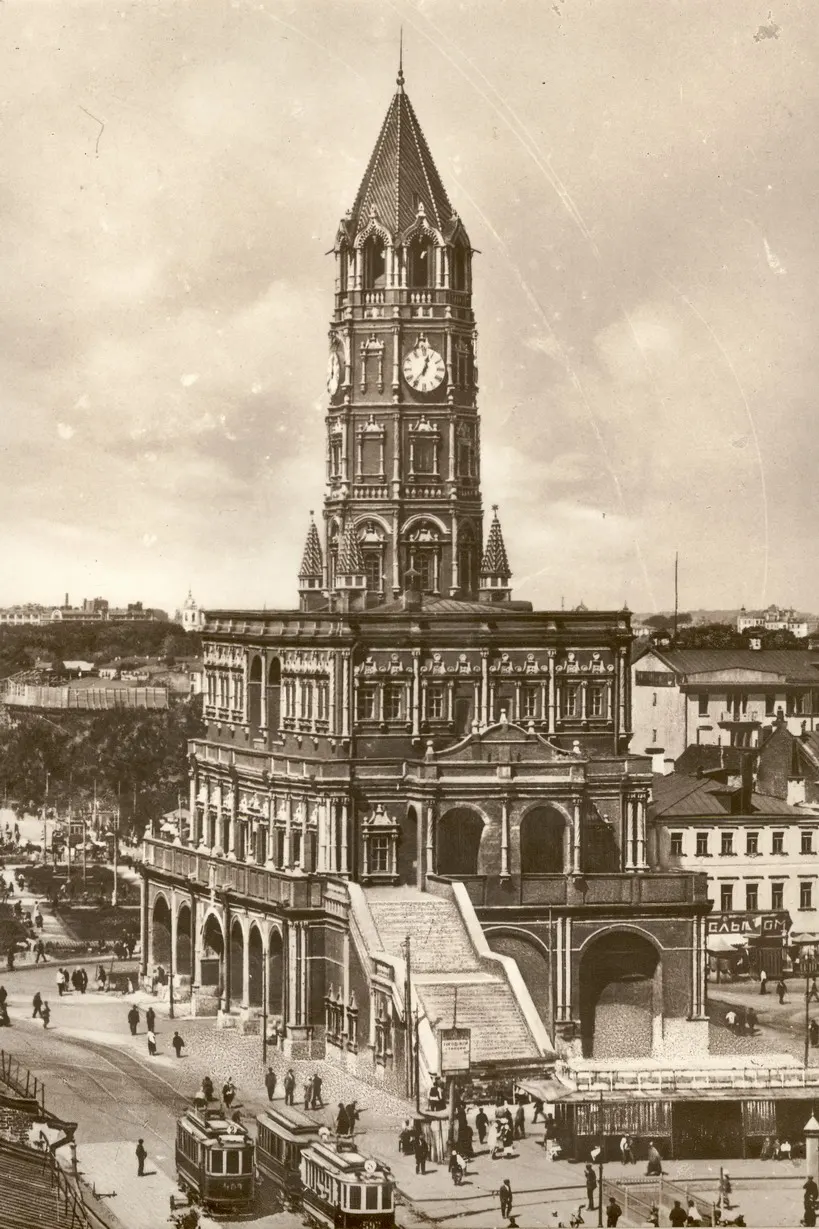
The Sukharev Tower and Jacob Bruce
The Sukharev Tower was a masterpiece of late-17th-century Russian civil architecture, formerly standing at the junction of Moscow's Garden Ring, Sretenka Street, and Prospekt Mira. Commissioned by Peter the Great and designed in the ornate Naryshkin Baroque style, the 60-meter-tall red-and-white monument functioned as a ceremonial city gate, the administrative birthplace of the Russian Imperial Navy, and the nation’s first astronomical observatory. In folk memory, the landmark is permanently tied to one of Peter's closest intellectual confidants, Field Marshal Jacob Bruce, who was mythologized as the supreme warlock and sorcerer of the Russian Empire.
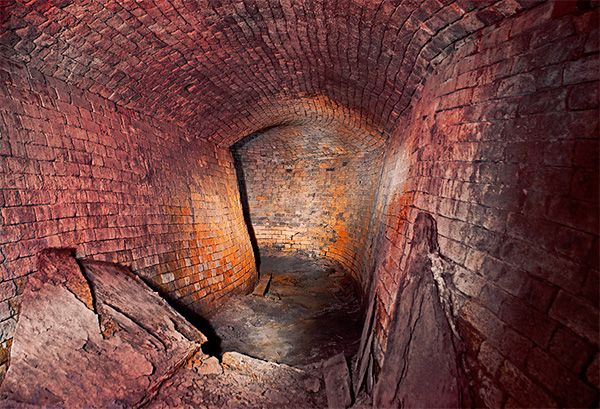
The Library of Ivan the Terrible
The Lost Library of Ivan the Terrible (known in Russian as the "Libereya") is a legendary repository of ancient classical and Byzantine manuscripts, parchment scrolls, and codices purportedly assembled by Russia's first crowned Tsar, Ivan IV. Popular mythology claims this priceless collection of ancient Greek, Latin, and Hebrew literature was sealed away inside subterranean brick vaults beneath the Moscow Kremlin, the Alexandrov Kremlin, or the royal estate of Kolomenskoye, standing for four centuries as one of the world's most sought-after literary grails.

The Black Grand Piano
Children's music schools, assembly halls of Soviet pioneer camps, and youth pioneer palaces (anchored symbolically by the Moscow Pioneer Palace on Sparrow Hills). Within Soviet juvenile subculture of the 1970s and 1980s, the classical instrument of bourgeois prestige and musical education transformed into the central artifact of an iconic urban horror legend: the "Black Grand Piano" (or "Black Upright"), which secretly drained the blood of young musicians.
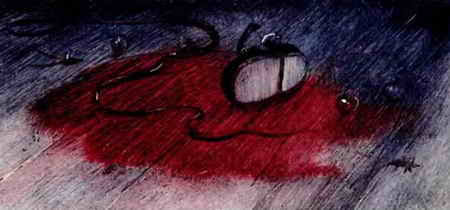
The White Sheet
Dormitory wings of Soviet pioneer summer camps (anchored symbolically by the All-Russian Pioneer Camp "Orlyonok" in the Tuapse District of Krasnodar Krai), boarding schools, and pediatric sanatoriums. Within the confined quarters of communal camp dormitories during the 1970s and 1980s, the urban myth of the "White Sheet" (a close sibling to the "Black Sheet" motif) emerged as a foundational camp horror tale, transforming an ordinary domestic textile into a levitating nocturnal predator.
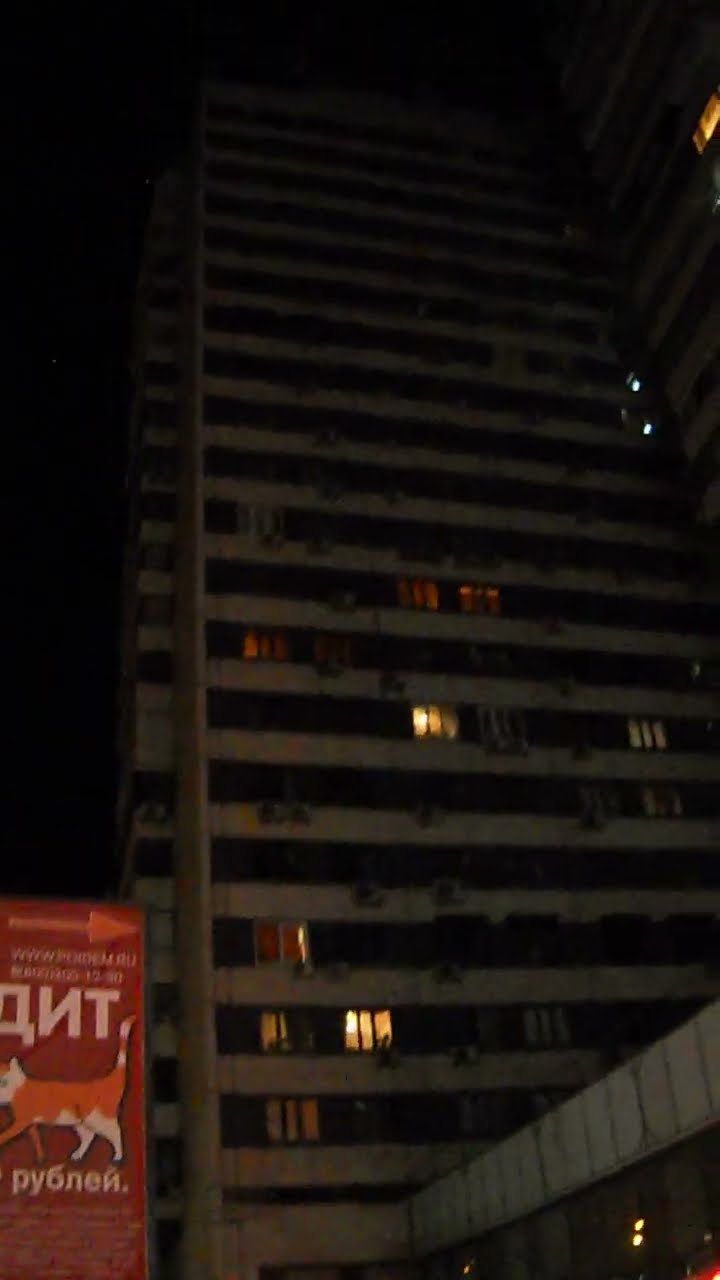
The Blinking Windows
A residential high-rise building located at 7 Krasnoznamenskaya Street in the Central District of Volgograd, Russia. Originally converted from an unfinished Soviet hotel complex near the Piramida shopping center, the tower became the epicenter of one of the Russian internet's most viral urban legends of the 2010s: the mystery of the 11th-floor windows that rhythmically flashed into the night for years on end.

The Baltic Sea Anomaly
The Baltic Sea anomaly is an unusual disc-shaped geological formation measuring roughly 60 meters in diameter, resting at a depth of 85 to 90 meters on the seafloor of the Gulf of Bothnia between Sweden and Finland. Discovered via side-scan sonar in June 2011 by the Swedish salvage team Ocean X, the structure visibly echoed the silhouette of a fictional spacecraft, triggering an international ufological sensation and years of alternative speculation.
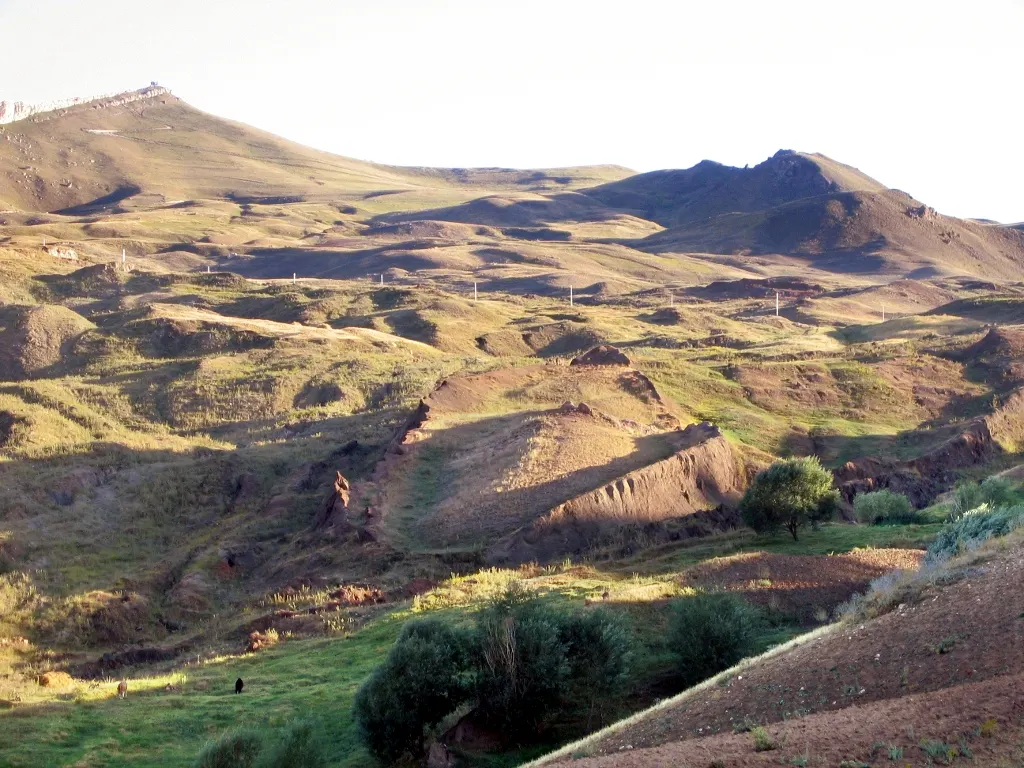
The Durupınar Formation, the Ark
The Durupınar site is a natural geological formation resembling the hull of a massive ship, roughly 160 meters (538 feet) long, situated in the Tendürek Mountains of eastern Turkey. Located 30 kilometers south of Mount Ararat, the outcrop has been promoted for decades by creationists and alternative theorists as the petrified remains of Noah's Ark.

The Columbus Poltergeist
A modest single-story suburban residence located at 3496 Broadmoor Avenue in East Columbus, Ohio, United States. In March 1984, this typical home of adoptive parents John and Joan Resch became the epicenter of an international media storm regarding a sequence of alleged psychokinetic disturbances known as the "Columbus Poltergeist" (or the "Tina Resch case"), emerging as one of the most celebrated and thoroughly debunked episodes in the history of paranormal research.

Ridgway and the Trail-Camera Sasquatch
The forested Appalachian foothills surrounding the borough of Ridgway in Elk County, northwestern Pennsylvania, USA (immediately adjacent to the borders of Allegheny National Forest). In September 2007, an automatic game trail camera deployed in the private woodlands captured a series of images depicting a hunched, shaggy creature with elongated limbs. Widely publicized across international media as the "Jacobs photo" or the "juvenile Sasquatch," the sequence became one of the most prominent cryptozoological media sensations of the 21st century.
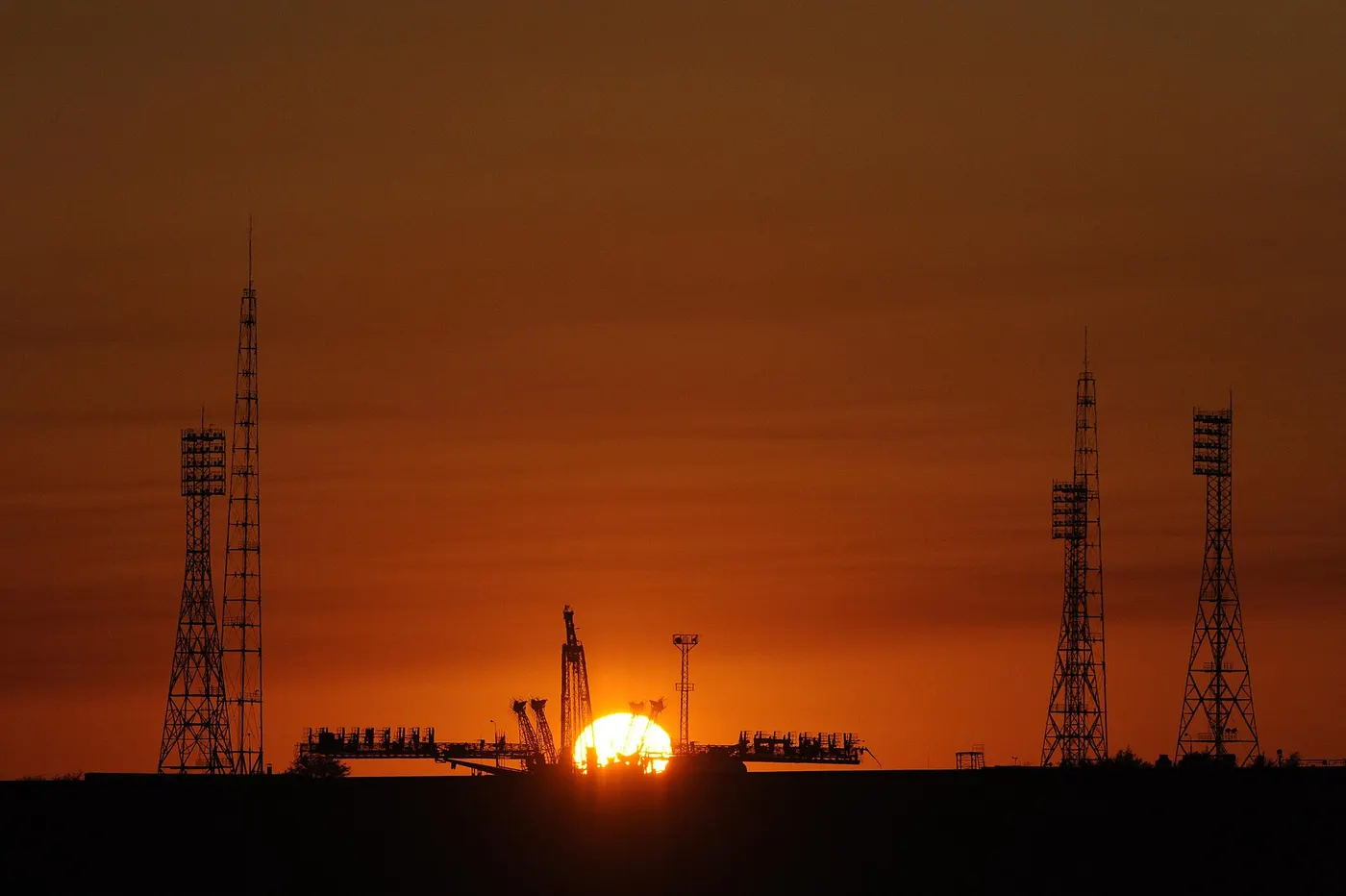
Baikonur and a Sky Full of Explanations
The Baikonur Cosmodrome in the Kyzylorda Region of Kazakhstan is the world's first and largest operational spaceport, long surrounded by reports and rumors of unidentified flying objects. Particular intrigue surrounds accounts by Soviet military personnel and rocket engineers describing glowing spheres, discs, and light beams observed over launch pads and ballistic missile silos.
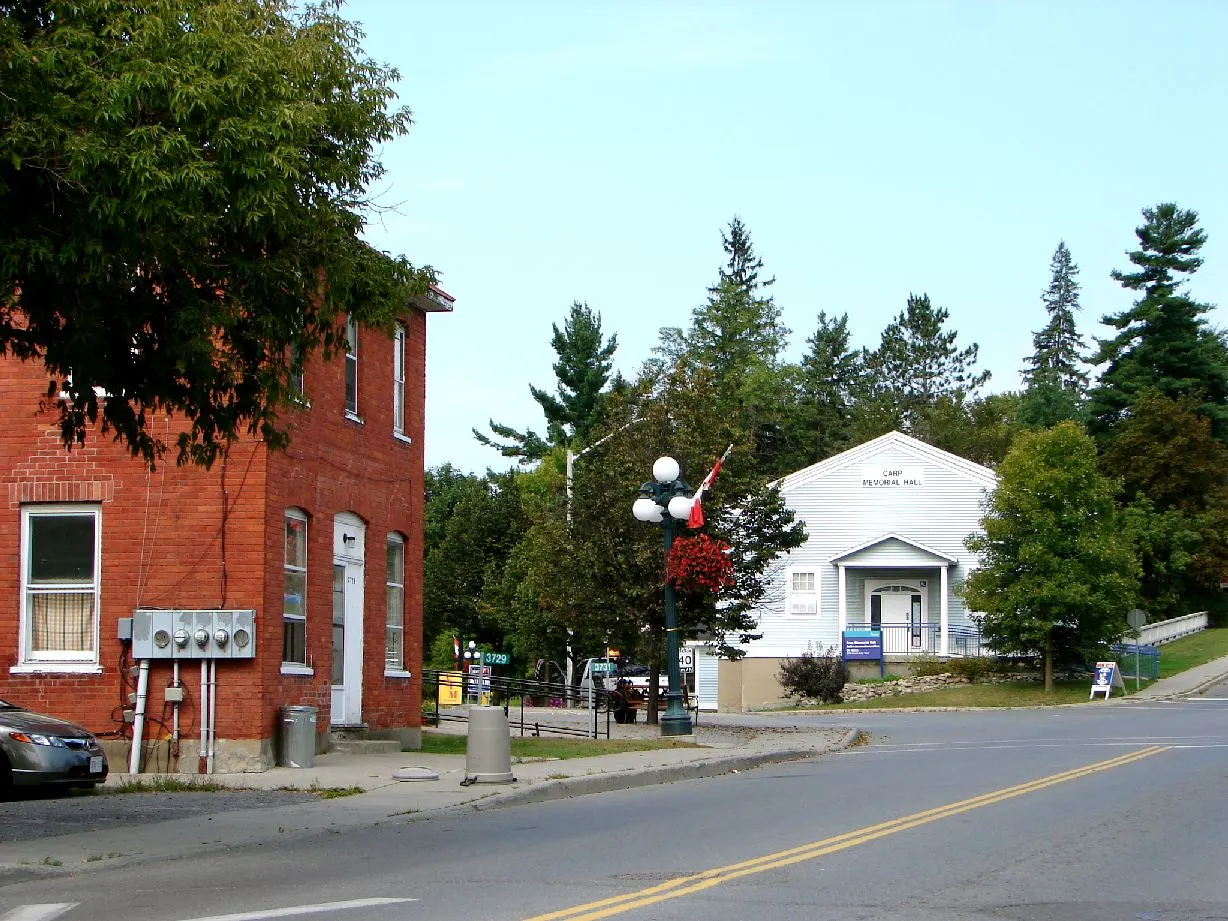
Carp and the Guardian Letters
Between 1989 and 1991 Canadian journalists and researchers received anonymous letters signed "Guardian", claiming that an alien craft had crashed near the village of Carp outside Ottawa and that the government was running a secret programme. Maps and documents came with them, and later a videotape of a glowing object filmed at night. The researcher Bob Oechsler and others checked everything checkable: the documents proved to be assembled from genuine letterheads, and the video showed a lit object in a field. In the 1990s the authorship was attributed to a local man; there was never a full confession. The story survives as a model of how a well-assembled hoax lives for years.
St. Paul and the UFO Landing Pad
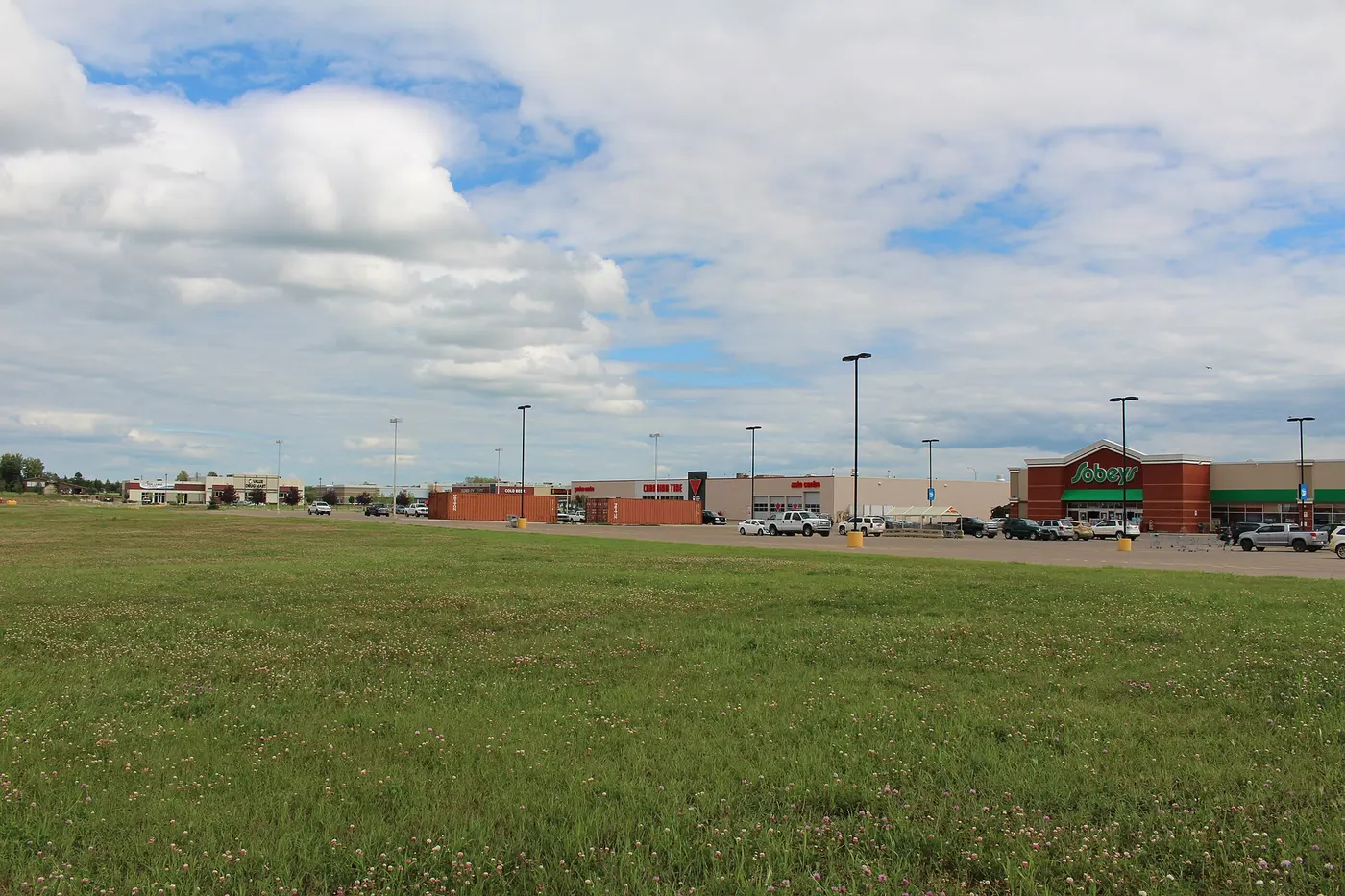
In 1967, for Canada's centenary, this Alberta town built itself a UFO landing pad — a raised concrete structure with a map of Canada made from stone from every province and a plaque inviting any visitor from space to land. It was opened by Canada's minister of national defence, Paul Hellyer, who arrived by helicopter. Forty years later Hellyer became the first former defence minister anywhere to state publicly that extraterrestrials exist. The pad is still there and remains the town's landmark, with a tourist office beside it. In more than fifty years no landing has been recorded.
Mount Adams and the Watchers' Ranch
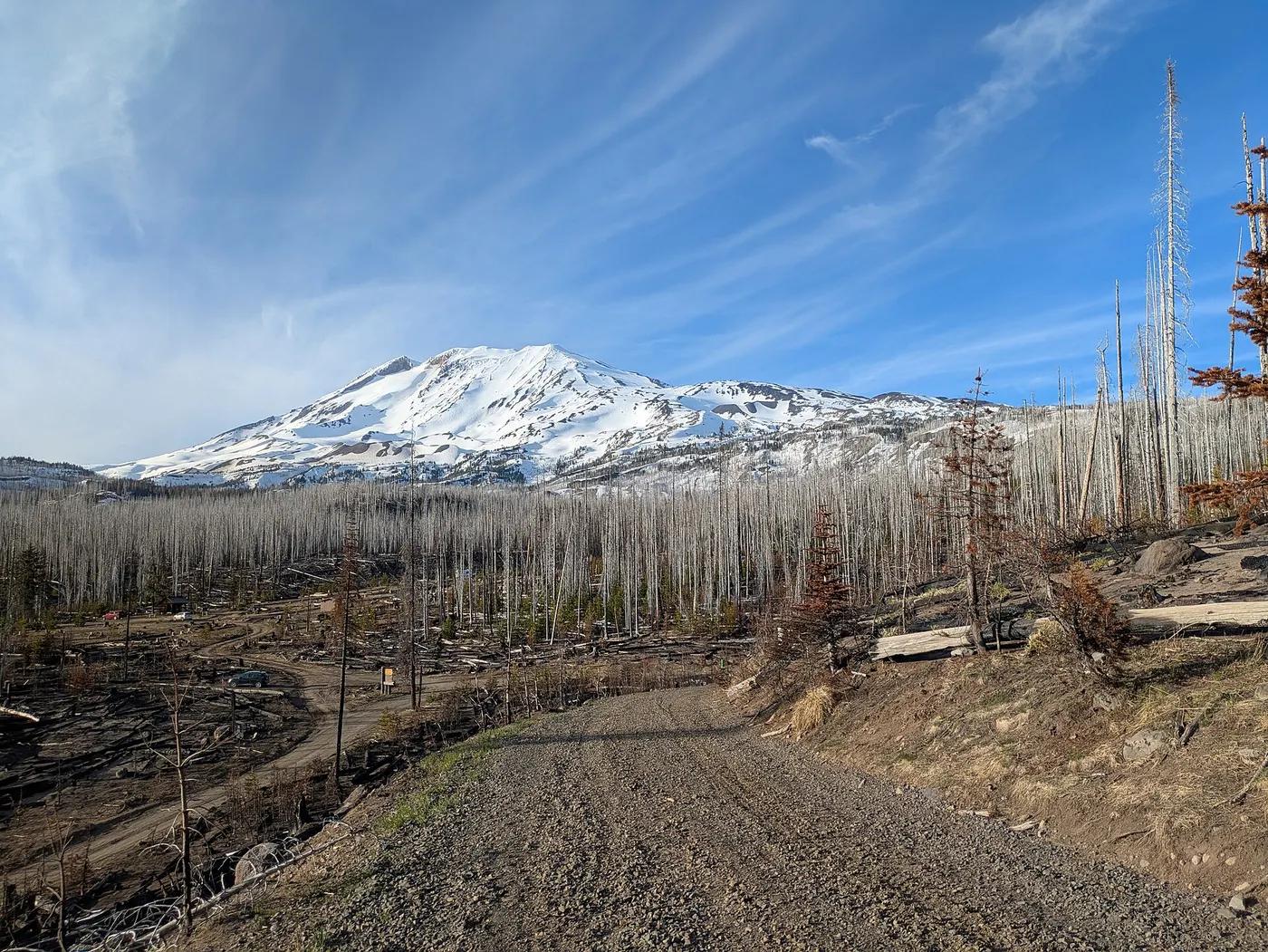
A volcano in southern Washington at whose foot the ECETI ranch has operated since the 1980s — a site people come to specifically in order to watch the sky. In summer dozens camp here with binoculars and cameras, and reports of lights come in every night. It is a rare case on this list of a place known not for one incident but for a continuous practice of watching. The explanation is simple and takes nothing away: the mountain stands well clear of any town, the sky is dark, and low-orbit satellites are visible to the naked eye in their hundreds after sunset. That suits the people who come: there genuinely is a great deal to look at.
Holloman and the Landing That Is Not on Film
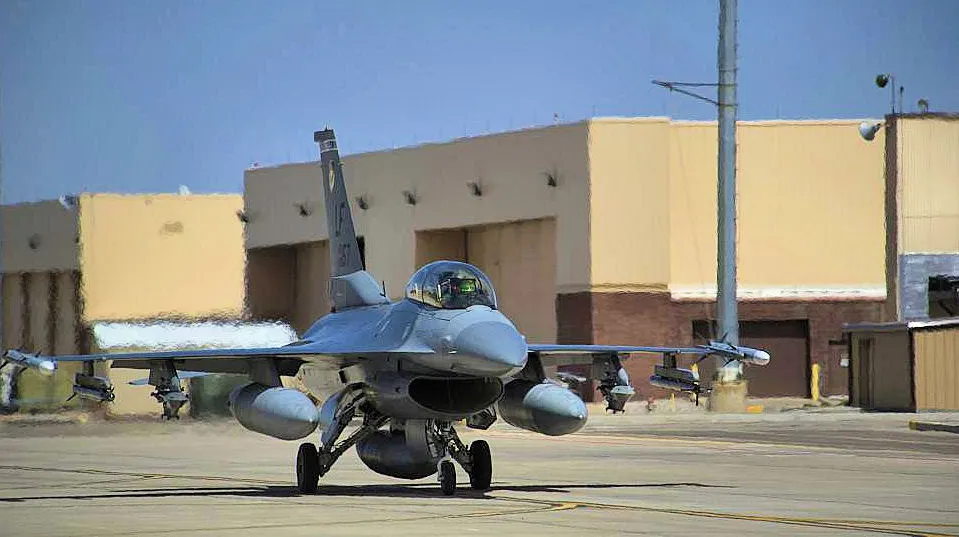
In the 1970s a story spread through the subject that in April 1964 an unidentified craft had landed at this New Mexico base and that a meeting with its crew had been filmed. The source was a producer, Robert Emenegger, preparing a documentary; he was never able to show the film. The base is genuinely associated with the unusual: high-altitude balloon programmes ran here and rocket sleds were tested, and things that fly nowhere else were regularly seen overhead. It is a good example of how a real closed site attracts stories. Nothing in this one is checkable except that the account exists, with a precise date and not one document.
Kanas and the Lights over the Mountain Lake
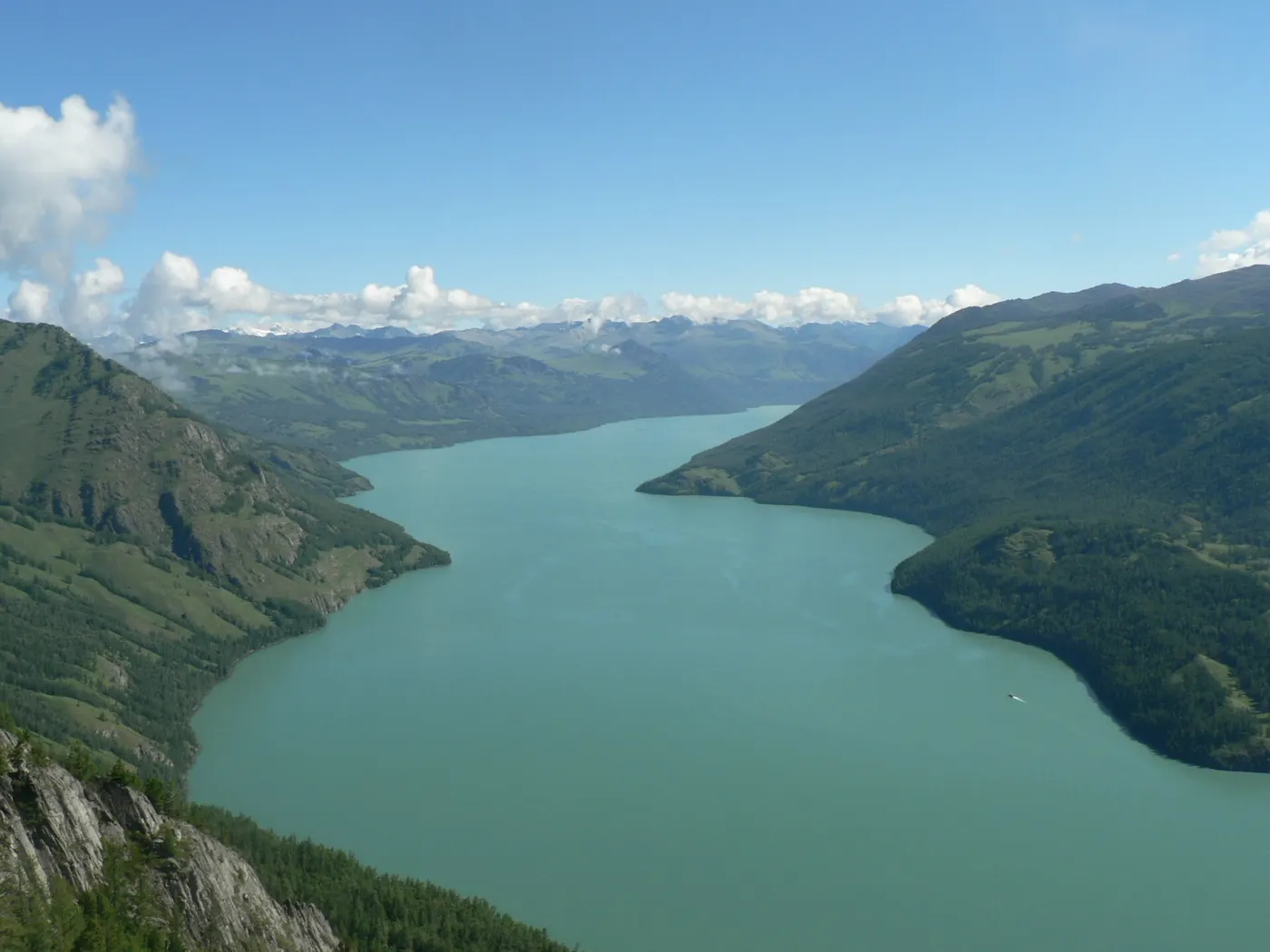
A glacial lake in the far north of Xinjiang, near where the borders of China, Kazakhstan, Russia and Mongolia meet. It is known in China for two things: a lake monster, which is almost certainly a large taimen, and steady reports of lights over the water. The latter increased noticeably in the 2000s, when a road was put in and tourism arrived. The explanation here is largely geographical: the lake lies away from developed country, the air is clean, and launches from Russian and Chinese ranges regularly pass over the mountains, their upper-atmosphere trails visible for hundreds of kilometres and looking exactly as described.
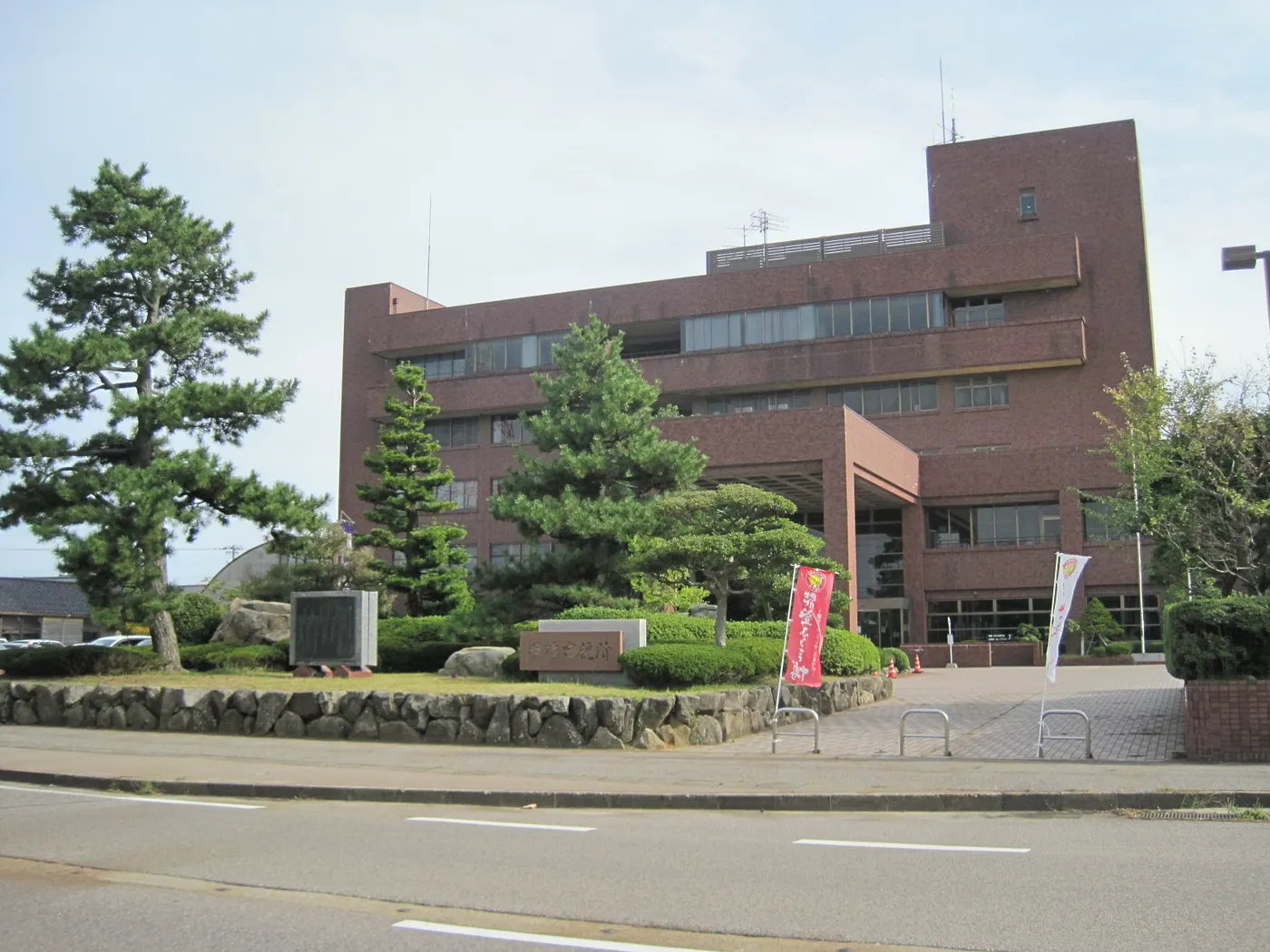
Hakui, the Town That Chose UFOs
A town on the Sea of Japan coast whose local chronicles record sorabune — sky boats — and which has built a municipal strategy on it. In 1996 it opened Cosmo Isle Hakui: a museum where a genuine Voskhod descent module, a lunar module mock-up and a display on unidentified objects stand side by side. The space hardware is real, bought from Russian and American organisations; this is not a theme park. The town deliberately keeps the two lines next to each other — the documented history of spaceflight and the undocumented stories — and the visitor walks from one into the other through a door. As an approach it is more honest than most places on this list.
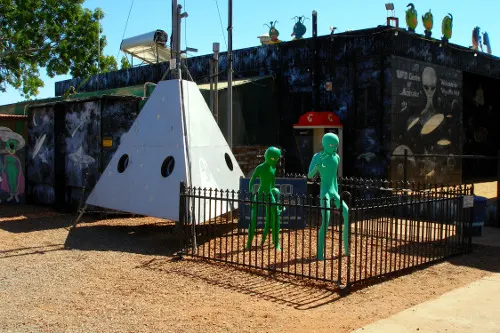
Wycliffe Well, the Roadhouse UFO Capital
A roadhouse on the Stuart Highway in the middle of the Northern Territory — fuel, a campground and a pub — which has declared itself Australia's UFO capital. Reports have come from here since the 1940s, when an army camp stood nearby, and never stopped. The owners have taken an enterprising view: the walls are painted with green figures, models stand at the door, and the bar keeps a folder of cuttings and a book for visitors to write down what they saw. The honest part of the explanation is the sky. This is some of the darkest, clearest air on the planet, satellites and fireballs are visible to the naked eye, and the route to Pine Gap — the joint American-Australian facility, about whose work little is known — passes nearby.
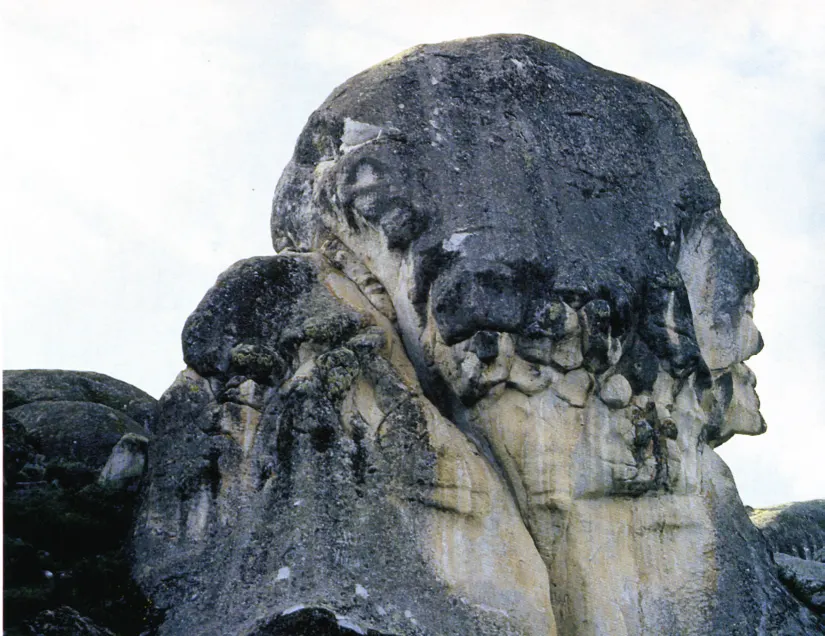
Marcahuasi and the Plateau of Stone Faces
A plateau at four thousand metres in the Peruvian Andes, strewn with weathered rocks in which faces and animal figures appear under the right light. The Peruvian researcher Daniel Ruzo announced in the 1950s that they were the work of an ancient civilisation; geologists hold the shapes to be erosion and the resemblance to be the work of human eyesight. From the 1970s the plateau became a place for esoteric groups to camp, and reports of lights arrived with them. They have been described here for decades, and Marcahuasi is a fixture on Peruvian lists of sighting sites. It can only be reached on foot or on horseback, the nights are cold, and most of the observations were made by people who came for them.
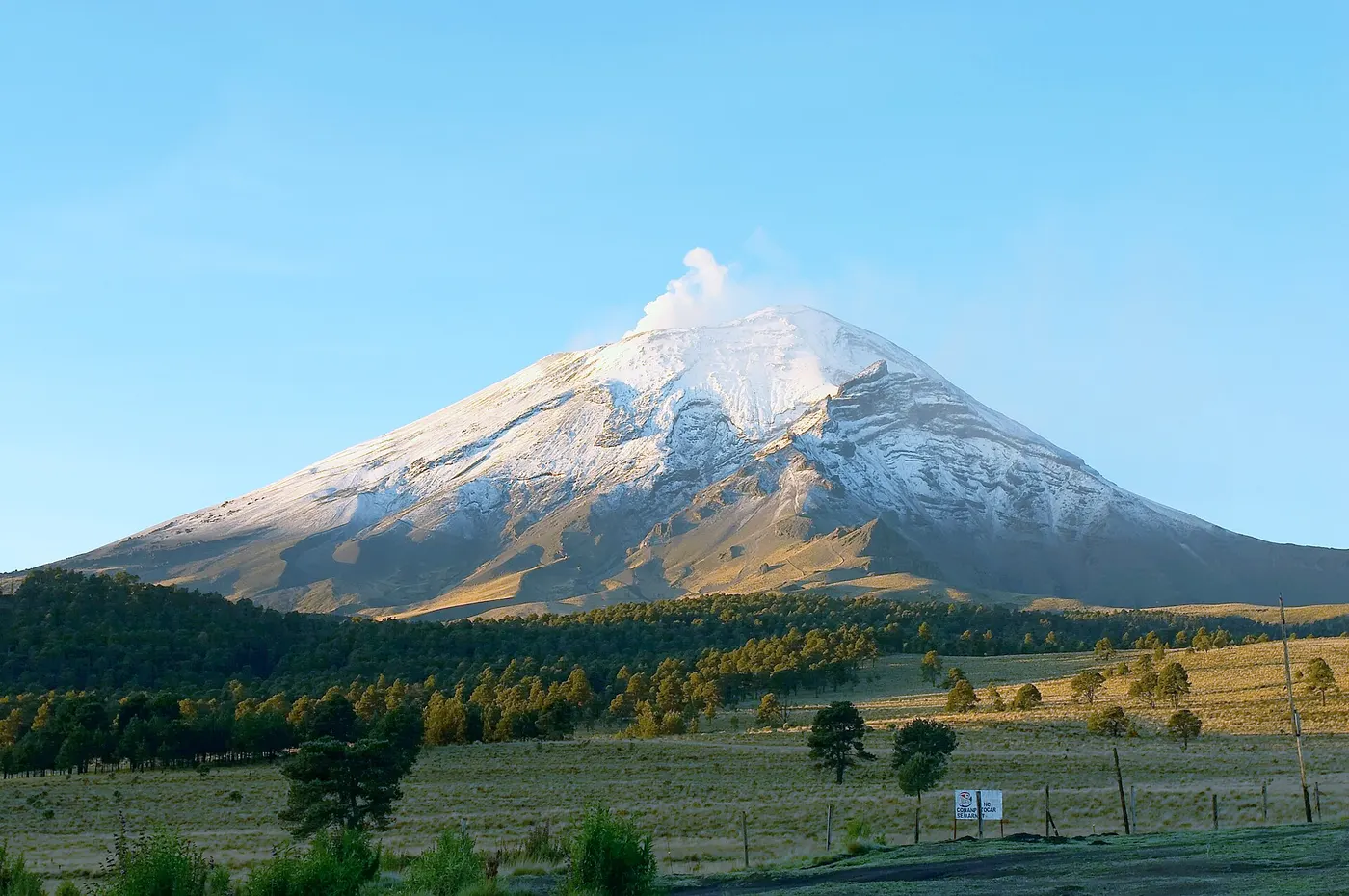
Popocatépetl and the Objects in the Crater
An active volcano seventy kilometres from Mexico City whose crater is watched around the clock by the cameras of the national disaster prevention centre. The recordings are published openly, and since 2012 elongated glowing objects have regularly been found in them, entering or leaving the crater. The best-known clip, showing a cigar shape about a kilometre long, went round the world in October 2012. Volcanologists attribute such footage to a combination of video compression artefacts, birds and insects passing close to the lens, and glowing fragments thrown out in minor explosions. The cameras keep recording, and the material accumulates faster than anyone works through it.
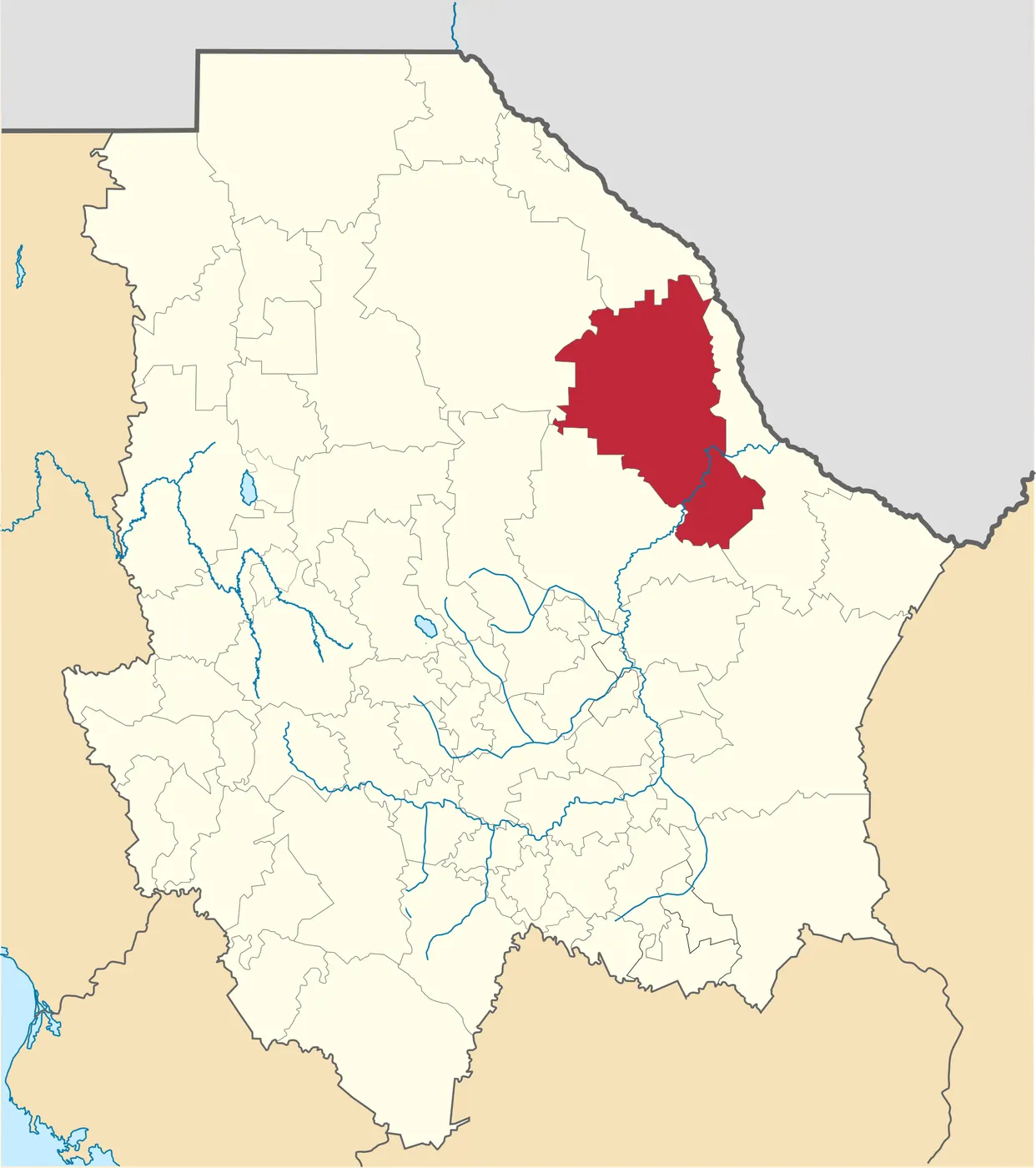
Coyame and the Crash That May Not Have Happened
On 25 August 1974 US radar over the Chihuahua desert picked up an unidentified return heading north and, almost at the same time, a light aircraft. The returns merged and vanished. In the version set out in a document that reached an American researcher in 1978, a Mexican military party found the wreckage of a disc in the desert, and then contact with the party was lost. The document is a typed report with no signature and no classification, of unknown provenance. No agency in either country has ever confirmed it. The case survives in the literature as an example of a story grown entirely out of one piece of paper, and is useful for exactly that: there is nothing in it to check.
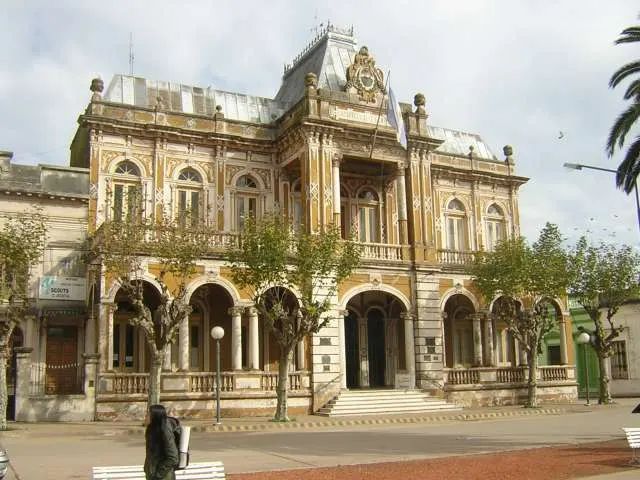
Victoria and the Corridor over the Paraná
Since the 1990s this Argentine town on the bank of the Paraná has collected so many reports of lights over the delta islands that locals call the stretch a corridor. Most sightings are made from the Rosario–Victoria bridge and the roads along the shore. The town treats it practically: there is a municipal UFO route and signposts on the way in. Sceptics point out that airways cross the delta and that temperature inversions over the wet islands are common, producing the shimmer and apparent movement of stars near the horizon. That accounts for part of the reports; the flow of them has not slowed over the years.
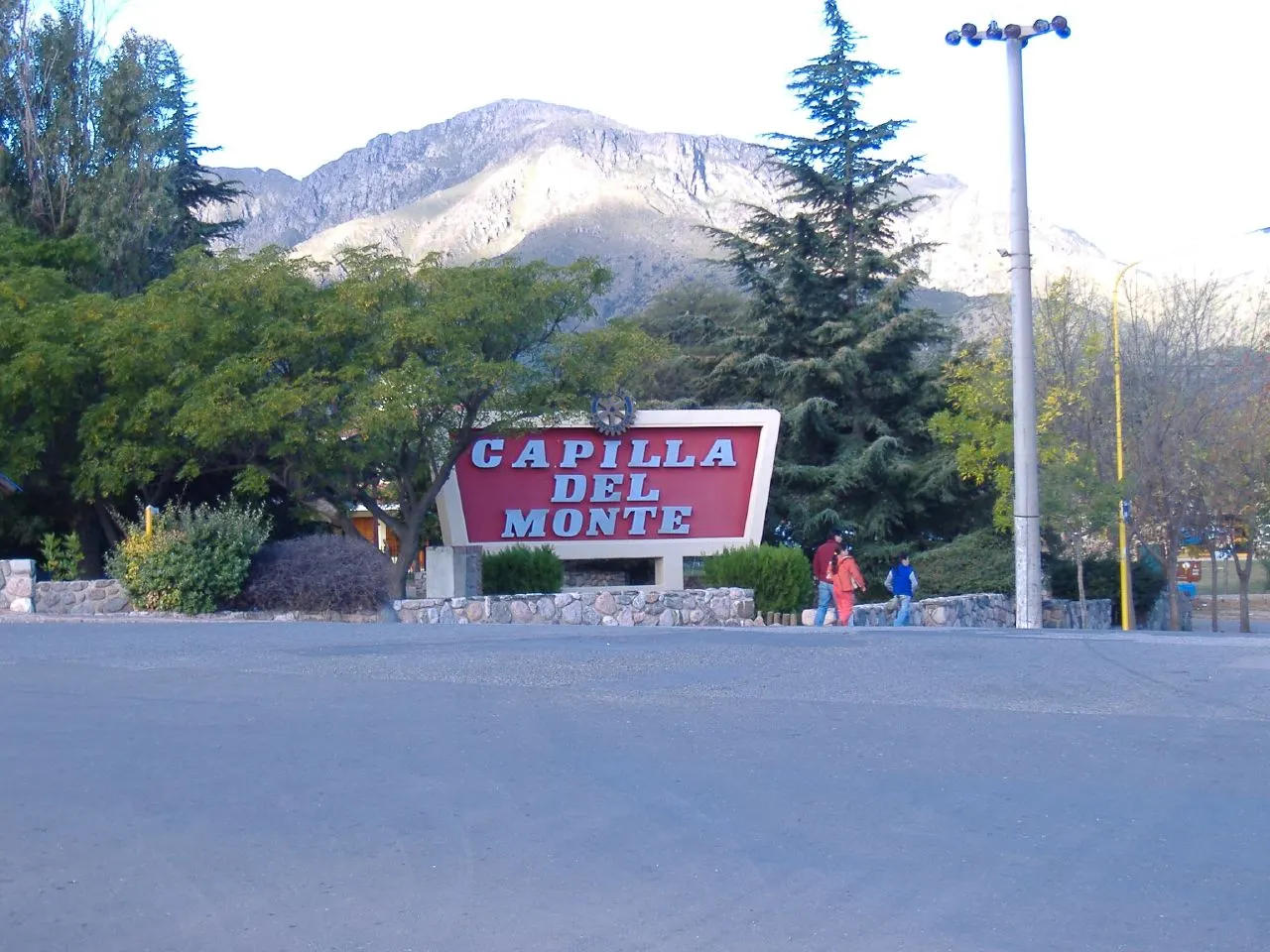
Capilla del Monte, the Town That Lives on It
A town at the foot of Cerro Uritorco in the Argentine province of Córdoba, known across Latin America as the capital of UFO tourism. In January 1986 a scorched oval about a hundred and twenty metres long was found on the slope, and its origin was never established; the town's fame begins there. Since then it has held the annual Alta Uritorco festival, its hotels cater to energy tourism, and on New Year's Eve thousands climb the mountain to wait for lights. Local esoteric tradition places an underground city, Erks, inside the mountain. No expedition has found anything of the kind, and it has made no difference at all to the visitor numbers.
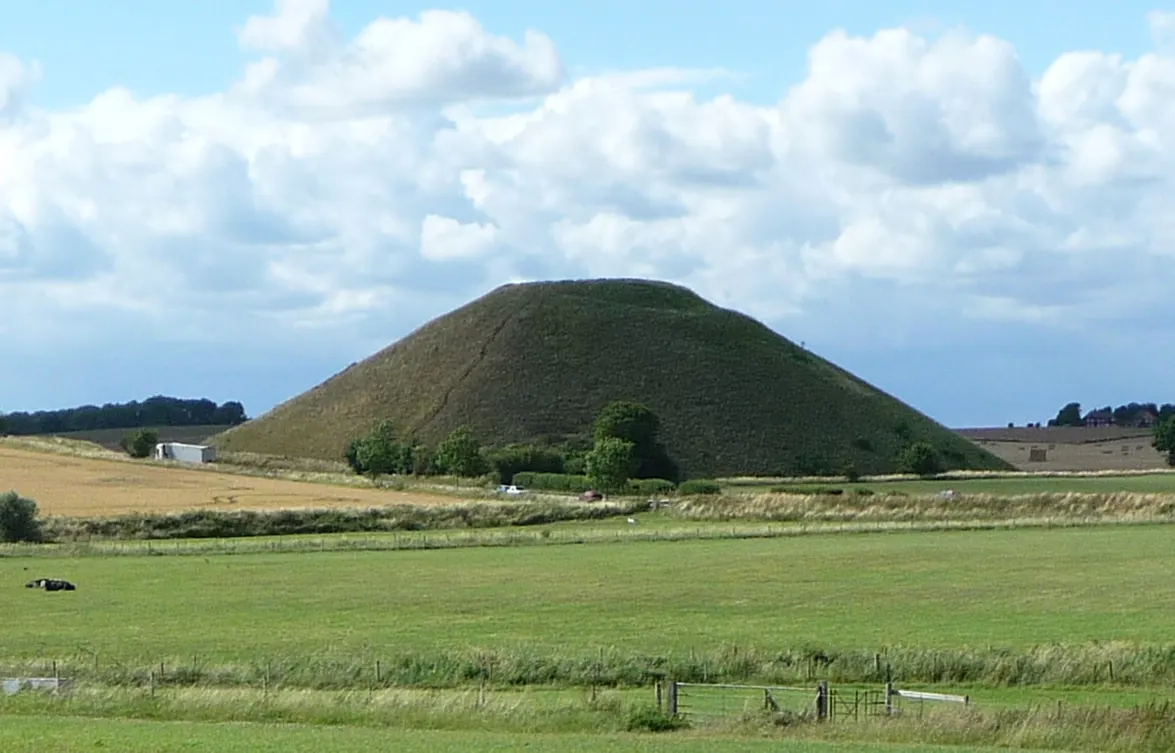
Silbury Hill and the Fields Around It
The largest man-made mound in prehistoric Europe — forty metres of earth raised around 2400 BC. Why is unknown: excavation inside found nothing. In this subject it is known for something else: the fields around Silbury and neighbouring Avebury have produced more crop circles since the 1980s than anywhere else on earth. The figures appear overnight, sometimes a hundred metres across, sometimes mathematically elaborate. In 1991 Doug Bower and Dave Chorley demonstrated how they had been making circles with planks and rope since 1978, and the question of origin largely closed. The circles still appear every summer — made openly now, with some of the makers known by name.