Barnum's Feejee Mermaid
In the summer of 1842 New York read in the papers that an English naturalist, Dr Griffin, had arrived with a dried mermaid from the South Seas. There was no Dr Griffin — he was Barnum's employee Levi Lyman, and Barnum wrote the letters to the editors himself. The specimen, leased from the Boston showman Moses Kimball, was the upper half of a monkey sewn to the tail of a large fish, one of dozens made by Japanese or East Indian craftsmen in the nineteenth century. Takings at the American Museum tripled. The original most likely burned with the museum in 1865.
The Durupınar Formation, the Ark
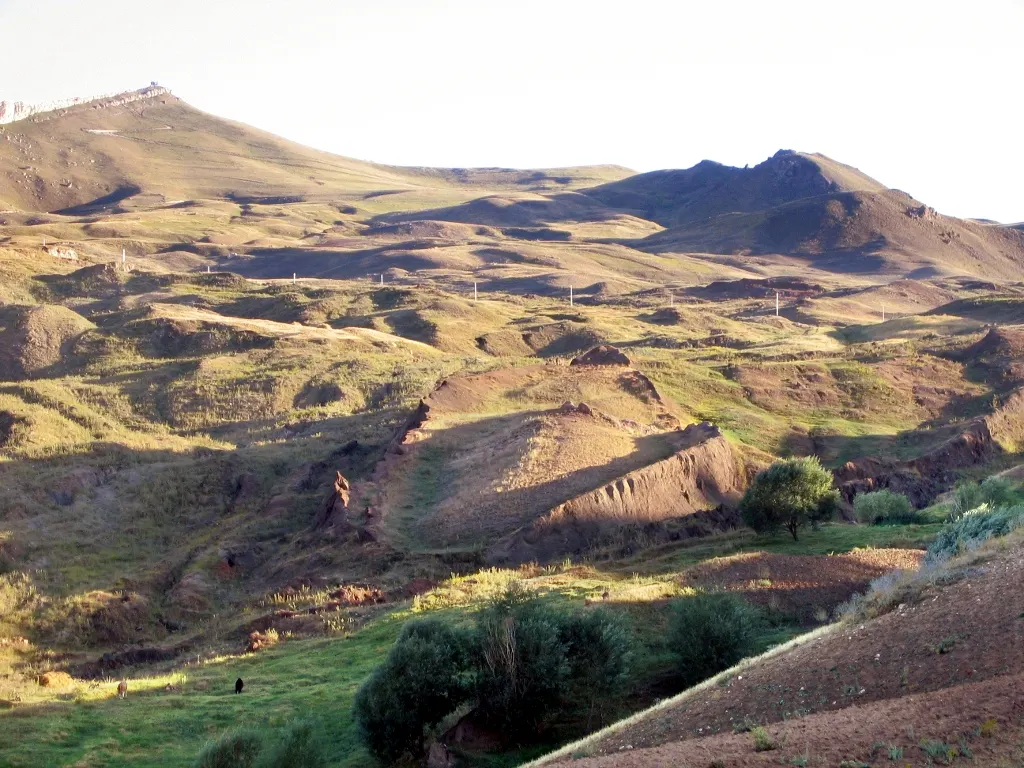
The Durupınar site is a natural geological formation resembling the hull of a massive ship, roughly 160 meters (538 feet) long, situated in the Tendürek Mountains of eastern Turkey. Located 30 kilometers south of Mount Ararat, the outcrop has been promoted for decades by creationists and alternative theorists as the petrified remains of Noah's Ark.
Comments
No comments yet. Be the first.