Lagarfljót and Its Worm
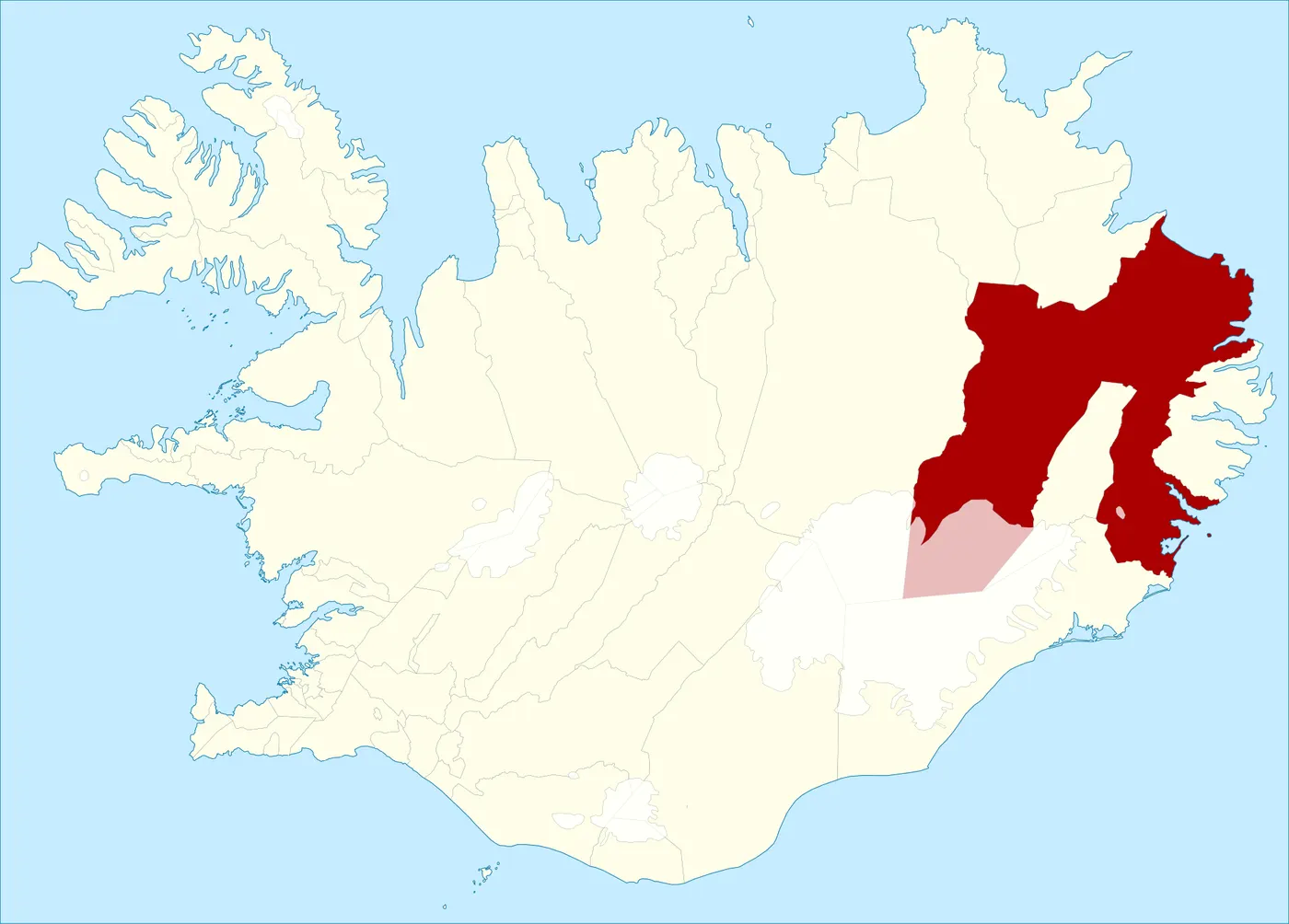
Lake Lagarfljót (also known as Lögurinn) is an elongate glacial lake situated in the Austurland region of eastern Iceland, stretching roughly 25 kilometers in length with depths reaching up to 112 meters. Fed by glacial meltwaters running off the Vatnajökull ice cap via the turbulent Jökulsá í Fljótsdal river system, the lake is celebrated for the Hallormsstaðaskógur national forest, the dramatic Hengifoss waterfall, and its status as the domain of Iceland's most famous folklore monster: the legendary giant lake serpent known as the Lagarfljót Worm (Lagarfljótsormurinn).
The legend
Danger Level: Green (Scenic nature tourism and cultural folklore posing zero physical danger) Icelandic chronicles and oral tradition have documented the Lagarfljót serpent for centuries, with the earliest written sightings appearing in the Annals of 1345. According to classic folklore collected by Jón Árnason, a young girl received a gold ring and placed a tiny heather worm atop the gold inside a chest to magically multiply the precious metal. The worm rapidly morphed into a terrifying monster, breaking the box. Panicked, the girl cast both the gold and the creature into the deep waters of Lake Lagarfljót. The serpent grew into a hundred-meter leviathan with multiple humps haunting the lake bed. Folk belief held that sightings of the creature—reportedly exhaling foul gas and toxic foam—foreshadowed severe crop failures, livestock blights, or volcanic eruptions. The myth erupted into global headlines in February 2012 when local resident Hjörtur Kjerúlf captured viral video footage appearing to show an undulating, dark serpentine creature navigating upstream through pack ice, championed by alternative researchers as decisive proof of a living prehistoric lake monster.
What actually happened?
Scientific hydrological assessments and independent forensic video analyses dismantled the cryptid claims: Glacial turbidity and optical illusions: Lake Lagarfljót is an intensely cold glacial basin laden with suspended sediment and fine glacial flour. Underwater visibility rarely exceeds 20 to 80 centimeters. The opaque, milky-gray waters, combined with flat low-angle Arctic sunlight, constantly distort surface reflections of floating ice, foam lines, and submerged shoreline roots into apparent living silhouettes. Debunking the 2012 viral footage: frame-by-frame analysis by Finnish optics researchers and Icelandic hydrologists proved the undulating "serpent" was stationary relative to the riverbed. The object was a tattered, heavy-duty commercial nylon fishnet or geotextile tarp snagged tightly on a submerged underwater boulder or sunken tree branch. The freezing current coated the material in rime ice, while the rushing water flowing past generated hydrodynamic flutter (vortex shedding), causing the anchored fabric to ripple rhythmically. The illusion of propulsion upstream was created because moving frazil ice drifted past the anchored net while the camera lacked a stable foreground reference frame. Ecosystem constraints: Lagarfljót is an ultra-oligotrophic body of water choked with mineral silt, which suppresses aquatic photosynthesis and primary biomass production. The caloric profile of the lake is entirely incapable of sustaining a breeding population of megafaunal reptilian or mammalian predators. История · RU
History
The earliest written documentation appears in the Skálholtsannáll of 1345, where sightings of massive aquatic mounds in Lagarfljót were recorded alongside omens of regional livestock disease and epidemics. In 1589, Bishop Oddur Einarsson documented the creature in his geographical treatise Qualiscunque descriptio Islandiae. In 1963, regional forestry director Sigurður Blöndal published a detailed account of observing a massive undulating ridge breaking the surface, sparking modern monster lore. Following the viral 2012 video, the Fljótsdalshérað municipal council formed a 13-member investigative Truth Committee. In August 2014, the council narrowly voted (7 to 6) to declare the footage "authentic," awarding videographer Hjörtur Kjerúlf a municipal prize of 500,000 ISK—a lighthearted civic marketing decision engineered to boost regional tourism revenues. Today, the monster serves as the premier cultural mascot of East Iceland.
Where is it?
Múlaþing municipality, Austurland region, eastern Iceland; the lake extends southwest from the regional hub of Egilsstaðir into the Fljótsdalur valley along the Ring Road (Route 1) and scenic coastal routes 931 and 95.
Can you visit?
Yes, Lake Lagarfljót and the surrounding scenic reserves are freely accessible to the public year-round. A paved scenic loop (Route 931) encircles the entire shoreline, allowing travelers to drive the perimeter in 1.5 to 2 hours in standard rental cars. The shoreline features infrastructure, parking overlooks, walking trails through the Hallormsstaður arboretum, and the popular hiking ascent to Hengifoss waterfall. During summer months, a small excursion boat named Lagarfljótsormurinn operates passenger tours. Swimming is strongly discouraged due to subpolar water temperatures (+4°C to +8°C in summer), poor visibility, sinking silt beds, and strong glacial currents.
Bodmin Moor and Its Beast
A granite moor in Cornwall where, from 1978, farmers lost livestock to wounds vets called uncharacteristic of dogs. Witnesses described a large black cat. In 1995 the Ministry of Agriculture ran a formal investigation and concluded there was no evidence of a big cat; a week later a schoolboy found a skull on a riverbank that proved to be a leopard's — though it had come from an imported rug.
Comments
No comments yet. Be the first.