Yellow level — mystical places on the map
Something is reported, and nobody is hurt by it: voices, figures, lights, cold, objects that move, cameras and engines that stop working. This is the level most hauntings actually sit at — frightening to be in, and that is all that was ever claimed.
164 placesAbout the danger levels
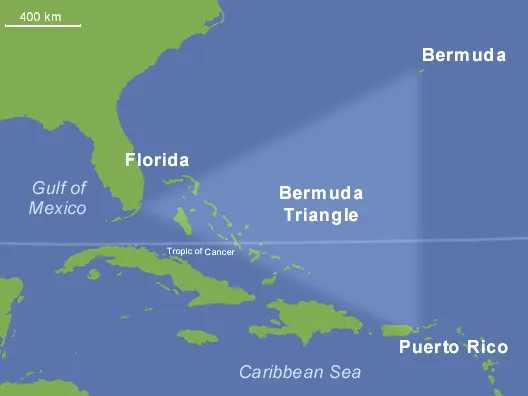
Bermuda Triangle
The Bermuda Triangle (also known as the "Devil's Triangle") is a loosely defined oceanic region in the western North Atlantic, conventionally demarcated by points connecting the Bermuda archipelago, Miami (Florida), and San Juan (Puerto Rico). Encompassing an area of roughly 1 to 1.5 million square kilometers, the sector encompasses the Florida Straits, the Bahamas, and portions of the Sargasso Sea. Throughout the latter half of the 20th century, the zone became the premier global archetype of maritime and aviation lore, reputed across popular culture for the unexplainable disappearance of dozens of vessels and aircraft.
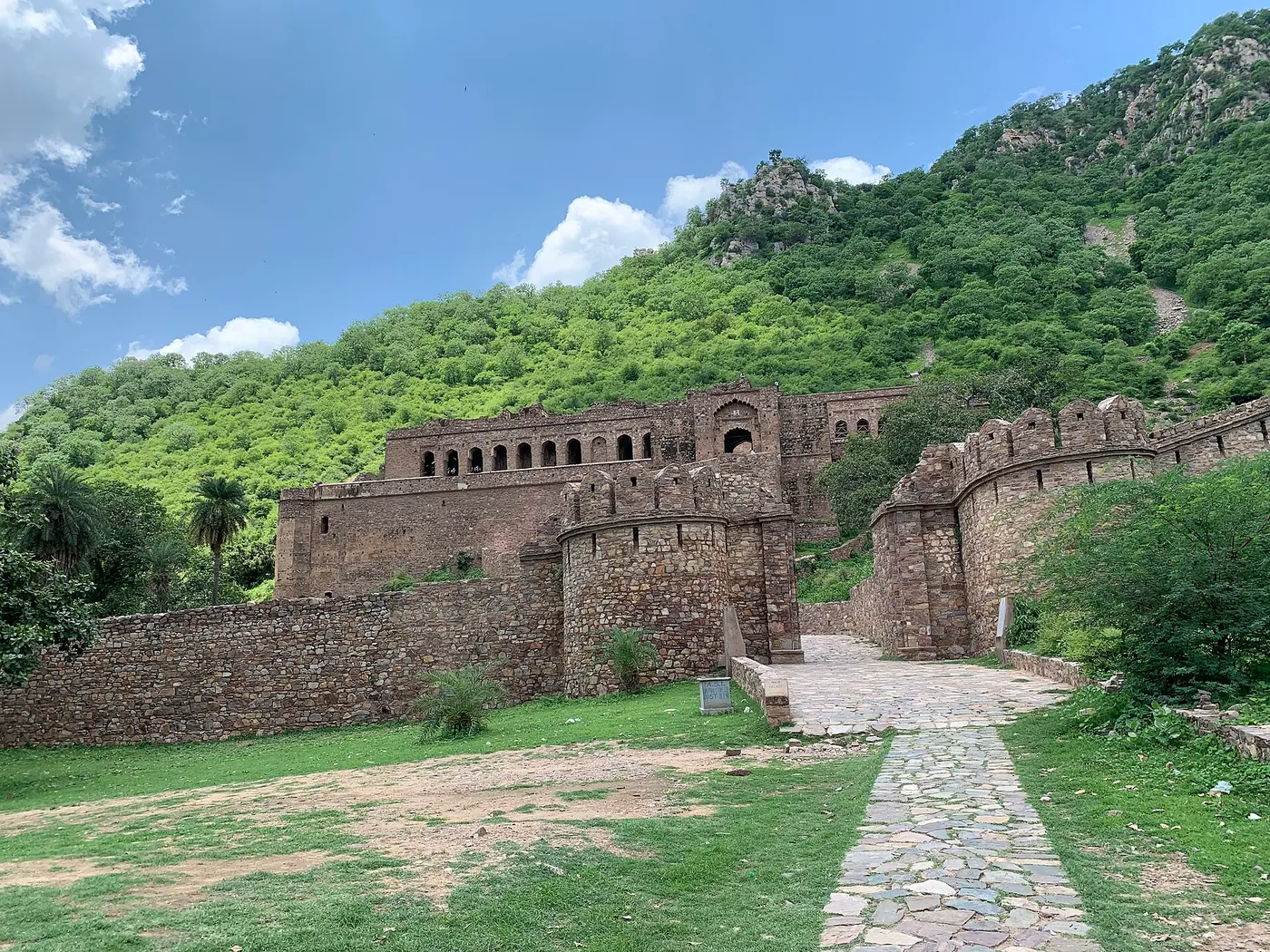
Bhangarh Fort
Bhangarh Fort is a monumental late-16th- to early-17th-century abandoned fortified city located in the Alwar district of Rajasthan, India, situated at the base of the Aravalli Range bordering the Sariska Tiger Reserve. Encompassing the ruins of a multi-tiered royal palace, stone bazaars, defensive bastions, and ornate Hindu temples, the complex is designated as a Monument of National Importance by the Archaeological Survey of India (ASI) and is globally famous as "the most haunted place in Asia."
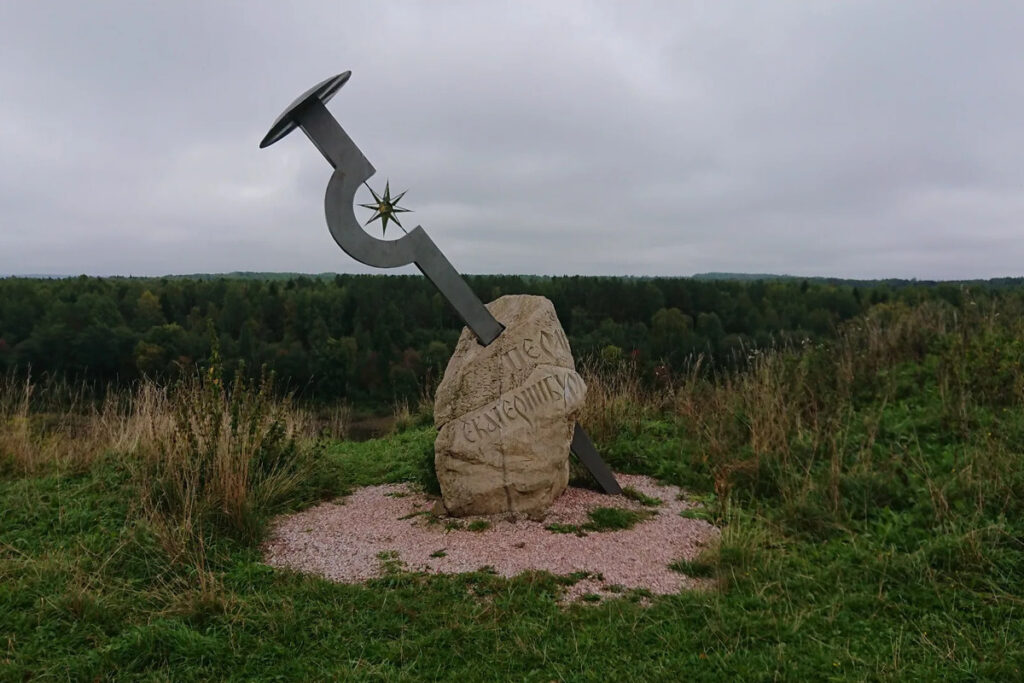
The Molebka Triangle
The Molebka Triangle (also known as the M-Zone or the Perm Anomalous Zone) is a geographic area spanning roughly 70 square kilometers in the Kishertsky District of Perm Krai, Russia, situated along the Sylva River near the historic village of Molebka. In the late 1980s, this remote pocket of Ural taiga transformed into the Soviet Union's first and most famous recognized "paranormal zone," becoming a global epicenter for UFO tourism and ufological expeditions.

Alternative 3
Anglia House in the historic center of Norwich, Norfolk, UK—the former central broadcast headquarters of Anglia Television. It was from this building in the summer of 1977 that the network aired "Alternative 3," one of the most elaborate television mockumentaries in British broadcast history, which inadvertently laid the groundwork for modern conspiracy lore regarding secret space programs and elite off-world colonies.
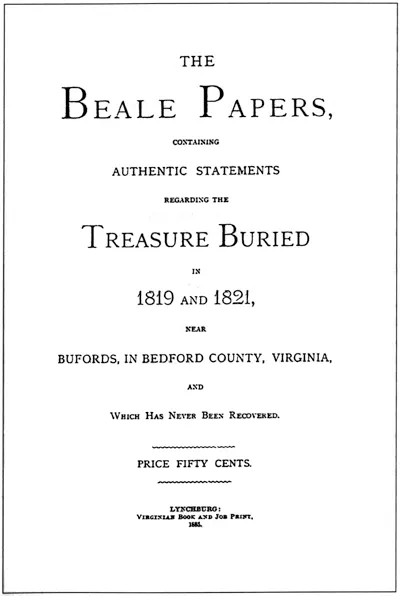
The Beale Ciphers
Bedford County and the city of Lynchburg in Virginia, USA, form the geographic core of one of the most famous cryptographic mysteries in American history. In 1885, an anonymous pamphlet surfaced containing three coded texts purporting to reveal the exact burial site of an enormous cache of gold, silver, and jewels buried in the 1820s by an adventurer named Thomas J. Beale.
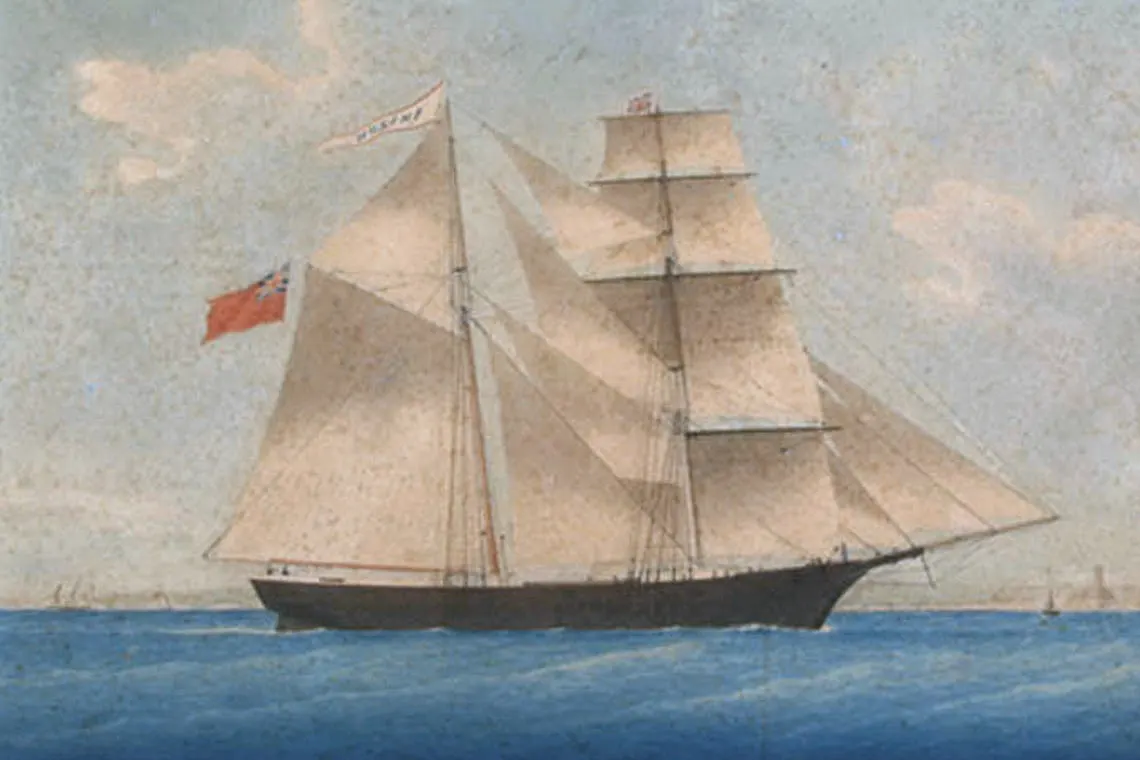
The Mary Celeste at Gibraltar
The Port of Gibraltar and the historic Gibraltar Vice-Admiralty Court represent the focal point of the greatest maritime mystery of the 19th century: the saga of the brigantine Mary Celeste. In December 1872, the derelict "ghost ship" was towed into Gibraltar Harbour, where an exhaustive British maritime inquiry took place, laying the groundwork for countless nautical legends and modern conspiracy lore.

Coyote Canyon and the Coyote Springs tract
Coyote Canyon and the Coyote Springs tract form a rugged canyon featuring natural mineral springs nestled at the foot of the Manzanita Mountains southeast of Albuquerque, New Mexico, USA. In the late 19th century, it was a quiet destination for wilderness camping and convalescence; in modern history, it became one of America’s most secretive and anomalous military corridors, absorbed into the restricted perimeter of Kirtland Air Force Base and Sandia National Laboratories—nearly a century before the Paul Bennewitz affair made it globally famous.
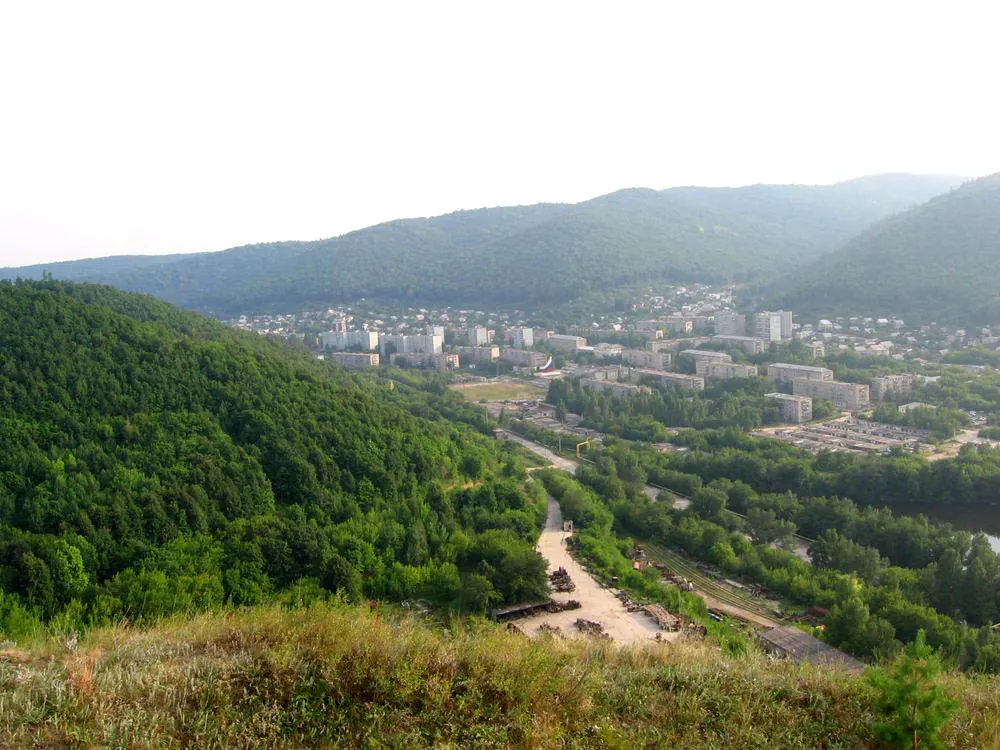
Zhigulyovsk and the Mirages of the Samara Bend
Samarskaya Luka and the Zhiguli Mountains surrounding the town of Zhigulyovsk form a dramatic tectonic bend where the Volga River loops 200 kilometers around an ancient limestone massif. The region is recognized as one of Russia's primary epicenters for optical anomalies, where chronic mirages, floating "ghost cities" over the water, and mysterious light pillars have been documented for centuries.
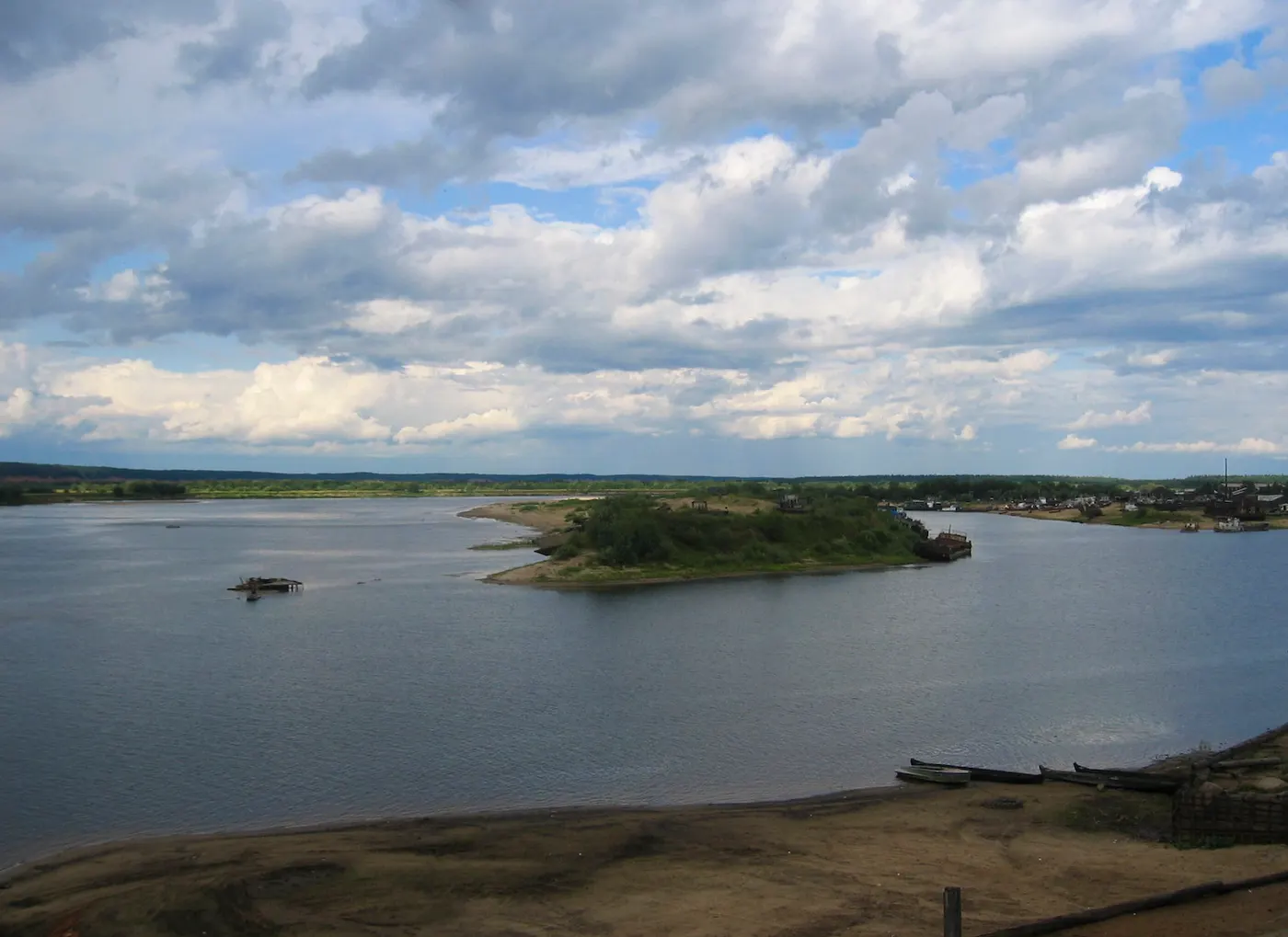
The Vashka and the Piece of Alloy
The Vashka River in the Udorsky District of the Komi Republic is a remote tributary of the Mezen flowing through dense northern taiga. The location gained national and international renown in the summer of 1976 when a strange metallic fragment (known as the "Vashka Find") was discovered on a river gravel bar, becoming a central physical artifact in Soviet ufological lore.
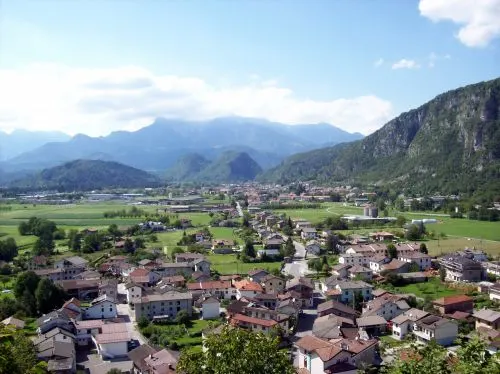
Villa Santina and Rapuzzi's Drawing
On 14 August 1947, six weeks after Kenneth Arnold's flight, an artist named Rapuzzi Johannis was walking in the mountains near this village in Friuli when, by his account, he met two short beings in tight suits and, behind them, a lens-shaped craft. He said they took his pencil and his drawing from him. At home he drew what he had seen. He gave the drawing and a full description to Italian researchers only in the 1960s. It is one of the earliest European contact reports and the first of its kind in Italy; its value is chiefly chronological — it appeared before the genre it would later be said to imitate had formed at all.
Edwards and the Night on Tape
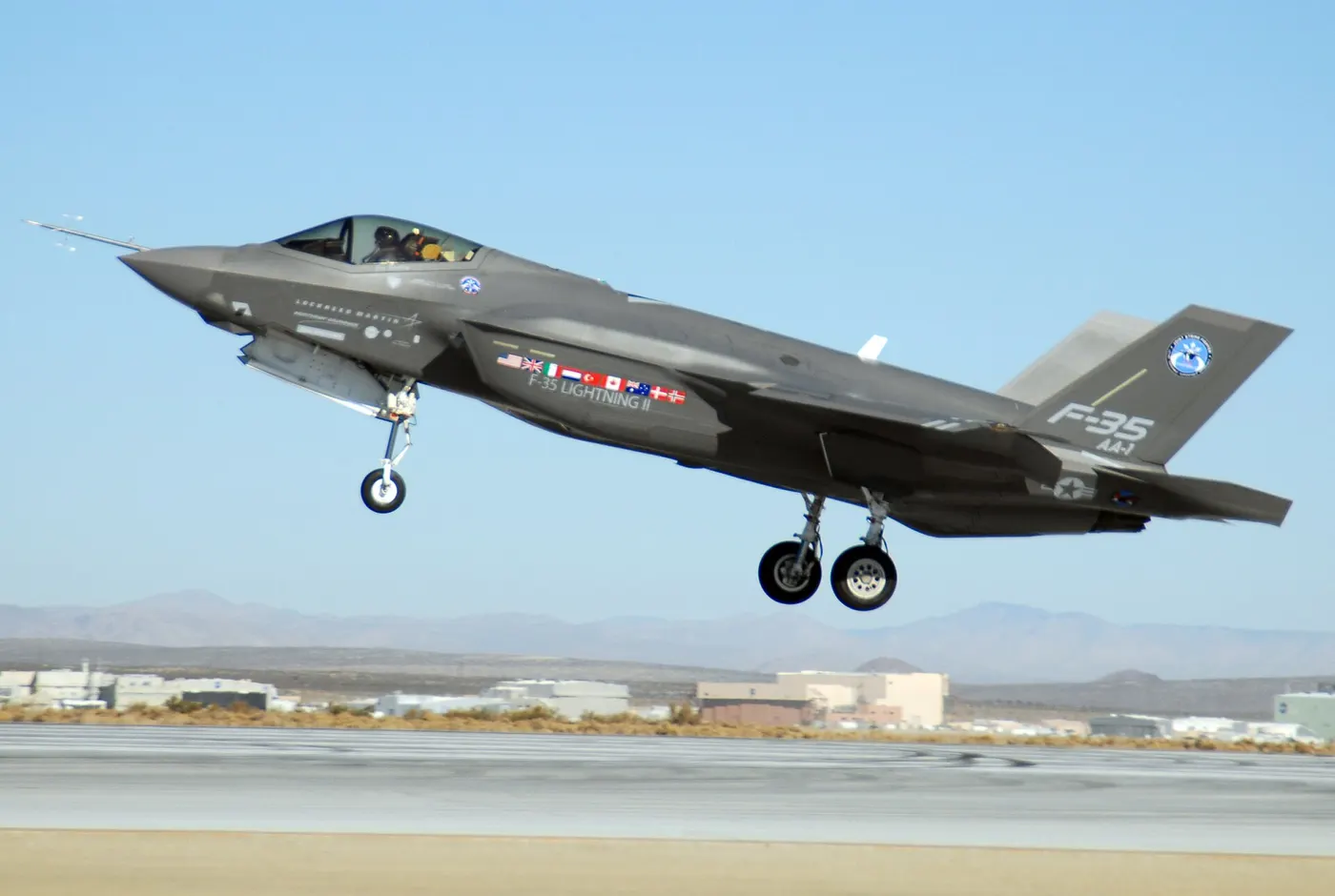
On the night of 3 October 1965 controllers and aircrew at this California base and the range next to it spent several hours tracking unidentified objects that hovered, separated and closed again. The radio recordings survive and were later declassified — officers can be heard discussing the sighting in real time. Dozens of people saw the objects from the ground, base command among them. An aircraft was sent up and found nothing. Edwards is a test base where things that were not reported were being flown in those years, and that is the main explanation. It does not settle the central question: why the base's own staff could not identify what was happening.
Minot and the Night on the Missile Field
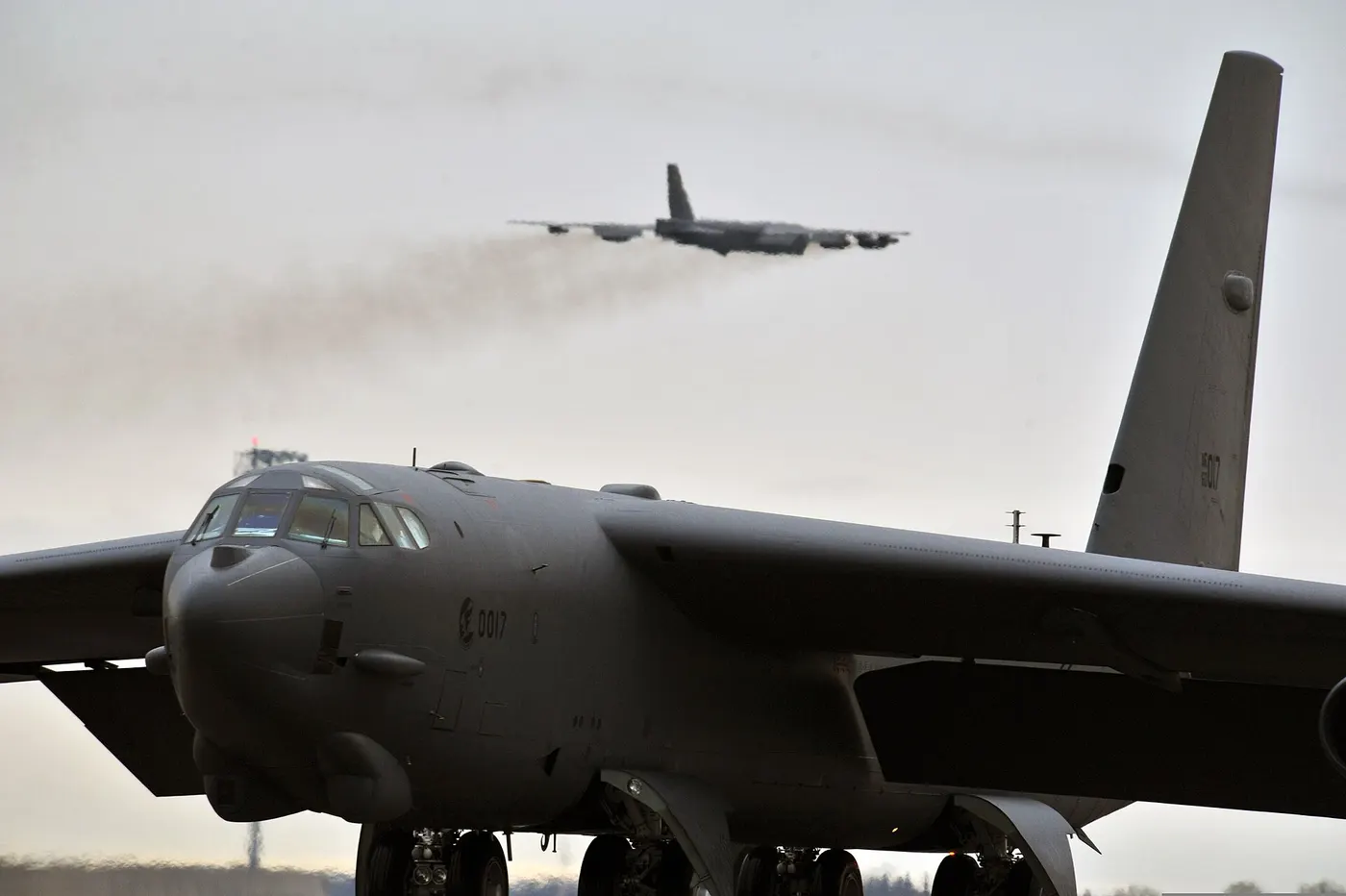
On the night of 24 October 1968 several security patrols on the missile field of this North Dakota base reported a glowing object hanging over the silos. Ground radar held a return, and the crew of a B-52 on approach saw it both on their own radar and with their eyes. The episode entered the Project Blue Book files with an unusually full set of documents: statements from sixteen men, radar film and duty reports. The official explanation is plasma and the star Sirius. It does not account for the agreement between ground and airborne radar, and the case remains one of the most cited military files in the archive.
Hangzhou and the Airport Closed for an Hour
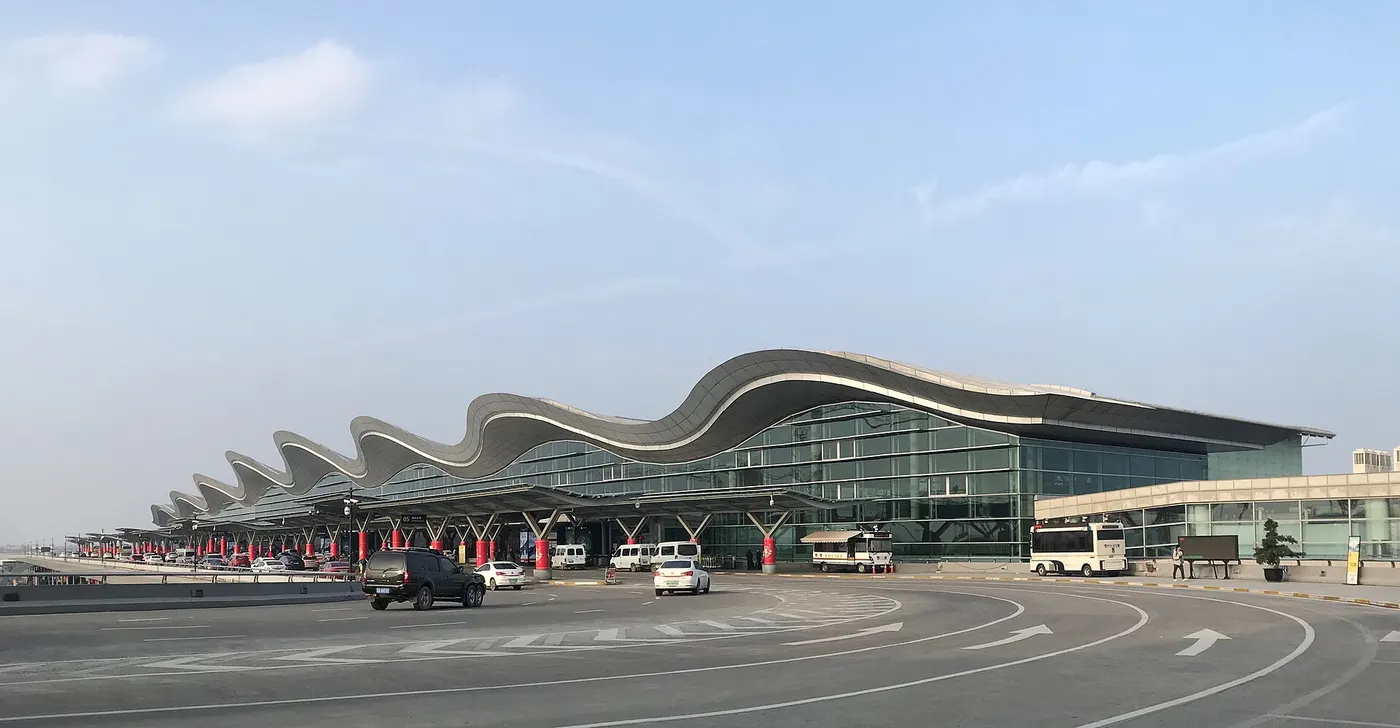
On the evening of 7 July 2010 Xiaoshan airport at Hangzhou stopped work for almost an hour: controllers logged an unidentified object in the zone and eighteen flights were diverted. Passengers and residents photographed a bright trail in the sky. It is a rare instance of a report of an unidentified object shutting down a major airport. Days later the authorities said the phenomenon was connected with military activity and gave no details. The likeliest reading is a missile or aircraft trial; a contrail lit by a low sun produces exactly this picture, and the photographs are consistent with it.
Ruwa and the School Yard
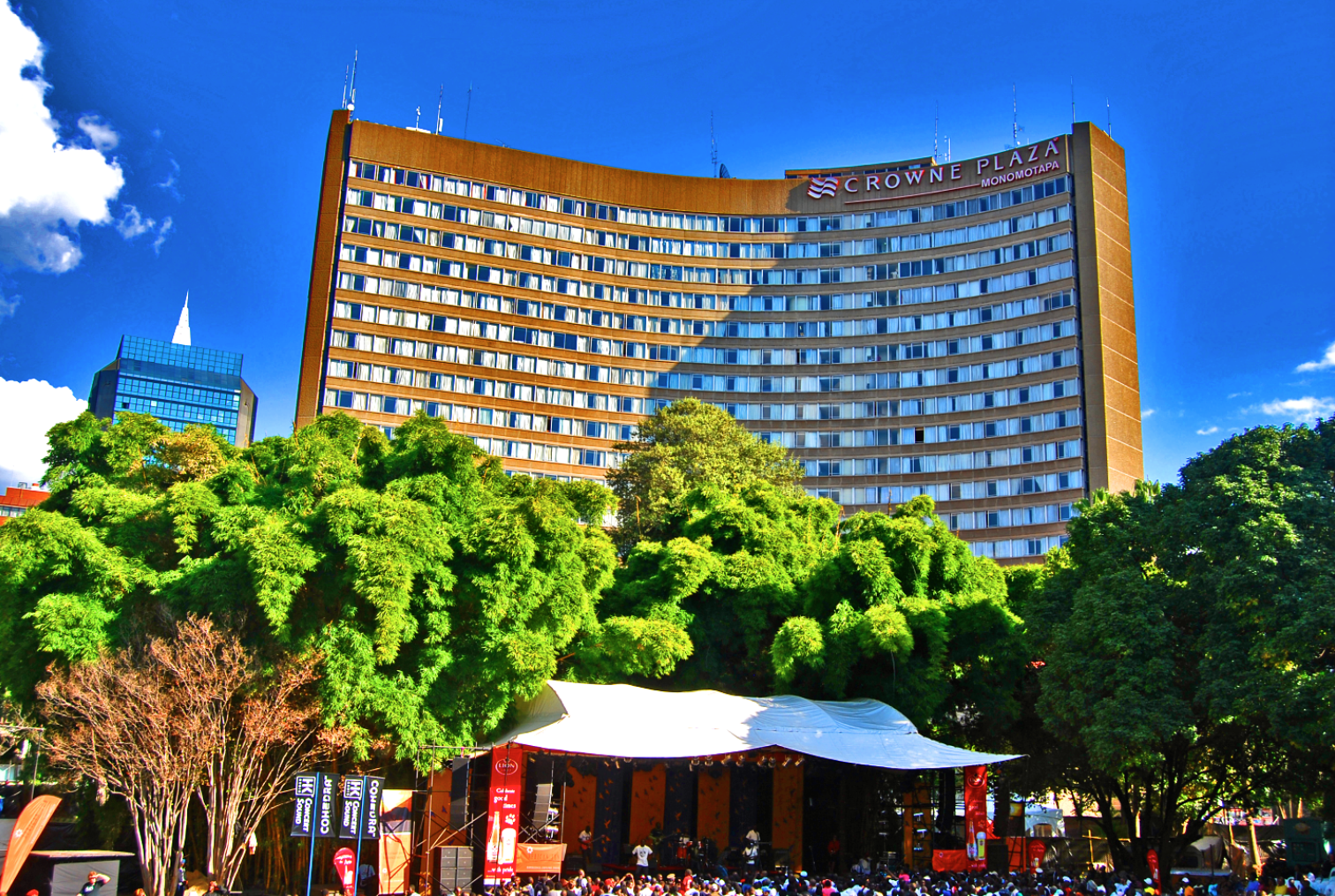
On 16 September 1994, during break at the private Ariel School in this Zimbabwean town, some sixty-two children between six and twelve said they had seen a silver object down beyond the fence and, beside it, a figure in a tight black suit with large eyes. No teacher was in the yard at the time. A few days later the Harvard psychiatrist John Mack, who studied such accounts, spoke to the children individually. The recordings and the drawings survive. Mack did not claim the event had happened; he claimed the children described it as something they had lived through. It remains the best-known case in Africa and one of the most argued-over anywhere.

Tehran and the Night of the Two Phantoms
On the night of 19 September 1976 residents of northern Tehran began ringing Mehrabad airport: a bright object was standing over the city. The Iranian Air Force scrambled an F-4 Phantom; as it closed, its communications and instruments failed and it turned away. A second was sent up, locked the target on radar, and when it tried to fire, the weapons system and radio failed and the pilot broke off. By the crew's report a smaller object separated from the first, went down and landed, flooding the ground with light. The American defence attaché's report on the case was circulated to the State Department, the CIA, the NSA and the Defense Intelligence Agency, and has long been declassified. It is among the best-documented military episodes in the subject.
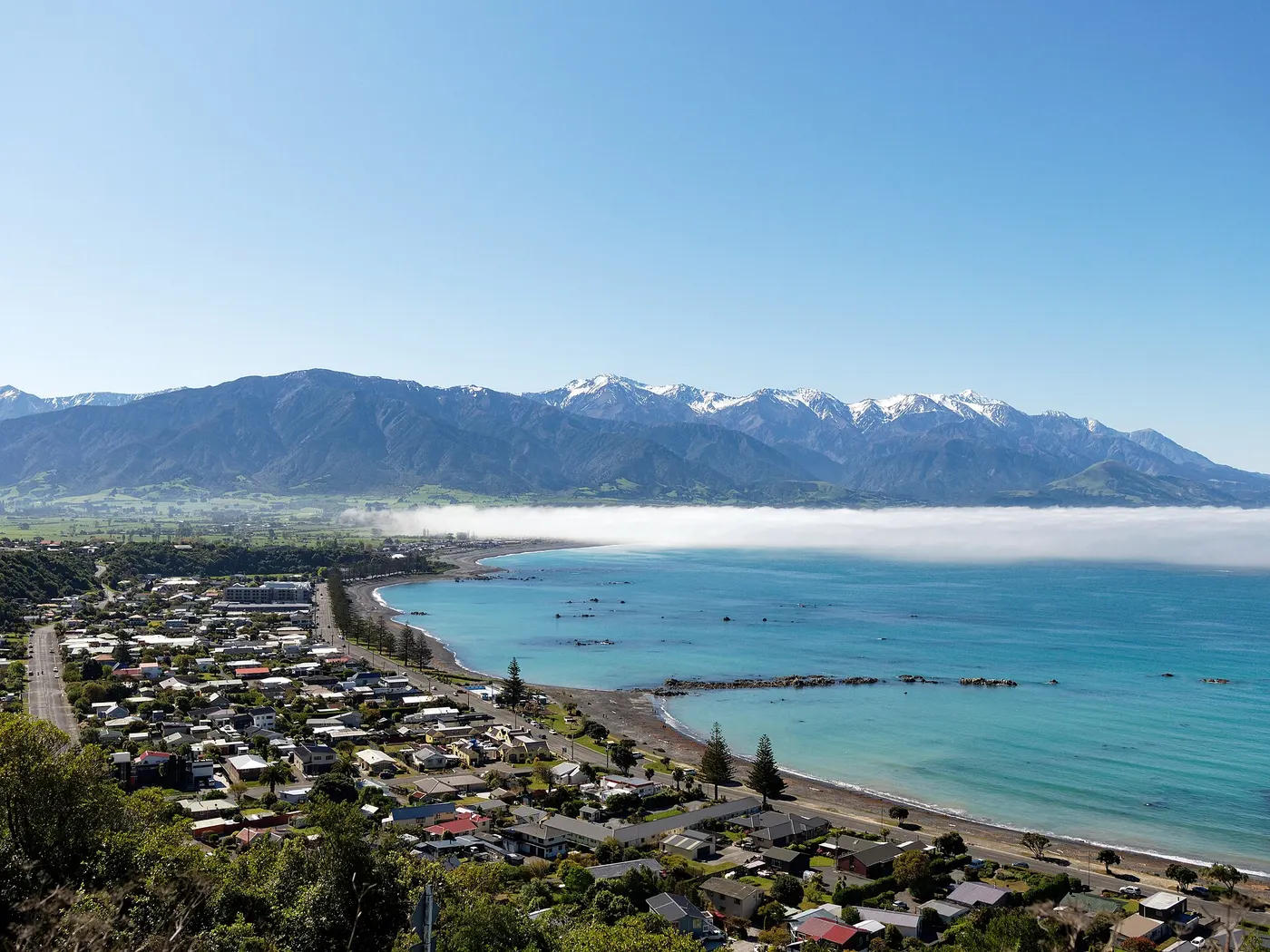
Kaikōura and the Lights Filmed from the Air
In late December 1978, over the east coast of New Zealand's South Island, the crews of Argosy freight aircraft saw bright lights accompanying them on several consecutive nights. Radar at Wellington confirmed returns. On 31 December an Australian television crew was taken aboard; the cameraman David Crockett filmed the lights on colour stock, and the footage went round the world — one of very few films of the phenomenon shot from an aircraft with simultaneous radar confirmation. The astronomer William Ireland offered an explanation: the lights of squid boats reflected off a temperature inversion, plus Venus. It accounts for some of the episodes and not others.
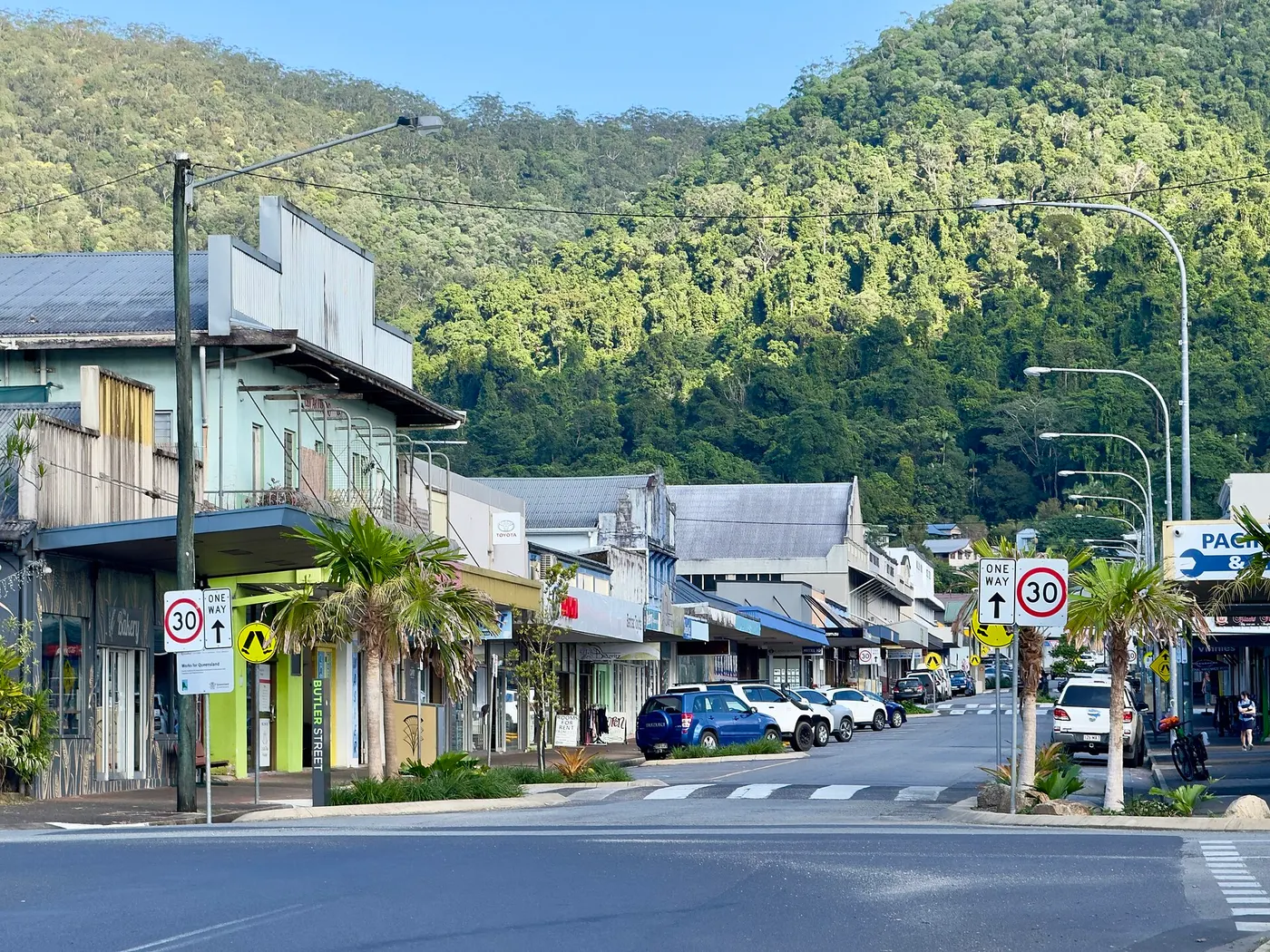
Tully and the Nest in the Lagoon
On 19 January 1966 a farmer named George Pedley drove his tractor past a lagoon near this Queensland town and, by his account, saw a grey craft about nine metres across rise out of the reeds. A circular patch of about the same size was left on the water, the reeds flattened and twisted into a spiral. The nest was photographed, the police took a statement, and several more such circles were found in the district within a week. Botanists explained them as a combination of a whirlpool and the root structure of the reed, which floats up as a disc when it tears from the bottom. The explanation is convincing — but outside Australia the case is remembered as the world's first circle, long before the fields of Wiltshire.
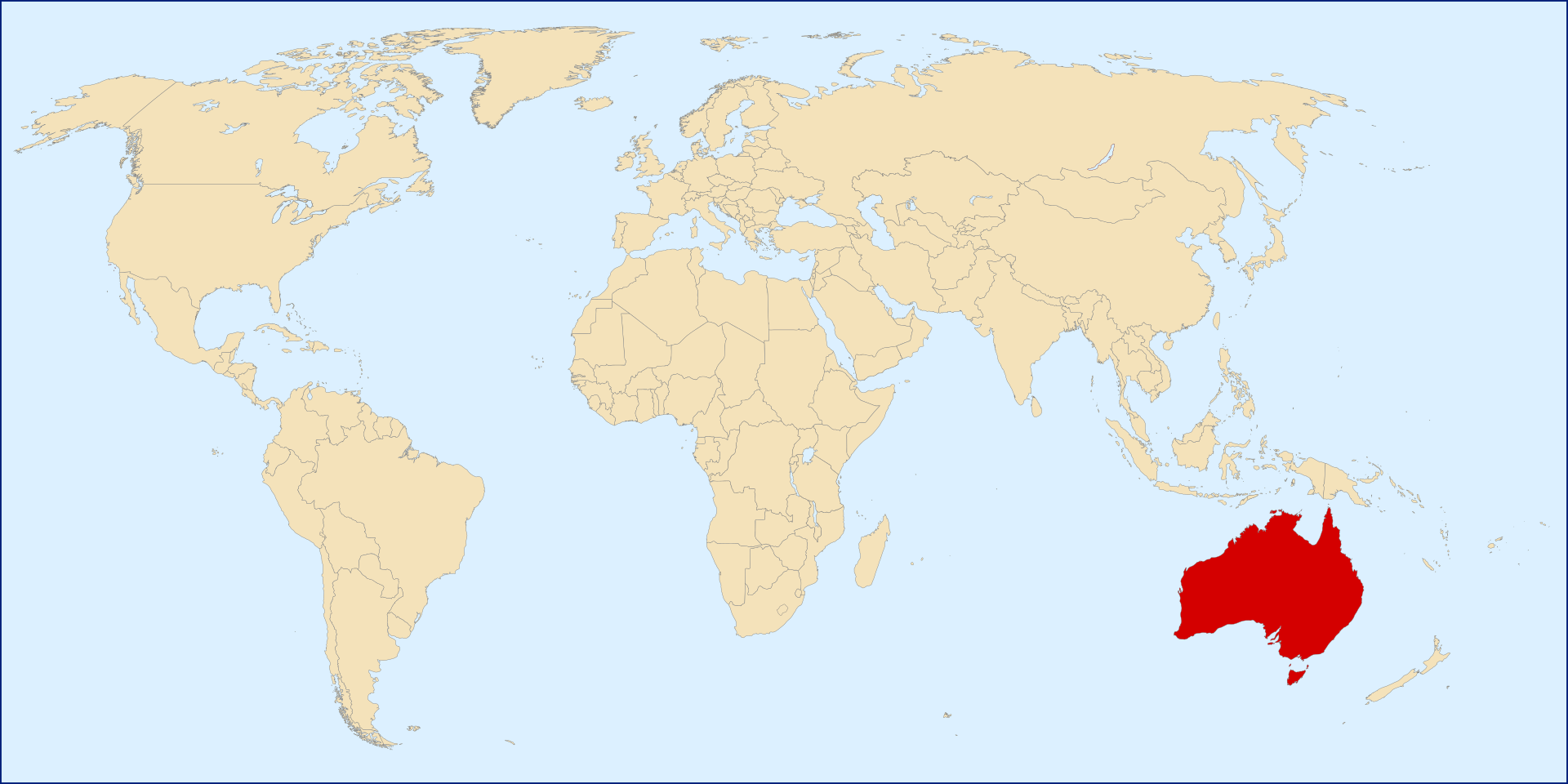
Westall and Two Hundred Schoolchildren
On the morning of 6 April 1966 pupils and teachers at two schools in the Melbourne suburb of Westall — between two and three hundred people by various counts — watched a grey-silver disc cross the sports field, drop behind the trees by the grasslands, and lift away a few minutes later. It is the largest sighting by number of witnesses in Australian history. The pupils were assembled that day and told not to discuss it; several of them said for decades afterwards that men in uniform had come to the field. Explanations from a weather balloon to a test aircraft have been offered. In 2013 a playground shaped like a flying saucer was built in the park where it came down.
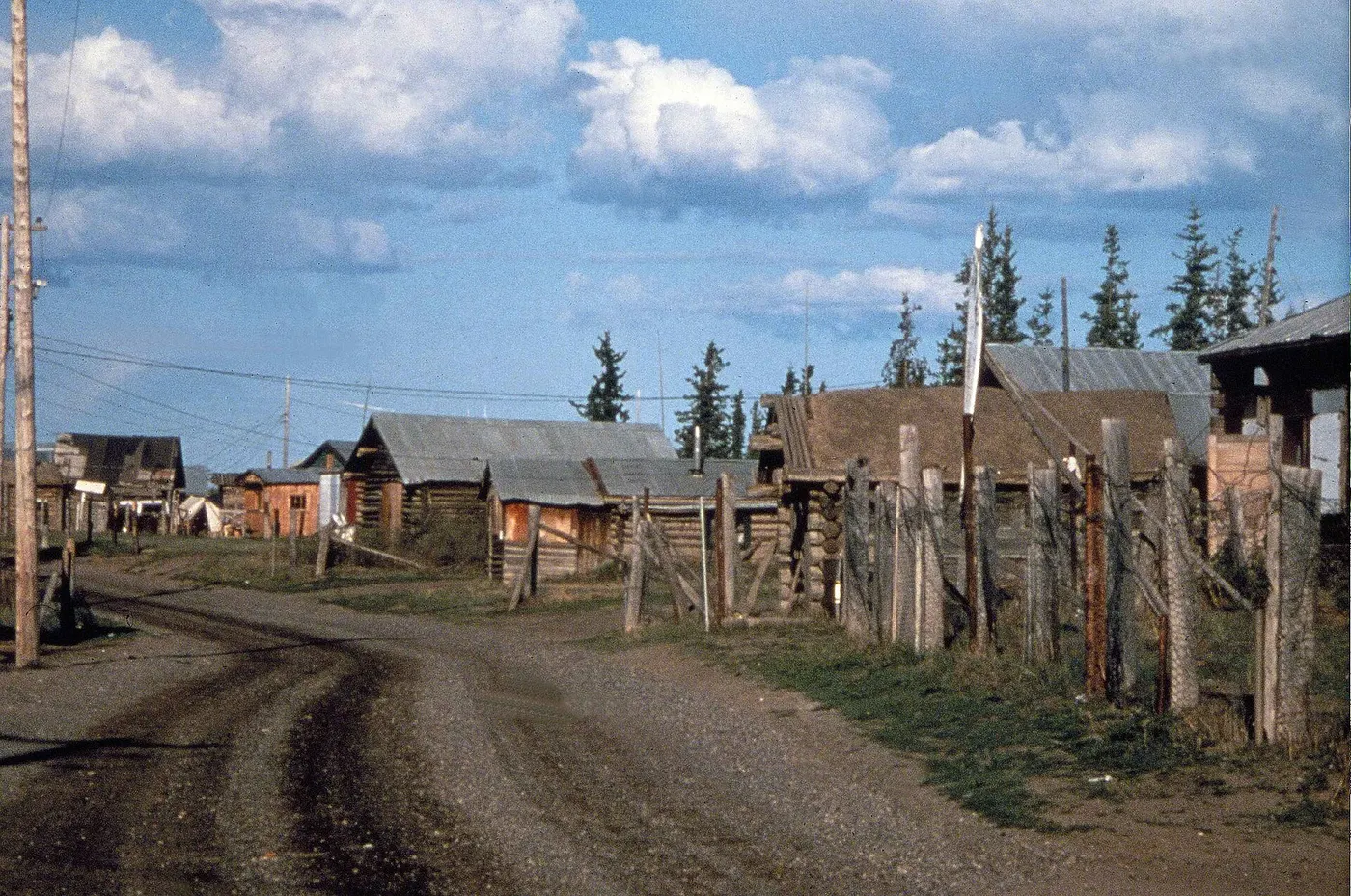
Fort Yukon and JAL Flight 1628
On 17 November 1986 a Japan Airlines cargo 747 was over Alaska when the crew saw two small objects alongside and then — in the description of Captain Kenju Terauchi — something far larger, "the size of two aircraft carriers". The escort lasted about fifty minutes. The controller at Anchorage saw an extra return beside the aircraft on radar; military radar did not confirm it. The Federal Aviation Administration investigated and concluded that the return was an artefact and that what was seen was probably Jupiter and Mars, both low on the horizon that night. Terauchi rejected the explanation and was moved to a ground job.
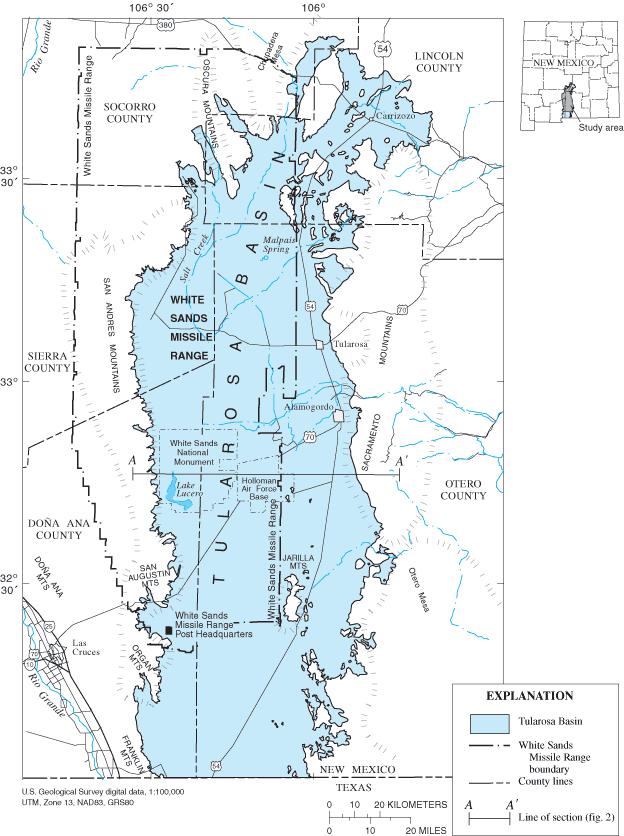
White Sands and the Green Fireballs
From December 1948 bright green spheres began to be seen regularly over New Mexico, moving horizontally and without sound. Most of them were seen over closed installations — this range, Los Alamos, Kirtland base — and the witnesses were guards, pilots and scientists. The Air Force took it seriously: Lincoln La Paz, an astronomer and meteor specialist, ran an observation programme called Twinkle that set cameras and theodolites across the state. La Paz insisted these were not meteors: the trajectory was too horizontal, the colour too uniform, and no fragment was ever found. The programme closed in 1951 without a result. Reports of green fireballs in the region continue.
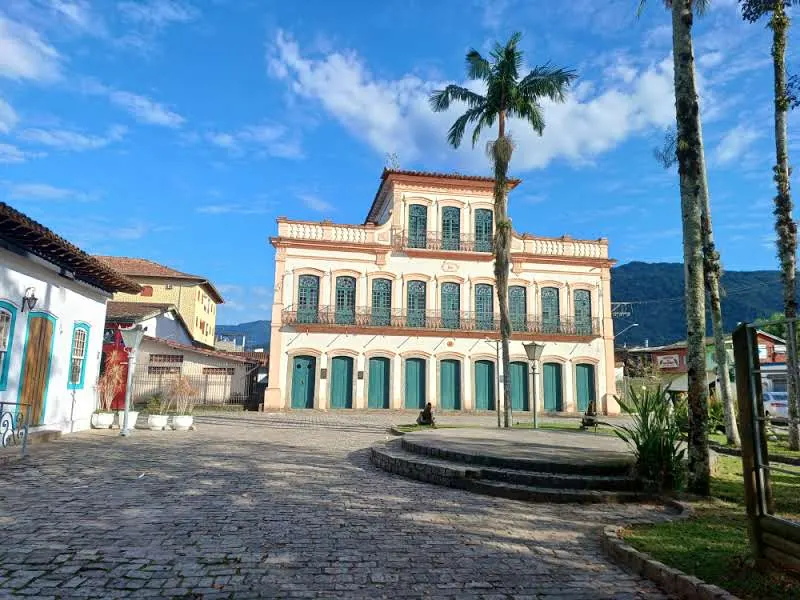
Ubatuba and the Magnesium Fragments
In September 1957 a Brazilian newspaper received a letter from a fisherman claiming that a disc-shaped object had exploded in the air over the beach at this town in front of him, enclosing several light metal fragments. The samples reached a Brazilian agricultural laboratory, which identified almost pure magnesium. The argument starts there: some analyses showed a purity above what industry could achieve at the time, others found it ordinary. The fragments were passed from hand to hand and laboratory to laboratory, some were lost, and some were studied in the United States in the 1980s. Sixty years on the result is inconclusive, and the Ubatuba fragments remain the best-known example of how physical evidence in this subject dissolves along a chain of custody.

Trindade and the Photograph from the Deck
On 16 January 1958 the vessel Almirante Saldanha lay off this Brazilian island in the South Atlantic with an International Geophysical Year expedition aboard. A photographer, Almiro Baraúna, shot an object shaped like a disc with a ring around it from the deck — four of six frames caught it. The film was developed on board there and then, with officers present; the Brazilian Navy analysed the images, accepted them as genuine, and the country's president confirmed them publicly. It later emerged that Baraúna had once made staged photographs for a magazine as a joke, and that became the sceptics' main argument. In sixty years the frames themselves have never been shown to be faked.
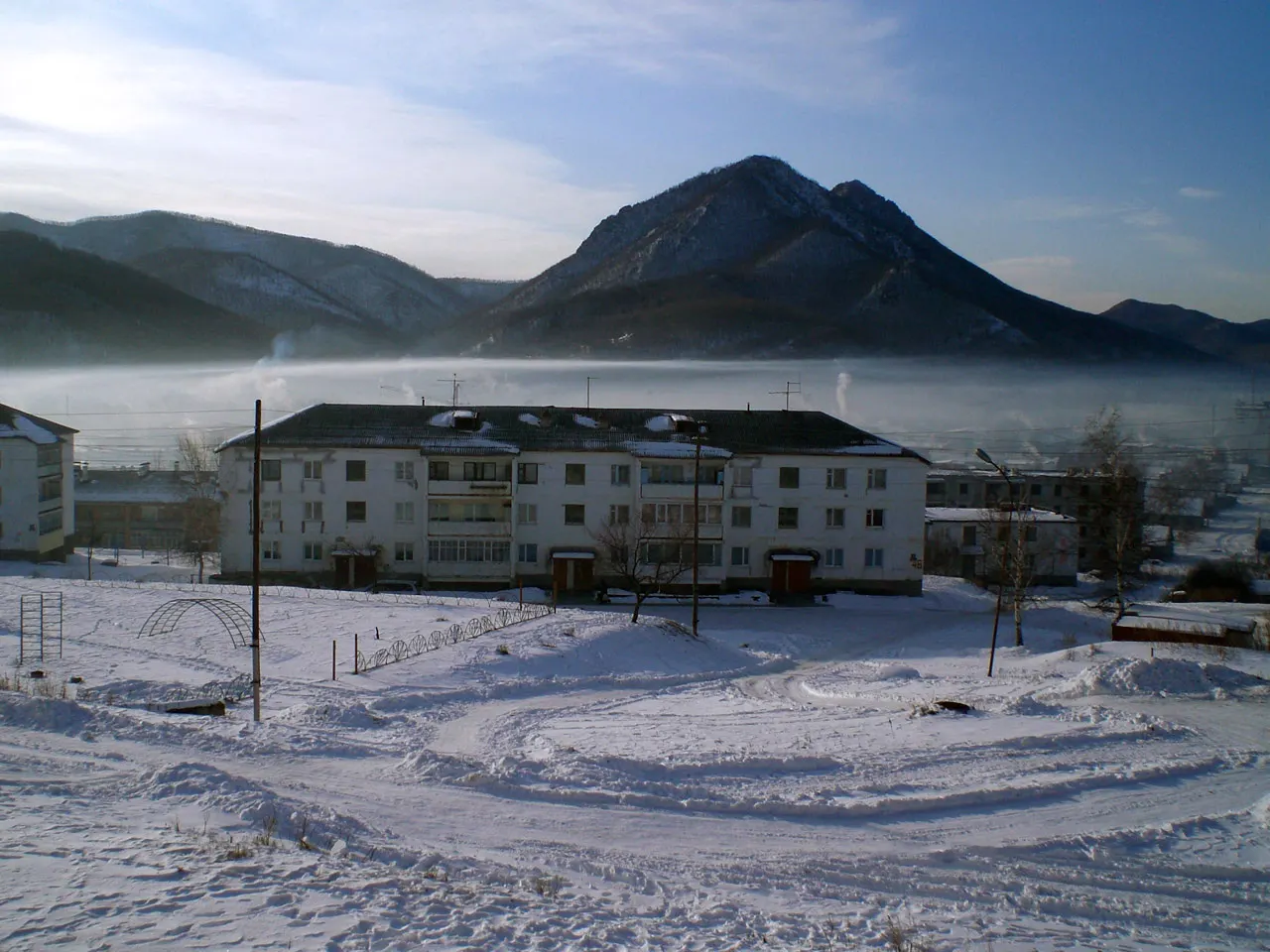
Dalnegorsk and Height 611
On 29 January 1986 a reddish sphere crossed this town in the Russian Far East and struck the rock of a hill the locals know by its elevation — Height 611. Dozens of people watched it come down; there was no impact and no explosion, and it moved slowly and almost without sound. A burnt patch was found on the rock, and in it mesh-like fragments of an iron, chromium and nickel alloy, glassy spheres and beads of lead. The samples were carried round Soviet institutes for years; the results diverged, and some researchers concluded the composition was industrial and terrestrial. Dozens of expeditions have examined the site since. Dalnegorsk remains the best-known place in the subject in Russia after Molyobka.
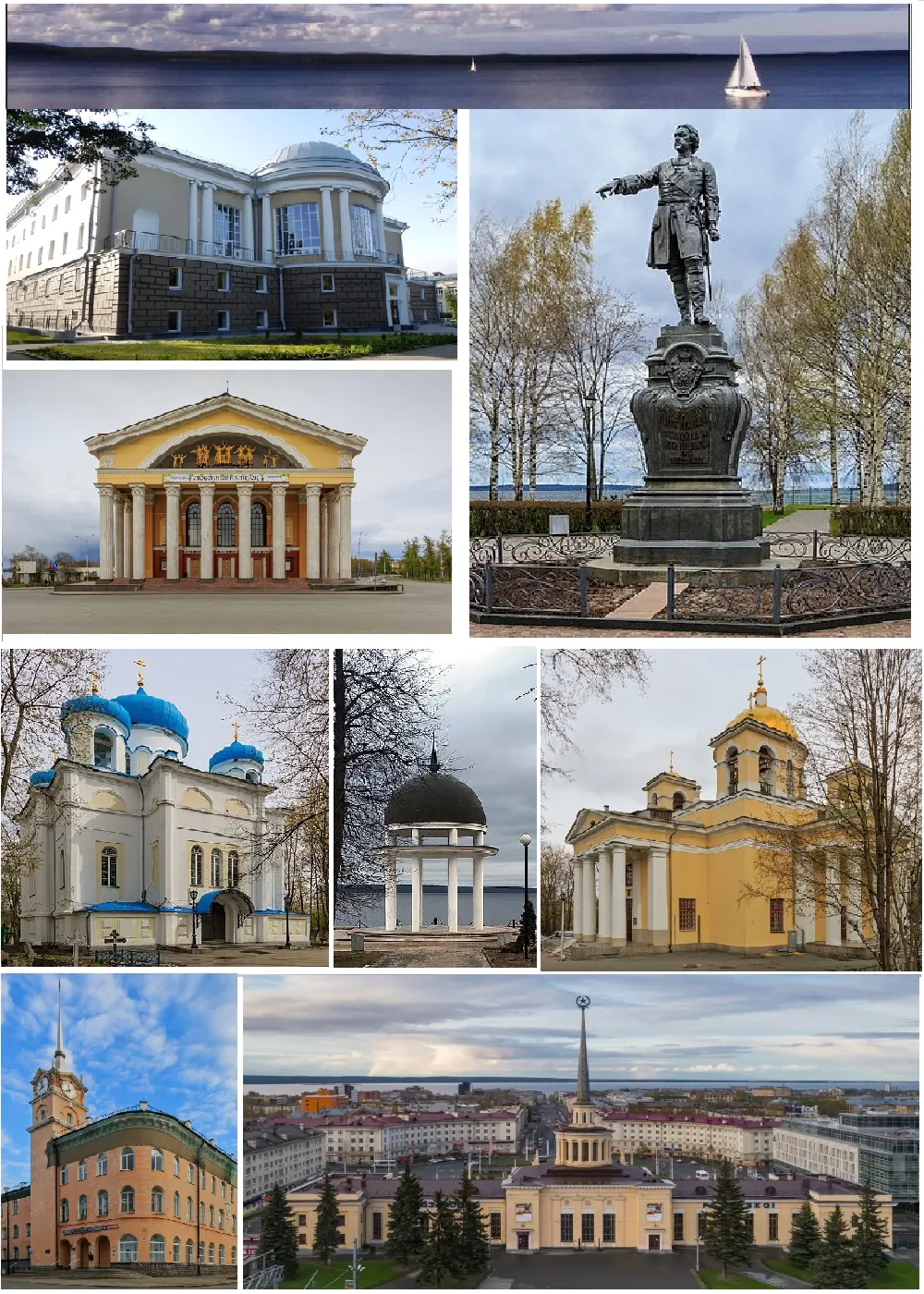
Petrozavodsk and the Jellyfish
Early on 20 September 1977 an enormous glowing object appeared over Petrozavodsk which witnesses described as a jellyfish: it hung for several minutes, sending thin beams downward. In several buildings the windows were left with holes through them, their edges melted. The phenomenon was seen from Finland to Leningrad, and the USSR Academy of Sciences set up a group to study it. The cause is established: at 4:01 a rocket carrying the Kosmos-955 satellite lifted from Plesetsk, and the jellyfish was its exhaust in the upper atmosphere lit by a sun still below the horizon. The holes in the windows were never explained.