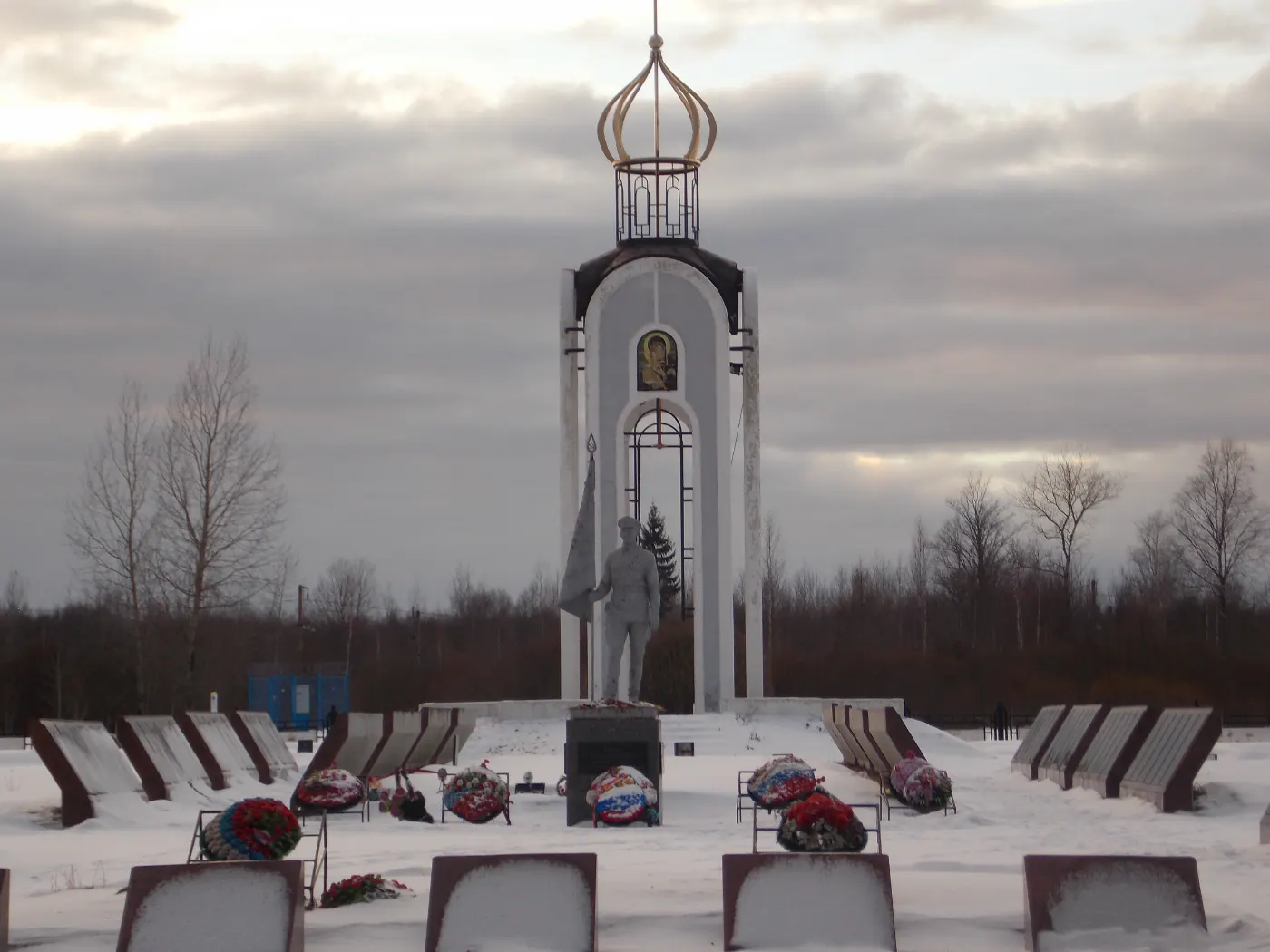
Myasnoy Bor
The Myasnoy Bor tract in the Novgorod Region, grimly known as the "Valley of Death," is a dense, swampy forest that became the site of one of the most harrowing tragedies of the Great Patriotic War. In 1942, during an attempt to break the Siege of Leningrad, brutal fighting unfolded here, claiming the lives of tens of thousands of Soviet soldiers.
The legend
Myasnoy Bor is widely regarded in Russian paranormal lore as an anomalous zone plagued by chronomirages and heavy psychic resonance. Stalkers, local hunters, and volunteers report experiencing auditory hallucinations—the echoes of artillery barrages, phantom battle cries, and groans rising from the bogs—as well as sightings of shadowy soldiers in the mist and sudden periods of eerie, absolute silence where all wildlife vanishes.
What actually happened?
The mystical aura surrounding the area is the direct result of the immense scale of the catastrophe and the grim reality of dense swamps containing thousands of unburied wartime casualties. Strange auditory phenomena are caused by natural swamp acoustics and gas releases, while sightings of apparitions stem from the severe psychological strain experienced by search crews working among grim battlefield remnants.
History
Between winter and spring 1942, during the Lyuban Offensive, the Soviet 2nd Shock Army breached German defenses at Myasnoy Bor but was subsequently trapped. Its only lifeline was a narrow, heavily shelled swamp corridor known as the "throat of the breach," spanning only several hundred meters. In June 1942, the encircled forces were decimated while attempting to break out. In the 1960s, local researcher Nikolay Orlov initiated the "Dolina" search movement here, which continues to locate and formally bury unrecovered soldiers every year.
Where is it?
The village and forested tract of Myasnoy Bor are situated in the Novgorodsky District of the Novgorod Region, approximately 35 kilometers north of Veliky Novgorod, near the M-10 and M-11 highways.
Can you visit?
Yes, the roadside war memorials and mass graves along the M-10 highway are freely accessible to the public. However, venturing deep into the surrounding swamps on foot is extremely dangerous due to treacherous bogs, lack of cellular coverage, and widespread unexploded ordnance remaining from the war. Entering off-trail sectors is safe only alongside authorized search and recovery expeditions.
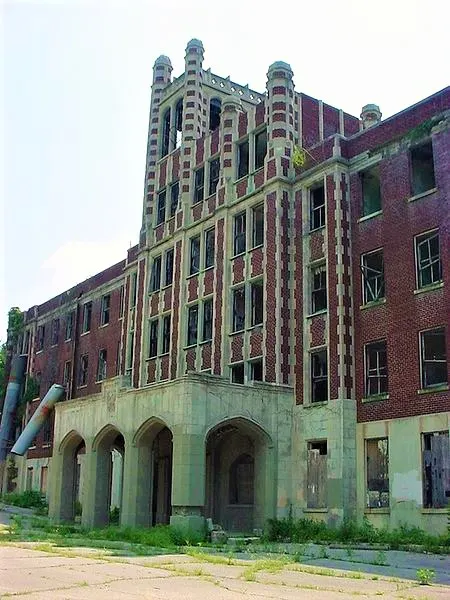
Waverly Hills Sanatorium
A tuberculosis hospital in Kentucky, in use from 1910 to 1961. The dead were removed through an underground tunnel some five hundred metres long so that living patients would not see them — it became known as the body chute. Estimates of the death toll differ wildly, from around fifteen hundred in the records to sixty-three thousand in legend. The building has stood empty since 1982 and is among the best-known haunted sites in the United States.
Comments
No comments yet. Be the first.