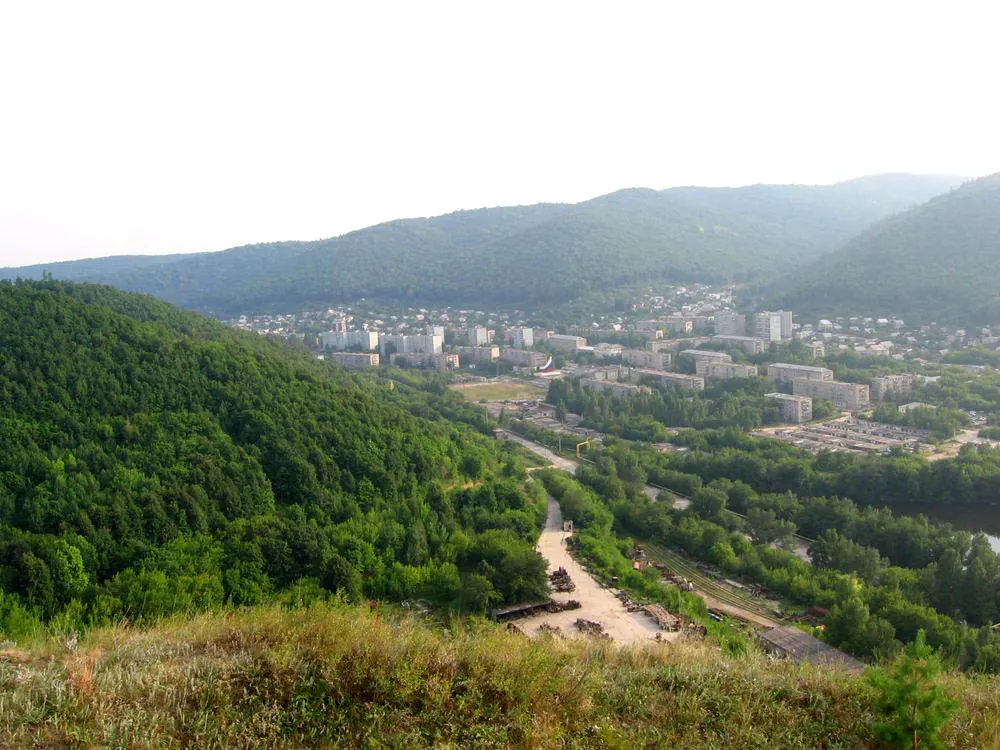
Zhigulyovsk and the Mirages of the Samara Bend
Samarskaya Luka and the Zhiguli Mountains surrounding the town of Zhigulyovsk form a dramatic tectonic bend where the Volga River loops 200 kilometers around an ancient limestone massif. The region is recognized as one of Russia's primary epicenters for optical anomalies, where chronic mirages, floating "ghost cities" over the water, and mysterious light pillars have been documented for centuries.
The legend
Danger Level: Yellow (Anomalies are observed, but no one is harmed) Folklore surrounding Samarskaya Luka is rich with tales of the "Zhiguli Fata Morgana" and spectral apparitions. Eyewitness accounts describe medieval castles hovering over the Volga, phantom fortresses, shimmering cathedrals, and ghost ships sailing along nonexistent waterways. Legends attribute these sights to the subterranean realm of the mystical Mistress of the Zhiguli Mountains, while luminous pillars and vertical light beams above Molodetsky Kurgan and the Stone Bowl (Kamennaya Chasha) are often linked to secret alien bases or portals.
What actually happened?
The stunning "ghost castles" are classic complex Fata Morgana mirages caused by sharp atmospheric temperature inversions. The vast, cold water masses of the Kuibyshev and Saratov reservoirs clash with hot air currents rising from sun-baked limestone cliffs and steppes, creating layered atmospheric lenses. These lenses bend light, magnifying and distorting reflections of distant islands, shoreline bluffs, industrial facilities in Tolyatti, or cargo barges into towering spires. The light flashes and vertical beams stem from geophysical piezo-electric discharges along the active Zhiguli tectonic fault and high-altitude optical phenomena.
History
The earliest written accounts of strange lights and phantom visions along the Zhiguli bend were recorded by 17th-century European travelers, including Adam Olearius and Jan Struys. Over time, tales of enchanted cities intertwined with folklore surrounding the Cossack rebel Stenka Razin, who allegedly concealed treasures within local karst caverns. During the 20th century, the phenomenon was studied by meteorologists and geophysicists, while the region was placed under state environmental protection within the Zhiguli State Nature Reserve (est. 1927) and Samarskaya Luka National Park (est. 1984).
Where is it?
Samara Region, the Volga Bend (Samarskaya Luka), encompassing the area around the cities of Zhigulyovsk and Tolyatti, the village of Shiryaevo, Molodetsky Kurgan, Mount Strelnaya, and the Kamennaya Chasha tract.
Can you visit?
Yes, most major viewpoints are accessible to travelers. Visiting Samarskaya Luka National Park and designated tourist routes within the Zhiguli Nature Reserve requires an official entry permit (purchased online via their official portals or at visitor centers). Popular panoramic locations—such as the summit of Mount Strelnaya, the Molodetsky Kurgan trail, and the Shiryaevo complex—are equipped with boardwalks, stairs, and secure observation decks.
Roswell
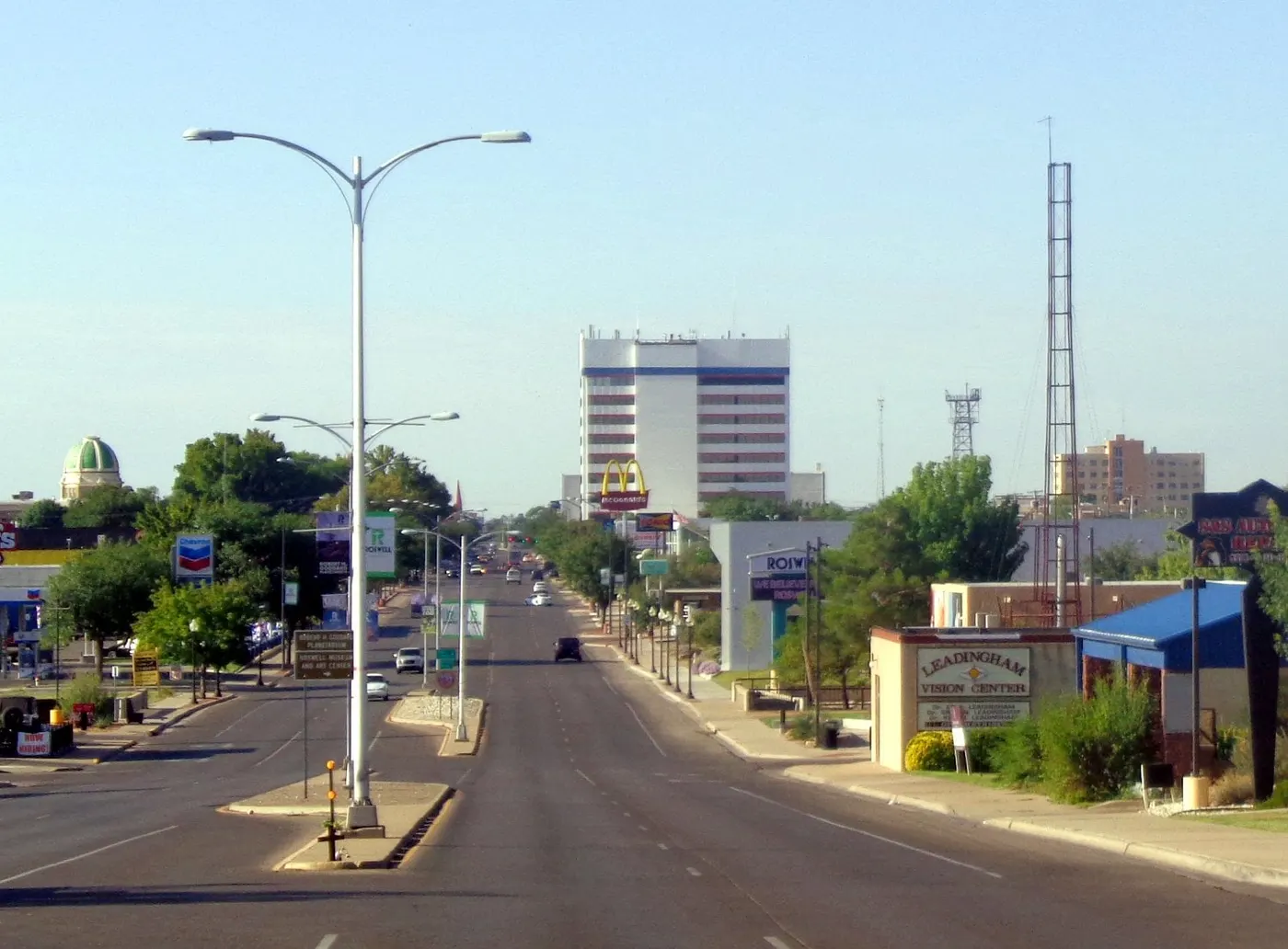
On 8 July 1947 the army airfield at Roswell issued a press release saying it had recovered a "flying disc". Hours later the statement was withdrawn and the debris called a weather balloon. It would have been forgotten if participants had not started telling it differently in the late 1970s; by the 1990s Roswell was shorthand for cover-up. In 1994 the Air Force admitted the balloon was not meteorological but part of Project Mogul, listening for Soviet nuclear tests — a truth forty-seven years late, which by then convinced nobody.
Comments
No comments yet. Be the first.