 Folklore — United Kingdom
Folklore — United Kingdom. 9 places in the catalogue, each with coordinates, the story behind it and a danger level from white to black.
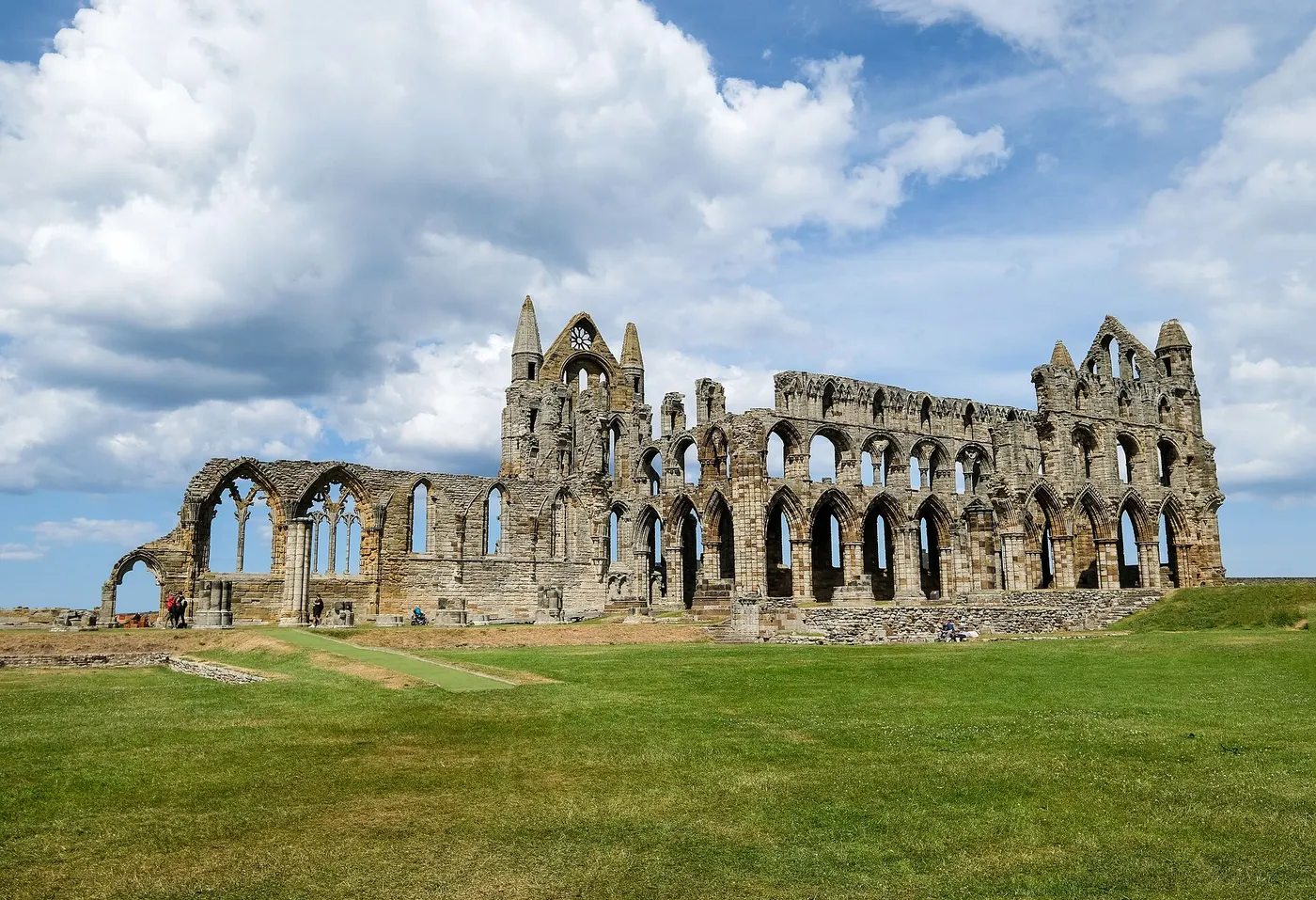
Whitby Abbey
The ruins of a Benedictine abbey on a cliff above the North Sea, where Bram Stoker spent a holiday in 1890 and found the name of the Wallachian prince Dracula in the local library. In the novel it is here that the Demeter runs aground and the count, in the shape of a black dog, bounds up the hundred and ninety-nine steps to the church. The steps are real, the abbey is real, and one of Europe's largest goth festivals gathers in Whitby every year.
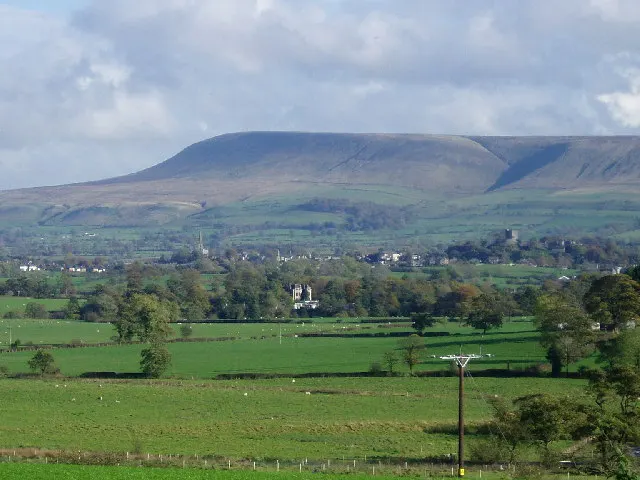
Pendle Hill
A Lancashire hill beneath which the most famous English witch trial took place in 1612: twelve accused, ten hanged, charges of ten murders by witchcraft. Much of the evidence came from a nine-year-old girl testifying against her own family. Thousands climb to the summit every Hallowe'en, and Lancashire police ask them not to every year.
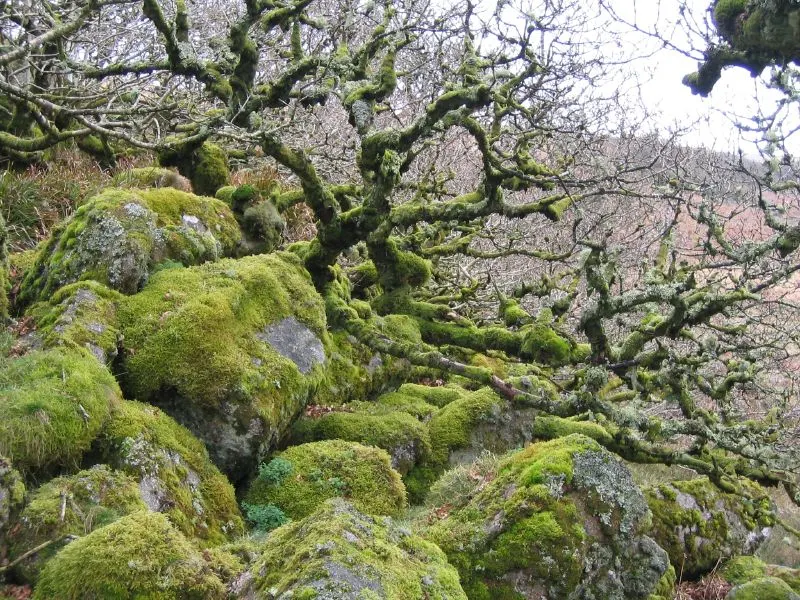
Wistman's Wood
A tiny grove of dwarf oaks on Dartmoor, growing straight out of granite boulders and covered entirely in moss and lichen. The trees are wind-twisted past recognition and there are gaps between the stones deep enough to swallow a person. The name is traced to the dialect word wisht — eerie, enchanted. It is thought to be one of the last remnants of the forest that covered Dartmoor before the Bronze Age.
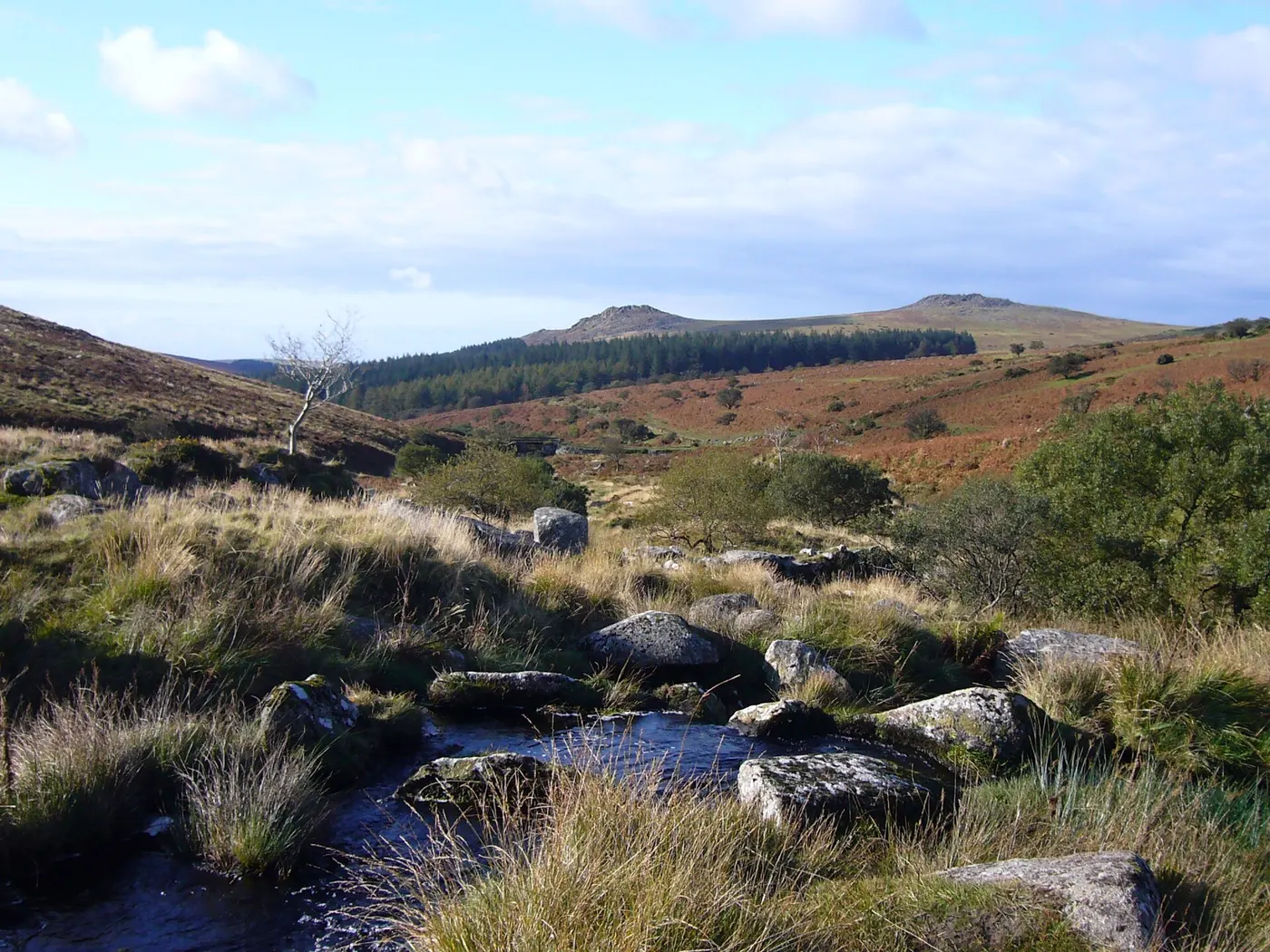
Dartmoor
The Devon moor that gave Conan Doyle The Hound of the Baskervilles: he heard here the tradition of Richard Cabell, a seventeenth-century squire whose coffin was said to have been followed by a pack of spectral hounds. They are called the Wisht Hounds and are still described along the old track. A separate story concerns the Hairy Hands on the B3212, which motorcyclists say grab at the handlebars.
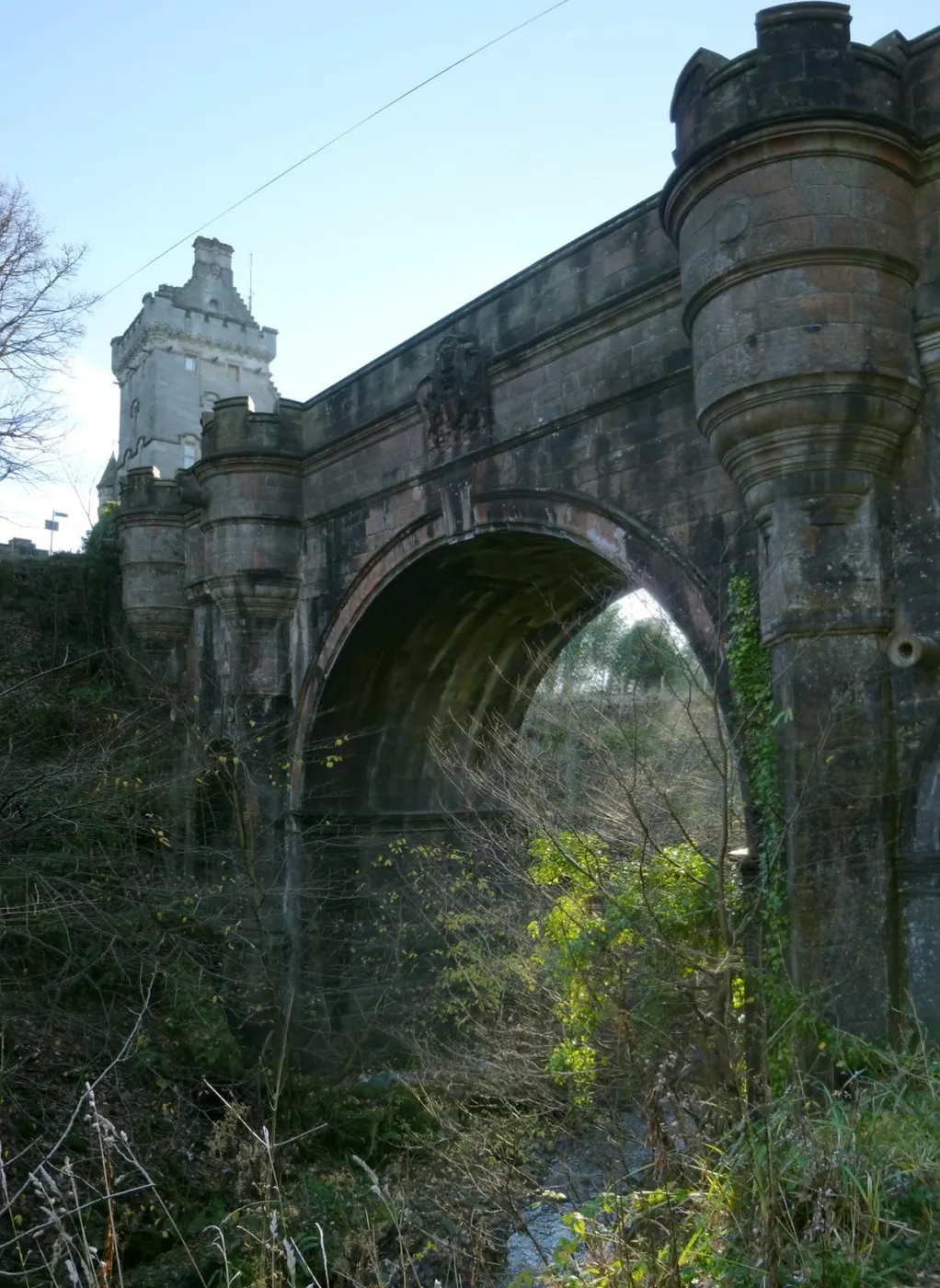
Overtoun Bridge
A Victorian bridge in Scotland from which dozens of dogs have leapt over the decades — some of them more than once. The likeliest explanation is the scent of mink below and a solid parapet that hides the drop.
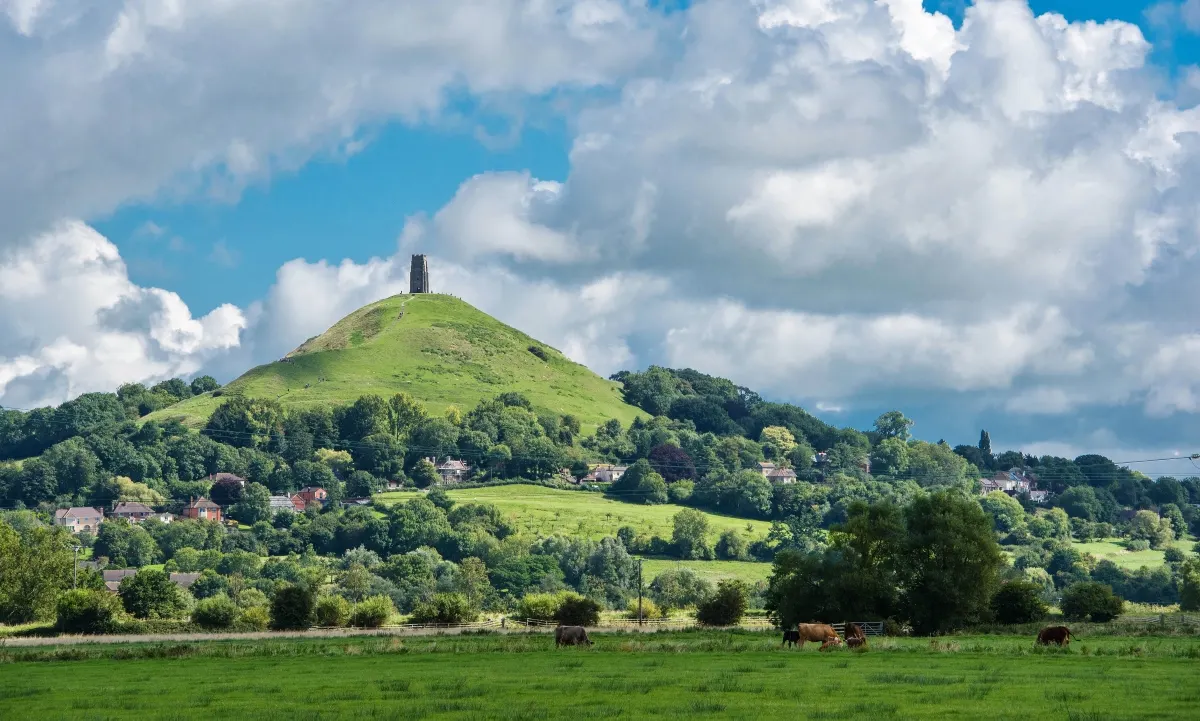
Glastonbury Tor
A Somerset hill crowned by the lone St Michael's Tower, its slopes cut into terraces. It is identified with the legendary Avalon, where the wounded King Arthur was carried, and counted a centre of Britain's Celtic mythology.
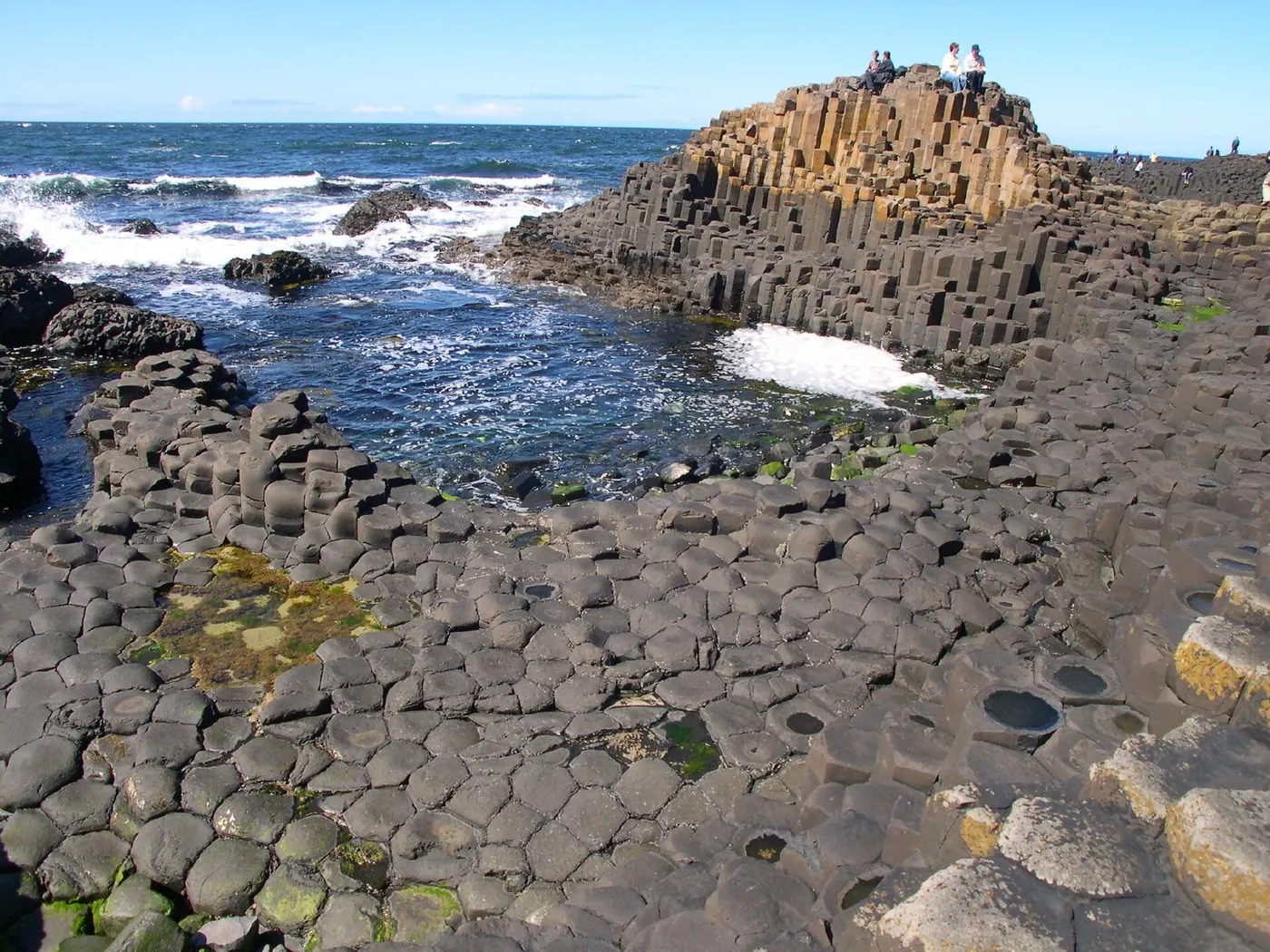
Giant's Causeway
Some 40,000 basalt columns on the coast of Northern Ireland, formed as lava cooled. Legend has it the giant Finn McCool built the causeway across the sea to reach a rival in Scotland.
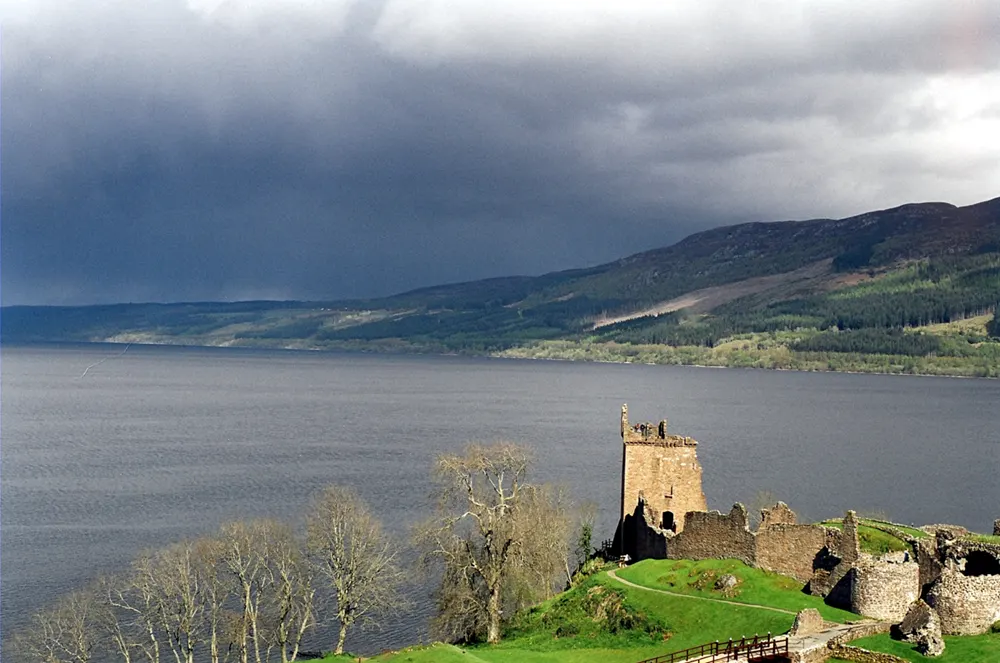
Loch Ness
A deep loch in the Scottish Highlands holding more water than every lake in England and Wales combined. Monster reports date from 1933; sonar sweeps and DNA surveys have found no such animal.
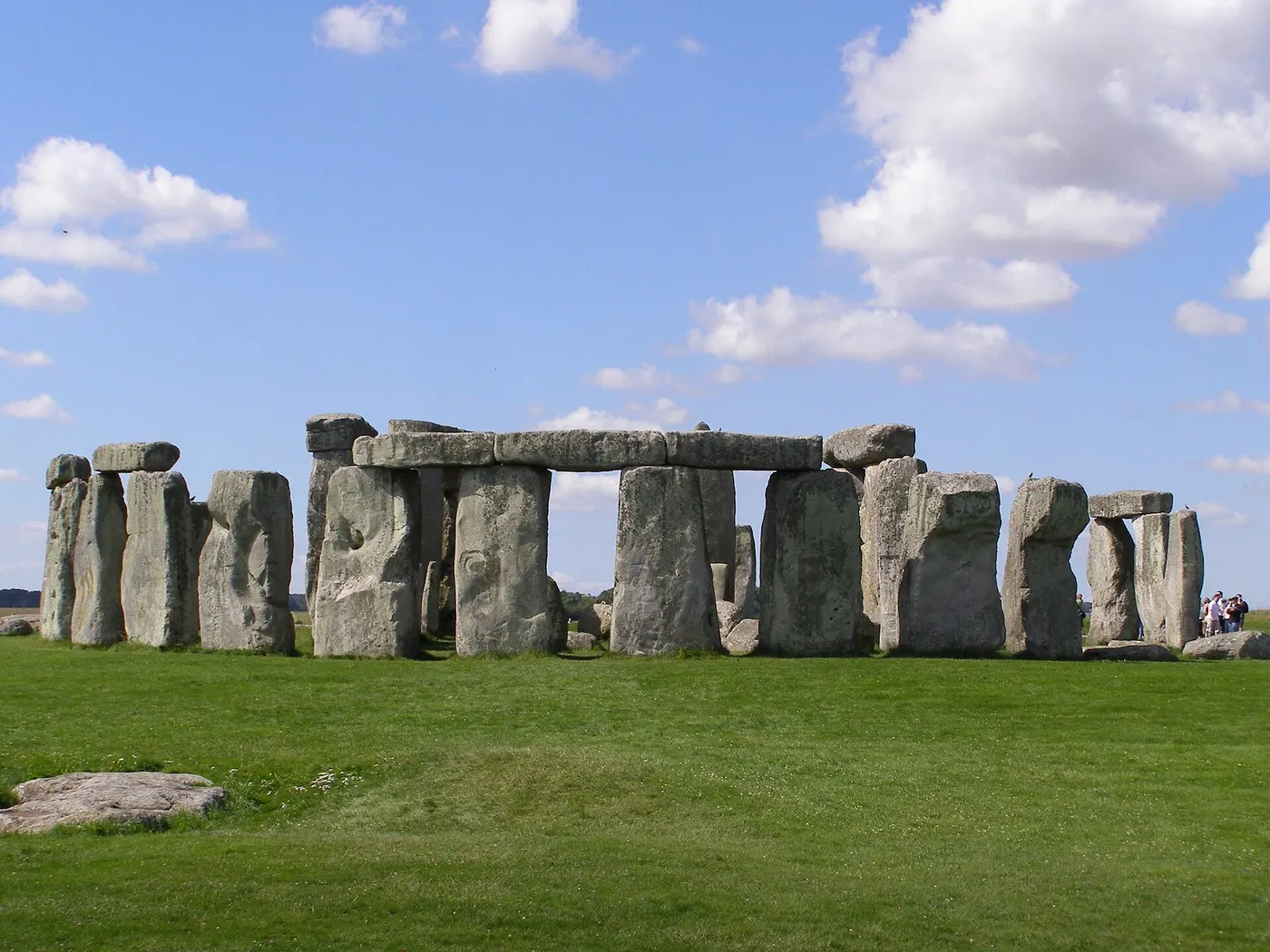
Stonehenge
Stonehenge is a world-renowned prehistoric megalithic monument situated on Salisbury Plain in Wiltshire, southern England. Constructed between 3000 and 1500 BC, the earthwork and stone circle complex consists of an outer ring and inner horseshoe of massive sarsen silcrete monoliths joined by lintels via tongue-and-groove and mortise-and-tenon joints, along with smaller volcanic bluestones. Inscribed as a UNESCO World Heritage Site, it remains the ultimate archaeological icon of the British Isles, historically enveloped in folklore involving Celtic druids, the wizardry of Merlin, extraterrestrial beacons, and modern conspiratorial "1954 construction" hoaxes.