 Folklore — Russia
Folklore — Russia. 19 places in the catalogue, each with coordinates, the story behind it and a danger level from white to black.
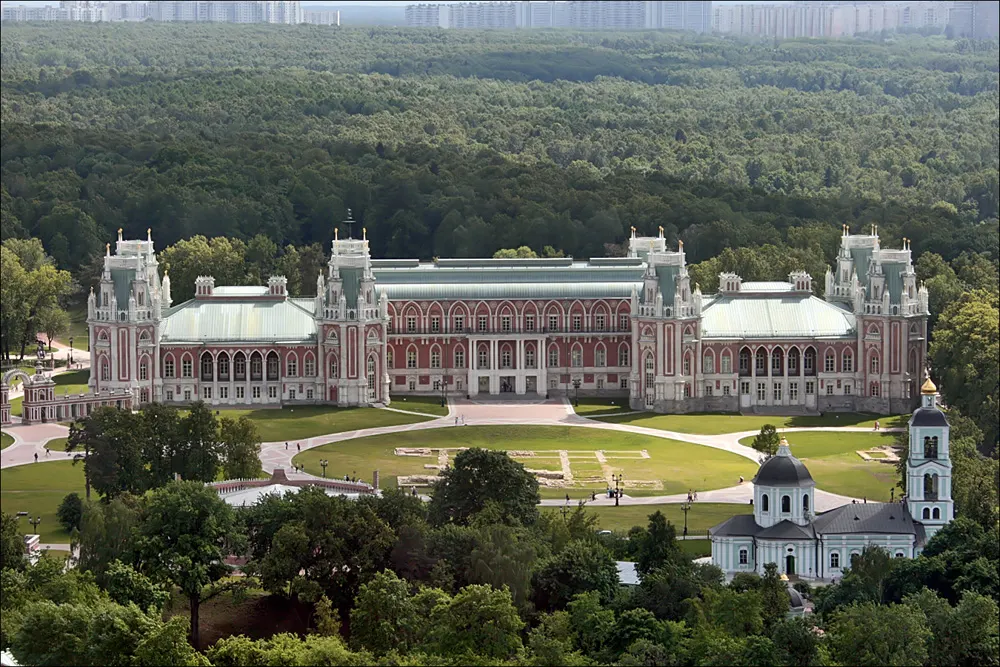
Tsaritsyno and the Rejected Palace
The Tsaritsyno State Historical, Architectural, Art and Landscape Museum-Reserve is an expansive imperial palace and park estate in southern Moscow, commissioned in 1775 by Empress Catherine the Great. It stands as Europe's largest complex built in the Russian Gothic (pseudo-Gothic romanticism) style and represents one of the most dramatic architectural sagas in Russian history: the nearly completed grand residence was abruptly rejected and ordered dismantled by the Empress herself, leaving the site as a romantic, unfinished ruin for more than two centuries.
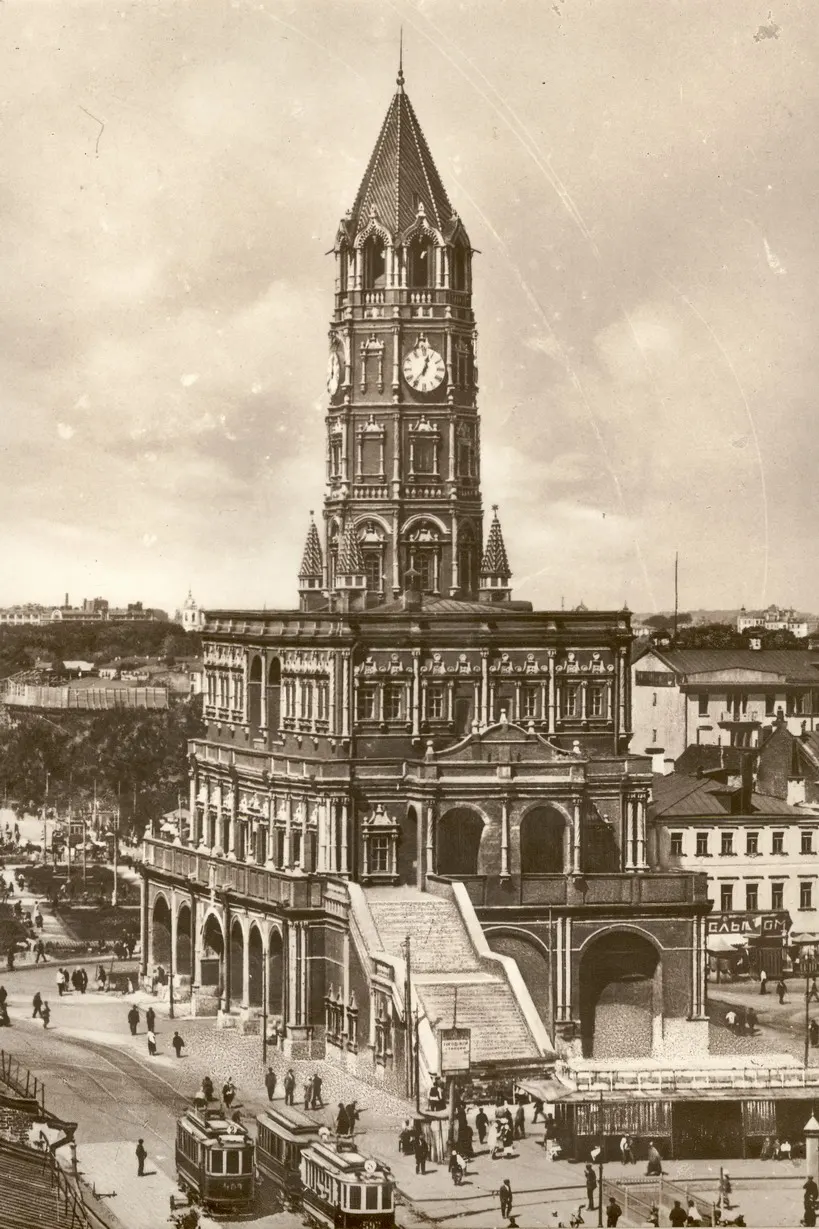
The Sukharev Tower and Jacob Bruce
The Sukharev Tower was a masterpiece of late-17th-century Russian civil architecture, formerly standing at the junction of Moscow's Garden Ring, Sretenka Street, and Prospekt Mira. Commissioned by Peter the Great and designed in the ornate Naryshkin Baroque style, the 60-meter-tall red-and-white monument functioned as a ceremonial city gate, the administrative birthplace of the Russian Imperial Navy, and the nation’s first astronomical observatory. In folk memory, the landmark is permanently tied to one of Peter's closest intellectual confidants, Field Marshal Jacob Bruce, who was mythologized as the supreme warlock and sorcerer of the Russian Empire.
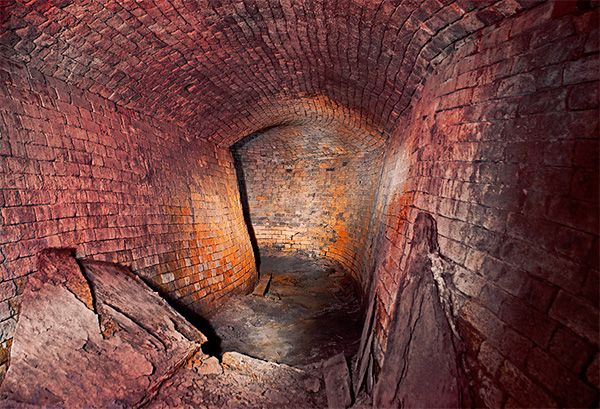
The Library of Ivan the Terrible
The Lost Library of Ivan the Terrible (known in Russian as the "Libereya") is a legendary repository of ancient classical and Byzantine manuscripts, parchment scrolls, and codices purportedly assembled by Russia's first crowned Tsar, Ivan IV. Popular mythology claims this priceless collection of ancient Greek, Latin, and Hebrew literature was sealed away inside subterranean brick vaults beneath the Moscow Kremlin, the Alexandrov Kremlin, or the royal estate of Kolomenskoye, standing for four centuries as one of the world's most sought-after literary grails.
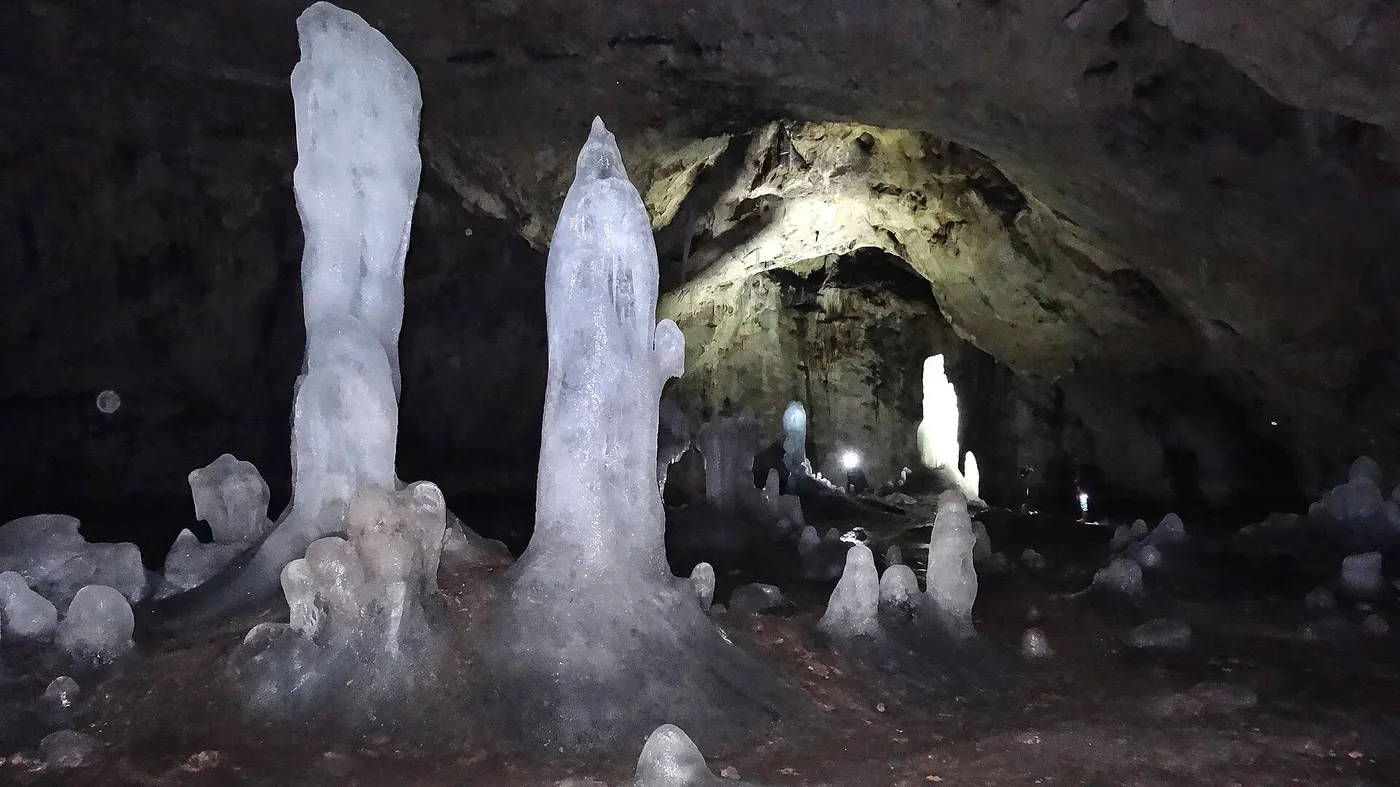
The Askinskaya Ice Cave
A cave in Bashkortostan with a single chamber holding ice columns up to eleven metres tall, grown over centuries. The temperature stays below freezing all year: cold air flows in during winter and cannot get out. Bashkir tradition places a guardian spirit here, to whom offerings were left at the mouth. In the 2010s visitor numbers damaged some of the columns and the cave was closed to open access.
The Blue Stone
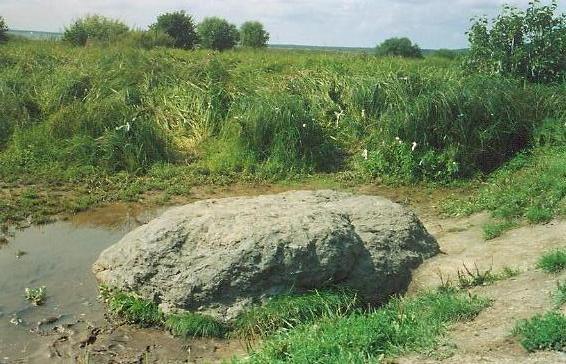
The Blue Stone (Sin-Kamen) is a sacred ritual megalith of glacial origin resting on the northeastern shore of Lake Pleshcheyevo in the Yaroslavl Region. Weighing approximately 12 tons, this quartzite-slate boulder is widely known for its unique optical effect: while dull gray when dry, it takes on a distinct bluish-steel sheen when wet.
The Salbyk Kurgan
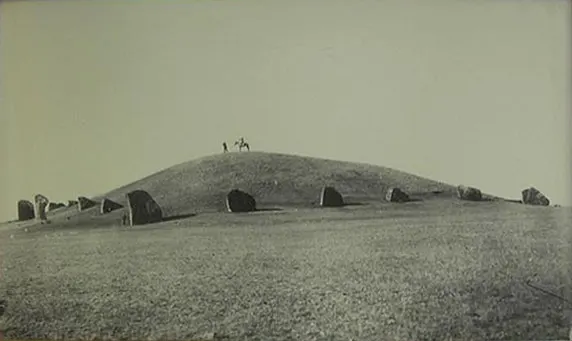
A royal kurgan in Khakassia ringed by upright slabs of Devonian sandstone weighing up to fifty tons — the stone was hauled seventy kilometres. Before excavation the mound stood twenty-five metres high. Inside was a burial with several attendants, killed, to all appearances, for the purpose. The valley around it is called the Valley of the Kings: there are several dozen kurgans here and most are untouched.
Mount Belukha
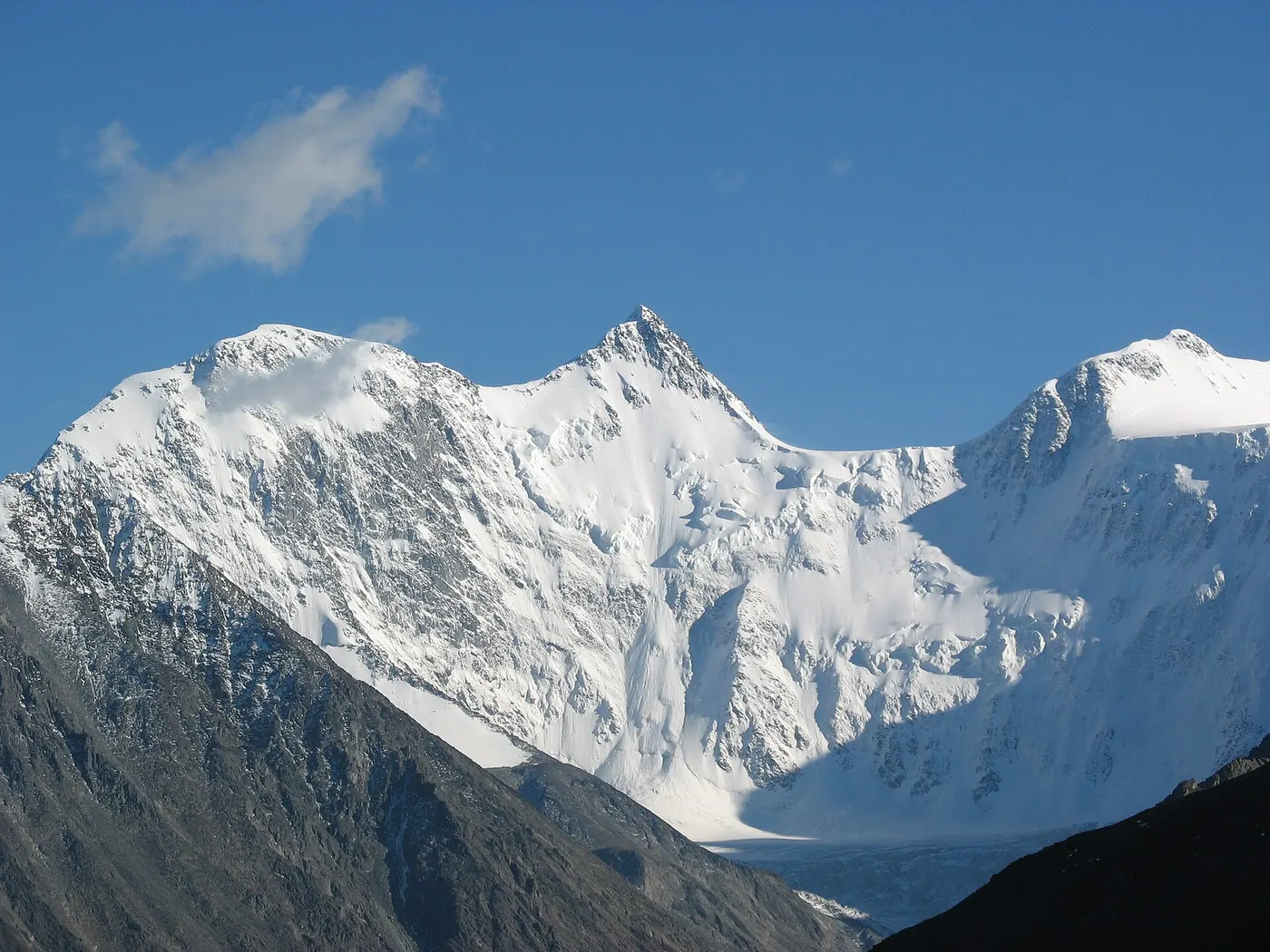
The highest point of the Altai, which the Altaians call Uch-Sumer and hold to be forbidden: one did not climb it, or speak loudly at its foot. Nicholas Roerich came here in 1926 and tied the mountain to Belovodye and Shambhala; his paintings made Belukha the centre of a Russian esoteric pilgrimage that has not dried up. The peak stands almost equidistant from three oceans — a fact the esotericists are fond of citing.
The Onega Petroglyphs and the Demon
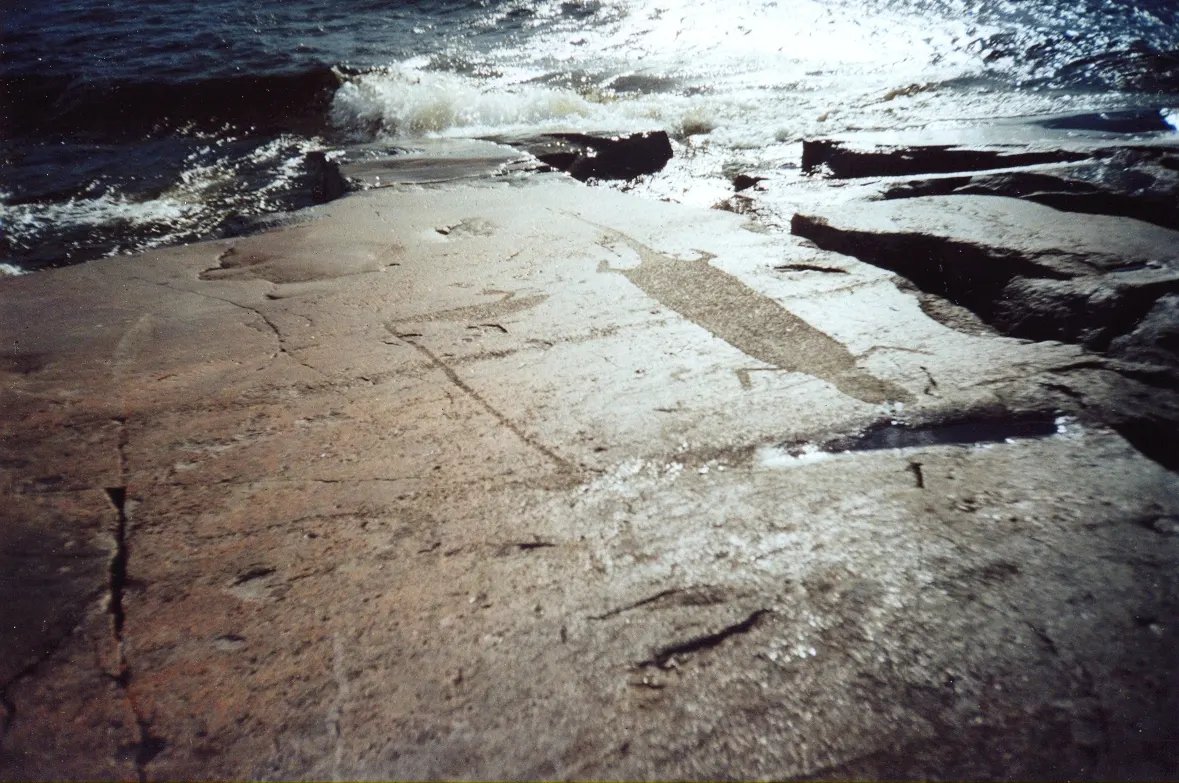
Carvings on the shore rocks of Lake Onega, cut five or six thousand years ago. The best-known figure is the Bes — a humanoid nearly two and a half metres tall, split down the middle by a natural fissure. Monks of the Murom monastery cut a Christian cross over it in the fifteenth century to neutralise it, and both marks remain side by side on the stone, which makes this rock a rare document of one faith writing over another.
The Solovetsky Labyrinths
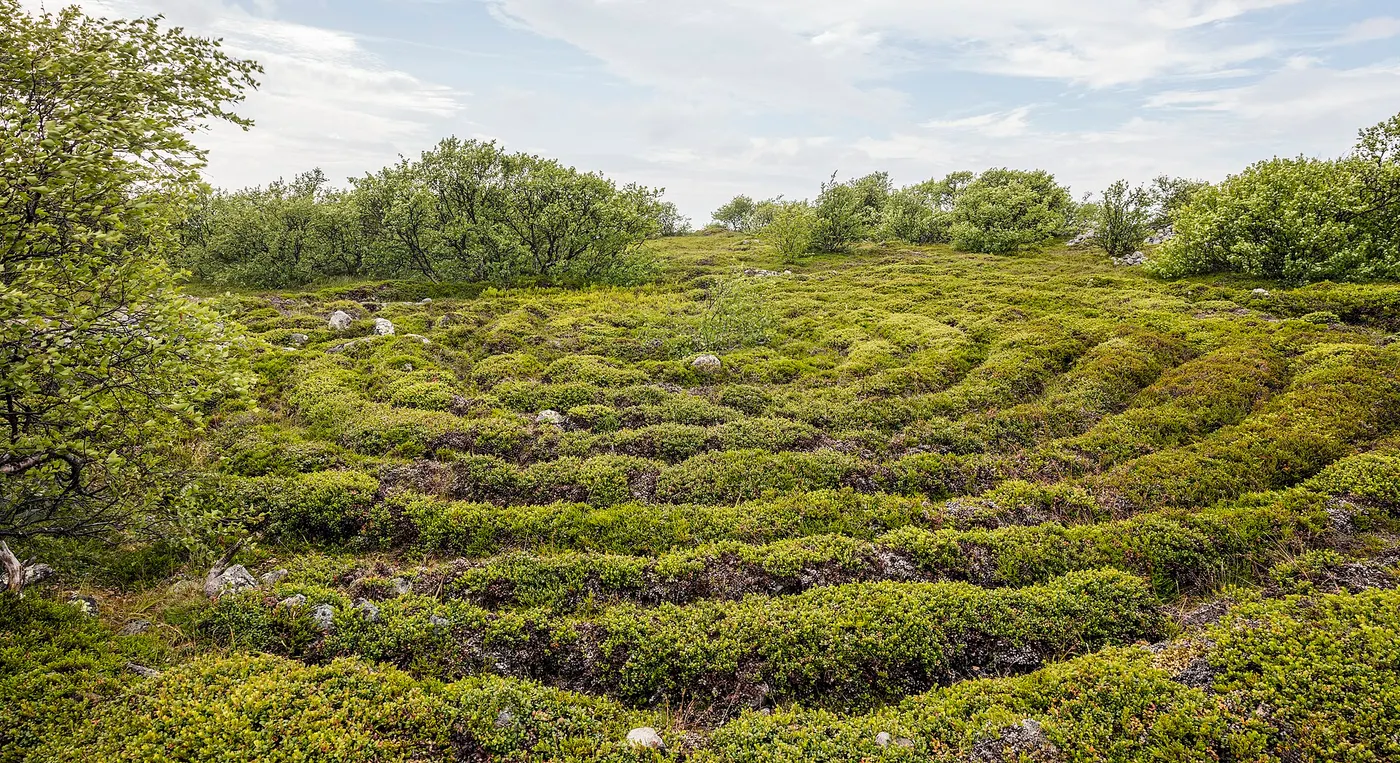
Boulder spirals on the Solovetsky Islands, laid out three or four thousand years ago. There are around thirty, the largest twenty-five metres across. There are no branches — one winding path to the centre and back. The accepted explanation ties them to burial rites and to keeping a soul from finding its way back to the living: stone heaps with burnt bone are found beside them.
The Kapova Cave (Shulgan-Tash)
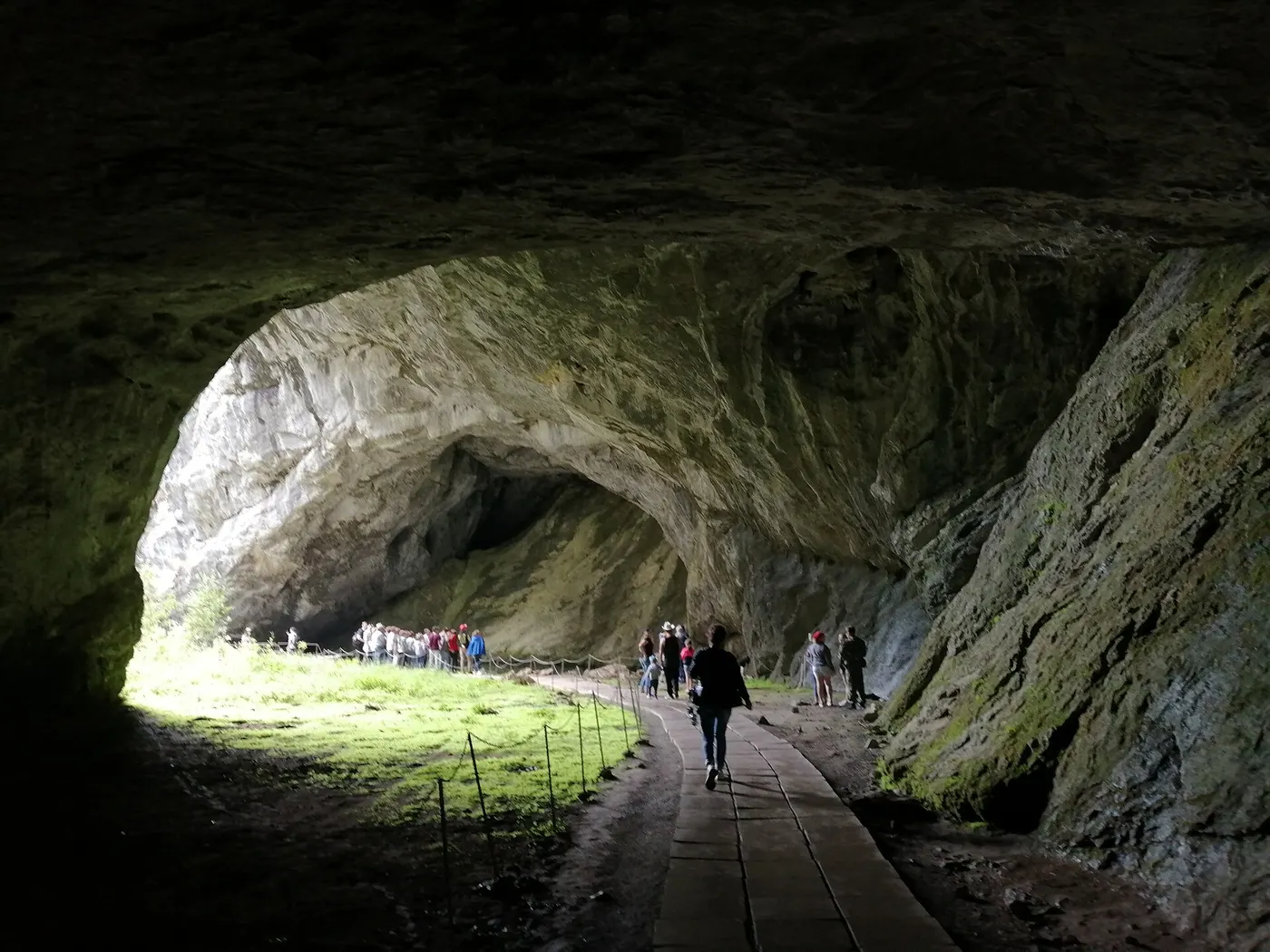
A cave in Bashkortostan with wall paintings some seventeen thousand years old — mammoths, horses, rhinoceroses, laid down in ochre. Before its discovery in 1959 Palaeolithic painting was thought to exist only in Western Europe. In the Bashkir epic Ural-batyr the lake at its mouth is the entrance to the underworld, ruled by Shulgan, the hero's brother who went over to evil. The cave and the lake carry his name.
Lake Baikal
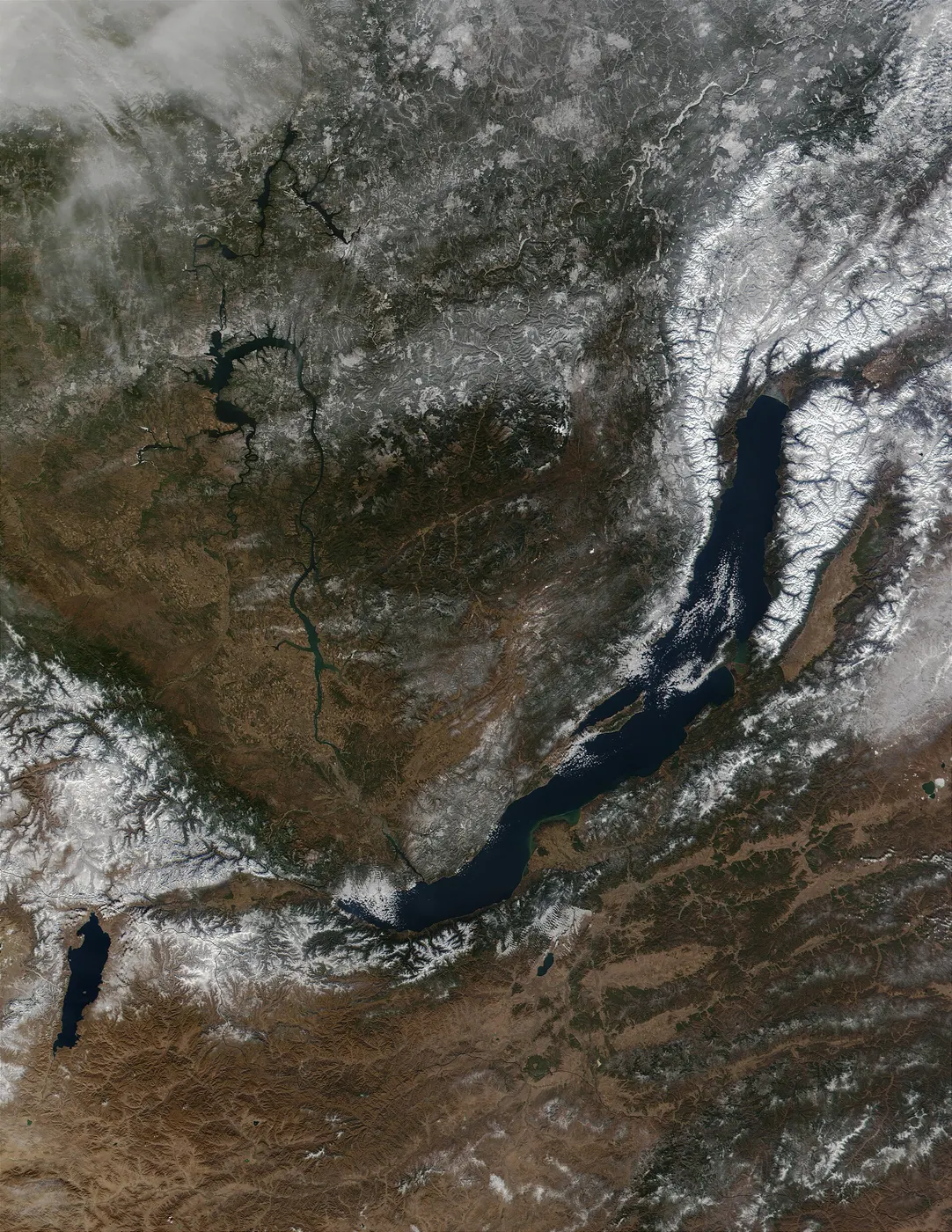
The deepest lake on earth, holding a fifth of the world's unfrozen fresh water. Buryat tradition fills it with spirits, and Cape Burkhan on Olkhon is one of the nine shrines of Asia, which not every shaman may approach. A separate body of stories concerns the Baikal mirages, in which non-existent shores and ships are seen above the water; the effect is physically real and comes from temperature layers in the air.
Ergaki
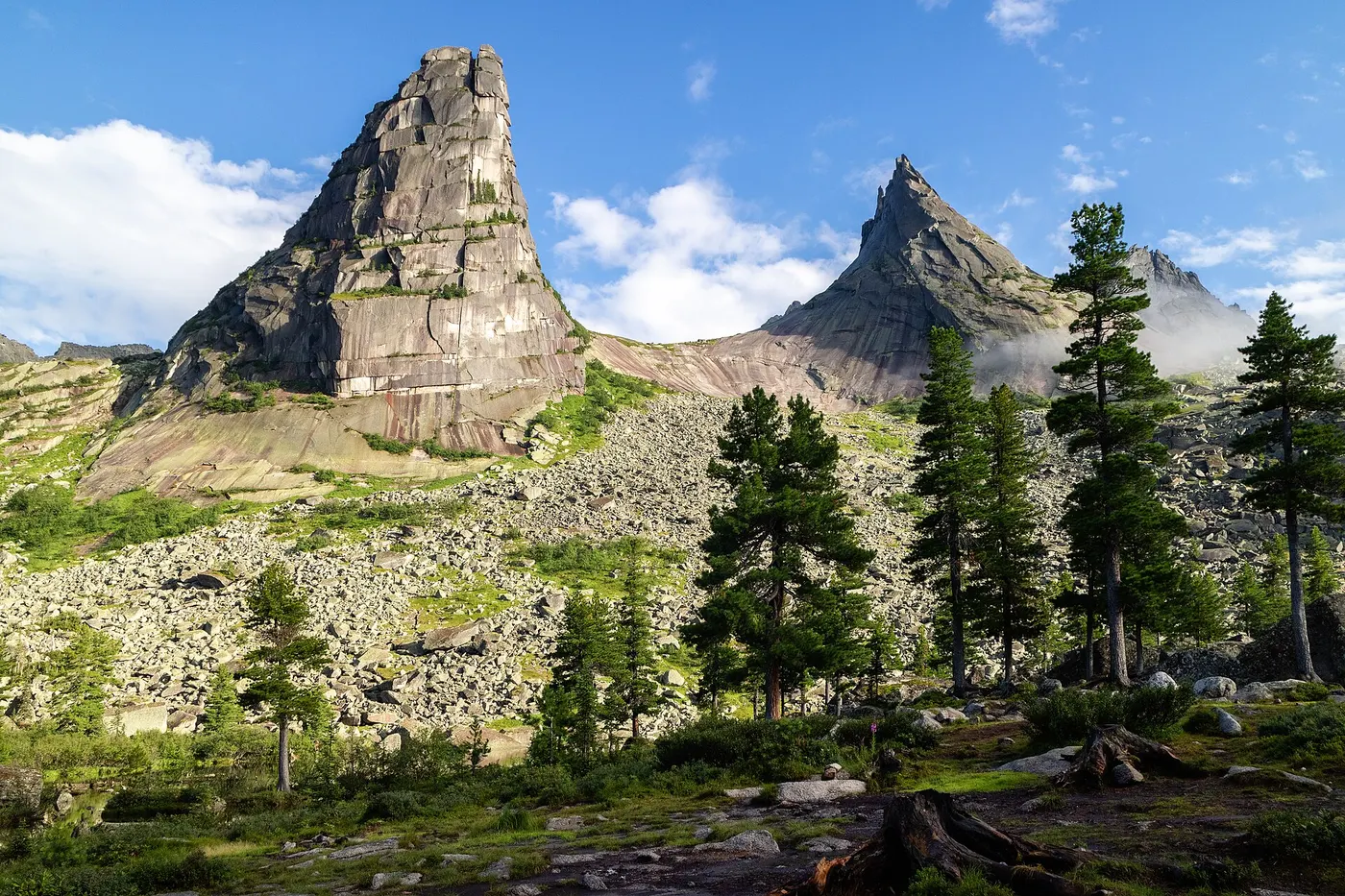
A mountain knot in the Western Sayan with the Hanging Stone — a many-ton block balanced on a rock face so finely that, by the accounts, it could be rocked by hand. Local tradition says that when it falls, disaster follows; in the 2000s it shifted and stopped moving, which caused visitors noticeable unease. Separately there is the Sleeping Sayan, a ridge whose profile reads as a reclining human figure.
Mount Elbrus
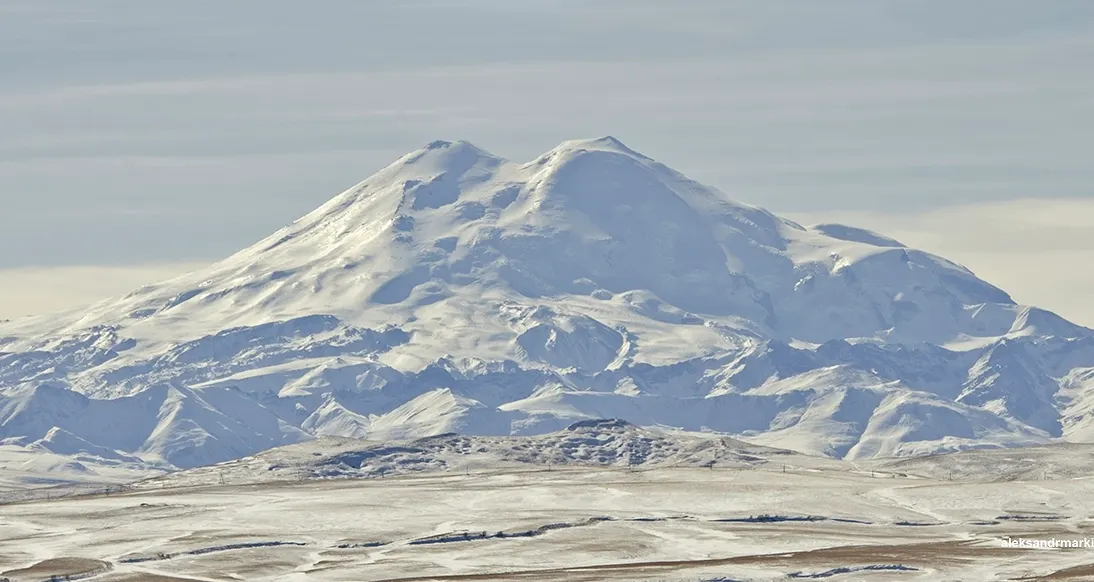
The highest peak in Europe and a dormant volcano to which, in one version of the tradition, Prometheus was chained. The mountain has accumulated a body of stories of its own: the Priyut 11 hut that burned in 1998, the bodies of German Edelweiss division troops found where they planted a flag in 1942, and figures in the mist that climbers describe in almost the same words used on Scotland's Ben Macdui.
The Krasnoyarsk Pillars
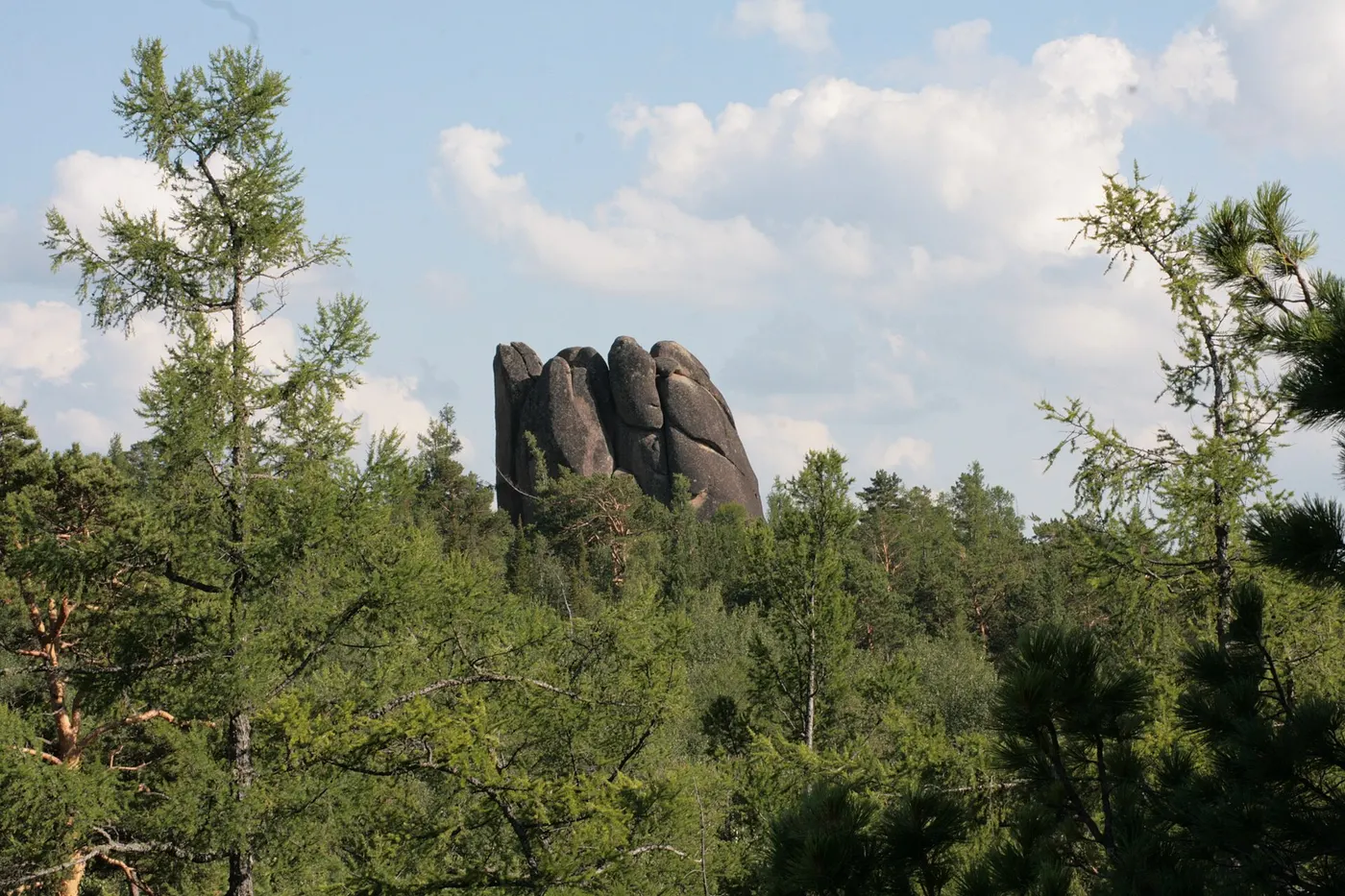
Krasnoyarsk Stolby National Park (formerly a state nature reserve) is a protected ecological expanse located on the northwestern spurs of the Eastern Sayan Mountains, bordering the right bank of the Yenisei River on the southern outskirts of Krasnoyarsk, Russia. Covering nearly 47,000 hectares of Siberian taiga, the park is world-renowned for its dramatic pink-grey syenite rock pillars rising up to 100 meters above the forest canopy, as well as the birthplace of "Stolbism"—a historic community tradition of free solo rock climbing.
The Kungur Ice Cave
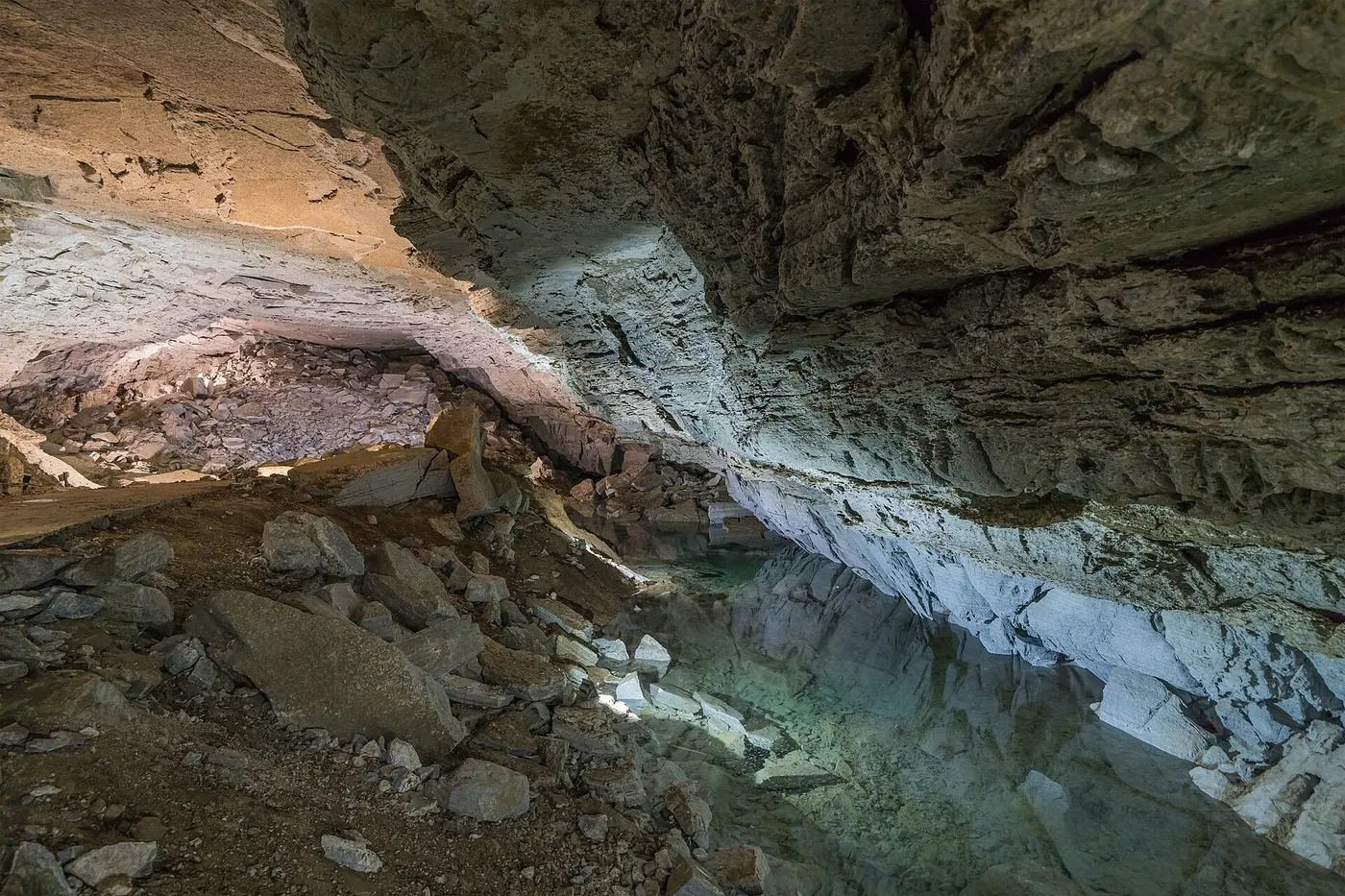
A gypsum cave in Perm Krai some six kilometres long, with seventy underground lakes and permanent ice in the entrance chambers. The first survey was drawn in 1703. Tradition holds that Yermak's band wintered here before crossing the Urals, and one grotto is called the Ladies' Tears — legend has a daughter of Christian X of Denmark slipping and dying here on a visit.
The Sablino Caves
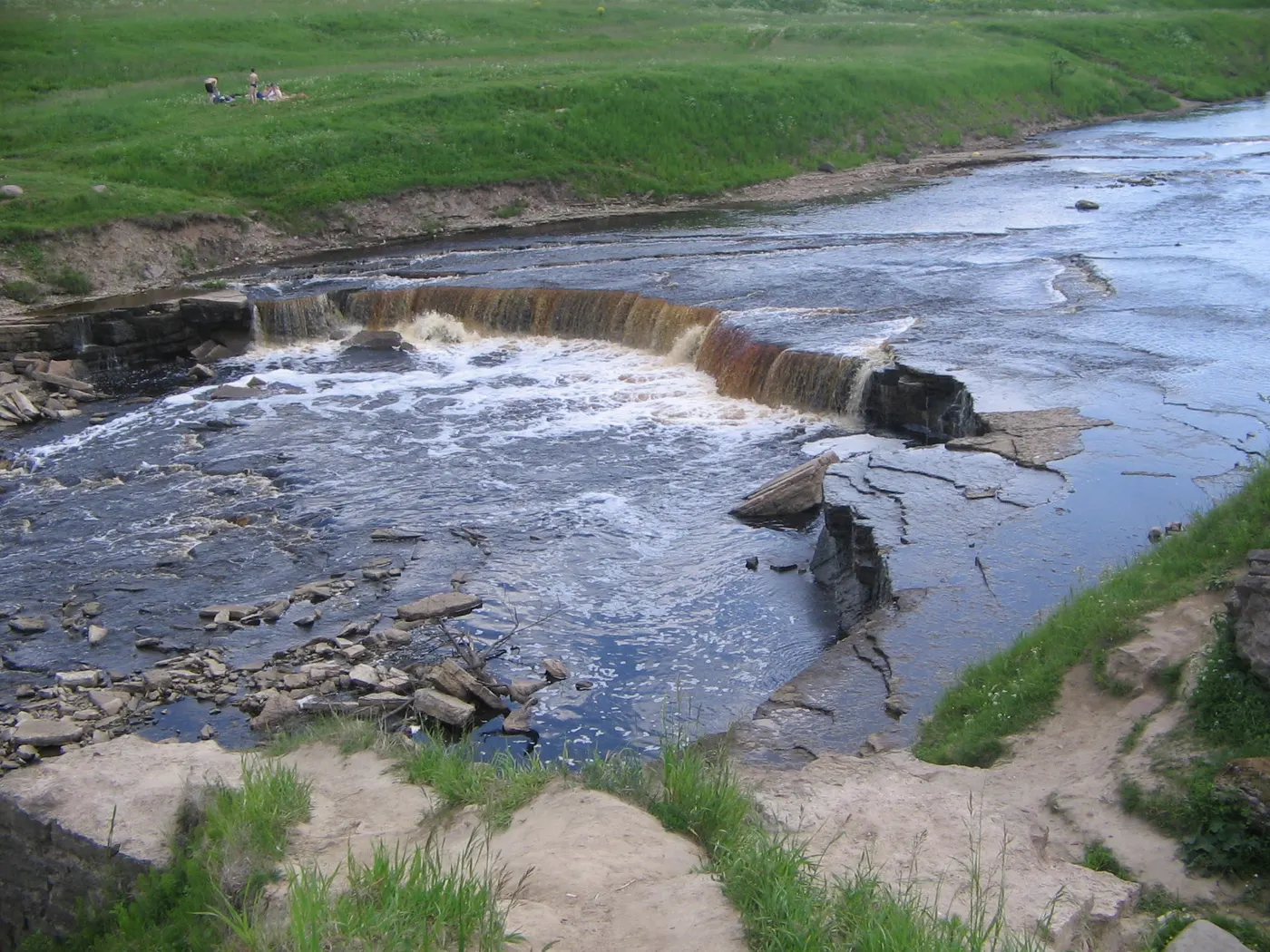
Disused quartz sand workings outside St Petersburg, mined from the nineteenth century to supply glassworks. Several dozen kilometres of passages remain, with collapses, underground lakes and colonies of hibernating bats. The caves were long ago adopted by the city's subculture: a homemade shrine stands near one entrance, and everyone here can tell you about the White Caver, a ghost that either saves or dooms those who get lost.
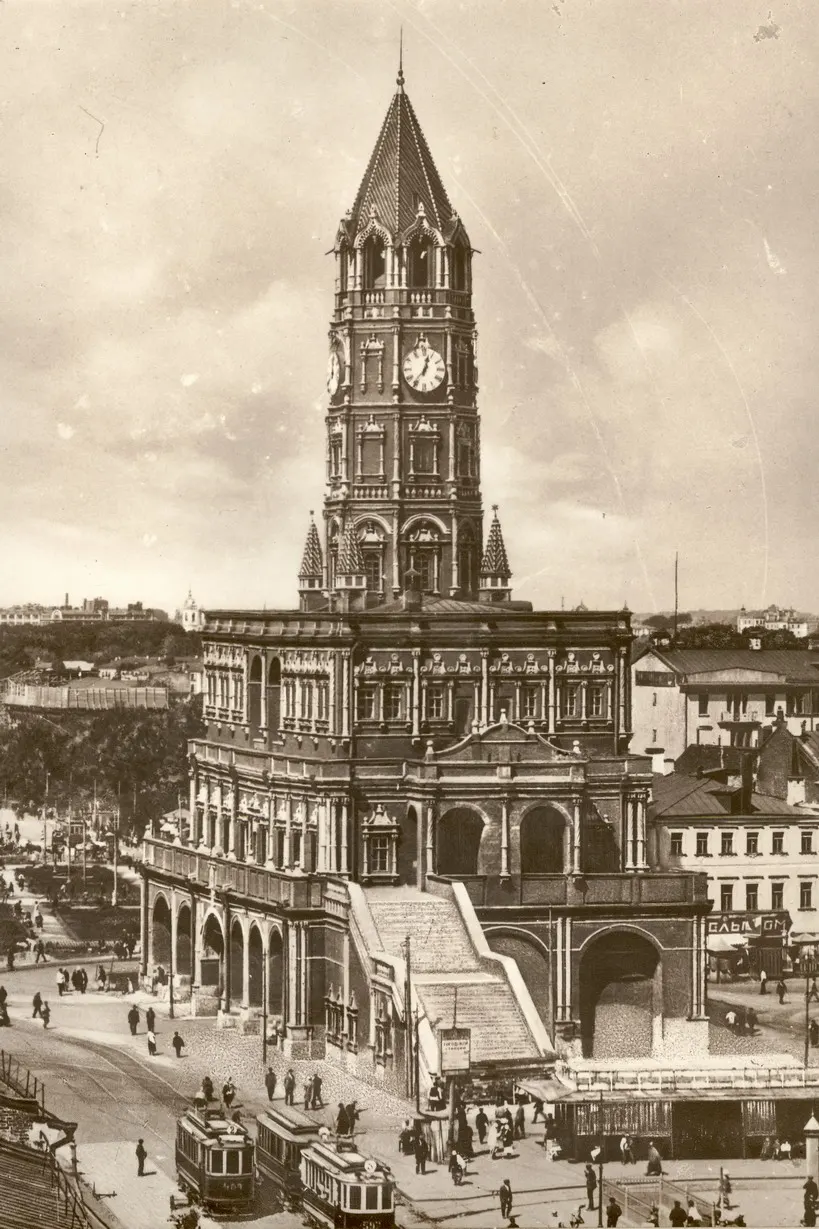
The Site of the Sukharev Tower
Sukharevskaya Square in Moscow is the historic site where the famed Sukharev Tower stood from the late 17th century until its demolition in 1934. A masterpiece of Naryshkin Baroque architecture, it served alternately as a triumphal gate, astronomical observatory, and Russia's first naval navigation academy, while enduring in city folklore as Moscow's premier occult epicenter tied to Peter the Great's polymath advisor and alleged "warlock," Jacob Bruce.
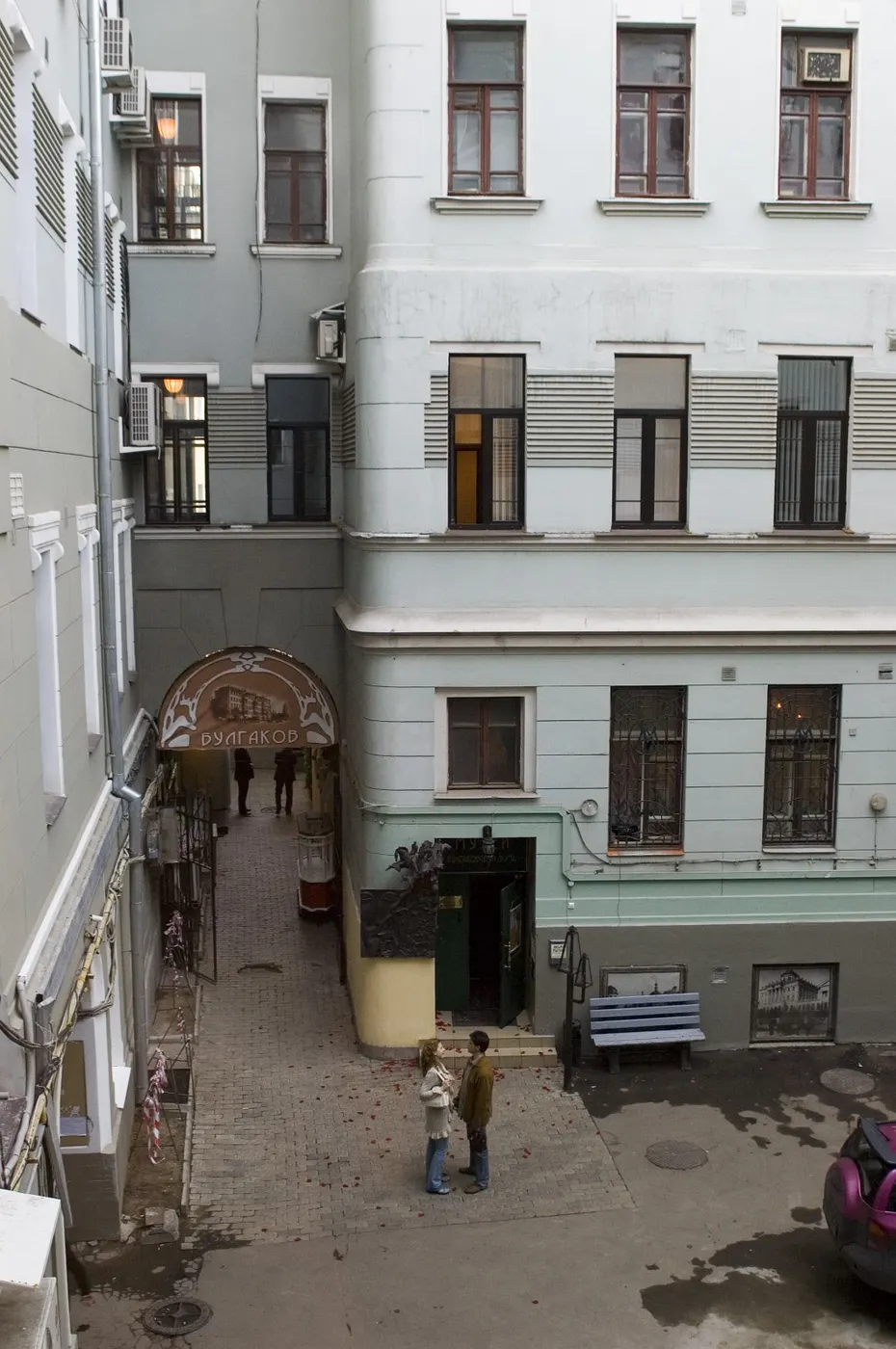
The Bad Apartment on Bolshaya Sadovaya
Apartment No. 50 in the Ilya Pigit tenement building at 10 Bolshaya Sadovaya Street in Moscow is the famed "Bad Apartment" from Mikhail Bulgakov's masterpiece The Master and Margarita, which served as the temporary headquarters for Woland and his retinue. In reality, Bulgakov lived here from 1921 to 1924 in a chaotic communal flat whose volatile domestic atmosphere inspired the novel's supernatural satire.

Arkaim
A circular Bronze Age fortified settlement in Russia's Chelyabinsk region, excavated in 1987 just before it was to be flooded. The archaeological site quickly attracted an esoteric following — visitors come from across Russia "for the energy".