Folklore — mystical places on the map
Points on the map a local tradition has grown around: a lake with a spirit in it, a mountain with a prohibition on it, a stone people still visit to ask for something. Not a scare story but something the people living there count as part of their own history.
81 places
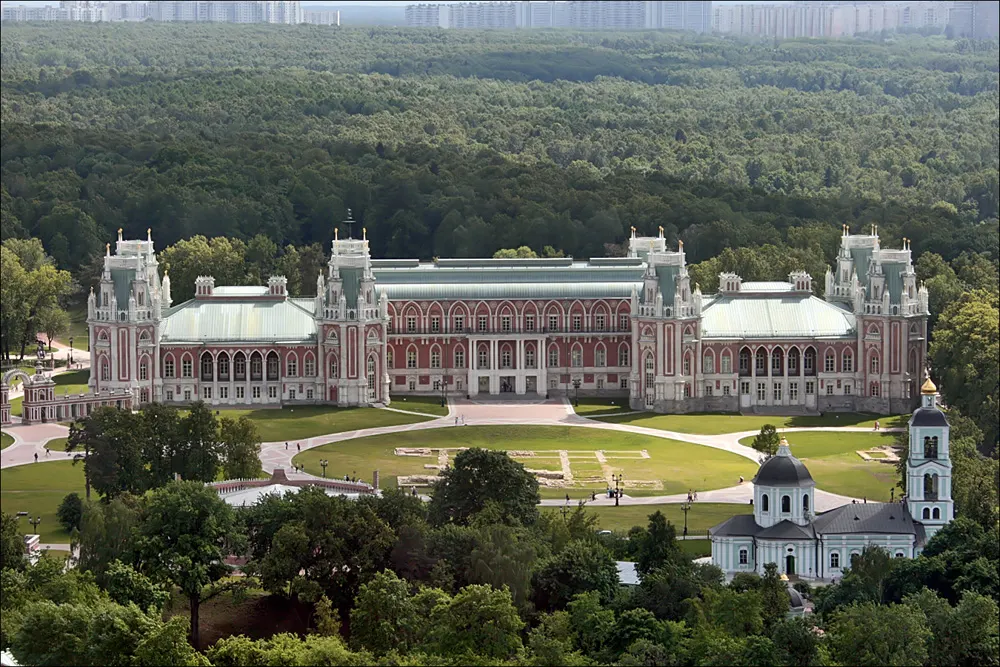
Tsaritsyno and the Rejected Palace
The Tsaritsyno State Historical, Architectural, Art and Landscape Museum-Reserve is an expansive imperial palace and park estate in southern Moscow, commissioned in 1775 by Empress Catherine the Great. It stands as Europe's largest complex built in the Russian Gothic (pseudo-Gothic romanticism) style and represents one of the most dramatic architectural sagas in Russian history: the nearly completed grand residence was abruptly rejected and ordered dismantled by the Empress herself, leaving the site as a romantic, unfinished ruin for more than two centuries.
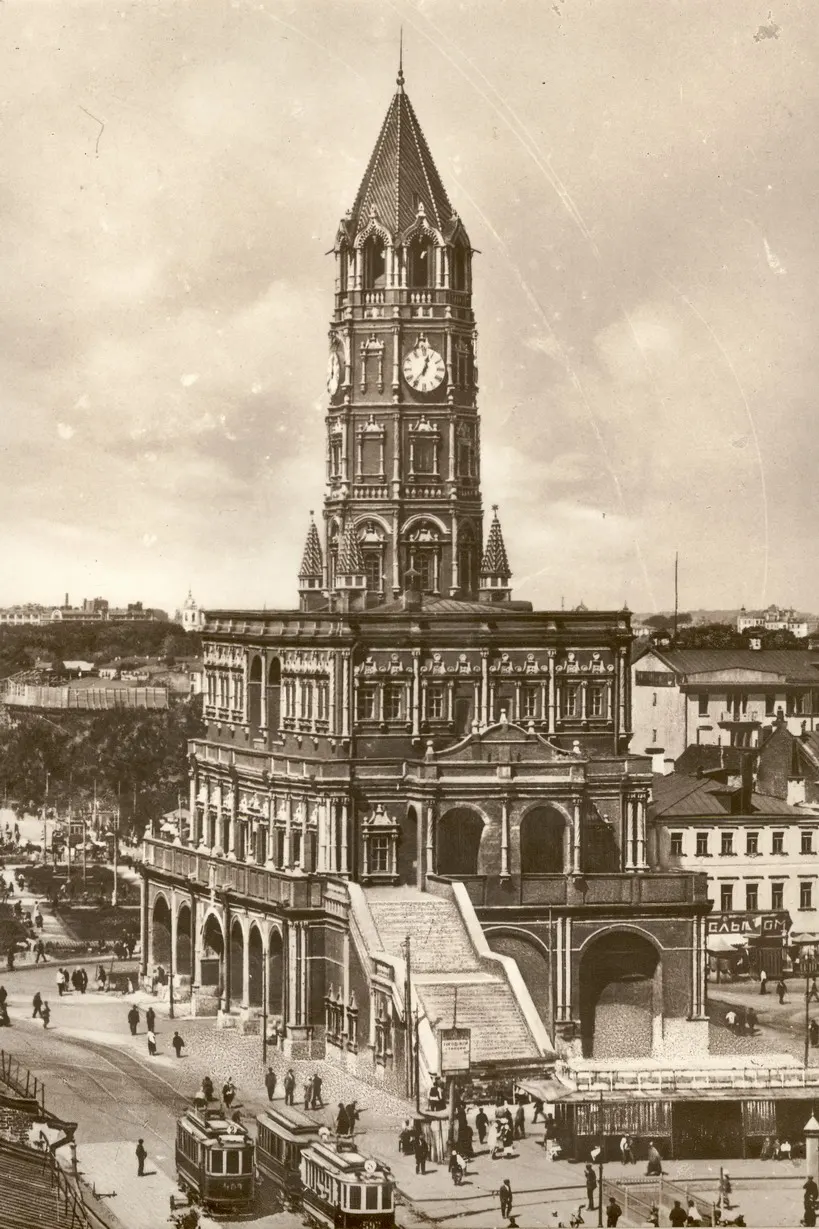
The Sukharev Tower and Jacob Bruce
The Sukharev Tower was a masterpiece of late-17th-century Russian civil architecture, formerly standing at the junction of Moscow's Garden Ring, Sretenka Street, and Prospekt Mira. Commissioned by Peter the Great and designed in the ornate Naryshkin Baroque style, the 60-meter-tall red-and-white monument functioned as a ceremonial city gate, the administrative birthplace of the Russian Imperial Navy, and the nation’s first astronomical observatory. In folk memory, the landmark is permanently tied to one of Peter's closest intellectual confidants, Field Marshal Jacob Bruce, who was mythologized as the supreme warlock and sorcerer of the Russian Empire.
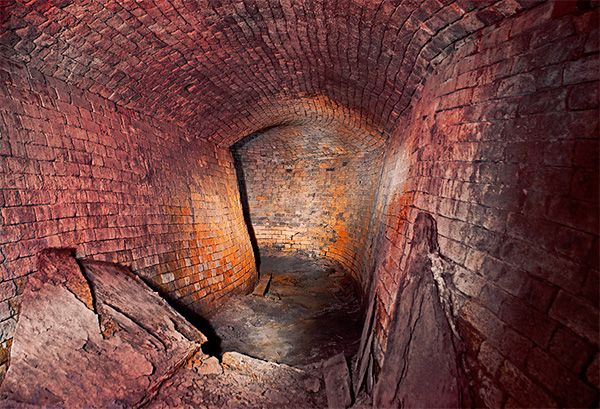
The Library of Ivan the Terrible
The Lost Library of Ivan the Terrible (known in Russian as the "Libereya") is a legendary repository of ancient classical and Byzantine manuscripts, parchment scrolls, and codices purportedly assembled by Russia's first crowned Tsar, Ivan IV. Popular mythology claims this priceless collection of ancient Greek, Latin, and Hebrew literature was sealed away inside subterranean brick vaults beneath the Moscow Kremlin, the Alexandrov Kremlin, or the royal estate of Kolomenskoye, standing for four centuries as one of the world's most sought-after literary grails.
Cropsey
A children's bogeyman with a hook, told on Staten Island for generations — until children began disappearing in the neighbourhood in the 1980s and it emerged that a former orderly from the abandoned Willowbrook school was living beside it. Willowbrook was a real institution, closed after a 1972 investigation exposed appalling conditions. A rare and unpleasant case of a local bogeyman and a documented local history meeting at the same point on the map.
Krasue
A flying woman's head with its viscera trailing beneath — one of the most recognisable images in mainland Southeast Asian folklore, known in Thailand, Cambodia and Laos under different names. By day she is an ordinary woman; at night the head detaches and goes looking for food. Her appearance was traditionally linked to night lights over rice paddies and to sickness in livestock. In Thailand she has been the subject of dozens of films and remains a living figure of popular culture rather than a museum entry.
The Pontianak
A woman who died in childbirth and came back for revenge — one of the central figures of Malay and Indonesian folklore. Her presence is identified by smell: first the sweetness of frangipani, then the smell of a corpse. She is held to live in banana trees, which is why they are not planted right against a house. The city of Pontianak in Borneo carries her name: by tradition its founder laid out the settlement on the spot where he drove these spirits off.
Kuchisake-onna, the slit-mouthed woman
A woman in a surgical mask stops a passer-by and asks: am I beautiful? Say yes and she takes the mask off, revealing a mouth slit to the ears, and asks again. The legend erupted in the spring of 1979 in Gifu Prefecture and crossed the whole of Japan within months: schools sent children home in groups, police stepped up patrols, newspapers reported the panic. The roots are older, going back to the Edo period, but the 1979 version was the country's first case of an urban legend requiring a police response.
Bunny Man Bridge
A single-track railway underpass in Fairfax County, Virginia, known locally as Bunny Man Bridge. The legend puts a man in a rabbit suit with an axe here. There is a real basis and it is a modest one: in October 1970 county police logged two reports of a man in a white suit with rabbit ears who swung an axe at people near their cars and broke a window in a house under construction. He was never found. In half a century two police reports have grown into hanged children, an escaped asylum patient and a compulsory visit to the bridge on Halloween night.
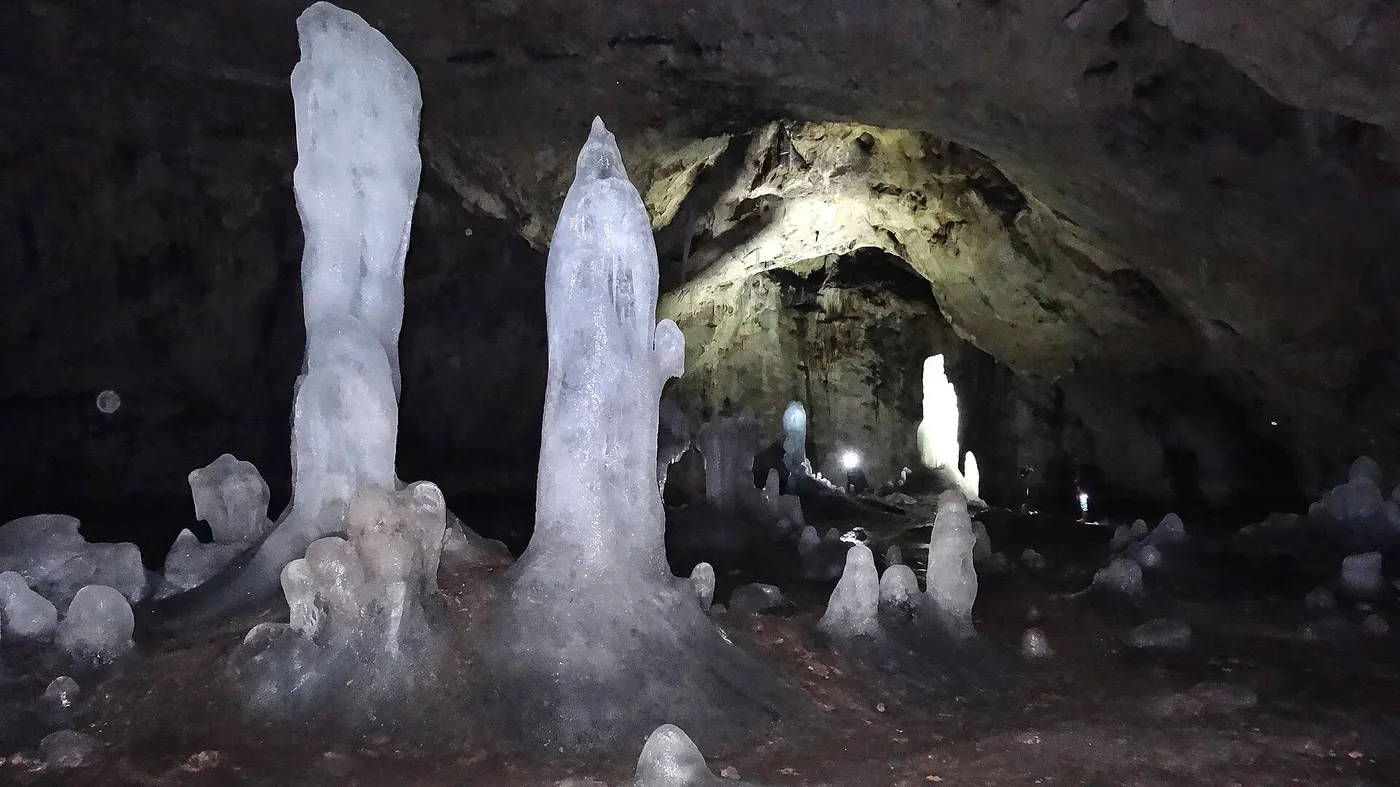
The Askinskaya Ice Cave
A cave in Bashkortostan with a single chamber holding ice columns up to eleven metres tall, grown over centuries. The temperature stays below freezing all year: cold air flows in during winter and cannot get out. Bashkir tradition places a guardian spirit here, to whom offerings were left at the mouth. In the 2010s visitor numbers damaged some of the columns and the cave was closed to open access.
The Blue Stone
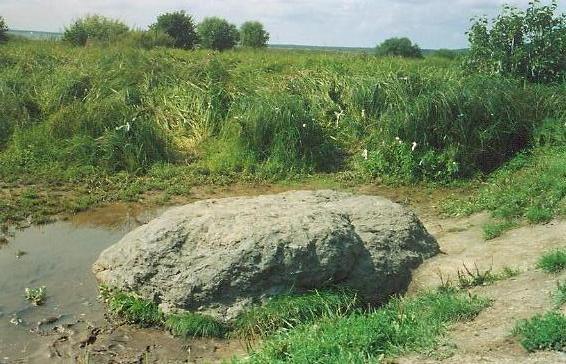
The Blue Stone (Sin-Kamen) is a sacred ritual megalith of glacial origin resting on the northeastern shore of Lake Pleshcheyevo in the Yaroslavl Region. Weighing approximately 12 tons, this quartzite-slate boulder is widely known for its unique optical effect: while dull gray when dry, it takes on a distinct bluish-steel sheen when wet.
The Salbyk Kurgan
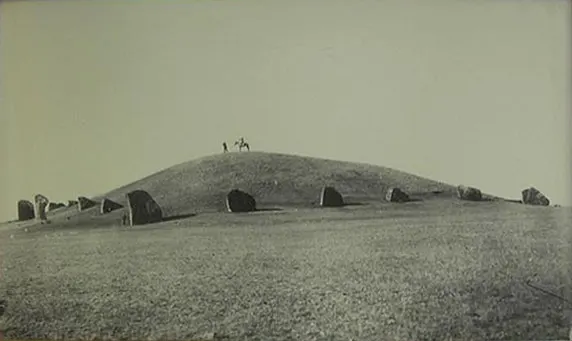
A royal kurgan in Khakassia ringed by upright slabs of Devonian sandstone weighing up to fifty tons — the stone was hauled seventy kilometres. Before excavation the mound stood twenty-five metres high. Inside was a burial with several attendants, killed, to all appearances, for the purpose. The valley around it is called the Valley of the Kings: there are several dozen kurgans here and most are untouched.
Mount Belukha
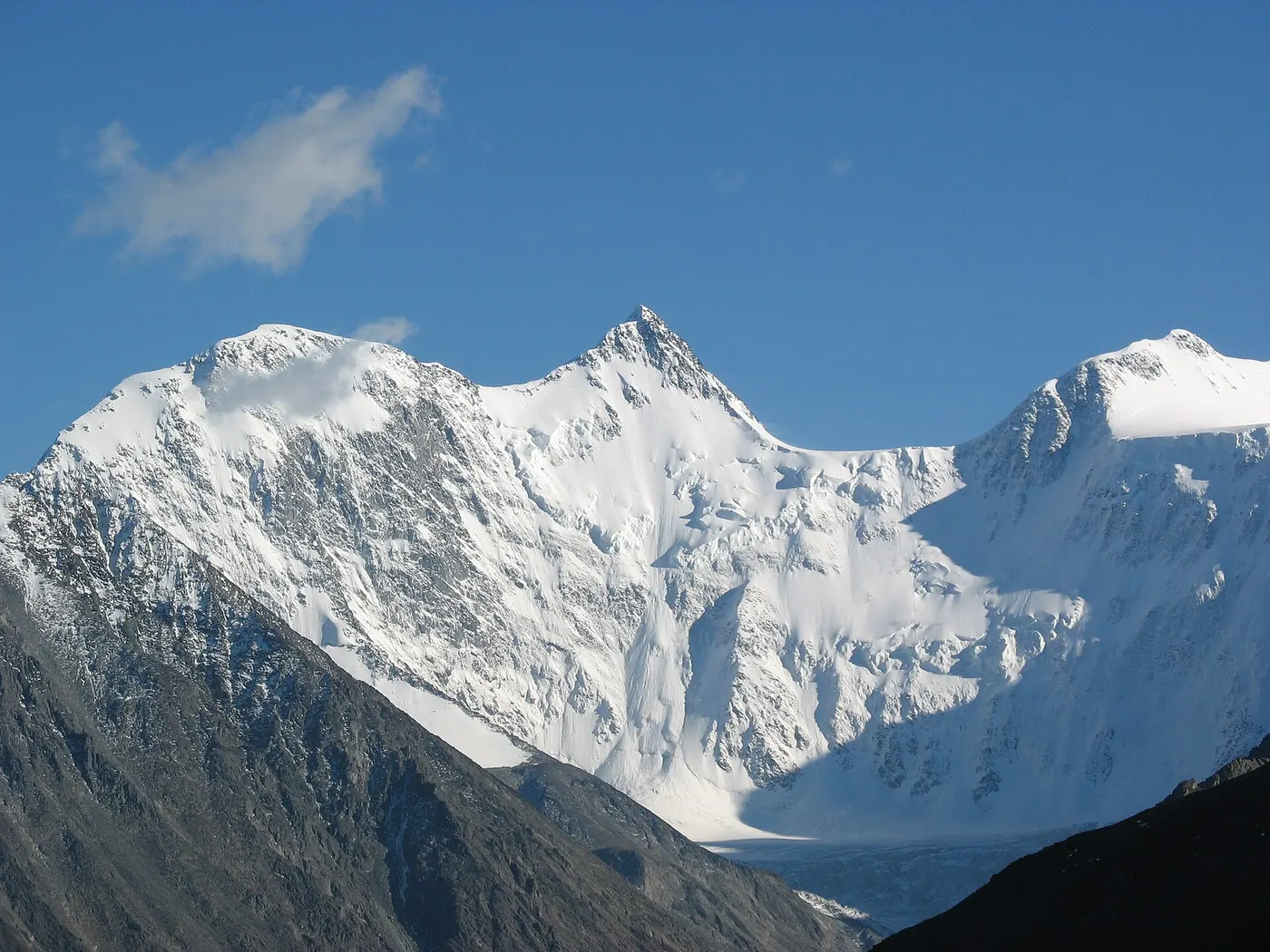
The highest point of the Altai, which the Altaians call Uch-Sumer and hold to be forbidden: one did not climb it, or speak loudly at its foot. Nicholas Roerich came here in 1926 and tied the mountain to Belovodye and Shambhala; his paintings made Belukha the centre of a Russian esoteric pilgrimage that has not dried up. The peak stands almost equidistant from three oceans — a fact the esotericists are fond of citing.
Ayu-Dag, the Bear Mountain
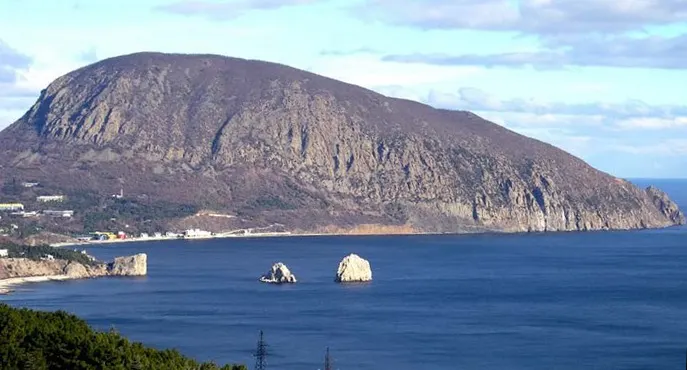
A volcano that never happened on Crimea's south coast: the magma rose but never broke out and set as a dome. From the sea the mountain reads as an enormous bear drinking. A Crimean legend takes that literally — the leader of a bear pack turned to stone, punished for trying to drink the sea dry rather than let a runaway girl go. Remains of a medieval monastery and fortifications survive on it, and the magnetic field in places pulls a compass off true.
The Onega Petroglyphs and the Demon
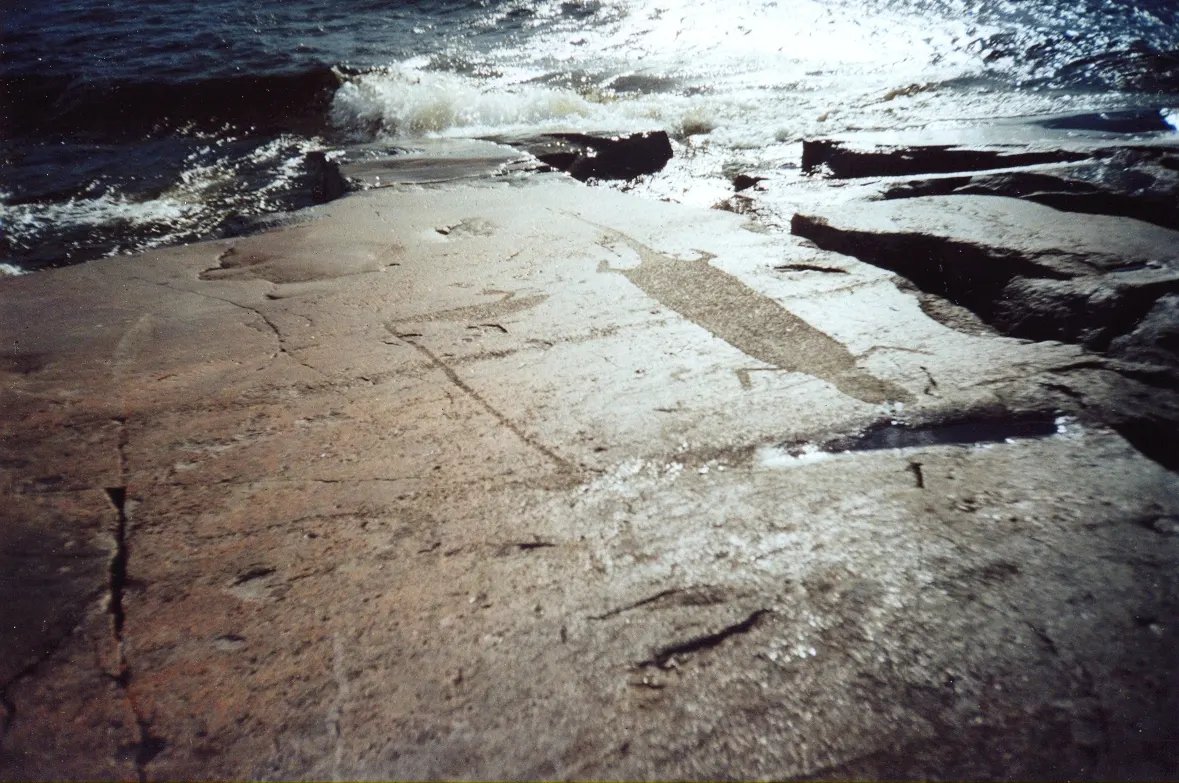
Carvings on the shore rocks of Lake Onega, cut five or six thousand years ago. The best-known figure is the Bes — a humanoid nearly two and a half metres tall, split down the middle by a natural fissure. Monks of the Murom monastery cut a Christian cross over it in the fifteenth century to neutralise it, and both marks remain side by side on the stone, which makes this rock a rare document of one faith writing over another.
The Solovetsky Labyrinths
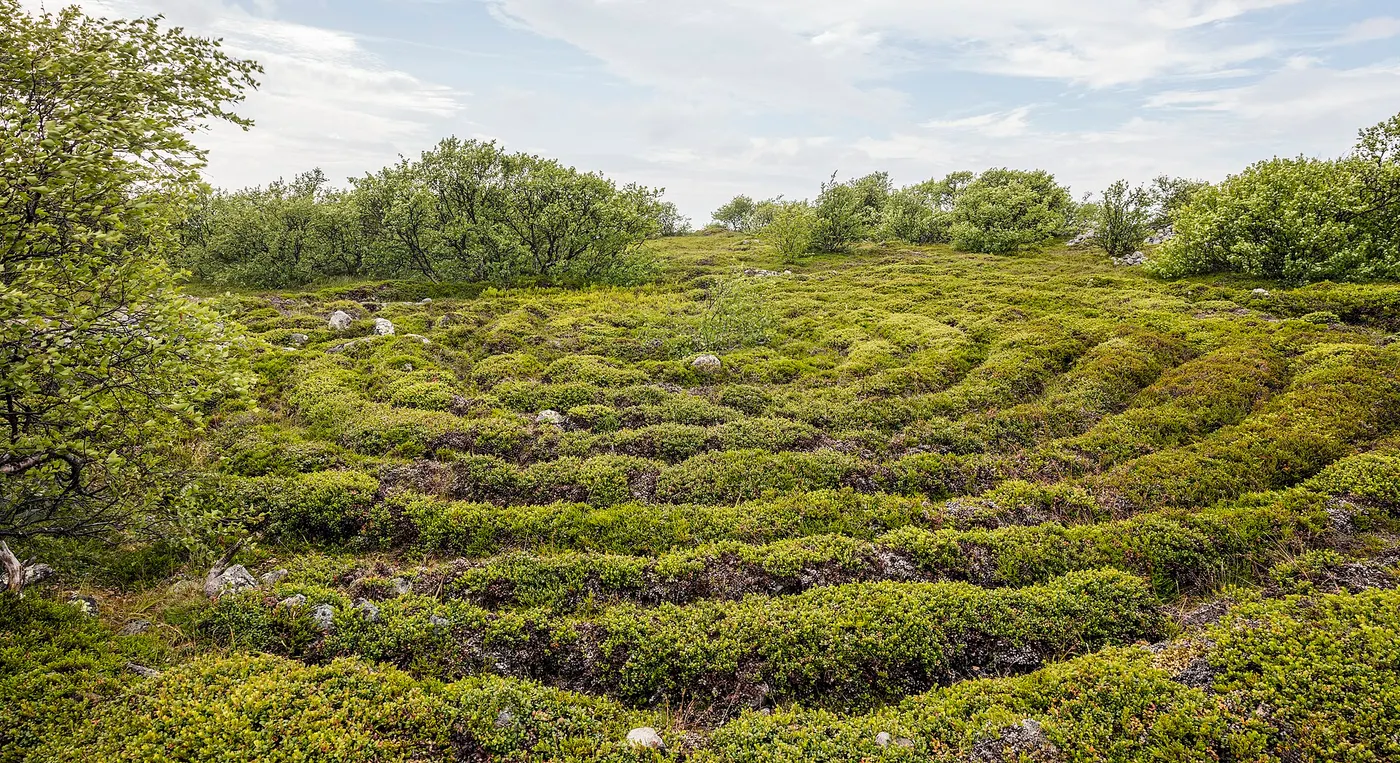
Boulder spirals on the Solovetsky Islands, laid out three or four thousand years ago. There are around thirty, the largest twenty-five metres across. There are no branches — one winding path to the centre and back. The accepted explanation ties them to burial rites and to keeping a soul from finding its way back to the living: stone heaps with burnt bone are found beside them.
The Kapova Cave (Shulgan-Tash)
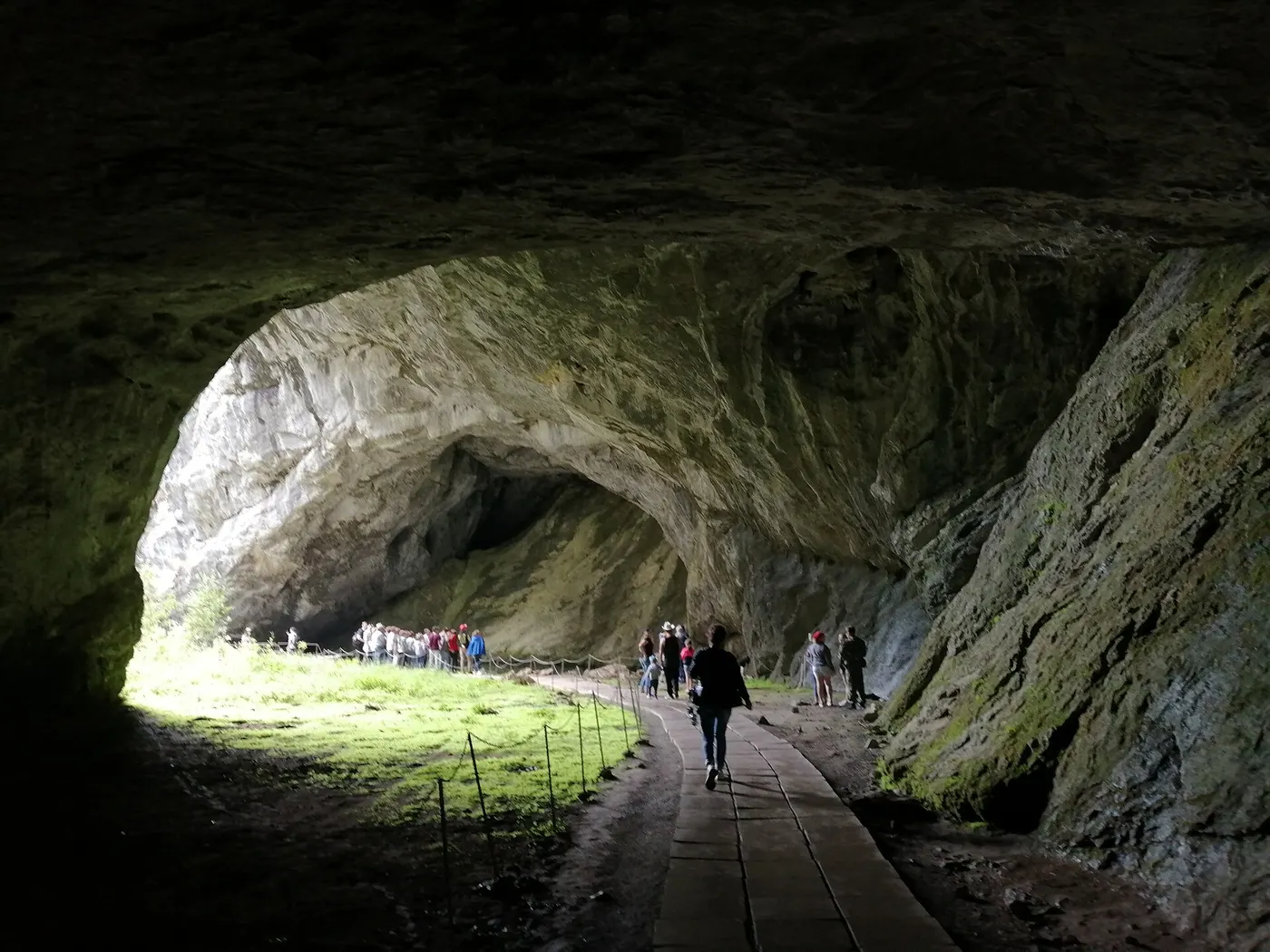
A cave in Bashkortostan with wall paintings some seventeen thousand years old — mammoths, horses, rhinoceroses, laid down in ochre. Before its discovery in 1959 Palaeolithic painting was thought to exist only in Western Europe. In the Bashkir epic Ural-batyr the lake at its mouth is the entrance to the underworld, ruled by Shulgan, the hero's brother who went over to evil. The cave and the lake carry his name.
Orheiul Vechi
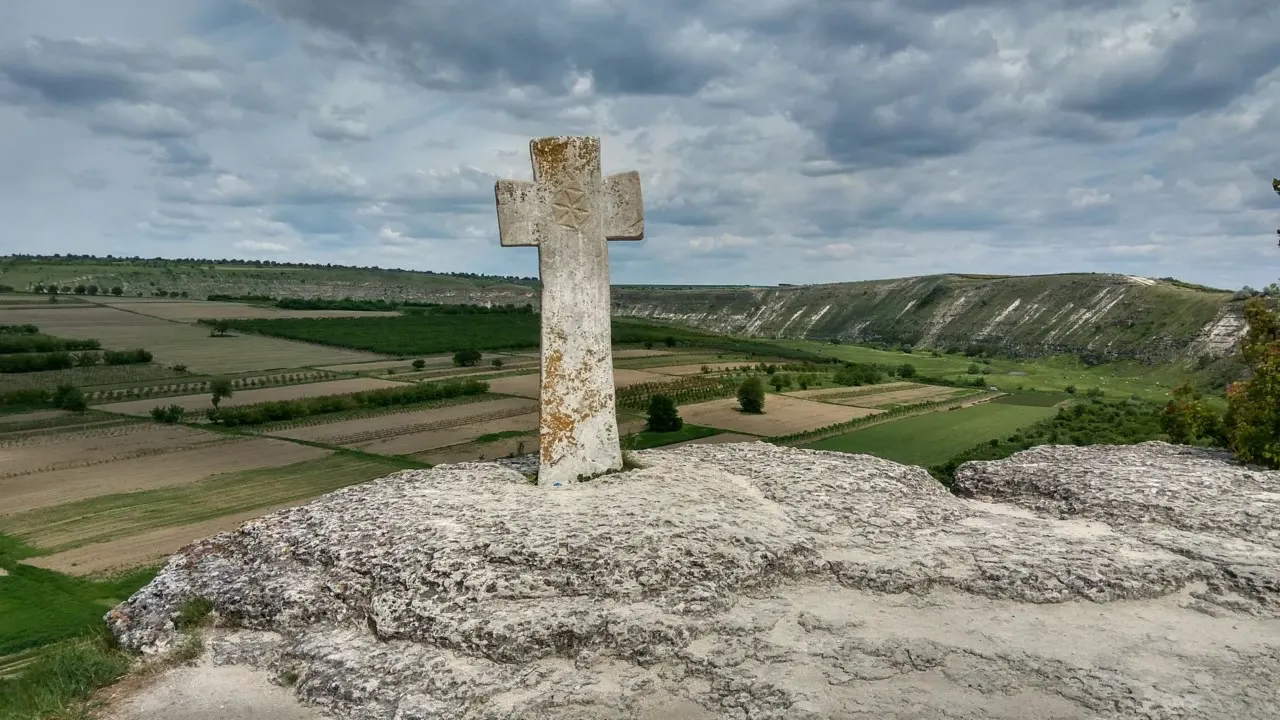
Old Orhei (Romanian: Orheiul Vechi) is a historical-archaeological museum-reserve and natural-cultural landscape situated within the Orhei District of the Republic of Moldova, set inside the limestone gorge of the Răut River between the villages of Butuceni, Trebujeni, and Morovaia (roughly 50–60 kilometers northeast of Chișinău). The complex forms a natural amphitheater where the meandering river bisects ancient Sarmatian limestone escarpments along the Peștere promontory. The site preserves a continuous archaeological palimpsest spanning millennia: Thracian and Geto-Dacian earthworks, the 14th-century Golden Horde stone city of Shehr al-Jedid, the medieval Moldavian fortress of Stephen the Great, and rupestral Orthodox cave monasteries carved directly into the sheer cliff walls.
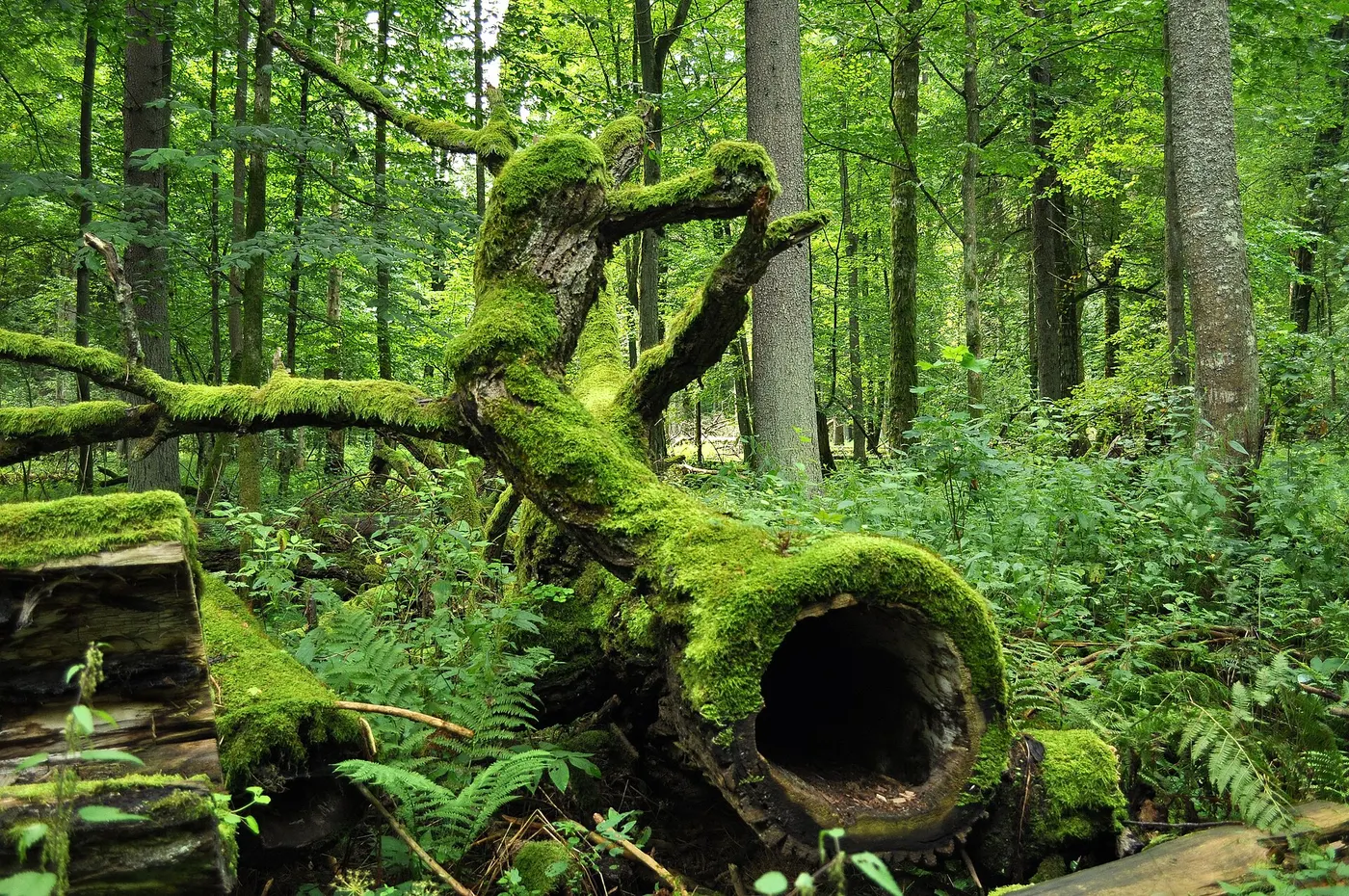
Białowieża Forest
Białowieża Forest (Belovezhskaya Pushcha) is the largest and oldest surviving expanse of primeval lowland mixed temperate forest in Europe, straddling the state border between Belarus (Brest and Grodno regions) and Poland (Podlaskie Voivodeship). Encompassing more than 150,000 hectares, this UNESCO World Heritage Site and biosphere reserve represents the last intact remnant of the prehistoric virgin woodlands that once blanketed the European Plain, home to the planet's largest free-roaming population of the European bison (wisent).
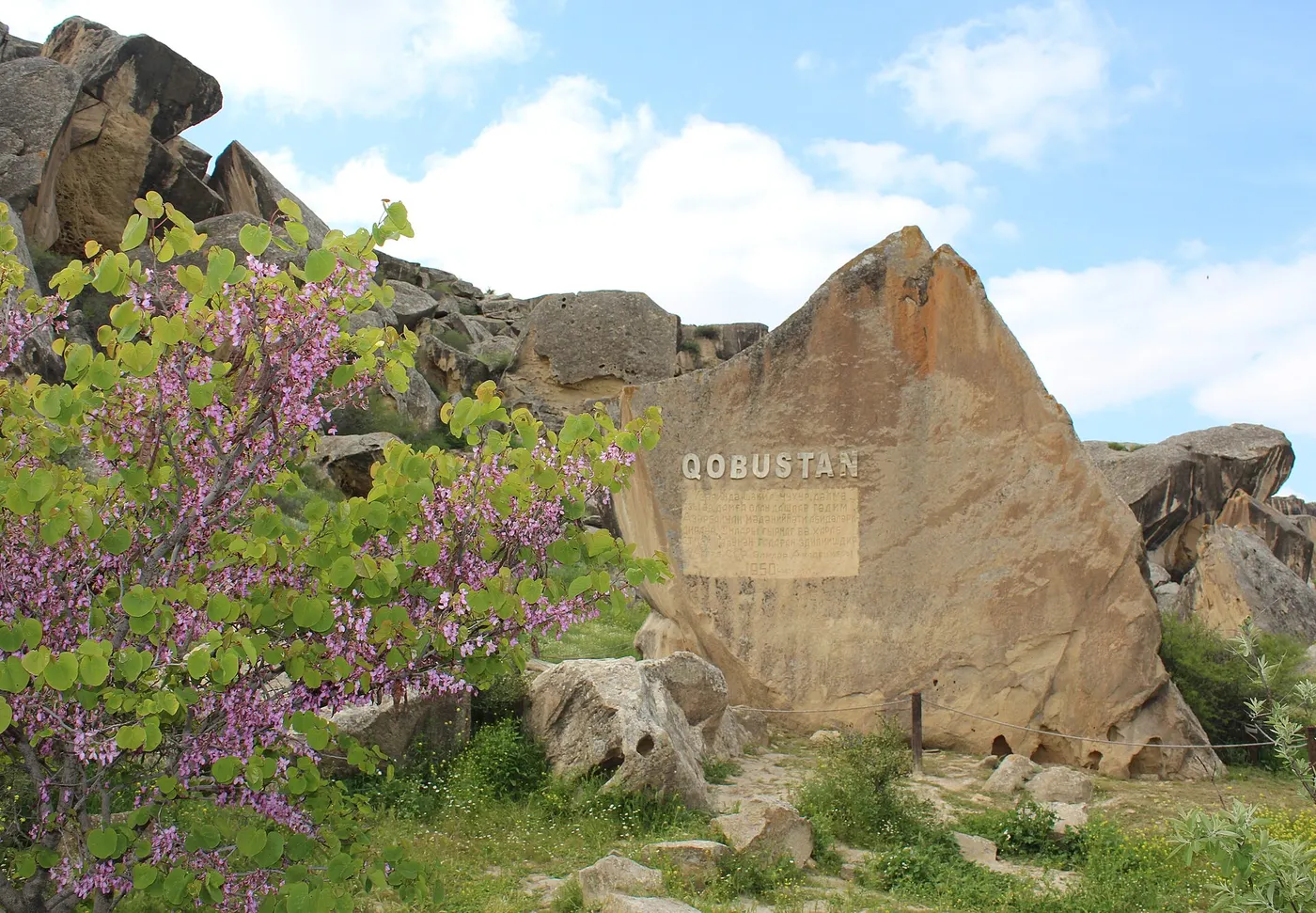
Gobustan
A rock massif outside Baku with more than six thousand petroglyphs, the oldest up to forty thousand years old. The gaval dash stands here too — the tambourine stone, a slab that gives a resonant note when struck and was evidently played. Thor Heyerdahl visited three times and argued that the boats depicted are related to Norwegian petroglyphs, deriving a Caucasian origin for the Scandinavians — a hypothesis specialists did not accept.

Lake Sevan
A high-altitude lake that supplies almost all of Armenia's fresh water. In Soviet times its level was deliberately dropped by nearly twenty metres for hydroelectricity, and what lay beneath came out: Bronze Age settlements, fortresses and necropolises. The Sevan peninsula was an island before that draining. The monastery of Sevanavank was founded in 874 by Princess Mariam, and tradition has it built by monks exiled from Echmiadzin for misconduct.
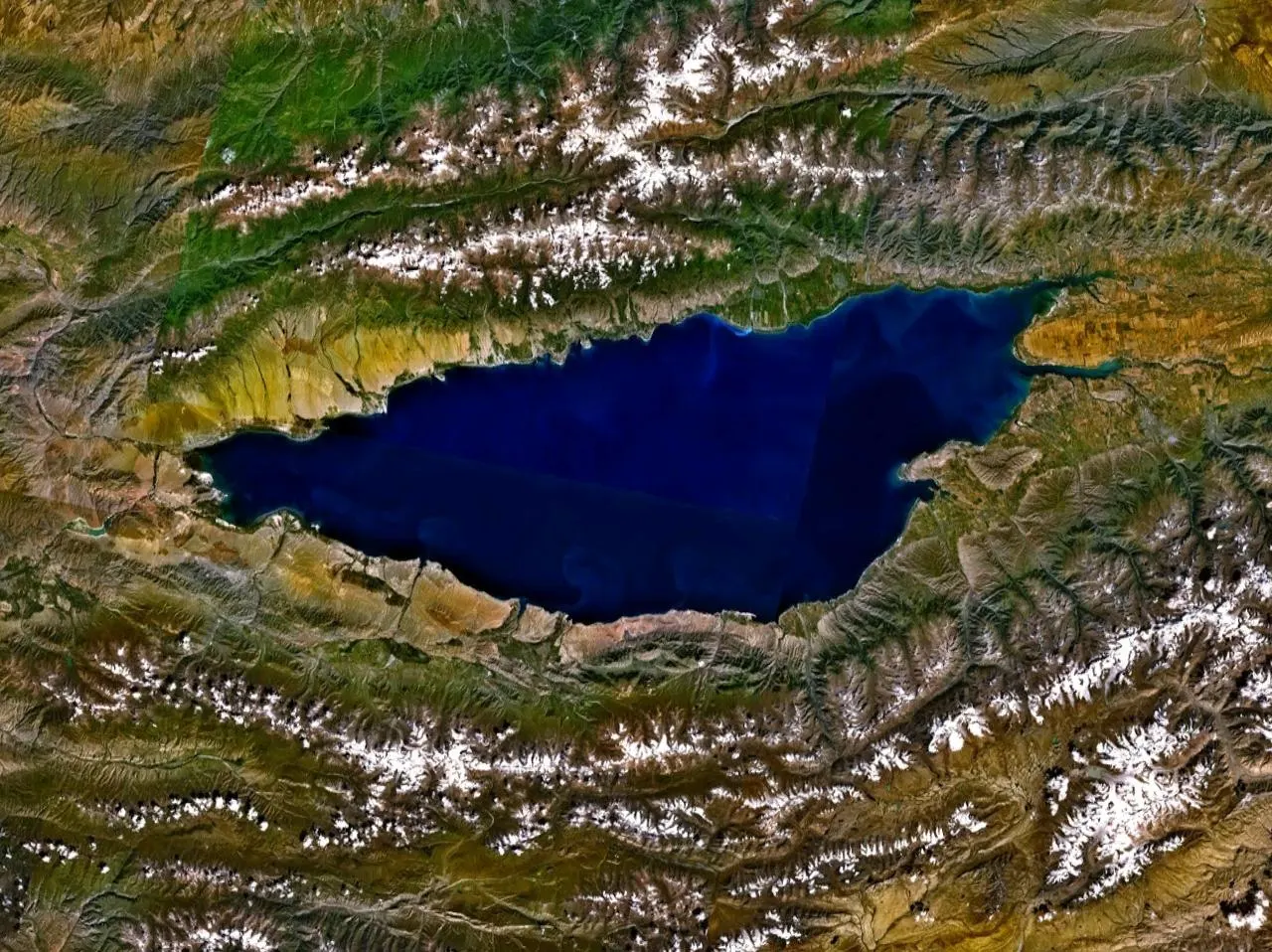
Lake Issyk-Kul
A non-freezing mountain lake in the Tien Shan with several drowned settlements beneath it, from Saka times through the middle ages. Divers have brought up bronze cauldrons, coins and courses of brickwork. One legend ties the lake to Tamerlane's grave, another to a monastery of Armenian brothers where, according to the Catalan Atlas of 1375, the relics of the apostle Matthew were kept. The last is taken seriously enough that expeditions still work the lake.
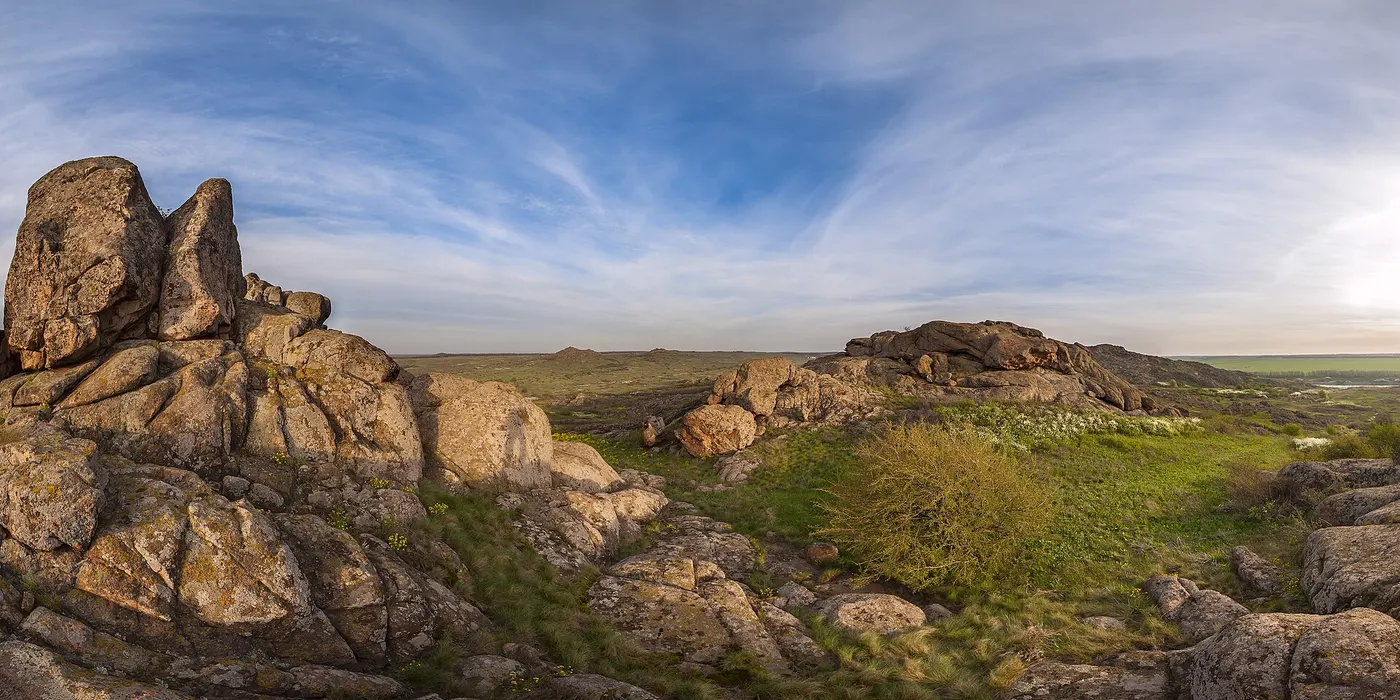
The Stone Graves
The Kamiani Mohyly ("Stone Tombs") Nature Reserve is a compact granitic inselberg formation spanning approximately 400 hectares, rising dramatically above the open Priazovian steppe along the Karatysh River (at the border of Donetsk and Zaporizhzhia Oblasts). For over a century, local historians, geographers, and travelers linked this 100-meter-tall labyrinth of pink granite crags to the chronicle-attested Kalka River and the tragic Battle of 1223—the first catastrophic clash between combined Kievan Rus'-Cuman forces and the Mongol reconnaissance vanguard led by Jebe and Subutai.

Nan Madol
A city of ninety-two artificial islets built off Pohnpei in Micronesia from basalt columns weighing up to fifty tons, stacked like logs without mortar. How they were moved is unknown; local tradition says sorcerers made the stones fly. The city was abandoned around 1628. Pohnpeians consider the place dangerous and say one does not sleep there — a chief who tried, the account goes, was dead by morning.
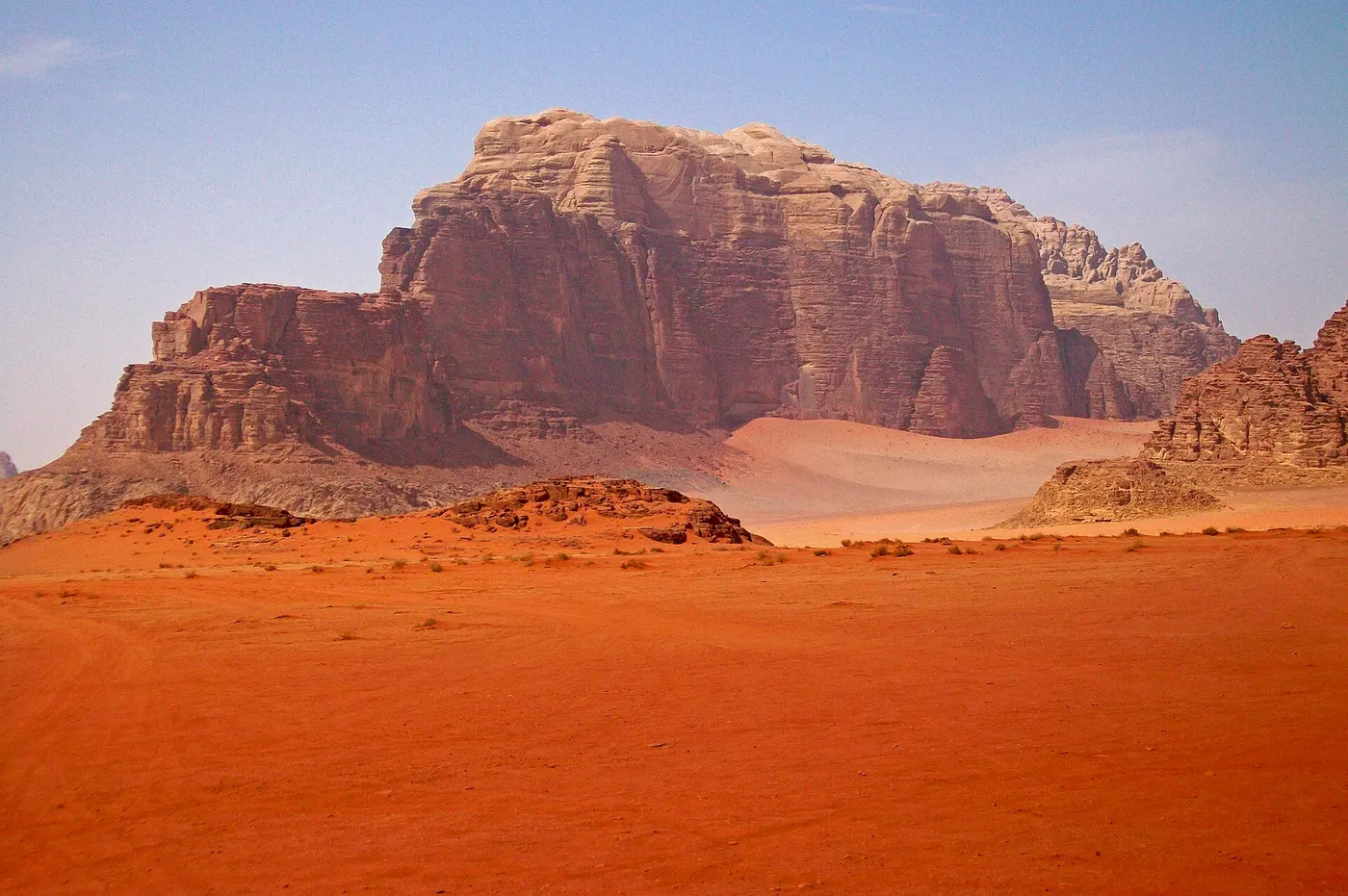
Wadi Rum
A sandstone desert in southern Jordan that the Bedouin call the Valley of the Moon. Its rocks carry twenty-five thousand petroglyphs and twenty thousand inscriptions, the oldest twelve thousand years old. Bedouin tradition fills the gorges with jinn, and the place obliges: the temperature difference between sun and shade reaches twenty degrees, and in the narrow canyons your own footsteps come back with a delay.