 Abandoned buildings — United States
. 5 places in the catalogue, each with coordinates, the story behind it and a danger level from white to black.
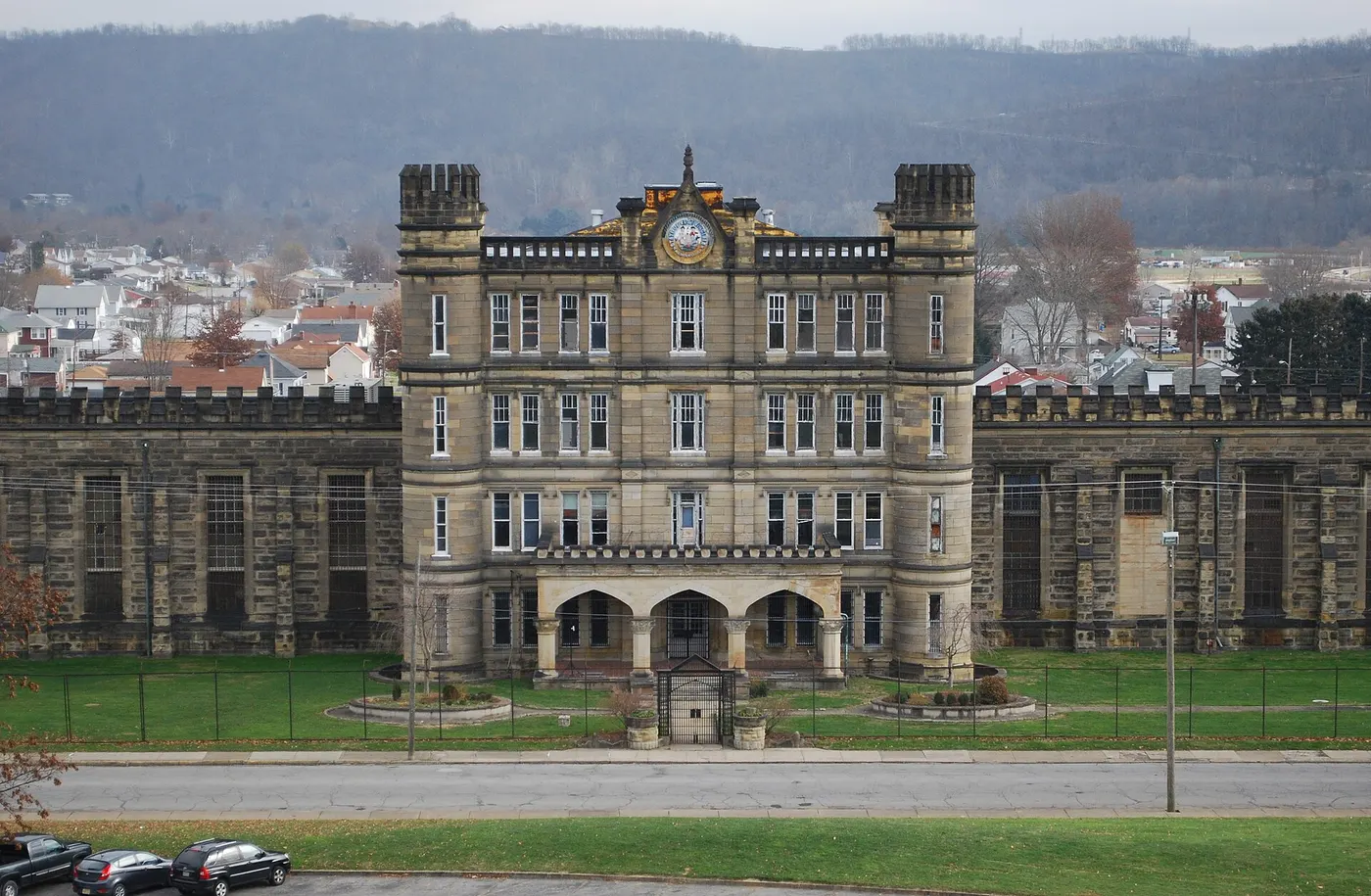
The Moundsville Penitentiary
A Gothic prison in use from 1876 to 1995, once listed among the ten most violent correctional facilities in the United States. Ninety-four men were executed here and some thirty-six more died in prison violence, including a riot in 1986. The Sugar Shack basement and the dark isolation cells have their own reputation. The building stands across the road from an Adena burial mound, which added another layer to the story.
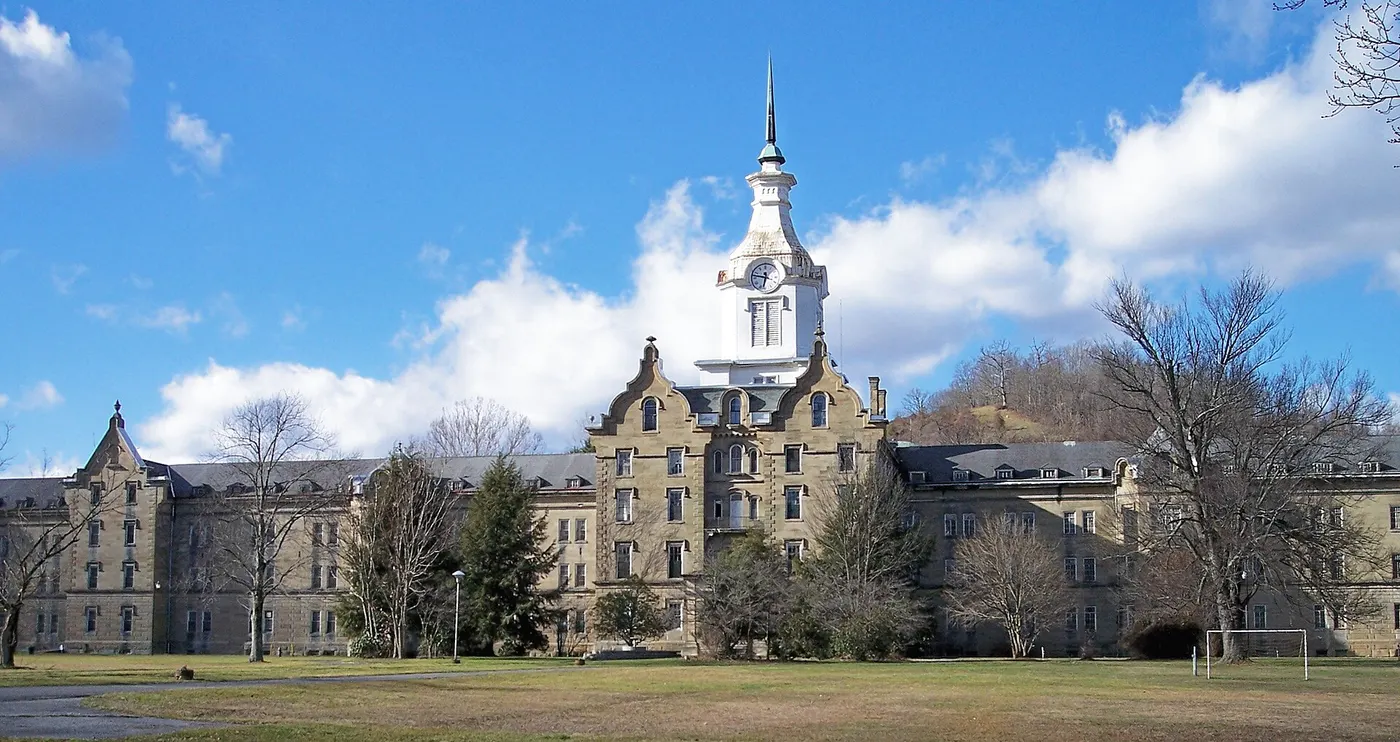
The Trans-Allegheny Lunatic Asylum
One of the largest hand-cut stone buildings in North America, built in West Virginia for two hundred and fifty patients. By the 1950s it held around two and a half thousand, in unheated wards, under a lobotomy programme applied here unusually widely. The hospital closed in 1994. Night tours run through it now, and most of the accounts concern the fourth floor, where the most severe cases were kept.
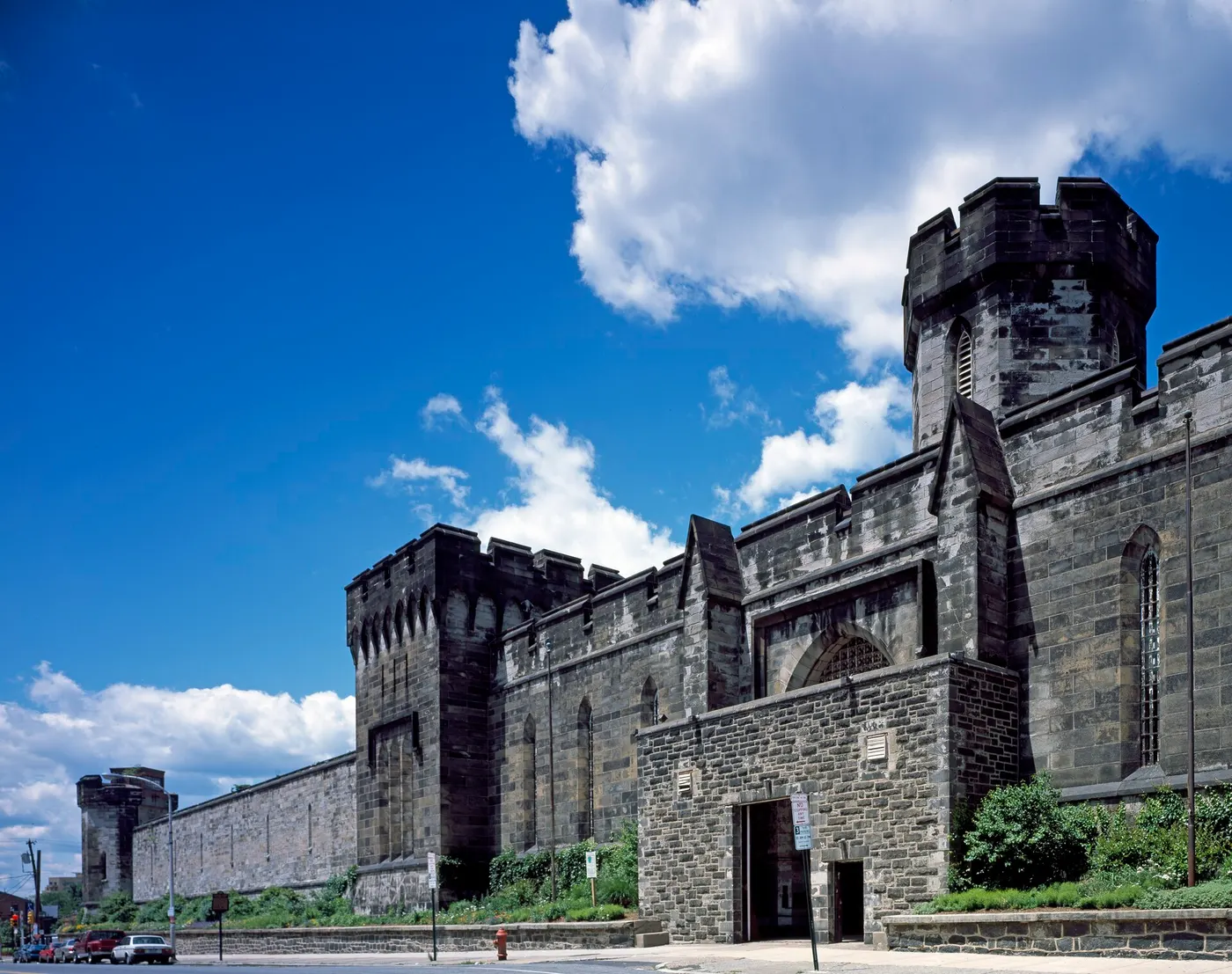
Eastern State Penitentiary
A Philadelphia prison that pioneered total solitary confinement in the 19th century. Closed in 1971 and left in ruins, its vaulted cellblocks are counted among the most reputedly haunted places in the United States.
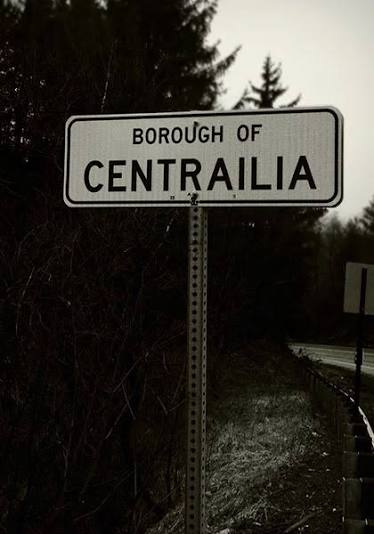
Centralia
Centralia is a near-total ghost town and borough in Columbia County, Pennsylvania, United States, situated at the core of the state's historic Anthracite Coal Region. Established in the mid-19th century atop rich deposits of high-grade anthracite coal, Centralia became the site of an uncontrollable subterranean mine fire in May 1962. Smoldering through interconnected underground shafts across hundreds of acres, the fire caused extensive surface fissures, toxic gas venting, and the federal condemnation and buyout of the municipality, transforming Centralia into America's most iconic modern ghost town and the direct real-world inspiration for the film adaptation of Silent Hill.
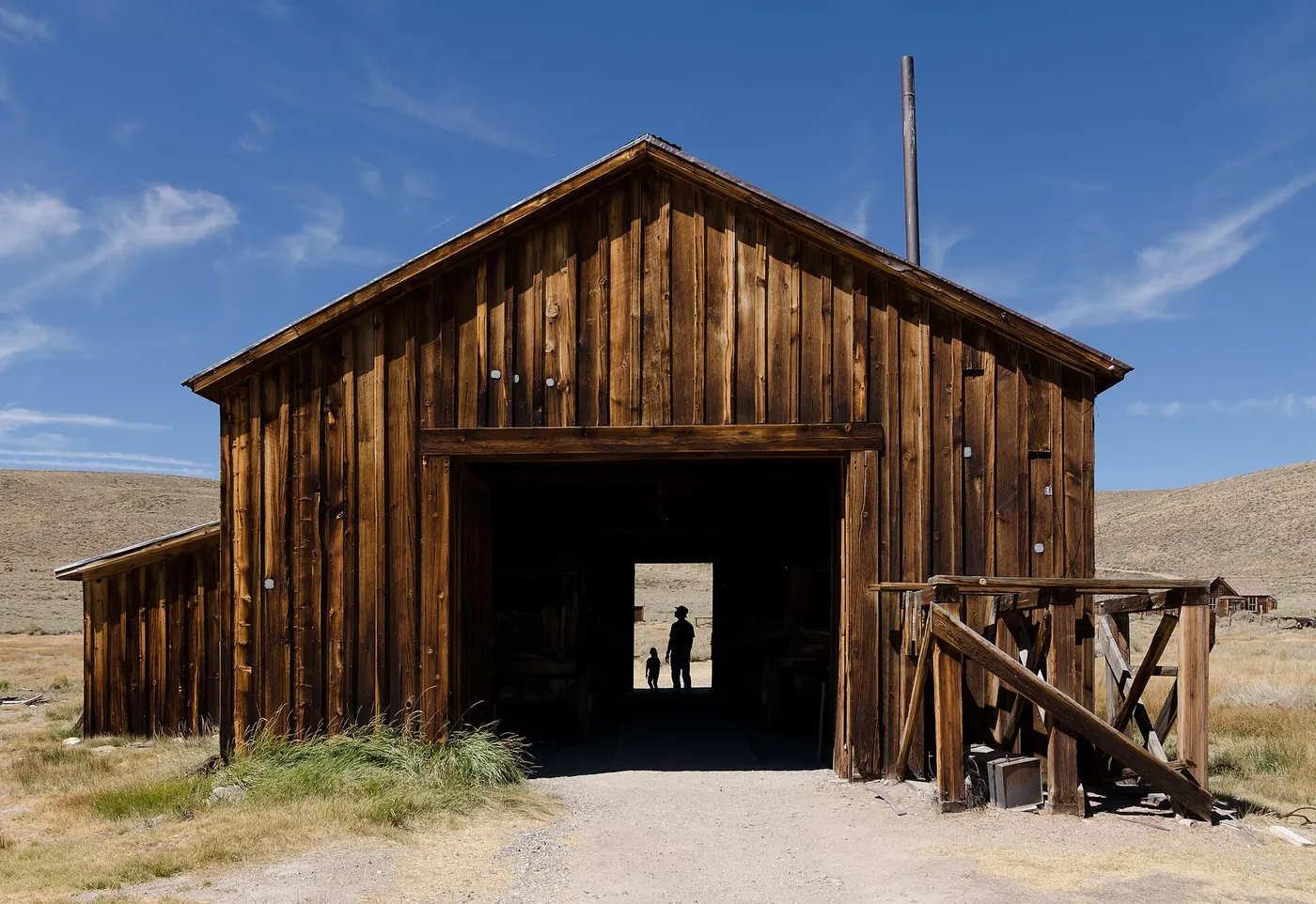
Bodie
A California gold-rush town that peaked near 10,000 residents and emptied by the early 20th century. It is kept in a state of "arrested decay" — houses still hold the belongings their owners walked away from.