Abandoned buildings — mystical places on the map
Houses, hospitals, factories and whole towns that people left and never came back to. Some closed overnight on an order, some simply stopped being needed — and wherever the owners' belongings are still lying about, stories about the ones who supposedly stayed are never far behind.
27 places
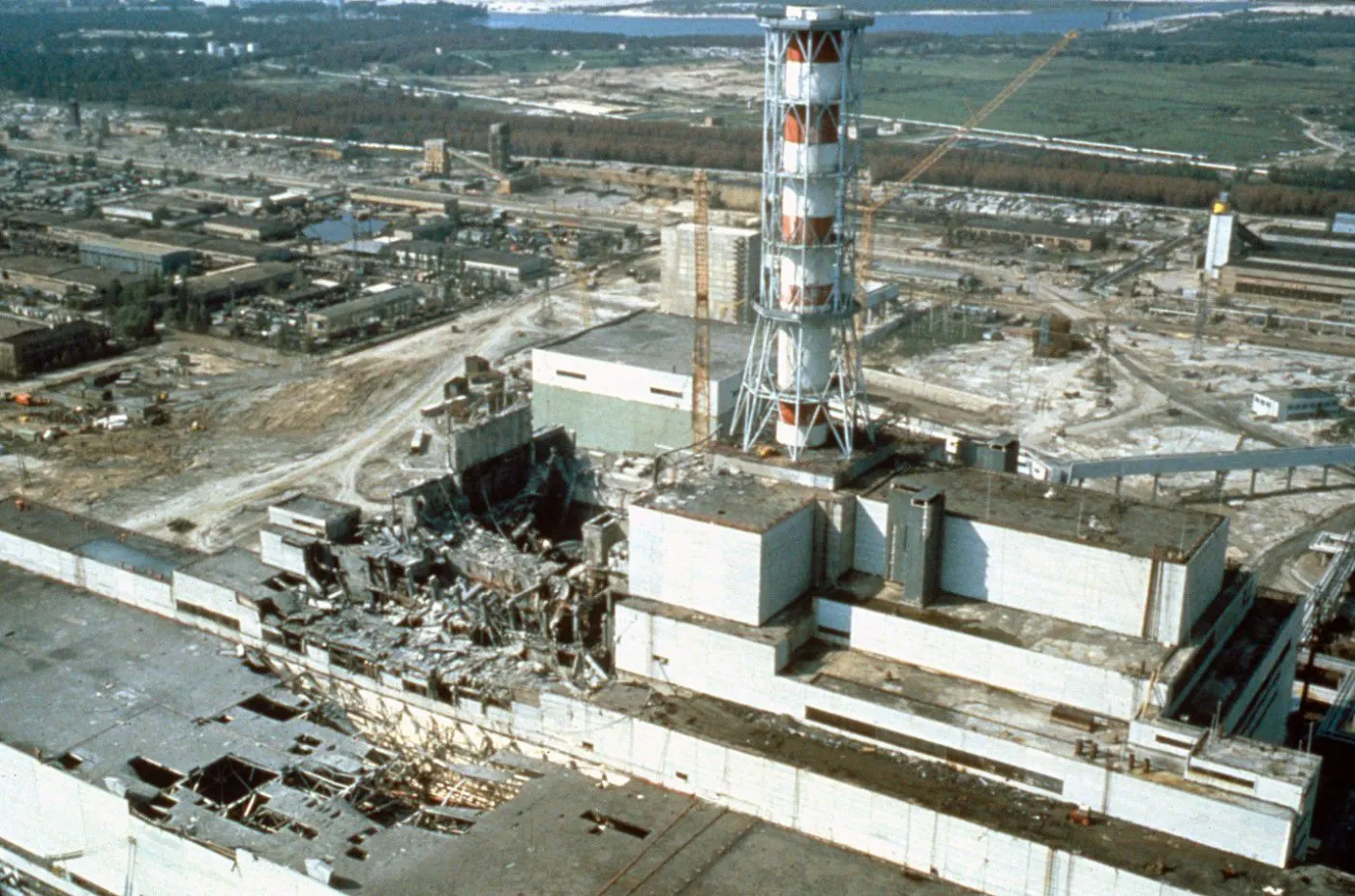
The Chernobyl Nuclear Power Plant
The Chernobyl Nuclear Power Plant (officially the V. I. Lenin Nuclear Power Station, or ChNPP) is a decommissioned nuclear energy facility located in the Vyshhorod Raion of Kyiv Oblast, Ukraine, along the Pripyat River and a man-made cooling reservoir, roughly 3 kilometers southeast of the abandoned city of Pripyat and 18 kilometers northwest of Chernobyl. On April 26, 1986, the site suffered the most catastrophic reactor breach in nuclear history (Level 7, the maximum on the INES scale), which destroyed Reactor Unit 4. Today, ChNPP is a specialized decommissioning site enclosed by the monumental New Safe Confinement arch structure.
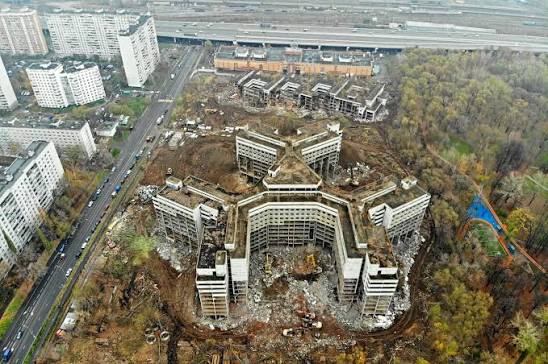
The Khovrino Hospital
The Khovrino Abandoned Hospital (colloquially known as "HZB" or "The Umbrella") was a notorious Soviet mega-scale unfinished complex, formerly situated at 2 Klinskaya Street in the Khovrino District of northern Moscow. Built in a monumental modernist and brutalist architectural style, the 1,300-bed facility famously formed a three-pointed star from the air that precisely mirrored the international biohazard symbol and the Umbrella Corporation insignia from Resident Evil. For over three decades, the derelict complex served as the ultimate urban exploration mecca in post-Soviet Russia, cultivating extensive dark urban mythology before its complete demolition in late 2018.
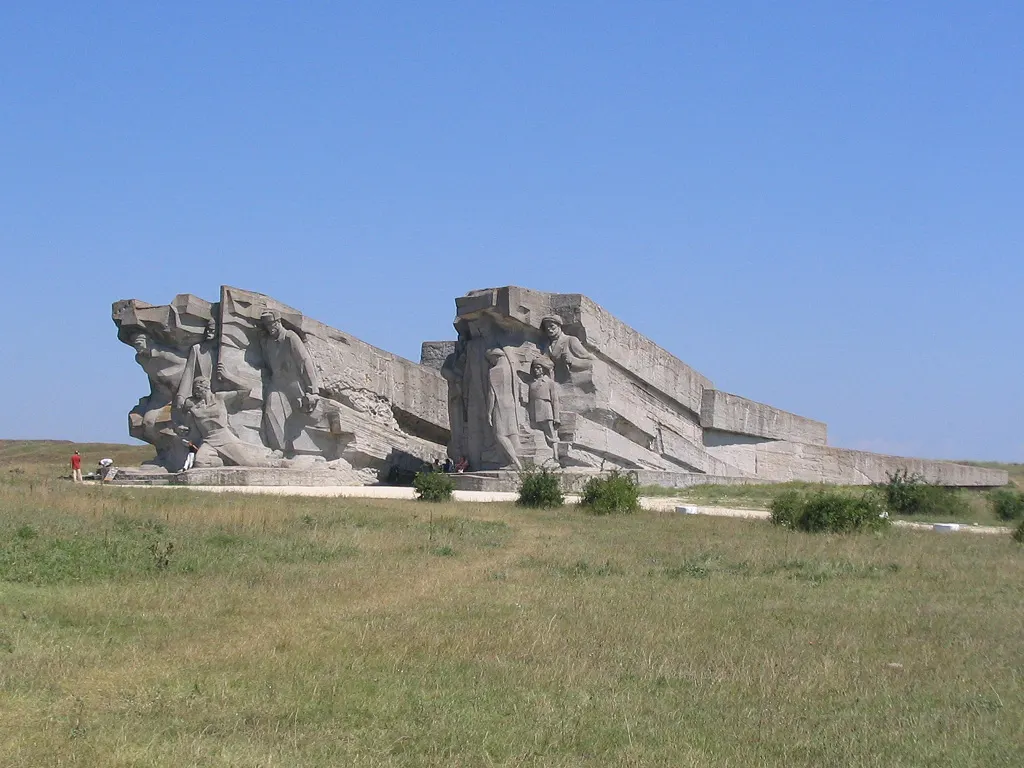
The Adzhimushkay quarries
The Adzhimushkay Quarries constitute an extensive subterranean limestone quarry system (comprising the Great and Small Adzhimushkay labyrinths) located on the outskirts of Kerch near the settlement of Adzhimushkay on the Kerch Peninsula, Crimea. Having supplied coquina building stone since antiquity, these catacombs became the site of one of World War II's most harrowing subterranean sieges: from May to October 1942, surrounded Soviet rear-guard units and local civilians mounted an unrelenting 170-day defense trapped in absolute darkness, enduring lethal dehydration, structural demolitions, and continuous chemical asphyxiation assaults by the German Wehrmacht.
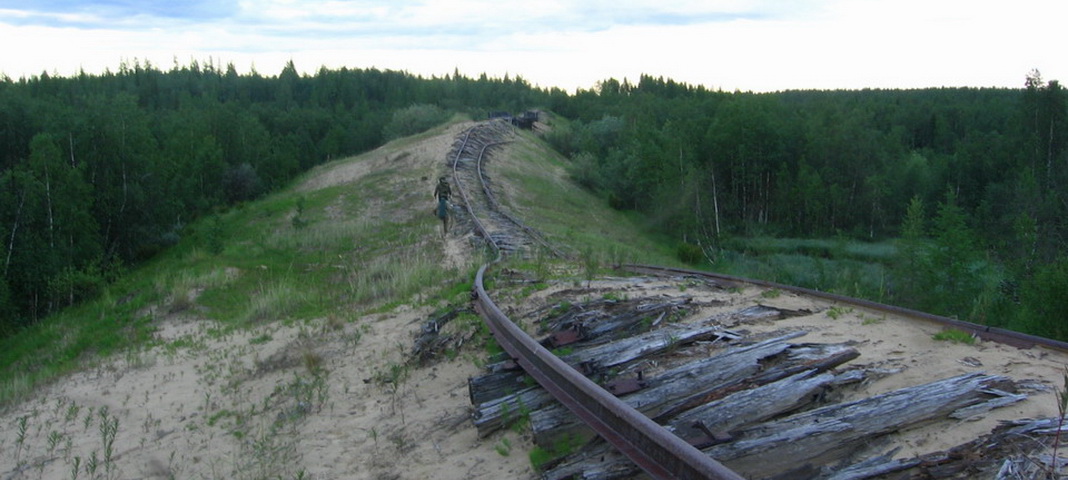
The Dead Road
Construction No. 501 and No. 503 (officially the North-Siberian Railway, popularly known as the "Dead Road" or the Transpolar Mainline) was a massive, classified Soviet Gulag megaproject executed between 1947 and 1953. Aimed at laying roughly 1,450 kilometers of railway across northern Siberia along the 66th parallel connecting Chum, Salekhard, Nadym, Novy Urengoy, Yermakovo, and Igarka, the line was built over continuous permafrost and peat bogs by tens of thousands of forced laborers. Abruptly abandoned weeks after Joseph Stalin's death, it left behind hundreds of kilometers of twisted tracks, abandoned labor camps, telegraph poles, and rusting steam locomotives stranded in the Arctic wilderness.
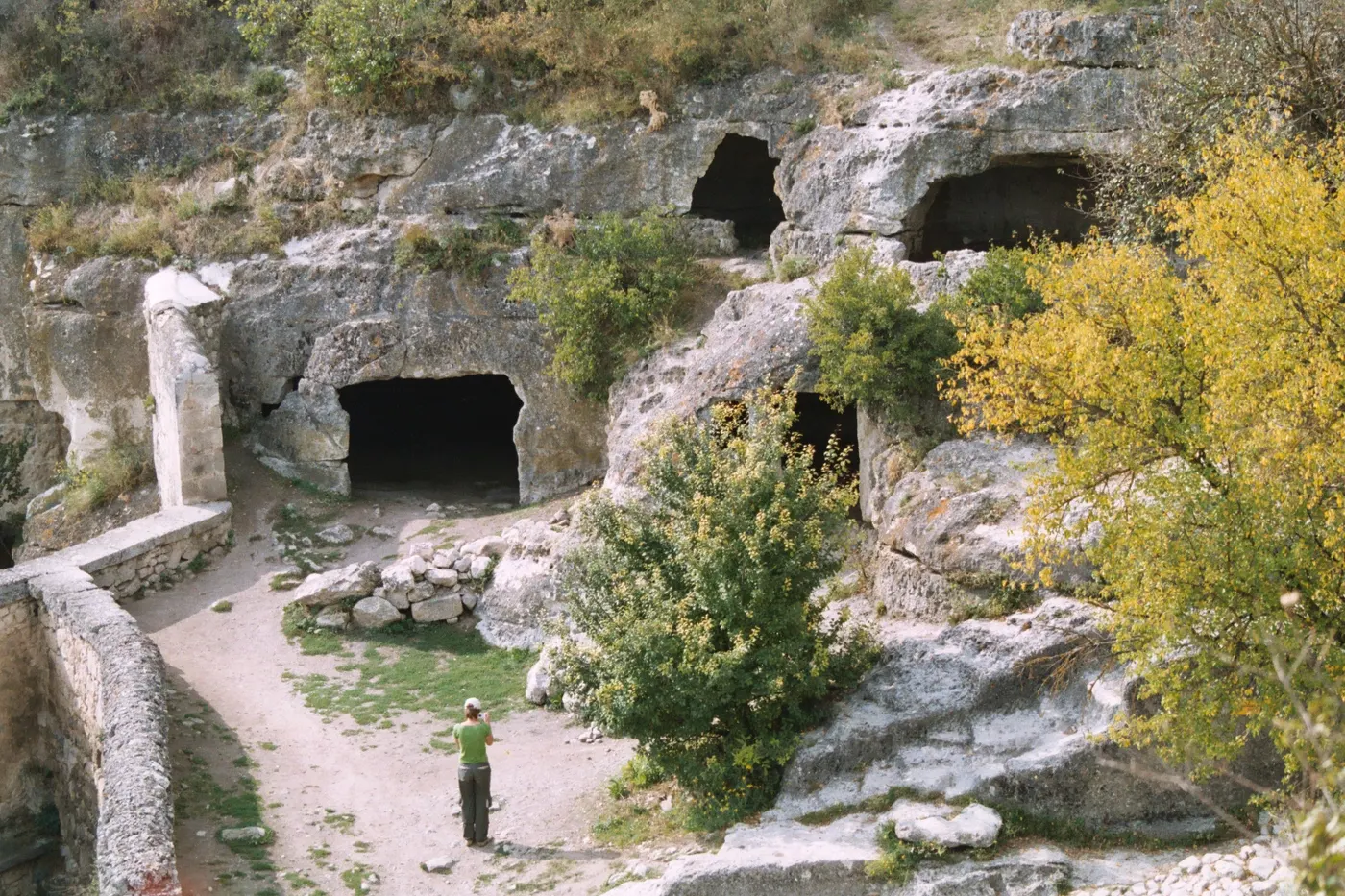
Chufut-Kale
A cave town on a Crimean plateau, inhabited from the sixth century and abandoned in the nineteenth. The name means Jewish fortress — the Karaites were the last to live here. Houses, cisterns, a prison and the mausoleum of the khan's daughter Canike Hanım are cut into the rock. Beside it lies the Karaite cemetery of Balta Tiymez, "the axe shall not touch" — a protected oak grove where felling was absolutely forbidden, which is why it outlived every wood around it.
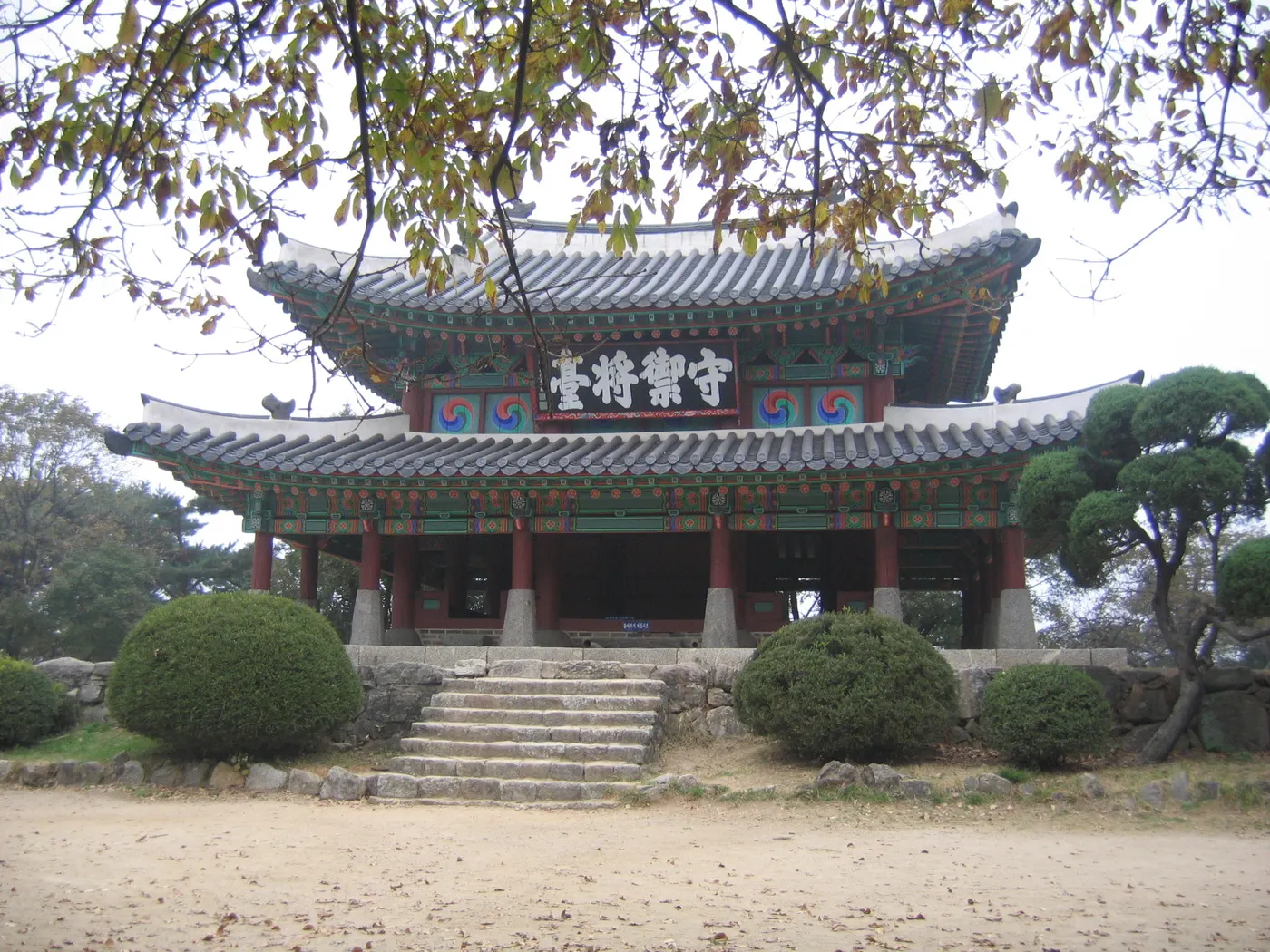
Gwangju and the Gonjiam Psychiatric Hospital
A city south-east of Seoul where the abandoned Gonjiam Psychiatric Hospital stands, closed in 1996. The official reason was sewage problems and a lapsed licence; urban legend insists on mass deaths among patients and a director who fled the country. CNN listed the building among the world's creepiest places. A film about it in 2018 led the owner to seal off access for good.
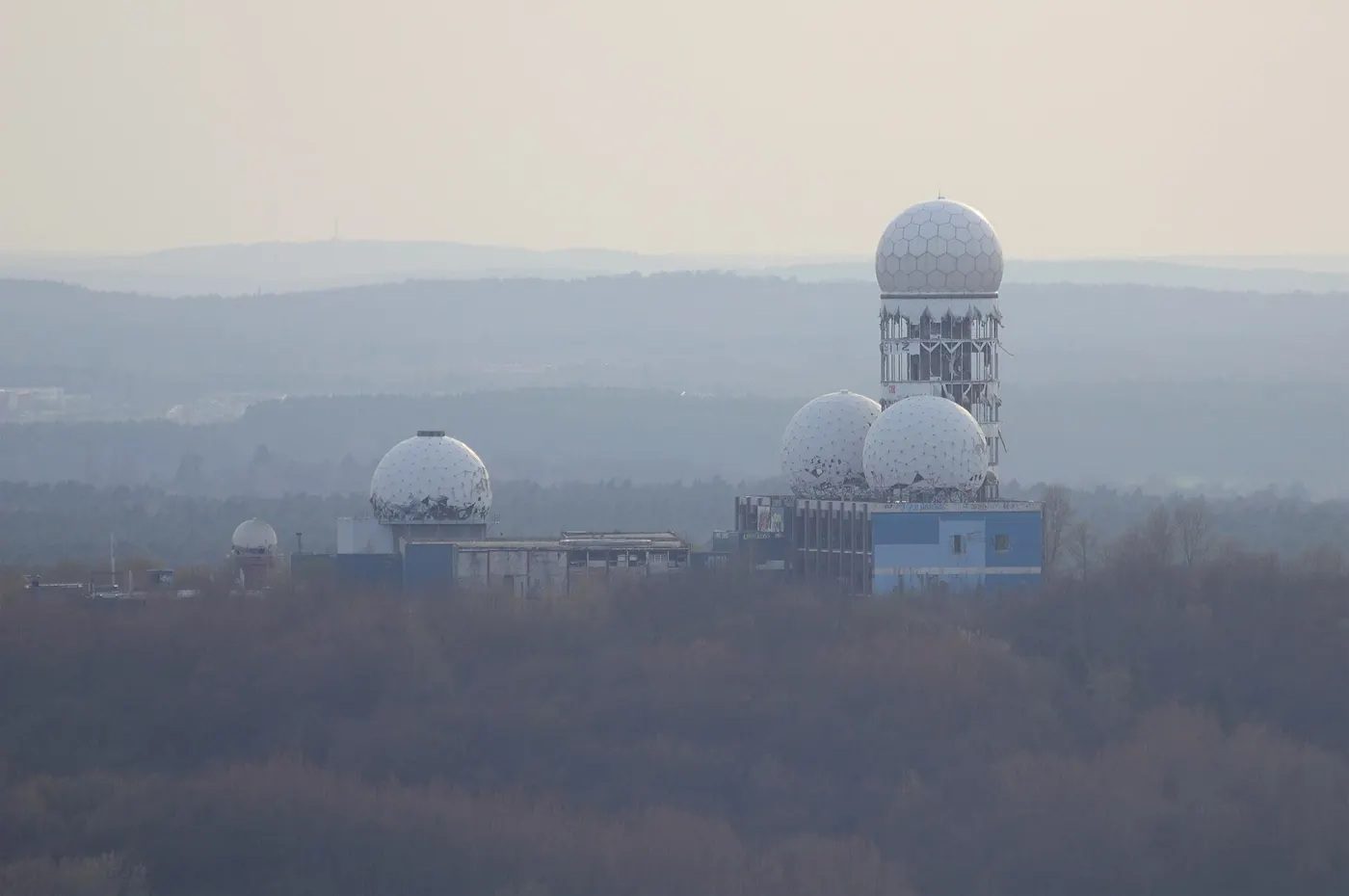
Teufelsberg
Teufelsberg ("Devil's Mountain") is an artificial hill rising 120.1 meters above sea level within the Grunewald forest in the Charlottenburg-Wilmersdorf borough of western Berlin, Germany. Engineered after World War II from roughly 26 million cubic meters of urban rubble piled directly atop the shell of an unfinished Nazi military-technical faculty, the summit became the location of "Field Station Berlin"—a classified Cold War signals intelligence (SIGINT) listening outpost operated by the US National Security Agency (NSA) and British intelligence. Crowned by weathered white geodesic radomes, the site stands as an iconic architectural monument to Cold War espionage and one of Europe’s premier open-air street art galleries.
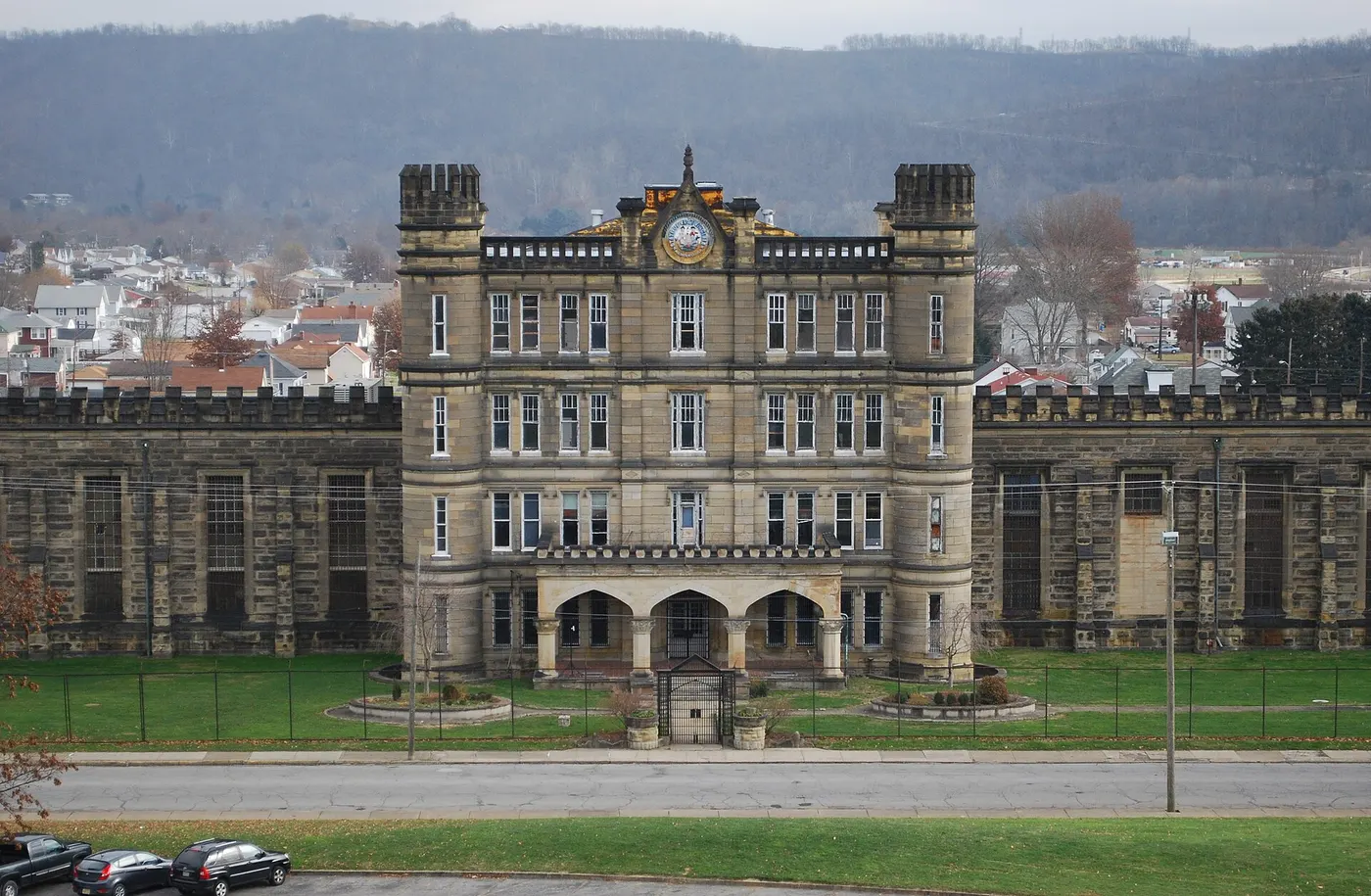
The Moundsville Penitentiary
A Gothic prison in use from 1876 to 1995, once listed among the ten most violent correctional facilities in the United States. Ninety-four men were executed here and some thirty-six more died in prison violence, including a riot in 1986. The Sugar Shack basement and the dark isolation cells have their own reputation. The building stands across the road from an Adena burial mound, which added another layer to the story.
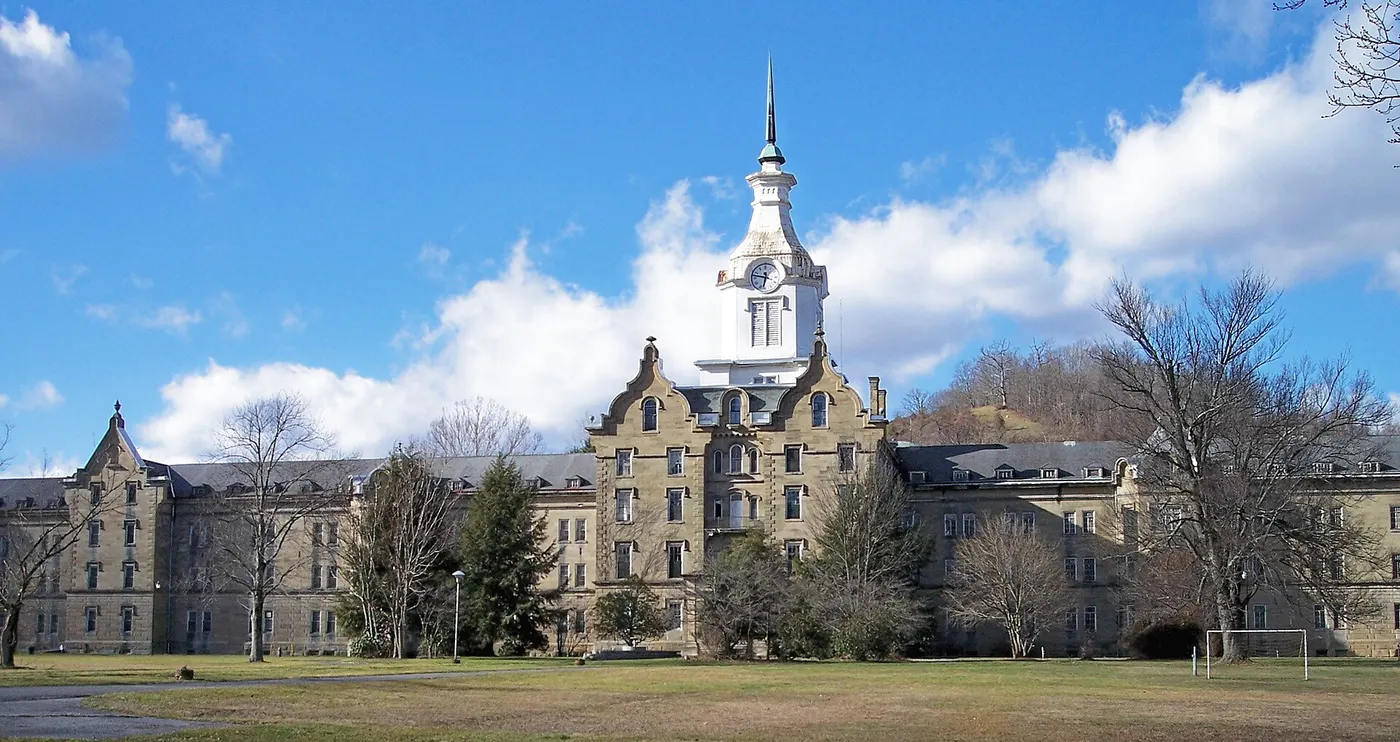
The Trans-Allegheny Lunatic Asylum
One of the largest hand-cut stone buildings in North America, built in West Virginia for two hundred and fifty patients. By the 1950s it held around two and a half thousand, in unheated wards, under a lobotomy programme applied here unusually widely. The hospital closed in 1994. Night tours run through it now, and most of the accounts concern the fourth floor, where the most severe cases were kept.
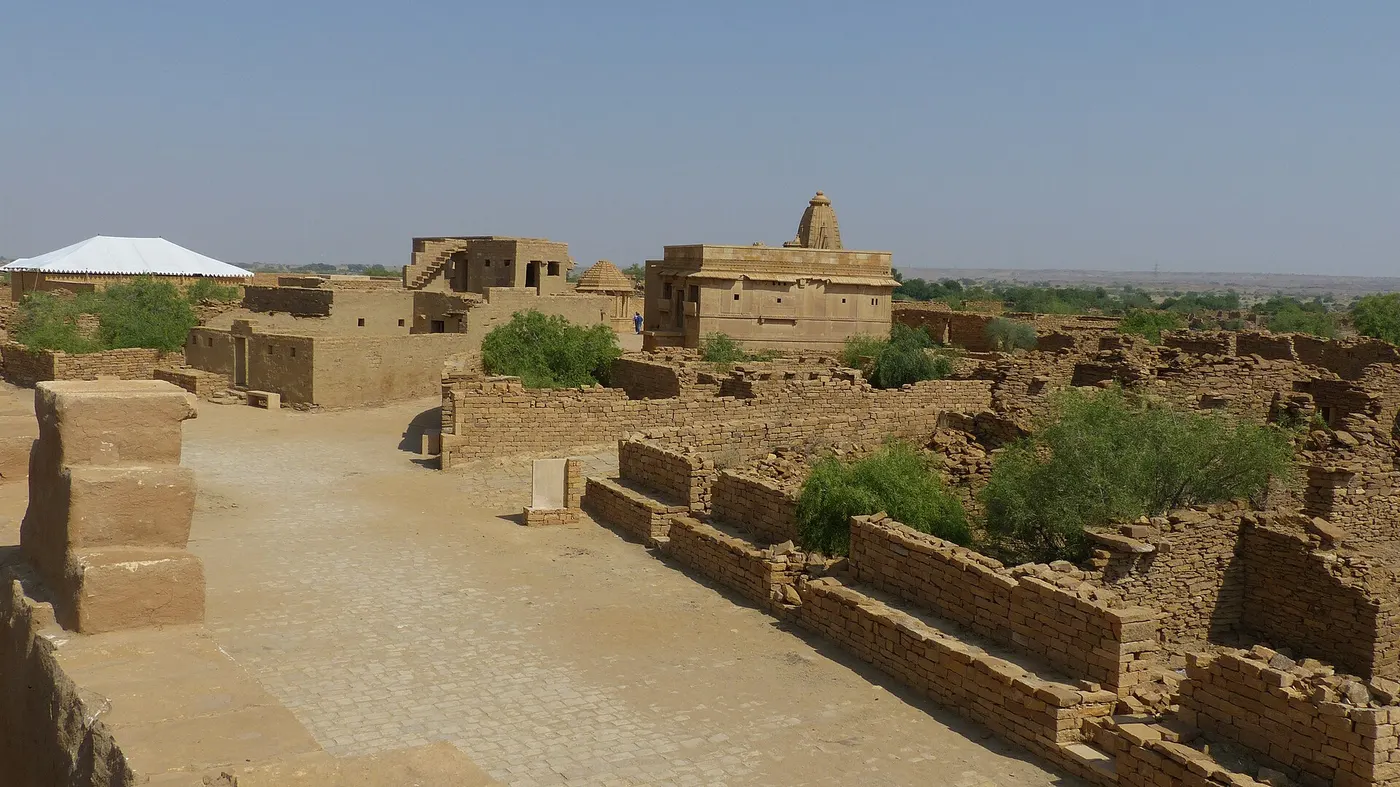
Kuldhara
A village in the Thar Desert near Jaisalmer that its inhabitants abandoned in a single night around 1825 and never returned to. The story goes that the state minister demanded the village headman's daughter, and rather than hand her over the whole community of eighty-four villages walked out in the dark — quietly enough that none of their neighbours noticed them going. On leaving, the brahmins cursed the place: anyone who tried to settle there would not survive the night. The houses have stood empty for almost two centuries since, in the middle of otherwise inhabited land. The stone walls, staircases and doorways are intact — not ruined, simply left, as though the owners had stepped out and never come back.
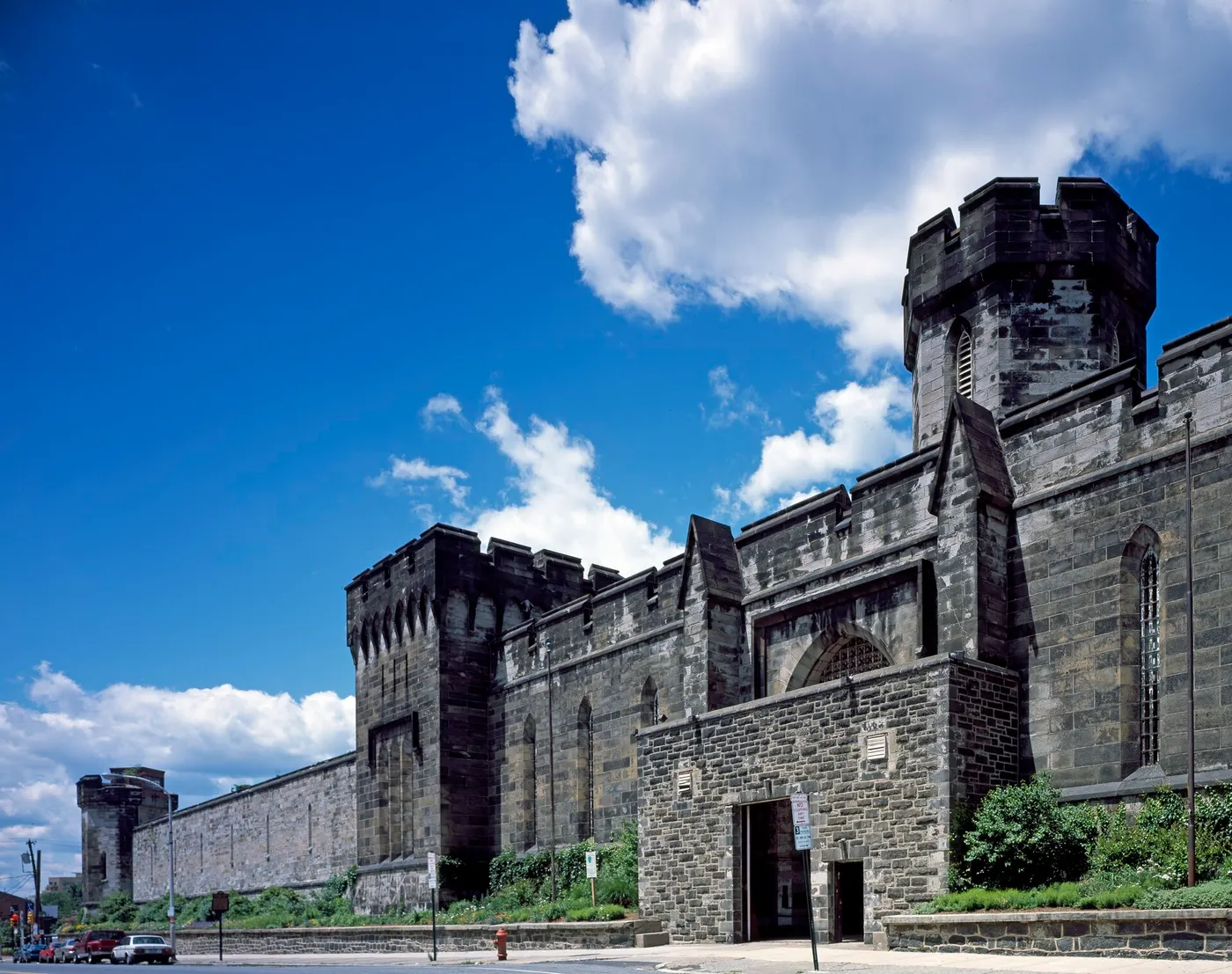
Eastern State Penitentiary
A Philadelphia prison that pioneered total solitary confinement in the 19th century. Closed in 1971 and left in ruins, its vaulted cellblocks are counted among the most reputedly haunted places in the United States.
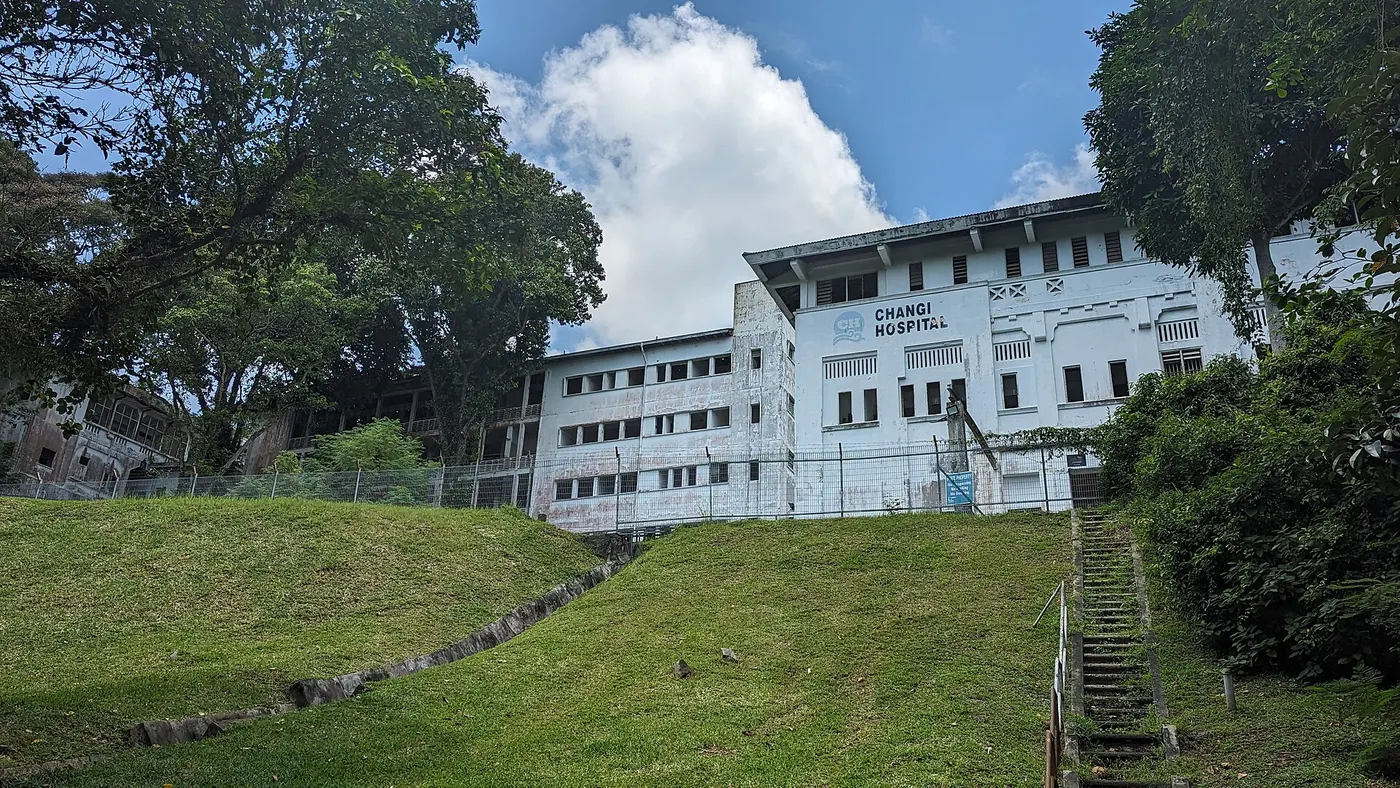
Old Changi Hospital
An abandoned hospital in Singapore, used as a prison and interrogation site during the Japanese occupation. Its empty wards and corridors have long attracted stories of voices and shadows — one of Asia's best-known haunted sites.
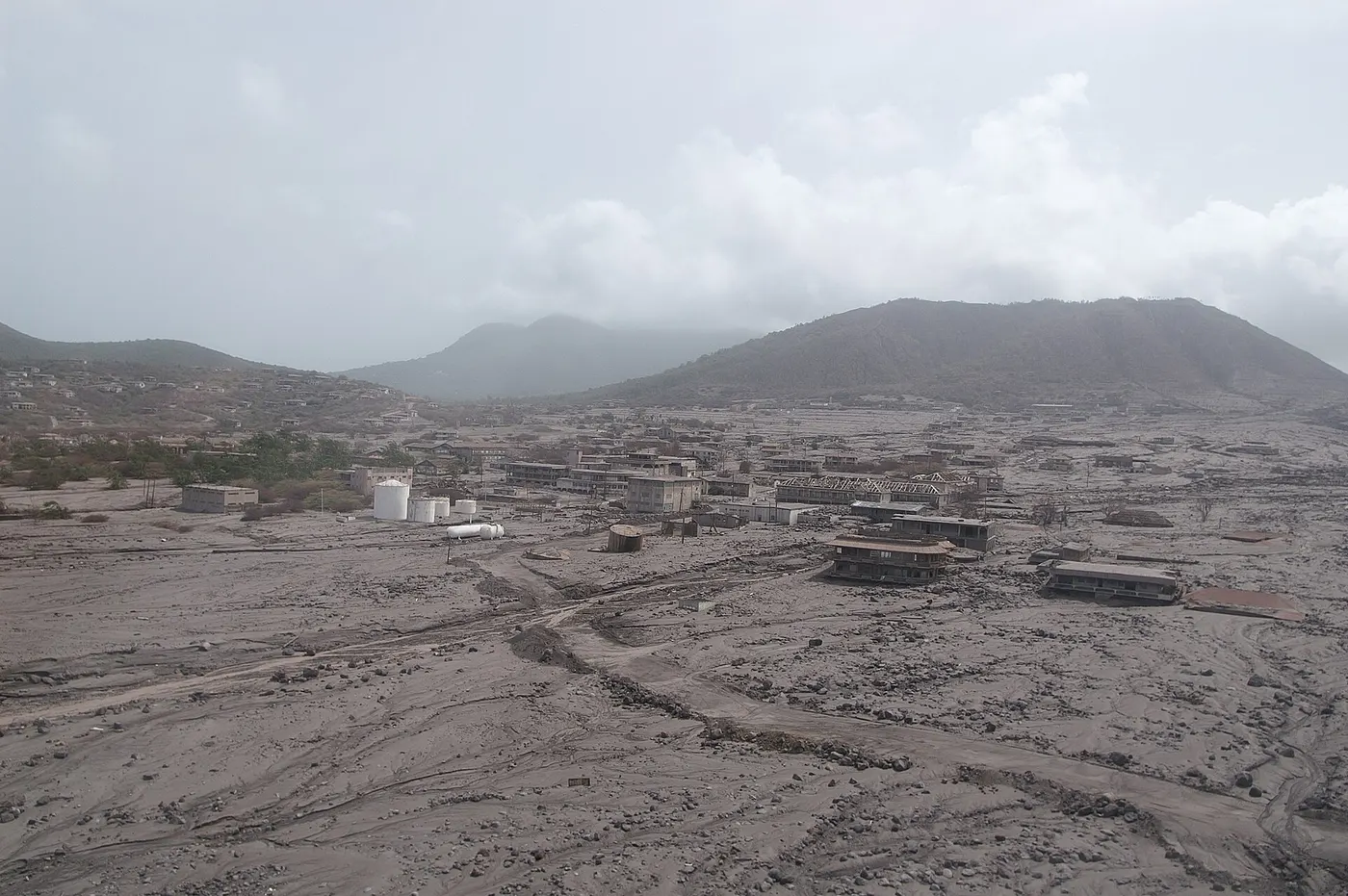
Plymouth
Plymouth is an abandoned ghost city situated along the southwestern coast of the island of Montserrat, a British Overseas Territory in the Leeward Islands of the Caribbean Sea. Historically the island's capital, primary commercial center, and port, the municipality was systematically destroyed and buried beneath meters of volcanic ash, pumice, and catastrophic lahars during the 1995–1997 eruptions of the Soufrière Hills stratovolcano. Plymouth holds a unique global geopolitical status: it remains the world's only de jure official capital that is completely uninhabited de facto, earning the international designation of "the Pompeii of the Caribbean."
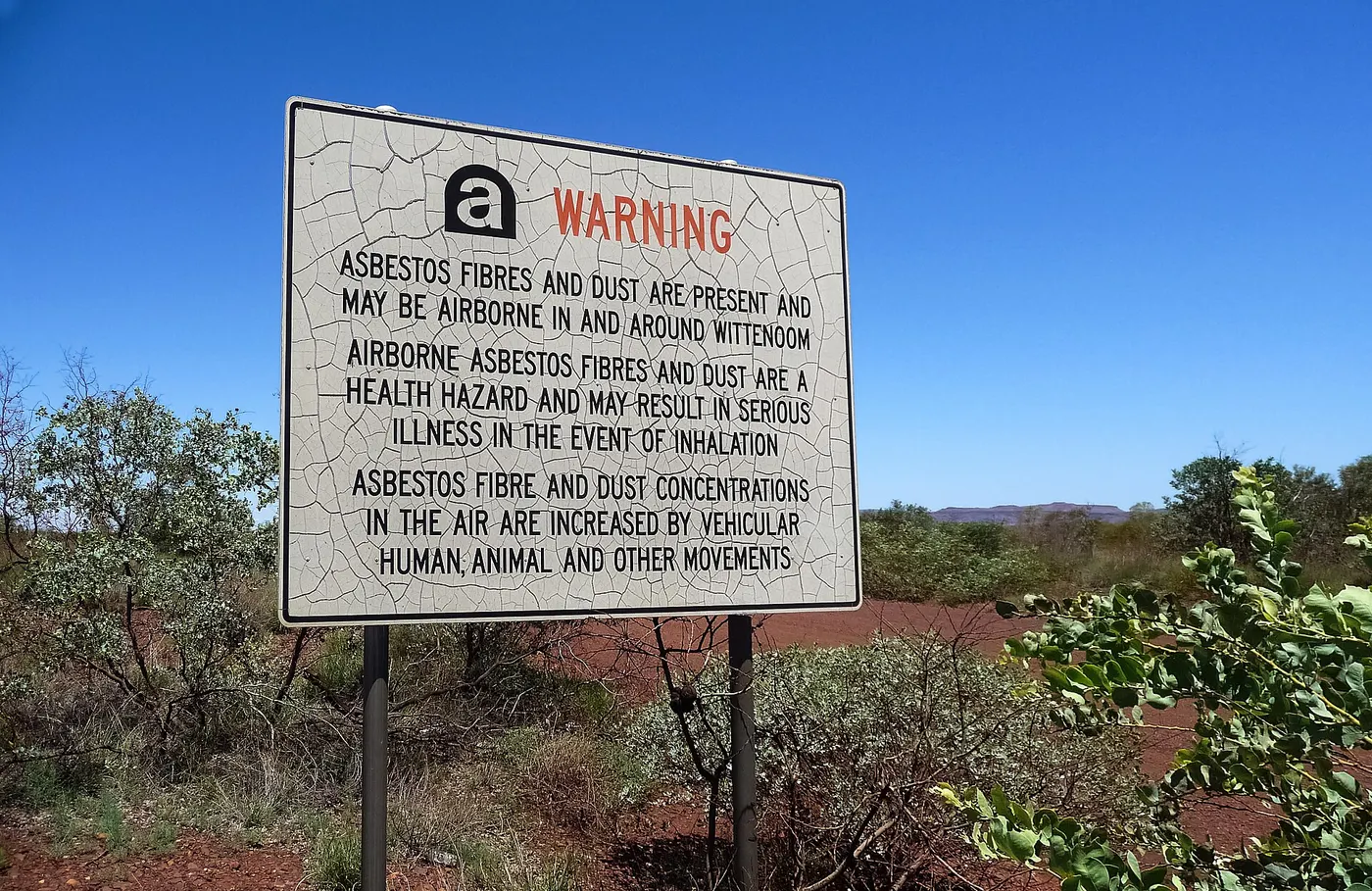
Wittenoom
An Australian town built around blue asbestos mining, judged so hazardous that it was struck from maps and cut off from the power grid. It is officially the largest contaminated site in the Southern Hemisphere.
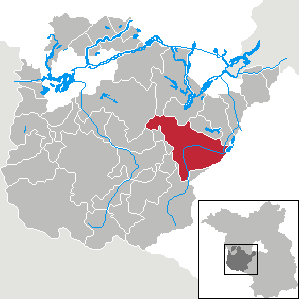
Beelitz-Heilstätten
A vast hospital complex outside Berlin, built around 1900 for tuberculosis patients. A wounded Hitler was treated here in 1916; parts of the site have stood empty since the 1990s and are green inside.
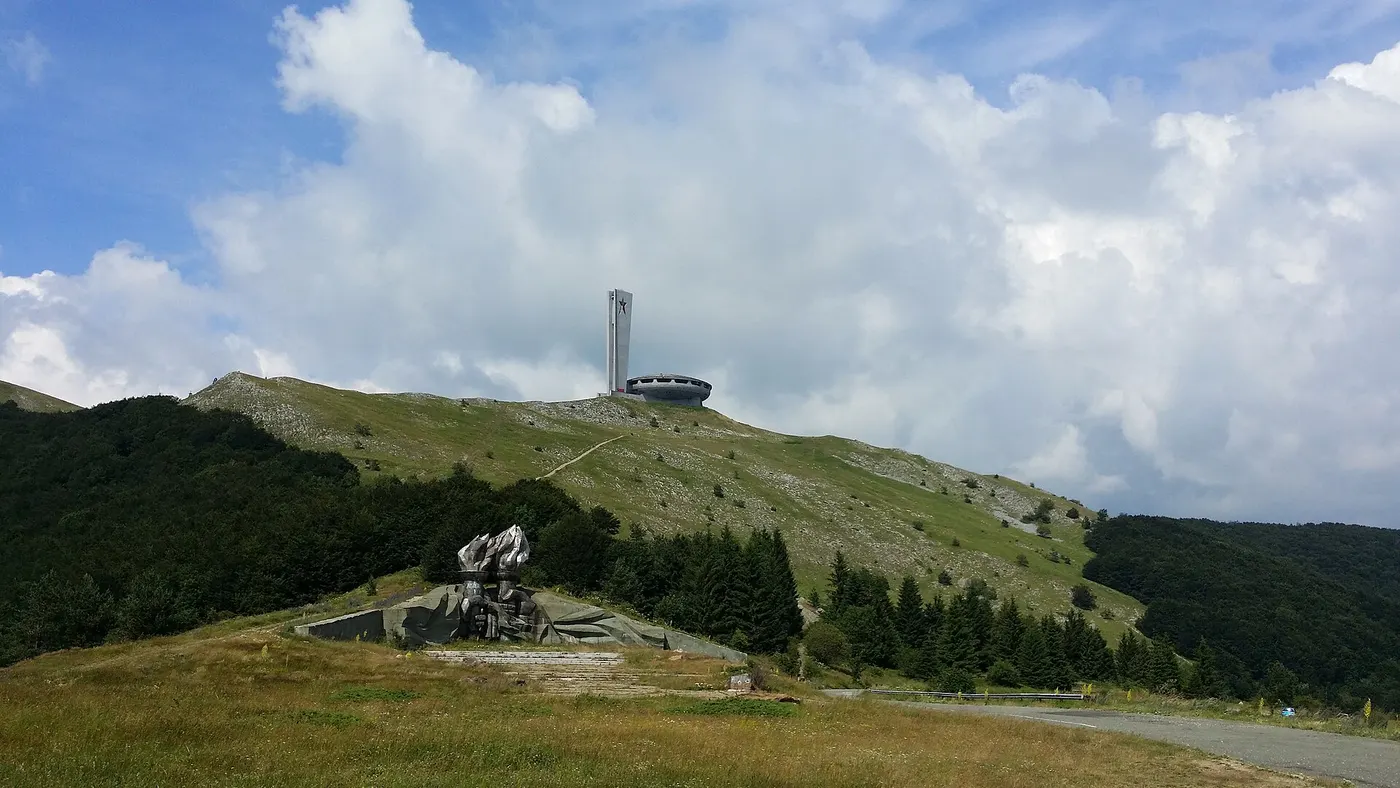
Buzludzha Monument
A concrete "flying saucer" on a Bulgarian mountaintop — the Bulgarian Communist Party's monument house, opened in 1981 and abandoned after 1989. Inside, its mosaics are crumbling and sky shows through the dome.
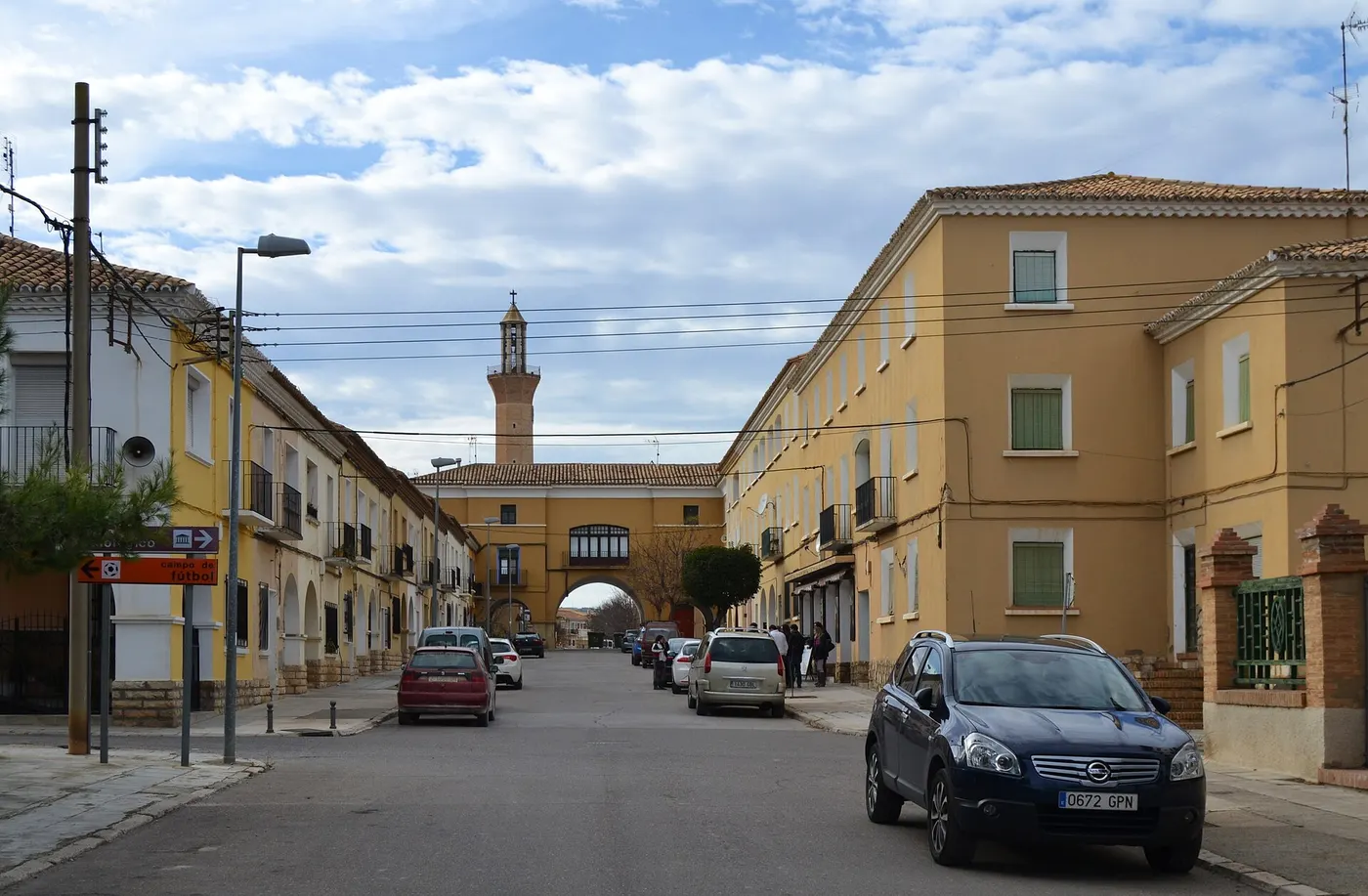
Belchite
A Spanish town destroyed in heavy fighting during the Civil War in 1937. A new Belchite was built alongside, and the old ruins were deliberately left as they were — scorched churches and bullet-pocked walls.
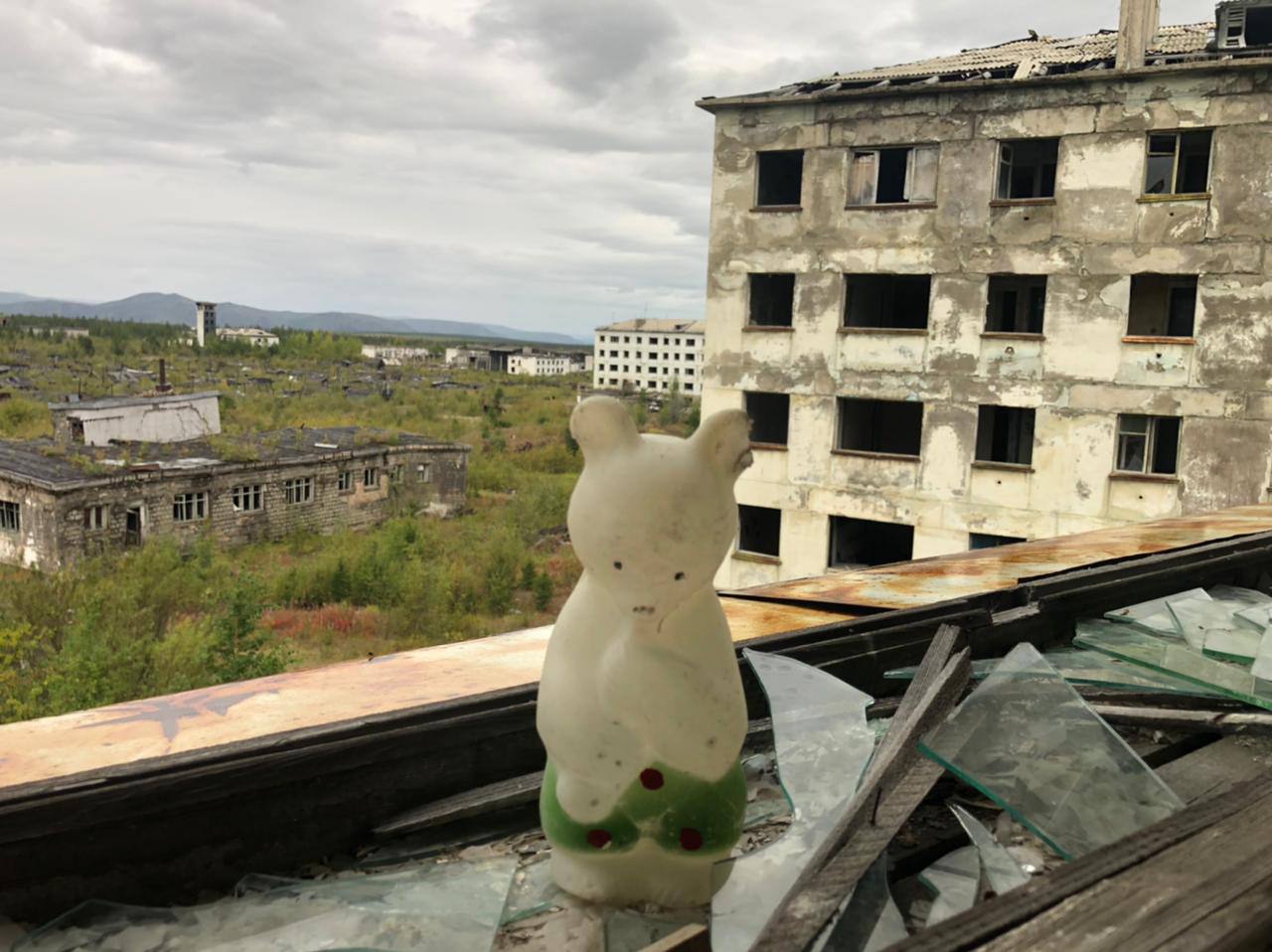
Kadykchan
Kadykchan (derived from the Evenki Kadygchan, meaning "little canyon" or "chasm") is an entirely abandoned urban-type settlement situated within the Susumansky District of Magadan Oblast, Russia, along the 730th-kilometer mark of the R504 Kolyma Highway in the Ayan-Yuryakh river basin. Constructed during World War II by forced laborers of the Dalstroy Gulag system to extract high-grade coal from the Arkagalinskoye basin, Kadykchan grew by the 1980s into a bustling subarctic industrial town housing over 10,000 residents. Following a deadly subterranean coal-dust explosion in 1996 and the catastrophic freezing of its district heating grid, the municipality underwent rapid state-mandated abandonment, becoming Kolyma’s definitive ghost town and an open-air monument to post-Soviet deindustrialization in the Far North.
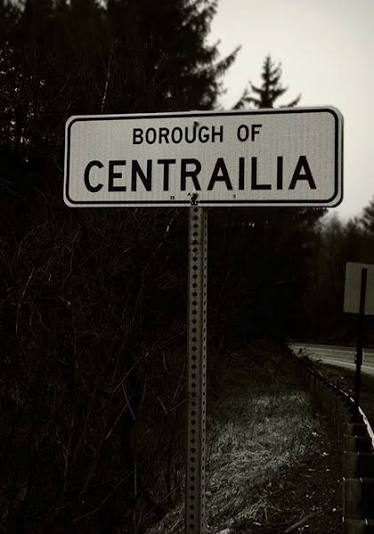
Centralia
Centralia is a near-total ghost town and borough in Columbia County, Pennsylvania, United States, situated at the core of the state's historic Anthracite Coal Region. Established in the mid-19th century atop rich deposits of high-grade anthracite coal, Centralia became the site of an uncontrollable subterranean mine fire in May 1962. Smoldering through interconnected underground shafts across hundreds of acres, the fire caused extensive surface fissures, toxic gas venting, and the federal condemnation and buyout of the municipality, transforming Centralia into America's most iconic modern ghost town and the direct real-world inspiration for the film adaptation of Silent Hill.
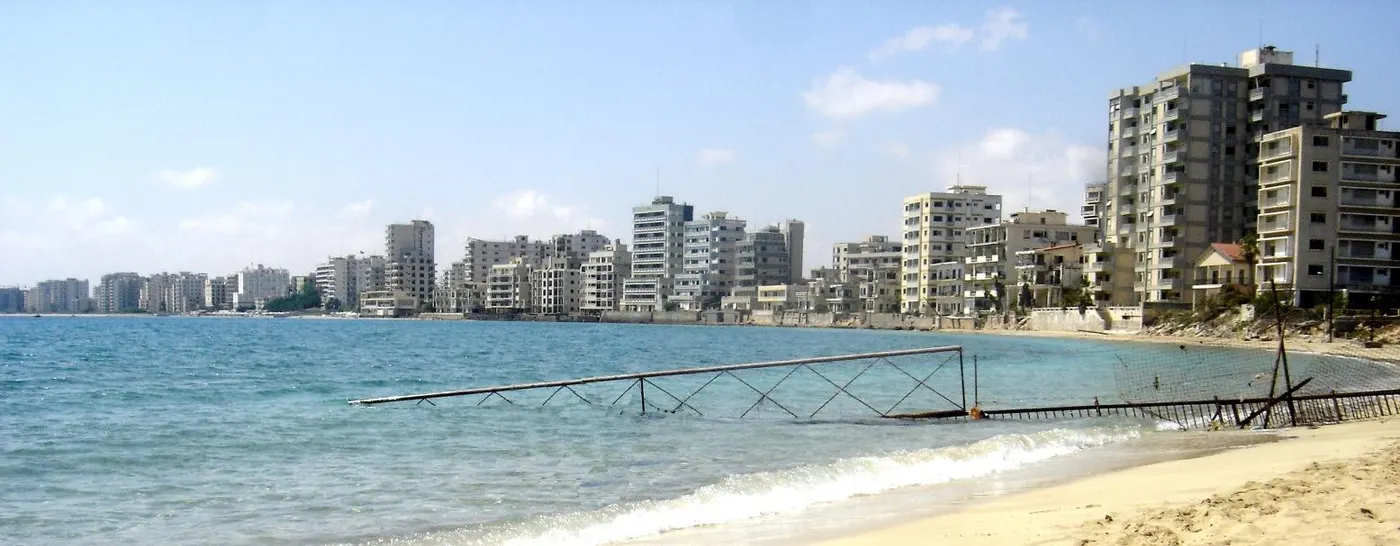
Varosha
A resort quarter of Famagusta, Cyprus, hastily abandoned in 1974 and fenced off. For half a century its beachfront hotels have been crumbling behind barbed wire.
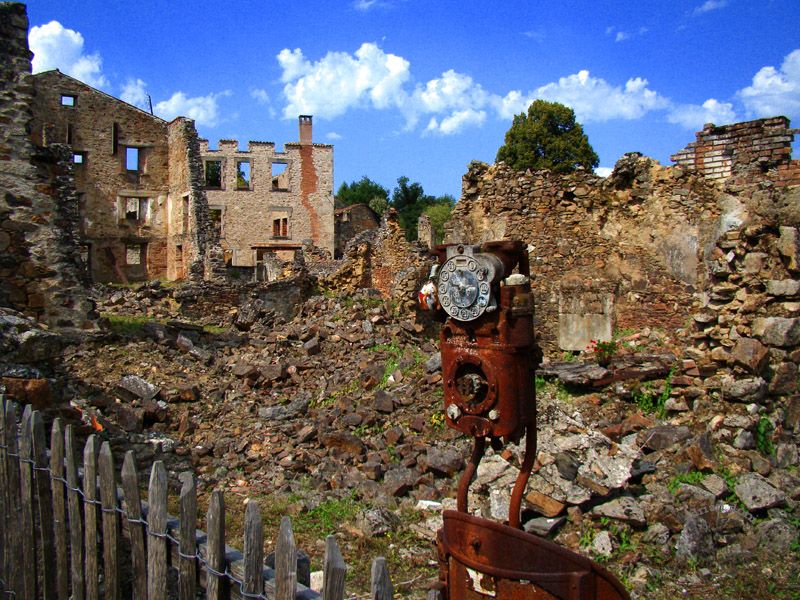
Oradour-sur-Glane
Oradour-sur-Glane is a preserved ghost village and national memorial located in the Haute-Vienne department of Nouvelle-Aquitaine, France, situated along the Glane River roughly 22 kilometers northwest of Limoges. On June 10, 1944, the tranquil rural community was systematically liquidated by the 2nd SS Panzer Division Das Reich, who massacred 643 civilians (including 247 women and 205 children) before putting every structure to the torch. Following the liberation, French Provisional Government President Charles de Gaulle decreed that the skeletal ruins remain entirely untouched as an open-air national shrine and enduring monument to Nazi wartime atrocities against civilian populations.
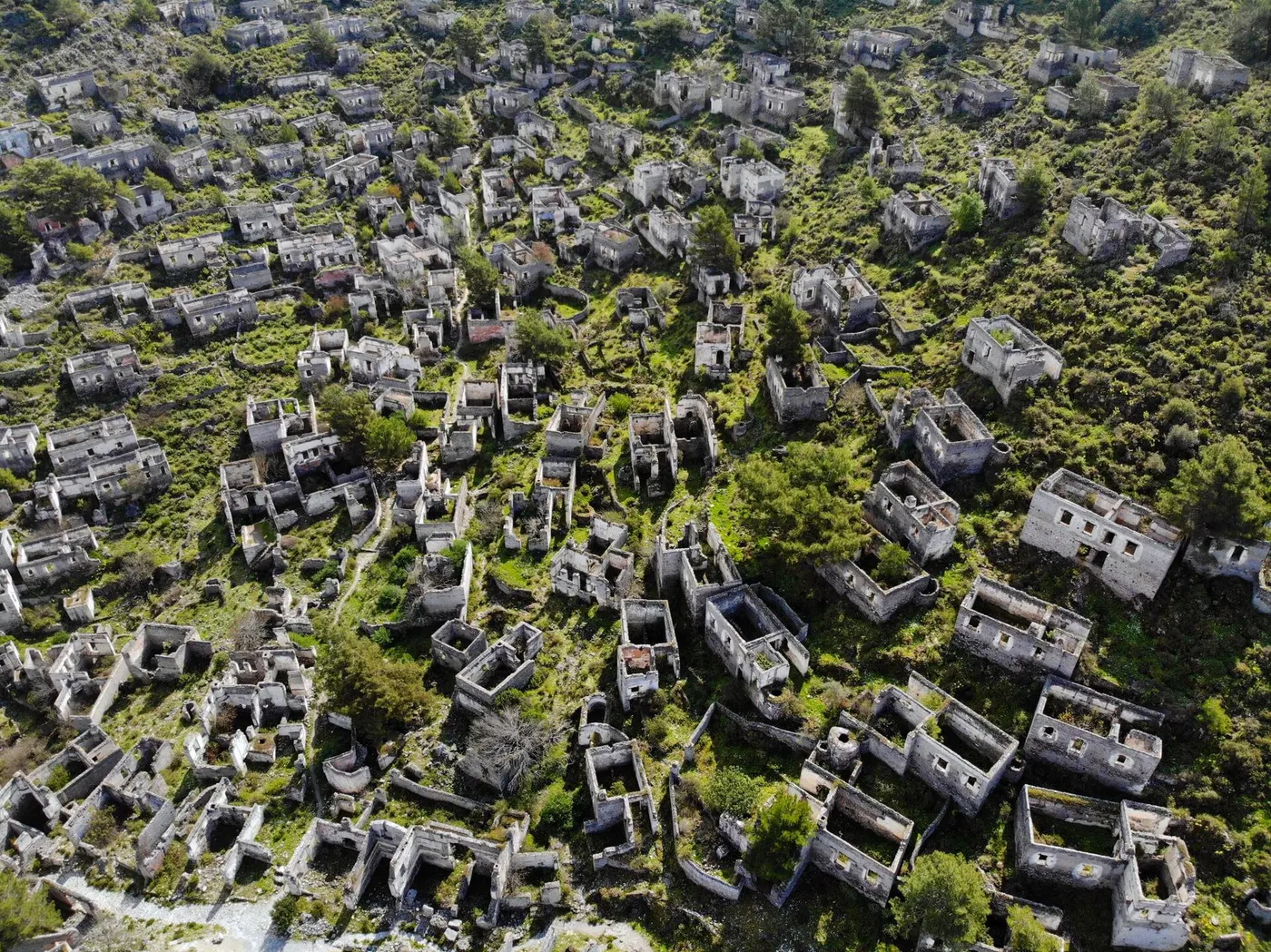
Kayaköy
A Greek village in south-western Turkey, emptied by the 1923 population exchange between Greece and Turkey. Several hundred roofless houses and two churches have stood untouched on the hillside for a century.
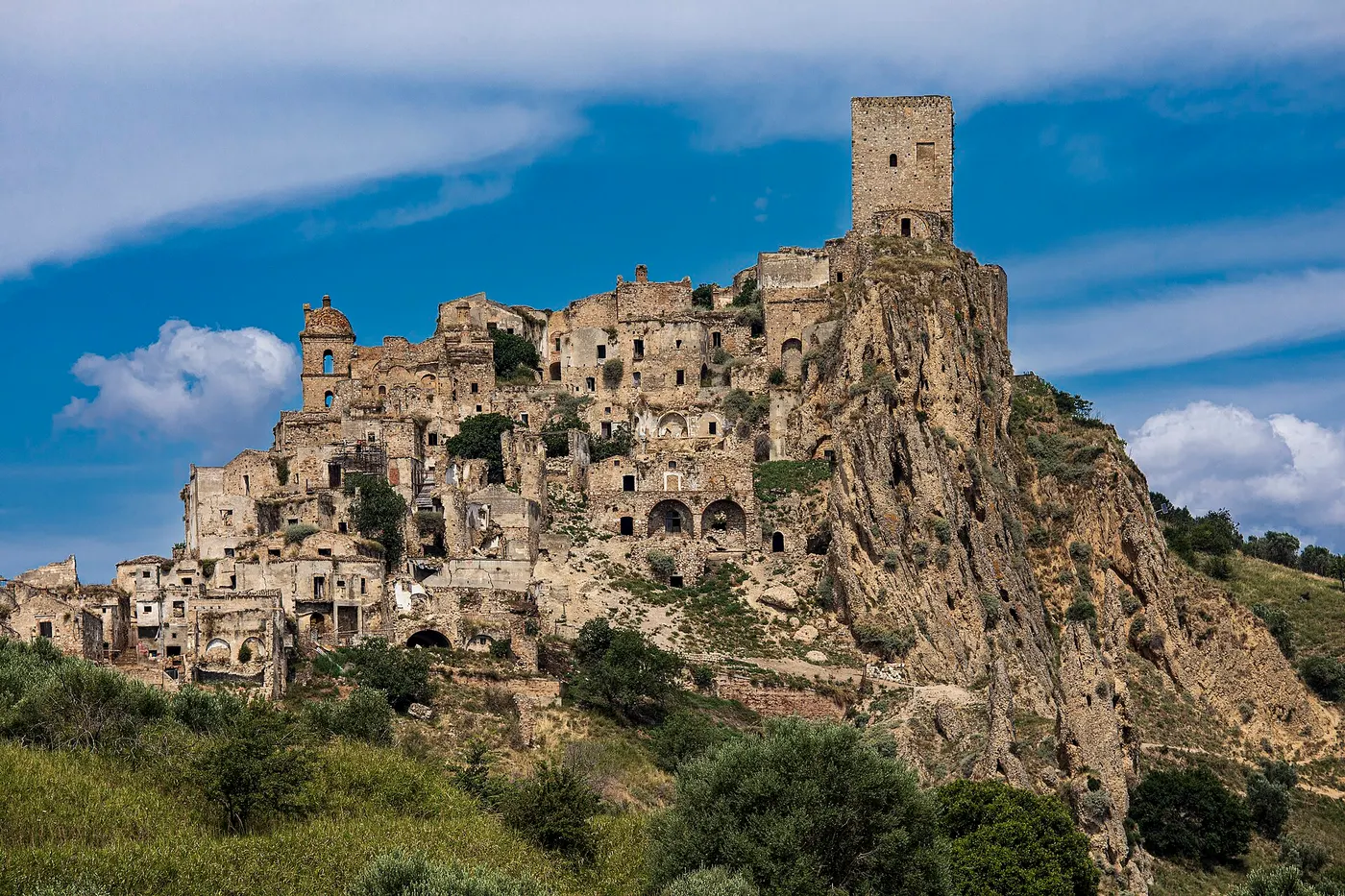
Craco
A medieval town on a rocky ridge in Basilicata, abandoned in the 1960s–70s after landslides and an earthquake. Its empty stone houses and bell tower on a bare hill have repeatedly served as a film set.
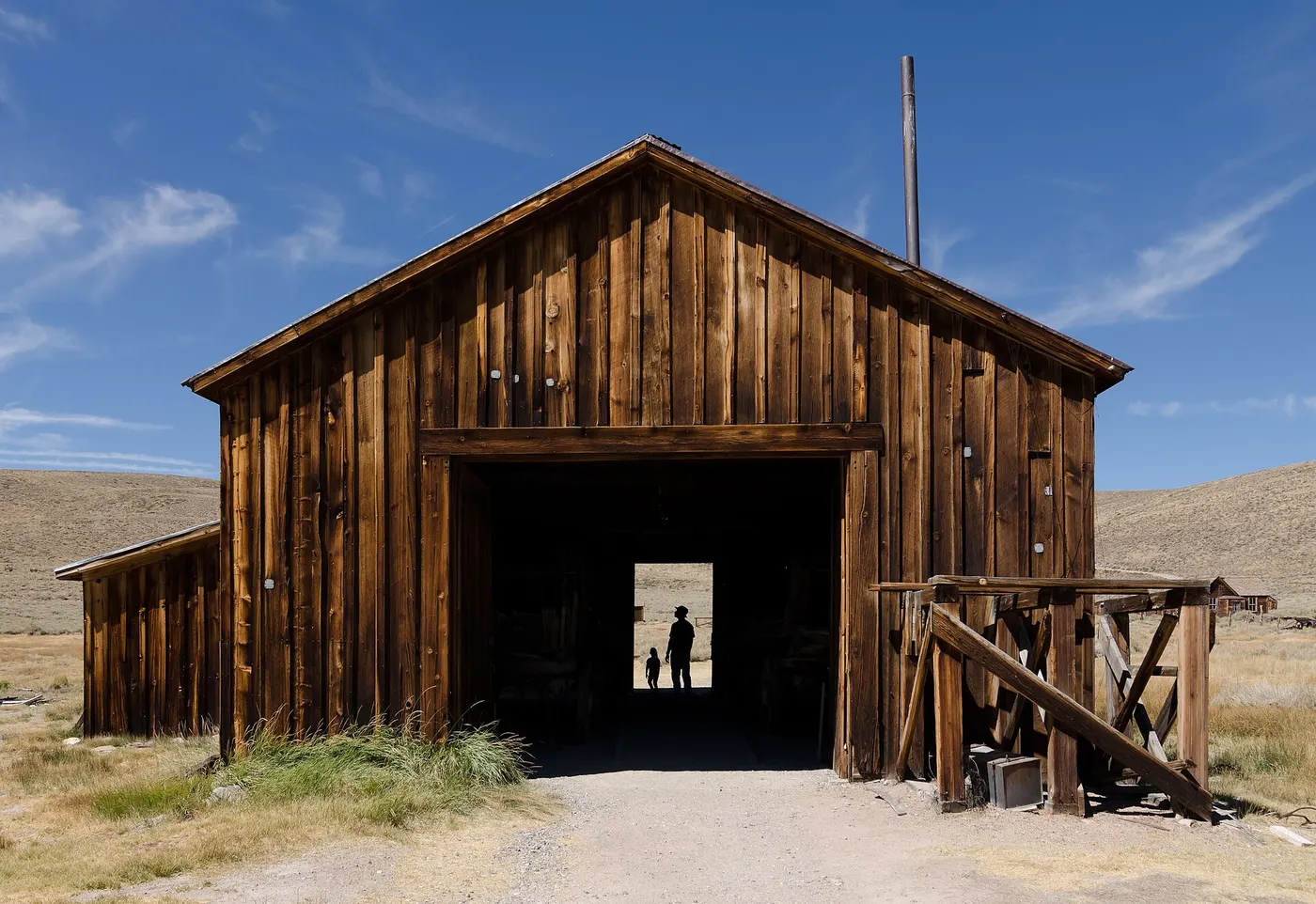
Bodie
A California gold-rush town that peaked near 10,000 residents and emptied by the early 20th century. It is kept in a state of "arrested decay" — houses still hold the belongings their owners walked away from.