 Anomalous zones — United States
Anomalous zones — United States. 10 places in the catalogue, each with coordinates, the story behind it and a danger level from white to black.
The Mad Gasser of Mattoon
In September 1944 residents of Mattoon, Illinois, began reporting the same thing to police: a sweetish smell in the house, nausea, numbness in the legs, a paralysing weakness. Around two dozen cases were logged in a fortnight. Police, the FBI and chemists found no substance, no traces and no man. The standard explanation is a wartime episode of mass psychogenic illness amplified by the local paper; the alternative points at emissions from a nearby plant. Neither is proven, and the case is a textbook fixture in social psychology.
The Bennington Triangle
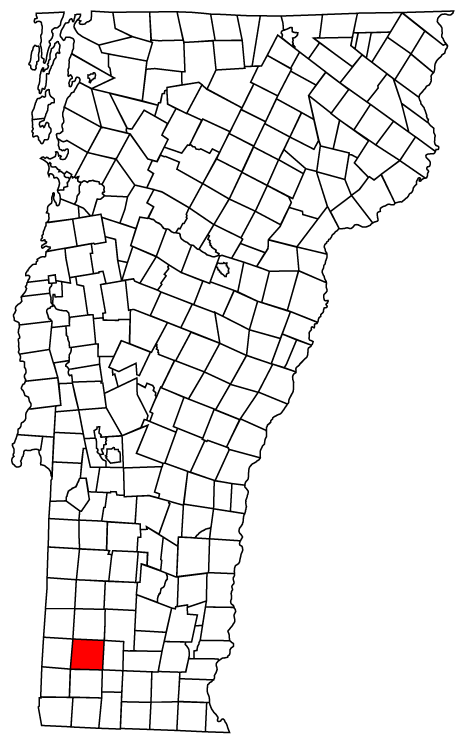
Between 1945 and 1950 five people vanished without trace in the woods below Glastenbury Mountain: an experienced guide, a college student, a war veteran, an eight-year-old boy, and a woman travelling by bus. Only one body was ever found, seven months later, on ground that had already been searched. Tradition holds that the local tribes considered the mountain cursed and used it only for burial. The town of Glastenbury itself was formally unincorporated in 1937 for want of residents.
The Bridgewater Triangle
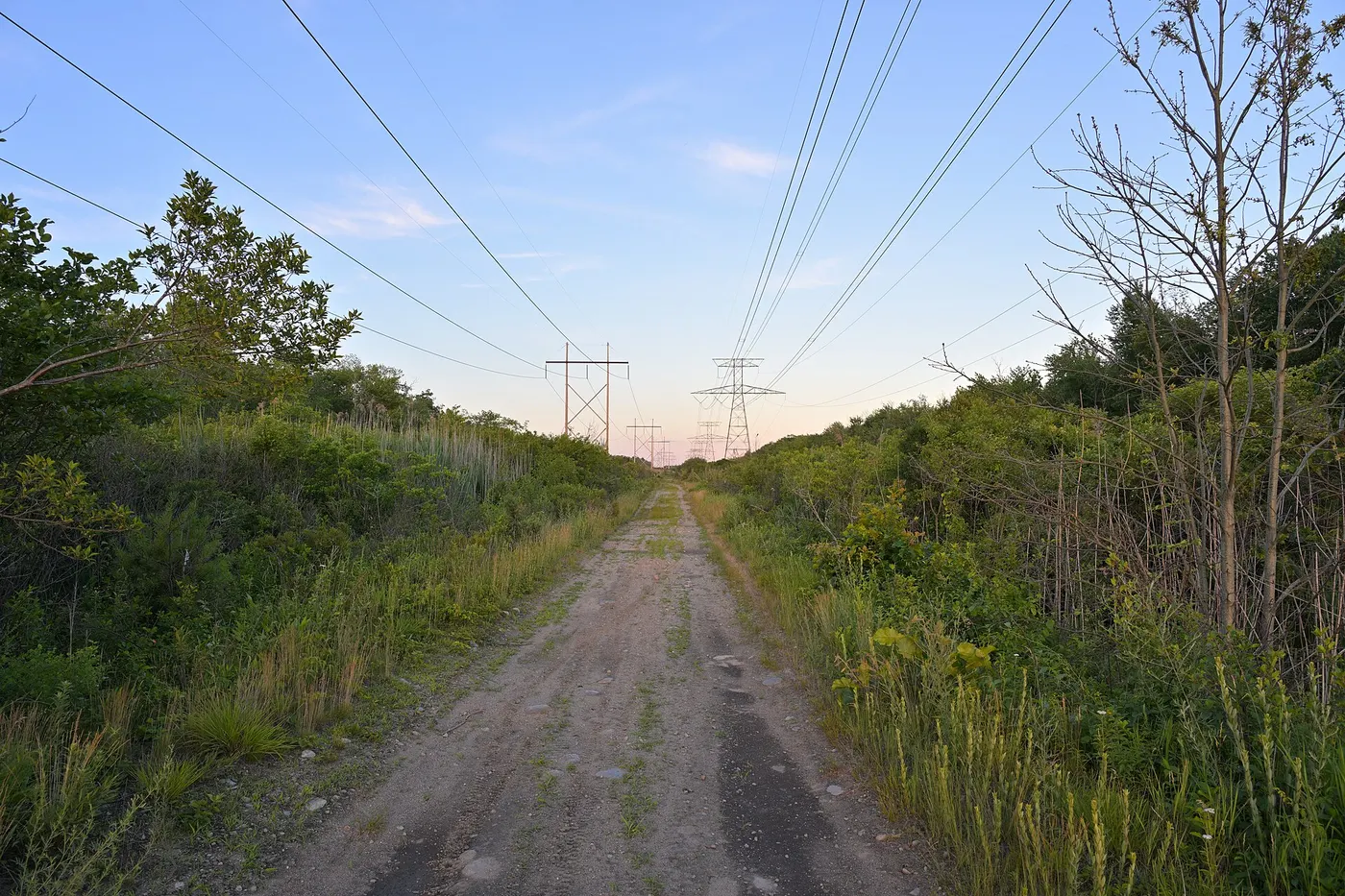
A two-hundred-square-mile patch south of Boston, centred on Hockomock Swamp — Wampanoag for "the place where spirits dwell". Every sort of story collects here at once: lights in the sky, Bigfoot sightings, giant birds, ritually killed livestock, disappearances. The cryptozoologist Loren Coleman gathered them under one name in the 1970s, and the triangle has lived as a single anomaly since, though nothing but geography connects the stories.
The Sedona Vortexes
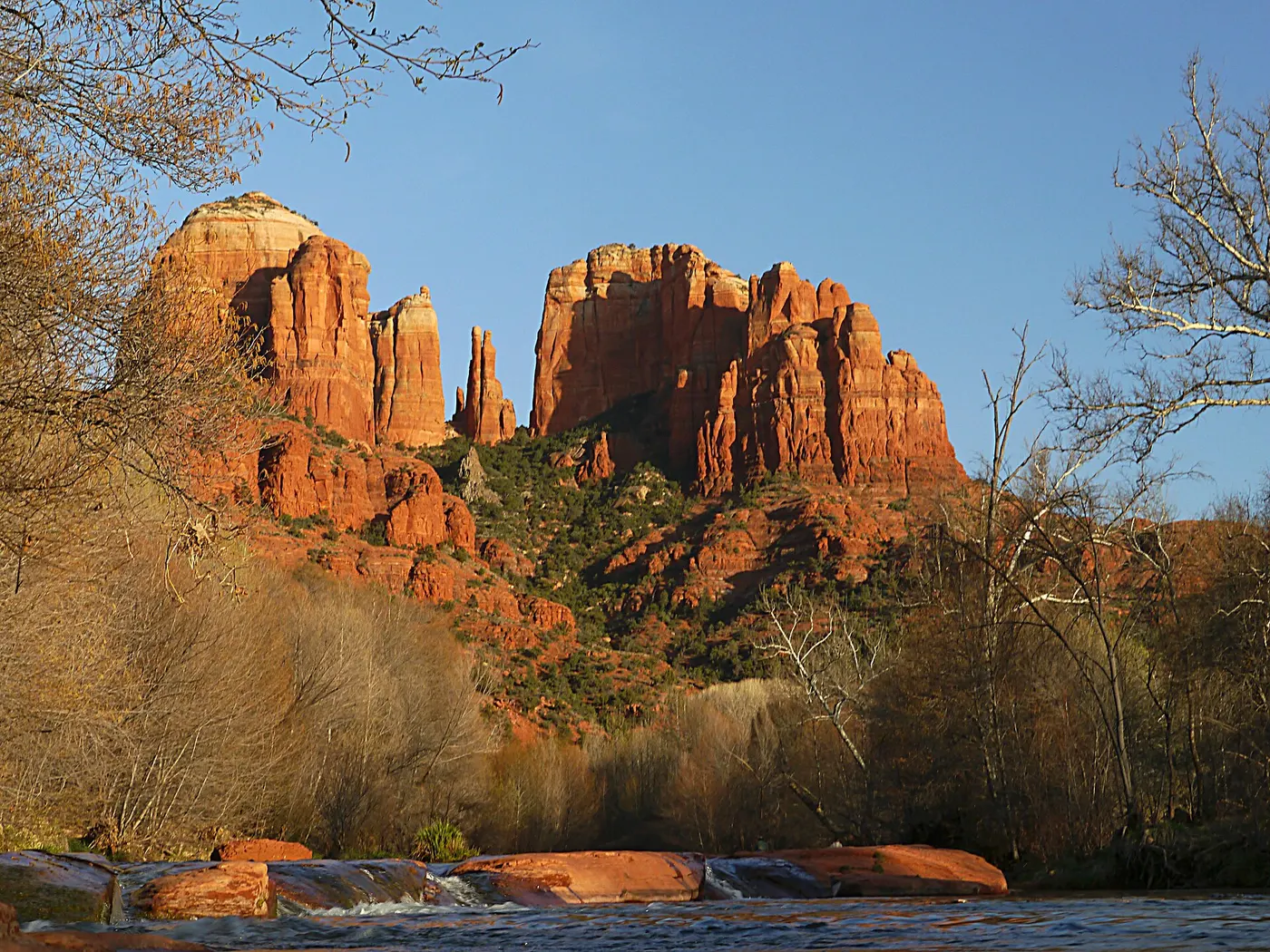
A town among the red rocks of Arizona that people have come to since the 1980s for its "vortexes" — points where visitors hold that the earth's energy surfaces, felt as tingling, dizziness or unusual clarity. Instruments find no magnetic or electrical anomaly at any of them. Sedona lives on it regardless: thousands come each year for the sensation, and most say they got it.
The Superstition Mountains
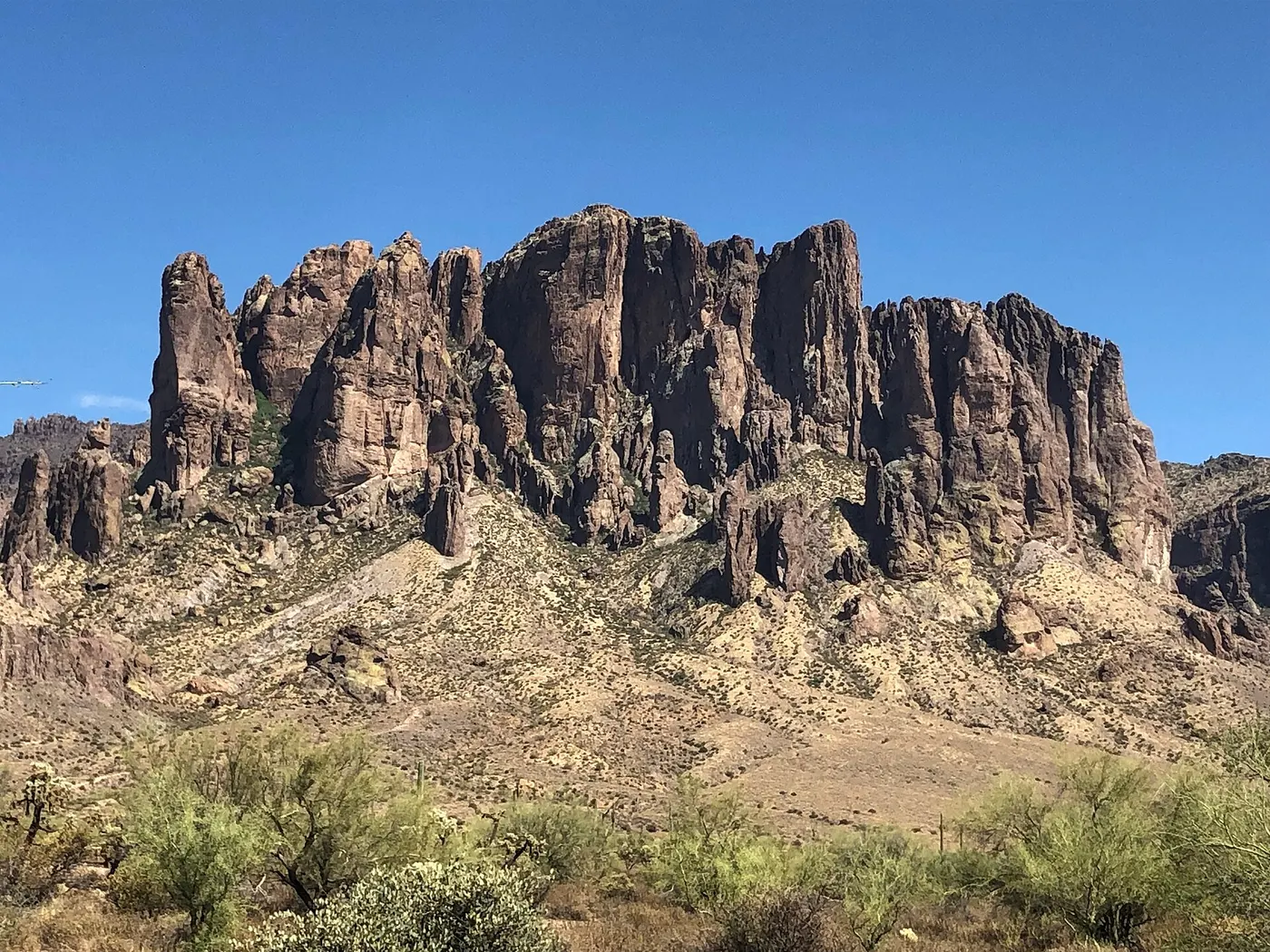
The range east of Phoenix, wrapped around the legend of the Lost Dutchman's Mine — a gold vein the German Jacob Waltz supposedly found in the 1870s and took to his grave. Dozens of searchers have died or vanished here since, several found beheaded. The Apache hold these mountains to be an entrance to the underworld and warned against disturbing them, a warning gold hunters have traditionally ignored.
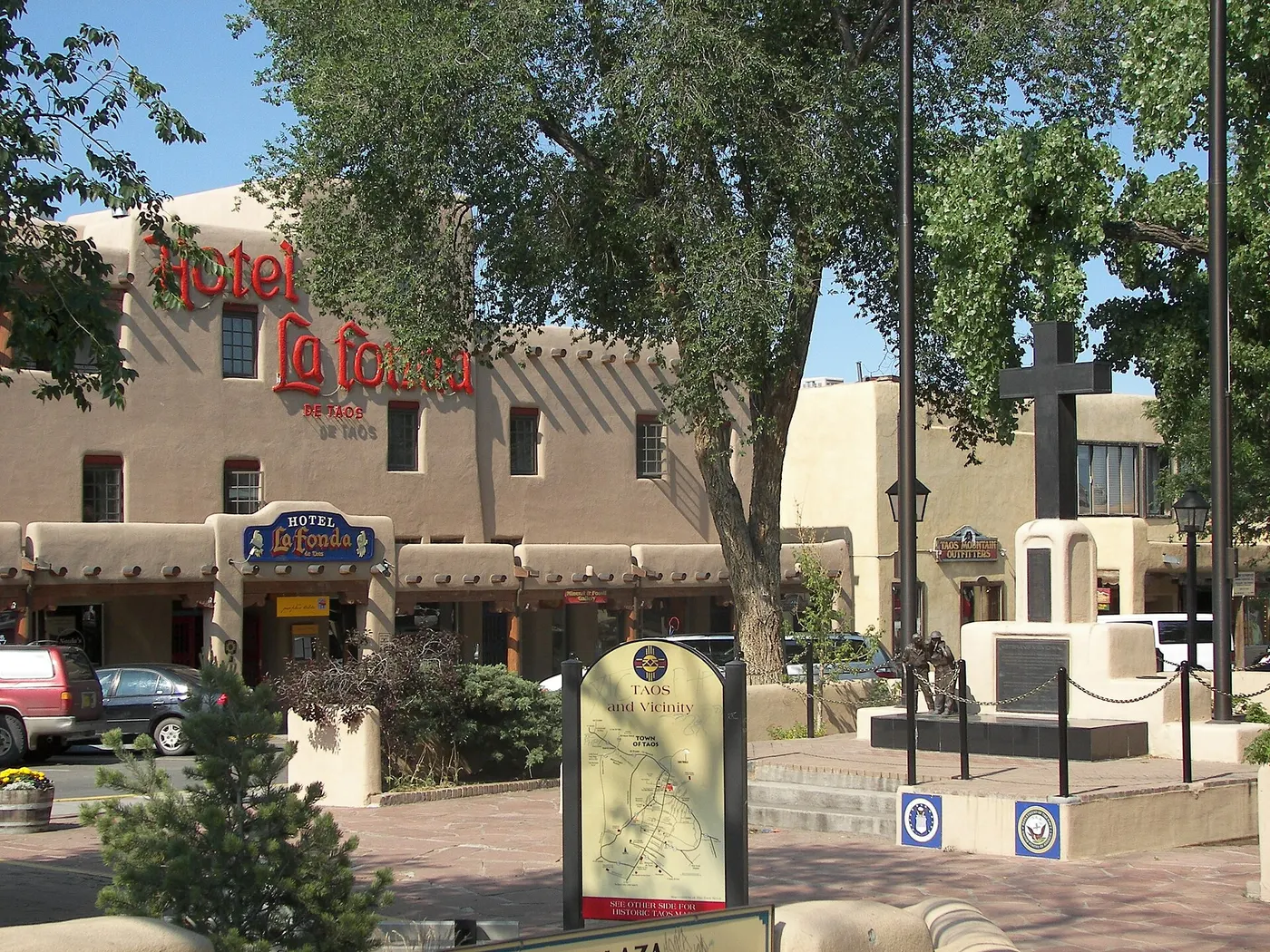
The Taos Hum
Since the early 1990s a fraction of this town's residents have heard a low steady hum that the rest cannot hear at all. In 1993, under pressure from complaints, Congress commissioned a study by Sandia and Los Alamos; instruments in the homes of hearers recorded nothing matching the descriptions. The hum is described as a distant diesel engine, it keeps people from sleeping, and there is no shutting it out — earplugs do not help.
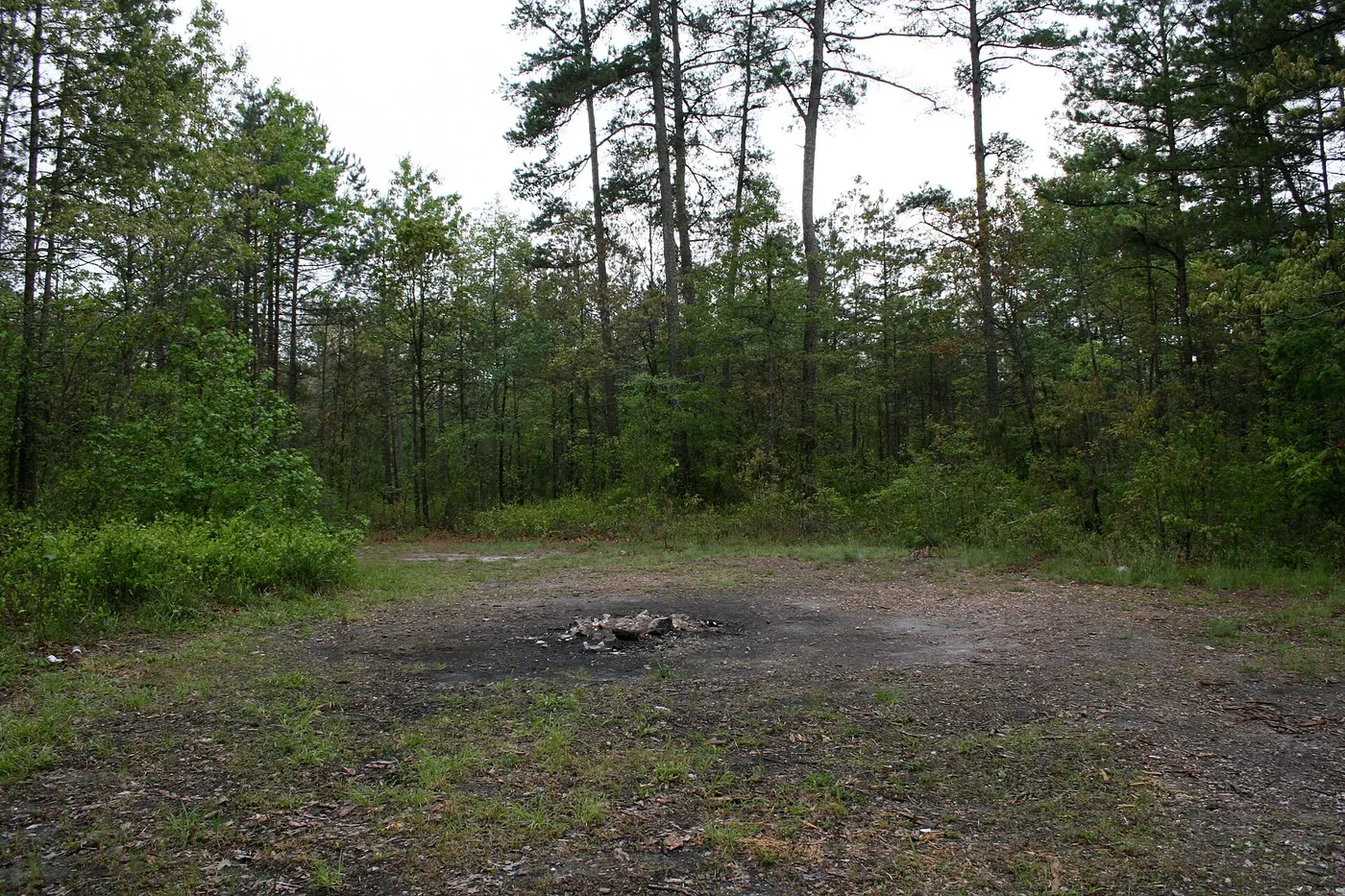
The Devil's Tramping Ground
The Devil's Tramping Ground in Chatham County, North Carolina, USA, is a barren circular clearing roughly 12 meters (40 feet) in diameter in the middle of dense pine woods where vegetation has refused to grow for centuries. It is one of the oldest and most enduring paranormal landmarks in the American South, steeped in tales of demonic footprints and barren-earth anomalies.
Racetrack Playa
A dry lakebed in Death Valley where stones move by themselves, leaving long trails behind them. The puzzle was only solved in 2014: thin sheets of ice push the rocks along under a light wind.
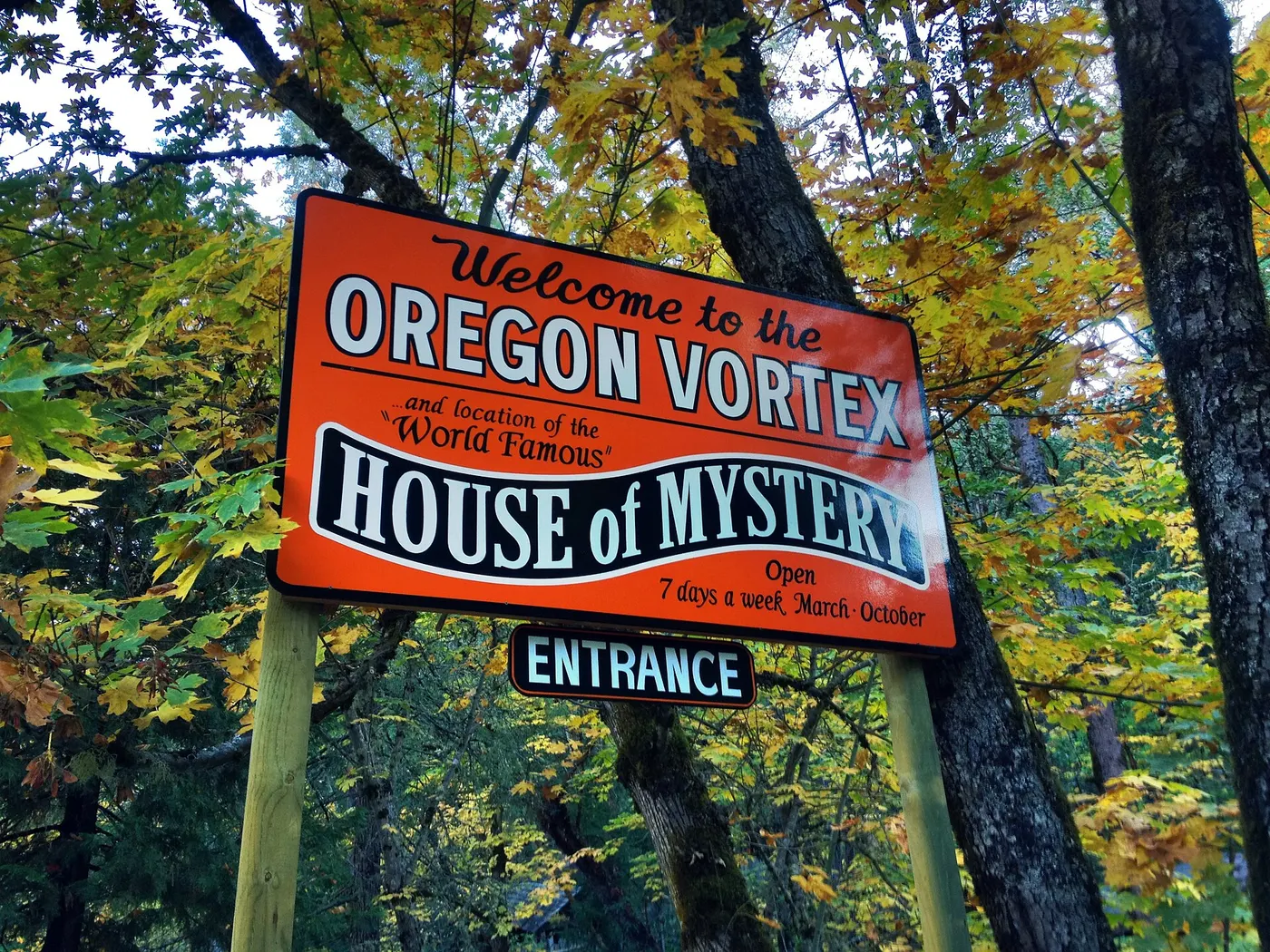
Oregon Vortex
A hillside in Oregon with a tilted cabin where balls appear to roll uphill and a person's height seems to change from spot to spot. A classic "mystery house" — the effect comes from sloped planes and a missing true horizon.
Skinwalker Ranch
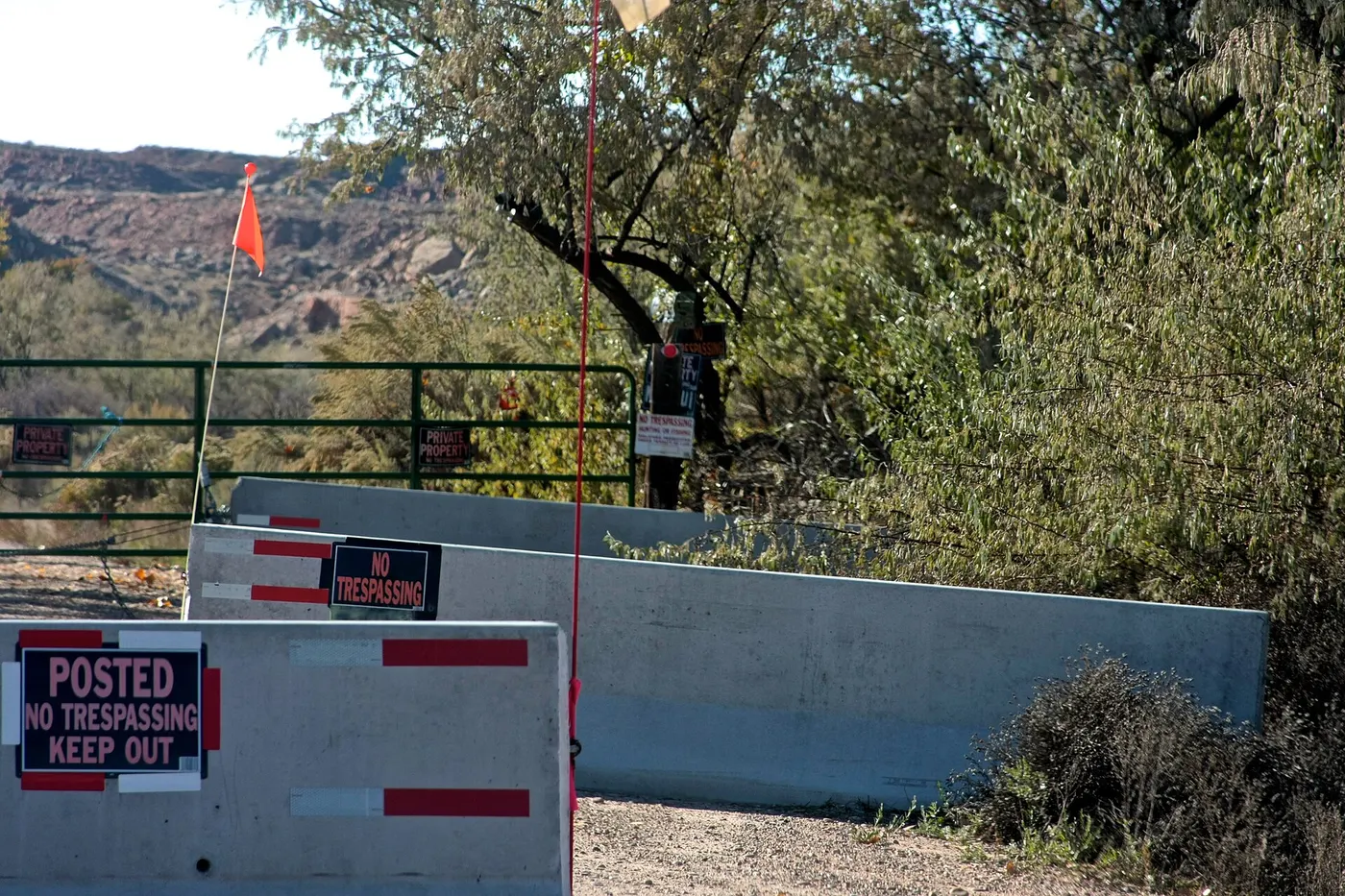
A ranch in Utah known for decades of reported UFO sightings, unexplained phenomena, and mysterious livestock deaths. Named after the skin-walker of Navajo folklore.