Anomalous zones — mystical places on the map
Stretches of ground with a reputation for things going wrong: instruments disagreeing, engines cutting out, people losing their way. A few have an explanation — a magnetic anomaly, escaping gas, an unlucky current — and the rest do not have one yet.
47 places
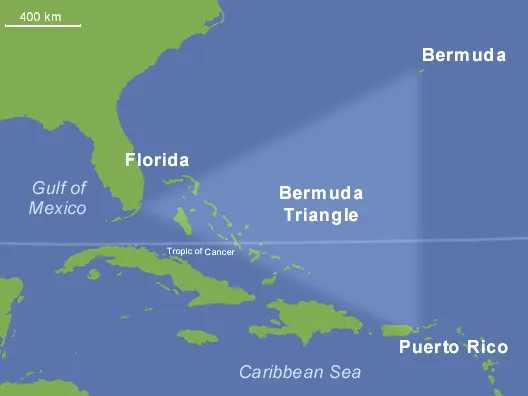
Bermuda Triangle
The Bermuda Triangle (also known as the "Devil's Triangle") is a loosely defined oceanic region in the western North Atlantic, conventionally demarcated by points connecting the Bermuda archipelago, Miami (Florida), and San Juan (Puerto Rico). Encompassing an area of roughly 1 to 1.5 million square kilometers, the sector encompasses the Florida Straits, the Bahamas, and portions of the Sargasso Sea. Throughout the latter half of the 20th century, the zone became the premier global archetype of maritime and aviation lore, reputed across popular culture for the unexplainable disappearance of dozens of vessels and aircraft.
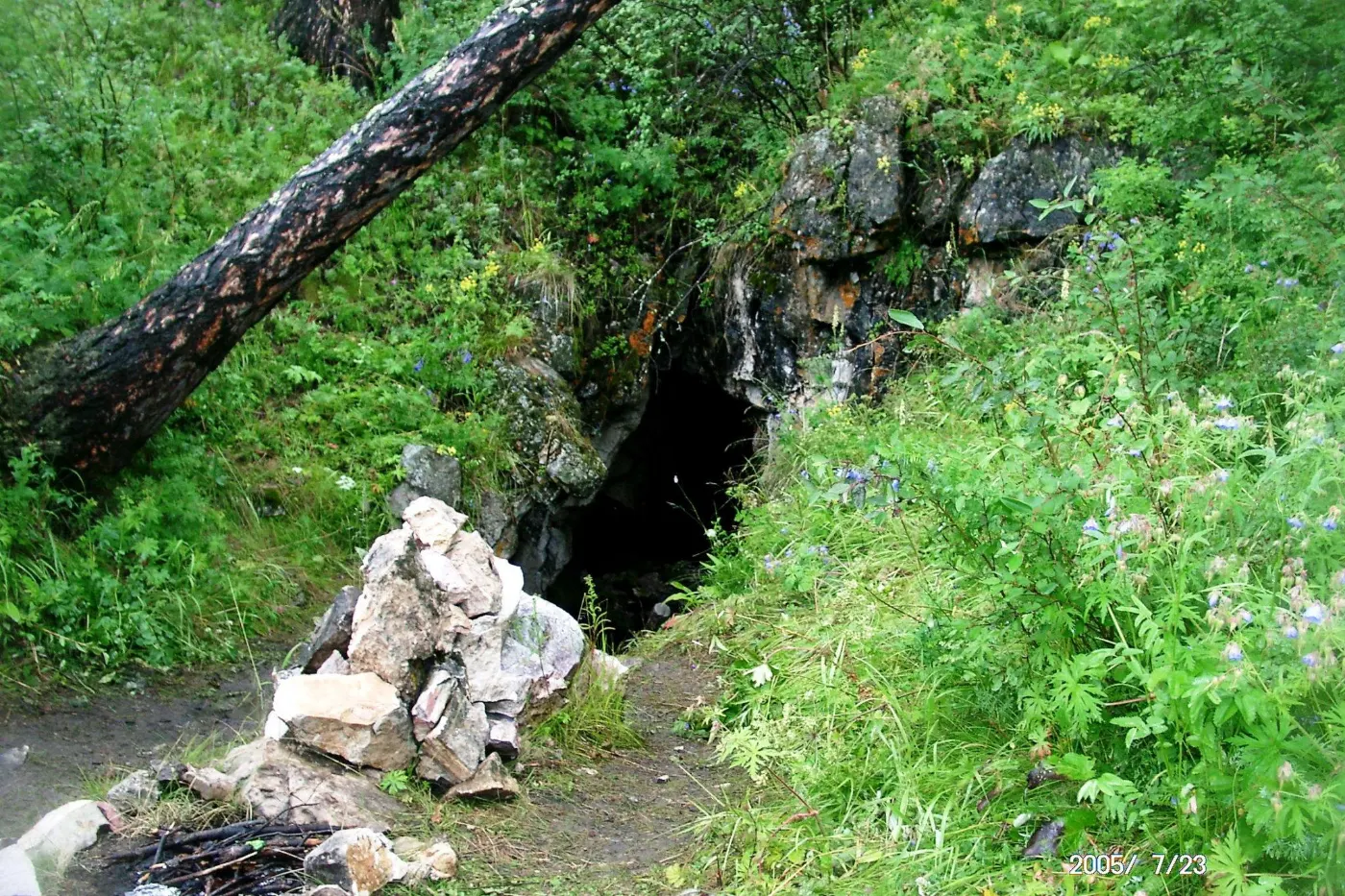
Kashkulak Cave
Kashkulak Cave (colloquially known as the "Cave of the Black Devil" or the "White Shaman's Cave") is a karst cavern system in the Batenevsky Ridge of the Kuznetsk Alatau mountains, situated in the Shirinsky District of Khakassia, Russia. Featuring a three-tier network of galleries descending to a depth of 49 meters with over 800 meters of mapped corridors, the site earned notoriety in the late Soviet period as an anomalous subterranean hotspot where explorers and scientists experienced acute panic attacks, disorientation, and waking hallucinations.
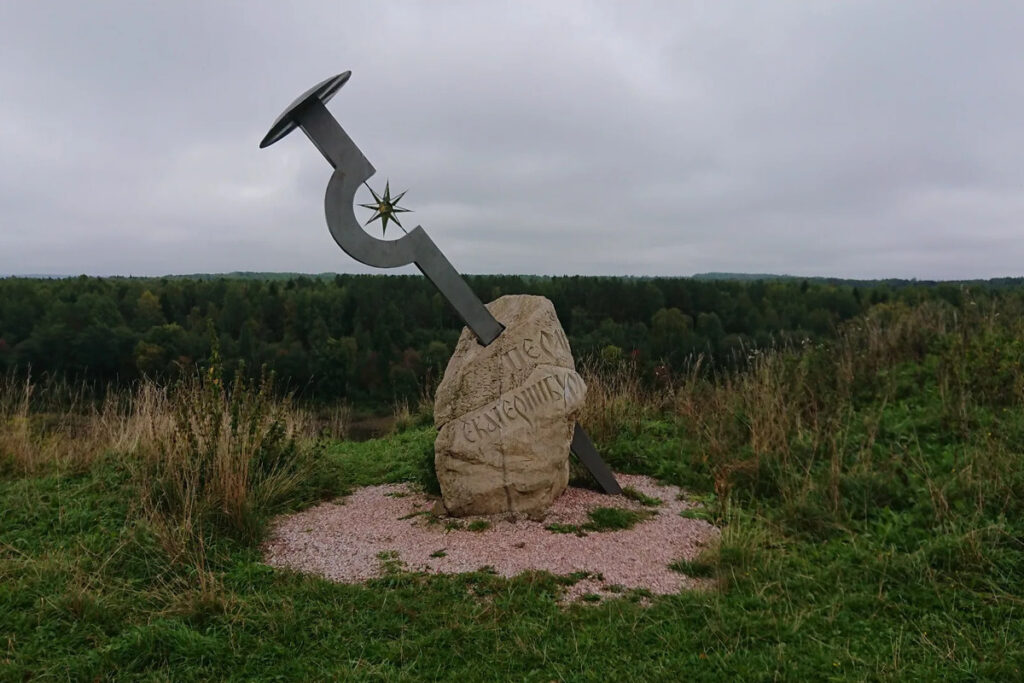
The Molebka Triangle
The Molebka Triangle (also known as the M-Zone or the Perm Anomalous Zone) is a geographic area spanning roughly 70 square kilometers in the Kishertsky District of Perm Krai, Russia, situated along the Sylva River near the historic village of Molebka. In the late 1980s, this remote pocket of Ural taiga transformed into the Soviet Union's first and most famous recognized "paranormal zone," becoming a global epicenter for UFO tourism and ufological expeditions.
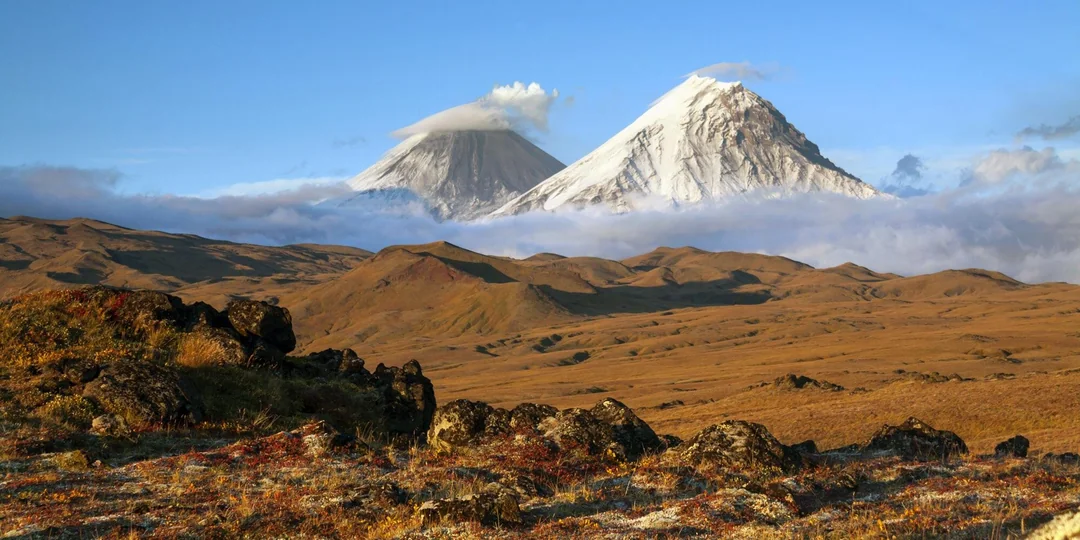
The Valley of Death in Kamchatka
Nestled at the base of the Kikhpinych volcano, just miles from Kamchatka’s famous Valley of Geysers, lies an invisible natural death trap: Kamchatka’s Valley of Death. Spanning a narrow canyon roughly two kilometers long, this ground has perfected the art of silent execution. In the summer of 1975, volcanologist Vladimir Leonov and forest ranger Vladimir Kalyaev stumbled upon an eerie sight: the canyon floor was littered with dead birds and mammals. There were no signs of struggle, physical trauma, or epidemic disease—the animals looked as though they had simply fallen asleep mid-stride. Even more bizarrely, the carcasses remained remarkably preserved; the toxic atmosphere had effectively embalmed them by suffocating putrefactive bacteria. The secret behind this anomaly is a lethal cocktail of volcanic gases seeping through fractures in the canyon bed: carbon dioxide, hydrogen sulfide, carbon disulfide, and highly toxic cyanide compounds. Because these gases are significantly heavier than air, they settle into low-lying pockets during calm, overcast weather, forming a dense, invisible blanket that completely displaces oxygen. The valley's most chilling dynamic is its trophic chain reaction of death: The Bait: In early spring, small birds and rodents land on freshly thawed ground and suffocate within minutes. The Scavengers: Lured by the scent of fresh carcasses, small predators like foxes, sables, and wolverines descend into the hollow, only to collapse over their prey. The Apex Predators: Brown bears and wolves follow the trail of easy meals, inhale the concentrated poison layer, and perish directly beside the animals they came to eat. For humans, stepping into the basin is lethal. Within minutes of breathing the heavy fumes, victims experience a sharp metallic taste, sudden muscular weakness, violent dizziness, and respiratory paralysis. Researchers survive only because the toxic blanket rarely rises higher than one meter above the ground, and shifting mountain winds periodically flush the canyon clean. Today, the Valley of Death is strictly protected within the Kronotsky Nature Reserve. Access is heavily restricted—a haunting reminder of a primal wilderness where raw beauty kills with a single breath.
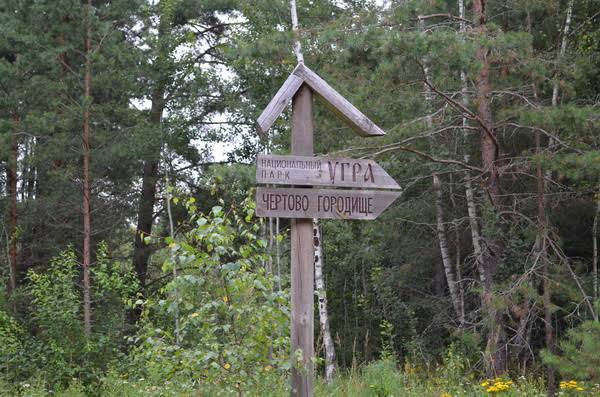
The Devil's Settlement near Kaluga
Chertovo Gorodishche (Devil’s Settlement) is a unique natural and historical landmark hidden within dense forests. The site is famous for its monumental quartzite sandstone outcrops, rock labyrinths, and pre-glacial relict flora. Its shaded crevices shelter the luminous moss Schistostega pennata, which reflects faint light into an emerald glow.
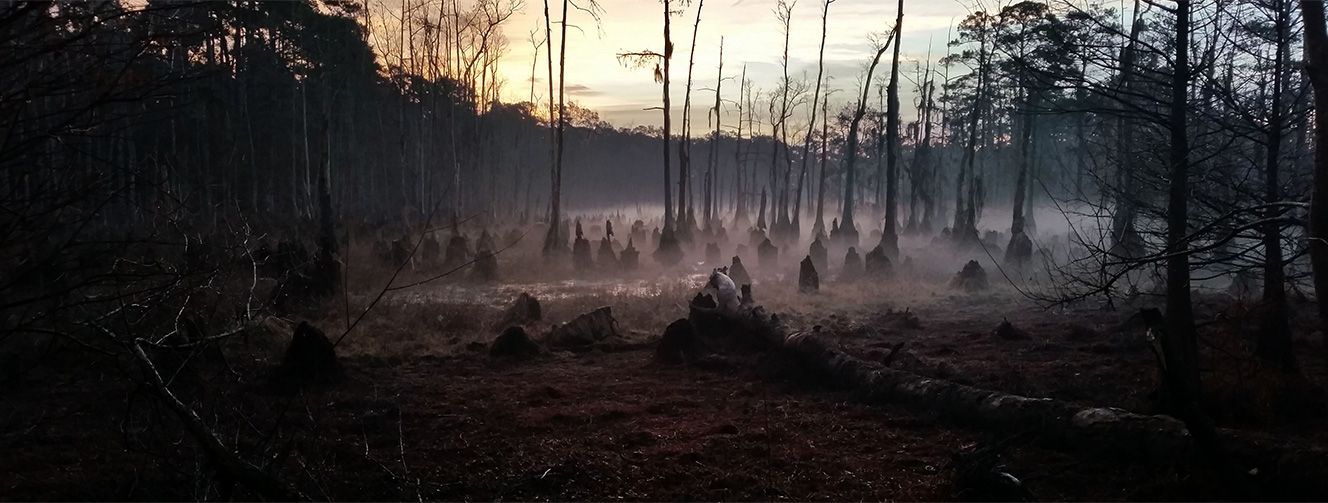
The Shushmor tract
The Shushmor Tract is an isolated, swampy forest wilderness situated within the river basins of the Polya, Voymega, and Buzha rivers along the boundary of the Shatursky District (Moscow Oblast) and Gus-Khrustalny District (Vladimir Oblast) in the heart of the Meshchera Lowlands. Comprising peat bogs, dense moss woodlands, and pine ridges, the territory gained fame in the late 20th century as the Moscow region's oldest anomalous hotspot, earning the moniker of the "Meshchera Bermuda Triangle" due to enduring lore regarding disappearing travelers and a forgotten pagan megalithic shrine.

The Devil's Cemetery
The "Devil's Graveyard" (Chertovo Kladbishche, also known as the "Death Clearing") is a legendary anomalous zone located in the dense subarctic taiga of the Kova River basin (a left tributary of the Angara) in the Kezhemsky District of Krasnoyarsk Krai, Siberia. According to 20th-century accounts, the site was a circular clearing 15 to 25 meters in diameter of charred, ash-covered earth completely devoid of plant life and strewn with animal skeletons that mysteriously accumulated on the ground
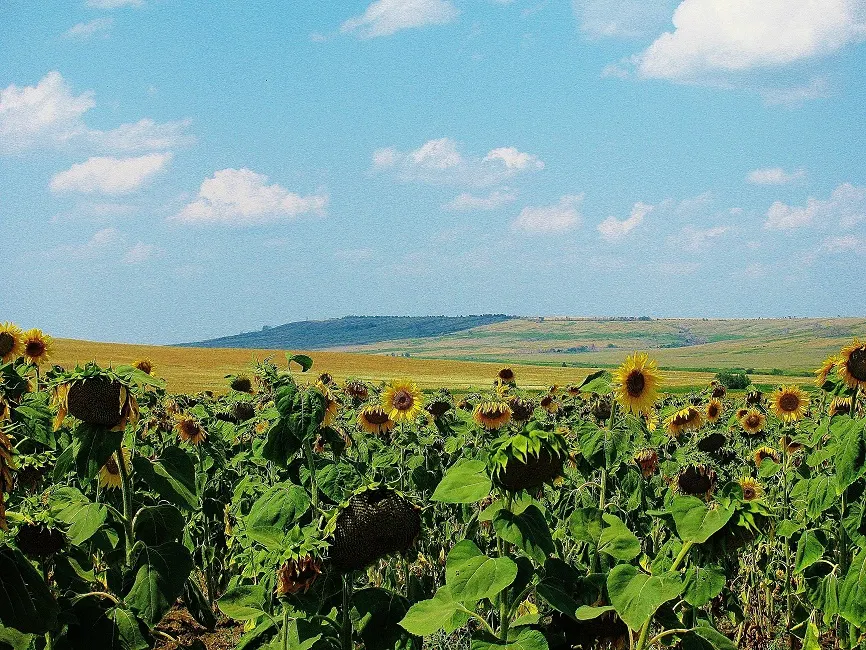
The Medveditskaya Ridge
The Medveditskaya Ridge is a chain of rolling hills on the border of the Volgograd and Saratov Regions, recognized as one of Russia's most renowned anomalous zones. The area is famous for an unusually high frequency of ball lightning, the distorted trees of the "Drunken Forest," subterranean cavities, and recurring reports of geomagnetic disturbances.
The Bloop
In 1997 hydrophones belonging to the US National Oceanic and Atmospheric Administration recorded an ultra-low-frequency sound in the South Pacific loud enough to be picked up by sensors three thousand miles apart. Its profile resembled a biological one, and for two decades the Bloop was the leading exhibit for anyone who believes in undiscovered giants in the ocean. NOAA settled it in 2012: an icequake, an iceberg fracturing off Antarctica. The sound stopped being a mystery but remains one of the best-known audio files in internet history.
The Bélmez Faces
In August 1971, in the Andalusian village of Bélmez de la Moraleda, a human face appeared in the concrete kitchen floor of the Pereira family's house. The floor was broken up and relaid — the face came back, and then others did. The house became a place of pilgrimage and was written about across Spain. Chemical analysis in the 1990s found traces of pigments in the concrete, and investigators noted that new faces only ever appeared when somebody was in the house. The house is still there, the faces are still there, and the argument is not closed.
The Mad Gasser of Mattoon
In September 1944 residents of Mattoon, Illinois, began reporting the same thing to police: a sweetish smell in the house, nausea, numbness in the legs, a paralysing weakness. Around two dozen cases were logged in a fortnight. Police, the FBI and chemists found no substance, no traces and no man. The standard explanation is a wartime episode of mass psychogenic illness amplified by the local paper; the alternative points at emissions from a nearby plant. Neither is proven, and the case is a textbook fixture in social psychology.
The Hairy Hands of Dartmoor
A stretch of the B3212 between Postbridge and Two Bridges on English Dartmoor, where unexplained crashes began in the early 1920s: drivers and motorcyclists described hairy hands seizing the wheel and wrenching it towards the verge. After several deaths in 1921 the local press took it up, and engineers who examined the road found a plainer cause — a badly cambered surface that pulled vehicles off line. The road was rebuilt, the crashes stopped, and the legend stayed.
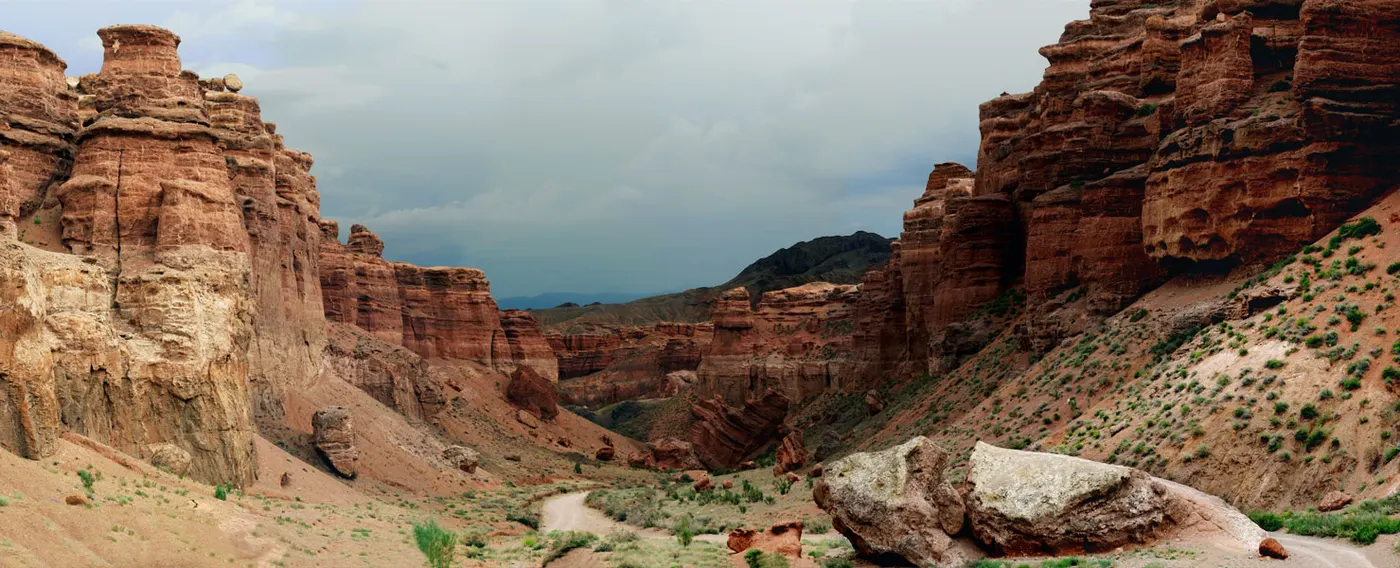
The Charyn Canyon
Charyn Canyon is an immense natural gorge system extending roughly 154 kilometers along the Charyn River within the Charyn National Natural Park in southeastern Kazakhstan (approximately 195 kilometers east of Almaty). Its most famous section, the "Valley of Castles" (spanning 2 kilometers with sheer walls dropping 150 to 300 meters), features striking layers of ochre-red sedimentary sandstone and conglomerate weathered into the shapes of towering towers, fortress parapets, and ruined ramparts, earning it global recognition as a Central Asian sibling to the American Grand Canyon.
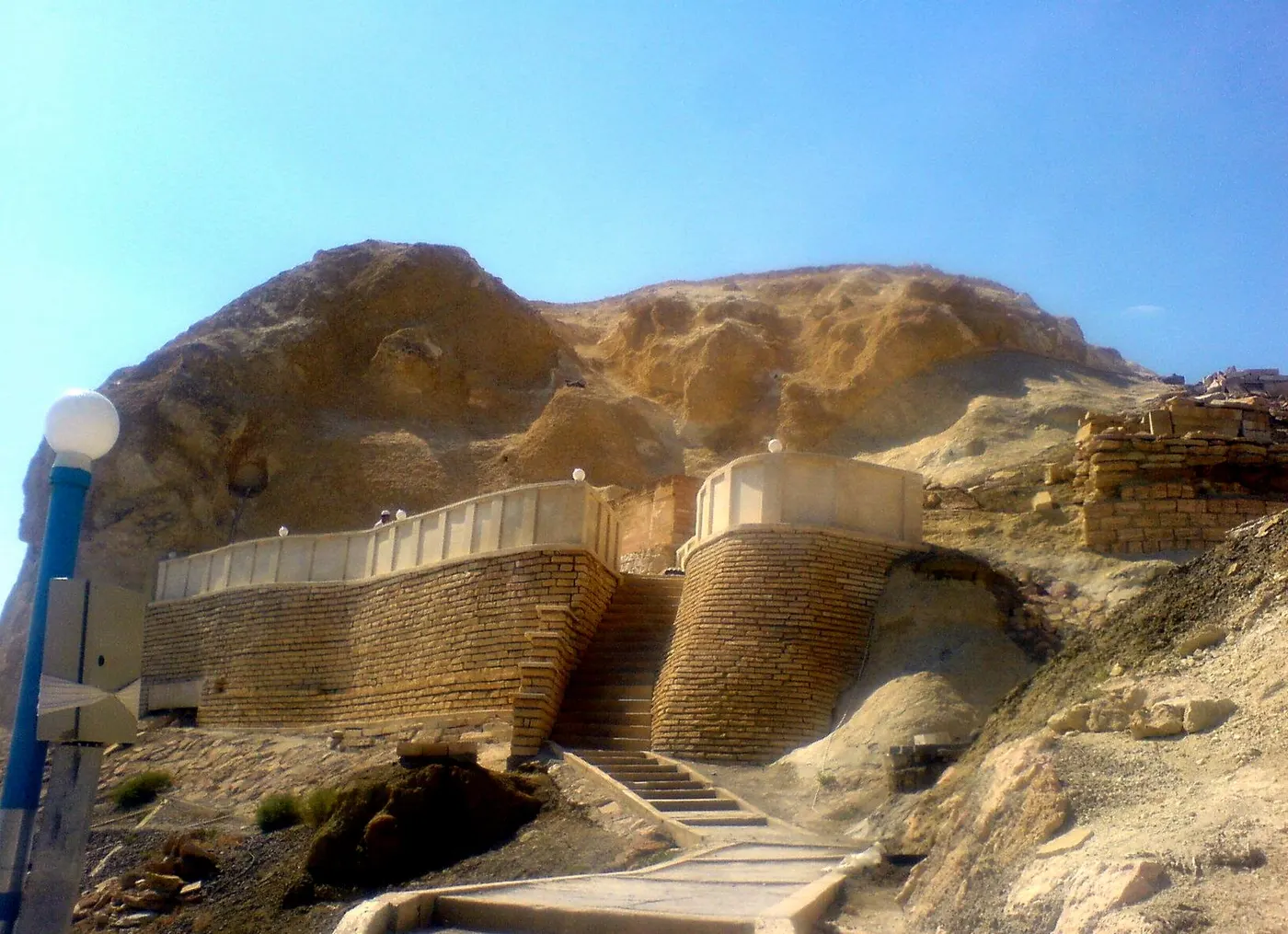
Mangystau
A region on the eastern shore of the Caspian where chalk outliers stand in the desert like the ruins of cities, and ridges of perfectly round stone spheres emerge from the ground — concretions up to three metres across. Beket-Ata is here too, an underground mosque cut into a chalk hill by a Sufi preacher in the eighteenth century; a steady stream of pilgrims comes to it, and tradition requires the night before a visit to be spent in the neighbouring valley.
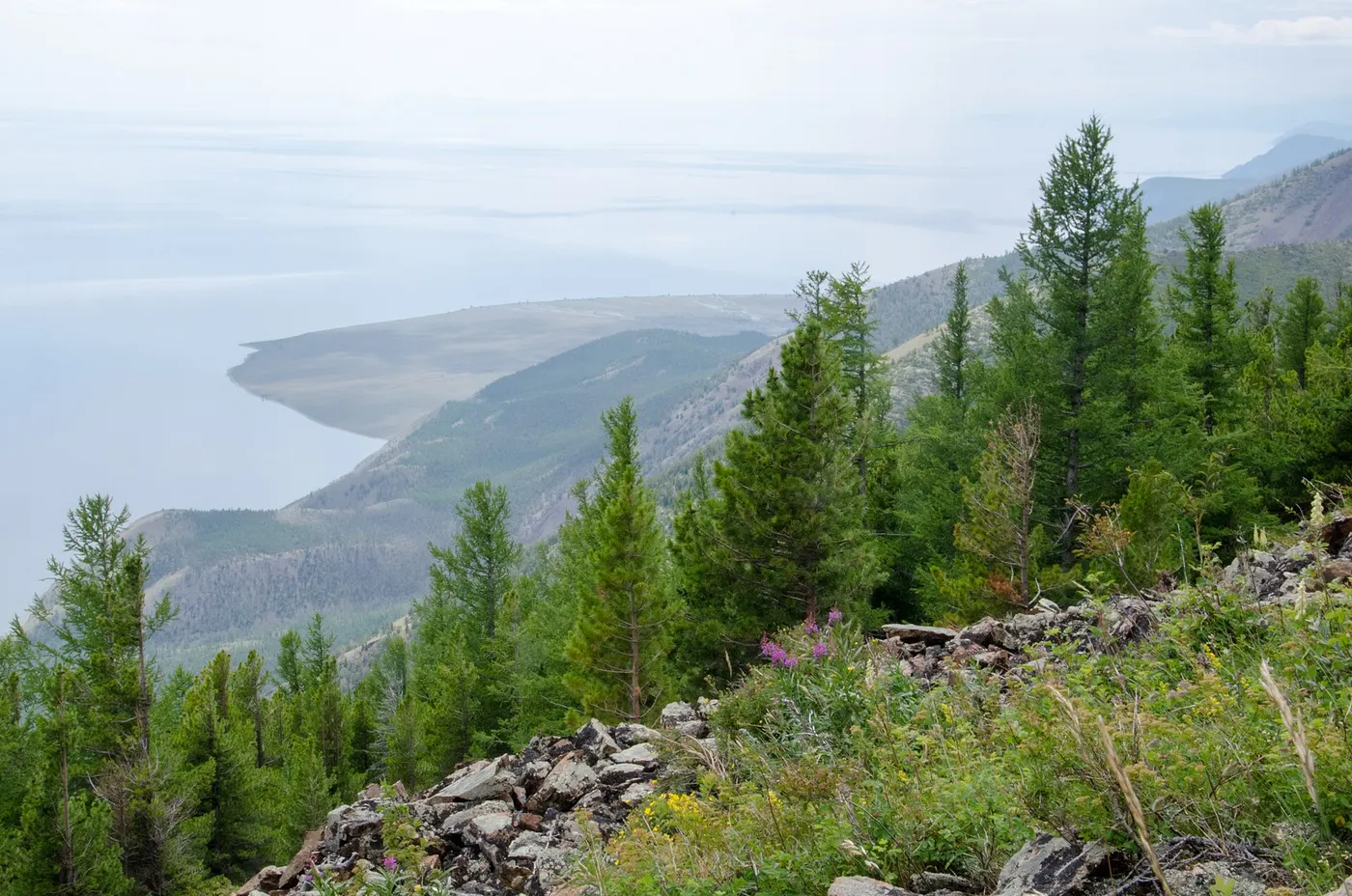
Cape Ryty on Baikal
One of the most closed stretches of the Baikal shore: the Buryats hold it to be ground one does not set foot on — spirits live there, and the penalty for trespass is illness or death. Women were forbidden to approach at all. A stone wall of unknown age and purpose survives on the cape, and a compass behaves unpredictably here because of a magnetic anomaly. It lies within a nature reserve, and getting there legally is next to impossible.
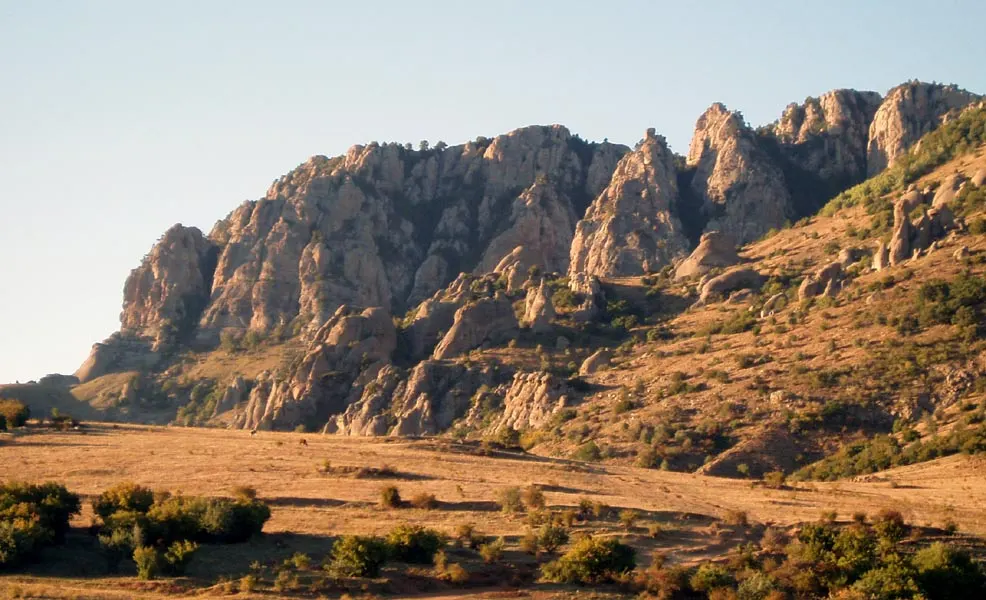
The Valley of Ghosts on Demerdzhi
A slope of the Crimean mountain Demerdzhi scattered with hundreds of stone pillars up to twenty-five metres high — conglomerate from which the rain has washed the softer rock. In mist and at sunset the shapes read as people and animals, and the outlines shift with the light. A Crimean Tatar tradition explains them by the curse of a blacksmith who settled on the mountain; the name means blacksmith. In 1966 the mountain slid and buried part of the village of Lavanda.
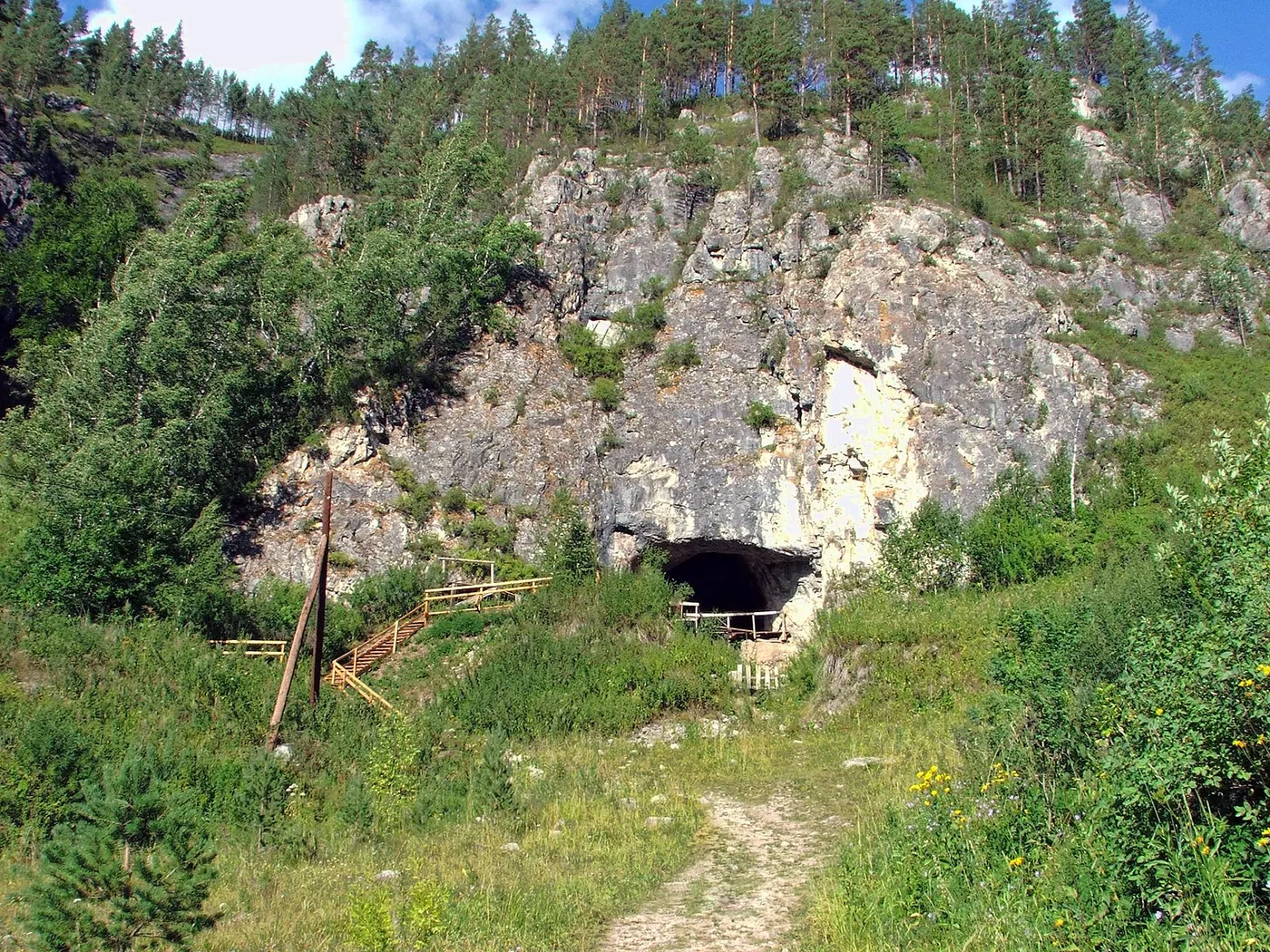
The Denisova Cave
Denisova Cave (Altai: Ayu-Tash, meaning "Bear Rock") is a karstic cave and globally renowned paleoanthropological site situated within the Soloneshensky District of Altai Krai, Russia, in the upper valley of the Anuy River in the northwestern Altai Mountains. Comprising roughly 270 square meters of horizontal chambers, the cave serves as a pristine multi-stratified Pleistocene and Holocene sediment archive that continuously accumulated archaeological deposits spanning over 300,000 years. The site attained global scientific prominence in 2010 when paleogenomic sequencing of a juvenile hominin finger bone fragment revealed a previously unidentified archaic human lineage—the Denisovans—fundamentally reshaping modern paleoanthropology and hominin evolution models.
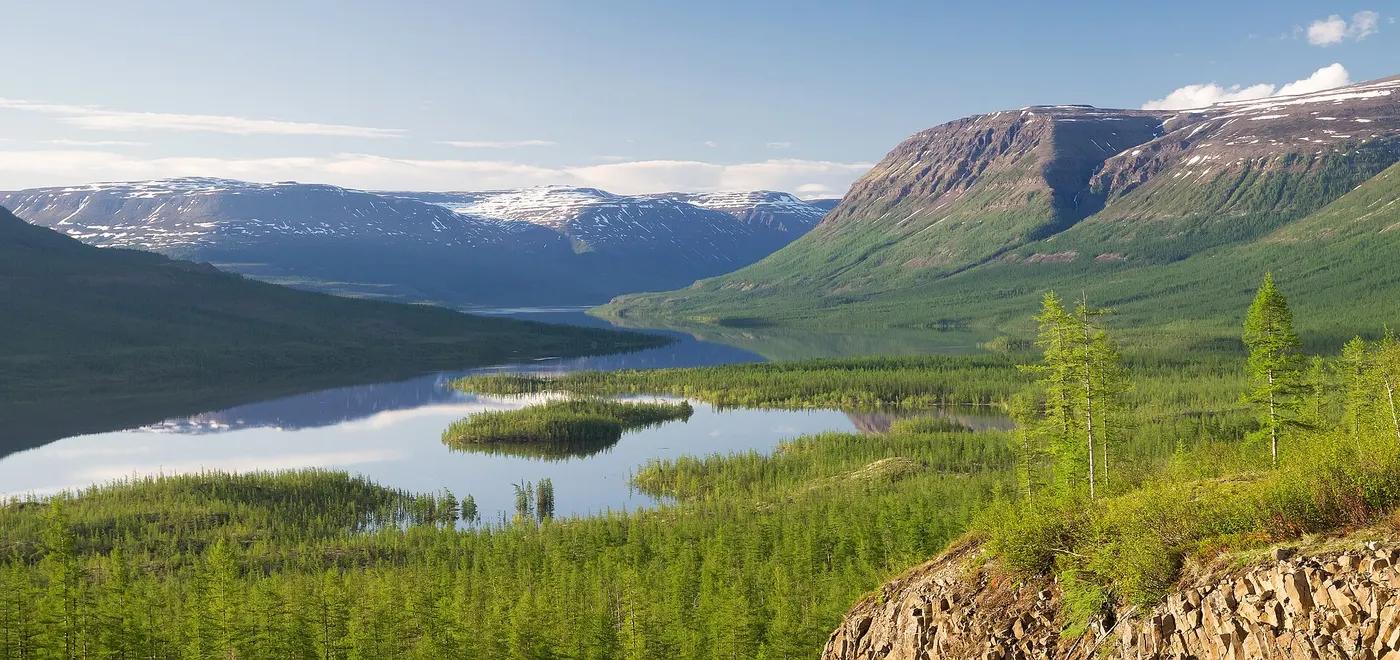
The Putorana Plateau
The Putorana Plateau is an immense basaltic mountain massif covering roughly 250,000 square kilometers (comparable in size to the United Kingdom), situated in northwestern Central Siberia beyond the Arctic Circle. Designated a UNESCO World Heritage Site, it is a pristine subarctic wilderness characterized by deep jagged canyons, thousands of waterfalls, and fjord-like tectonic lakes, recognized as one of the most remote places on Earth.
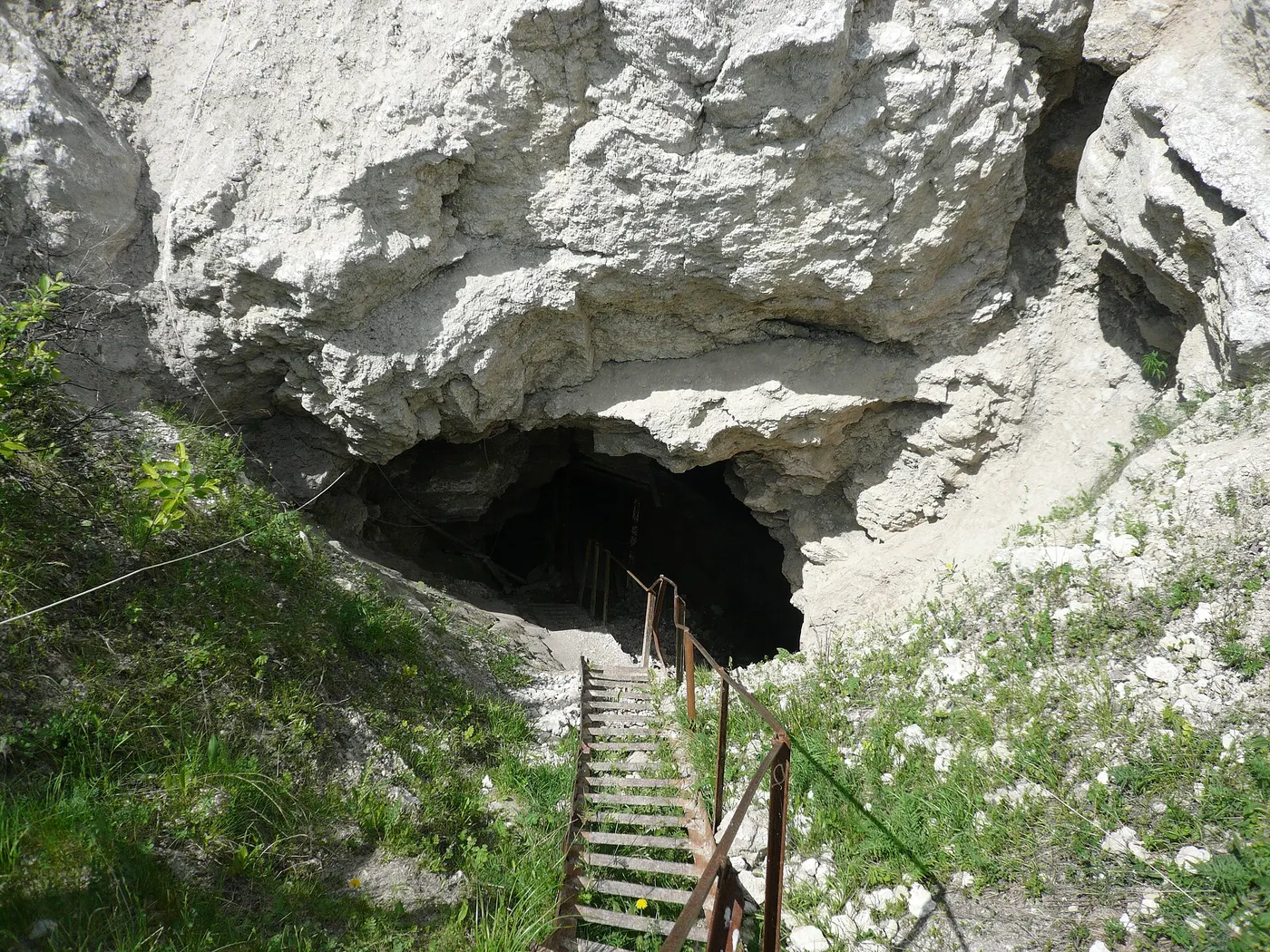
The Ordinskaya Cave
The longest underwater gypsum cave in the world — over five kilometres of flooded galleries under the left bank at Kungur. The water is clear enough for fifty metres of visibility, and divers describe flying rather than diving. The cave has killed several experienced divers: the sumps offer no landmarks, and someone who loses the line does not find the way back. Locals kept clear of the sinkholes long before anyone arrived with tanks.
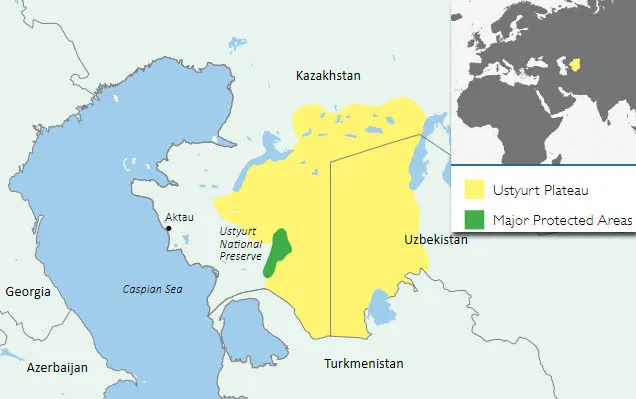
The Ustyurt Plateau
A stony desert between the Caspian and the Aral, breaking to the plain in escarpments a hundred and fifty metres high. From the air the Ustyurt arrows are visible — stone-built structures up to a kilometre long, noticed only in aerial survey in the 1980s. They are read as drive-hunting traps, but who built them is disputed, and estimates of their age run into thousands of years. The place is empty enough that several ungulate species presumed extinct were found here.
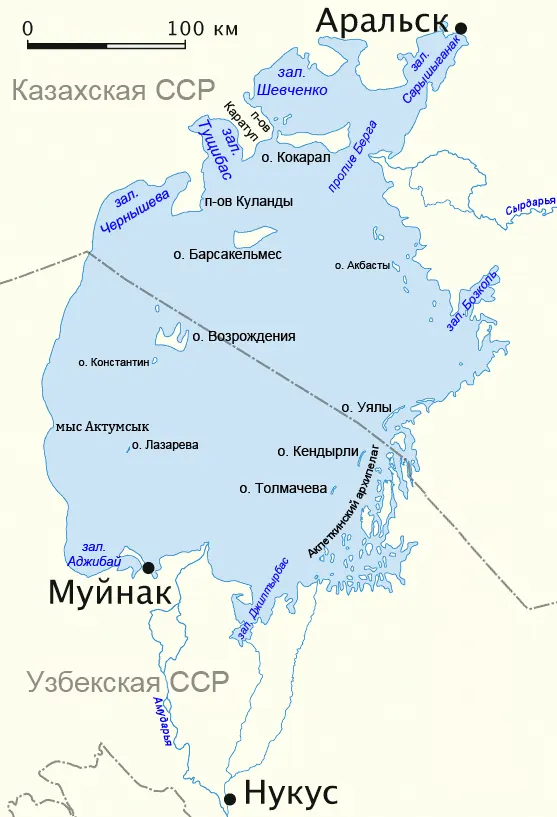
Barsa-Kelmes
A former island in the Aral Sea whose Kazakh name means "go and you will not return". As the sea retreated it stopped being an island and became part of a salt desert. In Soviet times it carried stories of time slips: people who left for a day and came back weeks later, watches running behind. They ran in the magazine Tekhnika — Molodyozhi in the 1980s, which is where they spread from. No instrumental confirmation ever appeared, and the place has since become a monument to an ecological catastrophe instead.
The Valley of Death on the Vilyuy
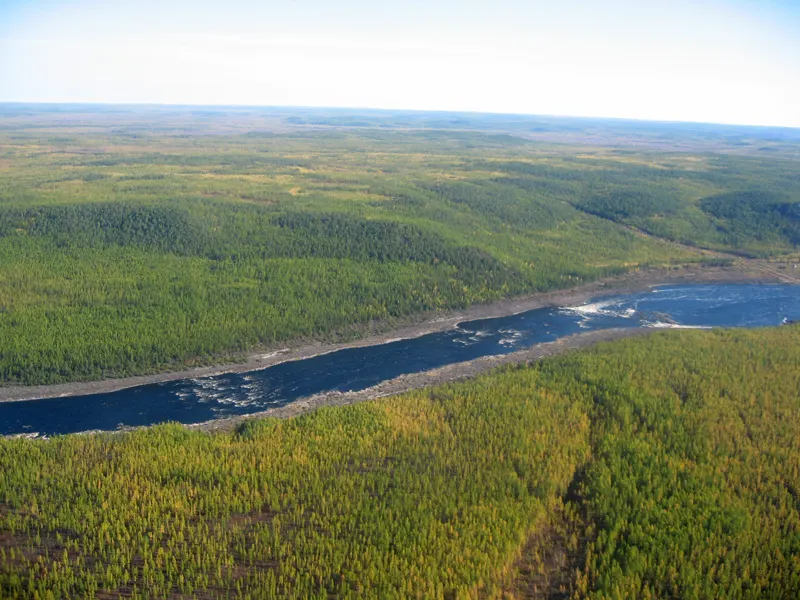
A stretch of the upper Vilyuy known to the Yakuts as Elyuyu Cherkechekh, the valley of the dead. Tradition places metal hemispheres in the ground there, warm inside, in which one can shelter from the cold — but whoever spends the night falls ill and dies soon after. The first written mentions of the cauldrons date to the nineteenth century. No expedition has found anything, including several in the 2000s with metal detectors; explanations range from outcrops of trap basalt to spent rocket stages.
Lake George
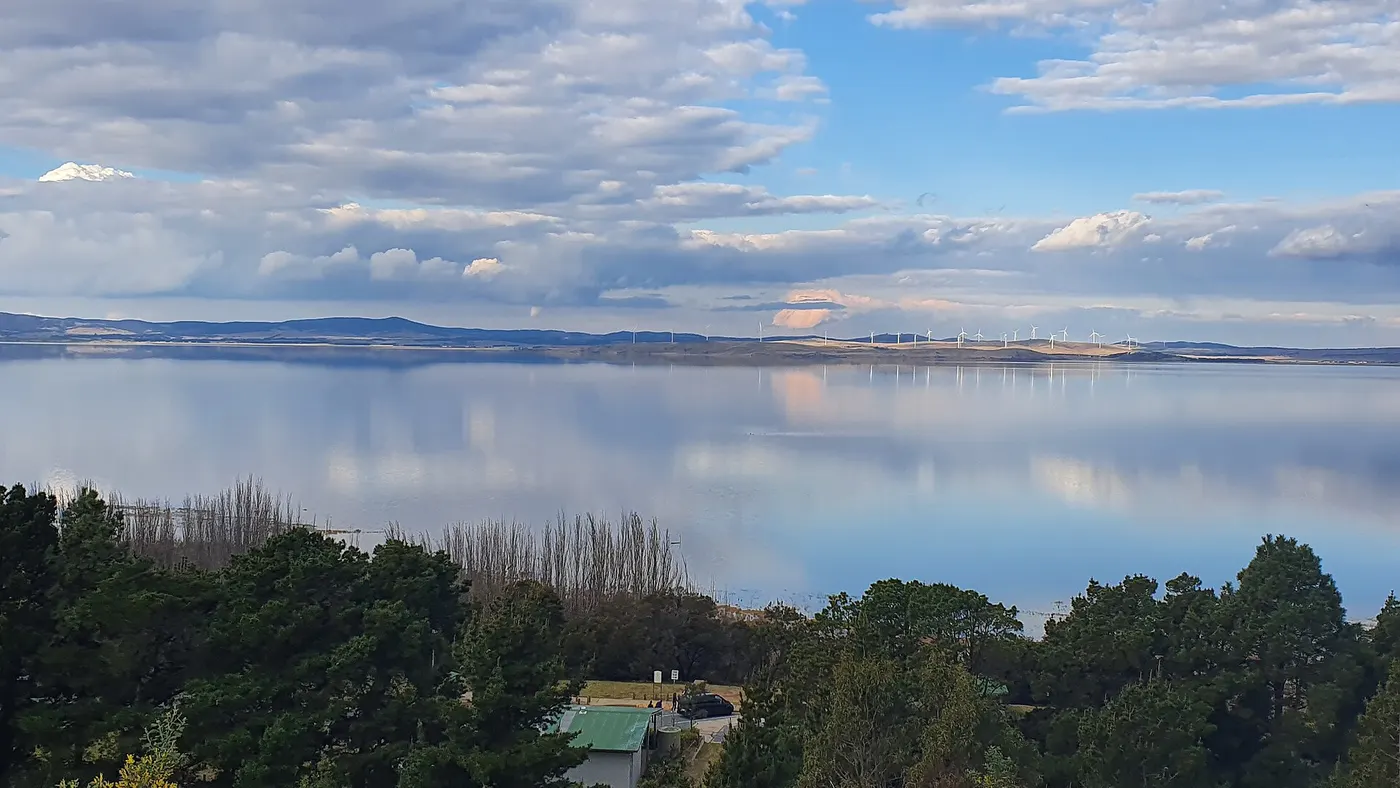
A lake near Canberra that periodically disappears entirely and returns years later — the mechanism is not fully explained and is not simply drought. It has a grim reputation: people drown here regularly in shallow water, and by local accounts Aboriginal people considered the place bad and did not camp on its shore. The road alongside is known for the number of crashes on a flat straight stretch.
Mount Everest
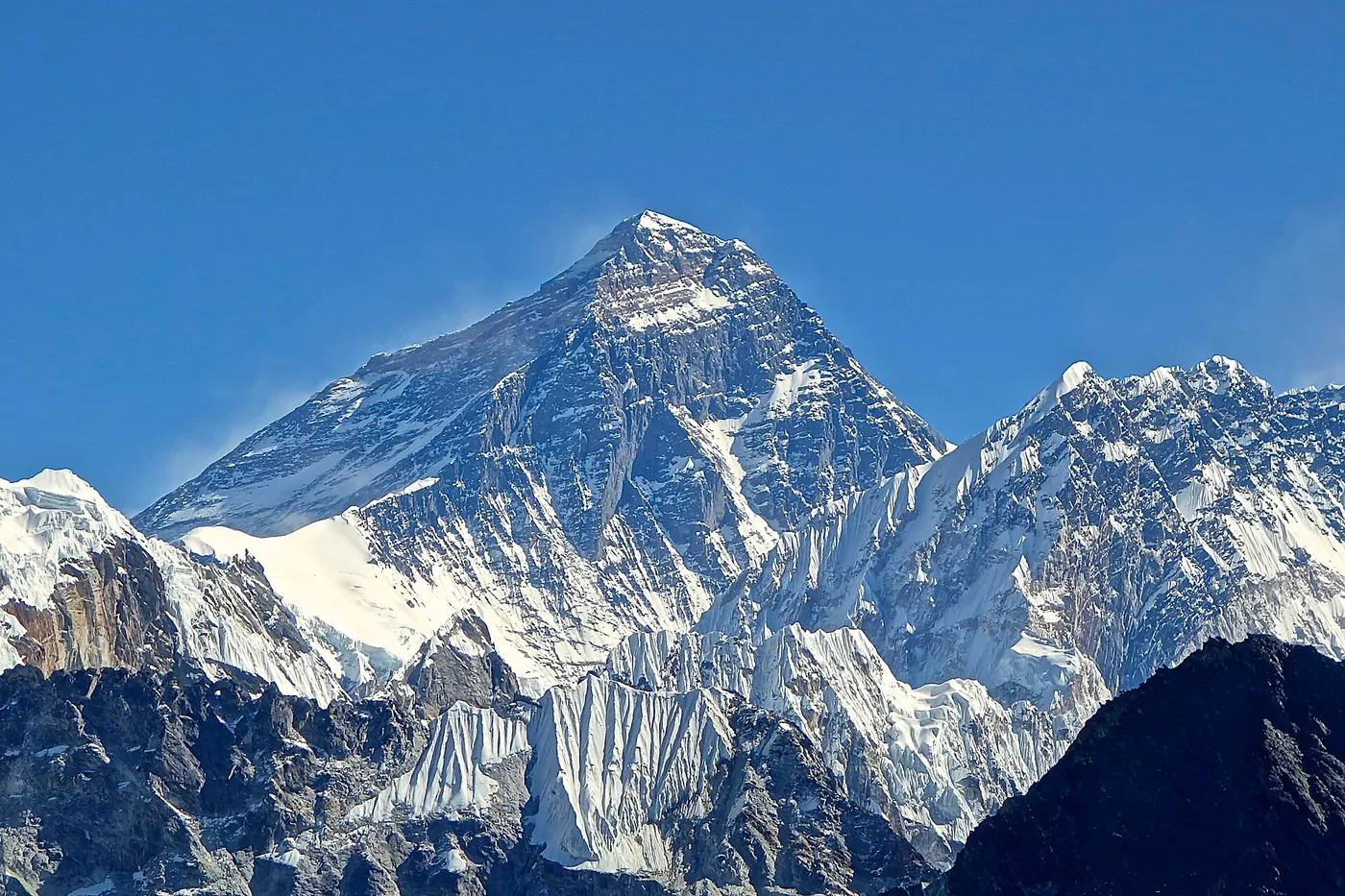
The highest mountain on earth, with more than two hundred bodies left on its slopes — recovering them is all but impossible. One served for decades as a landmark known as Green Boots. Above eight thousand metres climbers regularly describe the third man: a persistent sense of a companion who is not there. The effect has been known since Shackleton's expedition and is attributed to hypoxia, which makes it no easier.