 Anomalous zones — Russia
Anomalous zones — Russia. 19 places in the catalogue, each with coordinates, the story behind it and a danger level from white to black.
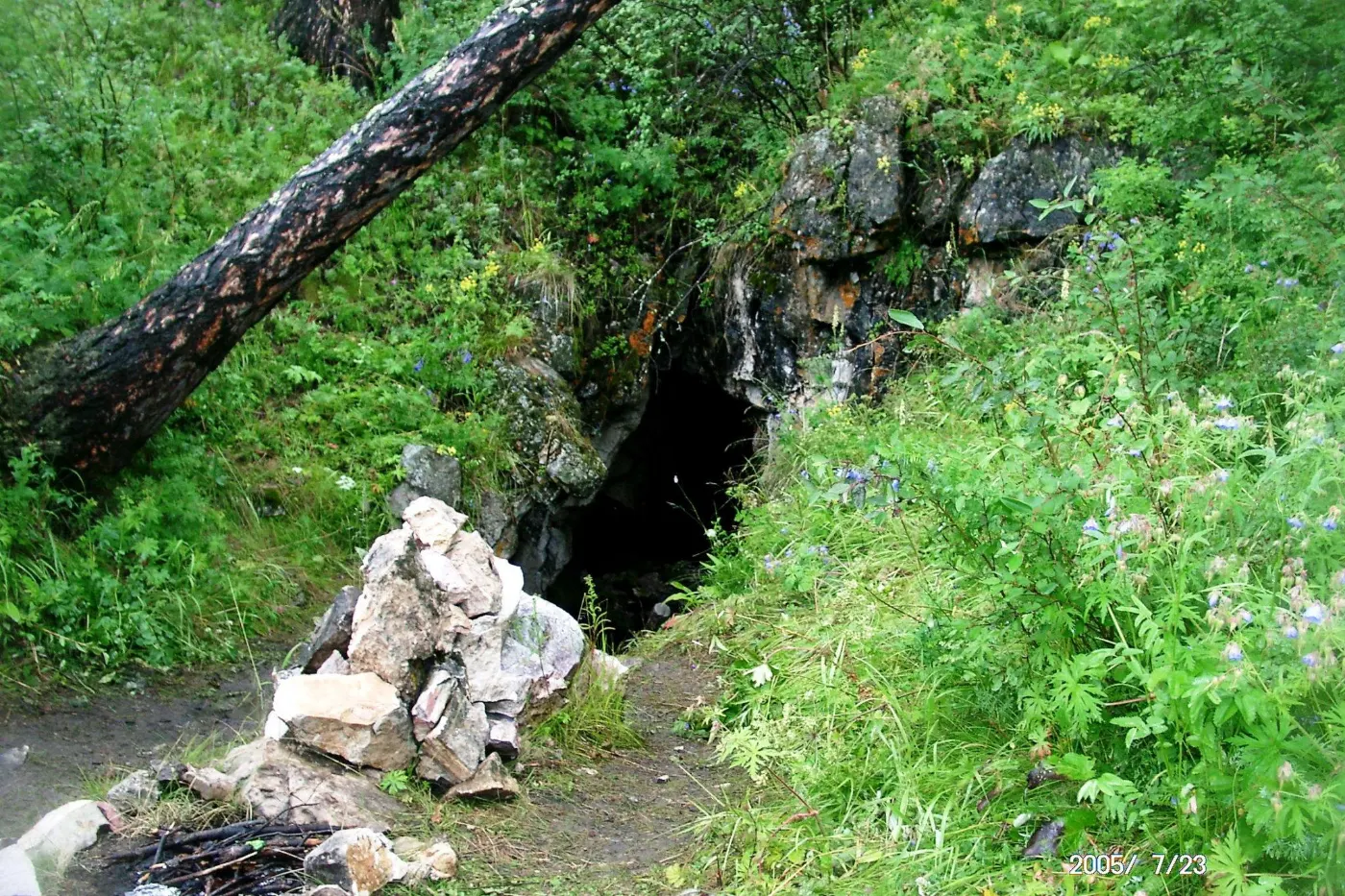
Kashkulak Cave
Kashkulak Cave (colloquially known as the "Cave of the Black Devil" or the "White Shaman's Cave") is a karst cavern system in the Batenevsky Ridge of the Kuznetsk Alatau mountains, situated in the Shirinsky District of Khakassia, Russia. Featuring a three-tier network of galleries descending to a depth of 49 meters with over 800 meters of mapped corridors, the site earned notoriety in the late Soviet period as an anomalous subterranean hotspot where explorers and scientists experienced acute panic attacks, disorientation, and waking hallucinations.
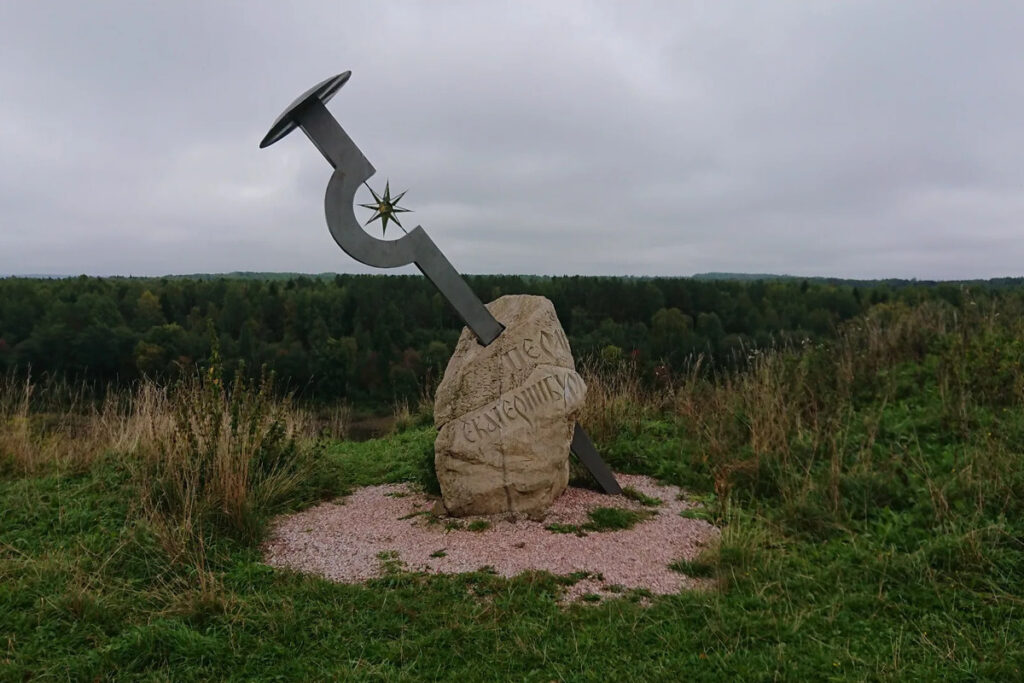
The Molebka Triangle
The Molebka Triangle (also known as the M-Zone or the Perm Anomalous Zone) is a geographic area spanning roughly 70 square kilometers in the Kishertsky District of Perm Krai, Russia, situated along the Sylva River near the historic village of Molebka. In the late 1980s, this remote pocket of Ural taiga transformed into the Soviet Union's first and most famous recognized "paranormal zone," becoming a global epicenter for UFO tourism and ufological expeditions.
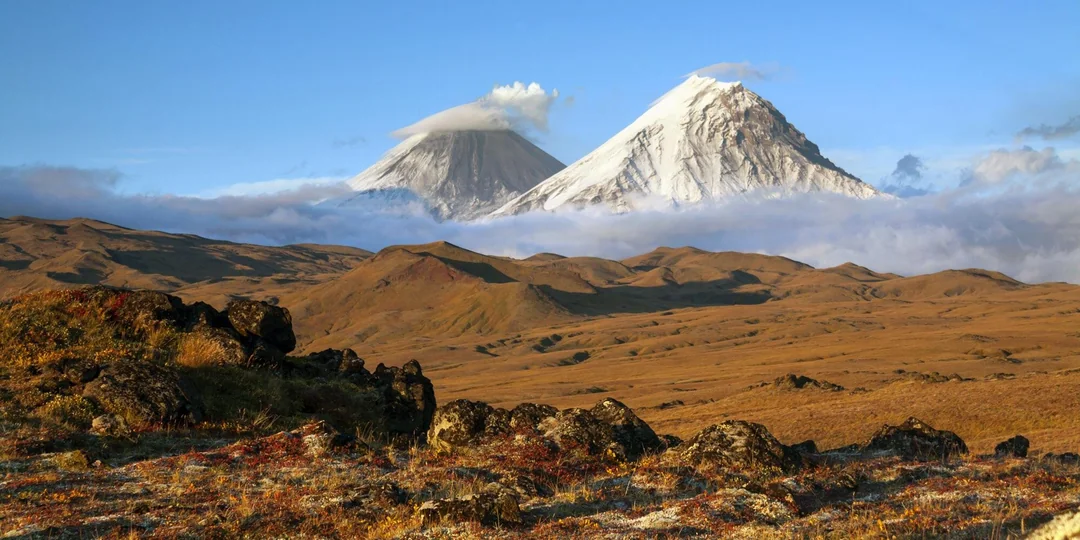
The Valley of Death in Kamchatka
Nestled at the base of the Kikhpinych volcano, just miles from Kamchatka’s famous Valley of Geysers, lies an invisible natural death trap: Kamchatka’s Valley of Death. Spanning a narrow canyon roughly two kilometers long, this ground has perfected the art of silent execution. In the summer of 1975, volcanologist Vladimir Leonov and forest ranger Vladimir Kalyaev stumbled upon an eerie sight: the canyon floor was littered with dead birds and mammals. There were no signs of struggle, physical trauma, or epidemic disease—the animals looked as though they had simply fallen asleep mid-stride. Even more bizarrely, the carcasses remained remarkably preserved; the toxic atmosphere had effectively embalmed them by suffocating putrefactive bacteria. The secret behind this anomaly is a lethal cocktail of volcanic gases seeping through fractures in the canyon bed: carbon dioxide, hydrogen sulfide, carbon disulfide, and highly toxic cyanide compounds. Because these gases are significantly heavier than air, they settle into low-lying pockets during calm, overcast weather, forming a dense, invisible blanket that completely displaces oxygen. The valley's most chilling dynamic is its trophic chain reaction of death: The Bait: In early spring, small birds and rodents land on freshly thawed ground and suffocate within minutes. The Scavengers: Lured by the scent of fresh carcasses, small predators like foxes, sables, and wolverines descend into the hollow, only to collapse over their prey. The Apex Predators: Brown bears and wolves follow the trail of easy meals, inhale the concentrated poison layer, and perish directly beside the animals they came to eat. For humans, stepping into the basin is lethal. Within minutes of breathing the heavy fumes, victims experience a sharp metallic taste, sudden muscular weakness, violent dizziness, and respiratory paralysis. Researchers survive only because the toxic blanket rarely rises higher than one meter above the ground, and shifting mountain winds periodically flush the canyon clean. Today, the Valley of Death is strictly protected within the Kronotsky Nature Reserve. Access is heavily restricted—a haunting reminder of a primal wilderness where raw beauty kills with a single breath.
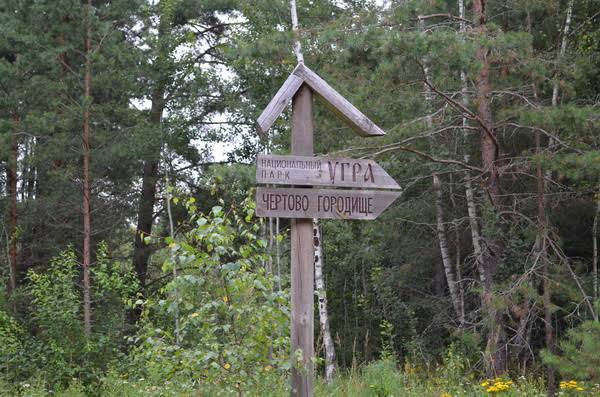
The Devil's Settlement near Kaluga
Chertovo Gorodishche (Devil’s Settlement) is a unique natural and historical landmark hidden within dense forests. The site is famous for its monumental quartzite sandstone outcrops, rock labyrinths, and pre-glacial relict flora. Its shaded crevices shelter the luminous moss Schistostega pennata, which reflects faint light into an emerald glow.
The Shushmor tract
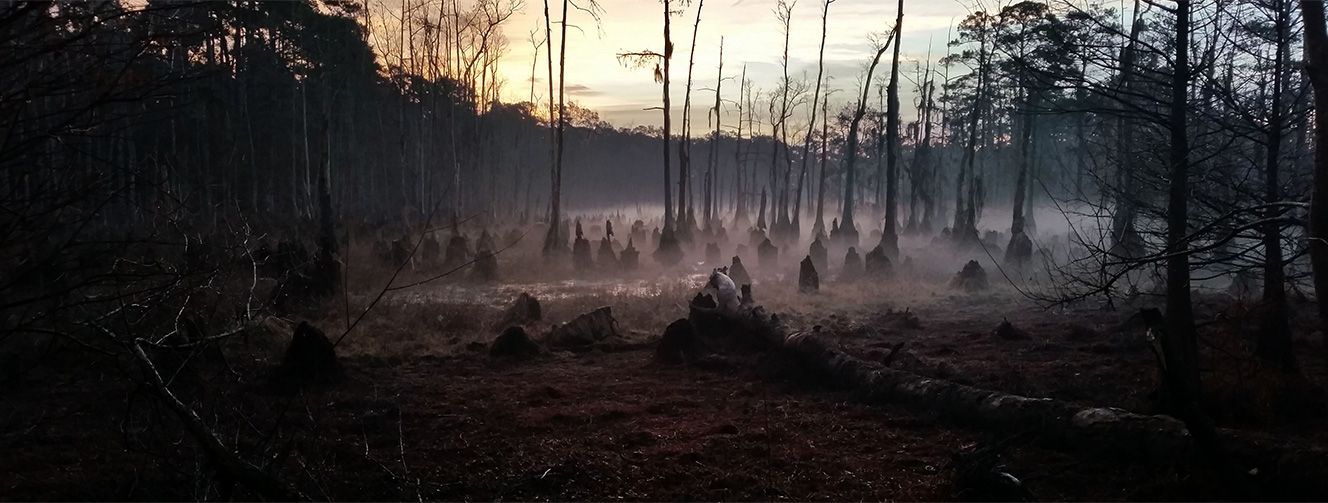
The Shushmor Tract is an isolated, swampy forest wilderness situated within the river basins of the Polya, Voymega, and Buzha rivers along the boundary of the Shatursky District (Moscow Oblast) and Gus-Khrustalny District (Vladimir Oblast) in the heart of the Meshchera Lowlands. Comprising peat bogs, dense moss woodlands, and pine ridges, the territory gained fame in the late 20th century as the Moscow region's oldest anomalous hotspot, earning the moniker of the "Meshchera Bermuda Triangle" due to enduring lore regarding disappearing travelers and a forgotten pagan megalithic shrine.

The Devil's Cemetery
The "Devil's Graveyard" (Chertovo Kladbishche, also known as the "Death Clearing") is a legendary anomalous zone located in the dense subarctic taiga of the Kova River basin (a left tributary of the Angara) in the Kezhemsky District of Krasnoyarsk Krai, Siberia. According to 20th-century accounts, the site was a circular clearing 15 to 25 meters in diameter of charred, ash-covered earth completely devoid of plant life and strewn with animal skeletons that mysteriously accumulated on the ground
The Medveditskaya Ridge
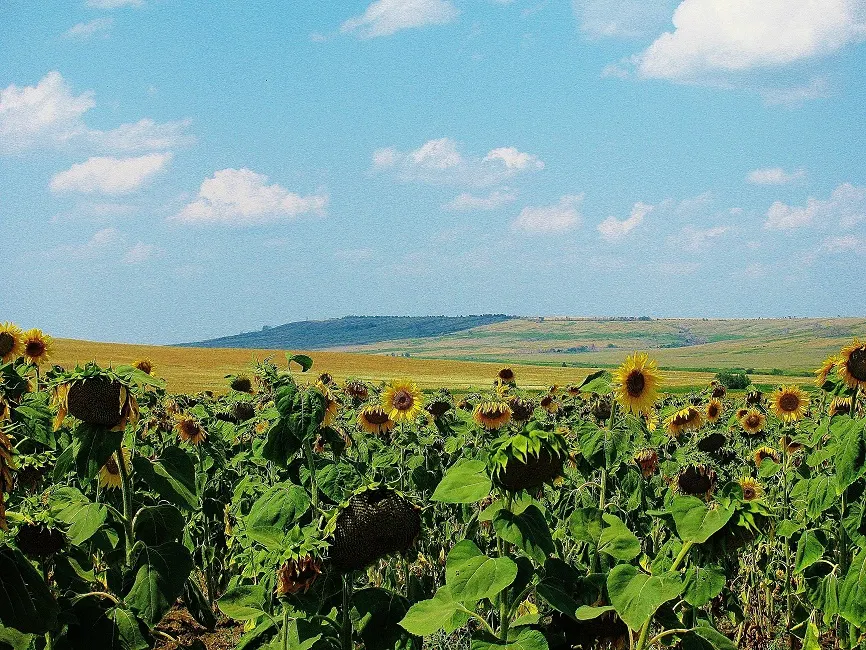
The Medveditskaya Ridge is a chain of rolling hills on the border of the Volgograd and Saratov Regions, recognized as one of Russia's most renowned anomalous zones. The area is famous for an unusually high frequency of ball lightning, the distorted trees of the "Drunken Forest," subterranean cavities, and recurring reports of geomagnetic disturbances.
Cape Ryty on Baikal
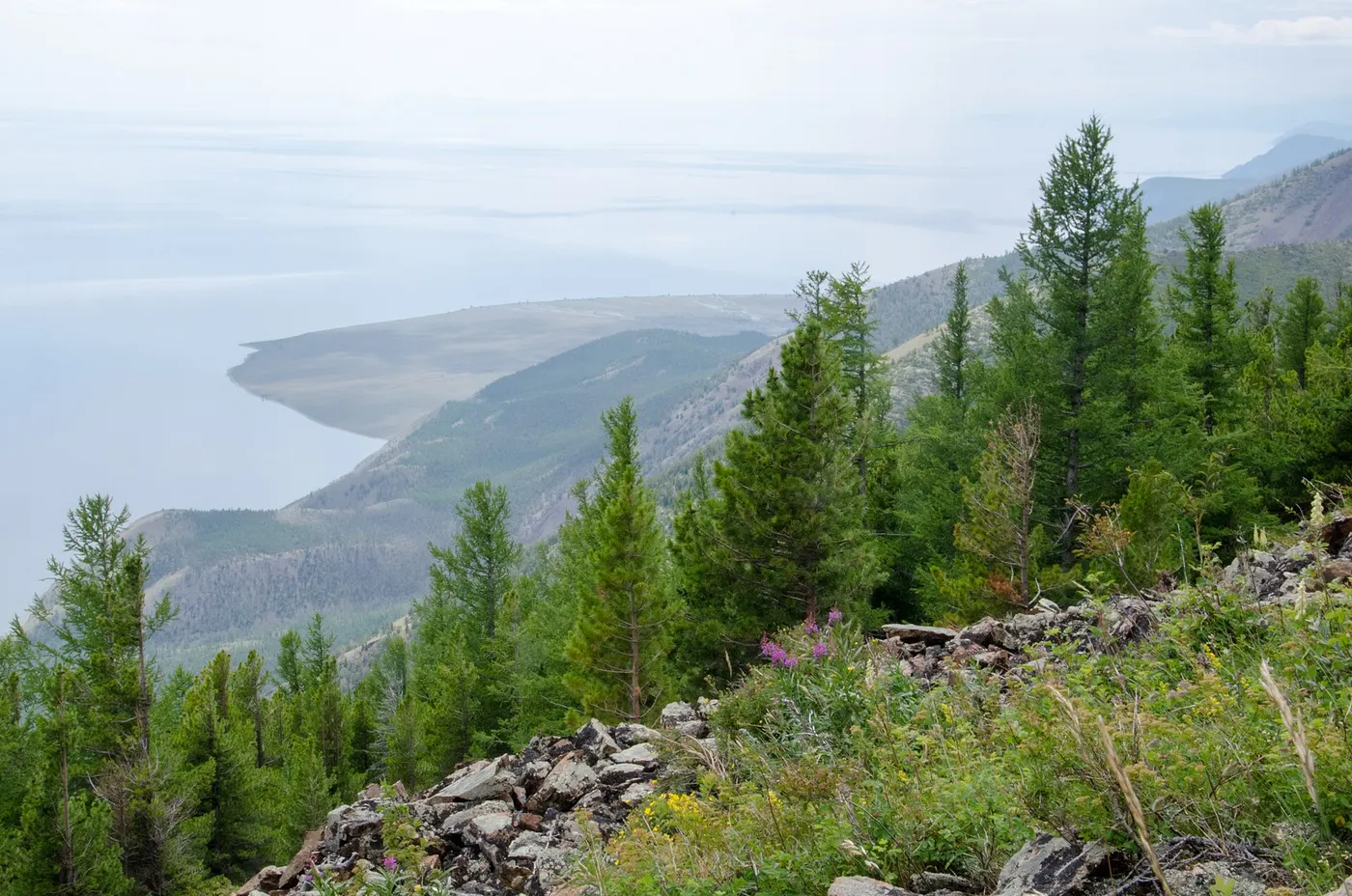
One of the most closed stretches of the Baikal shore: the Buryats hold it to be ground one does not set foot on — spirits live there, and the penalty for trespass is illness or death. Women were forbidden to approach at all. A stone wall of unknown age and purpose survives on the cape, and a compass behaves unpredictably here because of a magnetic anomaly. It lies within a nature reserve, and getting there legally is next to impossible.
The Denisova Cave
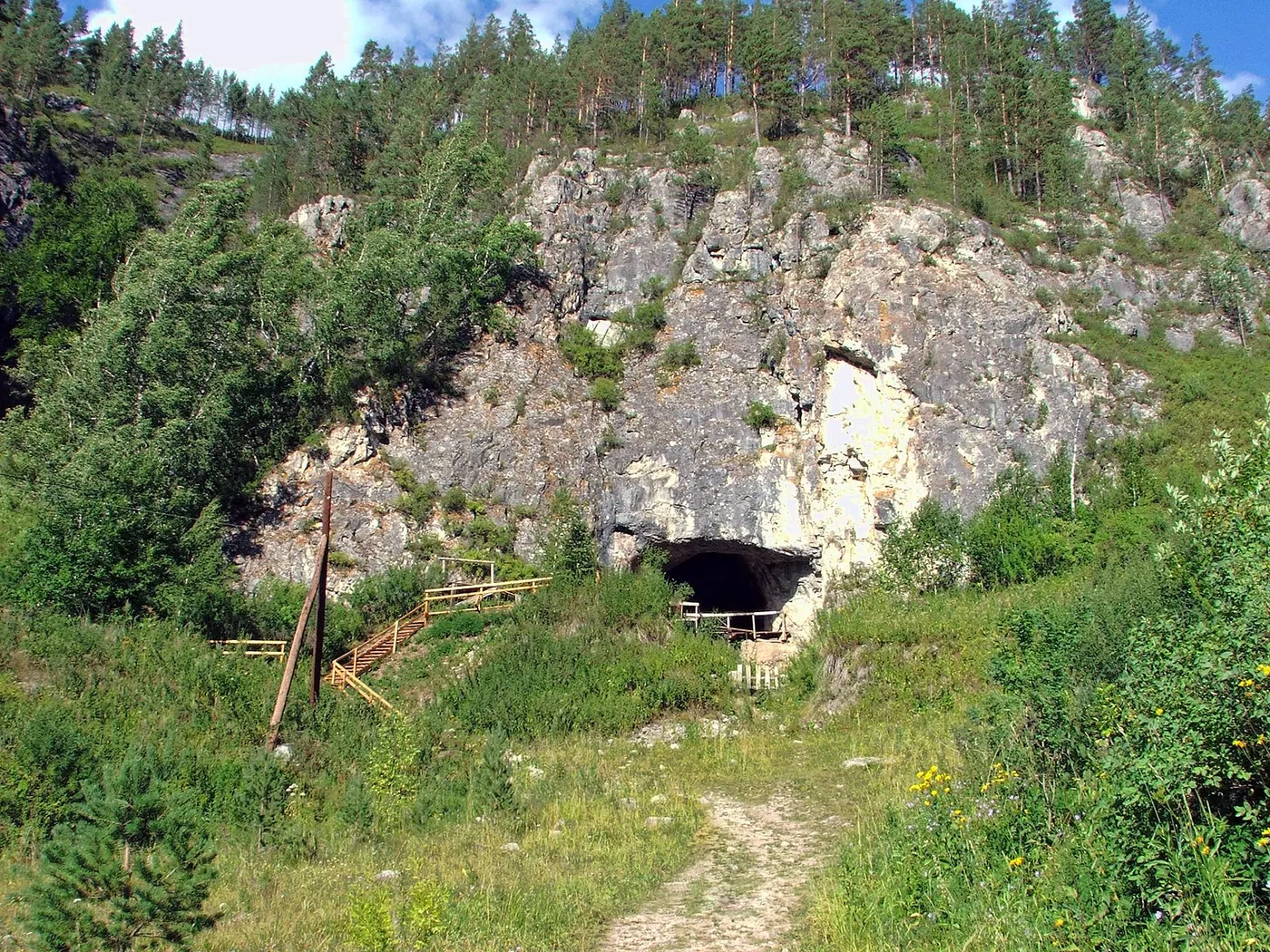
Denisova Cave (Altai: Ayu-Tash, meaning "Bear Rock") is a karstic cave and globally renowned paleoanthropological site situated within the Soloneshensky District of Altai Krai, Russia, in the upper valley of the Anuy River in the northwestern Altai Mountains. Comprising roughly 270 square meters of horizontal chambers, the cave serves as a pristine multi-stratified Pleistocene and Holocene sediment archive that continuously accumulated archaeological deposits spanning over 300,000 years. The site attained global scientific prominence in 2010 when paleogenomic sequencing of a juvenile hominin finger bone fragment revealed a previously unidentified archaic human lineage—the Denisovans—fundamentally reshaping modern paleoanthropology and hominin evolution models.
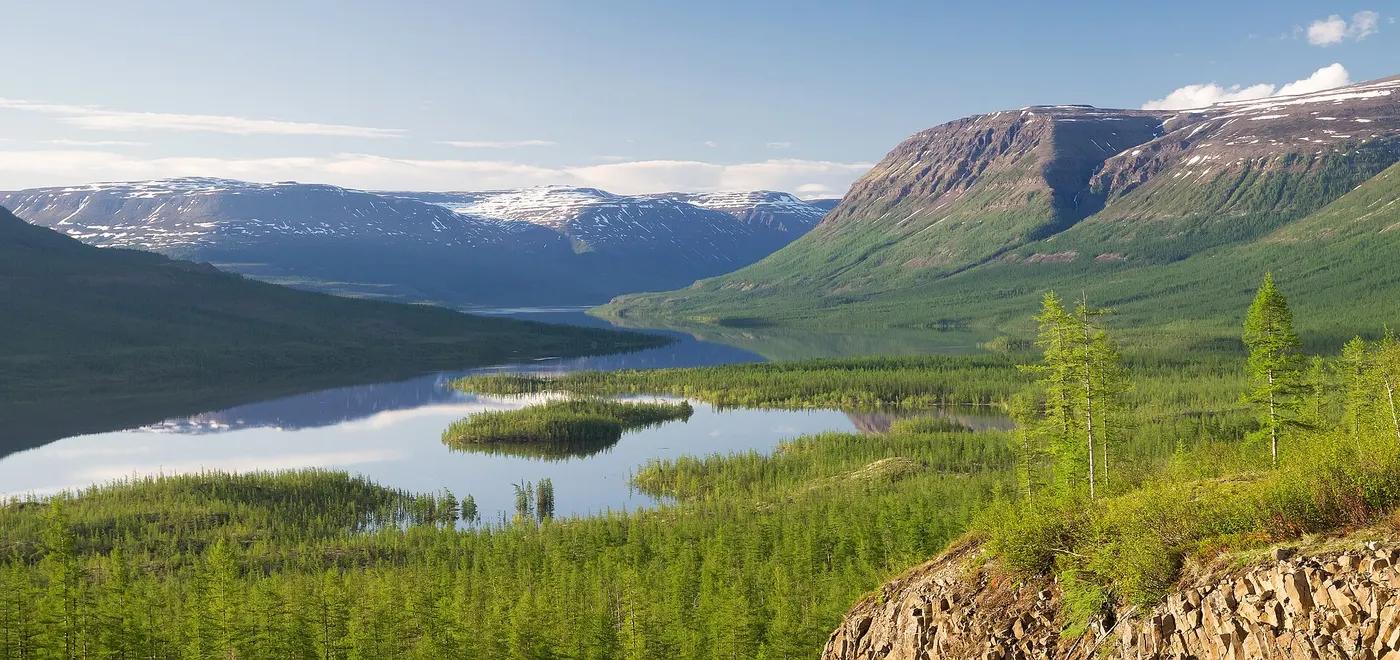
The Putorana Plateau
The Putorana Plateau is an immense basaltic mountain massif covering roughly 250,000 square kilometers (comparable in size to the United Kingdom), situated in northwestern Central Siberia beyond the Arctic Circle. Designated a UNESCO World Heritage Site, it is a pristine subarctic wilderness characterized by deep jagged canyons, thousands of waterfalls, and fjord-like tectonic lakes, recognized as one of the most remote places on Earth.
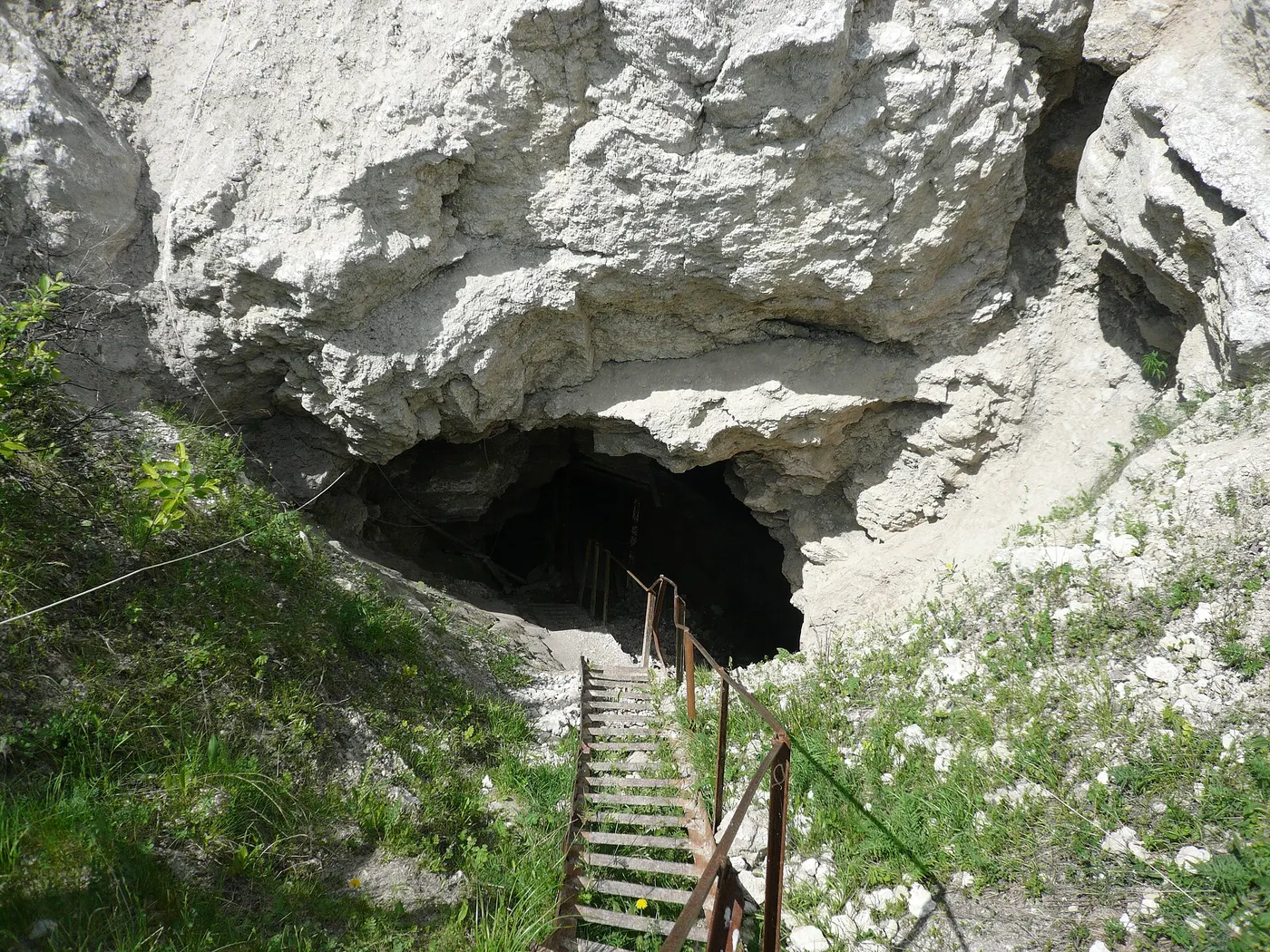
The Ordinskaya Cave
The longest underwater gypsum cave in the world — over five kilometres of flooded galleries under the left bank at Kungur. The water is clear enough for fifty metres of visibility, and divers describe flying rather than diving. The cave has killed several experienced divers: the sumps offer no landmarks, and someone who loses the line does not find the way back. Locals kept clear of the sinkholes long before anyone arrived with tanks.
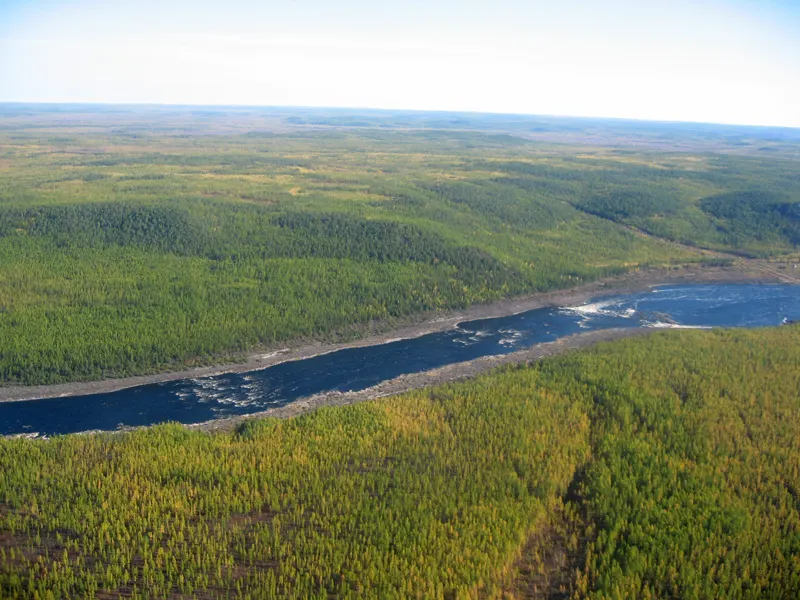
The Valley of Death on the Vilyuy
A stretch of the upper Vilyuy known to the Yakuts as Elyuyu Cherkechekh, the valley of the dead. Tradition places metal hemispheres in the ground there, warm inside, in which one can shelter from the cold — but whoever spends the night falls ill and dies soon after. The first written mentions of the cauldrons date to the nineteenth century. No expedition has found anything, including several in the 2000s with metal detectors; explanations range from outcrops of trap basalt to spent rocket stages.
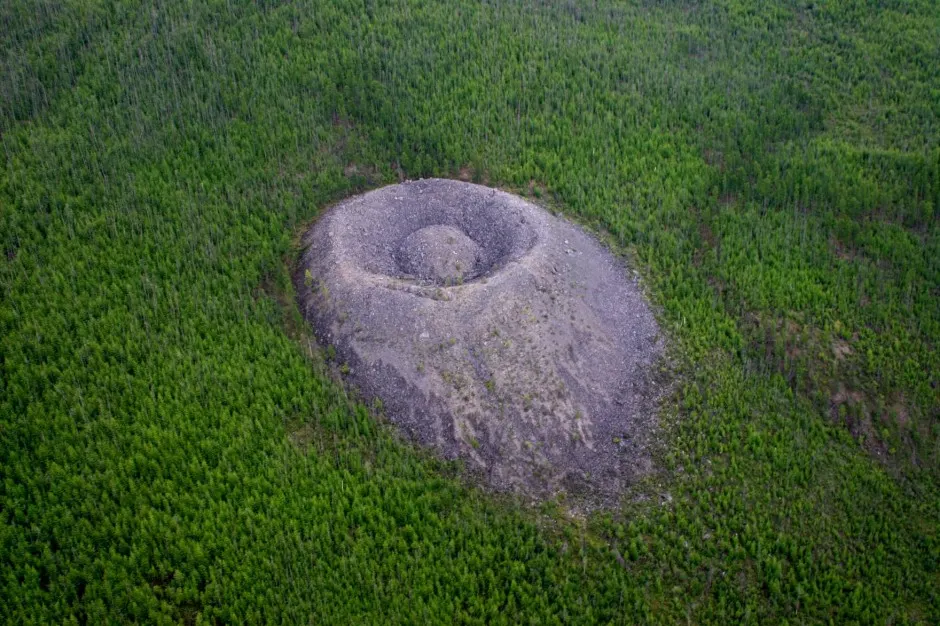
The Patomskiy Crater
A cone of shattered limestone forty metres high in the remote taiga of Irkutsk Oblast, found by the geologist Vadim Kolpakov in 1949. The Evenks called it the Fire Eagle's Nest and kept away. Every explanation has been tried: meteorite, volcanic gas, an underground nuclear blast, a uranium deposit. None is confirmed, and the leader of the 2005 expedition died of a heart attack on the way to it, which did the reputation no harm.
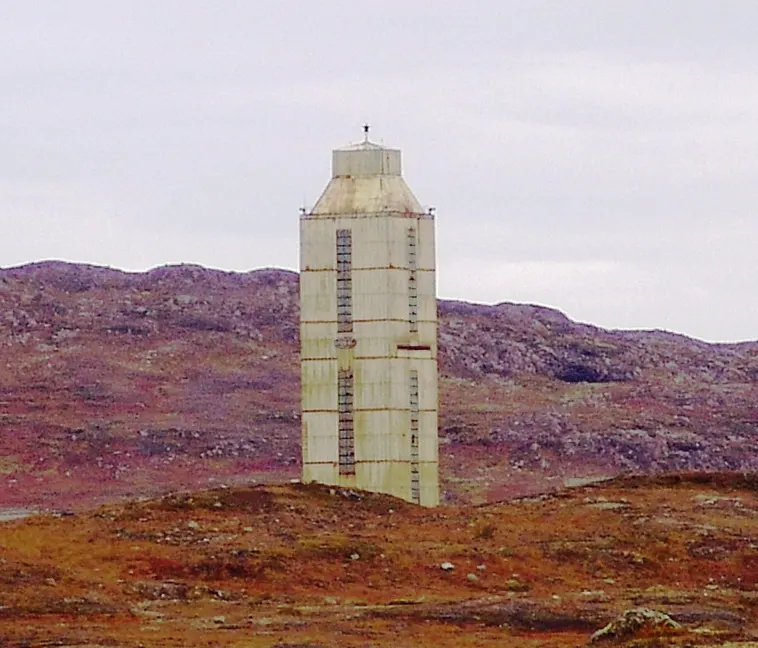
The Kola Superdeep Borehole
The deepest borehole in the world — 12,262 metres, drilled between 1970 and 1992. Science got surprises out of it: water at a depth where there should be none, and microscopic fossils in rock two billion years old. Urban legend added its own: that a microphone lowered into the hole recorded screaming, and drilling was abandoned because of a well to hell. No such recording exists and the project ended when funding collapsed, but the story lives on its own.
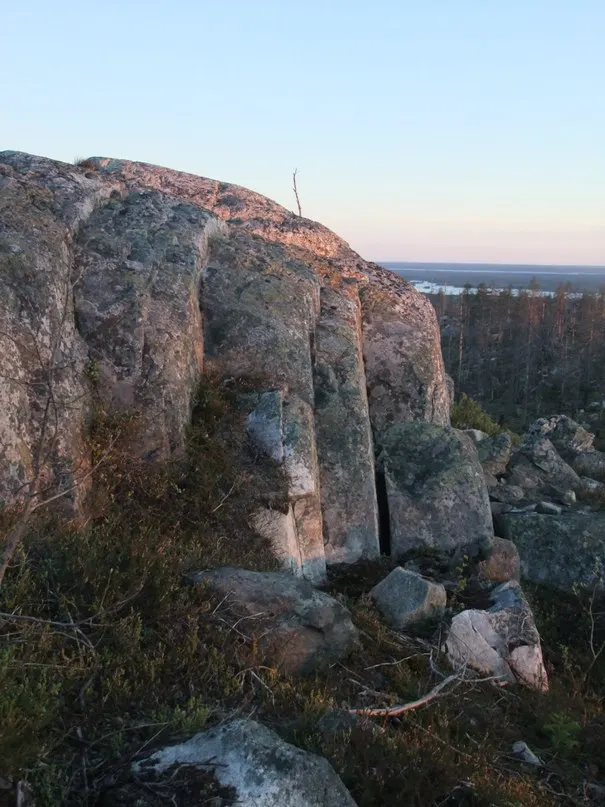
Vottovaara
A hill in Karelia whose summit carries some fifteen hundred seids — boulders set up on smaller stones as though on legs. Their origin is unsettled: some read them as Sámi cult objects, others as the work of a retreating glacier. The trees on top are twisted and broken, attributed to an earthquake some nine thousand years ago. It is considered one of the principal places of power in the Russian north.
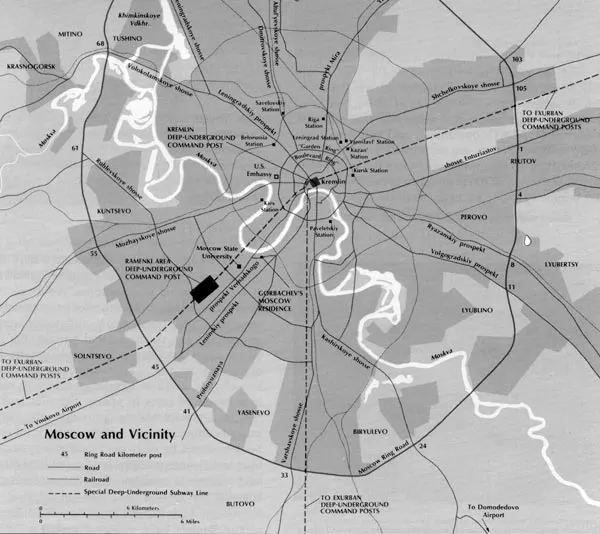
Metro-2
A secret metro line that officially does not exist — Moscow's most durable urban legend. As the story goes, "D-6" links the Kremlin with bunkers, the ministry building on Smolenskaya and Stalin's Near Dacha, and an entrance sits in the basements of Moscow State University's main building, which is said to have as many floors below ground as above. Diggers have published maps for decades that do not agree with one another; the defence ministry has never confirmed anything and never clearly denied it either. The legend runs on that silence: the less that is said, the more detailed the map becomes.
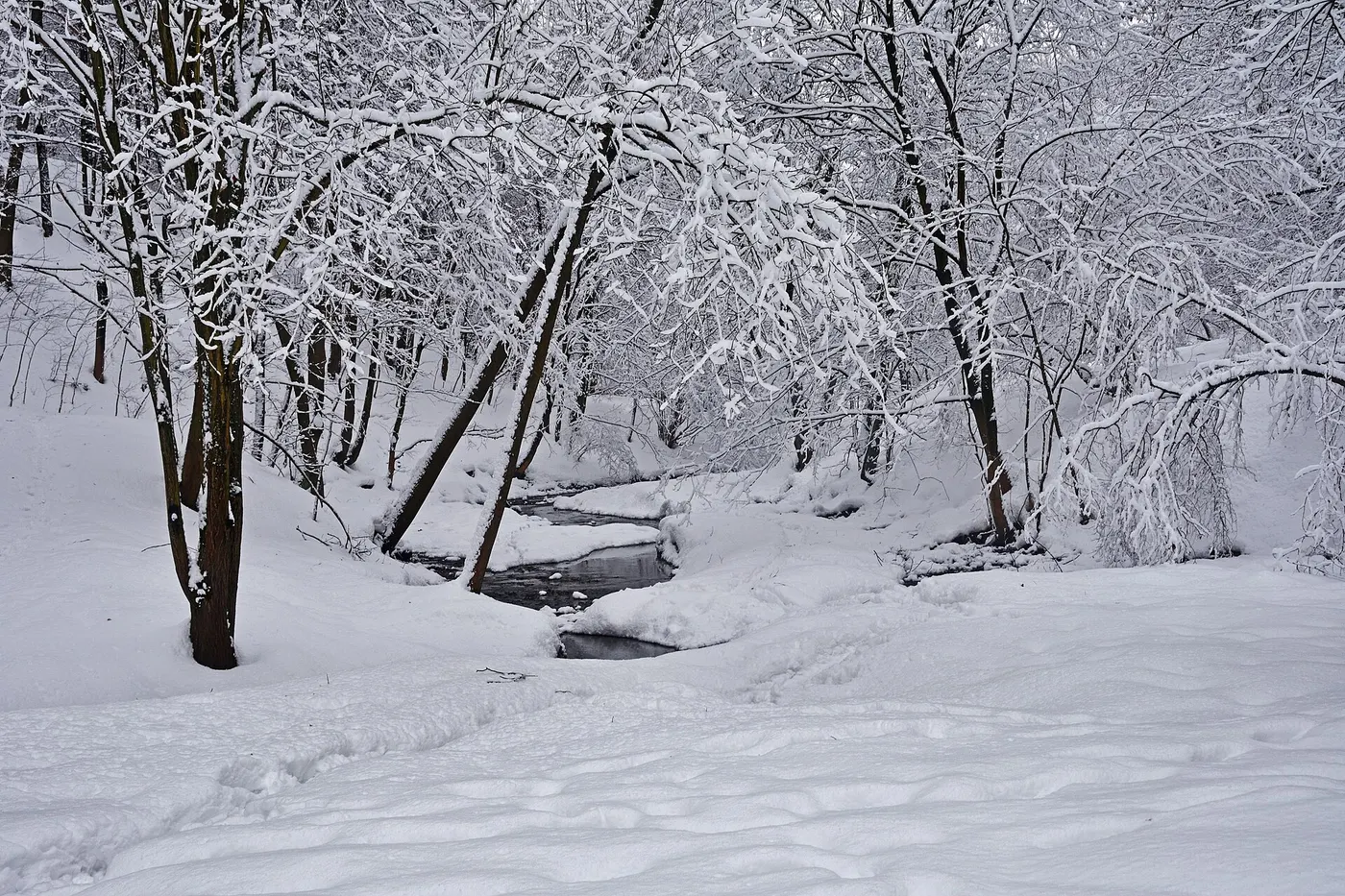
Golosov Ravine
A ravine in Kolomenskoye that Moscow tells stories about as a place where time comes loose. In the best-known version, a detachment of Tatar horsemen vanished into it during Devlet Giray's raid of 1571 — and in 1621 riders in antique armour appeared at the tsar's gates. Questioned, they insisted they had gone down into the ravine to escape pursuit, hidden in a greenish fog on its floor, and stepped out of it a few minutes later. Fifty years had passed. Two enormous boulders lie at the bottom, the Goose and the Maiden Stone; people still come to make wishes on them, and the fog really does linger there longer than on the slopes.
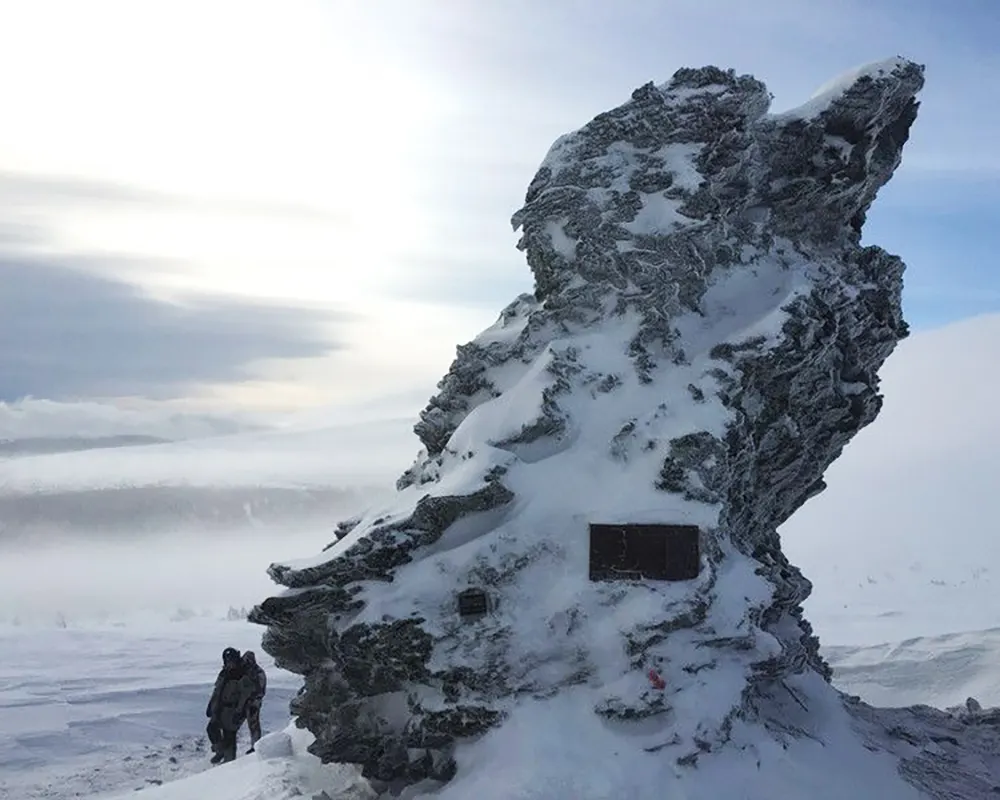
Dyatlov Pass
Dyatlov Pass is a mountain saddle situated between unnamed Peak 905 and the eastern flank of Kholat Syakhl (Mansi for "Dead Mountain") in the northern Ural Mountains of Russia's Sverdlovsk Oblast. This remote subarctic wilderness became the focal point of one of the 20th century's most persistent mysteries following the tragic and perplexing deaths of nine Soviet ski hikers in the winter of 1959.
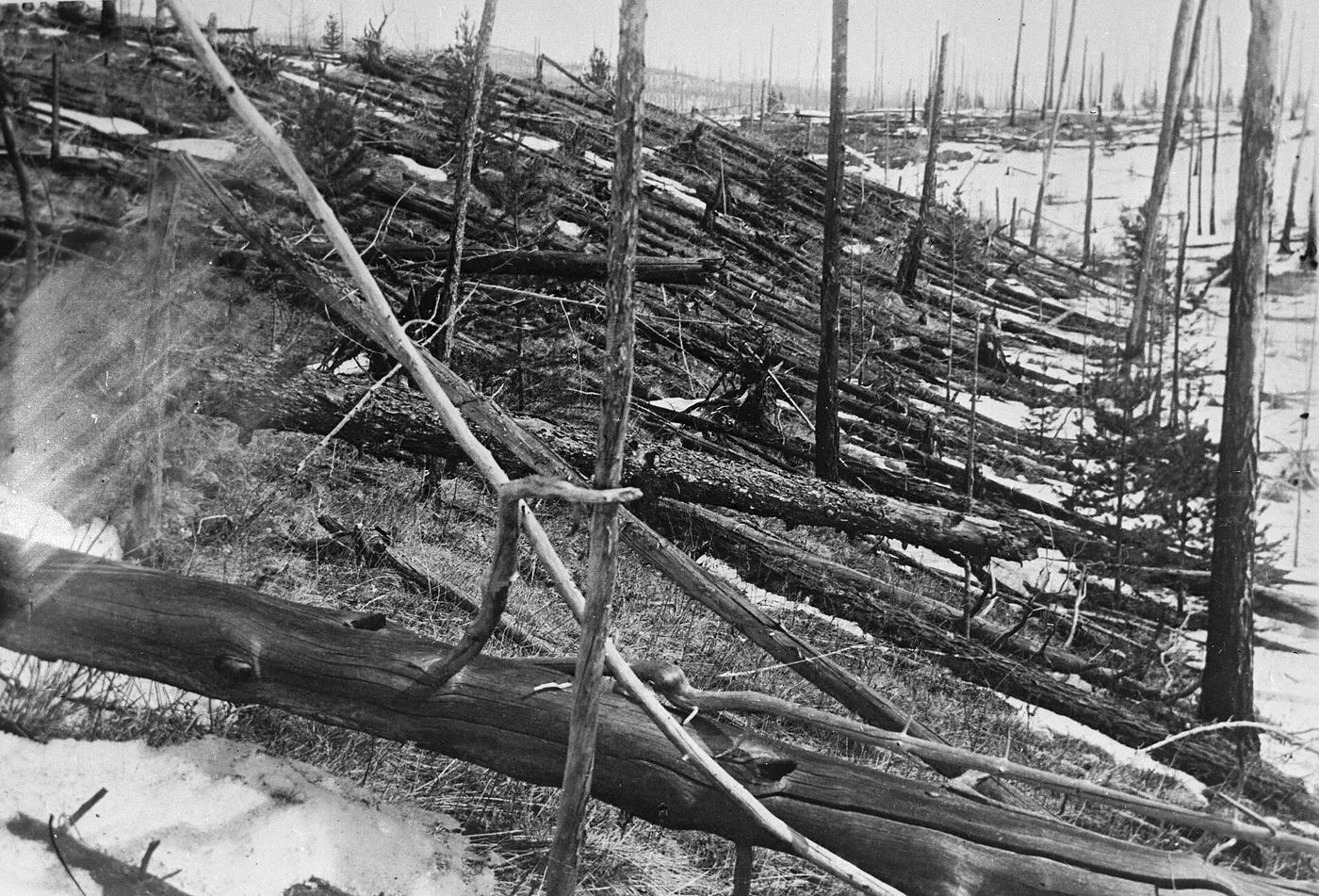
Tunguska Event
In June 1908 an explosion over the Siberian taiga flattened some 80 million trees across more than 2,000 km². No crater was ever found, and the cause has been argued over for more than a century.