The Library of Ivan the Terrible
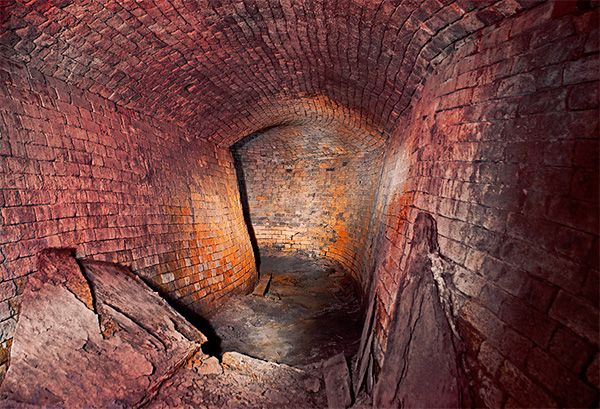
The Lost Library of Ivan the Terrible (known in Russian as the "Libereya") is a legendary repository of ancient classical and Byzantine manuscripts, parchment scrolls, and codices purportedly assembled by Russia's first crowned Tsar, Ivan IV. Popular mythology claims this priceless collection of ancient Greek, Latin, and Hebrew literature was sealed away inside subterranean brick vaults beneath the Moscow Kremlin, the Alexandrov Kremlin, or the royal estate of Kolomenskoye, standing for four centuries as one of the world's most sought-after literary grails.
The legend
Danger Level: Green (A classic historical and archaeological myth with zero physical threat) According to lore, the library originated from the imperial archives of Constantinople, brought to Moscow in 1472 by Byzantine princess Sophia Palaiologina as a dowry for her marriage to Grand Prince Ivan III. Fearing devastating city fires, the grand prince allegedly commissioned Italian architect Aristotle Fioravanti to engineer subterranean, iron-clad chambers beneath the Kremlin bedrock. Under Ivan the Terrible, the hoard supposedly expanded to 800 volumes containing lost treasures of antiquity: complete scrolls of Titus Livy's History of Rome, missing works of Tacitus, lost plays of Euripides and Aristophanes, rare treatises of Cicero, and remnants of the Library of Alexandria. Folk tales allege that Ivan sealed the underground cache under a blood curse, blinding or driving insane anyone who dared attempt to breach the vault.
What actually happened?
Mainstream historical scholarship—led by 19th-century archival historian Sergey Belokurov, Academician Dmitry Likhachev, and modern paleographers—concluded that the unified "hidden Byzantine library" is an invented historiographical myth. Sophia Palaiologina fled the fall of Constantinople as an impoverished child refugee to Rome; she possessed neither the logistics nor the wealth to transport an ancient imperial library, and the Vatican would never have gifted classical codices to a distant Muscovite court. The foundational piece of evidence cited by treasure hunters—the "Dabelow List," a purported catalog of ancient texts seen by Professor Christian Dabelow in Tartu in 1819—has been thoroughly exposed as a 19th-century academic fabrication, as no original archival entry ever existed. Ivan the Terrible’s actual royal library consisted of standard medieval ecclesiastical texts, Slavic chronicles, liturgical guides, and theological treatises. Most of these real manuscripts were never lost; they were cataloged into monastic repositories and survive today inside the Russian State Archive of Ancient Acts and the Russian National Library. Furthermore, subsurface conditions beneath the Kremlin hill (high groundwater tables and poor ventilation) would have decayed organic paper and parchment within decades, not to mention the total devastation wrought by the fire of 1571 and the sack of the Kremlin in 1612 during the Time of Troubles.
History
The quest for the lost cache spans centuries. In 1682, clerk Vasily Konoplin explored the Kremlin foundations under the orders of Regent Sophia Alekseyevna. In 1724, sexton Konon Osipov conducted excavations near the Taynitskaya Tower, discovering only sealed stone vaults filled with earth. The myth saw a major revival in the 1930s through amateur archaeologist Ignaty Stelletsky, who secured permission from Soviet authorities to excavate beneath the Corner Arsenal Tower before operations were abruptly halted in 1935 for state security reasons. In the 1990s, Moscow Mayor Yury Luzhkov sponsored a search committee led by entrepreneur German Sterligov, deploying ground-penetrating radar beneath the Kremlin, the Alexandrov estate, and Kolomenskoye; years of high-tech exploration yielded zero ancient manuscripts.
Where is it?
Moscow and Vladimir Oblast, Russia; primarily centered beneath the Moscow Kremlin (underground structures around Cathedral Square, the Corner Arsenal Tower, and Taynitskaya Tower), the Kolomenskoye historical reserve in southern Moscow, and the Alexandrov Kremlin (Alexandrovskaya Sloboda) in Vladimir Oblast (Ivan the Terrible's oprichnina capital).
Can you visit?
Yes, the above-ground grounds of the Moscow Kremlin, Kolomenskoye, and Alexandrov Kremlin are open to tourists daily via public tickets. However, all genuine subterranean tunnels, drainage systems, and historical sub-basements beneath the Moscow Kremlin are strictly off-limits, protected as high-security facilities monitored by the Federal Protective Service (FSO). In Kolomenskoye and Alexandrov, tourists can freely visit the authenticated 16th-century vaulted basements of royal churches (such as the Pokrovsky Church and Trinity Cathedral), where museum exhibits detail the history of royal treasury searches and the Libereya lore.
Ciudad Perdida
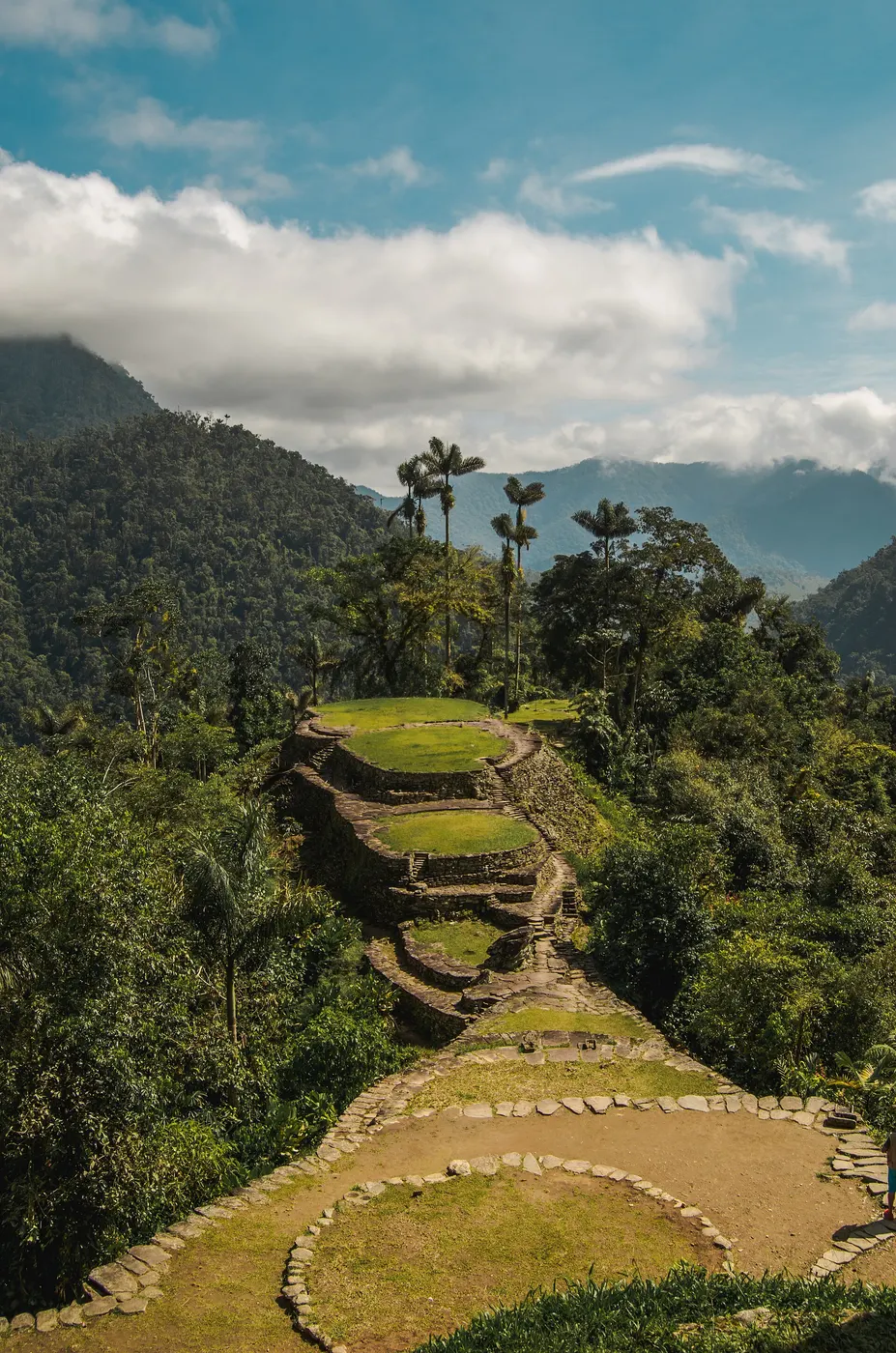
A Tairona city in the Colombian Sierra Nevada, founded around 800 AD — six and a half centuries before Machu Picchu. Abandoned during the Spanish conquest and found again only in 1972, by grave robbers who came upon twelve hundred steps climbing through the jungle. The Kogi peoples living nearby consider themselves its keepers and say they never lost it.
Comments
No comments yet. Be the first.