Moscow
16 legends
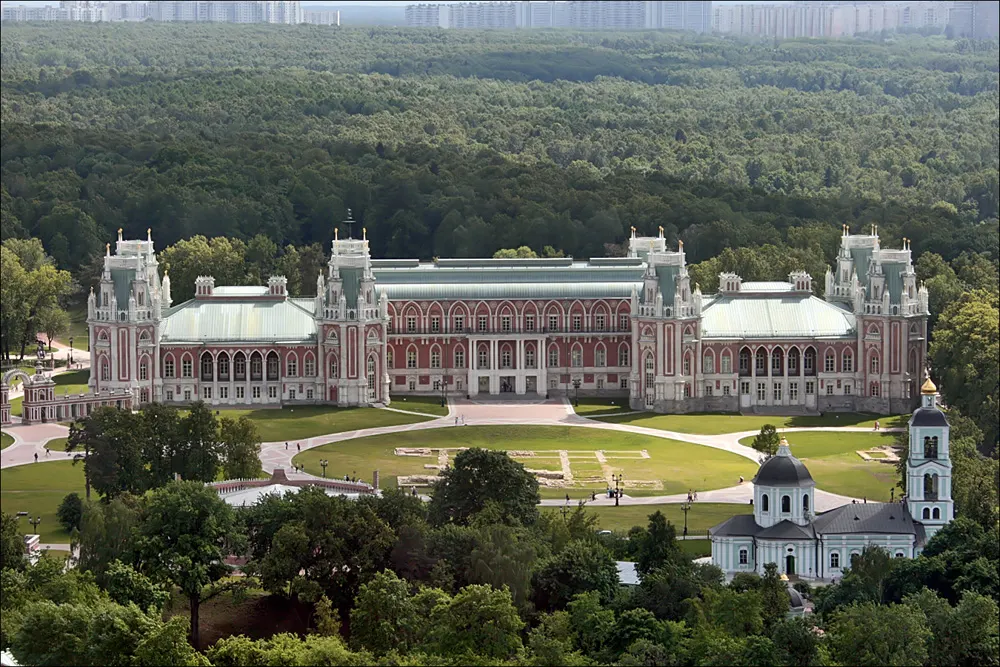
Tsaritsyno and the Rejected Palace
The Tsaritsyno State Historical, Architectural, Art and Landscape Museum-Reserve is an expansive imperial palace and park estate in southern Moscow, commissioned in 1775 by Empress Catherine the Great. It stands as Europe's largest complex built in the Russian Gothic (pseudo-Gothic romanticism) style and represents one of the most dramatic architectural sagas in Russian history: the nearly completed grand residence was abruptly rejected and ordered dismantled by the Empress herself, leaving the site as a romantic, unfinished ruin for more than two centuries.
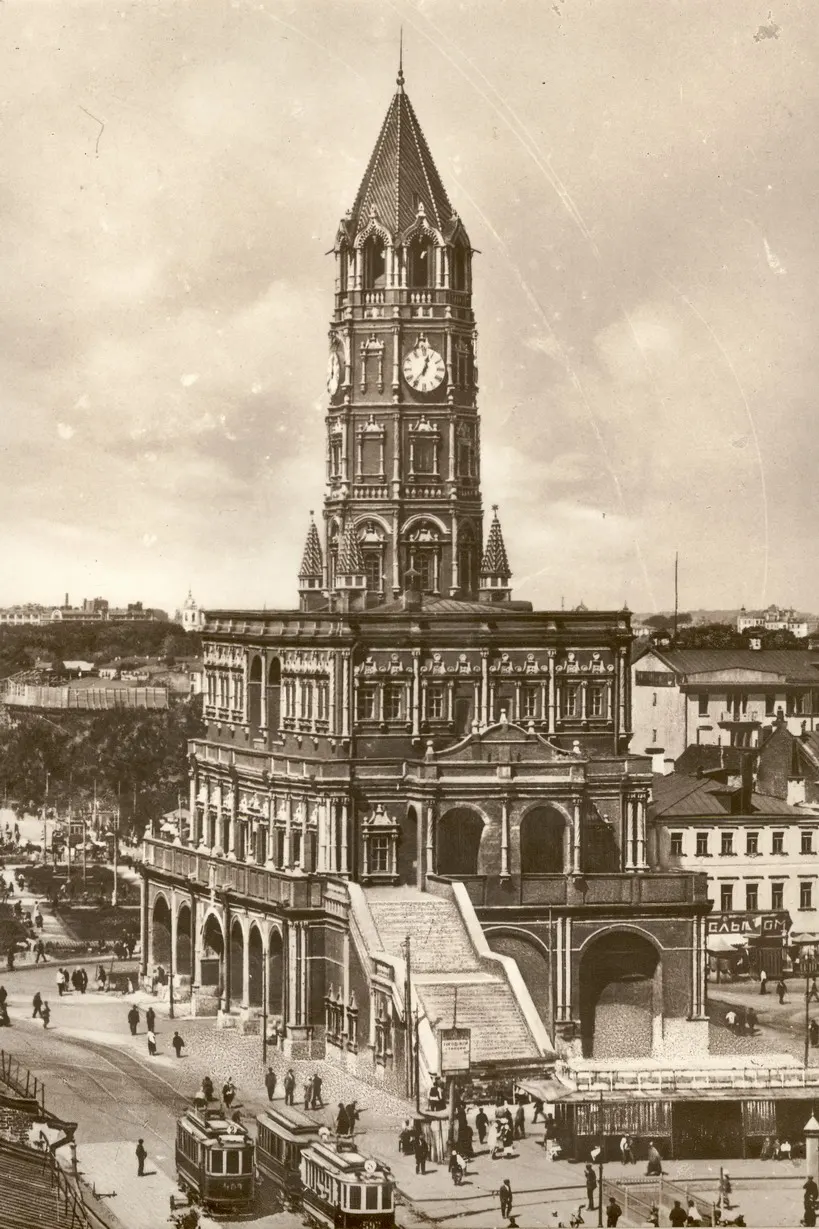
The Sukharev Tower and Jacob Bruce
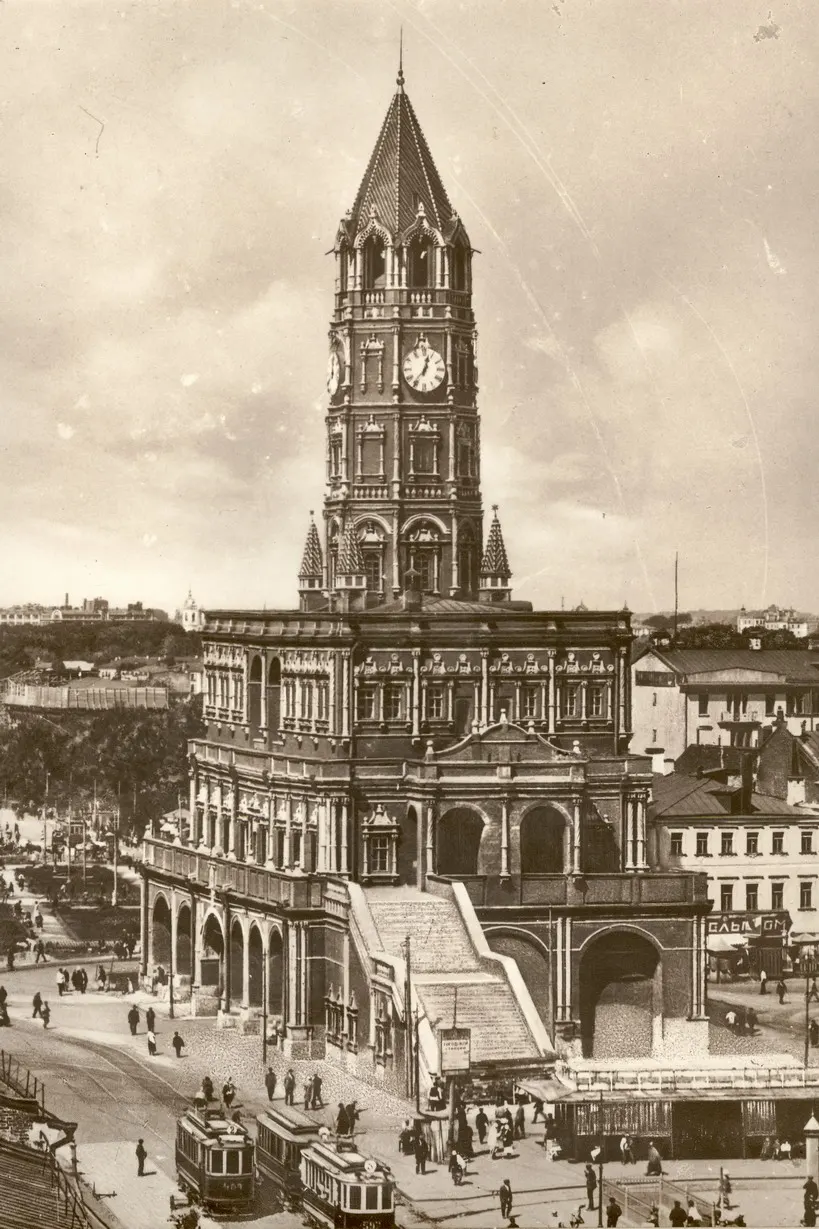
The Sukharev Tower was a masterpiece of late-17th-century Russian civil architecture, formerly standing at the junction of Moscow's Garden Ring, Sretenka Street, and Prospekt Mira. Commissioned by Peter the Great and designed in the ornate Naryshkin Baroque style, the 60-meter-tall red-and-white monument functioned as a ceremonial city gate, the administrative birthplace of the Russian Imperial Navy, and the nation’s first astronomical observatory. In folk memory, the landmark is permanently tied to one of Peter's closest intellectual confidants, Field Marshal Jacob Bruce, who was mythologized as the supreme warlock and sorcerer of the Russian Empire.
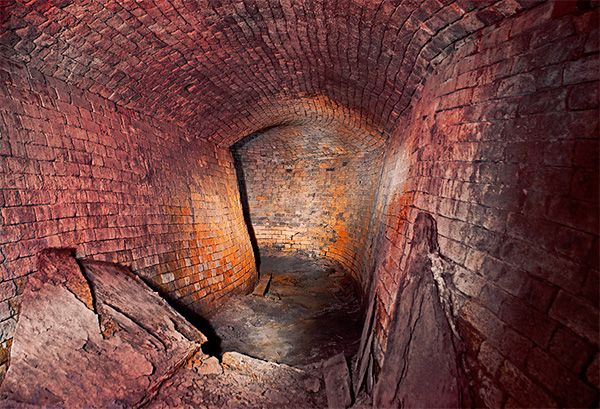
The Library of Ivan the Terrible
The Lost Library of Ivan the Terrible (known in Russian as the "Libereya") is a legendary repository of ancient classical and Byzantine manuscripts, parchment scrolls, and codices purportedly assembled by Russia's first crowned Tsar, Ivan IV. Popular mythology claims this priceless collection of ancient Greek, Latin, and Hebrew literature was sealed away inside subterranean brick vaults beneath the Moscow Kremlin, the Alexandrov Kremlin, or the royal estate of Kolomenskoye, standing for four centuries as one of the world's most sought-after literary grails.
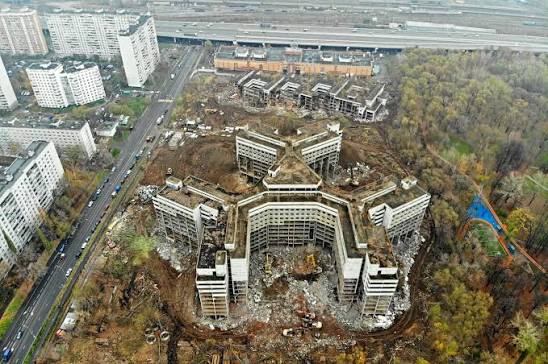
The Khovrino Hospital
The Khovrino Abandoned Hospital (colloquially known as "HZB" or "The Umbrella") was a notorious Soviet mega-scale unfinished complex, formerly situated at 2 Klinskaya Street in the Khovrino District of northern Moscow. Built in a monumental modernist and brutalist architectural style, the 1,300-bed facility famously formed a three-pointed star from the air that precisely mirrored the international biohazard symbol and the Umbrella Corporation insignia from Resident Evil. For over three decades, the derelict complex served as the ultimate urban exploration mecca in post-Soviet Russia, cultivating extensive dark urban mythology before its complete demolition in late 2018.
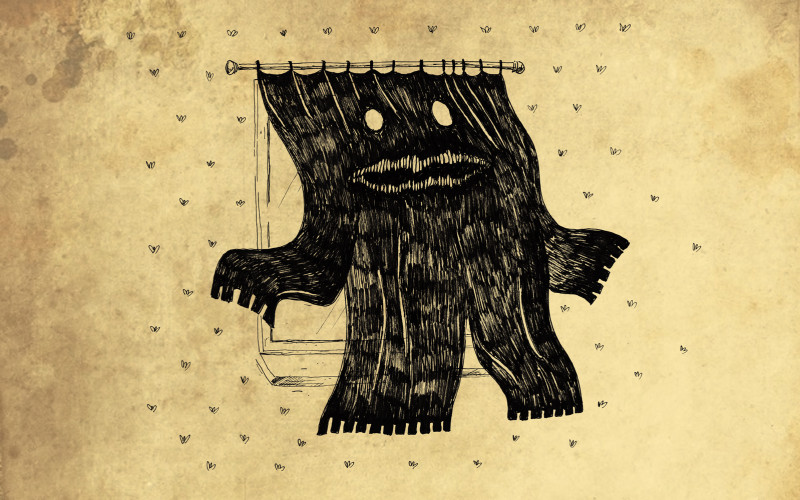
The Black Curtains
Standard apartments of Soviet prefabricated panel housing blocks (Khrushchyovkas and Brezhnevkas, epitomized by the 9th Experimental Block of Novye Cheryomushki in Moscow), state boarding schools, and summer camp dormitories. Within late-Soviet juvenile subculture during the 1970s and 1980s, the lore of the "Black Curtains" crystallized into one of the most pervasive domestic horror tales, transforming a standard household textile into an autonomous nocturnal predator.
The Tulpa
A practice Russian-language imageboards picked up from English-language ones around 2012: an imagined companion, grown over months of daily exercises until it answers on its own and becomes visible to the person who made it. The word is taken from Tibetan Buddhism, where it means something quite different; its present sense was given to it by Western occultists in the early twentieth century. The frightening part of the legend is not the practice but its retellings: the tulpa that stopped obeying, the tulpa that refused to go, and the tulpa that was there first.
The Stickman
A figure assembled from sticks — arms, legs and neck longer than a person's — that stands motionless in the forest and copies the posture of whoever saw it. The legend was born on Russian-language imageboards in the early 2010s and rests on one detail retold almost word for word: the stickman does not attack and does not move while it is watched, and the distance between you closes only in the seconds when you blinked or turned away. In ten years no photograph of it has survived examination.
The Red Film
A late-Soviet legend: somewhere there is a special photographic film on which people come out undressed. It was usually attributed to a foreigner, a Japanese or a German, who asked to be photographed in front of a monument and then left with the film. The story rested on two things at once — on scarcity, under which any imported object was credited with impossible properties, and on adolescent curiosity, which had no other outlet in the country. No such film ever existed, of course.
The Black Volga
A black car with no plates, sometimes with white curtains or red tyres, that drives around the city taking children. The legend circulated across the Eastern Bloc from the 1960s to the 1980s — in the USSR, Poland, East Germany, Hungary — and in each country somebody different was behind the wheel: state security, priests, foreigners, vampires. The Volga itself was not chosen at random: an official car, unavailable to an ordinary person, and therefore the country's most recognisable symbol of an authority you cannot hail.
The Russian Sleep Experiment
A text that first appeared online around 2010: five prisoners, a sealed chamber, a gas that prevents sleep, fifteen days of observation and what they become by the end of it. It is presented as a declassified report from a Soviet laboratory in the 1940s. No laboratory, no report and no mention of any of it exists before 2010, and the photograph that travels with the text is an animatronic mask sold in Halloween shops. The story spread so widely that it still resurfaces regularly as a "declassified document".
Metro-2
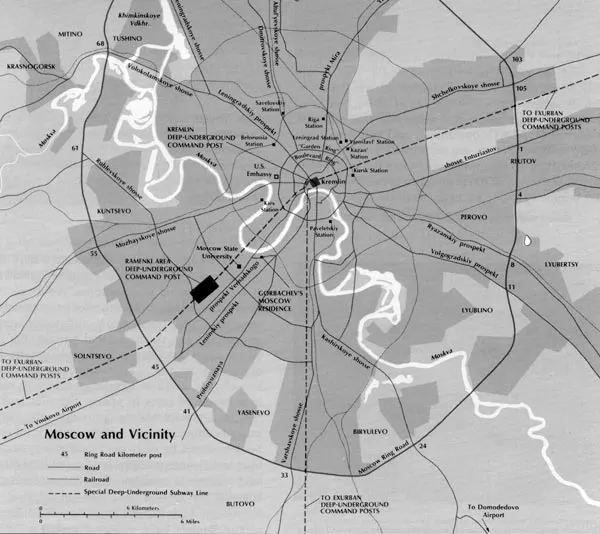
A secret metro line that officially does not exist — Moscow's most durable urban legend. As the story goes, "D-6" links the Kremlin with bunkers, the ministry building on Smolenskaya and Stalin's Near Dacha, and an entrance sits in the basements of Moscow State University's main building, which is said to have as many floors below ground as above. Diggers have published maps for decades that do not agree with one another; the defence ministry has never confirmed anything and never clearly denied it either. The legend runs on that silence: the less that is said, the more detailed the map becomes.
The House on the Embankment
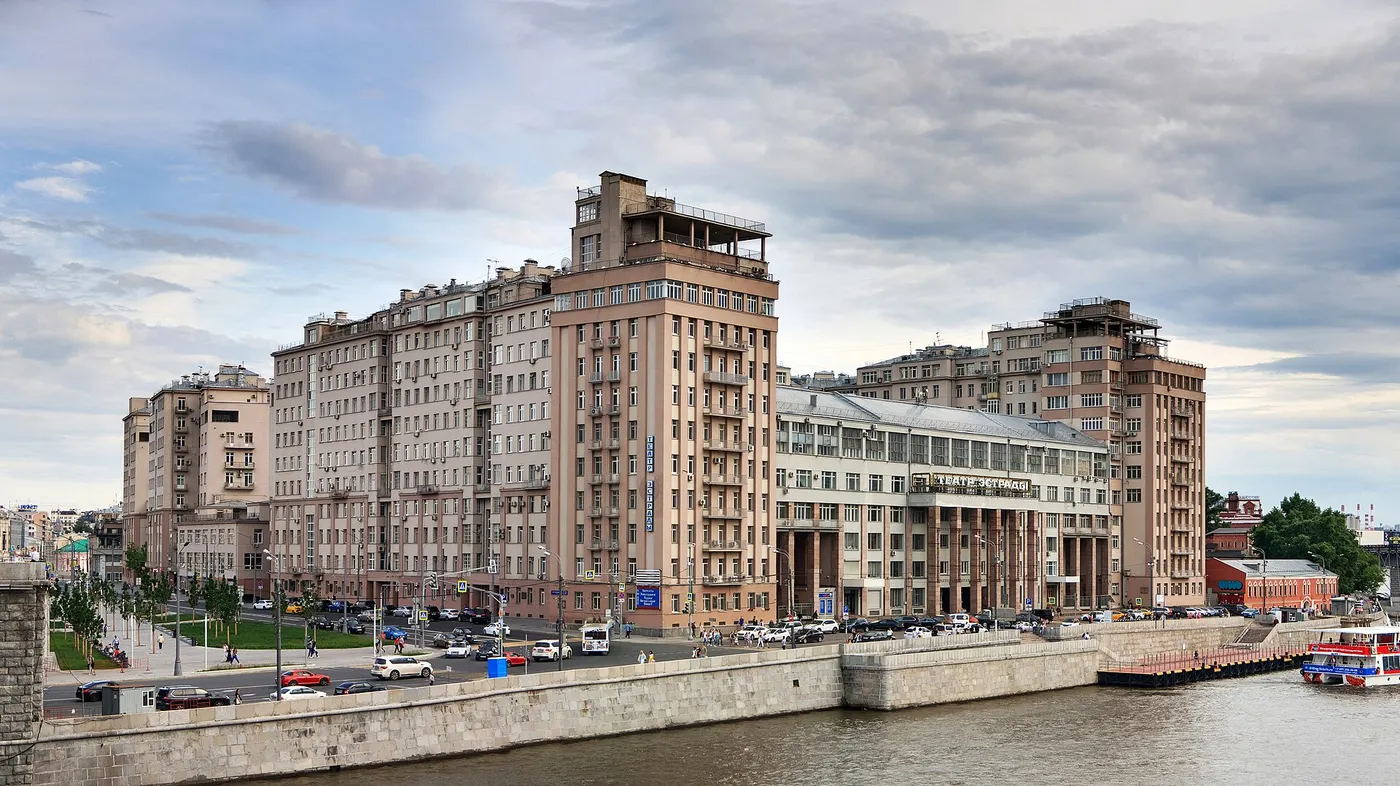
The Government Building on Bersenevskaya Embankment (globally known as the "House on the Embankment," designed by Boris Iofan, 1931) is a monumental Constructivist residential complex opposite the Kremlin. Engineered as a self-contained "commune-city" for the Soviet political, cultural, and military elite, it became a tragic symbol of the Great Purge and Moscow's most myth-laden residential address.
Ostankino and the Crone with the Staff
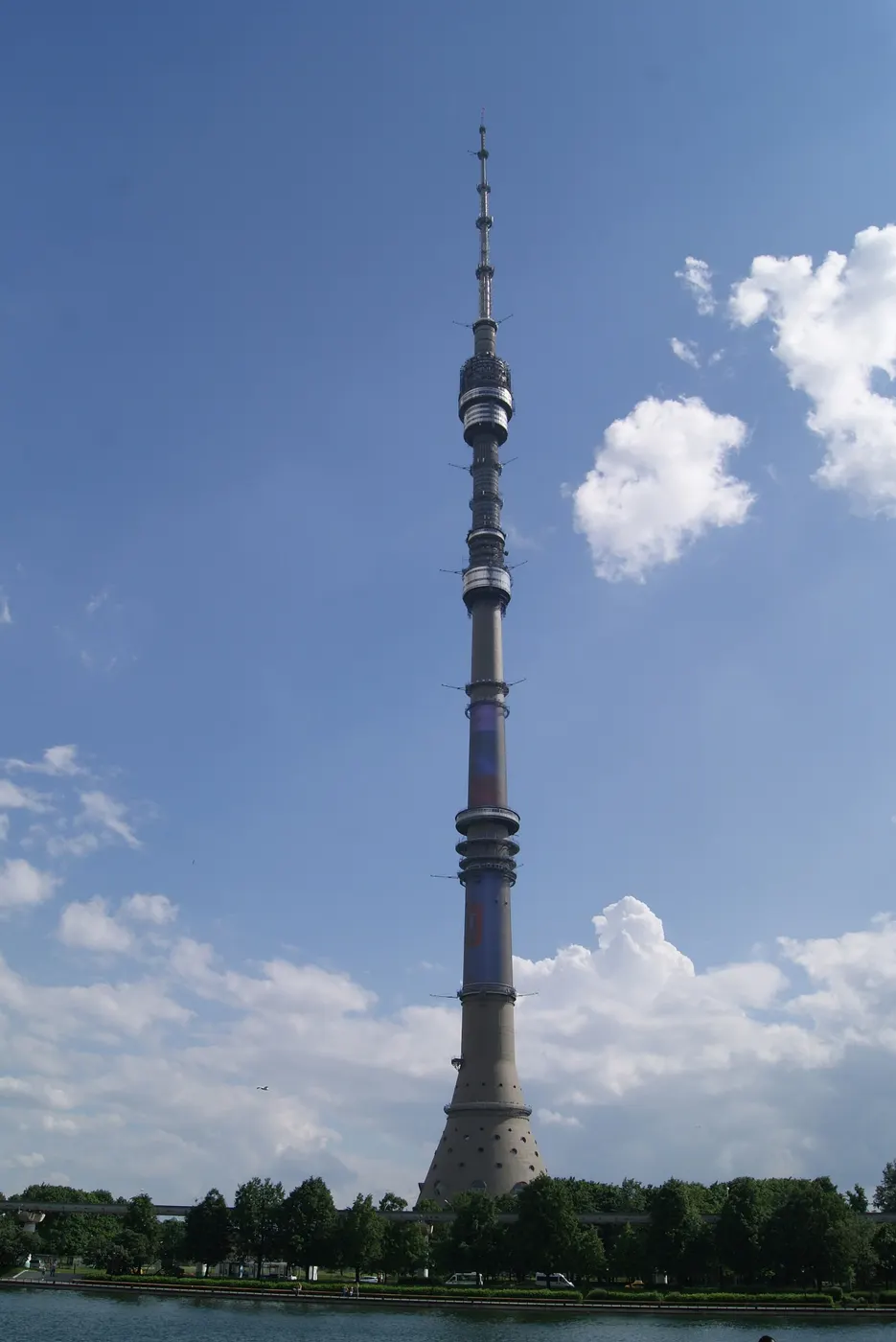
Ostankino was built on the ground of an old cemetery, and Moscow's most persistent legend attaches to that fact. In the sixteenth century, when the boyar Sotin set out to plough a field here, a hunched old woman with a staff appeared and told him not to disturb those lying in the earth — or misfortune would find whoever did. She has been "seen" before every disaster in the area since; staff at the television centre recalled her in the days before the tower fire of 2000. People mention her matter-of-factly, the way they mention an omen, and almost nobody can say where they first heard it.
The Site of the Sukharev Tower
Sukharevskaya Square in Moscow is the historic site where the famed Sukharev Tower stood from the late 17th century until its demolition in 1934. A masterpiece of Naryshkin Baroque architecture, it served alternately as a triumphal gate, astronomical observatory, and Russia's first naval navigation academy, while enduring in city folklore as Moscow's premier occult epicenter tied to Peter the Great's polymath advisor and alleged "warlock," Jacob Bruce.
The Bad Apartment on Bolshaya Sadovaya
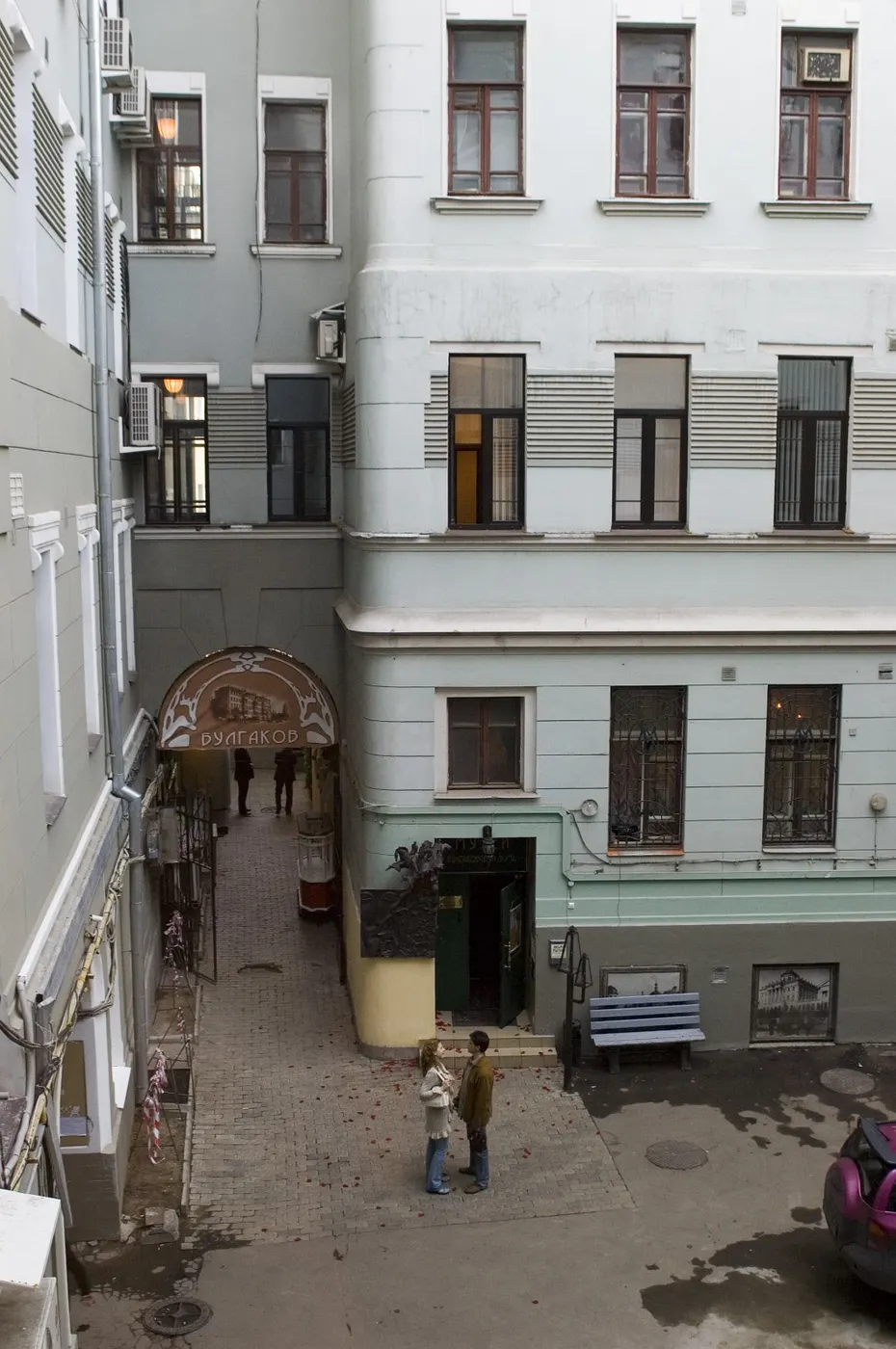
Apartment No. 50 in the Ilya Pigit tenement building at 10 Bolshaya Sadovaya Street in Moscow is the famed "Bad Apartment" from Mikhail Bulgakov's masterpiece The Master and Margarita, which served as the temporary headquarters for Woland and his retinue. In reality, Bulgakov lived here from 1921 to 1924 in a chaotic communal flat whose volatile domestic atmosphere inspired the novel's supernatural satire.
Golosov Ravine
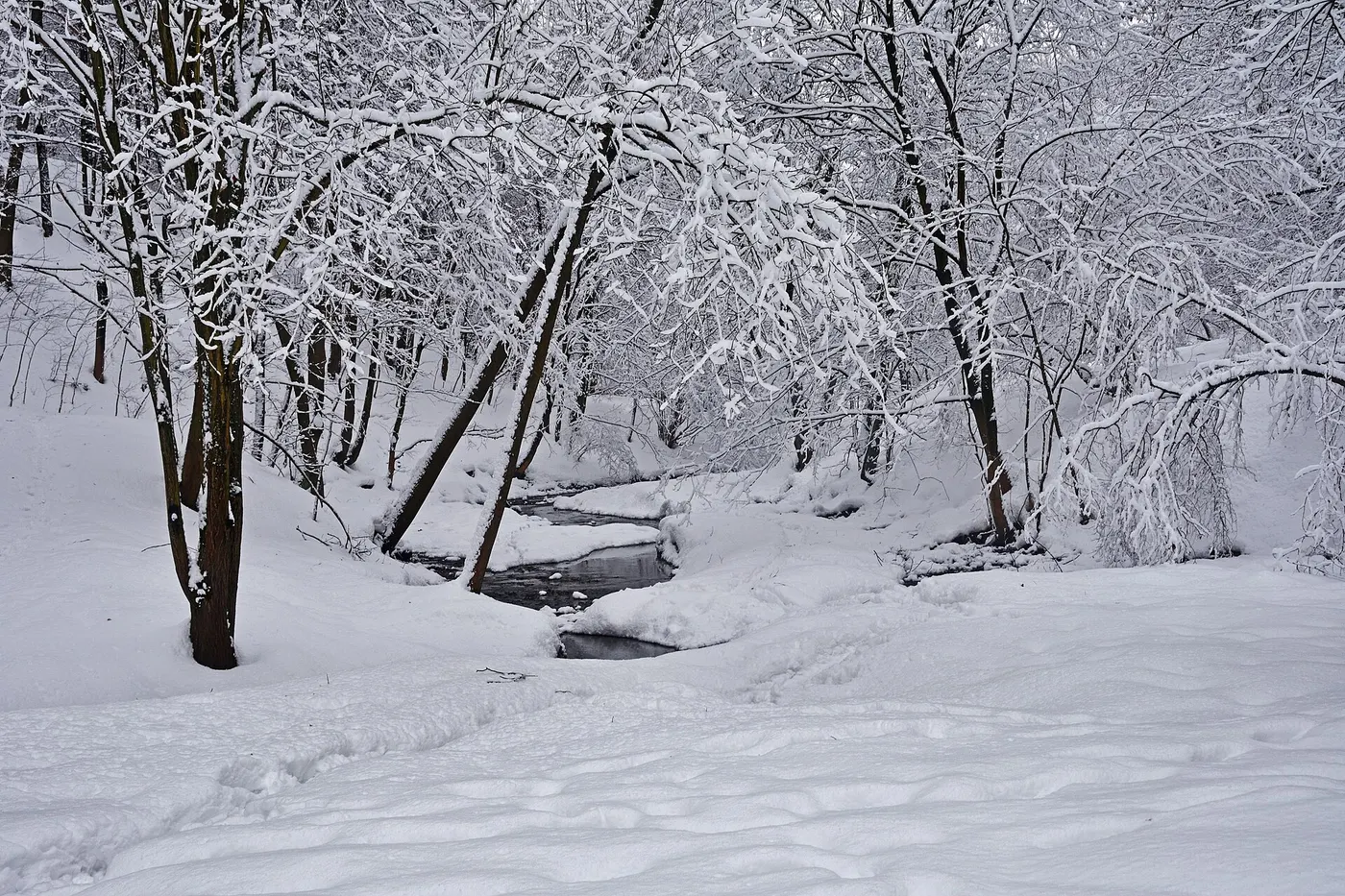
A ravine in Kolomenskoye that Moscow tells stories about as a place where time comes loose. In the best-known version, a detachment of Tatar horsemen vanished into it during Devlet Giray's raid of 1571 — and in 1621 riders in antique armour appeared at the tsar's gates. Questioned, they insisted they had gone down into the ravine to escape pursuit, hidden in a greenish fog on its floor, and stepped out of it a few minutes later. Fifty years had passed. Two enormous boulders lie at the bottom, the Goose and the Maiden Stone; people still come to make wishes on them, and the fog really does linger there longer than on the slopes.