Yellow level — mystical places on the map
Something is reported, and nobody is hurt by it: voices, figures, lights, cold, objects that move, cameras and engines that stop working. This is the level most hauntings actually sit at — frightening to be in, and that is all that was ever claimed.
164 placesAbout the danger levels
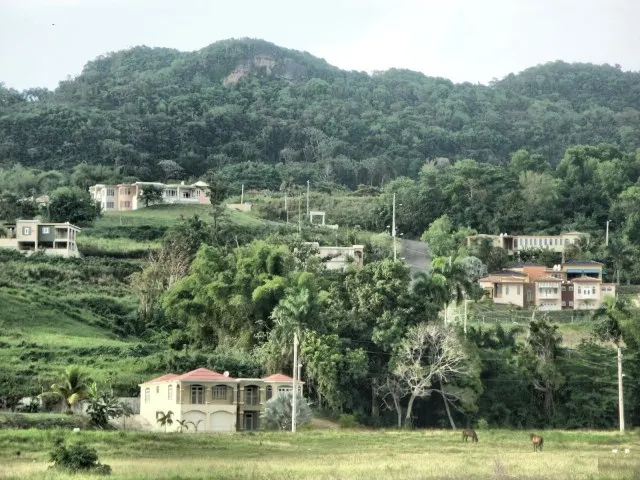
Moca, Where the Chupacabra Began
In March 1995 farmers in this Puerto Rican town began finding sheep and goats dead, drained of blood, with two neat punctures in the neck. Within months the count ran into hundreds across the island. Witnesses described a creature the height of a man, moving in bounds, with spines along its back and huge black eyes. A Puerto Rican journalist coined the name — goat-sucker — and in thirty years the chupacabra has spread from Mexico to Chile.
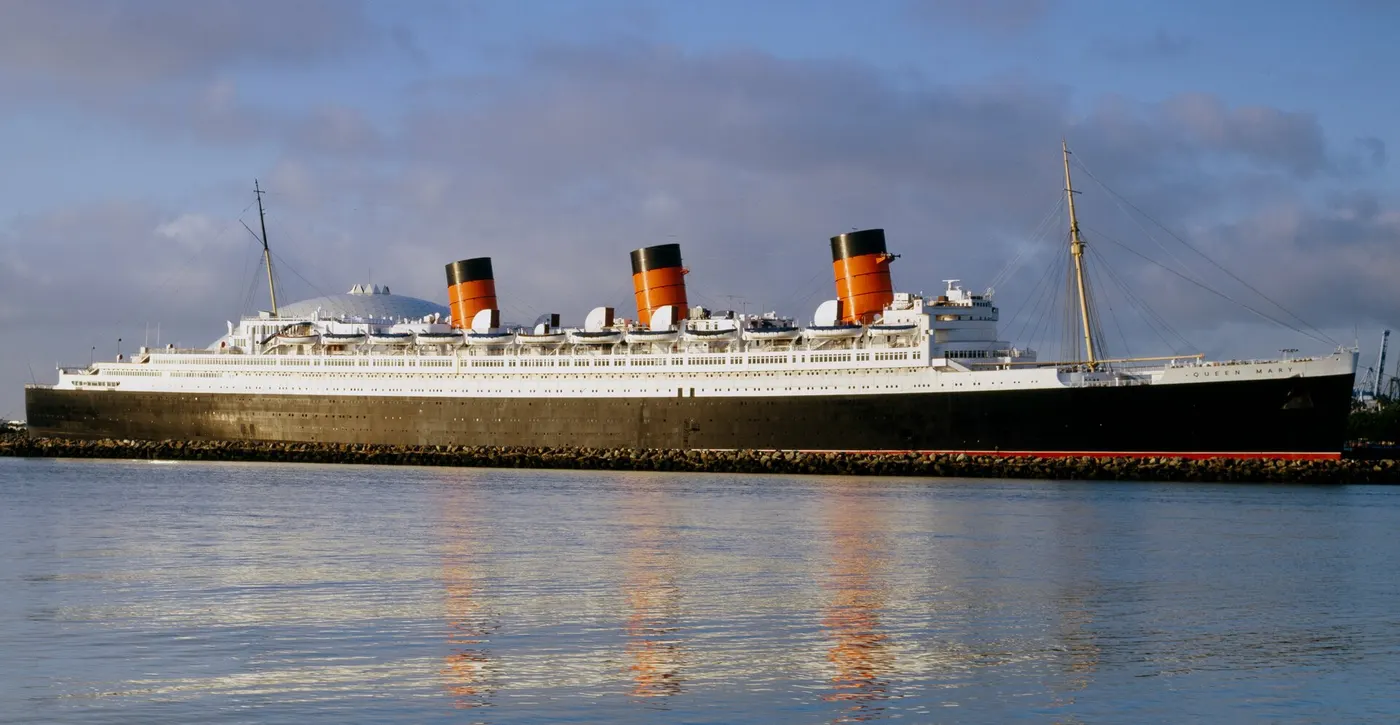
The Queen Mary
An ocean liner moored at Long Beach since 1967. Some forty-nine deaths occurred aboard during her thirty-one years of service, including an eighteen-year-old crewman crushed by watertight door 13. In the war she carried troops and once, on a manoeuvre, cut her escort cruiser in half, drowning over three hundred men; stopping to rescue them was forbidden because of submarines. Stateroom B340 is let separately and has a reputation of its own.
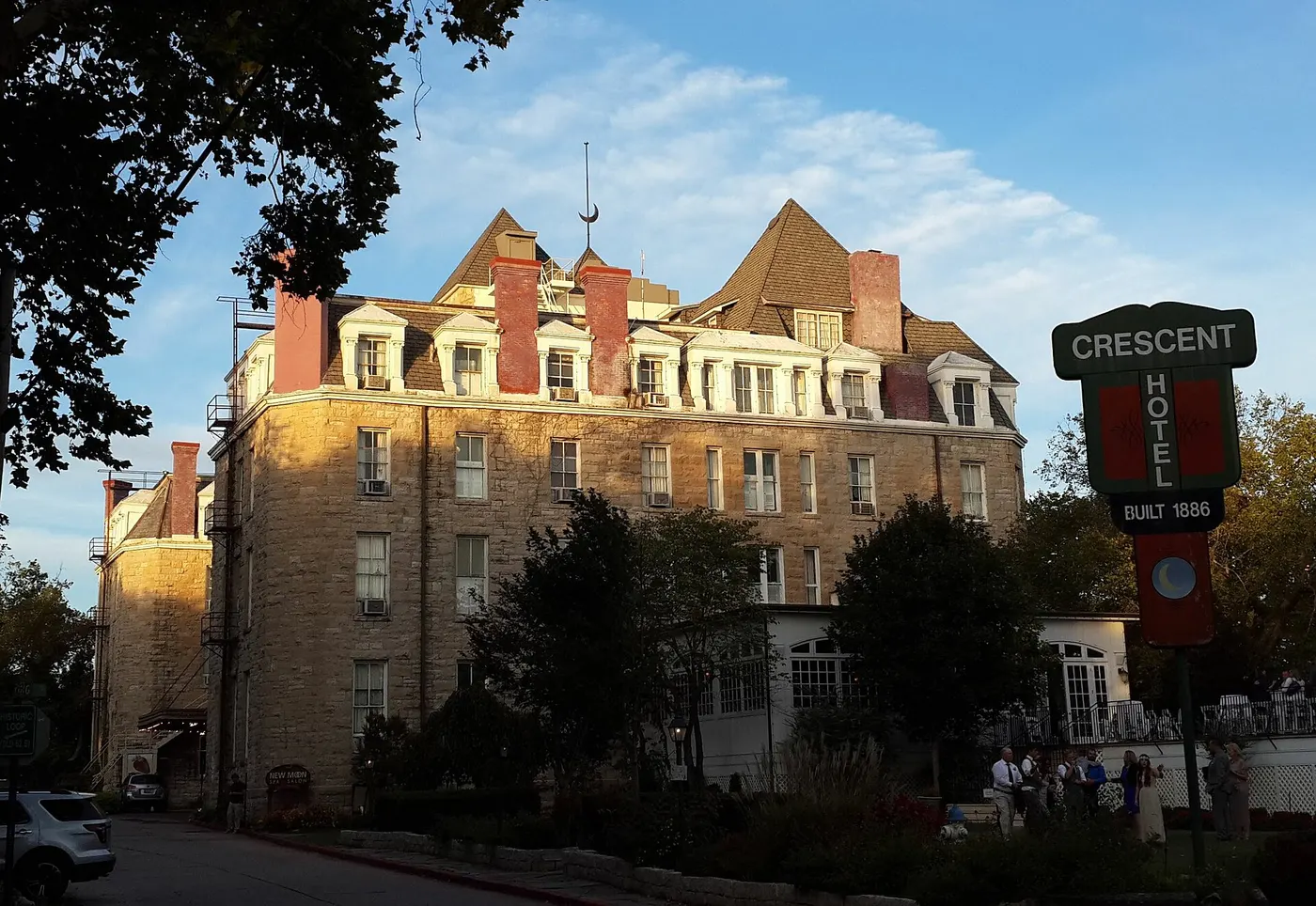
The Crescent Hotel
An Arkansas hotel bought in 1937 by Norman Baker, a man with no medical training who announced he had a cure for cancer and turned the building into a "hospital". People came here to die, at considerable expense; Baker eventually went to prison for mail fraud. In 2019 excavation on the grounds turned up buried jars of human remains. The hotel is still open and sells ghost tours.
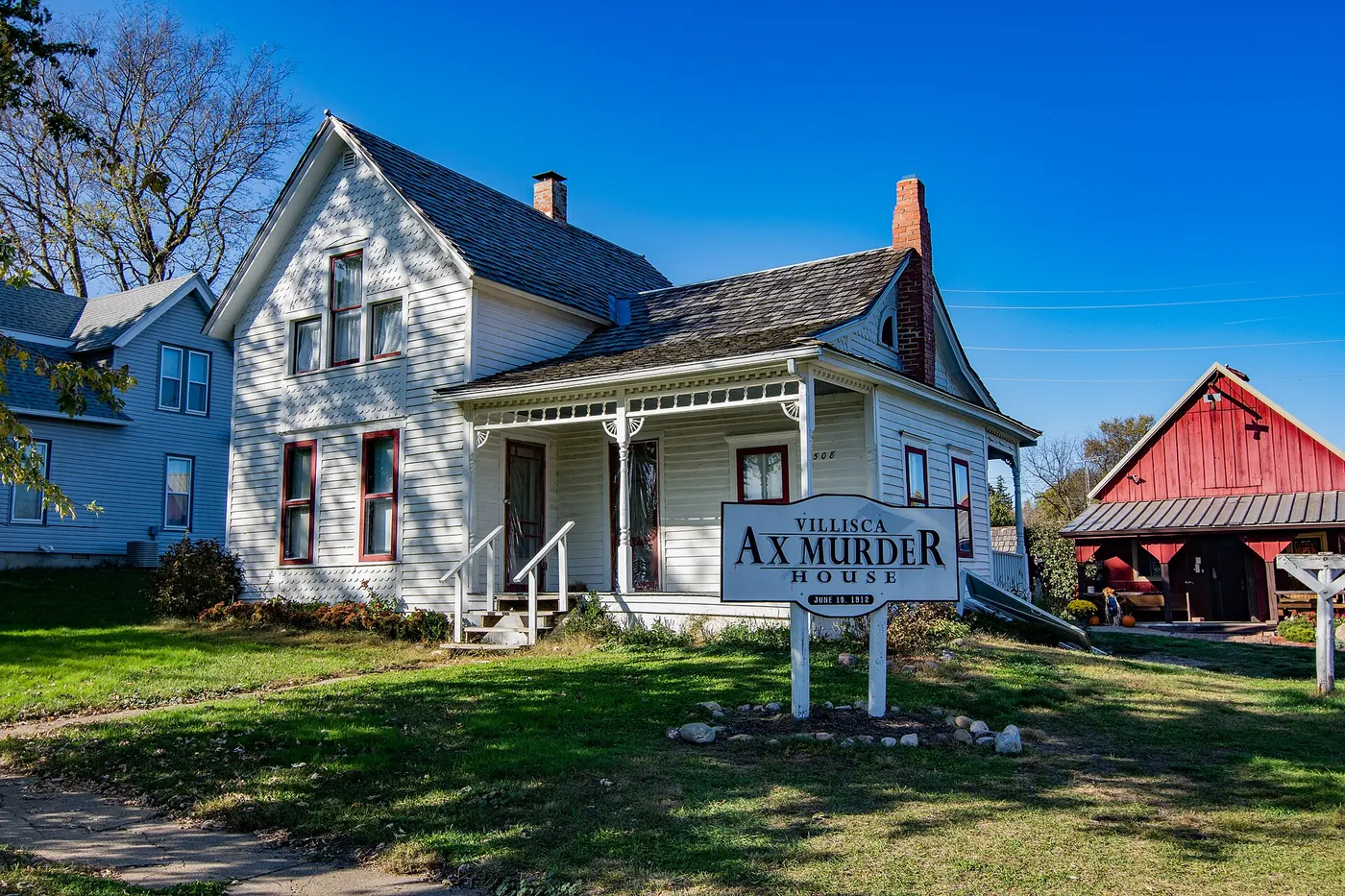
The Villisca Axe Murder House
On the night of 10 June 1912 eight people were killed with an axe in this Iowa house: Josiah and Sarah Moore, their four children, and two visiting girls. The killer was never found and the case remains open. The house has been restored to its 1912 condition — no electricity, no plumbing — and can be booked for overnight stays. Those who stay most often report children's voices and objects falling.
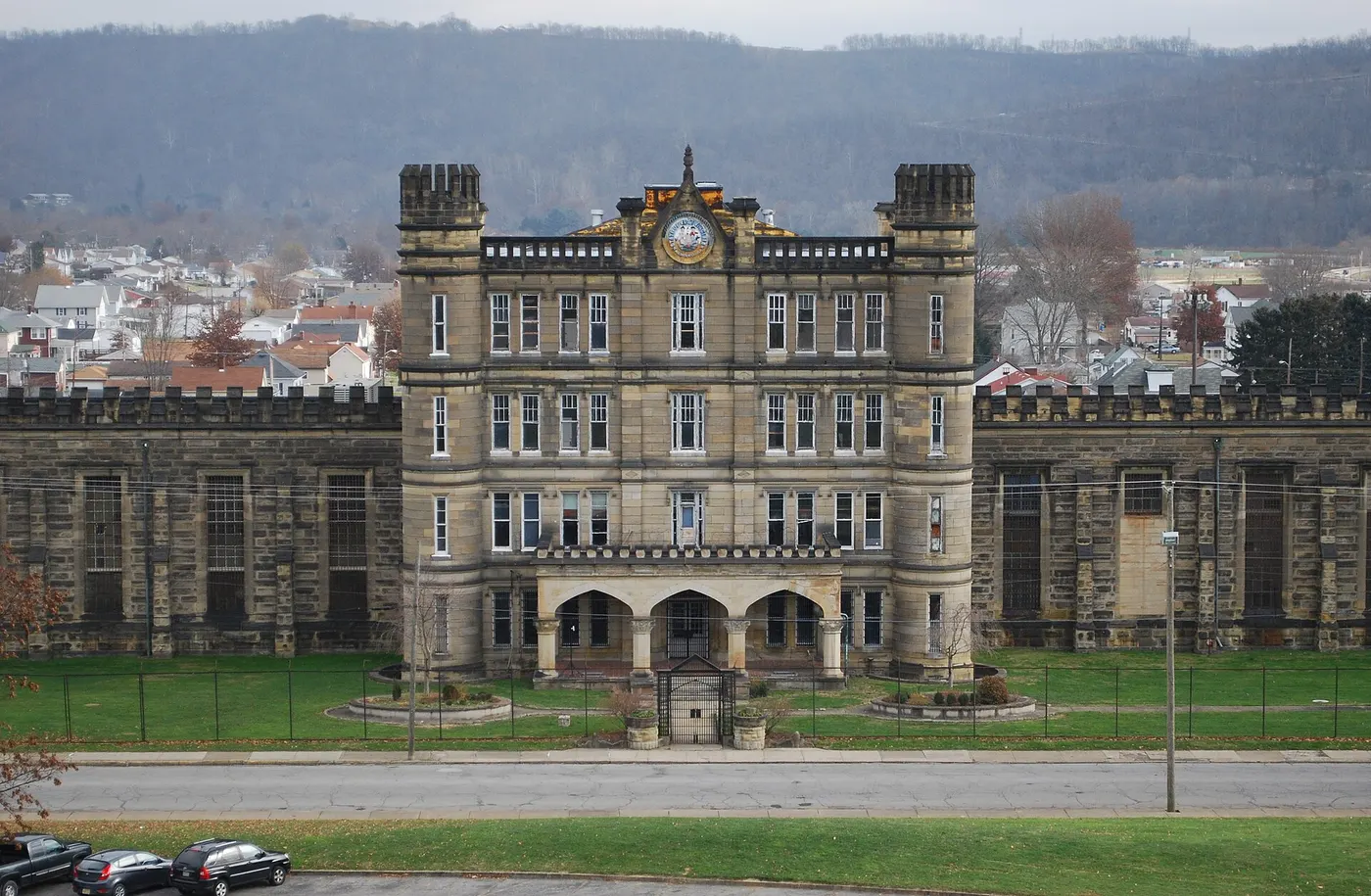
The Moundsville Penitentiary
A Gothic prison in use from 1876 to 1995, once listed among the ten most violent correctional facilities in the United States. Ninety-four men were executed here and some thirty-six more died in prison violence, including a riot in 1986. The Sugar Shack basement and the dark isolation cells have their own reputation. The building stands across the road from an Adena burial mound, which added another layer to the story.
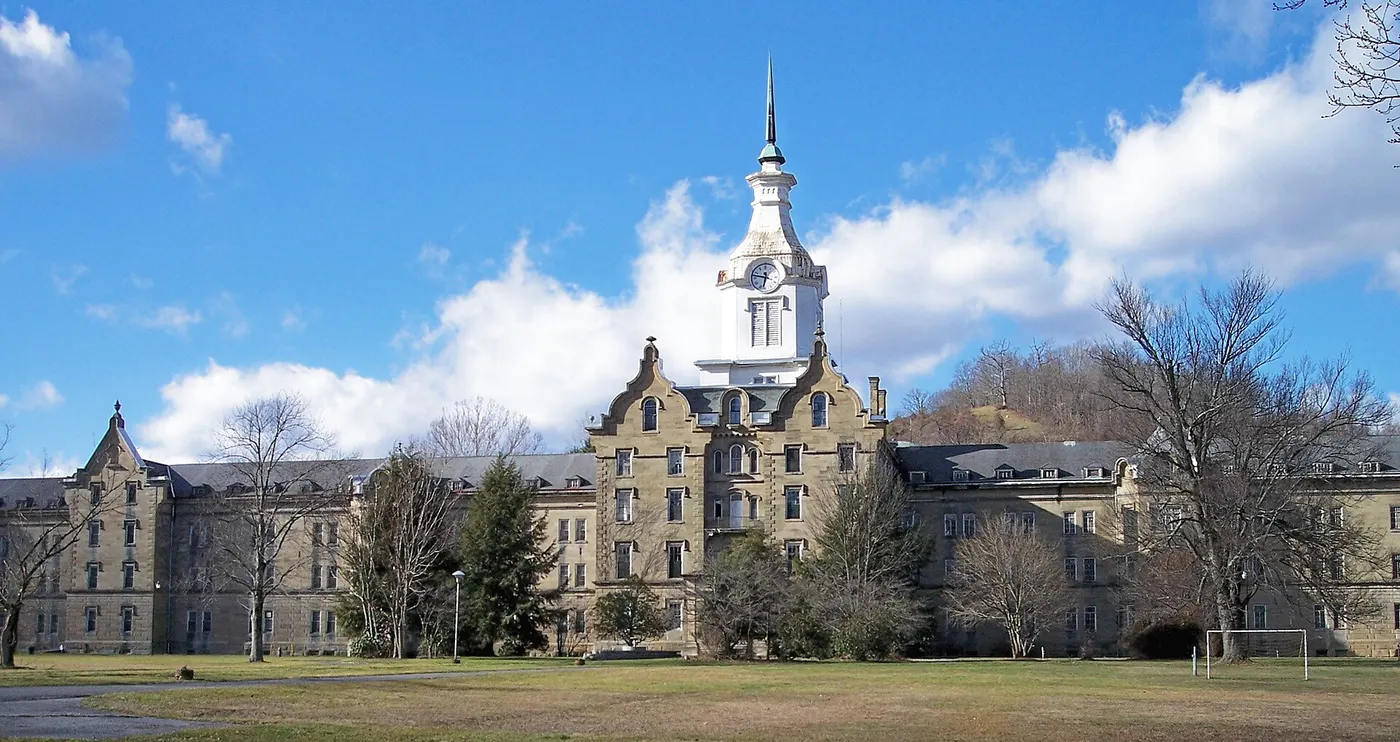
The Trans-Allegheny Lunatic Asylum
One of the largest hand-cut stone buildings in North America, built in West Virginia for two hundred and fifty patients. By the 1950s it held around two and a half thousand, in unheated wards, under a lobotomy programme applied here unusually widely. The hospital closed in 1994. Night tours run through it now, and most of the accounts concern the fourth floor, where the most severe cases were kept.
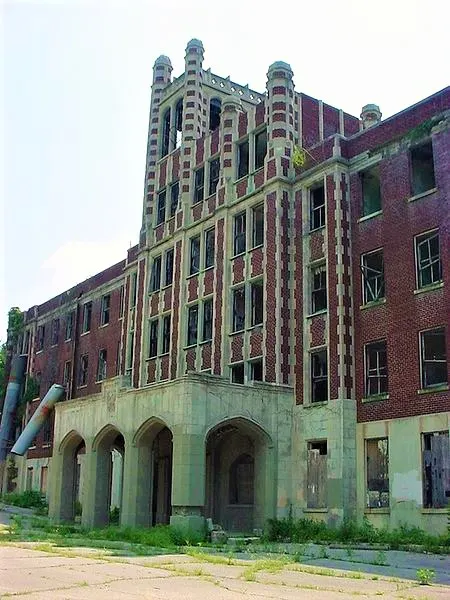
Waverly Hills Sanatorium
A tuberculosis hospital in Kentucky, in use from 1910 to 1961. The dead were removed through an underground tunnel some five hundred metres long so that living patients would not see them — it became known as the body chute. Estimates of the death toll differ wildly, from around fifteen hundred in the records to sixty-three thousand in legend. The building has stood empty since 1982 and is among the best-known haunted sites in the United States.
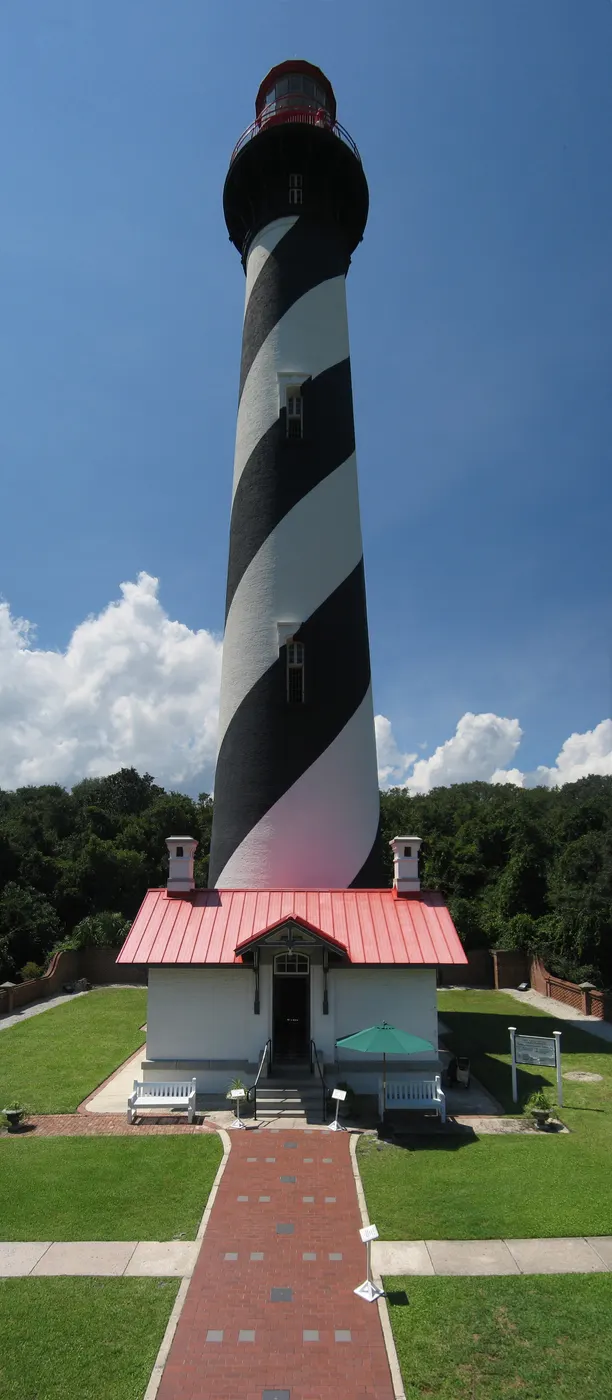
The St. Augustine Lighthouse
A Florida lighthouse where, during construction in 1873, the contractor's two daughters and another girl were killed: the handcart they were riding on the rails to the water ran into the bay. Keepers and visitors have reported children's laughter in the tower and a girl in a blue dress ever since. The place is well enough known that television crews come regularly, and the lighthouse staff keep a log of incidents of their own.
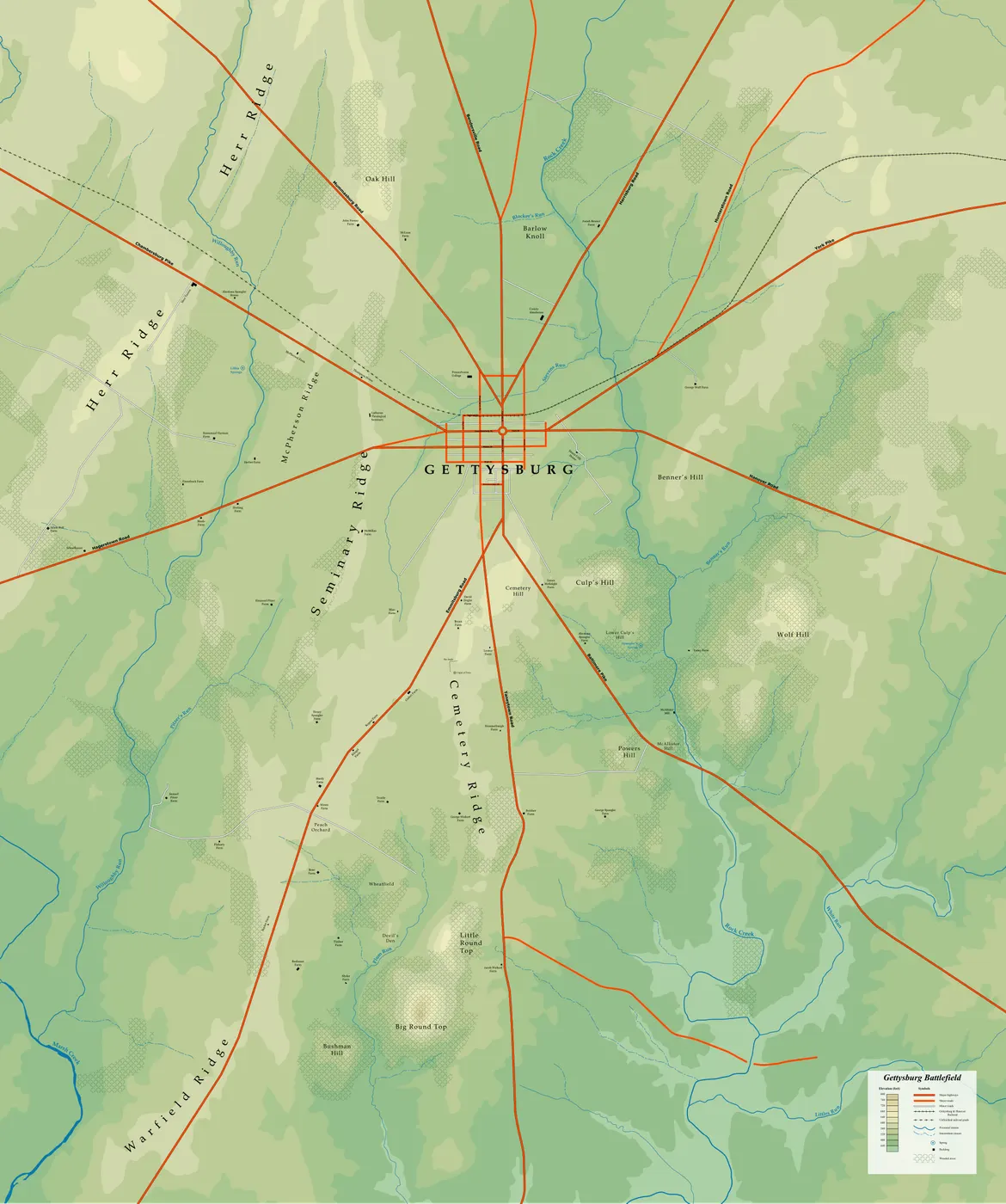
The Gettysburg Battlefield
In three days of July 1863 some fifty thousand men were killed, wounded or lost here — the bloodiest battle in American history. Burials were hasty and many of the dead were never identified. Gettysburg has been called the most haunted ground in the country since; the accounts cluster at Devil's Den and the Rose Farm, where people report hearing orders shouted at night and seeing uniformed figures walking where the lines once stood.
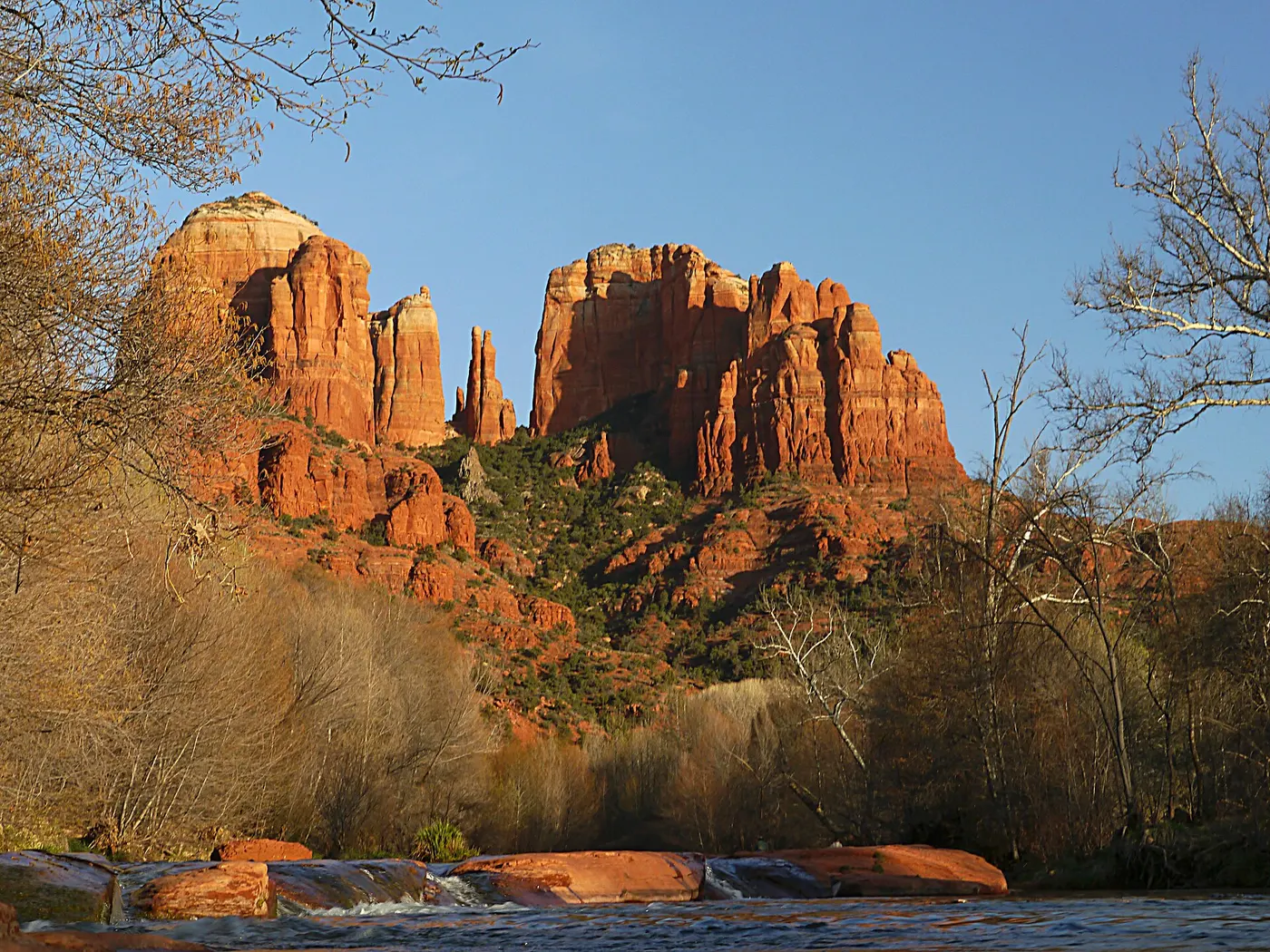
The Sedona Vortexes
A town among the red rocks of Arizona that people have come to since the 1980s for its "vortexes" — points where visitors hold that the earth's energy surfaces, felt as tingling, dizziness or unusual clarity. Instruments find no magnetic or electrical anomaly at any of them. Sedona lives on it regardless: thousands come each year for the sensation, and most say they got it.
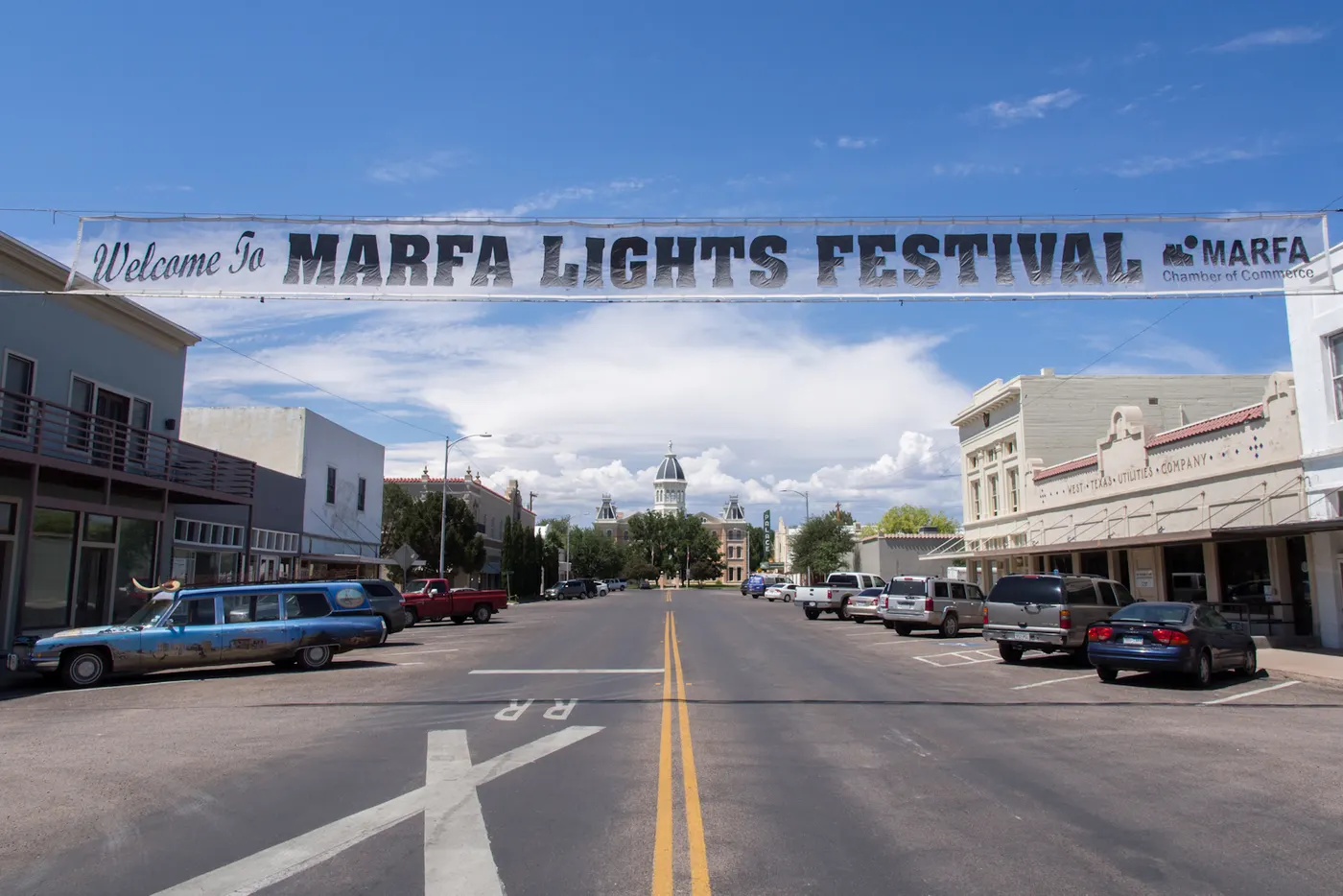
The Marfa Lights
East of this west Texas town, lights have been watched since 1883: basketball-sized spheres that hang over the desert, split, merge and go out. The cowboy Robert Ellison recorded the first, taking them for Apache campfires. University physicists showed in 2004 that a good share of them are headlights on Highway 67 refracted through layers of warm air. A share — but not all, and it cannot account for the sightings that predate cars.
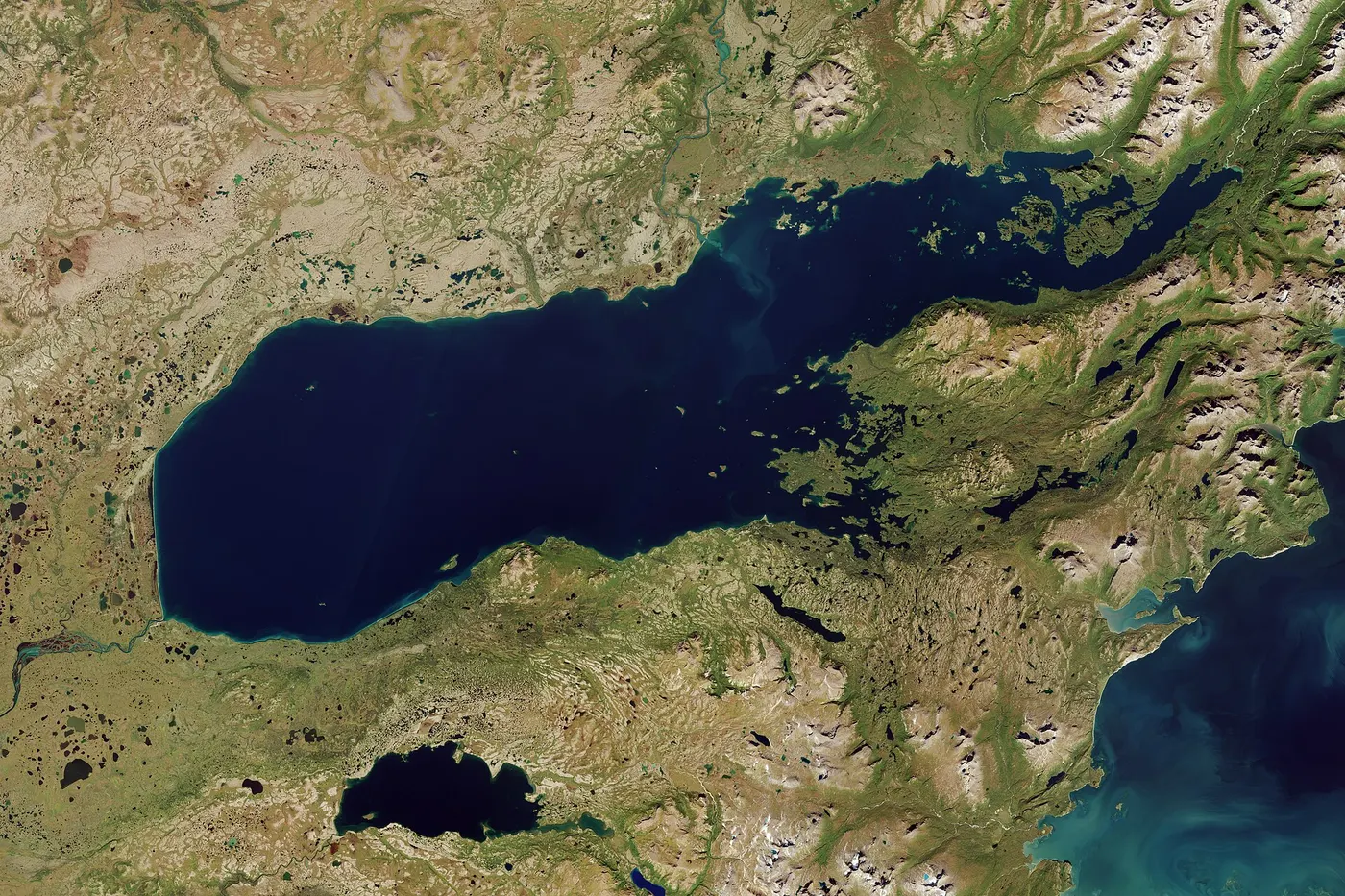
Lake Iliamna and Its Monsters
Alaska's largest lake, where bush pilots have reported dark bodies over thirty feet long moving below the surface since the 1940s. The Dena'ina knew of them long before and warned against going onto the water alone. Unlike most lake monsters this one has a plausible explanation — belugas or giant sturgeon coming up from the sea — but no specimen has ever been landed.
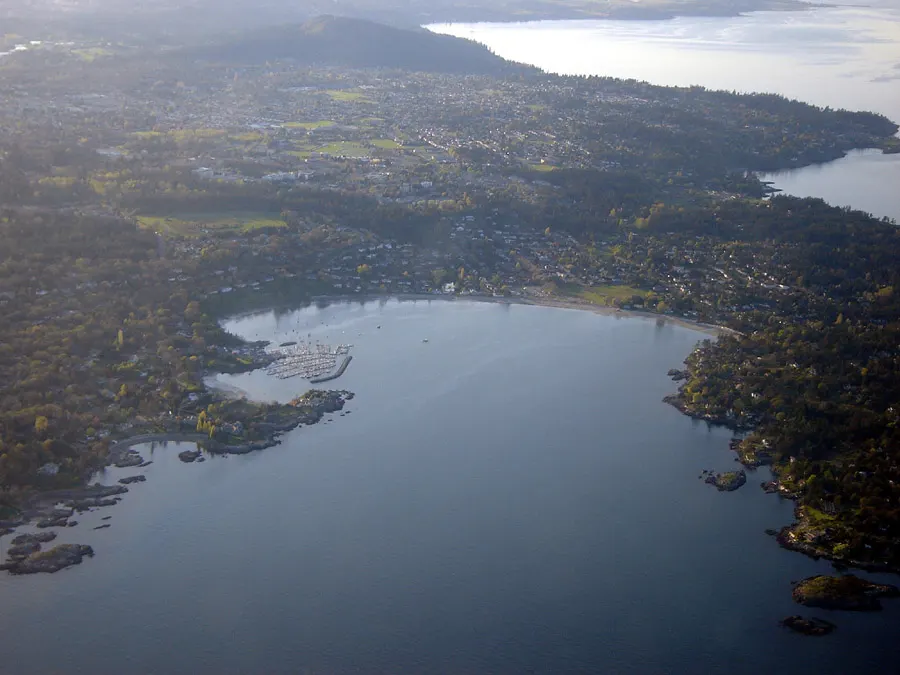
Cadboro Bay and Caddy
The bay off Victoria that gave its name to the sea serpent Cadborosaurus — "Caddy". Accounts run from the 1930s: a long neck with a horse's head, a humped body, and a speed witnesses call impossible for a seal. In 1937 a carcass about three metres long was taken from a sperm whale's stomach at a whaling station, photographed, and then lost. The photograph is still argued over.
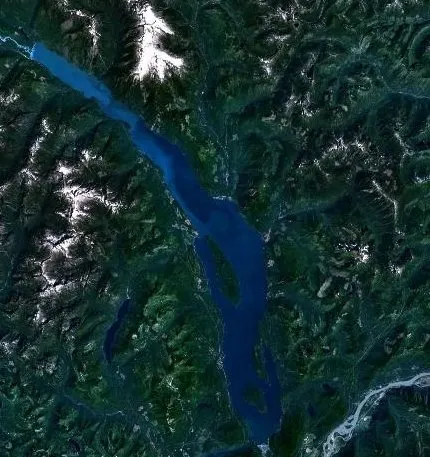
Harrison Lake, Where 'Sasquatch' Came From
The valley of this British Columbia lake gave the word itself: in the 1920s the schoolteacher J. W. Burns collected accounts of forest giants from the Sts'ailes people and rendered their local name as "Sasquatch". In 1957 the council of Harrison Hot Springs seriously voted on funding an expedition to catch one. Sightings are still logged here.
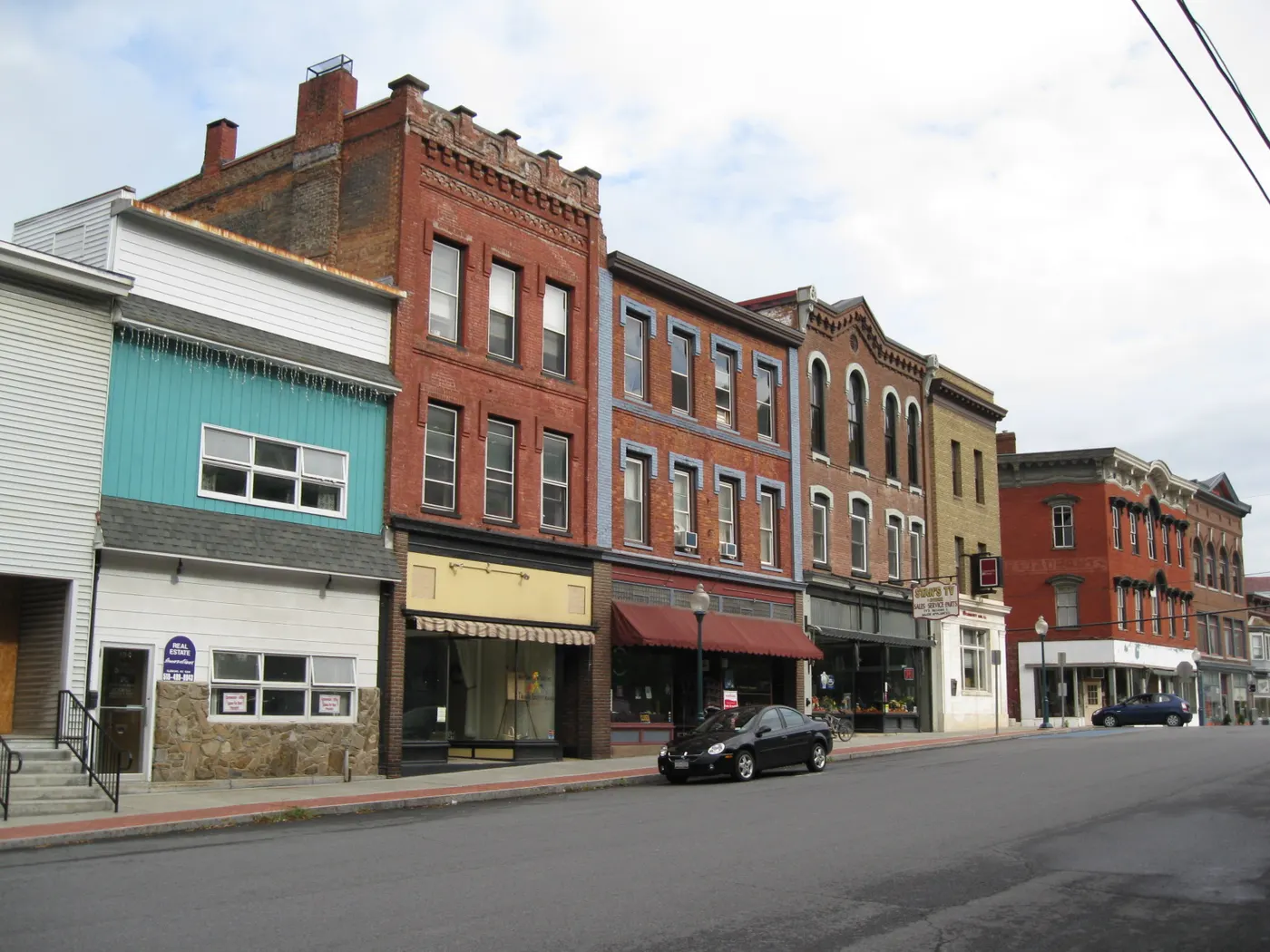
Whitehall, the Official Home of Bigfoot
In August 1976 several teenagers and two police officers independently described a figure over seven feet tall near this town on the Vermont line: covered in hair, red-eyed, and making a cry one officer called "a woman screaming mixed with a pig". The town council later passed an ordinance forbidding harm to Bigfoot within the town limits — legally pointless, and a fair measure of how seriously it is taken here.
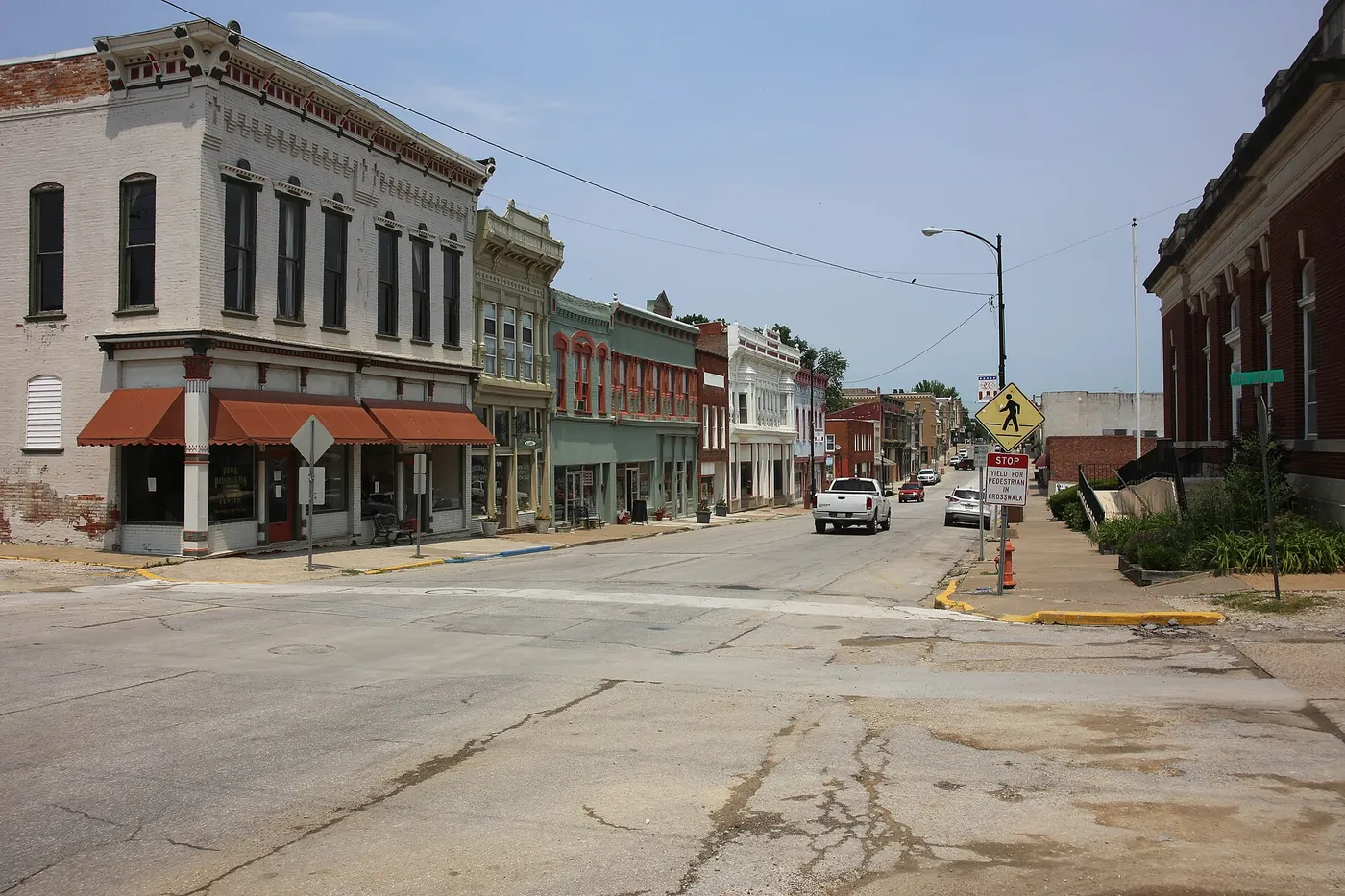
Louisiana, Missouri: the Summer of Momo
In the summer of 1972 this town on the Mississippi went through a genuine panic: children said they saw a black hairy figure over six feet tall at the edge of the woods holding a dead dog, and the stench was such that one of their mothers smelled it from indoors. Enough reports came in within a week that the sheriff organised search parties, and the papers named the thing Momo, for Missouri Monster.
Loveland and the Frogman
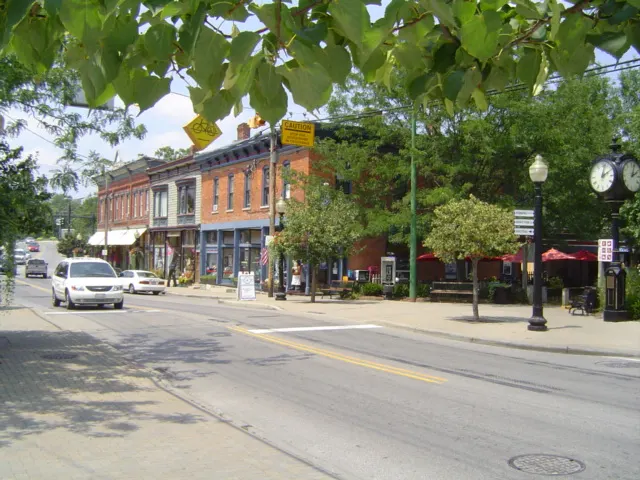
The city of Loveland in southwestern Ohio, USA, is a charming suburb of Cincinnati situated along the scenic Little Miami River. The town gained international cryptozoological fame as the home of the "Loveland Frogman"—a bizarre bipedal amphibian humanoid that became one of the most recognizable cryptids in modern American folklore.
Honey Island Swamp and Its Monster
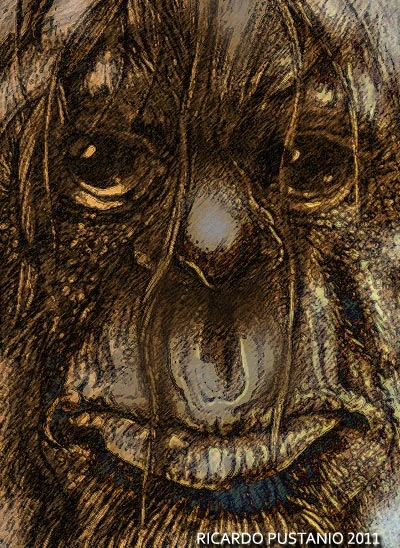
A cypress swamp on the Pearl River in Louisiana, and the thing said to walk in it: over seven feet, grey matted hair, yellow eyes set too far apart, and a smell people compare to something dead. Its fame rests on one man — Harlan Ford, an air traffic controller who came out of the swamp in 1963 with a story and, later, with plaster casts of a four-toed print. The local explanation is more colourful than the creature: a circus train is supposed to have derailed by the river early in the century, and the chimpanzees that survived are supposed to have bred with alligators. They cannot. The two are different classes of animal and the sentence means nothing. What the swamp does have is water you could lose a wild boar in at two paces, and a smell of its own — enough to account for anybody else's.
Lake Champlain and Champ
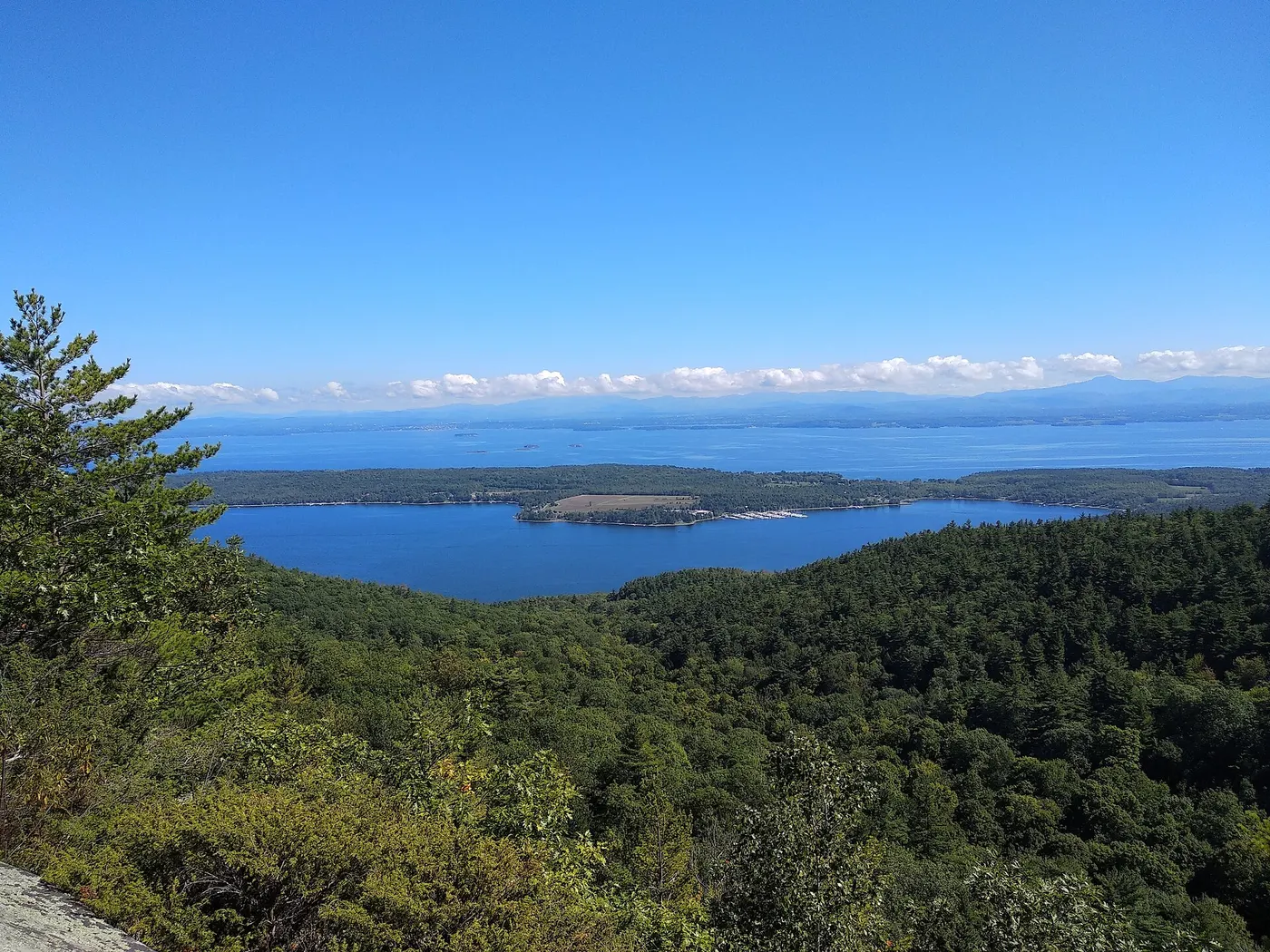
The lake between Vermont, New York and Quebec, where a creature called Champ has appeared in accounts since the nineteenth century and, by tradition, since Iroquois times. The best-known evidence is Sandra Mansi's 1977 photograph — a dark curved neck above the water — which experts could neither confirm nor call a fake. Both states have formally forbidden harming Champ, a rare case of a cryptid making it into law.
The Pine Barrens and the Jersey Devil
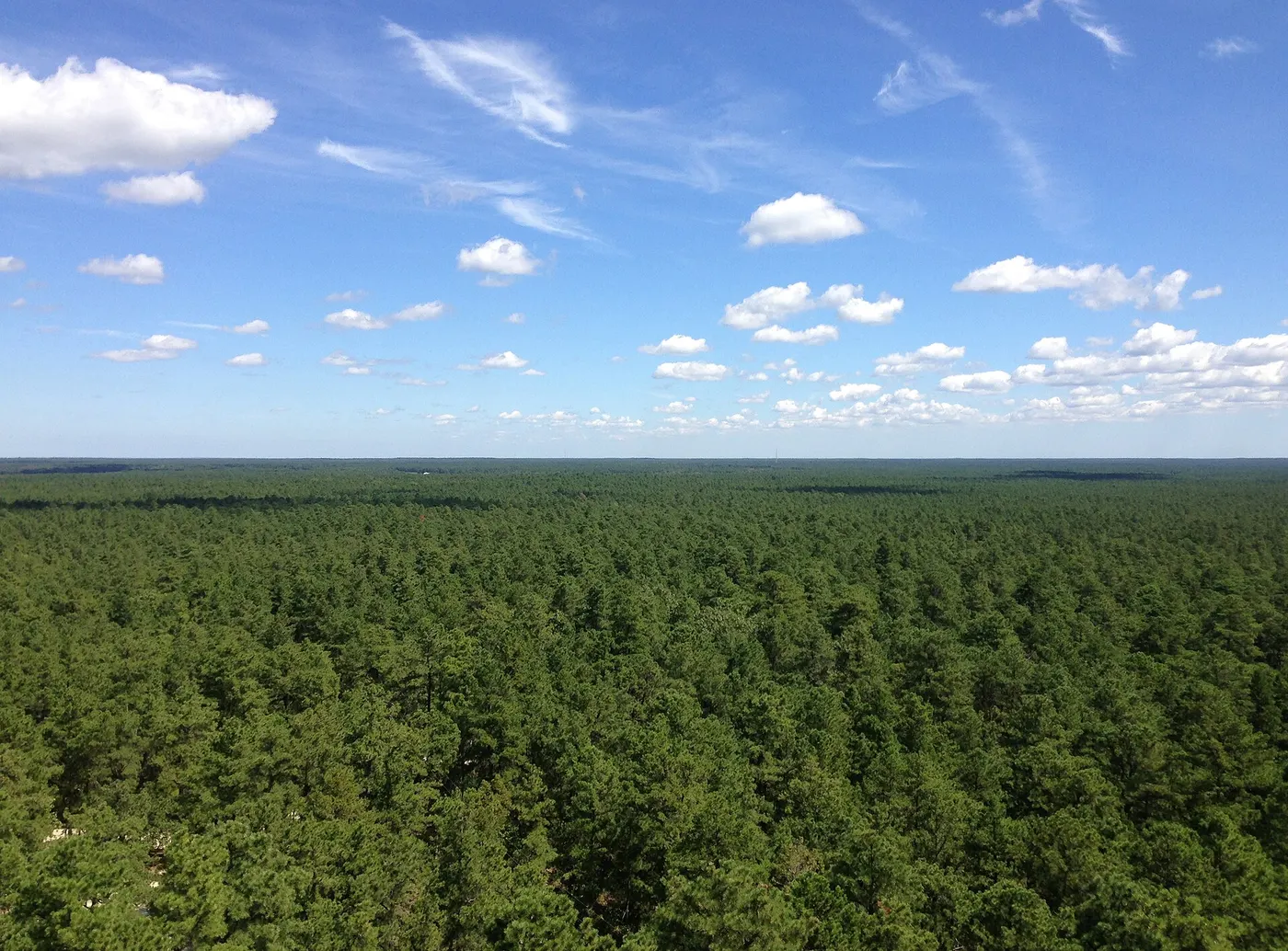
A million and a half acres of pine on sand, where a three-hundred-year-old legend of Mother Leeds's thirteenth child persists. In 1735, the story goes, she said in temper that the child could be the devil — and the newborn turned into a winged thing with hooves and a horse's head, went up the chimney, and has been here since. In January 1909 it was reported across the state for a solid week; schools closed, and tracks were found in the snow on rooftops.
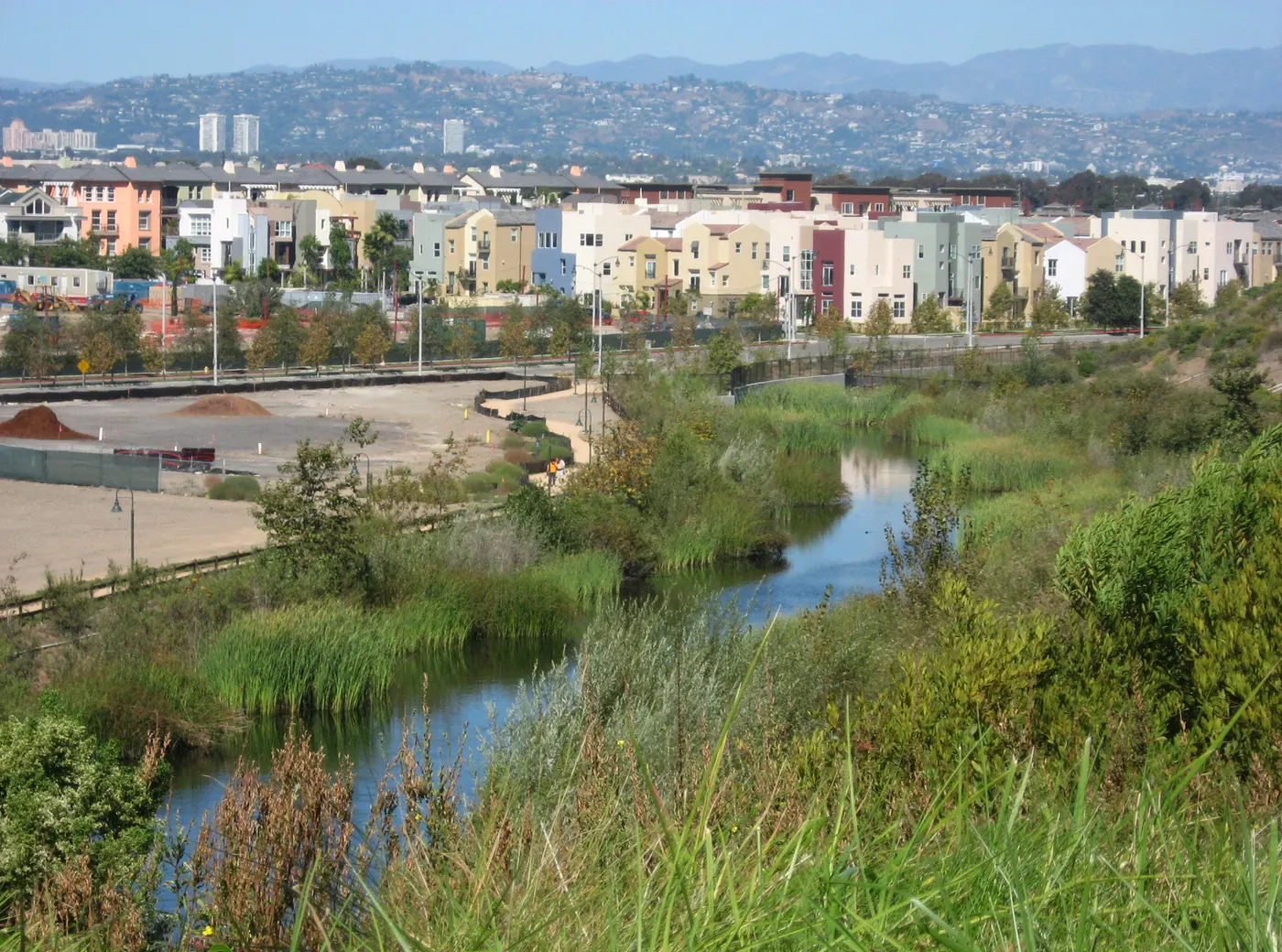
Bluff Creek, Where the Patterson Film Was Shot
On 20 October 1967 Roger Patterson and Bob Gimlin shot fifty-nine seconds of film here, showing a large hairy figure walking across a gravel bar and glancing back over its shoulder. That frame is the most recognised image of Bigfoot ever made, and the argument over it has not settled in half a century: some analyse the gait as impossible for a person, others look for the seams of a suit. The place itself is an ordinary creek in the remote forests of northern California, and people still come with cameras.
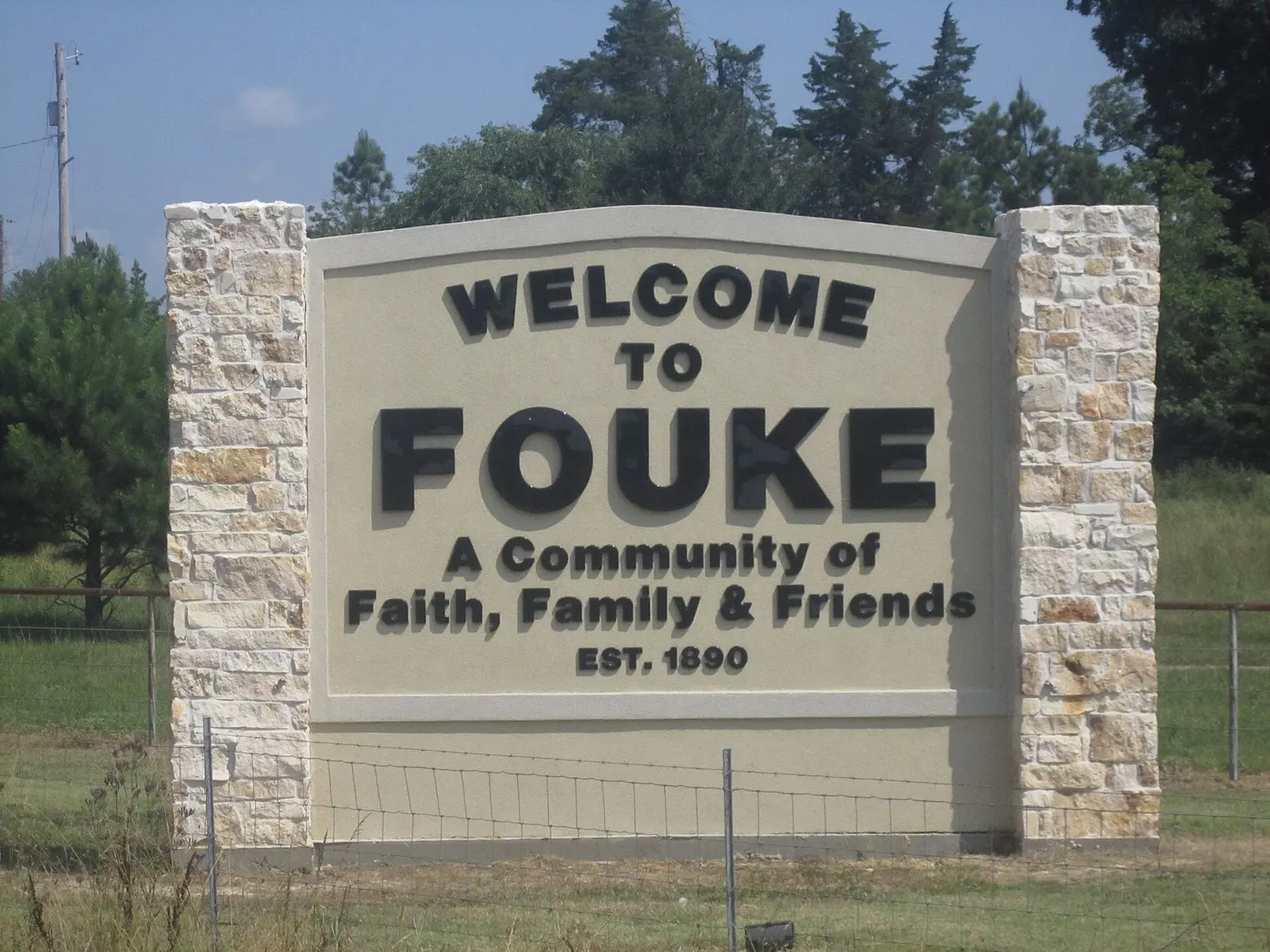
Fouke and the Boggy Creek Monster
A creek in the pine hills of south-western Arkansas, and the animal the town of Fouke has been talking about since the 1840s: seven feet or so, upright, covered in reddish-brown hair, and a smell witnesses reach for the word "animal" to describe. It is credited with killing chickens, dogs and livestock, and with never once harming a person. What carried it out of the county was 1971, when a family living outside town said a hairy arm came through a screen window at night. Two years later came a cheap film, The Legend of Boggy Creek, shot on location with local people in front of the camera, which took far more at the box office than it cost — and a local rumour became an industry. Fouke has lived on it since: the Monster Mart on the highway, signs through the town. The creek itself is marked by a small plaque on the bridge, easy to drive straight past.
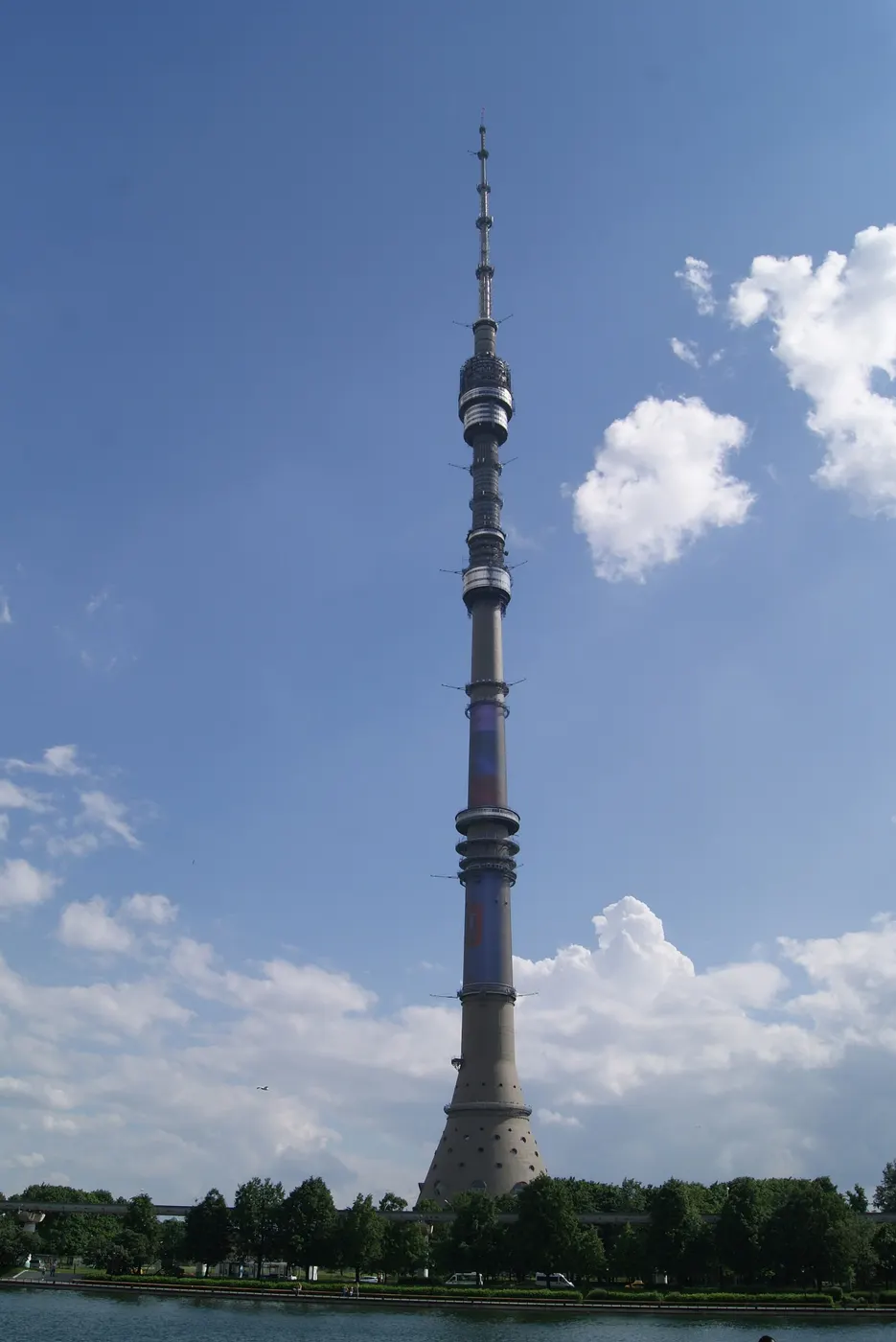
Ostankino and the Crone with the Staff
Ostankino was built on the ground of an old cemetery, and Moscow's most persistent legend attaches to that fact. In the sixteenth century, when the boyar Sotin set out to plough a field here, a hunched old woman with a staff appeared and told him not to disturb those lying in the earth — or misfortune would find whoever did. She has been "seen" before every disaster in the area since; staff at the television centre recalled her in the days before the tower fire of 2000. People mention her matter-of-factly, the way they mention an omen, and almost nobody can say where they first heard it.
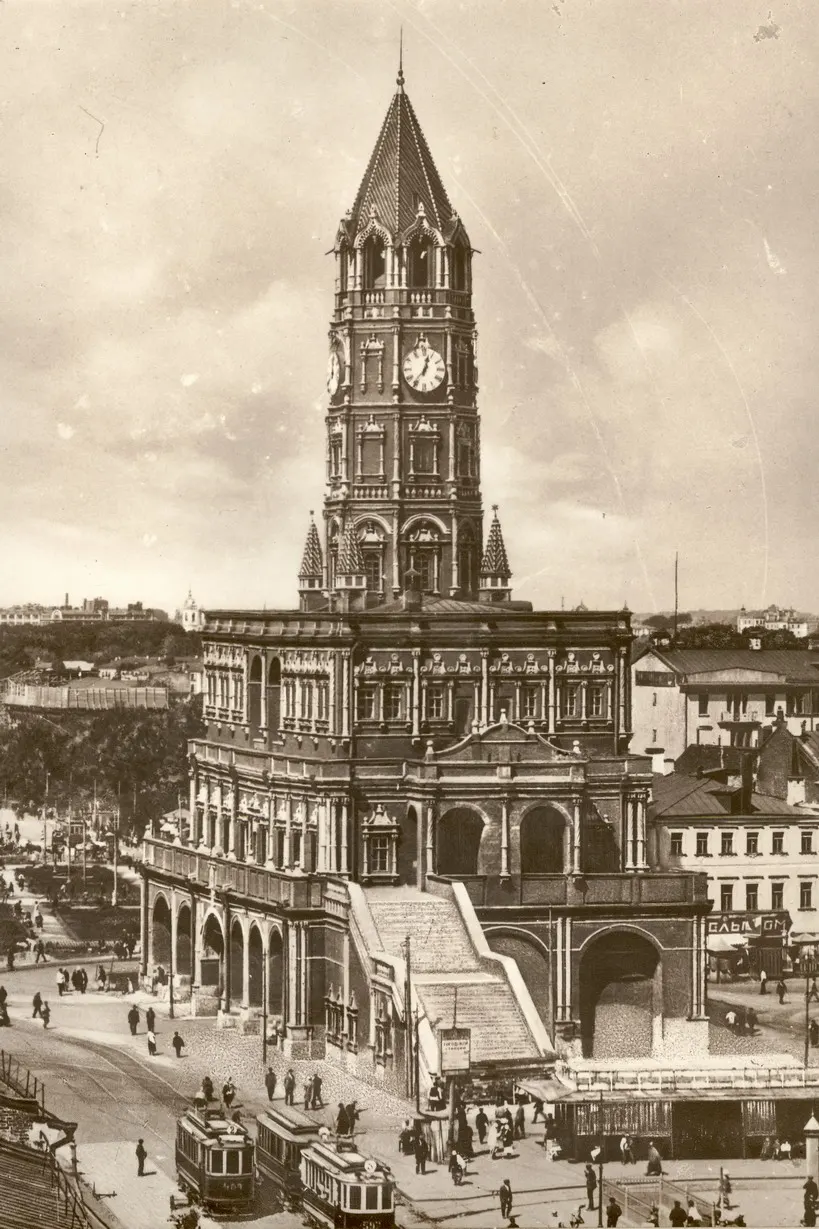
The Site of the Sukharev Tower
Sukharevskaya Square in Moscow is the historic site where the famed Sukharev Tower stood from the late 17th century until its demolition in 1934. A masterpiece of Naryshkin Baroque architecture, it served alternately as a triumphal gate, astronomical observatory, and Russia's first naval navigation academy, while enduring in city folklore as Moscow's premier occult epicenter tied to Peter the Great's polymath advisor and alleged "warlock," Jacob Bruce.