Orange level — mystical places on the map
Places where visitors are said to have come to harm: chased, injured, made ill, driven off, kept from leaving. Not deaths, but somebody who went and did not come back the same.
43 placesAbout the danger levels
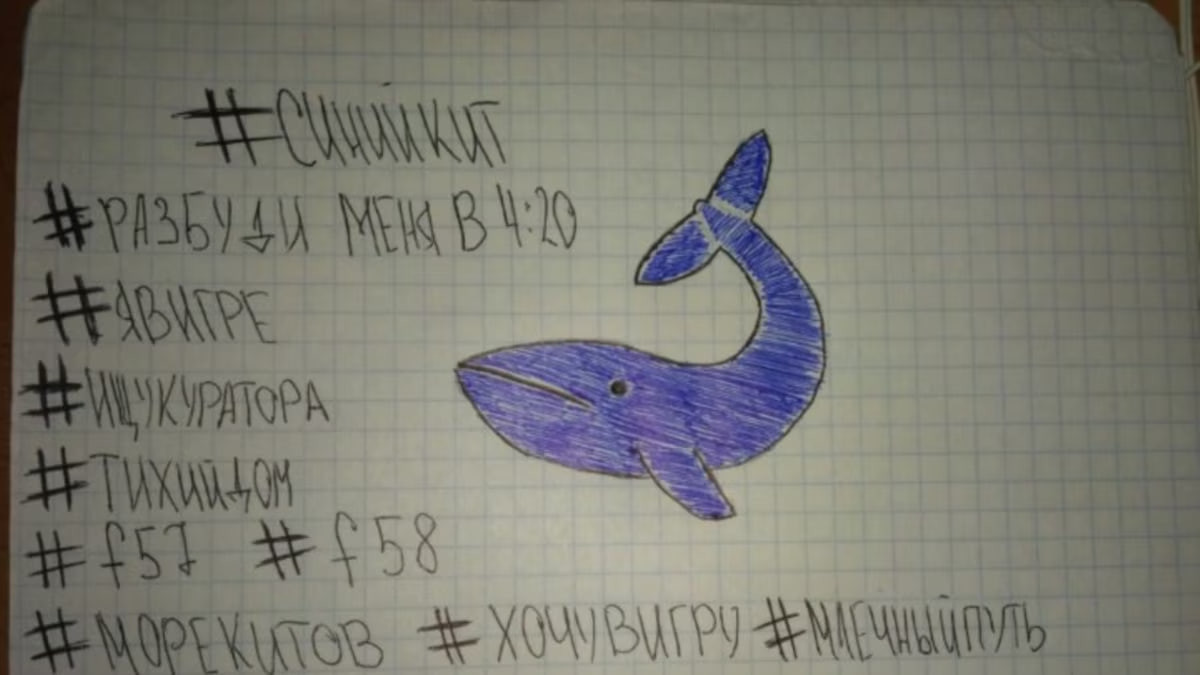
The "Blue Whale"
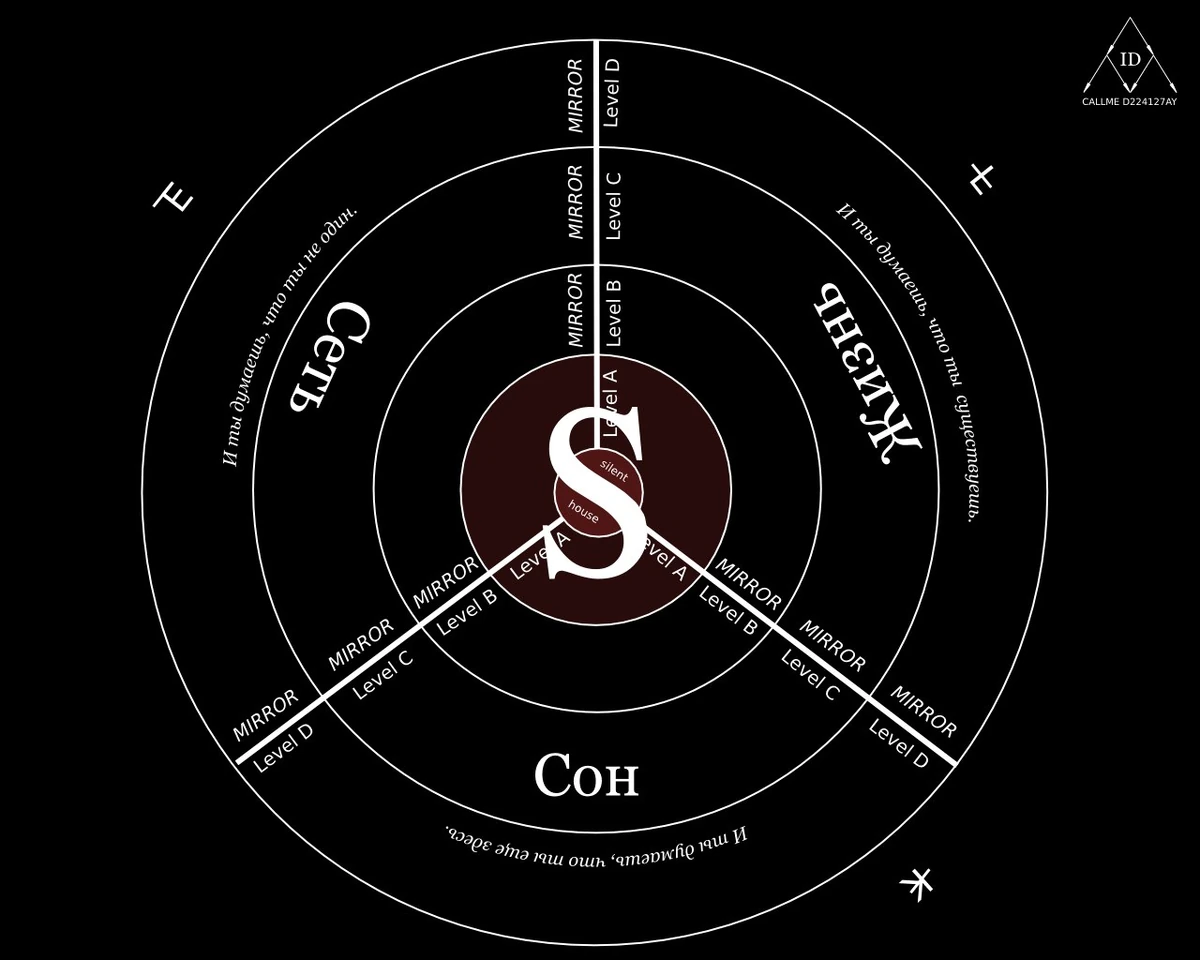
The "Blue Whale" phenomenon (also known as "Death Groups," "f57," "Quiet House," or "Wake Me Up at 4:20") is a viral digital urban legend, an international moral panic, and a destructive social-media alternate reality game (ARG) that originated within the Russian-speaking web (principally the VKontakte platform) in late 2015. Between 2016 and 2017, the narrative of a clandestine syndicate of online "curators" systematically coercing hundreds of teenagers into self-harm across a 50-day sequence triggered massive public panic, prompted reforms in Russian criminal law, and gained global infamy as a supposed worldwide cyber threat.
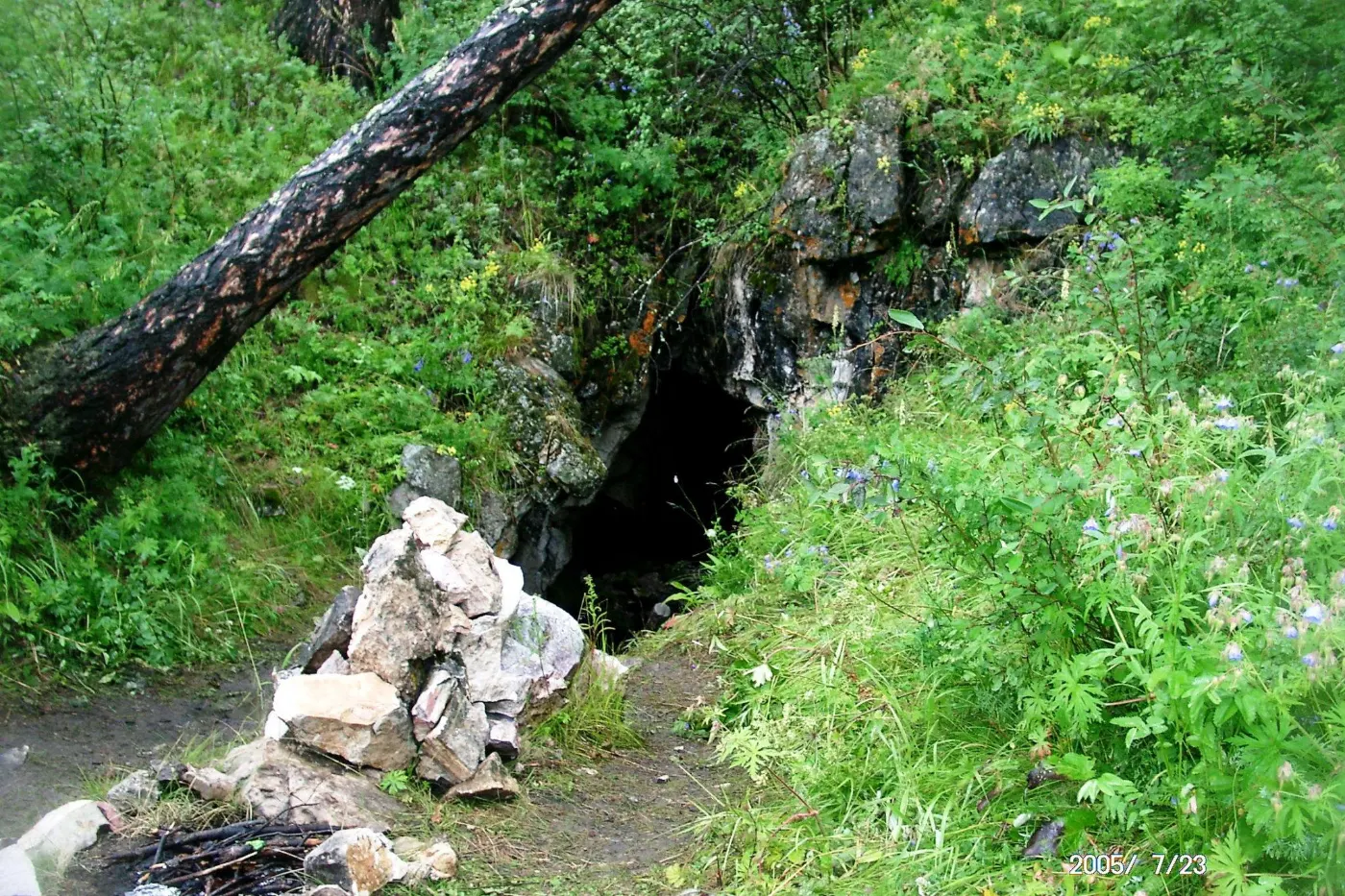
Kashkulak Cave
Kashkulak Cave (colloquially known as the "Cave of the Black Devil" or the "White Shaman's Cave") is a karst cavern system in the Batenevsky Ridge of the Kuznetsk Alatau mountains, situated in the Shirinsky District of Khakassia, Russia. Featuring a three-tier network of galleries descending to a depth of 49 meters with over 800 meters of mapped corridors, the site earned notoriety in the late Soviet period as an anomalous subterranean hotspot where explorers and scientists experienced acute panic attacks, disorientation, and waking hallucinations.
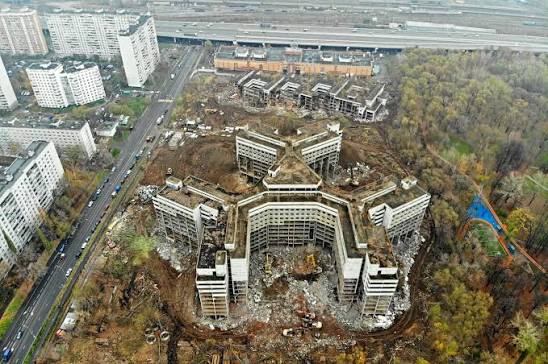
The Khovrino Hospital
The Khovrino Abandoned Hospital (colloquially known as "HZB" or "The Umbrella") was a notorious Soviet mega-scale unfinished complex, formerly situated at 2 Klinskaya Street in the Khovrino District of northern Moscow. Built in a monumental modernist and brutalist architectural style, the 1,300-bed facility famously formed a three-pointed star from the air that precisely mirrored the international biohazard symbol and the Umbrella Corporation insignia from Resident Evil. For over three decades, the derelict complex served as the ultimate urban exploration mecca in post-Soviet Russia, cultivating extensive dark urban mythology before its complete demolition in late 2018.

Ghostwatch on the BBC
BBC Elstree Studios and the suburban district of Northolt in Greater London, UK, are the defining locations of one of the most controversial media hoaxes in broadcast history. On Halloween night in 1992, the BBC aired "Ghostwatch," a mock live investigative special into a haunted council home that triggered nationwide public hysteria, regulatory sanctions, and real-world tragedy.
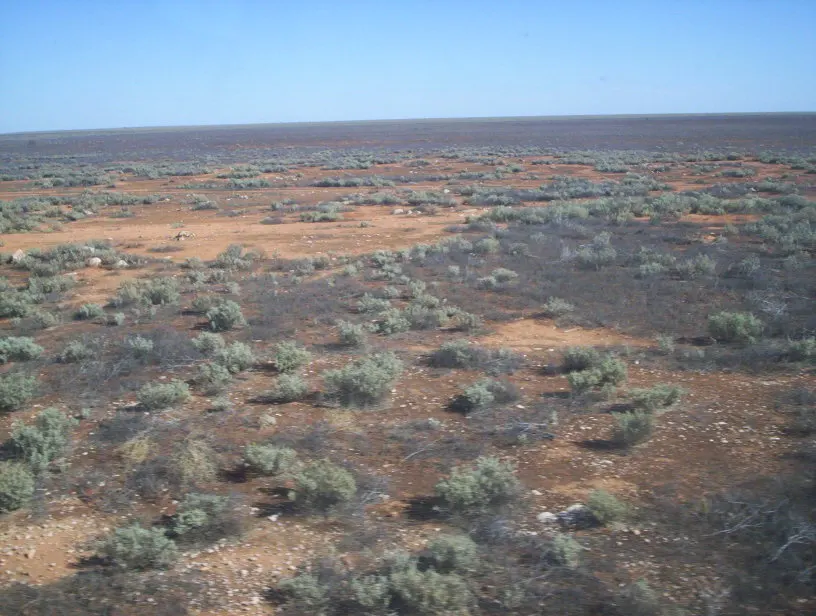
The Nullarbor and the Knowles Family Car
On 20 January 1988 the Knowles family were driving at night across this treeless plain in southern Australia when, by their account, a bright light appeared ahead on the highway. Then, they said, the car was lifted off the road, the cabin filled with black dust and a burnt smell, and their voices went unnaturally high; after a while the car dropped back onto the surface and they drove on with a blown tyre. At the roadhouse at Ceduna the police examined the car: dents in the roof, a black film inside and out. Samples of the film were analysed; the results disagreed. One explanation is a pressure surge from an oncoming truck on an empty road combined with panic. The family never withdrew their account.
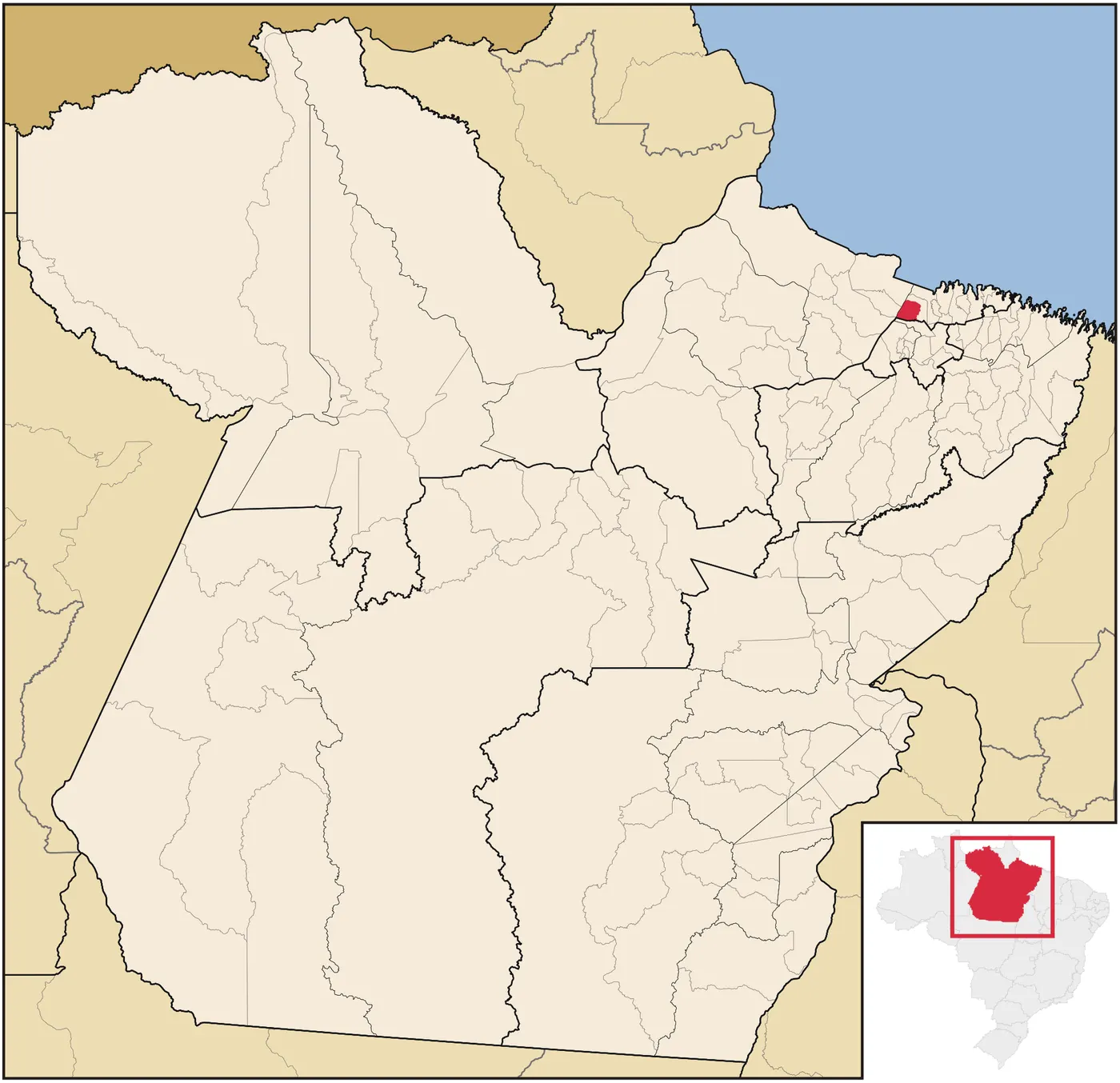
Colares and Operation Saucer
From late 1977 people on this island in the mouth of the Amazon began complaining of glowing objects that hung over houses at night and put a narrow beam down on them. They came to the clinic with burns, dizziness and anaemia; the local doctor, Wellaide Cecim Carvalho, kept the records. The Brazilian Air Force sent a team — Operação Prato, Operation Saucer, which worked for several months. The military collected hundreds of pages of reports, photographs and cine film. The material was declassified in the 2000s and passed to the Brazilian National Archives. It names no cause; some doctors put the symptoms down to panic and poor diet, and some did not. Many families left the island at the time.
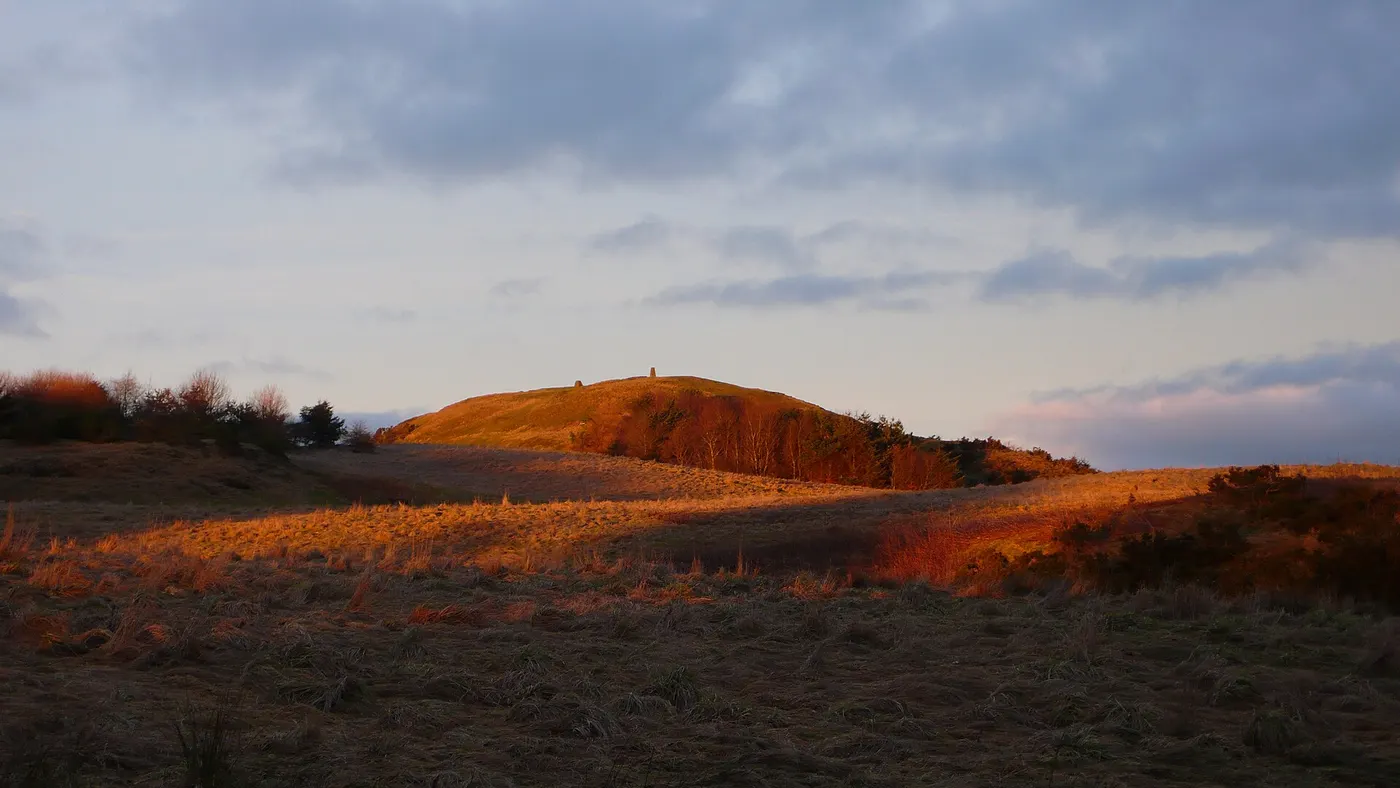
Dechmont Law and the Only Criminal Case
On 9 November 1979 a forestry worker named Robert Taylor walked up this hill outside Livingston and, by his account, came upon a dark spherical object; two spiked balls on legs detached from it, took hold of his trousers and dragged him. He lost consciousness and came round alone, with his trousers torn and grazes on his chin. Lothian and Borders Police opened a criminal case of assault — the only known instance of a UFO encounter investigated as a crime. It has never been closed. Depressions and marks were left in the ground and photographed. Taylor did not drink, had worked in forestry for decades, and never changed the account. A plaque stands at the spot.
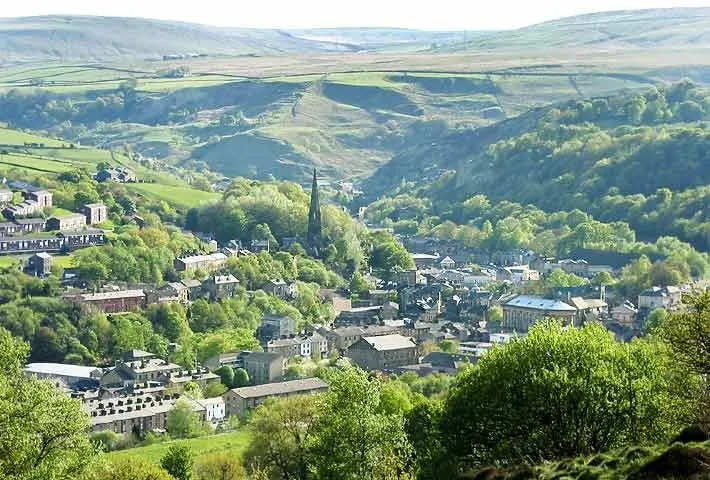
Todmorden and PC Godfrey's Missing Time
On 28 November 1980 PC Alan Godfrey was looking for stray cattle in this Yorkshire town when, by his report, he saw a rotating diamond-shaped object across Burnley Road. The next thing he remembered was driving on down the same road with a quarter of an hour missing from the clock. A dry patch was left on the tarmac on a wet night. Godfrey filed an official report and later described, under hypnosis, being examined inside a craft. The police distanced themselves from the story, and his career ended there. Six months earlier the body of a miner, Zygmunt Adamski, had been found nearby in circumstances the coroner called inexplicable; the literature links the two cases, though nothing supports the link.

Valensole and the Lavender Field
On the morning of 1 July 1965 a farmer named Maurice Masse walked out onto his lavender field on the Valensole plateau and saw an egg-shaped craft on six legs, with two small beings beside it examining the plants. By his account one of them pointed a tube at him and he could not move until the craft had gone. The gendarmes recorded a depression in the ground and the marks of the legs. The lavender at the landing spot grew badly for several years afterwards, which the neighbours noted too. Masse was a respected man, a member of the Resistance, and visibly disliked the attention: he refused journalists for decades. The case remains among the most cited in the French literature.
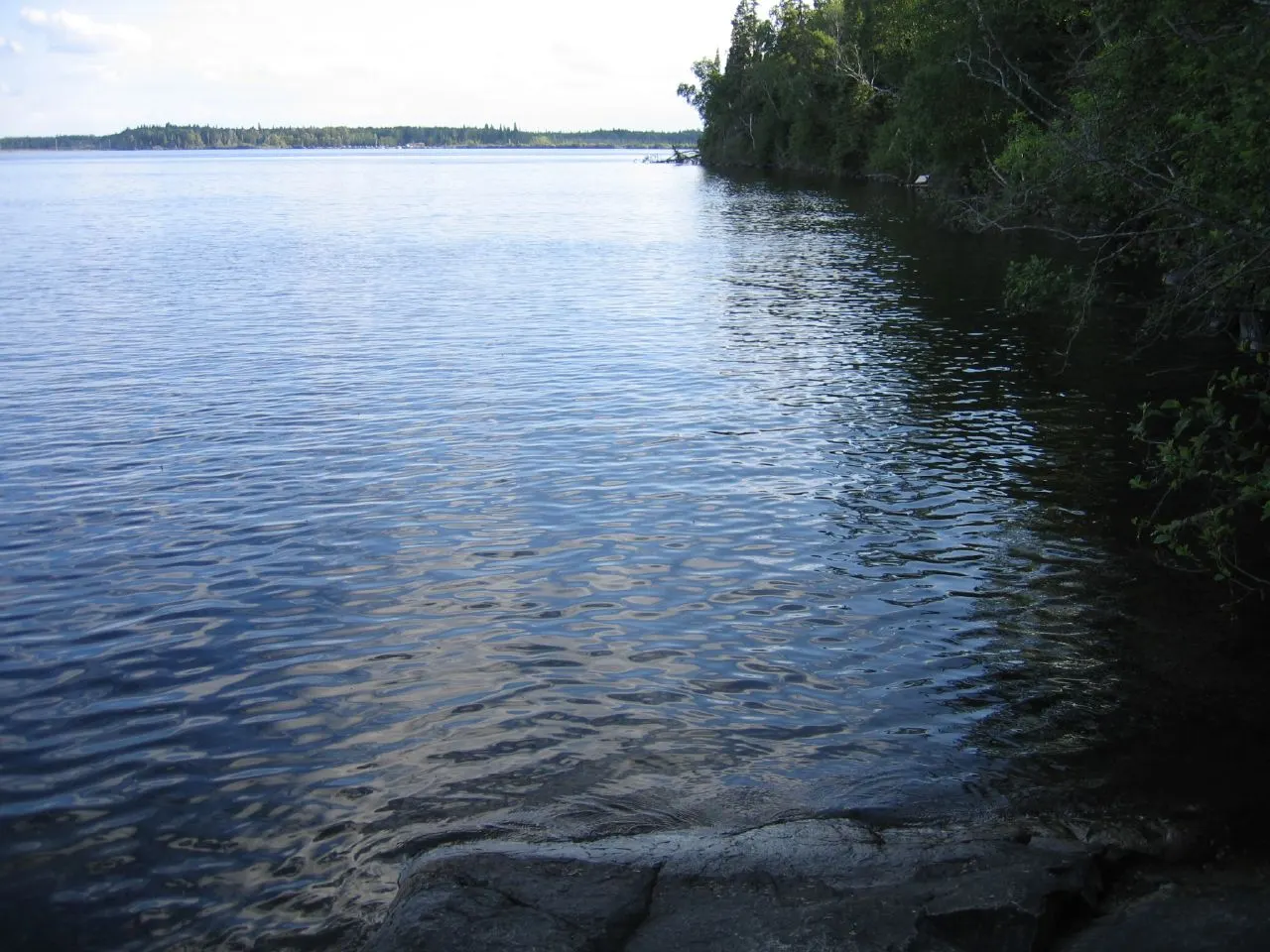
Falcon Lake and the Burn on the Chest
On 19 May 1967 an amateur geologist named Stefan Michalak was prospecting for quartz by Falcon Lake in Manitoba when, by his account, he saw two cigar-shaped craft; one landed a few dozen metres away. He walked up, touched the hot skin — his glove melted — and when the object lifted, hot gas from a grille in its side set his shirt alight. Michalak was hospitalised with burns in a grid pattern across his chest. The burns were photographed by doctors, and the pattern matched the grille he described. The Canadian government handled the case; a thick file survives in the archives, including soil analysis from the site that found raised radioactivity. The file contains no explanation.
Allagash and the Four Men on the Lake
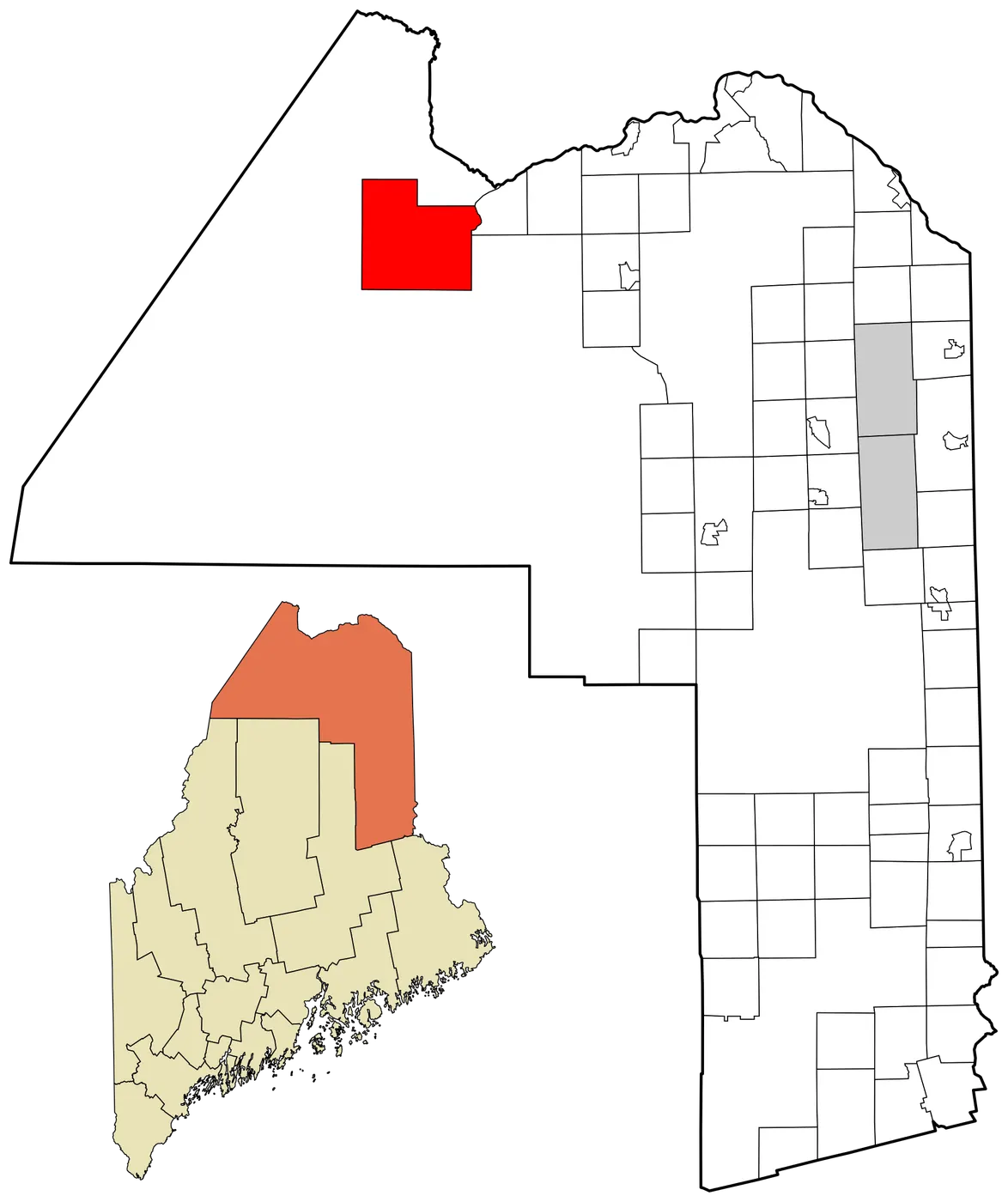
In August 1976 four men — two artist brothers and two friends — were night fishing from a boat on a lake in the north Maine woods when, by their account, a bright sphere over the water put a beam on them. After that there was a gap: the campfire they had built before going out had burned to ash. Twelve years later all four went under hypnosis separately and described an examination inside a craft. One of the brothers drew what he had seen, and the drawings became the well-known part of the story. It is one of very few abduction cases with several witnesses at once, and simultaneously the sceptics' main exhibit: hypnosis recovers suggested images as readily as memories.
Huffman and the Burns on the Back Road
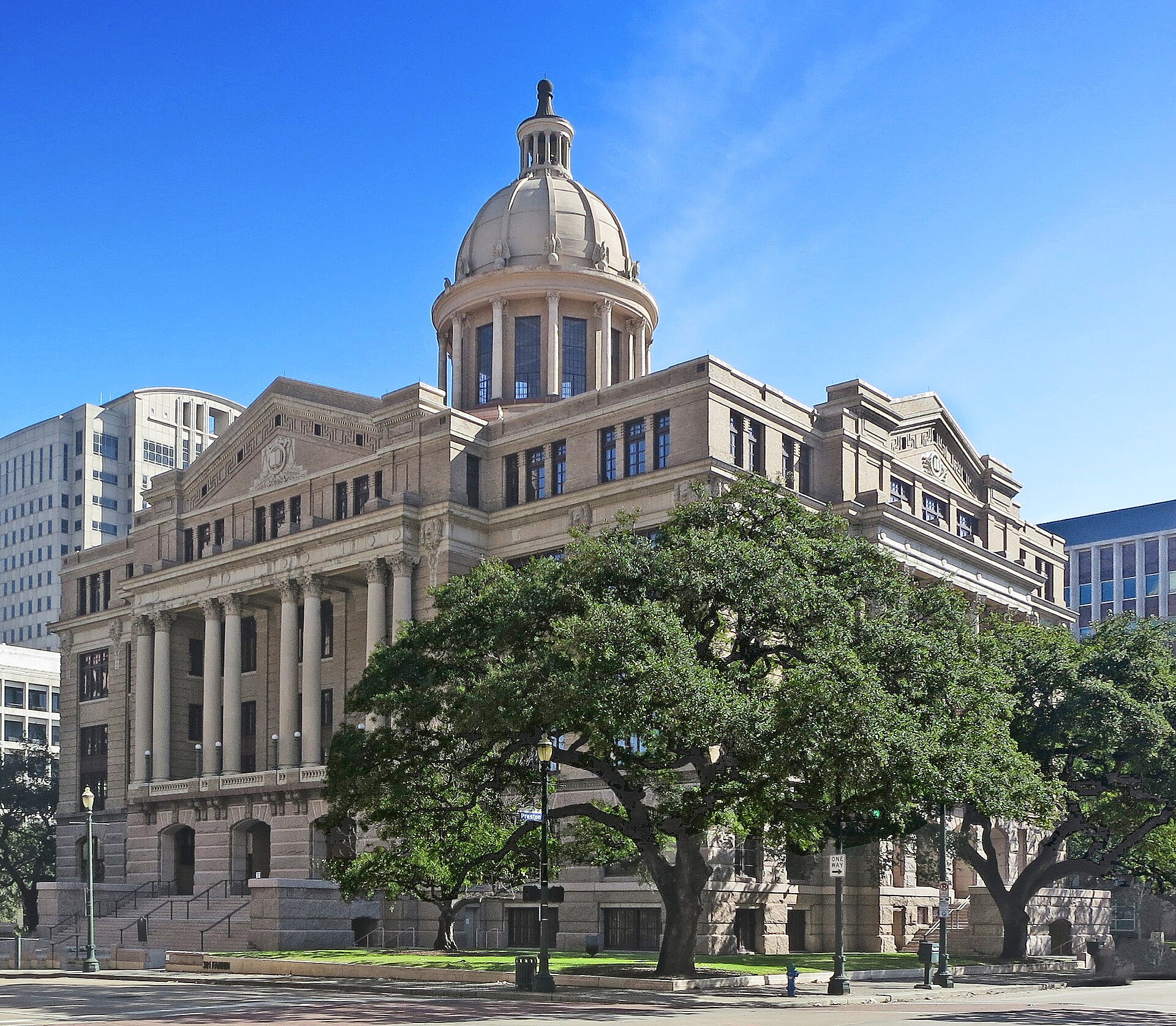
On the evening of 29 December 1980 Betty Cash, Vickie Landrum and her seven-year-old grandson were driving a back road north-east of Houston when they stopped in front of a diamond-shaped object throwing flame downwards. The car's metal grew hot enough that Vickie's fingerprints were left in the dashboard. Then the object moved off, surrounded by what they counted as some two dozen helicopters. Over the following days all three developed burns, vomiting and hair loss — a picture doctors described as radiation injury. Betty Cash spent weeks in hospital. They sued the United States government, seeking to establish military involvement; the case was dismissed because no agency would claim the object. The medical records survive.
Franconia Notch and the Hills' Missing Hours
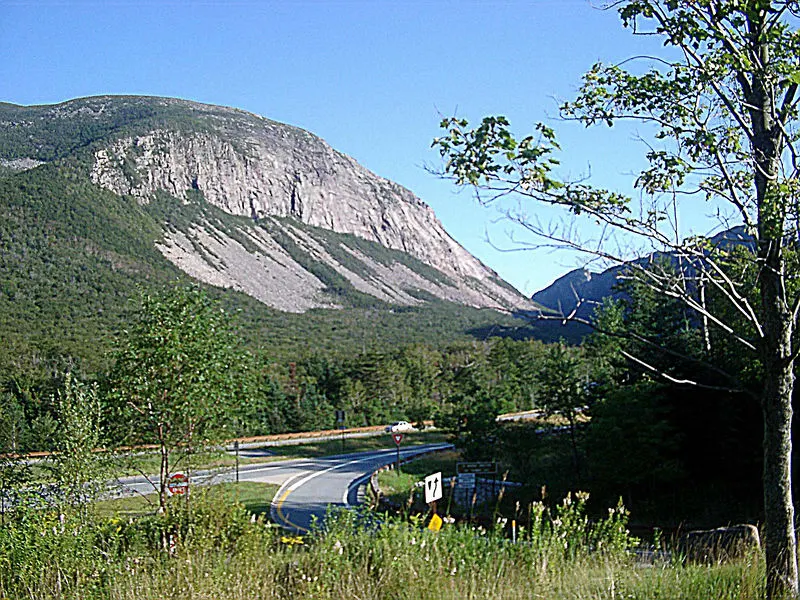
On the night of 19–20 September 1961 Barney and Betty Hill were driving home from Canada on Route 3 through this notch in the White Mountains. By their account a bright light followed the car; Barney stopped, looked through binoculars, and drove off in a panic. They reached home two hours later than they should have, and could not account for the two hours. Two years later, under hypnosis, both described being taken aboard and examined. The transcripts became a book, and through it the whole subsequent genre of abduction: before the Hills, that story did not exist in the subject. A New Hampshire state historical marker stands on the highway — a rare thing to erect for an episode of this kind.
Snowflake and Travis Walton's Five Days
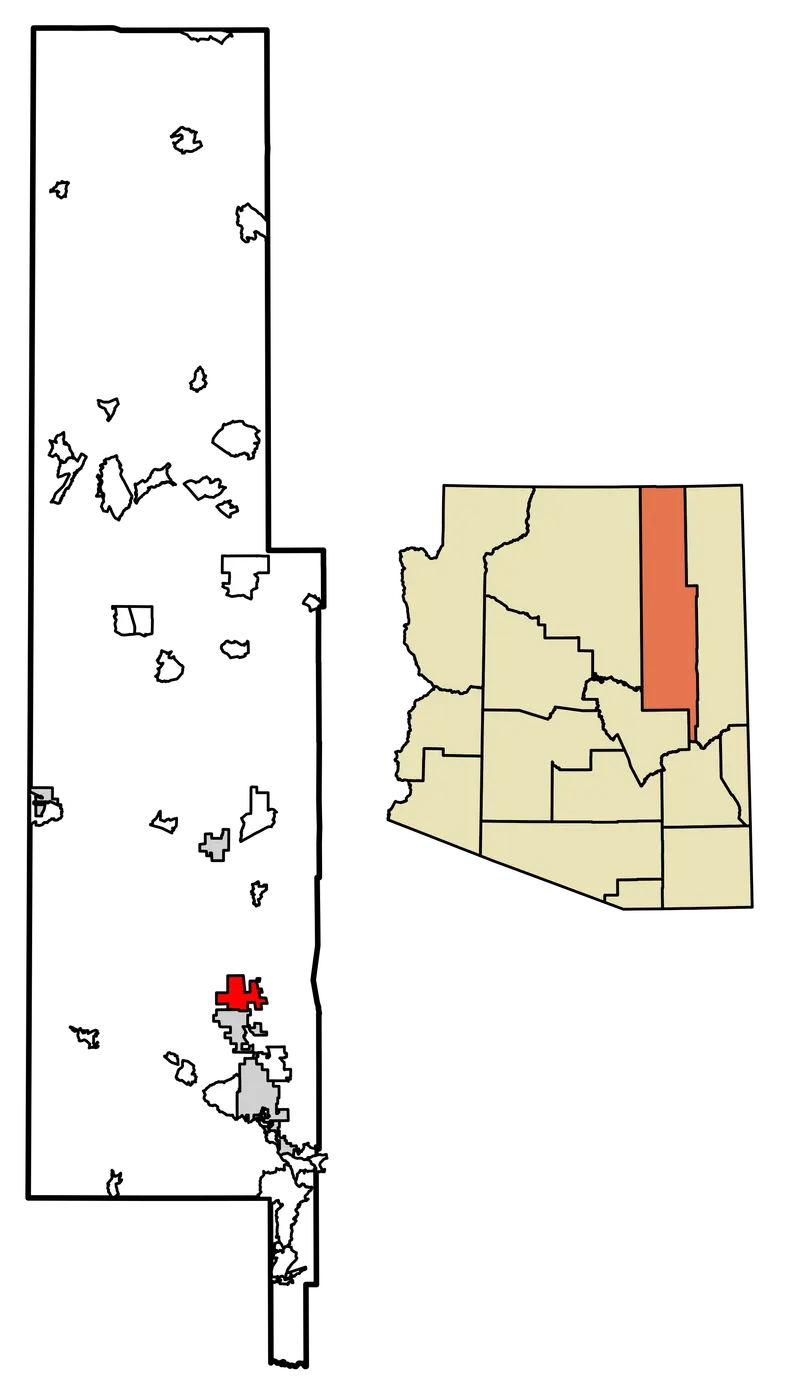
On 5 November 1975 a logging crew was driving down from a cut in the Arizona mountains when, by every man's account, a glowing disc appeared over the road. Twenty-two-year-old Travis Walton got out and walked towards it; a flash threw him backwards and the others fled. He was searched for over five days, on the ground and from the air. Six witnesses took polygraph tests — five passed clearly, one was inconclusive. After five days Walton rang from a phone box in a nearby town, exhausted, and described waking on a table among figures with enormous eyes. Sceptics note that the crew was behind on its contract and escaped the penalty. Walton and his crewmates have held to the account for half a century.
Pascagoula and the Two Men on the Pier
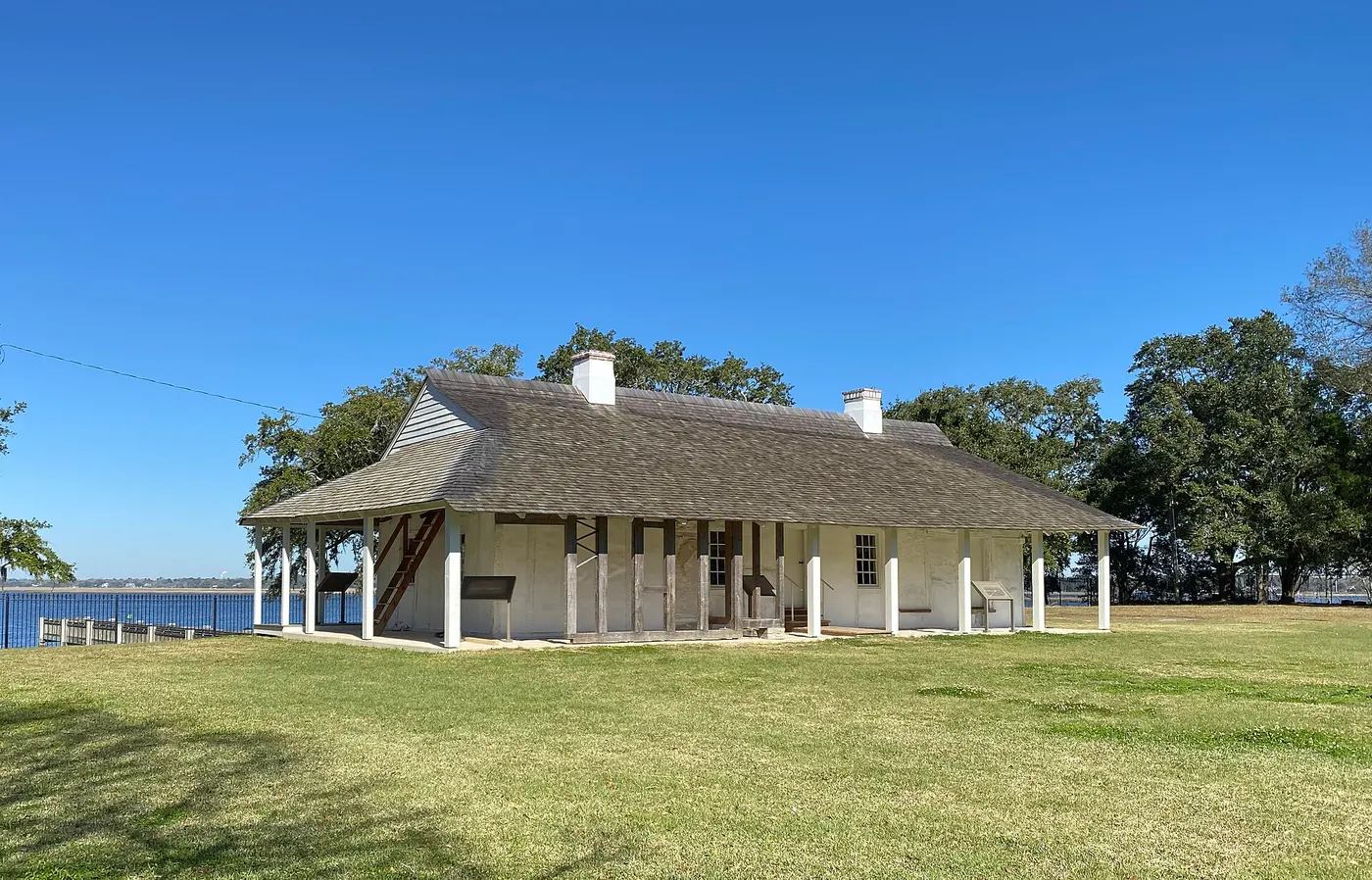
On the evening of 11 October 1973 Charles Hickson and Calvin Parker were fishing from a disused pier on the Pascagoula River. By their account an oval glowing object settled nearby, three figures with claws instead of hands came out of it, lifted them both and carried them inside; some time later they came to on the pier. The men drove themselves to the sheriff's office. There they were left alone in a room with a hidden tape recorder — a trick meant to catch accomplices out. On the tape they talked to each other exactly as they had to the investigators, and Parker prayed. Hickson repeated the account until his death in 2011. Parker said nothing for almost forty years and spoke only in 2018.
The Adzhimushkay quarries
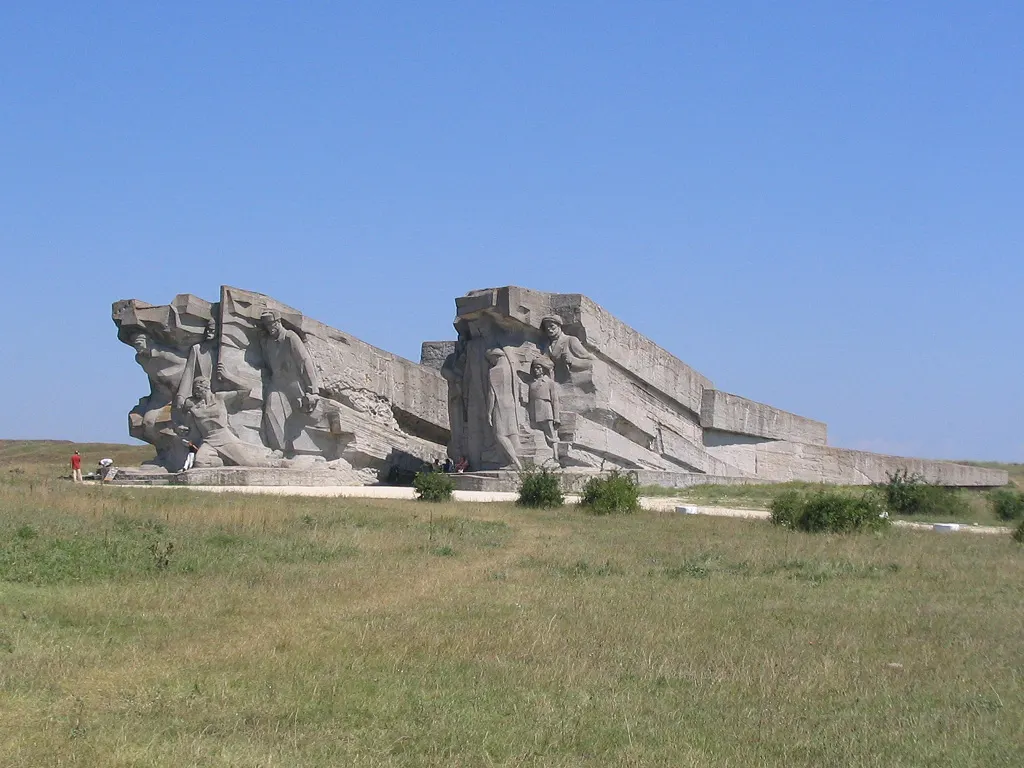
The Adzhimushkay Quarries constitute an extensive subterranean limestone quarry system (comprising the Great and Small Adzhimushkay labyrinths) located on the outskirts of Kerch near the settlement of Adzhimushkay on the Kerch Peninsula, Crimea. Having supplied coquina building stone since antiquity, these catacombs became the site of one of World War II's most harrowing subterranean sieges: from May to October 1942, surrounded Soviet rear-guard units and local civilians mounted an unrelenting 170-day defense trapped in absolute darkness, enduring lethal dehydration, structural demolitions, and continuous chemical asphyxiation assaults by the German Wehrmacht.
The Black Climber
A figure in black who appears in the mountains: in some accounts he helps the lost, in others he leads them off the path. The legend is common to Soviet mountaineering as a whole and has been recorded in the Caucasus, the Tian Shan and the Pamirs; each region has its own version of who he was in life — usually somebody who was abandoned on a rope. The story has a practical point, and it explains its durability: it says out loud what actually happens in mountains, and what that world fears more than dying.

The Devil's Cemetery
The "Devil's Graveyard" (Chertovo Kladbishche, also known as the "Death Clearing") is a legendary anomalous zone located in the dense subarctic taiga of the Kova River basin (a left tributary of the Angara) in the Kezhemsky District of Krasnoyarsk Krai, Siberia. According to 20th-century accounts, the site was a circular clearing 15 to 25 meters in diameter of charred, ash-covered earth completely devoid of plant life and strewn with animal skeletons that mysteriously accumulated on the ground
The Medveditskaya Ridge
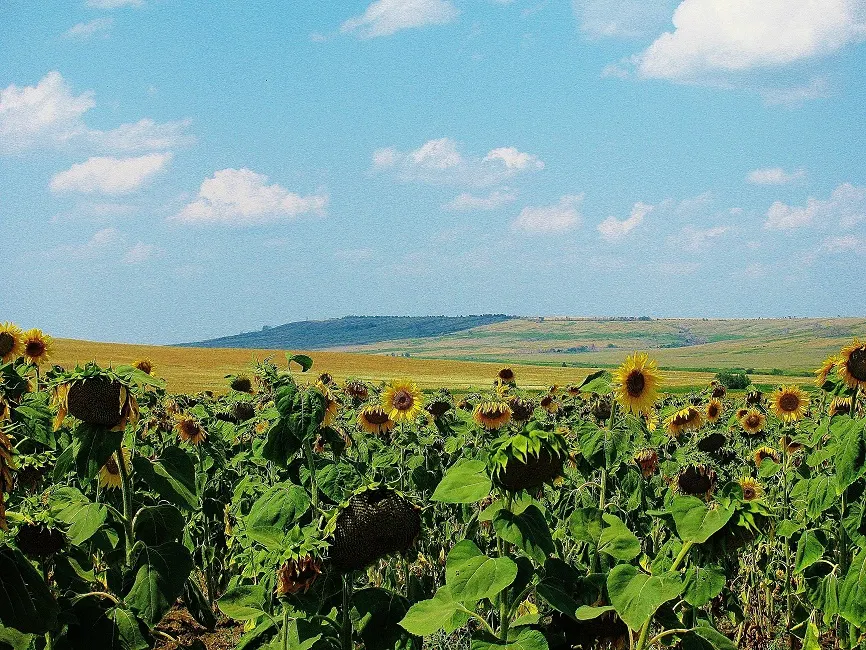
The Medveditskaya Ridge is a chain of rolling hills on the border of the Volgograd and Saratov Regions, recognized as one of Russia's most renowned anomalous zones. The area is famous for an unusually high frequency of ball lightning, the distorted trees of the "Drunken Forest," subterranean cavities, and recurring reports of geomagnetic disturbances.
Tikhiy Dom
"Tikhiy Dom" (The Quiet House / Silent House) is the quintessential urban legend of Russian netlore and the netstalking subculture, signifying the mythical, absolute lowest stratum of the Deep Web. Originating in RuNet forum folklore in the early 2010s, the concept depicted a terminal ontological threshold at the "bottom of the Internet" where entry irreversibly severs human consciousness from physical reality. Between 2015 and 2016, this netstalking terminology was appropriated by malicious online actors within VKontakte alternate reality game (ARG) shock circles ("death groups", f57), transforming into a euphemistic metaphor for suicide during the moral panic surrounding the viral "Blue Whale" challenge.
The Mad Gasser of Mattoon
In September 1944 residents of Mattoon, Illinois, began reporting the same thing to police: a sweetish smell in the house, nausea, numbness in the legs, a paralysing weakness. Around two dozen cases were logged in a fortnight. Police, the FBI and chemists found no substance, no traces and no man. The standard explanation is a wartime episode of mass psychogenic illness amplified by the local paper; the alternative points at emissions from a nearby plant. Neither is proven, and the case is a textbook fixture in social psychology.
The Pontianak
A woman who died in childbirth and came back for revenge — one of the central figures of Malay and Indonesian folklore. Her presence is identified by smell: first the sweetness of frangipani, then the smell of a corpse. She is held to live in banana trees, which is why they are not planted right against a house. The city of Pontianak in Borneo carries her name: by tradition its founder laid out the settlement on the spot where he drove these spirits off.
Kuchisake-onna, the slit-mouthed woman
A woman in a surgical mask stops a passer-by and asks: am I beautiful? Say yes and she takes the mask off, revealing a mouth slit to the ears, and asks again. The legend erupted in the spring of 1979 in Gifu Prefecture and crossed the whole of Japan within months: schools sent children home in groups, police stepped up patrols, newspapers reported the panic. The roots are older, going back to the Edo period, but the 1979 version was the country's first case of an urban legend requiring a police response.
The Kelly–Hopkinsville goblins
On the night of 21 August 1955 the Sutton family, from a farm outside Kelly, Kentucky, ran into the police station at Hopkinsville and said they had spent hours shooting at short creatures with large ears and glowing eyes that came up to the windows and did not fall when hit. Police went out to the farm, found shot-out windows and screens, and no trace of the creatures. There were eleven witnesses including children, there was no drink in the house, and the family had nothing to gain — they turned down money for interviews. The case remains one of the most argued-over in American ufology.