UFO sightings — mystical places on the map
Places where somebody looked up, saw something they could not name, and told a policeman, a newspaper or an air force. Some of these are single nights with a file number and a hundred witnesses; some are towns that have been reporting lights for so long they now sell postcards of them. What they have in common is that the report exists and can be read — which is a different thing from the thing in the sky being real.
109 places
Kapustin Yar
A missile range in the Astrakhan region, closed off since 1946 so thoroughly that the full set of stories grew up around it that grew around Area 51 in the United States: downed craft, underground hangars, tests of unknown machinery. Some of the rumours have an obvious source — rocketry really was tested here and a nuclear device detonated in 1957, and for years any flash over the steppe had no official explanation. The range is still in operation.
The Brown Mountain Lights
Glows seen since the nineteenth century over a low ridge in North Carolina: they appear above the crest, rise, go out and appear again. The US Geological Survey studied them twice, in 1913 and 1922, and both times concluded they were reflections of train and settlement lights. The difficulty is that the earliest accounts date from before there was a railway or a settlement there. The ridge is accessible, there are marked viewing areas, and the lights are still being filmed.
The Hornet Spook Light
A ball of light the size of a basketball, seen for more than a century over a straight stretch of dirt road on the Missouri–Oklahoma line. It approaches, retreats, changes colour and is said to react to people. The US Army Corps of Engineers investigated in the 1940s and reached no conclusion. The most convincing explanation is atmospheric refraction of headlights from Route 66 a few miles off — but local memory of the light predates cars in the county.
The Kelly–Hopkinsville goblins
On the night of 21 August 1955 the Sutton family, from a farm outside Kelly, Kentucky, ran into the police station at Hopkinsville and said they had spent hours shooting at short creatures with large ears and glowing eyes that came up to the windows and did not fall when hit. Police went out to the farm, found shot-out windows and screens, and no trace of the creatures. There were eleven witnesses including children, there was no drink in the house, and the family had nothing to gain — they turned down money for interviews. The case remains one of the most argued-over in American ufology.
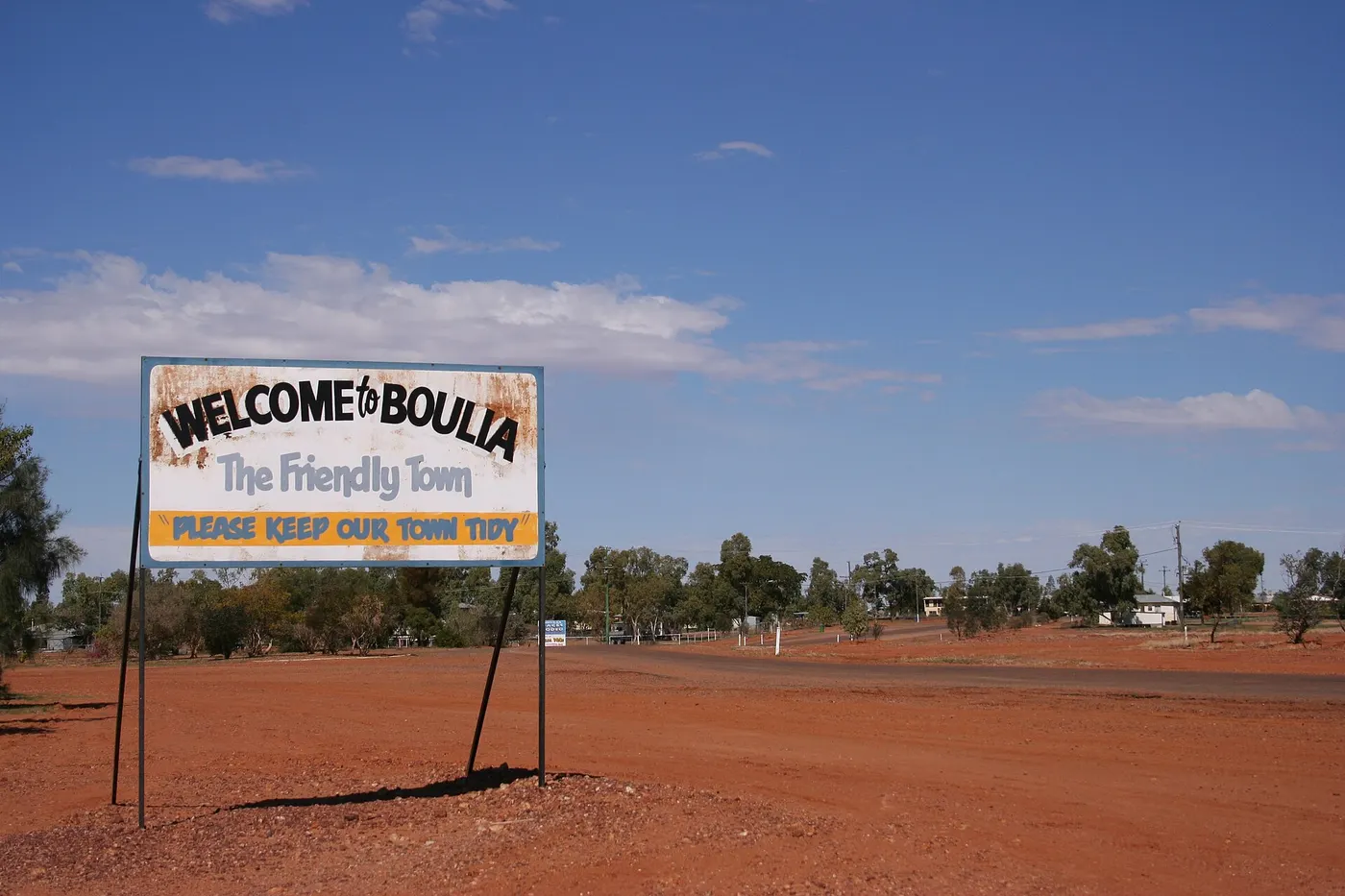
The Min Min Lights
A town deep in Queensland that gave its name to the lights seen on the roads of the burnt west: glowing spheres that follow a car or a rider and keep their distance for hours. Aboriginal people described them before Europeans arrived. In 2003 the physicist Jack Pettigrew showed experimentally that under a temperature inversion a light source beyond the horizon can appear as a nearby object — an elegant explanation that does not cover every case.
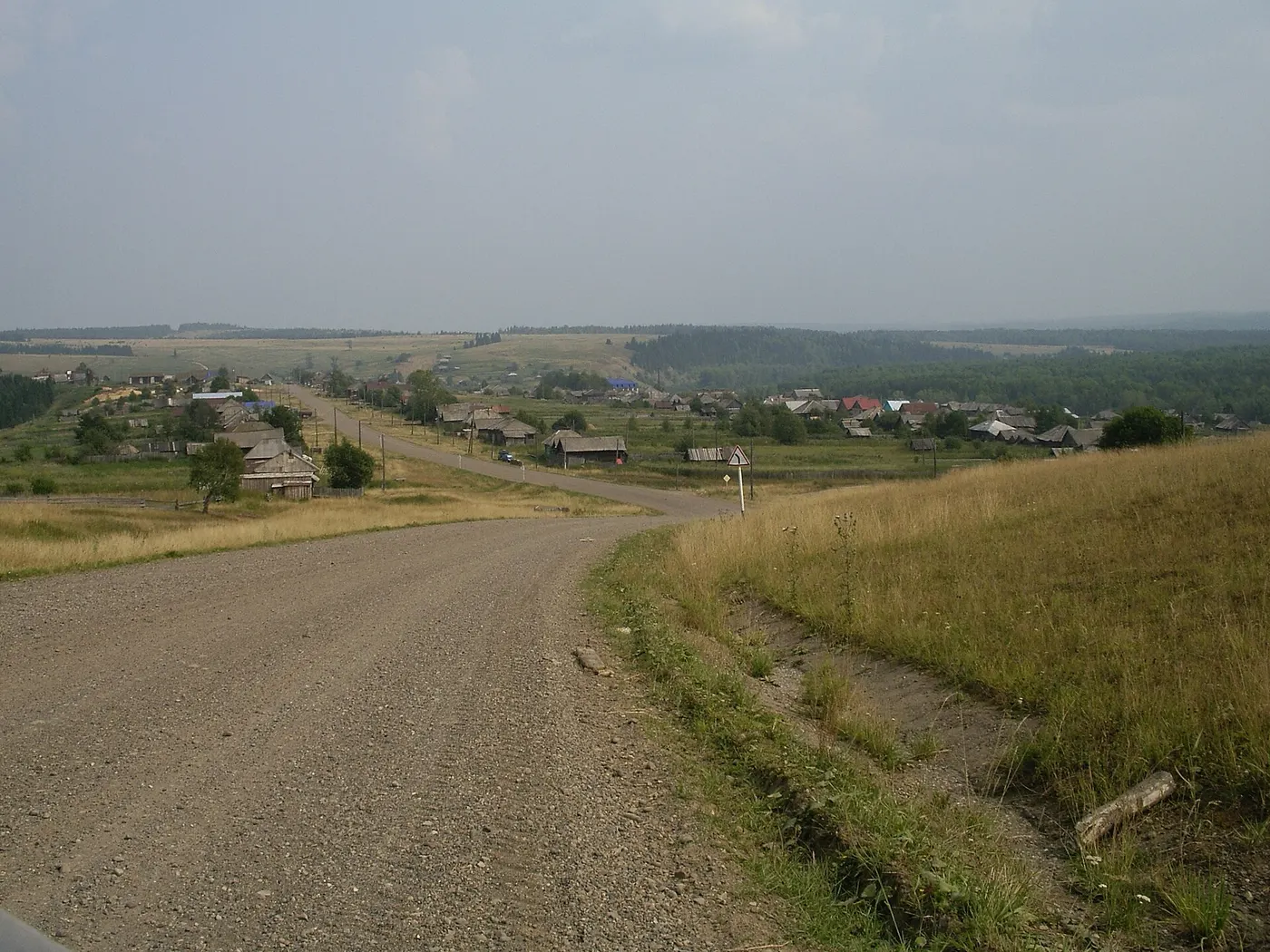
The Molyobka Triangle
A stretch on the border of Perm Krai and Sverdlovsk Oblast that became, in the late 1980s, the first Soviet anomalous zone written up in the national press. From 1989 thousands travelled here, reporting glowing spheres, equipment failing, loss of bearings, and "luminous people". The place is linked to old Mansi sacrificial sites. A statue of an alien stands by the village now, and the flow of researchers dried up long ago.
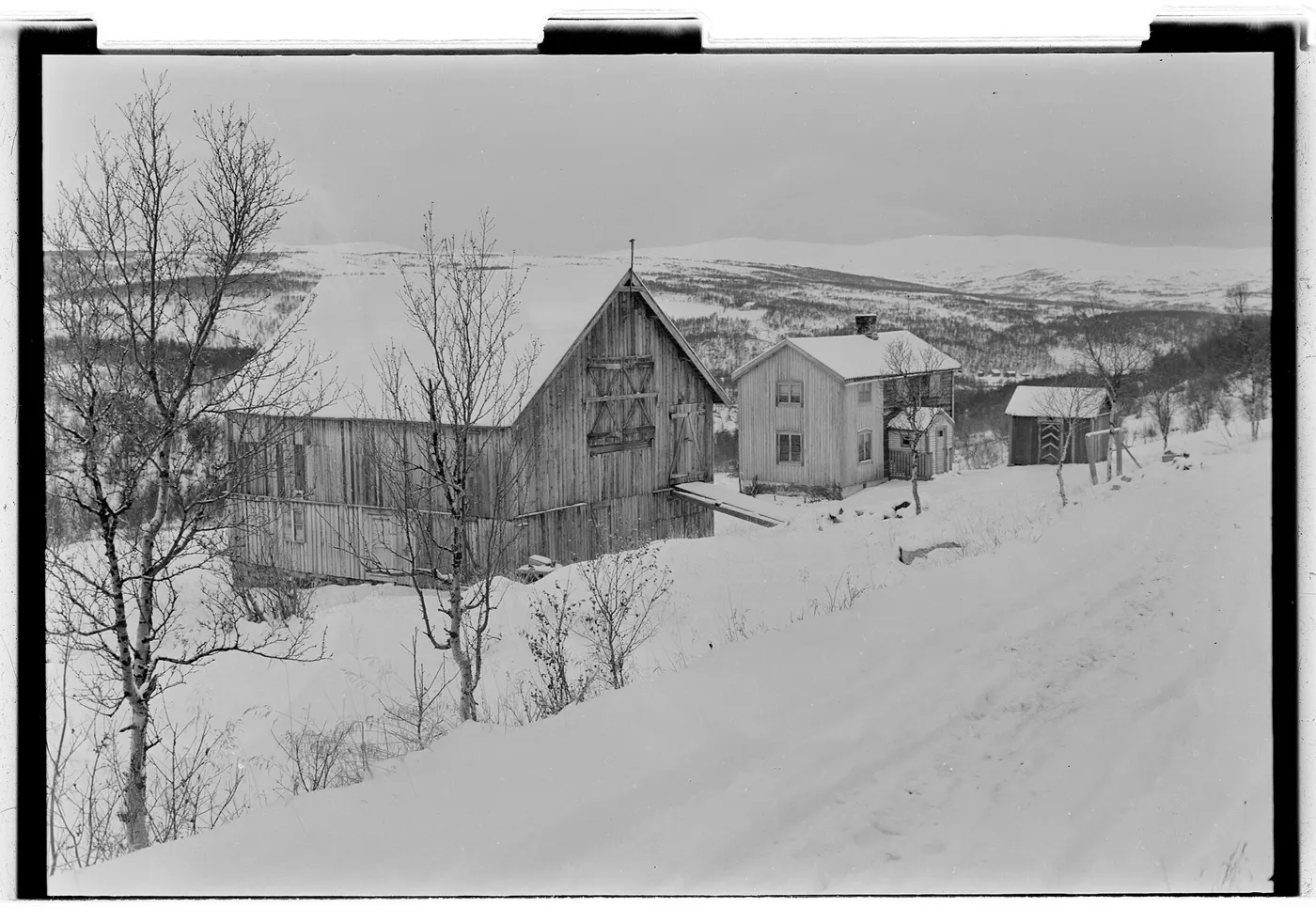
The Hessdalen Valley
A Norwegian valley where luminous objects have been observed since 1981, at times twenty times a week. Unlike most such places it has a permanent automated observation station, built in 1998 by Østfold University College, and the phenomenon has been under instruments for a quarter of a century. Hypotheses exist — dust ionisation, a piezoelectric effect in the rock — and none accounts for all of it.
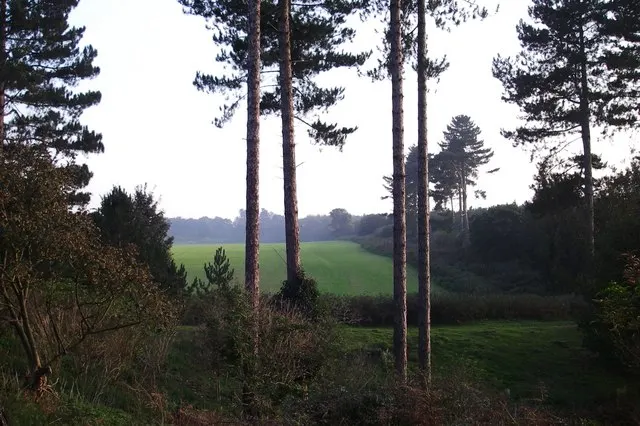
Rendlesham Forest
A Suffolk forest between two US air force bases where, over three nights in December 1980, servicemen reported lights and a landed object three times. The deputy base commander, Charles Halt, recorded events on a dictaphone in the forest itself and filed an official memorandum, later declassified. The Ministry of Defence stated there was no defence significance and the investigation ended there. It is called Britain's Roswell.
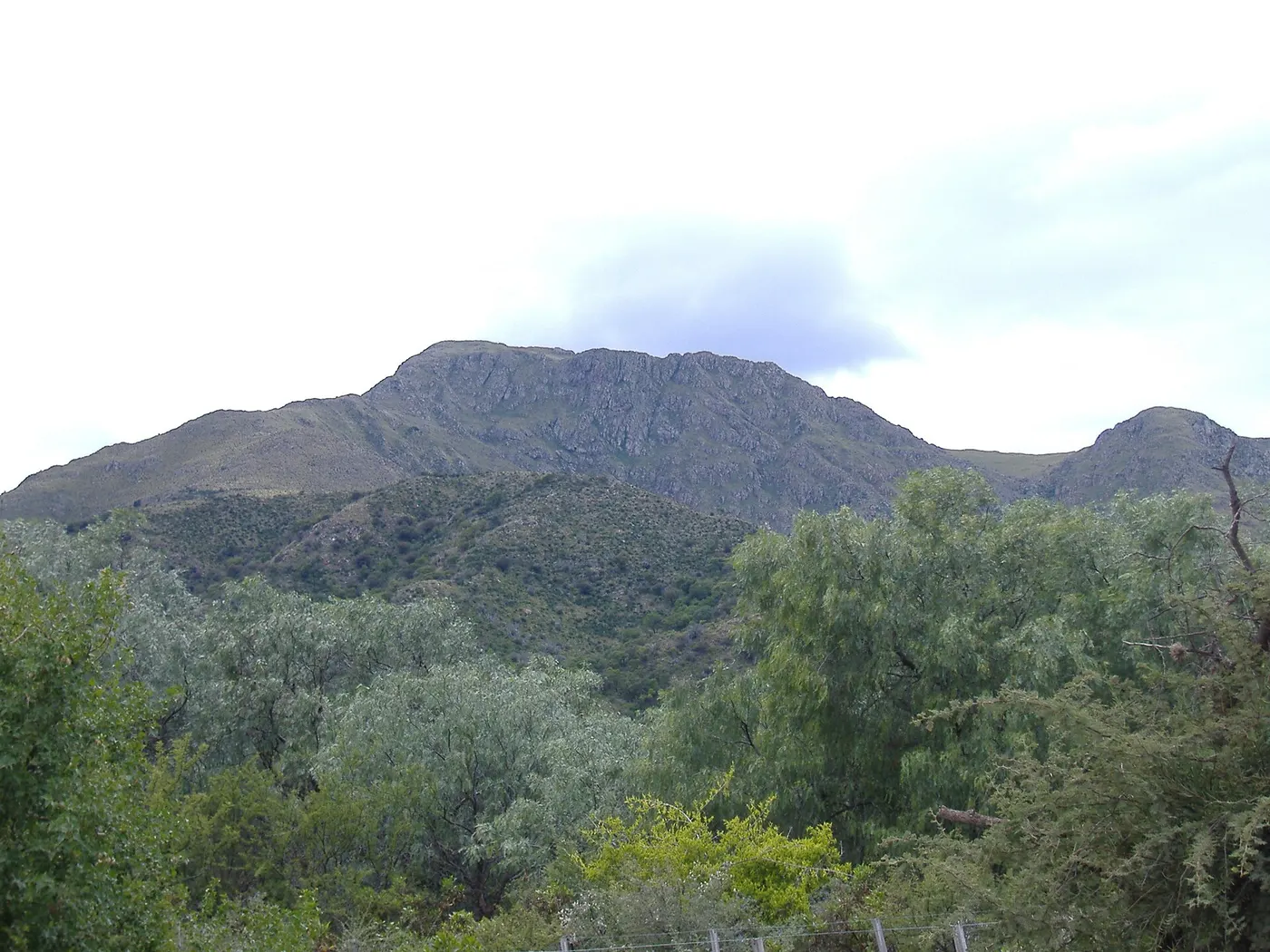
Cerro Uritorco
A mountain in the Argentine province of Córdoba, the main site of UFO pilgrimage in Latin America. In January 1986 a scorched oval some hundred and twenty metres long was found on its slope, and never explained. Local esoteric tradition places a hidden underground city, Erks, inside the mountain. Thousands climb it on New Year's Eve to wait for lights.
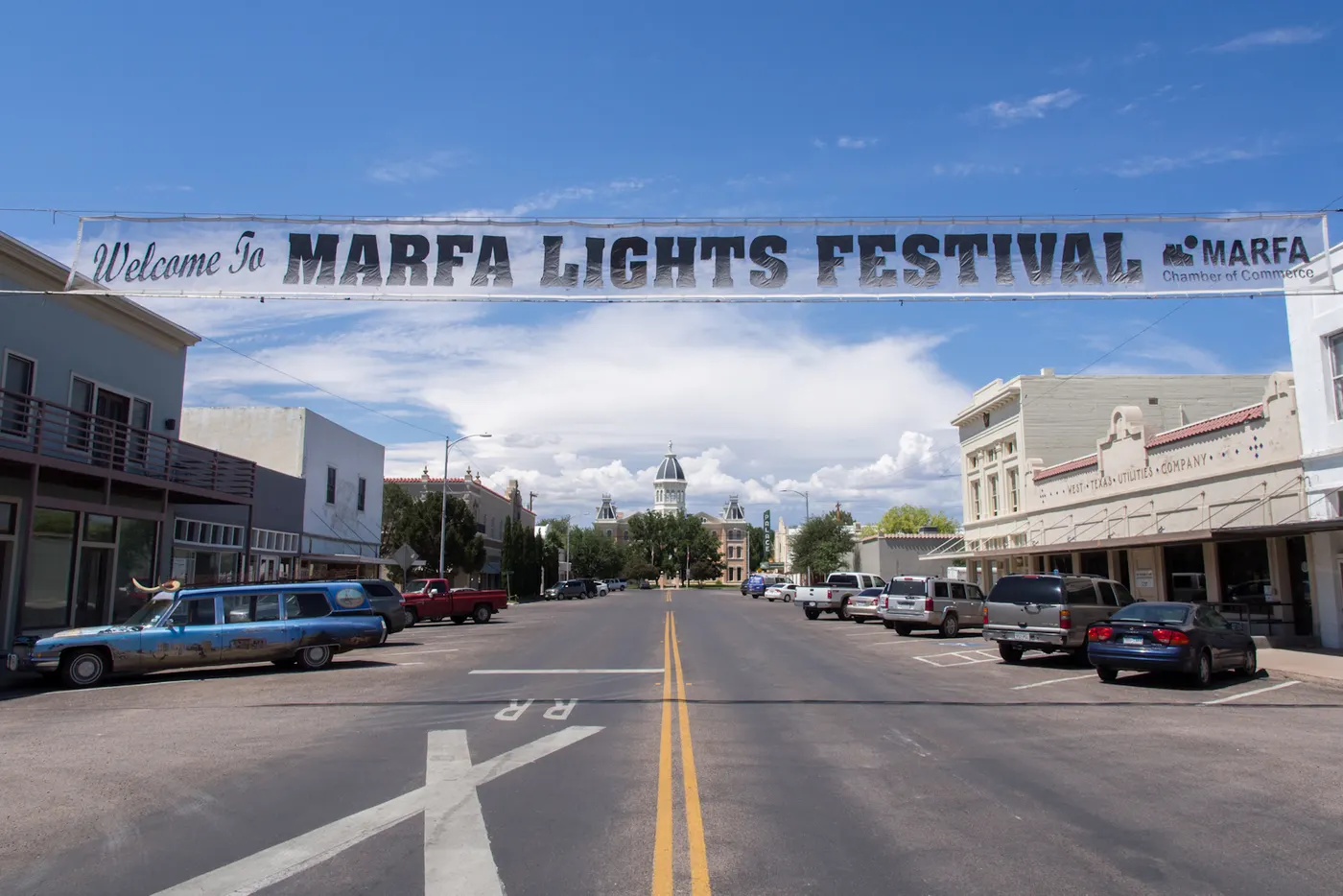
The Marfa Lights
East of this west Texas town, lights have been watched since 1883: basketball-sized spheres that hang over the desert, split, merge and go out. The cowboy Robert Ellison recorded the first, taking them for Apache campfires. University physicists showed in 2004 that a good share of them are headlights on Highway 67 refracted through layers of warm air. A share — but not all, and it cannot account for the sightings that predate cars.
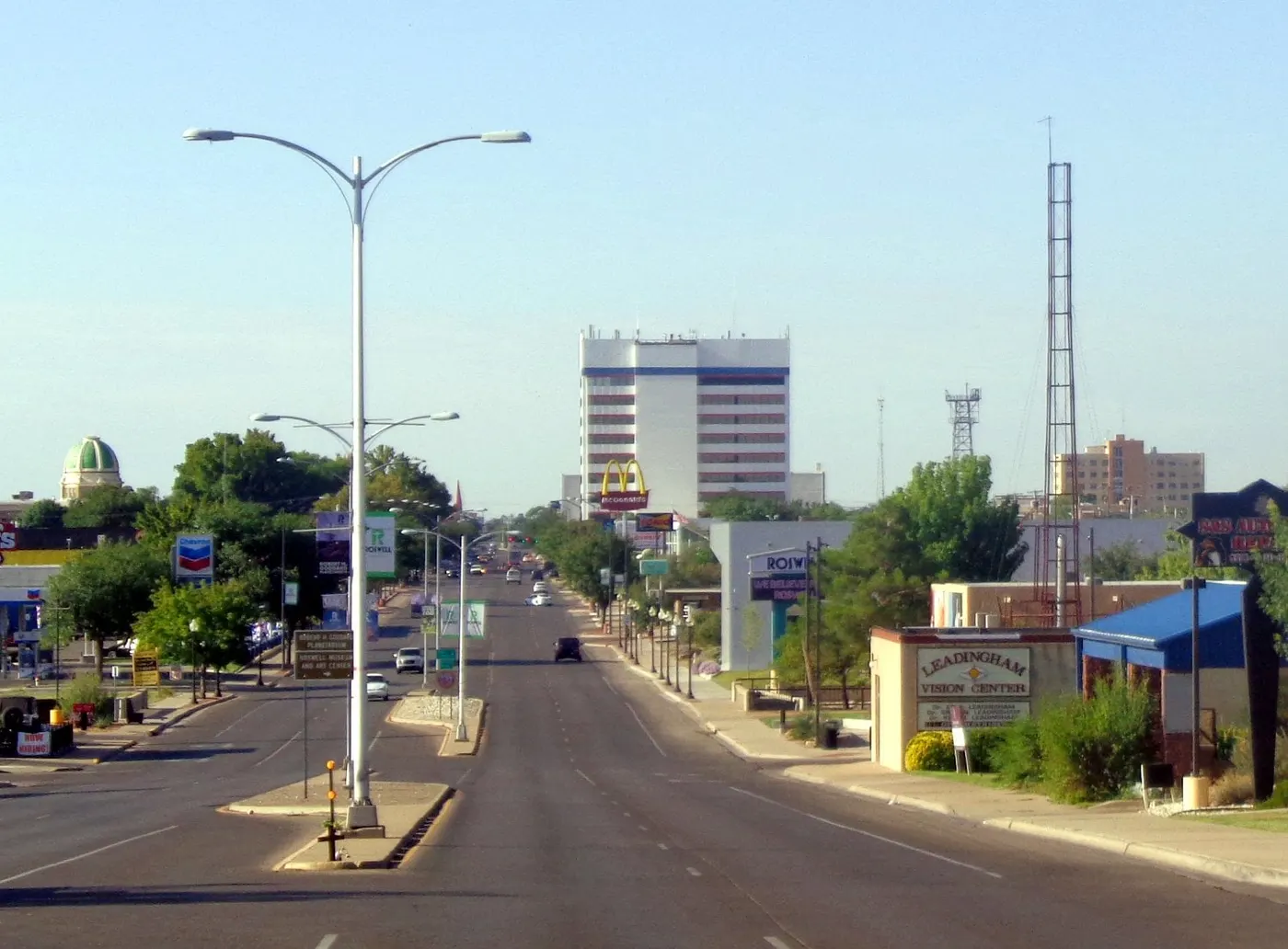
Roswell
On 8 July 1947 the army airfield at Roswell issued a press release saying it had recovered a "flying disc". Hours later the statement was withdrawn and the debris called a weather balloon. It would have been forgotten if participants had not started telling it differently in the late 1970s; by the 1990s Roswell was shorthand for cover-up. In 1994 the Air Force admitted the balloon was not meteorological but part of Project Mogul, listening for Soviet nuclear tests — a truth forty-seven years late, which by then convinced nobody.
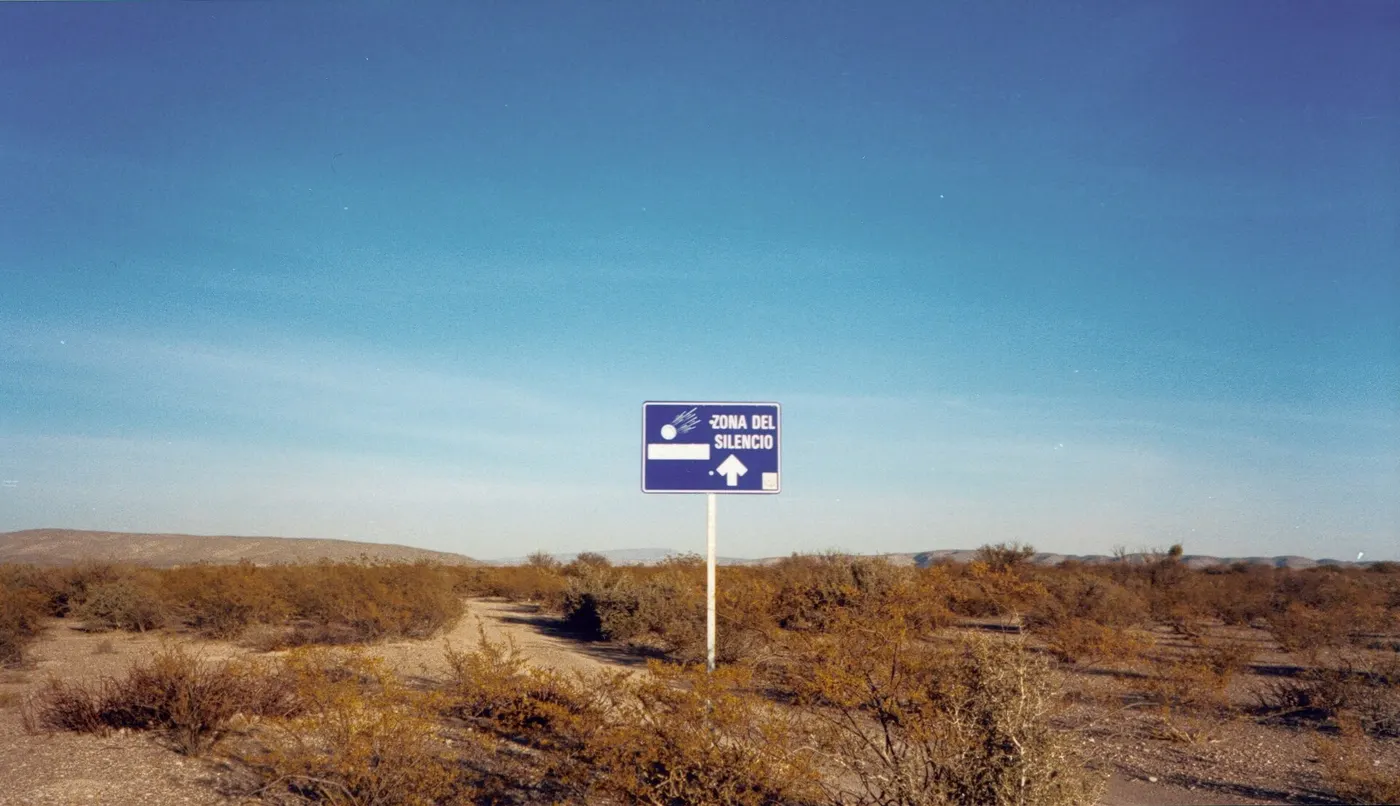
Mapimí Silent Zone
A patch of northern Mexican desert where, by local account, radios fall silent and compasses misbehave. The reputation dates from a US missile crashing here in 1970; tests have not confirmed any radio anomaly.
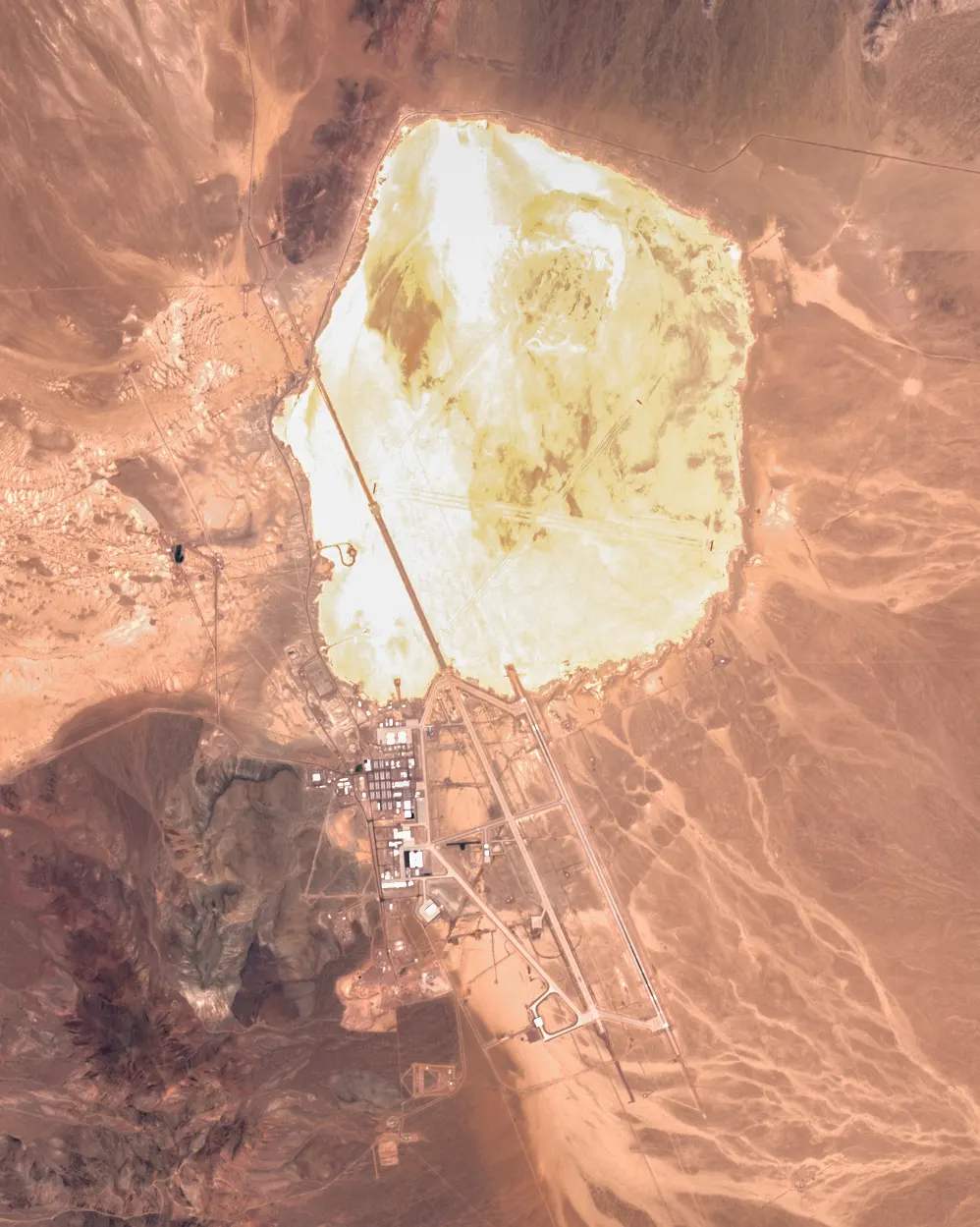
Area 51
A closed US Air Force range in the Nevada desert that officially did not exist for decades. Secret aircraft testing and total secrecy made it the centre of global UFO mythology.