Cryptids — mystical places on the map
Creatures with witnesses, footprints and grainy footage, and not one specimen science accepts. Bigfoot, Nessie, the chupacabra and dozens of local monsters, each with its own river, its own forest and its own swamp.
44 places
The Kyshtym dwarf, Alyoshenka
In May 1996 Tamara Prosvirina, a resident of the village of Kaolinovy near Kyshtym in the Urals, brought home a creature about twenty-five centimetres long with an elongated skull and large eyes. She called it Alyoshenka, fed it, and told neighbours a son had come to live with her. She was taken to a psychiatric hospital; the body was filmed and photographed in the meantime, and that autumn it vanished without trace. What makes the case unusual is the sheer volume of material: video, photographs, dozens of interviews. Later genetic work points to human remains — most likely a premature infant with severe developmental defects.
The Goatman of Maryland
A half-goat, half-man with an axe, told of in Prince George's County outside Washington. The legend took shape in 1971, when a local paper ran a piece about a missing dog and rumours of a creature near Fletchertown Road; the article was picked up, and within a couple of years the story had acquired an escaped experiment from the agricultural research centre next door. The centre is real and still operating, which has helped the legend considerably — it has a building you can point at.
The Melon Heads
Creatures with disproportionately large heads living in the woods — a legend told in three American states at once, Ohio, Michigan and Connecticut, each with its own backstory. The Ohio version is the most widespread: supposedly children from a closed institution for hydrocephalus patients who escaped after a fire. No such institution and no such fire appear in the records. What is interesting is the rest: three unconnected regions invented almost the same image, and in all three it explains the same thing — that there is someone in the woods who was once hidden there.
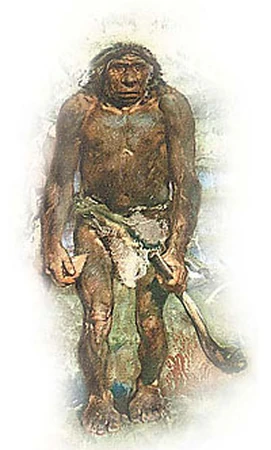
The Chuchunya of Verkhoyansk
The Chuchuna (Yakut: Chuchunaa; Evenki: Mulen) is a legendary "wild man" and relict forest wanderer pervasive in the oral traditions of indigenous populations across Northeastern Siberia. Centered within the jagged slopes of the Verkhoyansk Range and the subarctic river basins of the Yana, Adycha, Dulgalakh, and Sartang (Verkhoyansky District, Sakha Republic / Yakutia), the entity is traditionally depicted as a tall, feral nomad clad in raw reindeer hides who raided storage caches and avoided all human contact. During the 20th century, the Chuchuna transitioned into a cornerstone of Soviet cryptozoology and hominology alongside the Yeti and the Central Asian Almas.
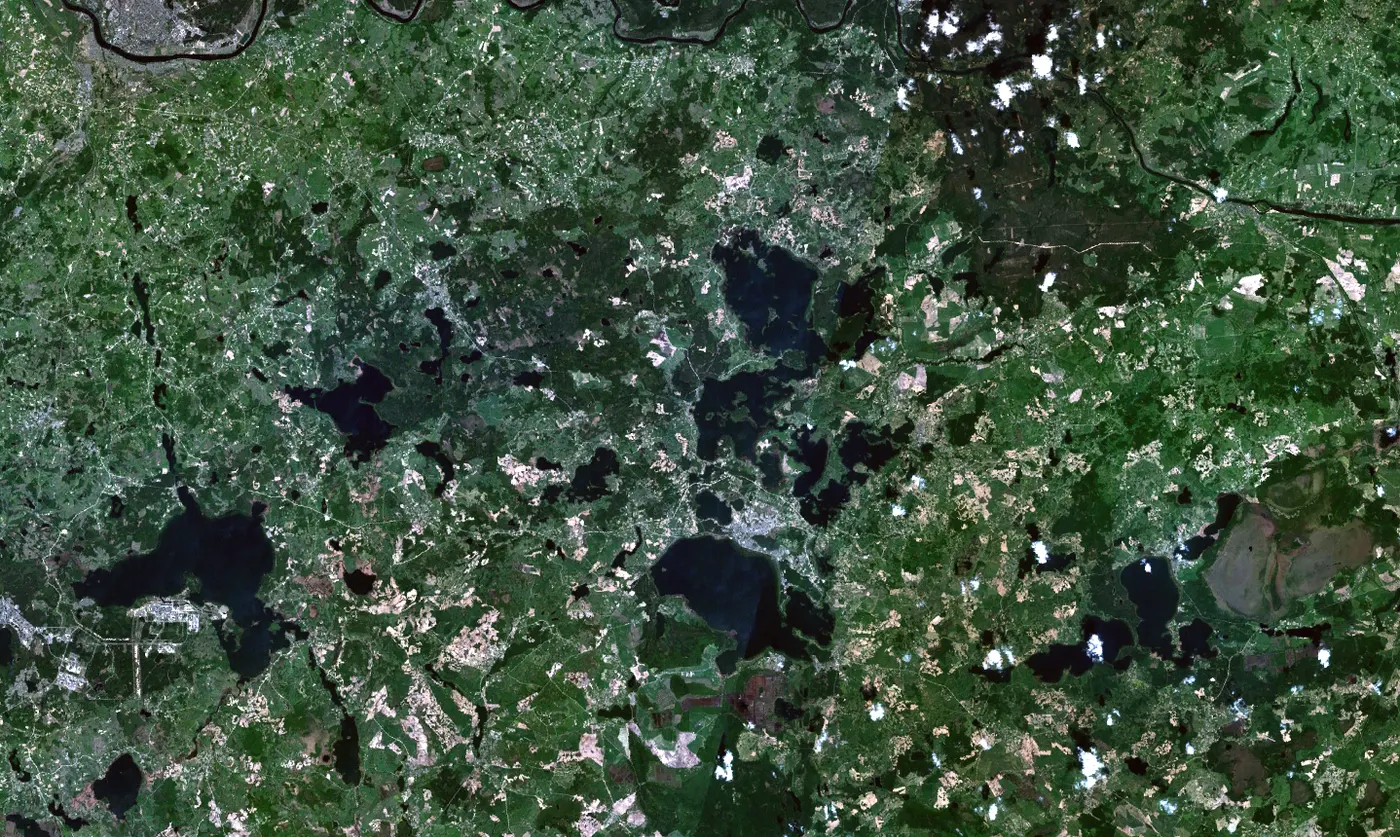
The Braslav Lakes and the Tsmok
Braslav Lakes National Park in the Vitebsk Region of Belarus is a scenic expanse of glacial lakes, rolling ridges, and island labyrinths steeped in ancient Baltic-Slavic folklore. The region's core mythological symbol is the Tsmok—the legendary Belarusian dragon and aquatic serpent said to inhabit the deep, cold waters of local lakes such as Drivyaty and Volos.
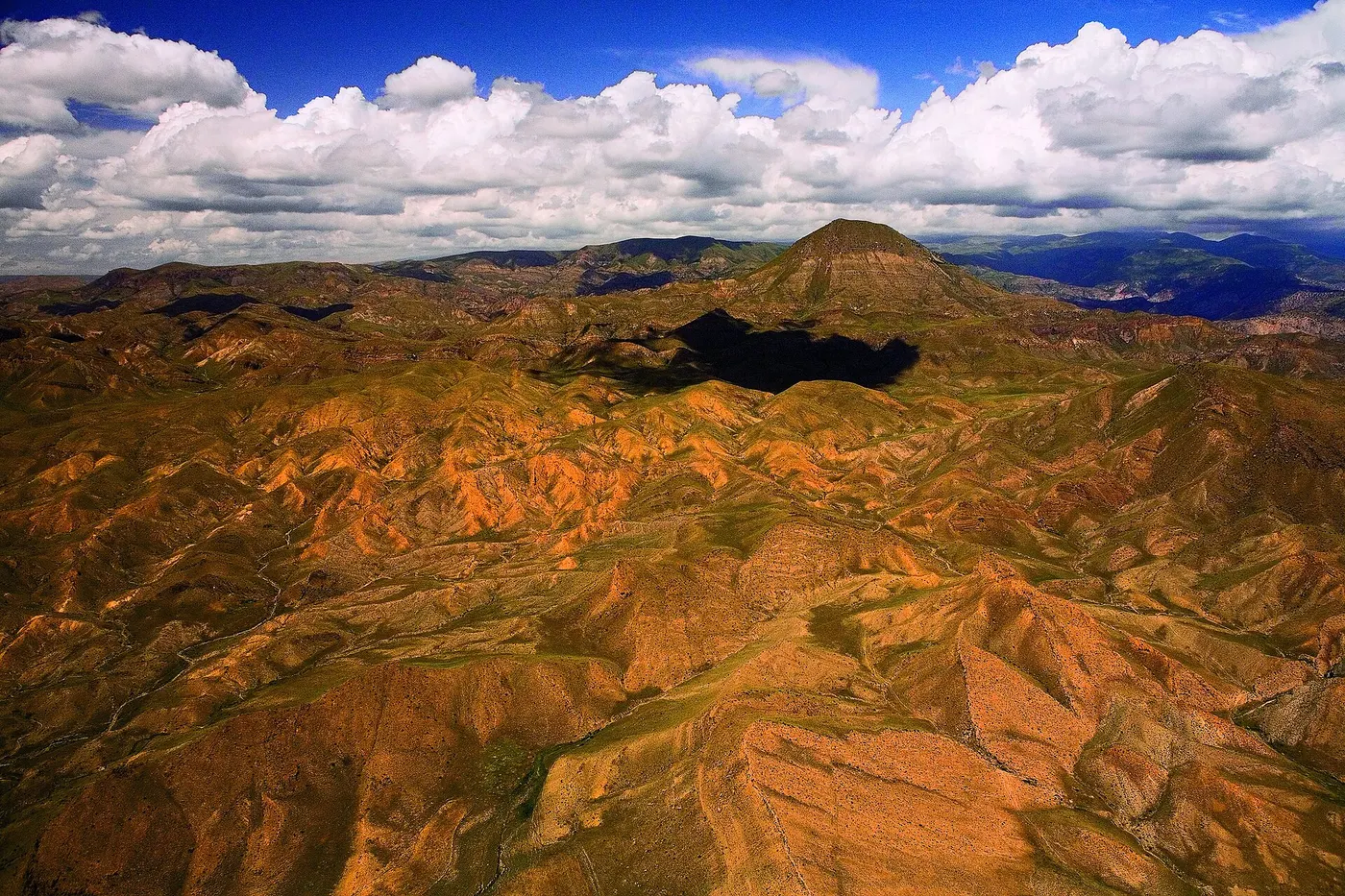
The Vishap Stones of the Gegham Mountains
On the high pastures of Armenia stand the vishaps — stone stelae up to five metres tall, carved as fish or wrapped in the hide of a bull. They are some four thousand years old and were set at springs and water channels. In Armenian mythology the vishap is a dragon that lives in the mountains and holds back the water, until the hero Vahagn defeats it. The stelae predate the written tradition, so who raised them and why is known only from the stone.
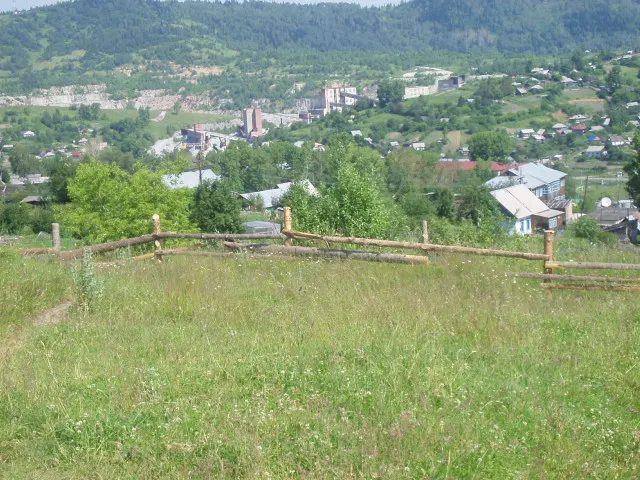
The Azass Cave and the Kuzbass Yeti
Azasskaya Cave is a karst cavern formation located at the headwaters of the Azas stream within Shorsky National Park in the Tashtagolsky District of Kemerovo Oblast (Mountain Shoria), southern Siberia. Featuring an impressive arched entryway grotto measuring up to 12 meters in height and a freezing subterranean stream flowing from its mouth, the site gained international renown in the late 2000s as the alleged primary lair of a surviving relict hominid population: the "Kuzbass Yeti."
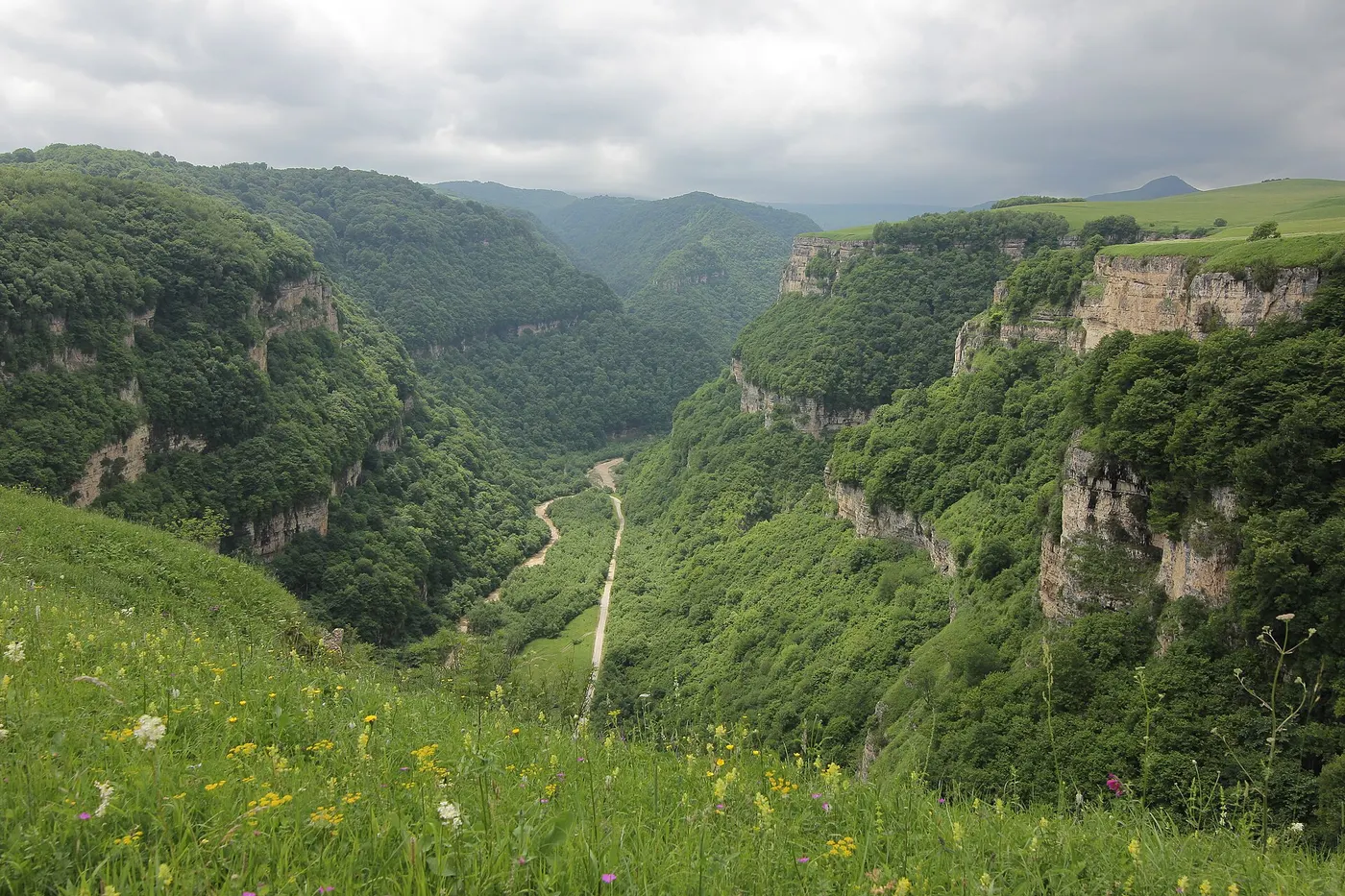
The Almasty of Kabardino-Balkaria
The Caucasus is the heartland of the Almasty, the Caucasian wild man: a creature some two metres tall covered in reddish hair which, by the accounts of mountain villagers, comes down to the sheepfolds and takes livestock. In the 1960s Professor Boris Porshnev collected testimony here for the Academy of Sciences and examined the case of Zana, a woman who lived in an Abkhaz village in the nineteenth century and whom locals held to be a captured Almasty. Her descendants were traced into the twentieth century; genetic analysis in 2015 found ordinary African ancestry.
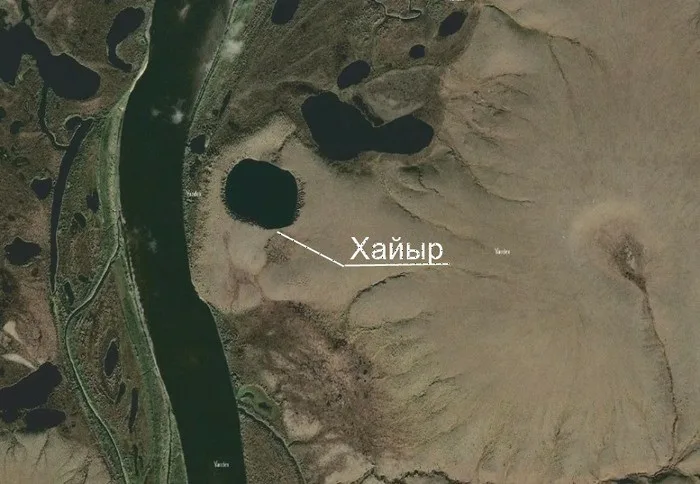
Lake Khaiyr
Lake Khayyr is a small, landlocked thermokarst lake situated within the subarctic tundra of the Ust-Yansky District in the Sakha Republic (Yakutia), Russia, located in the lower basin of the Omoloy River north of the Arctic Circle. In 1964–1965, this remote northern water body gained nationwide prominence when Soviet periodicals reported sightings of the "Khayyr Monster" ("Khayyr Beast")—an alleged relict aquatic reptile sporting an elongated neck and dorsal crest, transforming the lake into the Soviet Union's counterpart to the Loch Ness myth.
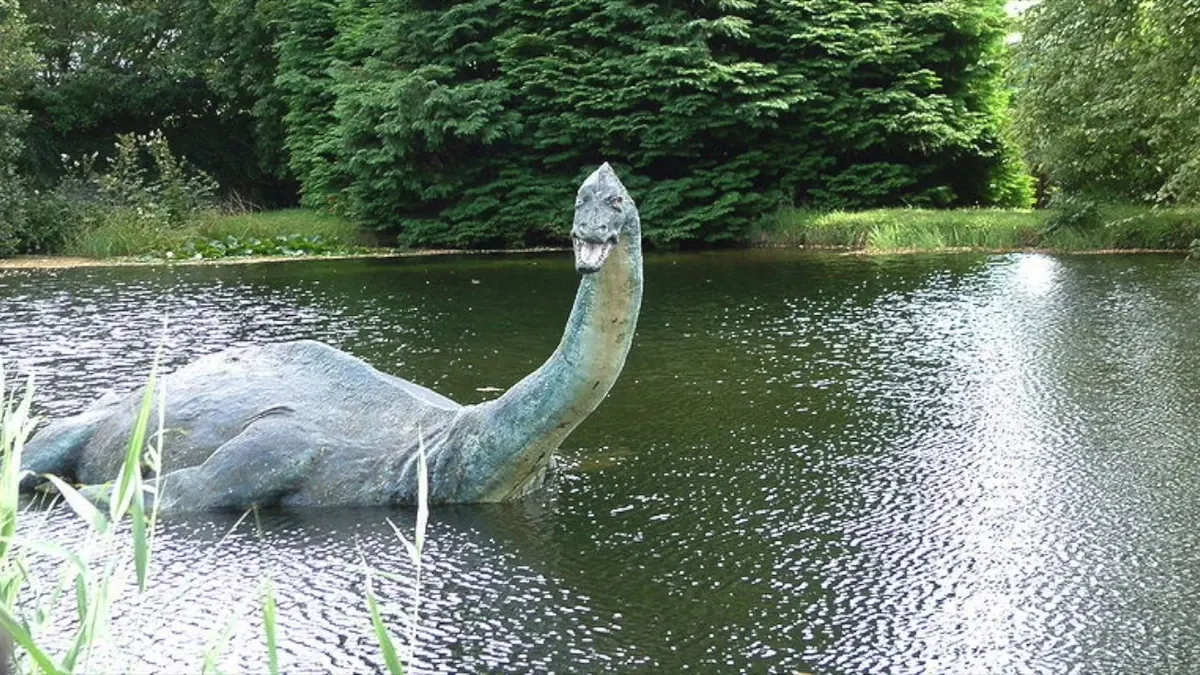
Lake Brosno and Its Dragon
Lake Brosno in the Tver Region is one of the deepest freshwater lakes in Central Russia, widely dubbed the "Russian Loch Ness." Surrounded by dense Valdai taiga and reaching depths of over 40 meters, the lake is famous for the cryptozoological legend of the "Brosno Dragon"—a mysterious giant aquatic beast said to dwell in its subterranean karst caverns.
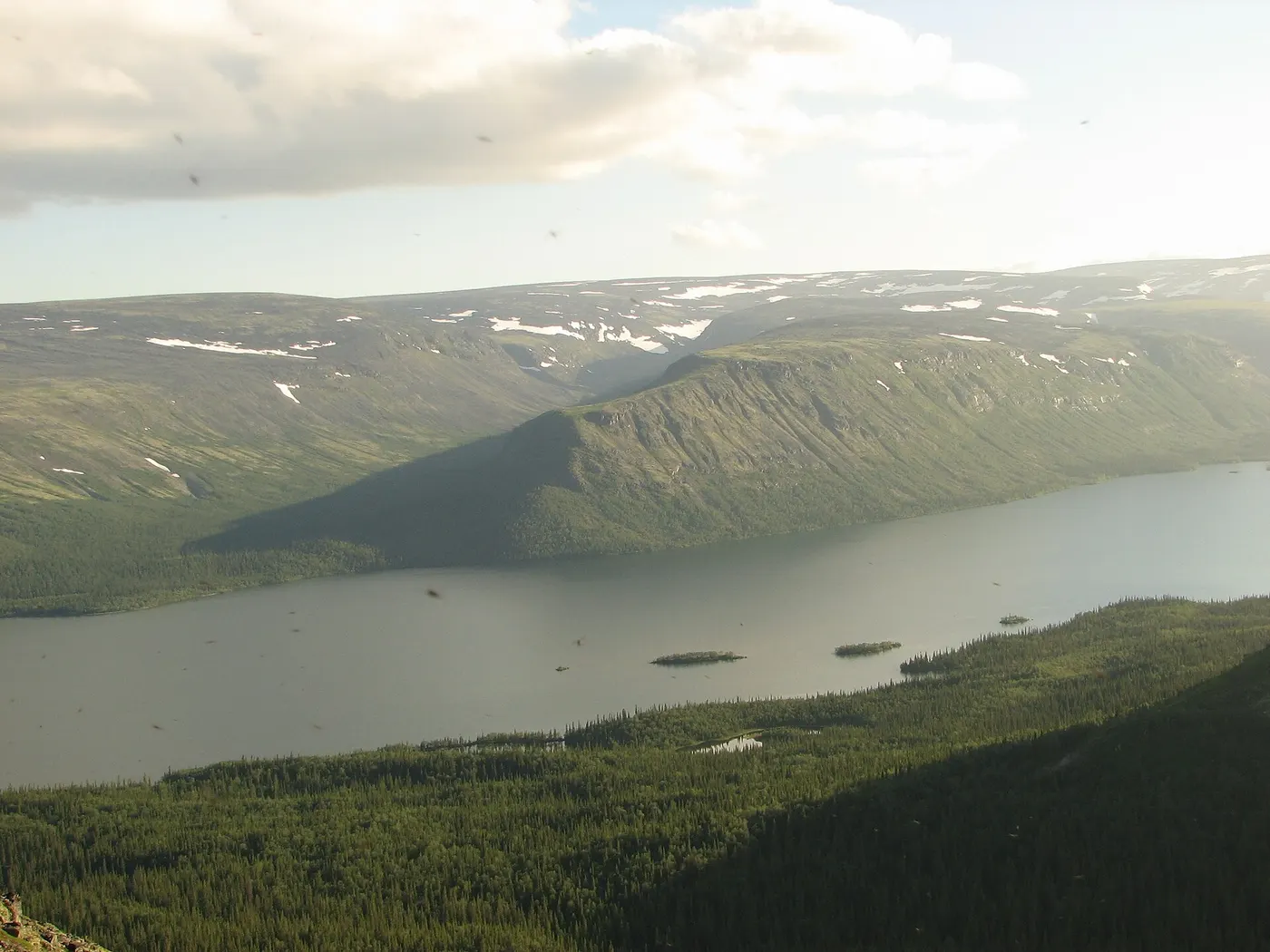
Lake Seydozero and the Kuiva
A sacred Sámi lake in the Lovozero massif, on whose sheer cliff a dark human figure nearly seventy metres tall stands out — the Kuiva. The Sámi took it for the shadow of a giant killed for attacking their land, and avoided fishing within sight of the rock. Geologists speak of lichen staining and wet stone in the fissures. Barchenko's expedition came here in 1922 looking for traces of Hyperborea and, by rumour, found something; the material was classified and the man himself shot in 1938.

Bukit Timah and the Monkey Man
Singapore's highest point and a remnant of primary rainforest in the middle of the city. A creature has been described here since 1805, known as the Bukit Timah Monkey Man: grey-furred, about five feet tall, moving on two legs. Reports came in waves — notably during the Japanese occupation, when people were hiding in the forest, and again in 2007, which caused a stir in the Singapore press.
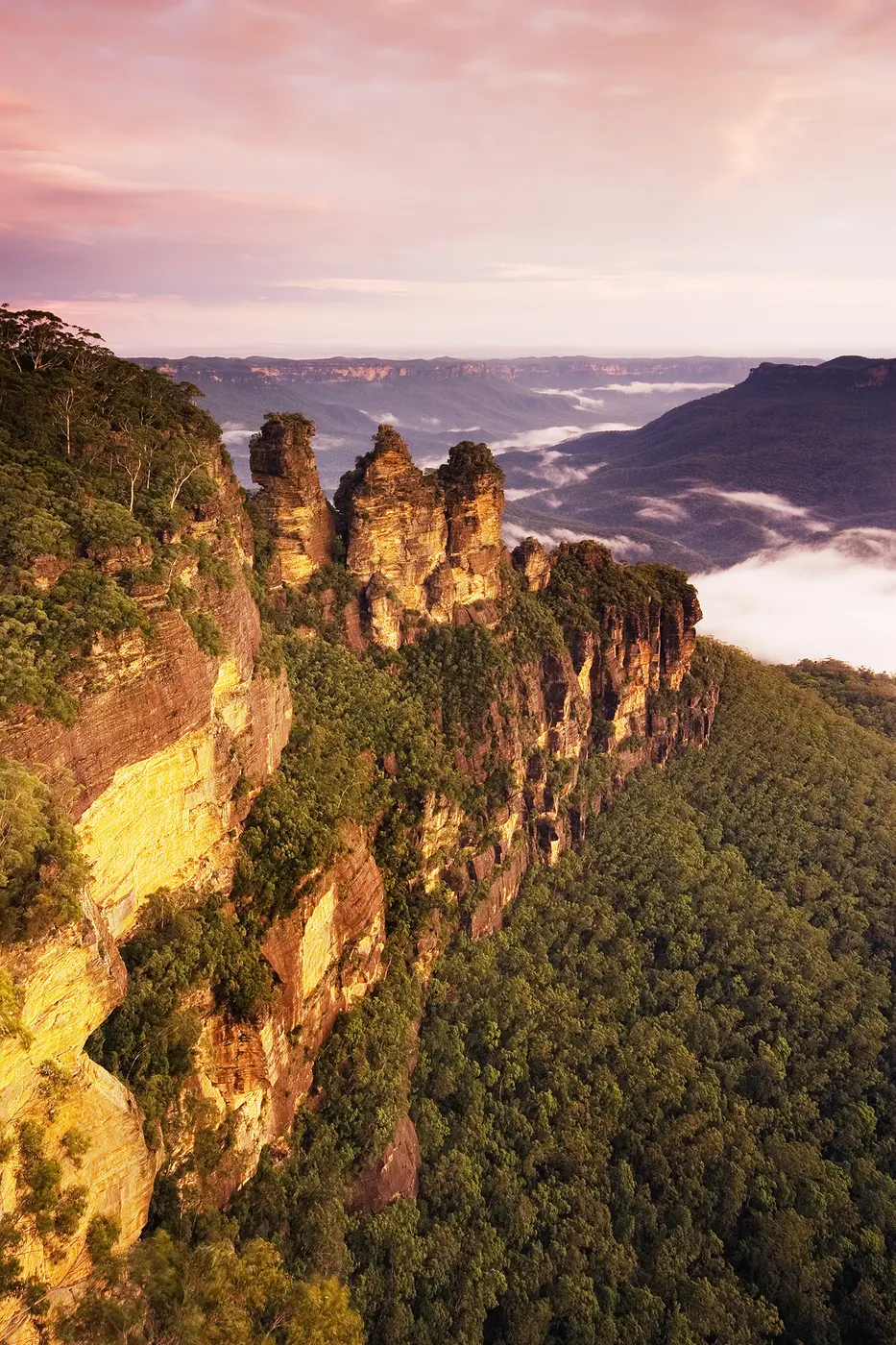
The Blue Mountains and the Yowie
The range west of Sydney, where Aboriginal peoples described a large hairy creature long before colonisation and settlers began writing about it from the 1790s. The Yowie is described in almost the same terms as the North American Sasquatch. The mountains really do smoke blue — that is eucalyptus oil vapour scattering the light, not a legend.
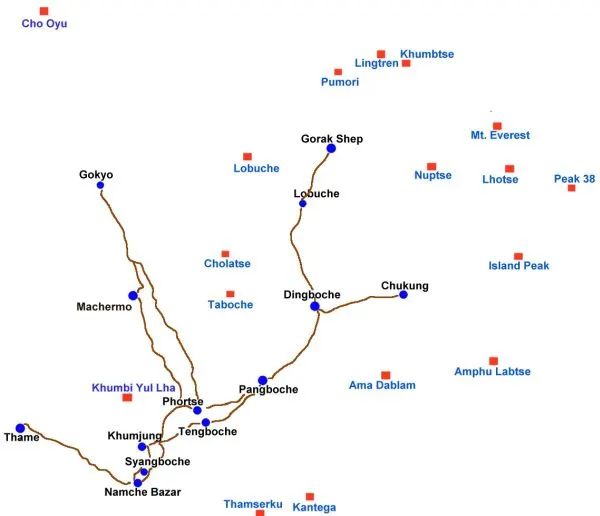
Khumbu, Yeti Country
The valley below Everest, home of the Sherpa, where Western expeditions first met the yeti as something more than a story. In 1951 Eric Shipton photographed a thirteen-inch print on the Menlung Glacier with an ice axe beside it for scale — the picture is still argued over. Khumjung monastery keeps a scalp said to be a yeti's; analysis in 1960 found it was made from serow hide.
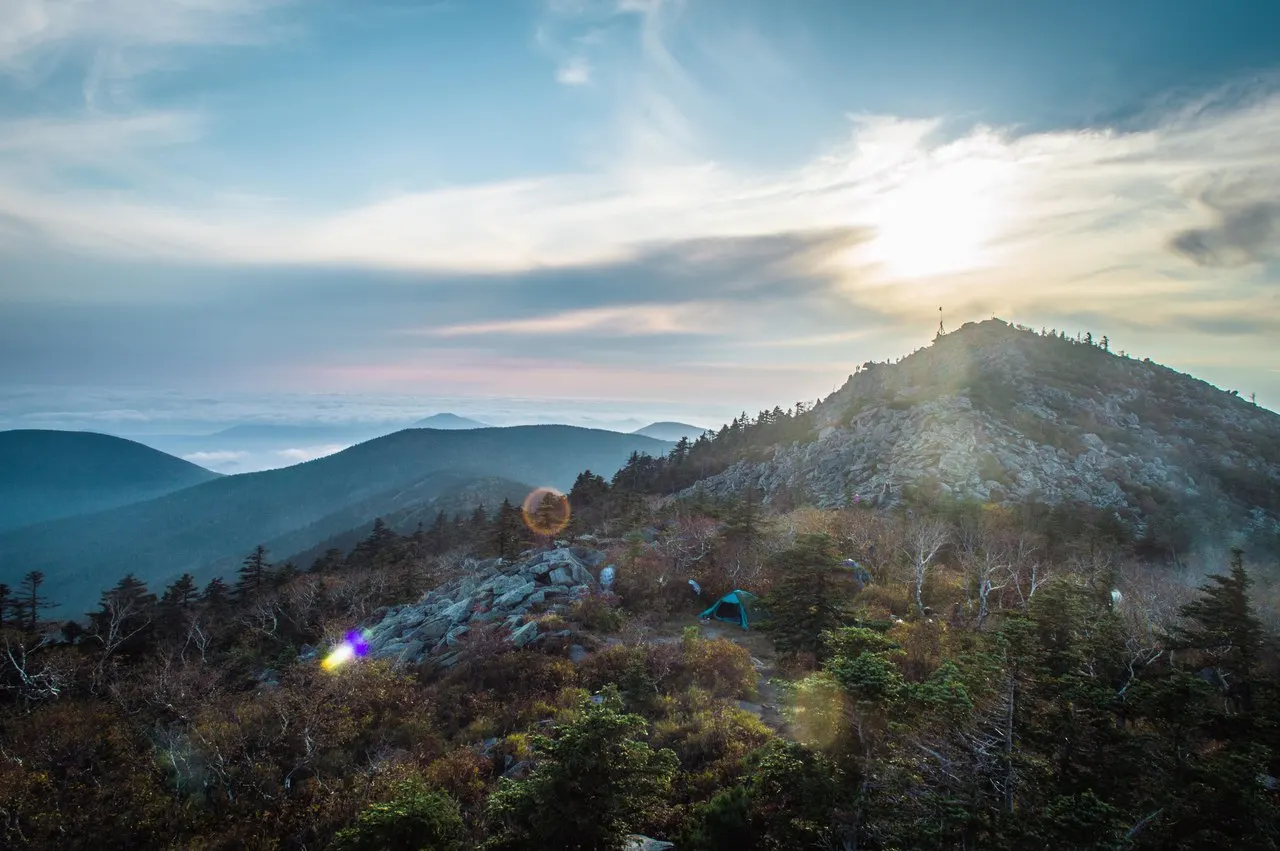
Mount Pidan
A mountain in Primorye carrying what is probably the most durable legend of the Russian Far East — the flying man, a winged figure hikers describe on the boulder fields near the summit. The account was first recorded in the 1930s. The mountain is known for more than that: the stone runs on its slopes look in places like masonry, and some local historians insist they are the remains of a Jurchen fortress.
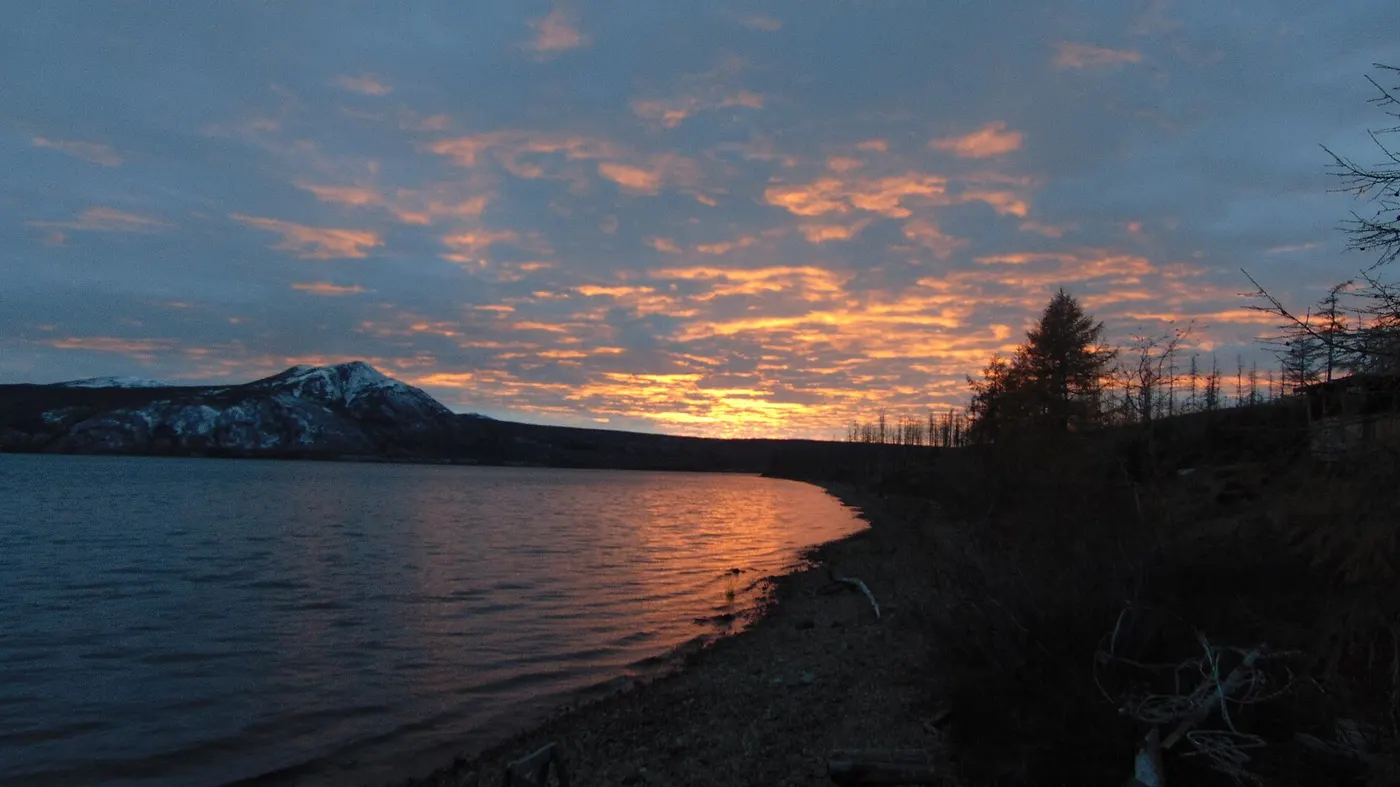
Lake Labynkyr and Its Devil
A lake in the Oymyakon district of Yakutia, one of the coldest inhabited places on earth. The local Even people have spoken of a devil since the nineteenth century: a dark creature with an enormous mouth that drags off reindeer and dogs. The lake behaves oddly in winter, keeping open water at fifty below. Sonar expeditions have recorded large objects near the bottom, and none has brought anything up.

Lake Van and Its Monster
Turkey's largest lake, strongly alkaline and nearly lifeless — which makes the monster story an odd one. In 1997 a university teacher, Ünal Kozak, filmed a dark object moving across the surface; the footage went round Turkish television and he wrote a book about the creature. A statue of the monster stands on the waterfront at Van.
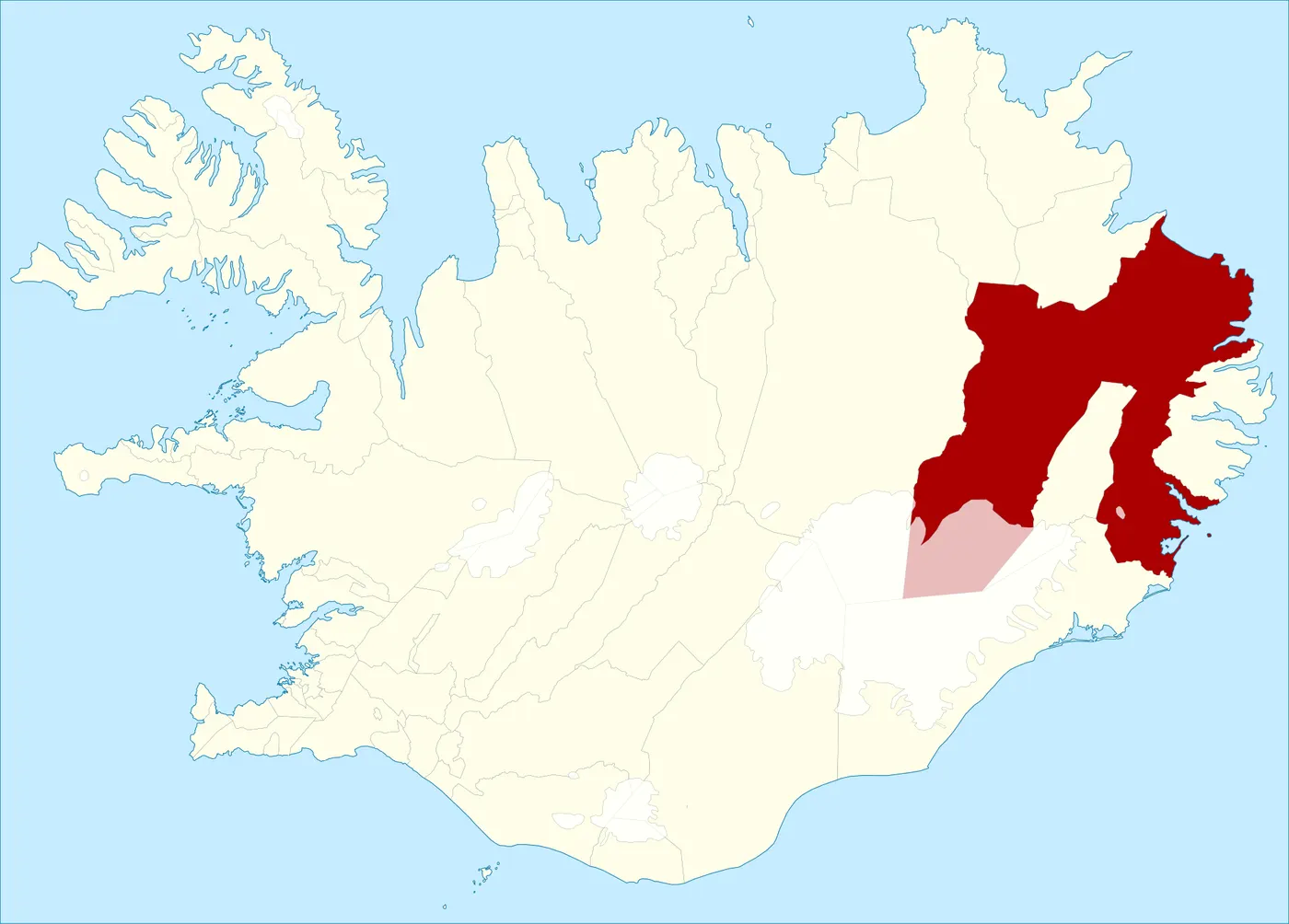
Lagarfljót and Its Worm
Lake Lagarfljót (also known as Lögurinn) is an elongate glacial lake situated in the Austurland region of eastern Iceland, stretching roughly 25 kilometers in length with depths reaching up to 112 meters. Fed by glacial meltwaters running off the Vatnajökull ice cap via the turbulent Jökulsá í Fljótsdal river system, the lake is celebrated for the Hallormsstaðaskógur national forest, the dramatic Hengifoss waterfall, and its status as the domain of Iceland's most famous folklore monster: the legendary giant lake serpent known as the Lagarfljót Worm (Lagarfljótsormurinn).
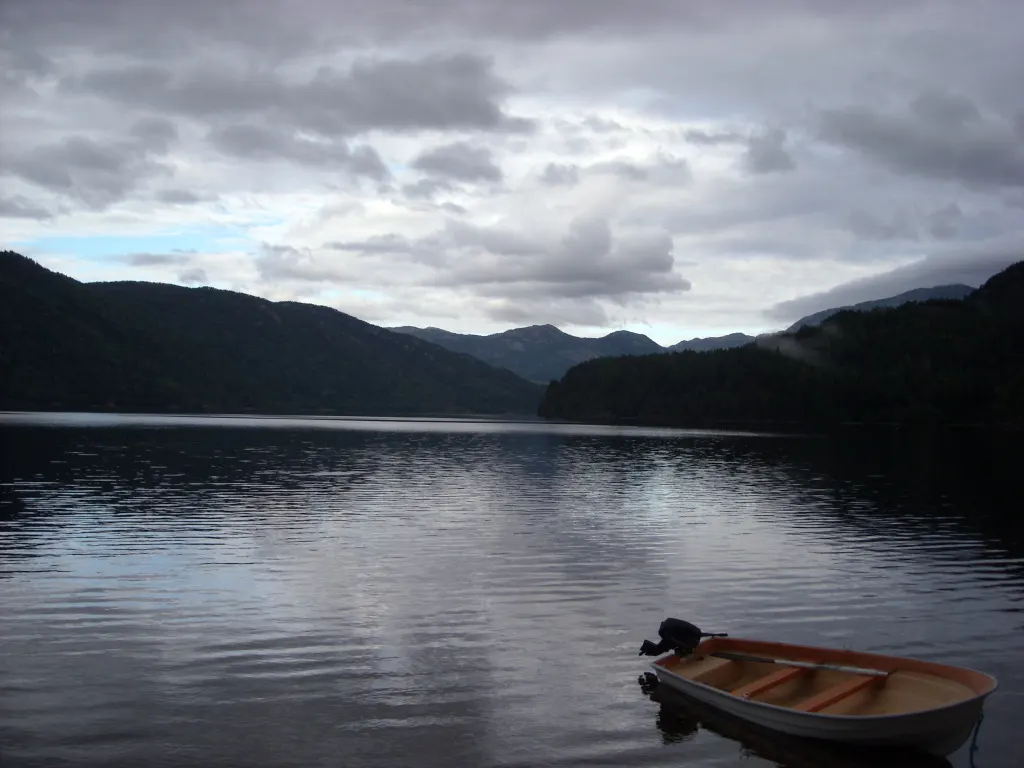
Seljordsvatnet and Selma
A lake in Norway's Telemark county where a serpent called Selma has been described since 1750. In the 1880s a woman named Gunhild Bjøge is said to have killed a young one on the shore with an axe. The serpent appears on the coat of arms of Seljord municipality — that is, in official heraldry. A sonar expedition in 2000 recorded moving objects on the bottom that it could not identify.
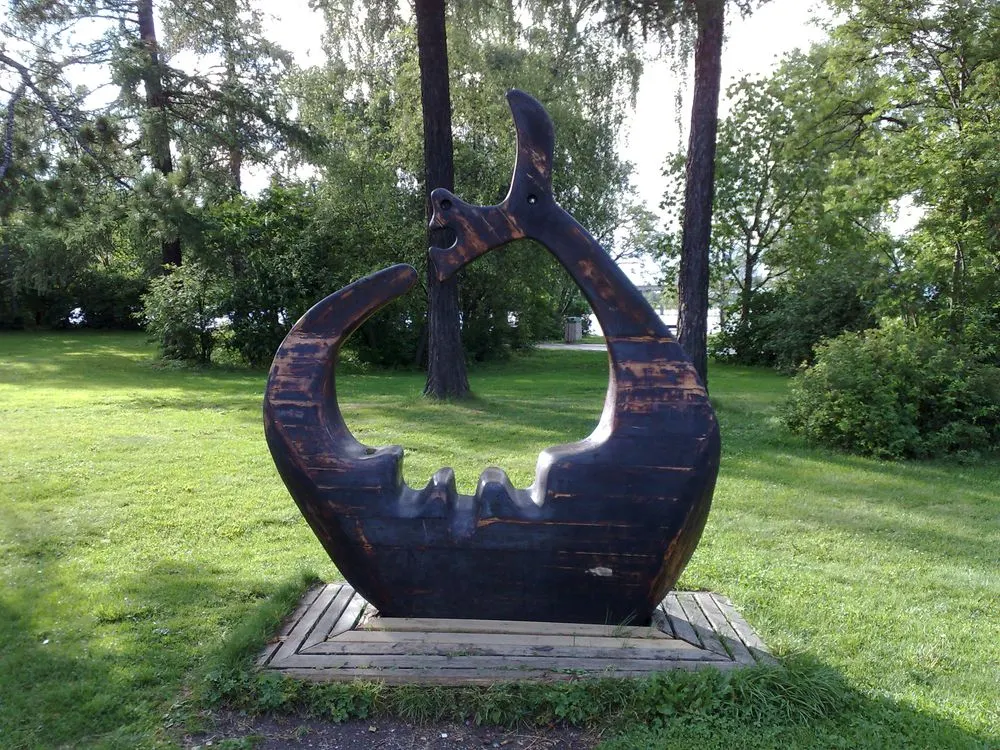
Storsjön and the Great Lake Monster
Lake Storsjön ("The Great Lake") is Sweden's fifth-largest lake, spanning roughly 464 square kilometers with a maximum depth of 74 meters, situated within the province of Jämtland in central Sweden. Characterized by glacial geology, scenic shores surrounding the central island of Frösön, and mountain panoramas, the lake is globally renowned as the home of Sweden's Loch Ness equivalent: the legendary lake serpent Storsjöodjuret (affectionately nicknamed "Birger"), historically distinguished as the only mythical cryptid ever granted statutory protection under regional wildlife conservation laws.
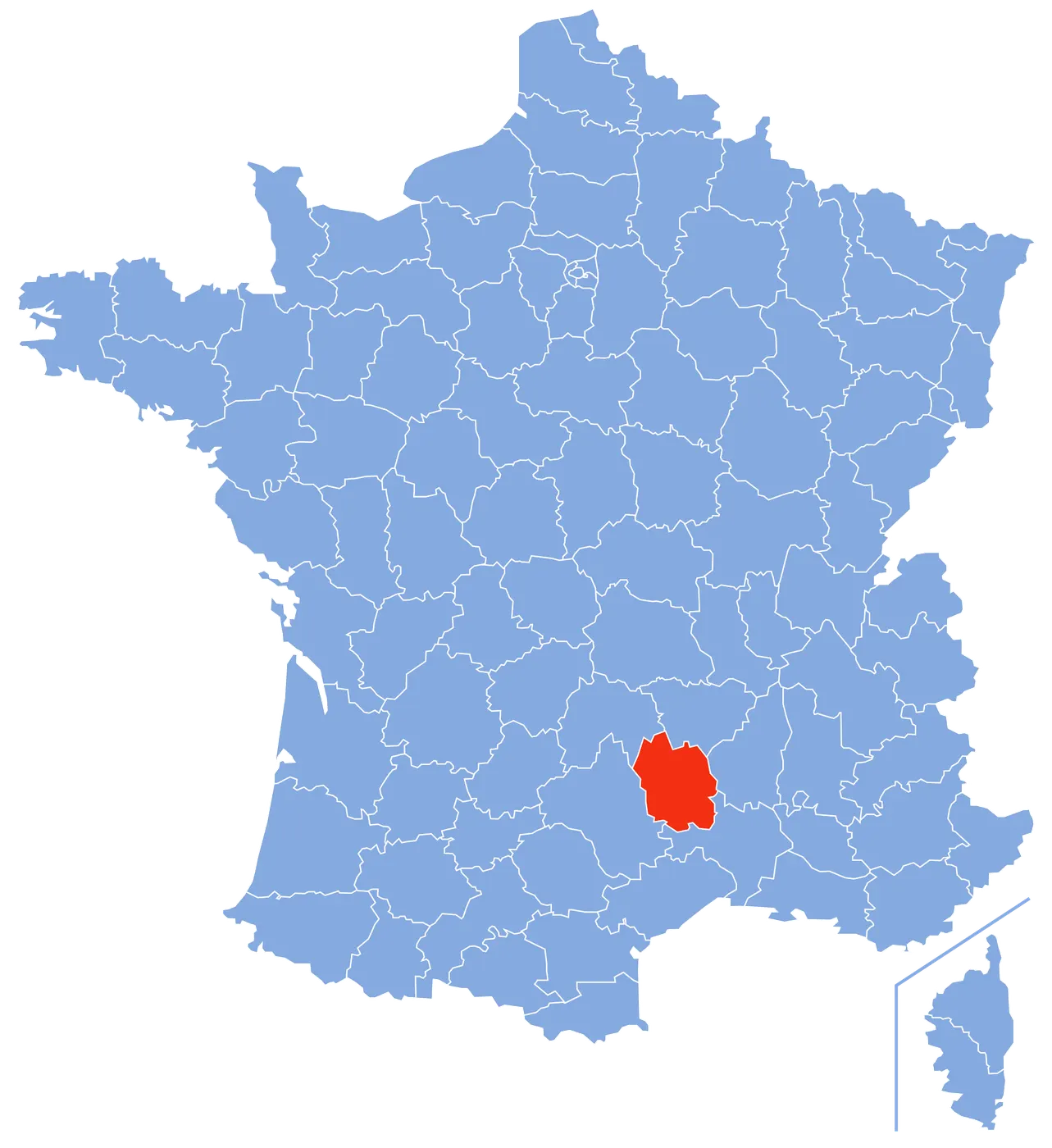
Gévaudan
A historical region of southern France where, between 1764 and 1767, something killed around a hundred people — mostly women and children herding livestock. Witnesses described a beast the size of a calf, russet-furred with a black stripe along its back. Louis XV sent royal huntsmen and offered a reward larger than an official's yearly salary. The killings stopped after a local hunter, Jean Chastel, shot a large animal; what it was is still argued over.
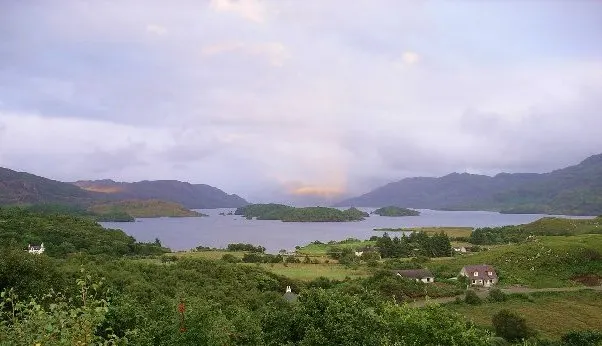
Loch Morar and Morag
The deepest freshwater lake in the British Isles — over a thousand feet, deeper than Loch Ness. A creature called Morag appears in local accounts from 1887. The best-known incident is from 1969, when two fishermen said something some thirty feet long struck their boat and one of them fired a rifle at it. The statement was made to police and recorded.
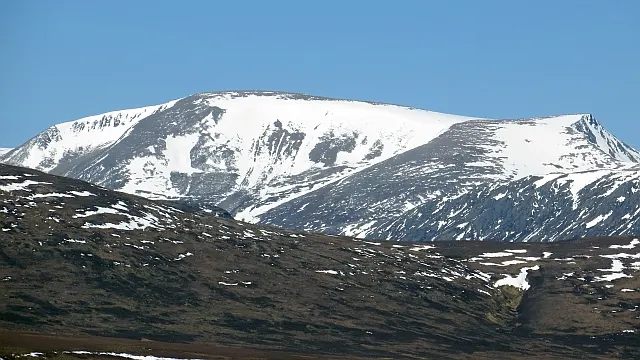
Ben Macdui and the Fear Liath Mòr
Britain's second-highest mountain, where experienced climbers have reported the same thing since the early twentieth century: a sense of presence, the sound of footsteps following in mist, and a panic that drives them down. Professor Norman Collie described his own experience publicly in 1925, at real risk to his reputation. The thing is called the Big Grey Man; an explanation involving echoes and the Brocken spectre exists, and does not convince those it has happened to.
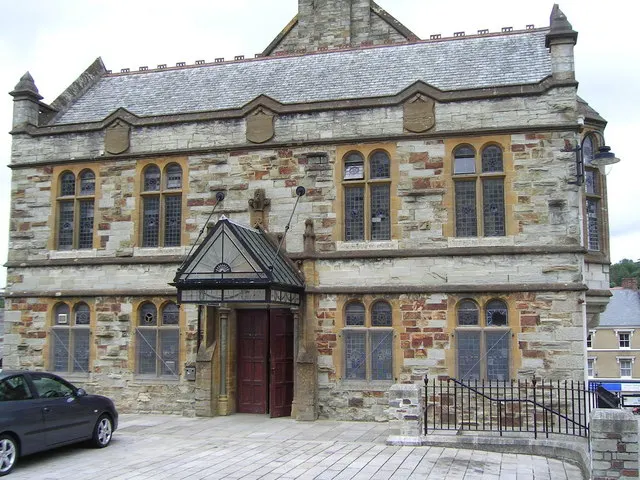
Bodmin Moor and Its Beast
A granite moor in Cornwall where, from 1978, farmers lost livestock to wounds vets called uncharacteristic of dogs. Witnesses described a large black cat. In 1995 the Ministry of Agriculture ran a formal investigation and concluded there was no evidence of a big cat; a week later a schoolboy found a skull on a riverbank that proved to be a leopard's — though it had come from an imported rug.