Yellow level — mystical places on the map
Something is reported, and nobody is hurt by it: voices, figures, lights, cold, objects that move, cameras and engines that stop working. This is the level most hauntings actually sit at — frightening to be in, and that is all that was ever claimed.
164 placesAbout the danger levels

Voronezh and the Landing in the Park
Yuzhny Park (formerly Shinnik Park) in Voronezh is an unassuming urban green space that suddenly became the epicenter of a global UFO sensation in the autumn of 1989. The location gained worldwide fame after Soviet state media reported that a glowing spherical craft had landed there, carrying giant extraterrestrials witnessed by local schoolchildren.
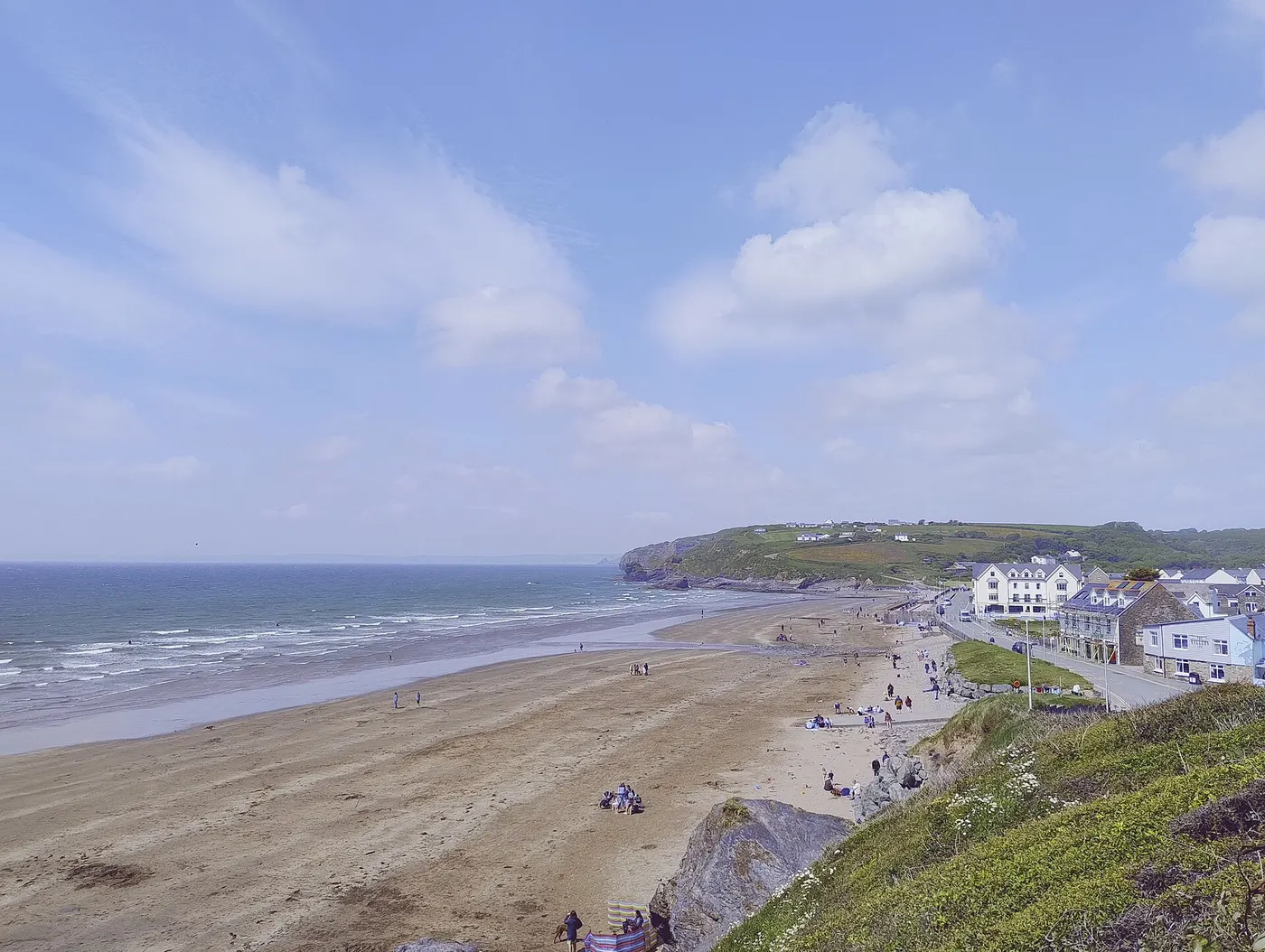
Broad Haven and the Schoolchildren's Drawings
On 4 February 1977 a group of primary school pupils in this Pembrokeshire village saw a silver object with a dome in the field beyond the fence during break. Their headmaster, not believing them, sat them apart and told them to draw what they had seen. The drawings matched. Over the following months west Wales produced so many reports that the period was called the Dyfed Triangle: lights, figures in suits by farmhouses, cattle unsettled. The Ministry of Defence received complaints and replied that there was no threat to the country. Part of the wave was later put down to trials and exercises in the area, and part to newspaper excitement that fed itself that year.
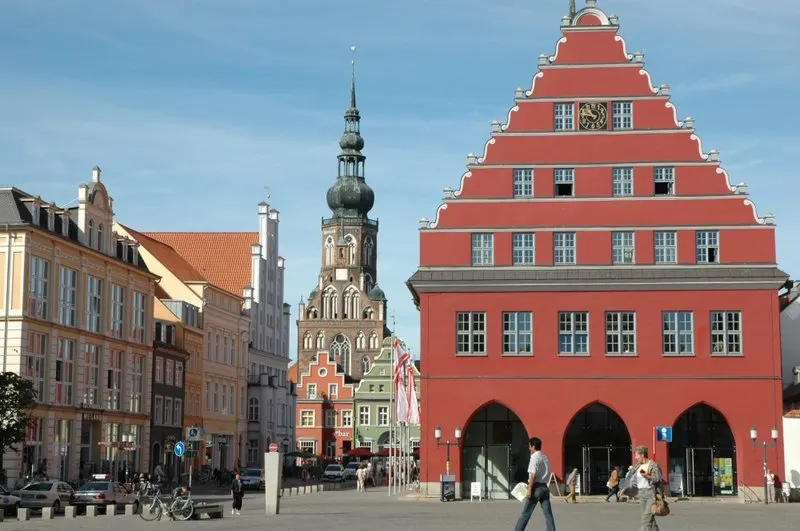
Greifswald and the Lights over the Bay
On the evening of 24 August 1990 a group of bright lights arranged in an arc hung over the Bay of Greifswald on the Baltic coast for several hours. Hundreds of people saw them from both sides of the water, and at least five filmed them — remarkable for the time and the place: East Germany had weeks left to exist. The recordings were examined by investigators and by the military. The likeliest explanation is a Soviet army exercise with parachute flares over the Peenemünde range; some of the footage fits it, and some — by timing and altitude — does not. The footage remains one of the longest amateur video records of the phenomenon in Europe.
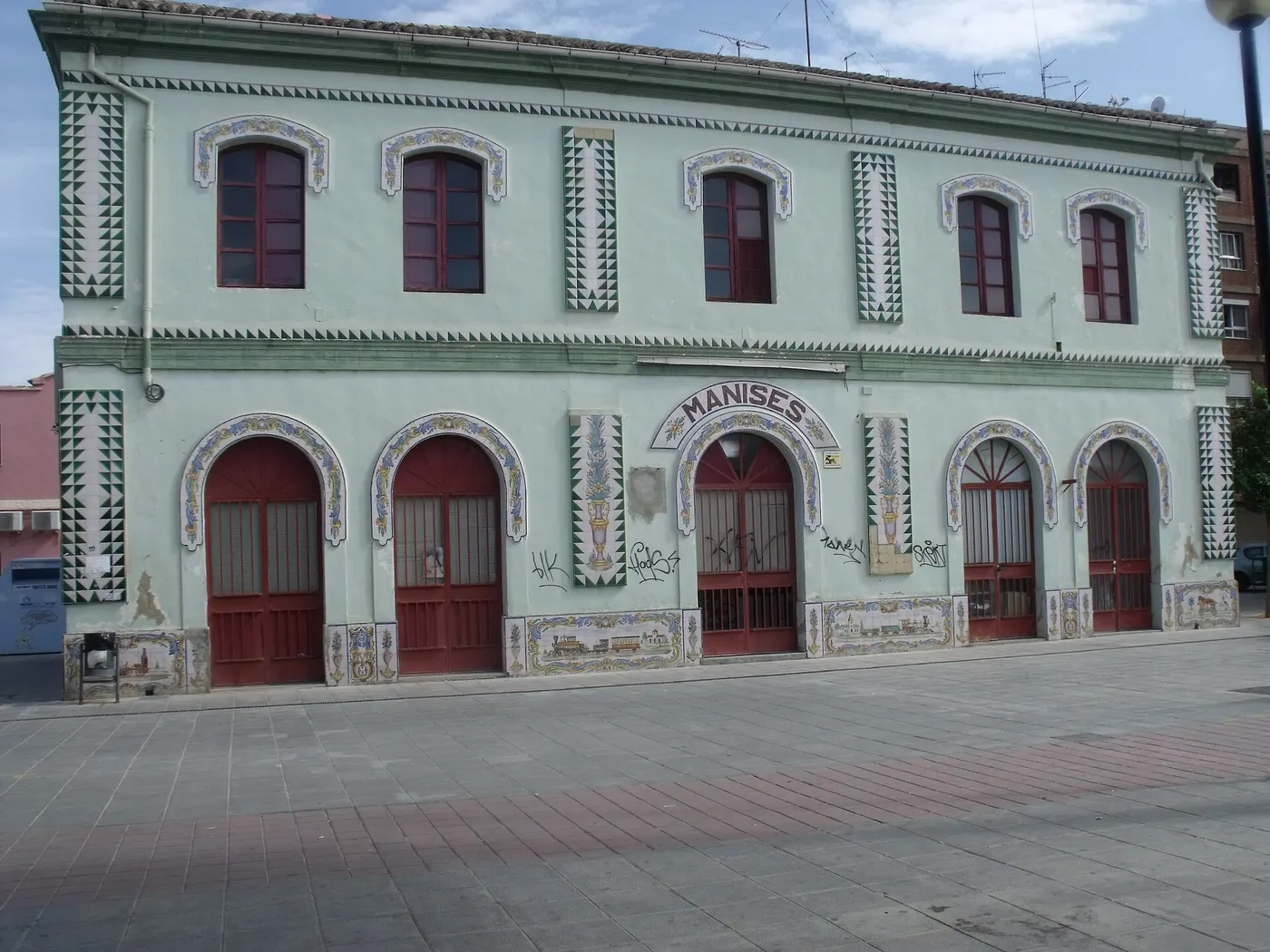
Manises and the Unscheduled Landing
On the evening of 11 November 1979 a TAE Supercaravelle from Mallorca to Tenerife was over the Mediterranean when the crew saw red lights closing on them. Captain Javier Lerdo de Tejada judged the approach dangerous, altered course twice, and finally put the aircraft down at Manises airport near Valencia — with 109 passengers aboard. The Spanish Air Force scrambled a Mirage; the pilot reported seeing the lights and that his radar would not hold the target. The ground radar at Valencia did record a return. Spain declassified the file in the 1990s. The official explanation is the flare of an oil refinery combined with an optical illusion; the crew did not accept it.
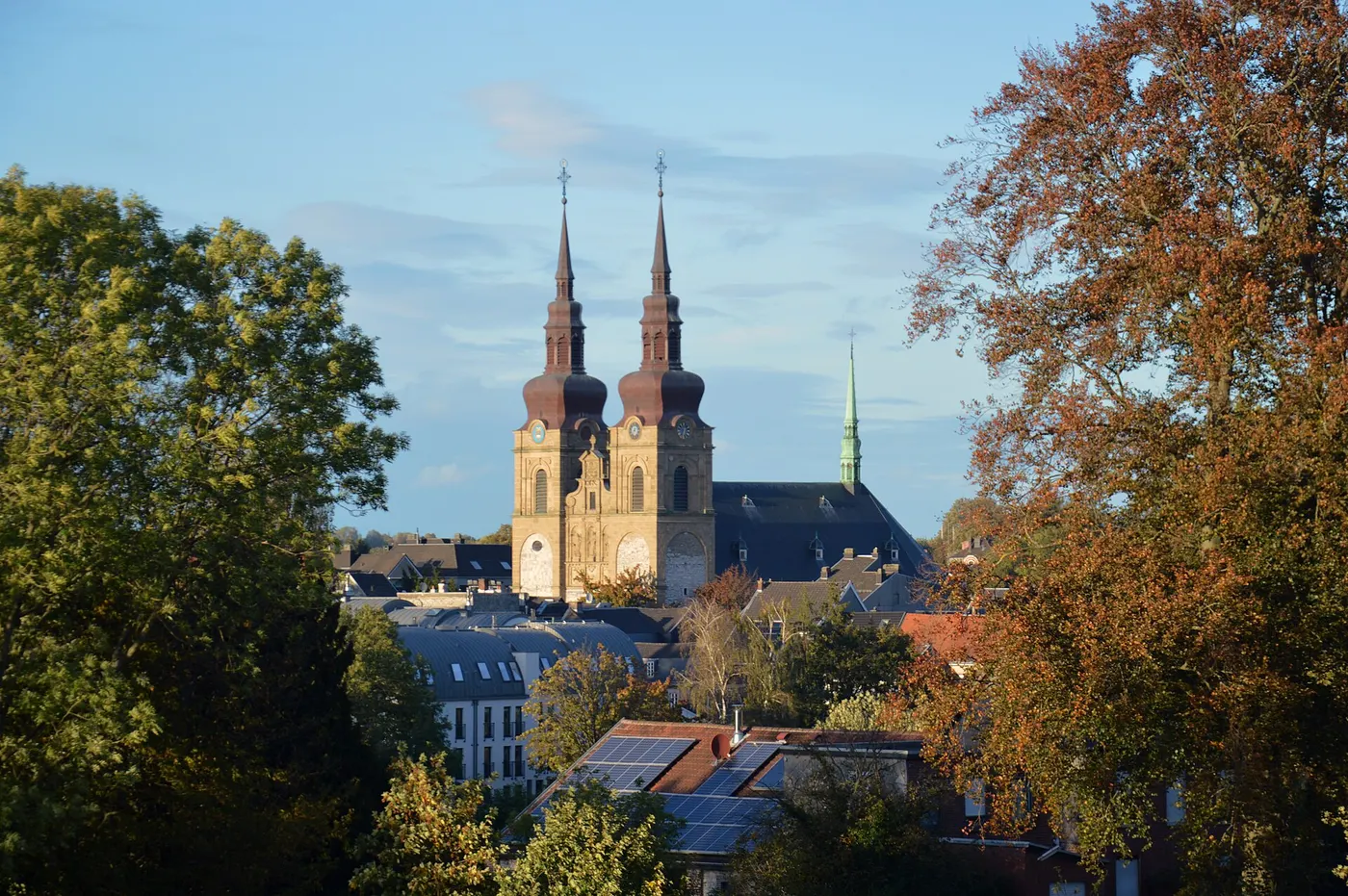
Eupen and the Belgian Wave
On 29 November 1989 two gendarmes on a road outside this town in German-speaking Belgium stopped in front of a large triangular object with three lights at its corners and a searchlight beam pointing down. It moved over the forest more slowly than an aircraft can fly, and without sound. Over the next year and a half more than two thousand reports with the same description were collected across the country. On the night of 31 March 1990 the Belgian Air Force scrambled two F-16s on ground radar data; their onboard radars locked on to a target that broke lock with accelerations beyond what the aircraft could follow. The Belgian Air Force made the material public — a rare piece of openness. No explanation was ever found.
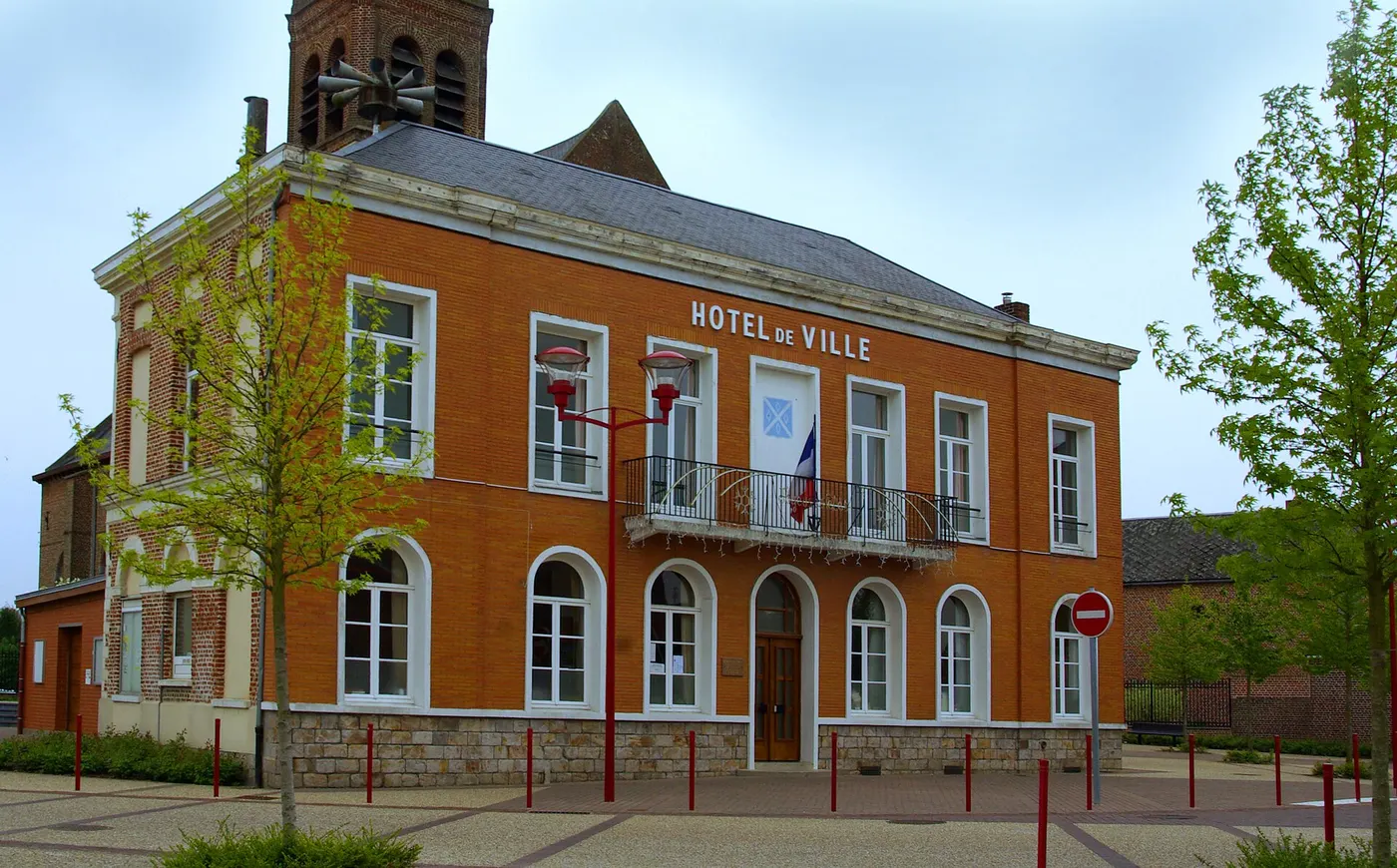
Quarouble and the Sleepers That Had to Be Replaced
On the night of 10 September 1954 a metalworker named Marius Dewilde went out to his barking dog in the yard of his house by the railway embankment near this village in northern France and, by his account, saw a dark mass on the track and two small beings in something like diving suits. A beam from the mass, he said, held him still for a minute. The next day gendarmes and railwaymen found depressions in the sleepers; a calculation from the strength of creosoted oak gave a load of thirty tonnes over a few square centimetres. Five sleepers were replaced. It is the first widely investigated case in France and the beginning of the French school of the subject.
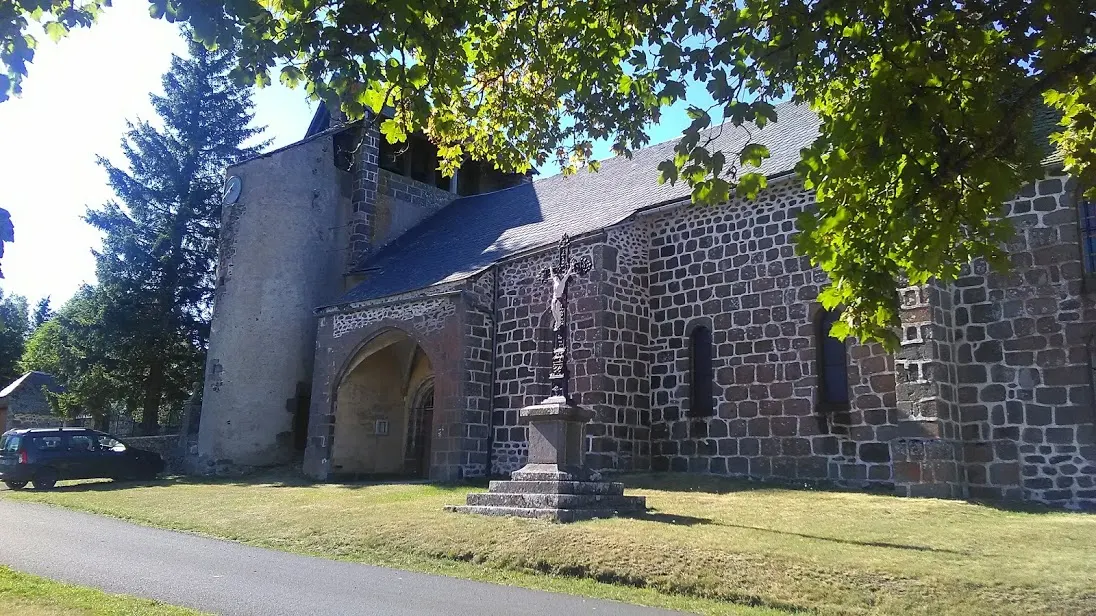
Cussac and the Four in the Field
On 29 August 1967 two children, thirteen-year-old François and nine-year-old Anne-Marie Coüetin, were minding cows near this village in the Cantal when, by their account, they saw four small dark figures beyond a hedge and a sphere some five metres across. The figures rose into the air and were drawn into the sphere, which went up with a whistle and a smell of sulphur. The gendarmerie questioned the children separately the same day; their accounts agreed on details that are hard to arrange between them. Their father noticed the same smell at the spot, and the dog would not go near the hedge. The case entered the French official statistics as unexplained and is still there.
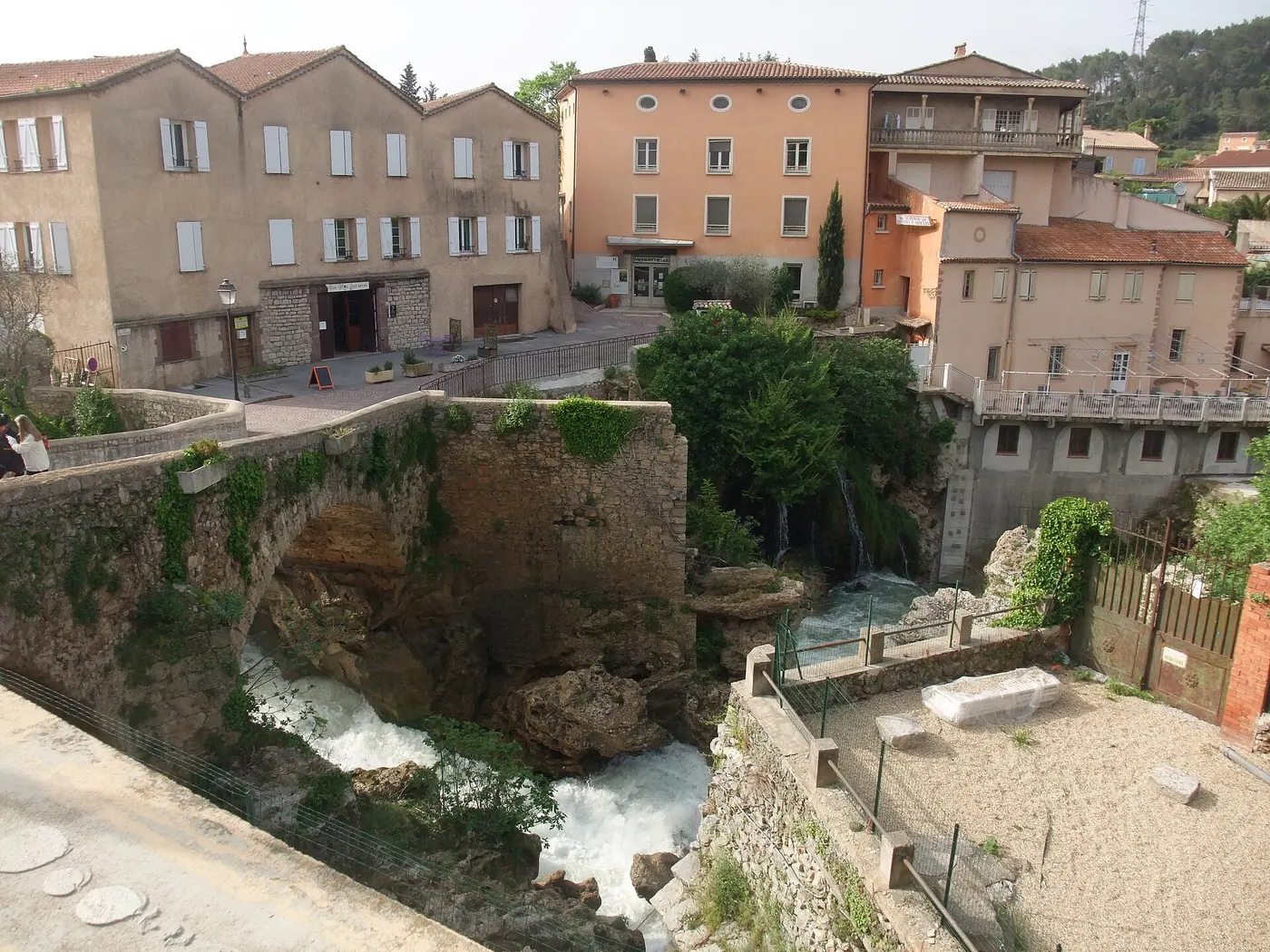
Trans-en-Provence and the Mark on the Terrace
On 8 January 1981 a retired man named Renato Nicolaï was working in his garden outside this Provençal town when he heard a whistle. Turning, he saw a lead-grey object the size of a car settle onto the lower terrace; a few seconds later it lifted and went. The gendarmerie came the next day and took soil and plant samples — a rare case where samples were taken before any publicity. GEPAN, the state laboratory at the French space agency, found compressed soil, traces of heating, and biochemical changes in the alfalfa: plants at the centre of the mark had between a third and a half less chlorophyll. The GEPAN report is published. It does not name a cause.
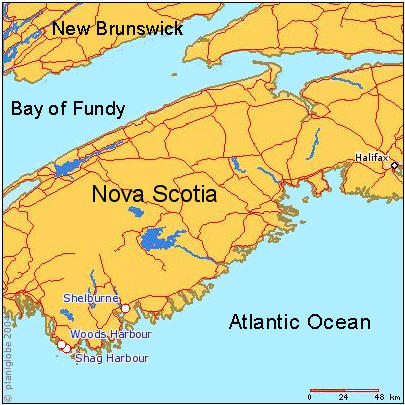
Shag Harbour and the Object That Went Under
Shag Harbour is a small lobster-fishing village on the southwestern coast of Nova Scotia, Canada. The quiet community achieved international fame following the events of October 1967, when an unidentified flying object crashed into the harbour waters in front of dozens of witnesses, turning the site into the most extensively documented "underwater UFO" incident on record.
Yakima and the Lights over the Fire Towers
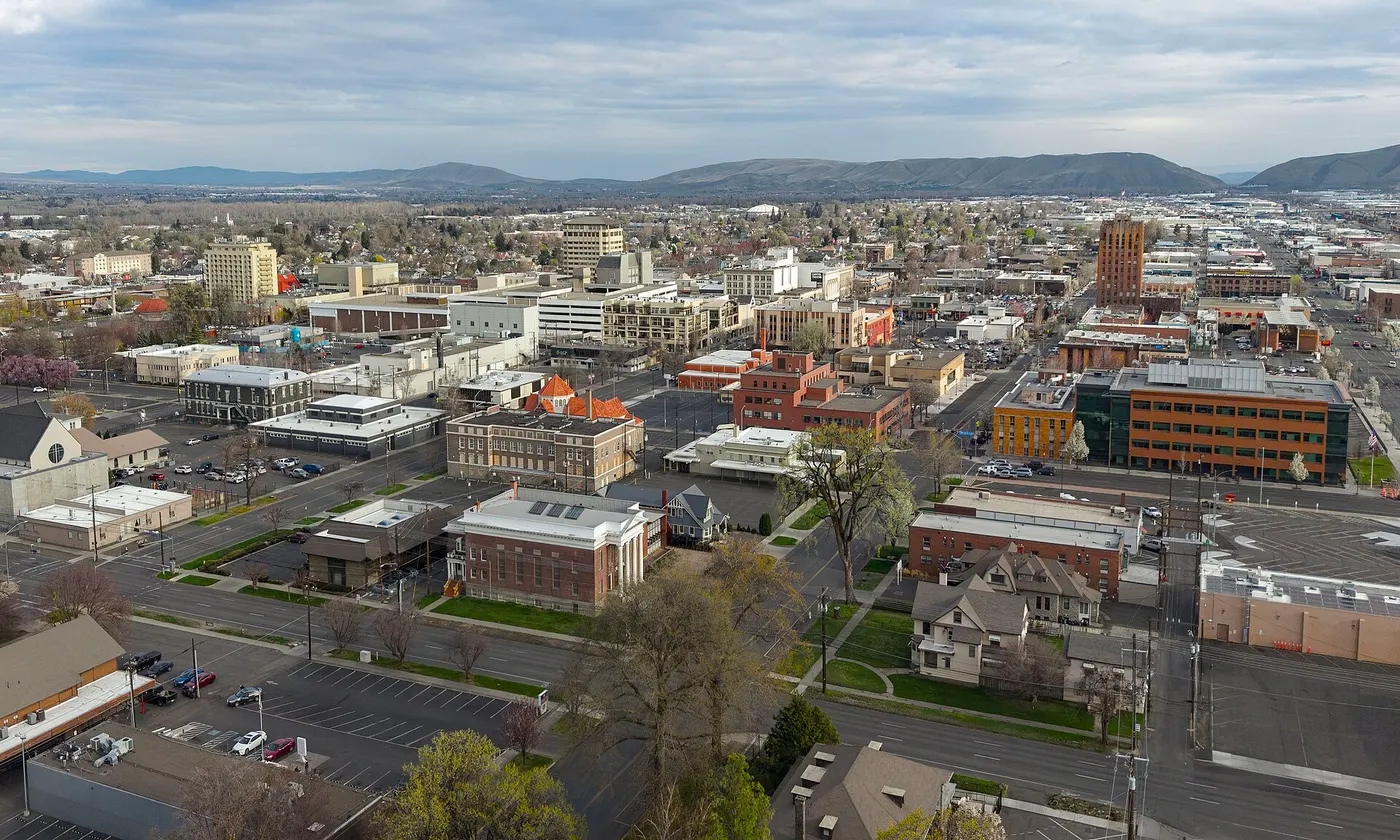
From 1964 into the 1980s the fire lookouts of the Yakama reservation in southern Washington kept a log of night lights over the Toppenish Ridge: orange spheres that rose from the crest, hung, and went away. The records were kept by people whose job is to watch the same ground all night and tell a campfire from lightning. The material reached the astronomer J. Allen Hynek, and Yakima became one of the few cases with a long, disciplined run of observations by the same observers. The leading hypothesis is earthquake lights: the area is heavily faulted, and glows over moving faults are described elsewhere in the world too. It could not be proved on this material.

The Hudson Valley and the Silent Triangle
Between 1982 and 1986 the Hudson Valley north of New York City produced several thousand reports of the same thing: a very large triangular or boomerang-shaped object with lights along its edge, moving low, slowly and almost silently. The witnesses were suburban residents, police, and staff at the Indian Point nuclear station. Part of the wave is explained and undisputed: a group of amateur pilots from Stormville airfield flew in formation at night with their lights on as a prank, and never denied it. The argument is whether that covers all of it: several reports describe an object blocking hundreds of metres of sky, which is large for a formation of light aircraft.
Los Angeles and the Barrage of 1942
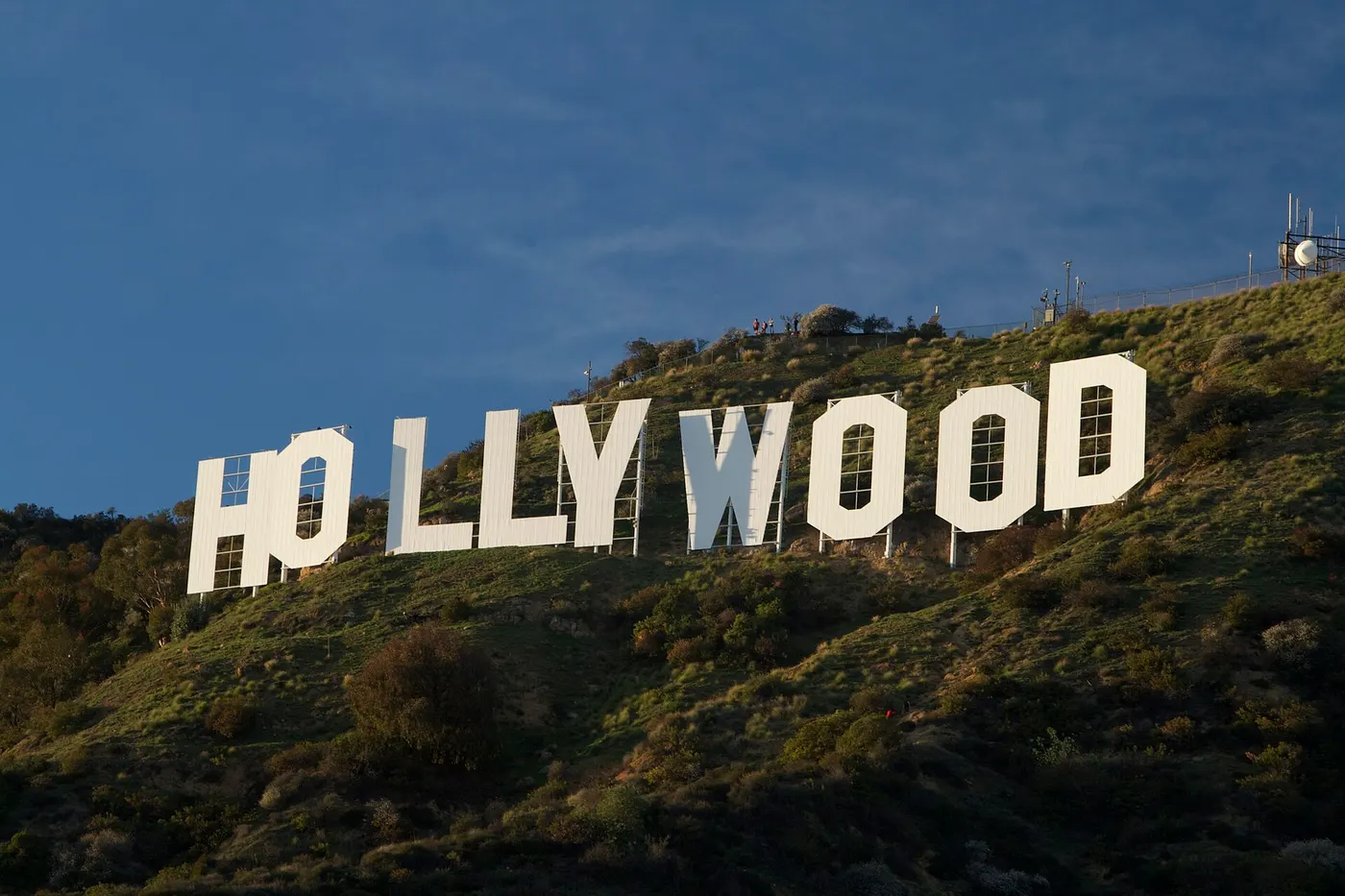
On the night of 24–25 February 1942, ten weeks after Pearl Harbor, an air raid alert was sounded over Los Angeles and the anti-aircraft batteries opened fire. The shooting went on for over an hour: some 1,400 shells were fired and five people died — three in traffic accidents in the blackout, two of heart attacks. No aircraft was brought down and no wreckage was found. The next day the Los Angeles Times printed a photograph of the night sky with searchlight beams converging on a bright patch. The frame has been reprinted as evidence ever since, though the retouching on it was ordinary newspaper practice of the period. The official explanation is a weather balloon and wartime nerves.
Loring and the Nights over the Weapons Store
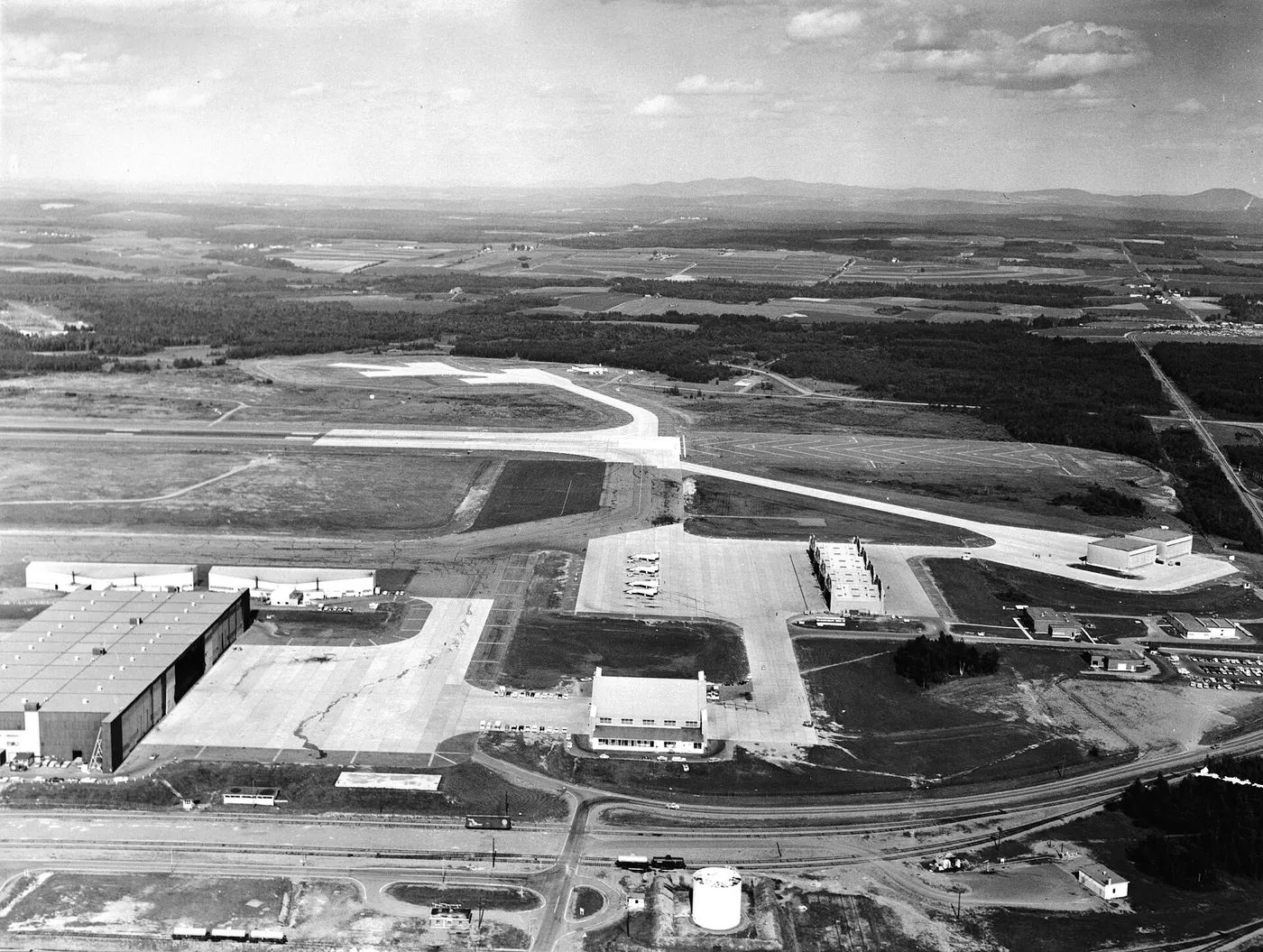
In late October 1975 an unidentified object appeared for several nights running over this Maine base, where nuclear weapons were stored: it hovered a few dozen metres above the weapons store, descended, and left when helicopters were sent up. The base went to heightened alert, and dozens of servicemen including the command staff saw it. Radar tracked it. The same weeks produced similar reports from several other bases along the Canadian border — Wurtsmith, Malmstrom, Minot. The documents on that series are declassified and published; they contain no explanation, and the wording in the summaries is "unidentified helicopter", though no unit ever claimed one.
Malmstrom and the Ten Missiles That Went Down
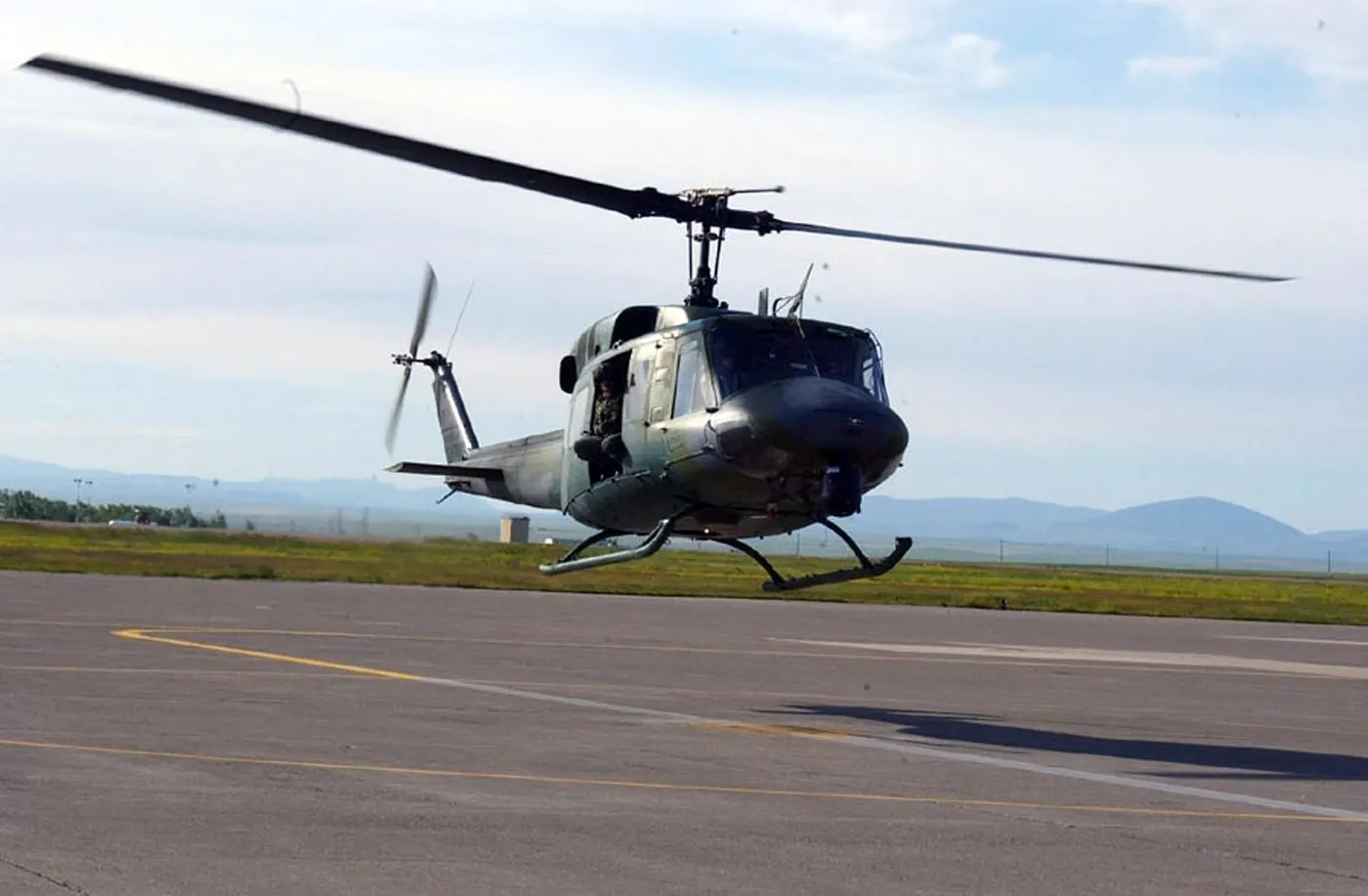
On 24 March 1967 ten Minuteman intercontinental missiles at this Montana base's Echo flight went off alert within minutes of each other, one after another. At the same time the guards on the surface were reporting a glowing object hanging over the gate. For years the case was known only from the account of the duty officer, Robert Salas, who spoke publicly from the 1990s. Declassified documents later confirmed both the mass failure and that its cause was never established; the official reading attributes it to electromagnetic interference from work on the complex. A similar episode was described in the same period at Minot base.
Off San Diego and the Tic Tac
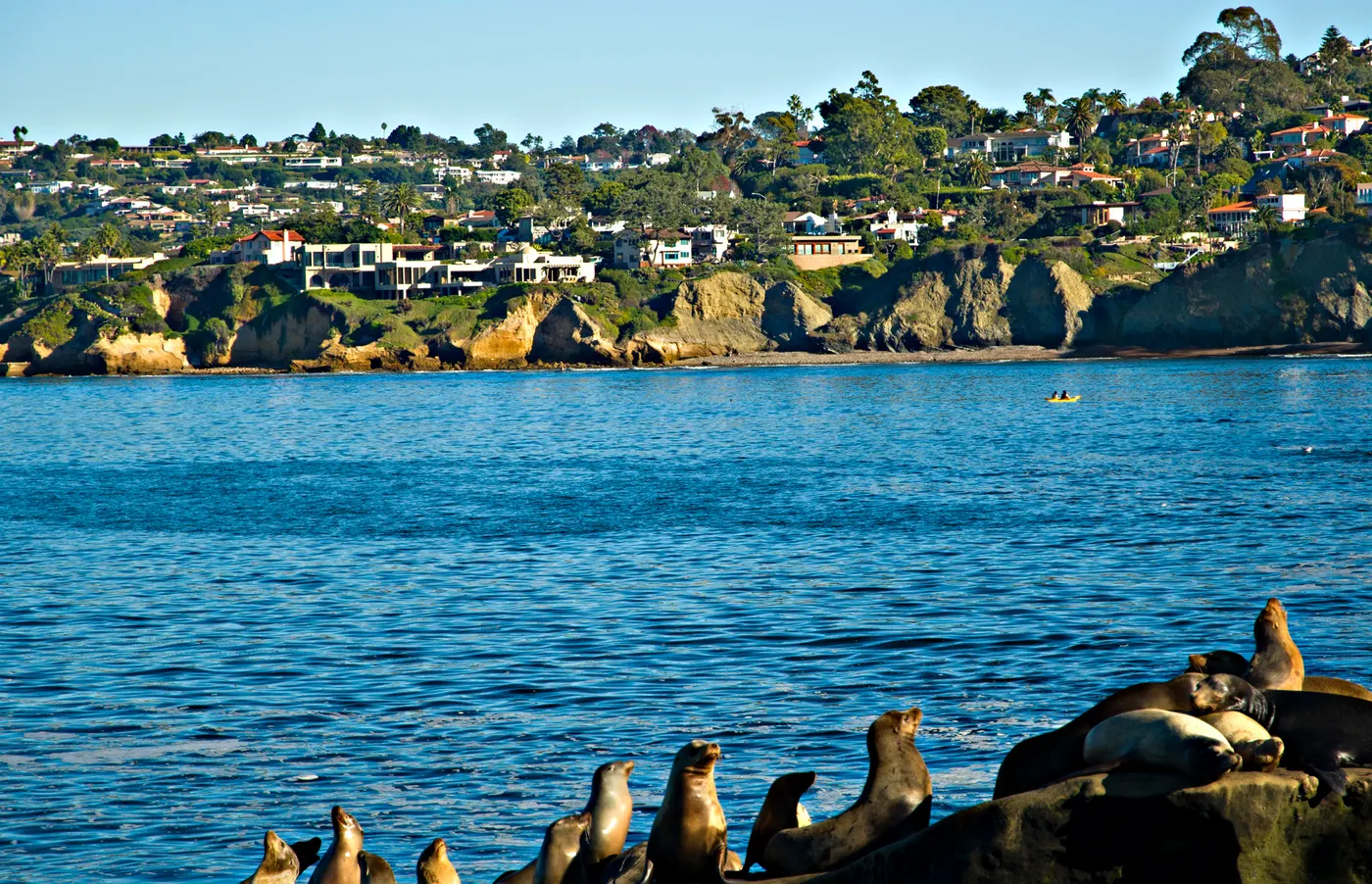
On 14 November 2004 the Nimitz carrier group, a hundred-odd kilometres south-west of San Diego, spent several days tracking returns that dropped from twenty-five kilometres to sea level in seconds. A pair of F/A-18s was sent to look; the squadron commander, David Fravor, reported a white object with no wings and no exhaust, shaped like a breath mint, moving over the water in sharp jumps. The second aircraft filmed it on an infrared camera. That recording, known as FLIR1, was published in 2017 and confirmed by the Pentagon in 2020 as genuine and unidentified. It is the first case on this map where the defence ministry itself vouched for the document.
Elmwood and the Landing Pad That Was Never Built
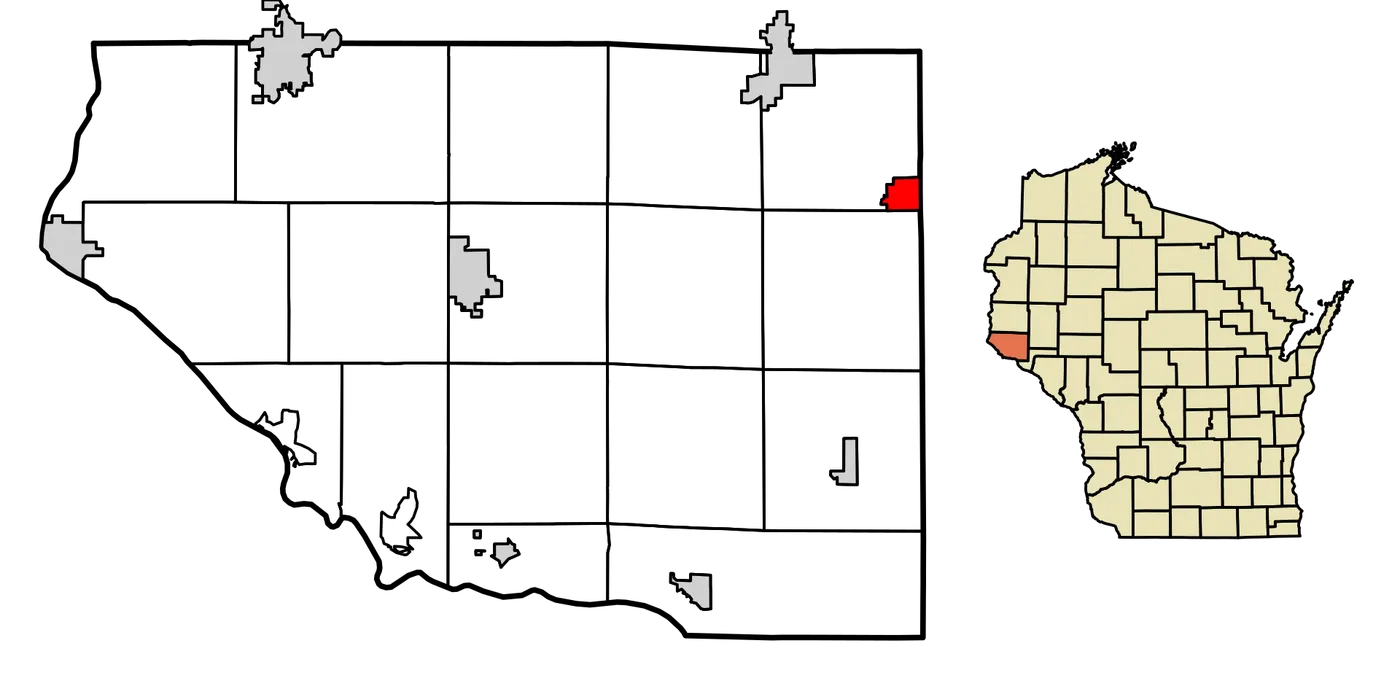
A Wisconsin town of eight hundred where three sightings came one after another in 1975–76, one of them by a police officer. Patrolman George Wheeler radioed that an object with a row of windows was hanging over a hill, after which the radio cut out and his engine died. Wheeler died six months later, and the town connected the two. After the wave a resident proposed building a UFO landing pad outside the town — with a tower, lights and a reception centre — and put a committee together for it. The fifty-million-dollar project stayed on paper. Elmwood has held UFO Days at the end of July since 1978.
Fyffe, Alabama's UFO Capital
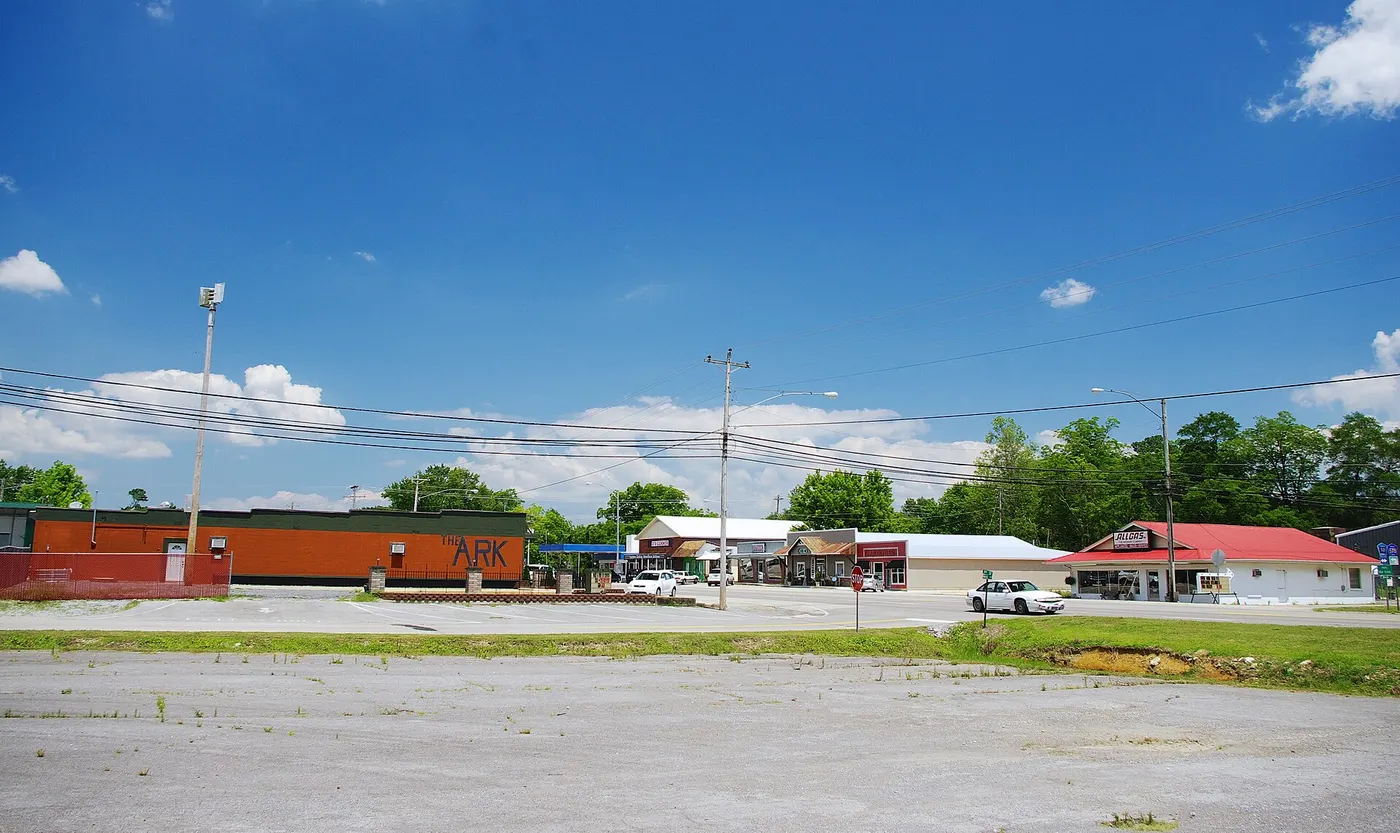
The town of Fyffe in DeKalb County, situated atop the Sand Mountain plateau in Alabama, USA, is a small agricultural community with a population of around one thousand, officially designated by the state legislature as the "UFO Capital of Alabama." The town gained national notoriety in 1989 following a widespread wave of unidentified flying object sightings and unusual occurrences on local farms.
Wright-Patterson and Hangar 18
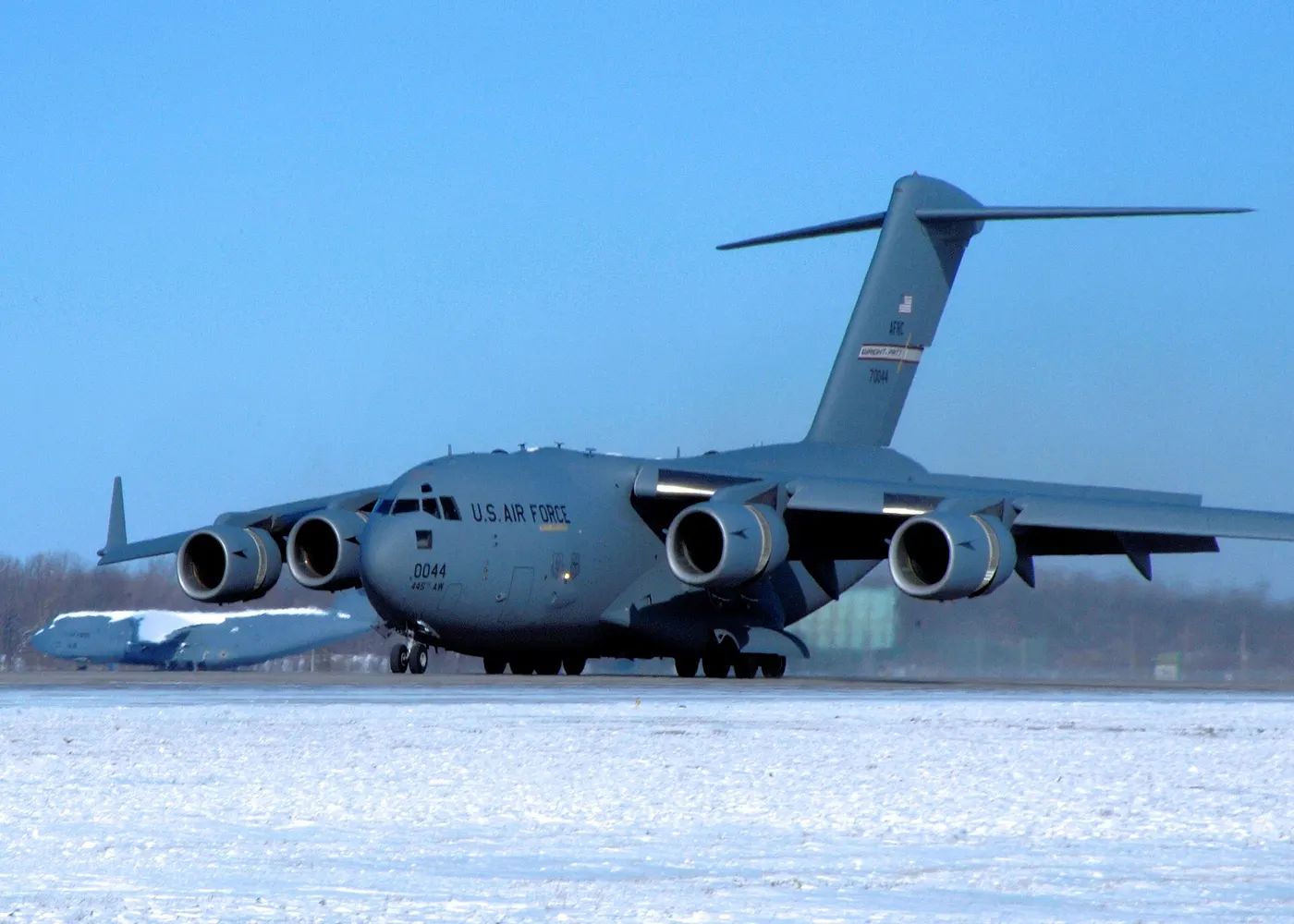
Wright-Patterson Air Force Base near Dayton, Ohio, USA, is one of the largest research, development, and logistics installations of the United States Air Force. It gained global notoriety as the operational headquarters for Project Blue Book (1952–1969), the official U.S. military investigation into UFO phenomena, and the home of the Foreign Technology Division (FTD), responsible for analyzing adversary aerospace hardware.
Rachel and the Extraterrestrial Highway
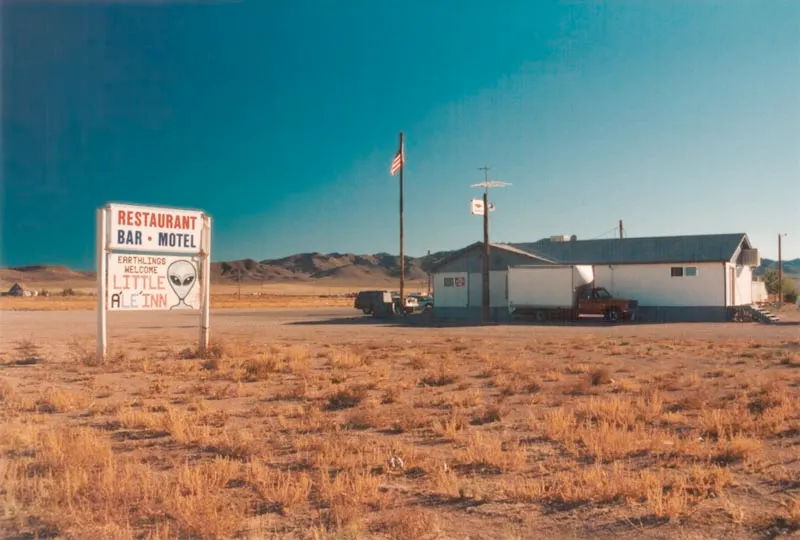
Rachel is a tiny desert settlement in Nevada with a population of fewer than 100 residents, situated along State Route 375, officially designated as the Extraterrestrial Highway. As the closest civilian community to the top-secret Area 51 military installation (Groom Lake), it has become a global pilgrimage site for UFO enthusiasts, aviation buffs, and paranormal researchers.
O'Hare and the Hole in the Cloud
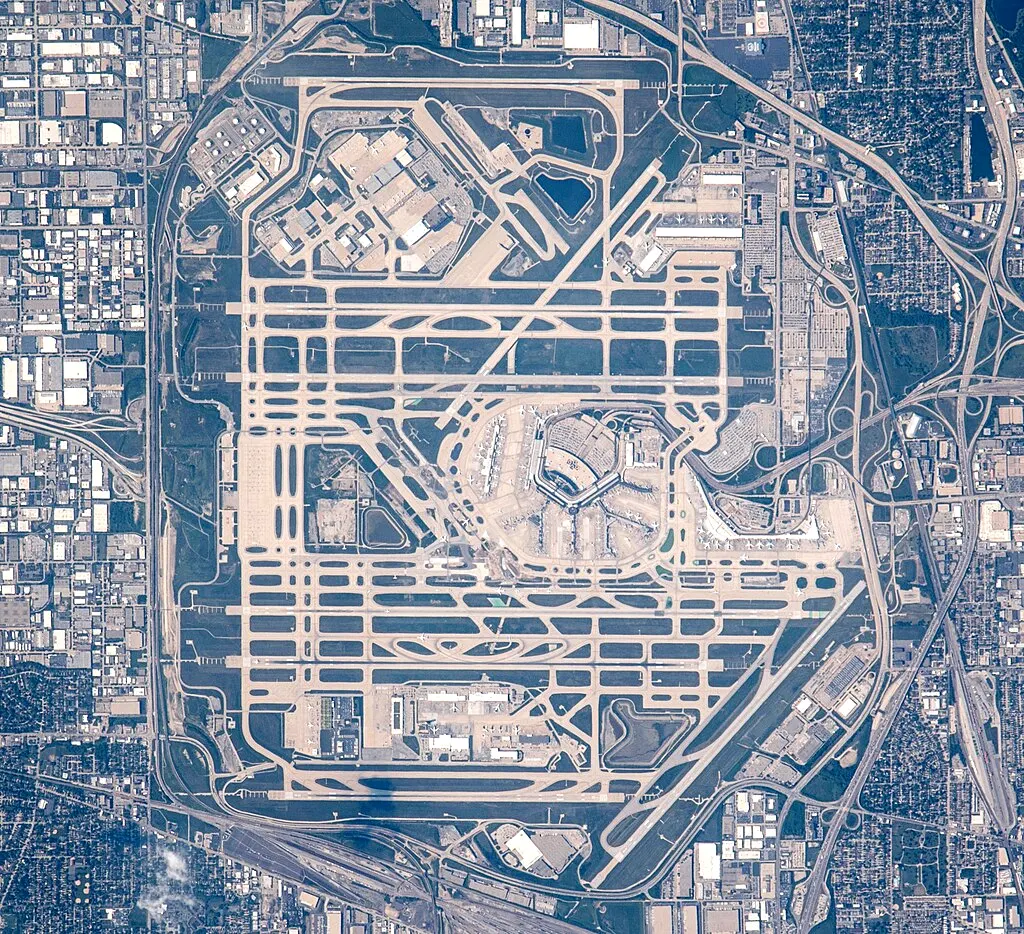
On 7 November 2006 a group of United Airlines staff at Gate C17 at Chicago O'Hare — mechanics, a supervisor, ramp crew — saw a dark disc hanging motionless above the terminal under a solid overcast. By their account it went up so sharply that it punched a round hole in the cloud, through which blue sky was visible for a couple of minutes. United and the Federal Aviation Administration at first denied receiving any report. After a Freedom of Information request from the Chicago Tribune, a recording surfaced of a controller discussing the sighting with a supervisor. The official explanation is a weather phenomenon. No flights were held, and no investigation followed.
Stephenville and the Lights over the Ranches
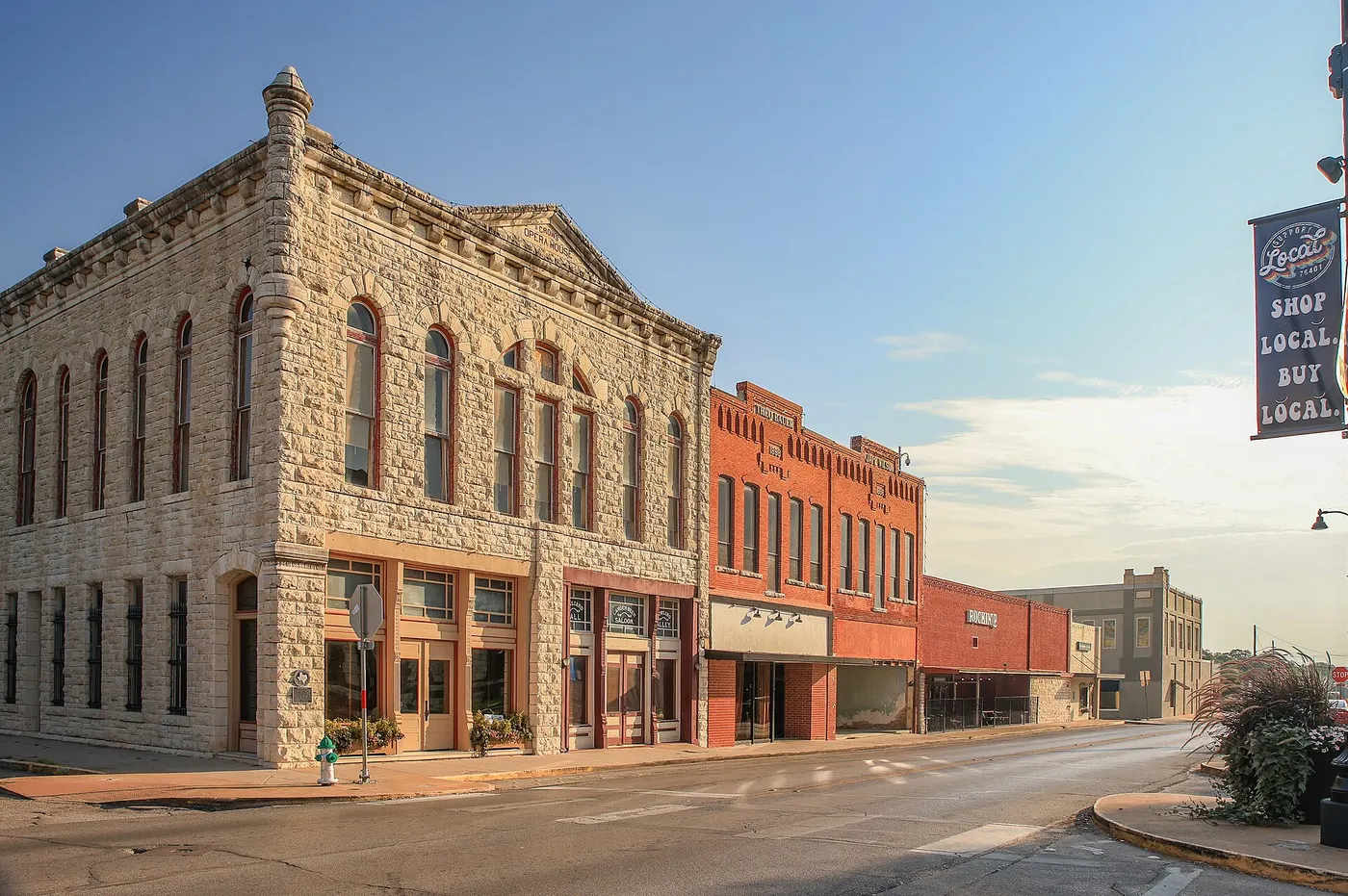
On 8 January 2008 dozens of people over this Texas town — an amateur pilot, a constable, ranch owners — watched a formation of bright lights move low and without sound, and then, by several accounts, be chased by fighters. The Air Force first said none of its aircraft had been up that evening. Two weeks later, after a request from the Mutual UFO Network, Carswell base acknowledged that ten F-16s had been flying training sorties in exactly that place at exactly that time. Radar records obtained afterwards showed an unidentified return heading towards George W. Bush's ranch at Crawford. The case became one of the loudest in the United States in a decade, largely because the explanation kept changing.
Piedmont and the Winter of Lights
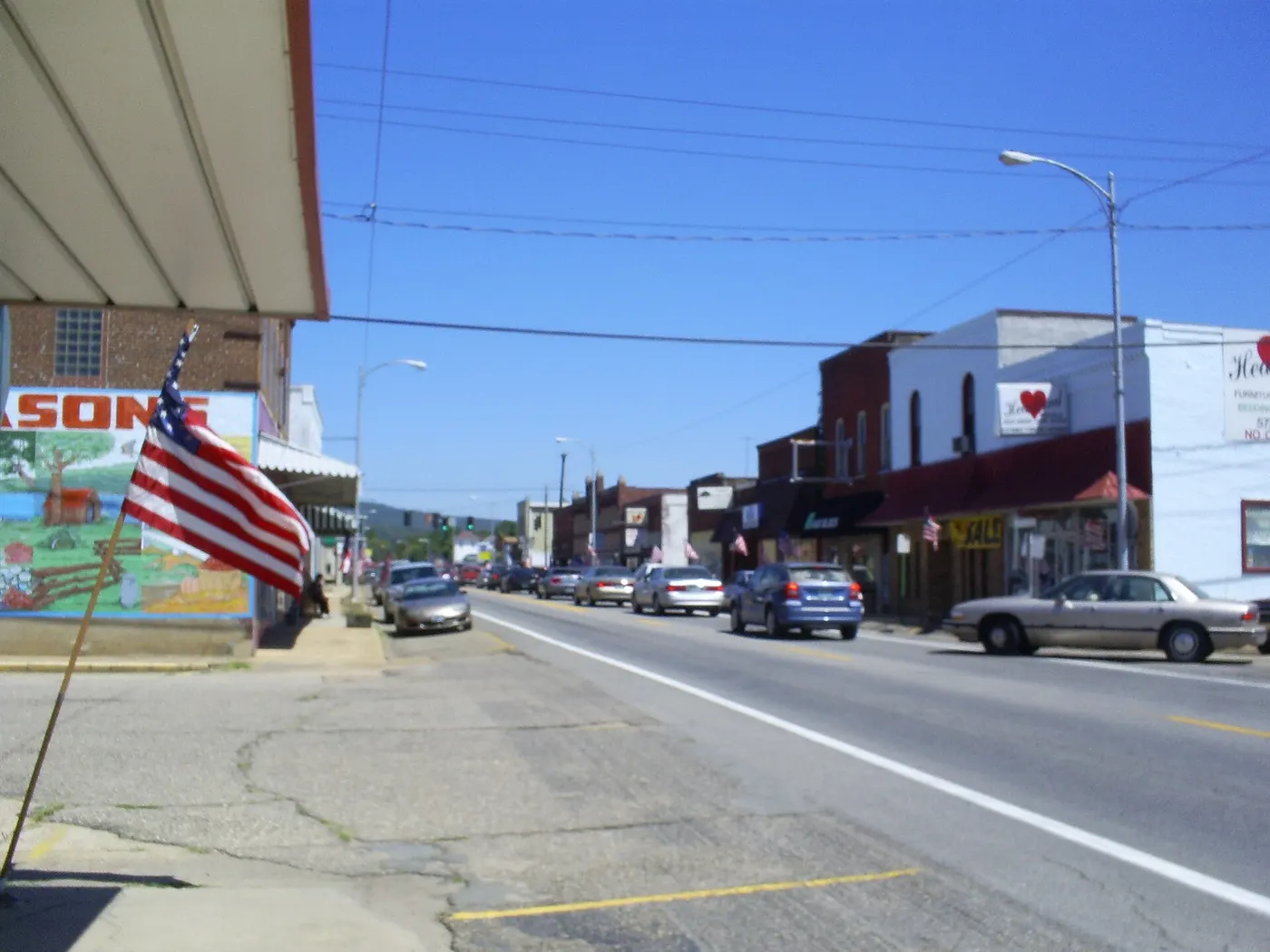
Through the winter of 1973 this Ozarks town lived in reports of lights: a school basketball bus saw them, so did the sheriff, farmers and the pilot at the local airfield. They hung over Clearwater Lake, ran low along the roads and, by several accounts, killed the headlights of cars. Harley Rutledge, professor of physics at Southeast Missouri State, came to look into it and stayed two years: he brought spectrometers, telescopes and magnetometers and worked in the field. His report, Project Identification, appeared in 1981 and remains one of the few attempts to measure such lights with instruments rather than to interview witnesses. Rutledge reached no final conclusion.
Wanaque and the Lights over the Reservoir
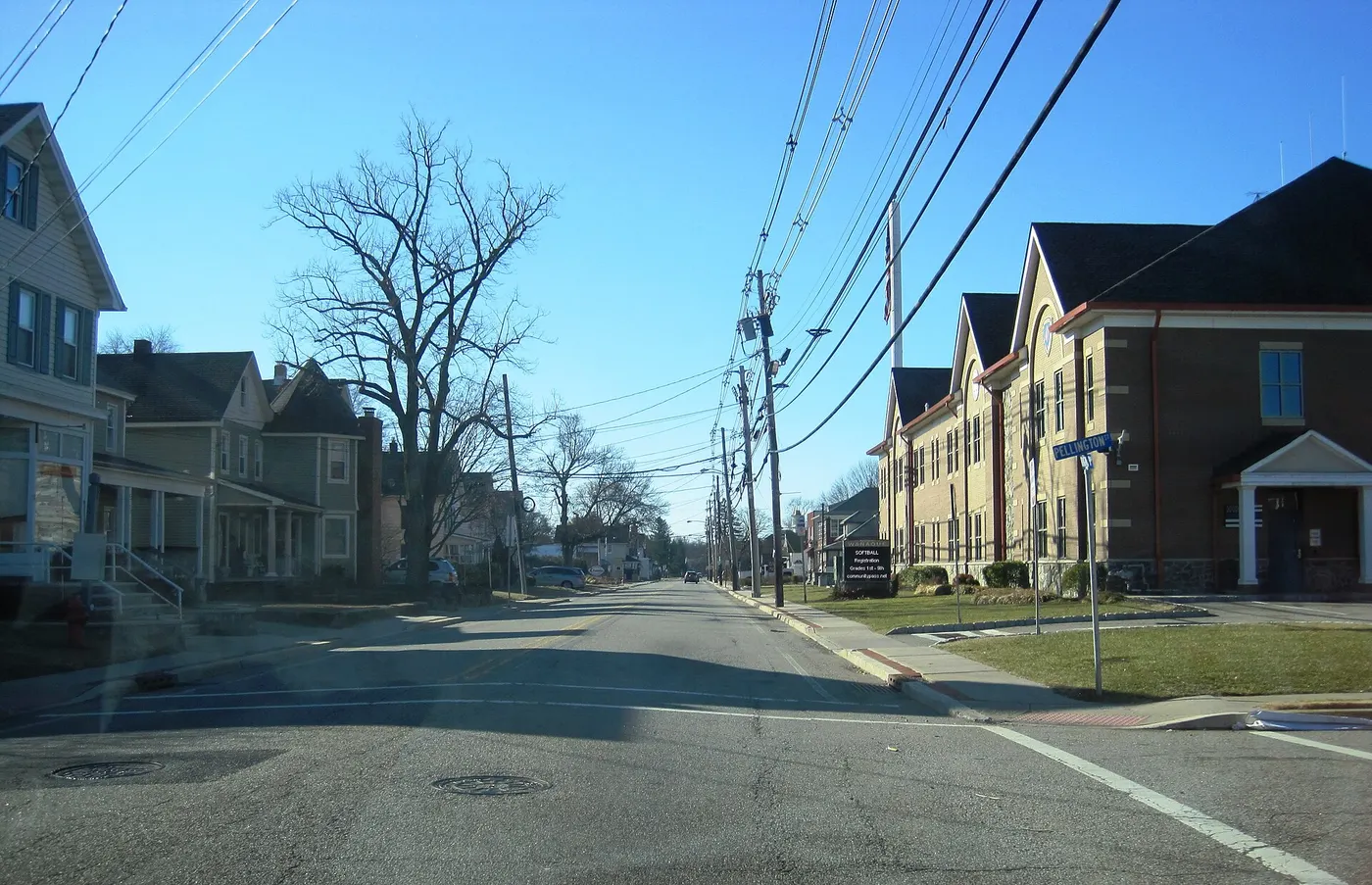
Through the winter of 1966 a bright object was seen for weeks over the Wanaque reservoir in New Jersey, hanging above the ice. The witnesses included the mayor, the chief of police, the men on duty at the dam and dozens of residents; on some nights reports came in from several points on the shore at once. The dam keepers maintained that a beam from the object had melted a hole in the ice. There was no checking it — the ice was gone by spring. The wave came back in 1967. Neither the Air Force nor the police found an explanation, and Wanaque survives in the literature as a rare case whose principal witnesses were town officials on duty.
Delphos and the Glowing Ring
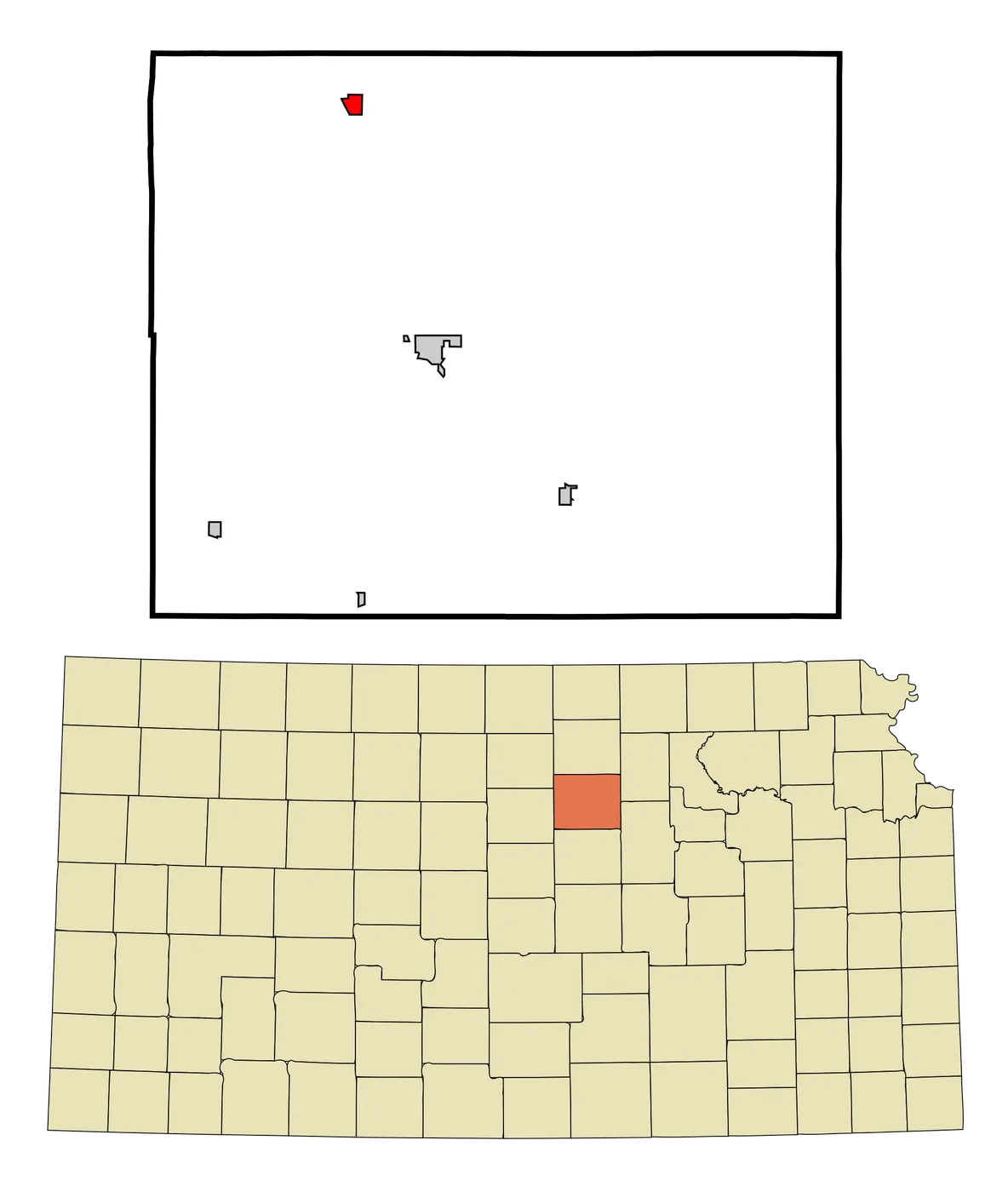
On the evening of 2 November 1971 sixteen-year-old Ron Johnson was tending sheep on a farm outside this Kansas town when, he said, a glowing object on three legs stood twenty metres away and then went up with a roar. His parents, running out at his shout, found a glowing ring on the ground about two and a half metres across. The ring was photographed. The soil inside it repelled water for months afterwards, and laboratory analysis found an unusual organic content; botanists suggested a fungal ring — but a fungal ring does not glow and does not appear in a minute. The case remains one of the few in the subject where the argument is not about a story but about soil analysis.