Yellow level — mystical places on the map
Something is reported, and nobody is hurt by it: voices, figures, lights, cold, objects that move, cameras and engines that stop working. This is the level most hauntings actually sit at — frightening to be in, and that is all that was ever claimed.
164 placesAbout the danger levels
Portage County and the Cruiser Chase
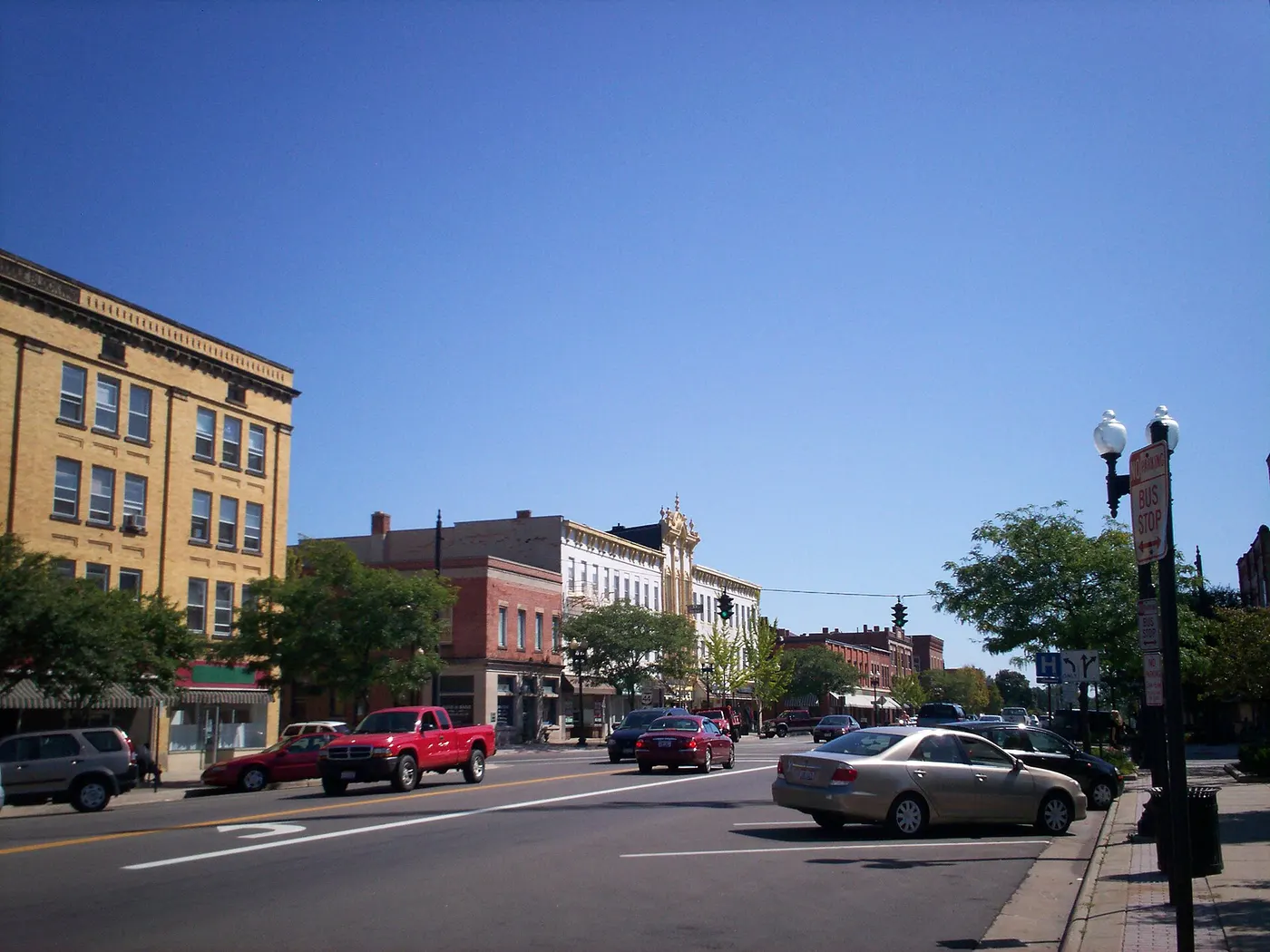
Early on 17 April 1966 two Portage County deputies stopped beside an abandoned car on the shoulder and watched a brightly lit object rise from behind the trees. It hung over them, then moved off east — and they followed. The chase ran eighty-six miles, across the state line into Pennsylvania, at speeds up to a hundred and thirty; other departments joined it over the radio, and at least two more officers saw the object themselves. The Air Force announced that the officers had chased a satellite and then Venus. The police chief of one of the towns, who had also seen it, replied publicly that he knew what Venus looked like.
Montgomery and the Chiles–Whitted Encounter
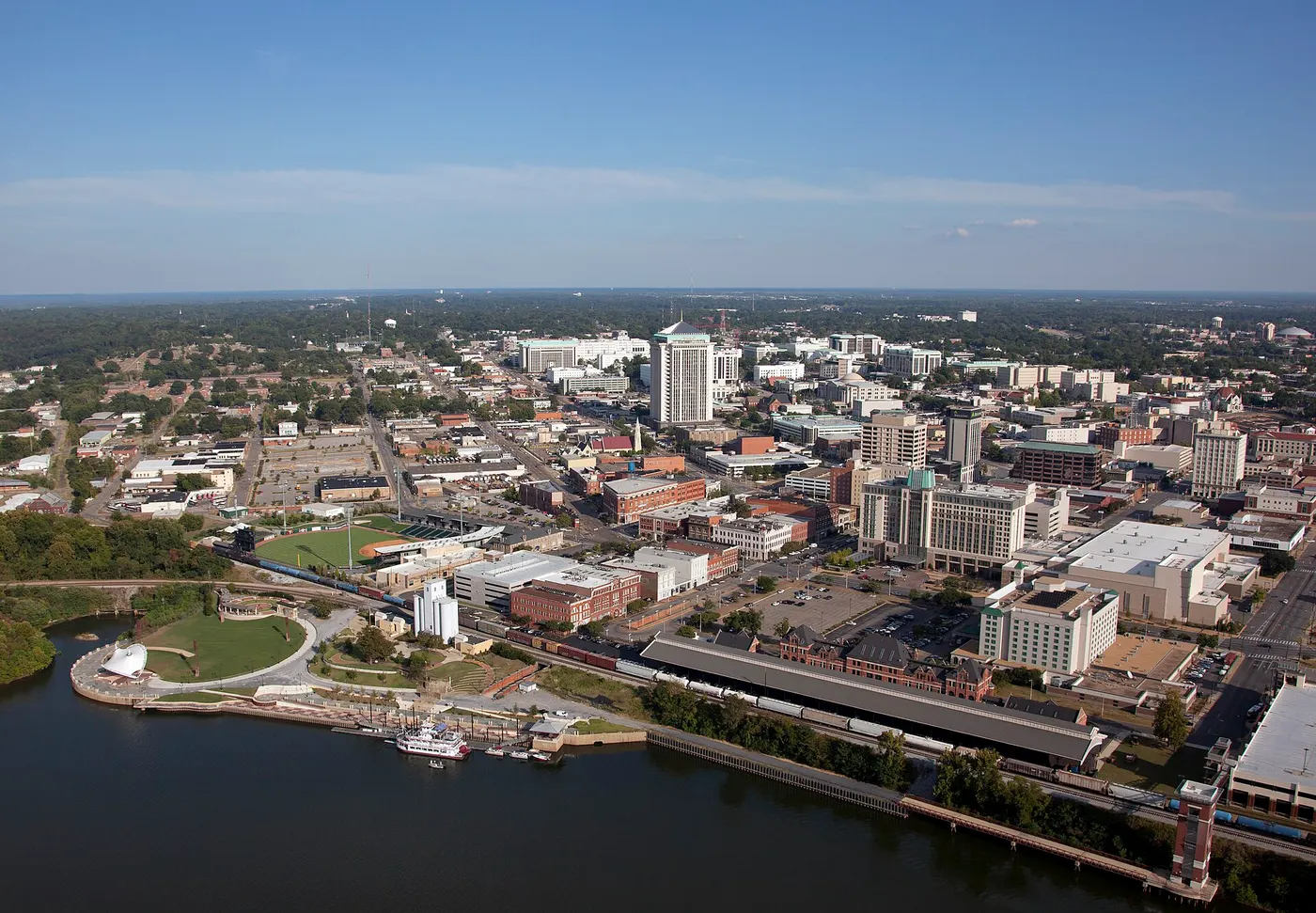
On the night of 24 July 1948 the crew of an Eastern Air Lines DC-3 was over Alabama. Captain Clarence Chiles and First Officer John Whitted saw a cigar-shaped object with two rows of glowing windows and a tail of flame coming towards them; it passed and climbed away. Both men banked hard to avoid it. One passenger confirmed a flash of light. On the ground that same night a similar object was reported over Robins Field in Georgia. The modern explanation is a large fireball, several of which crossed the south-eastern states in those weeks. The row of windows remains the detail a fireball accounts for least well.
Fargo and the Gorman Dogfight
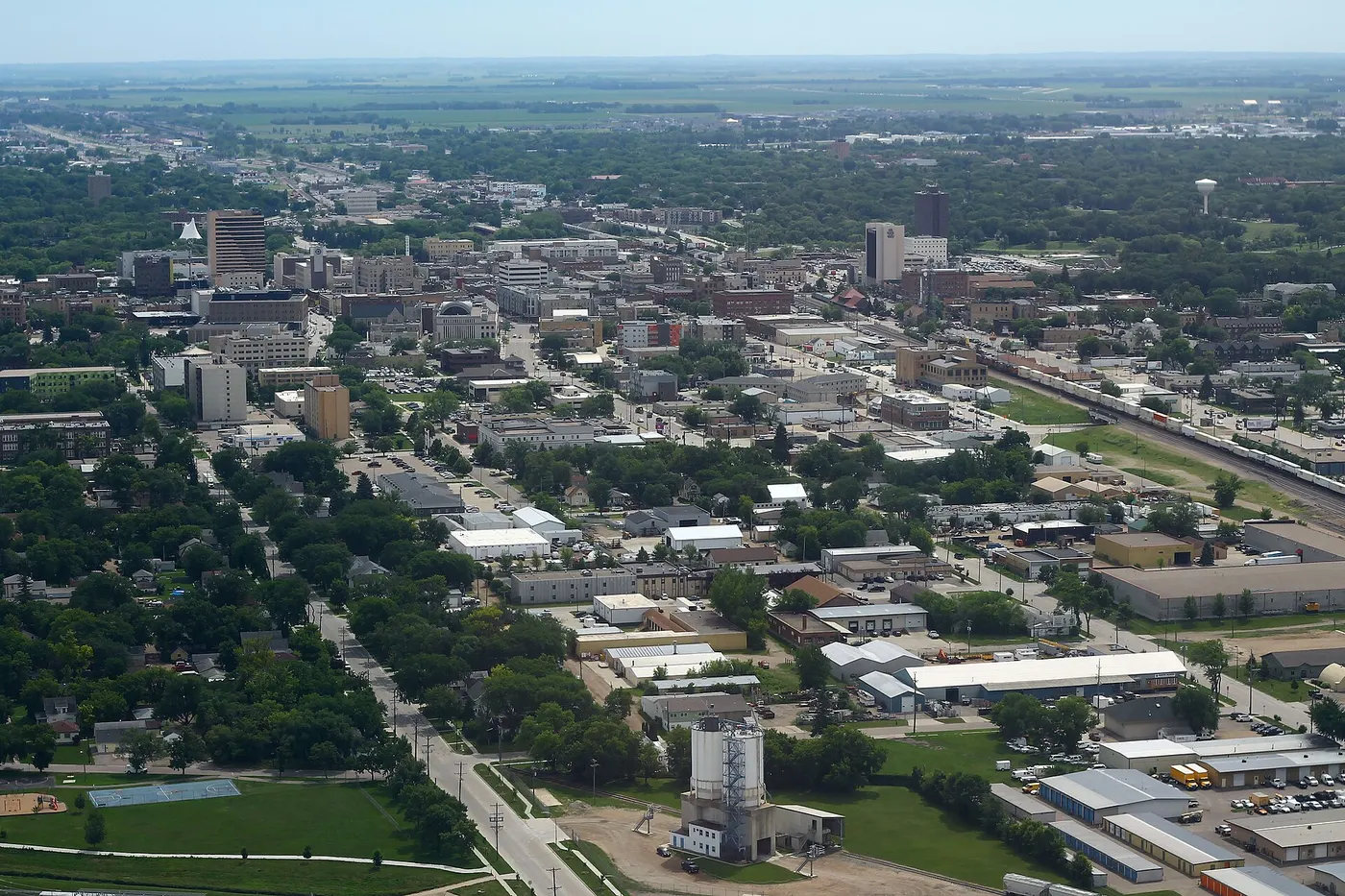
On the evening of 1 October 1948 Lieutenant George Gorman of the National Guard was on approach to Fargo when he saw a fast point of light beside him — no body, no navigation lights. For the next twenty-seven minutes he tried to catch it: it turned away, came head-on, and climbed more steeply than his fighter could. The chase was watched from the ground by a controller and by two men in a light aircraft. The Air Force explanation is a lit weather balloon, and it is plausible: the balloon is stationary and all the manoeuvring is produced by the pilot circling it. Gorman disagreed for the rest of his life; the transcript of his debriefing that same evening is still read as a model of a detailed report.
Tremonton and the Newhouse Film
On 2 July 1952 Navy chief petty officer Delbert Newhouse was driving through Utah with his family, stopped, and filmed a dozen bright objects moving erratically high in the sky. Newhouse was a Navy photographer with thousands of hours behind a camera, which is what made the film matter. The Navy laboratory at Anacostia measured the brightness frame by frame and concluded the objects were neither aircraft nor birds. The Robertson Panel revisited it in 1953 and said: seagulls. Newhouse maintained to the end that before he got the camera out he had seen the objects closer, and that they were discs. The film sits in the archives as a case where the experts differed not over the data but over how to read it.
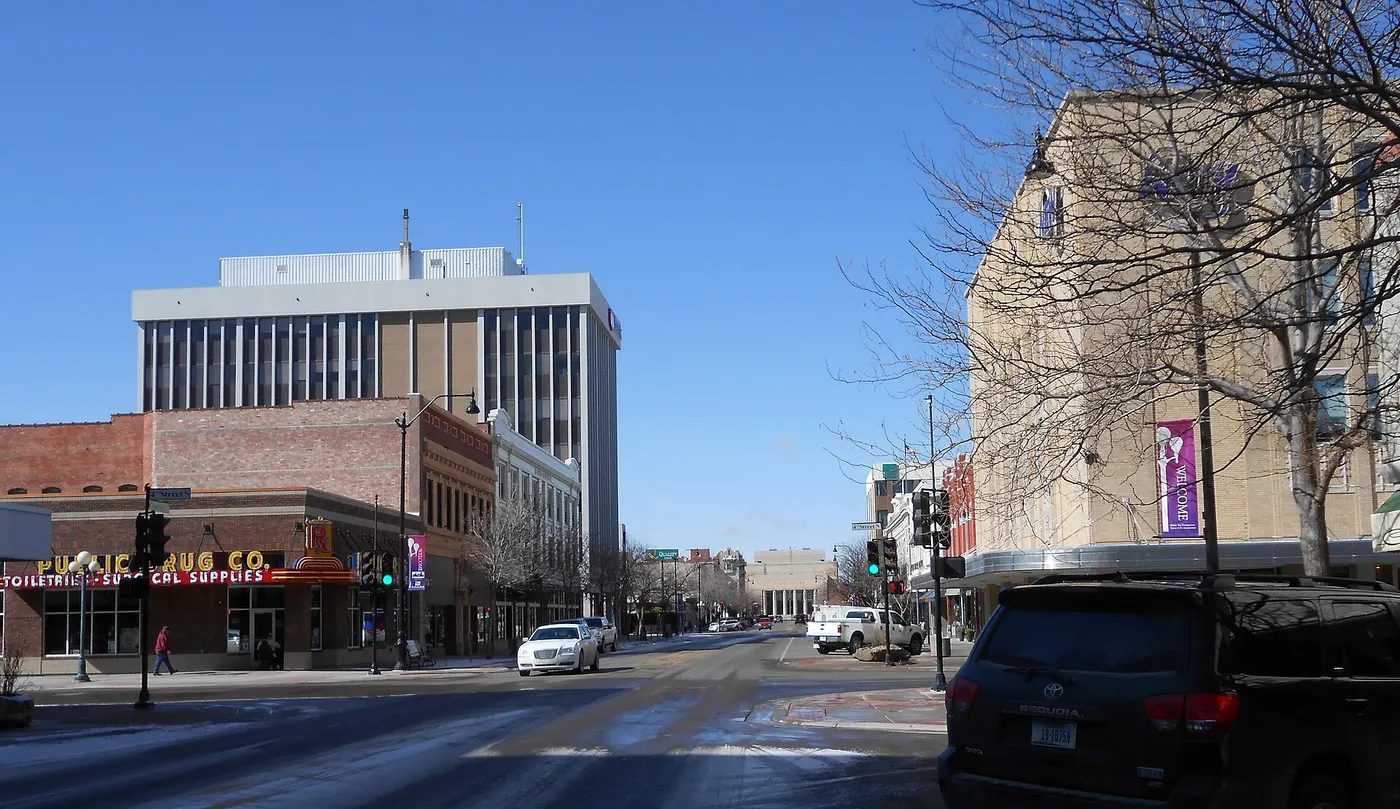
Great Falls and the Mariana Film
On 15 August 1950 Nick Mariana, who managed the local baseball team, saw two bright objects over the stadium with his secretary and got them on 16 mm film. The sixteen seconds he shot are among the first motion pictures of the phenomenon ever taken. The Air Force attributed the footage to sunlight reflecting off two F-94 fighters that passed over the town at about that time. Mariana replied that he had seen the aircraft separately and later, and claimed that the first frames — in which the objects were larger — were missing when the film came back from the military. The film survives and is still gone through frame by frame by both sides of the argument.
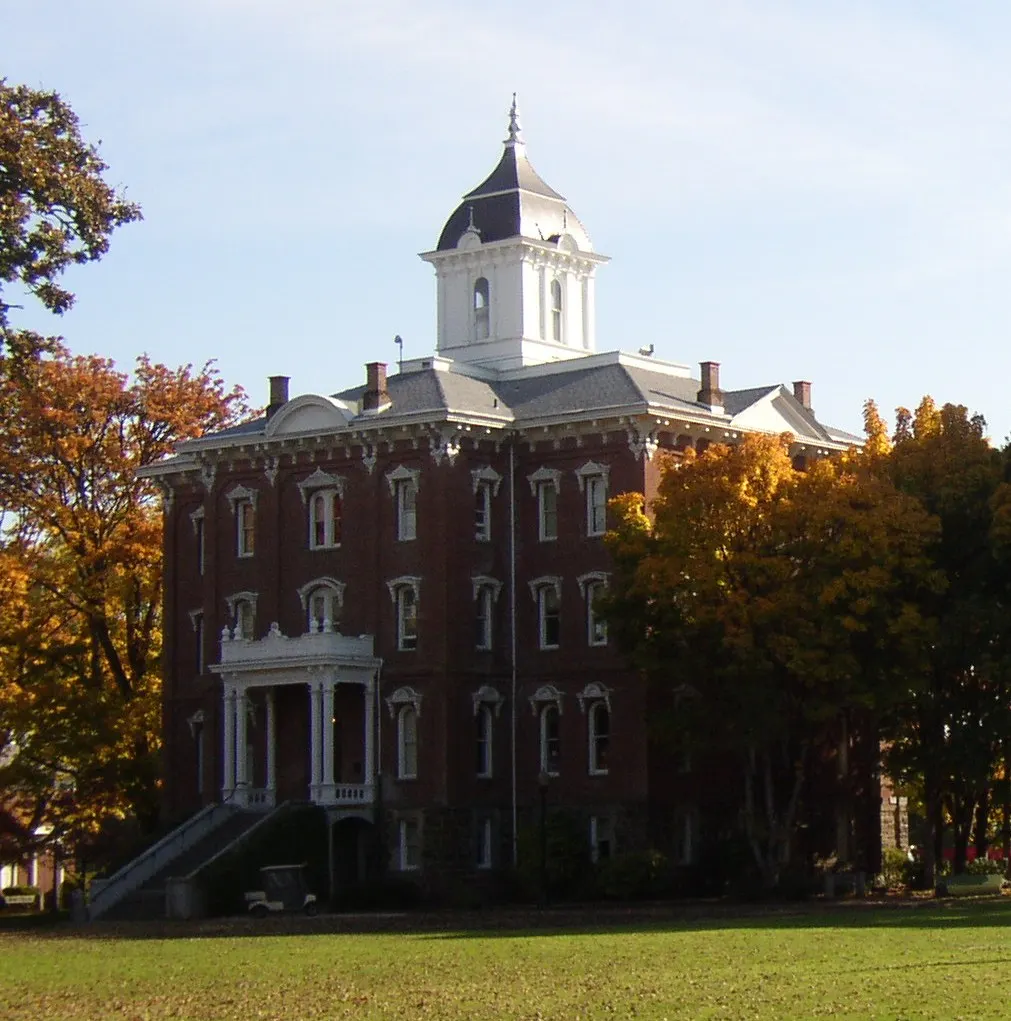
McMinnville and the Trent Photographs
On 11 May 1950 Evelyn Trent went out to feed the rabbits on a farm outside this Oregon town and saw a metallic disc drifting slowly over the field. She called her husband, who managed two photographs before the object went off to the west. The Trents did not try to profit: they finished the roll, left it at the local chemist, and the pictures reached a newspaper through a banker they knew. The frames have been argued over for decades — a 1969 analysis for the Condon Committee found no sign of a suspension or a montage, while later work points to a possible model hung on a wire under the power lines. They remain the two most famous photographs in the subject, and the argument has not closed.

Rainier and Kenneth Arnold's Nine Objects
On 24 June 1947 Kenneth Arnold, a businessman and pilot, was flying along the Cascades when he saw nine objects strung out near the slope of Mount Rainier, moving at enormous speed. On landing he described their motion to a reporter: like a saucer skipped across water. The paper shortened that to "flying saucers", and the phrase has existed ever since. Arnold himself insisted the objects were not round but crescent-shaped, and that the press had described the movement rather than the shape. Nobody heard the correction. The sighting is generally taken as the start of the whole modern subject: before it, reports of strange things in the sky were occasional; after it, they came in floods.
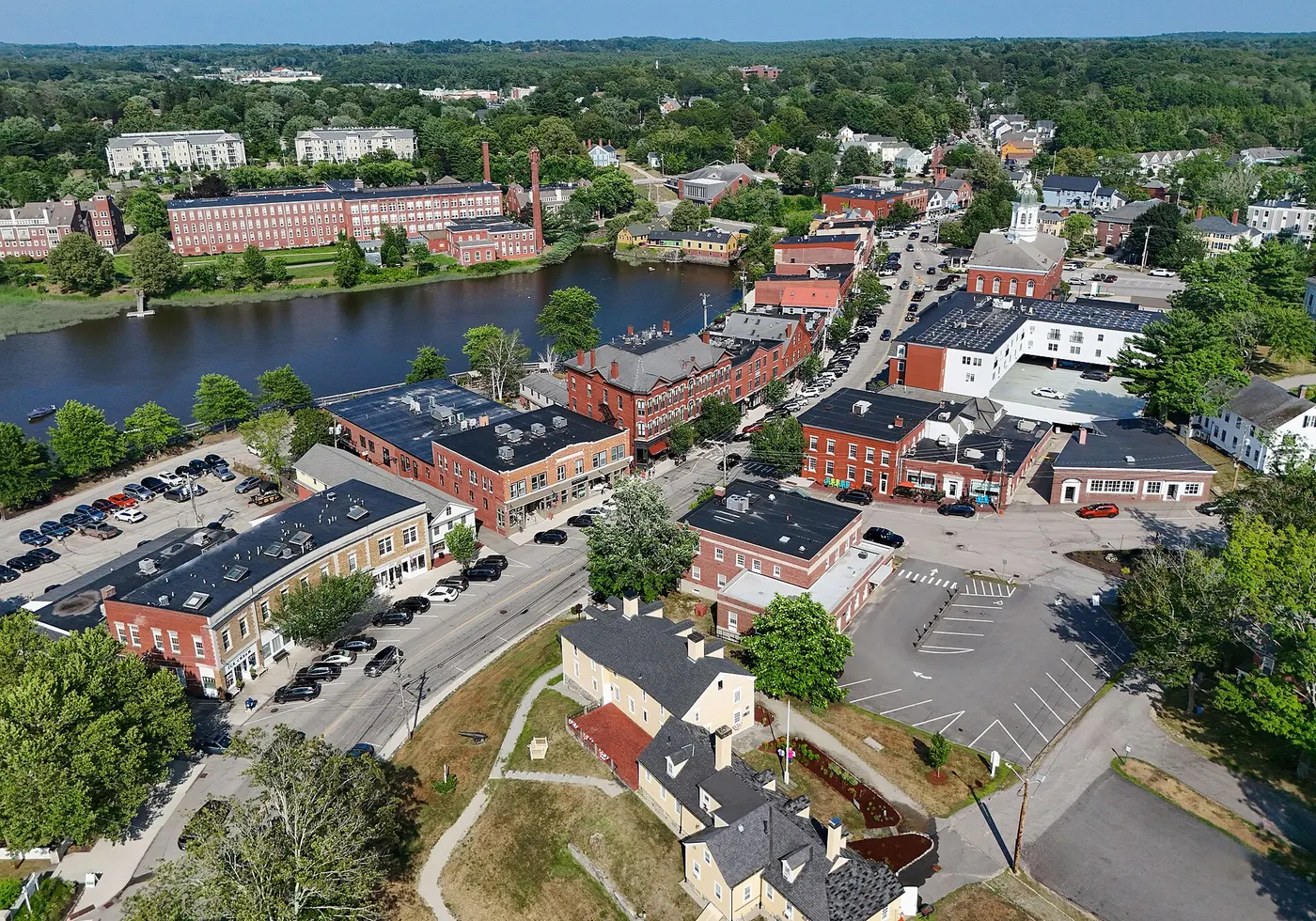
Exeter and the Lights over Kensington Road
On the night of 3 September 1965 eighteen-year-old Norman Muscarello was walking along Route 150 outside Exeter when, he said, a large dark object with a row of bright red lights pulsing in sequence came over a field. He ran to the police station; Officer Eugene Bertrand drove back out with him and saw the same thing, and so did Officer David Hunt, who arrived after. The Air Force first attributed it to a Strategic Air Command exercise, which had ended an hour before the sighting. The case stayed in the Blue Book files as unexplained. Exeter is comfortable with it: since the 2010s the town has held a summer festival on the anniversary, with the takings going to the fire department.
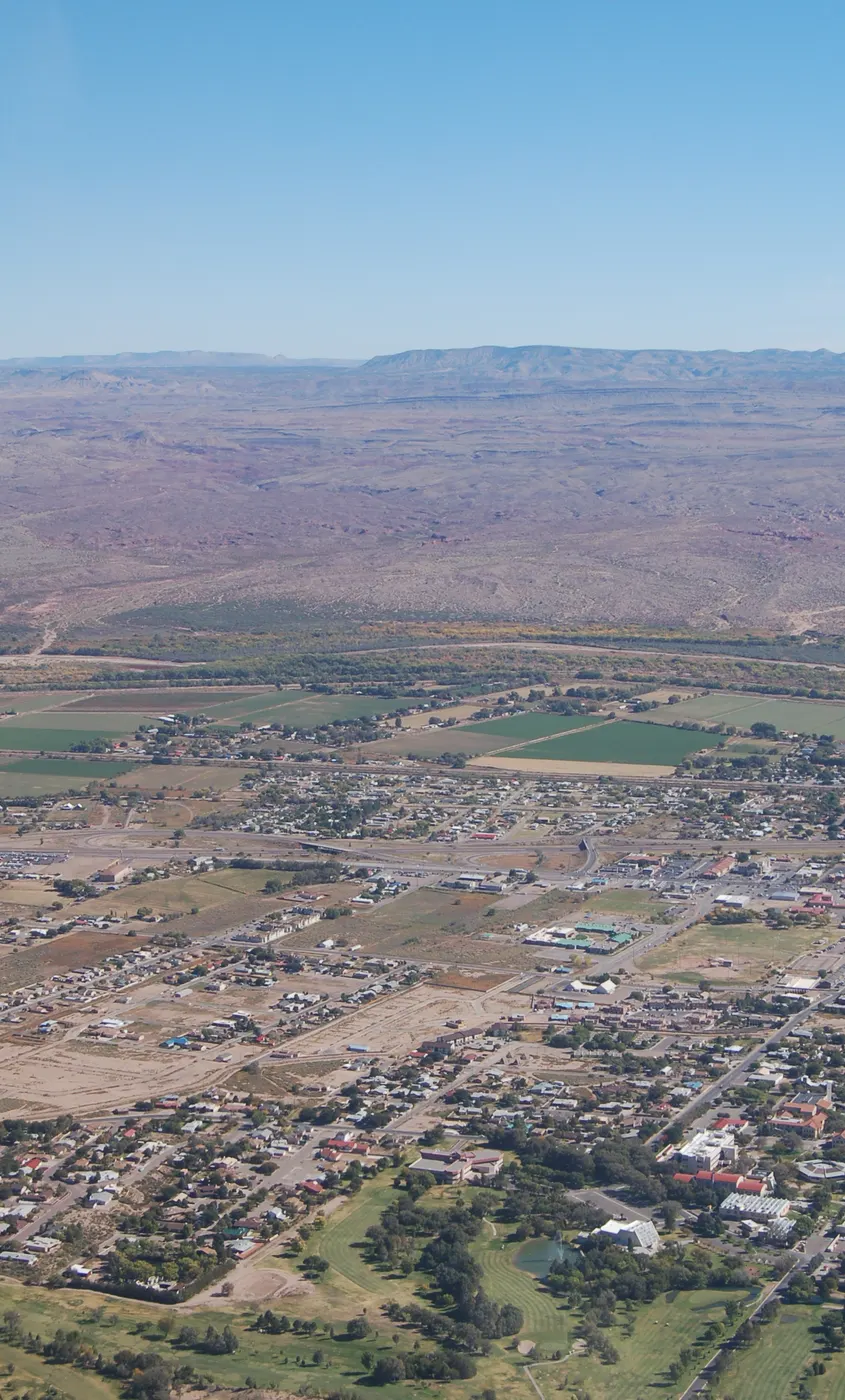
Socorro and Lonnie Zamora's Landing
On 24 April 1964 Officer Lonnie Zamora was chasing a speeder south of Socorro when he heard a roar and saw flame beyond a hill. Coming closer, he made out a white object standing on legs in an arroyo, shaped like an egg on end, with two small figures in white beside it. Then came a roar, and the object rose and went off to the south-west. What it left behind was four pressed depressions where the legs had stood, scorched brush, and smaller prints. All of it was photographed and measured that same day, before the press arrived. J. Allen Hynek, who ran Project Blue Book, called Zamora the best witness he had met, and the case was closed as unexplained — one of very few in the project's files.
The Lubbock Lights
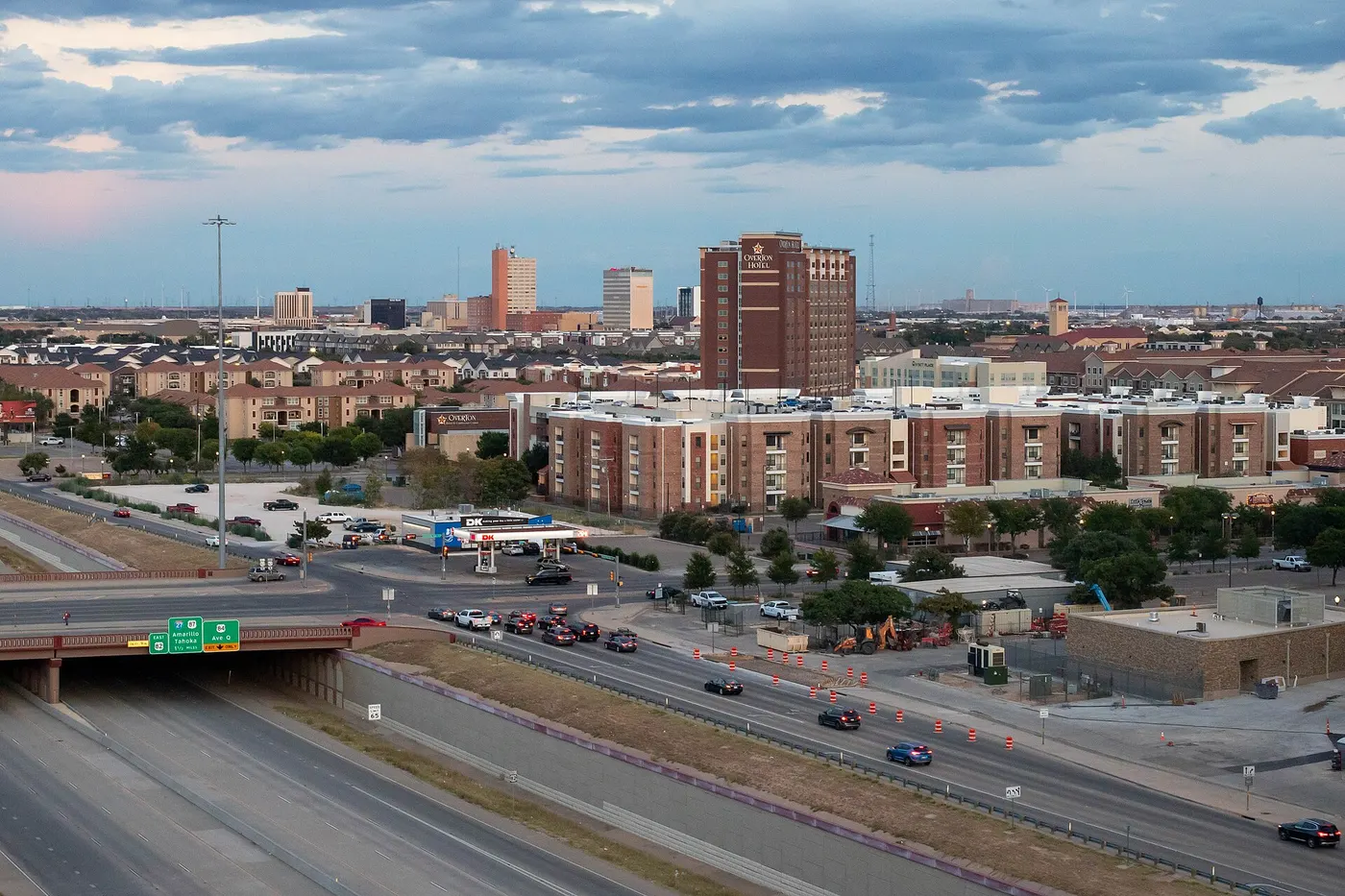
On the evening of 25 August 1951 three professors from Texas Tech were sitting in a garden in Lubbock when a semicircle of bluish lights passed silently overhead. Over the following weeks the formation came back dozens of times, and a student, Carl Hart Jr, photographed it — five frames that went round the country. Project Blue Book examined the negatives, found no sign of a fake, and offered a plain explanation: plovers flying in formation and lit from below by the town's new mercury-vapour streetlights. The professors objected that they had seen the formation before the lights were installed. The argument was never settled, and Hart's photographs remain among the most reproduced in the subject.
Levelland and the Stalled Engines
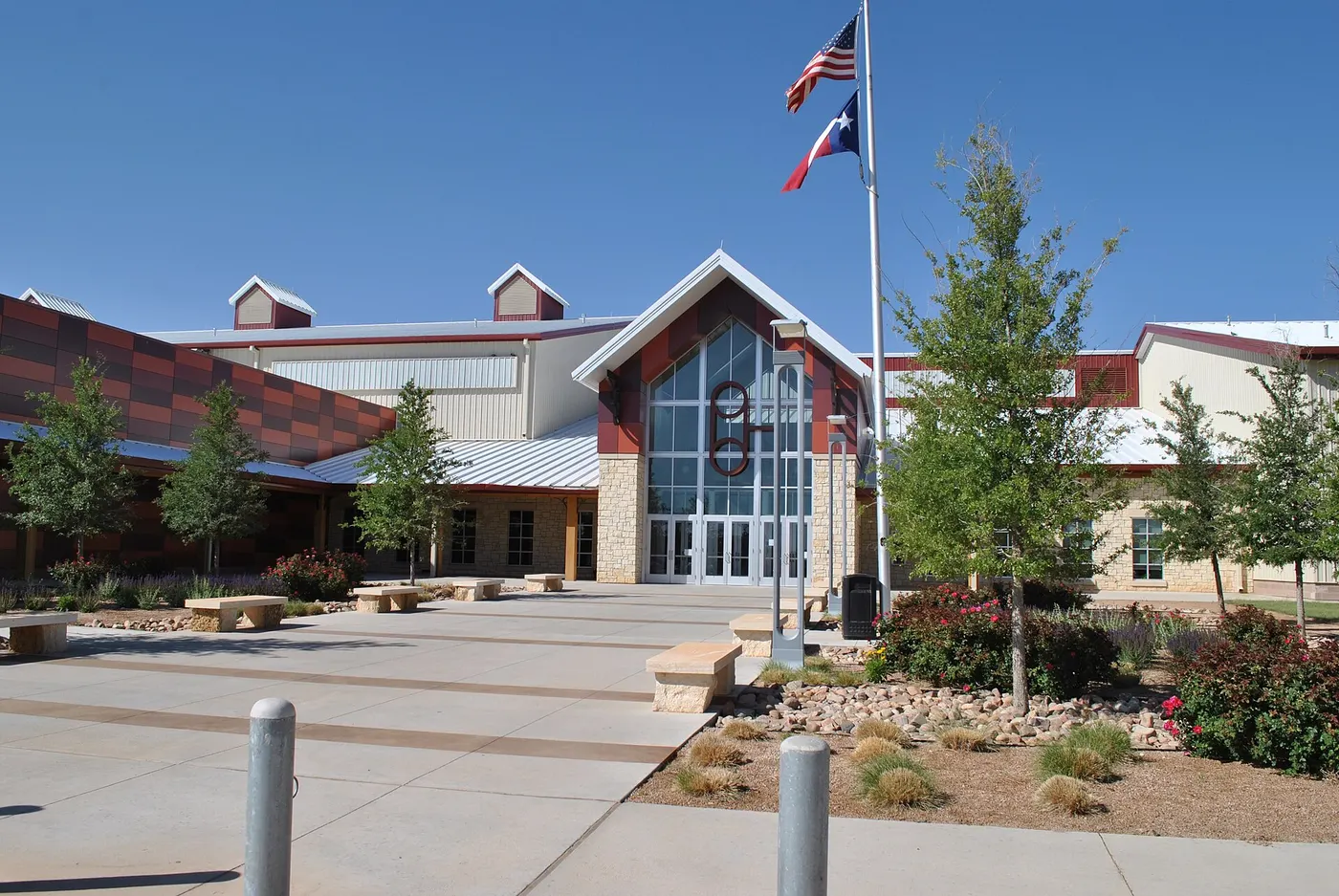
On the night of 2–3 November 1957 fifteen people rang the police of this Texas town within a few hours, all with the same account: a glowing object had settled onto the road ahead of them, their engine had died and their headlights had gone out, and when the object lifted away the engine started again on its own. They called independently, from points all around the town, and two of them were the sheriff and a patrolman. The US Air Force's Project Blue Book closed the case in two days, attributing it to ball lightning in a thunderstorm; the weather record for that night shows no storm. Levelland survives in the literature as the densest of the "vehicle interference" cases — an episode where what matters is not the shape of the object but what happened to the engines.

The Phoenix Lights
On the evening of 13 March 1997 a line of lights crossed Arizona, seen by thousands of people over nearly five hundred kilometres, from Nevada to the Mexican border. Nearly every account agrees: five or seven lights in a fixed formation, moving slowly and without sound, and a dark mass between them that blotted out the stars. The military attributed it to flares dropped over the Barry Goldwater range, and for the later part of the evening that fits. For the first part, around half past eight, it does not: the formation crossed the city well before the exercise. The governor of the day, Fife Symington, mocked the story at a press conference. Ten years later he said he had seen the object himself and could not identify it.
Kecksburg and the Acorn in the Woods
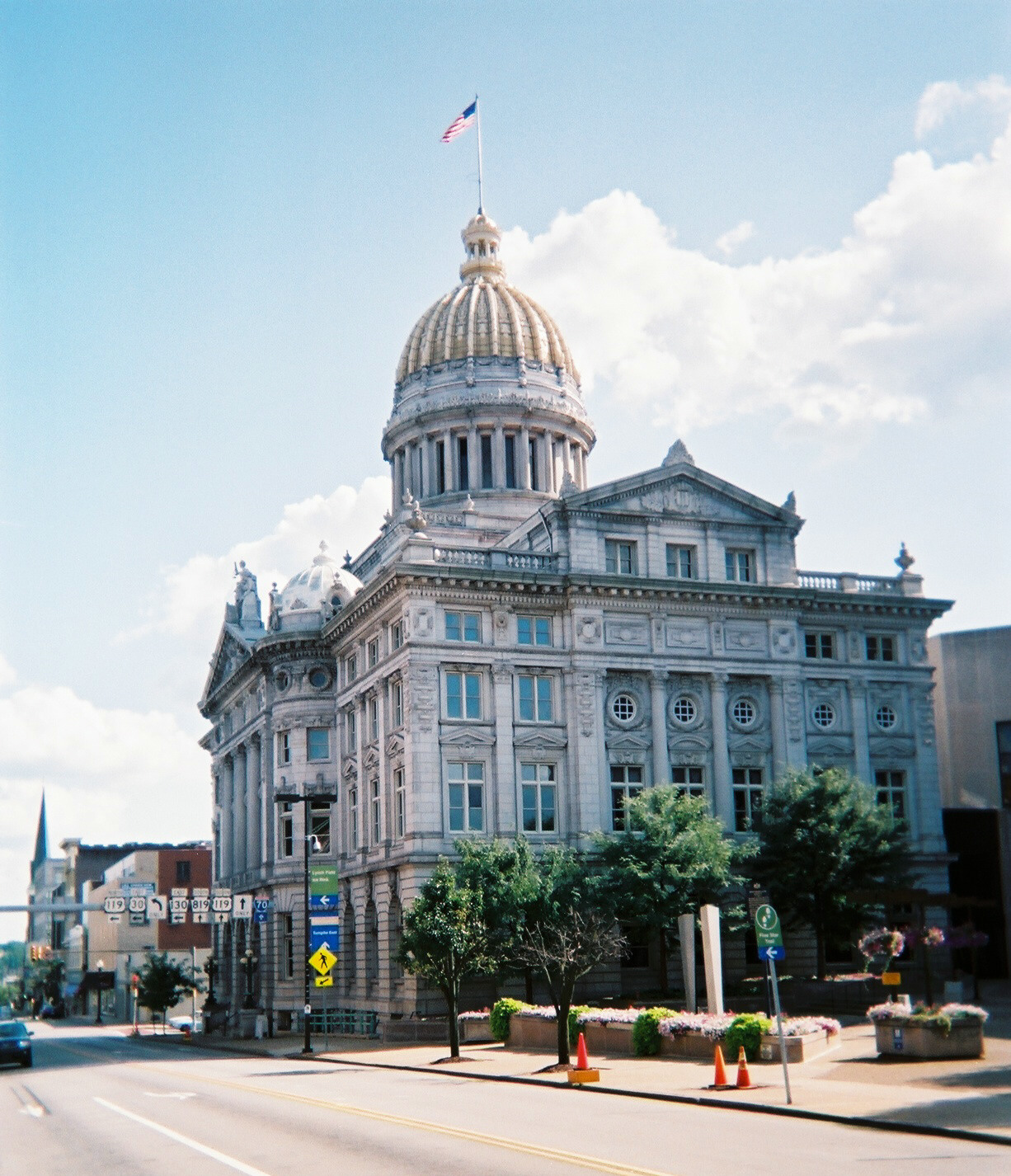
On 9 December 1965 a bright fireball crossed several states, and in the woods outside this Pennsylvania village, according to the people who live there, something came down. Witnesses described an object the size of a car, shaped like an acorn, with a band of markings around its base. By evening the military had cordoned the woods off; by morning they announced they had found nothing. The official answer is a meteor, and astronomers did track that fireball from Ontario into Pennsylvania. A meteor does not explain a cordon. In 2005 NASA acknowledged that its files on the episode were missing. A replica of the acorn has stood in the village since the 1990s — put up for a television programme, and never taken down.
The Black Lady of Nesvizh Castle
Belarus's best-known ghost is Barbara Radziwiłł, the Polish queen who died in 1551 at twenty-nine. The story goes that her husband Sigismund Augustus was so undone by her death that he had her spirit summoned; the rite went wrong, and she has walked the galleries of the family castle at Nesvizh ever since. The castle is real and on the UNESCO list, tours run daily, and the Black Lady is the one exhibit that does not appear in the museum inventory.
The White Caver
The underground counterpart of the Black Climber, known to everyone who goes into caves across the former Soviet Union. What makes him white is calcite, settled on his clothes over years below ground. Meeting him traditionally means the party has lost the route. Cavers have a half-joking initiation rite for newcomers in which he is described — a rare case of folklore whose carriers know perfectly well it is folklore, and which is none the weaker for it.
Myasnoy Bor
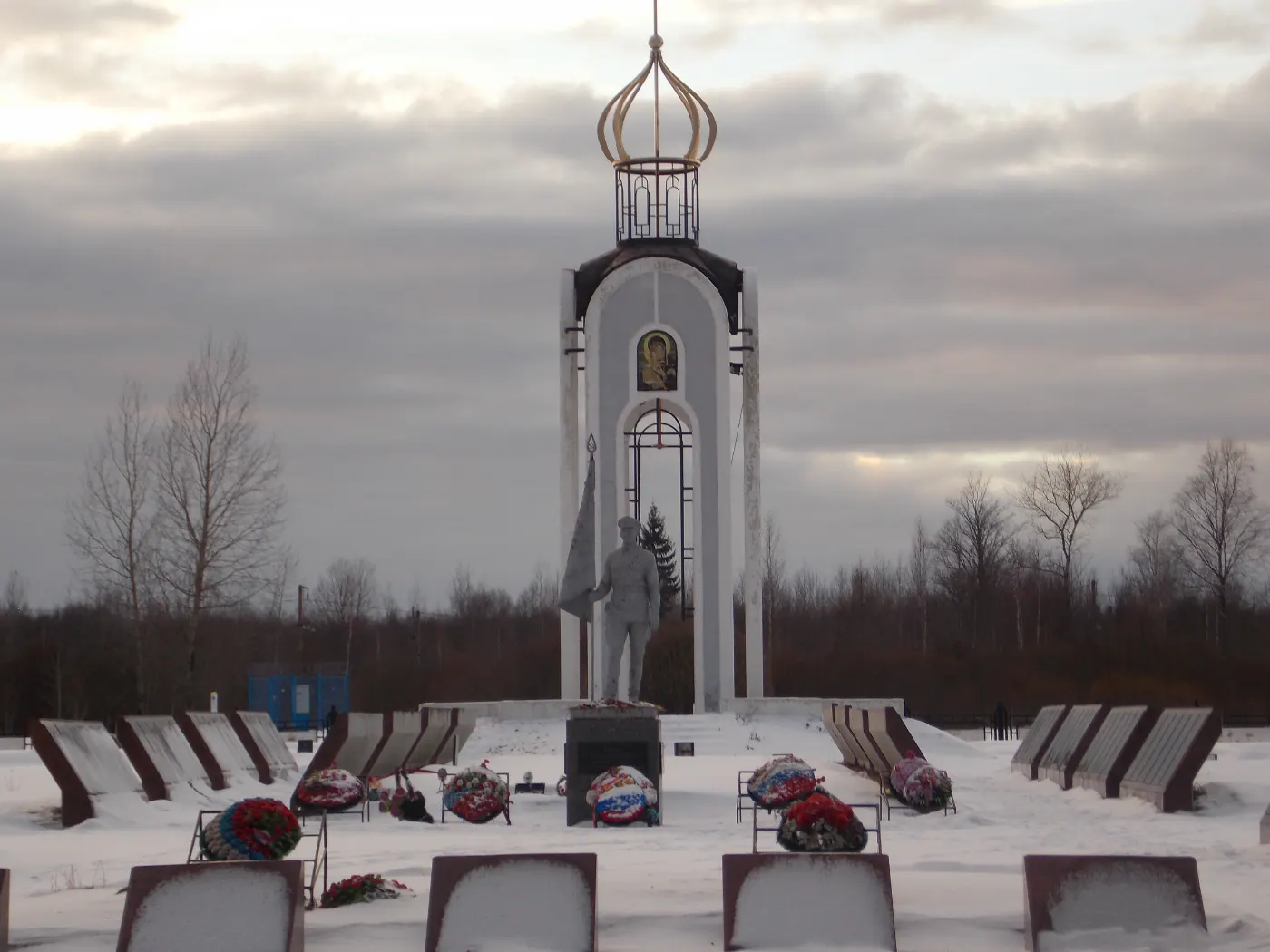
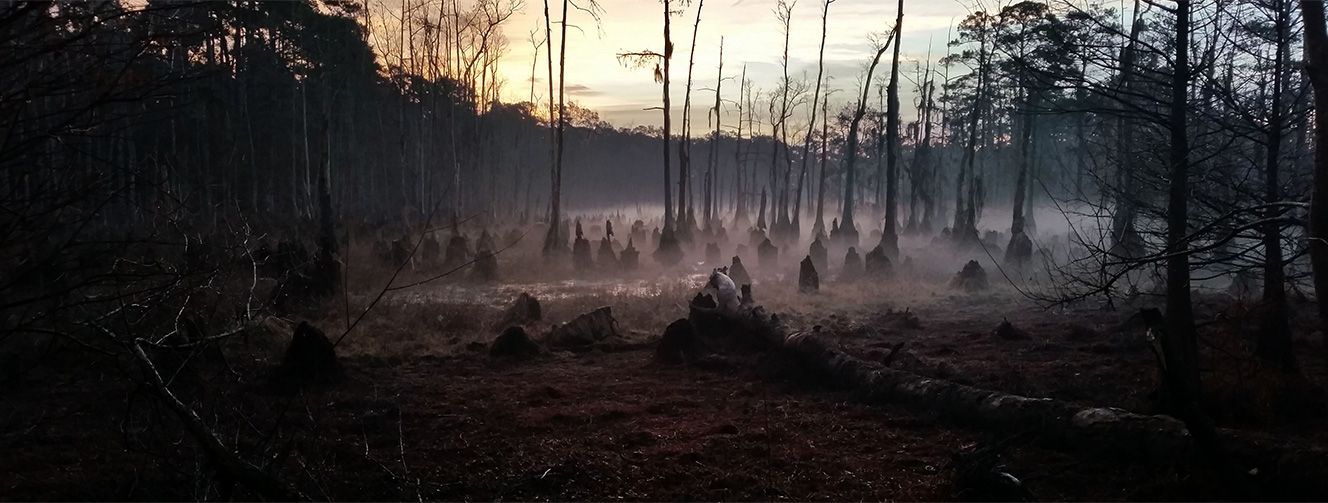
The Myasnoy Bor tract in the Novgorod Region, grimly known as the "Valley of Death," is a dense, swampy forest that became the site of one of the most harrowing tragedies of the Great Patriotic War. In 1942, during an attempt to break the Siege of Leningrad, brutal fighting unfolded here, claiming the lives of tens of thousands of Soviet soldiers.
The Shushmor tract
The Shushmor Tract is an isolated, swampy forest wilderness situated within the river basins of the Polya, Voymega, and Buzha rivers along the boundary of the Shatursky District (Moscow Oblast) and Gus-Khrustalny District (Vladimir Oblast) in the heart of the Meshchera Lowlands. Comprising peat bogs, dense moss woodlands, and pine ridges, the territory gained fame in the late 20th century as the Moscow region's oldest anomalous hotspot, earning the moniker of the "Meshchera Bermuda Triangle" due to enduring lore regarding disappearing travelers and a forgotten pagan megalithic shrine.
The Kyshtym dwarf, Alyoshenka
In May 1996 Tamara Prosvirina, a resident of the village of Kaolinovy near Kyshtym in the Urals, brought home a creature about twenty-five centimetres long with an elongated skull and large eyes. She called it Alyoshenka, fed it, and told neighbours a son had come to live with her. She was taken to a psychiatric hospital; the body was filmed and photographed in the meantime, and that autumn it vanished without trace. What makes the case unusual is the sheer volume of material: video, photographs, dozens of interviews. Later genetic work points to human remains — most likely a premature infant with severe developmental defects.
The Bélmez Faces
In August 1971, in the Andalusian village of Bélmez de la Moraleda, a human face appeared in the concrete kitchen floor of the Pereira family's house. The floor was broken up and relaid — the face came back, and then others did. The house became a place of pilgrimage and was written about across Spain. Chemical analysis in the 1990s found traces of pigments in the concrete, and investigators noted that new faces only ever appeared when somebody was in the house. The house is still there, the faces are still there, and the argument is not closed.
Annabelle at the Warrens' museum
The real Annabelle is not the porcelain doll of the films but an ordinary Raggedy Ann of the kind sold by the million in the 1960s. Her history is known solely from the accounts of Ed and Lorraine Warren, who took the doll in 1970 and put it in a glass case in their occult museum in Monroe, Connecticut. There is no independent confirmation of any episode. The museum has been closed to visitors since 2019, but the doll remains one of the most recognisable objects in American popular occultism.
Robert the Doll
A cloth doll in a sailor suit standing behind glass at Fort East Martello in Key West. It was given to the painter Robert Eugene Otto in the early twentieth century, and by family account he talked to it and blamed it for things broken and overturned in the house. The museum now asks visitors to request the doll's permission before photographing it, and the walls around the case are covered with letters from people who did not ask and connect their subsequent misfortunes to that. The doll is real, the museum is real, and there is an admission charge.
The Green Man of Pennsylvania
The legend of a glowing green faceless man you can meet at night by an abandoned tunnel outside Pittsburgh. There is a real person behind it: Raymond Robinson, who at nine was catastrophically burned by an electric line on a trolley bridge and lost his face and an arm. He lived until 1985 and walked at night so as not to frighten people — while teenagers drove out specifically to find him. The order of events is worth keeping in mind: first there was a man who was unlucky, and only then the ghost story.
The Goatman of Maryland
A half-goat, half-man with an axe, told of in Prince George's County outside Washington. The legend took shape in 1971, when a local paper ran a piece about a missing dog and rumours of a creature near Fletchertown Road; the article was picked up, and within a couple of years the story had acquired an escaped experiment from the agricultural research centre next door. The centre is real and still operating, which has helped the legend considerably — it has a building you can point at.
The Melon Heads
Creatures with disproportionately large heads living in the woods — a legend told in three American states at once, Ohio, Michigan and Connecticut, each with its own backstory. The Ohio version is the most widespread: supposedly children from a closed institution for hydrocephalus patients who escaped after a fire. No such institution and no such fire appear in the records. What is interesting is the rest: three unconnected regions invented almost the same image, and in all three it explains the same thing — that there is someone in the woods who was once hidden there.