 Mystical places in Russia
71 legends · 14 cities
Regions and cities
Altai Krai1
Arkhangelsk Oblast1
Astrakhan Oblast1
Bashkortostan2
Chelyabinsk Oblast2
East Kazakhstan Region1
Irkutsk Oblast2
Kabardino-Balkaria2
Kaluga Oblast1
Kamchatka Krai1
Karelia3
Khakassia1
Krasnoyarsk Krai3
Kuzbass1
Leningrad Oblast1
Magadan region1
Moscow6
Moscow Oblast1
Murmansk Oblast2
Novgorod Oblast1
Perm Krai4
Primorsky Krai2
Sakha (Yakutia)2
Samara Oblast1
Sverdlovsk Oblast1
Volgograd Oblast1
Voronezh Oblast1
Yamalo-Nenets Autonomous Okrug1
Yaroslavl Oblast1
By kind of place
All places
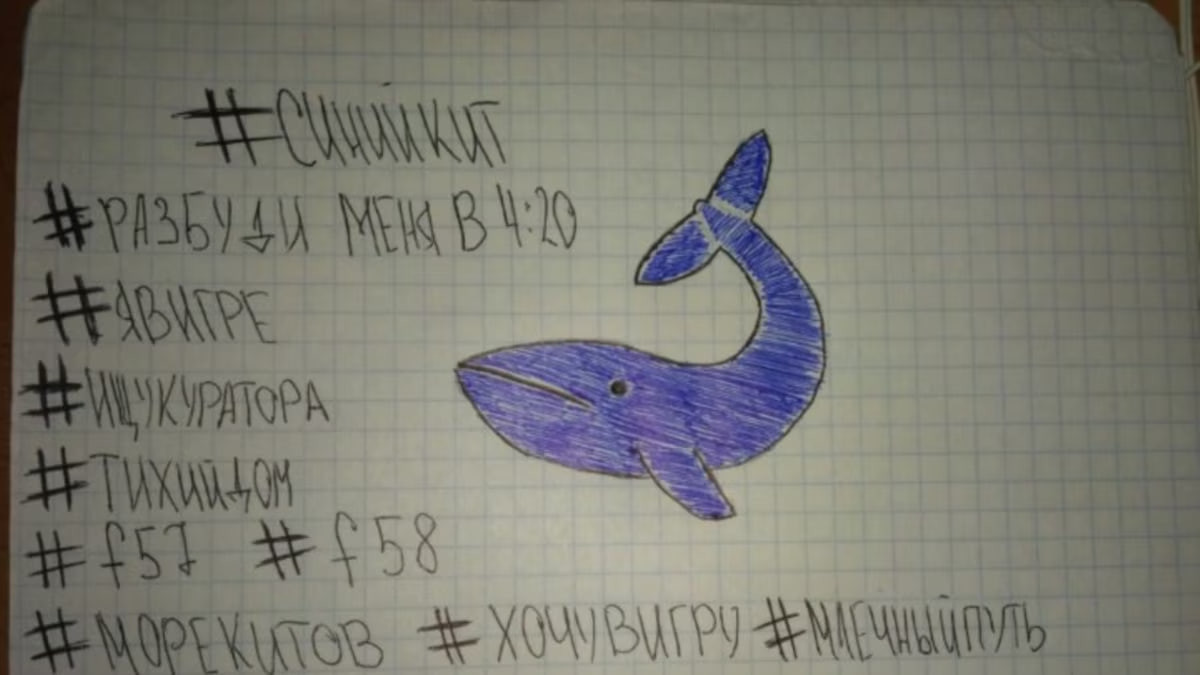
The "Blue Whale"
The "Blue Whale" phenomenon (also known as "Death Groups," "f57," "Quiet House," or "Wake Me Up at 4:20") is a viral digital urban legend, an international moral panic, and a destructive social-media alternate reality game (ARG) that originated within the Russian-speaking web (principally the VKontakte platform) in late 2015. Between 2016 and 2017, the narrative of a clandestine syndicate of online "curators" systematically coercing hundreds of teenagers into self-harm across a 50-day sequence triggered massive public panic, prompted reforms in Russian criminal law, and gained global infamy as a supposed worldwide cyber threat.
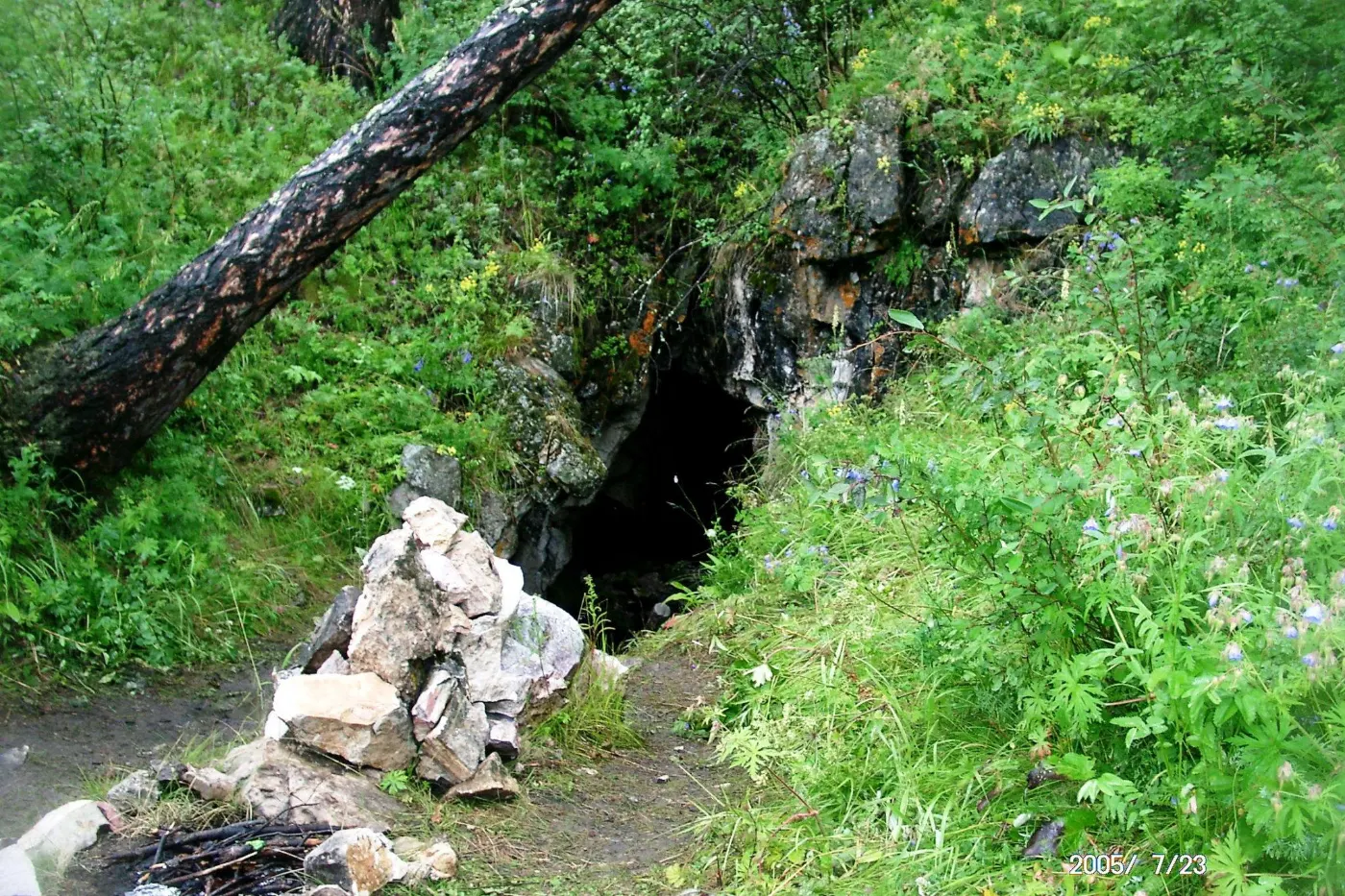
Kashkulak Cave
Kashkulak Cave (colloquially known as the "Cave of the Black Devil" or the "White Shaman's Cave") is a karst cavern system in the Batenevsky Ridge of the Kuznetsk Alatau mountains, situated in the Shirinsky District of Khakassia, Russia. Featuring a three-tier network of galleries descending to a depth of 49 meters with over 800 meters of mapped corridors, the site earned notoriety in the late Soviet period as an anomalous subterranean hotspot where explorers and scientists experienced acute panic attacks, disorientation, and waking hallucinations.
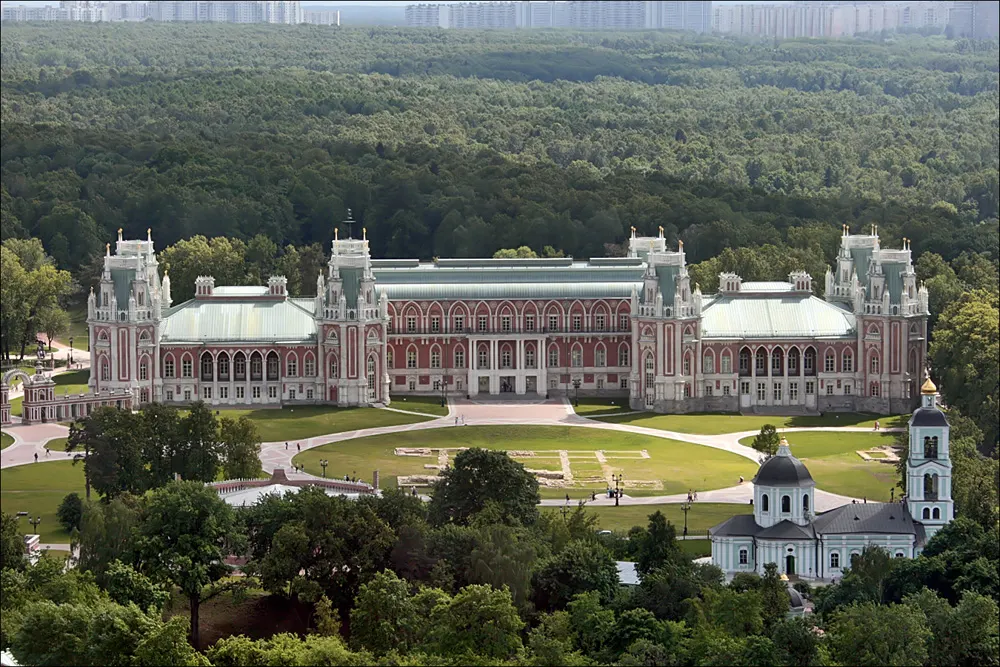
Tsaritsyno and the Rejected Palace
The Tsaritsyno State Historical, Architectural, Art and Landscape Museum-Reserve is an expansive imperial palace and park estate in southern Moscow, commissioned in 1775 by Empress Catherine the Great. It stands as Europe's largest complex built in the Russian Gothic (pseudo-Gothic romanticism) style and represents one of the most dramatic architectural sagas in Russian history: the nearly completed grand residence was abruptly rejected and ordered dismantled by the Empress herself, leaving the site as a romantic, unfinished ruin for more than two centuries.
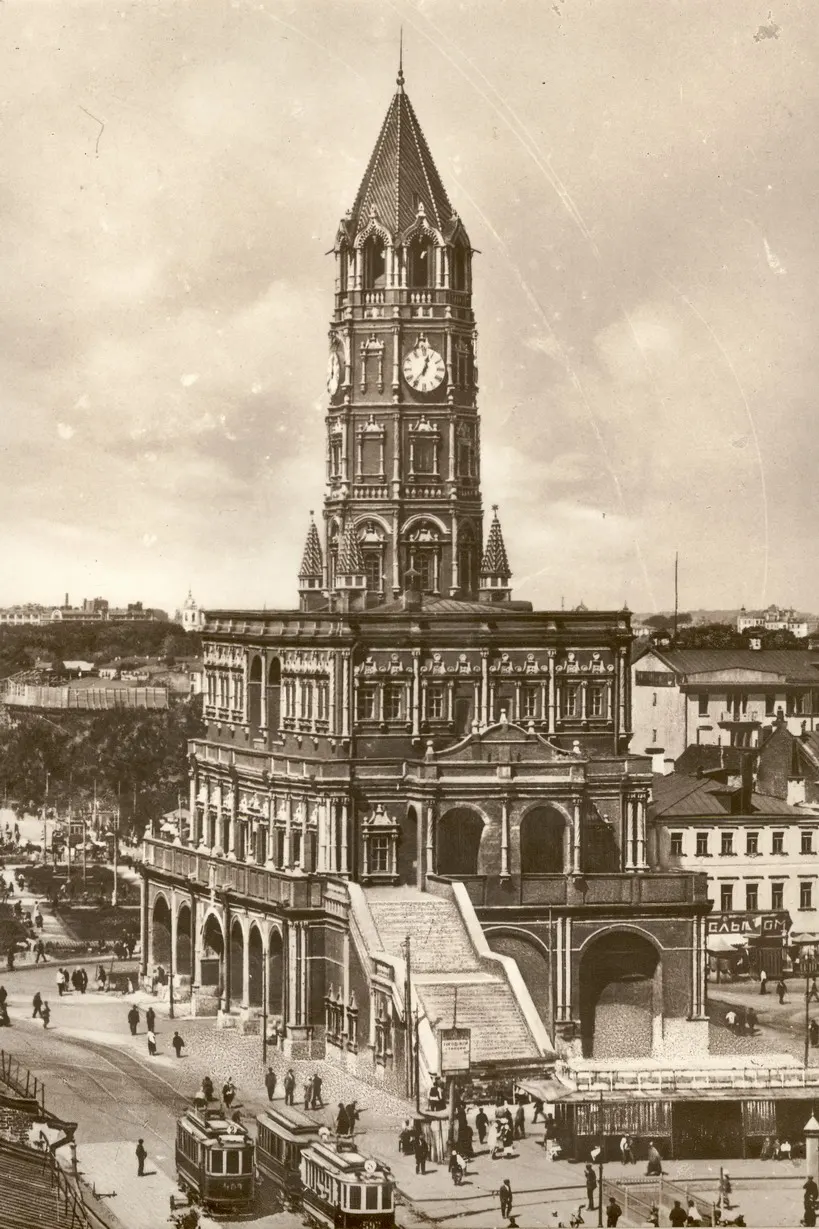
The Sukharev Tower and Jacob Bruce
The Sukharev Tower was a masterpiece of late-17th-century Russian civil architecture, formerly standing at the junction of Moscow's Garden Ring, Sretenka Street, and Prospekt Mira. Commissioned by Peter the Great and designed in the ornate Naryshkin Baroque style, the 60-meter-tall red-and-white monument functioned as a ceremonial city gate, the administrative birthplace of the Russian Imperial Navy, and the nation’s first astronomical observatory. In folk memory, the landmark is permanently tied to one of Peter's closest intellectual confidants, Field Marshal Jacob Bruce, who was mythologized as the supreme warlock and sorcerer of the Russian Empire.
The Library of Ivan the Terrible
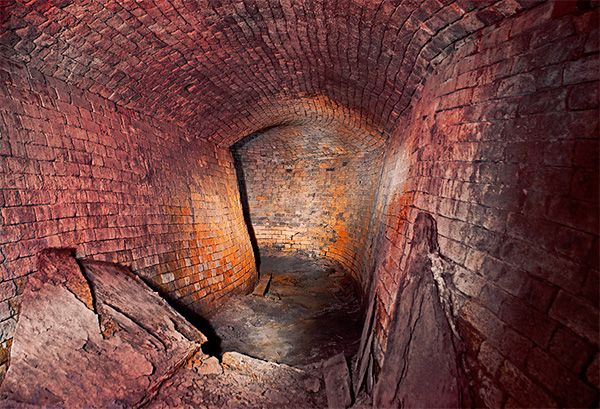
The Lost Library of Ivan the Terrible (known in Russian as the "Libereya") is a legendary repository of ancient classical and Byzantine manuscripts, parchment scrolls, and codices purportedly assembled by Russia's first crowned Tsar, Ivan IV. Popular mythology claims this priceless collection of ancient Greek, Latin, and Hebrew literature was sealed away inside subterranean brick vaults beneath the Moscow Kremlin, the Alexandrov Kremlin, or the royal estate of Kolomenskoye, standing for four centuries as one of the world's most sought-after literary grails.
The Molebka Triangle
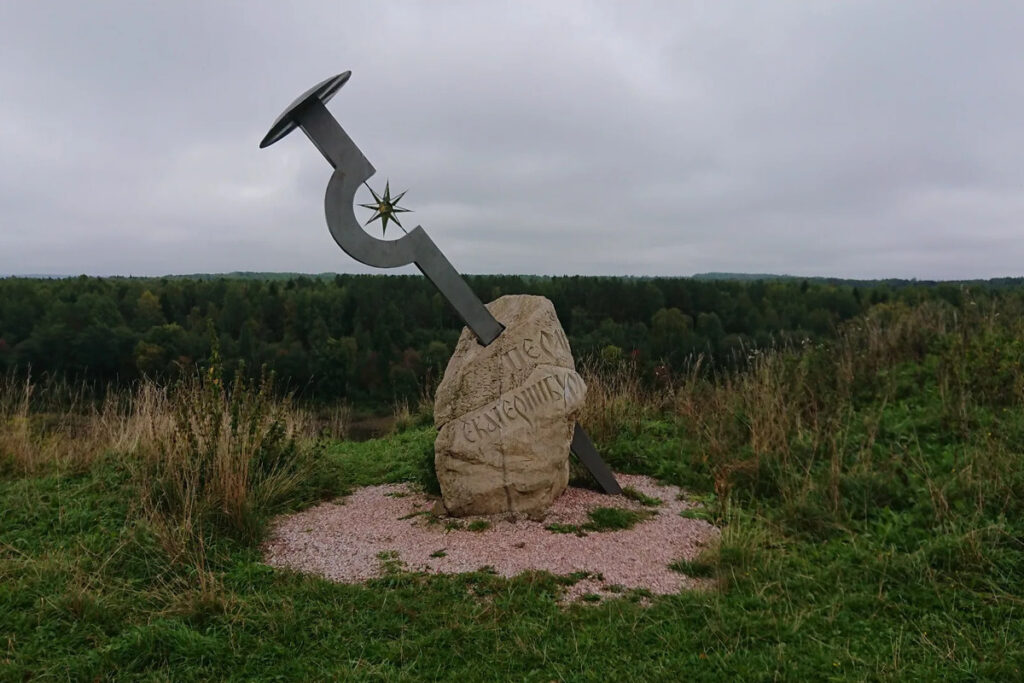
The Molebka Triangle (also known as the M-Zone or the Perm Anomalous Zone) is a geographic area spanning roughly 70 square kilometers in the Kishertsky District of Perm Krai, Russia, situated along the Sylva River near the historic village of Molebka. In the late 1980s, this remote pocket of Ural taiga transformed into the Soviet Union's first and most famous recognized "paranormal zone," becoming a global epicenter for UFO tourism and ufological expeditions.
The Khovrino Hospital
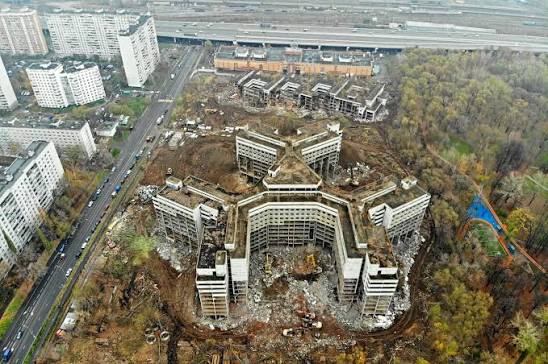
The Khovrino Abandoned Hospital (colloquially known as "HZB" or "The Umbrella") was a notorious Soviet mega-scale unfinished complex, formerly situated at 2 Klinskaya Street in the Khovrino District of northern Moscow. Built in a monumental modernist and brutalist architectural style, the 1,300-bed facility famously formed a three-pointed star from the air that precisely mirrored the international biohazard symbol and the Umbrella Corporation insignia from Resident Evil. For over three decades, the derelict complex served as the ultimate urban exploration mecca in post-Soviet Russia, cultivating extensive dark urban mythology before its complete demolition in late 2018.
The Black Curtains
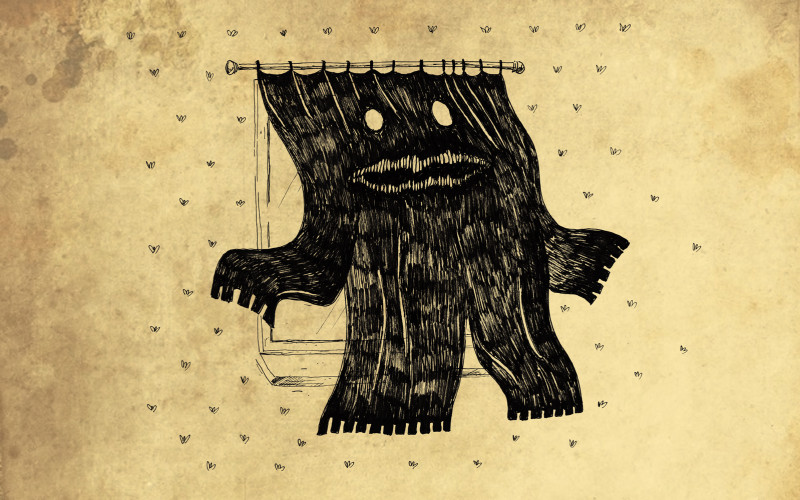
Standard apartments of Soviet prefabricated panel housing blocks (Khrushchyovkas and Brezhnevkas, epitomized by the 9th Experimental Block of Novye Cheryomushki in Moscow), state boarding schools, and summer camp dormitories. Within late-Soviet juvenile subculture during the 1970s and 1980s, the lore of the "Black Curtains" crystallized into one of the most pervasive domestic horror tales, transforming a standard household textile into an autonomous nocturnal predator.
The Tulpa
A practice Russian-language imageboards picked up from English-language ones around 2012: an imagined companion, grown over months of daily exercises until it answers on its own and becomes visible to the person who made it. The word is taken from Tibetan Buddhism, where it means something quite different; its present sense was given to it by Western occultists in the early twentieth century. The frightening part of the legend is not the practice but its retellings: the tulpa that stopped obeying, the tulpa that refused to go, and the tulpa that was there first.
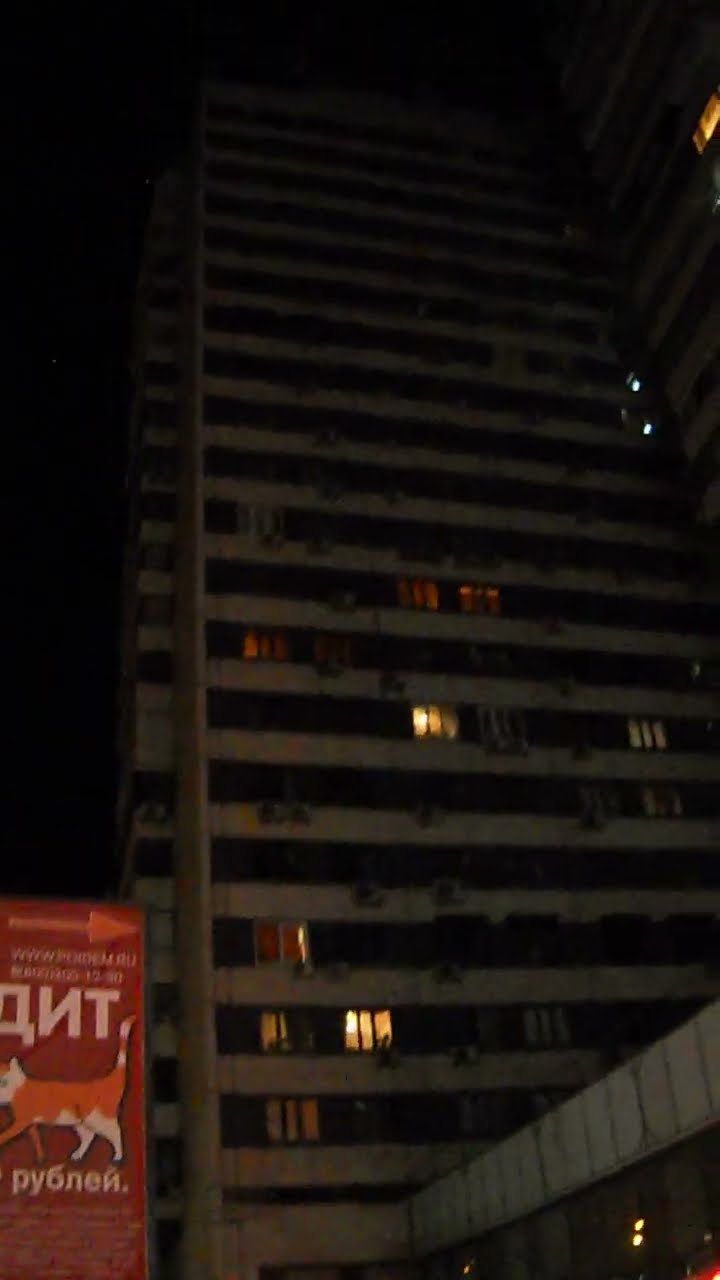
The Blinking Windows
A residential high-rise building located at 7 Krasnoznamenskaya Street in the Central District of Volgograd, Russia. Originally converted from an unfinished Soviet hotel complex near the Piramida shopping center, the tower became the epicenter of one of the Russian internet's most viral urban legends of the 2010s: the mystery of the 11th-floor windows that rhythmically flashed into the night for years on end.
The Stickman
A figure assembled from sticks — arms, legs and neck longer than a person's — that stands motionless in the forest and copies the posture of whoever saw it. The legend was born on Russian-language imageboards in the early 2010s and rests on one detail retold almost word for word: the stickman does not attack and does not move while it is watched, and the distance between you closes only in the seconds when you blinked or turned away. In ten years no photograph of it has survived examination.
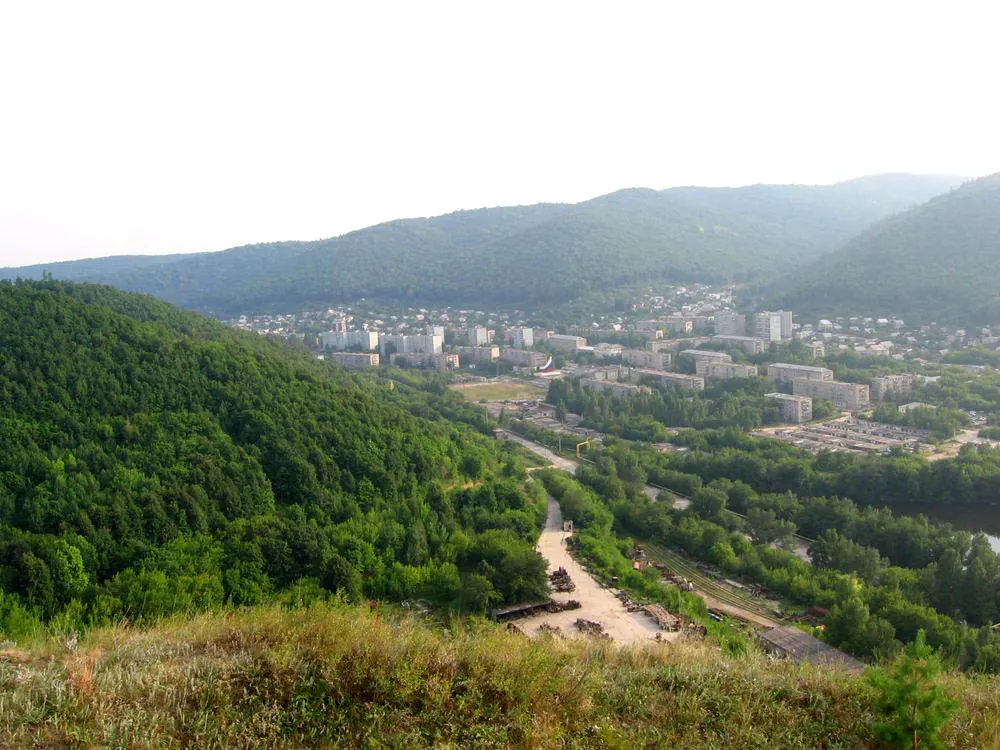
Zhigulyovsk and the Mirages of the Samara Bend
Samarskaya Luka and the Zhiguli Mountains surrounding the town of Zhigulyovsk form a dramatic tectonic bend where the Volga River loops 200 kilometers around an ancient limestone massif. The region is recognized as one of Russia's primary epicenters for optical anomalies, where chronic mirages, floating "ghost cities" over the water, and mysterious light pillars have been documented for centuries.
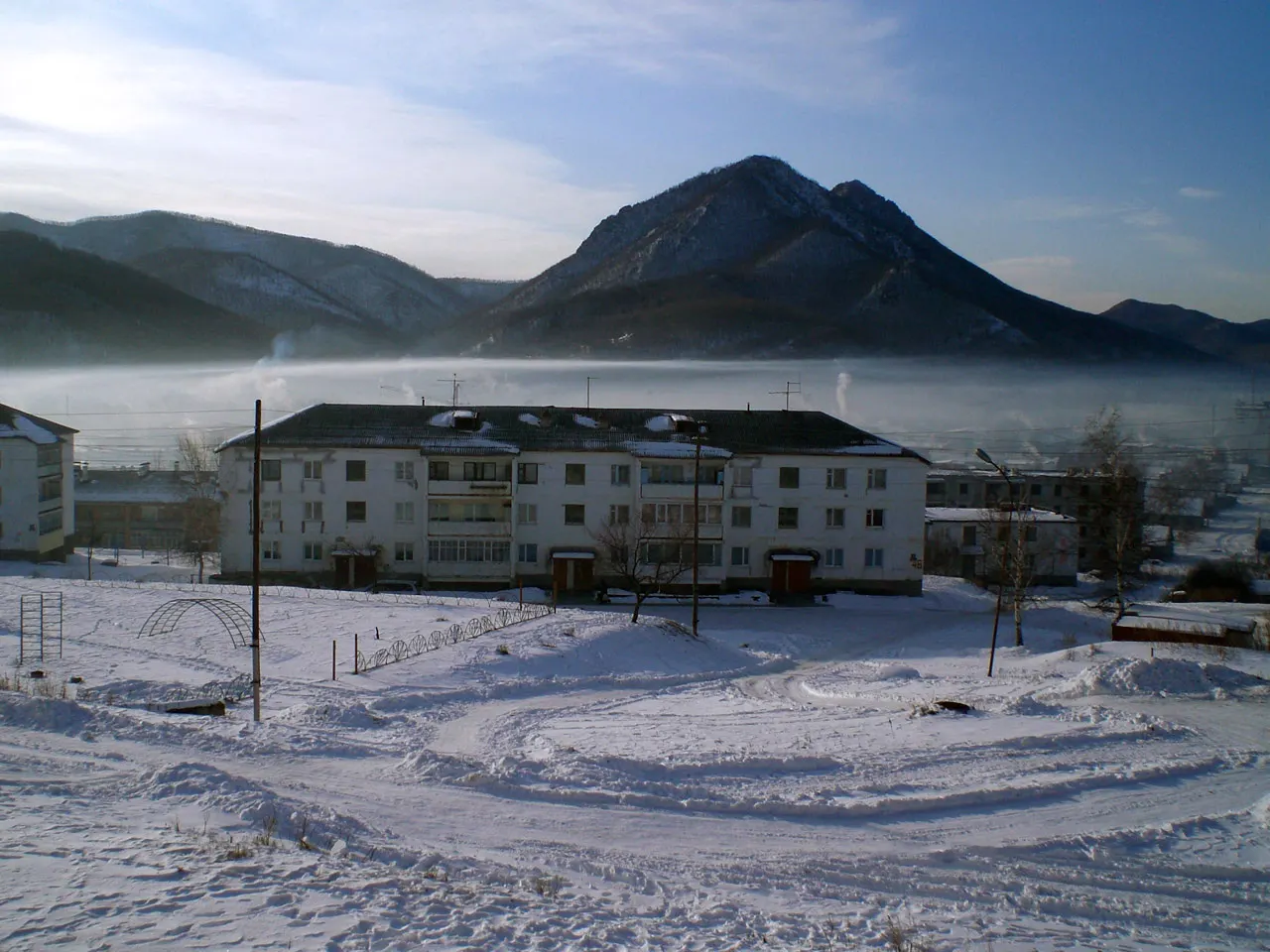
Dalnegorsk and Height 611
On 29 January 1986 a reddish sphere crossed this town in the Russian Far East and struck the rock of a hill the locals know by its elevation — Height 611. Dozens of people watched it come down; there was no impact and no explosion, and it moved slowly and almost without sound. A burnt patch was found on the rock, and in it mesh-like fragments of an iron, chromium and nickel alloy, glassy spheres and beads of lead. The samples were carried round Soviet institutes for years; the results diverged, and some researchers concluded the composition was industrial and terrestrial. Dozens of expeditions have examined the site since. Dalnegorsk remains the best-known place in the subject in Russia after Molyobka.
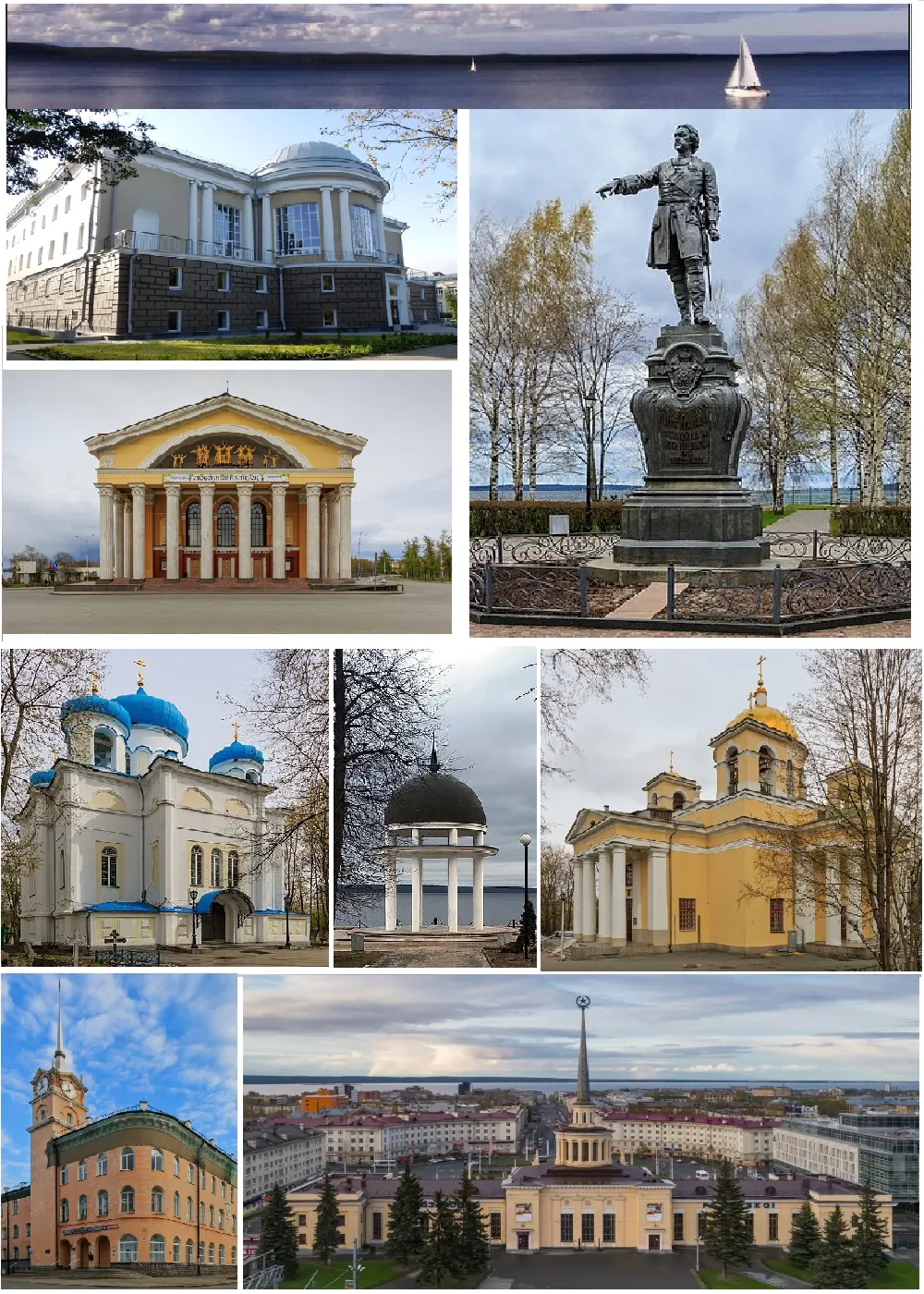
Petrozavodsk and the Jellyfish
Early on 20 September 1977 an enormous glowing object appeared over Petrozavodsk which witnesses described as a jellyfish: it hung for several minutes, sending thin beams downward. In several buildings the windows were left with holes through them, their edges melted. The phenomenon was seen from Finland to Leningrad, and the USSR Academy of Sciences set up a group to study it. The cause is established: at 4:01 a rocket carrying the Kosmos-955 satellite lifted from Plesetsk, and the jellyfish was its exhaust in the upper atmosphere lit by a sun still below the horizon. The holes in the windows were never explained.
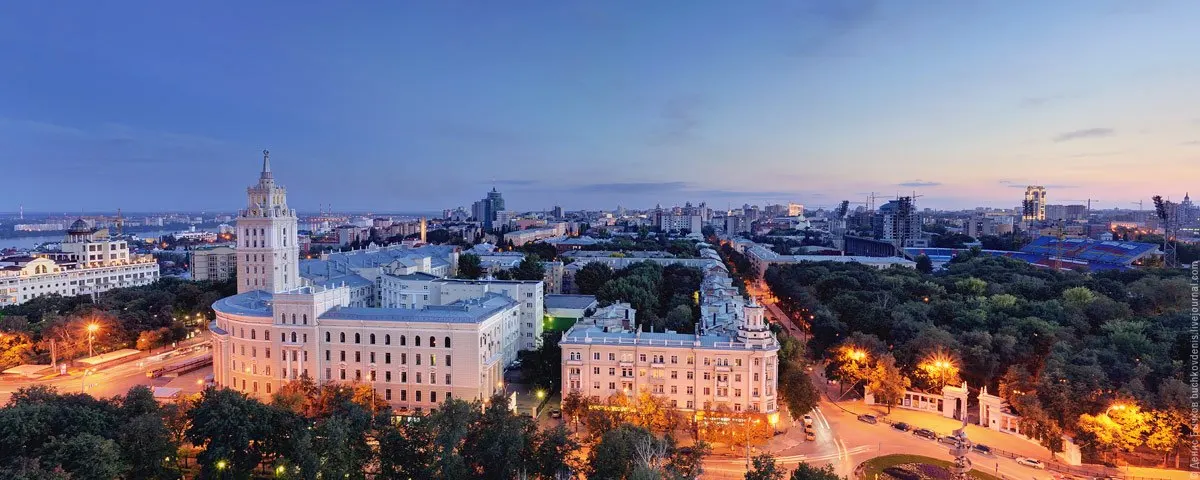
Voronezh and the Landing in the Park
Yuzhny Park (formerly Shinnik Park) in Voronezh is an unassuming urban green space that suddenly became the epicenter of a global UFO sensation in the autumn of 1989. The location gained worldwide fame after Soviet state media reported that a glowing spherical craft had landed there, carrying giant extraterrestrials witnessed by local schoolchildren.
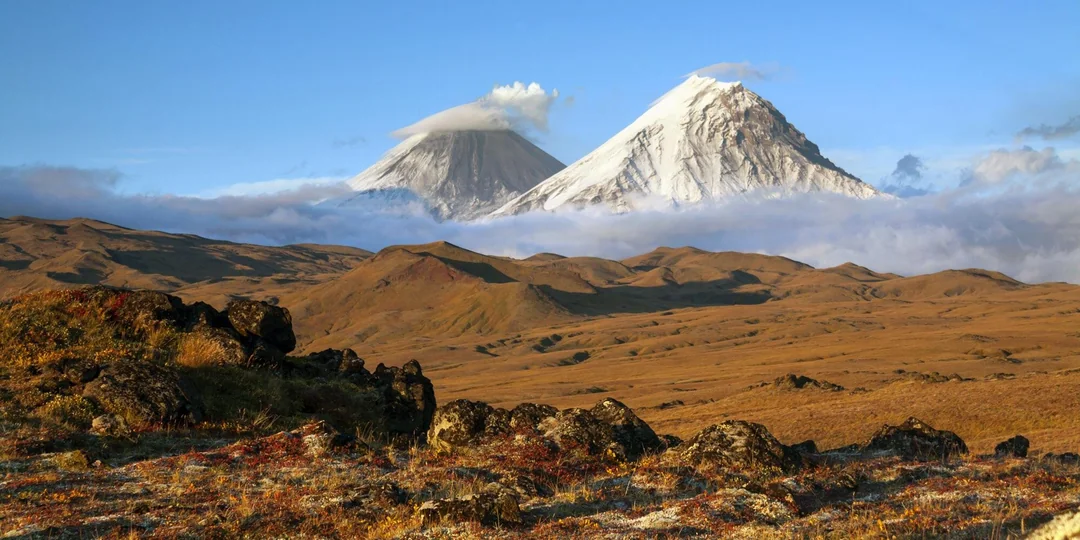
The Valley of Death in Kamchatka
Nestled at the base of the Kikhpinych volcano, just miles from Kamchatka’s famous Valley of Geysers, lies an invisible natural death trap: Kamchatka’s Valley of Death. Spanning a narrow canyon roughly two kilometers long, this ground has perfected the art of silent execution. In the summer of 1975, volcanologist Vladimir Leonov and forest ranger Vladimir Kalyaev stumbled upon an eerie sight: the canyon floor was littered with dead birds and mammals. There were no signs of struggle, physical trauma, or epidemic disease—the animals looked as though they had simply fallen asleep mid-stride. Even more bizarrely, the carcasses remained remarkably preserved; the toxic atmosphere had effectively embalmed them by suffocating putrefactive bacteria. The secret behind this anomaly is a lethal cocktail of volcanic gases seeping through fractures in the canyon bed: carbon dioxide, hydrogen sulfide, carbon disulfide, and highly toxic cyanide compounds. Because these gases are significantly heavier than air, they settle into low-lying pockets during calm, overcast weather, forming a dense, invisible blanket that completely displaces oxygen. The valley's most chilling dynamic is its trophic chain reaction of death: The Bait: In early spring, small birds and rodents land on freshly thawed ground and suffocate within minutes. The Scavengers: Lured by the scent of fresh carcasses, small predators like foxes, sables, and wolverines descend into the hollow, only to collapse over their prey. The Apex Predators: Brown bears and wolves follow the trail of easy meals, inhale the concentrated poison layer, and perish directly beside the animals they came to eat. For humans, stepping into the basin is lethal. Within minutes of breathing the heavy fumes, victims experience a sharp metallic taste, sudden muscular weakness, violent dizziness, and respiratory paralysis. Researchers survive only because the toxic blanket rarely rises higher than one meter above the ground, and shifting mountain winds periodically flush the canyon clean. Today, the Valley of Death is strictly protected within the Kronotsky Nature Reserve. Access is heavily restricted—a haunting reminder of a primal wilderness where raw beauty kills with a single breath.
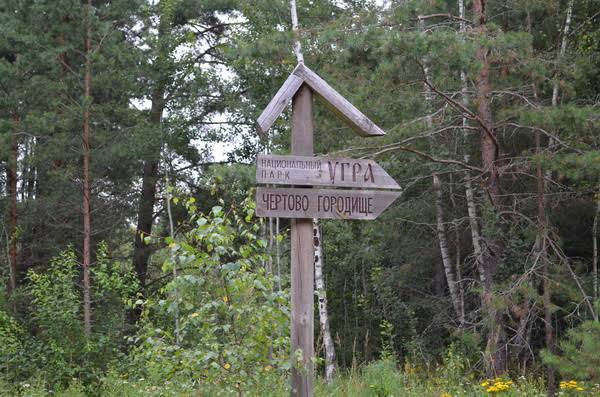
The Devil's Settlement near Kaluga
Chertovo Gorodishche (Devil’s Settlement) is a unique natural and historical landmark hidden within dense forests. The site is famous for its monumental quartzite sandstone outcrops, rock labyrinths, and pre-glacial relict flora. Its shaded crevices shelter the luminous moss Schistostega pennata, which reflects faint light into an emerald glow.
The White Caver
The underground counterpart of the Black Climber, known to everyone who goes into caves across the former Soviet Union. What makes him white is calcite, settled on his clothes over years below ground. Meeting him traditionally means the party has lost the route. Cavers have a half-joking initiation rite for newcomers in which he is described — a rare case of folklore whose carriers know perfectly well it is folklore, and which is none the weaker for it.
The Black Climber
A figure in black who appears in the mountains: in some accounts he helps the lost, in others he leads them off the path. The legend is common to Soviet mountaineering as a whole and has been recorded in the Caucasus, the Tian Shan and the Pamirs; each region has its own version of who he was in life — usually somebody who was abandoned on a rope. The story has a practical point, and it explains its durability: it says out loud what actually happens in mountains, and what that world fears more than dying.
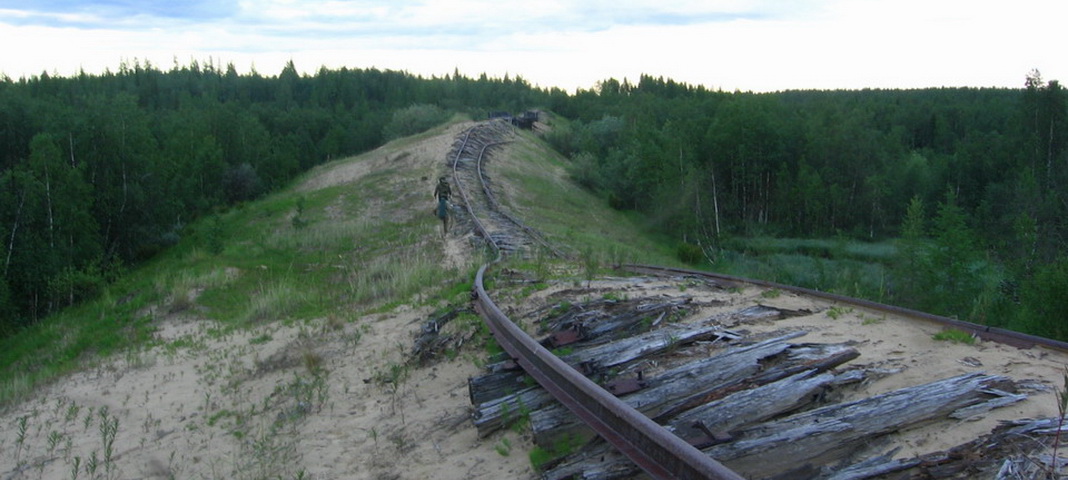
The Dead Road
Construction No. 501 and No. 503 (officially the North-Siberian Railway, popularly known as the "Dead Road" or the Transpolar Mainline) was a massive, classified Soviet Gulag megaproject executed between 1947 and 1953. Aimed at laying roughly 1,450 kilometers of railway across northern Siberia along the 66th parallel connecting Chum, Salekhard, Nadym, Novy Urengoy, Yermakovo, and Igarka, the line was built over continuous permafrost and peat bogs by tens of thousands of forced laborers. Abruptly abandoned weeks after Joseph Stalin's death, it left behind hundreds of kilometers of twisted tracks, abandoned labor camps, telegraph poles, and rusting steam locomotives stranded in the Arctic wilderness.
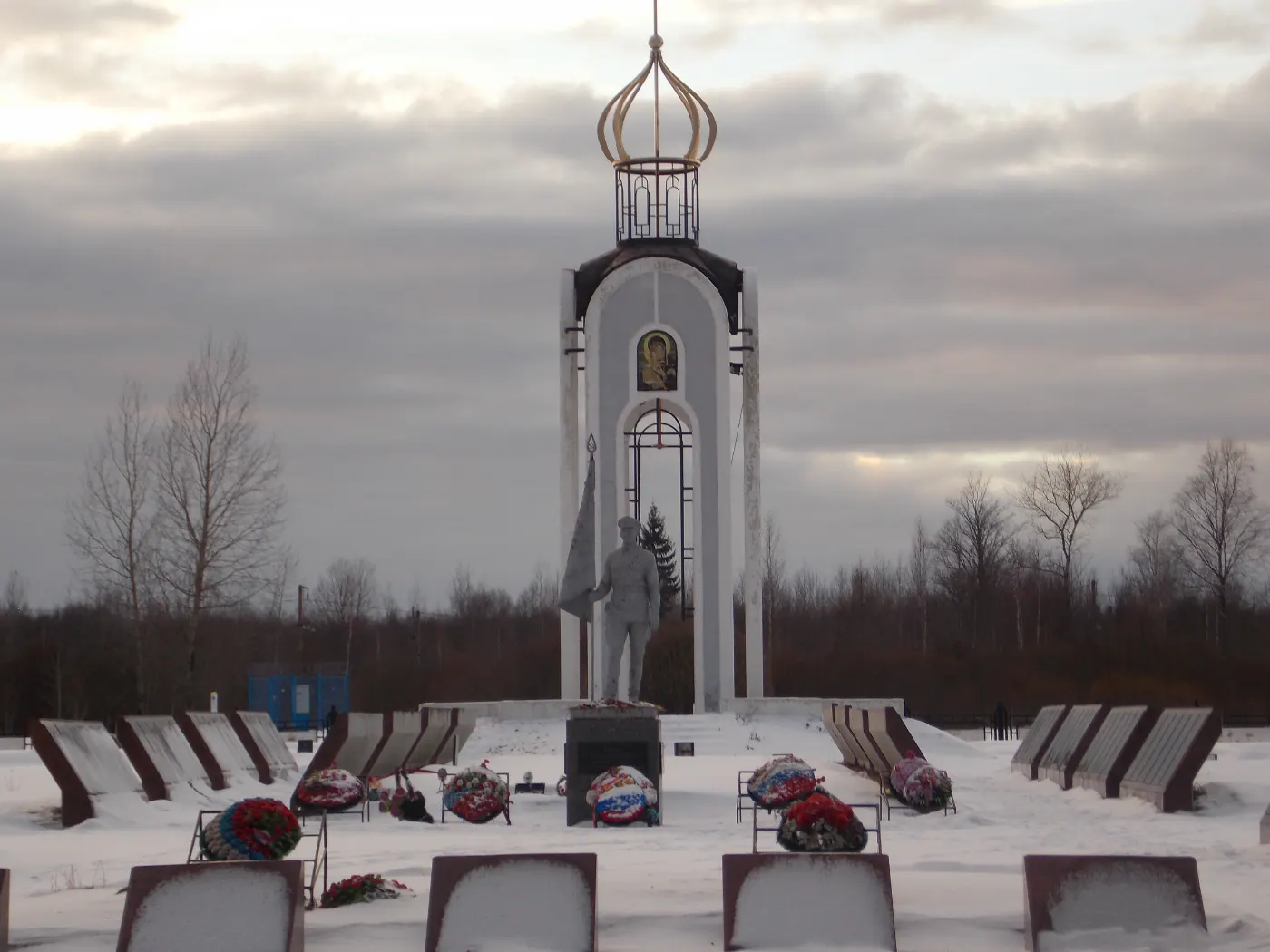
Myasnoy Bor
The Myasnoy Bor tract in the Novgorod Region, grimly known as the "Valley of Death," is a dense, swampy forest that became the site of one of the most harrowing tragedies of the Great Patriotic War. In 1942, during an attempt to break the Siege of Leningrad, brutal fighting unfolded here, claiming the lives of tens of thousands of Soviet soldiers.
Kapustin Yar
A missile range in the Astrakhan region, closed off since 1946 so thoroughly that the full set of stories grew up around it that grew around Area 51 in the United States: downed craft, underground hangars, tests of unknown machinery. Some of the rumours have an obvious source — rocketry really was tested here and a nuclear device detonated in 1957, and for years any flash over the steppe had no official explanation. The range is still in operation.
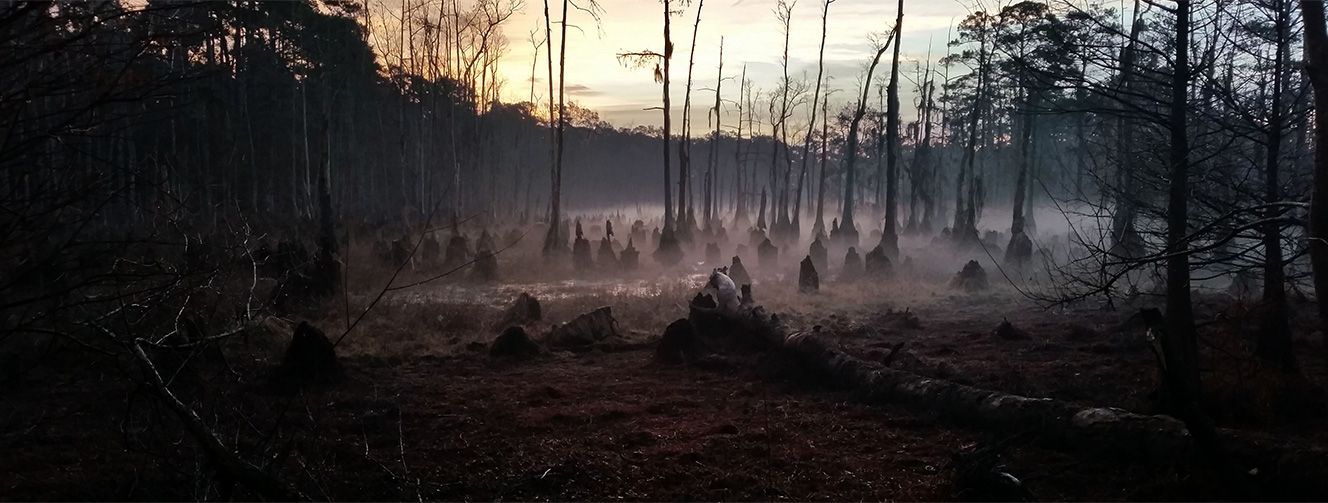
The Shushmor tract
The Shushmor Tract is an isolated, swampy forest wilderness situated within the river basins of the Polya, Voymega, and Buzha rivers along the boundary of the Shatursky District (Moscow Oblast) and Gus-Khrustalny District (Vladimir Oblast) in the heart of the Meshchera Lowlands. Comprising peat bogs, dense moss woodlands, and pine ridges, the territory gained fame in the late 20th century as the Moscow region's oldest anomalous hotspot, earning the moniker of the "Meshchera Bermuda Triangle" due to enduring lore regarding disappearing travelers and a forgotten pagan megalithic shrine.

The Devil's Cemetery
The "Devil's Graveyard" (Chertovo Kladbishche, also known as the "Death Clearing") is a legendary anomalous zone located in the dense subarctic taiga of the Kova River basin (a left tributary of the Angara) in the Kezhemsky District of Krasnoyarsk Krai, Siberia. According to 20th-century accounts, the site was a circular clearing 15 to 25 meters in diameter of charred, ash-covered earth completely devoid of plant life and strewn with animal skeletons that mysteriously accumulated on the ground
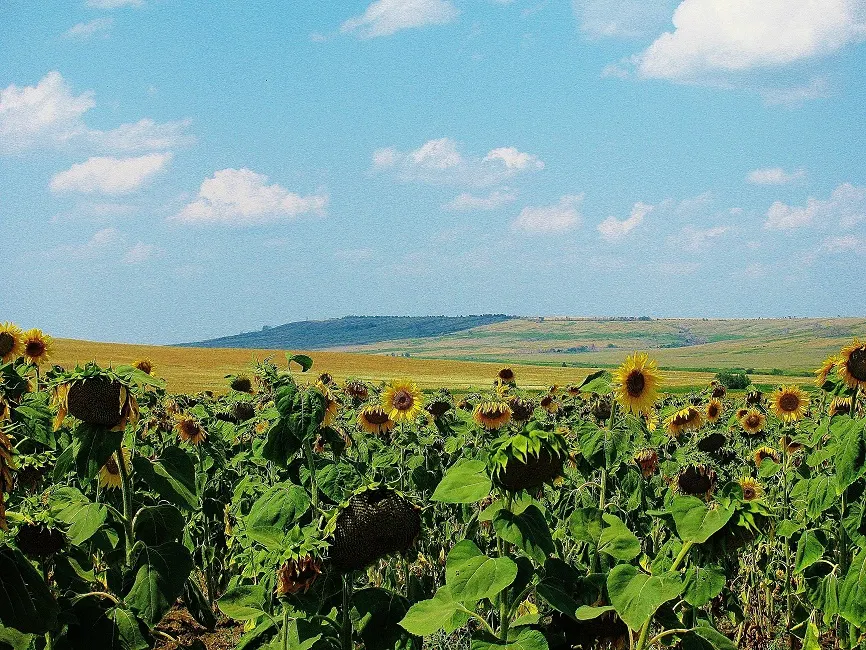
The Medveditskaya Ridge
The Medveditskaya Ridge is a chain of rolling hills on the border of the Volgograd and Saratov Regions, recognized as one of Russia's most renowned anomalous zones. The area is famous for an unusually high frequency of ball lightning, the distorted trees of the "Drunken Forest," subterranean cavities, and recurring reports of geomagnetic disturbances.

The Queen of Spades: calling her in the mirror
Dimly lit domestic bathrooms, washrooms of Soviet pioneer summer camps, and the historical urban cradle of the myth: the "House of the Queen of Spades" (the mansion of Princess Natalia Golitsyna) on the corner of Malaya Morskaya and Gorokhovaya streets in Saint Petersburg. The ritual of summoning the Queen of Spades before a mirror in pitch darkness stands as the definitive supernatural invocation ritual across Soviet and post-Soviet juvenile folklore, synthesizing archaic Slavic Yuletide divinations, Alexander Pushkin's literary legacy, and psychophysiological optical illusions.
The Red Film
A late-Soviet legend: somewhere there is a special photographic film on which people come out undressed. It was usually attributed to a foreigner, a Japanese or a German, who asked to be photographed in front of a monument and then left with the film. The story rested on two things at once — on scarcity, under which any imported object was credited with impossible properties, and on adolescent curiosity, which had no other outlet in the country. No such film ever existed, of course.
The Black Volga
A black car with no plates, sometimes with white curtains or red tyres, that drives around the city taking children. The legend circulated across the Eastern Bloc from the 1960s to the 1980s — in the USSR, Poland, East Germany, Hungary — and in each country somebody different was behind the wheel: state security, priests, foreigners, vampires. The Volga itself was not chosen at random: an official car, unavailable to an ordinary person, and therefore the country's most recognisable symbol of an authority you cannot hail.
The Kyshtym dwarf, Alyoshenka
In May 1996 Tamara Prosvirina, a resident of the village of Kaolinovy near Kyshtym in the Urals, brought home a creature about twenty-five centimetres long with an elongated skull and large eyes. She called it Alyoshenka, fed it, and told neighbours a son had come to live with her. She was taken to a psychiatric hospital; the body was filmed and photographed in the meantime, and that autumn it vanished without trace. What makes the case unusual is the sheer volume of material: video, photographs, dozens of interviews. Later genetic work points to human remains — most likely a premature infant with severe developmental defects.
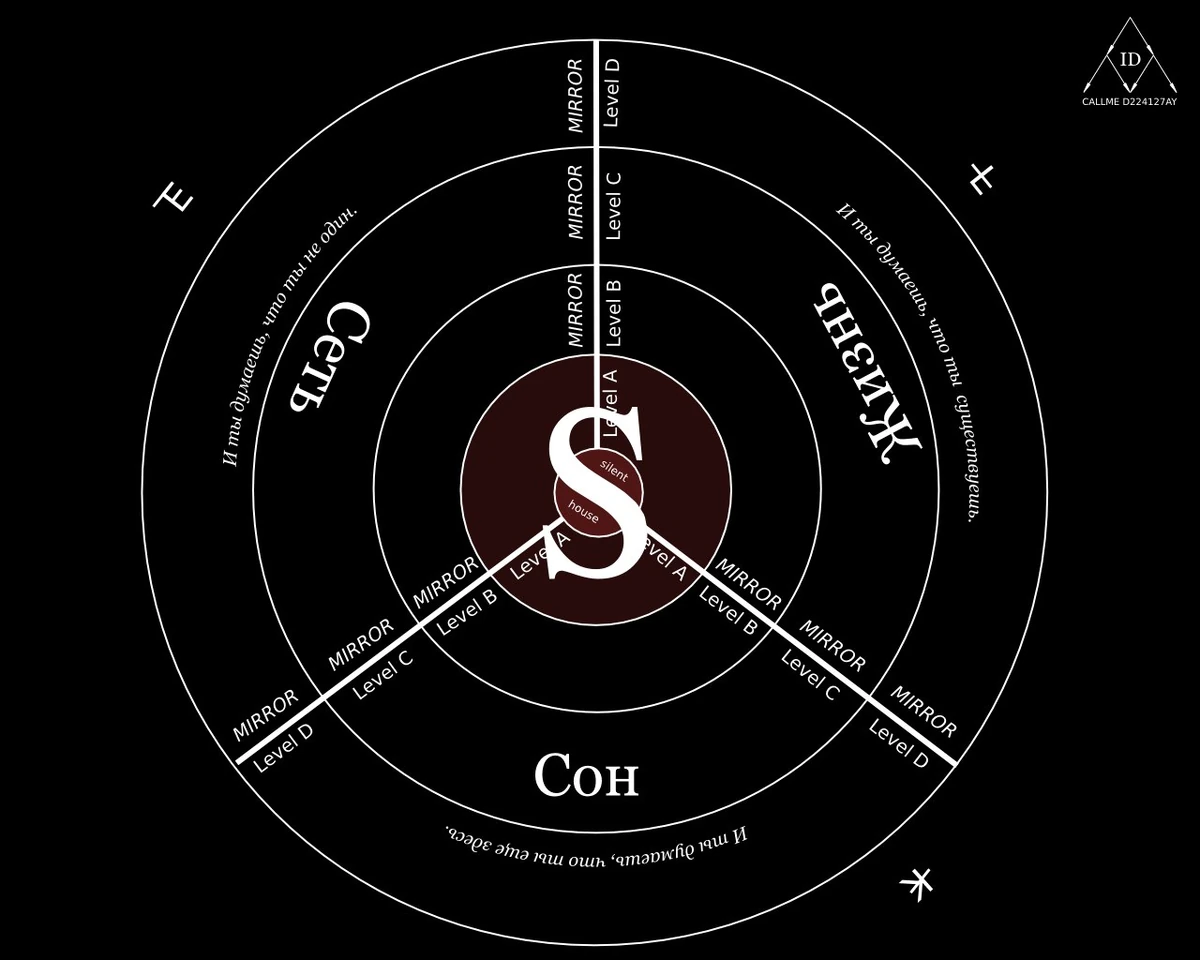
Tikhiy Dom
"Tikhiy Dom" (The Quiet House / Silent House) is the quintessential urban legend of Russian netlore and the netstalking subculture, signifying the mythical, absolute lowest stratum of the Deep Web. Originating in RuNet forum folklore in the early 2010s, the concept depicted a terminal ontological threshold at the "bottom of the Internet" where entry irreversibly severs human consciousness from physical reality. Between 2015 and 2016, this netstalking terminology was appropriated by malicious online actors within VKontakte alternate reality game (ARG) shock circles ("death groups", f57), transforming into a euphemistic metaphor for suicide during the moral panic surrounding the viral "Blue Whale" challenge.
The Russian Sleep Experiment
A text that first appeared online around 2010: five prisoners, a sealed chamber, a gas that prevents sleep, fifteen days of observation and what they become by the end of it. It is presented as a declassified report from a Soviet laboratory in the 1940s. No laboratory, no report and no mention of any of it exists before 2010, and the photograph that travels with the text is an animatronic mask sold in Halloween shops. The story spread so widely that it still resurfaces regularly as a "declassified document".
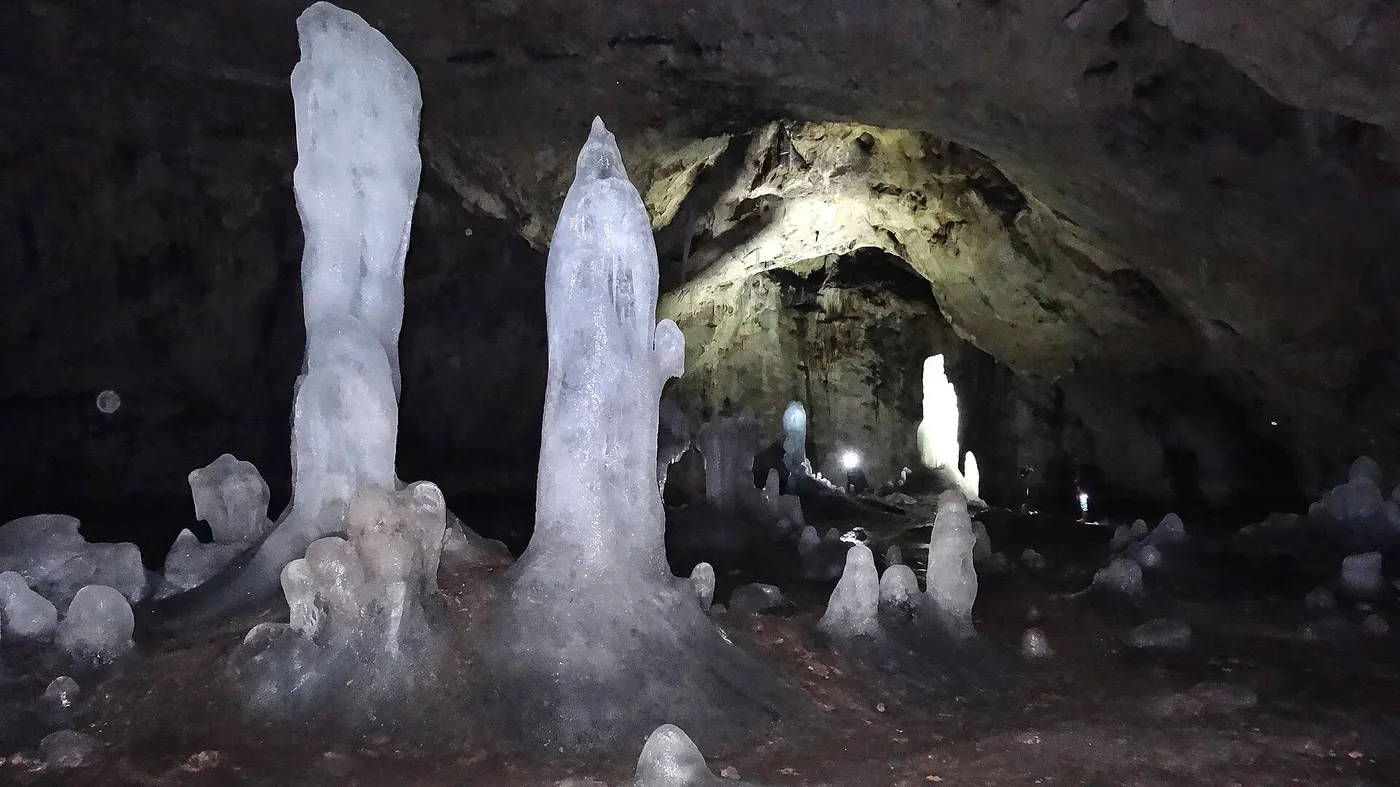
The Askinskaya Ice Cave
A cave in Bashkortostan with a single chamber holding ice columns up to eleven metres tall, grown over centuries. The temperature stays below freezing all year: cold air flows in during winter and cannot get out. Bashkir tradition places a guardian spirit here, to whom offerings were left at the mouth. In the 2010s visitor numbers damaged some of the columns and the cave was closed to open access.
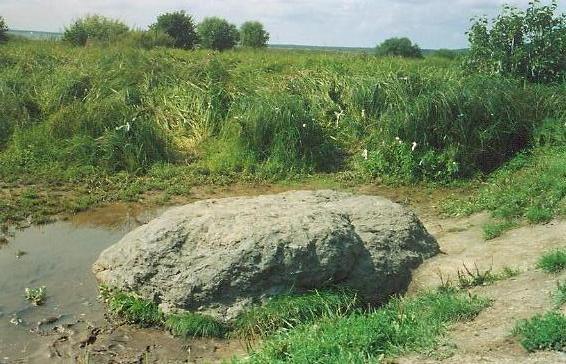
The Blue Stone
The Blue Stone (Sin-Kamen) is a sacred ritual megalith of glacial origin resting on the northeastern shore of Lake Pleshcheyevo in the Yaroslavl Region. Weighing approximately 12 tons, this quartzite-slate boulder is widely known for its unique optical effect: while dull gray when dry, it takes on a distinct bluish-steel sheen when wet.
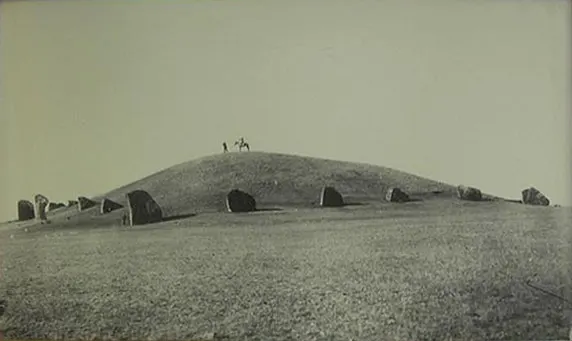
The Salbyk Kurgan
A royal kurgan in Khakassia ringed by upright slabs of Devonian sandstone weighing up to fifty tons — the stone was hauled seventy kilometres. Before excavation the mound stood twenty-five metres high. Inside was a burial with several attendants, killed, to all appearances, for the purpose. The valley around it is called the Valley of the Kings: there are several dozen kurgans here and most are untouched.
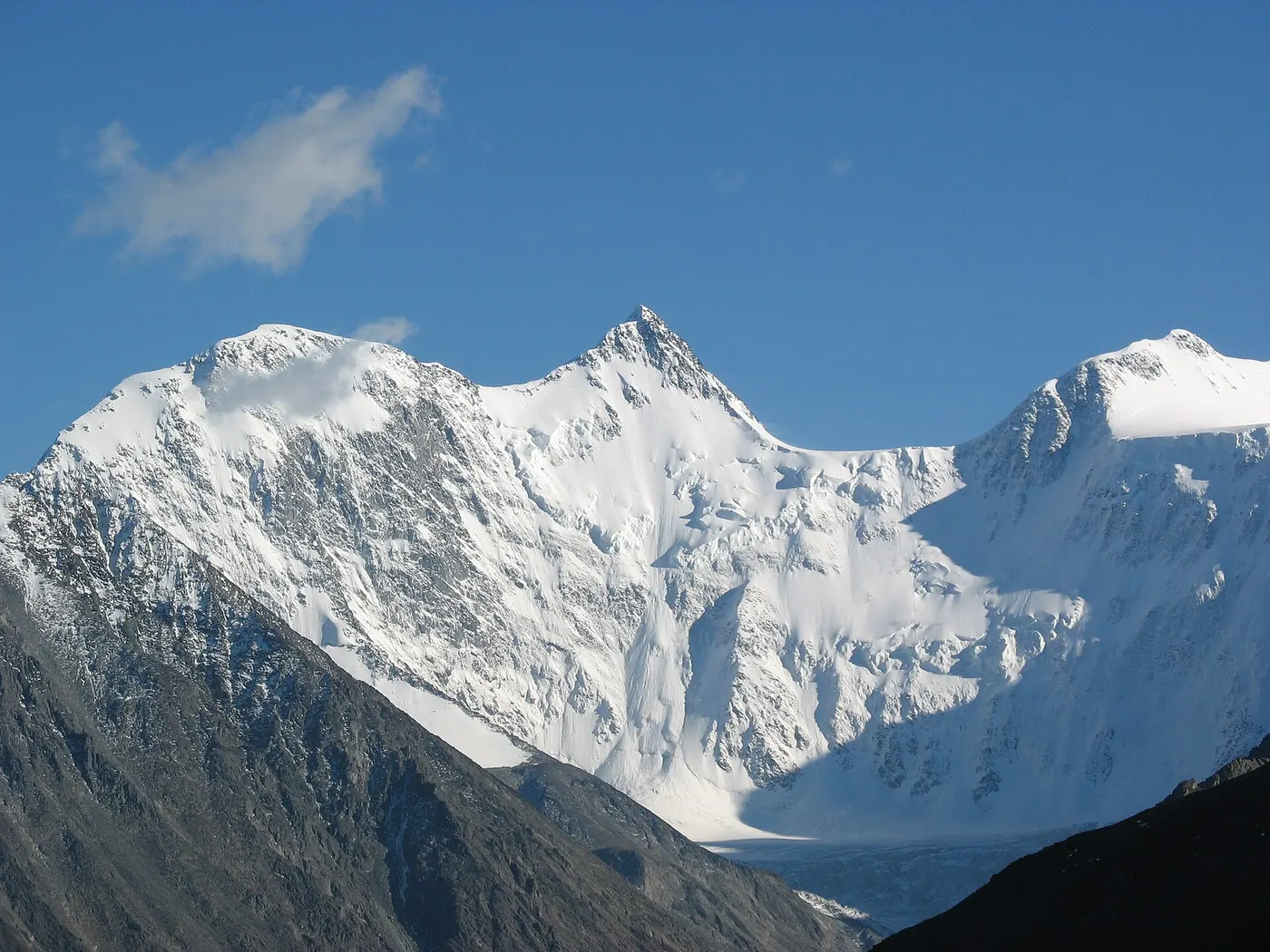
Mount Belukha
The highest point of the Altai, which the Altaians call Uch-Sumer and hold to be forbidden: one did not climb it, or speak loudly at its foot. Nicholas Roerich came here in 1926 and tied the mountain to Belovodye and Shambhala; his paintings made Belukha the centre of a Russian esoteric pilgrimage that has not dried up. The peak stands almost equidistant from three oceans — a fact the esotericists are fond of citing.
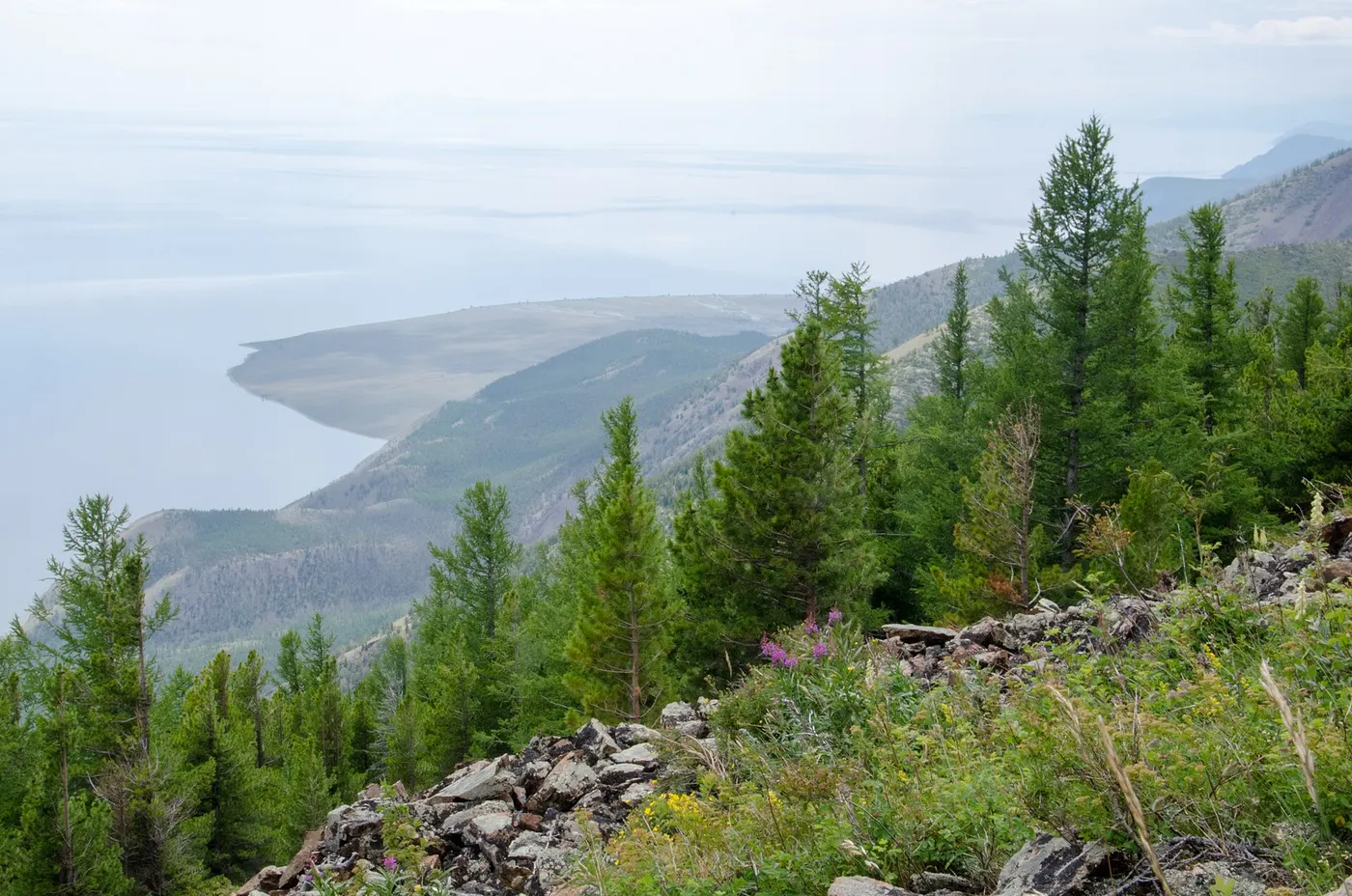
Cape Ryty on Baikal
One of the most closed stretches of the Baikal shore: the Buryats hold it to be ground one does not set foot on — spirits live there, and the penalty for trespass is illness or death. Women were forbidden to approach at all. A stone wall of unknown age and purpose survives on the cape, and a compass behaves unpredictably here because of a magnetic anomaly. It lies within a nature reserve, and getting there legally is next to impossible.
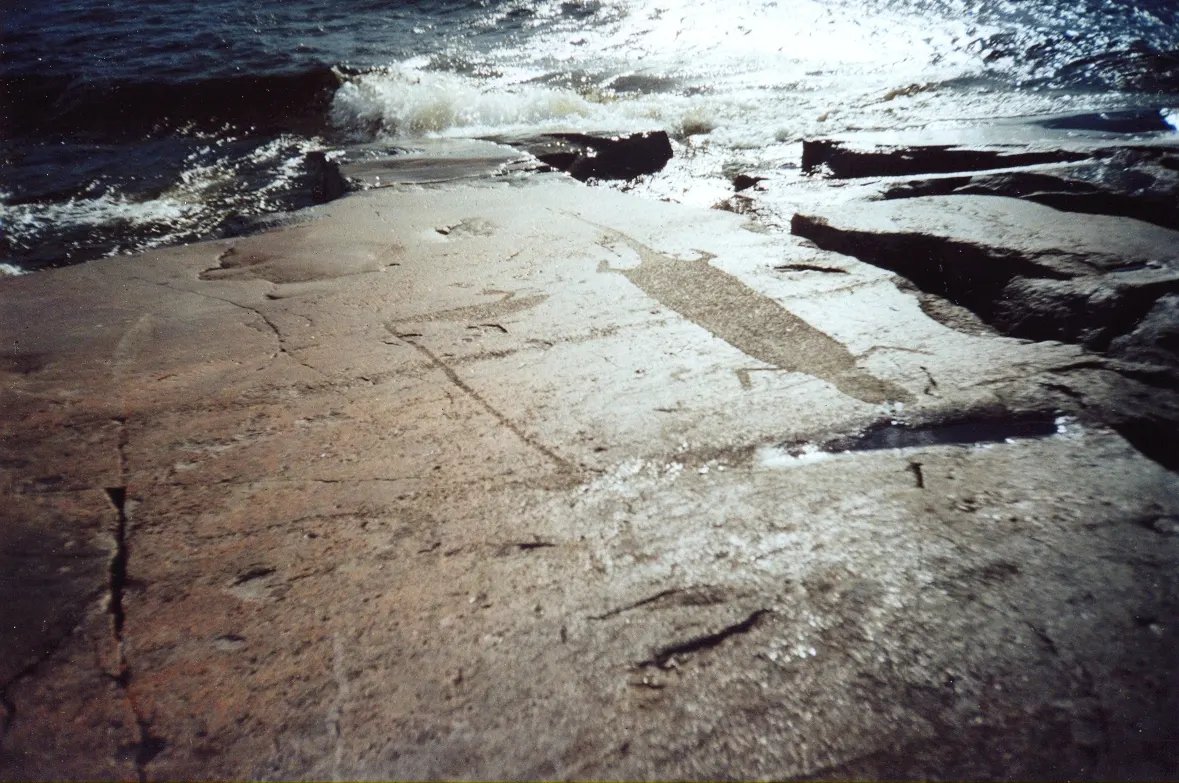
The Onega Petroglyphs and the Demon
Carvings on the shore rocks of Lake Onega, cut five or six thousand years ago. The best-known figure is the Bes — a humanoid nearly two and a half metres tall, split down the middle by a natural fissure. Monks of the Murom monastery cut a Christian cross over it in the fifteenth century to neutralise it, and both marks remain side by side on the stone, which makes this rock a rare document of one faith writing over another.
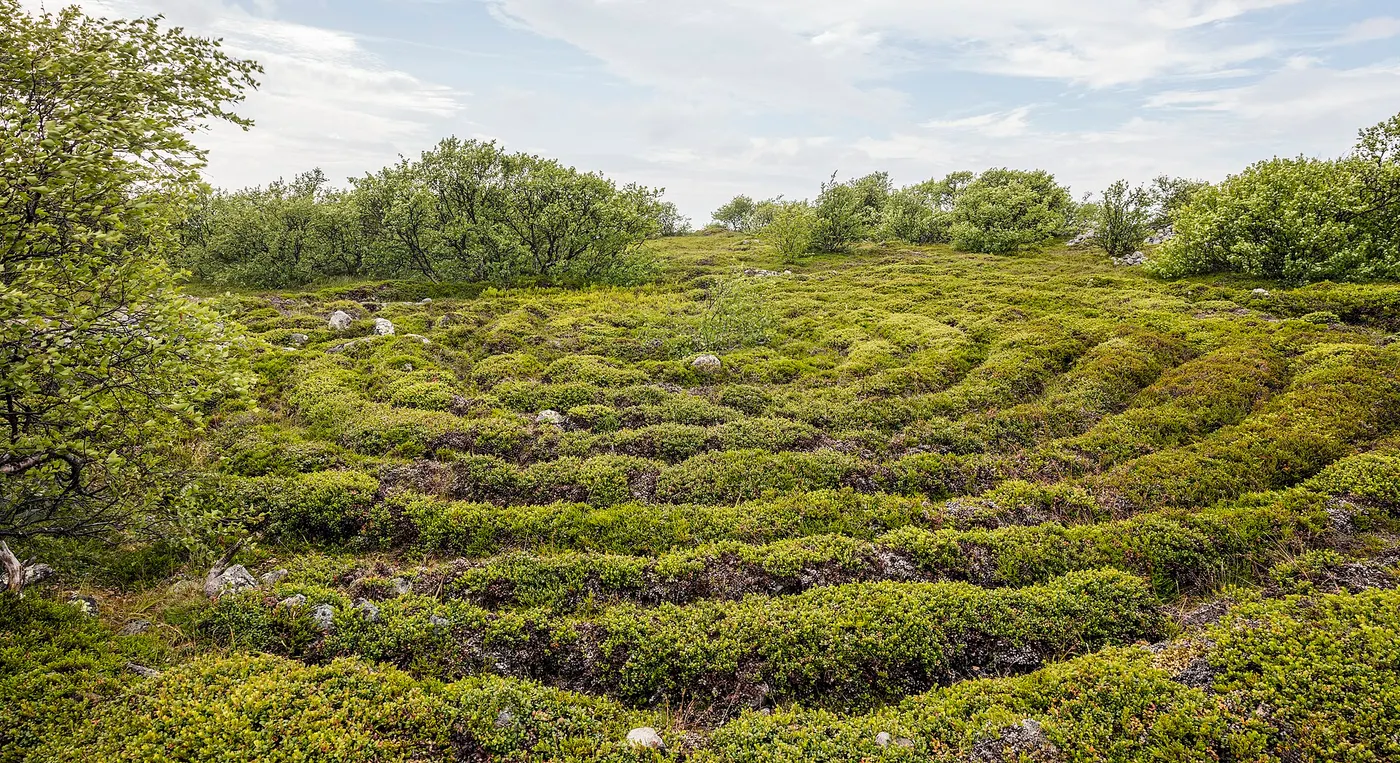
The Solovetsky Labyrinths
Boulder spirals on the Solovetsky Islands, laid out three or four thousand years ago. There are around thirty, the largest twenty-five metres across. There are no branches — one winding path to the centre and back. The accepted explanation ties them to burial rites and to keeping a soul from finding its way back to the living: stone heaps with burnt bone are found beside them.
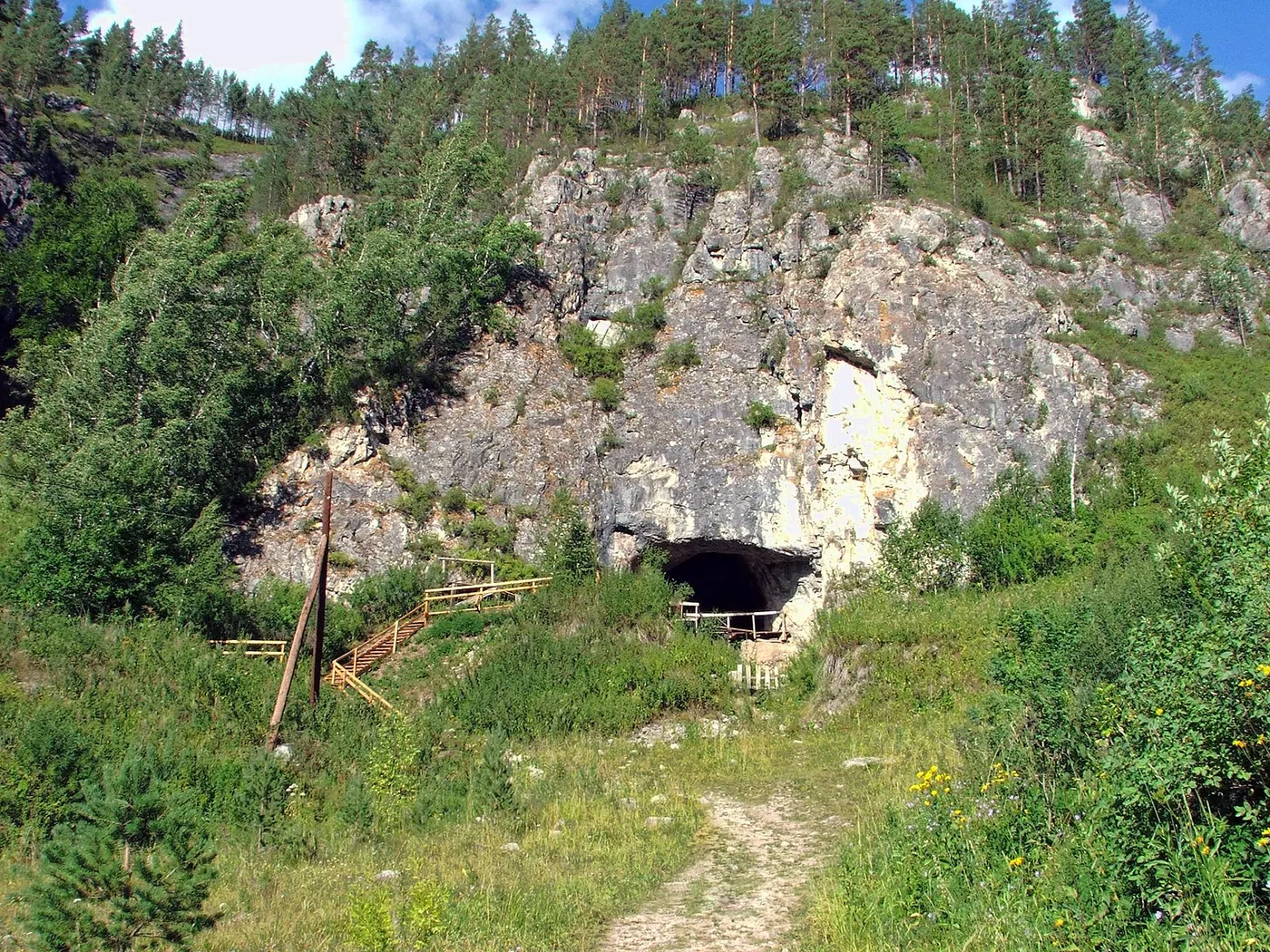
The Denisova Cave
Denisova Cave (Altai: Ayu-Tash, meaning "Bear Rock") is a karstic cave and globally renowned paleoanthropological site situated within the Soloneshensky District of Altai Krai, Russia, in the upper valley of the Anuy River in the northwestern Altai Mountains. Comprising roughly 270 square meters of horizontal chambers, the cave serves as a pristine multi-stratified Pleistocene and Holocene sediment archive that continuously accumulated archaeological deposits spanning over 300,000 years. The site attained global scientific prominence in 2010 when paleogenomic sequencing of a juvenile hominin finger bone fragment revealed a previously unidentified archaic human lineage—the Denisovans—fundamentally reshaping modern paleoanthropology and hominin evolution models.
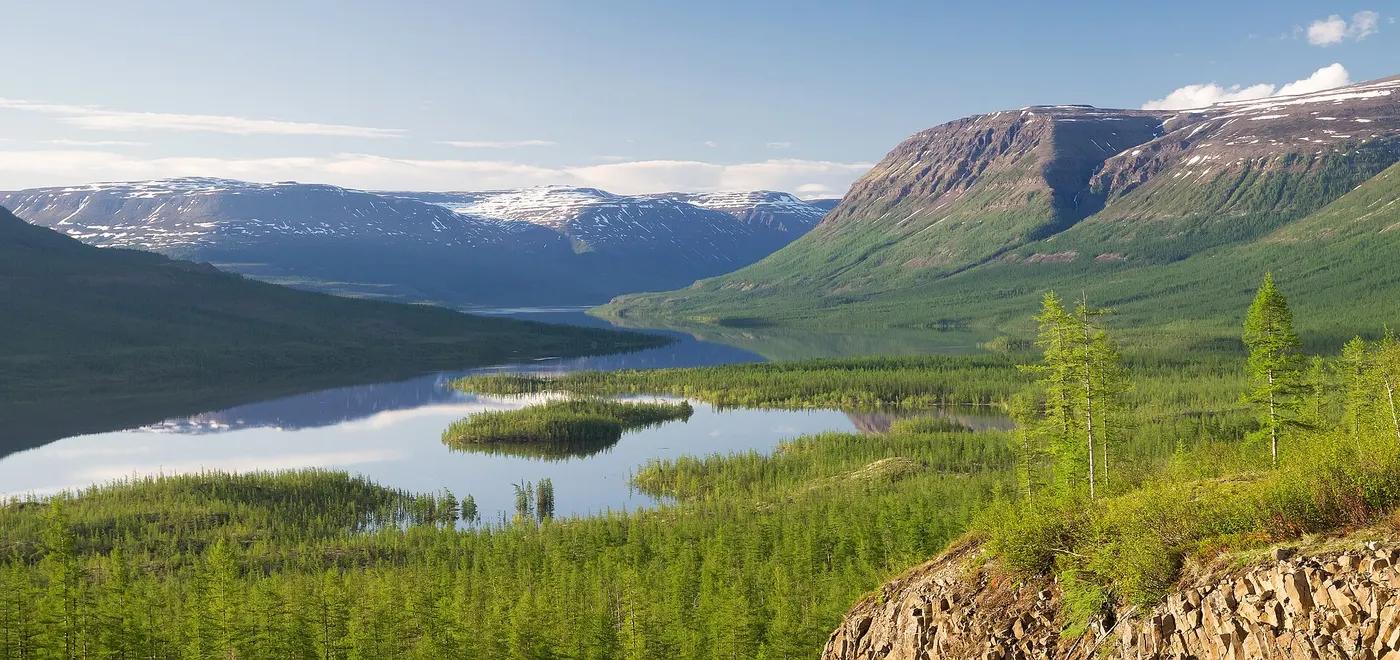
The Putorana Plateau
The Putorana Plateau is an immense basaltic mountain massif covering roughly 250,000 square kilometers (comparable in size to the United Kingdom), situated in northwestern Central Siberia beyond the Arctic Circle. Designated a UNESCO World Heritage Site, it is a pristine subarctic wilderness characterized by deep jagged canyons, thousands of waterfalls, and fjord-like tectonic lakes, recognized as one of the most remote places on Earth.
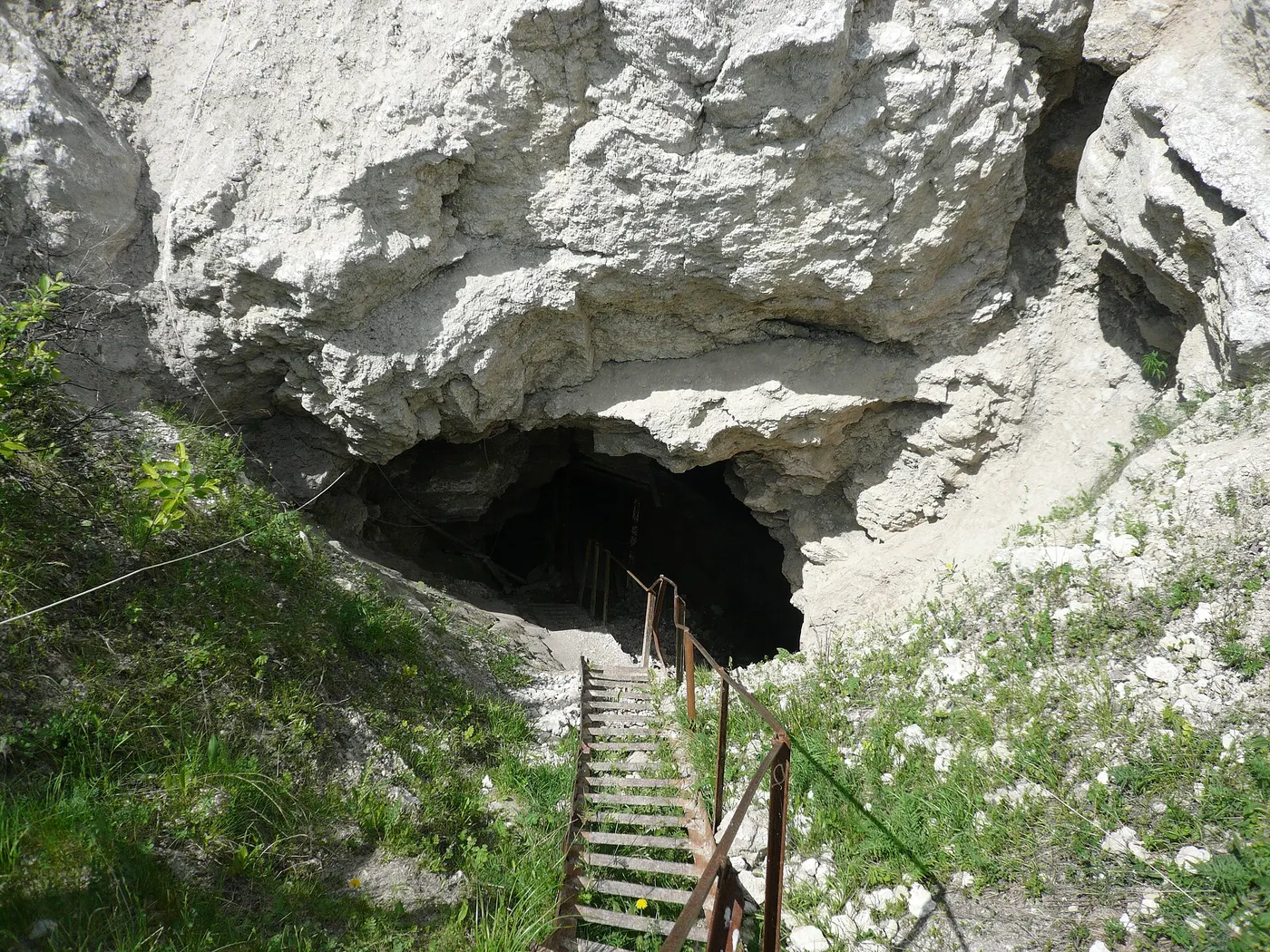
The Ordinskaya Cave
The longest underwater gypsum cave in the world — over five kilometres of flooded galleries under the left bank at Kungur. The water is clear enough for fifty metres of visibility, and divers describe flying rather than diving. The cave has killed several experienced divers: the sumps offer no landmarks, and someone who loses the line does not find the way back. Locals kept clear of the sinkholes long before anyone arrived with tanks.
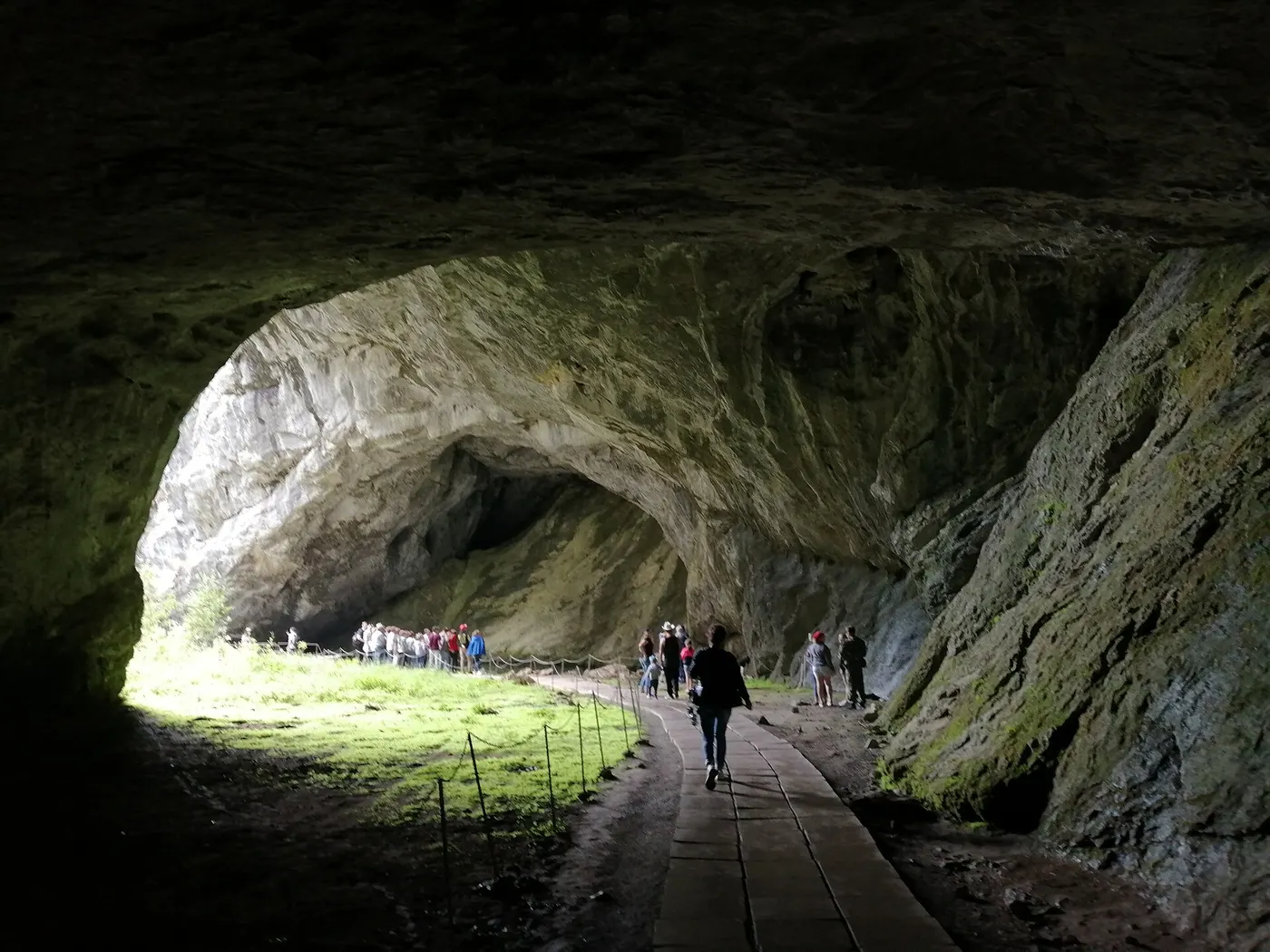
The Kapova Cave (Shulgan-Tash)
A cave in Bashkortostan with wall paintings some seventeen thousand years old — mammoths, horses, rhinoceroses, laid down in ochre. Before its discovery in 1959 Palaeolithic painting was thought to exist only in Western Europe. In the Bashkir epic Ural-batyr the lake at its mouth is the entrance to the underworld, ruled by Shulgan, the hero's brother who went over to evil. The cave and the lake carry his name.
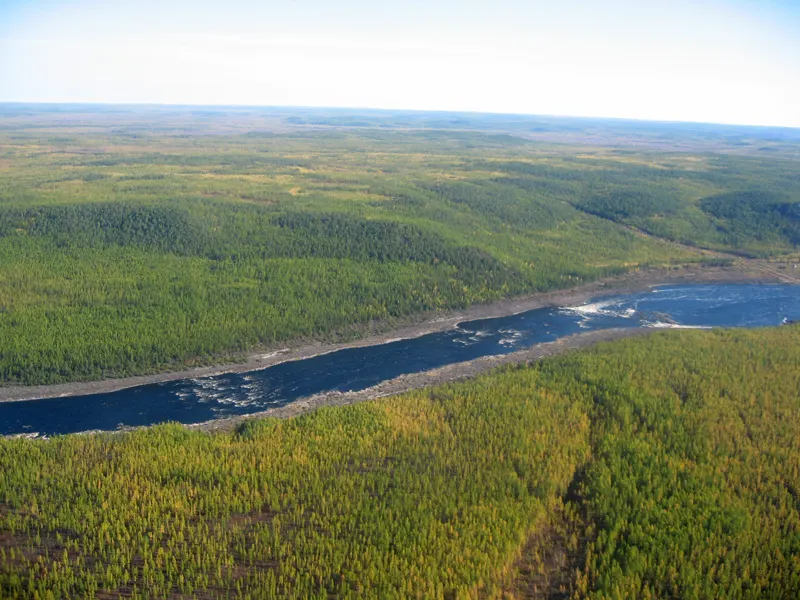
The Valley of Death on the Vilyuy
A stretch of the upper Vilyuy known to the Yakuts as Elyuyu Cherkechekh, the valley of the dead. Tradition places metal hemispheres in the ground there, warm inside, in which one can shelter from the cold — but whoever spends the night falls ill and dies soon after. The first written mentions of the cauldrons date to the nineteenth century. No expedition has found anything, including several in the 2000s with metal detectors; explanations range from outcrops of trap basalt to spent rocket stages.
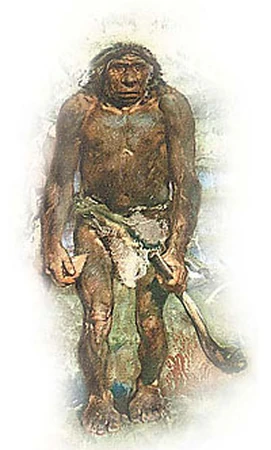
The Chuchunya of Verkhoyansk
The Chuchuna (Yakut: Chuchunaa; Evenki: Mulen) is a legendary "wild man" and relict forest wanderer pervasive in the oral traditions of indigenous populations across Northeastern Siberia. Centered within the jagged slopes of the Verkhoyansk Range and the subarctic river basins of the Yana, Adycha, Dulgalakh, and Sartang (Verkhoyansky District, Sakha Republic / Yakutia), the entity is traditionally depicted as a tall, feral nomad clad in raw reindeer hides who raided storage caches and avoided all human contact. During the 20th century, the Chuchuna transitioned into a cornerstone of Soviet cryptozoology and hominology alongside the Yeti and the Central Asian Almas.
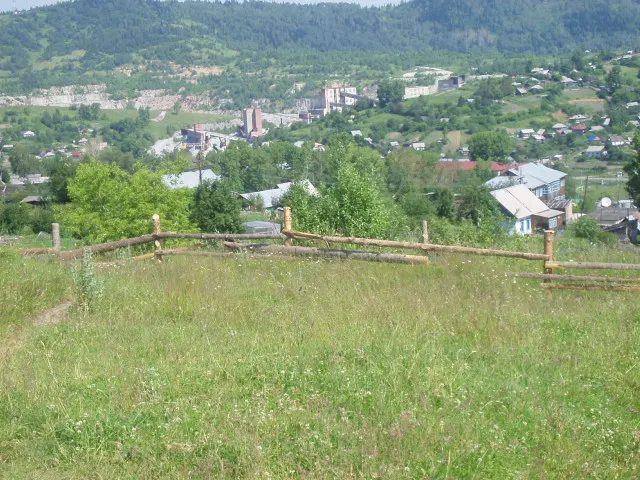
The Azass Cave and the Kuzbass Yeti
Azasskaya Cave is a karst cavern formation located at the headwaters of the Azas stream within Shorsky National Park in the Tashtagolsky District of Kemerovo Oblast (Mountain Shoria), southern Siberia. Featuring an impressive arched entryway grotto measuring up to 12 meters in height and a freezing subterranean stream flowing from its mouth, the site gained international renown in the late 2000s as the alleged primary lair of a surviving relict hominid population: the "Kuzbass Yeti."
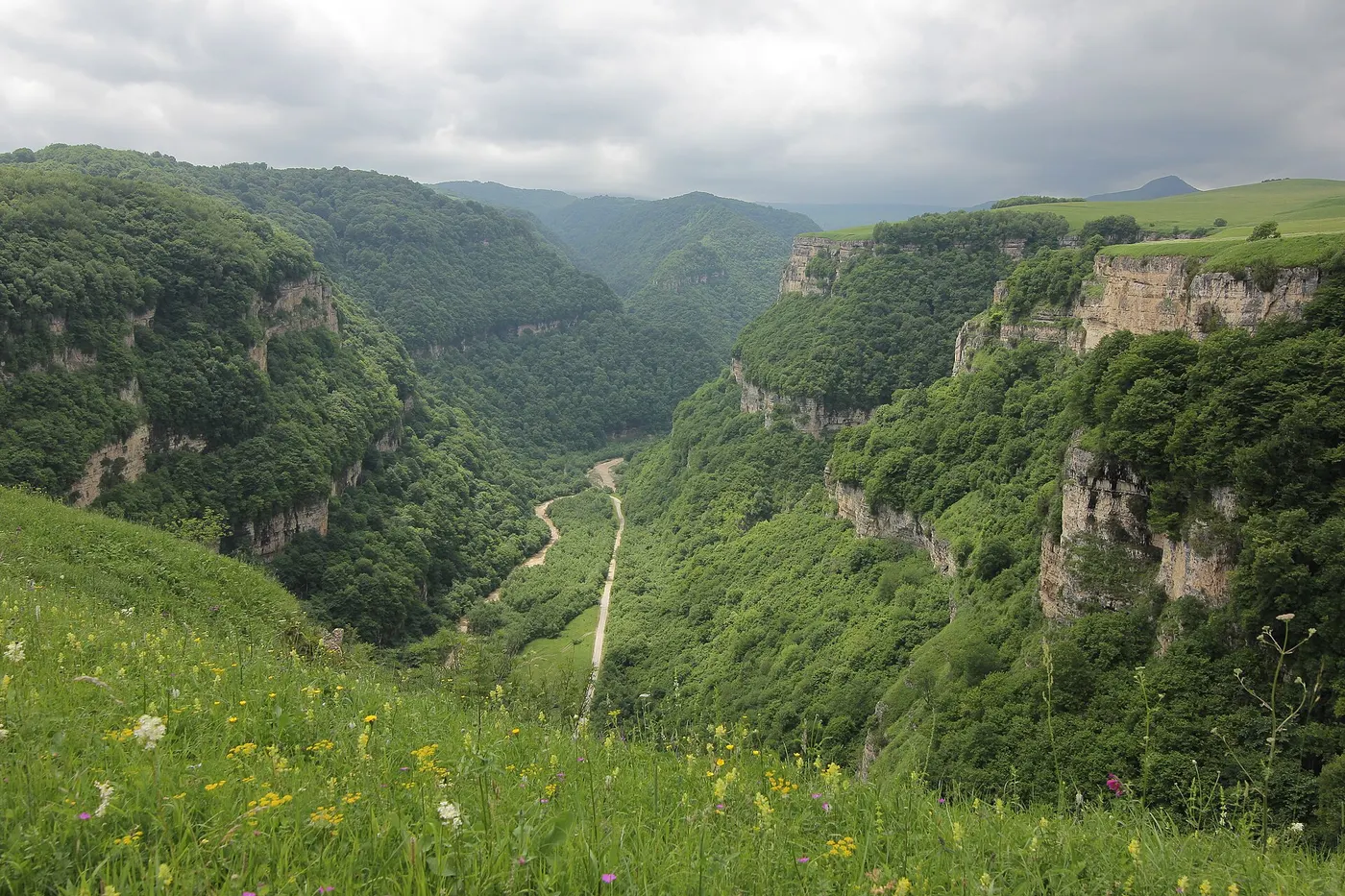
The Almasty of Kabardino-Balkaria
The Caucasus is the heartland of the Almasty, the Caucasian wild man: a creature some two metres tall covered in reddish hair which, by the accounts of mountain villagers, comes down to the sheepfolds and takes livestock. In the 1960s Professor Boris Porshnev collected testimony here for the Academy of Sciences and examined the case of Zana, a woman who lived in an Abkhaz village in the nineteenth century and whom locals held to be a captured Almasty. Her descendants were traced into the twentieth century; genetic analysis in 2015 found ordinary African ancestry.
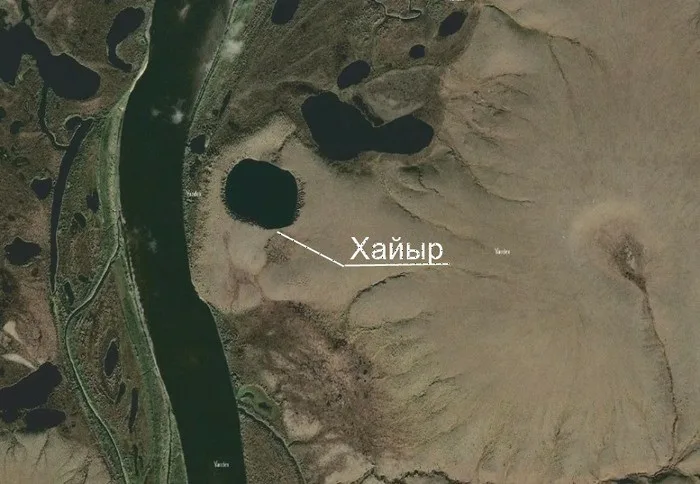
Lake Khaiyr
Lake Khayyr is a small, landlocked thermokarst lake situated within the subarctic tundra of the Ust-Yansky District in the Sakha Republic (Yakutia), Russia, located in the lower basin of the Omoloy River north of the Arctic Circle. In 1964–1965, this remote northern water body gained nationwide prominence when Soviet periodicals reported sightings of the "Khayyr Monster" ("Khayyr Beast")—an alleged relict aquatic reptile sporting an elongated neck and dorsal crest, transforming the lake into the Soviet Union's counterpart to the Loch Ness myth.
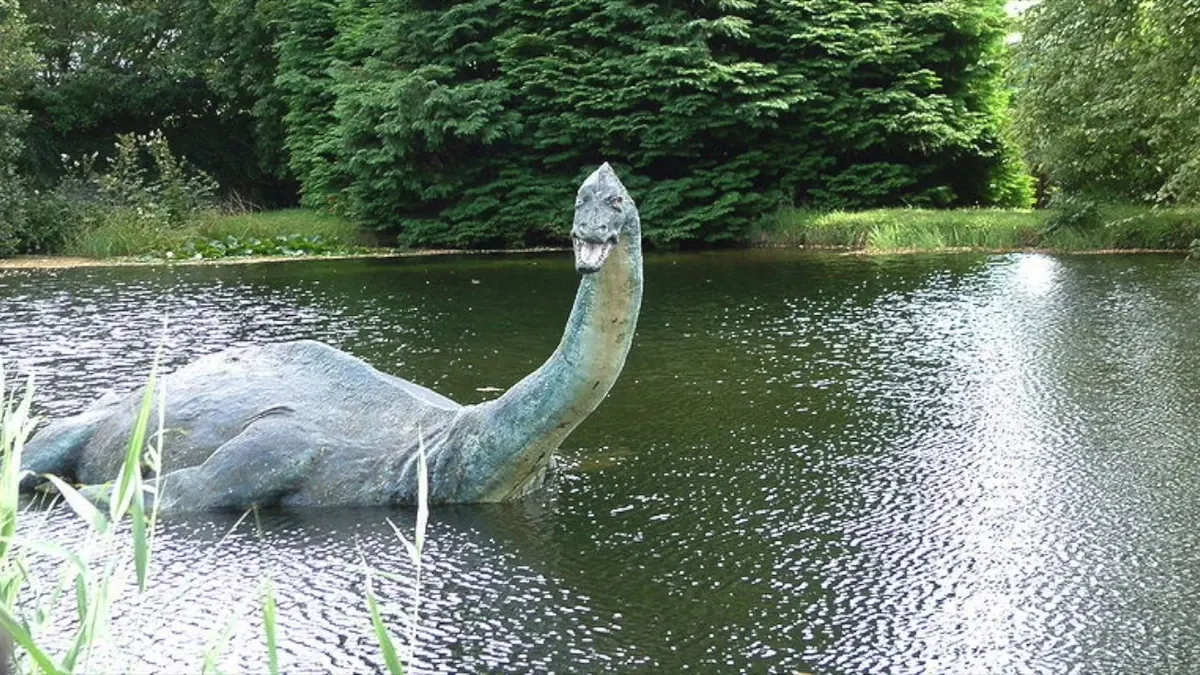
Lake Brosno and Its Dragon
Lake Brosno in the Tver Region is one of the deepest freshwater lakes in Central Russia, widely dubbed the "Russian Loch Ness." Surrounded by dense Valdai taiga and reaching depths of over 40 meters, the lake is famous for the cryptozoological legend of the "Brosno Dragon"—a mysterious giant aquatic beast said to dwell in its subterranean karst caverns.
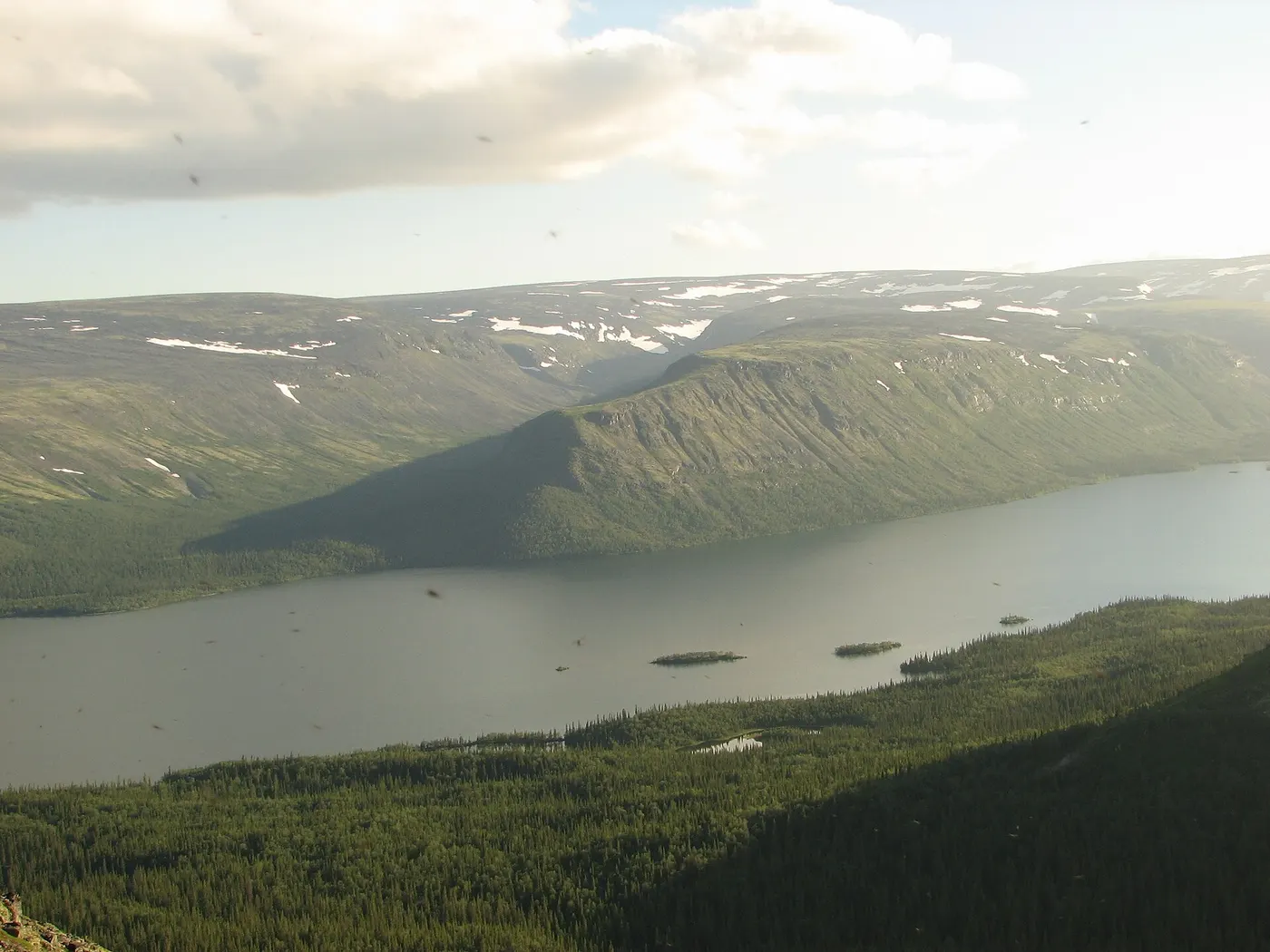
Lake Seydozero and the Kuiva
A sacred Sámi lake in the Lovozero massif, on whose sheer cliff a dark human figure nearly seventy metres tall stands out — the Kuiva. The Sámi took it for the shadow of a giant killed for attacking their land, and avoided fishing within sight of the rock. Geologists speak of lichen staining and wet stone in the fissures. Barchenko's expedition came here in 1922 looking for traces of Hyperborea and, by rumour, found something; the material was classified and the man himself shot in 1938.
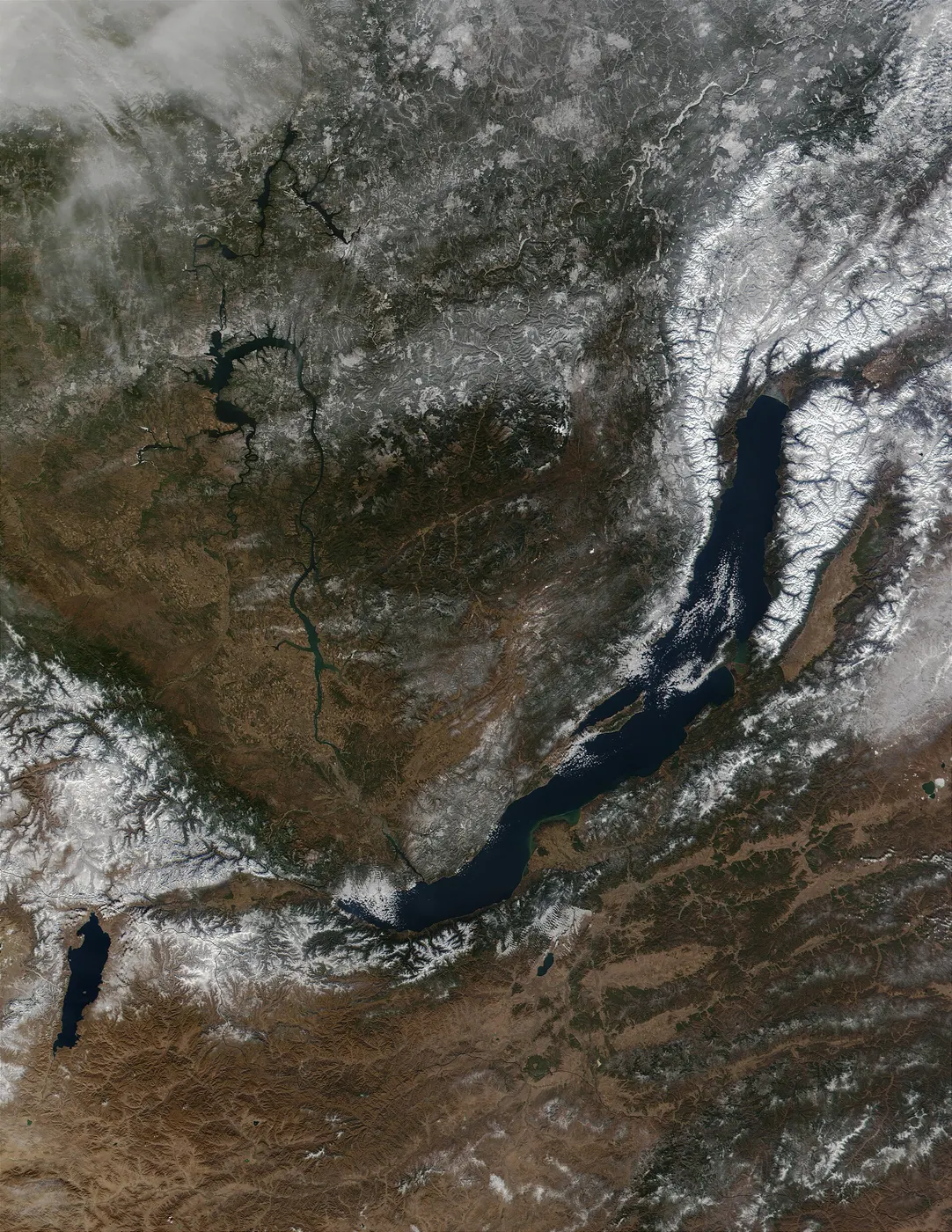
Lake Baikal
The deepest lake on earth, holding a fifth of the world's unfrozen fresh water. Buryat tradition fills it with spirits, and Cape Burkhan on Olkhon is one of the nine shrines of Asia, which not every shaman may approach. A separate body of stories concerns the Baikal mirages, in which non-existent shores and ships are seen above the water; the effect is physically real and comes from temperature layers in the air.
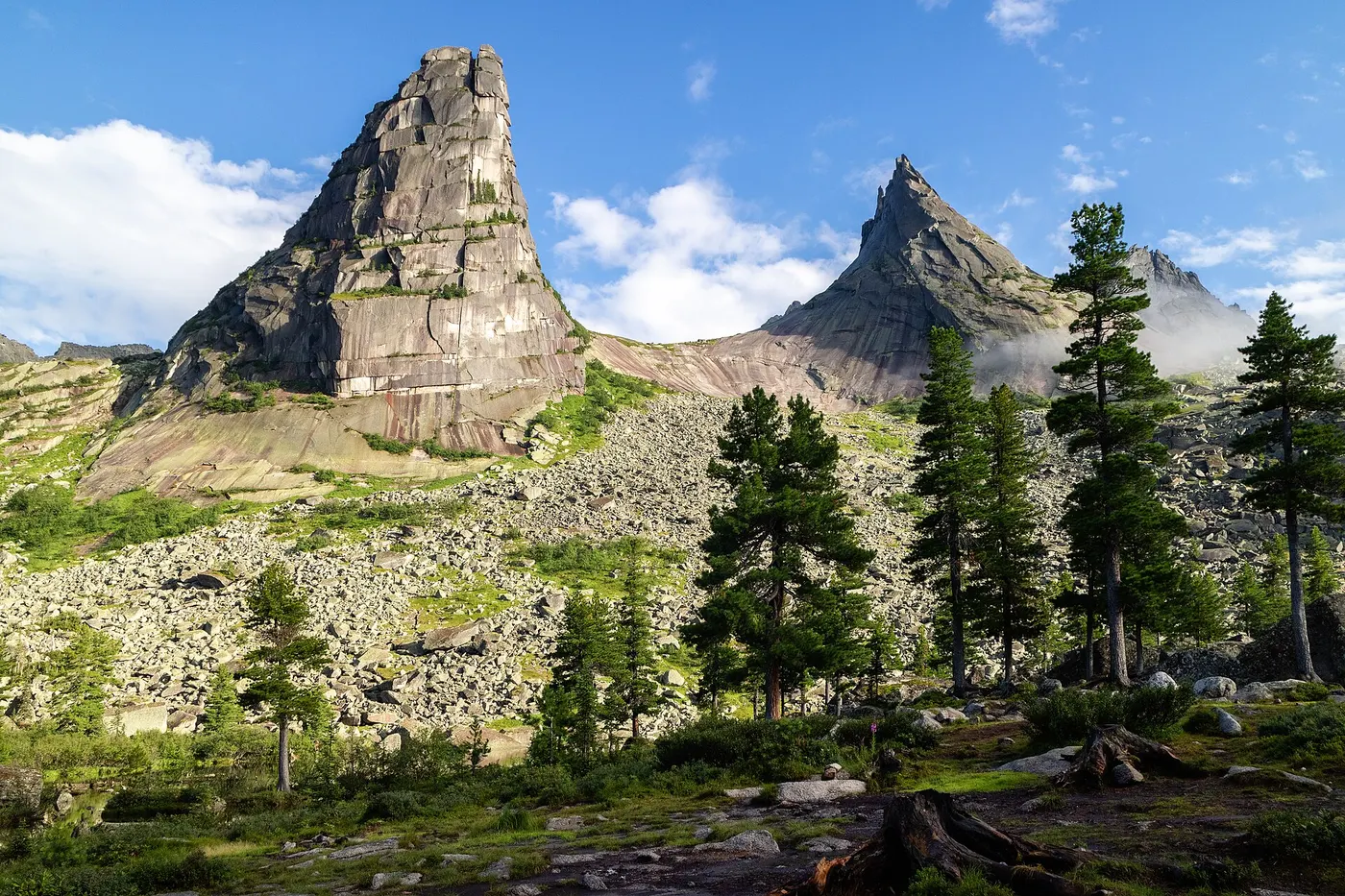
Ergaki
A mountain knot in the Western Sayan with the Hanging Stone — a many-ton block balanced on a rock face so finely that, by the accounts, it could be rocked by hand. Local tradition says that when it falls, disaster follows; in the 2000s it shifted and stopped moving, which caused visitors noticeable unease. Separately there is the Sleeping Sayan, a ridge whose profile reads as a reclining human figure.
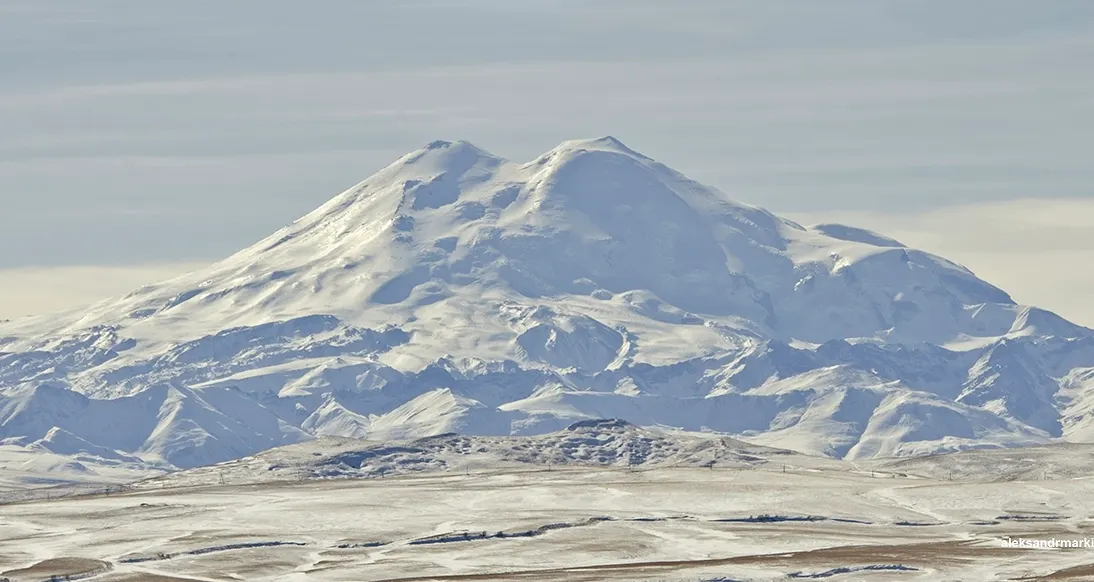
Mount Elbrus
The highest peak in Europe and a dormant volcano to which, in one version of the tradition, Prometheus was chained. The mountain has accumulated a body of stories of its own: the Priyut 11 hut that burned in 1998, the bodies of German Edelweiss division troops found where they planted a flag in 1942, and figures in the mist that climbers describe in almost the same words used on Scotland's Ben Macdui.
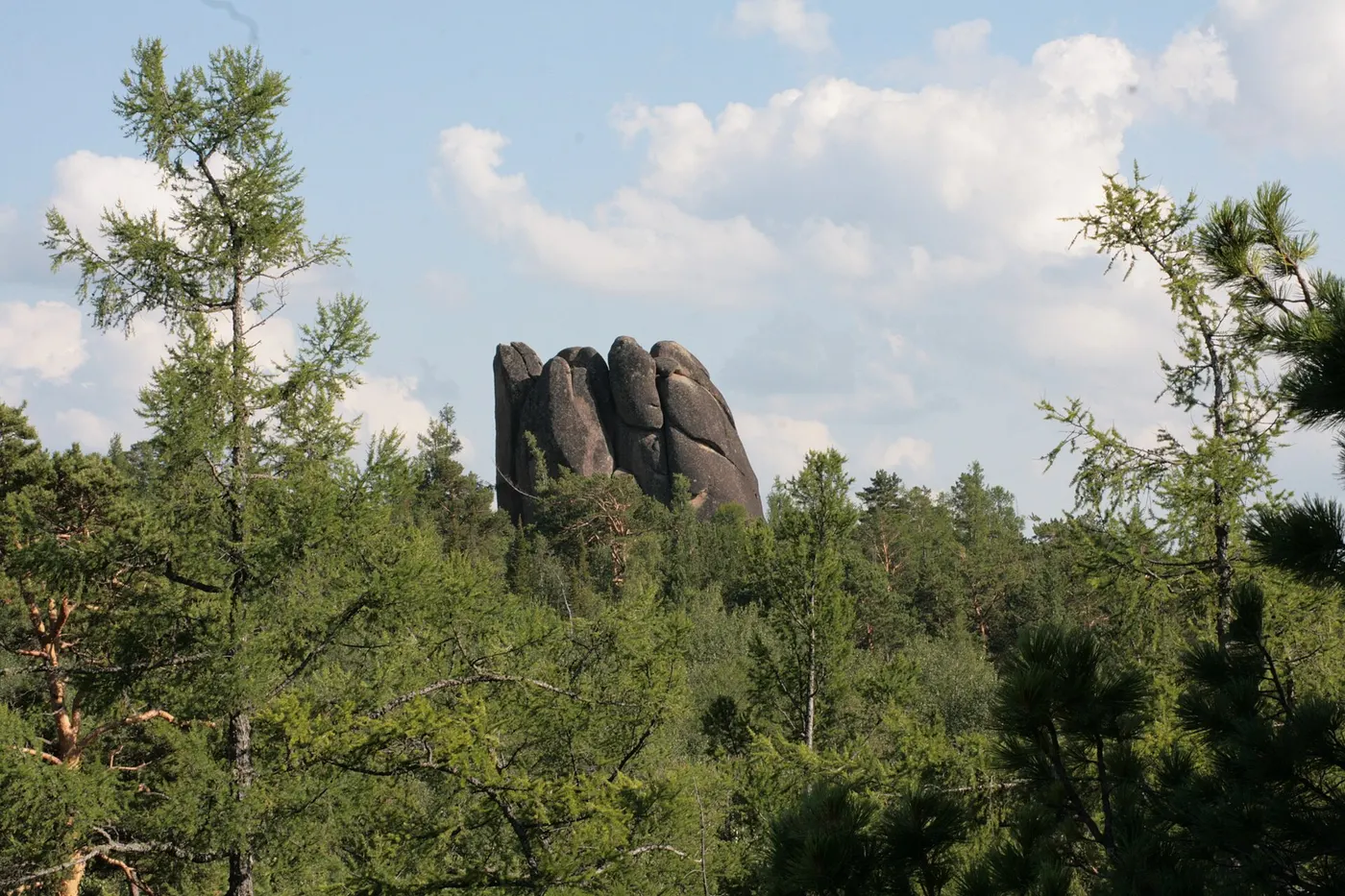
The Krasnoyarsk Pillars
Krasnoyarsk Stolby National Park (formerly a state nature reserve) is a protected ecological expanse located on the northwestern spurs of the Eastern Sayan Mountains, bordering the right bank of the Yenisei River on the southern outskirts of Krasnoyarsk, Russia. Covering nearly 47,000 hectares of Siberian taiga, the park is world-renowned for its dramatic pink-grey syenite rock pillars rising up to 100 meters above the forest canopy, as well as the birthplace of "Stolbism"—a historic community tradition of free solo rock climbing.
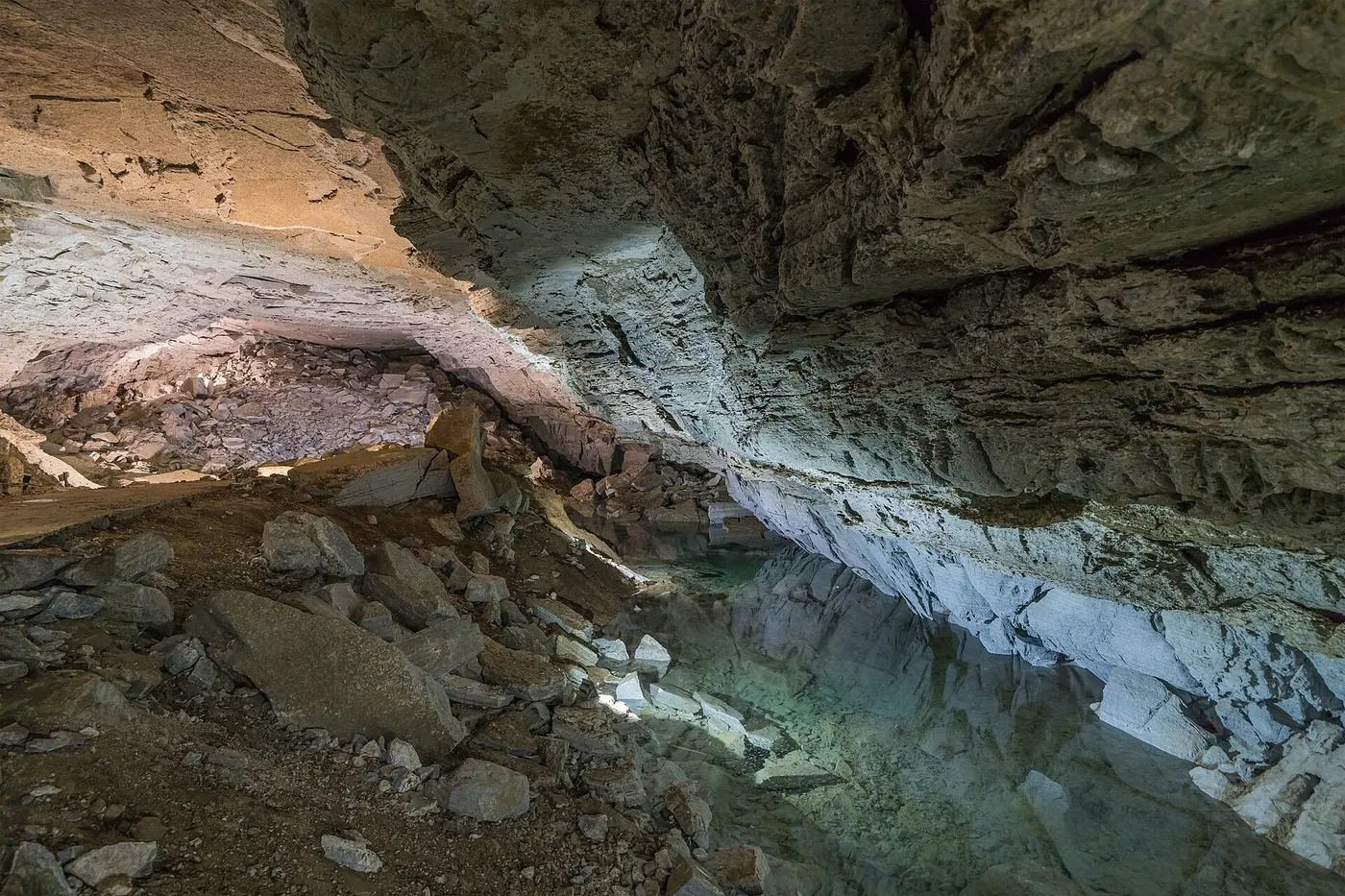
The Kungur Ice Cave
A gypsum cave in Perm Krai some six kilometres long, with seventy underground lakes and permanent ice in the entrance chambers. The first survey was drawn in 1703. Tradition holds that Yermak's band wintered here before crossing the Urals, and one grotto is called the Ladies' Tears — legend has a daughter of Christian X of Denmark slipping and dying here on a visit.
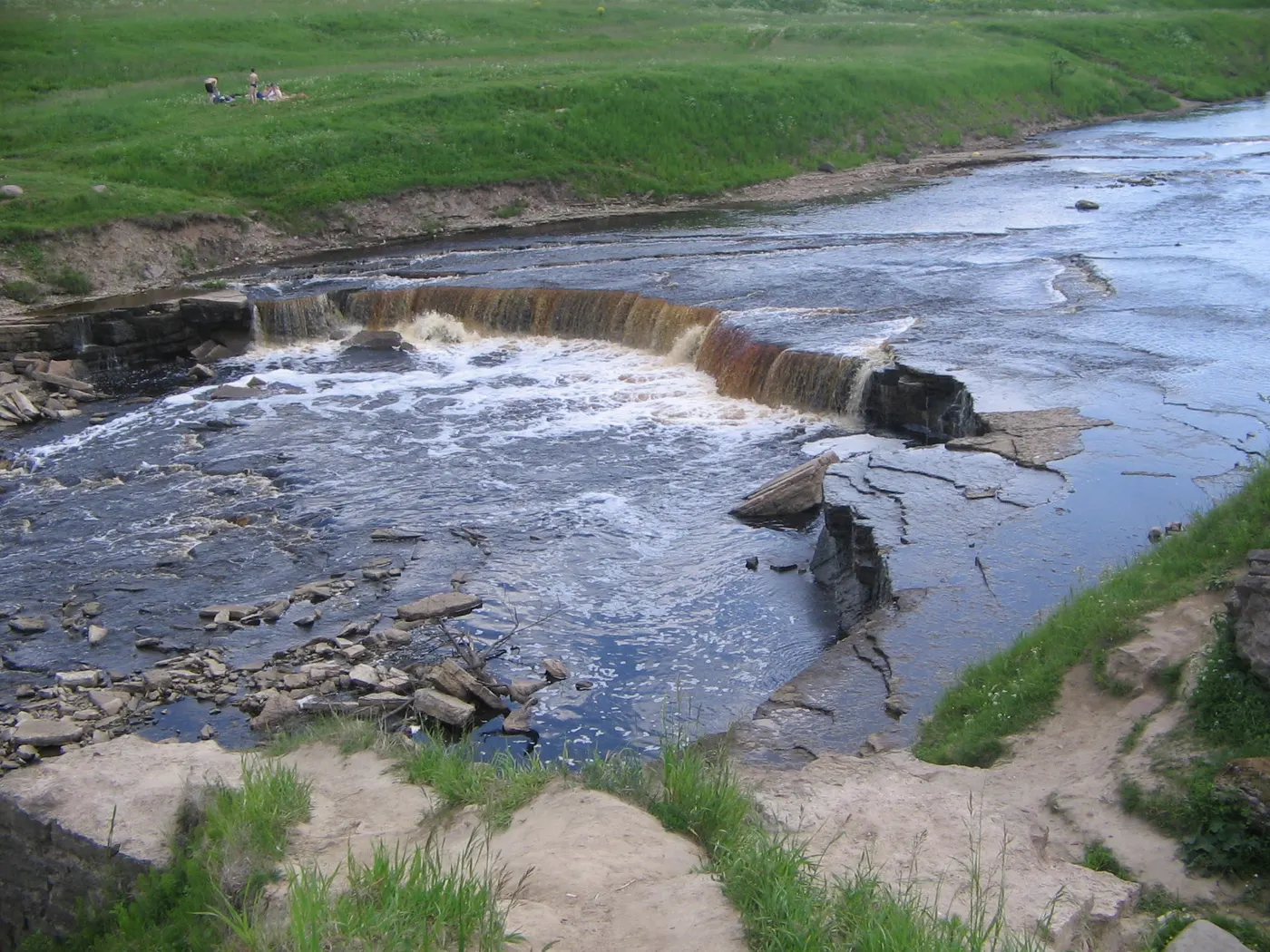
The Sablino Caves
Disused quartz sand workings outside St Petersburg, mined from the nineteenth century to supply glassworks. Several dozen kilometres of passages remain, with collapses, underground lakes and colonies of hibernating bats. The caves were long ago adopted by the city's subculture: a homemade shrine stands near one entrance, and everyone here can tell you about the White Caver, a ghost that either saves or dooms those who get lost.
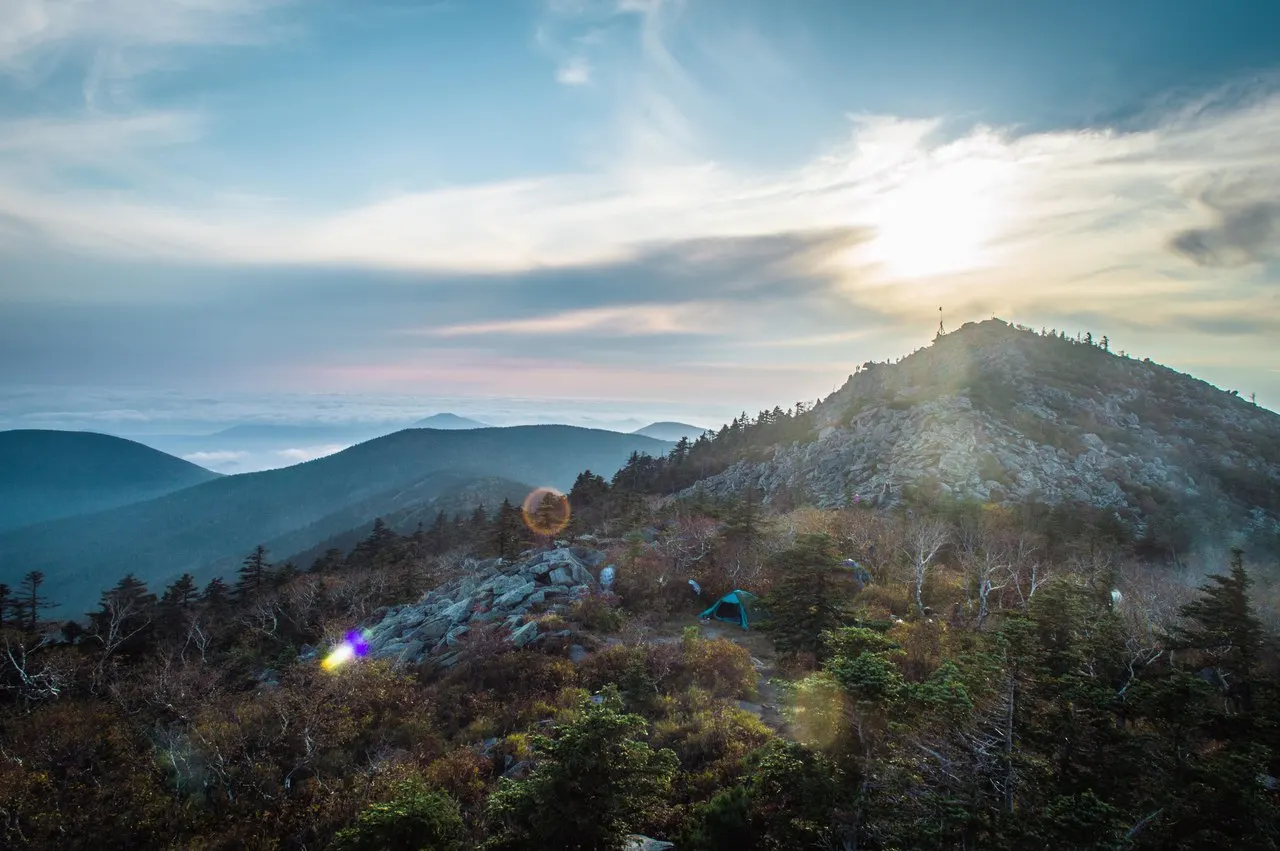
Mount Pidan
A mountain in Primorye carrying what is probably the most durable legend of the Russian Far East — the flying man, a winged figure hikers describe on the boulder fields near the summit. The account was first recorded in the 1930s. The mountain is known for more than that: the stone runs on its slopes look in places like masonry, and some local historians insist they are the remains of a Jurchen fortress.
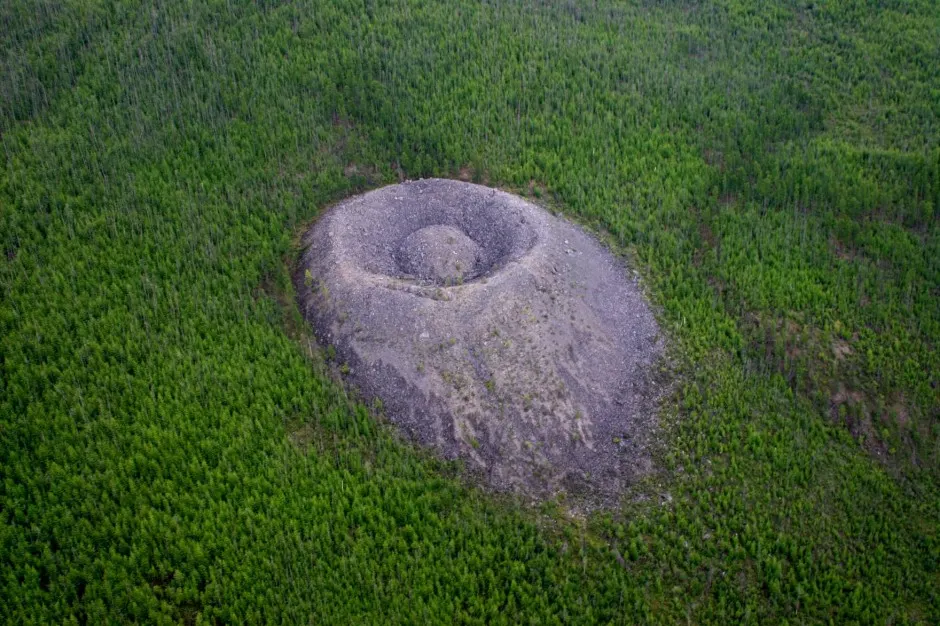
The Patomskiy Crater
A cone of shattered limestone forty metres high in the remote taiga of Irkutsk Oblast, found by the geologist Vadim Kolpakov in 1949. The Evenks called it the Fire Eagle's Nest and kept away. Every explanation has been tried: meteorite, volcanic gas, an underground nuclear blast, a uranium deposit. None is confirmed, and the leader of the 2005 expedition died of a heart attack on the way to it, which did the reputation no harm.
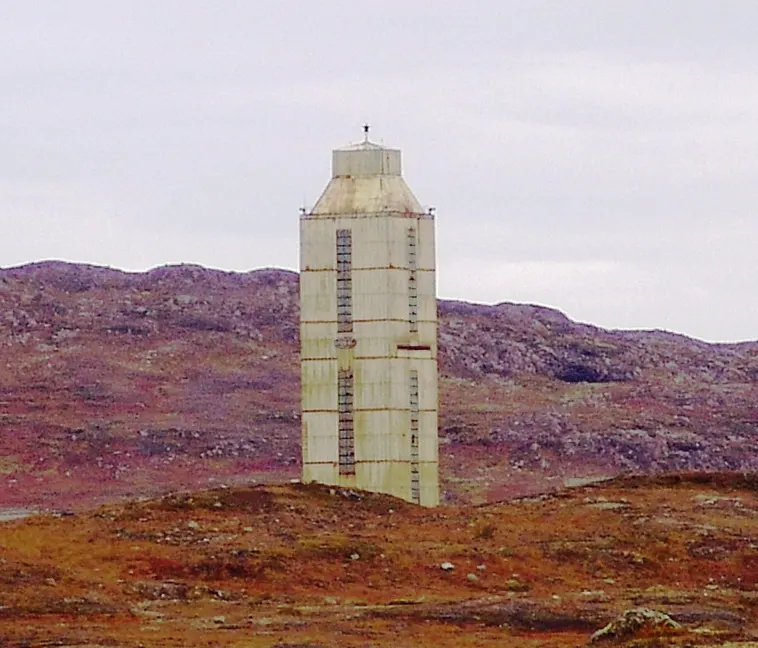
The Kola Superdeep Borehole
The deepest borehole in the world — 12,262 metres, drilled between 1970 and 1992. Science got surprises out of it: water at a depth where there should be none, and microscopic fossils in rock two billion years old. Urban legend added its own: that a microphone lowered into the hole recorded screaming, and drilling was abandoned because of a well to hell. No such recording exists and the project ended when funding collapsed, but the story lives on its own.
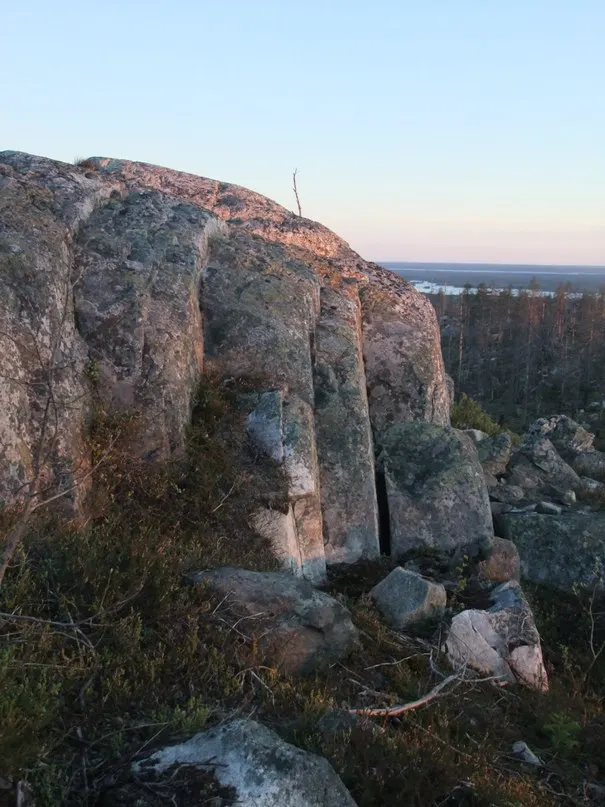
Vottovaara
A hill in Karelia whose summit carries some fifteen hundred seids — boulders set up on smaller stones as though on legs. Their origin is unsettled: some read them as Sámi cult objects, others as the work of a retreating glacier. The trees on top are twisted and broken, attributed to an earthquake some nine thousand years ago. It is considered one of the principal places of power in the Russian north.
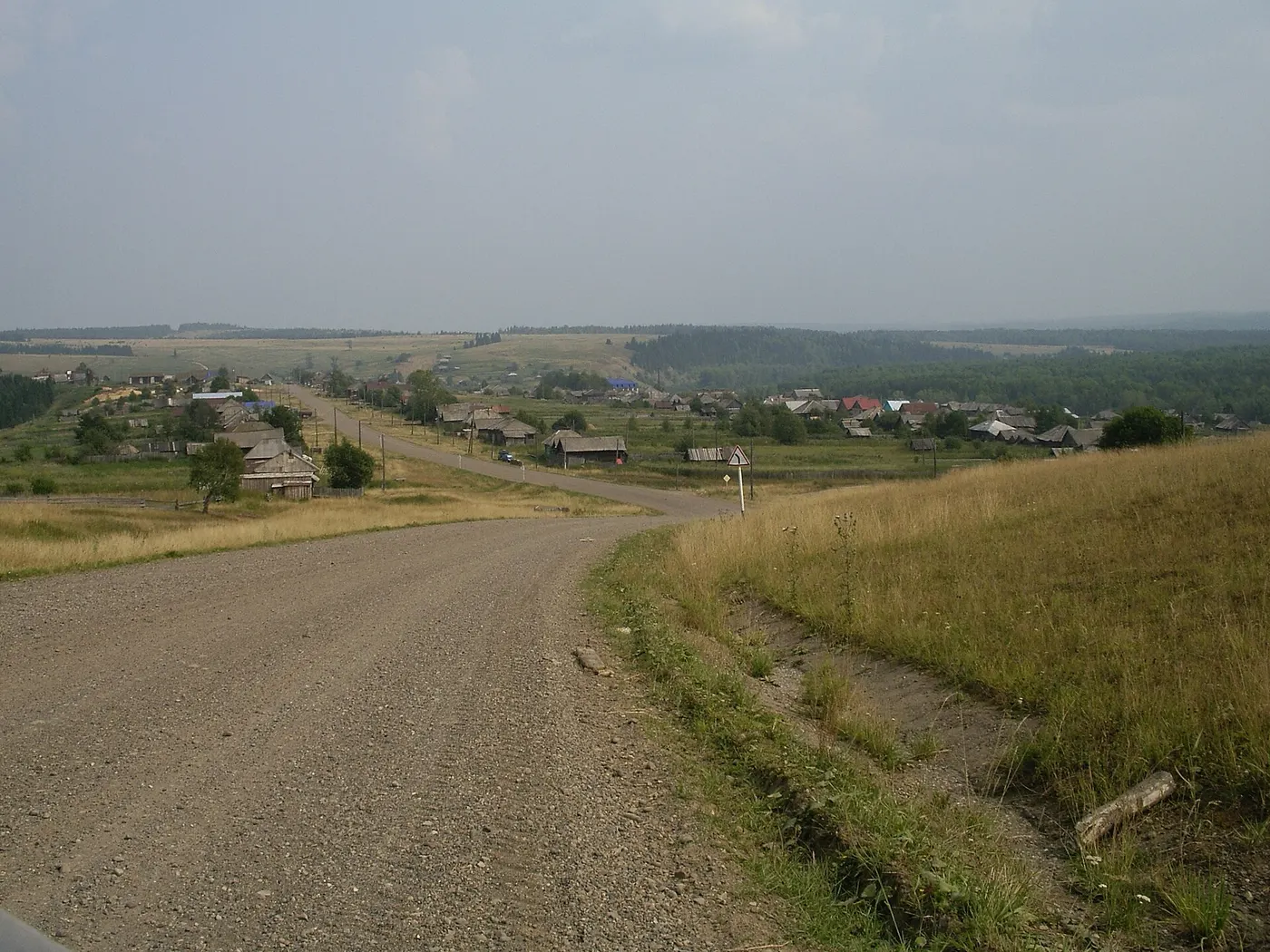
The Molyobka Triangle
A stretch on the border of Perm Krai and Sverdlovsk Oblast that became, in the late 1980s, the first Soviet anomalous zone written up in the national press. From 1989 thousands travelled here, reporting glowing spheres, equipment failing, loss of bearings, and "luminous people". The place is linked to old Mansi sacrificial sites. A statue of an alien stands by the village now, and the flow of researchers dried up long ago.
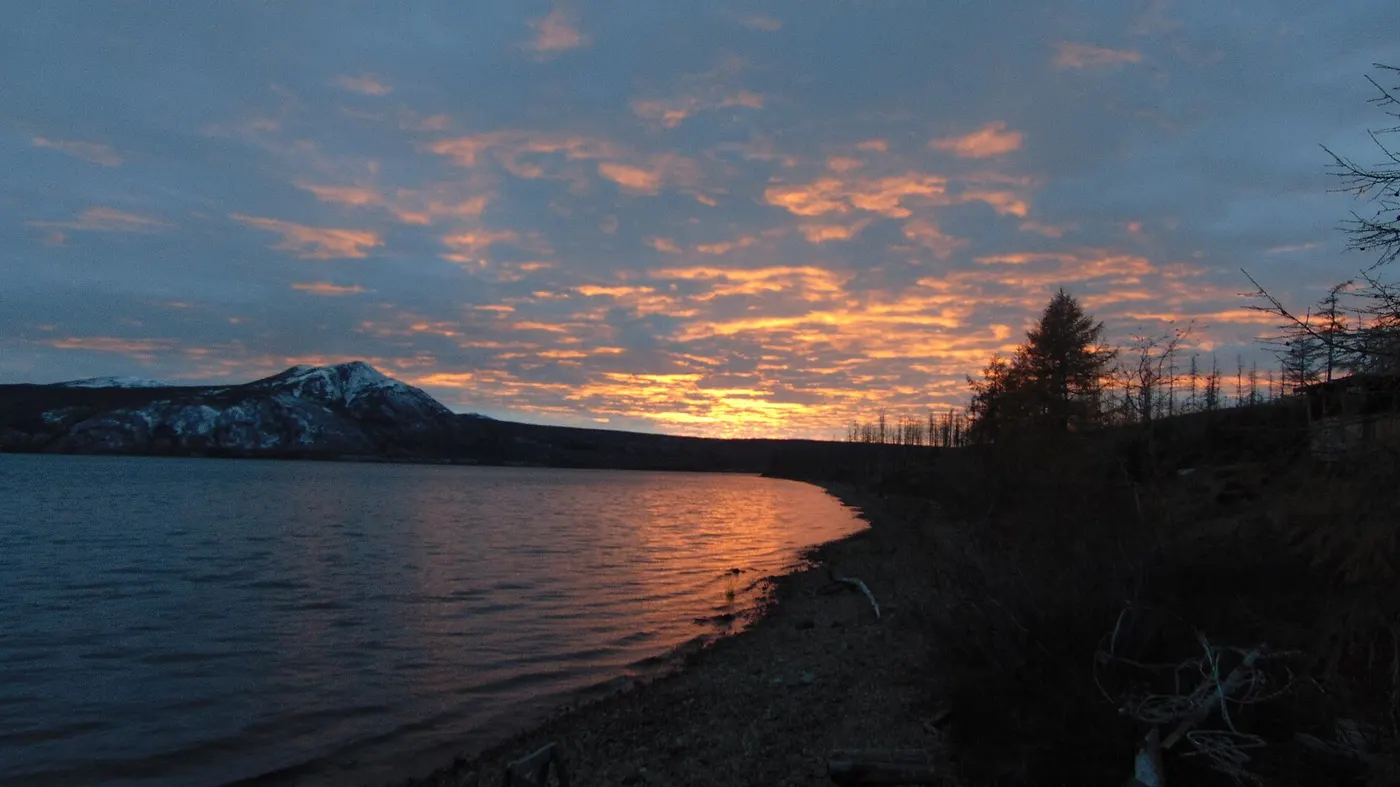
Lake Labynkyr and Its Devil
A lake in the Oymyakon district of Yakutia, one of the coldest inhabited places on earth. The local Even people have spoken of a devil since the nineteenth century: a dark creature with an enormous mouth that drags off reindeer and dogs. The lake behaves oddly in winter, keeping open water at fifty below. Sonar expeditions have recorded large objects near the bottom, and none has brought anything up.
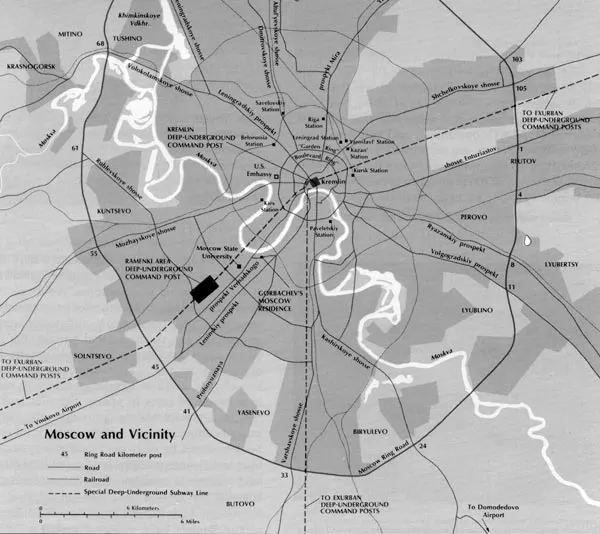
Metro-2
A secret metro line that officially does not exist — Moscow's most durable urban legend. As the story goes, "D-6" links the Kremlin with bunkers, the ministry building on Smolenskaya and Stalin's Near Dacha, and an entrance sits in the basements of Moscow State University's main building, which is said to have as many floors below ground as above. Diggers have published maps for decades that do not agree with one another; the defence ministry has never confirmed anything and never clearly denied it either. The legend runs on that silence: the less that is said, the more detailed the map becomes.
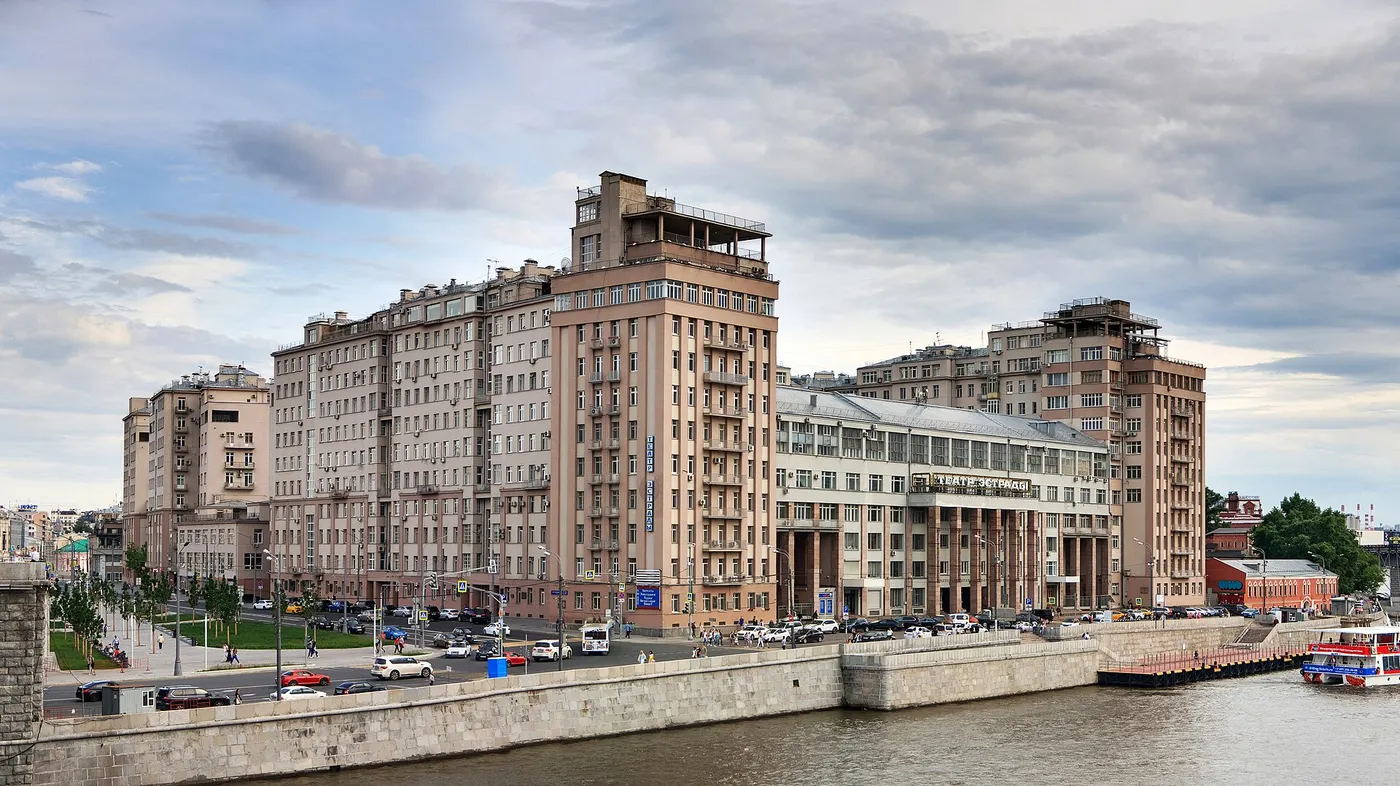
The House on the Embankment
The Government Building on Bersenevskaya Embankment (globally known as the "House on the Embankment," designed by Boris Iofan, 1931) is a monumental Constructivist residential complex opposite the Kremlin. Engineered as a self-contained "commune-city" for the Soviet political, cultural, and military elite, it became a tragic symbol of the Great Purge and Moscow's most myth-laden residential address.
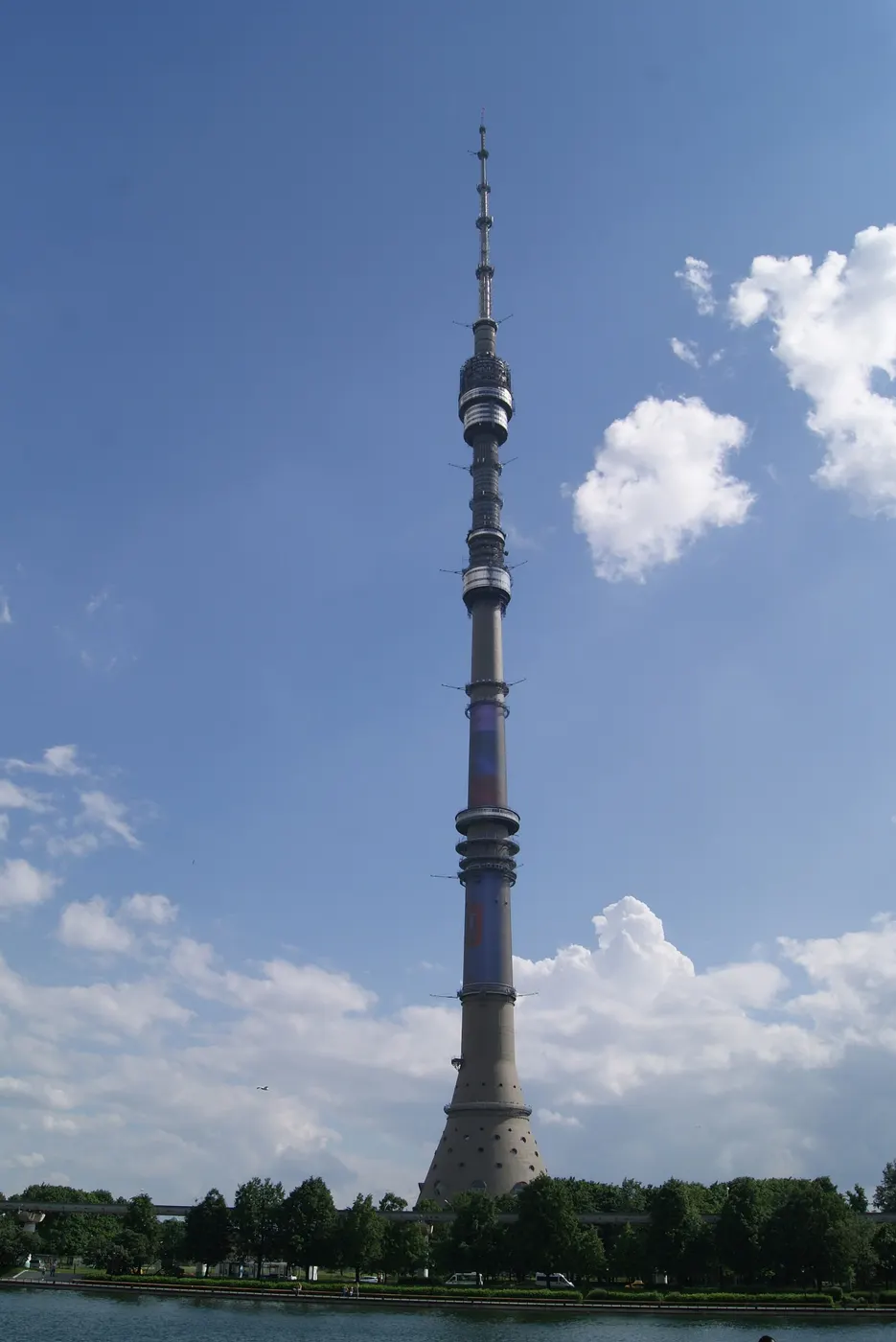
Ostankino and the Crone with the Staff
Ostankino was built on the ground of an old cemetery, and Moscow's most persistent legend attaches to that fact. In the sixteenth century, when the boyar Sotin set out to plough a field here, a hunched old woman with a staff appeared and told him not to disturb those lying in the earth — or misfortune would find whoever did. She has been "seen" before every disaster in the area since; staff at the television centre recalled her in the days before the tower fire of 2000. People mention her matter-of-factly, the way they mention an omen, and almost nobody can say where they first heard it.
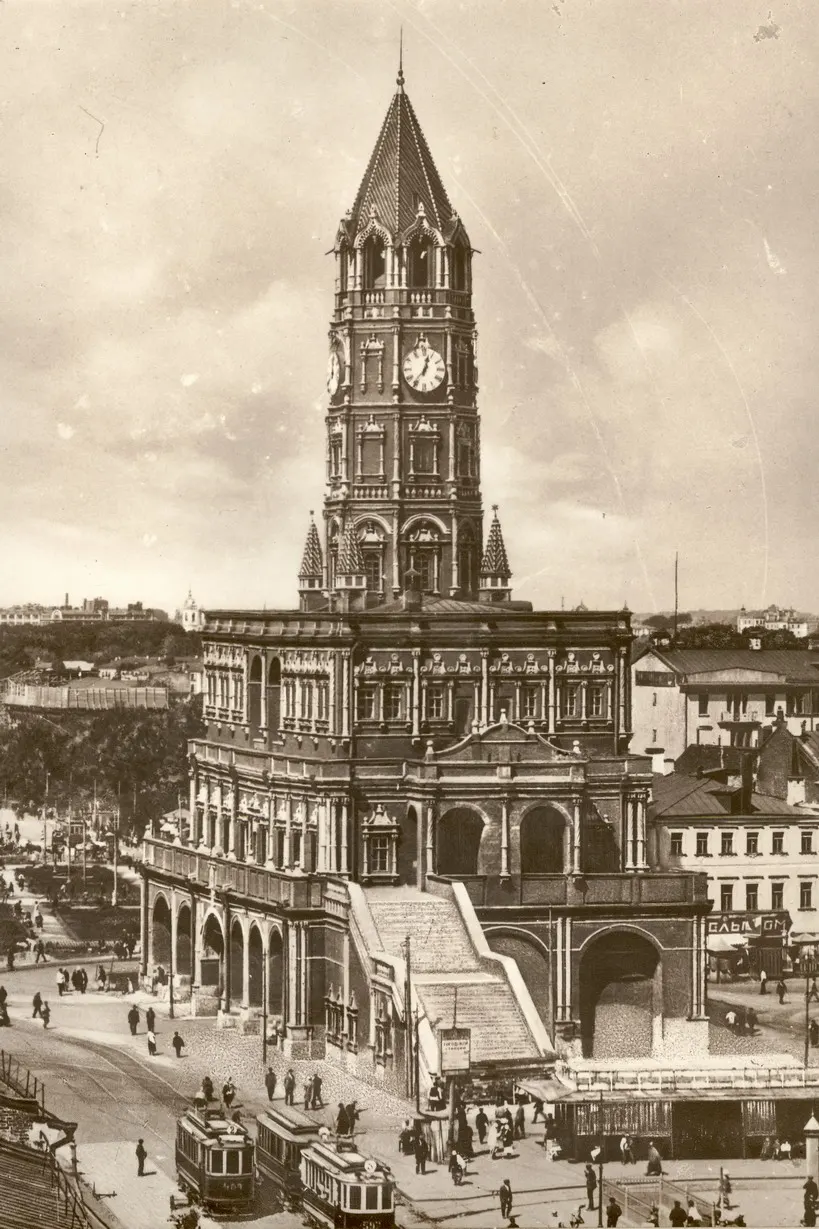
The Site of the Sukharev Tower
Sukharevskaya Square in Moscow is the historic site where the famed Sukharev Tower stood from the late 17th century until its demolition in 1934. A masterpiece of Naryshkin Baroque architecture, it served alternately as a triumphal gate, astronomical observatory, and Russia's first naval navigation academy, while enduring in city folklore as Moscow's premier occult epicenter tied to Peter the Great's polymath advisor and alleged "warlock," Jacob Bruce.
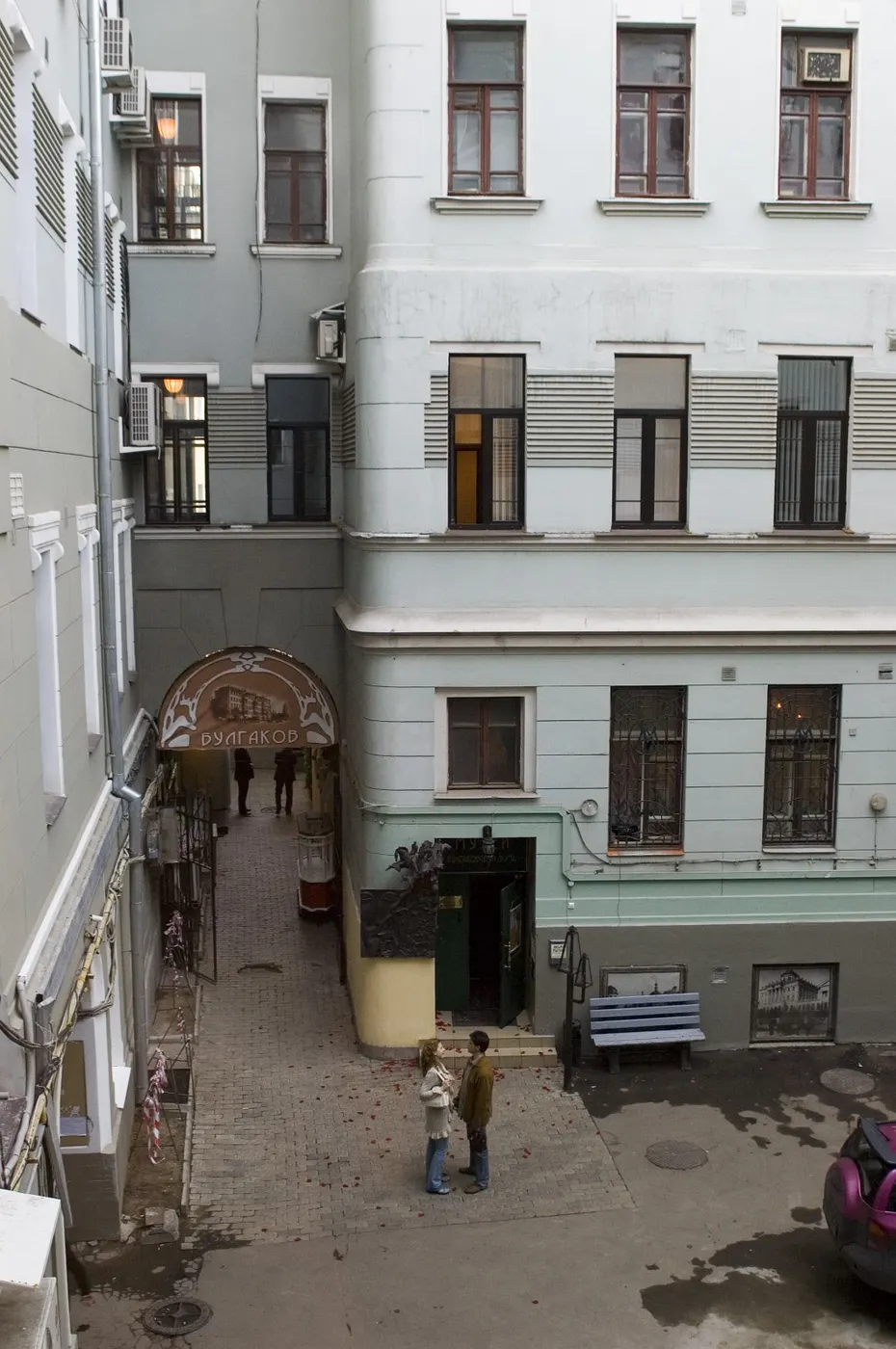
The Bad Apartment on Bolshaya Sadovaya
Apartment No. 50 in the Ilya Pigit tenement building at 10 Bolshaya Sadovaya Street in Moscow is the famed "Bad Apartment" from Mikhail Bulgakov's masterpiece The Master and Margarita, which served as the temporary headquarters for Woland and his retinue. In reality, Bulgakov lived here from 1921 to 1924 in a chaotic communal flat whose volatile domestic atmosphere inspired the novel's supernatural satire.
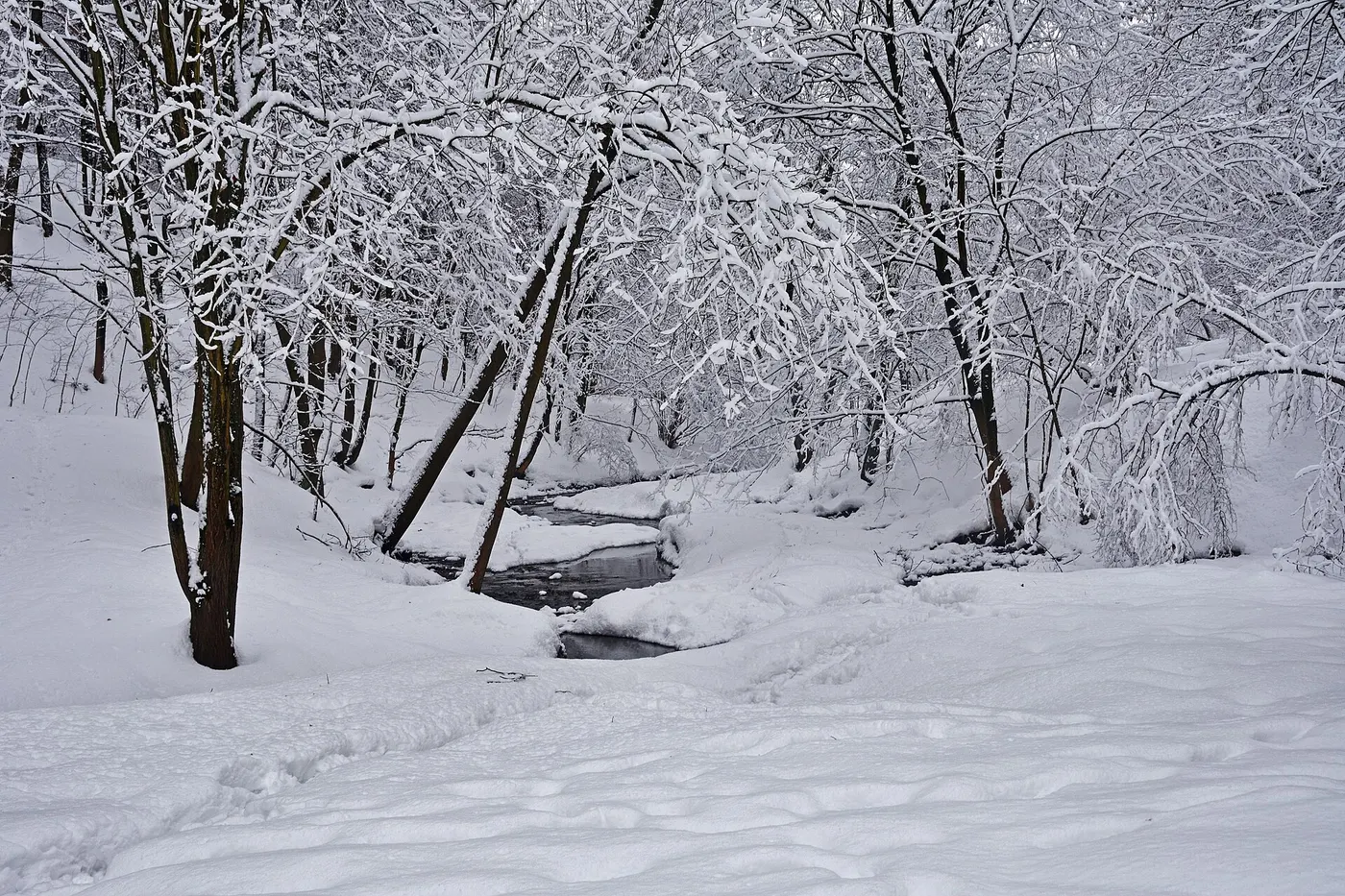
Golosov Ravine
A ravine in Kolomenskoye that Moscow tells stories about as a place where time comes loose. In the best-known version, a detachment of Tatar horsemen vanished into it during Devlet Giray's raid of 1571 — and in 1621 riders in antique armour appeared at the tsar's gates. Questioned, they insisted they had gone down into the ravine to escape pursuit, hidden in a greenish fog on its floor, and stepped out of it a few minutes later. Fifty years had passed. Two enormous boulders lie at the bottom, the Goose and the Maiden Stone; people still come to make wishes on them, and the fog really does linger there longer than on the slopes.

Arkaim
A circular Bronze Age fortified settlement in Russia's Chelyabinsk region, excavated in 1987 just before it was to be flooded. The archaeological site quickly attracted an esoteric following — visitors come from across Russia "for the energy".
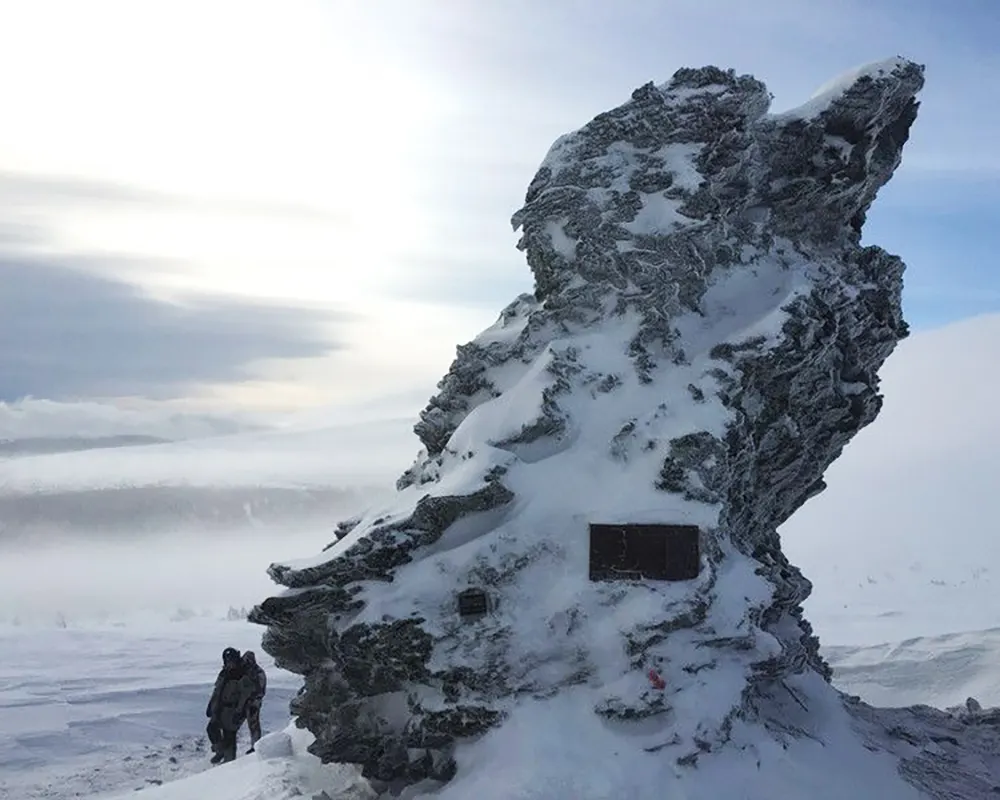
Dyatlov Pass
Dyatlov Pass is a mountain saddle situated between unnamed Peak 905 and the eastern flank of Kholat Syakhl (Mansi for "Dead Mountain") in the northern Ural Mountains of Russia's Sverdlovsk Oblast. This remote subarctic wilderness became the focal point of one of the 20th century's most persistent mysteries following the tragic and perplexing deaths of nine Soviet ski hikers in the winter of 1959.
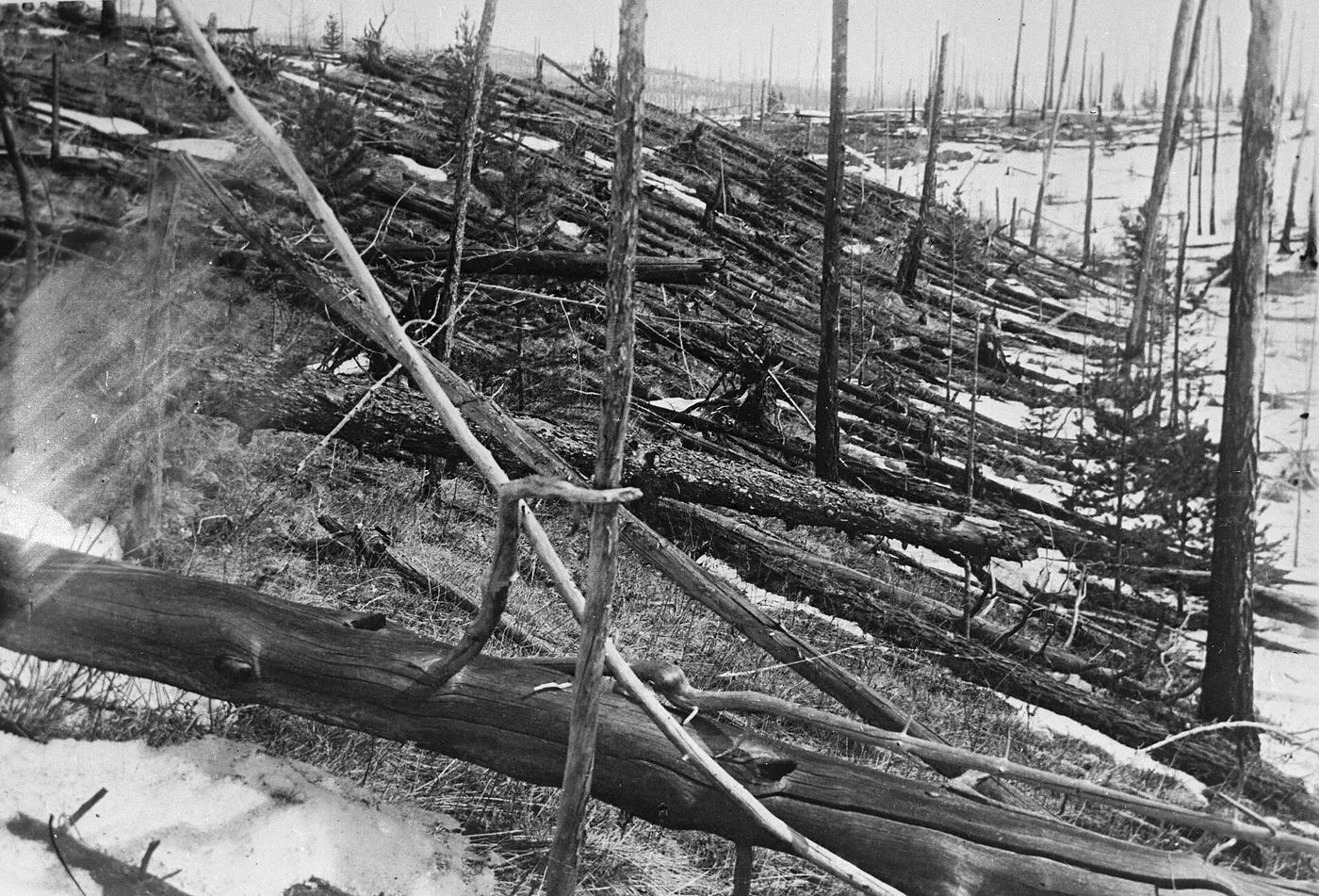
Tunguska Event
In June 1908 an explosion over the Siberian taiga flattened some 80 million trees across more than 2,000 km². No crater was ever found, and the cause has been argued over for more than a century.
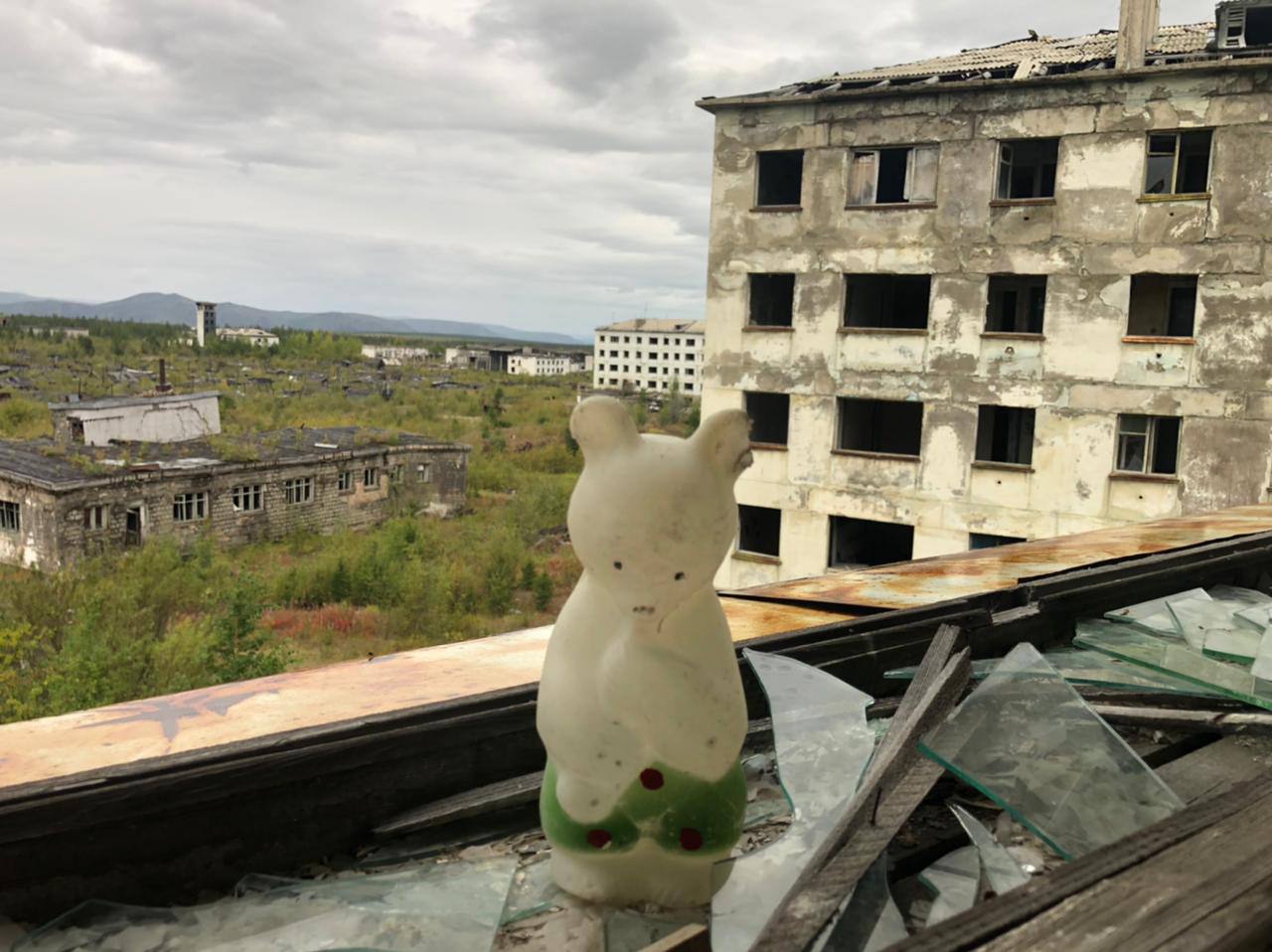
Kadykchan
Kadykchan (derived from the Evenki Kadygchan, meaning "little canyon" or "chasm") is an entirely abandoned urban-type settlement situated within the Susumansky District of Magadan Oblast, Russia, along the 730th-kilometer mark of the R504 Kolyma Highway in the Ayan-Yuryakh river basin. Constructed during World War II by forced laborers of the Dalstroy Gulag system to extract high-grade coal from the Arkagalinskoye basin, Kadykchan grew by the 1980s into a bustling subarctic industrial town housing over 10,000 residents. Following a deadly subterranean coal-dust explosion in 1996 and the catastrophic freezing of its district heating grid, the municipality underwent rapid state-mandated abandonment, becoming Kolyma’s definitive ghost town and an open-air monument to post-Soviet deindustrialization in the Far North.