The Tulpa
A practice Russian-language imageboards picked up from English-language ones around 2012: an imagined companion, grown over months of daily exercises until it answers on its own and becomes visible to the person who made it. The word is taken from Tibetan Buddhism, where it means something quite different; its present sense was given to it by Western occultists in the early twentieth century. The frightening part of the legend is not the practice but its retellings: the tulpa that stopped obeying, the tulpa that refused to go, and the tulpa that was there first.
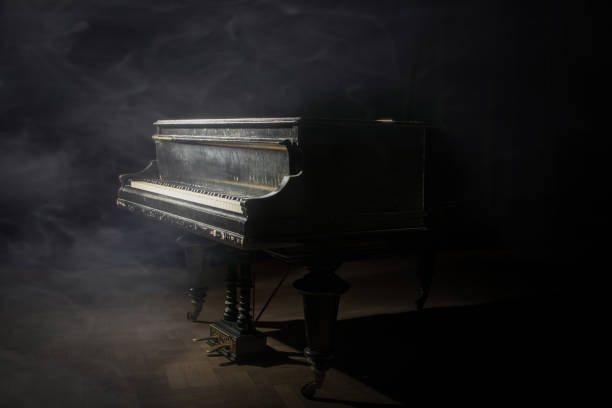
The Black Grand Piano
Children's music schools, assembly halls of Soviet pioneer camps, and youth pioneer palaces (anchored symbolically by the Moscow Pioneer Palace on Sparrow Hills). Within Soviet juvenile subculture of the 1970s and 1980s, the classical instrument of bourgeois prestige and musical education transformed into the central artifact of an iconic urban horror legend: the "Black Grand Piano" (or "Black Upright"), which secretly drained the blood of young musicians.
Comments
No comments yet. Be the first.