All places
The full catalogue of approved places — abandoned buildings, anomalous zones, UFO sightings. Sort by rating, recency or discussion, and narrow it by category.
494 places
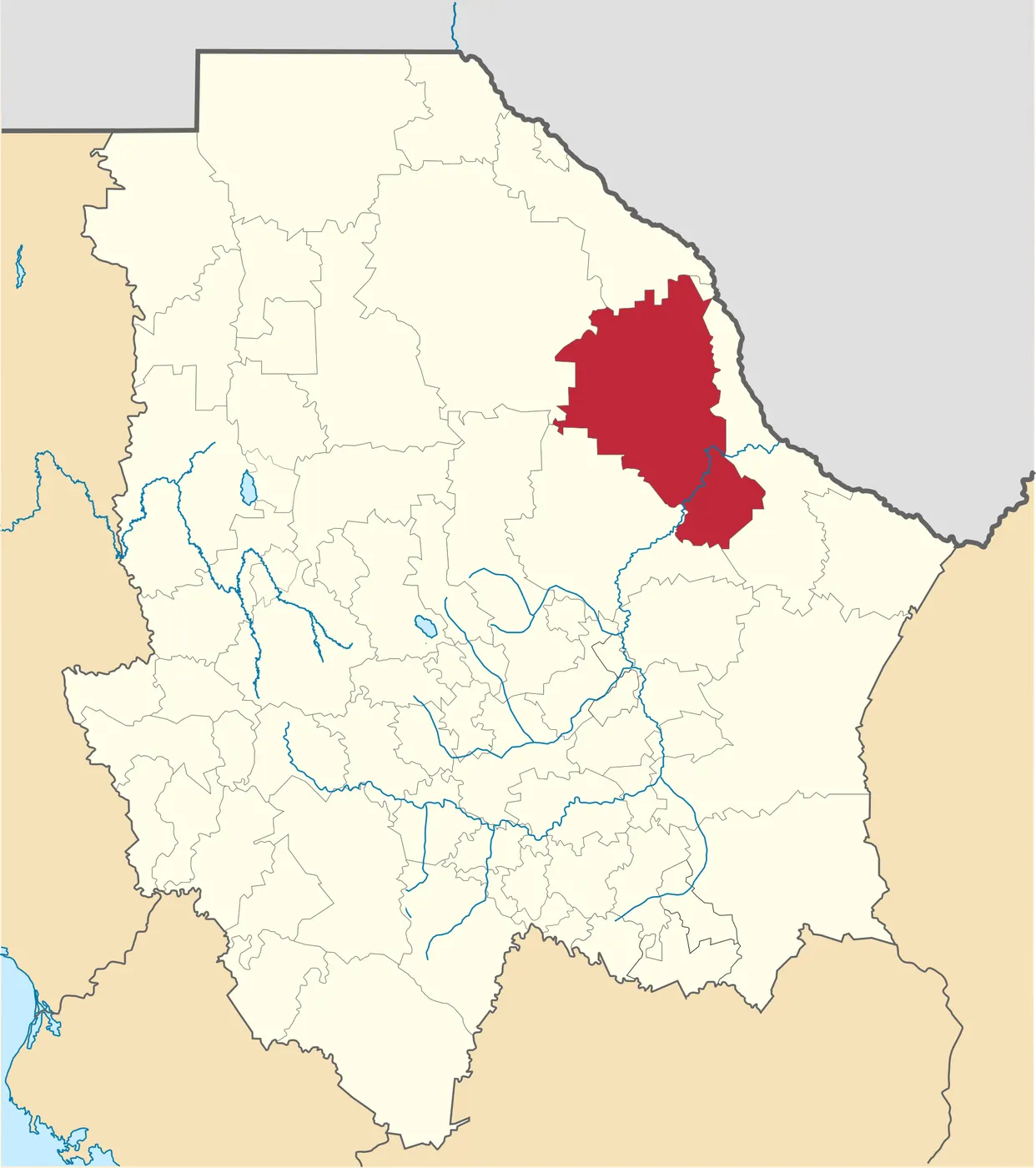
Coyame and the Crash That May Not Have Happened
On 25 August 1974 US radar over the Chihuahua desert picked up an unidentified return heading north and, almost at the same time, a light aircraft. The returns merged and vanished. In the version set out in a document that reached an American researcher in 1978, a Mexican military party found the wreckage of a disc in the desert, and then contact with the party was lost. The document is a typed report with no signature and no classification, of unknown provenance. No agency in either country has ever confirmed it. The case survives in the literature as an example of a story grown entirely out of one piece of paper, and is useful for exactly that: there is nothing in it to check.
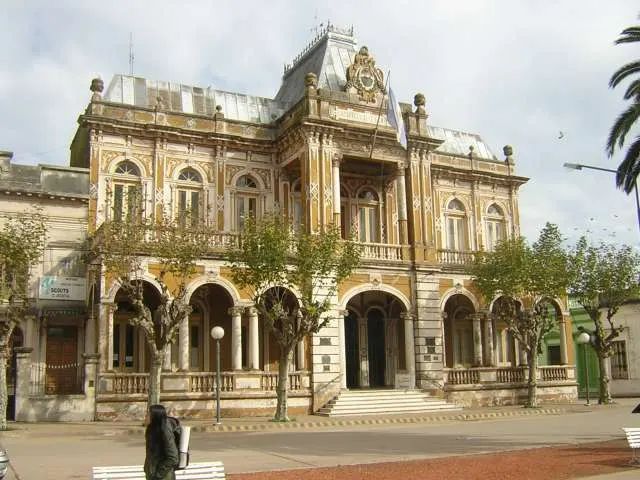
Victoria and the Corridor over the Paraná
Since the 1990s this Argentine town on the bank of the Paraná has collected so many reports of lights over the delta islands that locals call the stretch a corridor. Most sightings are made from the Rosario–Victoria bridge and the roads along the shore. The town treats it practically: there is a municipal UFO route and signposts on the way in. Sceptics point out that airways cross the delta and that temperature inversions over the wet islands are common, producing the shimmer and apparent movement of stars near the horizon. That accounts for part of the reports; the flow of them has not slowed over the years.
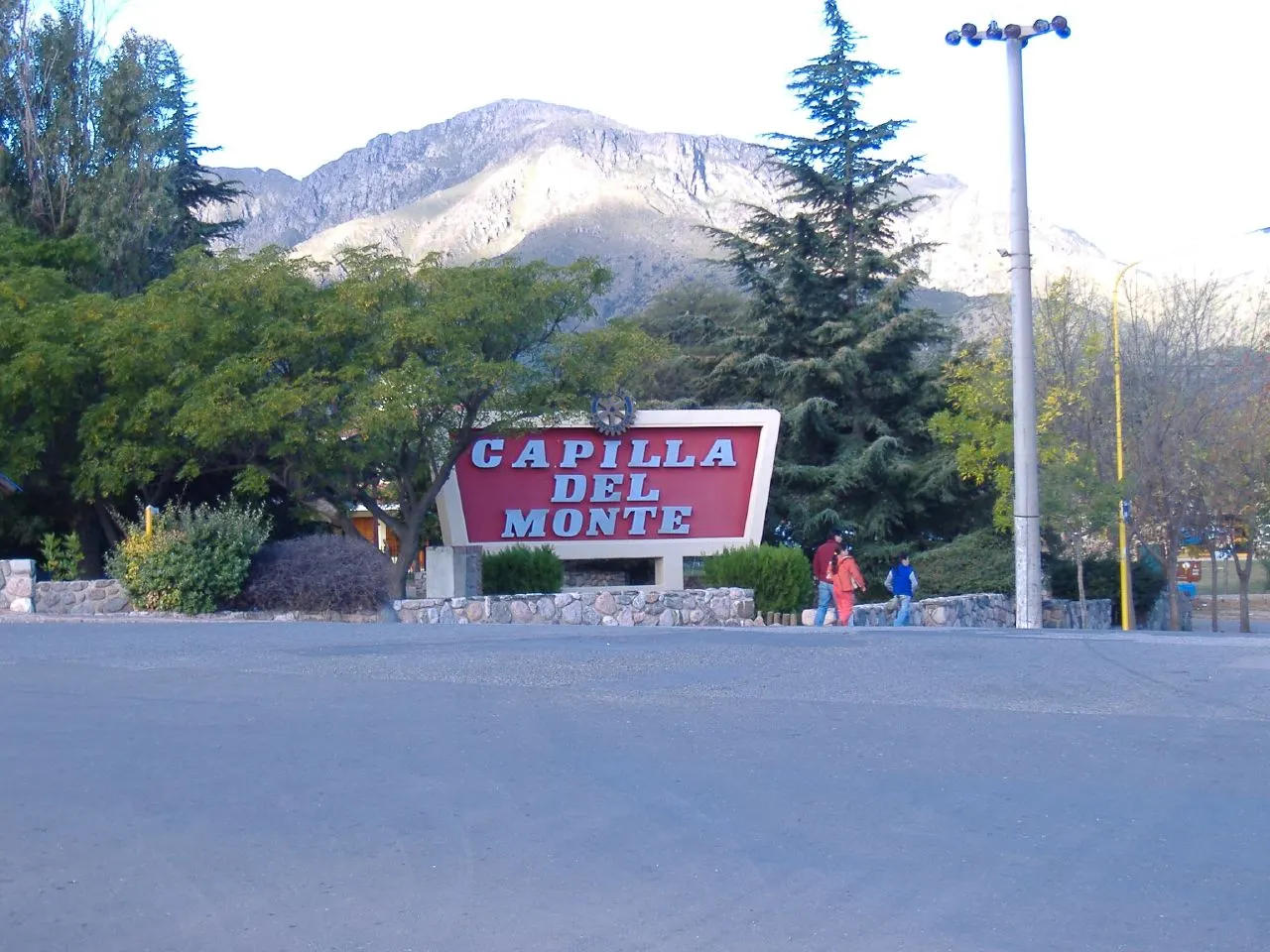
Capilla del Monte, the Town That Lives on It
A town at the foot of Cerro Uritorco in the Argentine province of Córdoba, known across Latin America as the capital of UFO tourism. In January 1986 a scorched oval about a hundred and twenty metres long was found on the slope, and its origin was never established; the town's fame begins there. Since then it has held the annual Alta Uritorco festival, its hotels cater to energy tourism, and on New Year's Eve thousands climb the mountain to wait for lights. Local esoteric tradition places an underground city, Erks, inside the mountain. No expedition has found anything of the kind, and it has made no difference at all to the visitor numbers.
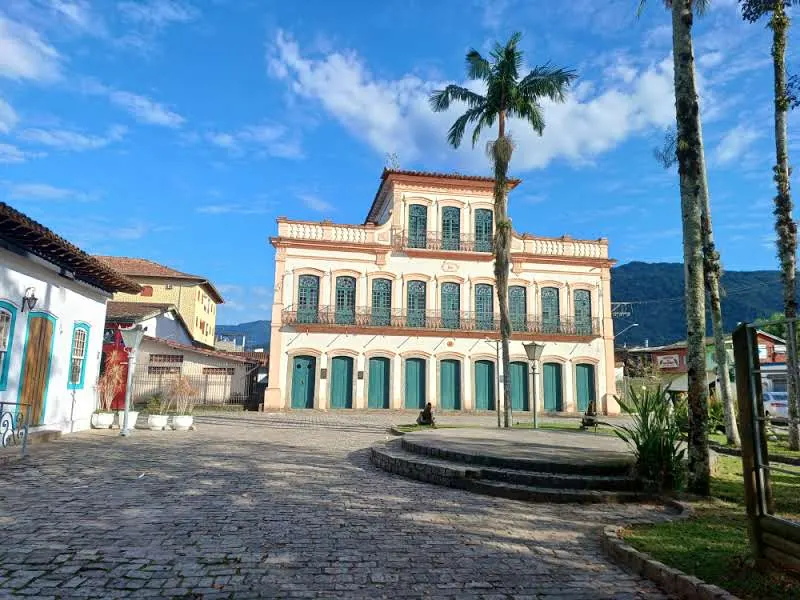
Ubatuba and the Magnesium Fragments
In September 1957 a Brazilian newspaper received a letter from a fisherman claiming that a disc-shaped object had exploded in the air over the beach at this town in front of him, enclosing several light metal fragments. The samples reached a Brazilian agricultural laboratory, which identified almost pure magnesium. The argument starts there: some analyses showed a purity above what industry could achieve at the time, others found it ordinary. The fragments were passed from hand to hand and laboratory to laboratory, some were lost, and some were studied in the United States in the 1980s. Sixty years on the result is inconclusive, and the Ubatuba fragments remain the best-known example of how physical evidence in this subject dissolves along a chain of custody.

Trindade and the Photograph from the Deck
On 16 January 1958 the vessel Almirante Saldanha lay off this Brazilian island in the South Atlantic with an International Geophysical Year expedition aboard. A photographer, Almiro Baraúna, shot an object shaped like a disc with a ring around it from the deck — four of six frames caught it. The film was developed on board there and then, with officers present; the Brazilian Navy analysed the images, accepted them as genuine, and the country's president confirmed them publicly. It later emerged that Baraúna had once made staged photographs for a magazine as a joke, and that became the sceptics' main argument. In sixty years the frames themselves have never been shown to be faked.
Colares and Operation Saucer
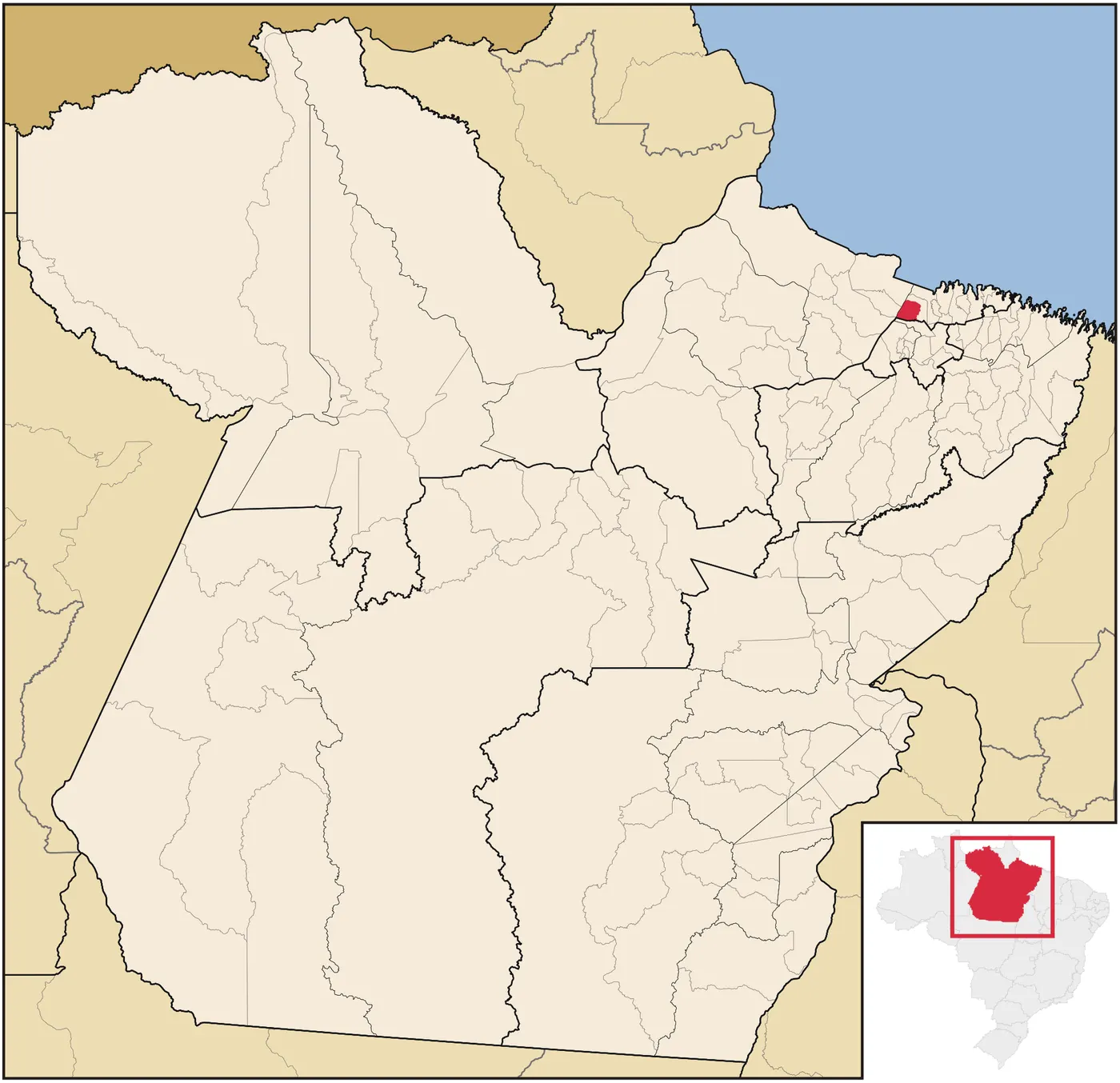
From late 1977 people on this island in the mouth of the Amazon began complaining of glowing objects that hung over houses at night and put a narrow beam down on them. They came to the clinic with burns, dizziness and anaemia; the local doctor, Wellaide Cecim Carvalho, kept the records. The Brazilian Air Force sent a team — Operação Prato, Operation Saucer, which worked for several months. The military collected hundreds of pages of reports, photographs and cine film. The material was declassified in the 2000s and passed to the Brazilian National Archives. It names no cause; some doctors put the symptoms down to panic and poor diet, and some did not. Many families left the island at the time.
Dalnegorsk and Height 611
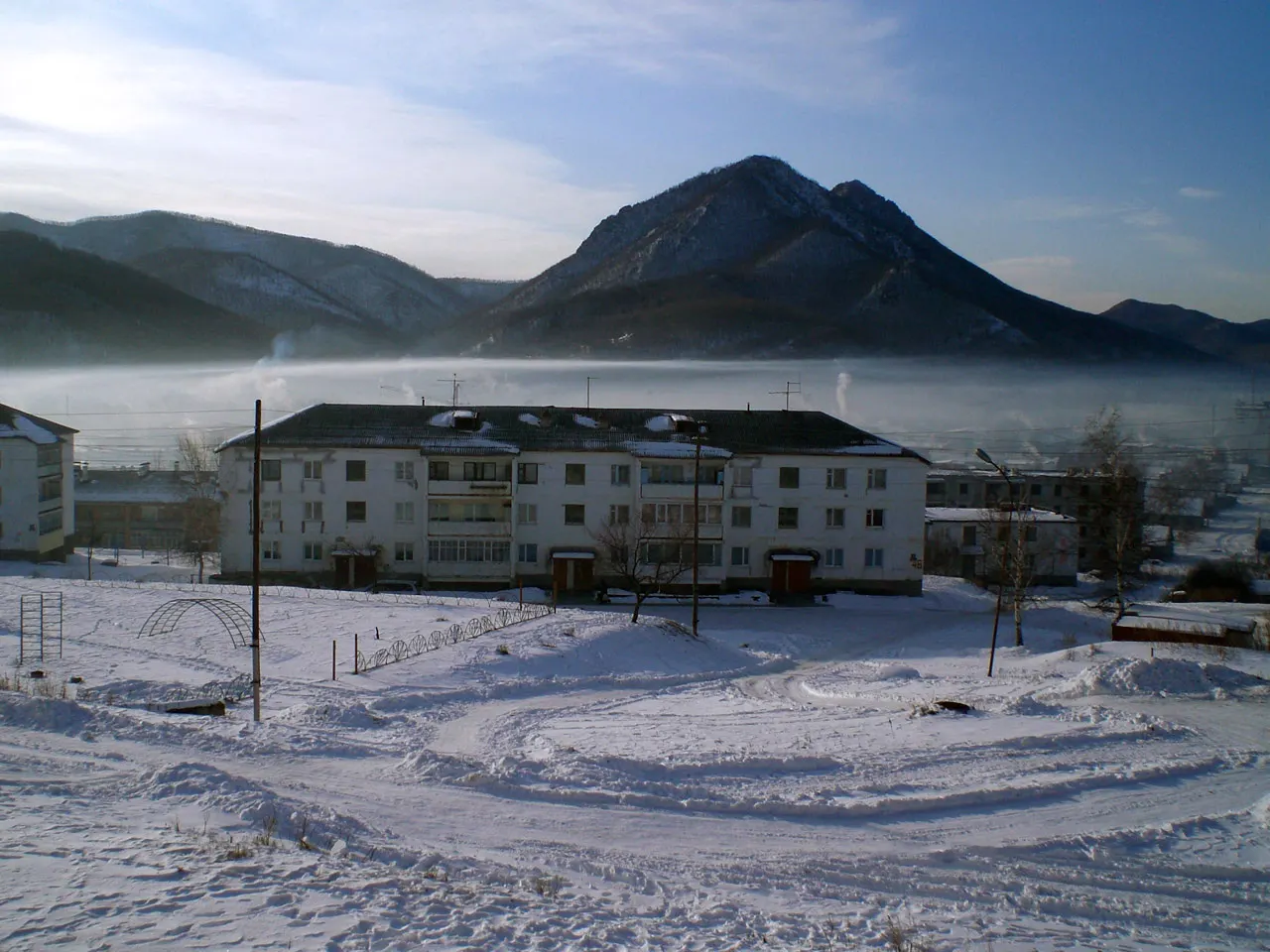
On 29 January 1986 a reddish sphere crossed this town in the Russian Far East and struck the rock of a hill the locals know by its elevation — Height 611. Dozens of people watched it come down; there was no impact and no explosion, and it moved slowly and almost without sound. A burnt patch was found on the rock, and in it mesh-like fragments of an iron, chromium and nickel alloy, glassy spheres and beads of lead. The samples were carried round Soviet institutes for years; the results diverged, and some researchers concluded the composition was industrial and terrestrial. Dozens of expeditions have examined the site since. Dalnegorsk remains the best-known place in the subject in Russia after Molyobka.

Petrozavodsk and the Jellyfish
Early on 20 September 1977 an enormous glowing object appeared over Petrozavodsk which witnesses described as a jellyfish: it hung for several minutes, sending thin beams downward. In several buildings the windows were left with holes through them, their edges melted. The phenomenon was seen from Finland to Leningrad, and the USSR Academy of Sciences set up a group to study it. The cause is established: at 4:01 a rocket carrying the Kosmos-955 satellite lifted from Plesetsk, and the jellyfish was its exhaust in the upper atmosphere lit by a sun still below the horizon. The holes in the windows were never explained.

Voronezh and the Landing in the Park
Yuzhny Park (formerly Shinnik Park) in Voronezh is an unassuming urban green space that suddenly became the epicenter of a global UFO sensation in the autumn of 1989. The location gained worldwide fame after Soviet state media reported that a glowing spherical craft had landed there, carrying giant extraterrestrials witnessed by local schoolchildren.
Silbury Hill and the Fields Around It
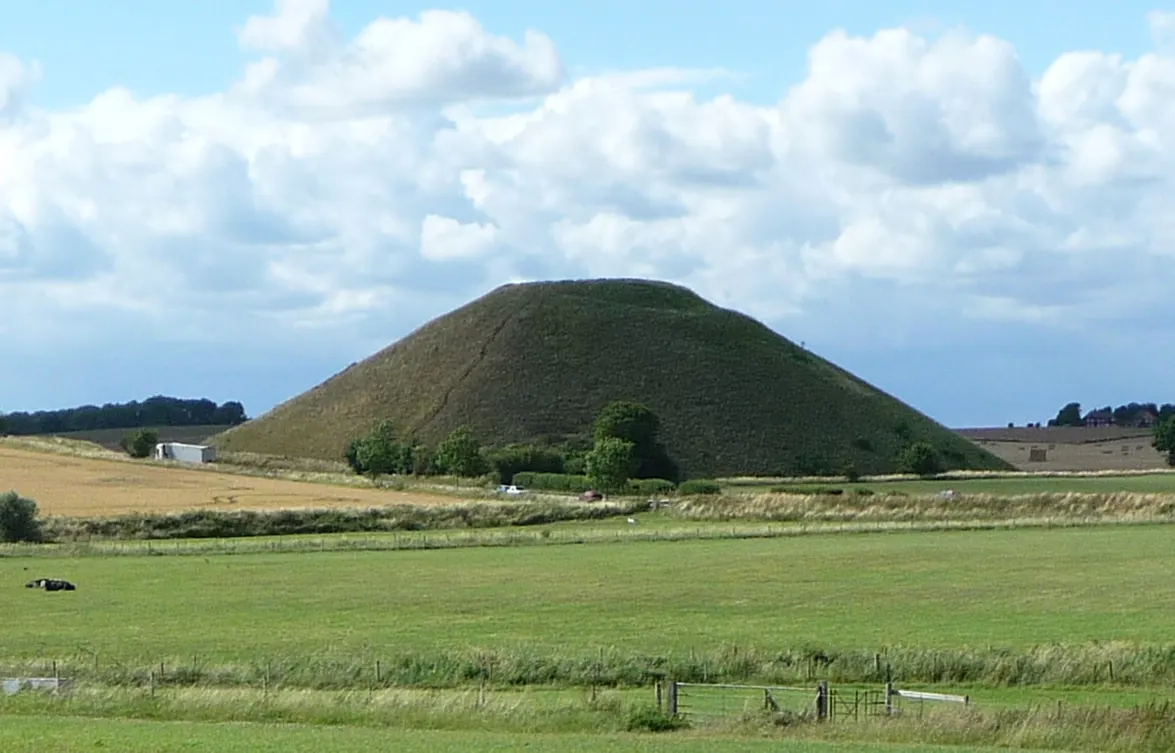
The largest man-made mound in prehistoric Europe — forty metres of earth raised around 2400 BC. Why is unknown: excavation inside found nothing. In this subject it is known for something else: the fields around Silbury and neighbouring Avebury have produced more crop circles since the 1980s than anywhere else on earth. The figures appear overnight, sometimes a hundred metres across, sometimes mathematically elaborate. In 1991 Doug Bower and Dave Chorley demonstrated how they had been making circles with planks and rope since 1978, and the question of origin largely closed. The circles still appear every summer — made openly now, with some of the makers known by name.
Dechmont Law and the Only Criminal Case
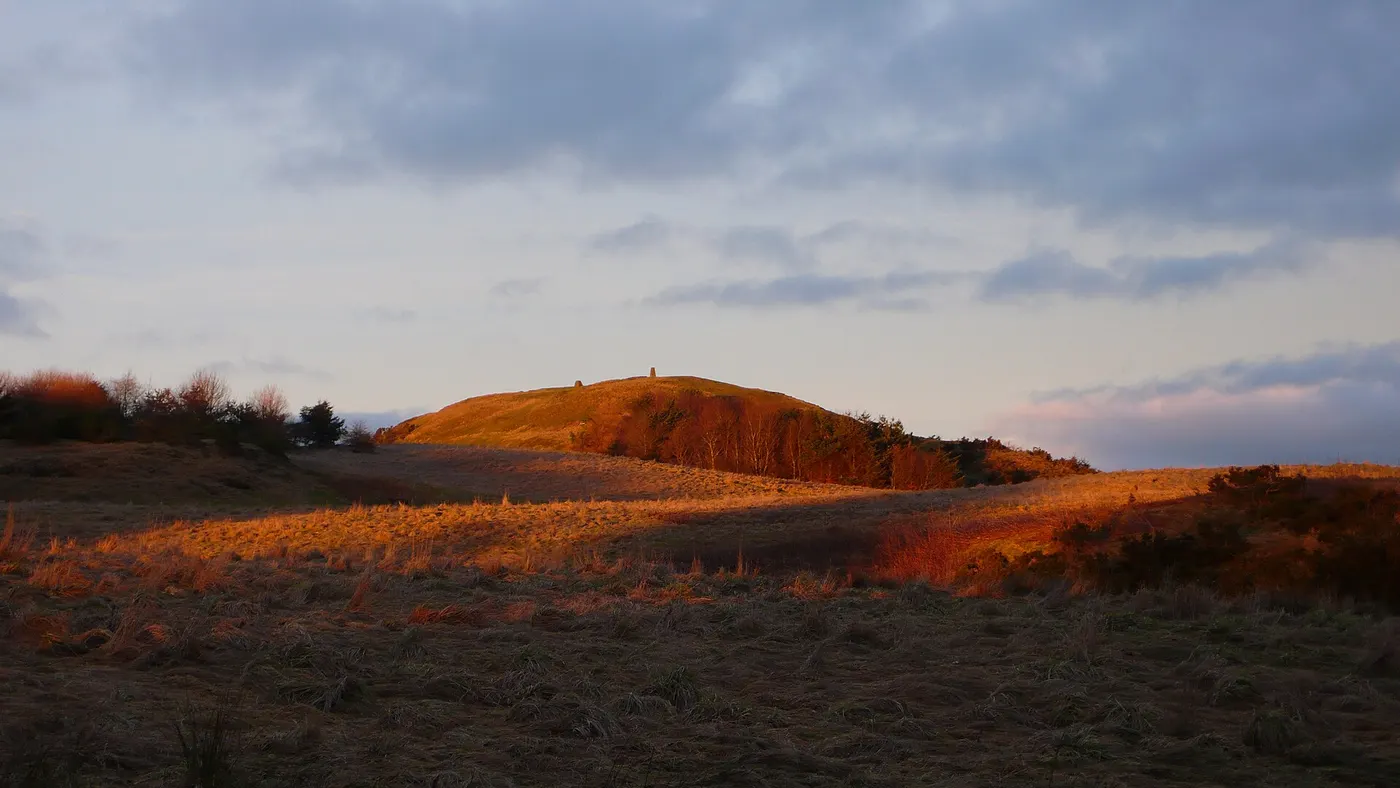
On 9 November 1979 a forestry worker named Robert Taylor walked up this hill outside Livingston and, by his account, came upon a dark spherical object; two spiked balls on legs detached from it, took hold of his trousers and dragged him. He lost consciousness and came round alone, with his trousers torn and grazes on his chin. Lothian and Borders Police opened a criminal case of assault — the only known instance of a UFO encounter investigated as a crime. It has never been closed. Depressions and marks were left in the ground and photographed. Taylor did not drink, had worked in forestry for decades, and never changed the account. A plaque stands at the spot.
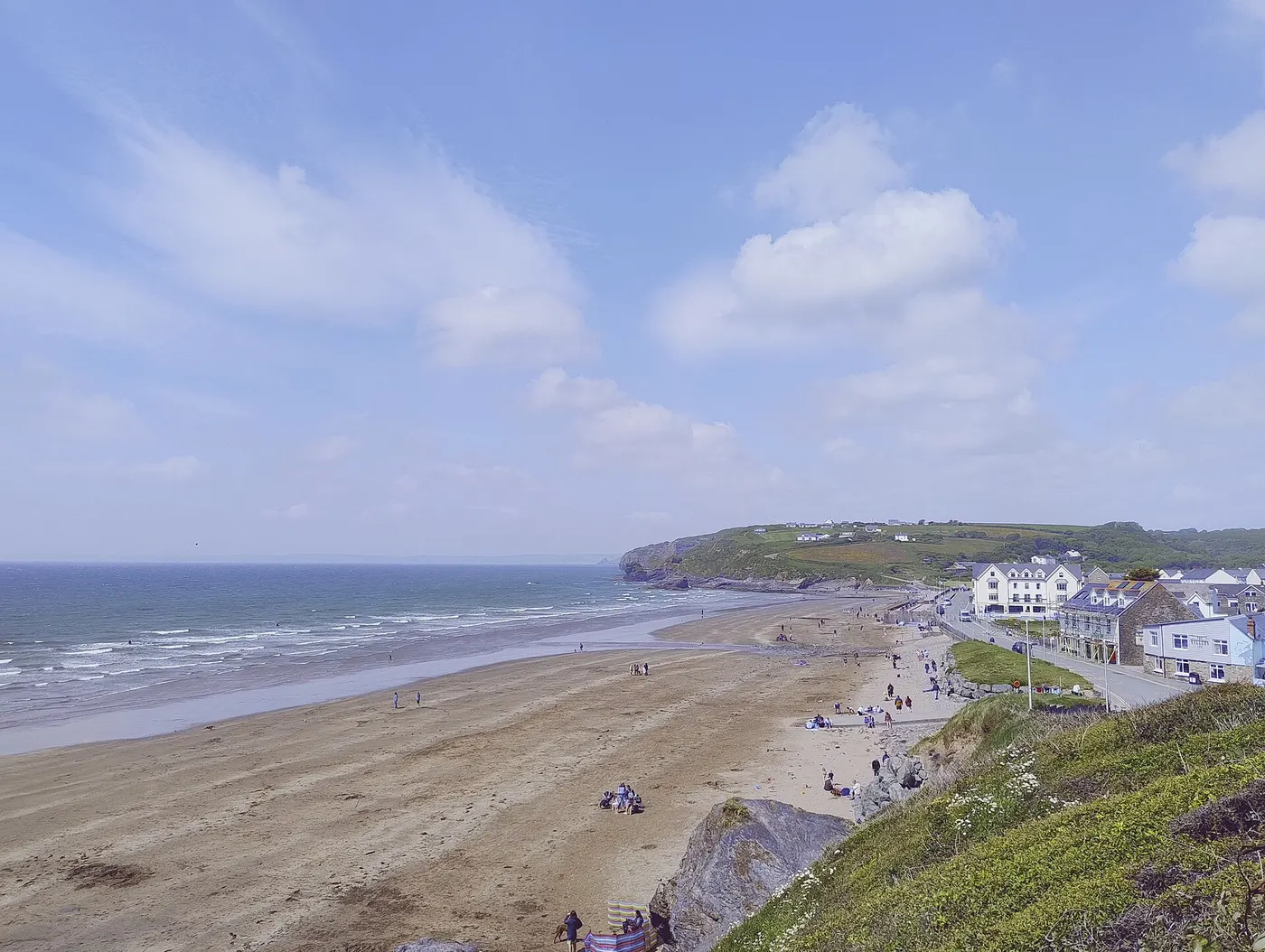
Broad Haven and the Schoolchildren's Drawings
On 4 February 1977 a group of primary school pupils in this Pembrokeshire village saw a silver object with a dome in the field beyond the fence during break. Their headmaster, not believing them, sat them apart and told them to draw what they had seen. The drawings matched. Over the following months west Wales produced so many reports that the period was called the Dyfed Triangle: lights, figures in suits by farmhouses, cattle unsettled. The Ministry of Defence received complaints and replied that there was no threat to the country. Part of the wave was later put down to trials and exercises in the area, and part to newspaper excitement that fed itself that year.
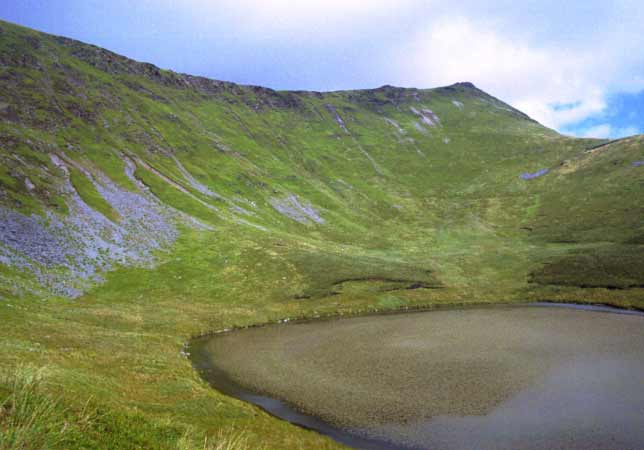
The Berwyns and the Welsh Roswell
On the evening of 23 January 1974 the ground shook in the Berwyn mountains of north Wales and lights were seen on the hillside. People assumed an aircraft had come down; police, a nurse and mountain rescue climbed in the dark and found nothing. Over the years the story acquired military lorries carrying containers away, and the nickname the Welsh Roswell. Seismic records show a real earthquake of about magnitude 3.5 that evening, and the lights fit well with a bright fireball seen across northern Britain in the same minutes. The coincidence of two events in one evening produced everything else.
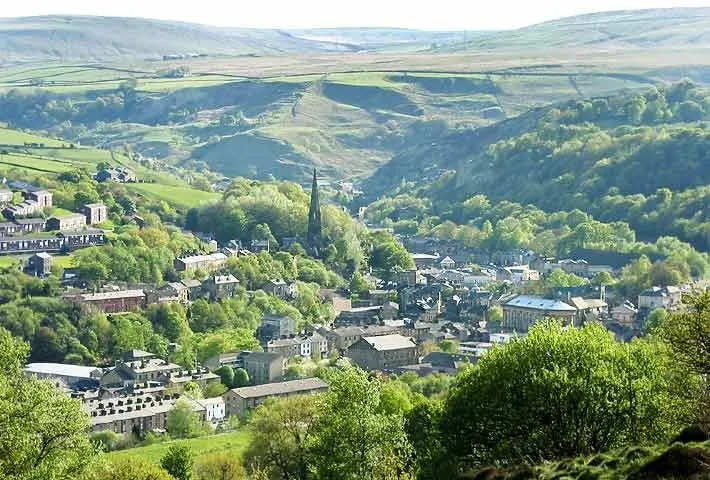
Todmorden and PC Godfrey's Missing Time
On 28 November 1980 PC Alan Godfrey was looking for stray cattle in this Yorkshire town when, by his report, he saw a rotating diamond-shaped object across Burnley Road. The next thing he remembered was driving on down the same road with a quarter of an hour missing from the clock. A dry patch was left on the tarmac on a wet night. Godfrey filed an official report and later described, under hypnosis, being examined inside a craft. The police distanced themselves from the story, and his career ended there. Six months earlier the body of a miner, Zygmunt Adamski, had been found nearby in circumstances the coroner called inexplicable; the literature links the two cases, though nothing supports the link.

Warminster and the Thing
At Christmas 1964 people in this Wiltshire town began complaining of a strange noise — a low drone and crackle that shook roofs. The local paper called it the Thing, and that was the beginning. By 1965 hundreds were climbing Cley Hill above the town every night with flasks and binoculars; on the best weekends five thousand came. Warminster became Britain's first place of UFO tourism, decades before crop circles. The noise most likely came from the Salisbury Plain training area, which begins a couple of kilometres away. The lights over the hill were attributed to everything from signal flares to planets, and never entirely explained.
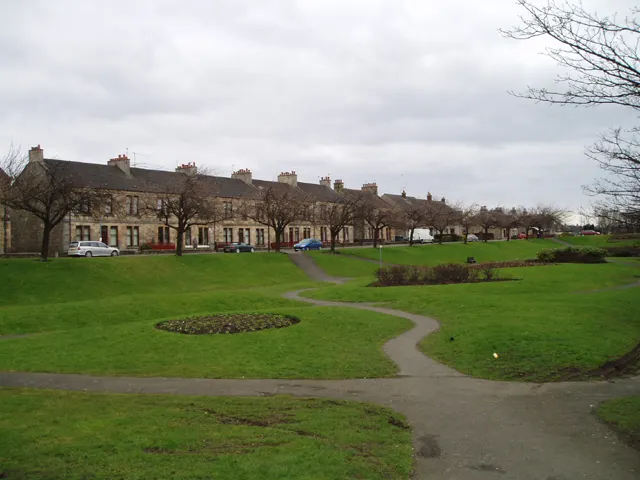
Bonnybridge and the Falkirk Triangle
A town in central Scotland where the local authority has logged around three hundred reports of unidentified objects a year since 1992 — per head of population, probably the densest rate in the world. The wave began with one businessman's sighting and spread far enough that councillor Billy Buchanan raised it in the Scottish Parliament and pressed for a government investigation. The town came to be called the centre of the Falkirk Triangle. Explanations have been offered: approach corridors for Edinburgh and Glasgow airports pass nearby, as does a military range. None of them explains why the flow of reports here is so much higher than in neighbouring towns under the same corridors.
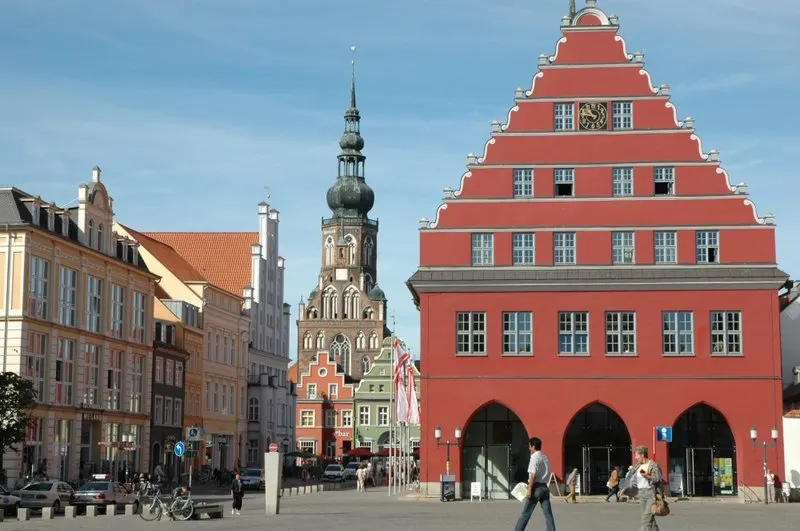
Greifswald and the Lights over the Bay
On the evening of 24 August 1990 a group of bright lights arranged in an arc hung over the Bay of Greifswald on the Baltic coast for several hours. Hundreds of people saw them from both sides of the water, and at least five filmed them — remarkable for the time and the place: East Germany had weeks left to exist. The recordings were examined by investigators and by the military. The likeliest explanation is a Soviet army exercise with parachute flares over the Peenemünde range; some of the footage fits it, and some — by timing and altitude — does not. The footage remains one of the longest amateur video records of the phenomenon in Europe.
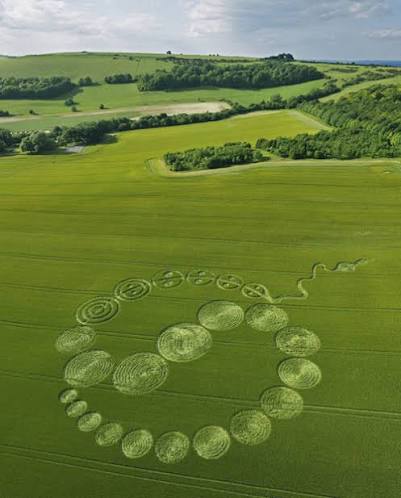
Wylatowo and the Crop Circles
Wylatowo is a small agricultural village in Mogilno County, Kuyavian-Pomeranian Voivodeship, north-central Poland. During the first half of the 2000s (2000–2005), this tranquil farming settlement unexpectedly earned renown as the "Polish Roswell" and Europe's capital of agro-glyphs following the recurring appearance of massive geometric crop circles and pictograms across local wheat and rye fields, prompting multi-year ufological vigils, automated camera monitoring towers, and national media debates.

Emilcin and the Farmer's Monument
The Emilcin UFO Monument (Pomnik UFO w Emilcinie) is Poland's sole official public monument dedicated to extraterrestrial contact, situated at the forest edge near the rural village of Emilcin, Lublin Voivodeship. The memorial commemorates the "Emilcin Abduction" of May 10, 1978—the most famous and meticulously documented close encounter and alleged alien abduction in the former Eastern Bloc, centered on 71-year-old local farmer Jan Wolski.
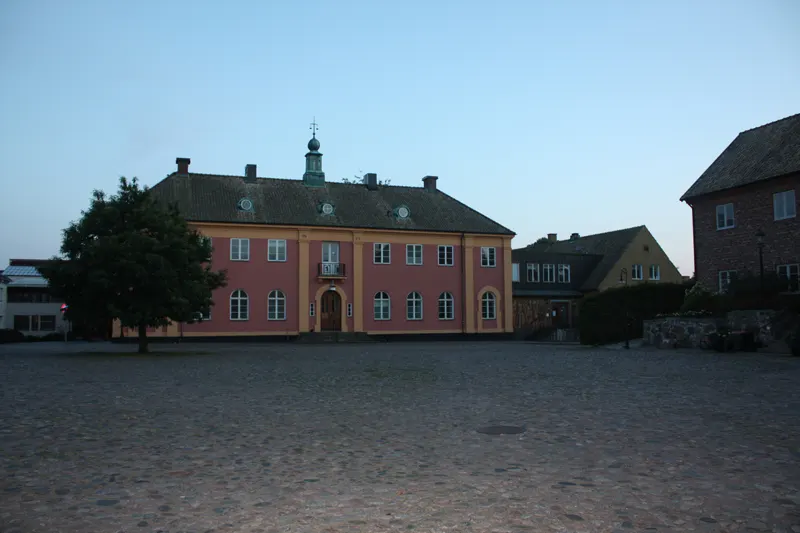
Ängelholm and the Monument to a Landing
On 18 May 1946 a Swedish businessman named Gösta Carlsson said he came upon a disc-shaped craft and its crew in the woods outside this town. He later maintained that what he learned there helped him develop an allergy remedy, on which he built his fortune. In 1972 Carlsson erected a concrete monument on the spot — a circle with an account of the event. It is still there, and appears to be the only monument in the world put up at his own expense by the witness of his own encounter. 1946 in Sweden was the year of the ghost rockets: that summer the country collected some two thousand reports of projectile-like objects, and a proportion of them are unexplained still.
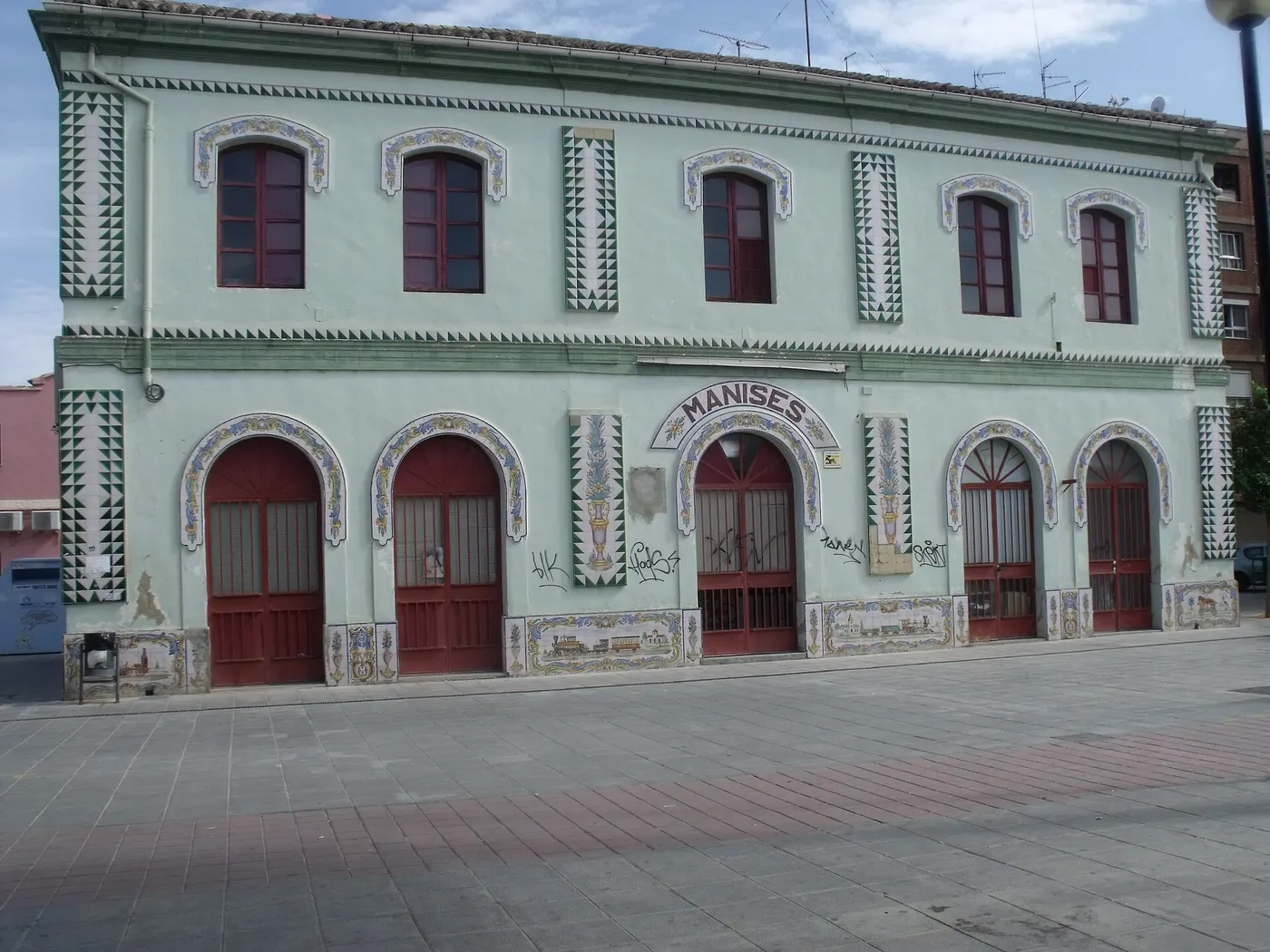
Manises and the Unscheduled Landing
On the evening of 11 November 1979 a TAE Supercaravelle from Mallorca to Tenerife was over the Mediterranean when the crew saw red lights closing on them. Captain Javier Lerdo de Tejada judged the approach dangerous, altered course twice, and finally put the aircraft down at Manises airport near Valencia — with 109 passengers aboard. The Spanish Air Force scrambled a Mirage; the pilot reported seeing the lights and that his radar would not hold the target. The ground radar at Valencia did record a return. Spain declassified the file in the 1990s. The official explanation is the flare of an oil refinery combined with an optical illusion; the crew did not accept it.
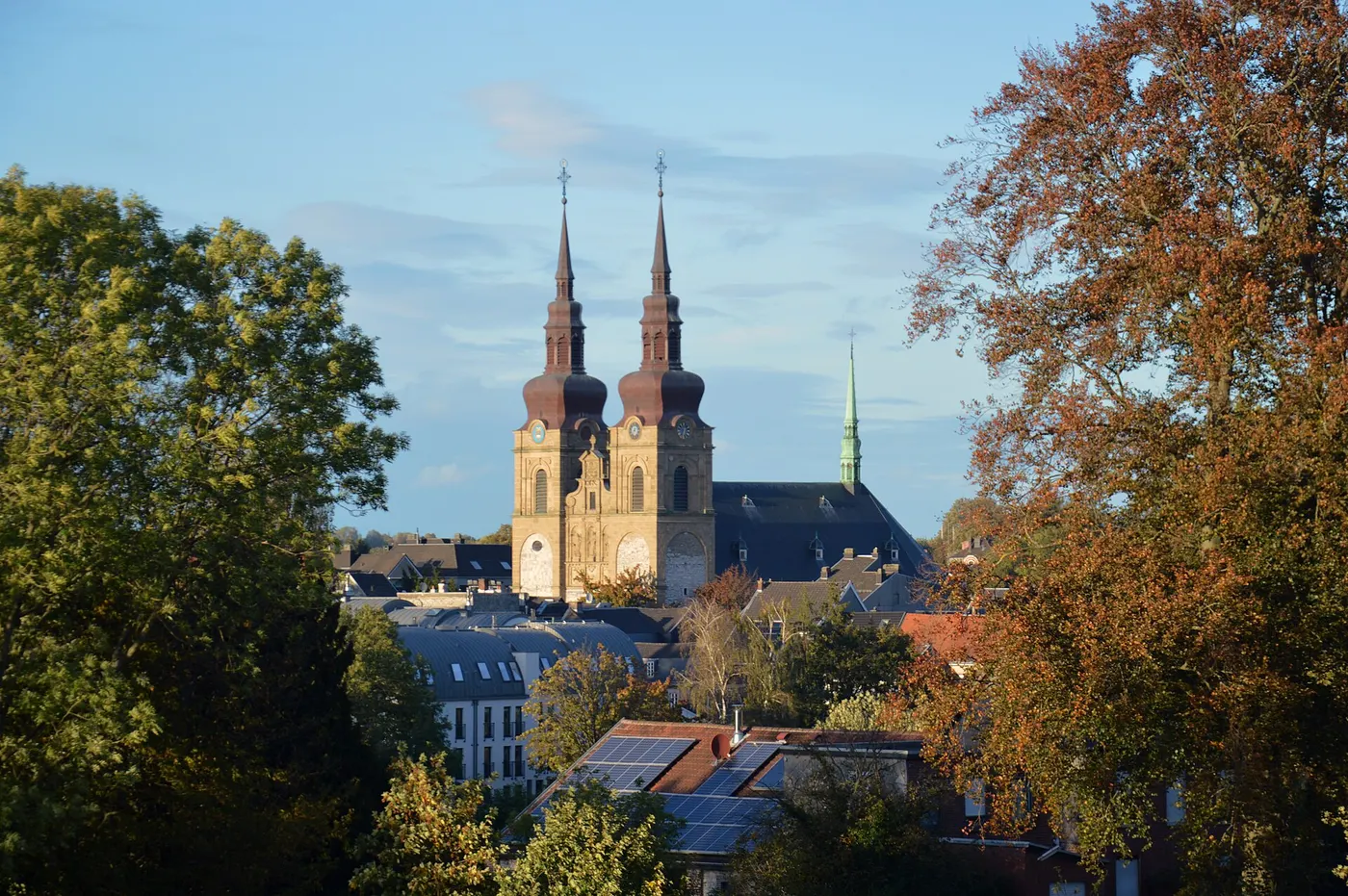
Eupen and the Belgian Wave
On 29 November 1989 two gendarmes on a road outside this town in German-speaking Belgium stopped in front of a large triangular object with three lights at its corners and a searchlight beam pointing down. It moved over the forest more slowly than an aircraft can fly, and without sound. Over the next year and a half more than two thousand reports with the same description were collected across the country. On the night of 31 March 1990 the Belgian Air Force scrambled two F-16s on ground radar data; their onboard radars locked on to a target that broke lock with accelerations beyond what the aircraft could follow. The Belgian Air Force made the material public — a rare piece of openness. No explanation was ever found.
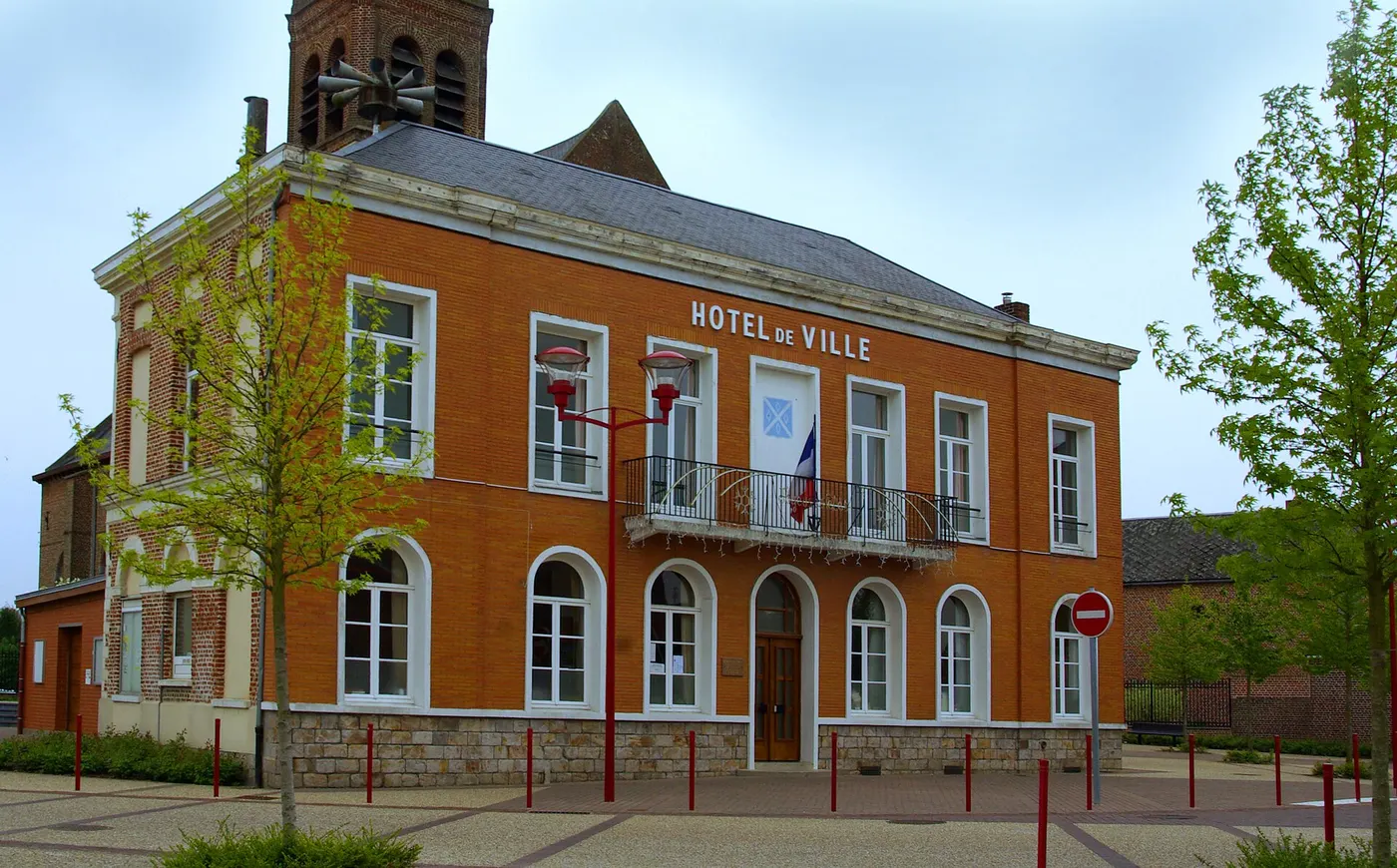
Quarouble and the Sleepers That Had to Be Replaced
On the night of 10 September 1954 a metalworker named Marius Dewilde went out to his barking dog in the yard of his house by the railway embankment near this village in northern France and, by his account, saw a dark mass on the track and two small beings in something like diving suits. A beam from the mass, he said, held him still for a minute. The next day gendarmes and railwaymen found depressions in the sleepers; a calculation from the strength of creosoted oak gave a load of thirty tonnes over a few square centimetres. Five sleepers were replaced. It is the first widely investigated case in France and the beginning of the French school of the subject.
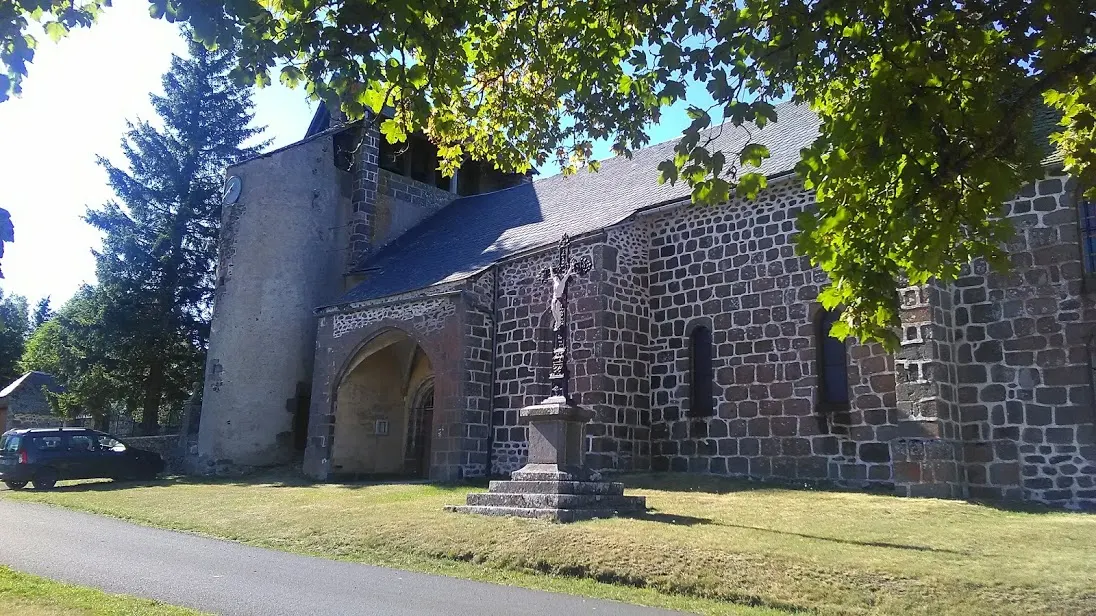
Cussac and the Four in the Field
On 29 August 1967 two children, thirteen-year-old François and nine-year-old Anne-Marie Coüetin, were minding cows near this village in the Cantal when, by their account, they saw four small dark figures beyond a hedge and a sphere some five metres across. The figures rose into the air and were drawn into the sphere, which went up with a whistle and a smell of sulphur. The gendarmerie questioned the children separately the same day; their accounts agreed on details that are hard to arrange between them. Their father noticed the same smell at the spot, and the dog would not go near the hedge. The case entered the French official statistics as unexplained and is still there.