All places
The full catalogue of approved places — abandoned buildings, anomalous zones, UFO sightings. Sort by rating, recency or discussion, and narrow it by category.
494 places
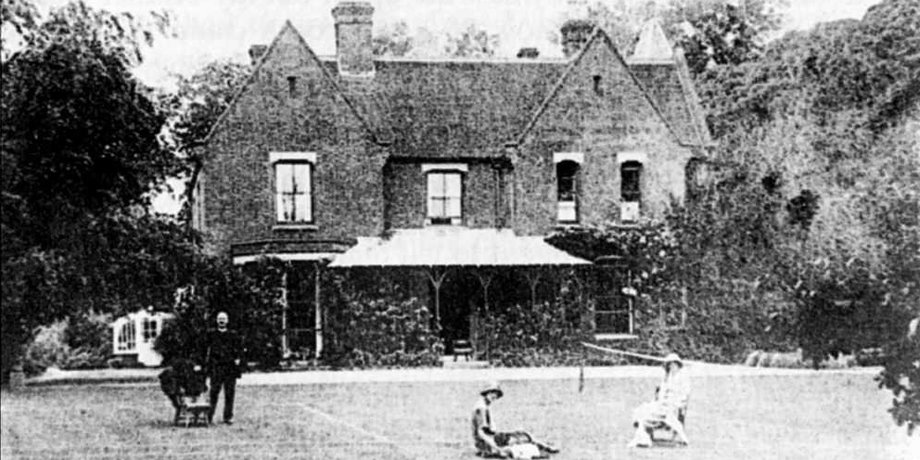
Borley, 'the Most Haunted House in England'
Borley Rectory was a demolished Victorian parish house located in the rural civil parish of Borley in Essex, southeastern England, near the River Stour. Erected in the mid-19th century in an imposing red-brick High Victorian Gothic style, the residence achieved international fame during the 1930s and 1940s through the publicized investigations of paranormal researcher Harry Price, who branded it across British tabloids and bestsellers as "The Most Haunted House in England."
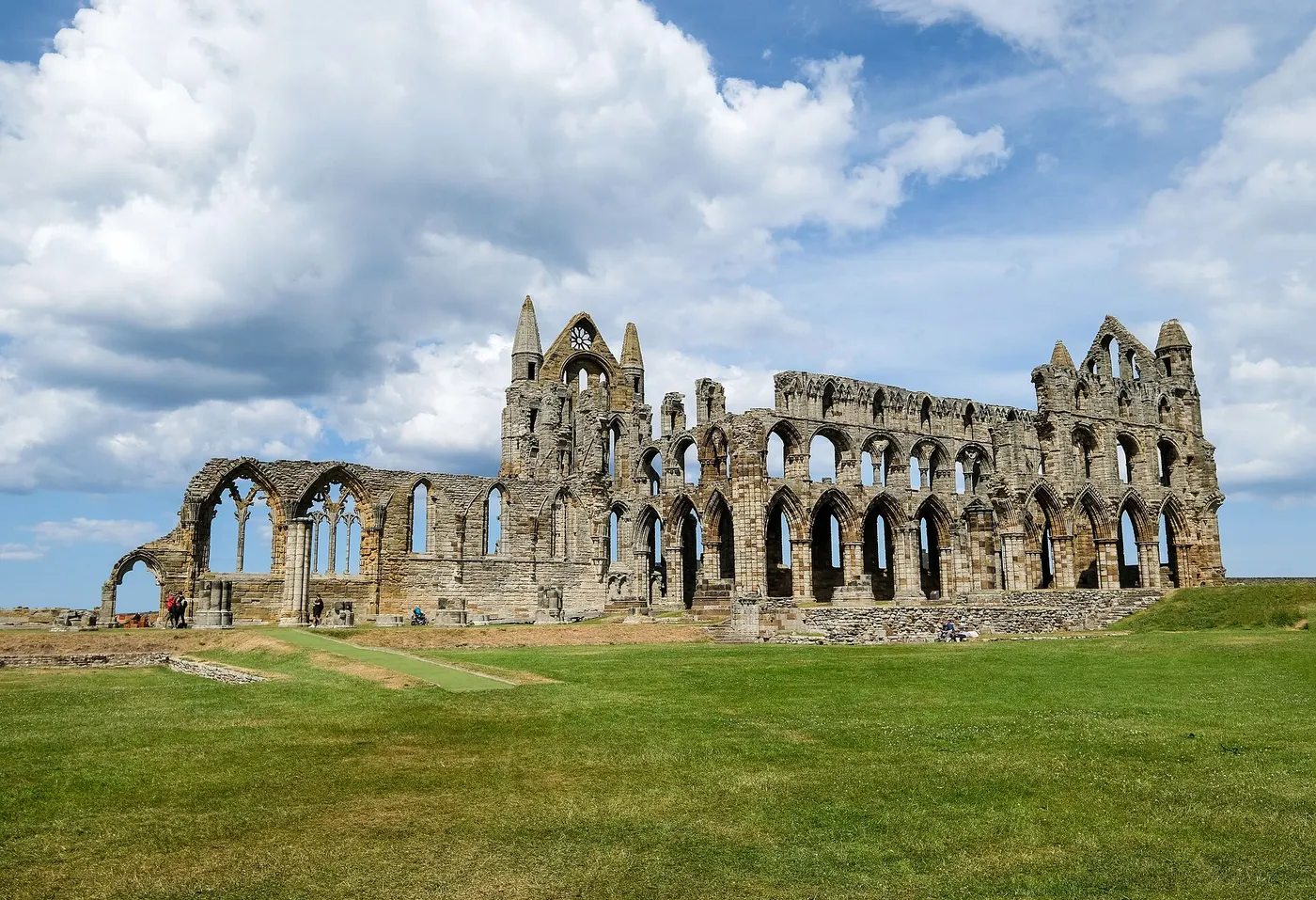
Whitby Abbey
The ruins of a Benedictine abbey on a cliff above the North Sea, where Bram Stoker spent a holiday in 1890 and found the name of the Wallachian prince Dracula in the local library. In the novel it is here that the Demeter runs aground and the count, in the shape of a black dog, bounds up the hundred and ninety-nine steps to the church. The steps are real, the abbey is real, and one of Europe's largest goth festivals gathers in Whitby every year.
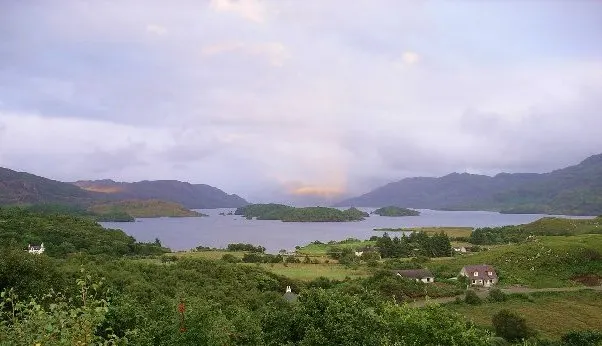
Loch Morar and Morag
The deepest freshwater lake in the British Isles — over a thousand feet, deeper than Loch Ness. A creature called Morag appears in local accounts from 1887. The best-known incident is from 1969, when two fishermen said something some thirty feet long struck their boat and one of them fired a rifle at it. The statement was made to police and recorded.
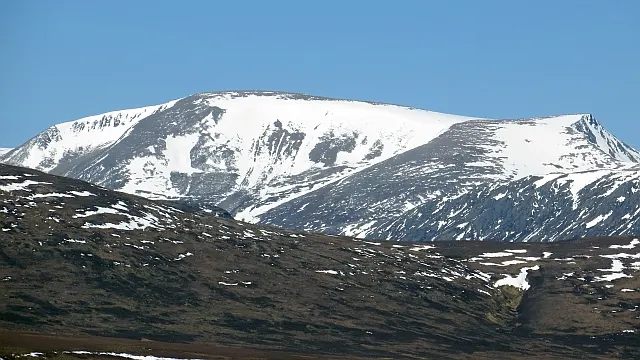
Ben Macdui and the Fear Liath Mòr
Britain's second-highest mountain, where experienced climbers have reported the same thing since the early twentieth century: a sense of presence, the sound of footsteps following in mist, and a panic that drives them down. Professor Norman Collie described his own experience publicly in 1925, at real risk to his reputation. The thing is called the Big Grey Man; an explanation involving echoes and the Brocken spectre exists, and does not convince those it has happened to.
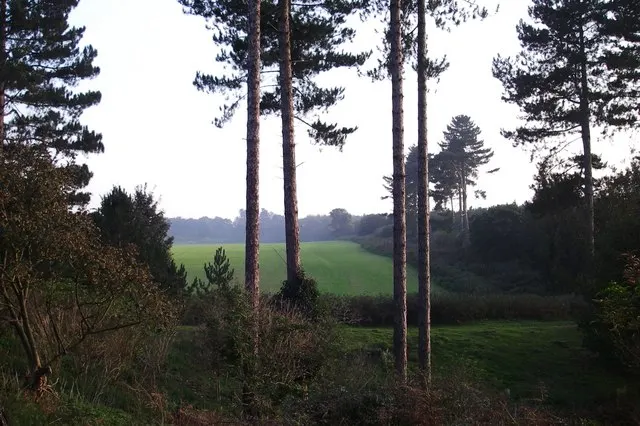
Rendlesham Forest
A Suffolk forest between two US air force bases where, over three nights in December 1980, servicemen reported lights and a landed object three times. The deputy base commander, Charles Halt, recorded events on a dictaphone in the forest itself and filed an official memorandum, later declassified. The Ministry of Defence stated there was no defence significance and the investigation ended there. It is called Britain's Roswell.
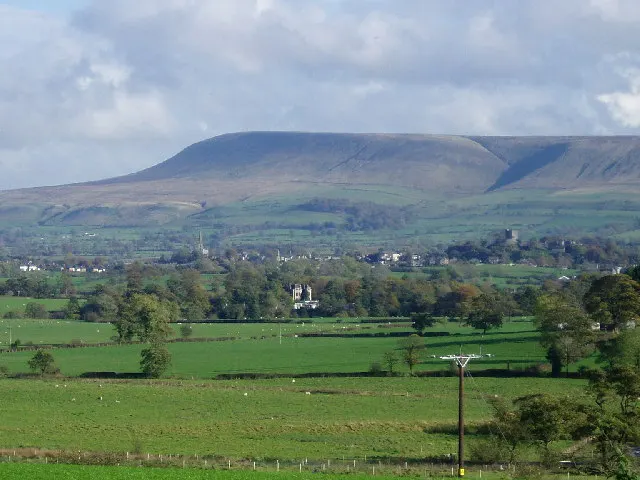
Pendle Hill
A Lancashire hill beneath which the most famous English witch trial took place in 1612: twelve accused, ten hanged, charges of ten murders by witchcraft. Much of the evidence came from a nine-year-old girl testifying against her own family. Thousands climb to the summit every Hallowe'en, and Lancashire police ask them not to every year.
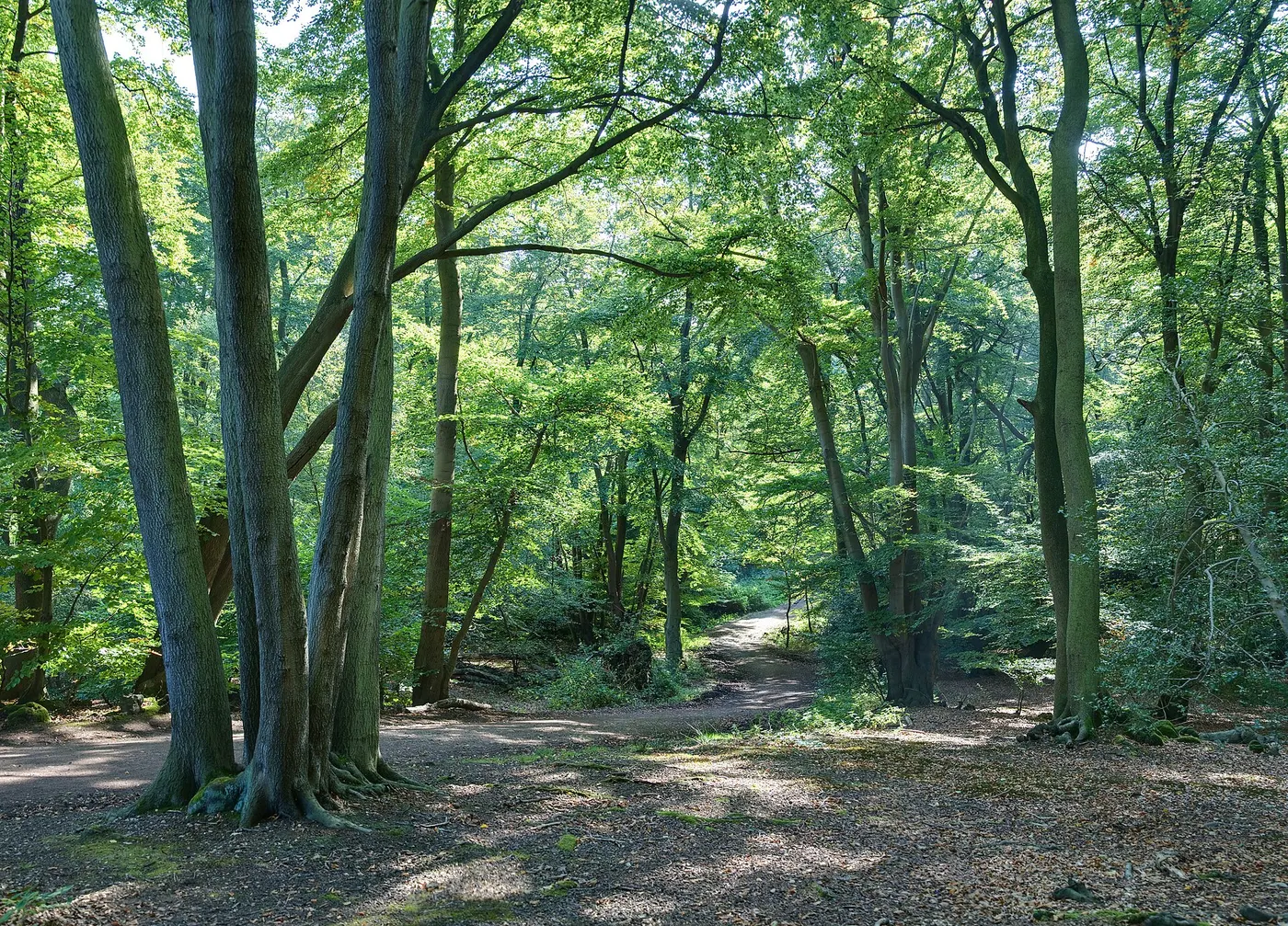
Epping Forest
An ancient forest on the boundary of London and Essex, once a highwaymen's refuge — an inn here carries Dick Turpin's name. Over the last century it became known for something else: bodies have been brought here for generations. Police have recovered the remains of several murder victims in it, and the forest has a reputation that makes accounts of figures between the trees sound more plausible than they should.
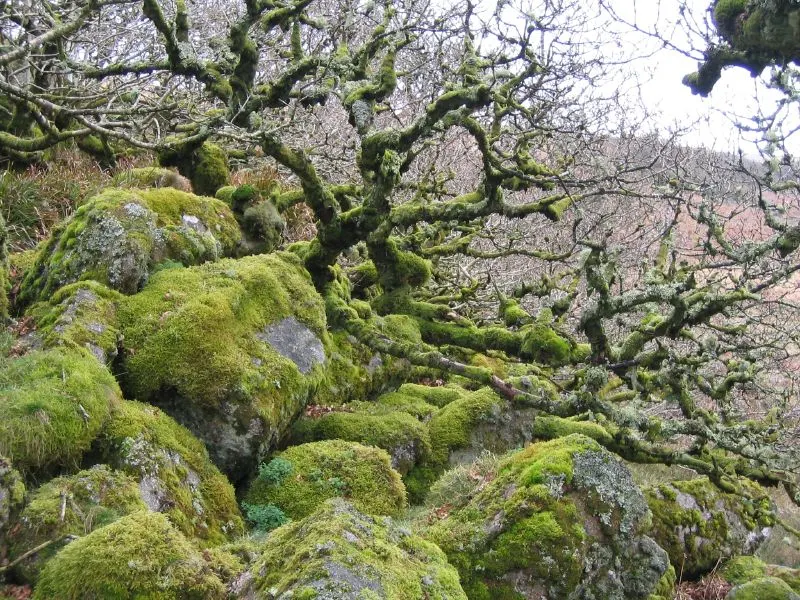
Wistman's Wood
A tiny grove of dwarf oaks on Dartmoor, growing straight out of granite boulders and covered entirely in moss and lichen. The trees are wind-twisted past recognition and there are gaps between the stones deep enough to swallow a person. The name is traced to the dialect word wisht — eerie, enchanted. It is thought to be one of the last remnants of the forest that covered Dartmoor before the Bronze Age.
Dartmoor
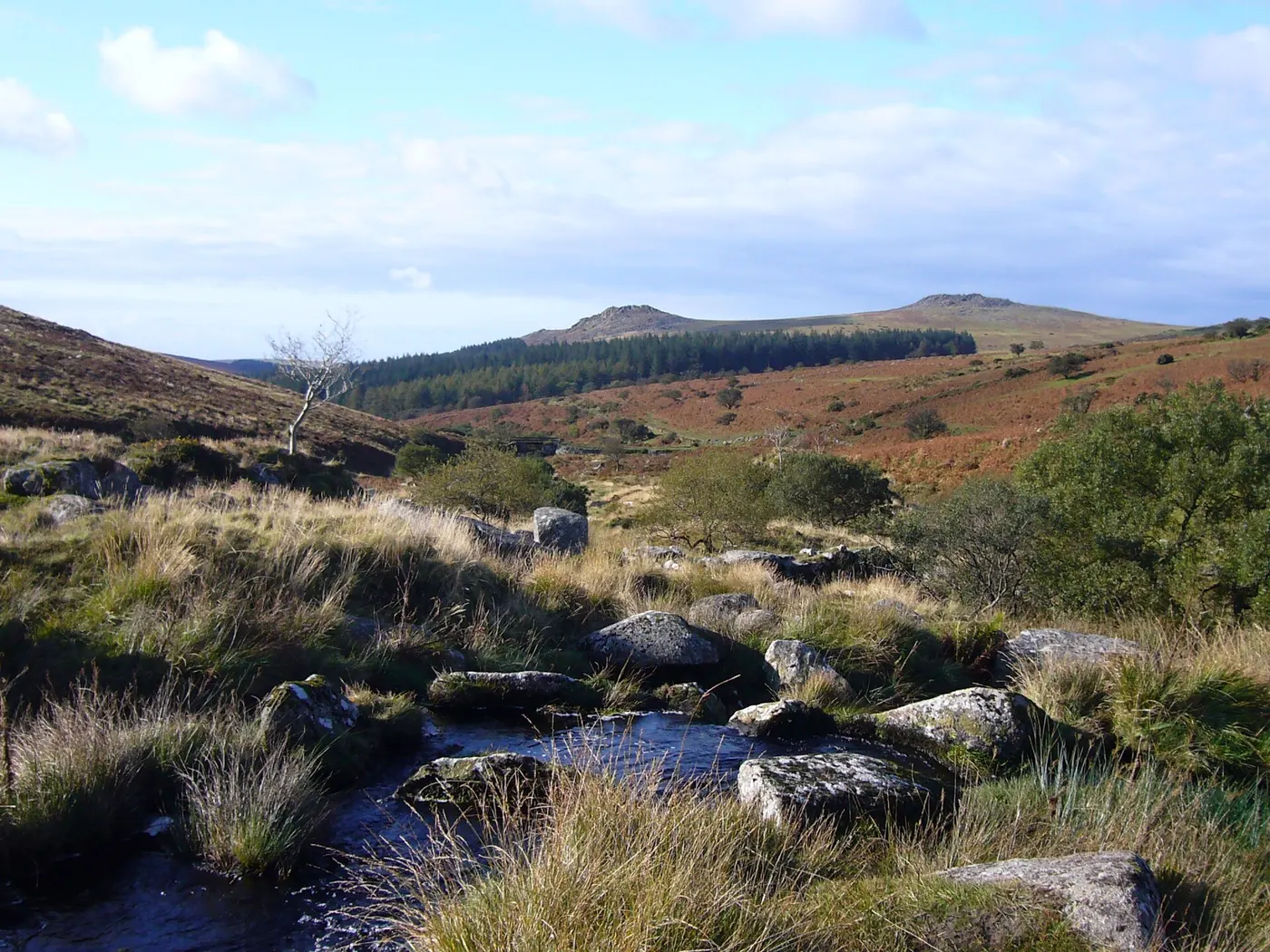
The Devon moor that gave Conan Doyle The Hound of the Baskervilles: he heard here the tradition of Richard Cabell, a seventeenth-century squire whose coffin was said to have been followed by a pack of spectral hounds. They are called the Wisht Hounds and are still described along the old track. A separate story concerns the Hairy Hands on the B3212, which motorcyclists say grab at the handlebars.
Bodmin Moor and Its Beast
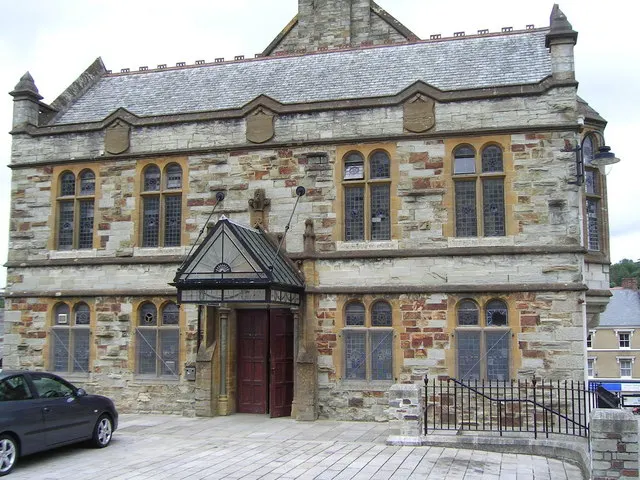
A granite moor in Cornwall where, from 1978, farmers lost livestock to wounds vets called uncharacteristic of dogs. Witnesses described a large black cat. In 1995 the Ministry of Agriculture ran a formal investigation and concluded there was no evidence of a big cat; a week later a schoolboy found a skull on a riverbank that proved to be a leopard's — though it had come from an imported rug.

Cannock Chase
Fifteen hundred hectares of heath and forest in Staffordshire where, in recent decades, everything has been reported at once: black cats the size of pumas, a "werewolf" seen near the German war cemetery, and a figure with burning eyes. The county police take such calls regularly and log them. An unsolved series of child murders in the 1960s adds its own layer to the reputation.
Chan Chan
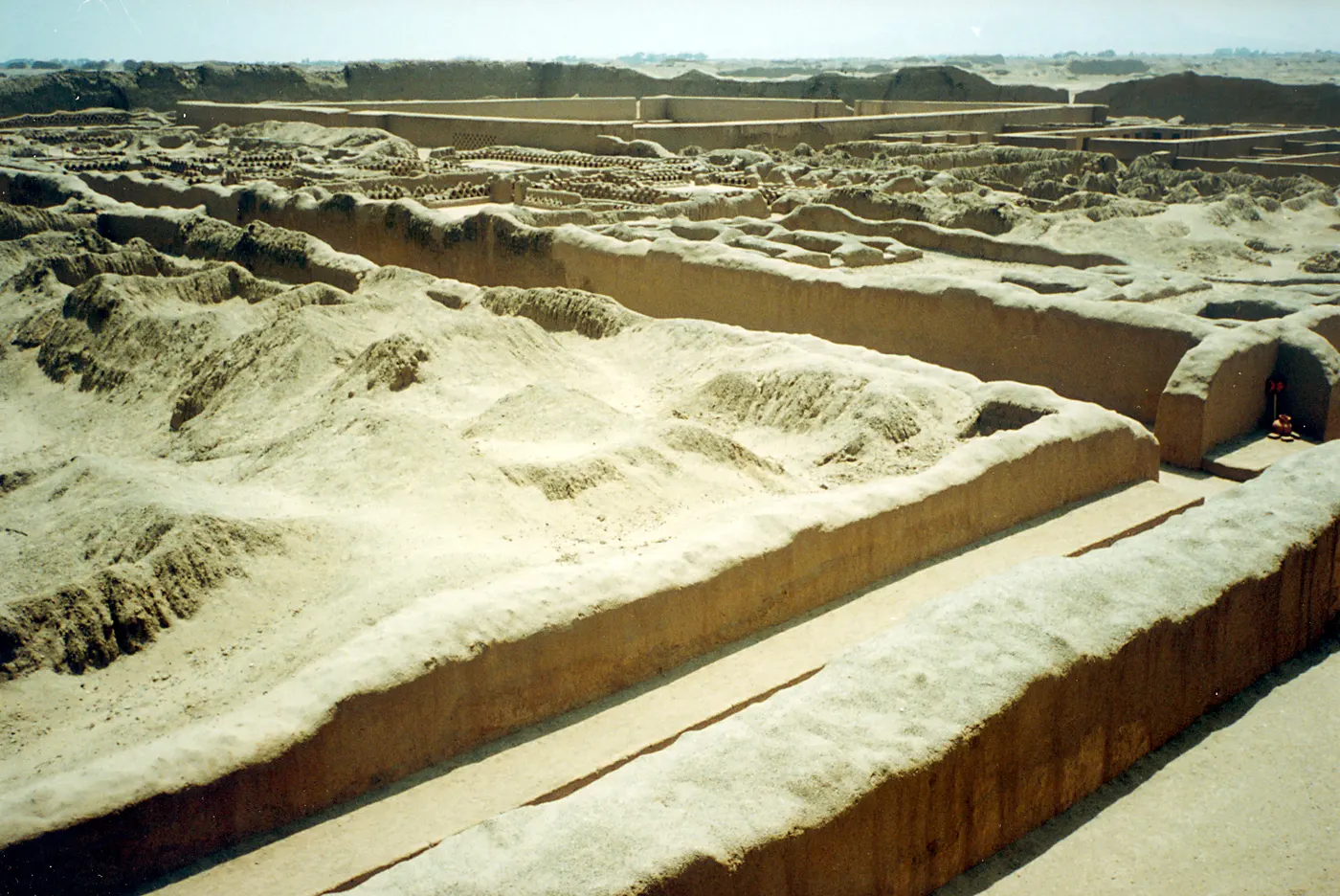
The largest adobe city in the world: twenty square kilometres of mudbrick walls, capital of the Chimú kingdom until the Inca took it around 1470. The walls carry reliefs of sea creatures and waves. In 2018 a burial was found here containing the remains of more than a hundred and forty children and two hundred llamas — the largest known child sacrifice in history, made, judging by the silt layers, during a flood.
Ciudad Perdida
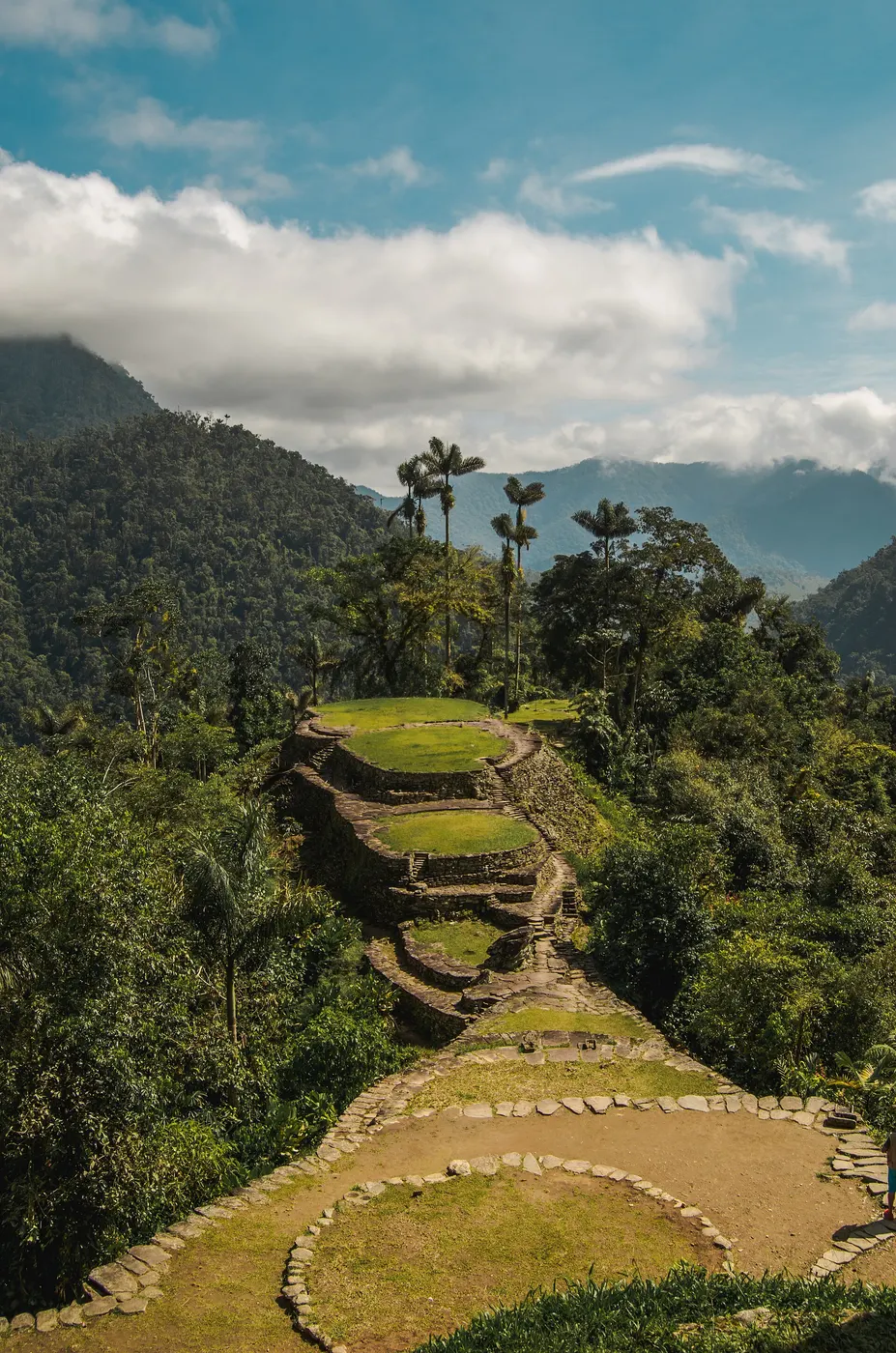
A Tairona city in the Colombian Sierra Nevada, founded around 800 AD — six and a half centuries before Machu Picchu. Abandoned during the Spanish conquest and found again only in 1972, by grave robbers who came upon twelve hundred steps climbing through the jungle. The Kogi peoples living nearby consider themselves its keepers and say they never lost it.
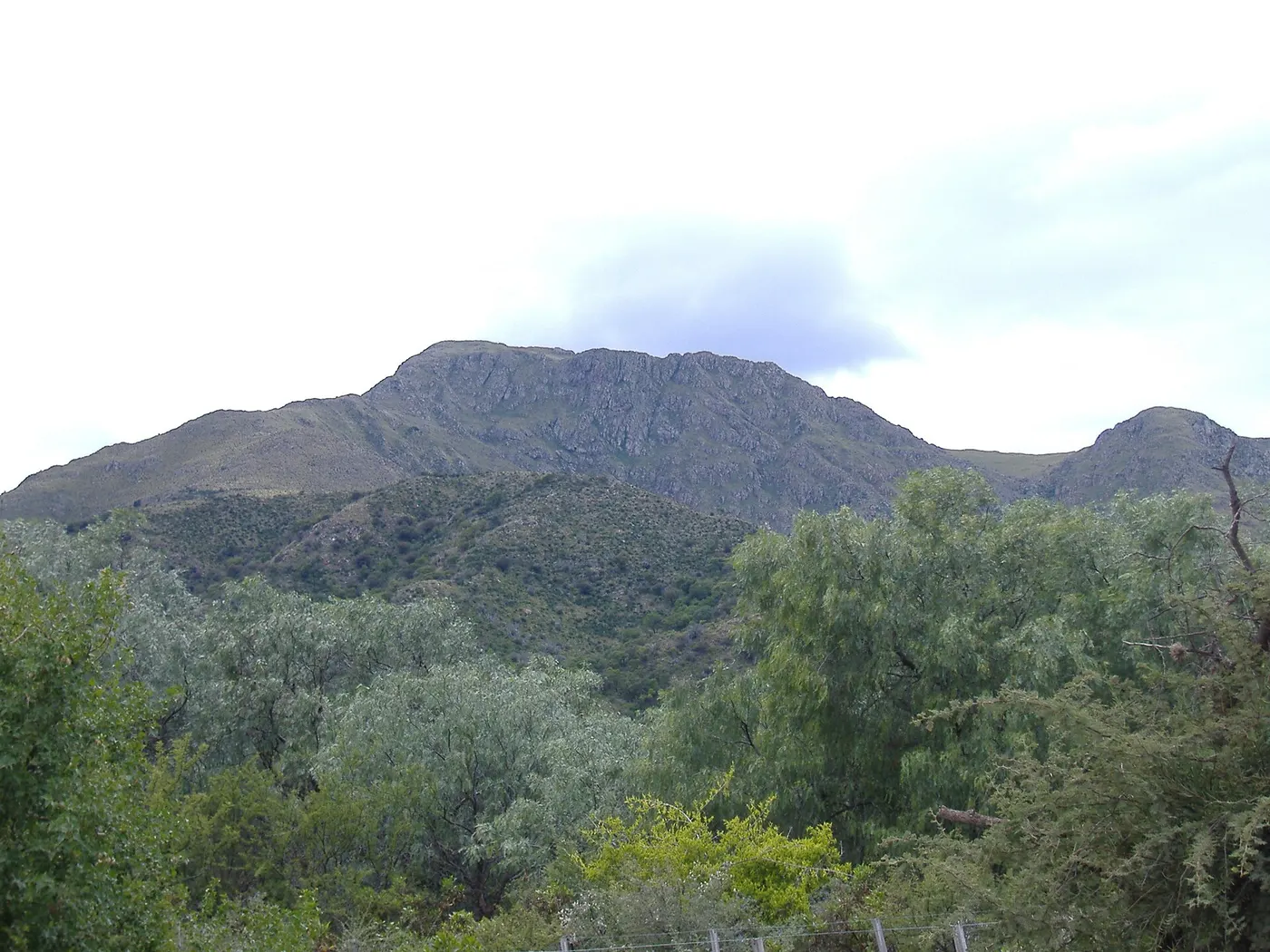
Cerro Uritorco
A mountain in the Argentine province of Córdoba, the main site of UFO pilgrimage in Latin America. In January 1986 a scorched oval some hundred and twenty metres long was found on its slope, and never explained. Local esoteric tradition places a hidden underground city, Erks, inside the mountain. Thousands climb it on New Year's Eve to wait for lights.
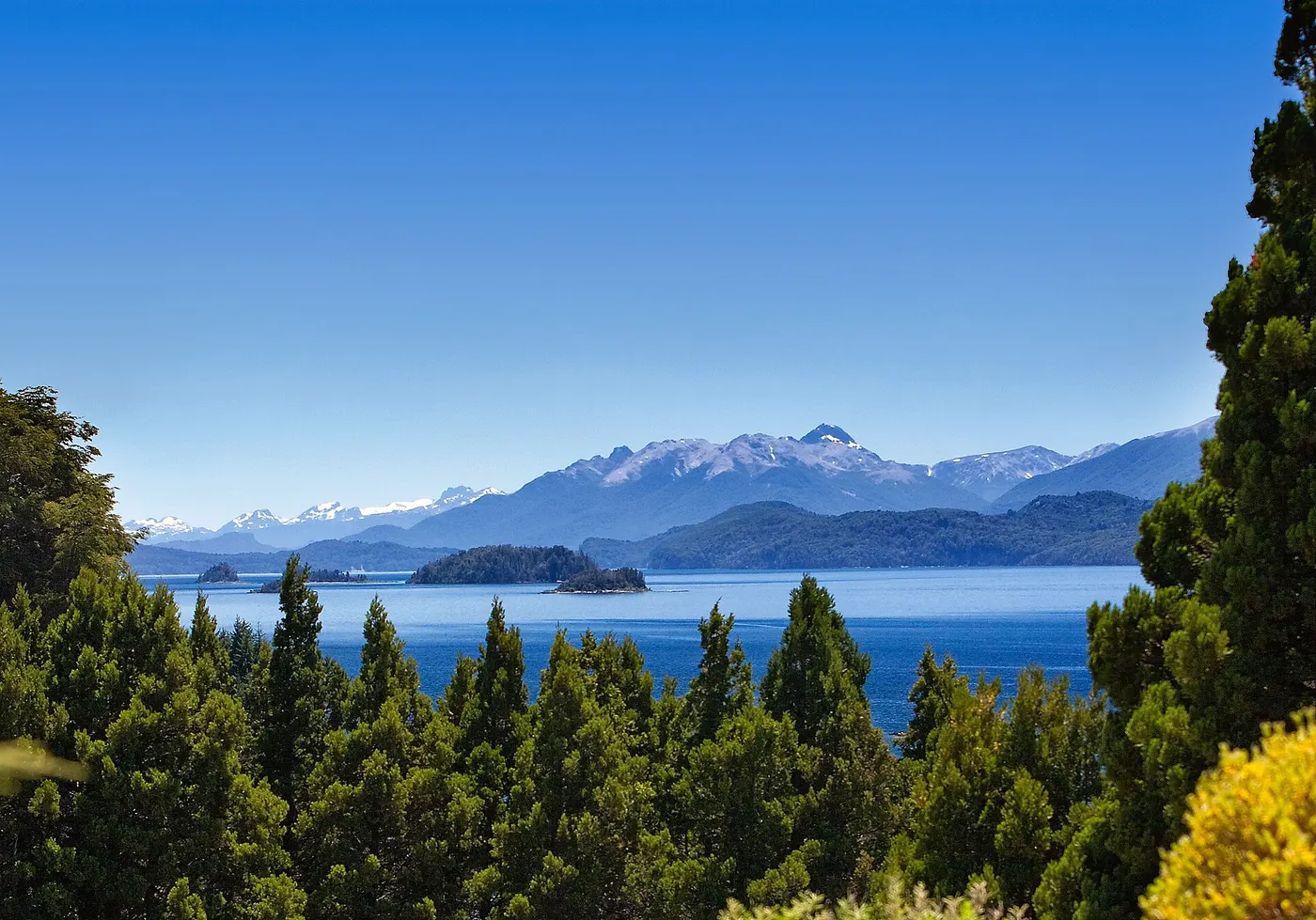
Nahuel Huapi and Nahuelito
A deep glacial lake in Argentine Patagonia where a creature was described long before Loch Ness: the Mapuche were telling the Spanish about it in the eighteenth century. In 1922 the Buenos Aires zoo announced an expedition to find a plesiosaur and the story went round the world. Nahuelito is described as a humped back some fifteen metres long; there are many photographs and not one convincing.
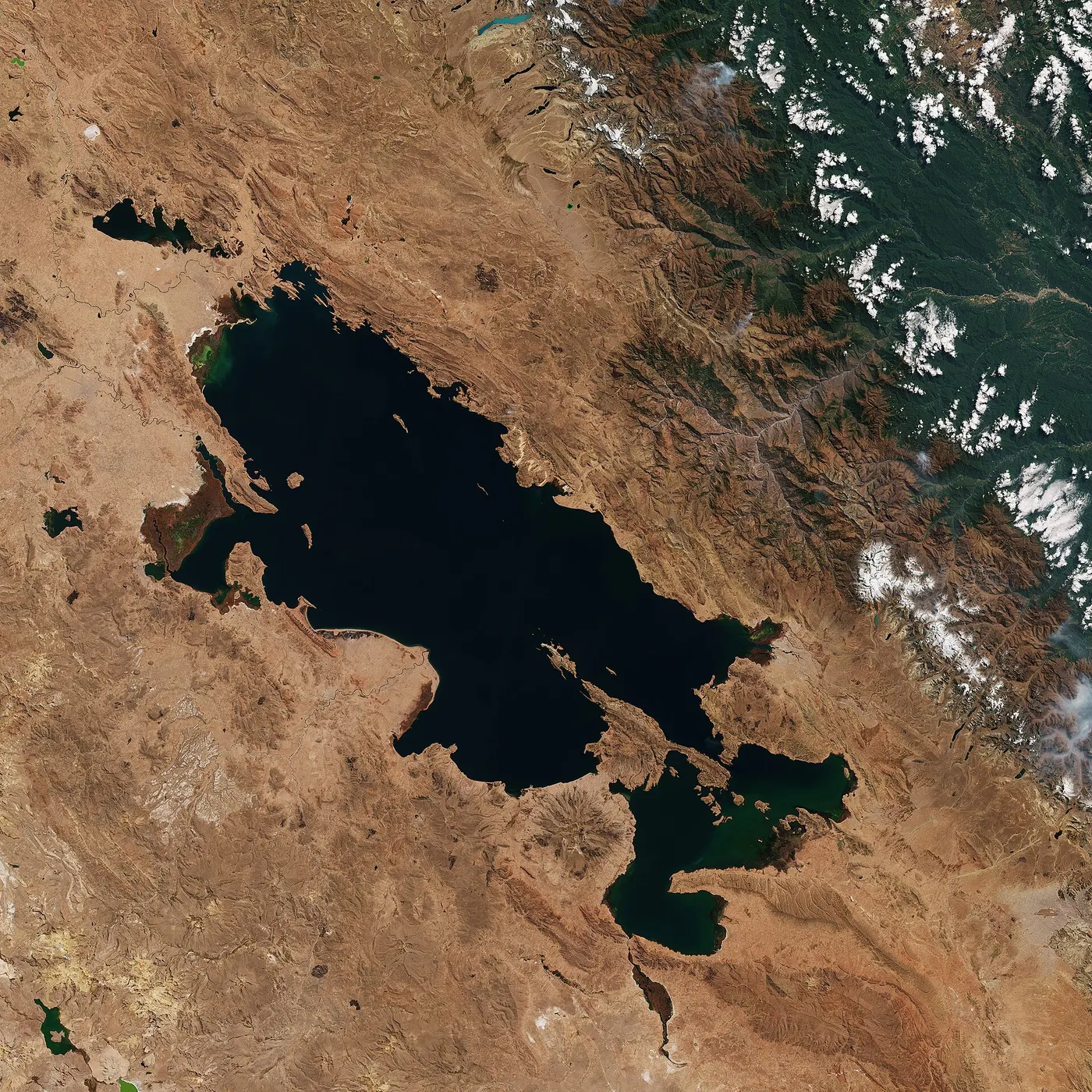
Lake Titicaca
The highest navigable lake in the world, on the Peru–Bolivia border, from which Inca tradition has Manco Cápac emerging to found their empire. In 2000 an underwater expedition found a stone terrace and a wall some eight hundred metres long on the bed near the Island of the Sun — pre-Inca Tiwanaku construction, now submerged. Offerings are still recovered from the bottom: gold figurines, incense, llama bones.
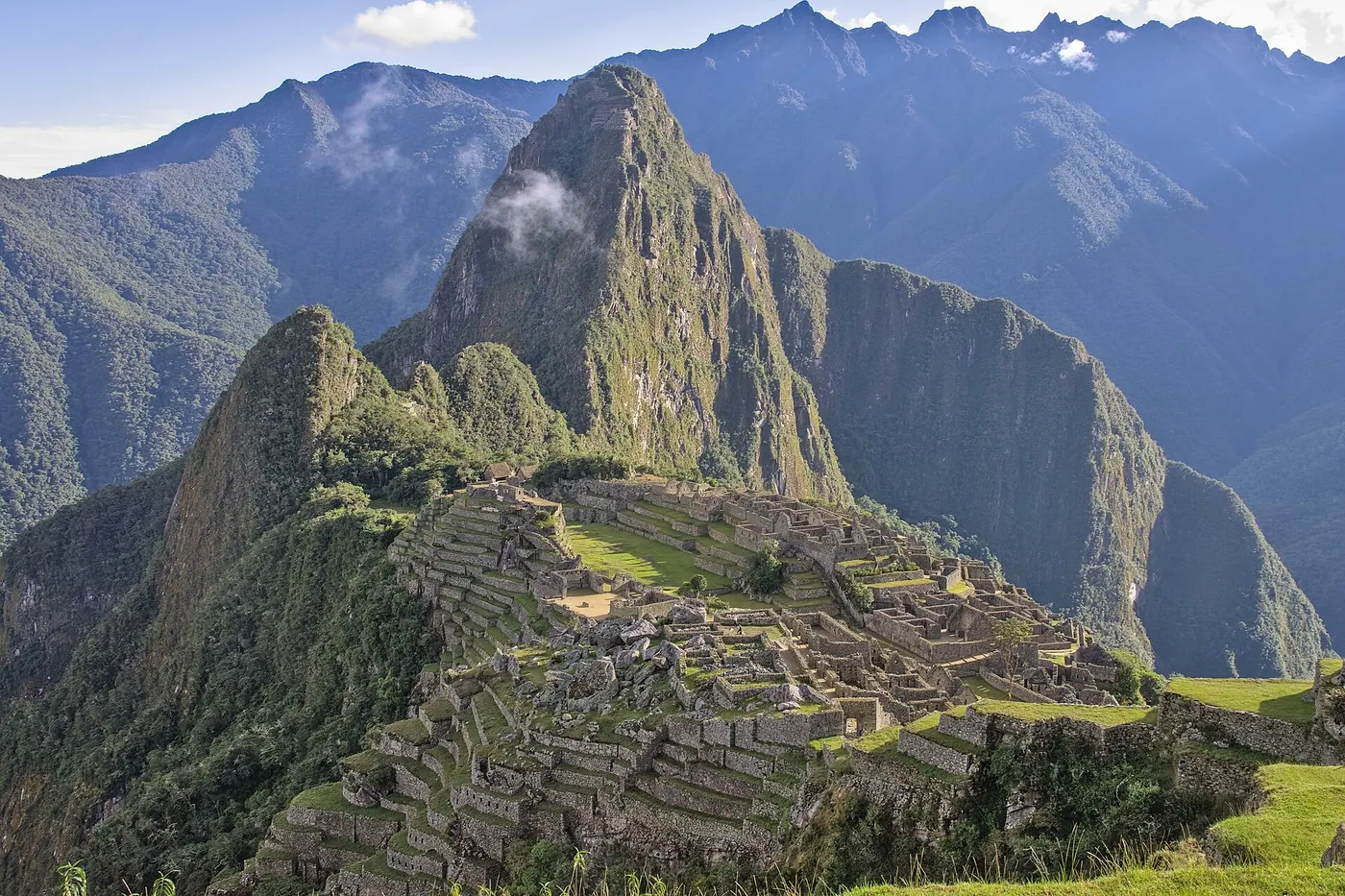
Machu Picchu
An Inca city on the saddle between two peaks at eight thousand feet, built around 1450 and abandoned perhaps a century later — probably to smallpox, which arrived ahead of the Spaniards themselves. The conquistadors never reached it and never learned it was there. The stones are fitted without mortar so closely that a knife blade will not go between them, and the Intihuatana, a carved pillar, casts almost no shadow at the solstices.
Teotihuacan
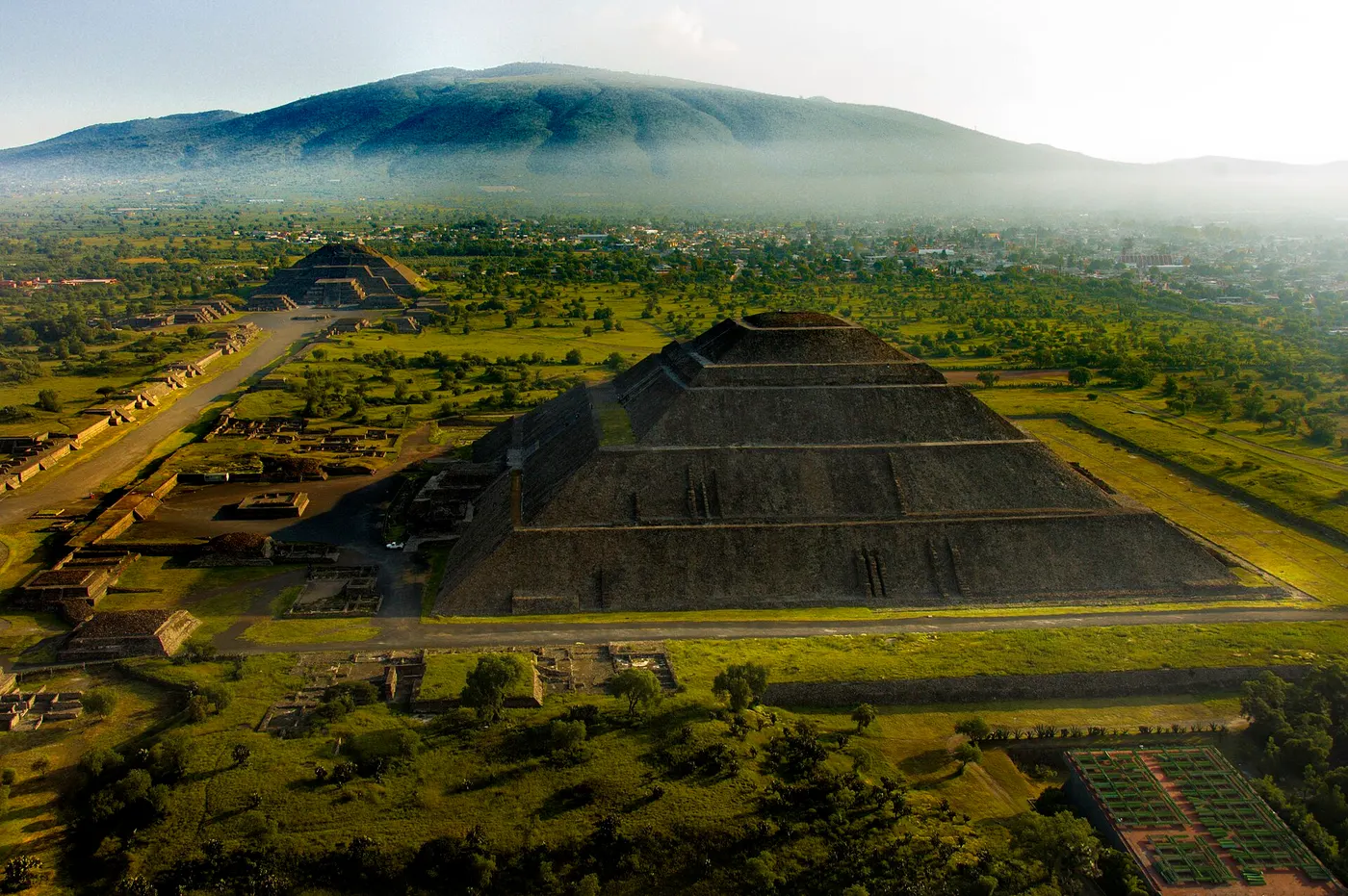
A city that was the largest in the Western Hemisphere by 500 AD and had already stood in ruins for centuries when the Aztecs arrived. They did not know who built it and named it the place where men become gods. Beneath the Temple of the Feathered Serpent, archaeologists found a tunnel in 2003 that had been sealed for nearly two thousand years: thousands of objects inside, chambers with ceilings dusted in pyrite to imitate a night sky, and pools of liquid mercury.
El Yunque
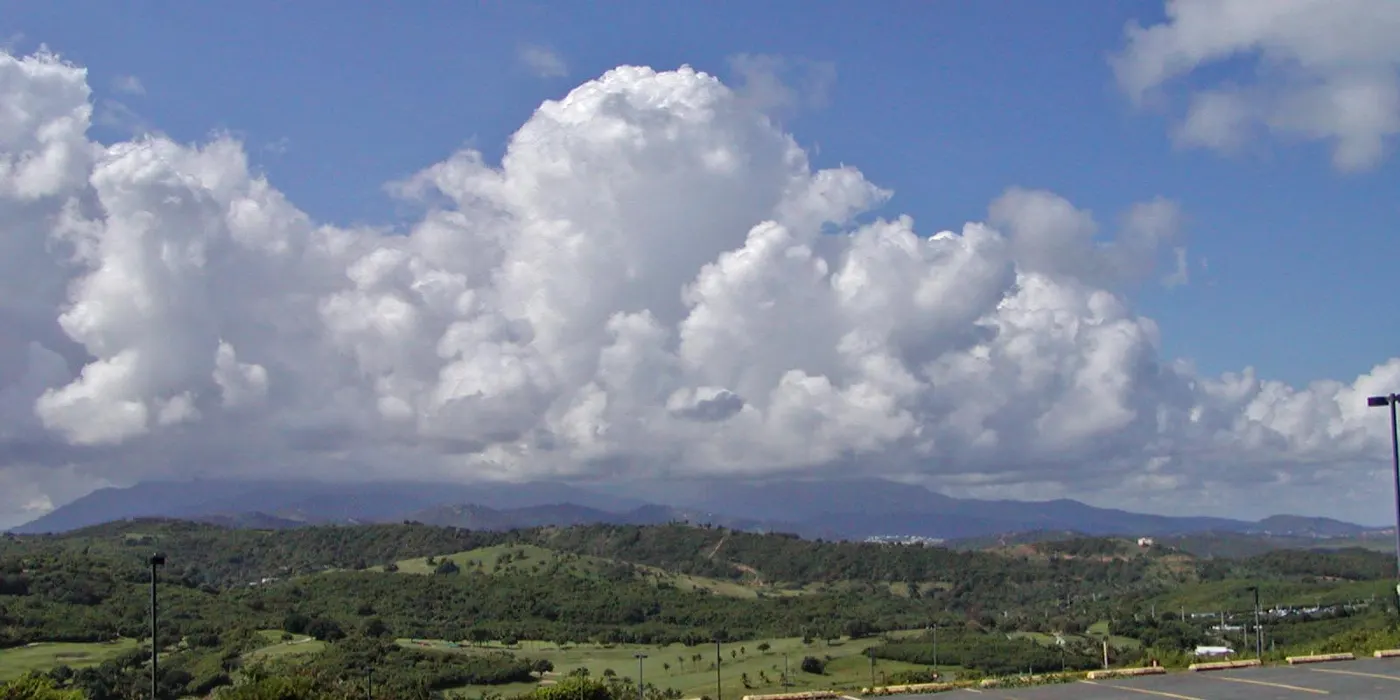
The only tropical rainforest in the United States national forest system, covering the mountains of eastern Puerto Rico. Local accounts have the chupacabra coming down from here to the farms, and place a secret laboratory somewhere in it from which the thing escaped. The forest needs no legend to impress: a hundred and twenty inches of rain a year, permanent cloud, and the sound of coquí frogs, heard everywhere and almost never seen.
Moca, Where the Chupacabra Began
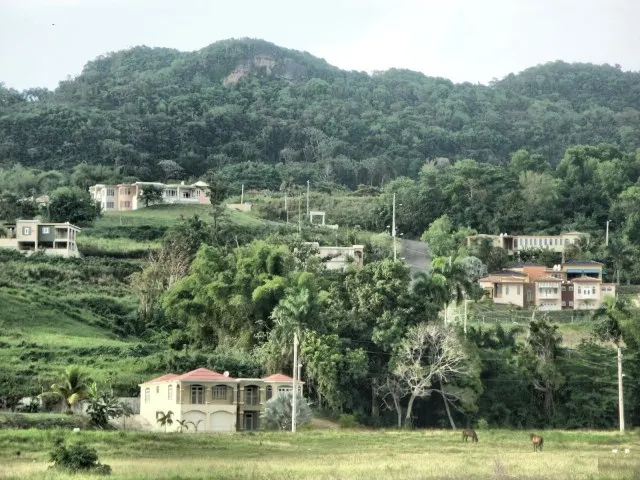
In March 1995 farmers in this Puerto Rican town began finding sheep and goats dead, drained of blood, with two neat punctures in the neck. Within months the count ran into hundreds across the island. Witnesses described a creature the height of a man, moving in bounds, with spines along its back and huge black eyes. A Puerto Rican journalist coined the name — goat-sucker — and in thirty years the chupacabra has spread from Mexico to Chile.
Coral Castle
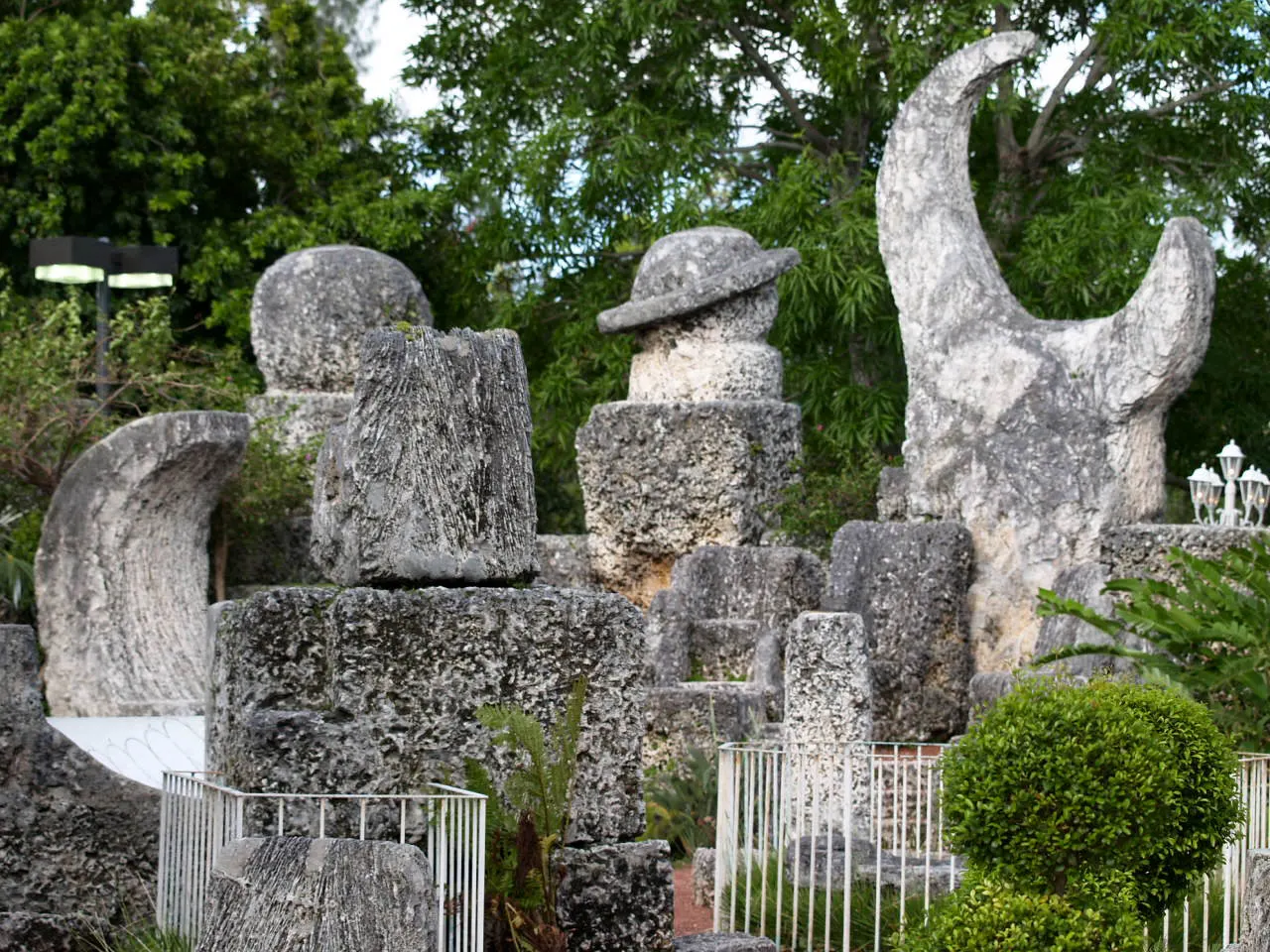
A structure in Florida that the Latvian Edward Leedskalnin built alone over twenty-eight years from limestone blocks weighing up to thirty tons. He worked only at night and stopped if anyone approached. Asked how, he said he had worked out the secret of the pyramid builders. He died in 1951 leaving no drawings and no explanation; an engineering answer is likely and dull, and there is nobody left to test it on.
America's Stonehenge
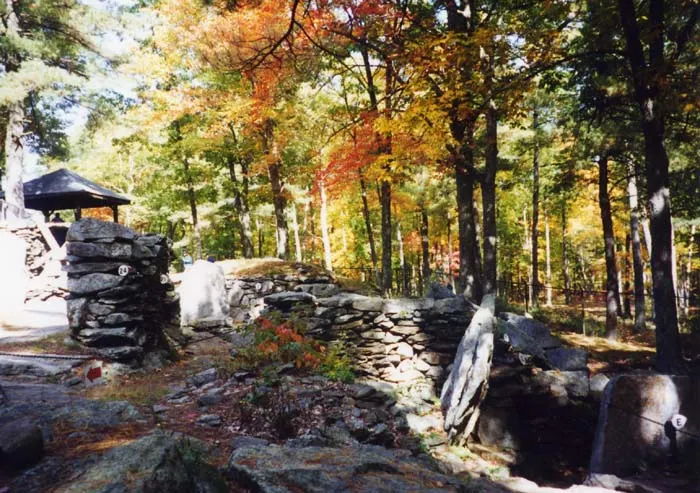
A cluster of stone chambers, walls and slabs on a New Hampshire hill whose purpose has been argued for a century. Some read it as a pre-Columbian observatory aligned to the solstices, others as colonial farm structures and a nineteenth-century soap works. The central slab with a channel cut round its edge is known as the sacrificial table; it could equally be a lye press. The site works as an attraction and as an argument that does not resolve.
Cahokia
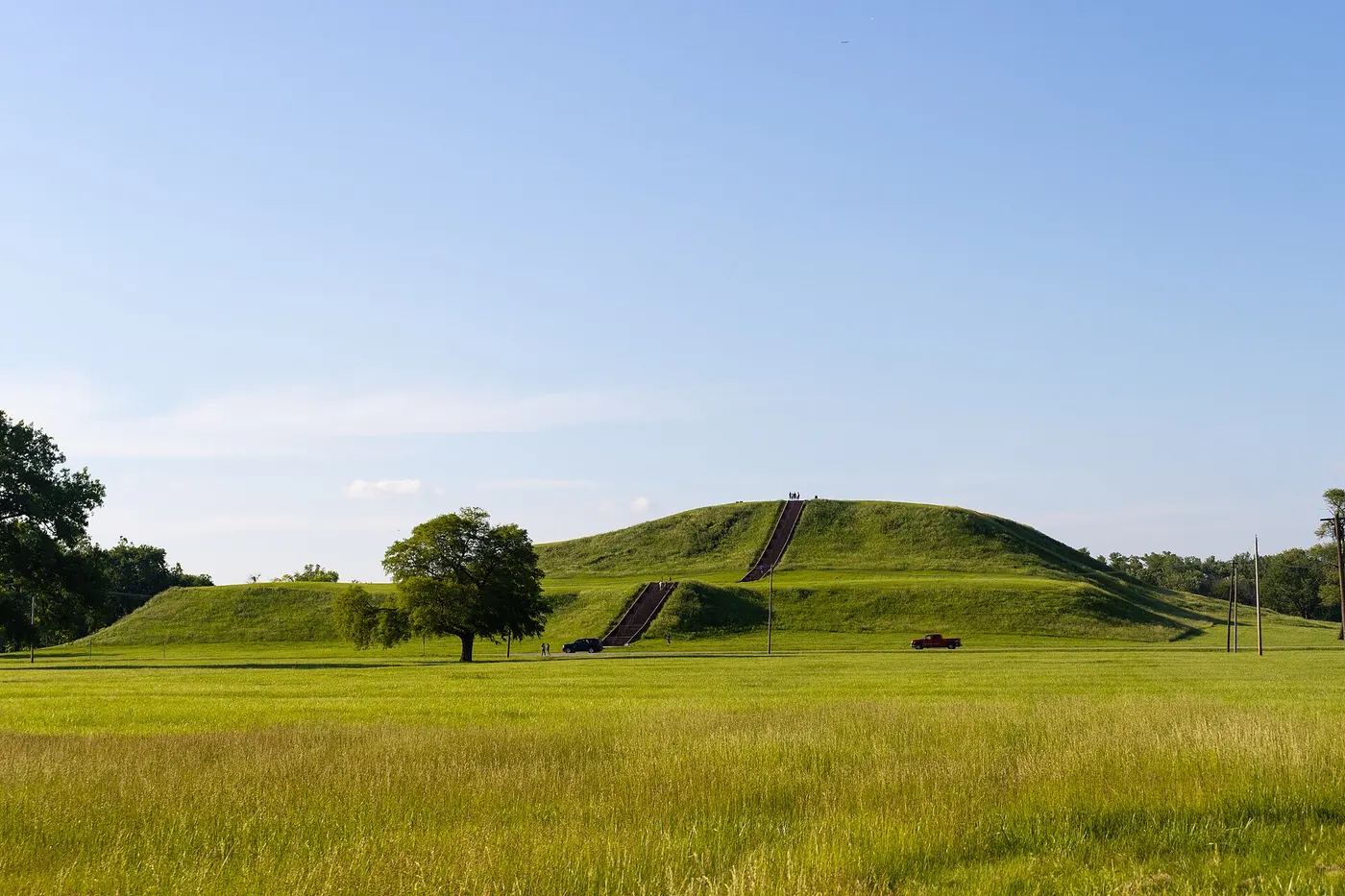
The largest pre-Columbian city north of Mexico: at its height around 1100 it held perhaps twenty thousand people, more than London at the time. Monks Mound has a larger base than the Great Pyramid. Mound 72 contained a burial with over fifty young women laid out in rows, almost certainly sacrificed. By 1350 the city was empty, for no clear reason, and it has never been explained.
Alcatraz
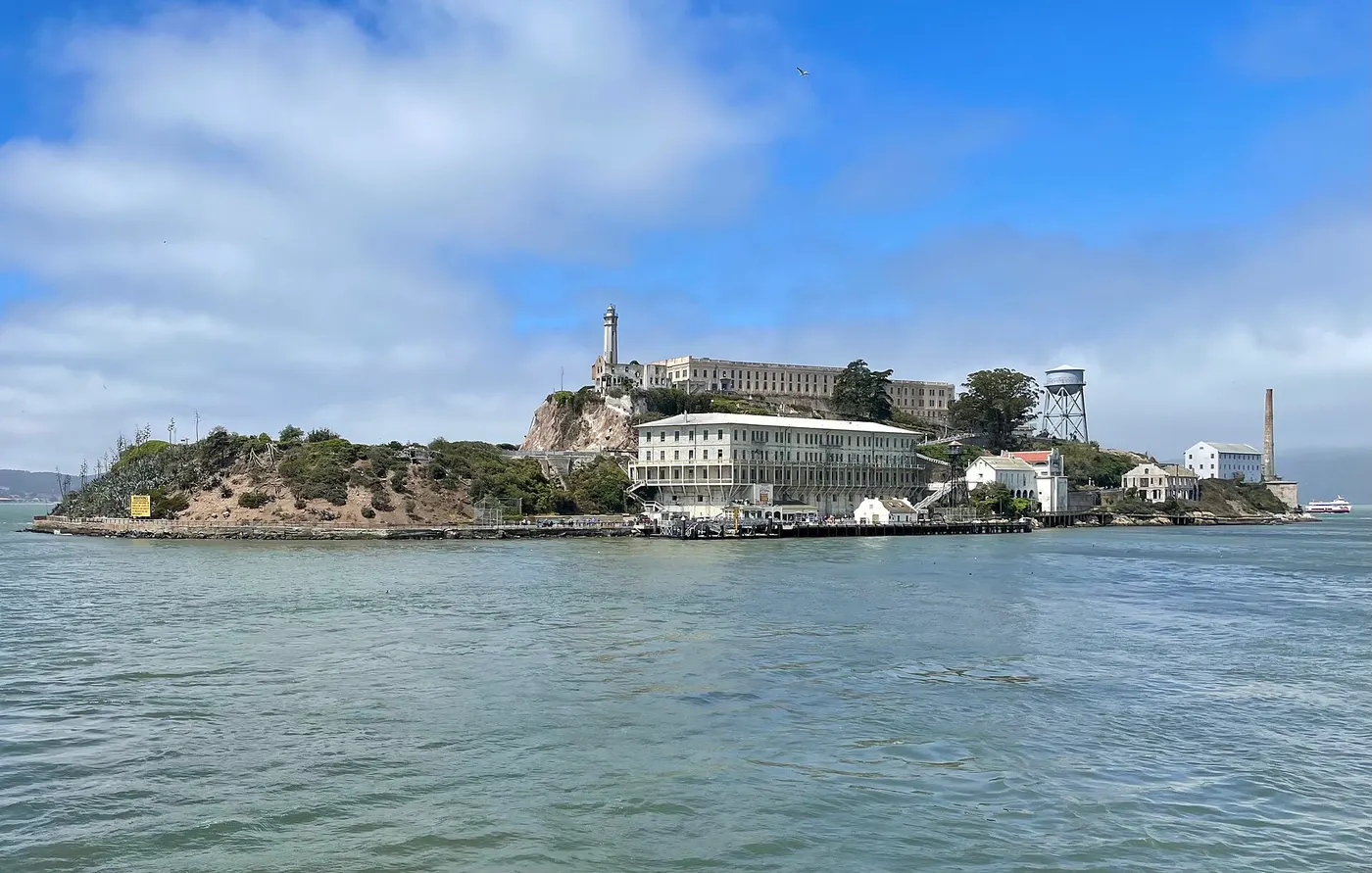
The island prison in San Francisco Bay, in use from 1934 to 1963 for men other prisons could not hold. D Block has its own reputation — the isolation cells known as the hole, where prisoners were kept in complete darkness; most of the guards' accounts of screaming come from there, and from cell 14D, where a man is said to have died in a night after shouting that something was in there with him. The bay tribes considered the island a place of bad spirits long before the prison.