All places
The full catalogue of approved places — abandoned buildings, anomalous zones, UFO sightings. Sort by rating, recency or discussion, and narrow it by category.
494 places
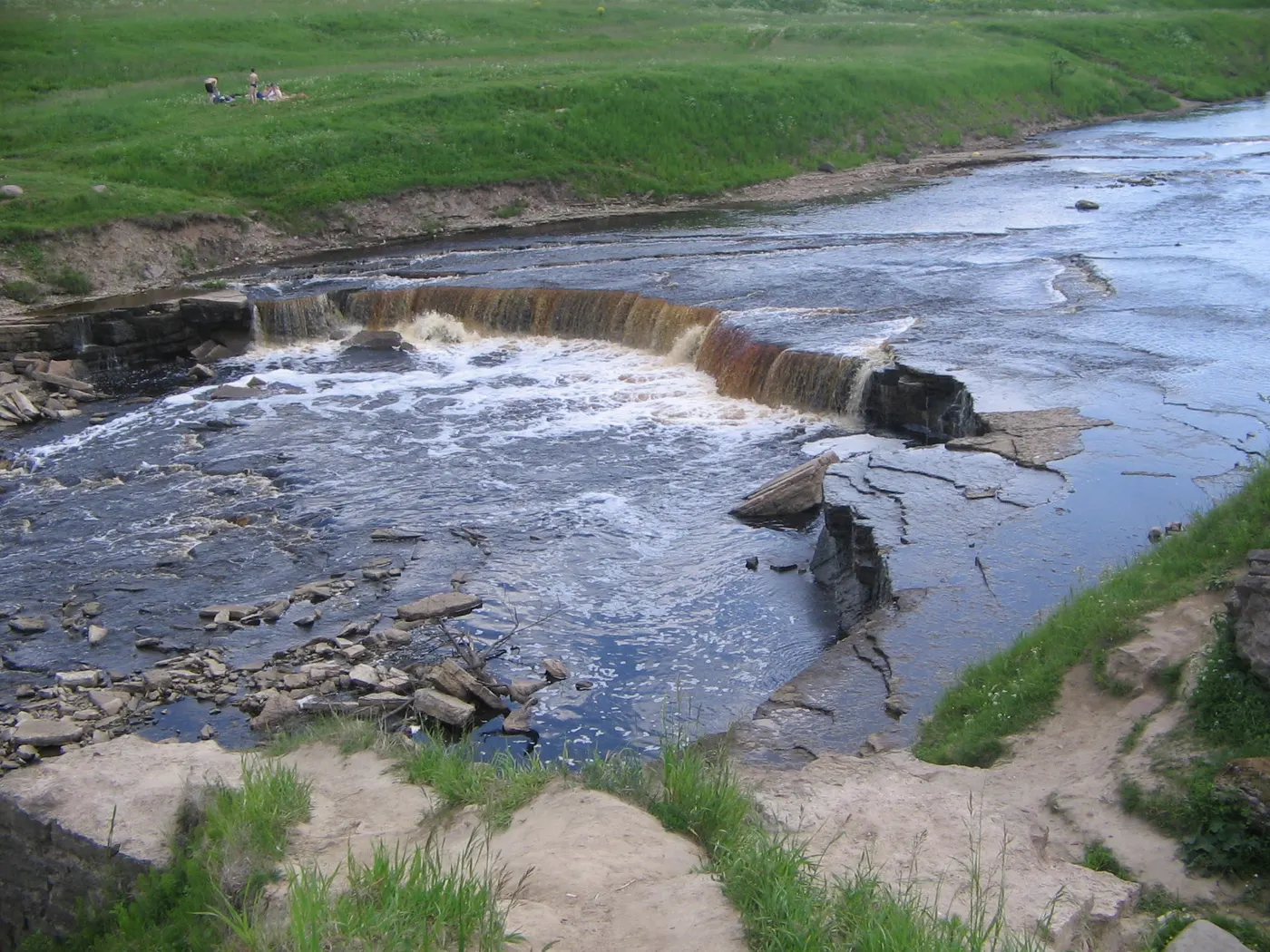
The Sablino Caves
Disused quartz sand workings outside St Petersburg, mined from the nineteenth century to supply glassworks. Several dozen kilometres of passages remain, with collapses, underground lakes and colonies of hibernating bats. The caves were long ago adopted by the city's subculture: a homemade shrine stands near one entrance, and everyone here can tell you about the White Caver, a ghost that either saves or dooms those who get lost.
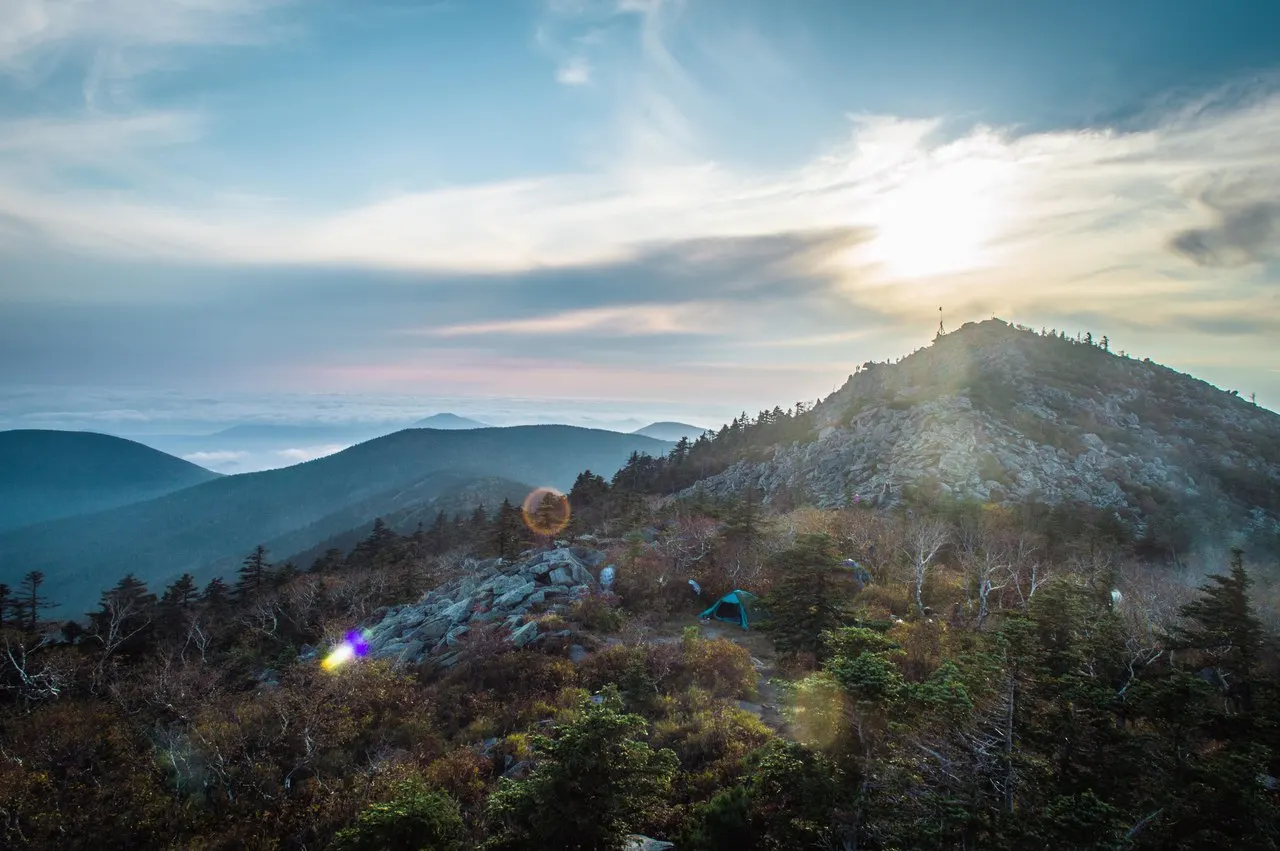
Mount Pidan
A mountain in Primorye carrying what is probably the most durable legend of the Russian Far East — the flying man, a winged figure hikers describe on the boulder fields near the summit. The account was first recorded in the 1930s. The mountain is known for more than that: the stone runs on its slopes look in places like masonry, and some local historians insist they are the remains of a Jurchen fortress.
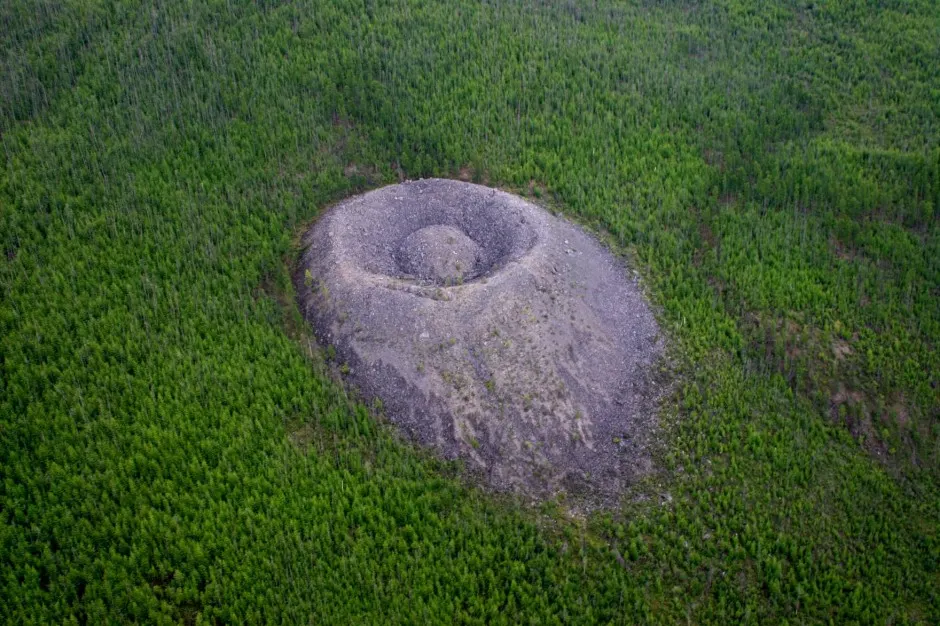
The Patomskiy Crater
A cone of shattered limestone forty metres high in the remote taiga of Irkutsk Oblast, found by the geologist Vadim Kolpakov in 1949. The Evenks called it the Fire Eagle's Nest and kept away. Every explanation has been tried: meteorite, volcanic gas, an underground nuclear blast, a uranium deposit. None is confirmed, and the leader of the 2005 expedition died of a heart attack on the way to it, which did the reputation no harm.
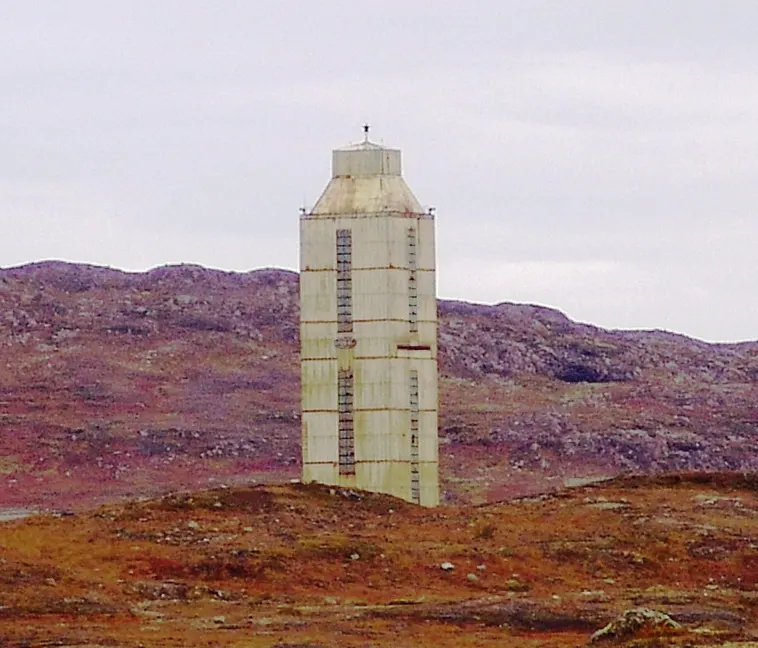
The Kola Superdeep Borehole
The deepest borehole in the world — 12,262 metres, drilled between 1970 and 1992. Science got surprises out of it: water at a depth where there should be none, and microscopic fossils in rock two billion years old. Urban legend added its own: that a microphone lowered into the hole recorded screaming, and drilling was abandoned because of a well to hell. No such recording exists and the project ended when funding collapsed, but the story lives on its own.
Vottovaara
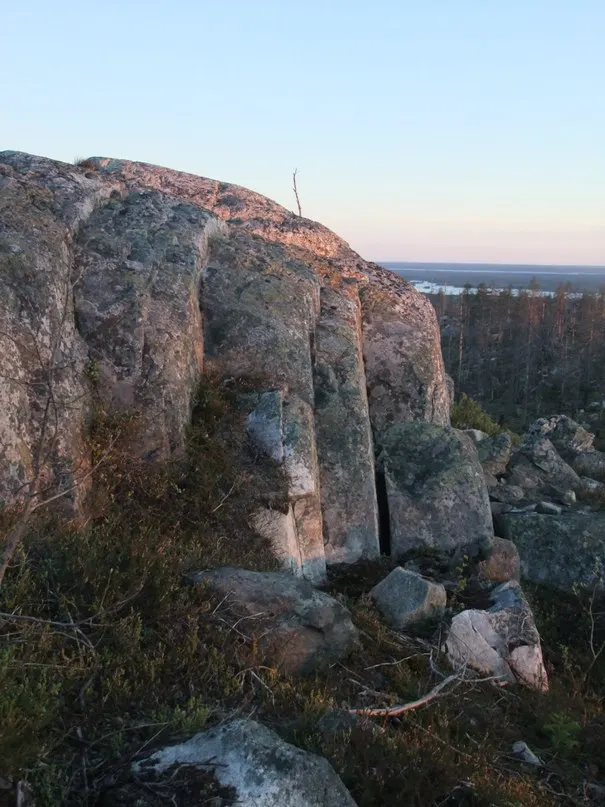
A hill in Karelia whose summit carries some fifteen hundred seids — boulders set up on smaller stones as though on legs. Their origin is unsettled: some read them as Sámi cult objects, others as the work of a retreating glacier. The trees on top are twisted and broken, attributed to an earthquake some nine thousand years ago. It is considered one of the principal places of power in the Russian north.
The Molyobka Triangle
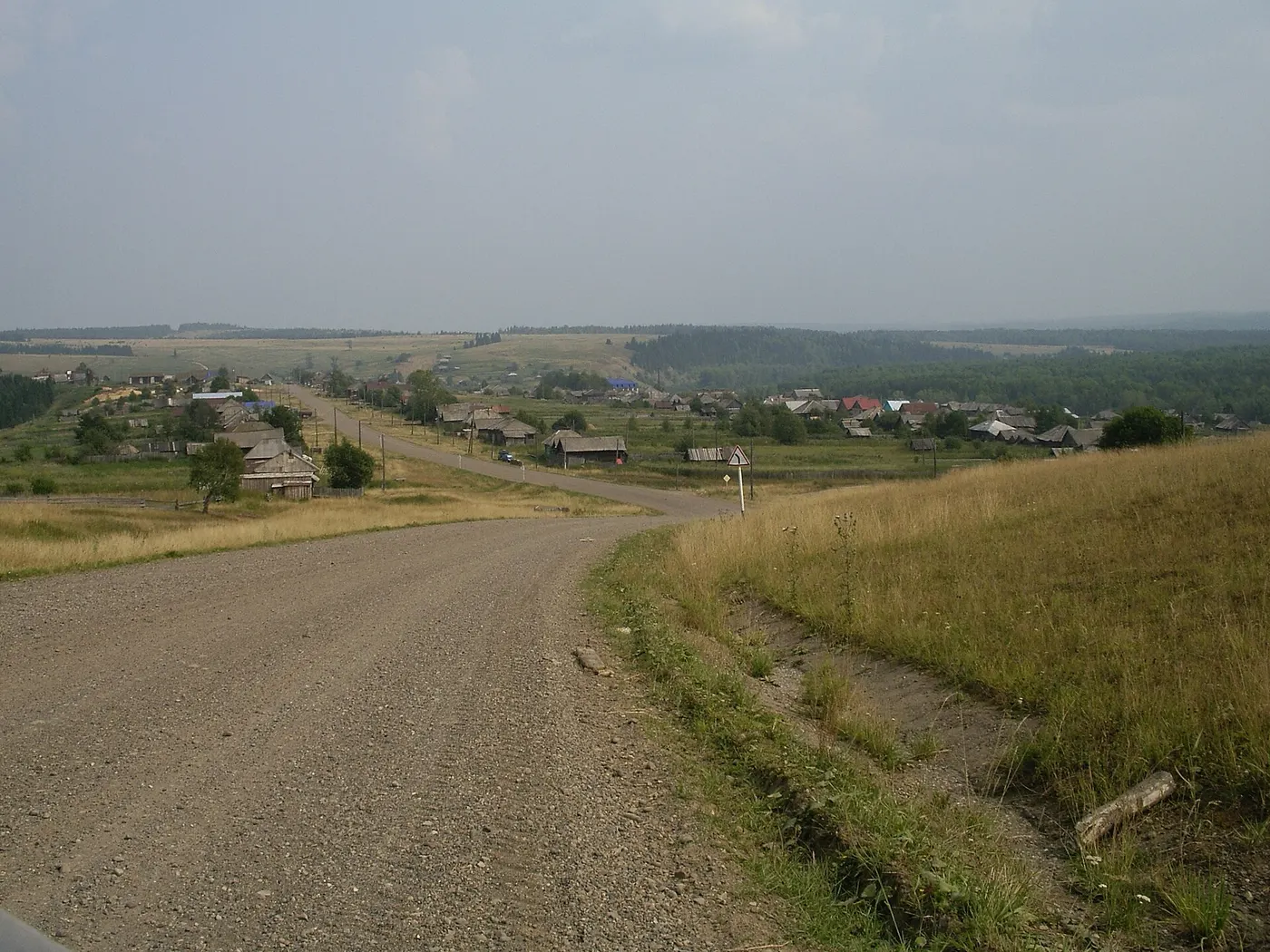
A stretch on the border of Perm Krai and Sverdlovsk Oblast that became, in the late 1980s, the first Soviet anomalous zone written up in the national press. From 1989 thousands travelled here, reporting glowing spheres, equipment failing, loss of bearings, and "luminous people". The place is linked to old Mansi sacrificial sites. A statue of an alien stands by the village now, and the flow of researchers dried up long ago.
Lake Labynkyr and Its Devil
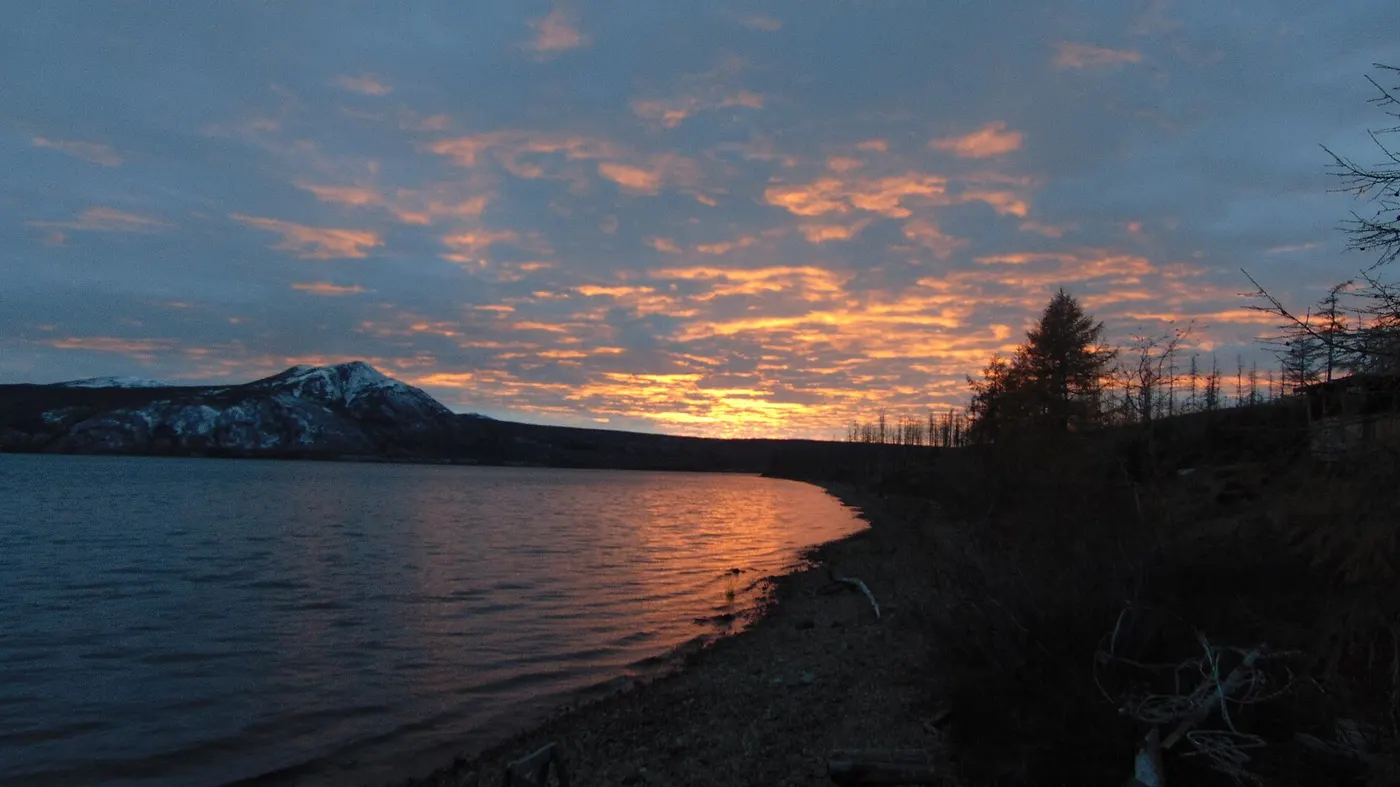
A lake in the Oymyakon district of Yakutia, one of the coldest inhabited places on earth. The local Even people have spoken of a devil since the nineteenth century: a dark creature with an enormous mouth that drags off reindeer and dogs. The lake behaves oddly in winter, keeping open water at fifty below. Sonar expeditions have recorded large objects near the bottom, and none has brought anything up.
Houska Castle
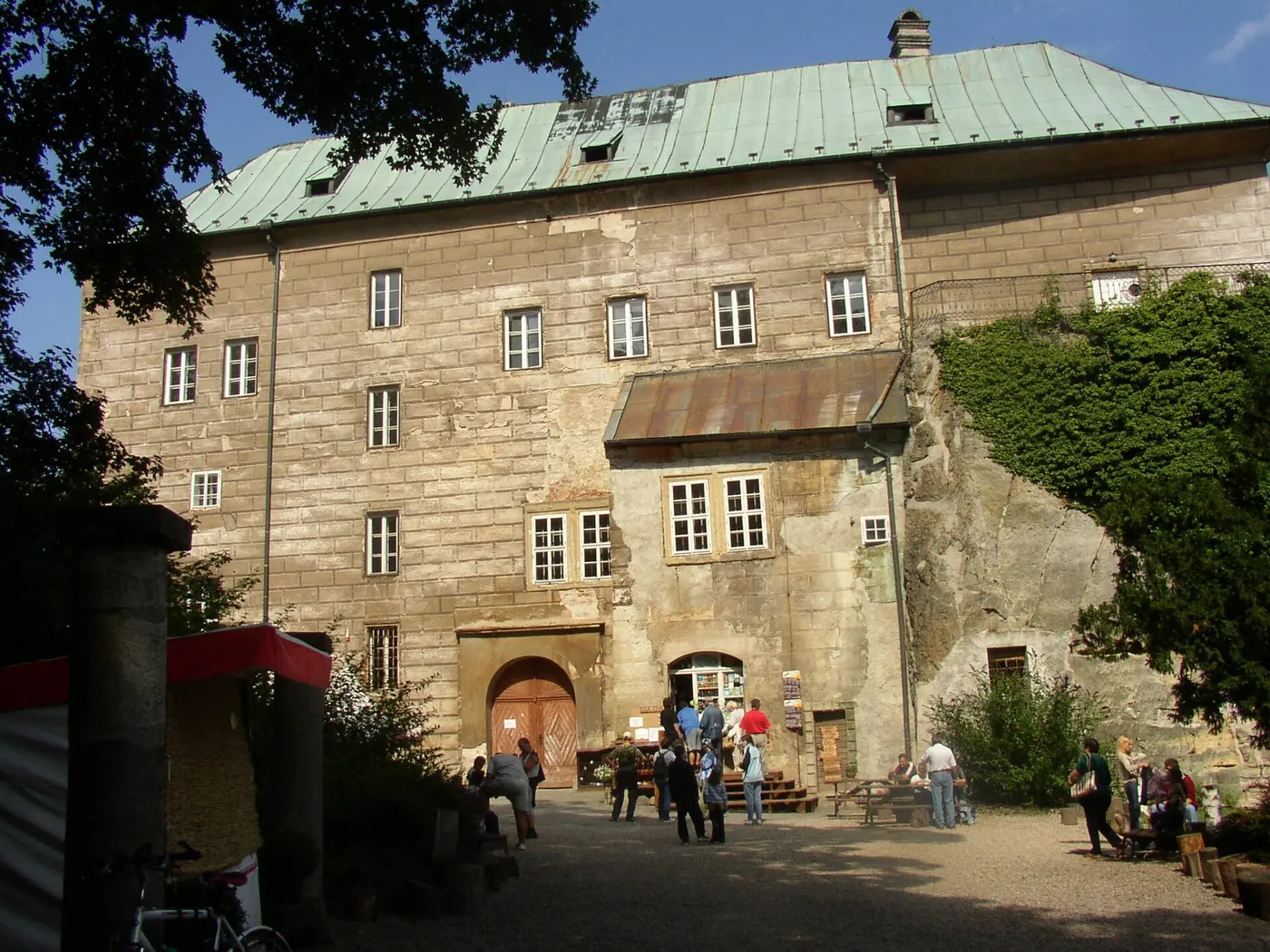
A Gothic castle in Bohemia, built in the thirteenth century in a place with no water, no roads and no population — that is, with no military or economic purpose at all. Legend explains it by the chapel standing directly over a chasm held to be an entrance to hell: a condemned man was promised his freedom for going down, came back white-haired and died within days. The castle is fortified as though against something inside rather than out.
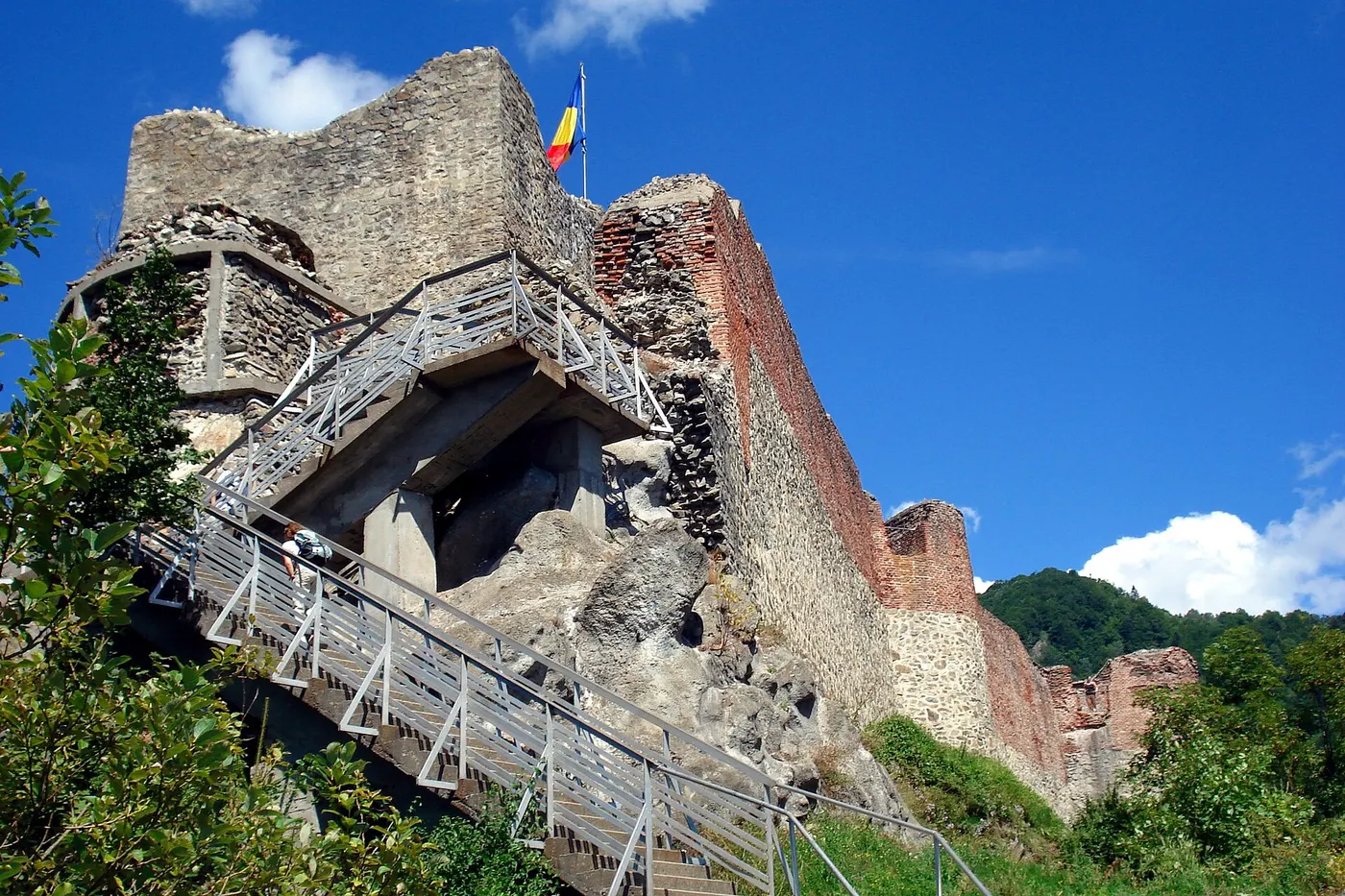
Poenari Castle
Vlad the Impaler's actual fortress — as opposed to Bran Castle, which had almost nothing to do with him. Vlad rebuilt it with the hands of the boyars he blamed for his brother's murder: they were marched here after an Easter feast and worked until their clothes fell apart. Tradition has Vlad's wife throwing herself from it into the Argeș on hearing the Turks were coming. Fourteen hundred and eighty steps lead up to it.
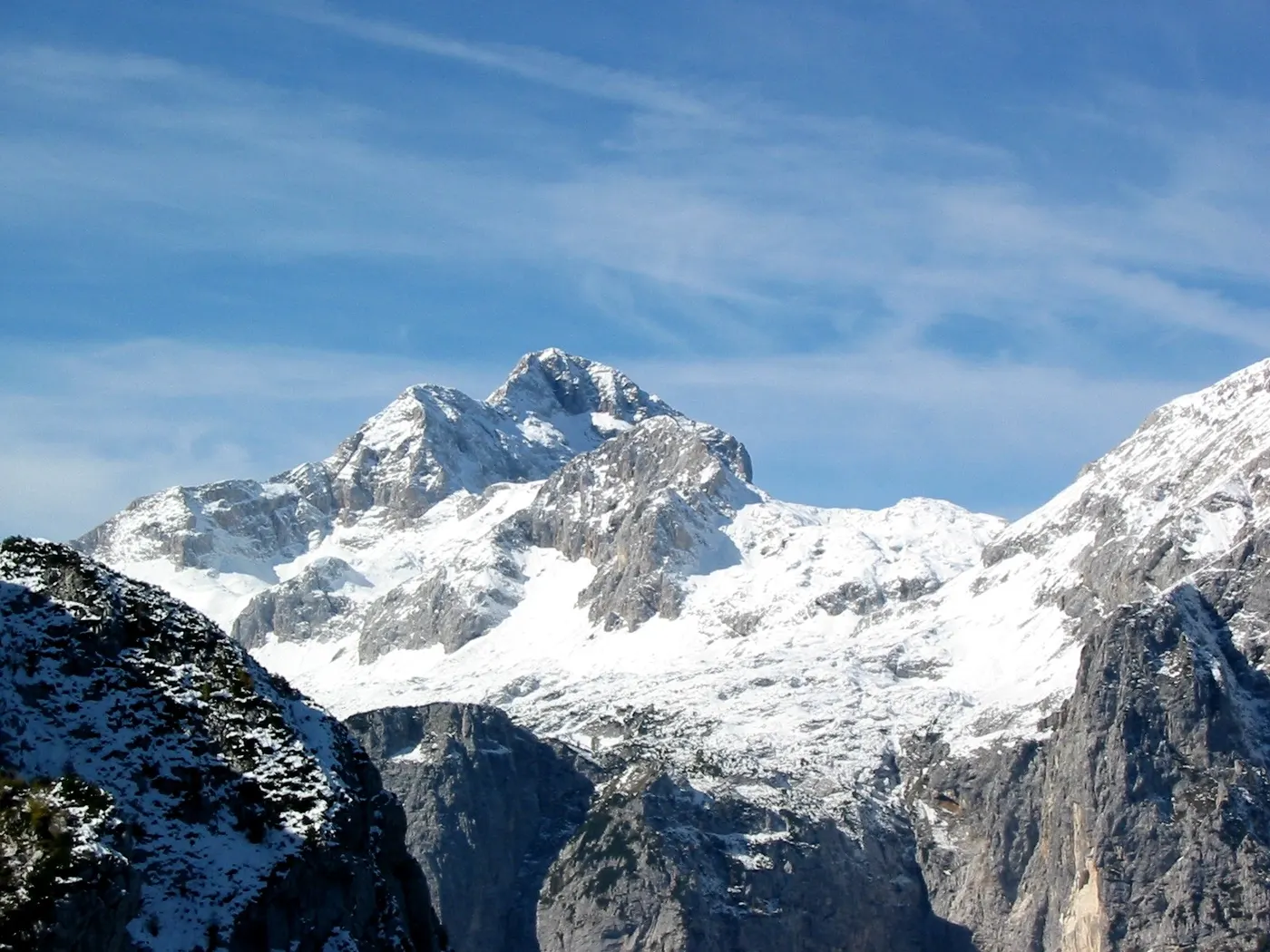
Triglav
Slovenia's highest mountain, named for a three-headed Slavic deity and shown on the national coat of arms. Local tradition places Zlatorog on its slopes — a white chamois with golden horns guarding treasure; the hunter who wounded him died, and flowers grew from the drops of blood that restored the animal's strength. Slovenes have a saying that you are not one until you have climbed it.
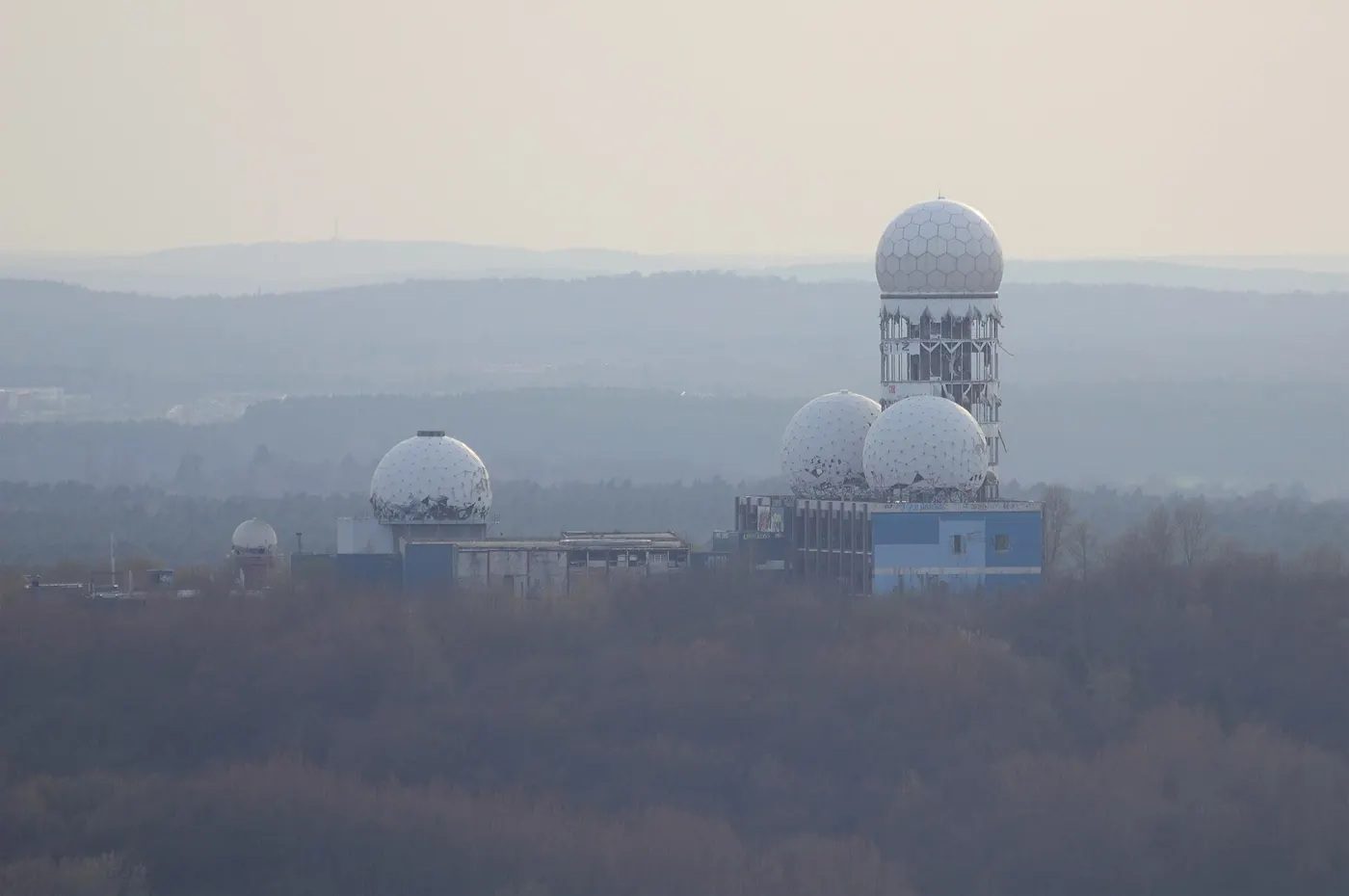
Teufelsberg
Teufelsberg ("Devil's Mountain") is an artificial hill rising 120.1 meters above sea level within the Grunewald forest in the Charlottenburg-Wilmersdorf borough of western Berlin, Germany. Engineered after World War II from roughly 26 million cubic meters of urban rubble piled directly atop the shell of an unfinished Nazi military-technical faculty, the summit became the location of "Field Station Berlin"—a classified Cold War signals intelligence (SIGINT) listening outpost operated by the US National Security Agency (NSA) and British intelligence. Crowned by weathered white geodesic radomes, the site stands as an iconic architectural monument to Cold War espionage and one of Europe’s premier open-air street art galleries.
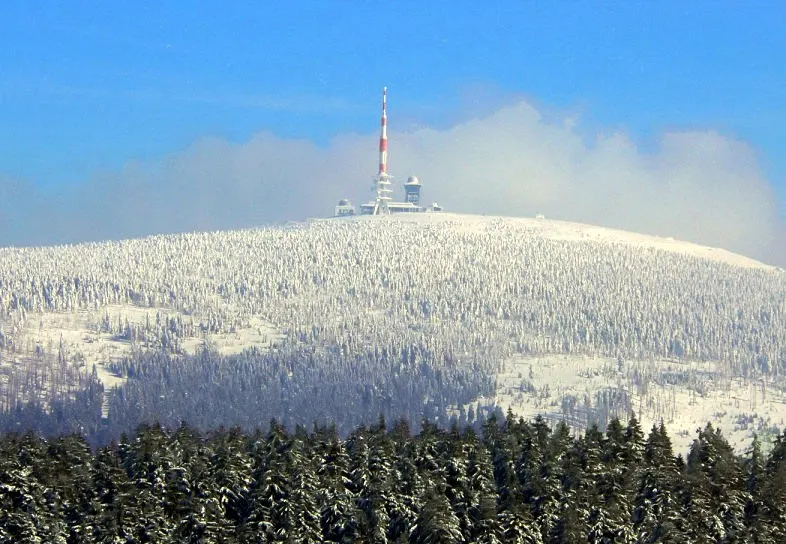
The Brocken
The highest point of the Harz, where German tradition has witches gathering on Walpurgis Night — Goethe sent Faust there. The mountain gave its name to an optical effect: the Brocken spectre, the observer's own vast shadow cast on cloud below with a rainbow halo round the head. The effect is real and explicable, and probably lies behind a share of the stories of encounters at the summit.
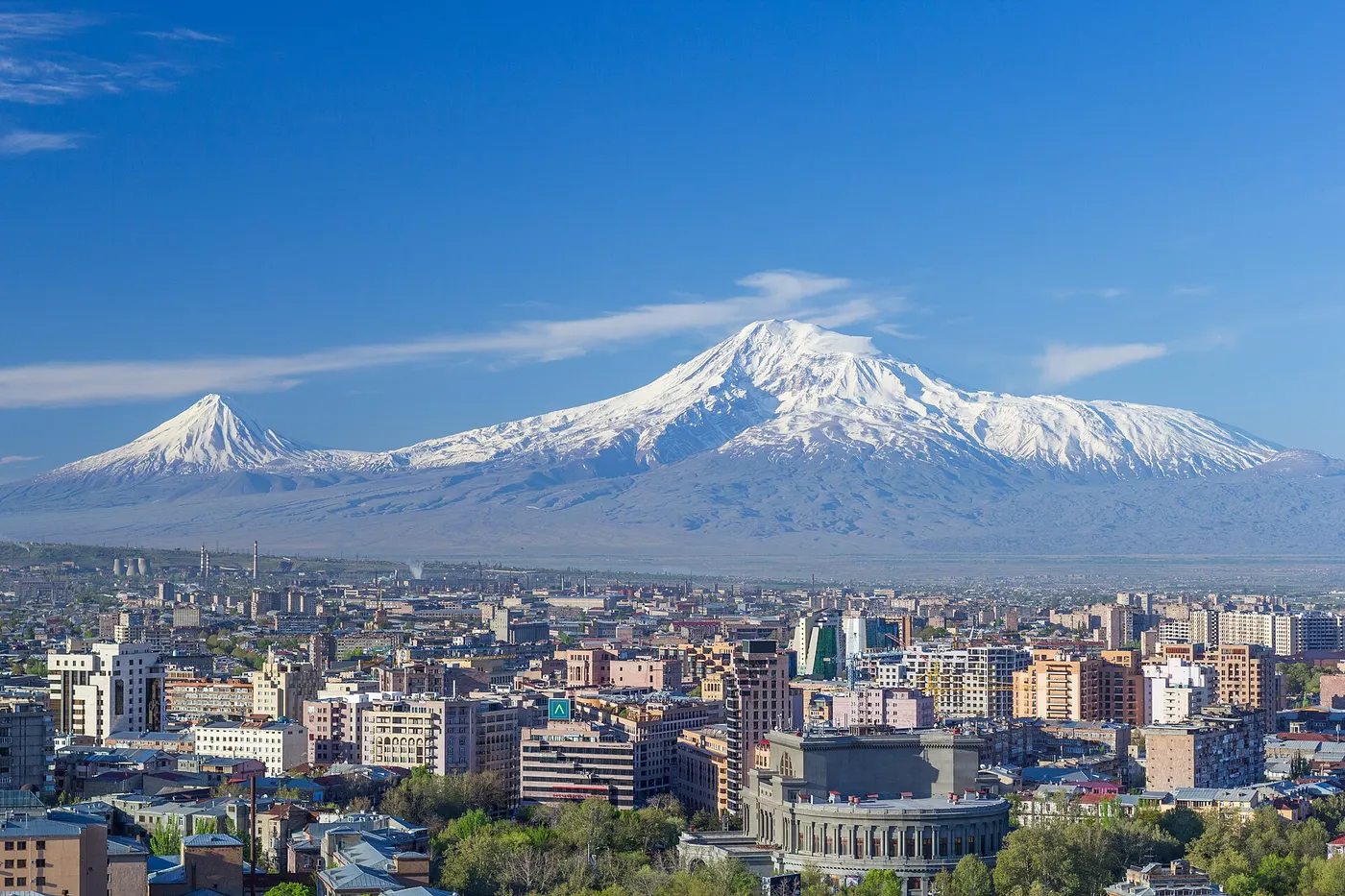
Mount Ararat
A mountain in eastern Turkey that biblical tradition names as the resting place of the ark. Searches have run since the nineteenth century and have not stopped: in 1949 aerial photography recorded a dark structure on the glacier, known as the Ararat Anomaly, whose images were only declassified in 1995. Geologists explain it as an outcrop. The mountain is closed to unrestricted climbing, which has not deterred anyone.

Lake Van and Its Monster
Turkey's largest lake, strongly alkaline and nearly lifeless — which makes the monster story an odd one. In 1997 a university teacher, Ünal Kozak, filmed a dark object moving across the surface; the footage went round Turkish television and he wrote a book about the creature. A statue of the monster stands on the waterfront at Van.
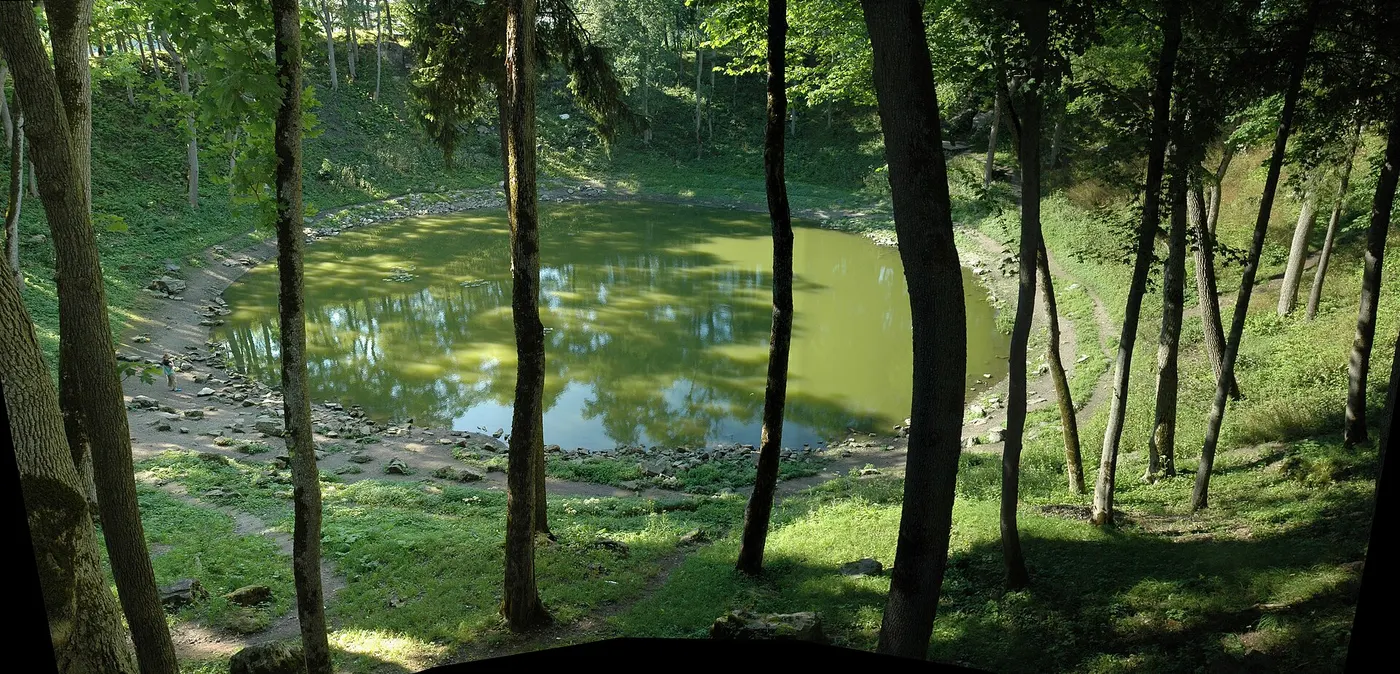
The Kaali Crater
A meteorite crater on the Estonian island of Saaremaa, formed around 1500 BC — within the memory of people living nearby. The blast burned the forest for six kilometres, and the event probably entered Finnish and Norse mythology as the sun falling. The lake in the crater served as a sacrificial site for centuries: animal bones are found on the bed and around the shore, and a stone wall once enclosed it.
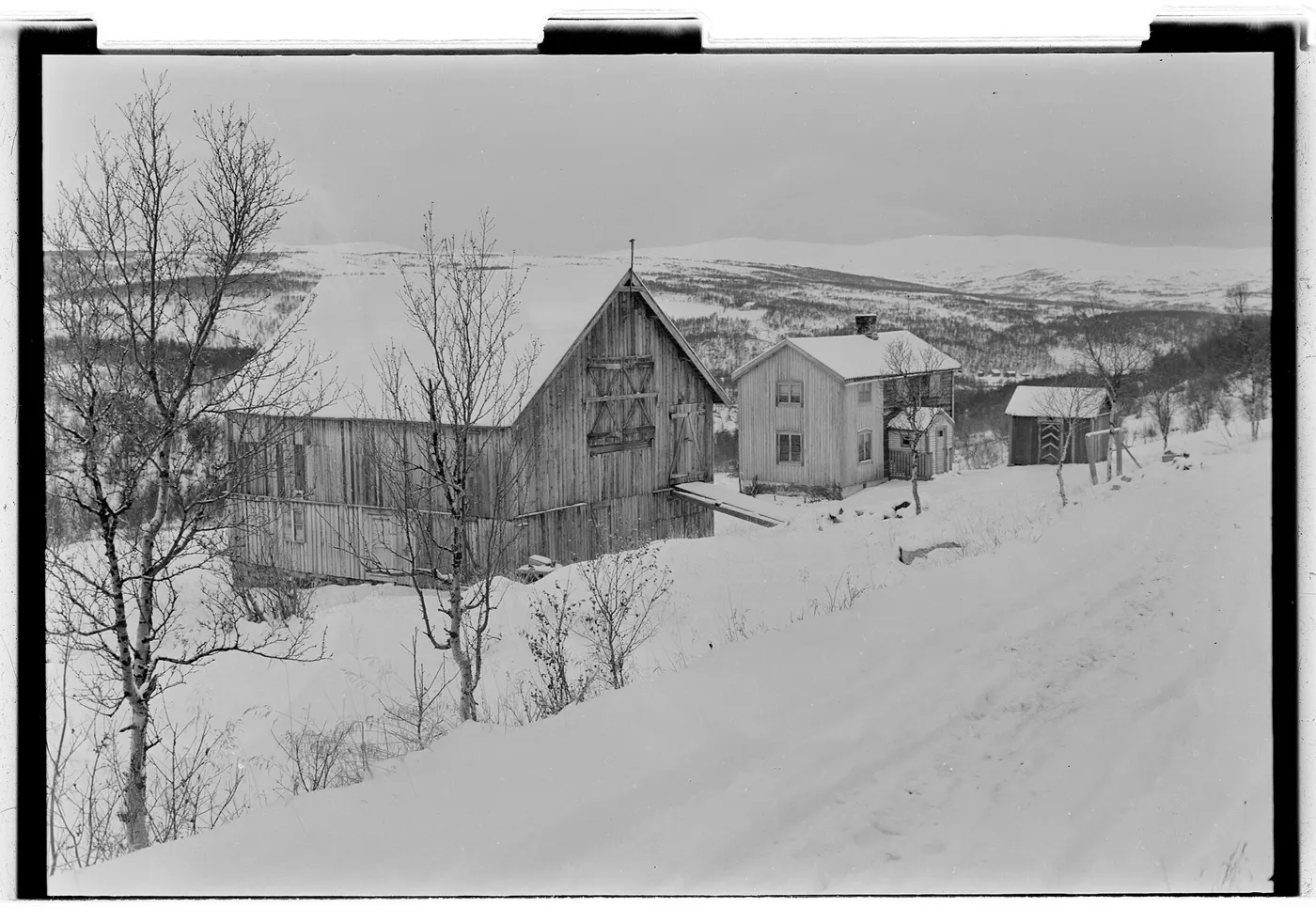
The Hessdalen Valley
A Norwegian valley where luminous objects have been observed since 1981, at times twenty times a week. Unlike most such places it has a permanent automated observation station, built in 1998 by Østfold University College, and the phenomenon has been under instruments for a quarter of a century. Hypotheses exist — dust ionisation, a piezoelectric effect in the rock — and none accounts for all of it.
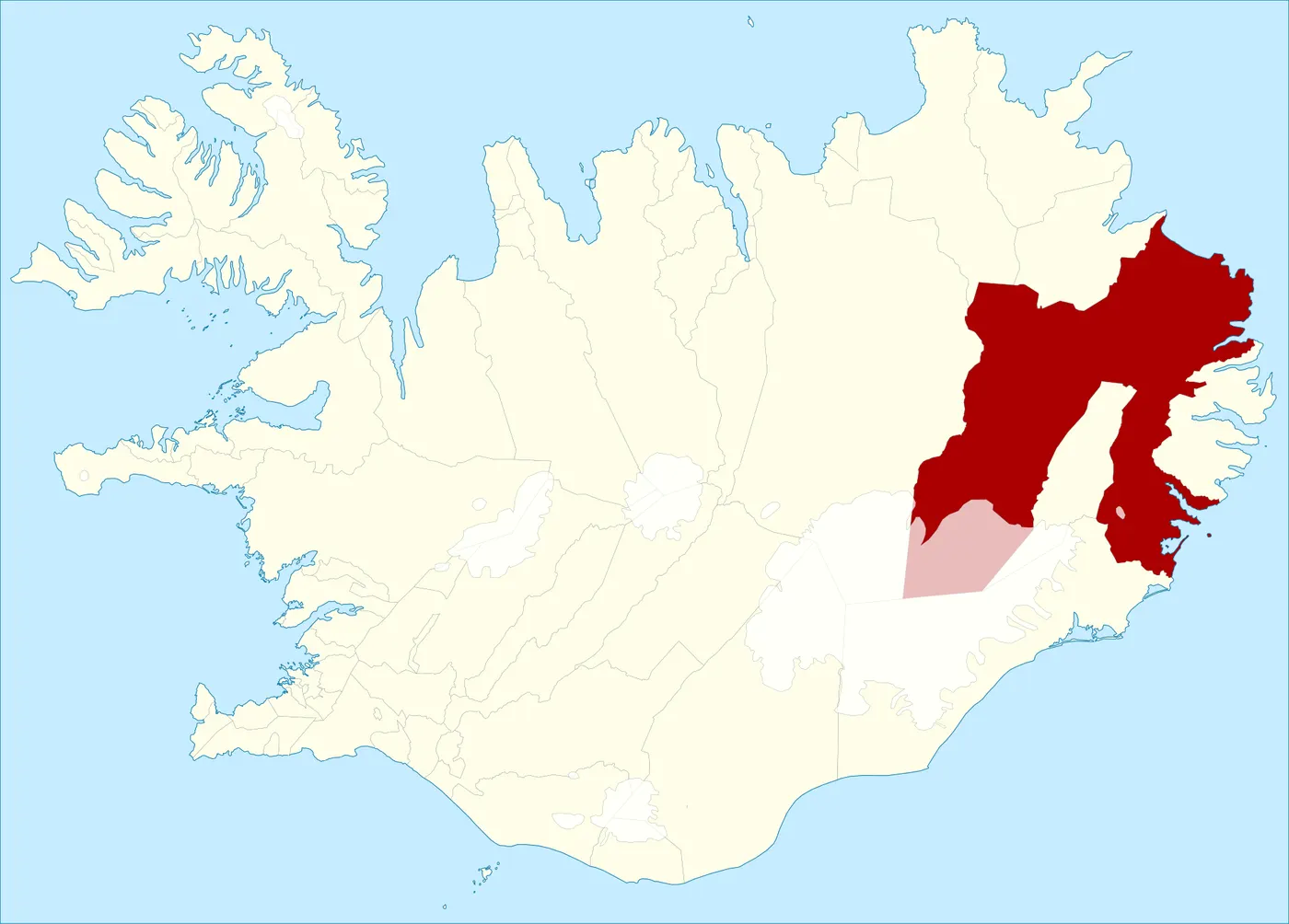
Lagarfljót and Its Worm
Lake Lagarfljót (also known as Lögurinn) is an elongate glacial lake situated in the Austurland region of eastern Iceland, stretching roughly 25 kilometers in length with depths reaching up to 112 meters. Fed by glacial meltwaters running off the Vatnajökull ice cap via the turbulent Jökulsá í Fljótsdal river system, the lake is celebrated for the Hallormsstaðaskógur national forest, the dramatic Hengifoss waterfall, and its status as the domain of Iceland's most famous folklore monster: the legendary giant lake serpent known as the Lagarfljót Worm (Lagarfljótsormurinn).
Seljordsvatnet and Selma
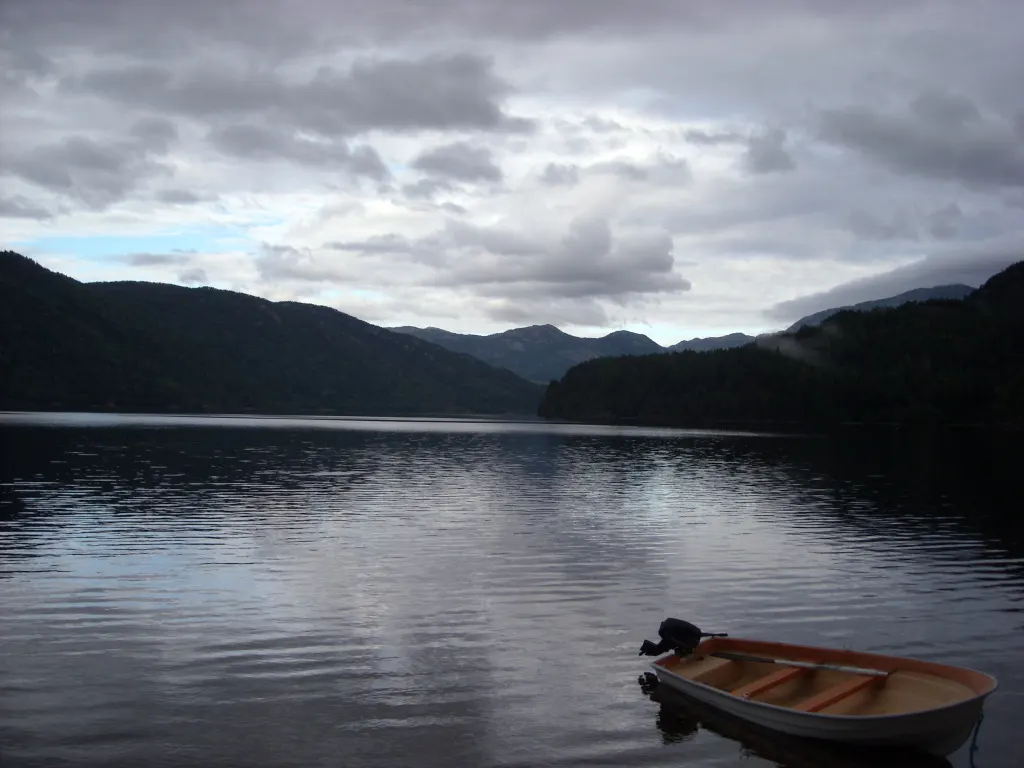
A lake in Norway's Telemark county where a serpent called Selma has been described since 1750. In the 1880s a woman named Gunhild Bjøge is said to have killed a young one on the shore with an axe. The serpent appears on the coat of arms of Seljord municipality — that is, in official heraldry. A sonar expedition in 2000 recorded moving objects on the bottom that it could not identify.
Storsjön and the Great Lake Monster
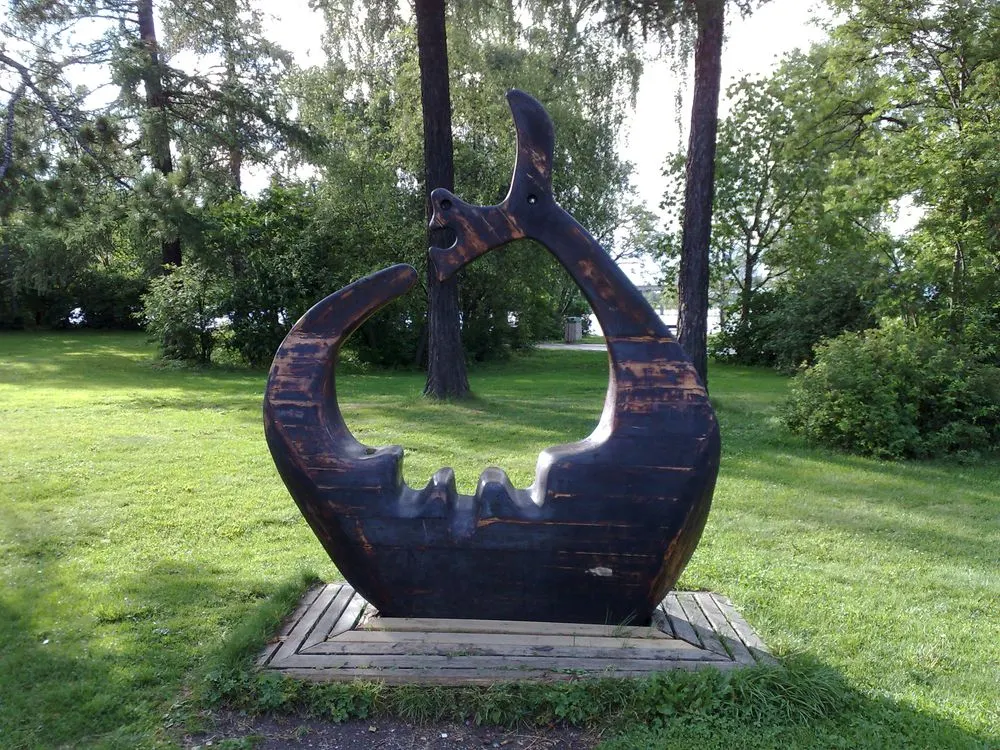
Lake Storsjön ("The Great Lake") is Sweden's fifth-largest lake, spanning roughly 464 square kilometers with a maximum depth of 74 meters, situated within the province of Jämtland in central Sweden. Characterized by glacial geology, scenic shores surrounding the central island of Frösön, and mountain panoramas, the lake is globally renowned as the home of Sweden's Loch Ness equivalent: the legendary lake serpent Storsjöodjuret (affectionately nicknamed "Birger"), historically distinguished as the only mythical cryptid ever granted statutory protection under regional wildlife conservation laws.
Gévaudan
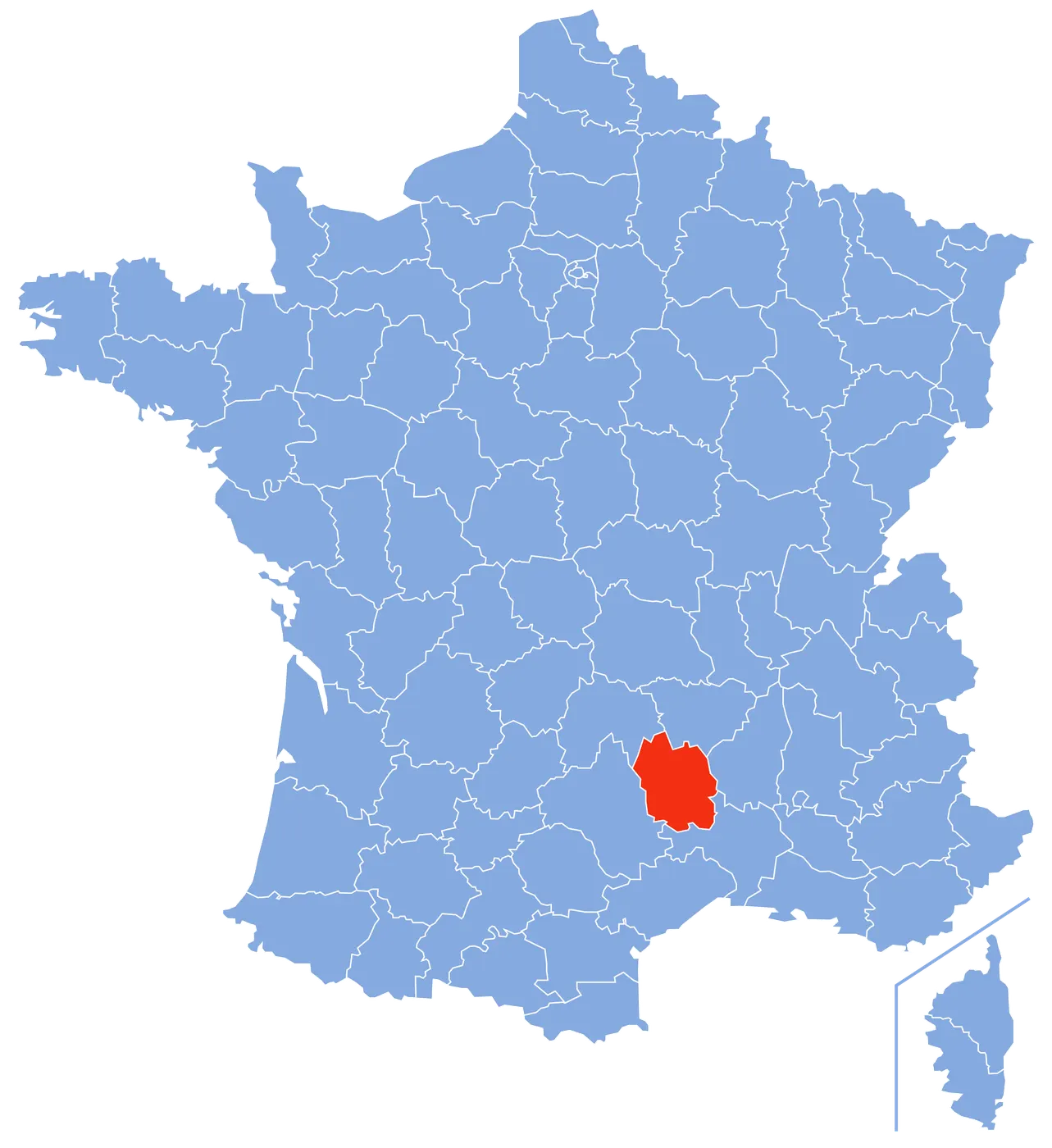
A historical region of southern France where, between 1764 and 1767, something killed around a hundred people — mostly women and children herding livestock. Witnesses described a beast the size of a calf, russet-furred with a black stripe along its back. Louis XV sent royal huntsmen and offered a reward larger than an official's yearly salary. The killings stopped after a local hunter, Jean Chastel, shot a large animal; what it was is still argued over.
Leap Castle
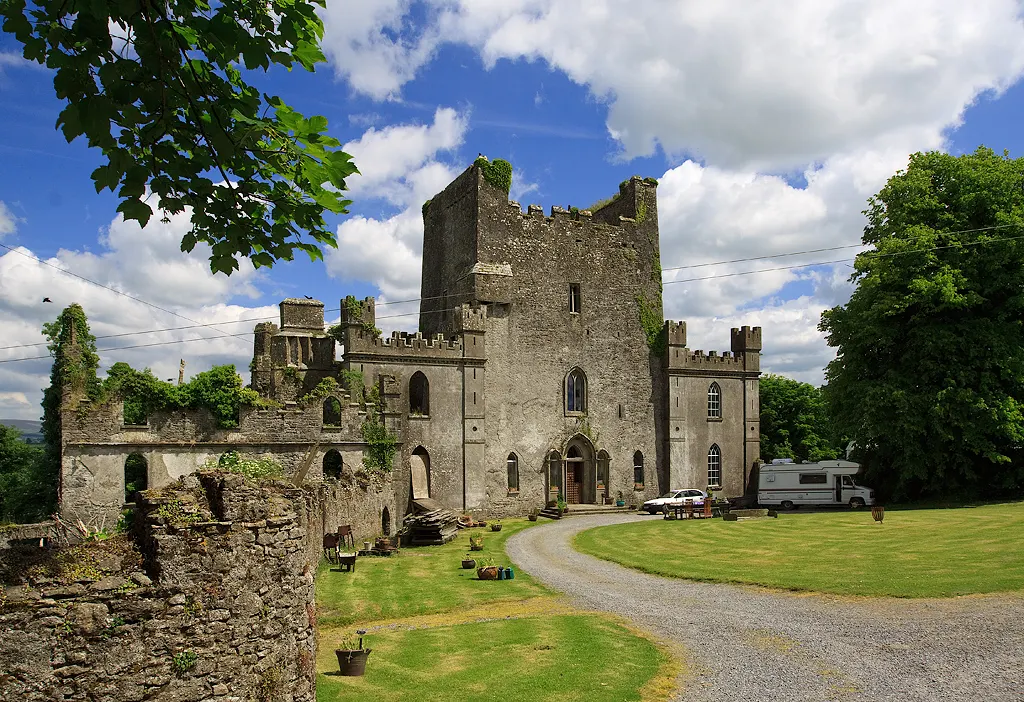
A castle in County Offaly held by the O'Carroll clan, where in 1532 one brother stabbed another — a priest — at the altar during mass. The room has been called the Bloody Chapel since. During repairs in the early twentieth century an oubliette was opened beneath it, spikes at the bottom; the remains filled three cartloads. Separately there is the Elemental, an entity whose arrival is said to come with a smell of decay and sulphur.
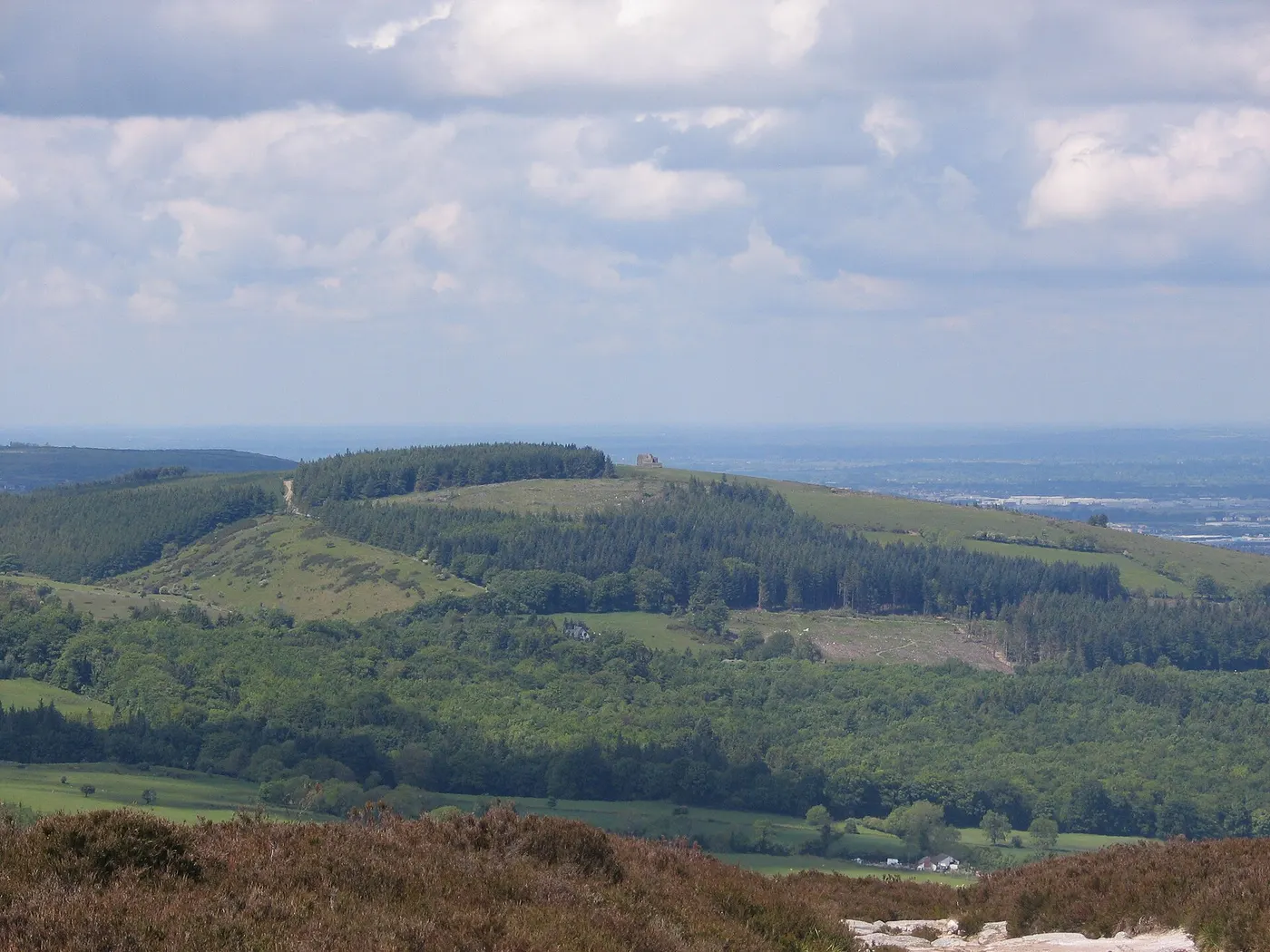
The Hellfire Club on Montpelier Hill
A hunting lodge built above Dublin in 1725, using stone taken from a prehistoric cairn destroyed for the purpose — locals said at once it would end badly. The roof was taken off by a storm soon after. The Irish Hellfire Club later took the building over; accounts of what went on inside vary, and the best-known has a card game at which one of the guests was noticed to have a hoof instead of a foot.
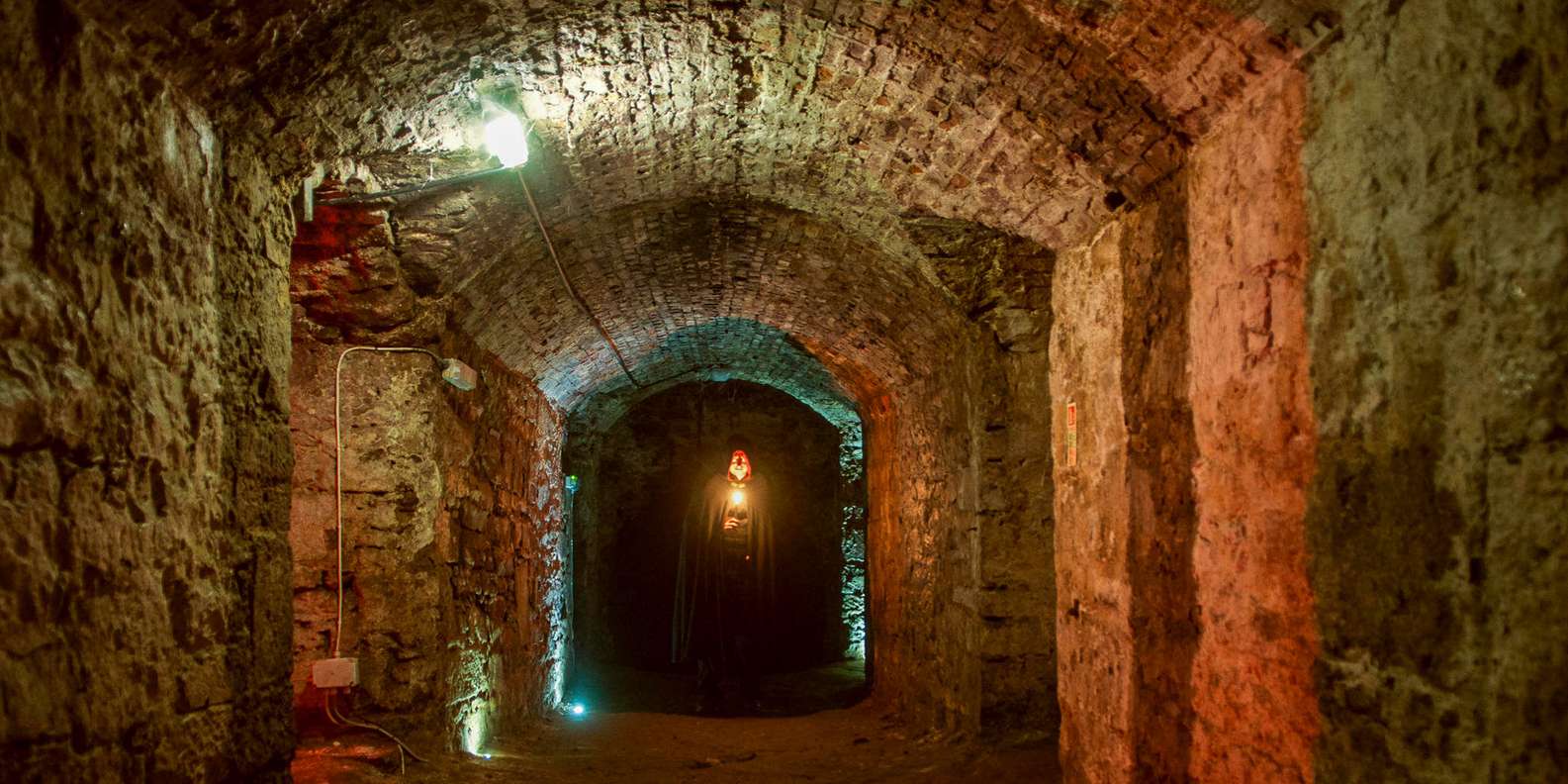
The Edinburgh Vaults
The Edinburgh Vaults (commonly known as the South Bridge Vaults) are an extensive subterranean labyrinth comprising approximately 120 stone chambers integrated inside the 19 massive masonry arches of the South Bridge viaduct in the Old Town of Edinburgh, Scotland, United Kingdom. Completed in the late 18th century to span the steep Cowgate ravine, the interior chambers were originally engineered as commercial storerooms and workshops. Rapidly rendered unlivable by catastrophic water infiltration, the vaults devolved into notorious subterranean slums, were abandoned and sealed in the mid-19th century, and lay forgotten for over a century. Since their rediscovery in the 1980s, the complex has gained international infamy as one of Europe's most prominent paranormal and dark-tourism hotspots.
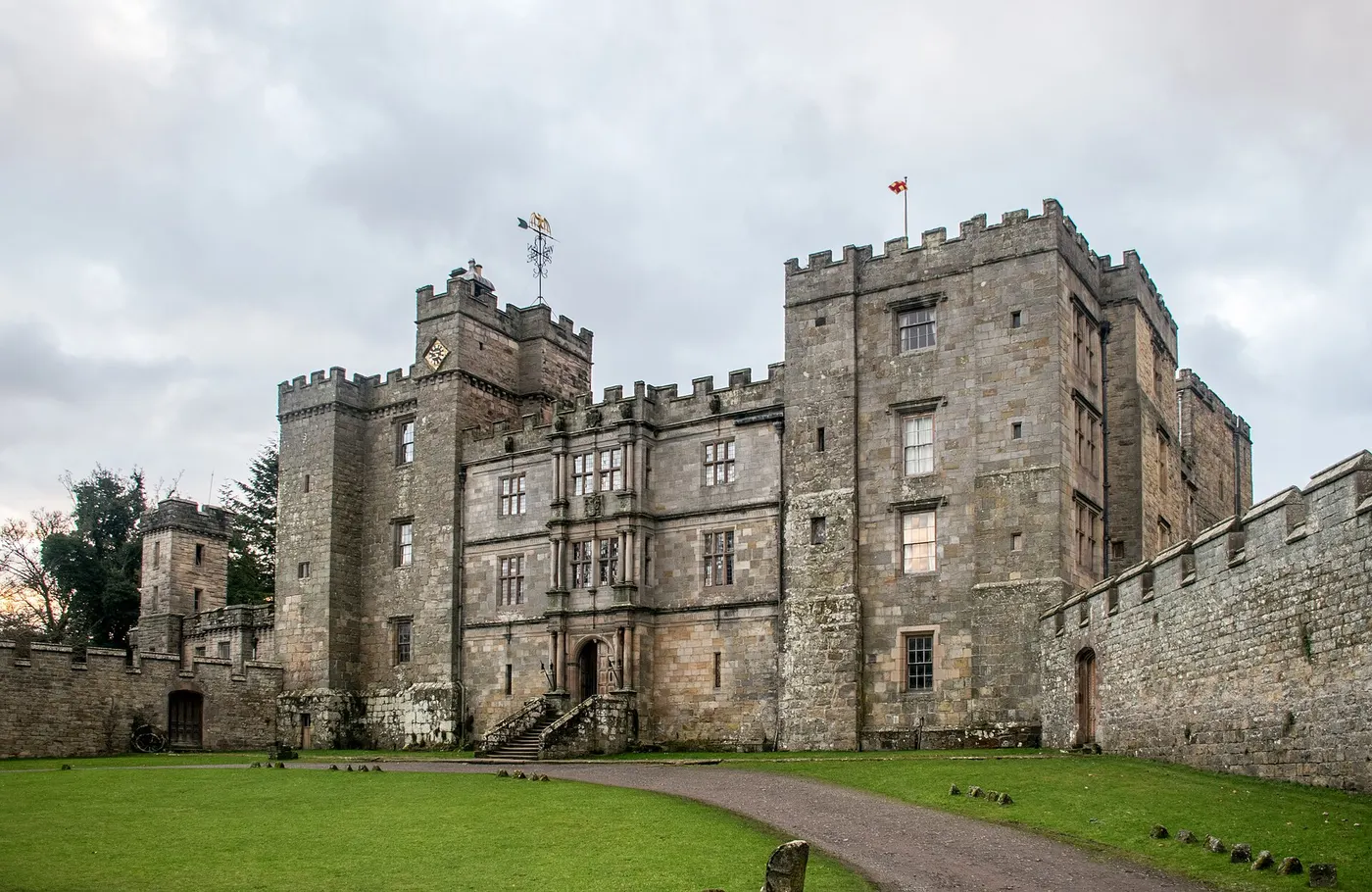
Chillingham Castle
A thirteenth-century castle in Northumberland on the Scottish border, where captured Scots were held and tortured for centuries — the torture chamber survives with its instruments. Its best-known figure is the Radiant Boy, a bluish glow by a wall of the Pink Room; during repairs a child's bones and a scrap of blue cloth were found bricked into that wall. After reburial, the owners say, it stopped.