Green level — mystical places on the map
Real places with nothing on their record — nothing that is reported to have happened to anybody. A history, a rumour, an atmosphere, a building with a past: the story is about the place itself rather than about what it does to whoever walks in. Most of the catalogue sits here, and that is the honest answer rather than a dull one.
138 placesAbout the danger levels
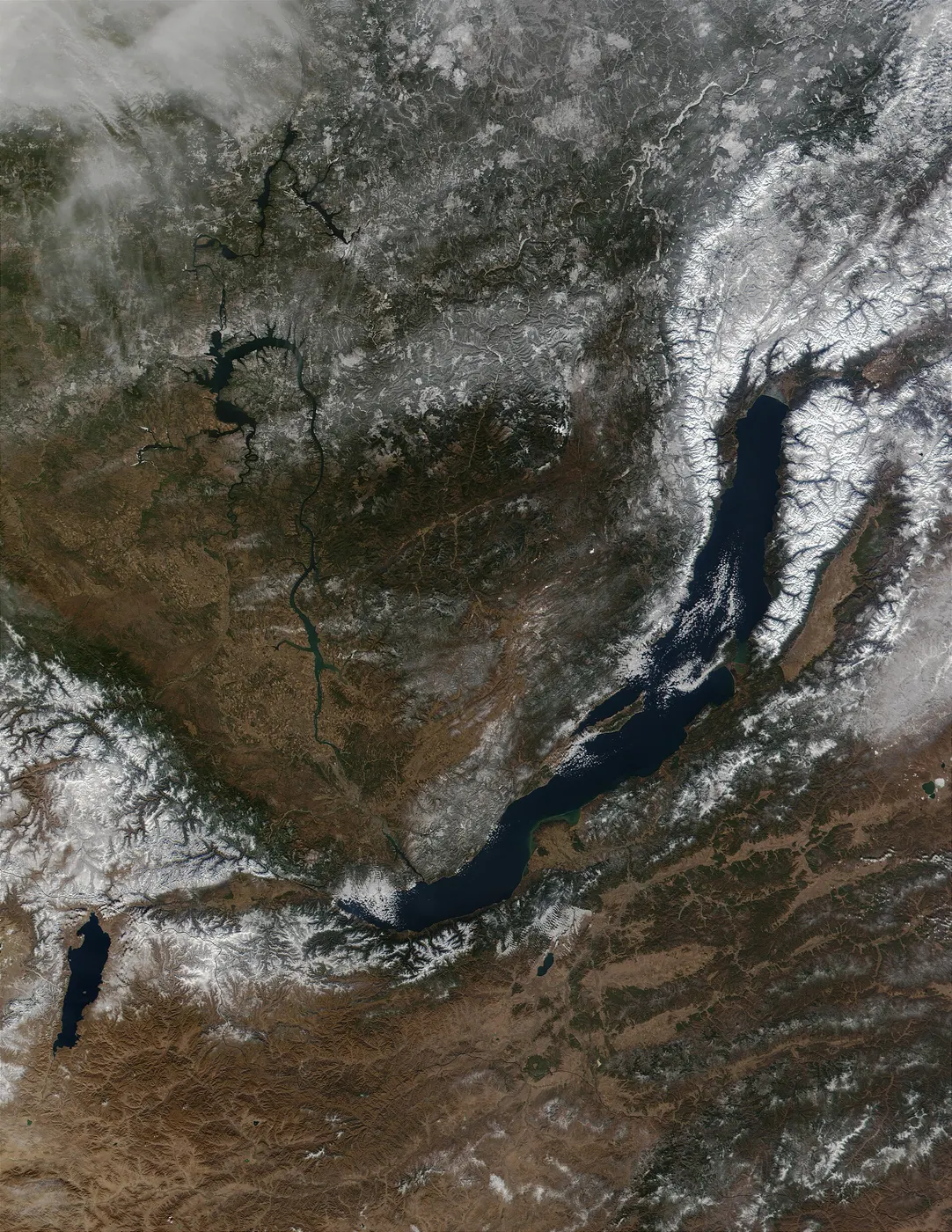
Lake Baikal
The deepest lake on earth, holding a fifth of the world's unfrozen fresh water. Buryat tradition fills it with spirits, and Cape Burkhan on Olkhon is one of the nine shrines of Asia, which not every shaman may approach. A separate body of stories concerns the Baikal mirages, in which non-existent shores and ships are seen above the water; the effect is physically real and comes from temperature layers in the air.
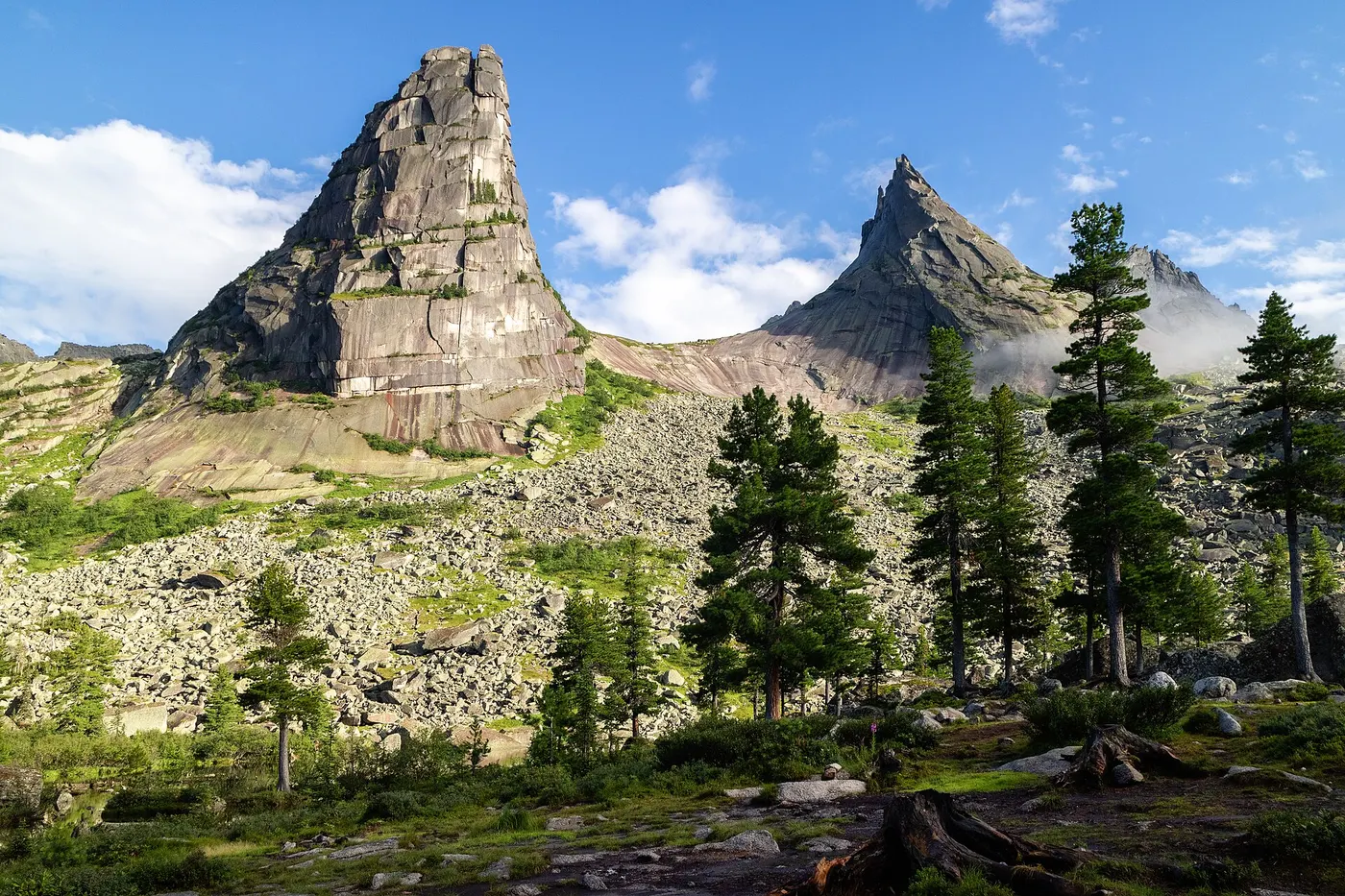
Ergaki
A mountain knot in the Western Sayan with the Hanging Stone — a many-ton block balanced on a rock face so finely that, by the accounts, it could be rocked by hand. Local tradition says that when it falls, disaster follows; in the 2000s it shifted and stopped moving, which caused visitors noticeable unease. Separately there is the Sleeping Sayan, a ridge whose profile reads as a reclining human figure.
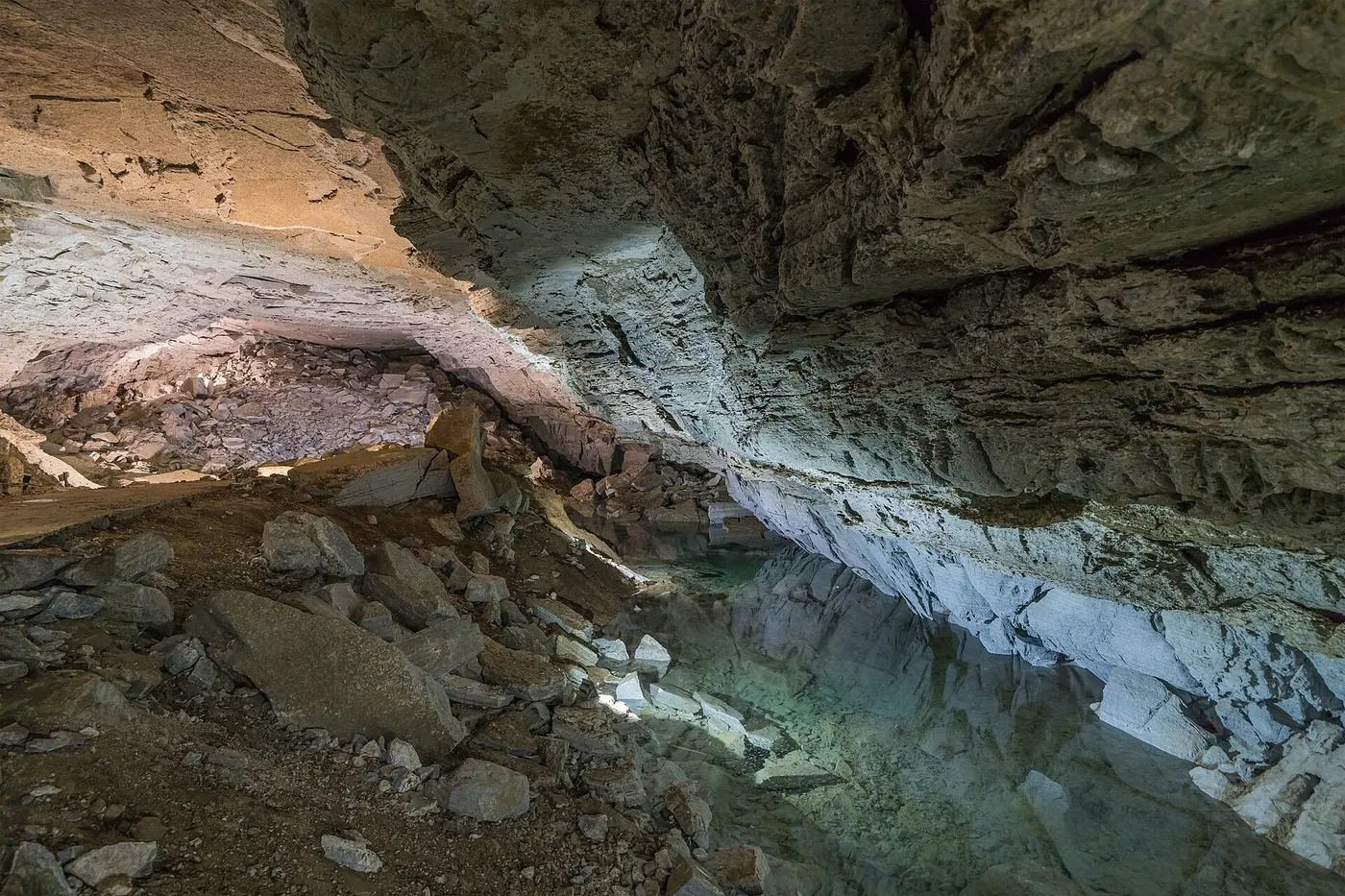
The Kungur Ice Cave
A gypsum cave in Perm Krai some six kilometres long, with seventy underground lakes and permanent ice in the entrance chambers. The first survey was drawn in 1703. Tradition holds that Yermak's band wintered here before crossing the Urals, and one grotto is called the Ladies' Tears — legend has a daughter of Christian X of Denmark slipping and dying here on a visit.
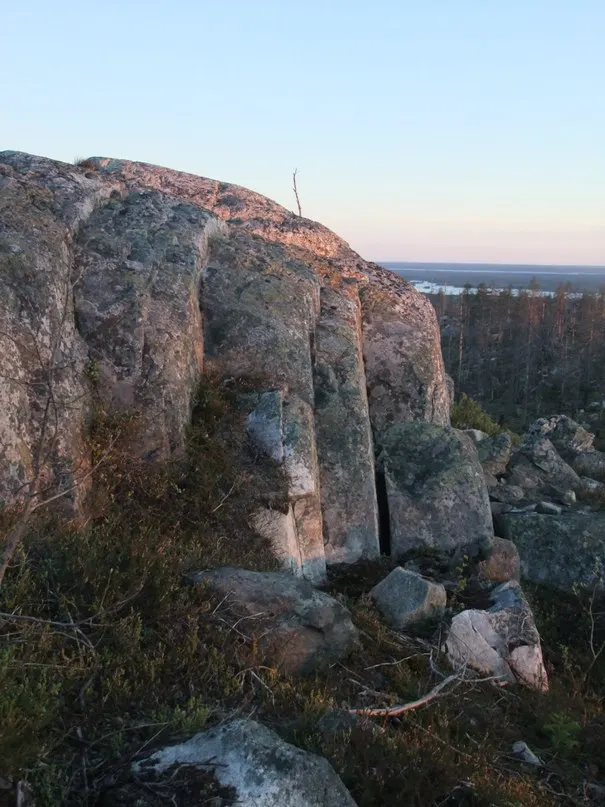
Vottovaara
A hill in Karelia whose summit carries some fifteen hundred seids — boulders set up on smaller stones as though on legs. Their origin is unsettled: some read them as Sámi cult objects, others as the work of a retreating glacier. The trees on top are twisted and broken, attributed to an earthquake some nine thousand years ago. It is considered one of the principal places of power in the Russian north.
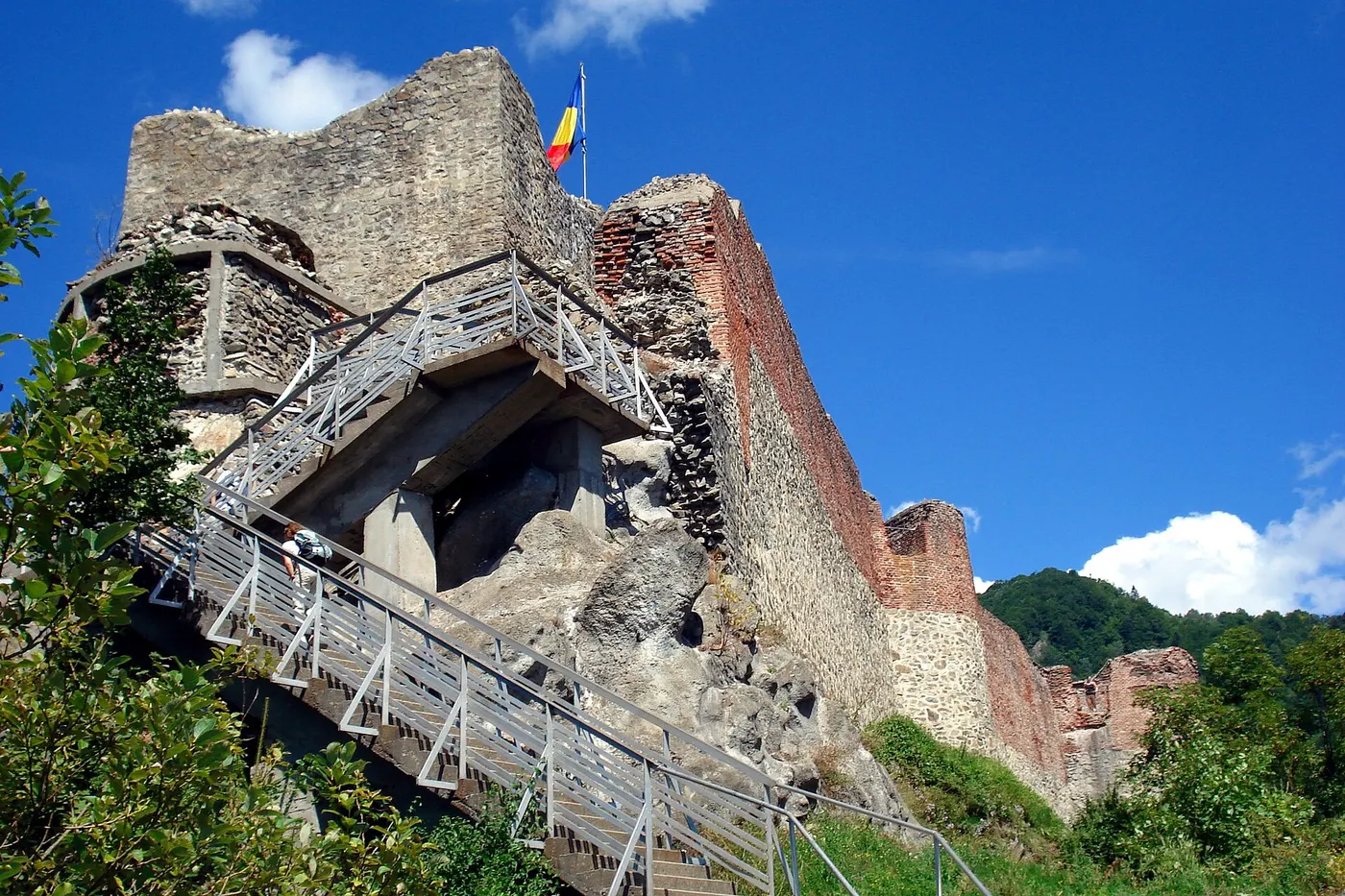
Poenari Castle
Vlad the Impaler's actual fortress — as opposed to Bran Castle, which had almost nothing to do with him. Vlad rebuilt it with the hands of the boyars he blamed for his brother's murder: they were marched here after an Easter feast and worked until their clothes fell apart. Tradition has Vlad's wife throwing herself from it into the Argeș on hearing the Turks were coming. Fourteen hundred and eighty steps lead up to it.
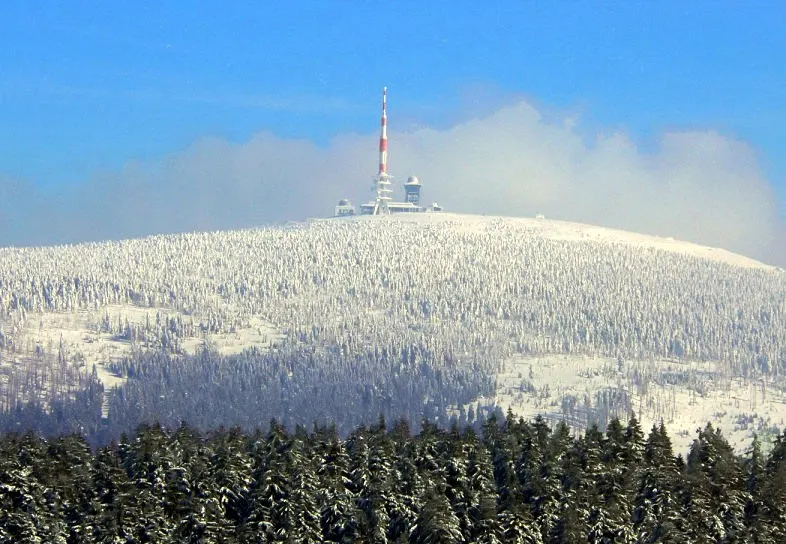
The Brocken
The highest point of the Harz, where German tradition has witches gathering on Walpurgis Night — Goethe sent Faust there. The mountain gave its name to an optical effect: the Brocken spectre, the observer's own vast shadow cast on cloud below with a rainbow halo round the head. The effect is real and explicable, and probably lies behind a share of the stories of encounters at the summit.
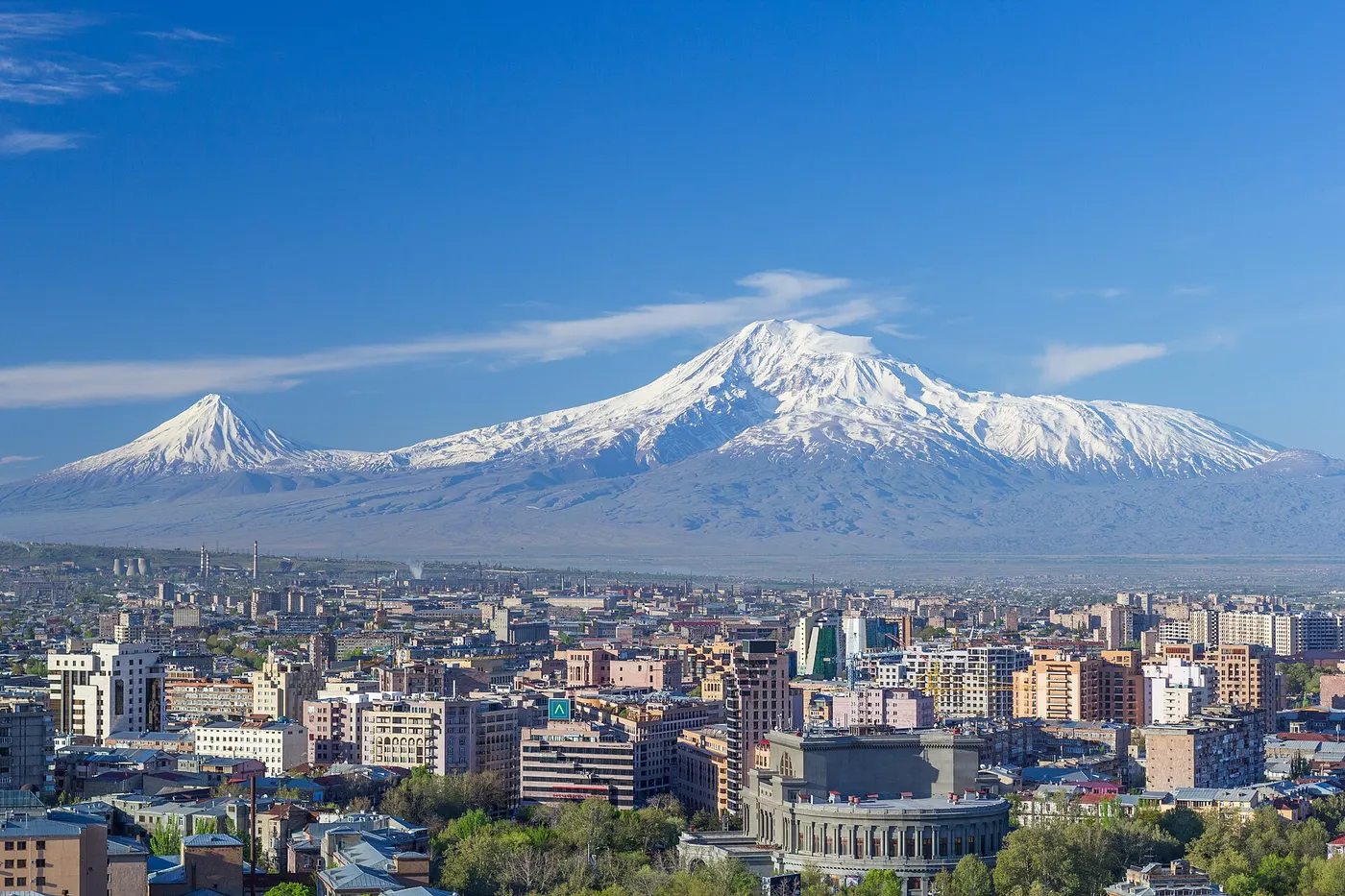
Mount Ararat
A mountain in eastern Turkey that biblical tradition names as the resting place of the ark. Searches have run since the nineteenth century and have not stopped: in 1949 aerial photography recorded a dark structure on the glacier, known as the Ararat Anomaly, whose images were only declassified in 1995. Geologists explain it as an outcrop. The mountain is closed to unrestricted climbing, which has not deterred anyone.
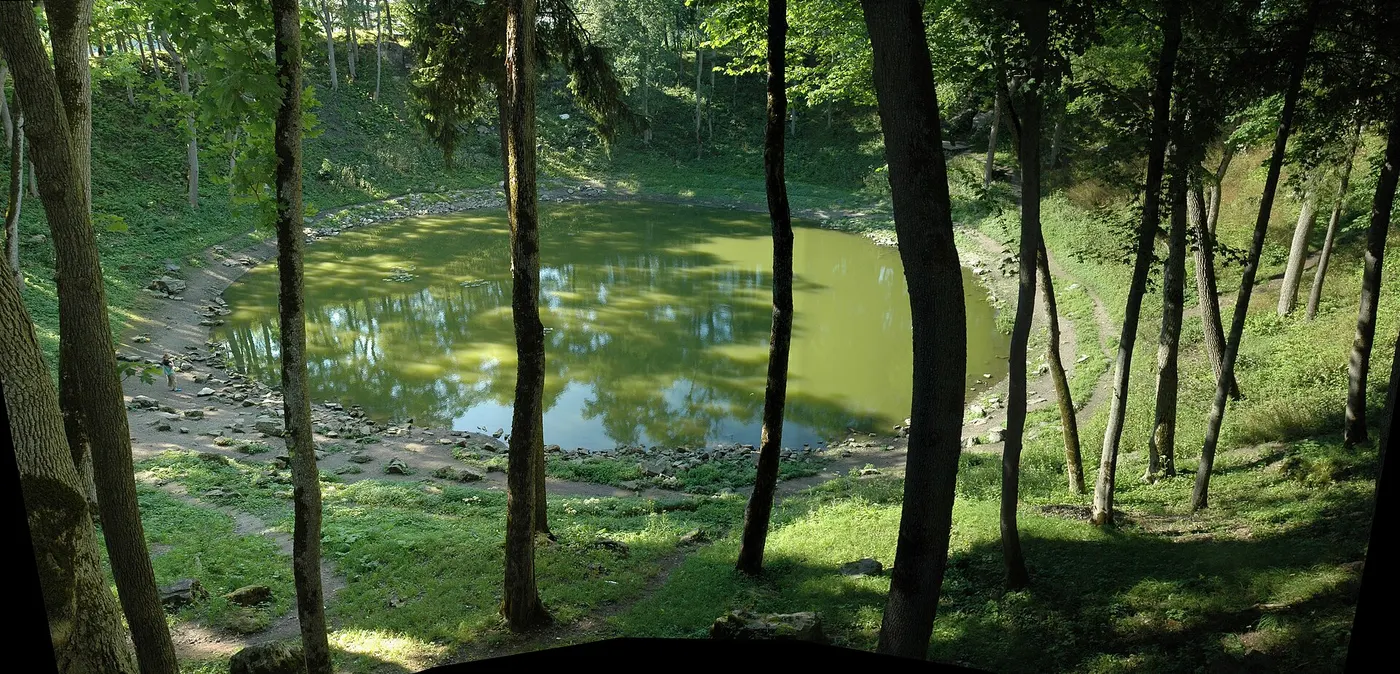
The Kaali Crater
A meteorite crater on the Estonian island of Saaremaa, formed around 1500 BC — within the memory of people living nearby. The blast burned the forest for six kilometres, and the event probably entered Finnish and Norse mythology as the sun falling. The lake in the crater served as a sacrificial site for centuries: animal bones are found on the bed and around the shore, and a stone wall once enclosed it.
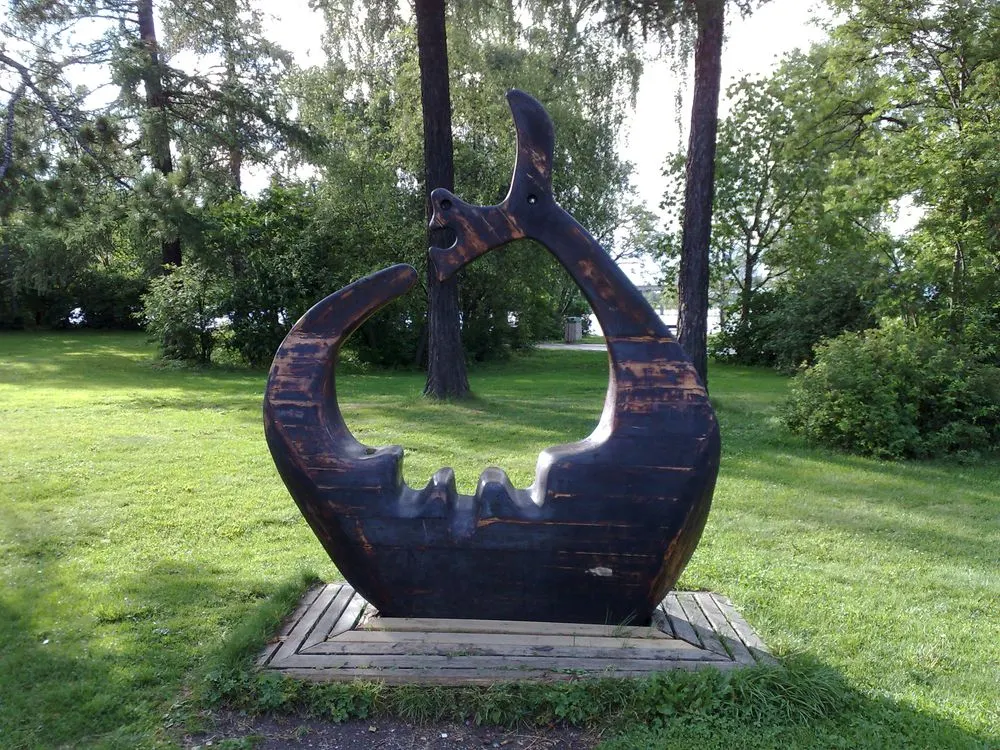
Storsjön and the Great Lake Monster
Lake Storsjön ("The Great Lake") is Sweden's fifth-largest lake, spanning roughly 464 square kilometers with a maximum depth of 74 meters, situated within the province of Jämtland in central Sweden. Characterized by glacial geology, scenic shores surrounding the central island of Frösön, and mountain panoramas, the lake is globally renowned as the home of Sweden's Loch Ness equivalent: the legendary lake serpent Storsjöodjuret (affectionately nicknamed "Birger"), historically distinguished as the only mythical cryptid ever granted statutory protection under regional wildlife conservation laws.
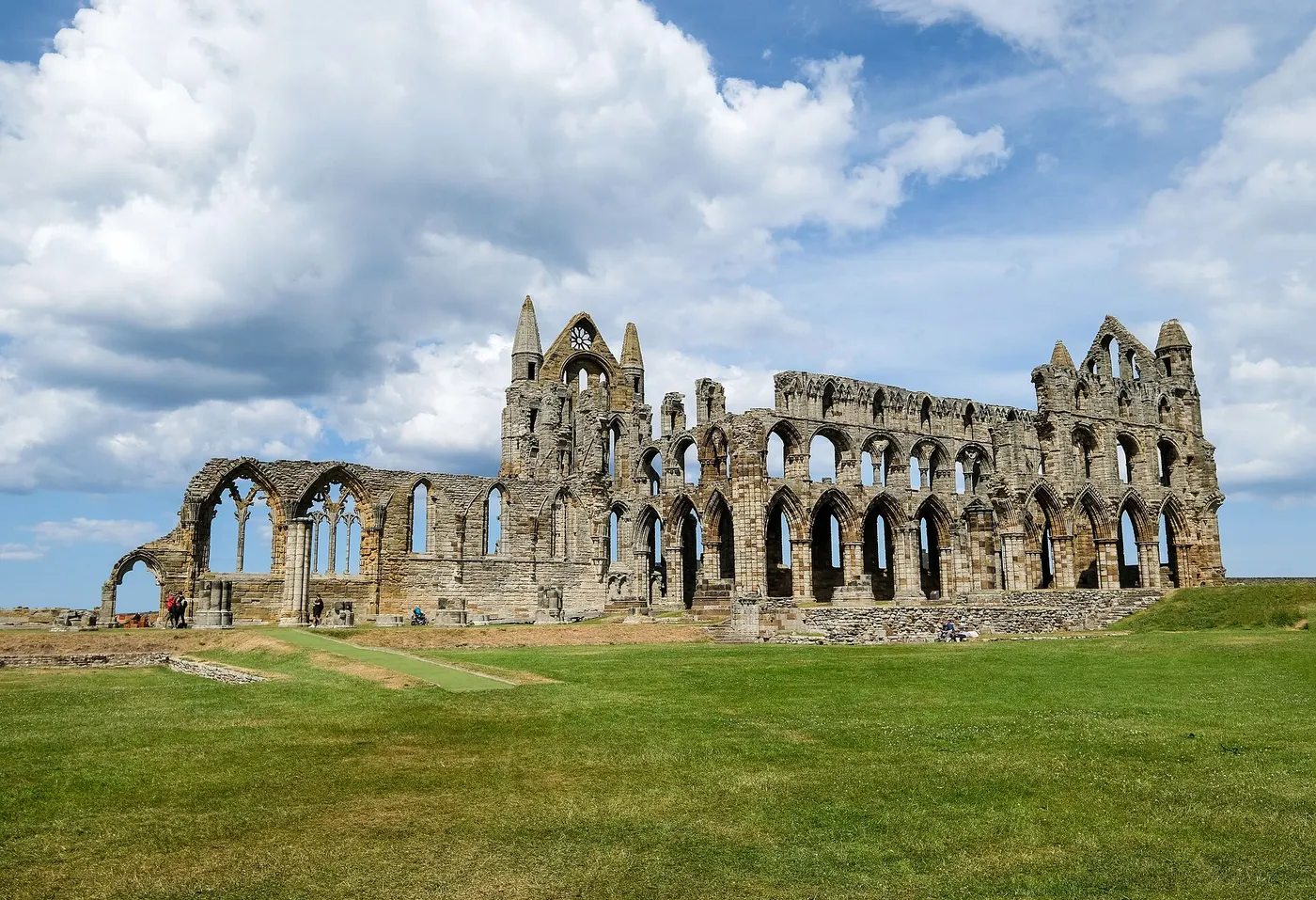
Whitby Abbey
The ruins of a Benedictine abbey on a cliff above the North Sea, where Bram Stoker spent a holiday in 1890 and found the name of the Wallachian prince Dracula in the local library. In the novel it is here that the Demeter runs aground and the count, in the shape of a black dog, bounds up the hundred and ninety-nine steps to the church. The steps are real, the abbey is real, and one of Europe's largest goth festivals gathers in Whitby every year.
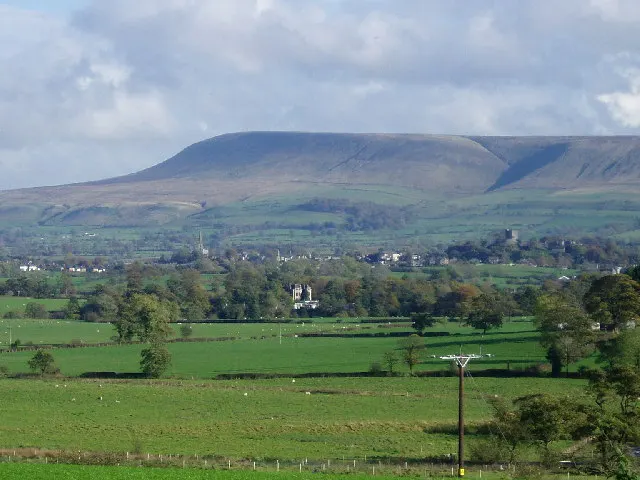
Pendle Hill
A Lancashire hill beneath which the most famous English witch trial took place in 1612: twelve accused, ten hanged, charges of ten murders by witchcraft. Much of the evidence came from a nine-year-old girl testifying against her own family. Thousands climb to the summit every Hallowe'en, and Lancashire police ask them not to every year.
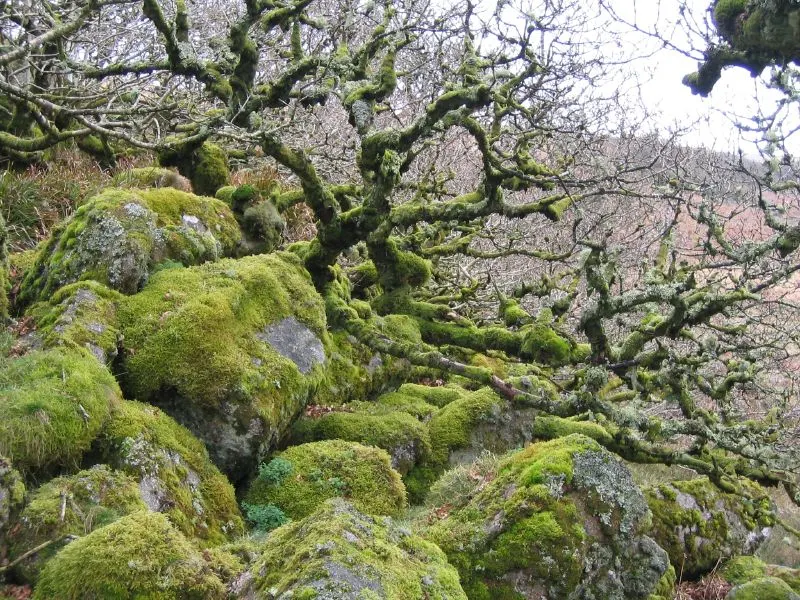
Wistman's Wood
A tiny grove of dwarf oaks on Dartmoor, growing straight out of granite boulders and covered entirely in moss and lichen. The trees are wind-twisted past recognition and there are gaps between the stones deep enough to swallow a person. The name is traced to the dialect word wisht — eerie, enchanted. It is thought to be one of the last remnants of the forest that covered Dartmoor before the Bronze Age.
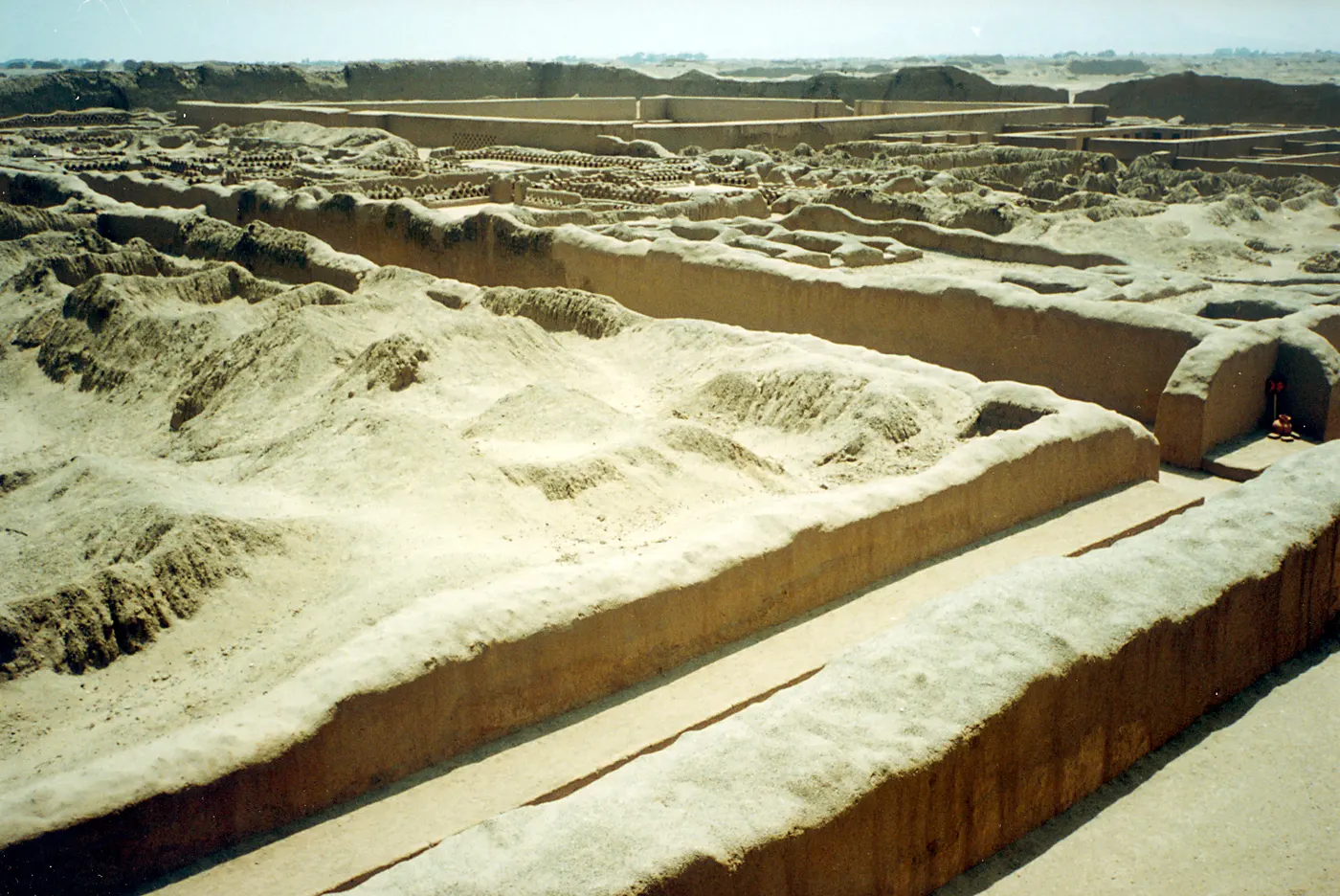
Chan Chan
The largest adobe city in the world: twenty square kilometres of mudbrick walls, capital of the Chimú kingdom until the Inca took it around 1470. The walls carry reliefs of sea creatures and waves. In 2018 a burial was found here containing the remains of more than a hundred and forty children and two hundred llamas — the largest known child sacrifice in history, made, judging by the silt layers, during a flood.
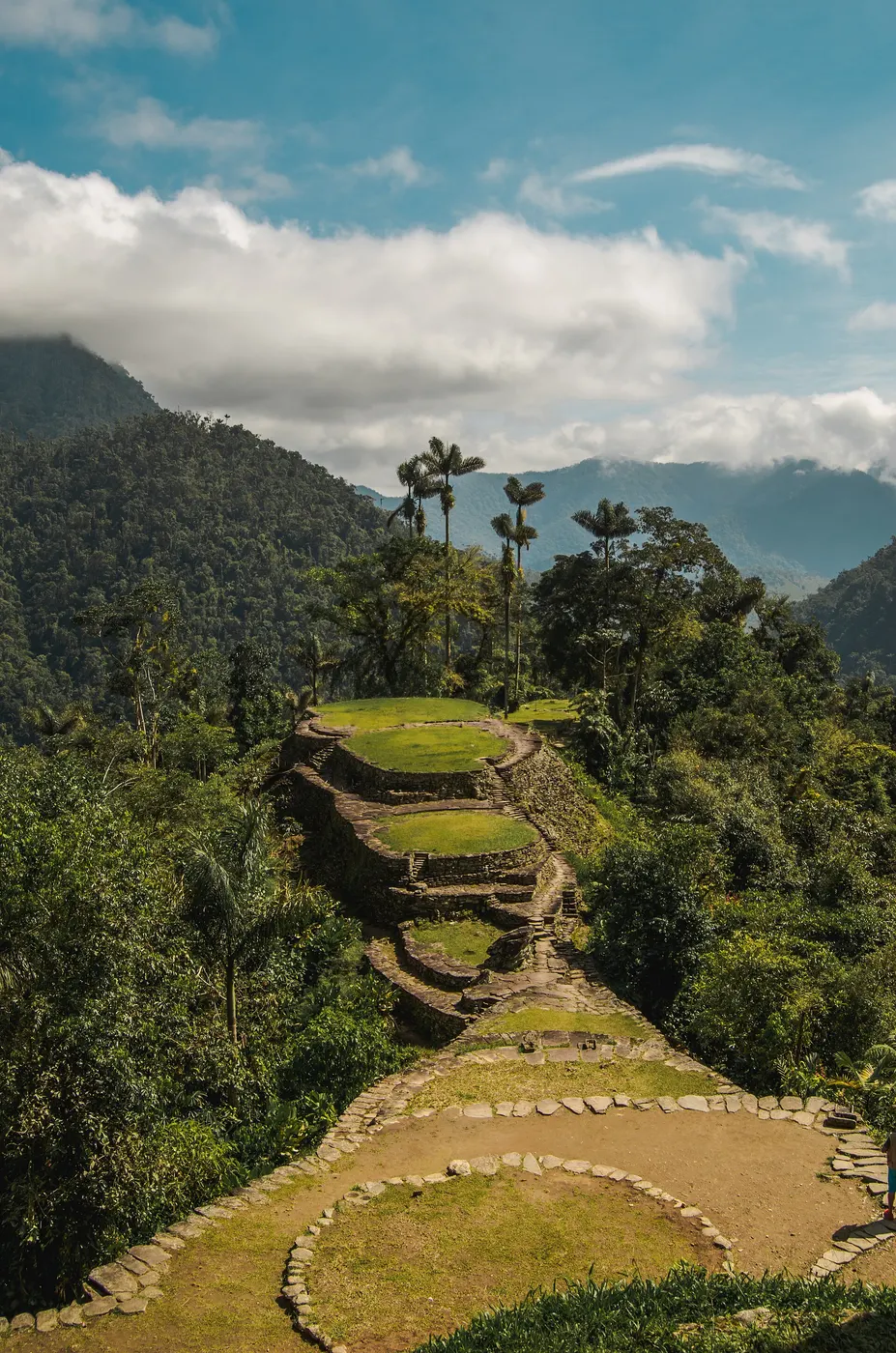
Ciudad Perdida
A Tairona city in the Colombian Sierra Nevada, founded around 800 AD — six and a half centuries before Machu Picchu. Abandoned during the Spanish conquest and found again only in 1972, by grave robbers who came upon twelve hundred steps climbing through the jungle. The Kogi peoples living nearby consider themselves its keepers and say they never lost it.
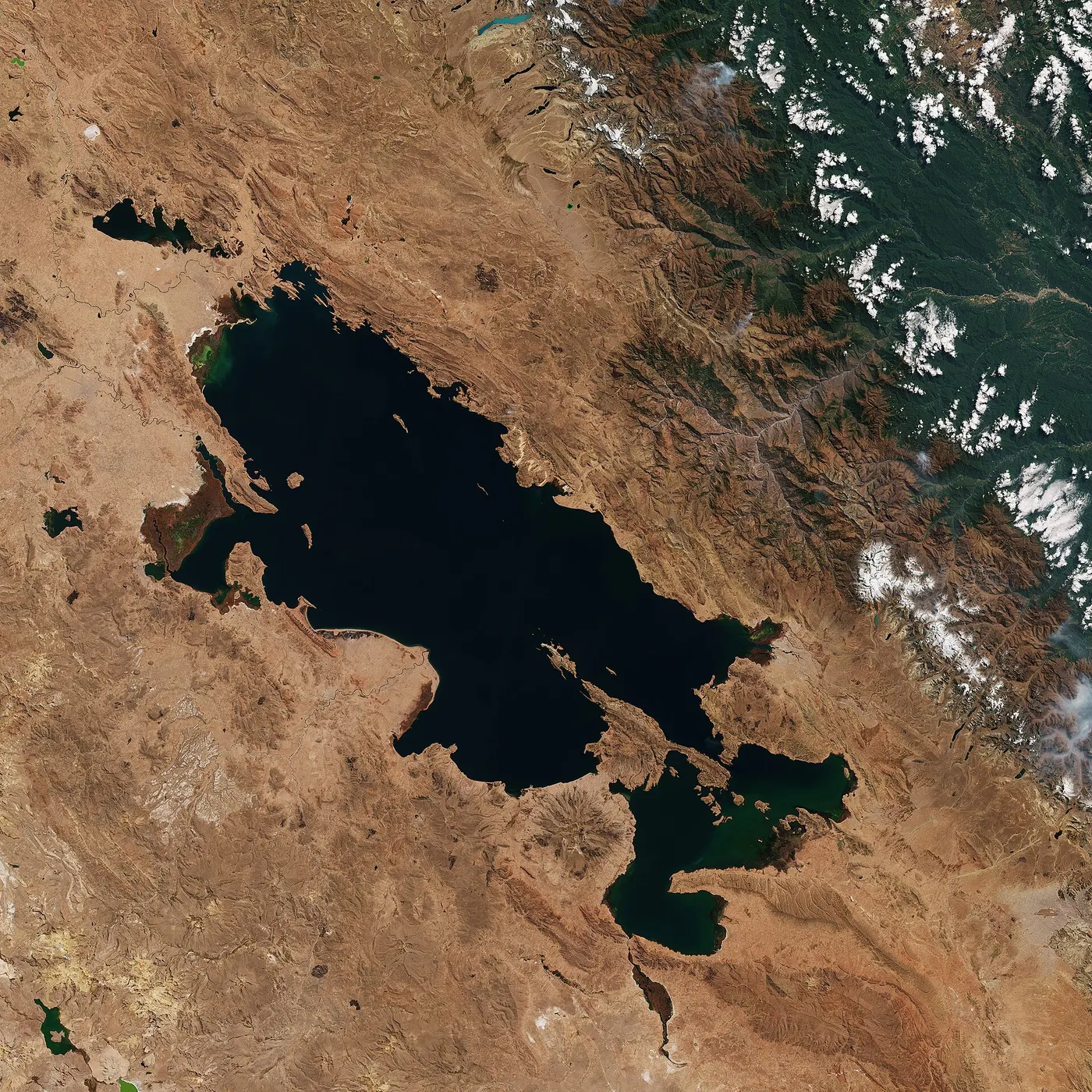
Lake Titicaca
The highest navigable lake in the world, on the Peru–Bolivia border, from which Inca tradition has Manco Cápac emerging to found their empire. In 2000 an underwater expedition found a stone terrace and a wall some eight hundred metres long on the bed near the Island of the Sun — pre-Inca Tiwanaku construction, now submerged. Offerings are still recovered from the bottom: gold figurines, incense, llama bones.
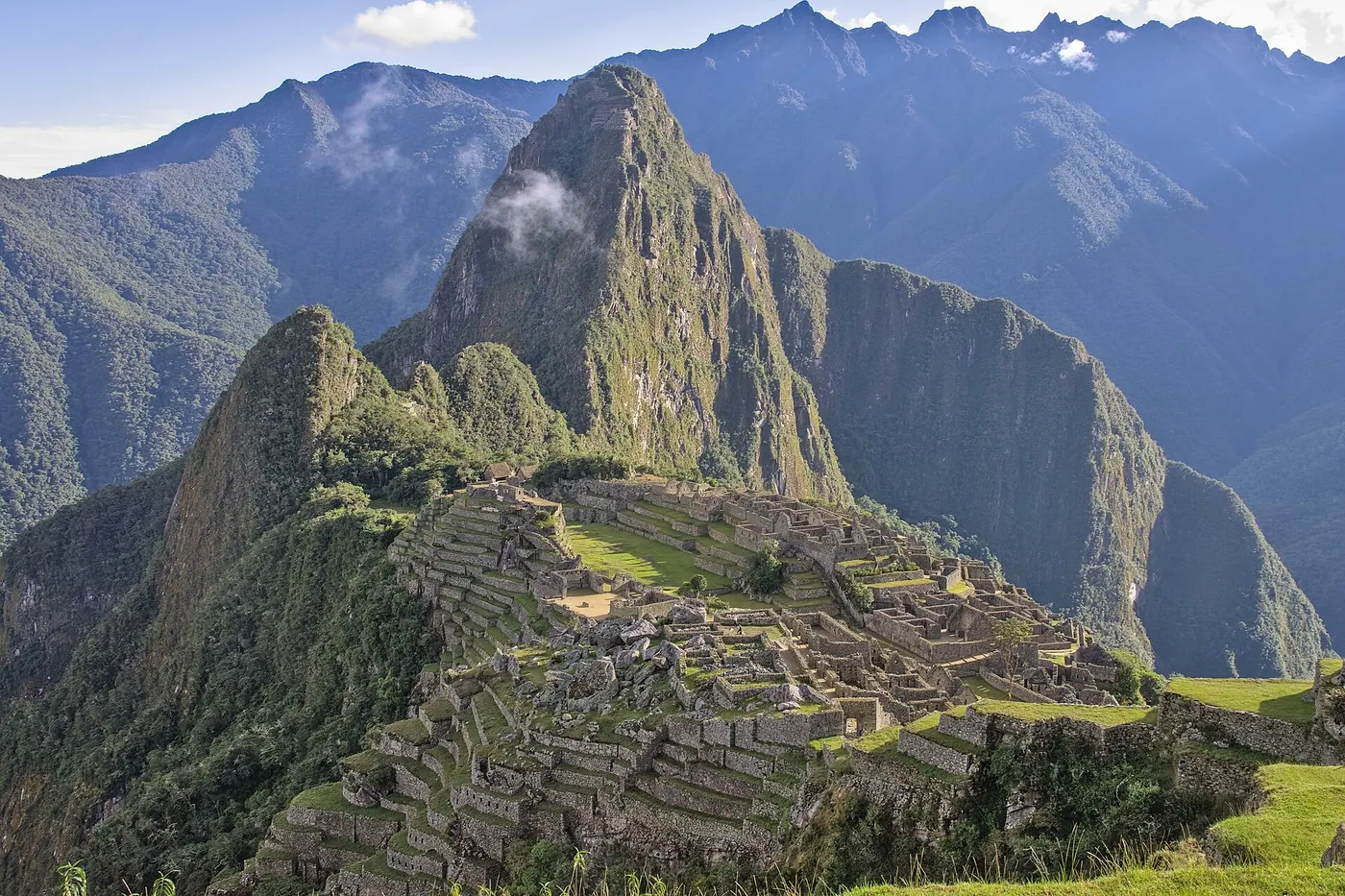
Machu Picchu
An Inca city on the saddle between two peaks at eight thousand feet, built around 1450 and abandoned perhaps a century later — probably to smallpox, which arrived ahead of the Spaniards themselves. The conquistadors never reached it and never learned it was there. The stones are fitted without mortar so closely that a knife blade will not go between them, and the Intihuatana, a carved pillar, casts almost no shadow at the solstices.
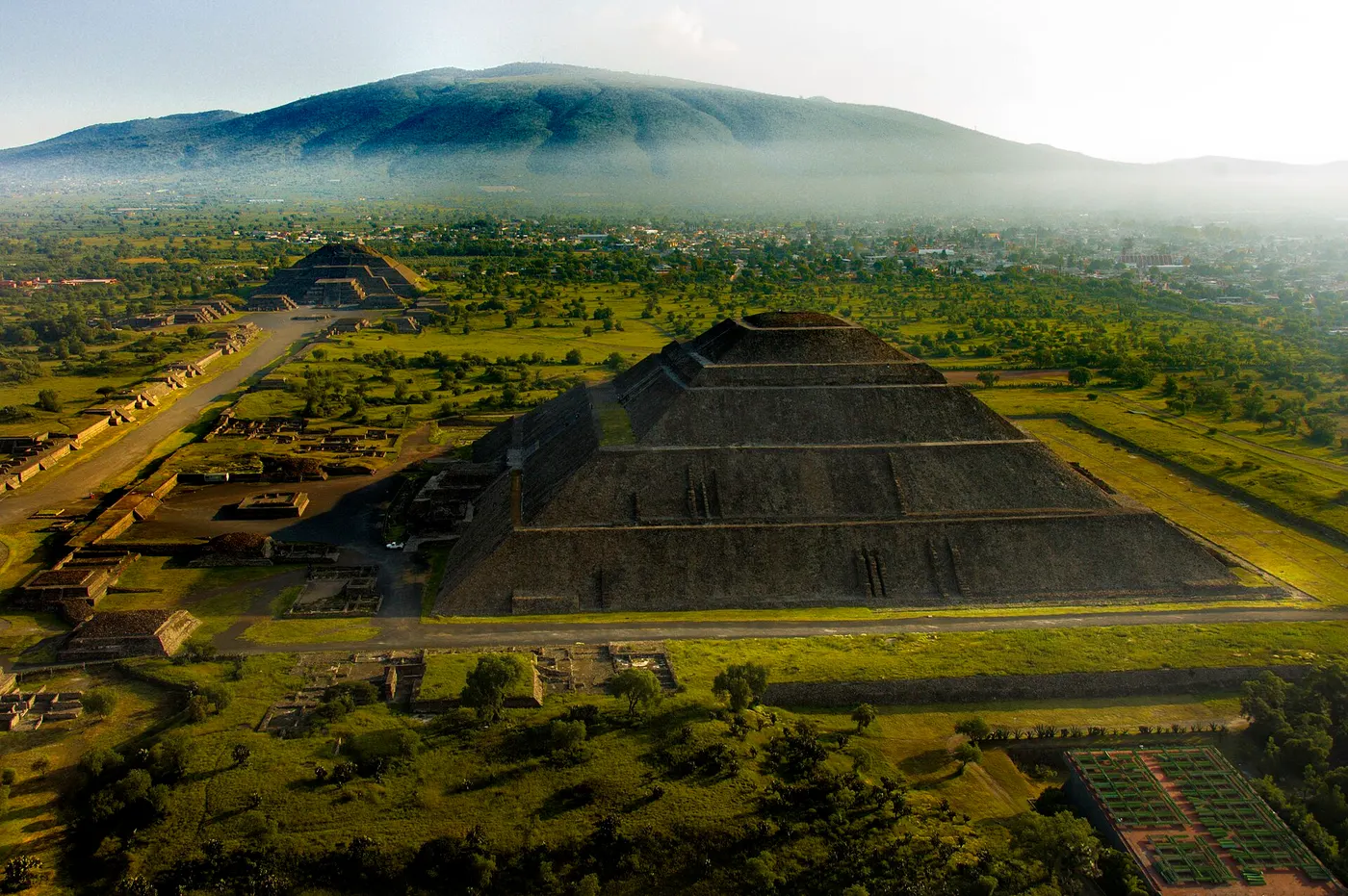
Teotihuacan
A city that was the largest in the Western Hemisphere by 500 AD and had already stood in ruins for centuries when the Aztecs arrived. They did not know who built it and named it the place where men become gods. Beneath the Temple of the Feathered Serpent, archaeologists found a tunnel in 2003 that had been sealed for nearly two thousand years: thousands of objects inside, chambers with ceilings dusted in pyrite to imitate a night sky, and pools of liquid mercury.
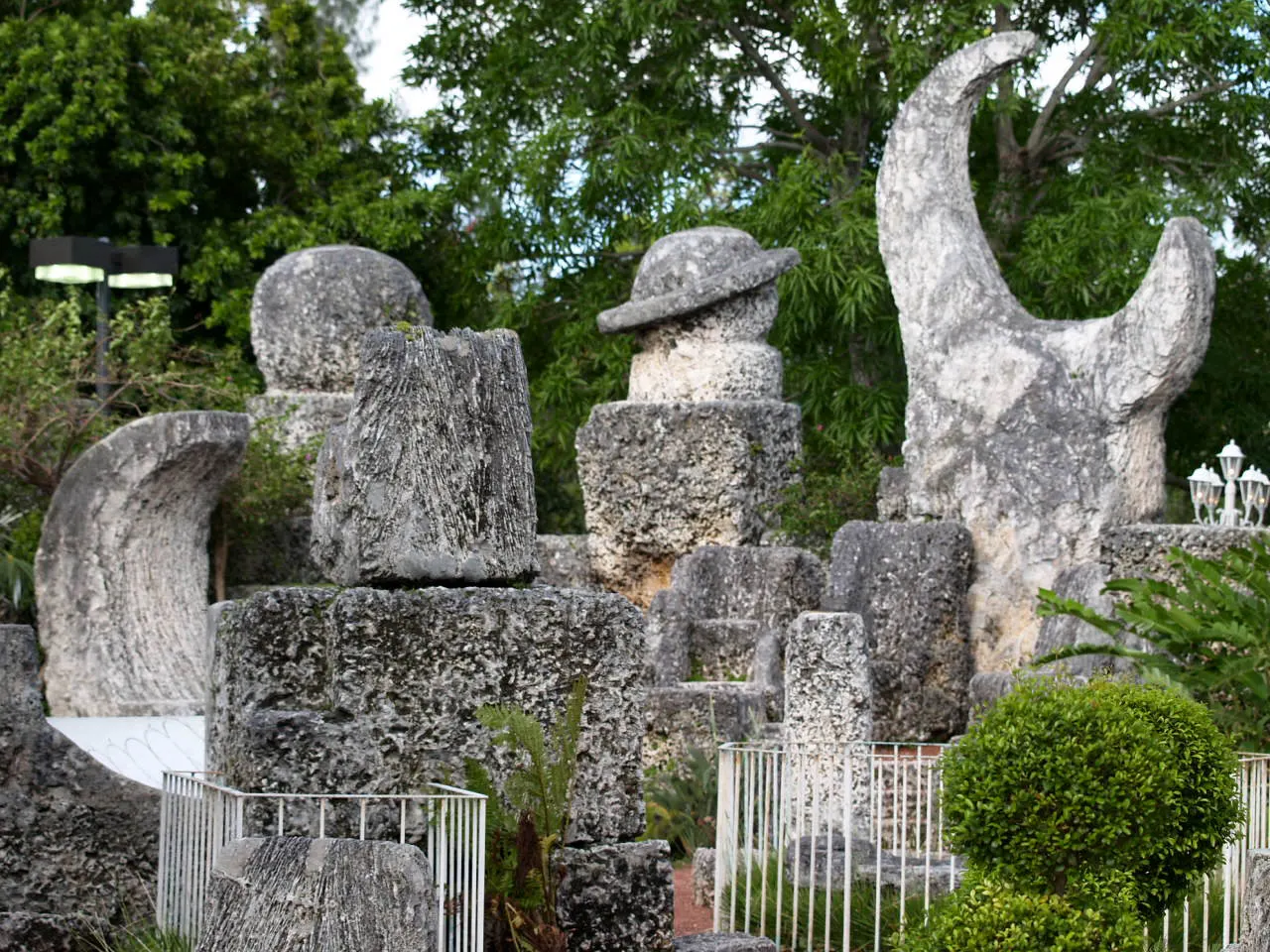
Coral Castle
A structure in Florida that the Latvian Edward Leedskalnin built alone over twenty-eight years from limestone blocks weighing up to thirty tons. He worked only at night and stopped if anyone approached. Asked how, he said he had worked out the secret of the pyramid builders. He died in 1951 leaving no drawings and no explanation; an engineering answer is likely and dull, and there is nobody left to test it on.
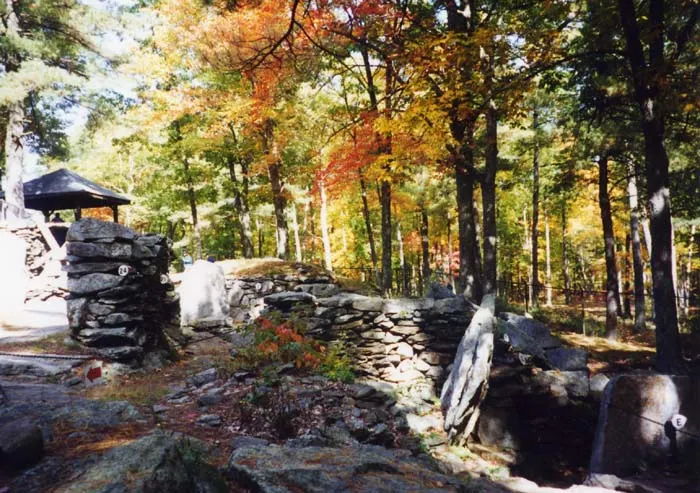
America's Stonehenge
A cluster of stone chambers, walls and slabs on a New Hampshire hill whose purpose has been argued for a century. Some read it as a pre-Columbian observatory aligned to the solstices, others as colonial farm structures and a nineteenth-century soap works. The central slab with a channel cut round its edge is known as the sacrificial table; it could equally be a lye press. The site works as an attraction and as an argument that does not resolve.
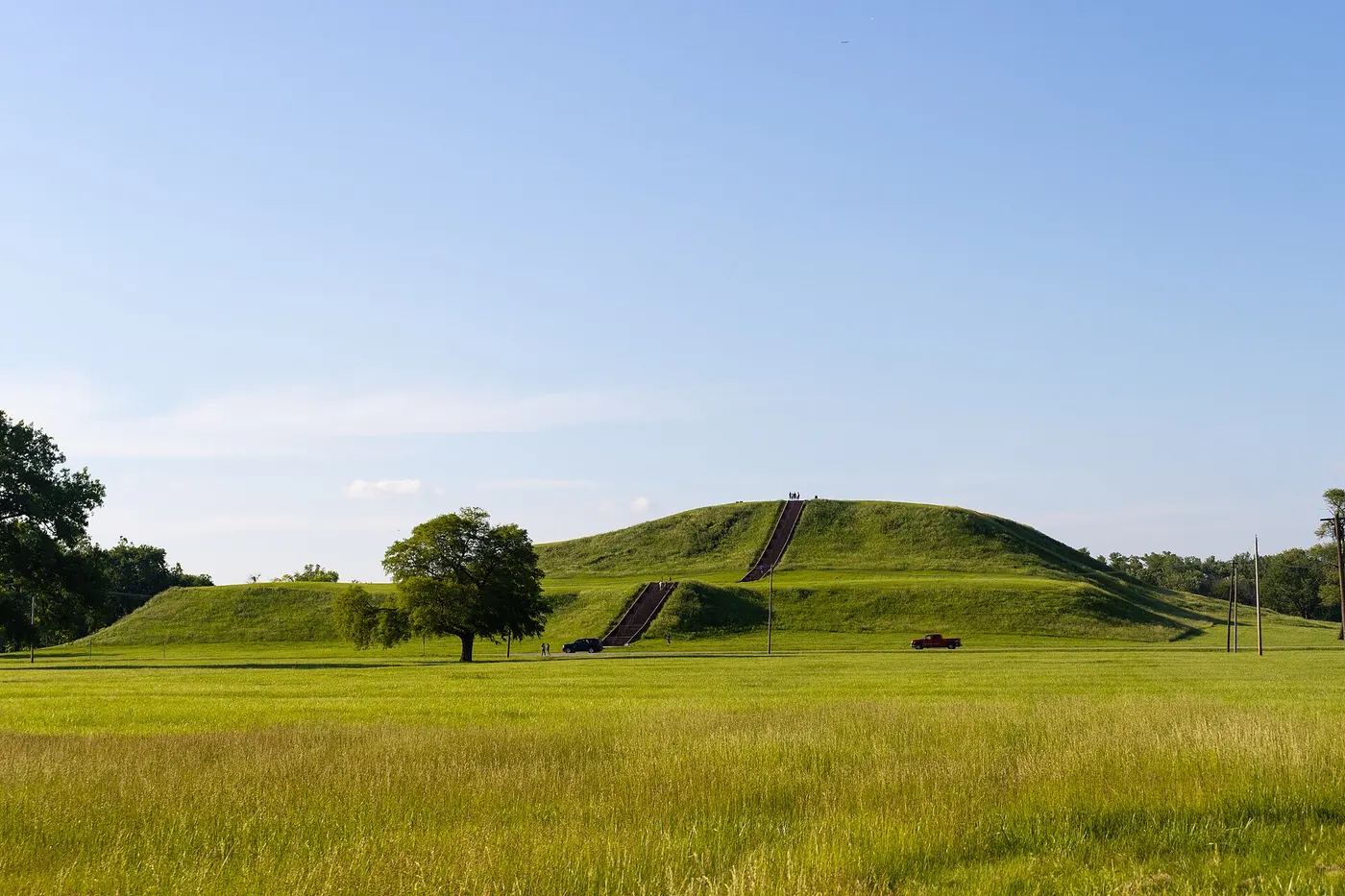
Cahokia
The largest pre-Columbian city north of Mexico: at its height around 1100 it held perhaps twenty thousand people, more than London at the time. Monks Mound has a larger base than the Great Pyramid. Mound 72 contained a burial with over fifty young women laid out in rows, almost certainly sacrificed. By 1350 the city was empty, for no clear reason, and it has never been explained.
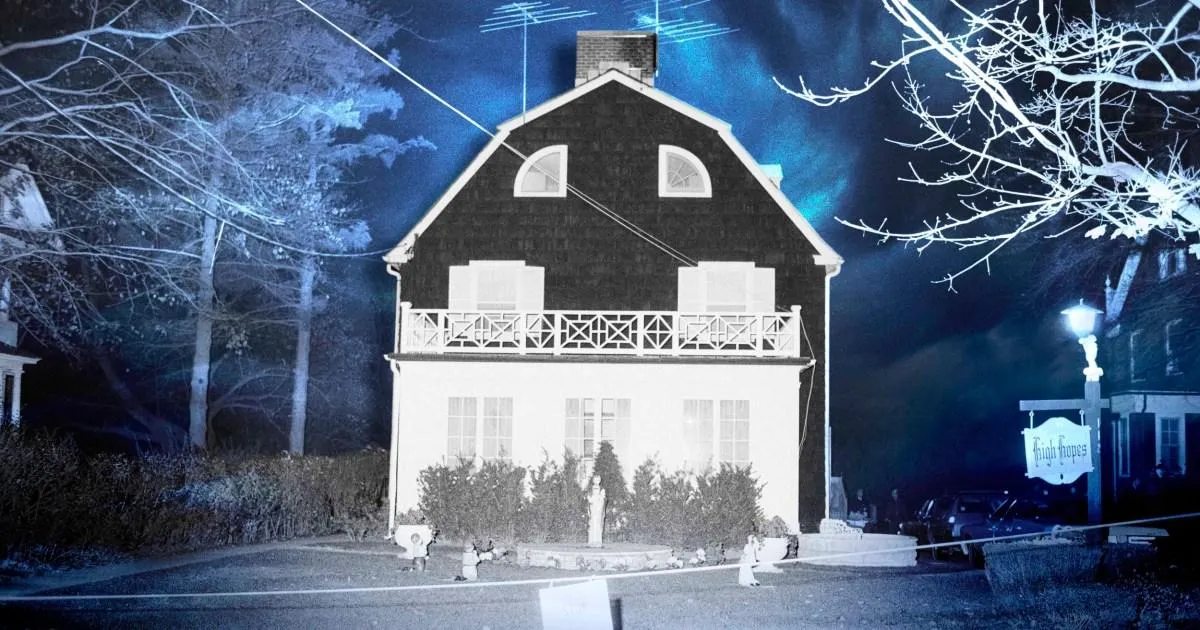
Amityville
A three-story Dutch Colonial suburban home located at 112 Ocean Avenue (subsequently renumbered to 108 Ocean Avenue) in the coastal village of Amityville, Suffolk County, Long Island, New York, United States. Constructed in 1927 and recognized by its distinctive gambrel roof and quarter-round eye-like attic windows, the property was the site of the November 1974 DeFeo family massacre. The subsequent claims of the Lutz family transformed the address into the quintessential "haunted house" of modern pop culture, launching the multimedia franchise The Amityville Horror.
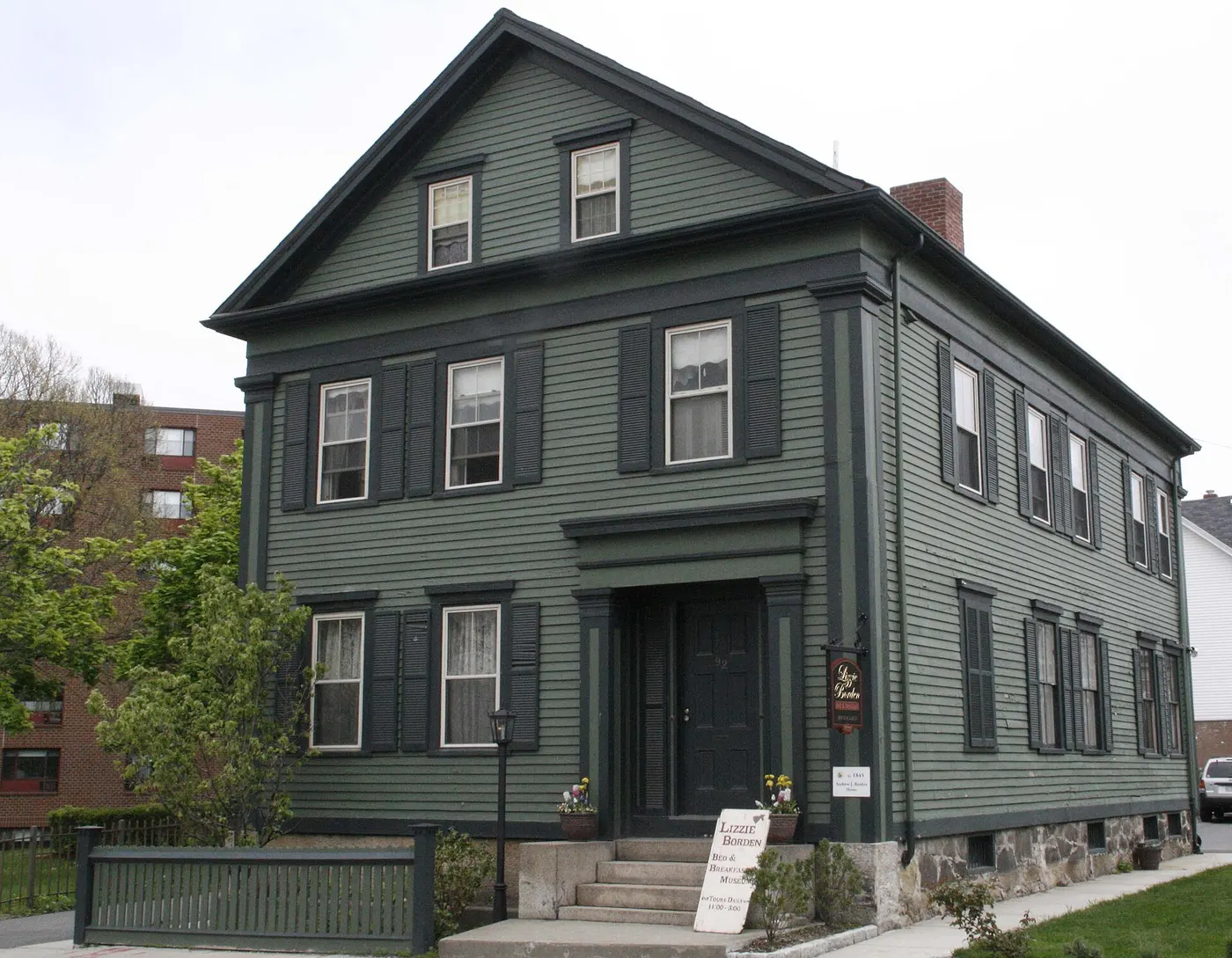
The Lizzie Borden House
The Lizzie Borden House is a mid-19th-century two-story Greek Revival timber residence situated at 230 Second Street (historically 92 Second Street) in the mill city of Fall River, Bristol County, Massachusetts, United States. On the morning of August 4, 1892, the residence was the scene of one of Victorian America's most brutal unsolved homicides: wealthy property owner Andrew Borden and his second wife, Abby Durfee Borden, were hacked to death with an axe or hatchet. The primary suspect was Andrew’s 32-year-old unmarried daughter, Lizzie Borden. Her sensational trial and subsequent acquittal generated enduring historical debate, transforming the property into a functioning museum, a commercial bed-and-breakfast, and an international hub for paranormal tourism.
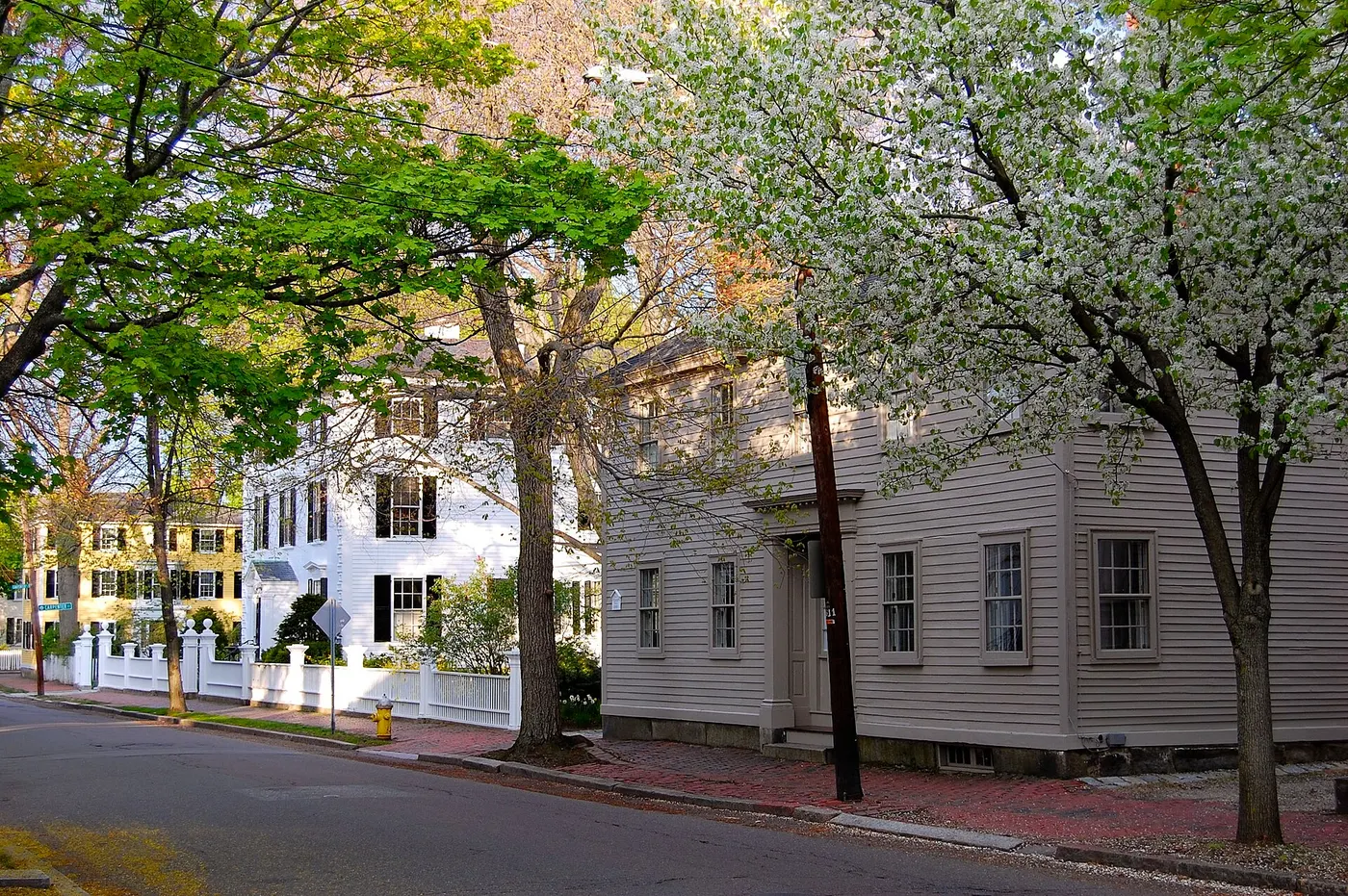
Salem
In 1692 nineteen people were hanged here for witchcraft, one was pressed to death under stones, and several more died in gaol. It began with the fits of two girls and evidence the court accepted without proof — including "spectral" testimony, meaning a claim that the accused's spirit had appeared to a witness. Salem lives on the story openly now: museums, a memorial on the execution ground, and a reputation that fills the town every October.
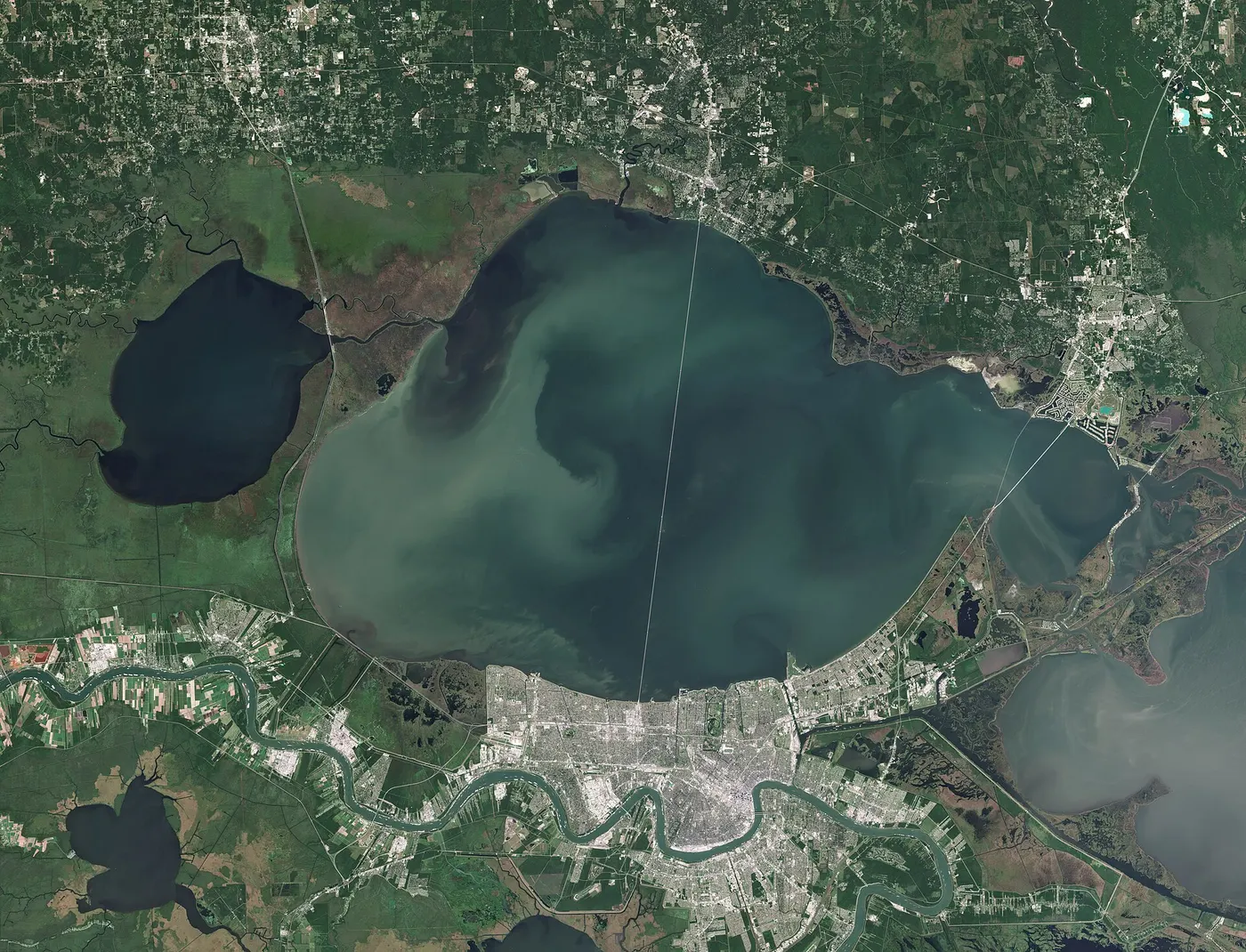
Lake Pontchartrain, at the Gates of Voodoo
The vast brackish estuary beside New Orleans, on whose shores voodoo rites were held through the nineteenth century — most famously Marie Laveau's St John's Eve gatherings at Bayou St John. Traces of offerings still turn up at night: candles, coins, bones. A causeway nearly twenty-four miles long crosses the lake, and from its middle no shore is visible at all — a sensation locals count as its own reason not to drive it in fog.