Green level — mystical places on the map
Real places with nothing on their record — nothing that is reported to have happened to anybody. A history, a rumour, an atmosphere, a building with a past: the story is about the place itself rather than about what it does to whoever walks in. Most of the catalogue sits here, and that is the honest answer rather than a dull one.
138 placesAbout the danger levels
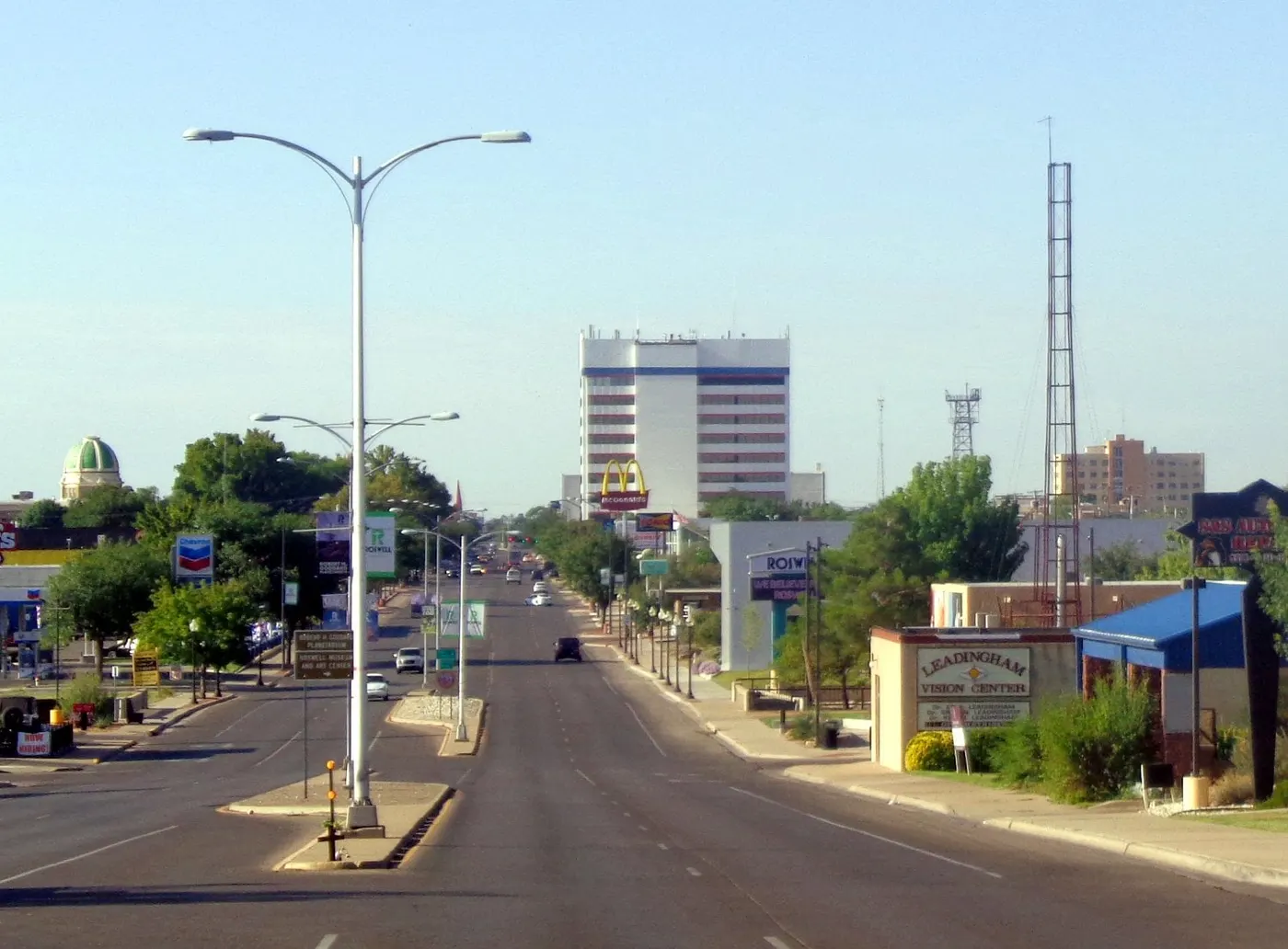
Roswell
On 8 July 1947 the army airfield at Roswell issued a press release saying it had recovered a "flying disc". Hours later the statement was withdrawn and the debris called a weather balloon. It would have been forgotten if participants had not started telling it differently in the late 1970s; by the 1990s Roswell was shorthand for cover-up. In 1994 the Air Force admitted the balloon was not meteorological but part of Project Mogul, listening for Soviet nuclear tests — a truth forty-seven years late, which by then convinced nobody.
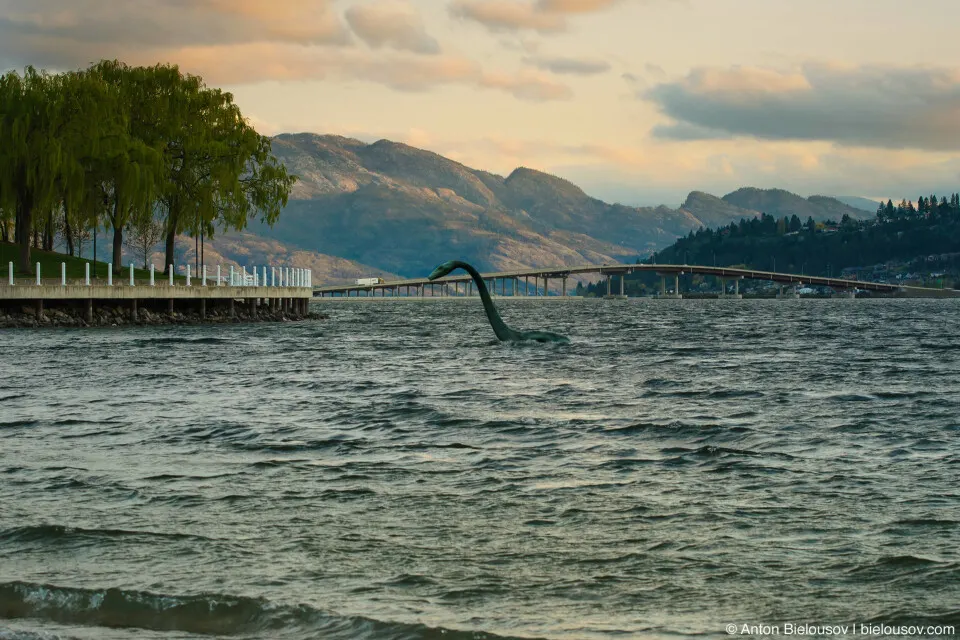
Okanagan Lake and Ogopogo
Okanagan Lake is an elongated, fjord-like glacial lake located within the Okanagan Valley of southern British Columbia, Canada, spanning roughly 135 kilometers north-to-south with depths reaching up to 232 meters. Flanked by semi-arid hills, vineyards, and the municipalities of Kelowna, Vernon, and Penticton, the basin has achieved international recognition as the epicenter of North American cryptozoology: the alleged domain of "Ogopogo," Canada's definitive lake monster archetype.
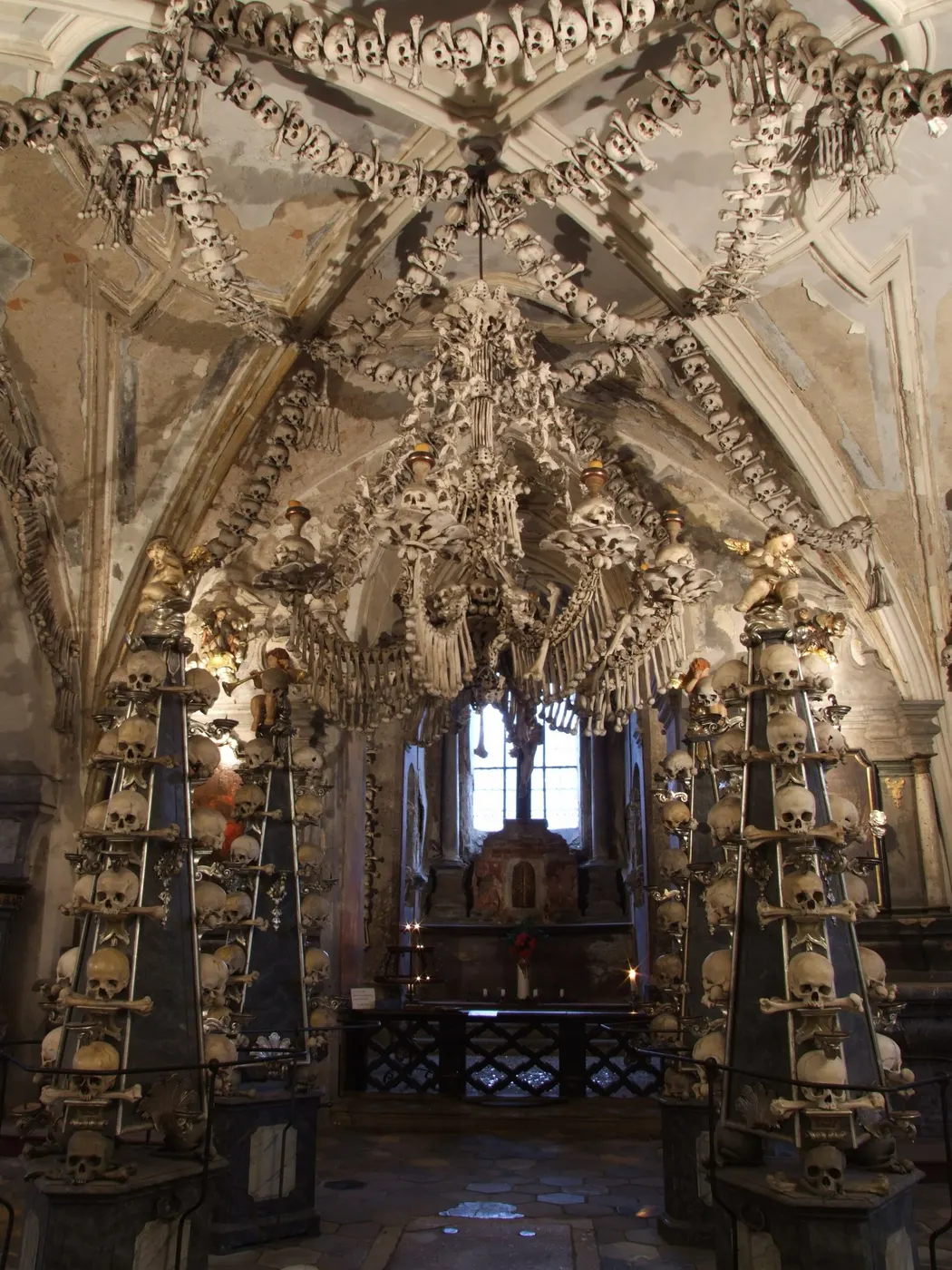
Sedlec Ossuary
The Sedlec Ossuary (Kostnice v Sedlci) is a Gothic chapel situated beneath the Cemetery Church of All Saints in Sedlec, a suburb of Kutná Hora in the Czech Republic. It is one of the most striking and macabre monuments in Europe: the chapel’s interior is famously decorated with the skeletal remains of tens of thousands of people, fashioned into ornate furnishings, towering bone pyramids, garlands, and an intricate noble coat of arms.
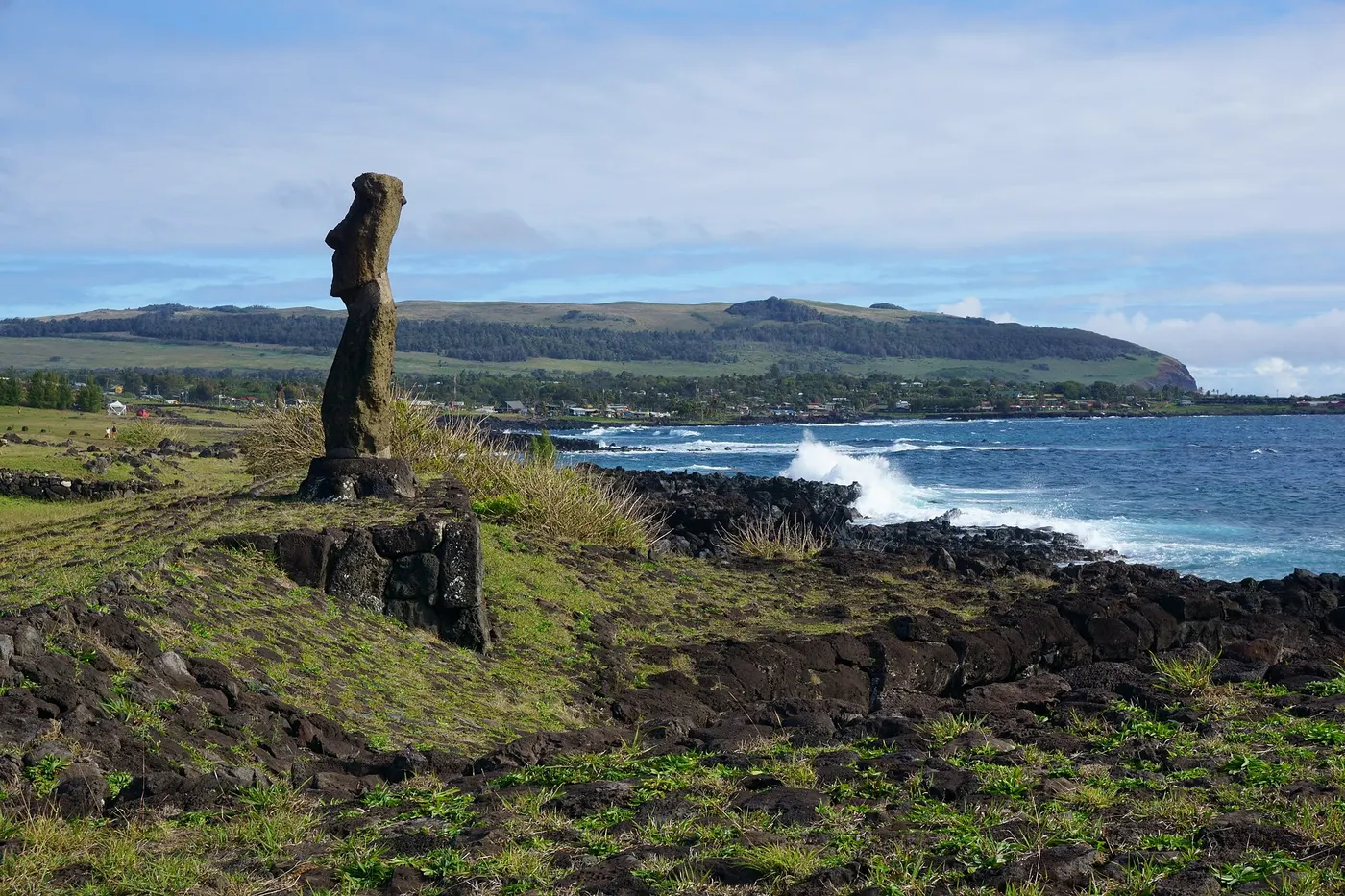
Easter Island
One of the most remote inhabited islands on Earth, holding nearly 900 moai statues. How they were carved, moved for kilometres and raised had a simple Rapa Nui answer: the moai "walked".
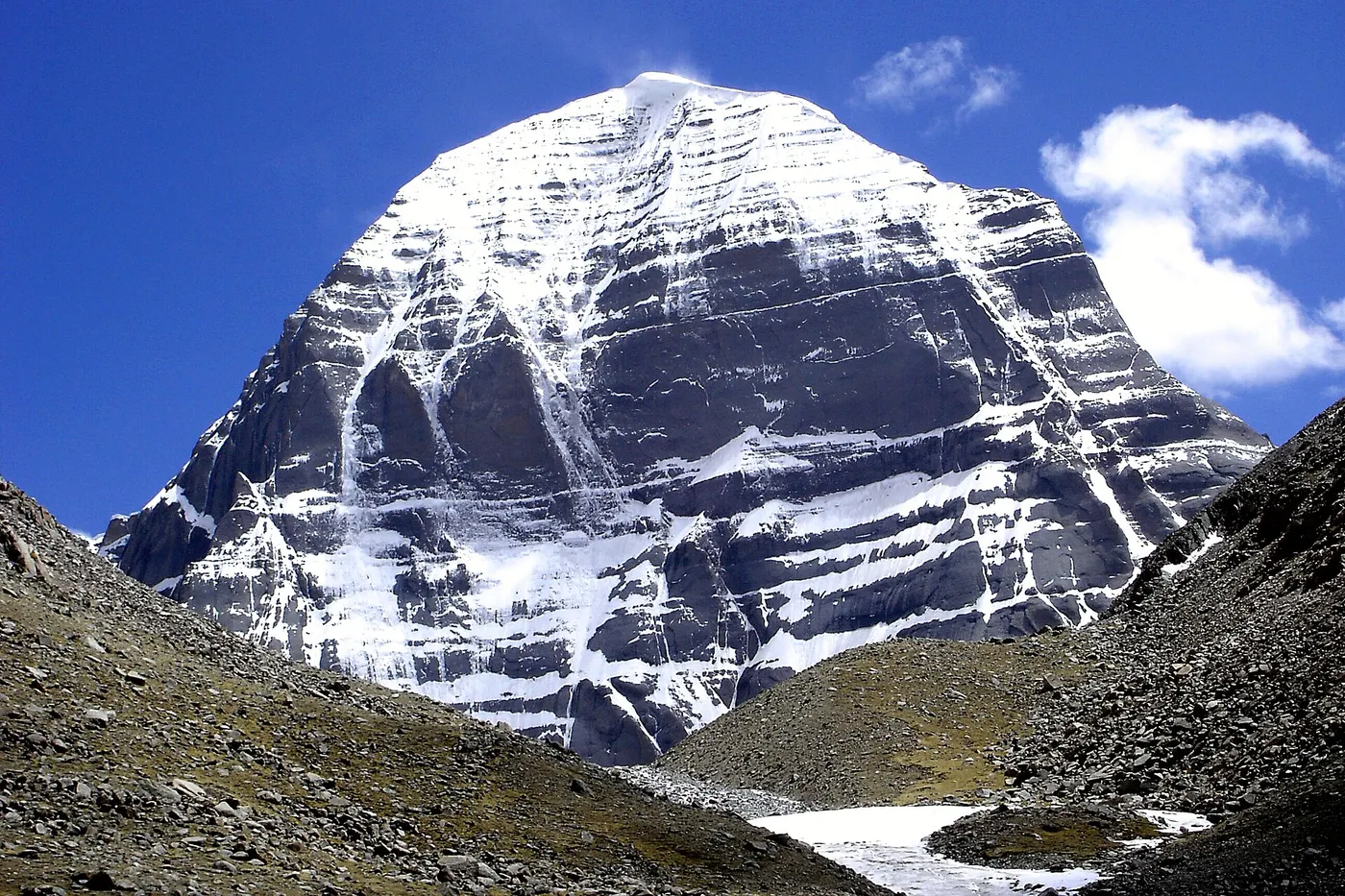
Mount Kailash
A peak in western Tibet held sacred by four religions at once — Hinduism, Buddhism, Jainism and Bön. It has never been climbed: ascent is considered sacrilege, and pilgrims instead walk a circuit around it.

Arkaim
A circular Bronze Age fortified settlement in Russia's Chelyabinsk region, excavated in 1987 just before it was to be flooded. The archaeological site quickly attracted an esoteric following — visitors come from across Russia "for the energy".
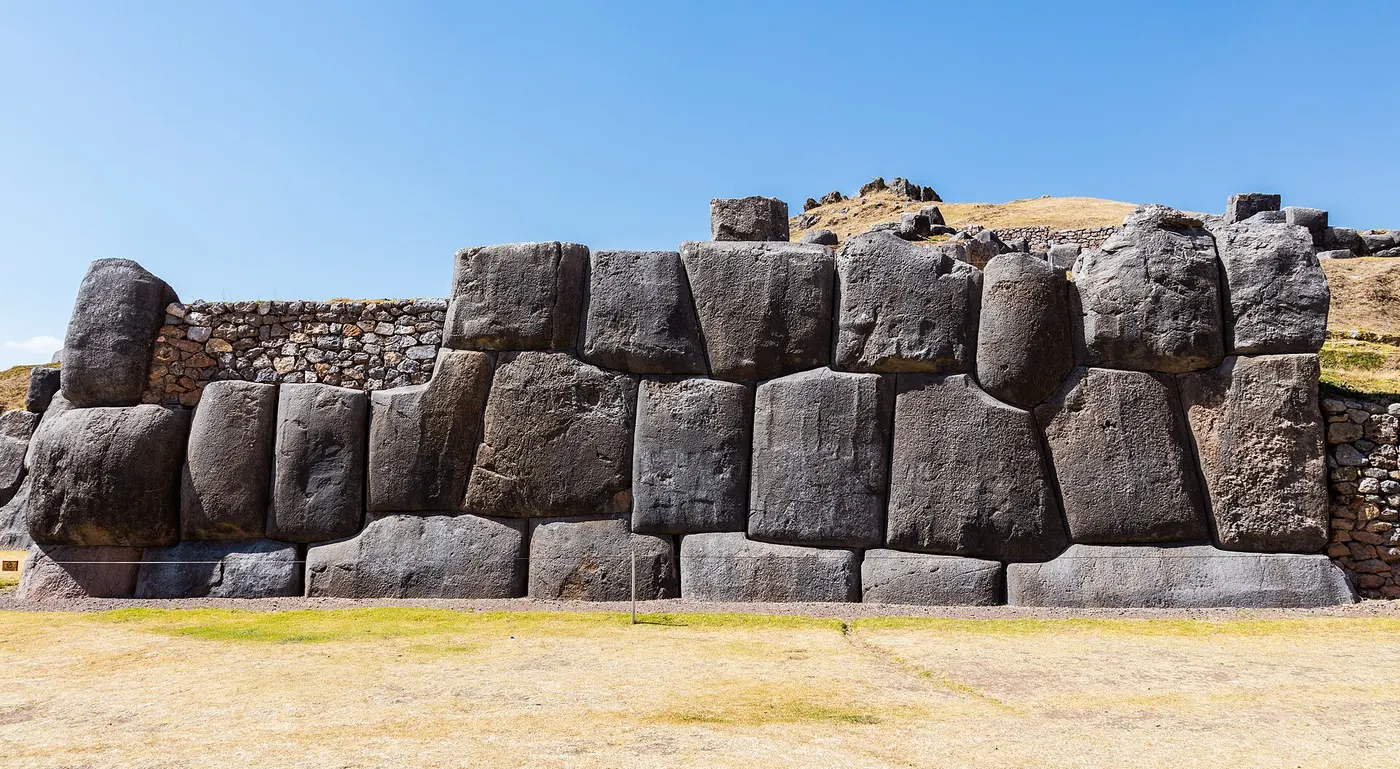
Sacsayhuamán
An Inca fortress above Cusco, built from multi-tonne blocks fitted together without mortar so tightly that a knife blade will not pass between them. How they were shaped and lifted is still debated.
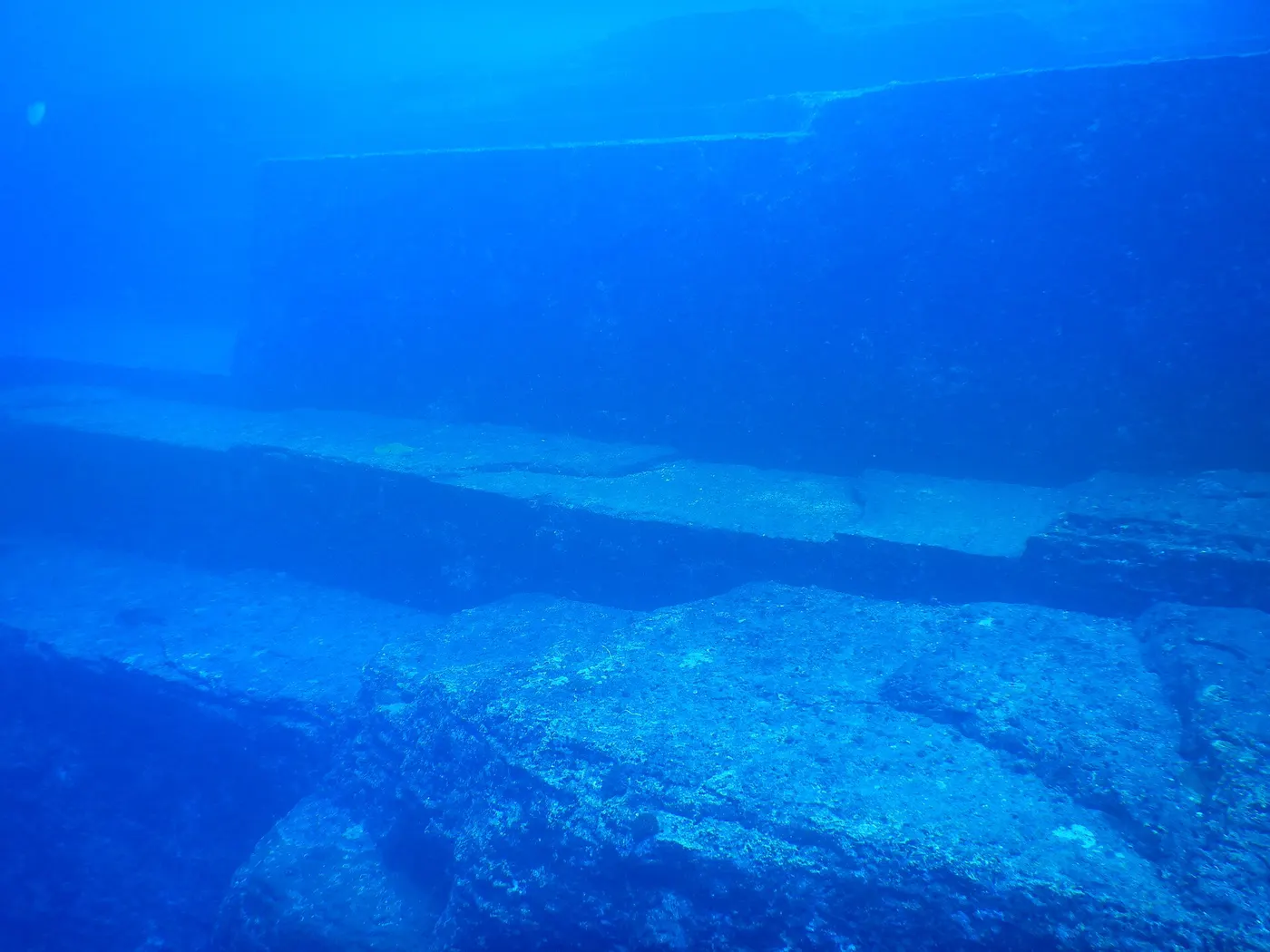
Yonaguni Monument
An underwater formation off the Japanese island of Yonaguni with flat terraces and right angles. Some read it as a sunken city, others as natural sandstone split along its bedding — the argument is still open.
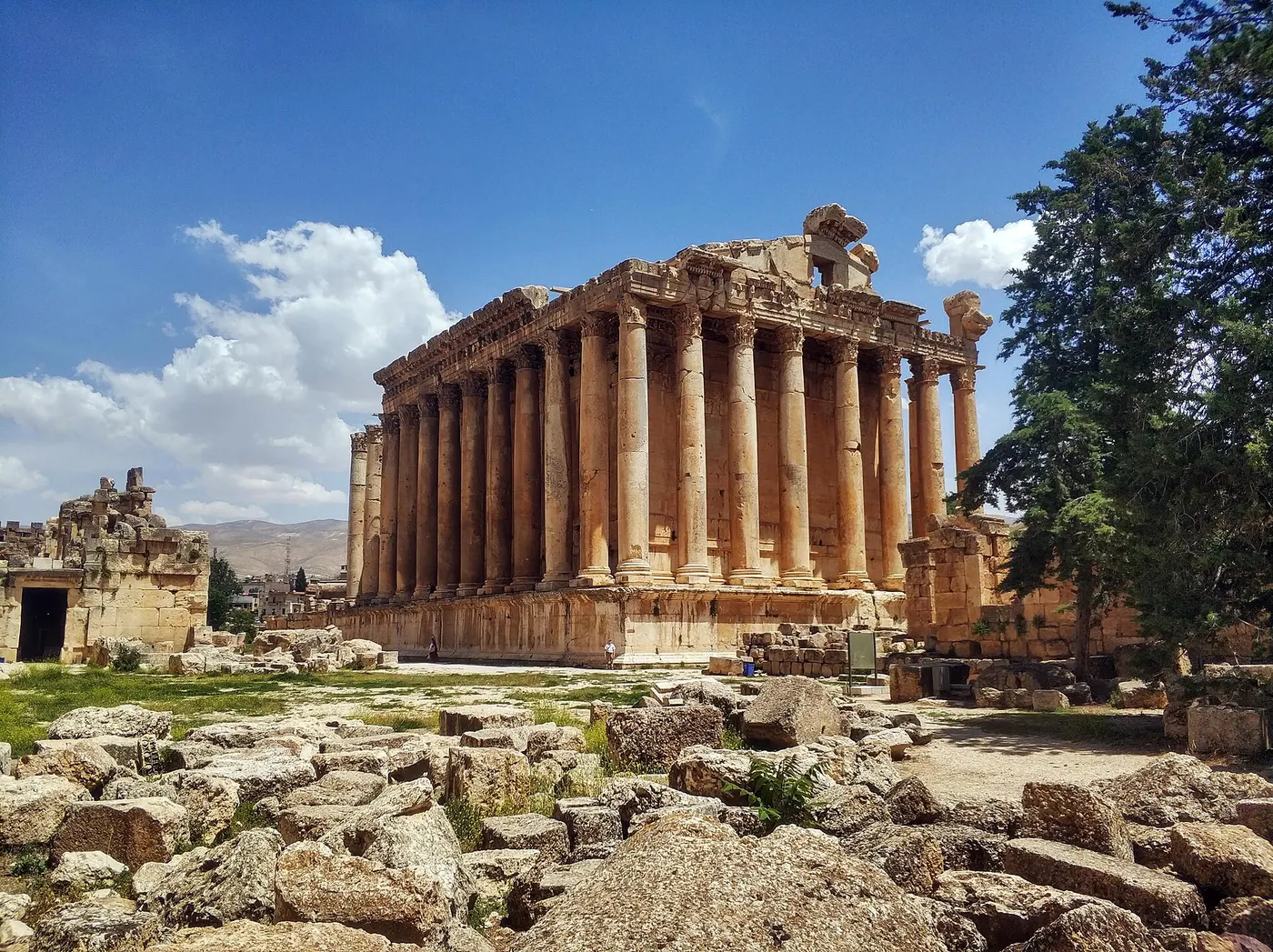
Baalbek
A Roman temple complex in Lebanon standing on a base of megaliths weighing up to 800 tonnes. Exactly how those blocks were moved is not settled — which is what fuels the stream of alternative theories about them.
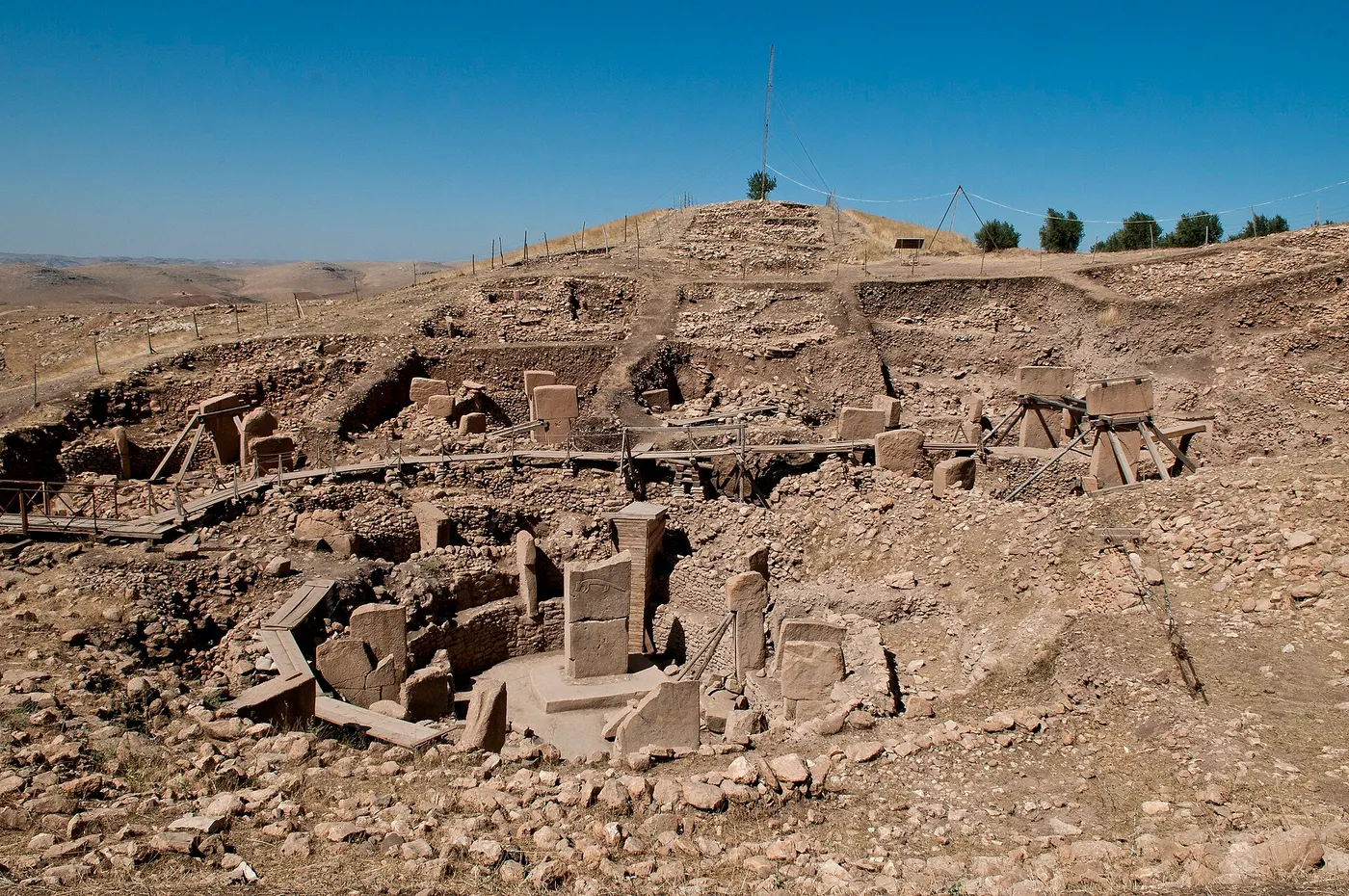
Göbekli Tepe
A sanctuary in south-eastern Turkey around 11,500 years old — older than farming, pottery or the wheel. Its circles of T-shaped pillars carved with animals upended assumptions about what came first, the temple or the town.
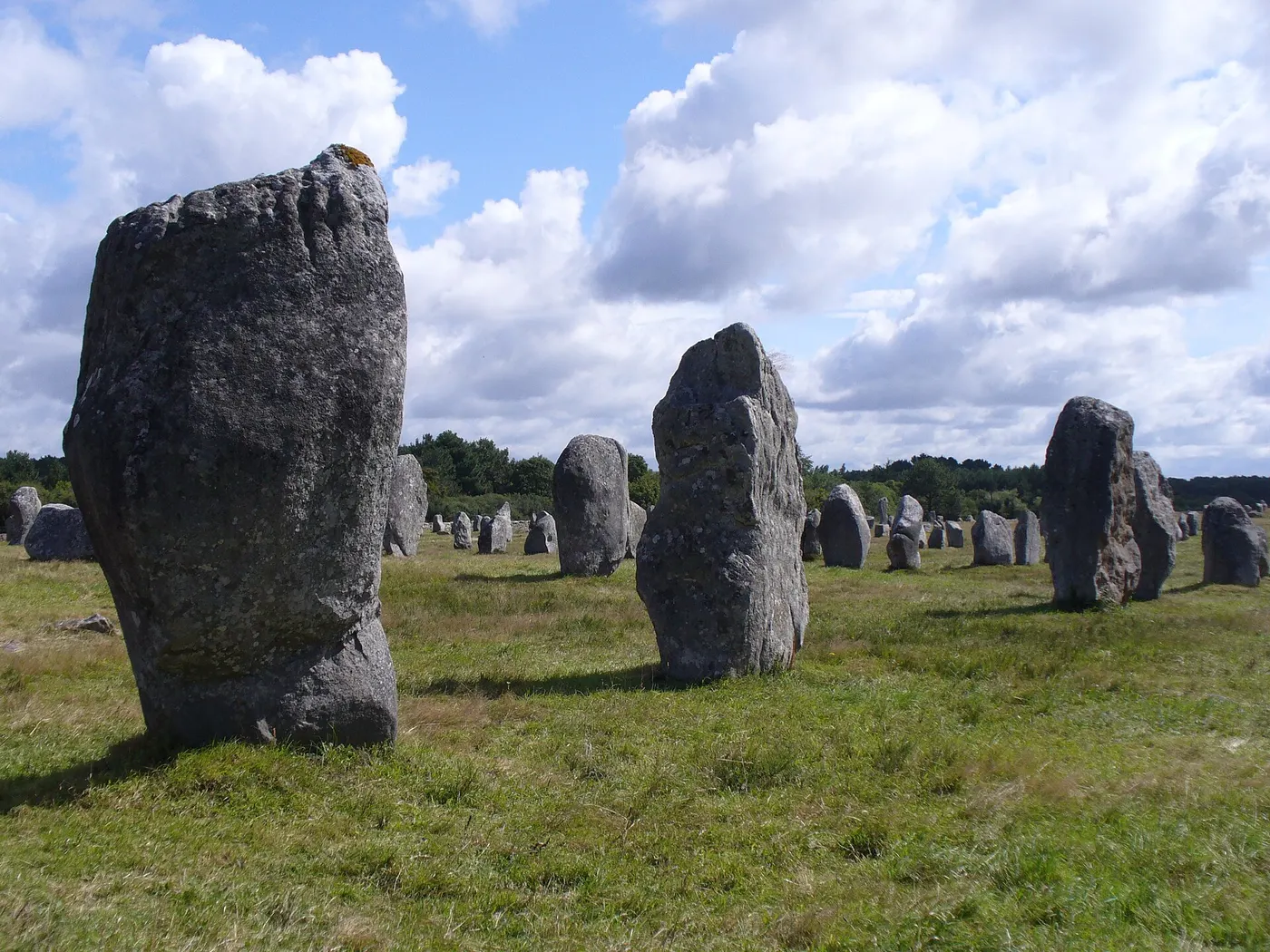
Carnac Stones
Over 3,000 standing stones set in long rows on the Brittany coast around 4500 BC. Why they were raised is unknown; Breton legend calls them a Roman legion turned to stone by Saint Cornelius.
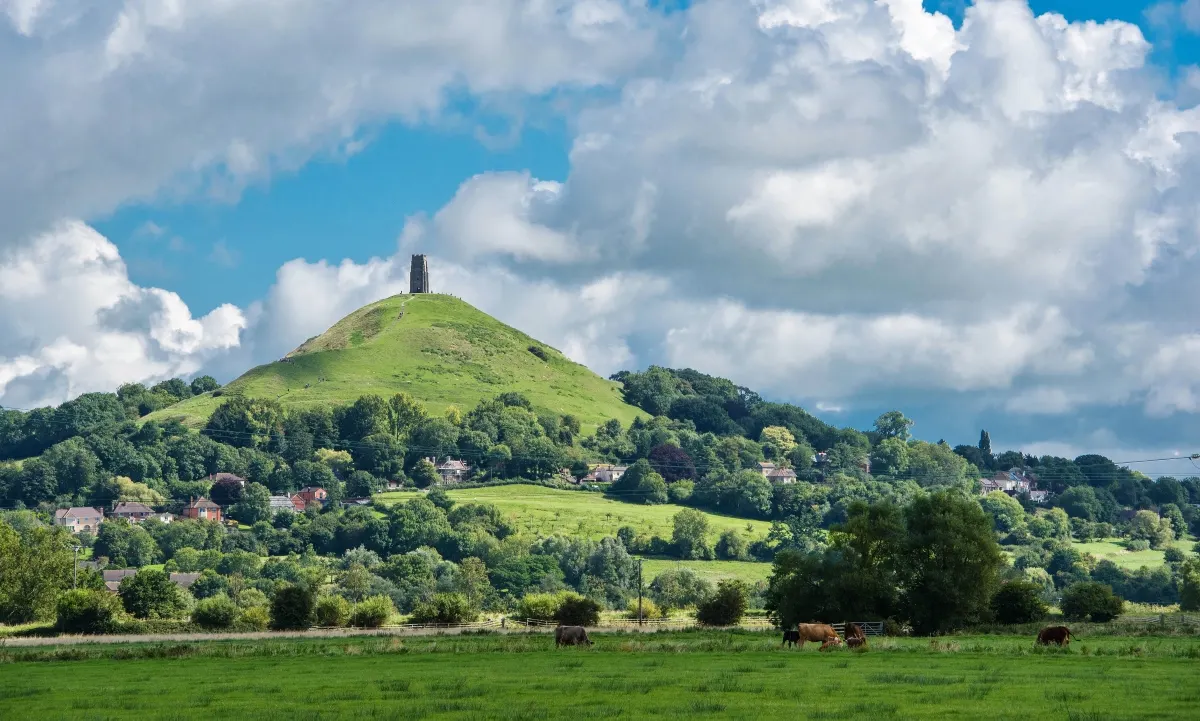
Glastonbury Tor
A Somerset hill crowned by the lone St Michael's Tower, its slopes cut into terraces. It is identified with the legendary Avalon, where the wounded King Arthur was carried, and counted a centre of Britain's Celtic mythology.
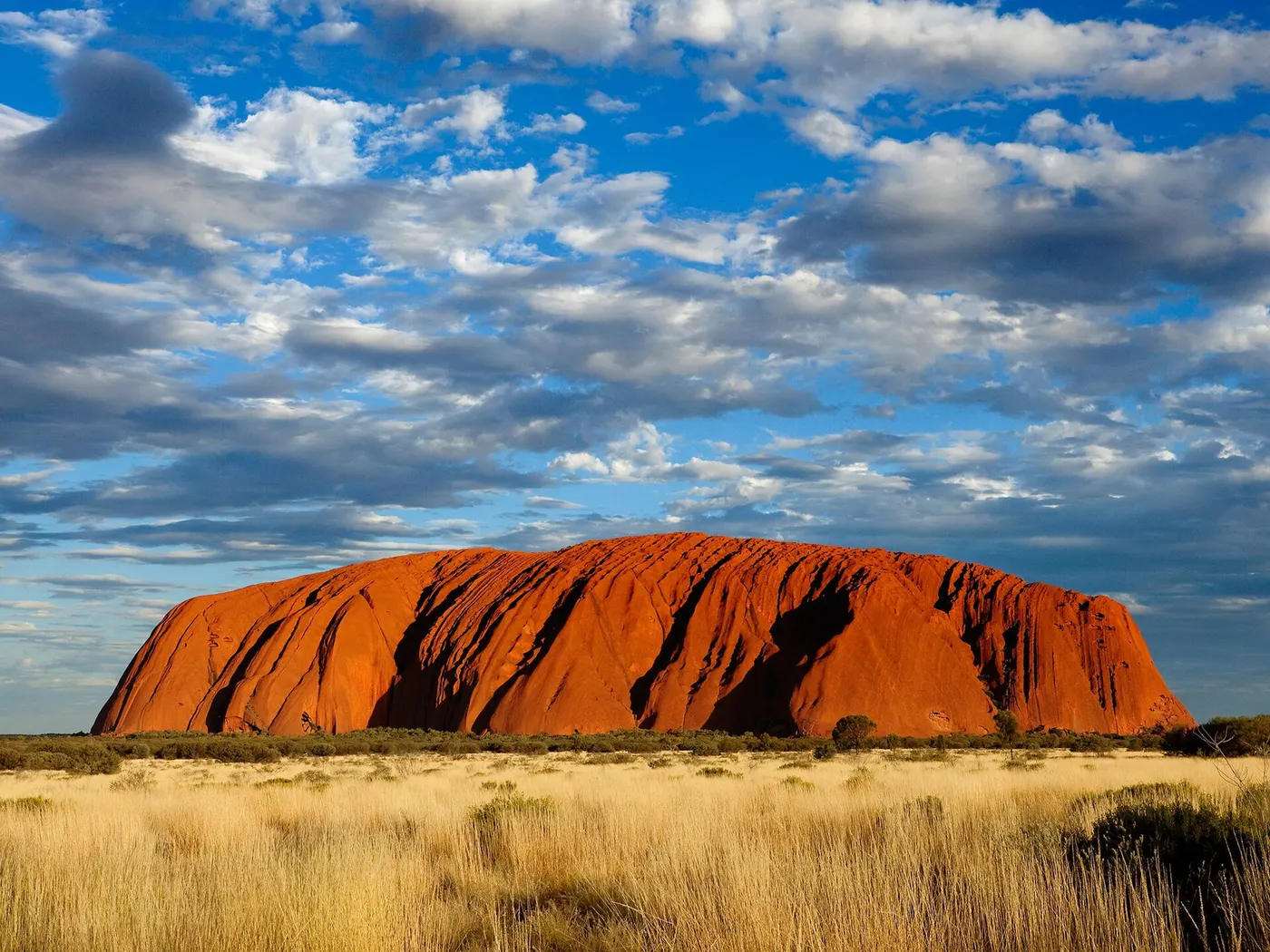
Uluru
A massive sandstone monolith in central Australia that shifts from ochre to deep red at sunset. For the Aṉangu people it is a sacred site with its own rules about what may be photographed and where one may not climb.
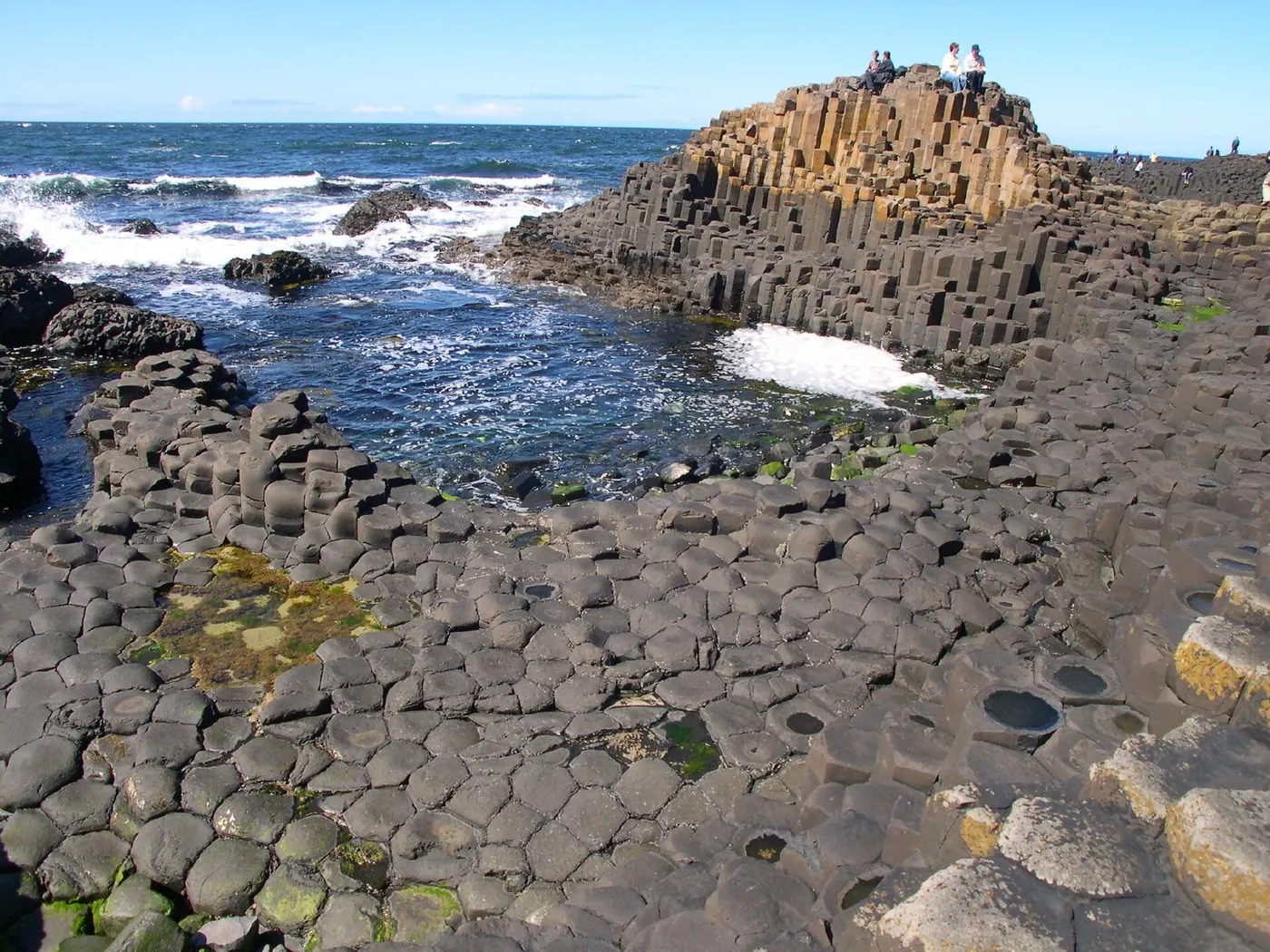
Giant's Causeway
Some 40,000 basalt columns on the coast of Northern Ireland, formed as lava cooled. Legend has it the giant Finn McCool built the causeway across the sea to reach a rival in Scotland.
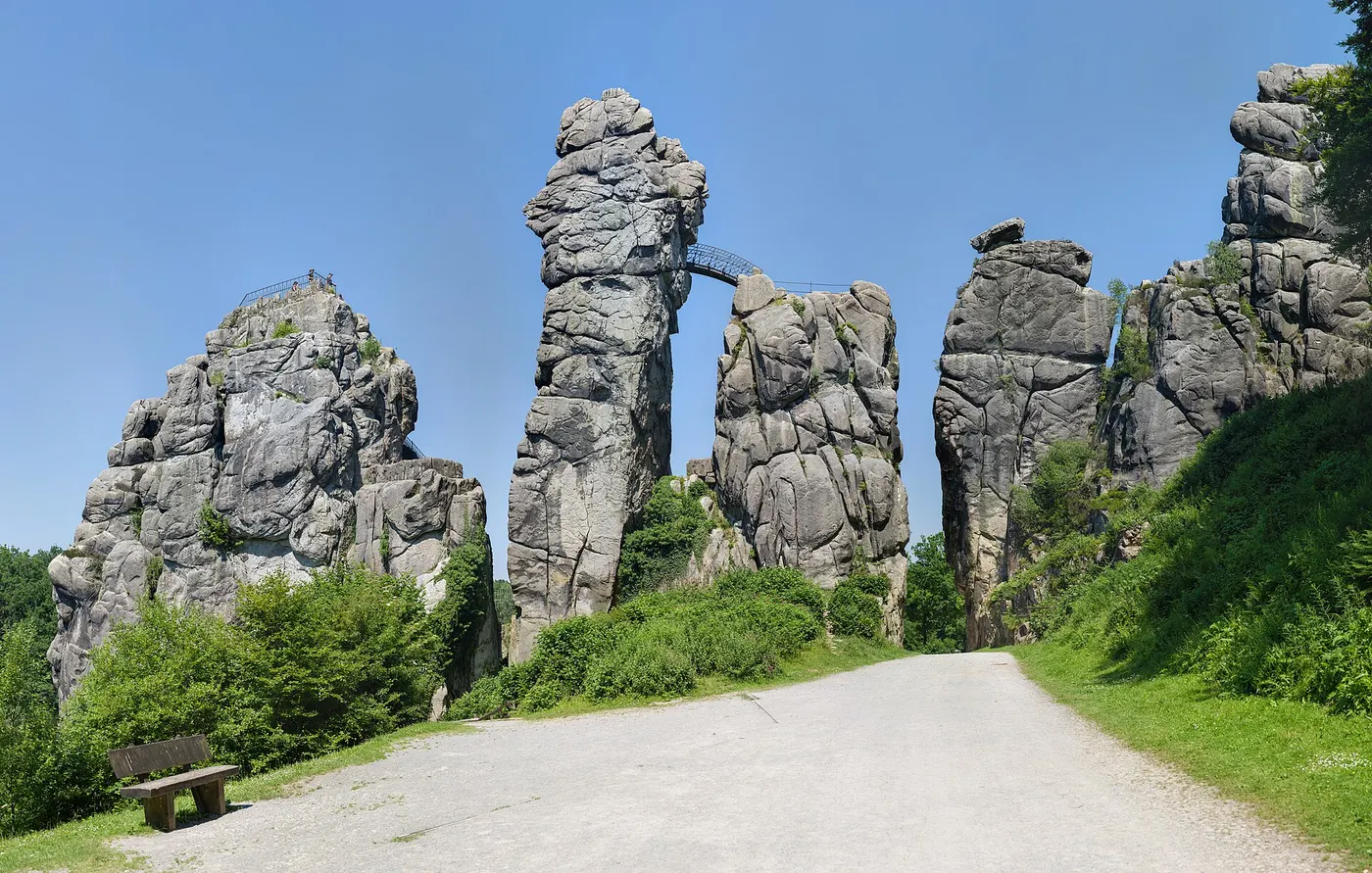
Externsteine
A ridge of sandstone pillars in the Teutoburg Forest with a chapel and a 12th-century relief carved into the rock. It has attracted theories of an ancient sanctuary for centuries — from 19th-century romantics to Third Reich ideologues.
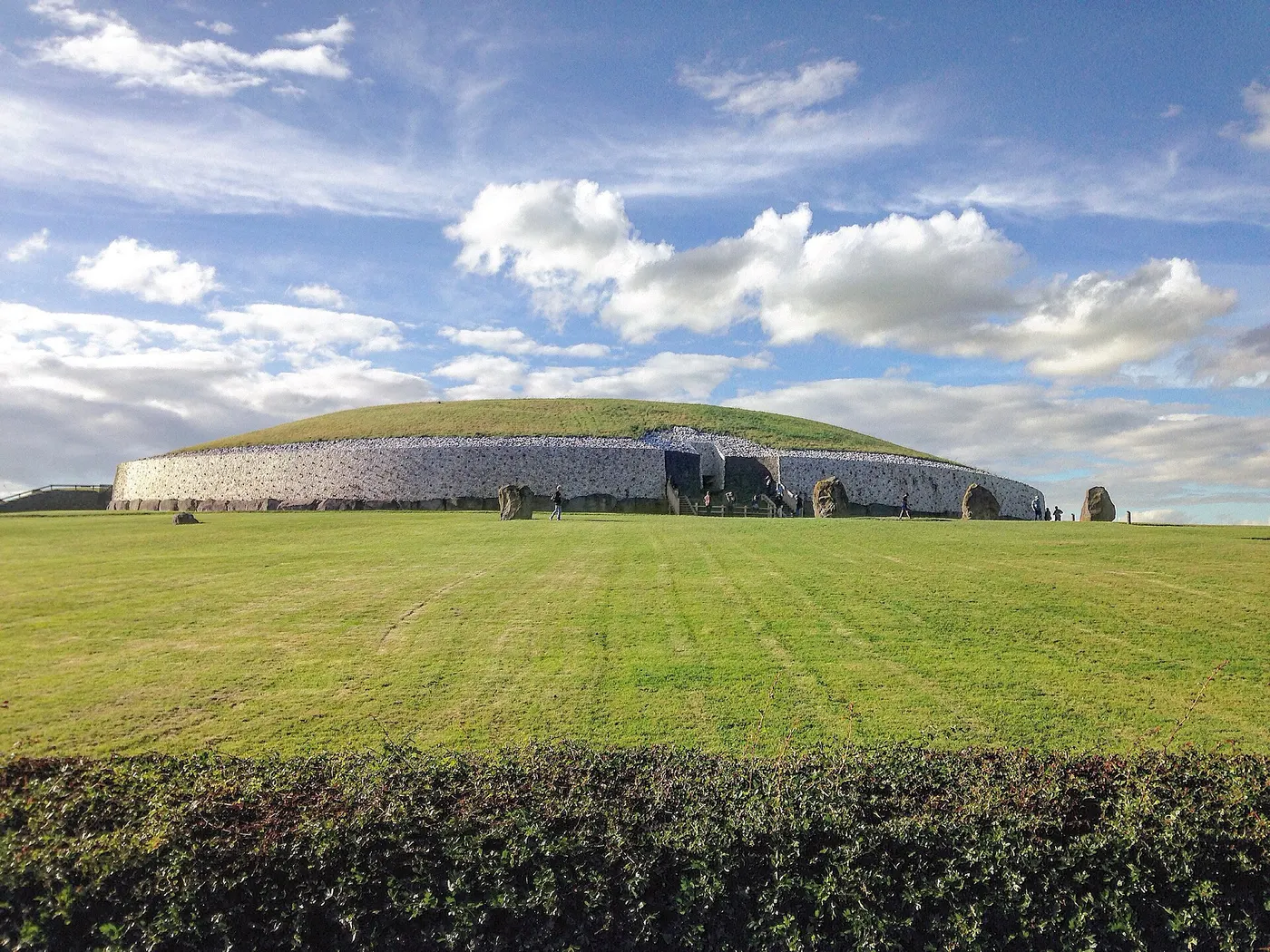
Newgrange
An Irish passage tomb built around 3200 BC — older than Stonehenge and the Egyptian pyramids. At the winter solstice a beam of rising sun passes through a narrow opening and lights the chamber deep inside.
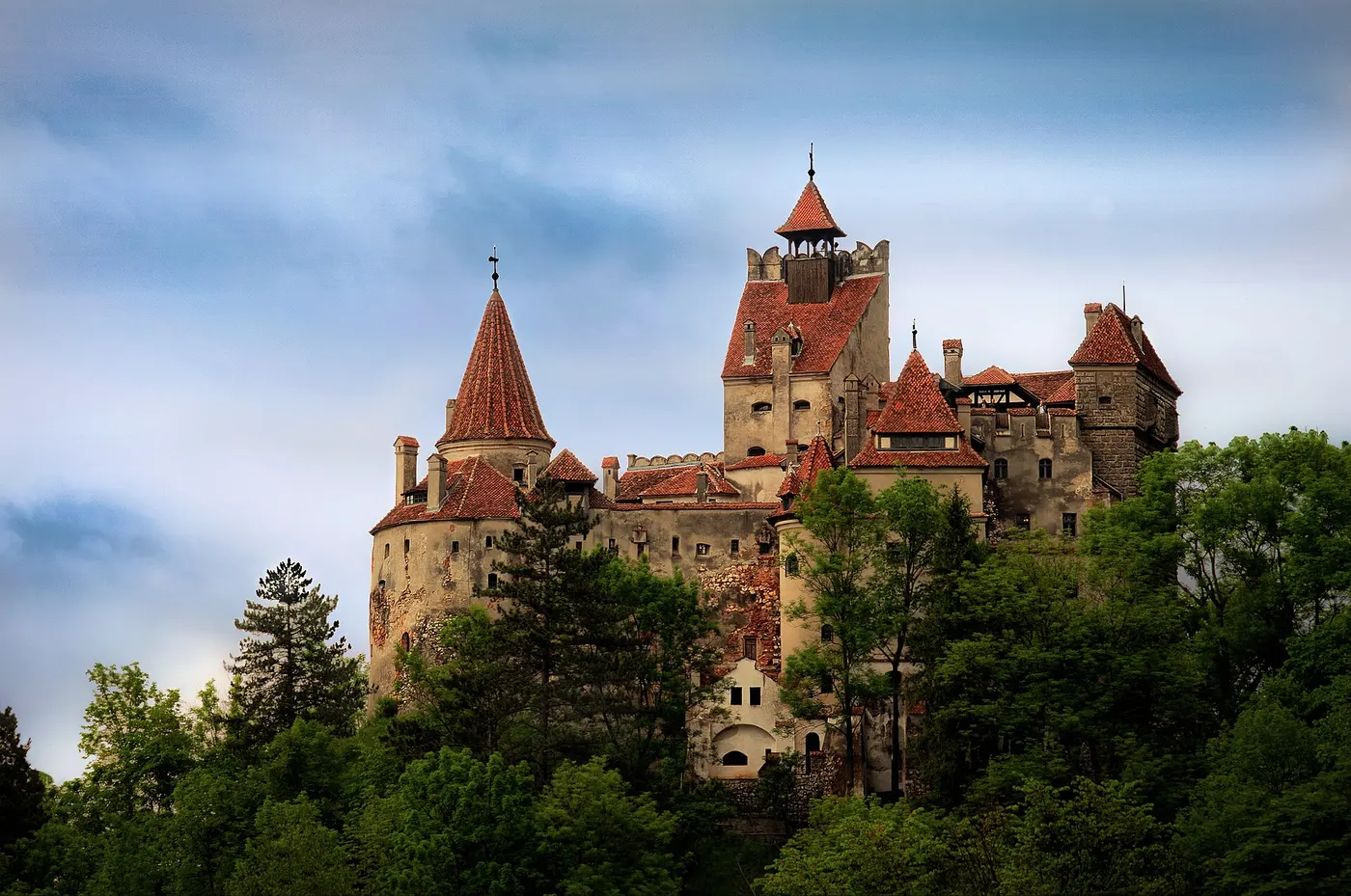
Bran Castle
A fortress on a Carpathian mountain pass, known as "Dracula's Castle". Vlad the Impaler almost certainly never lived here — the link to Stoker's novel came later, though the silhouette on its crag fits it well.
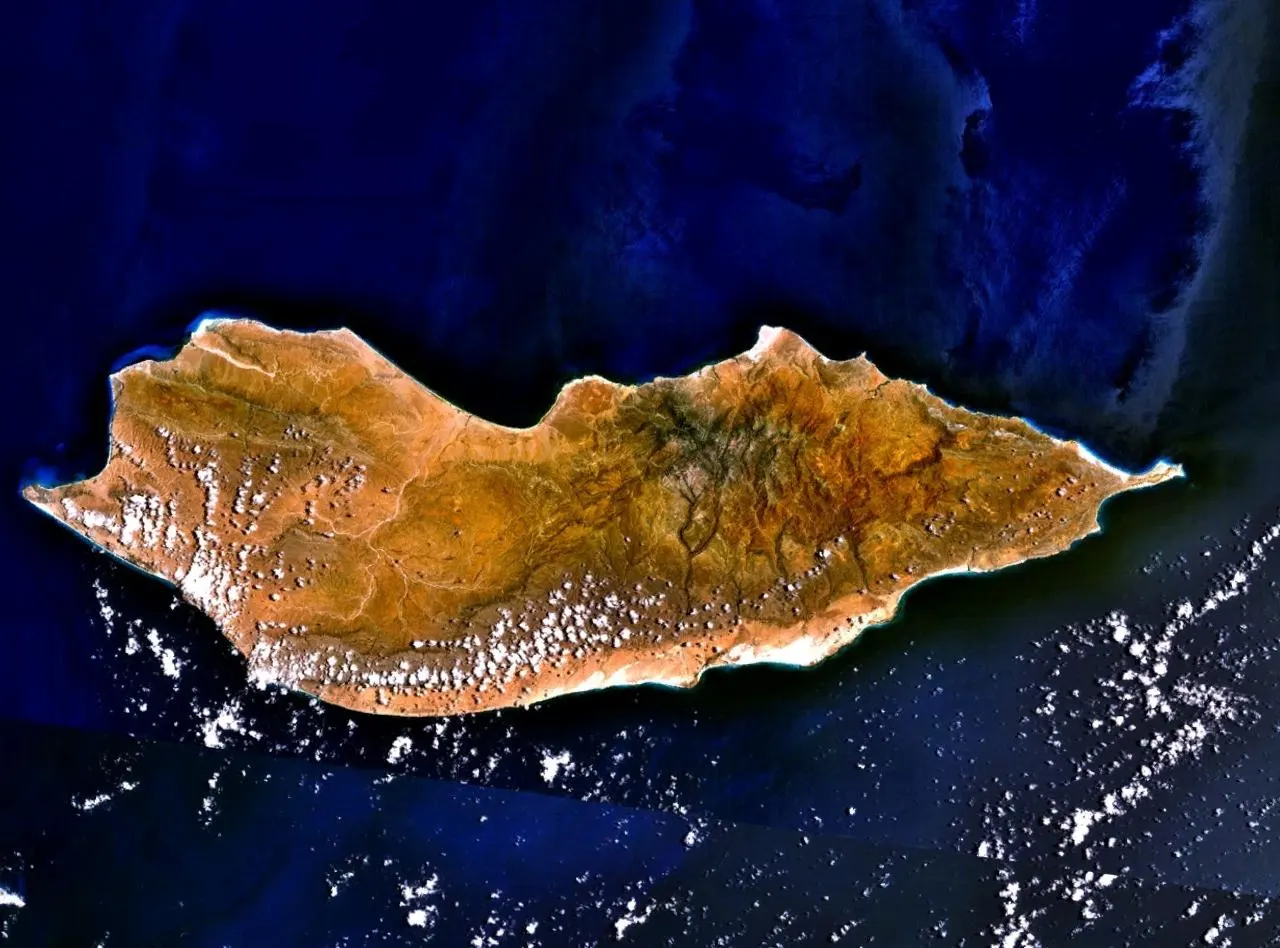
Socotra
A Yemeni island in the Indian Ocean, cut off from the mainland for millions of years. A third of its plants grow nowhere else — including the umbrella-crowned dragon's blood trees that make it look extraterrestrial.
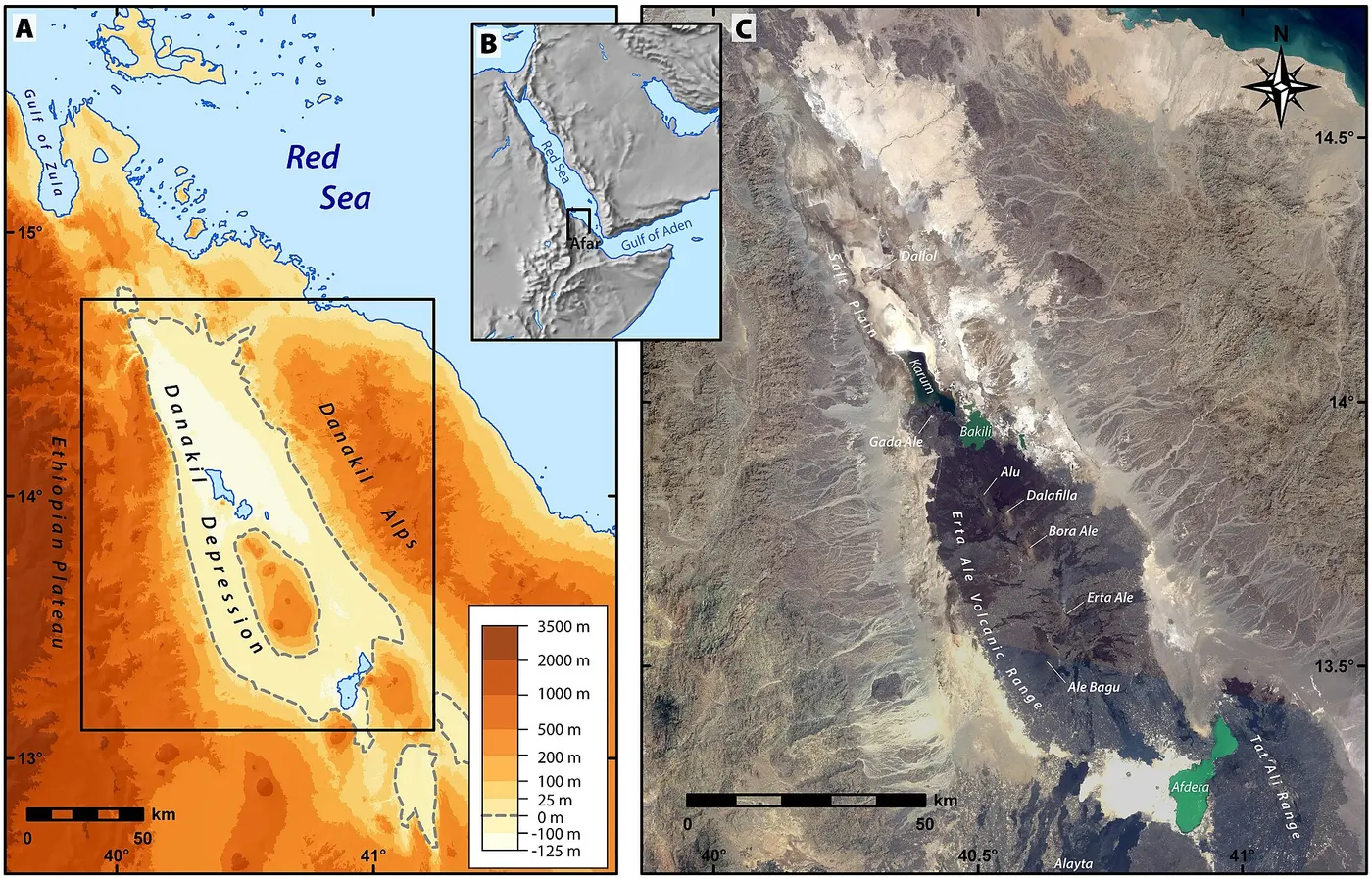
Danakil Depression
One of the hottest and lowest places on Earth, in northern Ethiopia: acid pools, salt flats and sulphur fields in yellow and green. The landscape is otherworldly enough that Mars life-detection instruments are tested here.
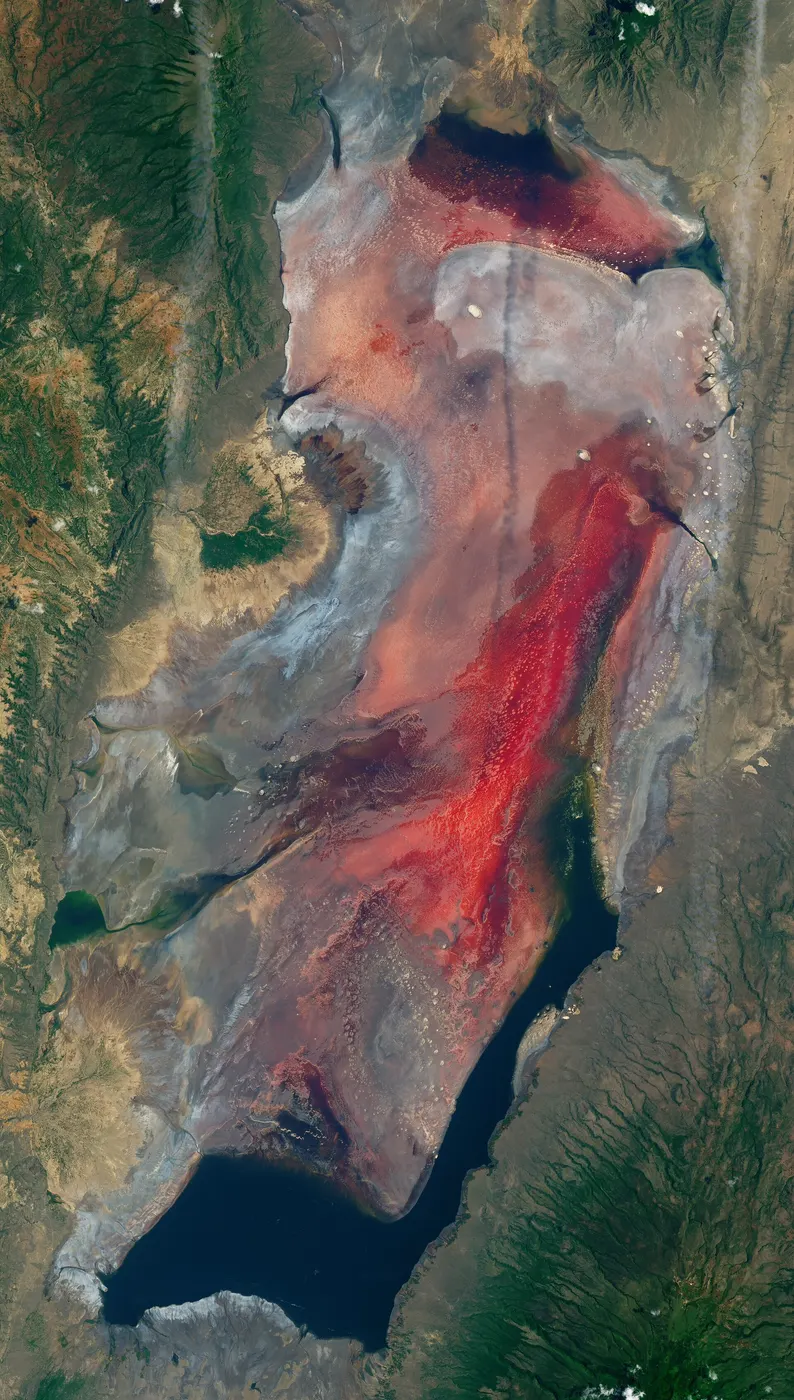
Lake Natron
An alkaline lake in Tanzania with rust-coloured water reaching 60 °C. Its chemistry preserves the bodies of dead birds under a calcified crust — the source of those photographs of "petrified" animals.
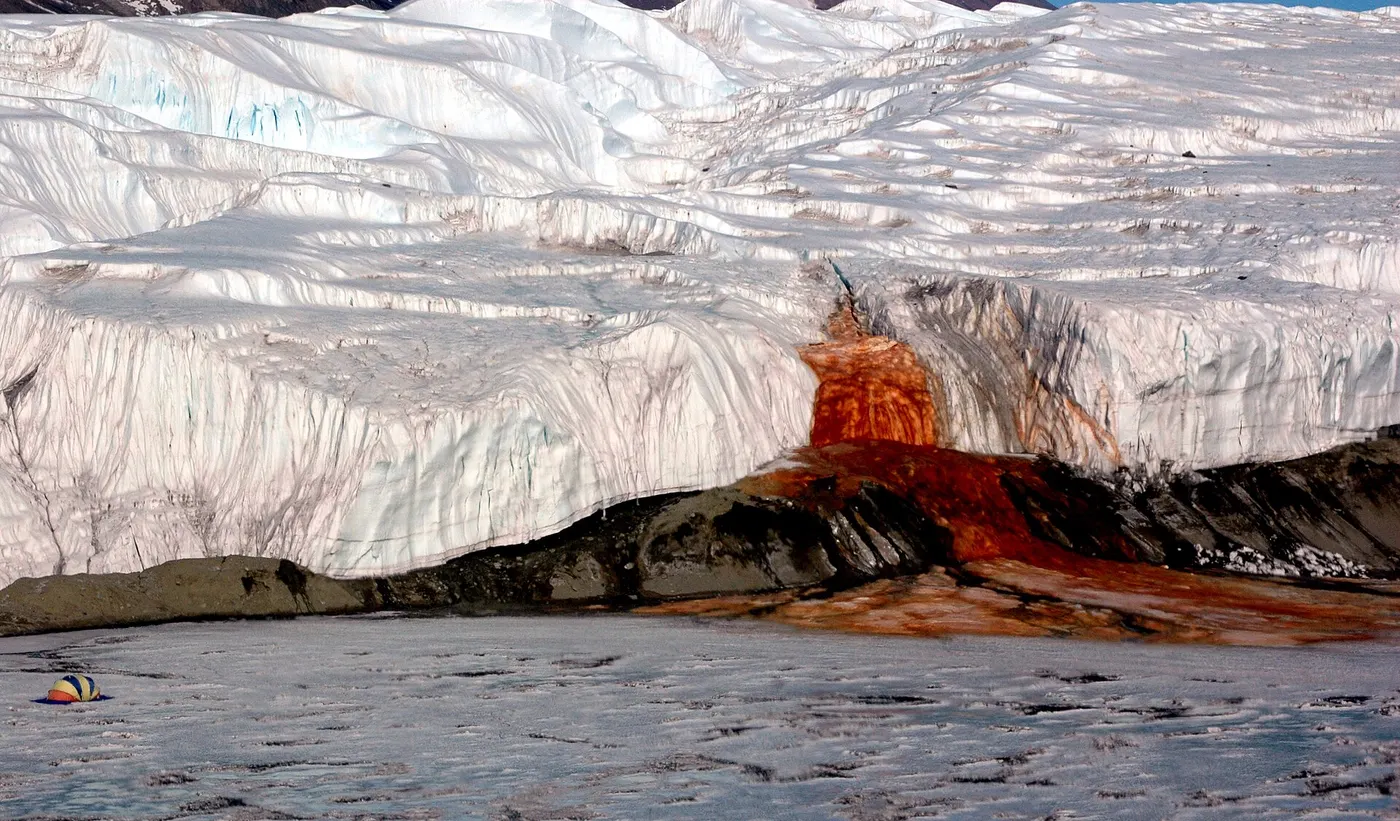
Blood Falls
A vividly red flow seeping from Antarctica's Taylor Glacier. The colour comes from iron in an ancient brine lake, sealed under the ice for millions of years along with microbes living without light.
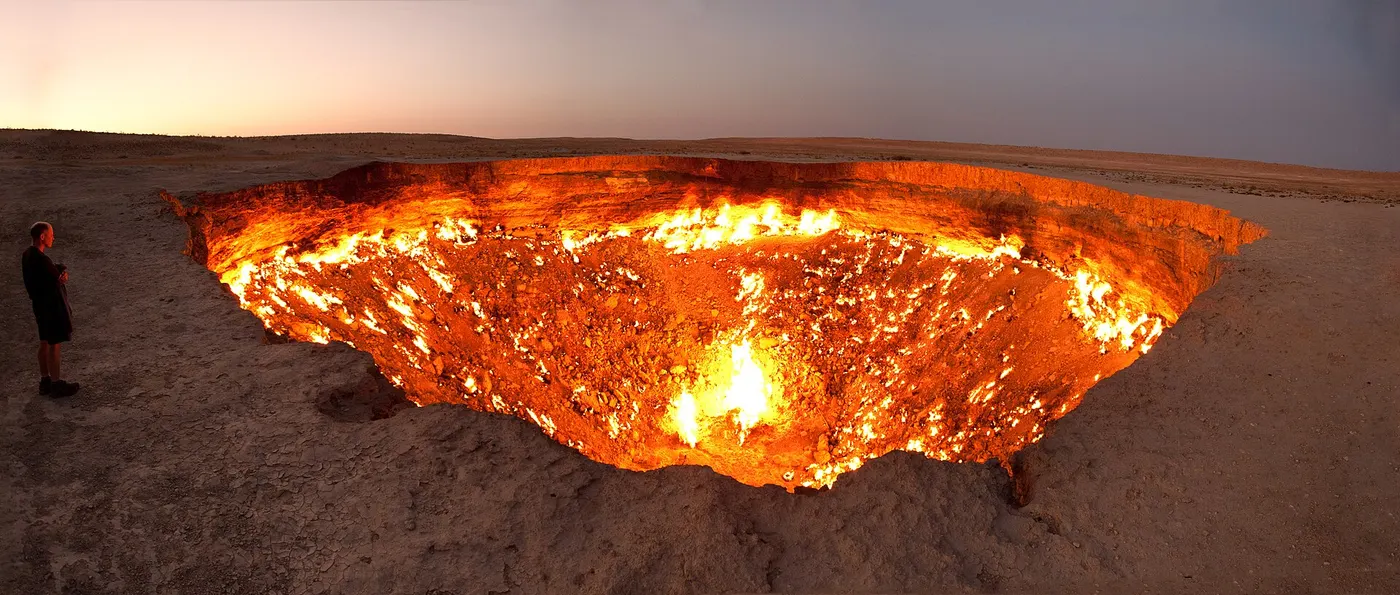
Darvaza Gas Crater
A burning gas crater some 70 metres across in Turkmenistan's Karakum desert. By the common account geologists set it alight expecting the gas to burn off in days — it has been burning since 1971.
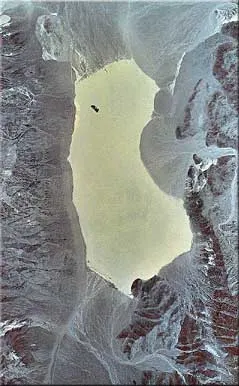
Racetrack Playa
A dry lakebed in Death Valley where stones move by themselves, leaving long trails behind them. The puzzle was only solved in 2014: thin sheets of ice push the rocks along under a light wind.
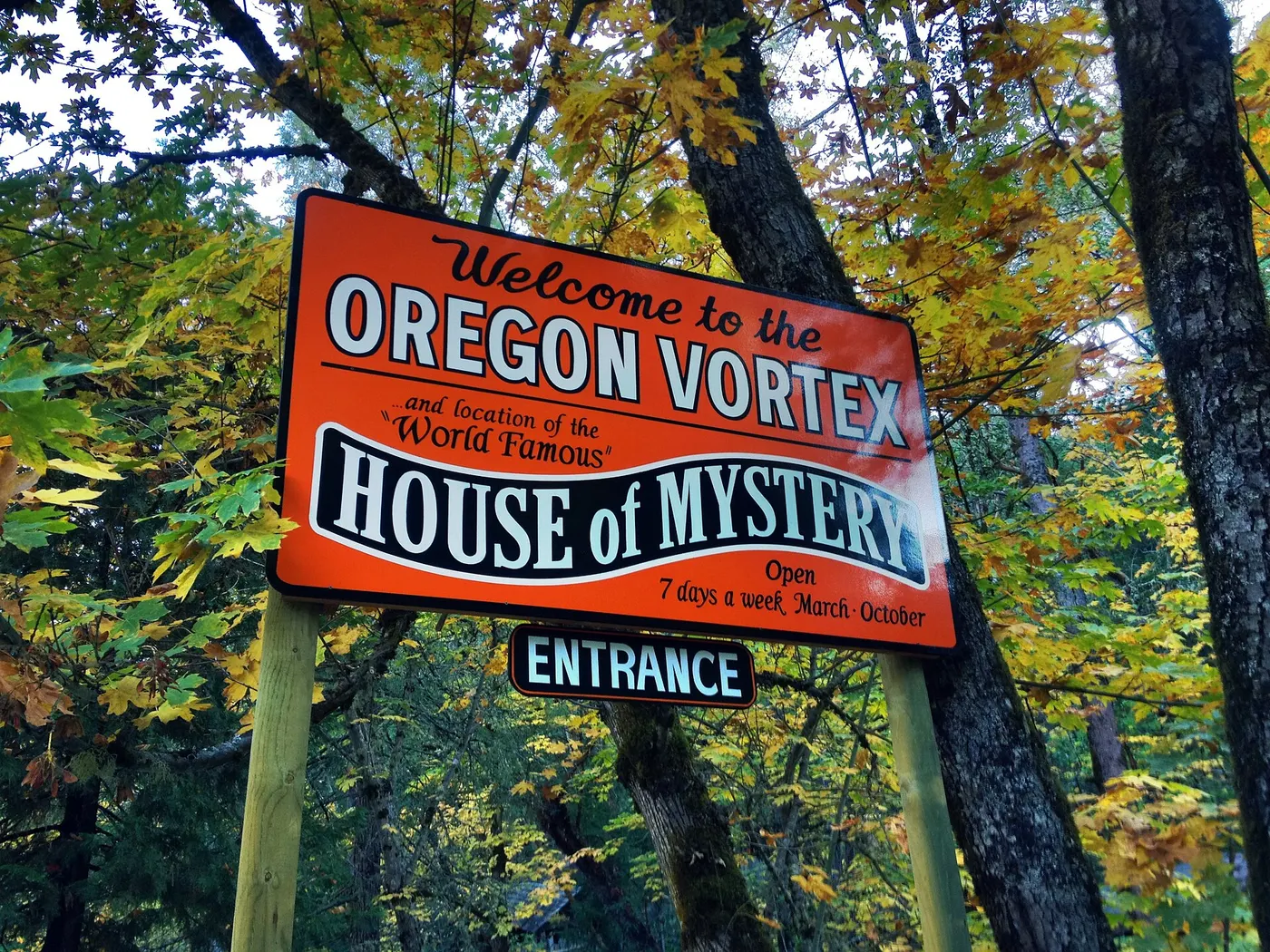
Oregon Vortex
A hillside in Oregon with a tilted cabin where balls appear to roll uphill and a person's height seems to change from spot to spot. A classic "mystery house" — the effect comes from sloped planes and a missing true horizon.