Yellow level — mystical places on the map
Something is reported, and nobody is hurt by it: voices, figures, lights, cold, objects that move, cameras and engines that stop working. This is the level most hauntings actually sit at — frightening to be in, and that is all that was ever claimed.
164 placesAbout the danger levels
The Black-Eyed Children
In 1996 the Texas journalist Brian Bethel posted an account to an internet mailing list about two teenagers who knocked on his car window in an Abilene car park. They asked for a lift, spoke too smoothly, and kept insisting they would not get in without being invited. When he looked up, both had completely black eyes. That one text created a genre: black-eyed children have been reported across the English-speaking world ever since, and nearly every version keeps the detail about the invitation — borrowed straight from vampire folklore.
Krasue
A flying woman's head with its viscera trailing beneath — one of the most recognisable images in mainland Southeast Asian folklore, known in Thailand, Cambodia and Laos under different names. By day she is an ordinary woman; at night the head detaches and goes looking for food. Her appearance was traditionally linked to night lights over rice paddies and to sickness in livestock. In Thailand she has been the subject of dozens of films and remains a living figure of popular culture rather than a museum entry.
La Llorona, the Weeping Woman
A woman in white who walks beside water weeping for children she drowned herself. The story is known throughout Latin America, but in Mexico City it is fixed to the canals of Xochimilco — the last remains of the lake system Tenochtitlan stood on. The earliest written versions date from the colonial period and braid two layers together: a Spanish tale of an abandoned woman, and pre-Hispanic accounts of a weeping female voice heard before the conquerors came.
Teke Teke
The upper half of a woman's body, moving on its elbows with the clattering sound the legend is named for. The story makes her a schoolgirl cut in two by a train. Its persistence has a simple explanation: in a country with the densest railway network in the world everyone has a level crossing of their own where the legend becomes local. Like most Japanese urban legends of the later twentieth century it spread by word of mouth through schools, long before the internet.
The Brown Mountain Lights
Glows seen since the nineteenth century over a low ridge in North Carolina: they appear above the crest, rise, go out and appear again. The US Geological Survey studied them twice, in 1913 and 1922, and both times concluded they were reflections of train and settlement lights. The difficulty is that the earliest accounts date from before there was a railway or a settlement there. The ridge is accessible, there are marked viewing areas, and the lights are still being filmed.
The Hornet Spook Light
A ball of light the size of a basketball, seen for more than a century over a straight stretch of dirt road on the Missouri–Oklahoma line. It approaches, retreats, changes colour and is said to react to people. The US Army Corps of Engineers investigated in the 1940s and reached no conclusion. The most convincing explanation is atmospheric refraction of headlights from Route 66 a few miles off — but local memory of the light predates cars in the county.
Mercy Brown, the Exeter vampire
In 1892 the Brown family of Exeter, Rhode Island, was losing one member after another to tuberculosis. Neighbours convinced the father that one of the dead was feeding on the living, and in March the bodies were exhumed. Two had decomposed; nineteen-year-old Mercy, who had spent the winter in a cold crypt, had not. Her heart was burned, the ashes mixed with water and given to her dying brother to drink. He died two months later. The case is the last and best-documented episode of the New England vampire panic — an attempt to explain an epidemic for which people had no other language.
Resurrection Mary
America's best-known vanishing hitchhiker. Since the 1930s drivers on Archer Avenue outside Chicago have told the same story: a fair-haired girl in a white ball gown asks for a lift, says nothing the whole way, and disappears from the car opposite the gates of Resurrection Cemetery. Attempts have been made to attach the story to several real girls who died young, and none of the versions fits the details. The vanishing-passenger plot is older than the motor car — it is known from tales of horse-drawn carriages — but the Chicago version is fixed to one road and one gate.
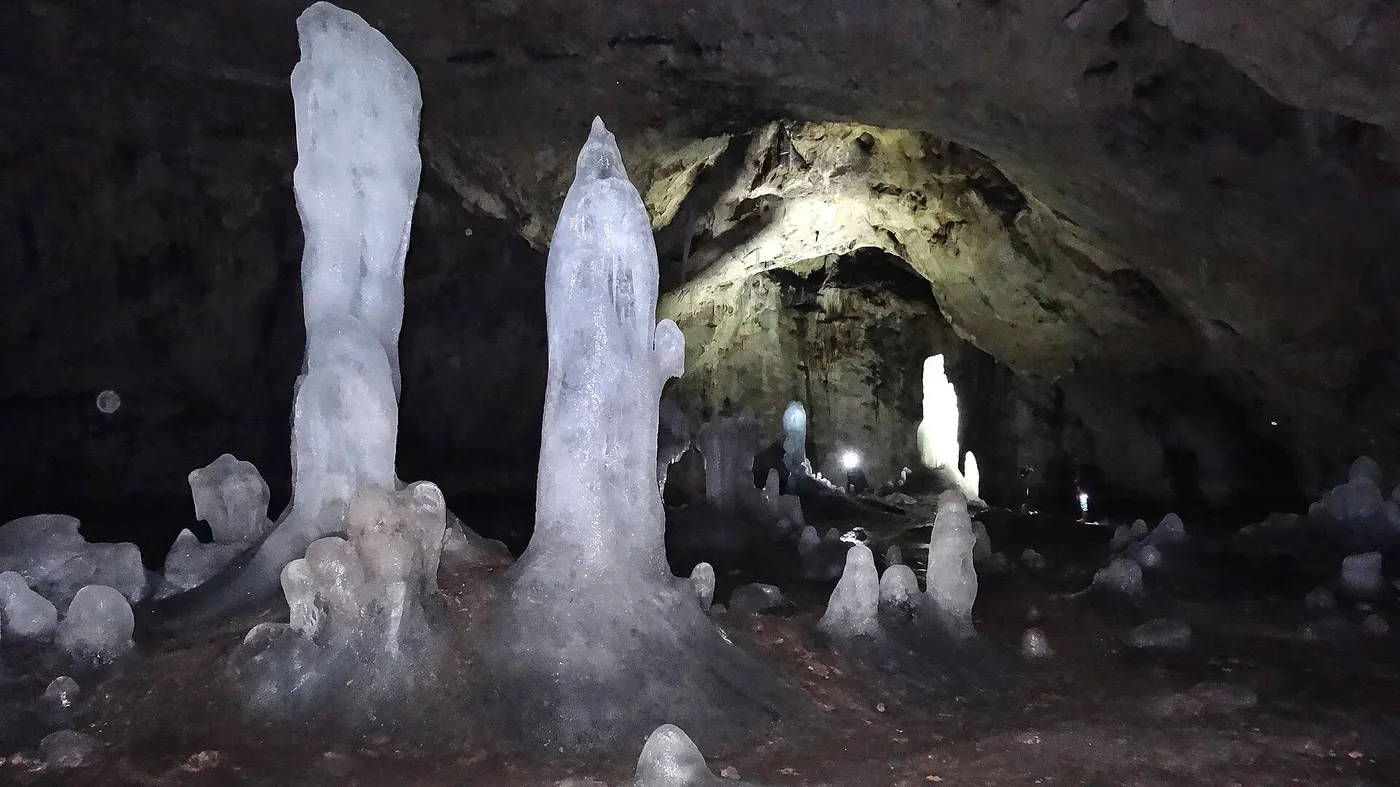
The Askinskaya Ice Cave
A cave in Bashkortostan with a single chamber holding ice columns up to eleven metres tall, grown over centuries. The temperature stays below freezing all year: cold air flows in during winter and cannot get out. Bashkir tradition places a guardian spirit here, to whom offerings were left at the mouth. In the 2010s visitor numbers damaged some of the columns and the cave was closed to open access.
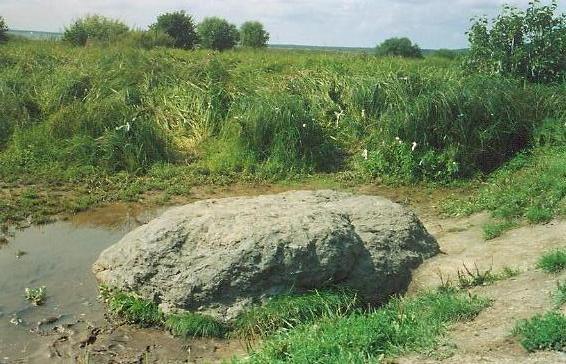
The Blue Stone
The Blue Stone (Sin-Kamen) is a sacred ritual megalith of glacial origin resting on the northeastern shore of Lake Pleshcheyevo in the Yaroslavl Region. Weighing approximately 12 tons, this quartzite-slate boulder is widely known for its unique optical effect: while dull gray when dry, it takes on a distinct bluish-steel sheen when wet.
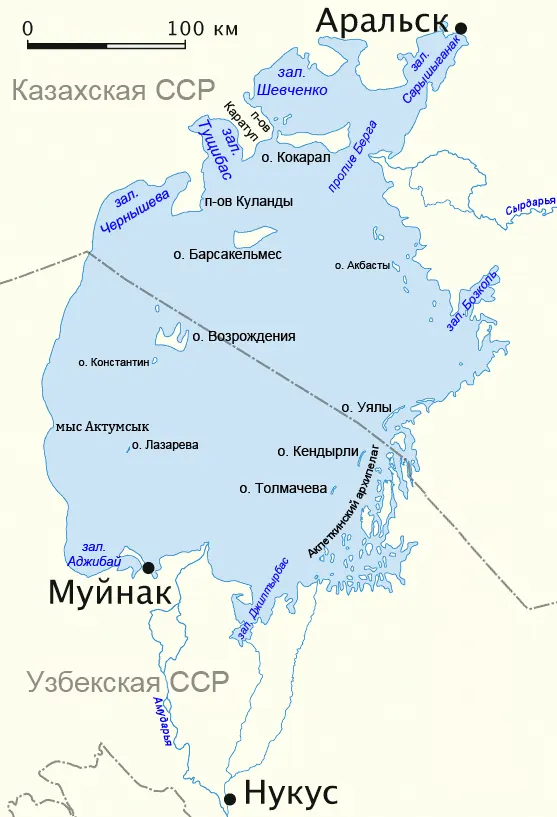
Barsa-Kelmes
A former island in the Aral Sea whose Kazakh name means "go and you will not return". As the sea retreated it stopped being an island and became part of a salt desert. In Soviet times it carried stories of time slips: people who left for a day and came back weeks later, watches running behind. They ran in the magazine Tekhnika — Molodyozhi in the 1980s, which is where they spread from. No instrumental confirmation ever appeared, and the place has since become a monument to an ecological catastrophe instead.
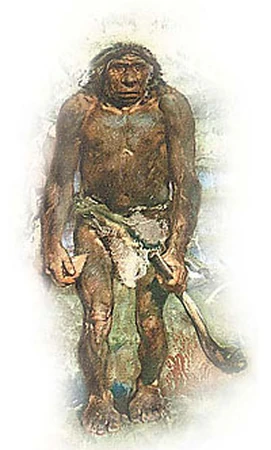
The Chuchunya of Verkhoyansk
The Chuchuna (Yakut: Chuchunaa; Evenki: Mulen) is a legendary "wild man" and relict forest wanderer pervasive in the oral traditions of indigenous populations across Northeastern Siberia. Centered within the jagged slopes of the Verkhoyansk Range and the subarctic river basins of the Yana, Adycha, Dulgalakh, and Sartang (Verkhoyansky District, Sakha Republic / Yakutia), the entity is traditionally depicted as a tall, feral nomad clad in raw reindeer hides who raided storage caches and avoided all human contact. During the 20th century, the Chuchuna transitioned into a cornerstone of Soviet cryptozoology and hominology alongside the Yeti and the Central Asian Almas.
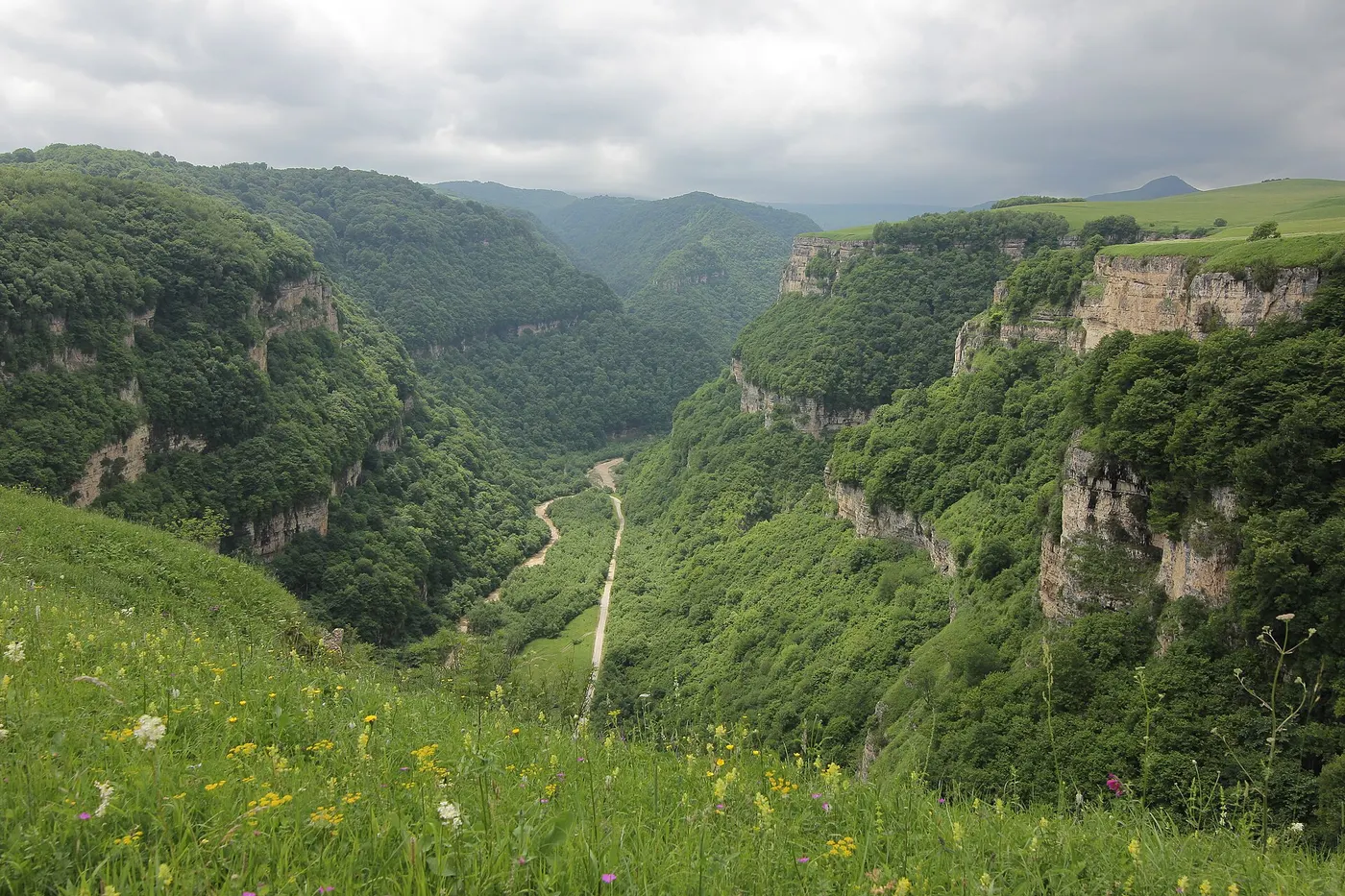
The Almasty of Kabardino-Balkaria
The Caucasus is the heartland of the Almasty, the Caucasian wild man: a creature some two metres tall covered in reddish hair which, by the accounts of mountain villagers, comes down to the sheepfolds and takes livestock. In the 1960s Professor Boris Porshnev collected testimony here for the Academy of Sciences and examined the case of Zana, a woman who lived in an Abkhaz village in the nineteenth century and whom locals held to be a captured Almasty. Her descendants were traced into the twentieth century; genetic analysis in 2015 found ordinary African ancestry.
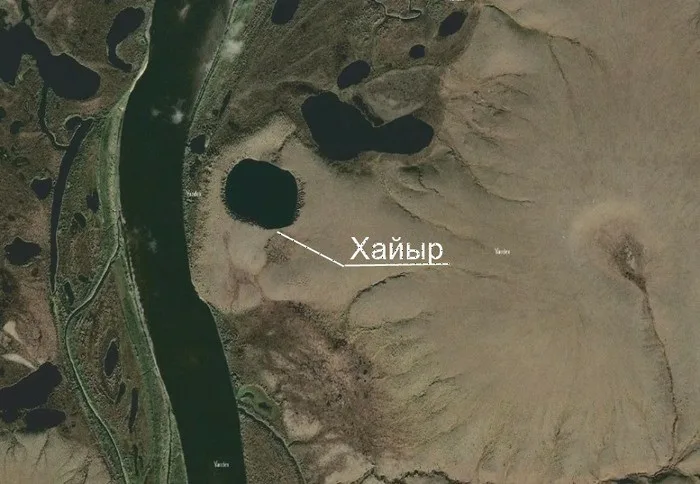
Lake Khaiyr
Lake Khayyr is a small, landlocked thermokarst lake situated within the subarctic tundra of the Ust-Yansky District in the Sakha Republic (Yakutia), Russia, located in the lower basin of the Omoloy River north of the Arctic Circle. In 1964–1965, this remote northern water body gained nationwide prominence when Soviet periodicals reported sightings of the "Khayyr Monster" ("Khayyr Beast")—an alleged relict aquatic reptile sporting an elongated neck and dorsal crest, transforming the lake into the Soviet Union's counterpart to the Loch Ness myth.
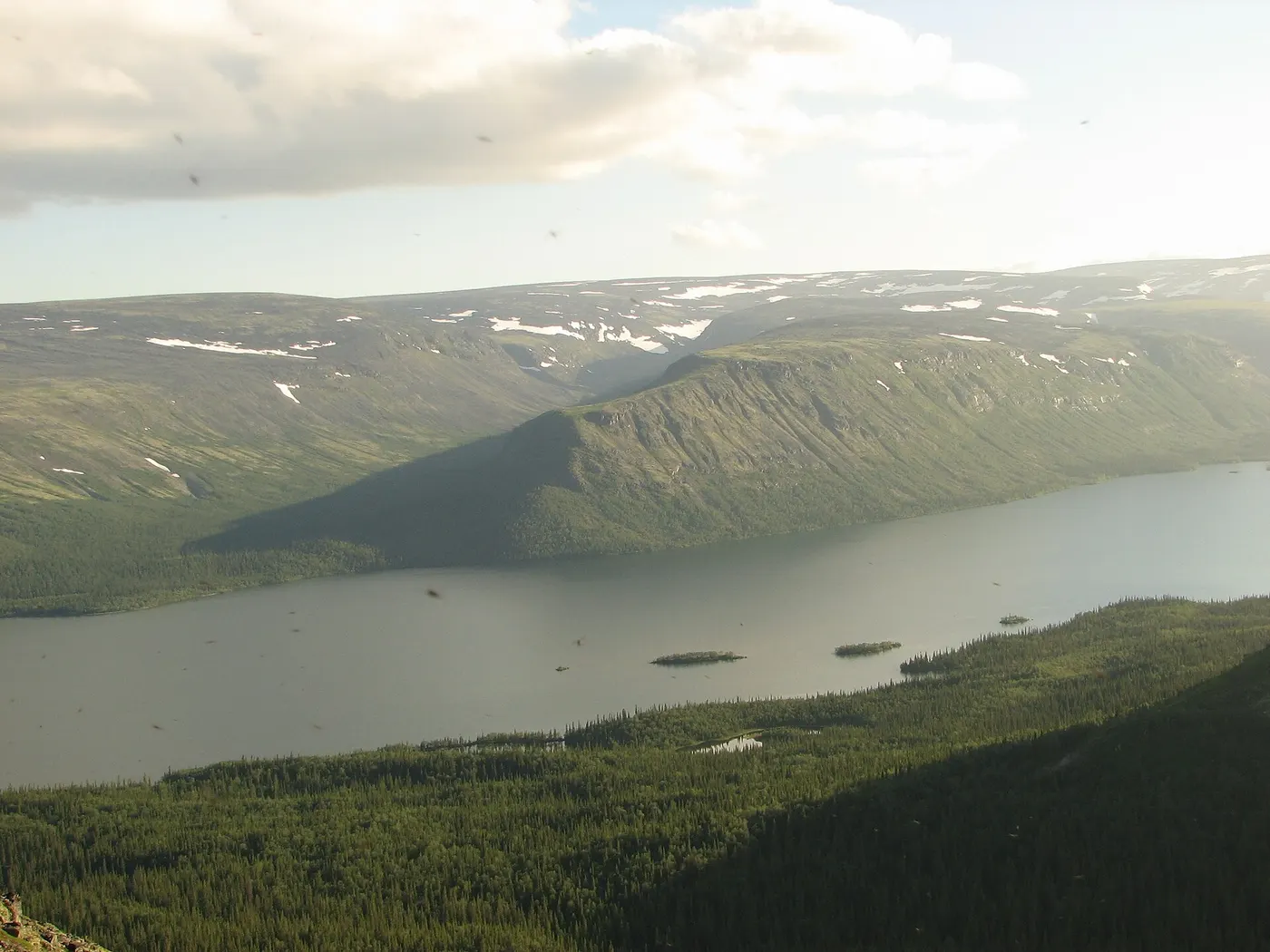
Lake Seydozero and the Kuiva
A sacred Sámi lake in the Lovozero massif, on whose sheer cliff a dark human figure nearly seventy metres tall stands out — the Kuiva. The Sámi took it for the shadow of a giant killed for attacking their land, and avoided fishing within sight of the rock. Geologists speak of lichen staining and wet stone in the fissures. Barchenko's expedition came here in 1922 looking for traces of Hyperborea and, by rumour, found something; the material was classified and the man himself shot in 1938.
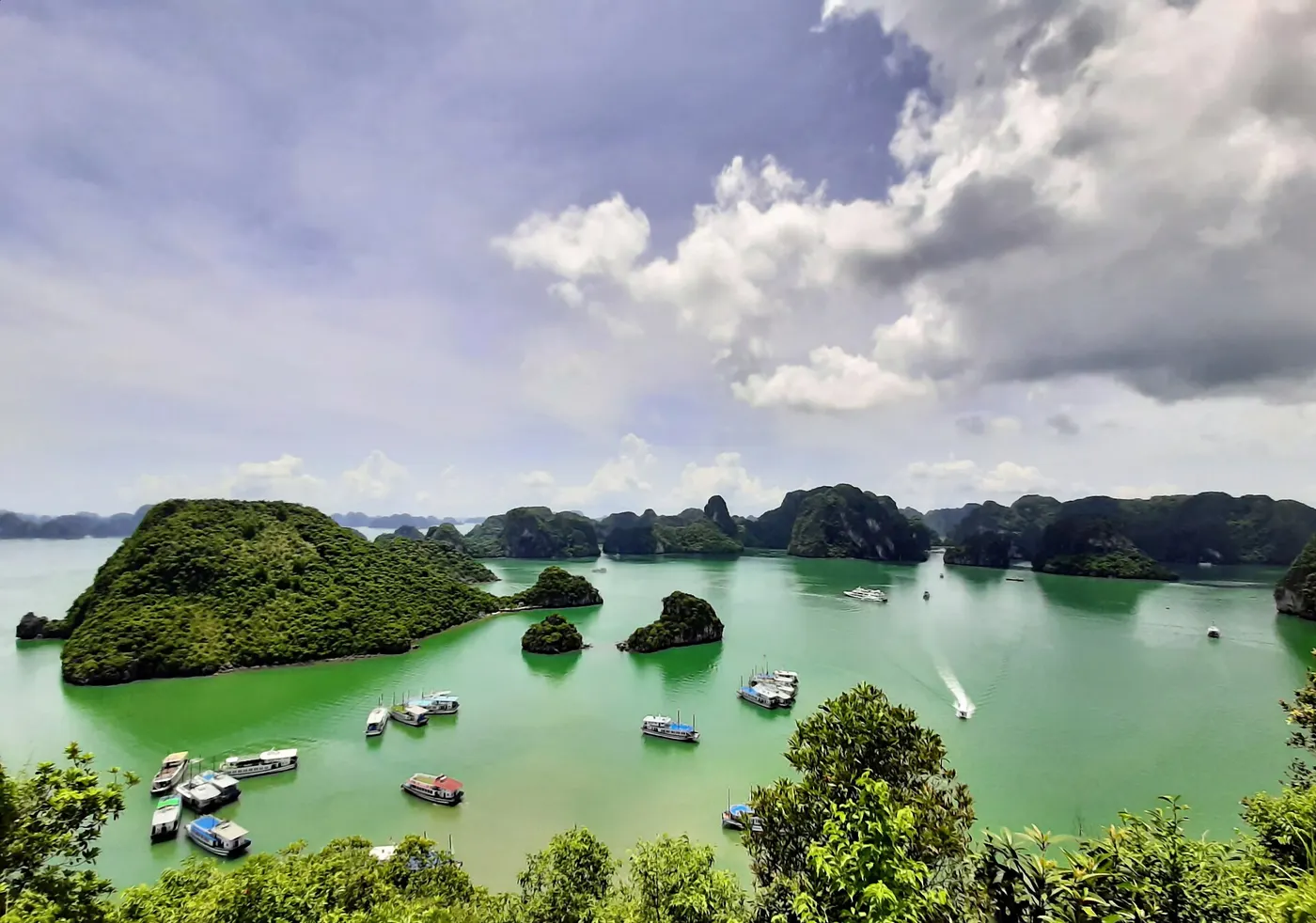
Ha Long Bay
Fifteen hundred limestone islands in the Gulf of Tonkin. The name means descending dragon: gods sent dragons to defend the Vietnamese against invaders, tradition holds, and they spat out pearls and jade that became the islands. A separate strand is sailors' accounts of a sea creature that French colonial officers reported in the bay in the 1890s.

Bukit Timah and the Monkey Man
Singapore's highest point and a remnant of primary rainforest in the middle of the city. A creature has been described here since 1805, known as the Bukit Timah Monkey Man: grey-furred, about five feet tall, moving on two legs. Reports came in waves — notably during the Japanese occupation, when people were hiding in the forest, and again in 2007, which caused a stir in the Singapore press.
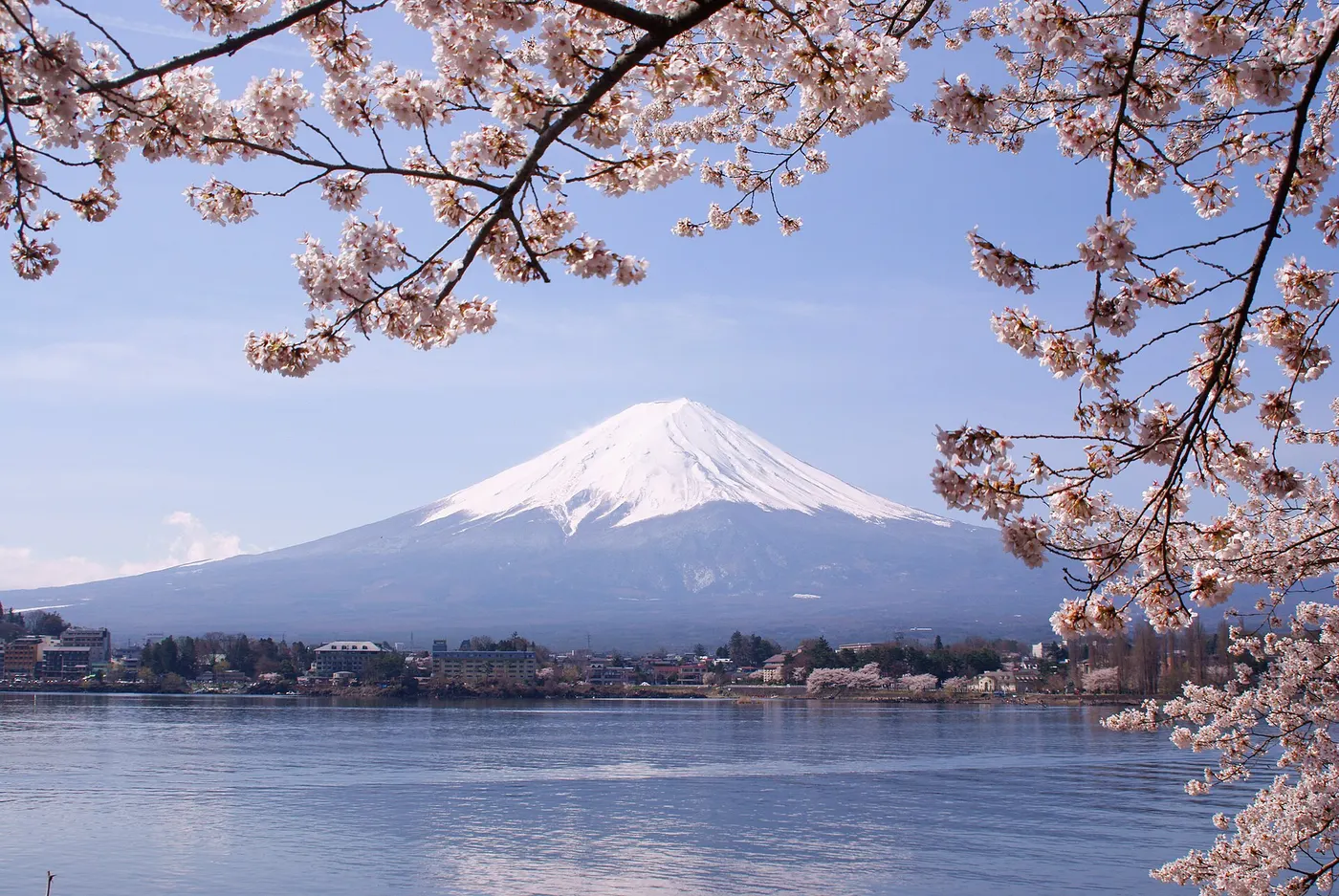
Oiran Buchi
A gorge in Yamanashi Prefecture attached to one of Japan's grimmer traditions. In the sixteenth century, the account goes, when the Kurosawa gold mine was closed, fifty-five courtesans who knew the layout of the workings were led onto a suspended platform above the river — and the ropes were cut. There is nothing to confirm it historically, but the site is formally treated as a place of remembrance, and the bridge has the reputation to match.
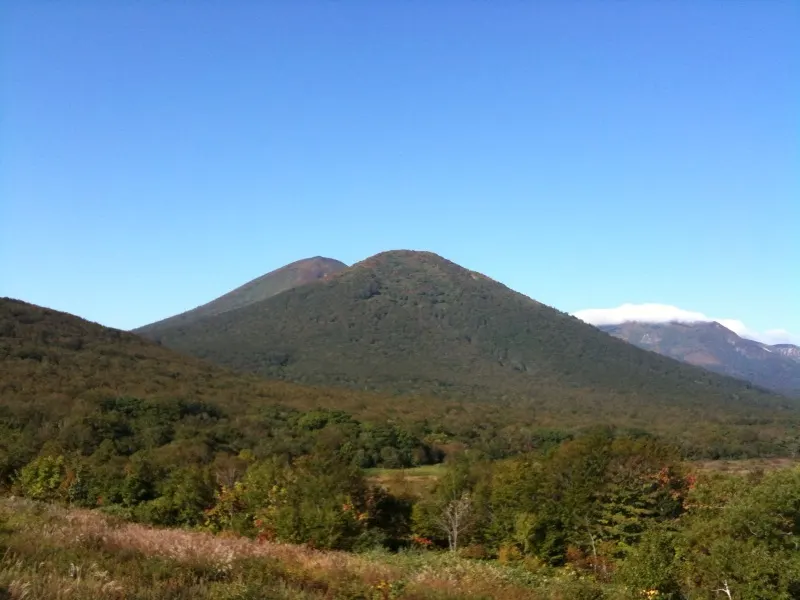
The Hakkōda Mountains
Mountains in northern Honshū where, in January 1902, an army unit was almost wiped out on a training march: of two hundred and ten men, eleven survived. A blizzard of exceptional force caught them and some froze standing up. It remains the worst disaster in the history of mountain travel. The place is called one of the bleakest in Japan, and accounts of meeting soldiers on the trail are unremarkable here.
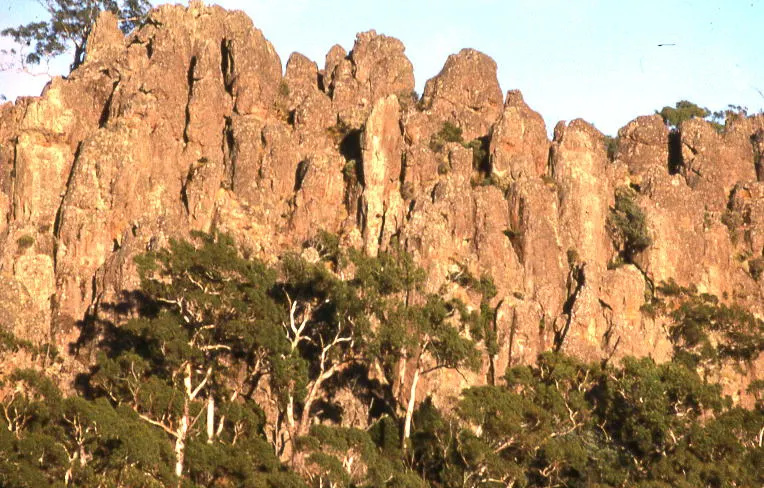
Hanging Rock
A volcanic formation in Victoria, known from Joan Lindsay's novel and Peter Weir's film about schoolgirls vanishing on a picnic. The book is written so that many readers still believe the story is true — there was no disappearance. The rock, however, produces exactly the impression described: narrow passages between boulders, an abrupt silence, and the distortion of time sense that many visitors mention.
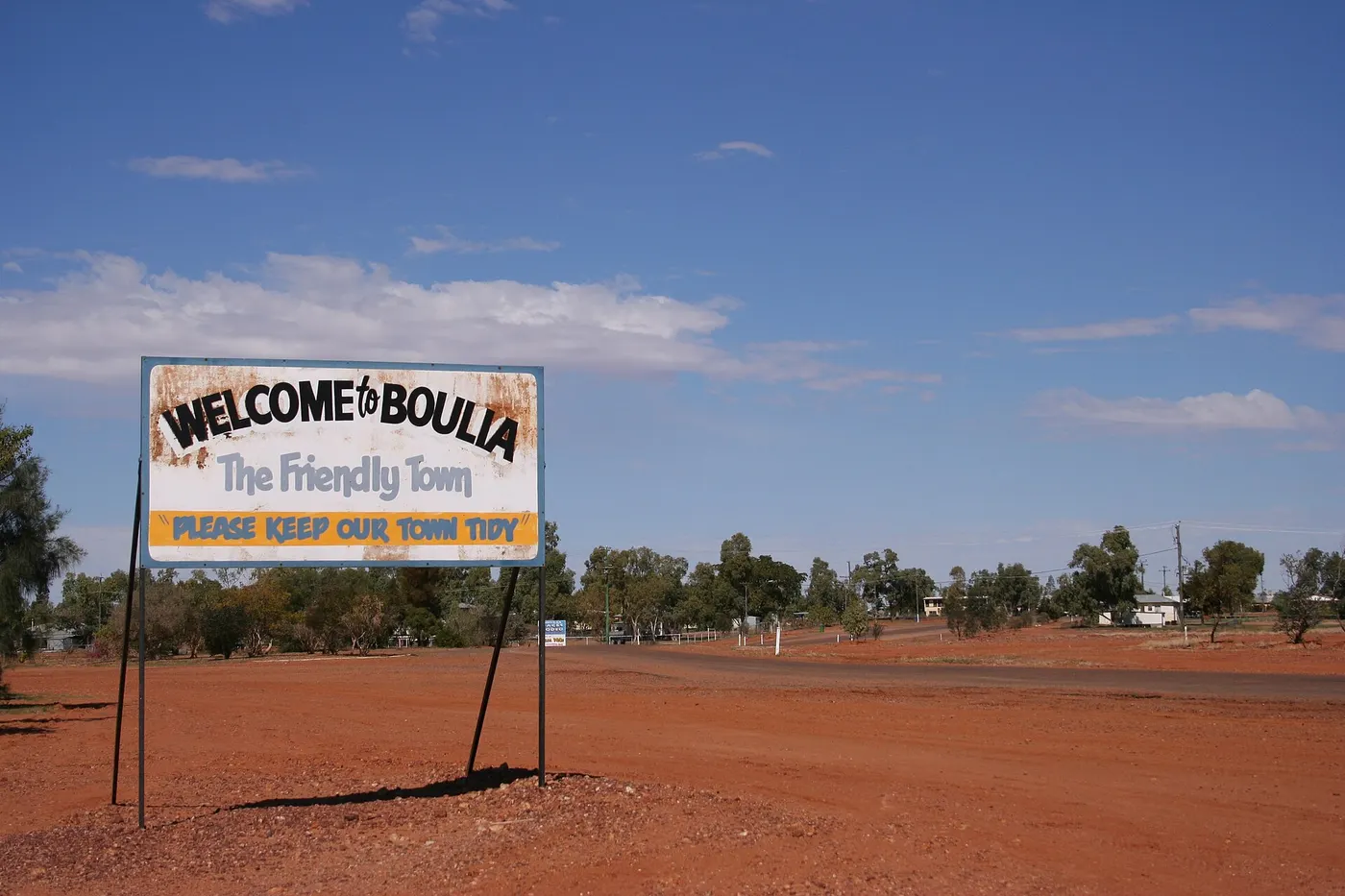
The Min Min Lights
A town deep in Queensland that gave its name to the lights seen on the roads of the burnt west: glowing spheres that follow a car or a rider and keep their distance for hours. Aboriginal people described them before Europeans arrived. In 2003 the physicist Jack Pettigrew showed experimentally that under a temperature inversion a light source beyond the horizon can appear as a nearby object — an elegant explanation that does not cover every case.
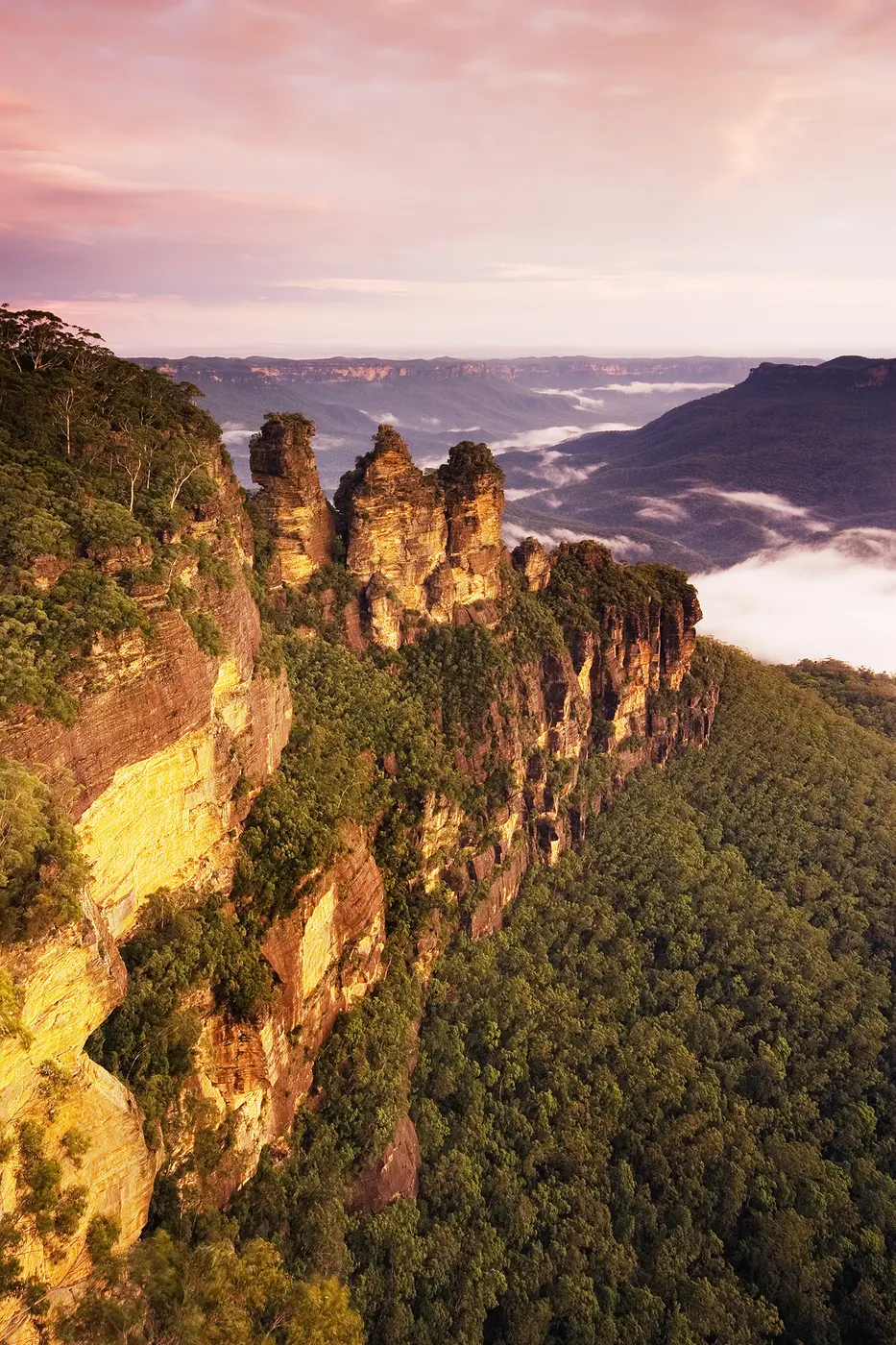
The Blue Mountains and the Yowie
The range west of Sydney, where Aboriginal peoples described a large hairy creature long before colonisation and settlers began writing about it from the 1790s. The Yowie is described in almost the same terms as the North American Sasquatch. The mountains really do smoke blue — that is eucalyptus oil vapour scattering the light, not a legend.
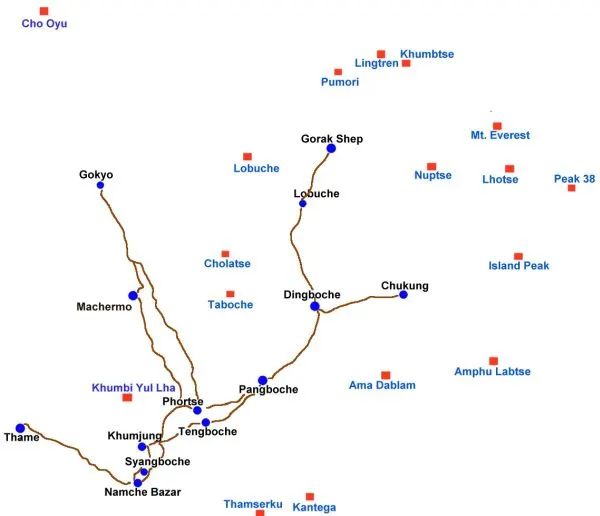
Khumbu, Yeti Country
The valley below Everest, home of the Sherpa, where Western expeditions first met the yeti as something more than a story. In 1951 Eric Shipton photographed a thirteen-inch print on the Menlung Glacier with an ice axe beside it for scale — the picture is still argued over. Khumjung monastery keeps a scalp said to be a yeti's; analysis in 1960 found it was made from serow hide.
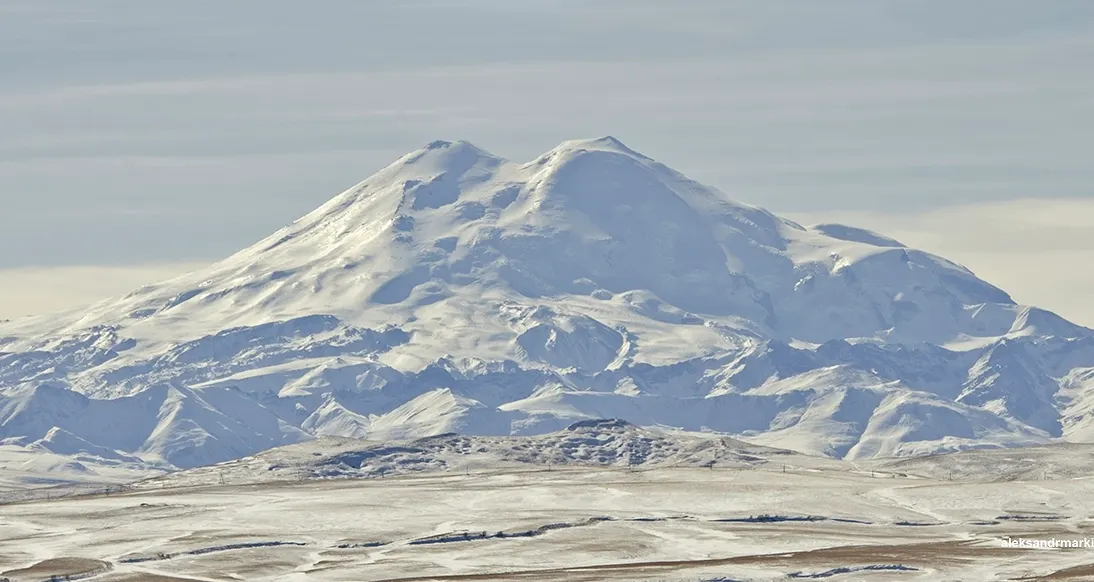
Mount Elbrus
The highest peak in Europe and a dormant volcano to which, in one version of the tradition, Prometheus was chained. The mountain has accumulated a body of stories of its own: the Priyut 11 hut that burned in 1998, the bodies of German Edelweiss division troops found where they planted a flag in 1942, and figures in the mist that climbers describe in almost the same words used on Scotland's Ben Macdui.