Cryptids — mystical places on the map
Creatures with witnesses, footprints and grainy footage, and not one specimen science accepts. Bigfoot, Nessie, the chupacabra and dozens of local monsters, each with its own river, its own forest and its own swamp.
44 places

Cannock Chase
Fifteen hundred hectares of heath and forest in Staffordshire where, in recent decades, everything has been reported at once: black cats the size of pumas, a "werewolf" seen near the German war cemetery, and a figure with burning eyes. The county police take such calls regularly and log them. An unsolved series of child murders in the 1960s adds its own layer to the reputation.
Nahuel Huapi and Nahuelito
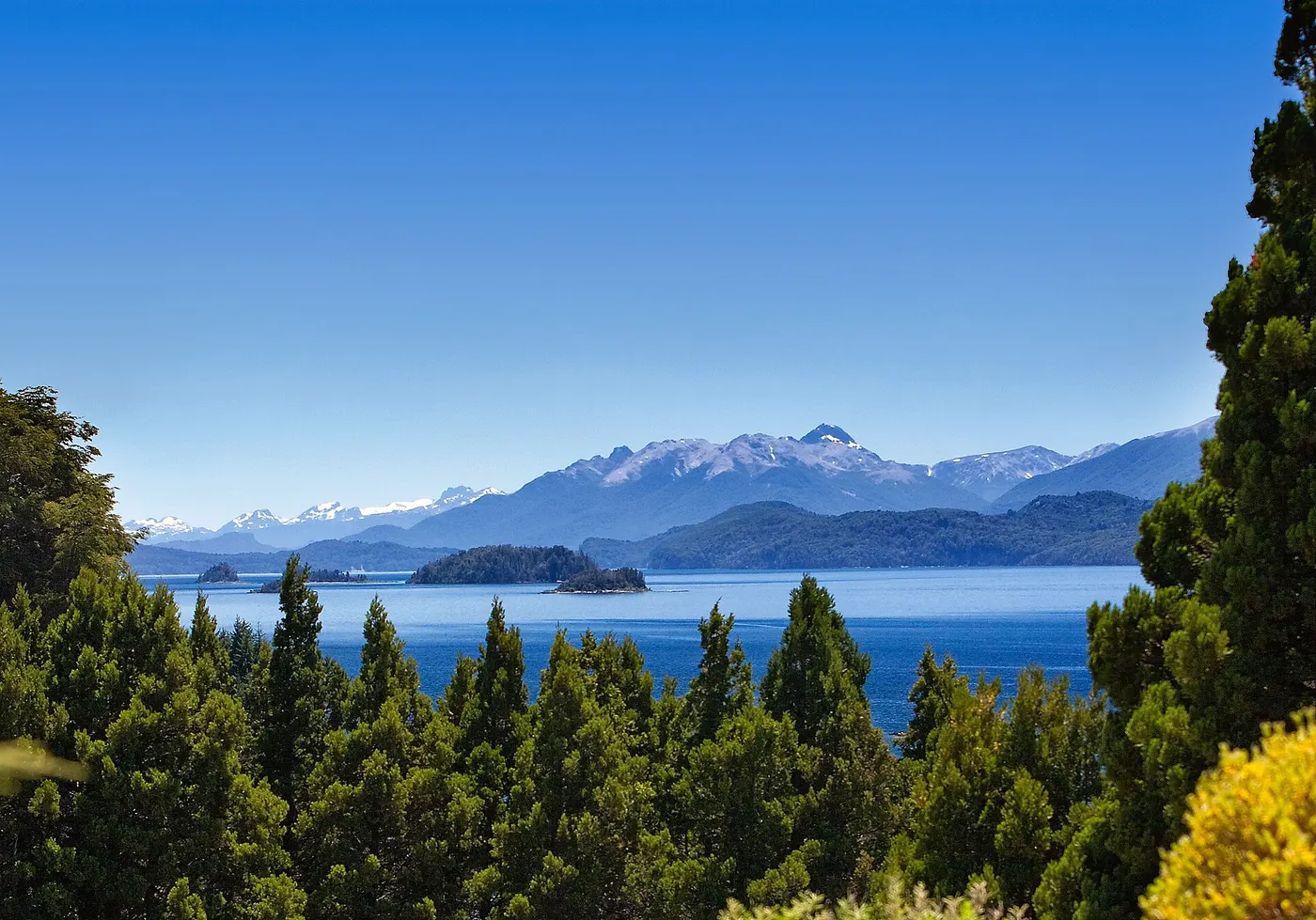
A deep glacial lake in Argentine Patagonia where a creature was described long before Loch Ness: the Mapuche were telling the Spanish about it in the eighteenth century. In 1922 the Buenos Aires zoo announced an expedition to find a plesiosaur and the story went round the world. Nahuelito is described as a humped back some fifteen metres long; there are many photographs and not one convincing.
El Yunque
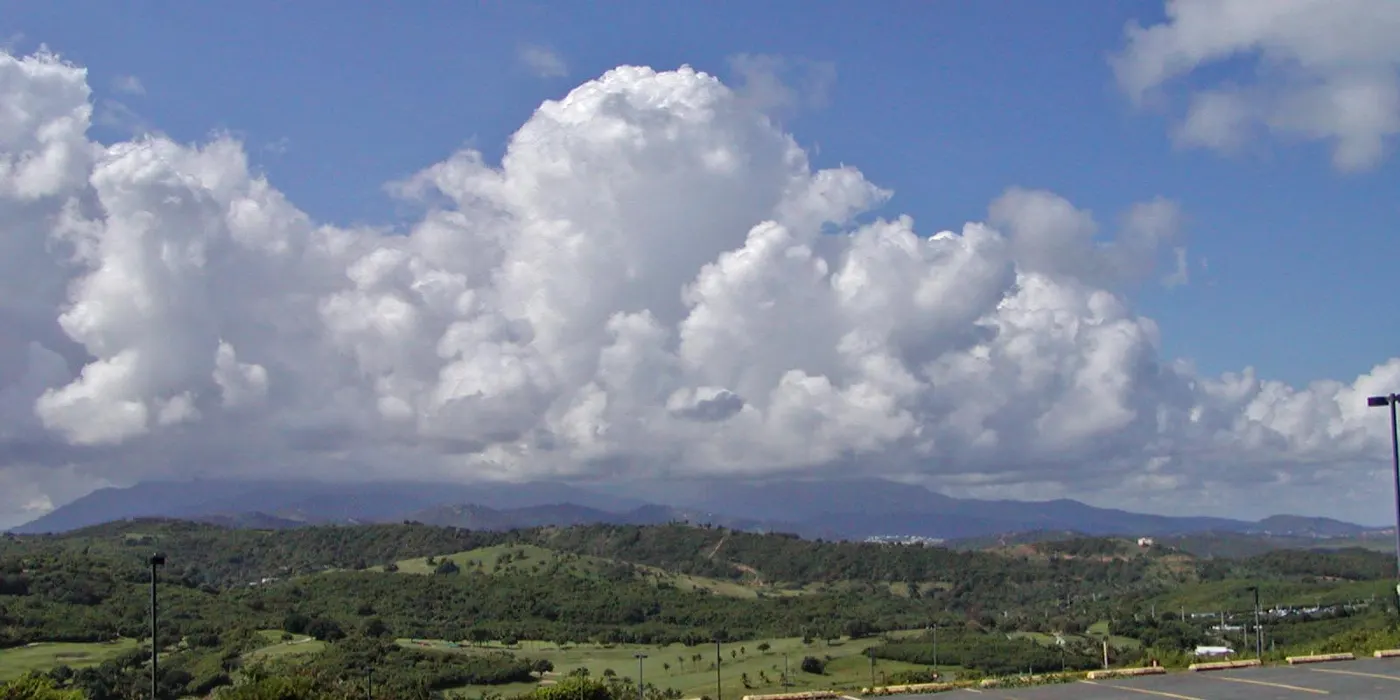
The only tropical rainforest in the United States national forest system, covering the mountains of eastern Puerto Rico. Local accounts have the chupacabra coming down from here to the farms, and place a secret laboratory somewhere in it from which the thing escaped. The forest needs no legend to impress: a hundred and twenty inches of rain a year, permanent cloud, and the sound of coquí frogs, heard everywhere and almost never seen.
Moca, Where the Chupacabra Began
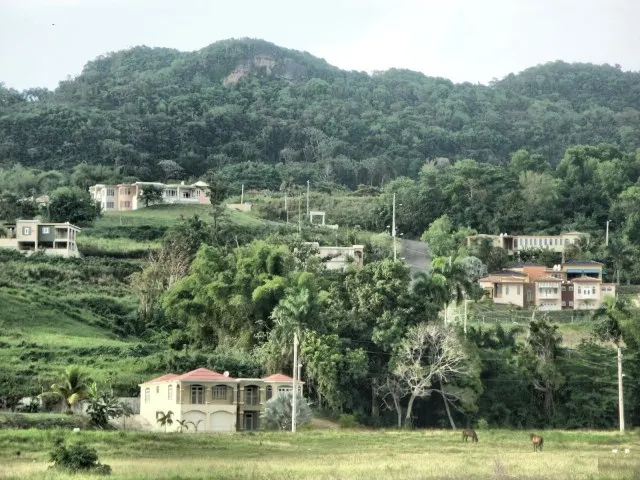
In March 1995 farmers in this Puerto Rican town began finding sheep and goats dead, drained of blood, with two neat punctures in the neck. Within months the count ran into hundreds across the island. Witnesses described a creature the height of a man, moving in bounds, with spines along its back and huge black eyes. A Puerto Rican journalist coined the name — goat-sucker — and in thirty years the chupacabra has spread from Mexico to Chile.
Lake Iliamna and Its Monsters
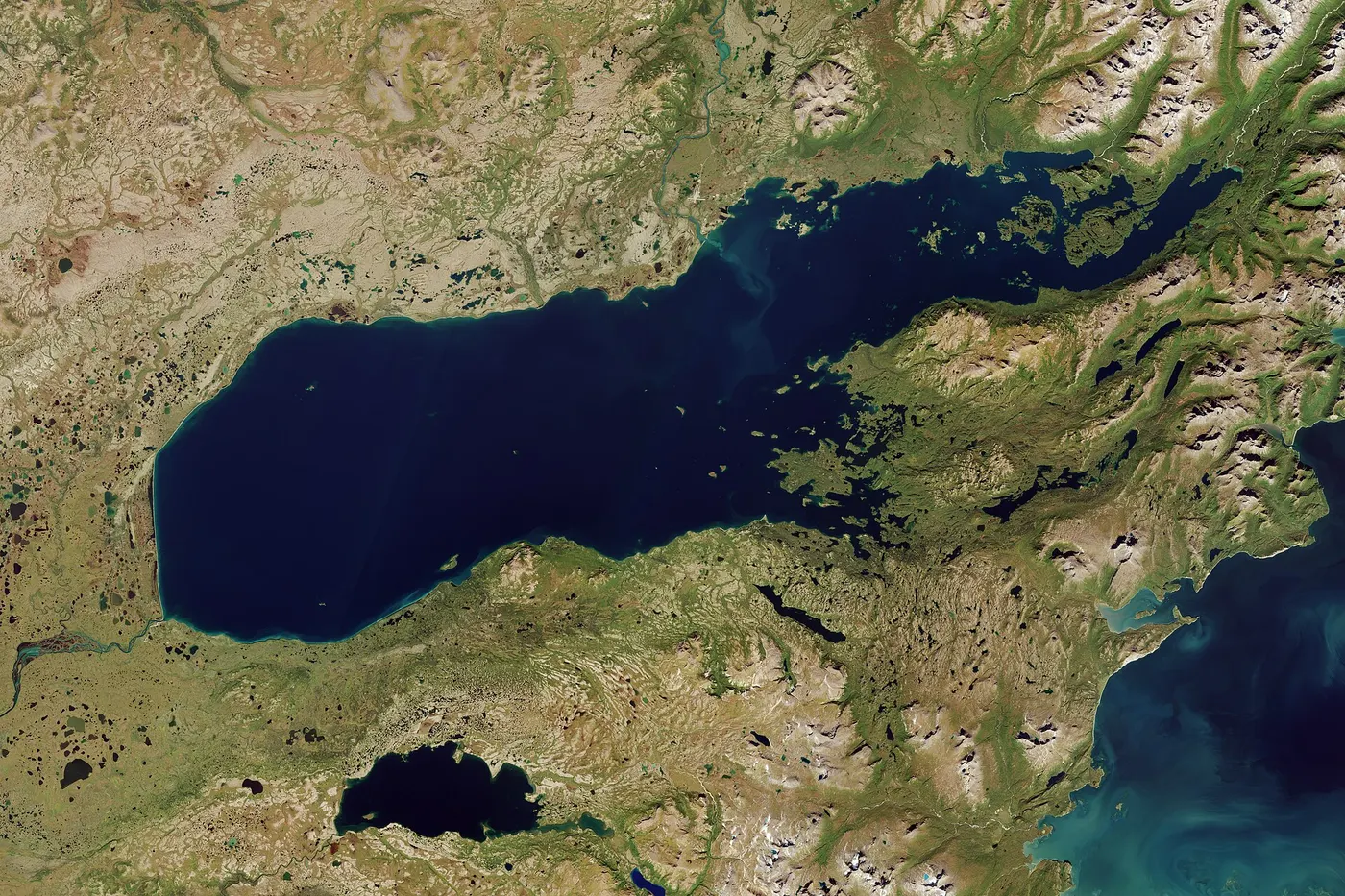
Alaska's largest lake, where bush pilots have reported dark bodies over thirty feet long moving below the surface since the 1940s. The Dena'ina knew of them long before and warned against going onto the water alone. Unlike most lake monsters this one has a plausible explanation — belugas or giant sturgeon coming up from the sea — but no specimen has ever been landed.
Cadboro Bay and Caddy
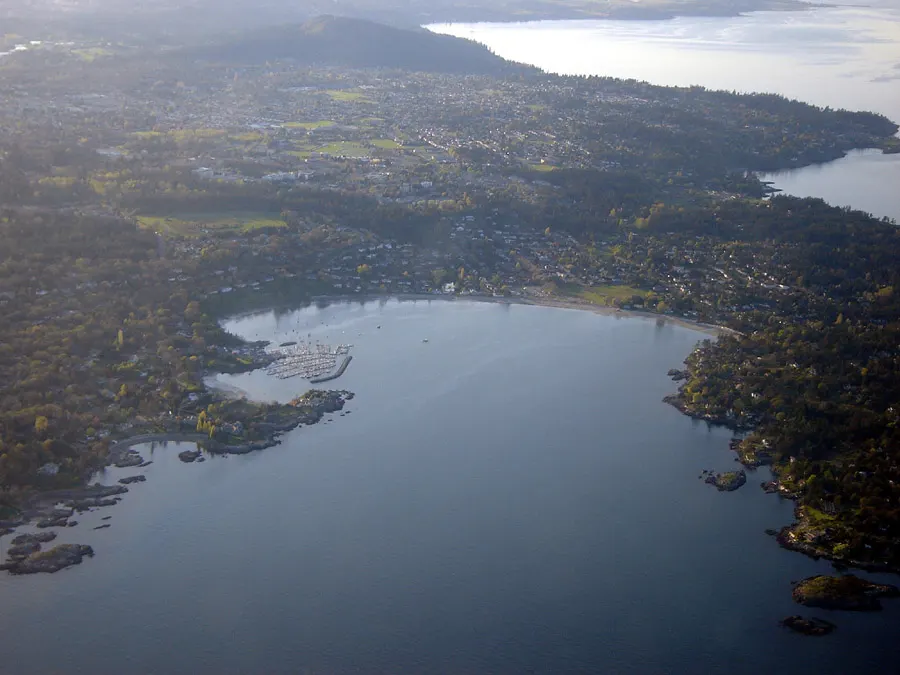
The bay off Victoria that gave its name to the sea serpent Cadborosaurus — "Caddy". Accounts run from the 1930s: a long neck with a horse's head, a humped body, and a speed witnesses call impossible for a seal. In 1937 a carcass about three metres long was taken from a sperm whale's stomach at a whaling station, photographed, and then lost. The photograph is still argued over.
Harrison Lake, Where 'Sasquatch' Came From
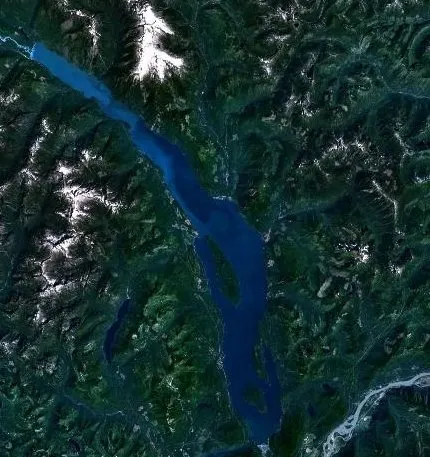
The valley of this British Columbia lake gave the word itself: in the 1920s the schoolteacher J. W. Burns collected accounts of forest giants from the Sts'ailes people and rendered their local name as "Sasquatch". In 1957 the council of Harrison Hot Springs seriously voted on funding an expedition to catch one. Sightings are still logged here.
Whitehall, the Official Home of Bigfoot
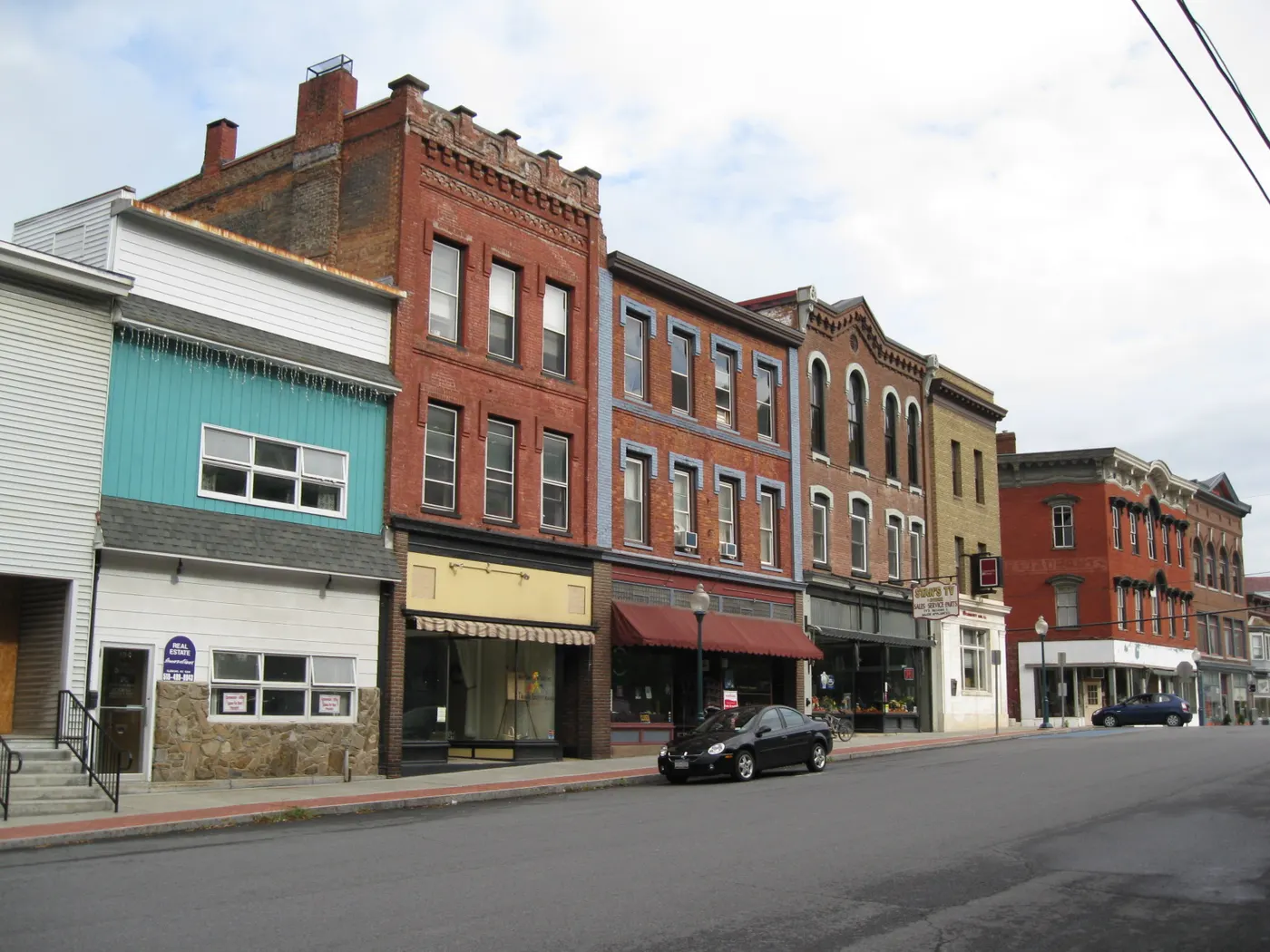
In August 1976 several teenagers and two police officers independently described a figure over seven feet tall near this town on the Vermont line: covered in hair, red-eyed, and making a cry one officer called "a woman screaming mixed with a pig". The town council later passed an ordinance forbidding harm to Bigfoot within the town limits — legally pointless, and a fair measure of how seriously it is taken here.
Louisiana, Missouri: the Summer of Momo
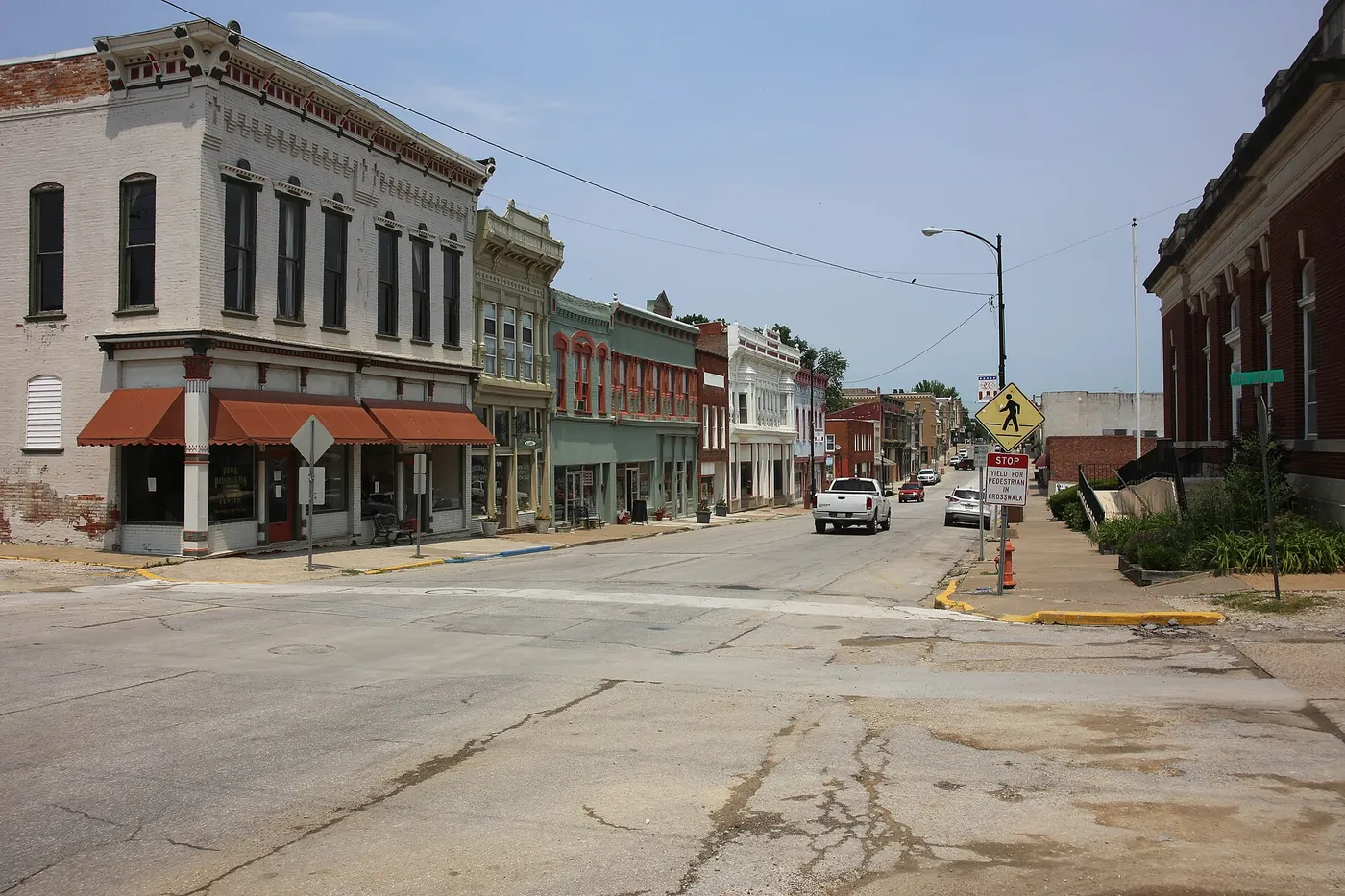
In the summer of 1972 this town on the Mississippi went through a genuine panic: children said they saw a black hairy figure over six feet tall at the edge of the woods holding a dead dog, and the stench was such that one of their mothers smelled it from indoors. Enough reports came in within a week that the sheriff organised search parties, and the papers named the thing Momo, for Missouri Monster.
Loveland and the Frogman
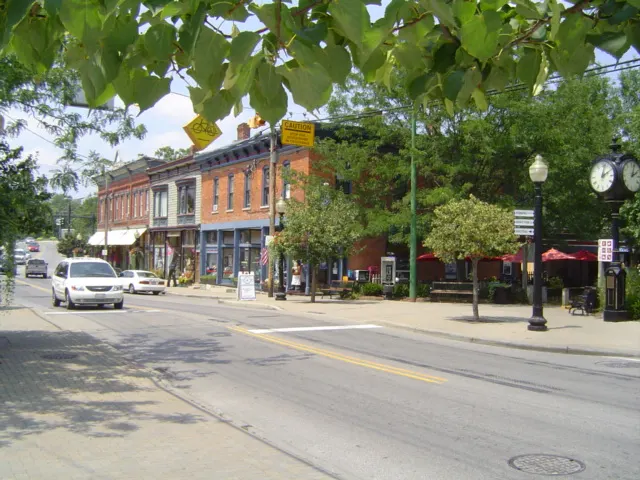
The city of Loveland in southwestern Ohio, USA, is a charming suburb of Cincinnati situated along the scenic Little Miami River. The town gained international cryptozoological fame as the home of the "Loveland Frogman"—a bizarre bipedal amphibian humanoid that became one of the most recognizable cryptids in modern American folklore.
Honey Island Swamp and Its Monster
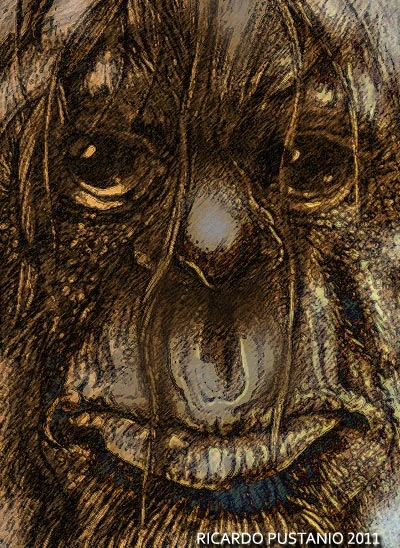
A cypress swamp on the Pearl River in Louisiana, and the thing said to walk in it: over seven feet, grey matted hair, yellow eyes set too far apart, and a smell people compare to something dead. Its fame rests on one man — Harlan Ford, an air traffic controller who came out of the swamp in 1963 with a story and, later, with plaster casts of a four-toed print. The local explanation is more colourful than the creature: a circus train is supposed to have derailed by the river early in the century, and the chimpanzees that survived are supposed to have bred with alligators. They cannot. The two are different classes of animal and the sentence means nothing. What the swamp does have is water you could lose a wild boar in at two paces, and a smell of its own — enough to account for anybody else's.
Lake Worth and the Goatman
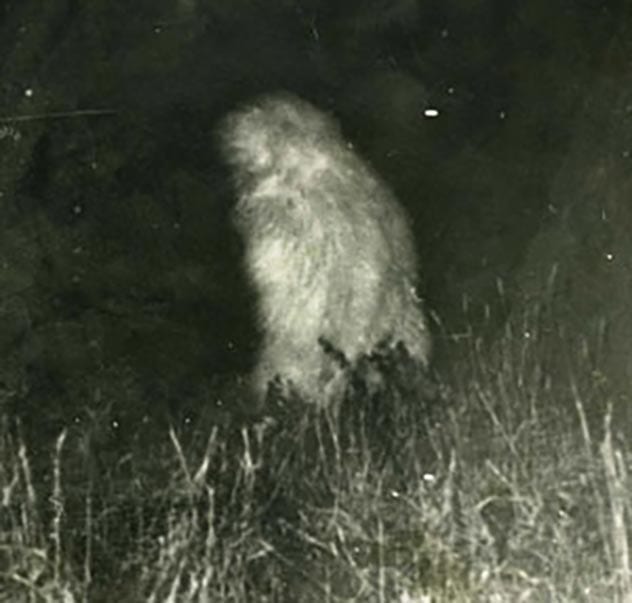
Lake Worth is an artificial freshwater reservoir impounding the West Fork of the Trinity River, situated along the northwestern boundary of Fort Worth in Tarrant County, Texas, United States. Engineered in 1914 across roughly 3,200 acres, the basin is bounded by oak woodlands and the Fort Worth Nature Center and Refuge. Between July and October 1969, the lakeside recreation area became the epicenter of an American cryptozoological craze following reported attacks by the "Lake Worth Monster"—a seven-foot-tall, white-furred caprine-human hybrid archetype known regionally as the Goatman.
Okanagan Lake and Ogopogo
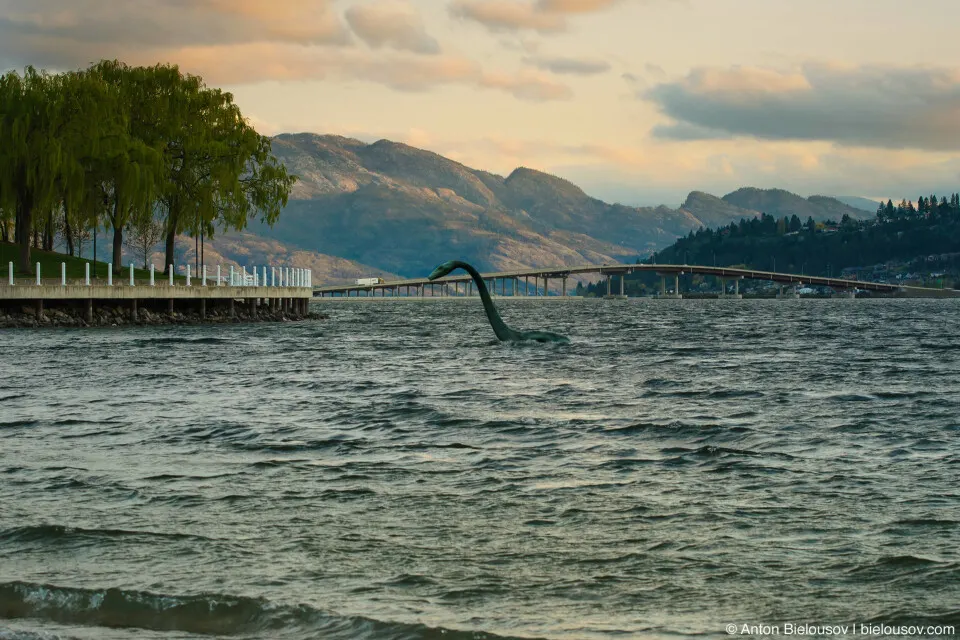
Okanagan Lake is an elongated, fjord-like glacial lake located within the Okanagan Valley of southern British Columbia, Canada, spanning roughly 135 kilometers north-to-south with depths reaching up to 232 meters. Flanked by semi-arid hills, vineyards, and the municipalities of Kelowna, Vernon, and Penticton, the basin has achieved international recognition as the epicenter of North American cryptozoology: the alleged domain of "Ogopogo," Canada's definitive lake monster archetype.
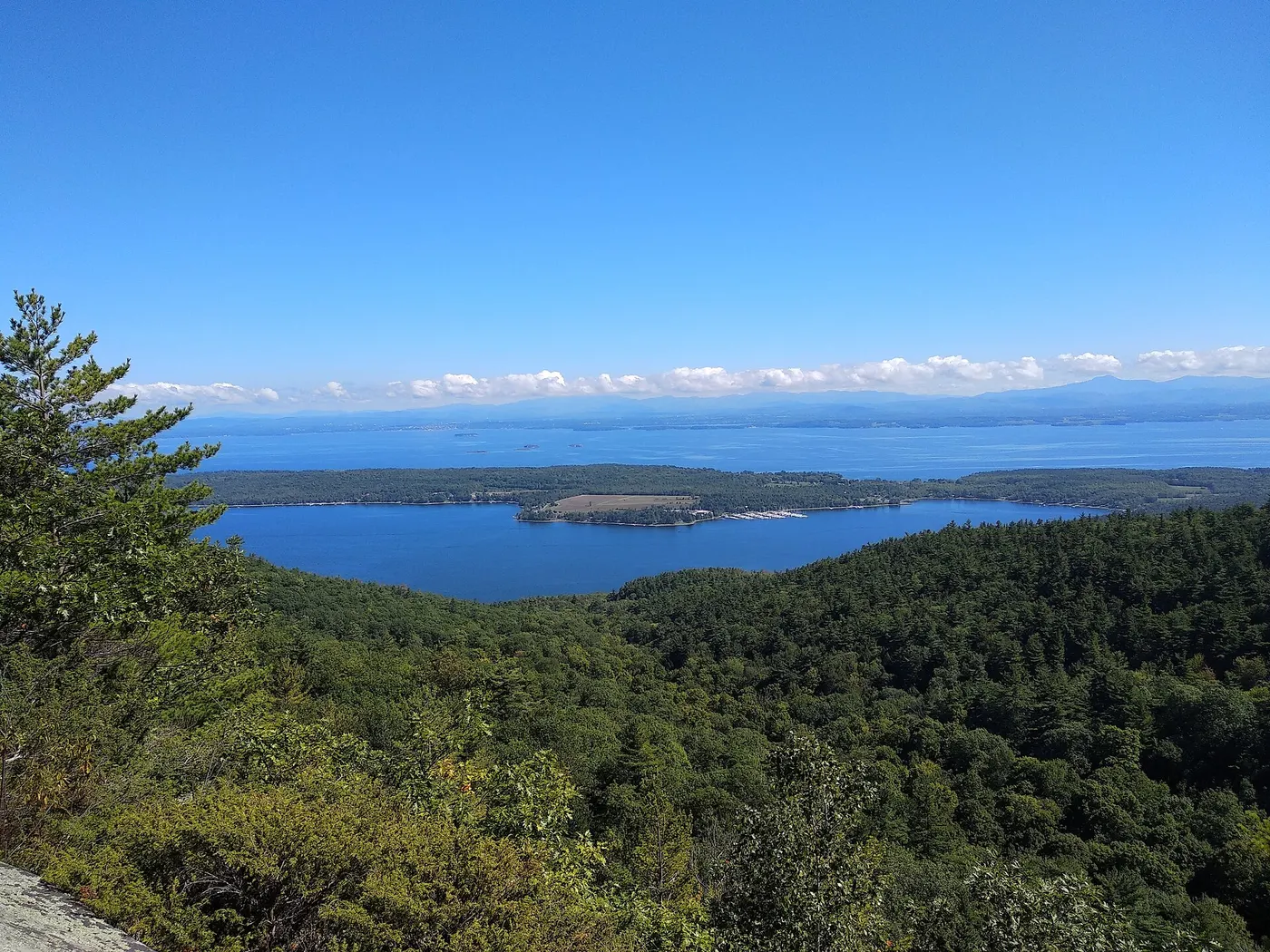
Lake Champlain and Champ
The lake between Vermont, New York and Quebec, where a creature called Champ has appeared in accounts since the nineteenth century and, by tradition, since Iroquois times. The best-known evidence is Sandra Mansi's 1977 photograph — a dark curved neck above the water — which experts could neither confirm nor call a fake. Both states have formally forbidden harming Champ, a rare case of a cryptid making it into law.
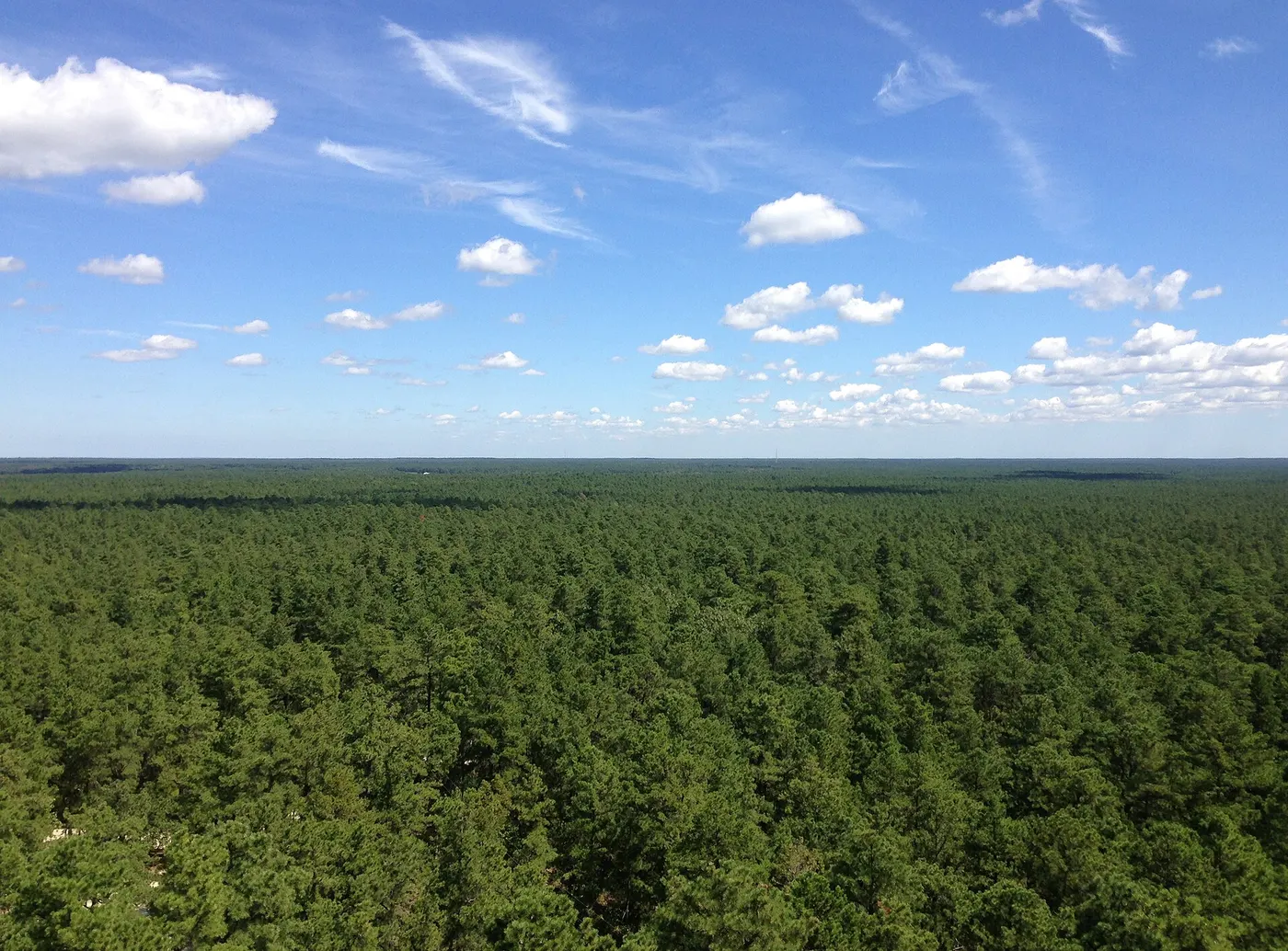
The Pine Barrens and the Jersey Devil
A million and a half acres of pine on sand, where a three-hundred-year-old legend of Mother Leeds's thirteenth child persists. In 1735, the story goes, she said in temper that the child could be the devil — and the newborn turned into a winged thing with hooves and a horse's head, went up the chimney, and has been here since. In January 1909 it was reported across the state for a solid week; schools closed, and tracks were found in the snow on rooftops.
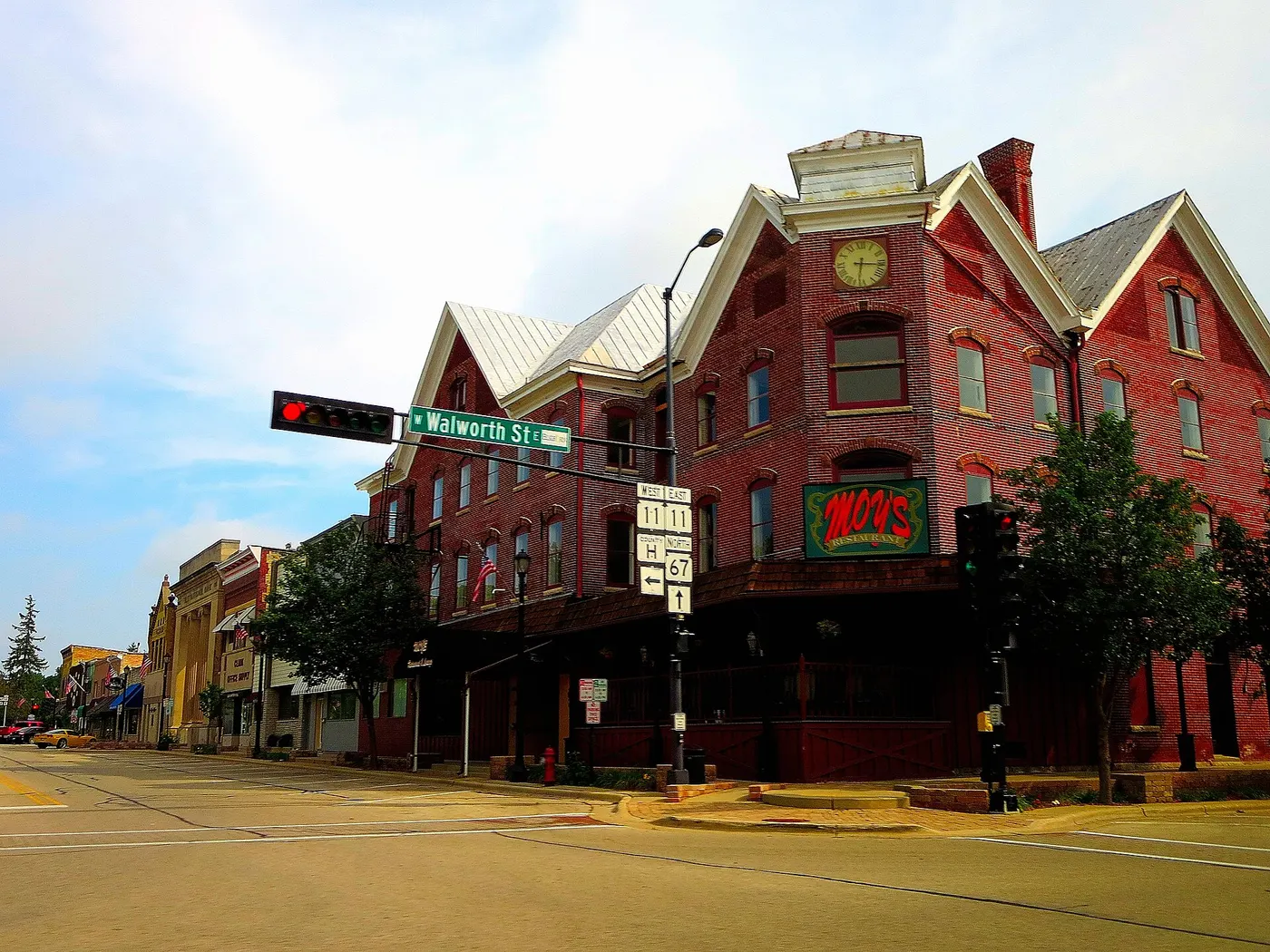
Bray Road and the Wisconsin Werewolf
Bray Road is a quiet rural country road near the town of Elkhorn in Walworth County, Wisconsin, USA. Flanked by cornfields, woodlots, and dairy farms, the road gained international notoriety as the hunting ground of the "Beast of Bray Road," or the Wisconsin Werewolf—a bipedal wolf-like cryptid.
Bluff Creek, Where the Patterson Film Was Shot
On 20 October 1967 Roger Patterson and Bob Gimlin shot fifty-nine seconds of film here, showing a large hairy figure walking across a gravel bar and glancing back over its shoulder. That frame is the most recognised image of Bigfoot ever made, and the argument over it has not settled in half a century: some analyse the gait as impossible for a person, others look for the seams of a suit. The place itself is an ordinary creek in the remote forests of northern California, and people still come with cameras.
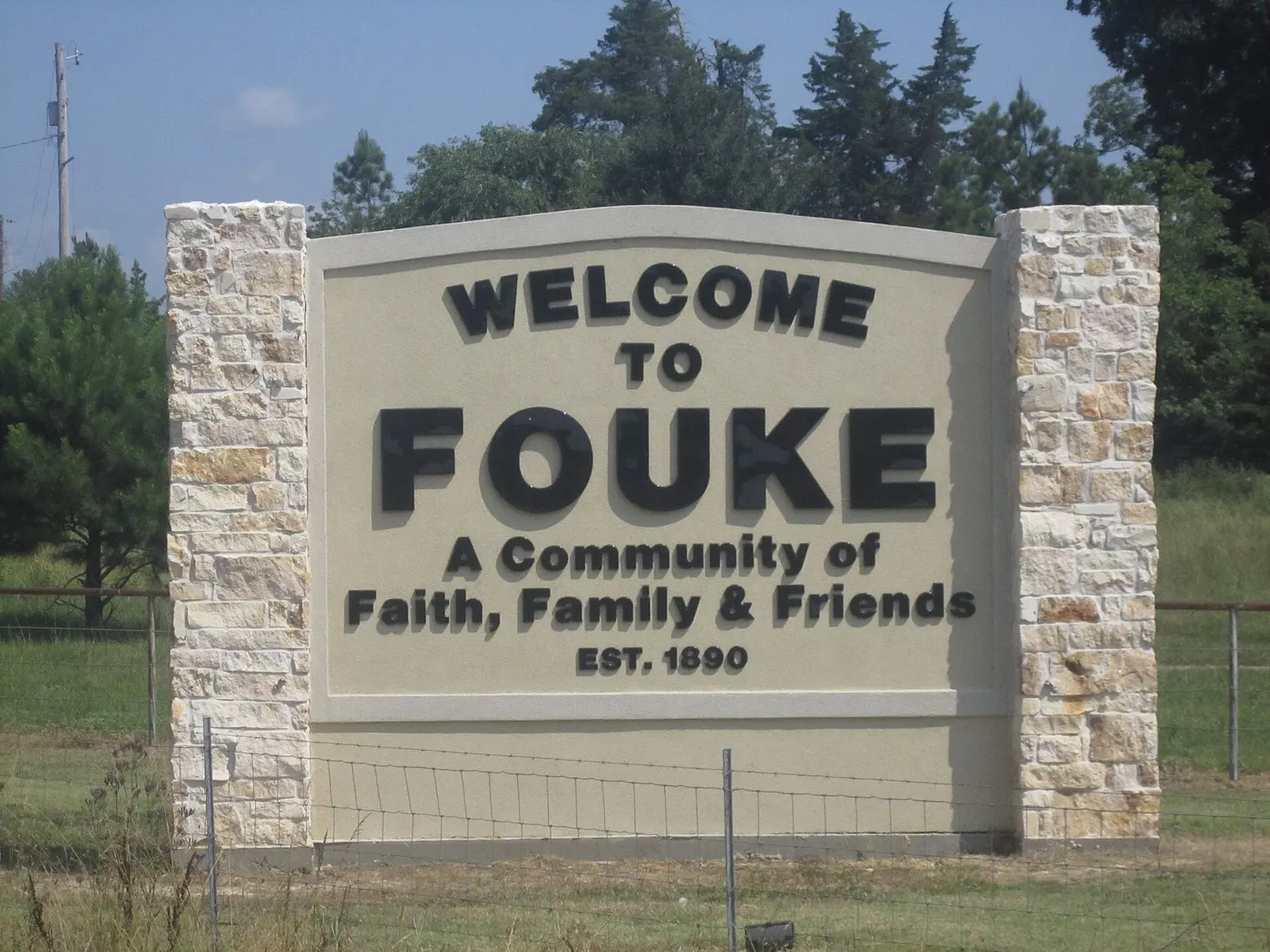
Fouke and the Boggy Creek Monster
A creek in the pine hills of south-western Arkansas, and the animal the town of Fouke has been talking about since the 1840s: seven feet or so, upright, covered in reddish-brown hair, and a smell witnesses reach for the word "animal" to describe. It is credited with killing chickens, dogs and livestock, and with never once harming a person. What carried it out of the county was 1971, when a family living outside town said a hairy arm came through a screen window at night. Two years later came a cheap film, The Legend of Boggy Creek, shot on location with local people in front of the camera, which took far more at the box office than it cost — and a local rumour became an industry. Fouke has lived on it since: the Monster Mart on the highway, signs through the town. The creek itself is marked by a small plaque on the bridge, easy to drive straight past.
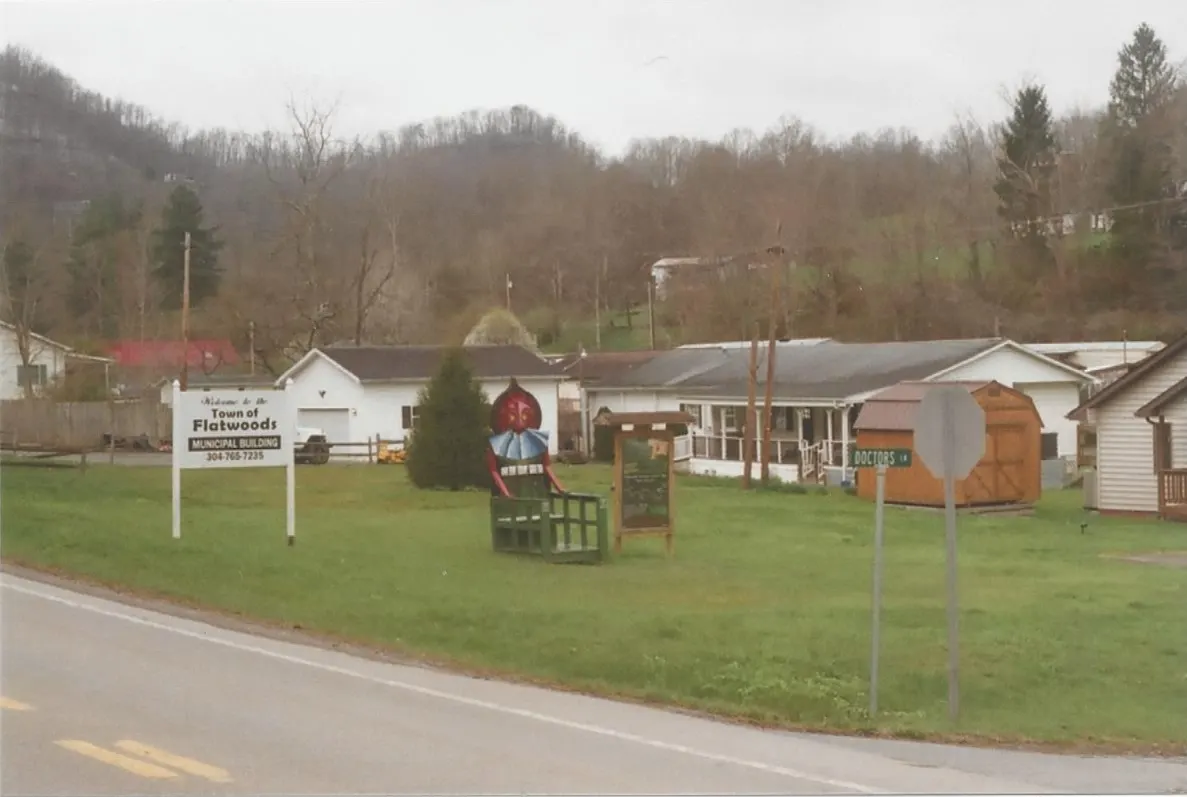
Flatwoods and the Braxton County Monster
On 12 September 1952 three boys watched something bright come down on the hill behind the Fisher farm. Going up with one boy's mother and a few neighbours, the group made out a figure some ten feet tall in a torchbeam: a dark pleated body like a skirt, and a red face shaped like the ace of spades, lit from within. It smelled, they said, of metal and burning, and half the party was vomiting by morning. The Air Force put it down to a meteor and an owl. The locals never did.
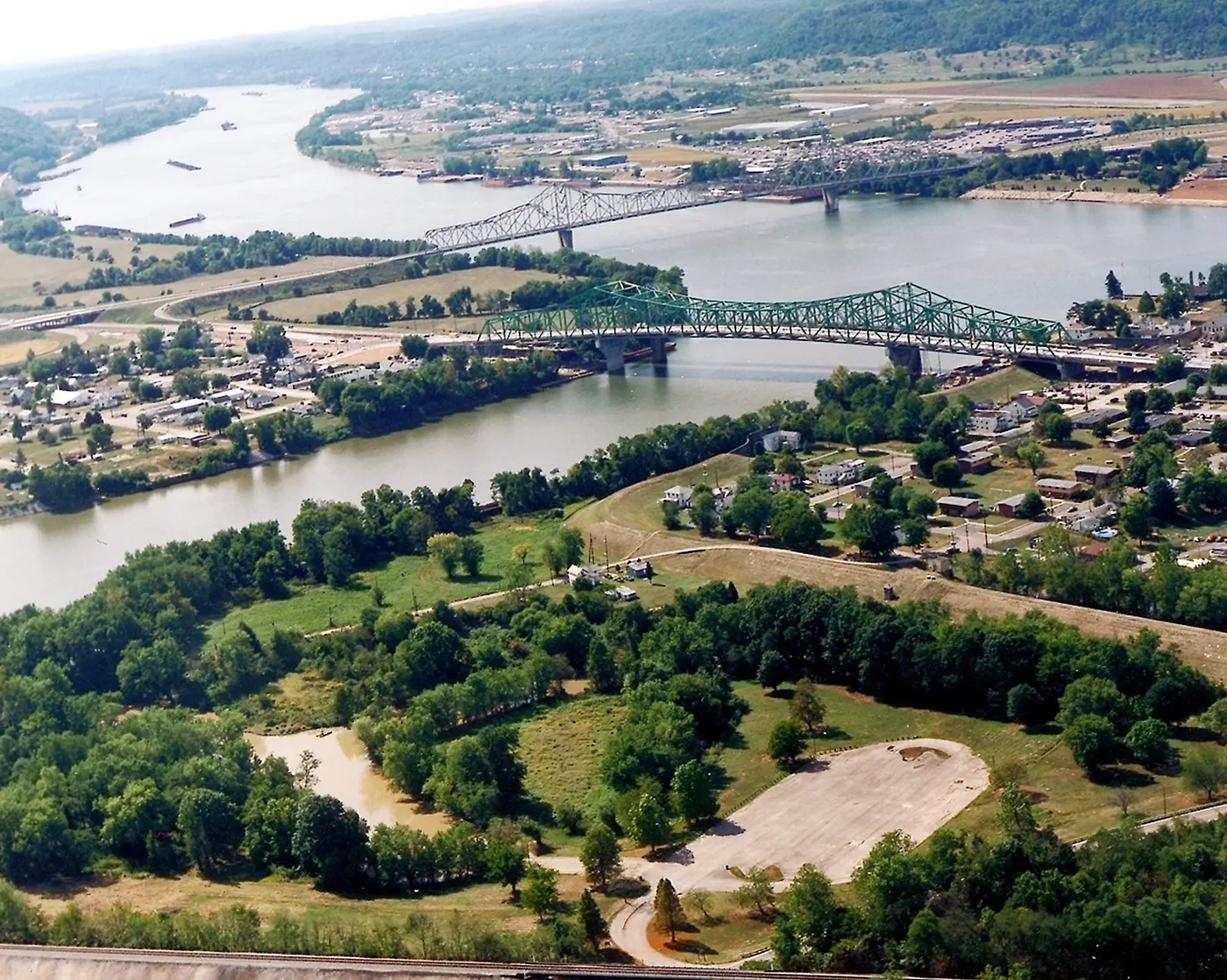
Point Pleasant, Home of the Mothman
Between November 1966 and December 1967, people in this town at the confluence of the Ohio and Kanawha reported a winged figure some two metres tall with glowing red eyes — dozens of sightings. The first came from two couples driving past a disused explosives plant at night: the thing, they said, kept pace with their car at a hundred miles an hour. The reports stopped on 15 December 1967, when the Silver Bridge collapsed and forty-six people died — a coincidence that tied the Mothman to premonition for good. A steel statue of it stands downtown.