Green level — mystical places on the map
Real places with nothing on their record — nothing that is reported to have happened to anybody. A history, a rumour, an atmosphere, a building with a past: the story is about the place itself rather than about what it does to whoever walks in. Most of the catalogue sits here, and that is the honest answer rather than a dull one.
138 placesAbout the danger levels
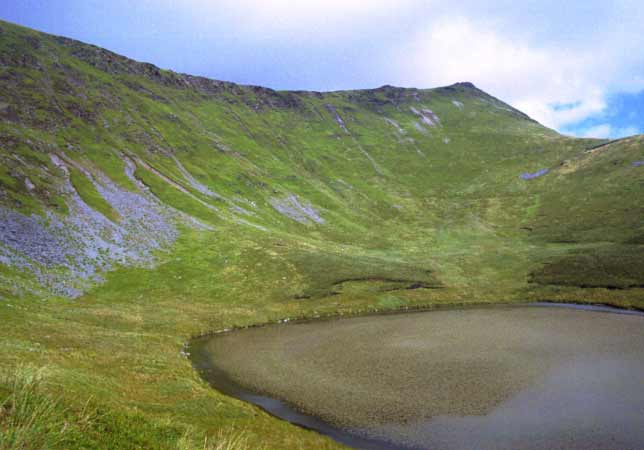
The Berwyns and the Welsh Roswell
On the evening of 23 January 1974 the ground shook in the Berwyn mountains of north Wales and lights were seen on the hillside. People assumed an aircraft had come down; police, a nurse and mountain rescue climbed in the dark and found nothing. Over the years the story acquired military lorries carrying containers away, and the nickname the Welsh Roswell. Seismic records show a real earthquake of about magnitude 3.5 that evening, and the lights fit well with a bright fireball seen across northern Britain in the same minutes. The coincidence of two events in one evening produced everything else.
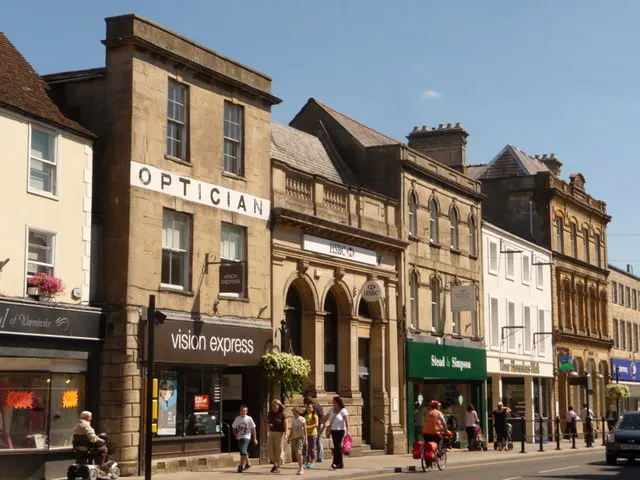
Warminster and the Thing
At Christmas 1964 people in this Wiltshire town began complaining of a strange noise — a low drone and crackle that shook roofs. The local paper called it the Thing, and that was the beginning. By 1965 hundreds were climbing Cley Hill above the town every night with flasks and binoculars; on the best weekends five thousand came. Warminster became Britain's first place of UFO tourism, decades before crop circles. The noise most likely came from the Salisbury Plain training area, which begins a couple of kilometres away. The lights over the hill were attributed to everything from signal flares to planets, and never entirely explained.
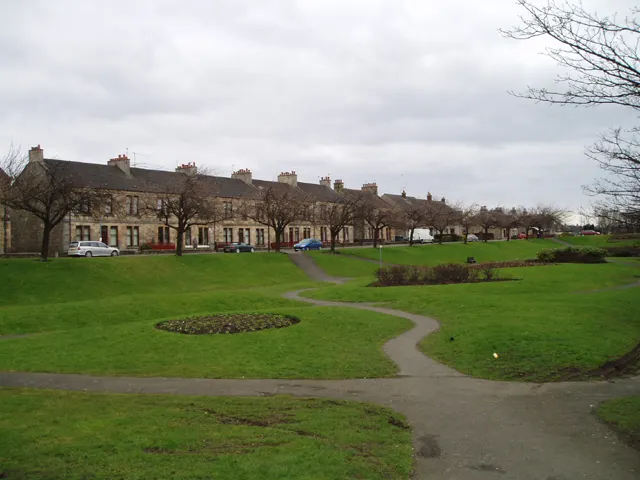
Bonnybridge and the Falkirk Triangle
A town in central Scotland where the local authority has logged around three hundred reports of unidentified objects a year since 1992 — per head of population, probably the densest rate in the world. The wave began with one businessman's sighting and spread far enough that councillor Billy Buchanan raised it in the Scottish Parliament and pressed for a government investigation. The town came to be called the centre of the Falkirk Triangle. Explanations have been offered: approach corridors for Edinburgh and Glasgow airports pass nearby, as does a military range. None of them explains why the flow of reports here is so much higher than in neighbouring towns under the same corridors.
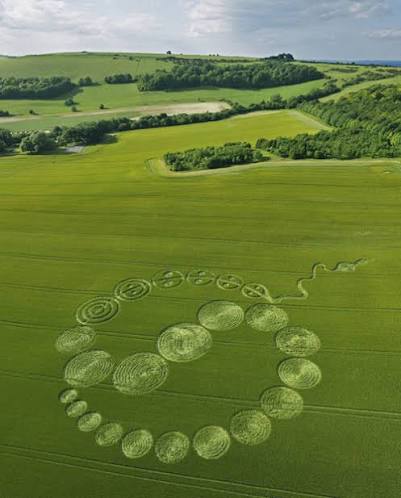
Wylatowo and the Crop Circles
Wylatowo is a small agricultural village in Mogilno County, Kuyavian-Pomeranian Voivodeship, north-central Poland. During the first half of the 2000s (2000–2005), this tranquil farming settlement unexpectedly earned renown as the "Polish Roswell" and Europe's capital of agro-glyphs following the recurring appearance of massive geometric crop circles and pictograms across local wheat and rye fields, prompting multi-year ufological vigils, automated camera monitoring towers, and national media debates.

Emilcin and the Farmer's Monument
The Emilcin UFO Monument (Pomnik UFO w Emilcinie) is Poland's sole official public monument dedicated to extraterrestrial contact, situated at the forest edge near the rural village of Emilcin, Lublin Voivodeship. The memorial commemorates the "Emilcin Abduction" of May 10, 1978—the most famous and meticulously documented close encounter and alleged alien abduction in the former Eastern Bloc, centered on 71-year-old local farmer Jan Wolski.
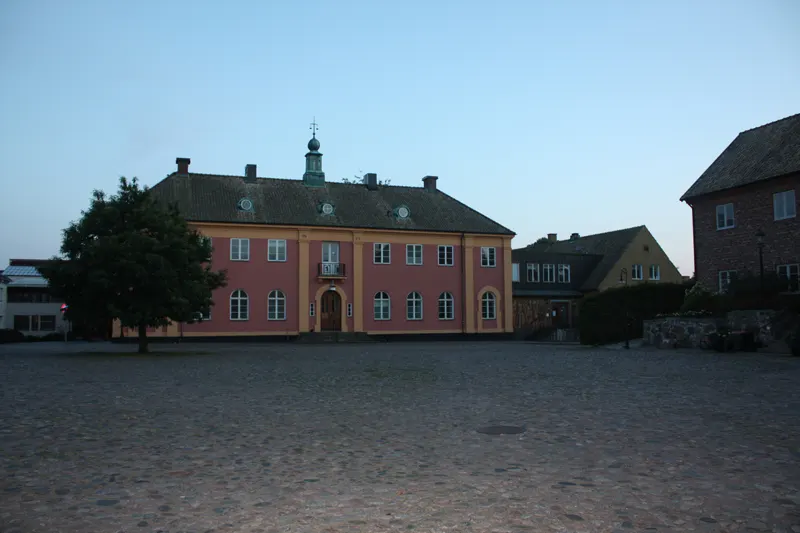
Ängelholm and the Monument to a Landing
On 18 May 1946 a Swedish businessman named Gösta Carlsson said he came upon a disc-shaped craft and its crew in the woods outside this town. He later maintained that what he learned there helped him develop an allergy remedy, on which he built his fortune. In 1972 Carlsson erected a concrete monument on the spot — a circle with an account of the event. It is still there, and appears to be the only monument in the world put up at his own expense by the witness of his own encounter. 1946 in Sweden was the year of the ghost rockets: that summer the country collected some two thousand reports of projectile-like objects, and a proportion of them are unexplained still.
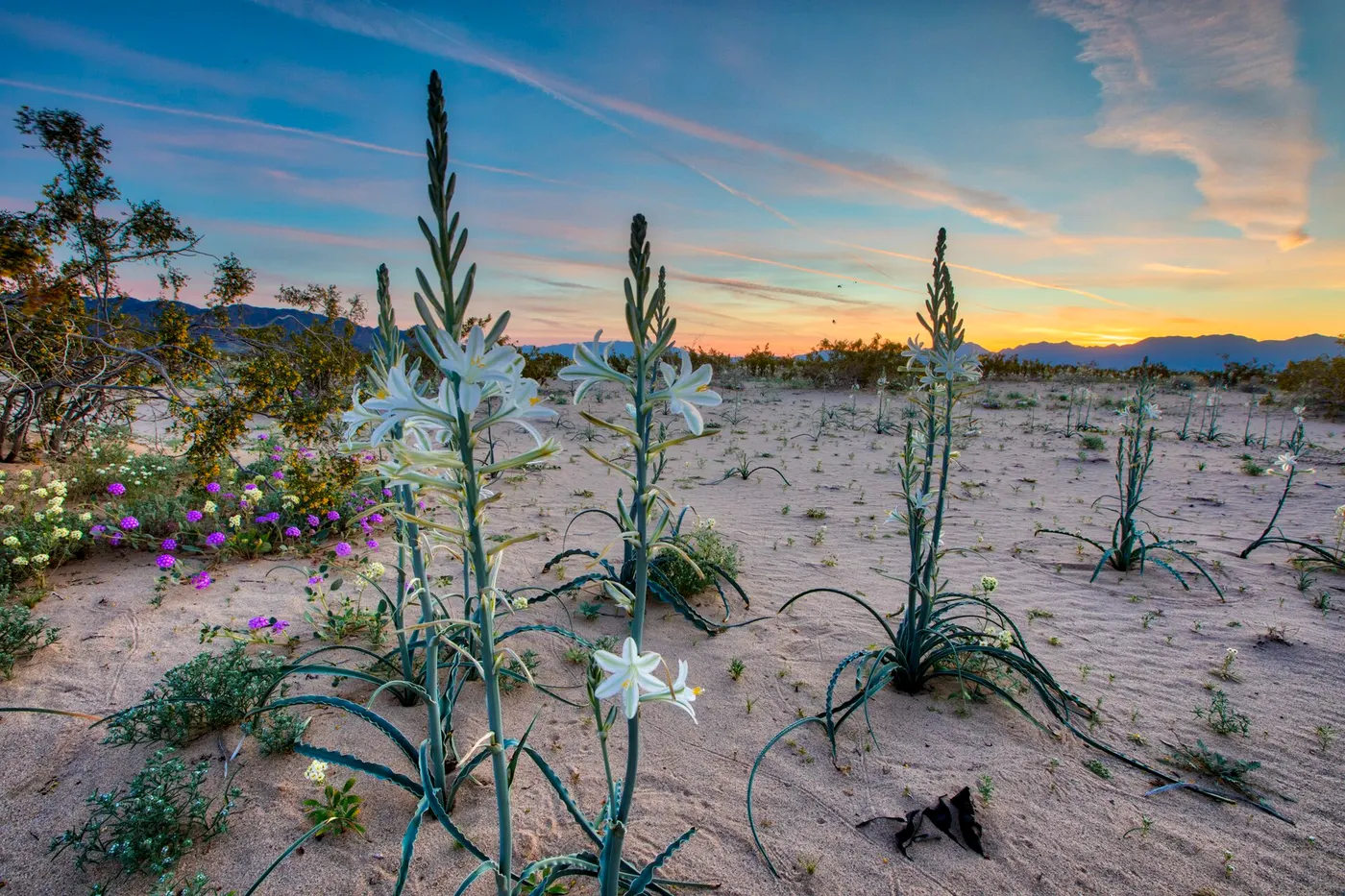
Desert Center and Adamski's Meeting
On 20 November 1952 the Polish-American author George Adamski drove into the desert near this hamlet with six companions and, by his account, met a man from Venus called Orthon — fair-haired, in a one-piece suit, communicating by gesture and telepathy. His companions, he said, watched from a distance and signed a statement. The book Flying Saucers Have Landed appeared in 1953 and became an international bestseller; the whole contactee genre begins with it. Adamski's photographs of the Venusian craft were later matched against domestic hardware of the period — in particular the hood of a chicken brooder lamp. He maintained the account to the end.
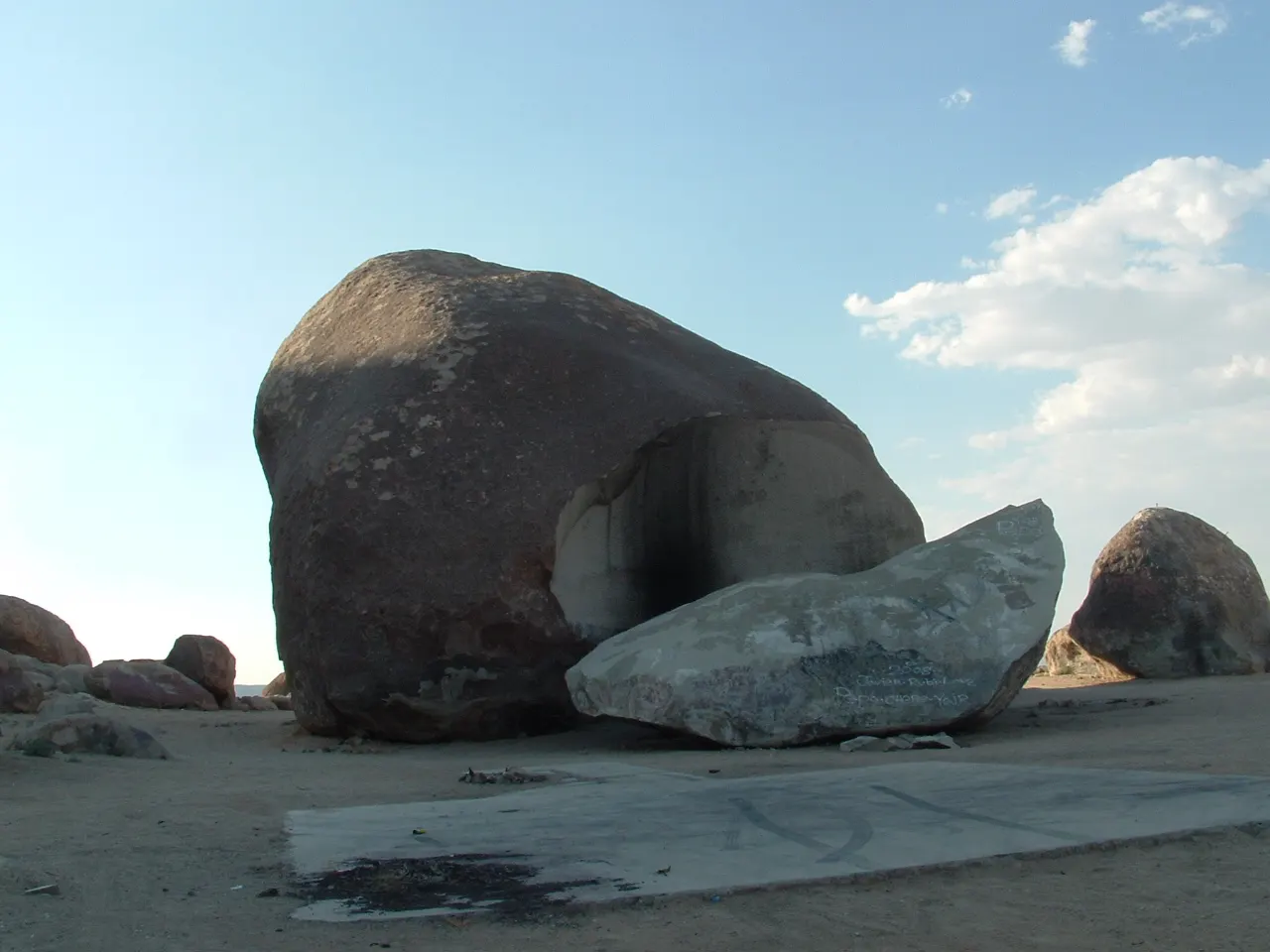
Giant Rock and the Contactee Conventions
A free-standing granite boulder in the Mojave — by some counts the largest in the world, about seven storeys high. From 1947 a former aircraft engineer named George Van Tassel lived beside it, having built a café and an airstrip under the rock. Van Tassel said that in 1953 visitors from Venus arrived and dictated the design of a machine for rejuvenation. He built it seven kilometres away — the wooden dome called the Integratron, which is still standing. From 1954 to 1978 he held annual contactee conventions at the rock; in the best years up to eleven thousand people came. In 2000 a third of the rock split off.
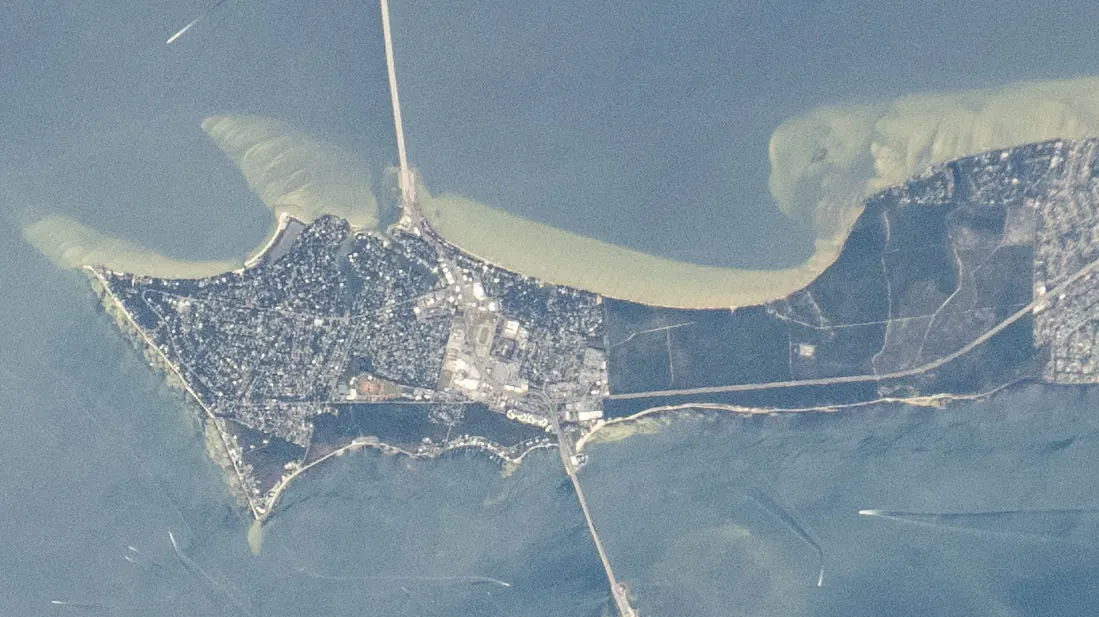
Gulf Breeze and Ed Walters's Photographs
From November 1987 a contractor named Ed Walters brought a series of photographs of a glowing object with a row of ports along its underside to the local paper in this Florida town — anonymously at first, then under his own name. Within two years there were some forty pictures, and Gulf Breeze had become a place of pilgrimage. In 1990 the new occupants of the Walters house found a model made of foam and film in the attic, matching the object in the photographs. Walters said it had been planted. Meanwhile other residents, police officers among them, were reporting lights over the sound in those same years, and some of those reports have nothing to do with Walters. The case remains a classic of how one disputed witness drowns out everything else.
Dulce and the Underground Base
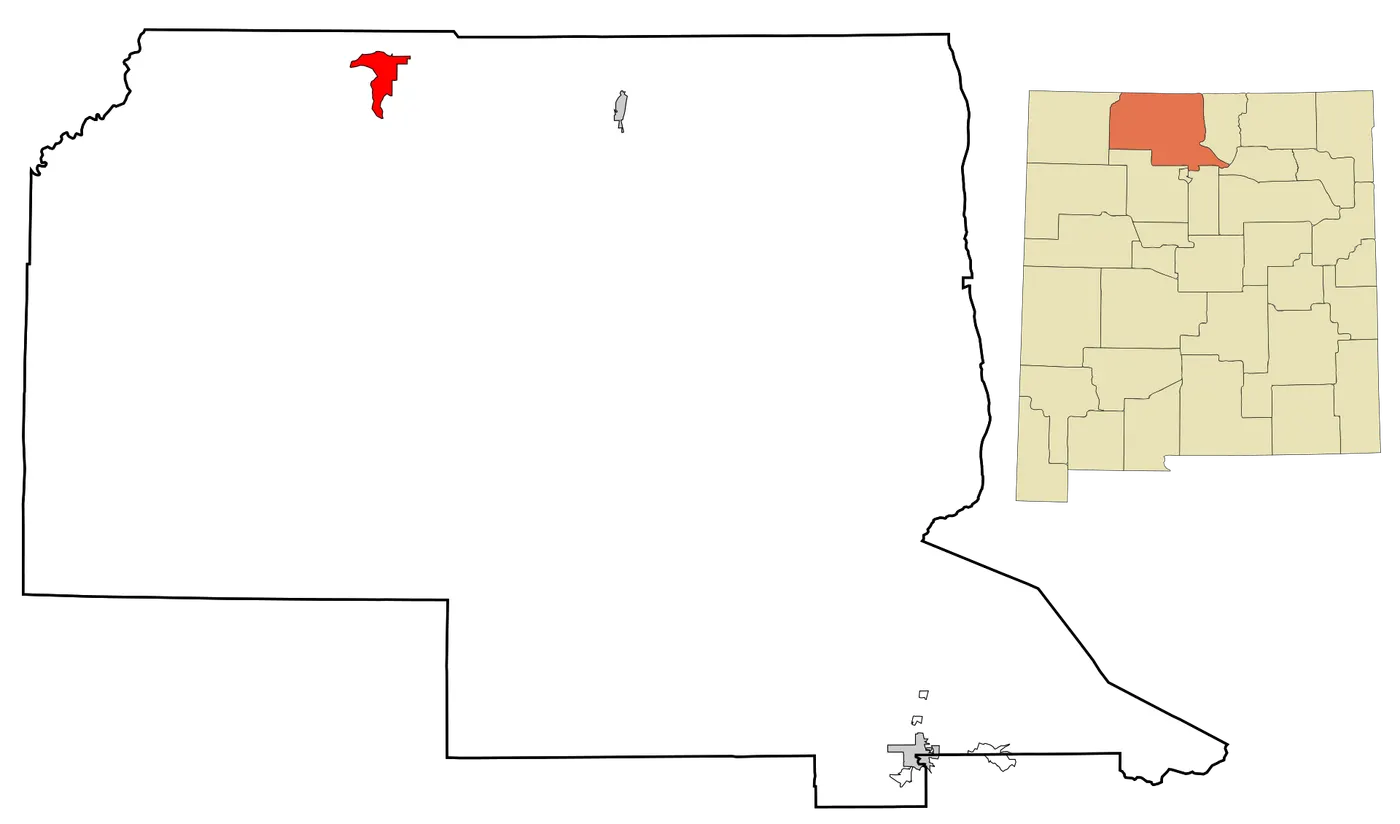
A town on Jicarilla Apache land near the Colorado line, known in the subject for one story: that a seven-level underground laboratory operates beneath Archuleta Mesa, where humans and aliens run experiments together. The story has a single source — a businessman named Paul Bennewitz, who decided in the early 1980s that he was intercepting alien transmissions. It later emerged that officers at Kirtland base, worried that he was picking up real military signals, had spent years feeding him fabrications, until he was hospitalised. Half the modern mythology of underground bases descends from that. Dulce itself is a quiet town where nobody has ever found anything of the kind.
Aztec and the Second Crash
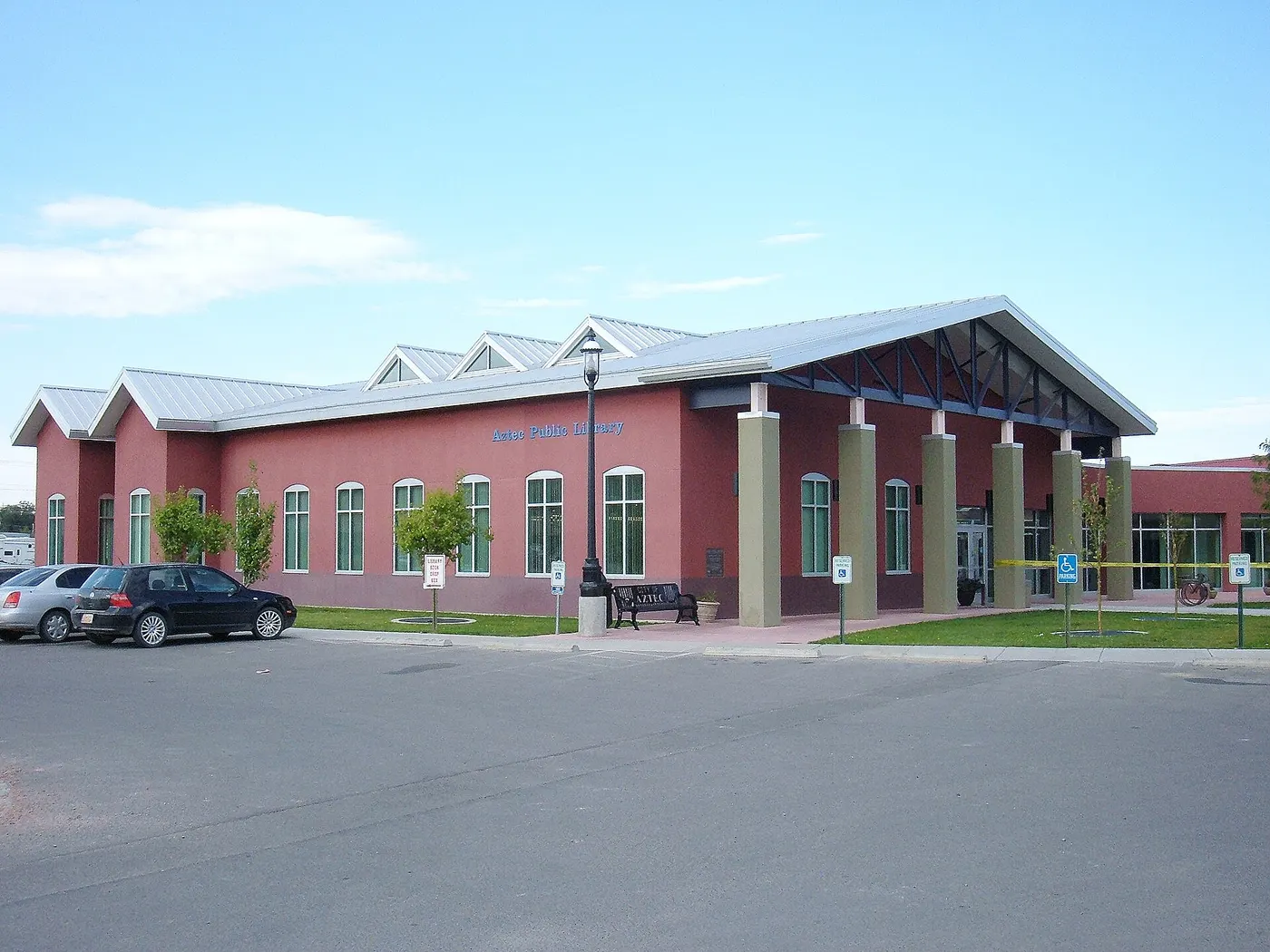
In 1948, a year after Roswell, another flying saucer is supposed to have come down at this town in northern New Mexico — thirty metres across, with sixteen bodies inside. The story was told by the writer Frank Scully in a 1950 book, Behind the Flying Saucers, which became a bestseller. Two years later True magazine established that Scully's sources were two confidence men, Silas Newton and Leo GeBauer, who had been selling oilmen an "alien" device for finding deposits. Both were convicted of fraud. Aztec was not put off: from 1998 the town ran an annual UFO symposium, and it became a noticeable source of income for the local library.
Maury Island and the First Hoax
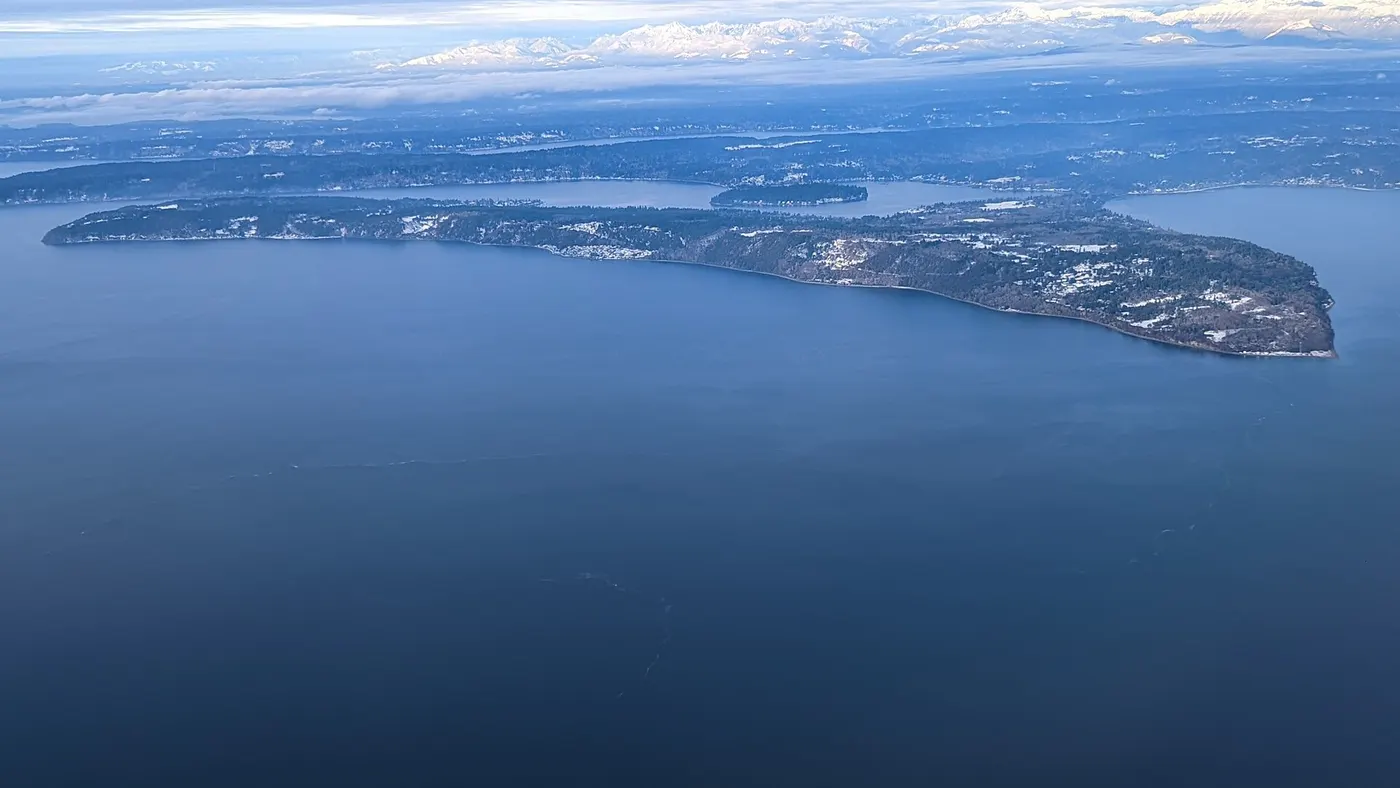
In June 1947, days before Kenneth Arnold's flight, a harbour patrolman named Harold Dahl claimed that six doughnut-shaped objects over this island in Puget Sound had dropped a mass of hot slag, killing his dog and injuring his son. He also described a man in black who advised him to say nothing. Arnold was hired to investigate; two Air Force officers collected samples of the slag and died when their bomber crashed on the way back. The story acquired a reputation as the first dark one in the subject. A few weeks later Dahl and his partner admitted to the FBI that they had invented the whole thing to sell a magazine article, and that the slag was ordinary smelter waste. The confession is far less well known than the story.
Aurora and the Pilot's Grave
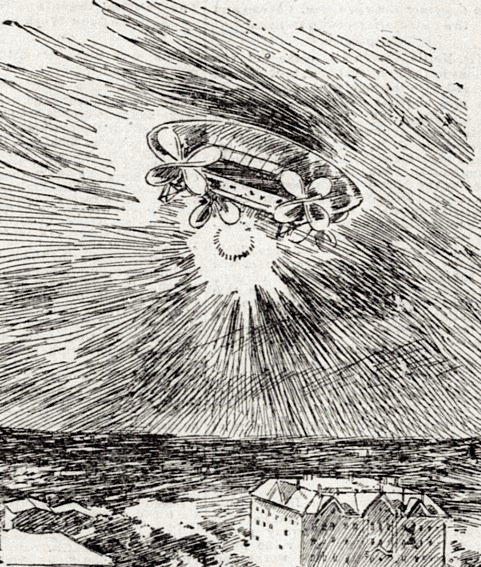
On 17 April 1897 a Dallas newspaper ran a short item: an airship had passed over the Texas town of Aurora at dawn, clipped Judge Proctor's windmill, exploded — and the body of the pilot, "not an inhabitant of this world", had been found in the wreck. The pilot, said the item, was buried in the town cemetery. It appeared at the height of the nationwide "mystery airship" wave of 1896–97, before aviation existed. Its author, S. E. Haydon, was the local correspondent, and the town was dying: the railway had gone elsewhere and the boll weevil had taken the cotton. That the item was an advertisement for a dying town is the most convincing reading of it. The grave has been looked for more than once. The Texas Historical Commission put a marker at the cemetery retelling the story; digging is not permitted.
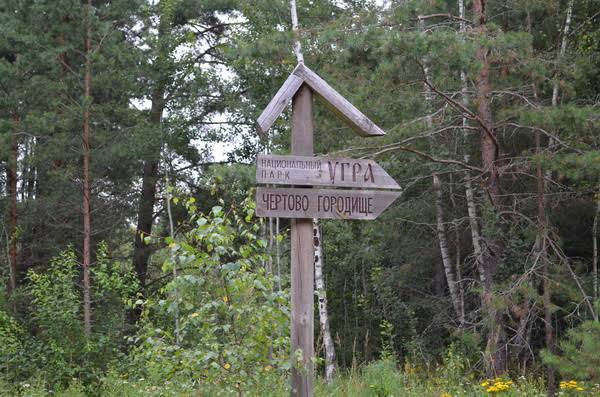
The Devil's Settlement near Kaluga
Chertovo Gorodishche (Devil’s Settlement) is a unique natural and historical landmark hidden within dense forests. The site is famous for its monumental quartzite sandstone outcrops, rock labyrinths, and pre-glacial relict flora. Its shaded crevices shelter the luminous moss Schistostega pennata, which reflects faint light into an emerald glow.
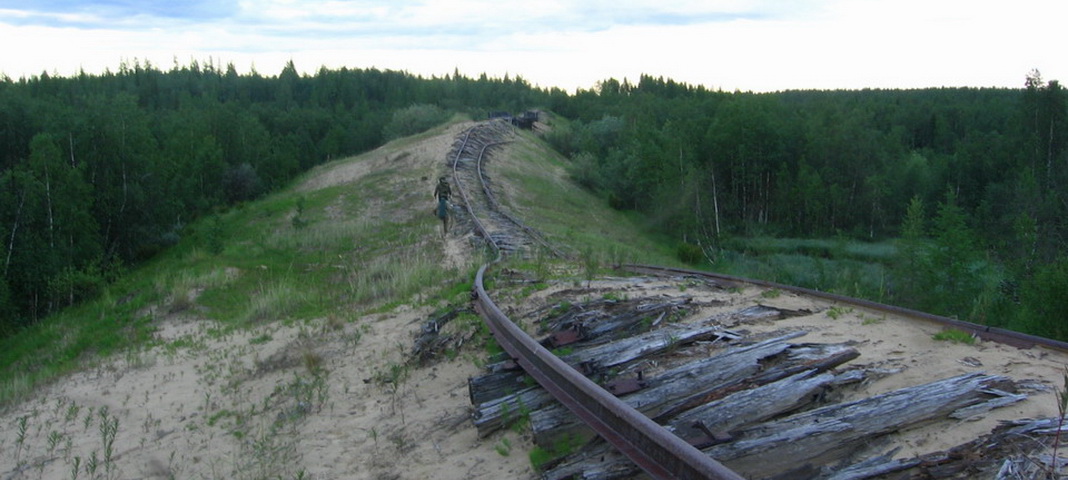
The Dead Road
Construction No. 501 and No. 503 (officially the North-Siberian Railway, popularly known as the "Dead Road" or the Transpolar Mainline) was a massive, classified Soviet Gulag megaproject executed between 1947 and 1953. Aimed at laying roughly 1,450 kilometers of railway across northern Siberia along the 66th parallel connecting Chum, Salekhard, Nadym, Novy Urengoy, Yermakovo, and Igarka, the line was built over continuous permafrost and peat bogs by tens of thousands of forced laborers. Abruptly abandoned weeks after Joseph Stalin's death, it left behind hundreds of kilometers of twisted tracks, abandoned labor camps, telegraph poles, and rusting steam locomotives stranded in the Arctic wilderness.
Kapustin Yar
A missile range in the Astrakhan region, closed off since 1946 so thoroughly that the full set of stories grew up around it that grew around Area 51 in the United States: downed craft, underground hangars, tests of unknown machinery. Some of the rumours have an obvious source — rocketry really was tested here and a nuclear device detonated in 1957, and for years any flash over the steppe had no official explanation. The range is still in operation.

The Queen of Spades: calling her in the mirror
Dimly lit domestic bathrooms, washrooms of Soviet pioneer summer camps, and the historical urban cradle of the myth: the "House of the Queen of Spades" (the mansion of Princess Natalia Golitsyna) on the corner of Malaya Morskaya and Gorokhovaya streets in Saint Petersburg. The ritual of summoning the Queen of Spades before a mirror in pitch darkness stands as the definitive supernatural invocation ritual across Soviet and post-Soviet juvenile folklore, synthesizing archaic Slavic Yuletide divinations, Alexander Pushkin's literary legacy, and psychophysiological optical illusions.
The Bloop
In 1997 hydrophones belonging to the US National Oceanic and Atmospheric Administration recorded an ultra-low-frequency sound in the South Pacific loud enough to be picked up by sensors three thousand miles apart. Its profile resembled a biological one, and for two decades the Bloop was the leading exhibit for anyone who believes in undiscovered giants in the ocean. NOAA settled it in 2012: an icequake, an iceberg fracturing off Antarctica. The sound stopped being a mystery but remains one of the best-known audio files in internet history.
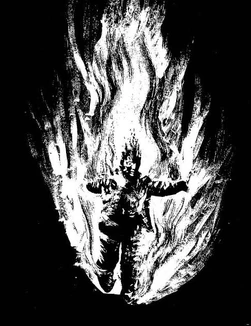
The Char Man of Ojai
The Ojai Valley in Ventura County, southern California, United States—specifically the shaded, winding rural corridor of Creek Road and the adjacent Camp Comfort Park in the Topatopa Mountains foothills. "Char Man" (or Char-Man of Ojai) is one of California's most enduring roadside urban legends, emerging in the mid-20th century against the backdrop of recurrent, devastating chaparral brushfires in the region.
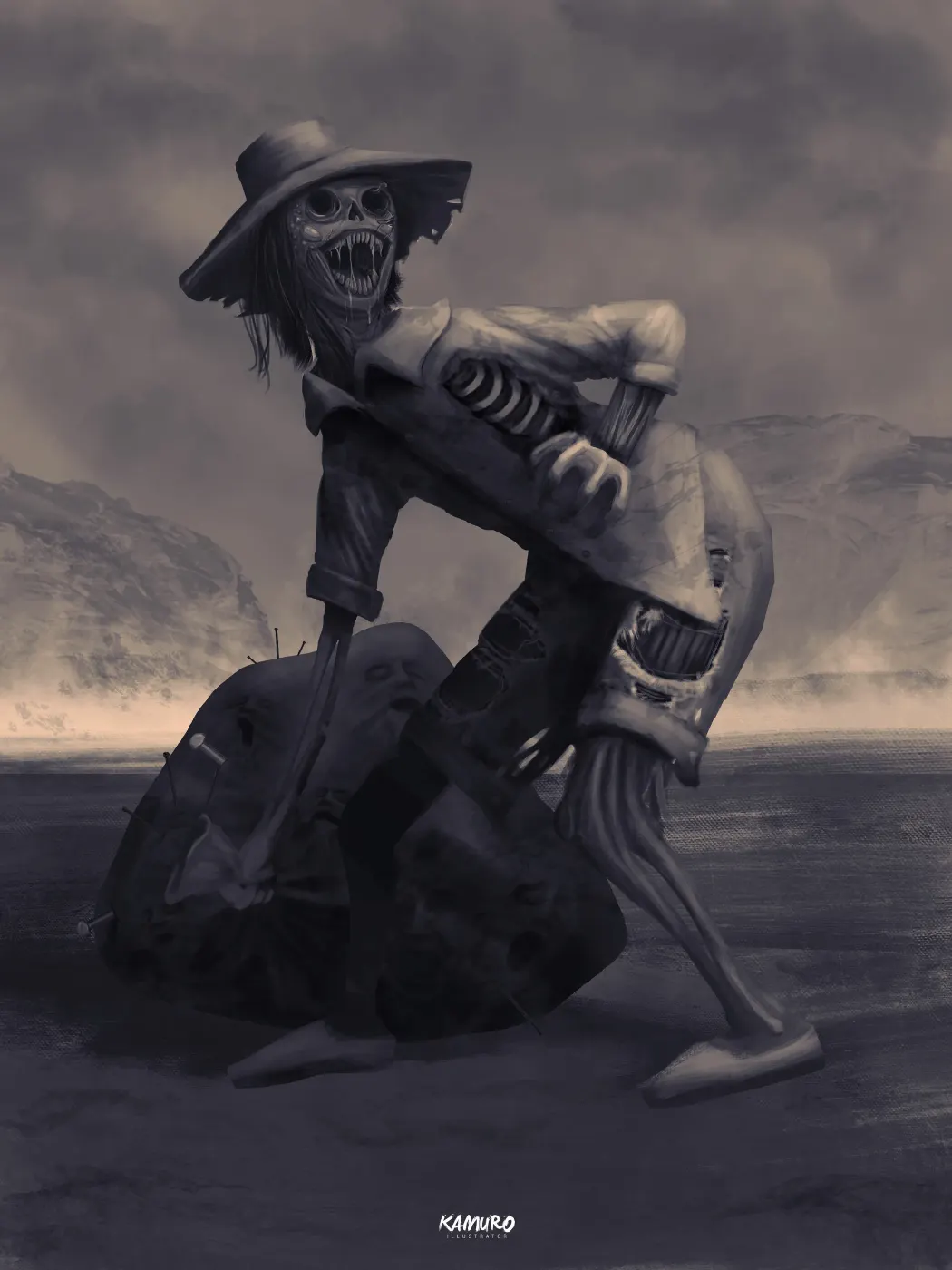
El Silbón, the Whistler
The Llanos (Los Llanos) is a vast expanse of tropical grassland plains and savanna situated within the Orinoco River basin across western Venezuela and eastern Colombia, specifically centered on the municipality of Guanarito in the state of Portuguesa, alongside Barinas and Cojedes. "El Silbón" (The Whistler) is a premier figure of northern South American folklore. Depicted as a roaming spectral patricide bearing a sack of human bones across his shoulder while emitting a chilling tonal whistle, the entity represents a foundational cultural archetype of regional Llanero cattle-ranching lore.

Hanako-san of the school toilet
Restrooms of elementary and junior high schools across Japan (conventionally the third stall on the third floor of the girls' lavatory). Hanako-san (Toire no Hanako-san / "Hanako of the Toilet") is the definitive supernatural entity of modern Japanese school folklore (gakkō no kaidan). Emerging during the post-war decades, the spectral figure evolved into a ubiquitous national myth, synthesizing ancient Shinto animism, the collective trauma of World War II air raids, and adolescent rituals of courage testing (kimodameshi).
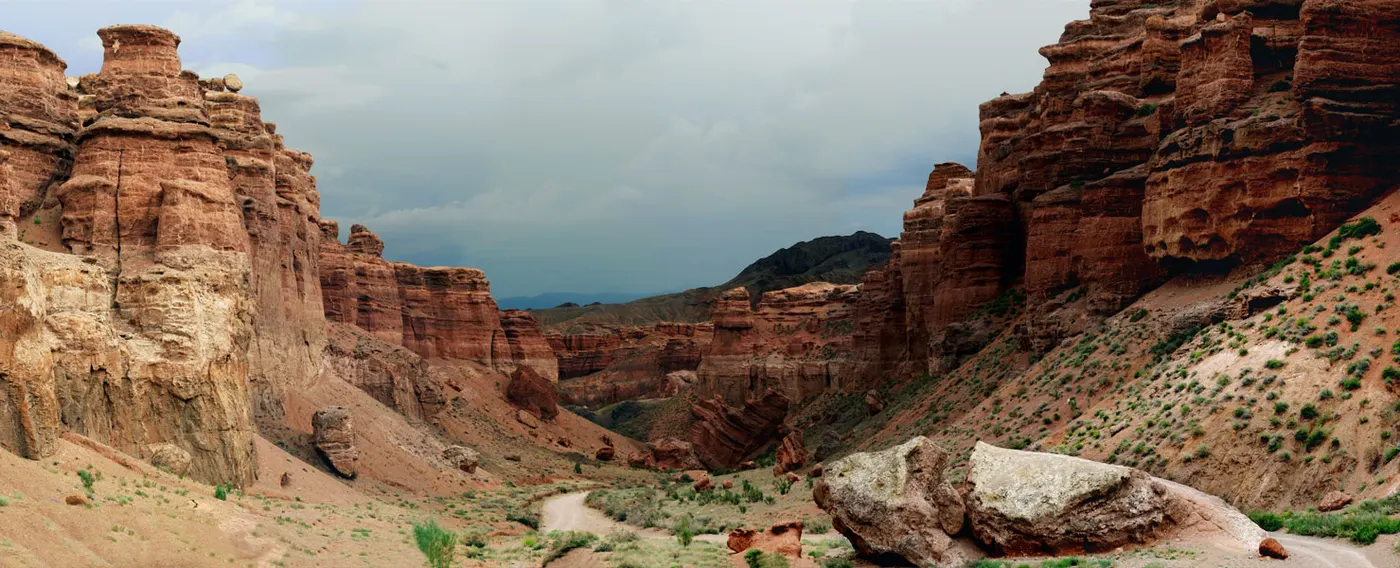
The Charyn Canyon
Charyn Canyon is an immense natural gorge system extending roughly 154 kilometers along the Charyn River within the Charyn National Natural Park in southeastern Kazakhstan (approximately 195 kilometers east of Almaty). Its most famous section, the "Valley of Castles" (spanning 2 kilometers with sheer walls dropping 150 to 300 meters), features striking layers of ochre-red sedimentary sandstone and conglomerate weathered into the shapes of towering towers, fortress parapets, and ruined ramparts, earning it global recognition as a Central Asian sibling to the American Grand Canyon.
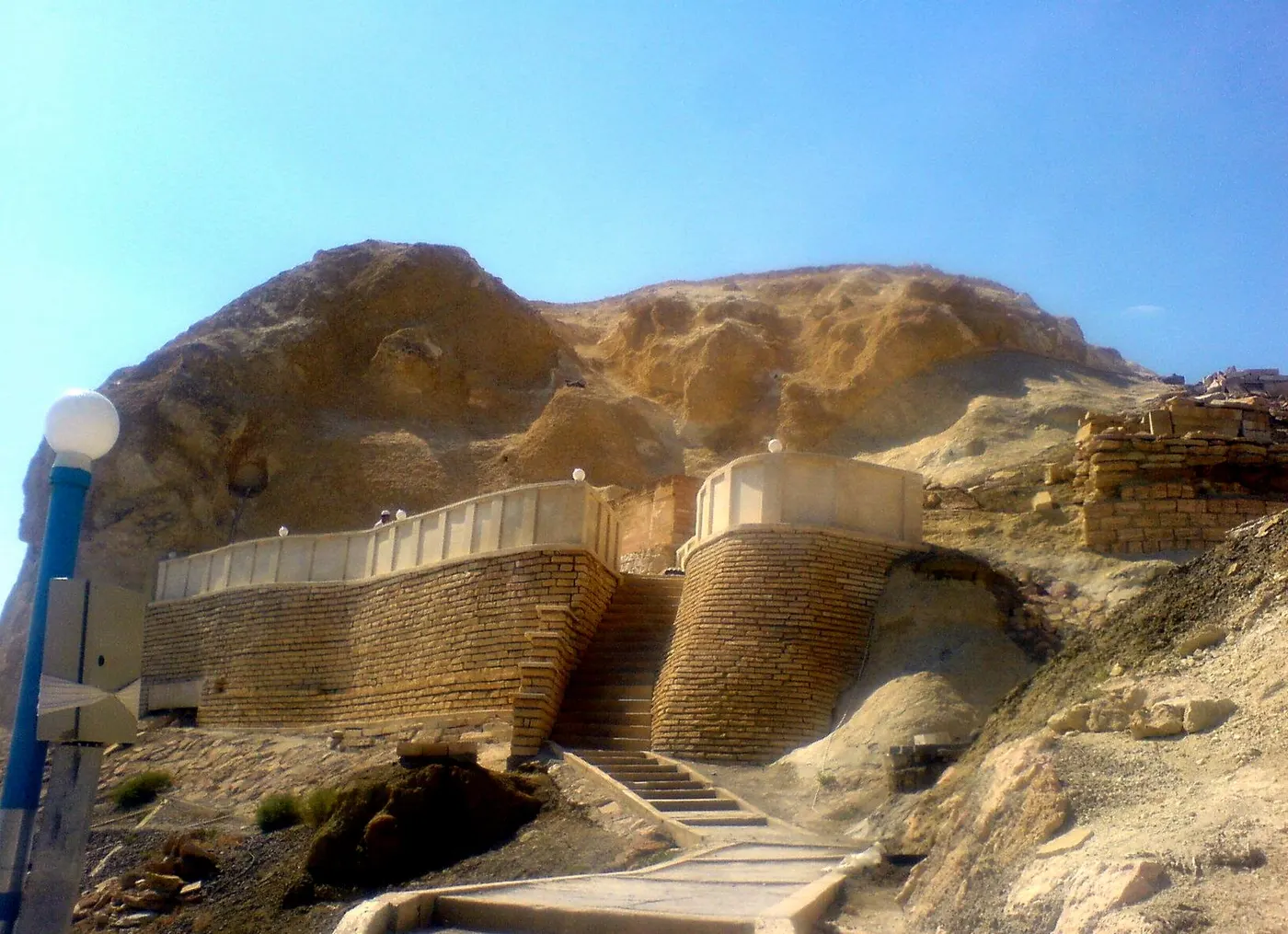
Mangystau
A region on the eastern shore of the Caspian where chalk outliers stand in the desert like the ruins of cities, and ridges of perfectly round stone spheres emerge from the ground — concretions up to three metres across. Beket-Ata is here too, an underground mosque cut into a chalk hill by a Sufi preacher in the eighteenth century; a steady stream of pilgrims comes to it, and tradition requires the night before a visit to be spent in the neighbouring valley.
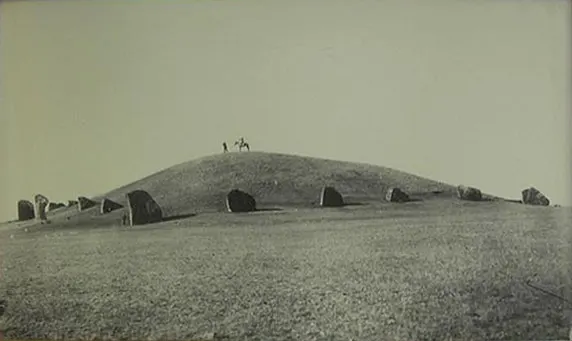
The Salbyk Kurgan
A royal kurgan in Khakassia ringed by upright slabs of Devonian sandstone weighing up to fifty tons — the stone was hauled seventy kilometres. Before excavation the mound stood twenty-five metres high. Inside was a burial with several attendants, killed, to all appearances, for the purpose. The valley around it is called the Valley of the Kings: there are several dozen kurgans here and most are untouched.