All places
The full catalogue of approved places — abandoned buildings, anomalous zones, UFO sightings. Sort by rating, recency or discussion, and narrow it by category.
494 places
Mount Nemrut
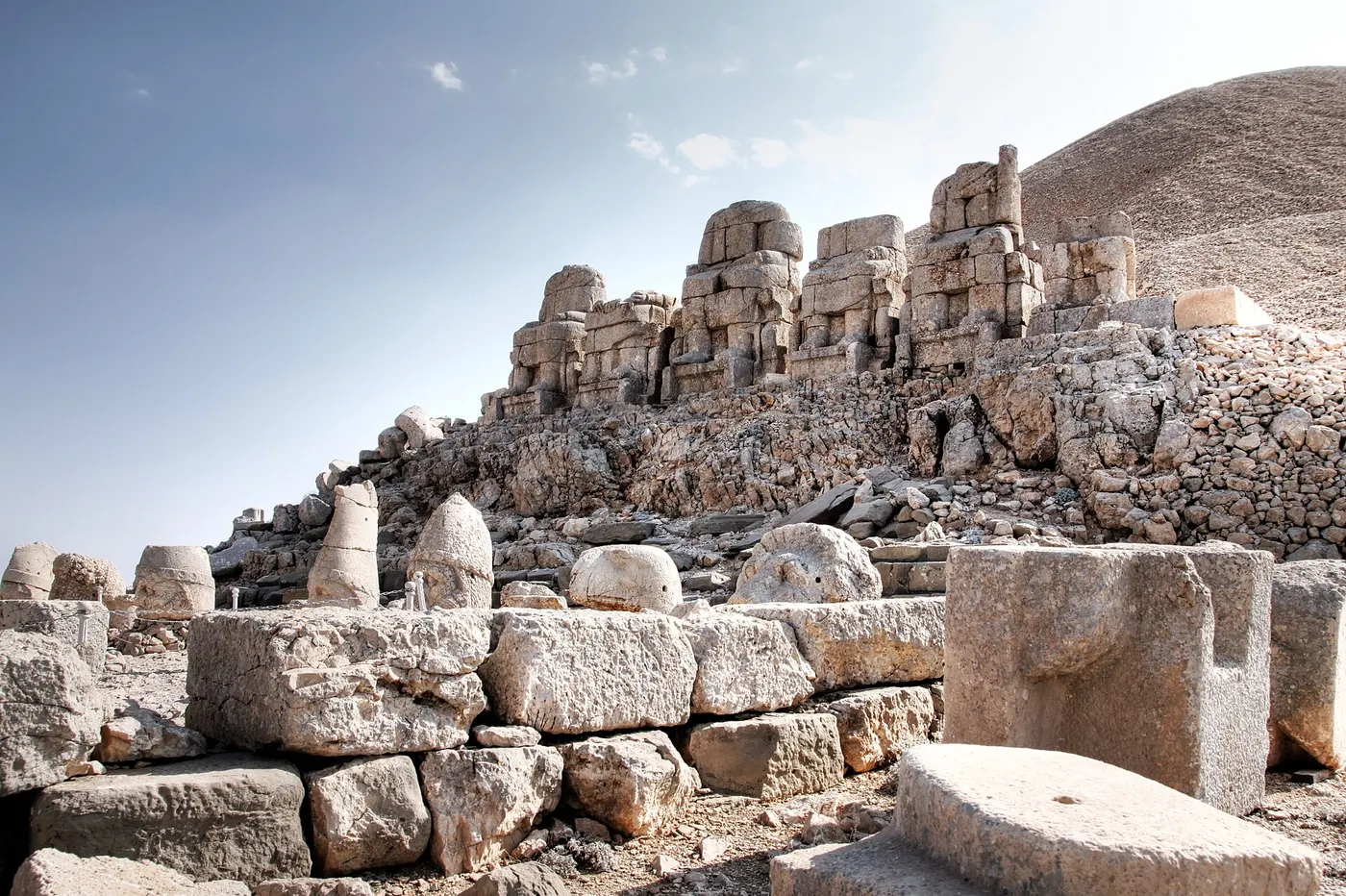
A summit in south-eastern Turkey where Antiochus I of Commagene built himself a tomb in the first century BC and set up nine-metre statues of the gods and of himself. Earthquakes knocked the heads from the bodies, and they now lie separately on the terraces, facing different ways. The tomb itself has never been found: the tumulus of loose gravel cannot be excavated without collapsing.
Ha Long Bay
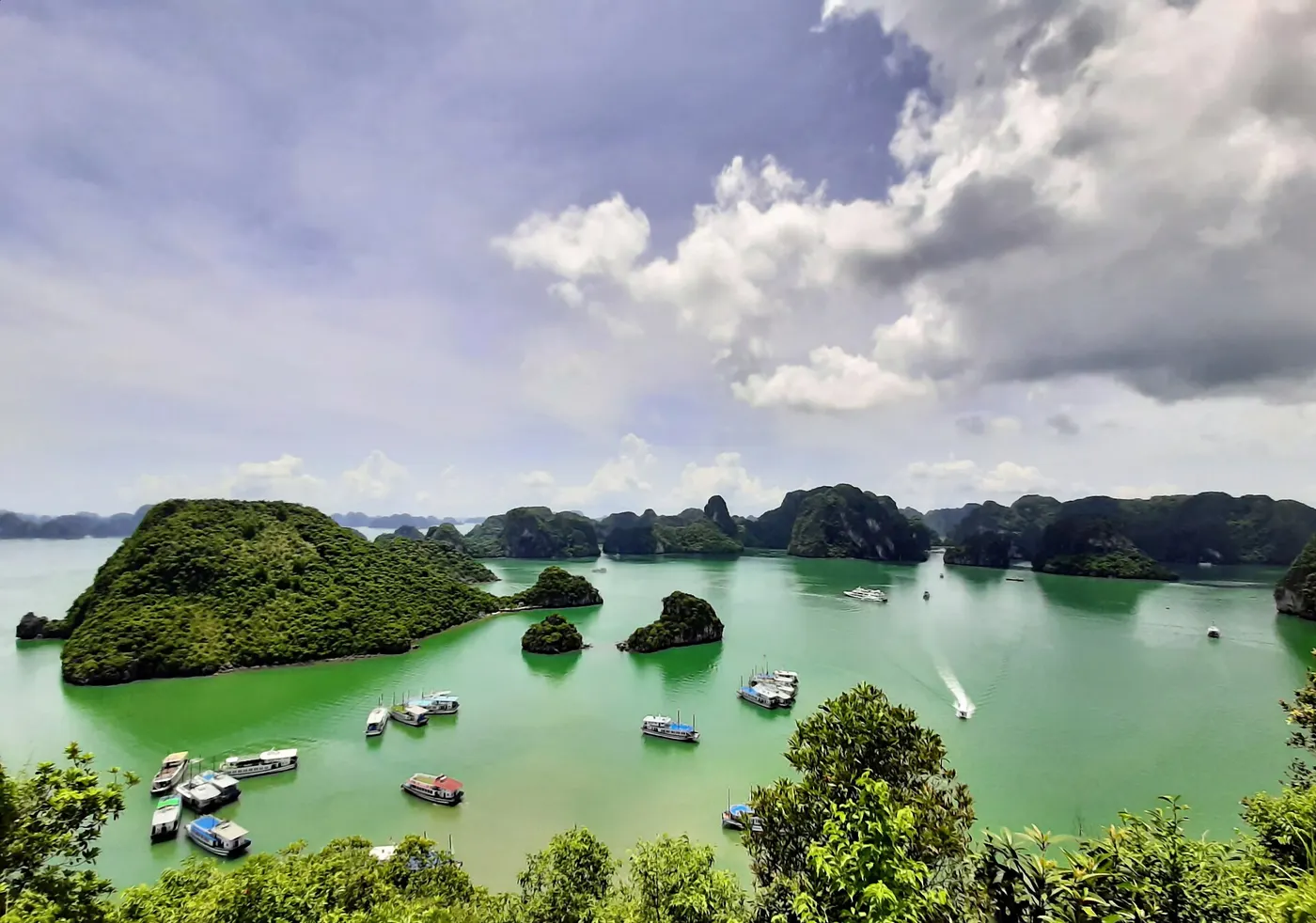
Fifteen hundred limestone islands in the Gulf of Tonkin. The name means descending dragon: gods sent dragons to defend the Vietnamese against invaders, tradition holds, and they spat out pearls and jade that became the islands. A separate strand is sailors' accounts of a sea creature that French colonial officers reported in the bay in the 1890s.

Lake Toba
The largest volcanic lake in the world, in the caldera of a supervolcano whose eruption some seventy-four thousand years ago is counted among the greatest catastrophes in the planet's history — by a contested hypothesis, it nearly finished humanity. The Batak people fill the lake with spirits and keep a tradition of a man who married a fish turned woman; breaking the promise he made her brought the flood that made the lake.

Bukit Timah and the Monkey Man
Singapore's highest point and a remnant of primary rainforest in the middle of the city. A creature has been described here since 1805, known as the Bukit Timah Monkey Man: grey-furred, about five feet tall, moving on two legs. Reports came in waves — notably during the Japanese occupation, when people were hiding in the forest, and again in 2007, which caused a stir in the Singapore press.
Mount Kinabalu
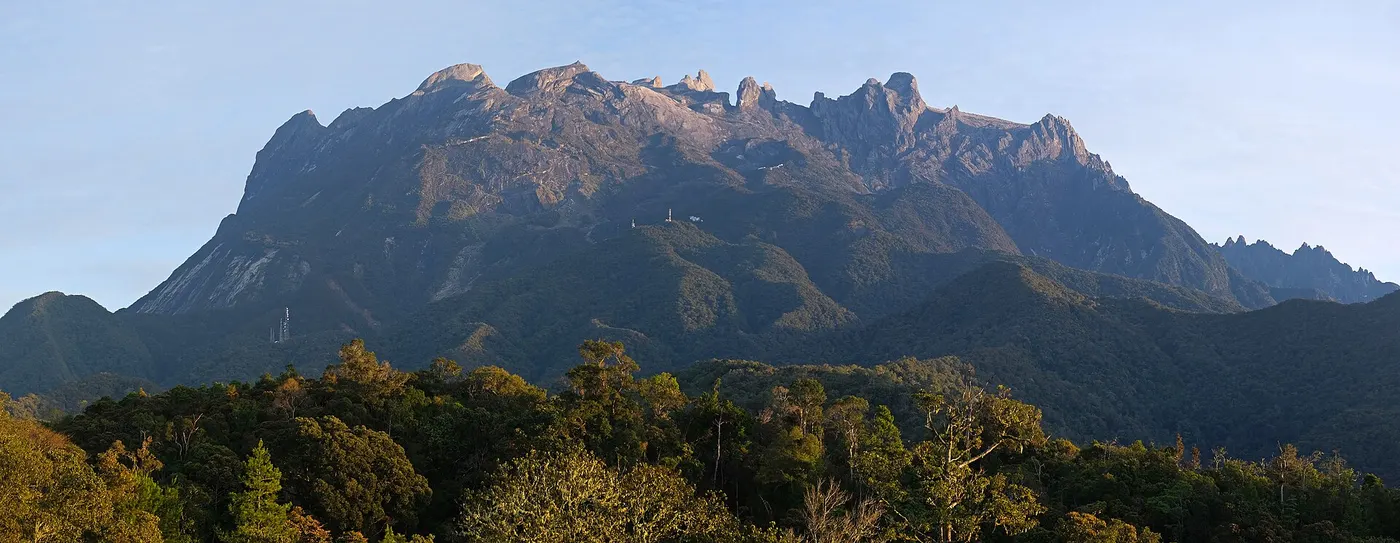
Borneo's highest mountain, held by the Kadazan-Dusun to be the resting place of ancestral spirits. Until the 1990s a rite involving the sacrifice of seven white chickens was required before climbing, and it is still performed once a year. In 2015 a group of tourists stripped at the summit for photographs; days later an earthquake killed eighteen people, and local authorities connected the two directly.
Dumas Beach
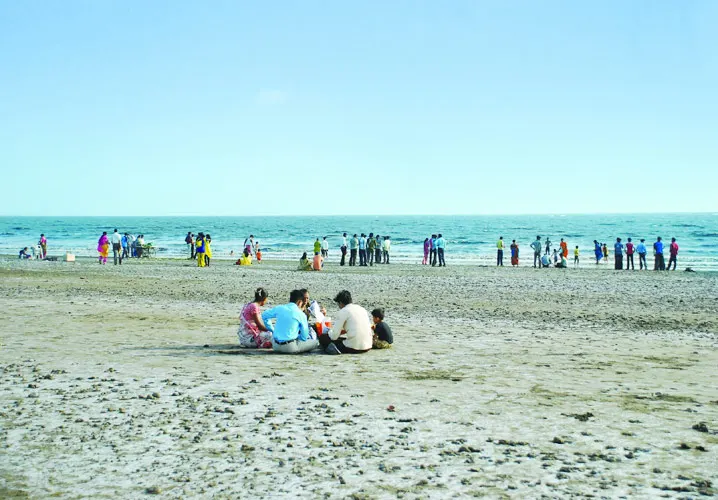
A black sand beach on the Gujarat coast, long used as a Hindu cremation ground. Local accounts have the sand black from ash, and voices and laughter heard from the beach at night; disappearances are attributed to people who went walking along the waterline after dark. The authorities close the beach at night, which does the reputation nothing but good.
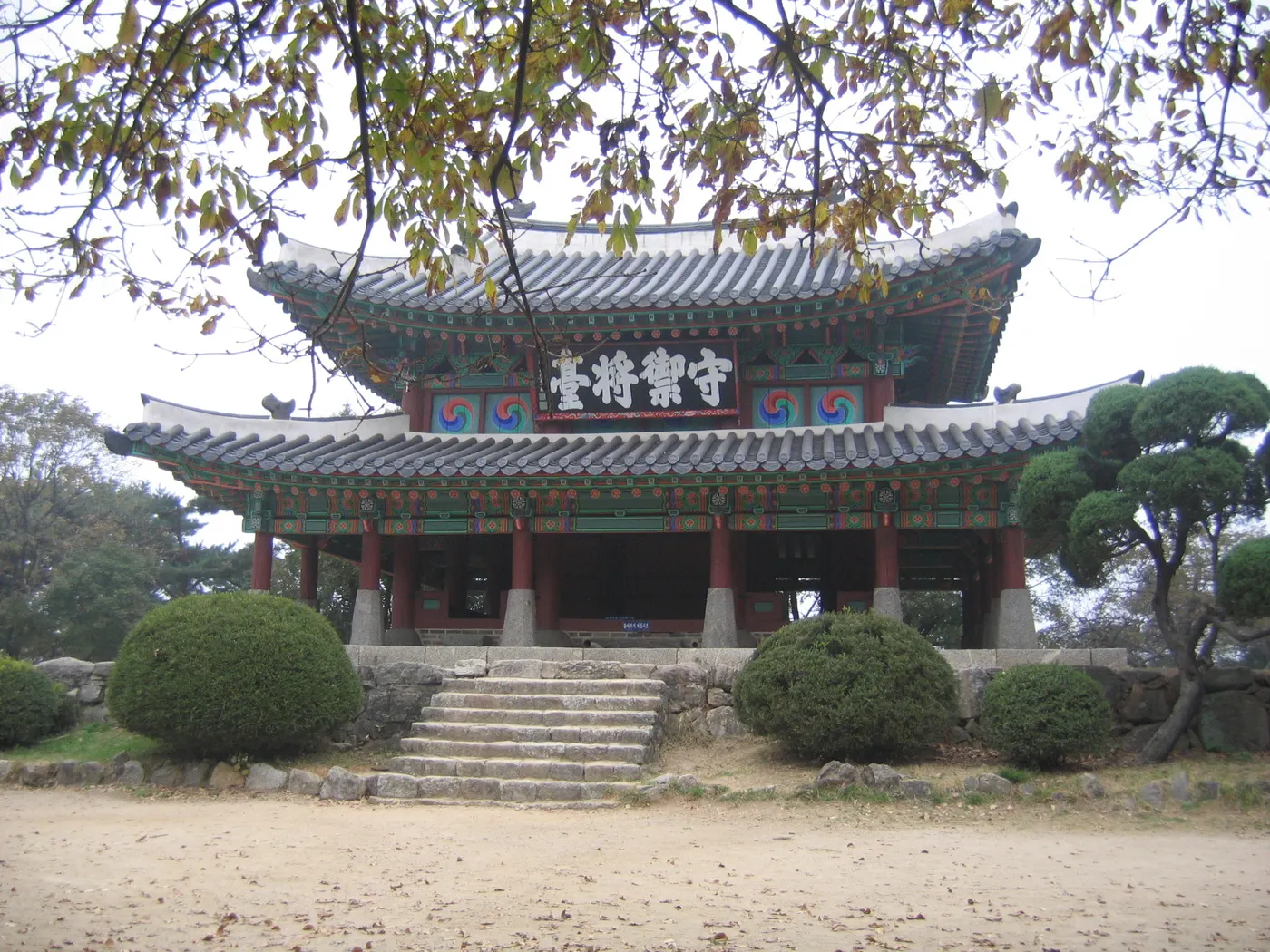
Gwangju and the Gonjiam Psychiatric Hospital
A city south-east of Seoul where the abandoned Gonjiam Psychiatric Hospital stands, closed in 1996. The official reason was sewage problems and a lapsed licence; urban legend insists on mass deaths among patients and a director who fled the country. CNN listed the building among the world's creepiest places. A film about it in 2018 led the owner to seal off access for good.
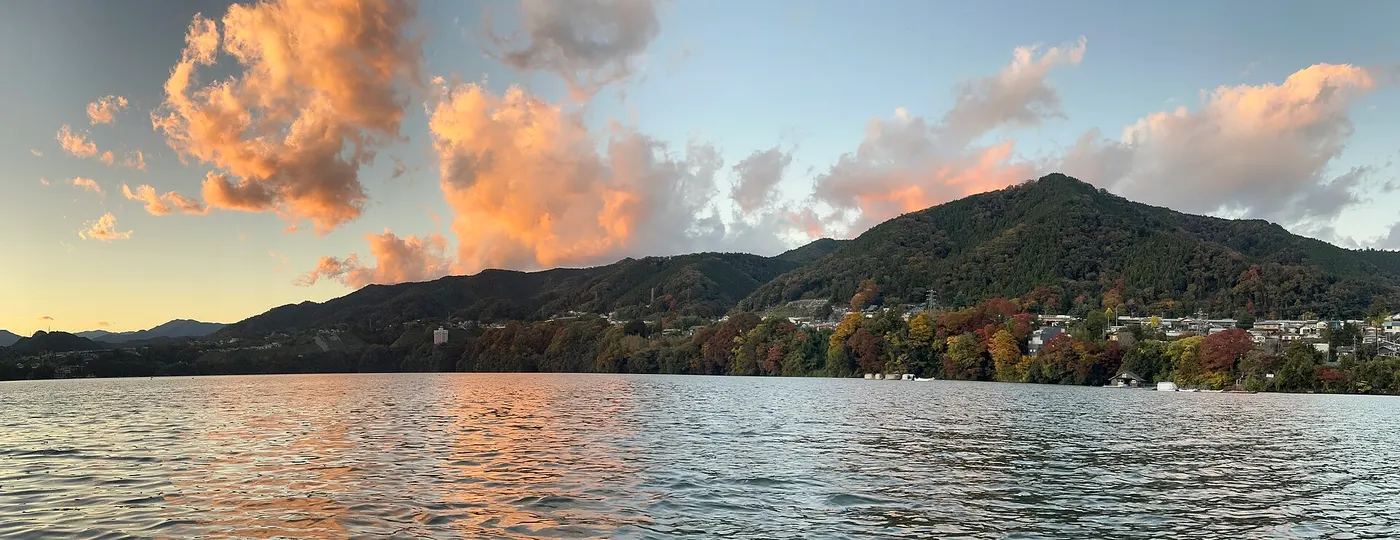
Lake Sagami
An artificial lake in Kanagawa Prefecture, made in 1947 by flooding a valley — houses and a stretch of road remain beneath the water. It was the first reservoir built in Japan after the war. It has acquired a reputation as a place people do not come back from: drownings and suicides here run notably above average, and local accounts tie that to the drowned village.
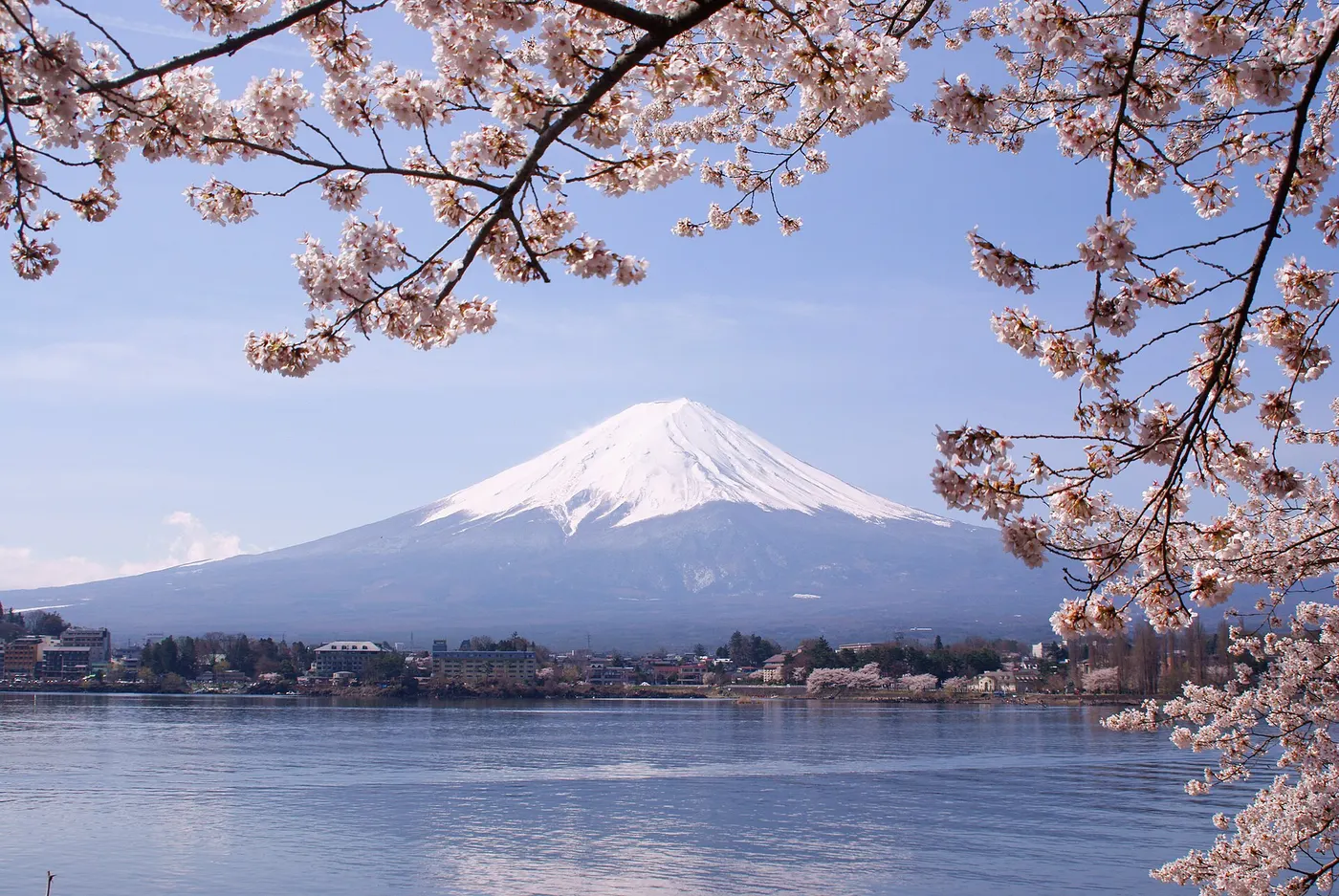
Oiran Buchi
A gorge in Yamanashi Prefecture attached to one of Japan's grimmer traditions. In the sixteenth century, the account goes, when the Kurosawa gold mine was closed, fifty-five courtesans who knew the layout of the workings were led onto a suspended platform above the river — and the ropes were cut. There is nothing to confirm it historically, but the site is formally treated as a place of remembrance, and the bridge has the reputation to match.
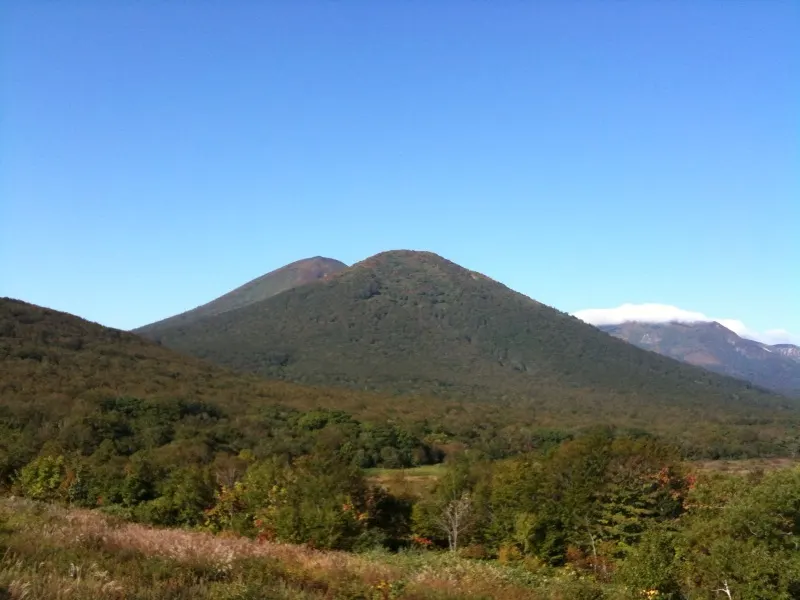
The Hakkōda Mountains
Mountains in northern Honshū where, in January 1902, an army unit was almost wiped out on a training march: of two hundred and ten men, eleven survived. A blizzard of exceptional force caught them and some froze standing up. It remains the worst disaster in the history of mountain travel. The place is called one of the bleakest in Japan, and accounts of meeting soldiers on the trail are unremarkable here.
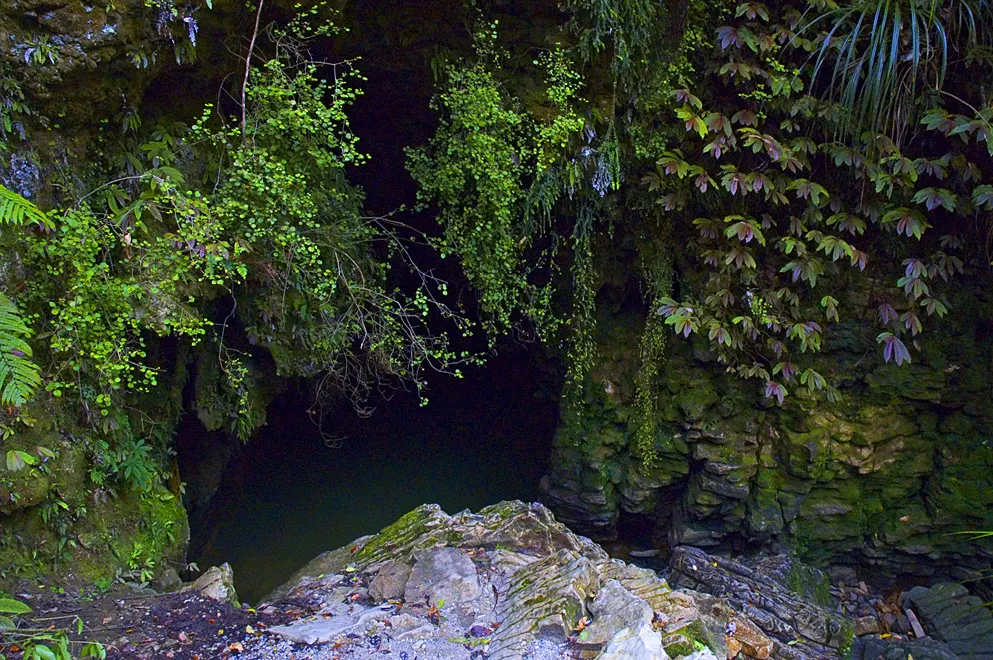
The Waitomo Caves
Limestone caves on New Zealand's North Island whose ceilings glow with the larvae of Arachnocampa luminosa, a species found nowhere else. Thousands of blue points above an underground river look like a night sky; they are in fact lures for prey the larvae catch on sticky threads. Māori knew the caves long before Europeans, and the chief Tāne Tinorau led the first survey into them in 1887.
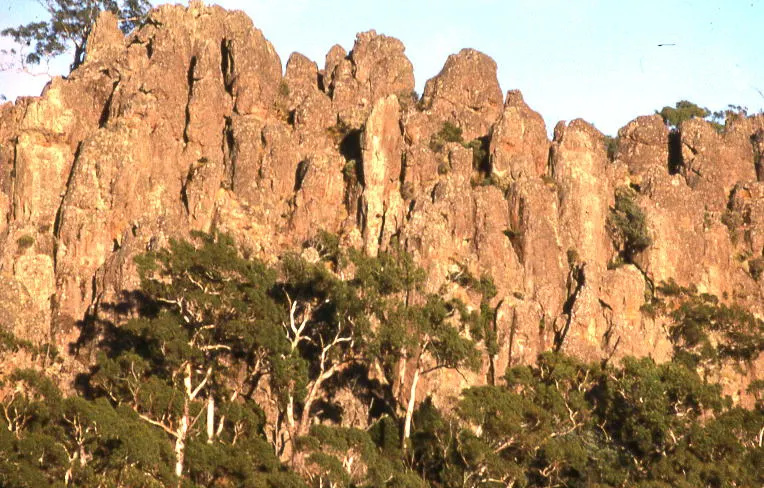
Hanging Rock
A volcanic formation in Victoria, known from Joan Lindsay's novel and Peter Weir's film about schoolgirls vanishing on a picnic. The book is written so that many readers still believe the story is true — there was no disappearance. The rock, however, produces exactly the impression described: narrow passages between boulders, an abrupt silence, and the distortion of time sense that many visitors mention.
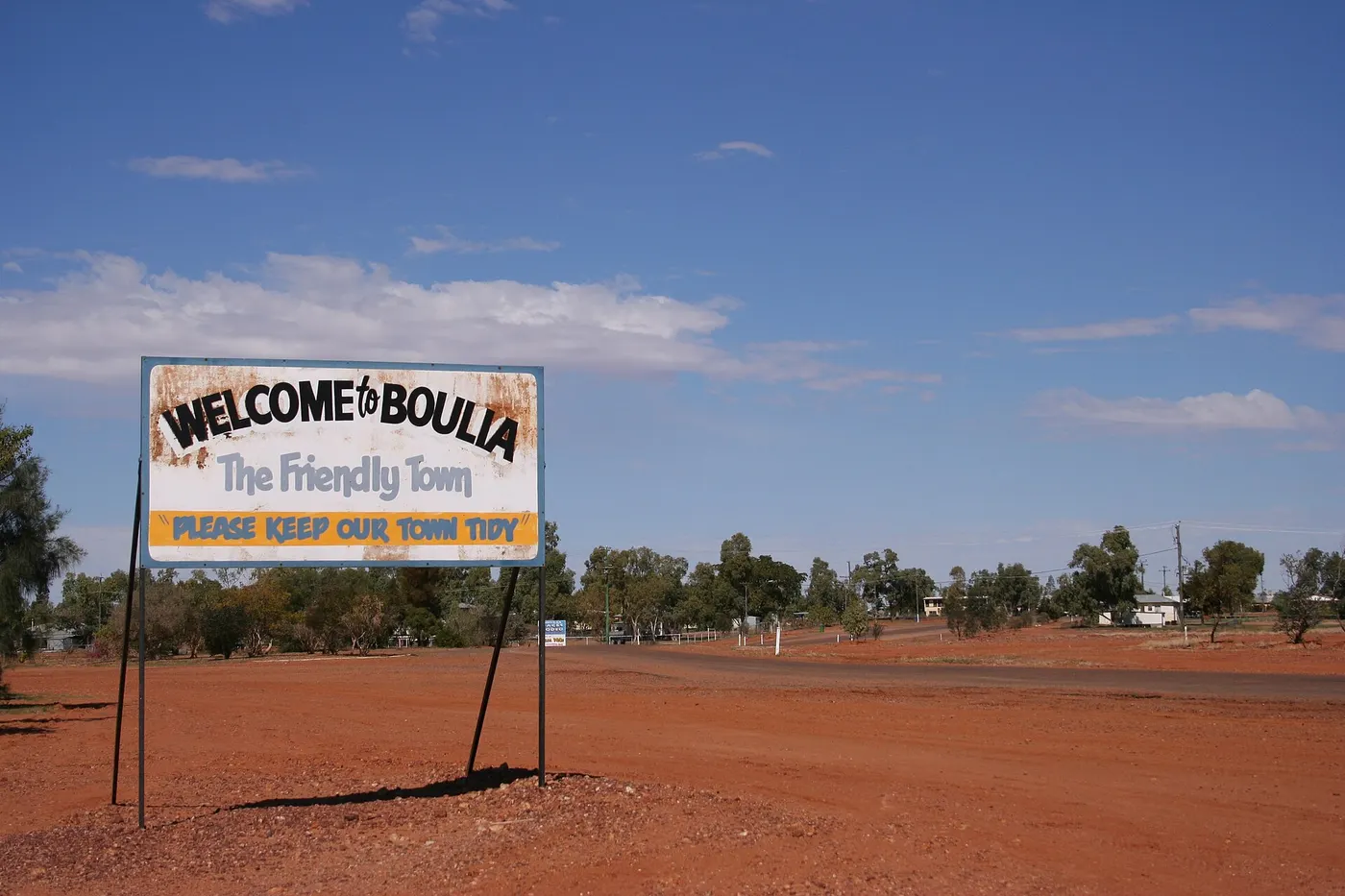
The Min Min Lights
A town deep in Queensland that gave its name to the lights seen on the roads of the burnt west: glowing spheres that follow a car or a rider and keep their distance for hours. Aboriginal people described them before Europeans arrived. In 2003 the physicist Jack Pettigrew showed experimentally that under a temperature inversion a light source beyond the horizon can appear as a nearby object — an elegant explanation that does not cover every case.
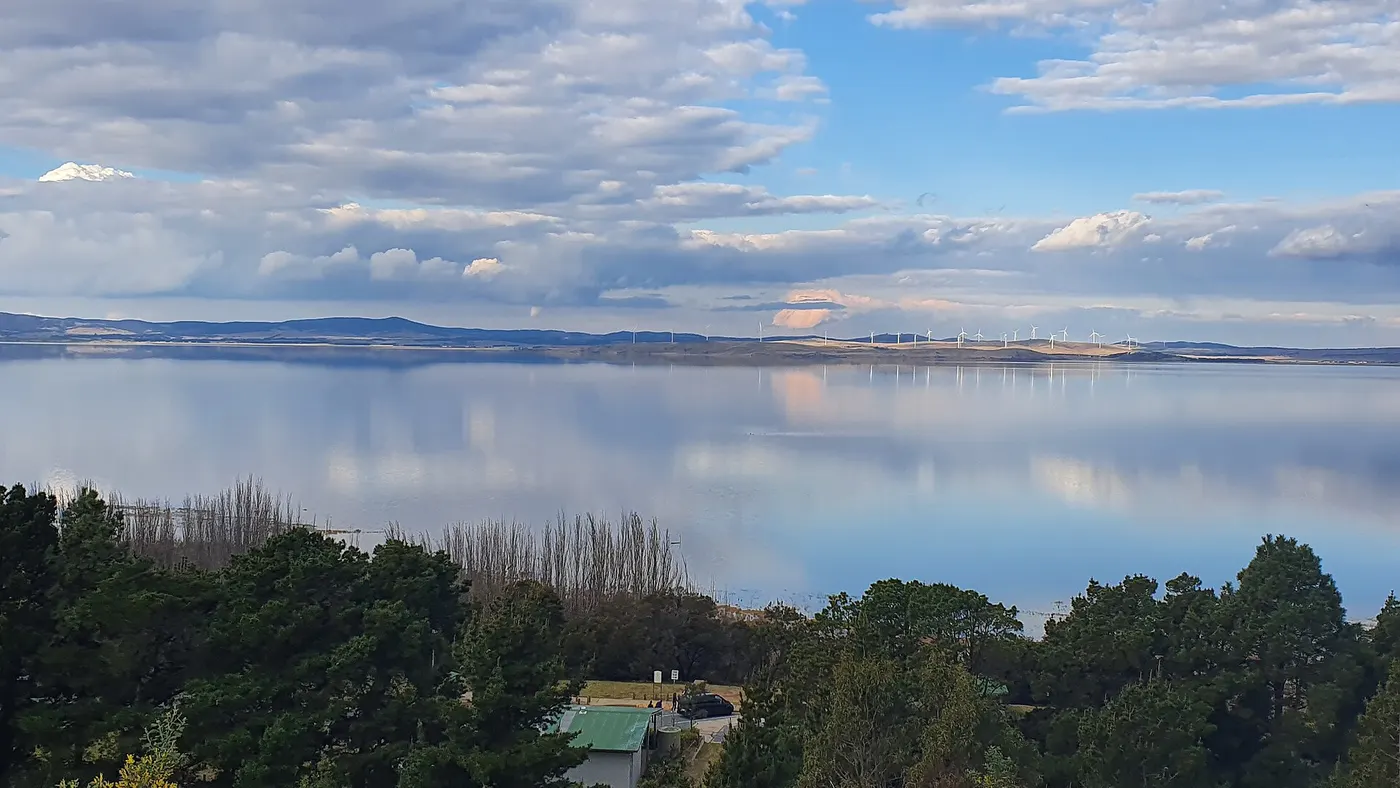
Lake George
A lake near Canberra that periodically disappears entirely and returns years later — the mechanism is not fully explained and is not simply drought. It has a grim reputation: people drown here regularly in shallow water, and by local accounts Aboriginal people considered the place bad and did not camp on its shore. The road alongside is known for the number of crashes on a flat straight stretch.
The Blue Mountains and the Yowie
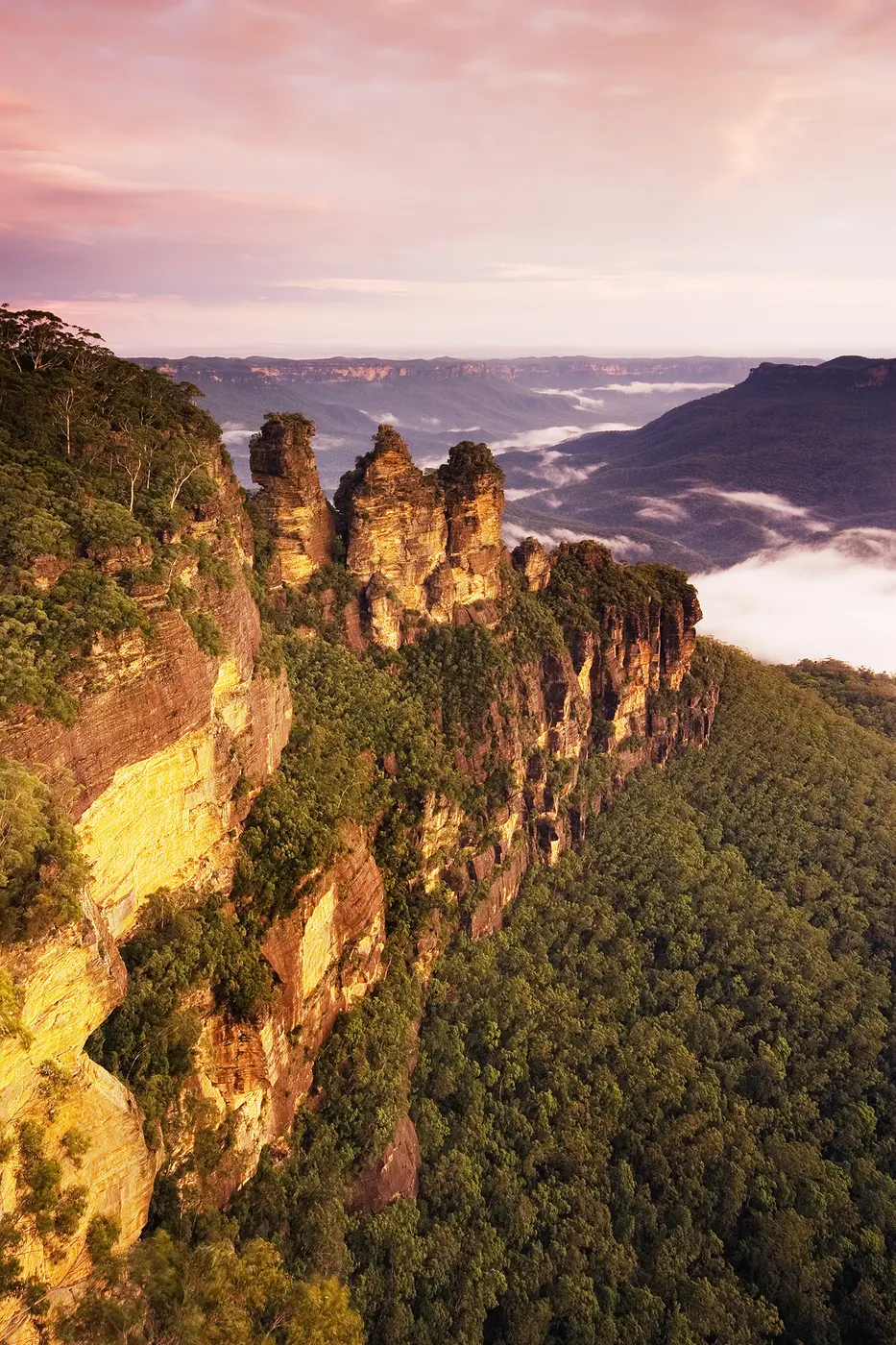
The range west of Sydney, where Aboriginal peoples described a large hairy creature long before colonisation and settlers began writing about it from the 1790s. The Yowie is described in almost the same terms as the North American Sasquatch. The mountains really do smoke blue — that is eucalyptus oil vapour scattering the light, not a legend.

Lake Fundudzi
The sacred lake of the Venda people in northern South Africa, one of the country's few natural freshwater lakes, formed by an ancient landslide. Nobody approaches the water without the chief's permission, and the lake is properly viewed with one's back to it, through the legs. Tradition places a guardian white crocodile in it, and a drowned village on the bottom whose people refused hospitality to a leper.

Mount Kenya
Africa's second-highest mountain, held by the Kikuyu to be the dwelling of Ngai: houses were traditionally built with the door facing the summit, and prayers directed there. Climbing the main peak, Batian, was long considered something a person did not undertake. The glaciers the first Europeans described have lost more than ninety per cent of their extent in a century.
Mount Everest
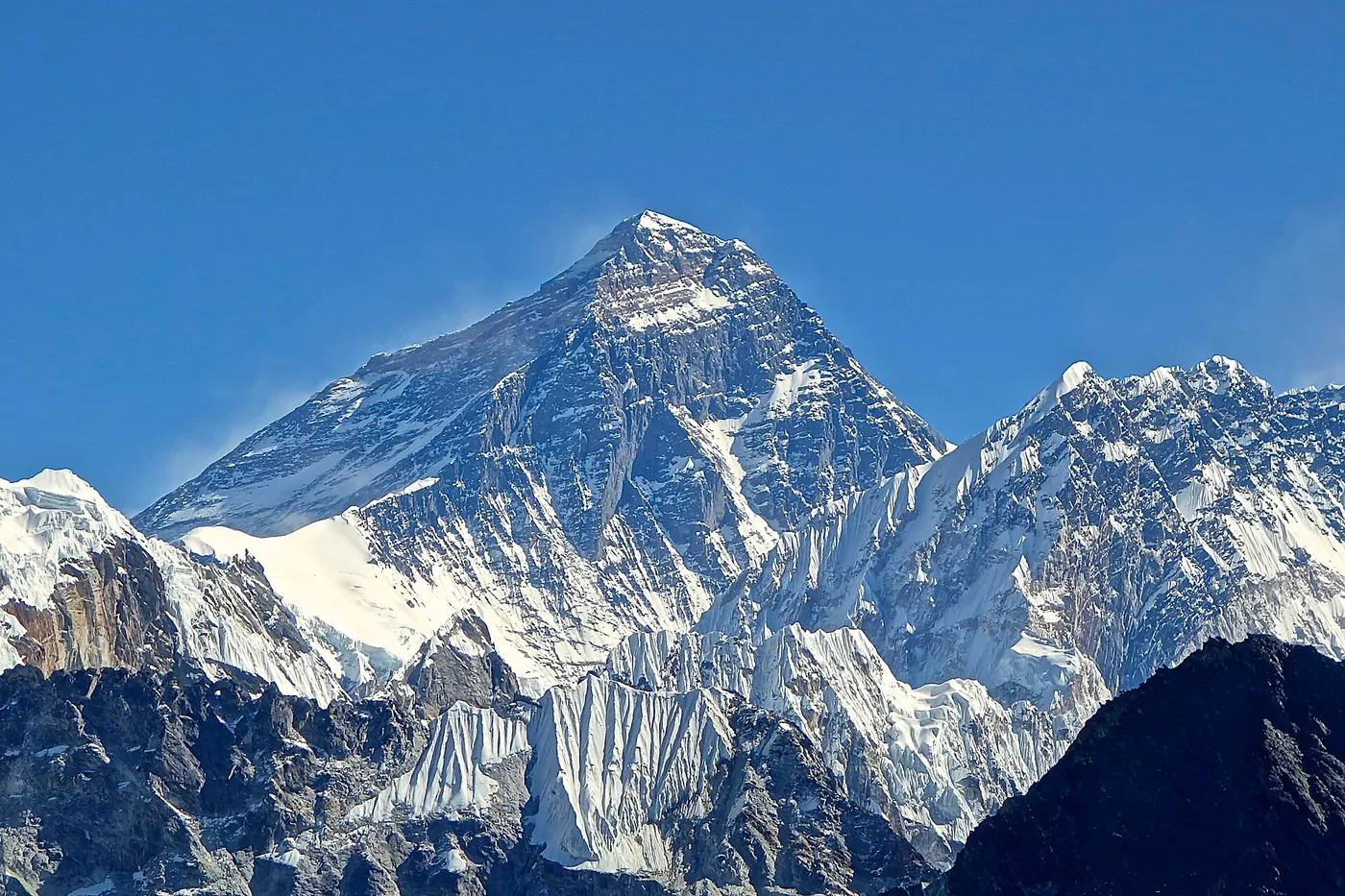
The highest mountain on earth, with more than two hundred bodies left on its slopes — recovering them is all but impossible. One served for decades as a landmark known as Green Boots. Above eight thousand metres climbers regularly describe the third man: a persistent sense of a companion who is not there. The effect has been known since Shackleton's expedition and is attributed to hypoxia, which makes it no easier.
Khumbu, Yeti Country
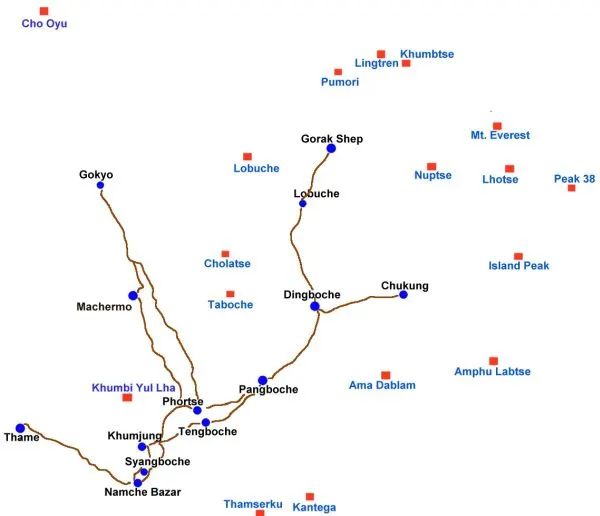
The valley below Everest, home of the Sherpa, where Western expeditions first met the yeti as something more than a story. In 1951 Eric Shipton photographed a thirteen-inch print on the Menlung Glacier with an ice axe beside it for scale — the picture is still argued over. Khumjung monastery keeps a scalp said to be a yeti's; analysis in 1960 found it was made from serow hide.
Lake Baikal
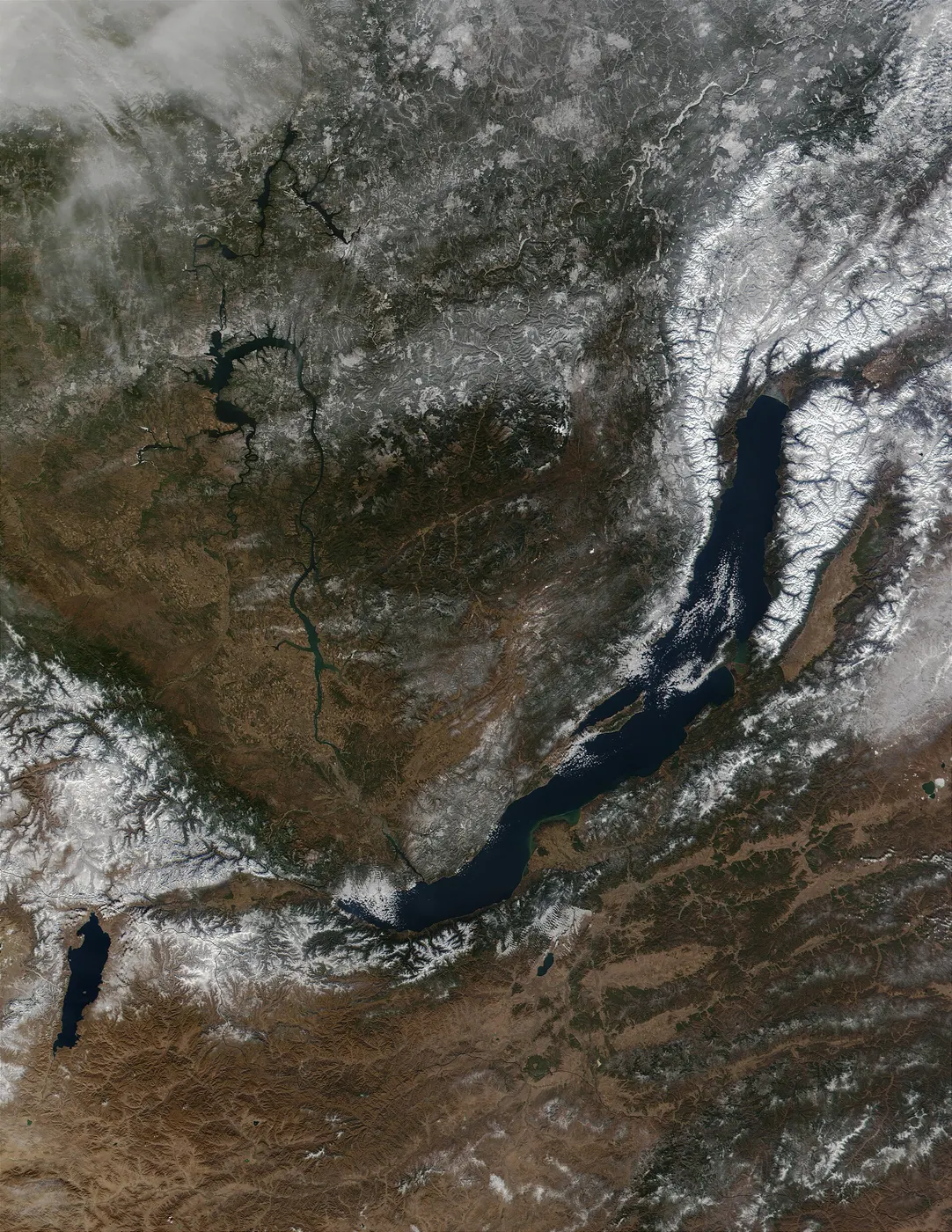
The deepest lake on earth, holding a fifth of the world's unfrozen fresh water. Buryat tradition fills it with spirits, and Cape Burkhan on Olkhon is one of the nine shrines of Asia, which not every shaman may approach. A separate body of stories concerns the Baikal mirages, in which non-existent shores and ships are seen above the water; the effect is physically real and comes from temperature layers in the air.
Ergaki
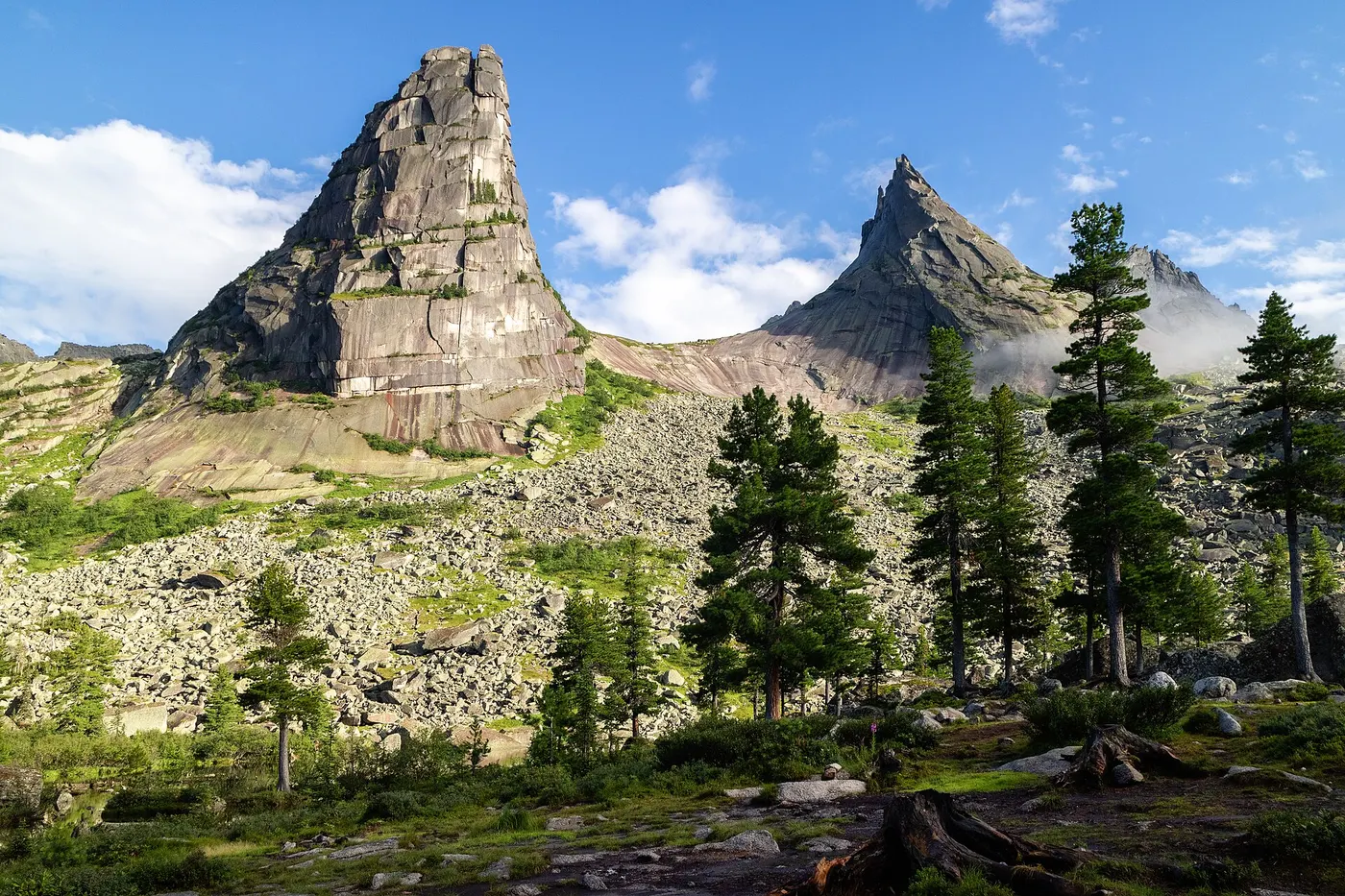
A mountain knot in the Western Sayan with the Hanging Stone — a many-ton block balanced on a rock face so finely that, by the accounts, it could be rocked by hand. Local tradition says that when it falls, disaster follows; in the 2000s it shifted and stopped moving, which caused visitors noticeable unease. Separately there is the Sleeping Sayan, a ridge whose profile reads as a reclining human figure.
Mount Elbrus
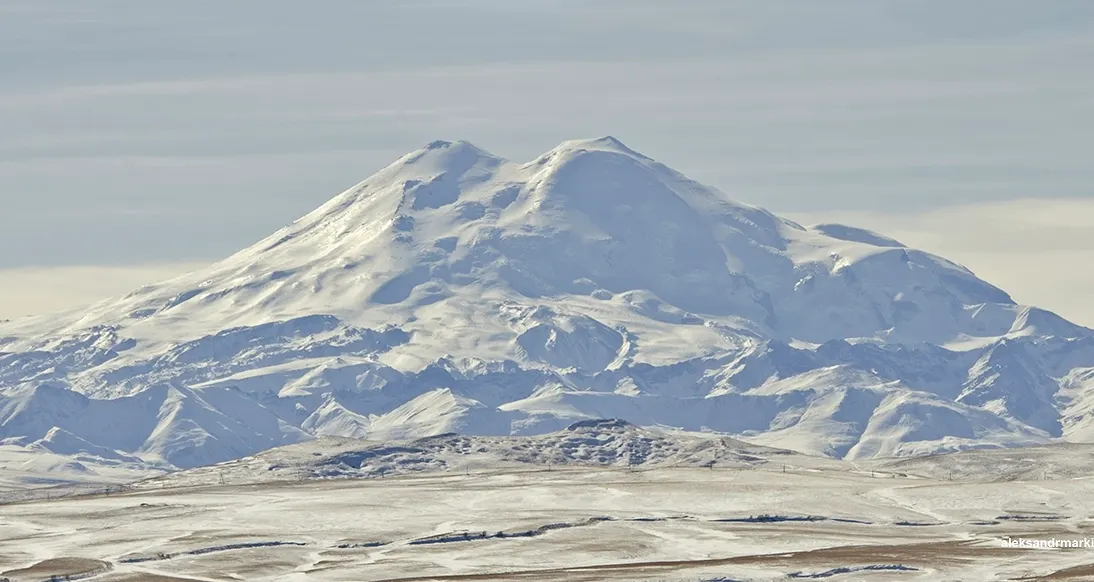
The highest peak in Europe and a dormant volcano to which, in one version of the tradition, Prometheus was chained. The mountain has accumulated a body of stories of its own: the Priyut 11 hut that burned in 1998, the bodies of German Edelweiss division troops found where they planted a flag in 1942, and figures in the mist that climbers describe in almost the same words used on Scotland's Ben Macdui.
The Krasnoyarsk Pillars
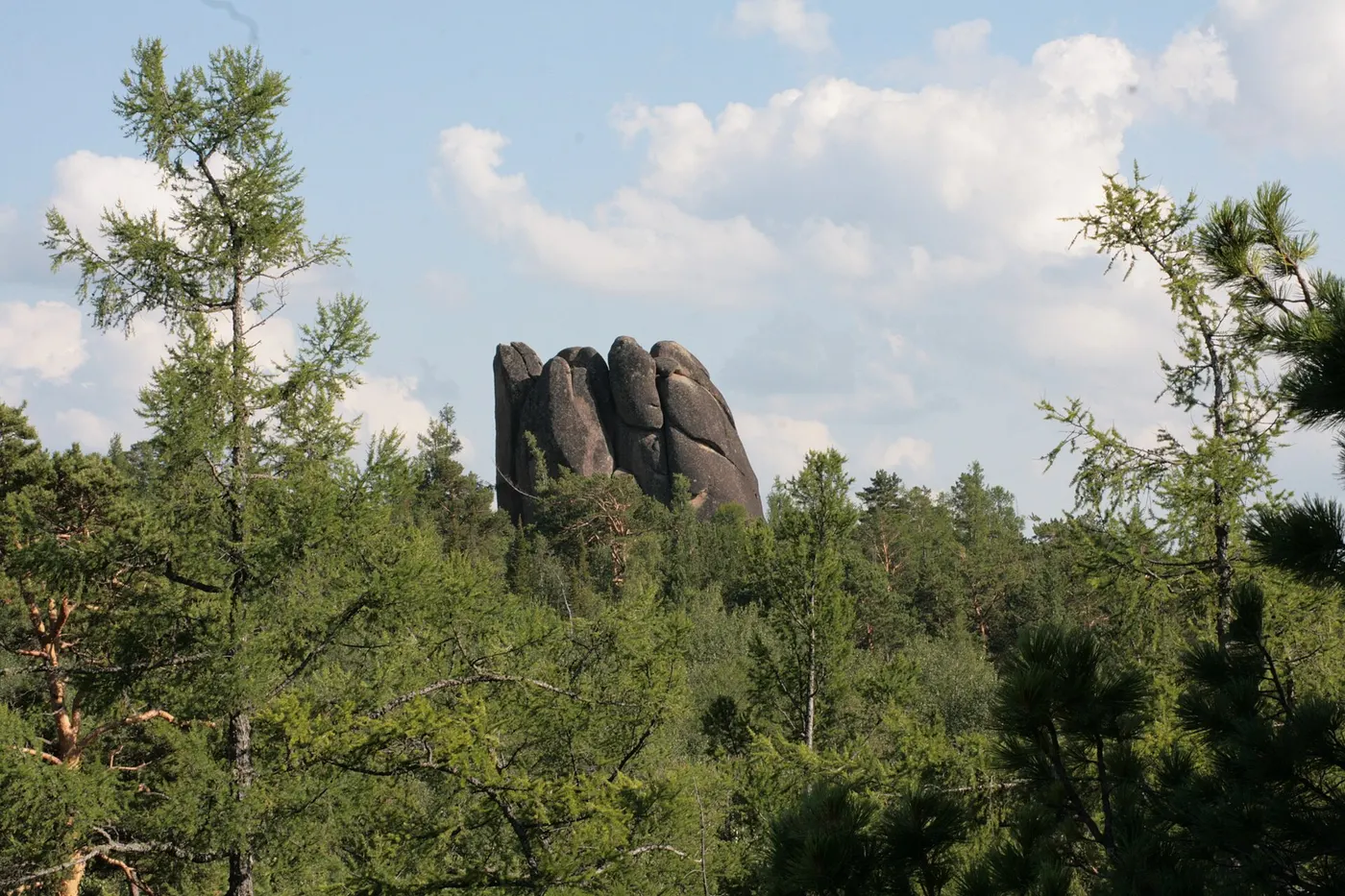
Krasnoyarsk Stolby National Park (formerly a state nature reserve) is a protected ecological expanse located on the northwestern spurs of the Eastern Sayan Mountains, bordering the right bank of the Yenisei River on the southern outskirts of Krasnoyarsk, Russia. Covering nearly 47,000 hectares of Siberian taiga, the park is world-renowned for its dramatic pink-grey syenite rock pillars rising up to 100 meters above the forest canopy, as well as the birthplace of "Stolbism"—a historic community tradition of free solo rock climbing.
The Kungur Ice Cave
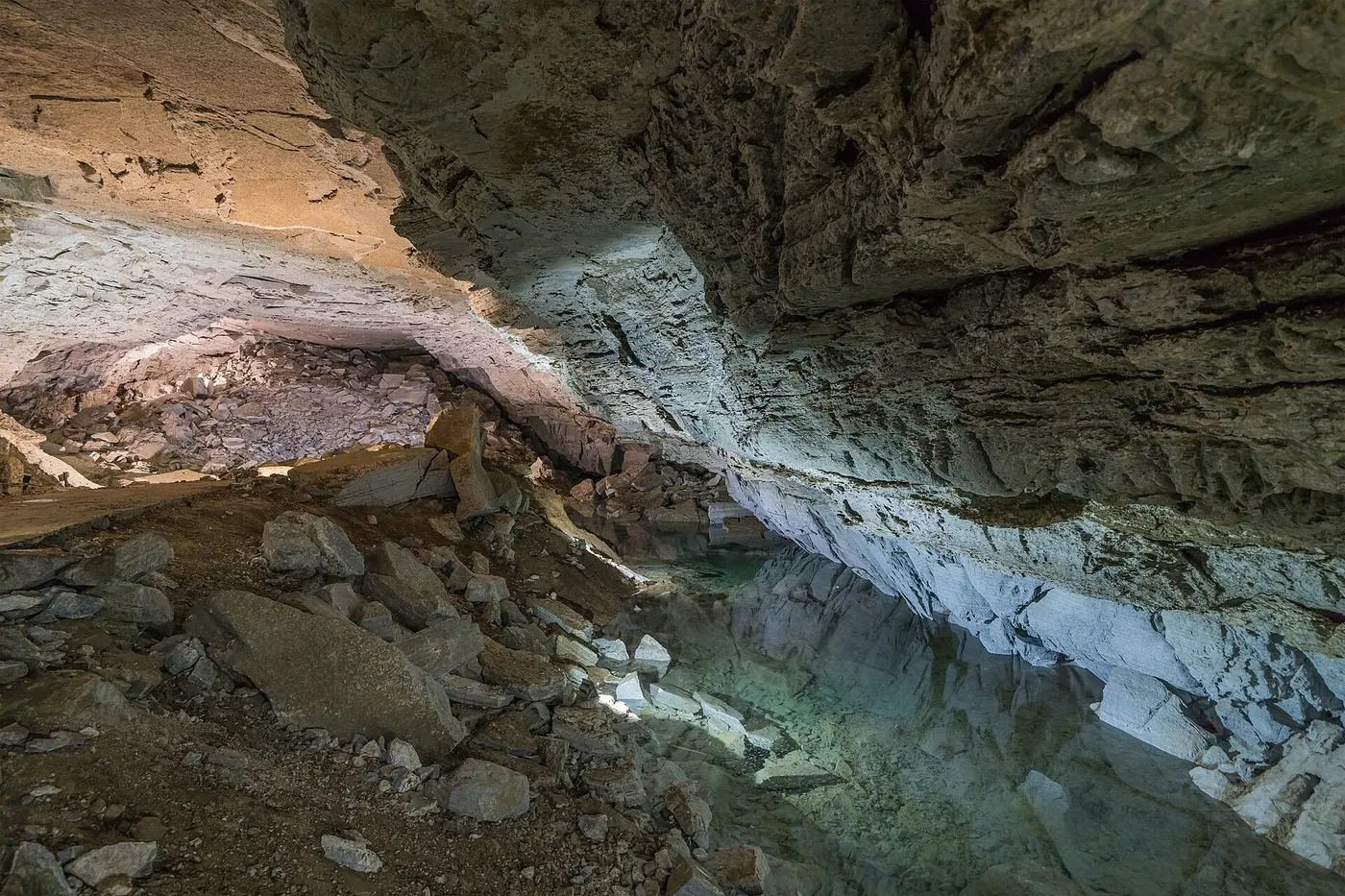
A gypsum cave in Perm Krai some six kilometres long, with seventy underground lakes and permanent ice in the entrance chambers. The first survey was drawn in 1703. Tradition holds that Yermak's band wintered here before crossing the Urals, and one grotto is called the Ladies' Tears — legend has a daughter of Christian X of Denmark slipping and dying here on a visit.