All places
The full catalogue of approved places — abandoned buildings, anomalous zones, UFO sightings. Sort by rating, recency or discussion, and narrow it by category.
494 places
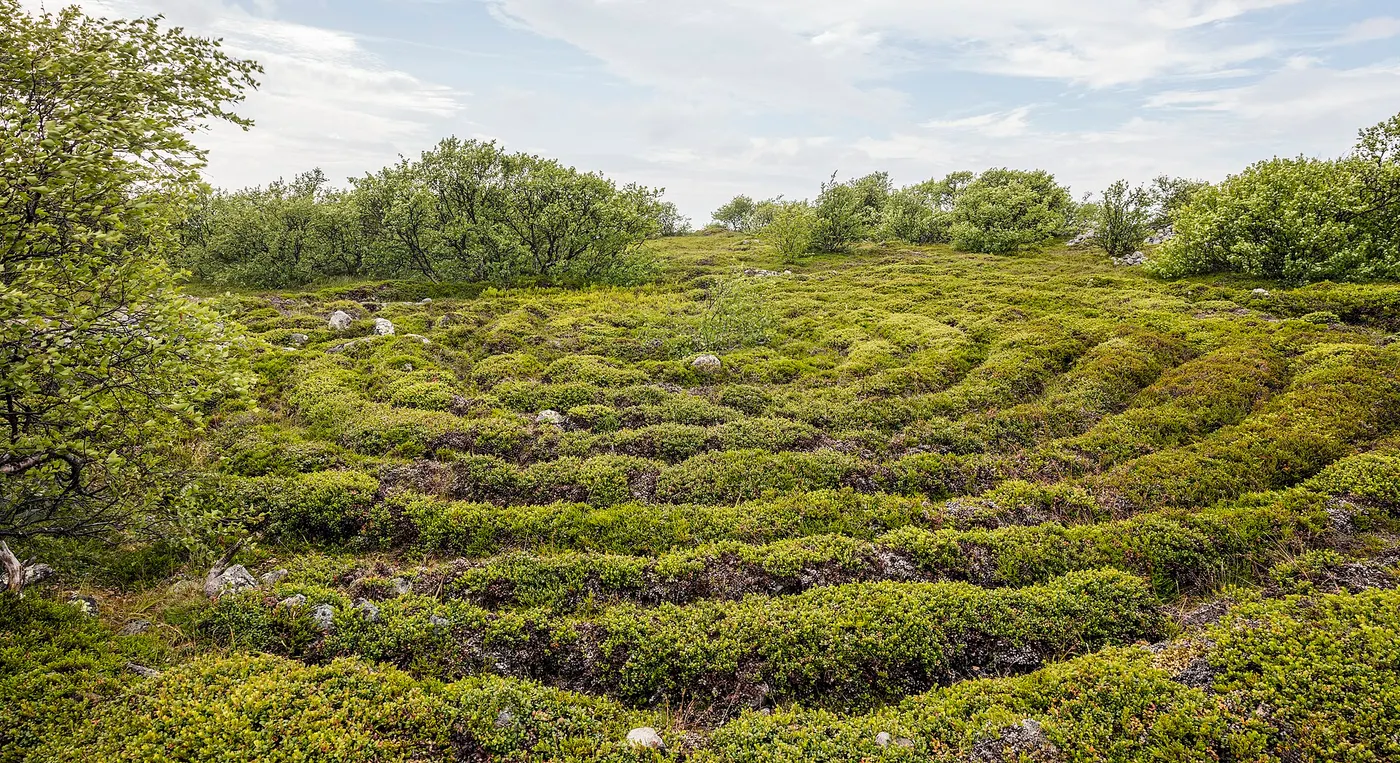
The Solovetsky Labyrinths
Boulder spirals on the Solovetsky Islands, laid out three or four thousand years ago. There are around thirty, the largest twenty-five metres across. There are no branches — one winding path to the centre and back. The accepted explanation ties them to burial rites and to keeping a soul from finding its way back to the living: stone heaps with burnt bone are found beside them.
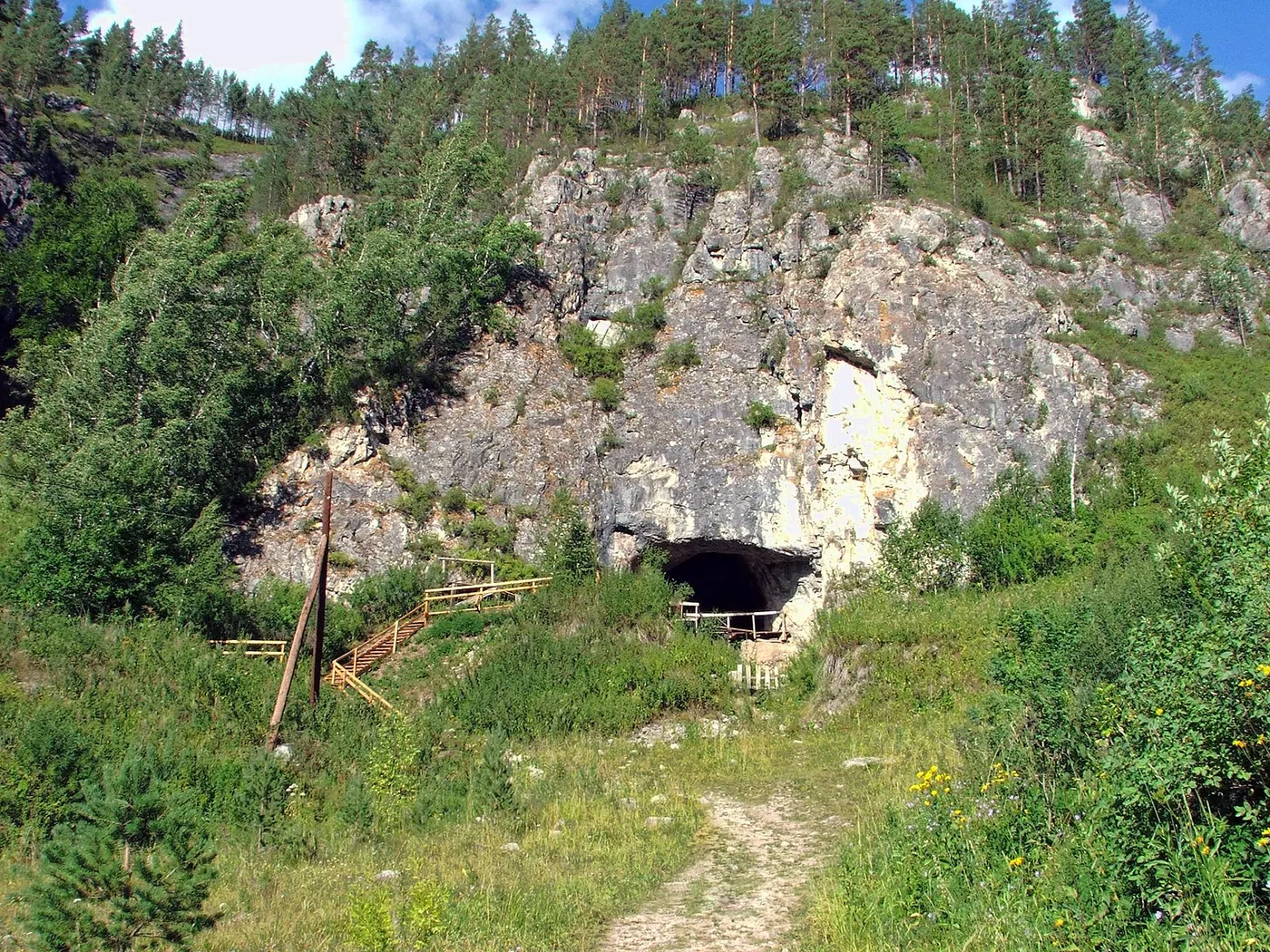
The Denisova Cave
Denisova Cave (Altai: Ayu-Tash, meaning "Bear Rock") is a karstic cave and globally renowned paleoanthropological site situated within the Soloneshensky District of Altai Krai, Russia, in the upper valley of the Anuy River in the northwestern Altai Mountains. Comprising roughly 270 square meters of horizontal chambers, the cave serves as a pristine multi-stratified Pleistocene and Holocene sediment archive that continuously accumulated archaeological deposits spanning over 300,000 years. The site attained global scientific prominence in 2010 when paleogenomic sequencing of a juvenile hominin finger bone fragment revealed a previously unidentified archaic human lineage—the Denisovans—fundamentally reshaping modern paleoanthropology and hominin evolution models.
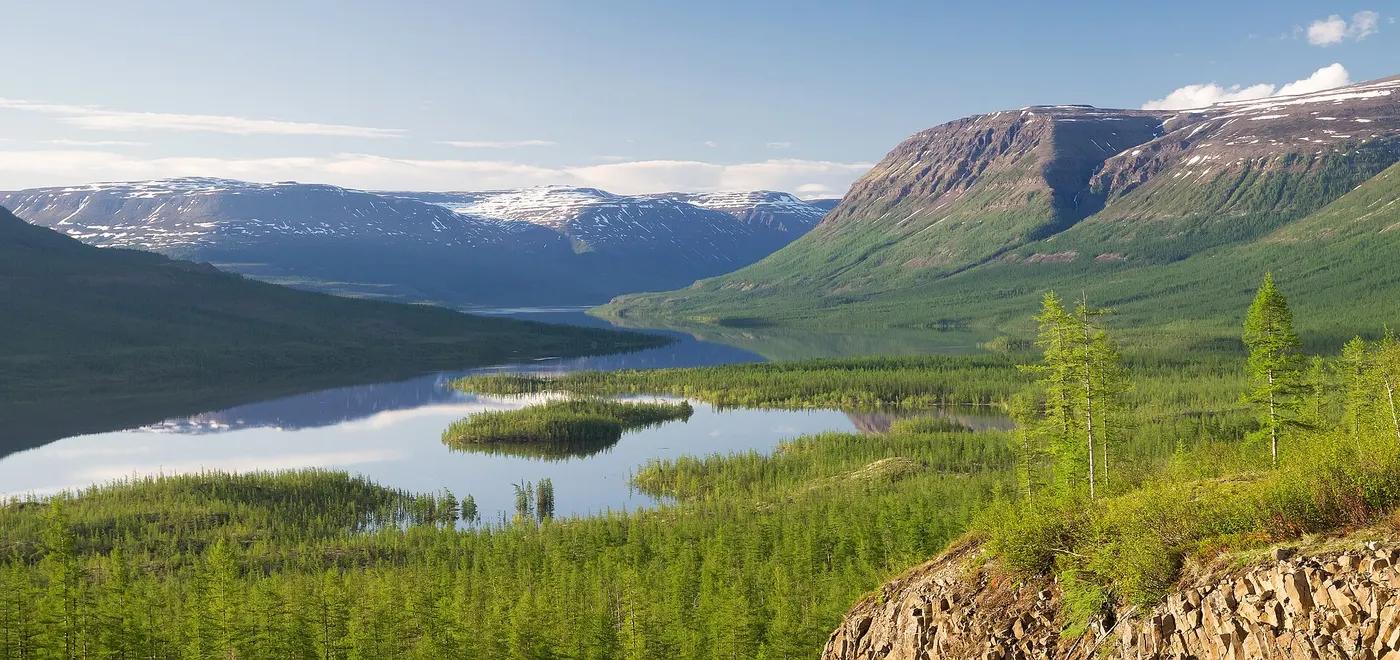
The Putorana Plateau
The Putorana Plateau is an immense basaltic mountain massif covering roughly 250,000 square kilometers (comparable in size to the United Kingdom), situated in northwestern Central Siberia beyond the Arctic Circle. Designated a UNESCO World Heritage Site, it is a pristine subarctic wilderness characterized by deep jagged canyons, thousands of waterfalls, and fjord-like tectonic lakes, recognized as one of the most remote places on Earth.
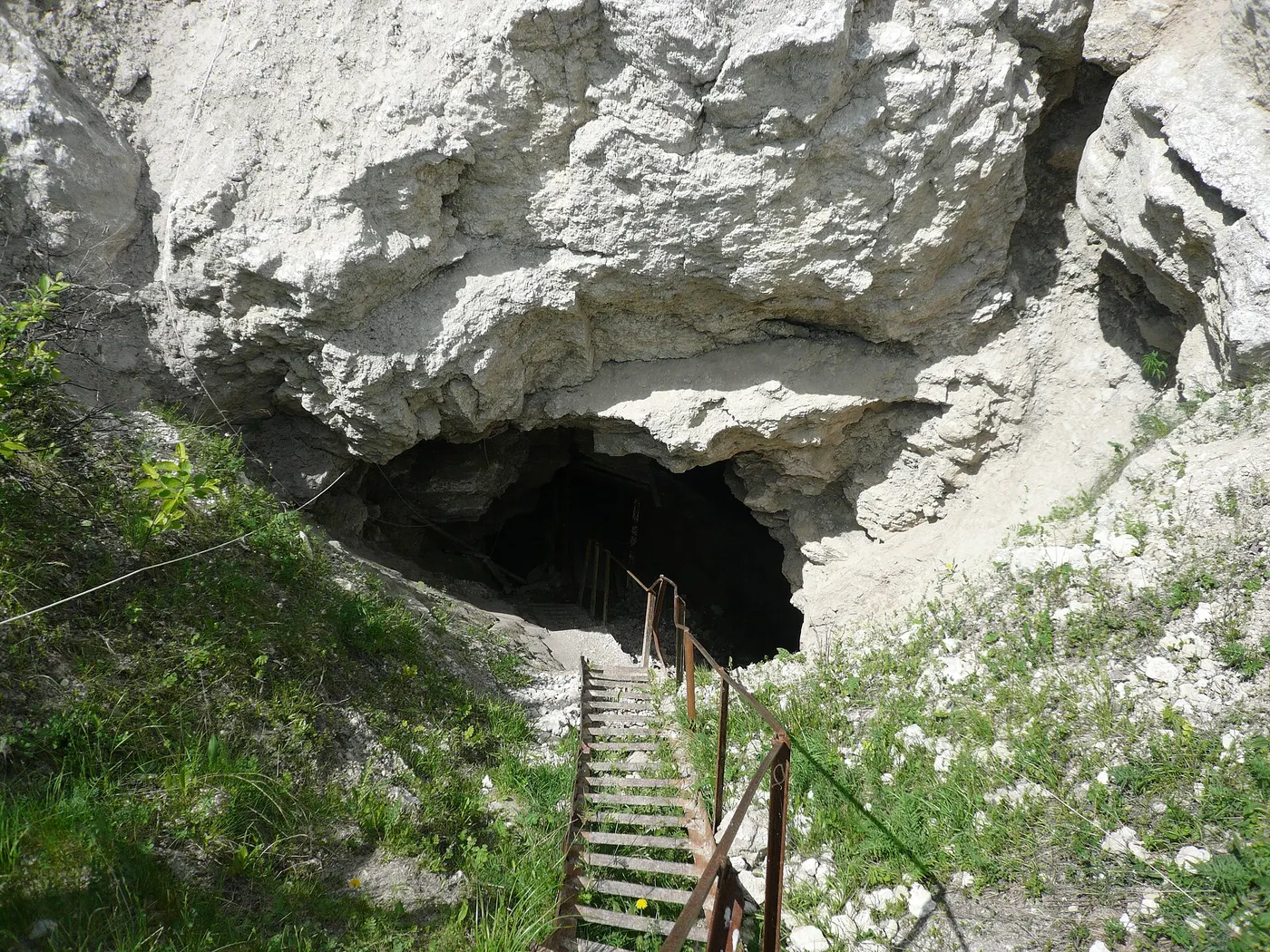
The Ordinskaya Cave
The longest underwater gypsum cave in the world — over five kilometres of flooded galleries under the left bank at Kungur. The water is clear enough for fifty metres of visibility, and divers describe flying rather than diving. The cave has killed several experienced divers: the sumps offer no landmarks, and someone who loses the line does not find the way back. Locals kept clear of the sinkholes long before anyone arrived with tanks.
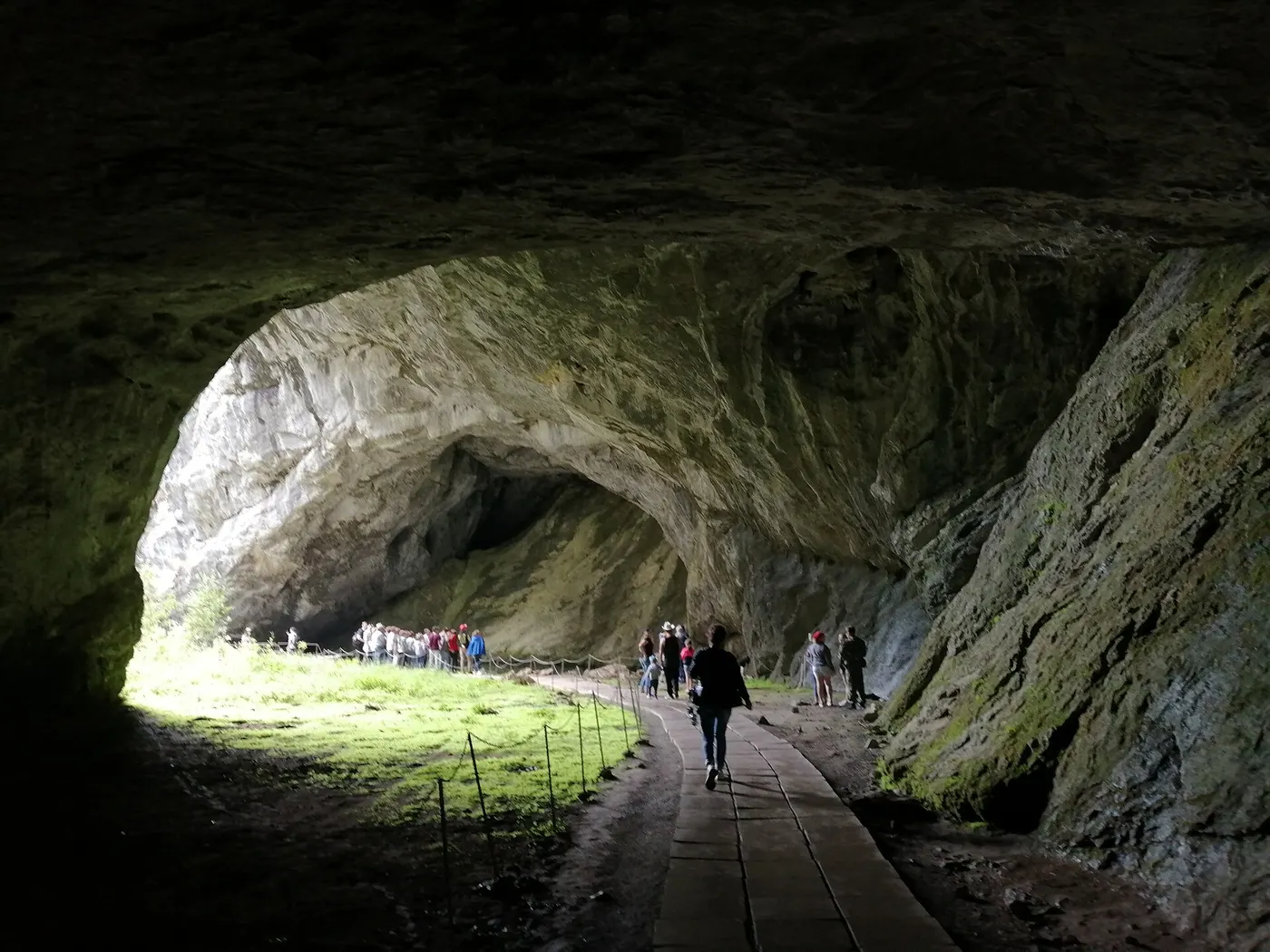
The Kapova Cave (Shulgan-Tash)
A cave in Bashkortostan with wall paintings some seventeen thousand years old — mammoths, horses, rhinoceroses, laid down in ochre. Before its discovery in 1959 Palaeolithic painting was thought to exist only in Western Europe. In the Bashkir epic Ural-batyr the lake at its mouth is the entrance to the underworld, ruled by Shulgan, the hero's brother who went over to evil. The cave and the lake carry his name.
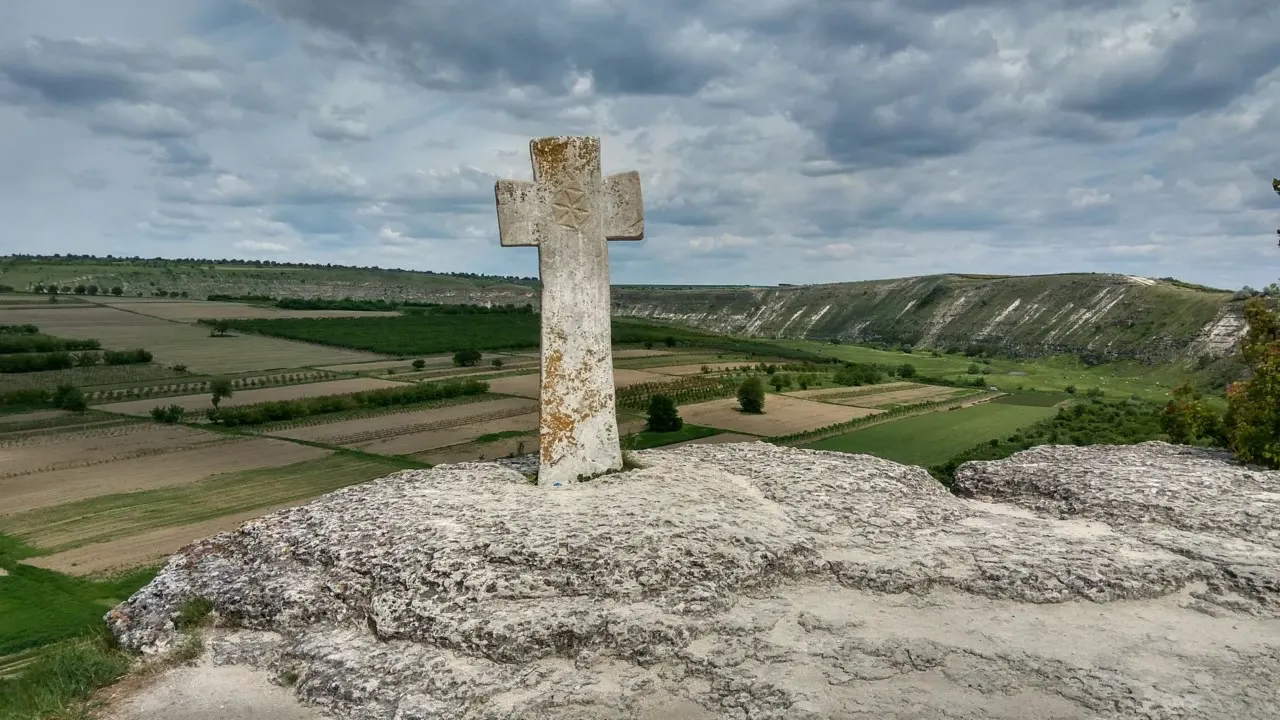
Orheiul Vechi
Old Orhei (Romanian: Orheiul Vechi) is a historical-archaeological museum-reserve and natural-cultural landscape situated within the Orhei District of the Republic of Moldova, set inside the limestone gorge of the Răut River between the villages of Butuceni, Trebujeni, and Morovaia (roughly 50–60 kilometers northeast of Chișinău). The complex forms a natural amphitheater where the meandering river bisects ancient Sarmatian limestone escarpments along the Peștere promontory. The site preserves a continuous archaeological palimpsest spanning millennia: Thracian and Geto-Dacian earthworks, the 14th-century Golden Horde stone city of Shehr al-Jedid, the medieval Moldavian fortress of Stephen the Great, and rupestral Orthodox cave monasteries carved directly into the sheer cliff walls.
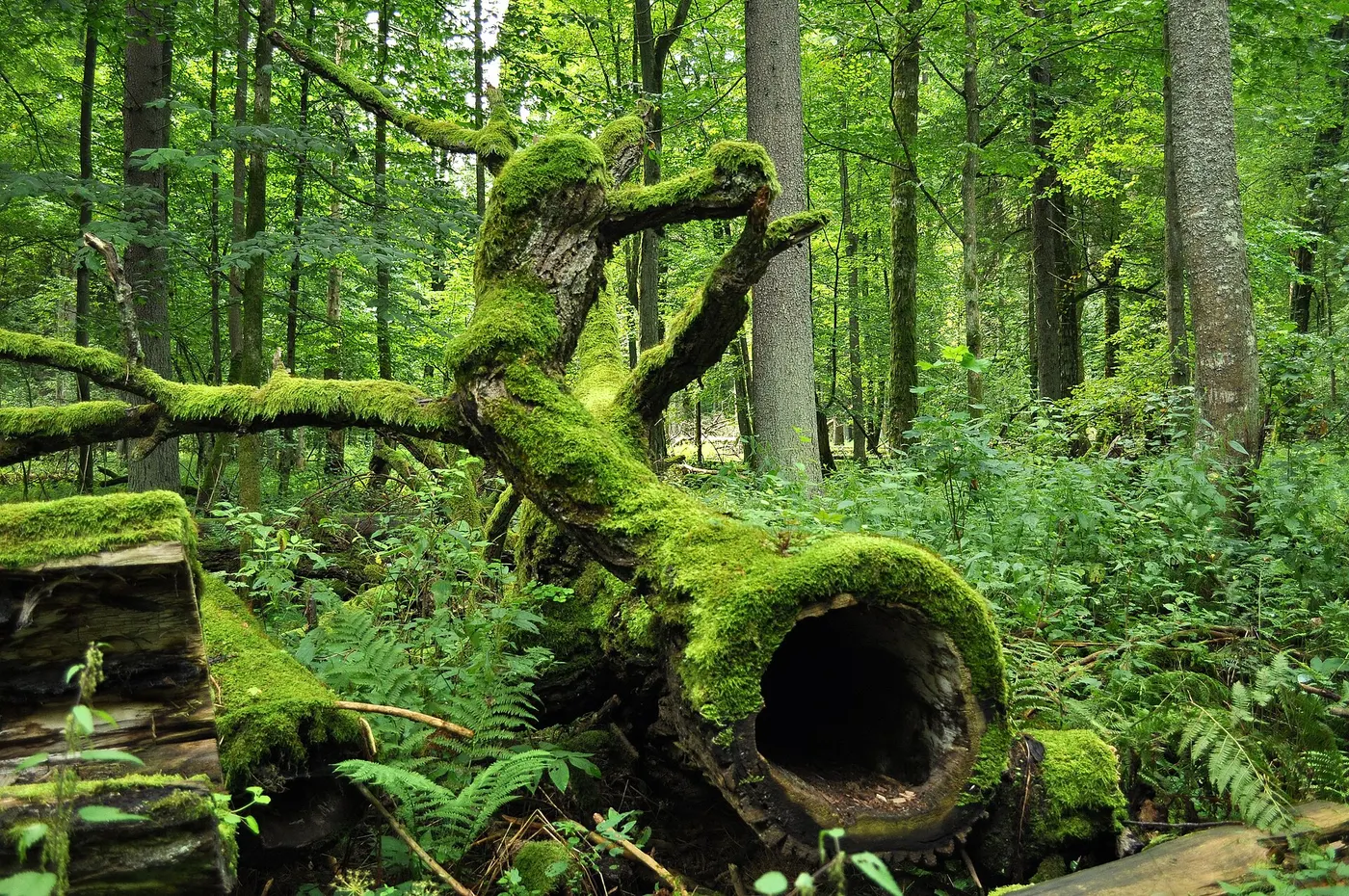
Białowieża Forest
Białowieża Forest (Belovezhskaya Pushcha) is the largest and oldest surviving expanse of primeval lowland mixed temperate forest in Europe, straddling the state border between Belarus (Brest and Grodno regions) and Poland (Podlaskie Voivodeship). Encompassing more than 150,000 hectares, this UNESCO World Heritage Site and biosphere reserve represents the last intact remnant of the prehistoric virgin woodlands that once blanketed the European Plain, home to the planet's largest free-roaming population of the European bison (wisent).
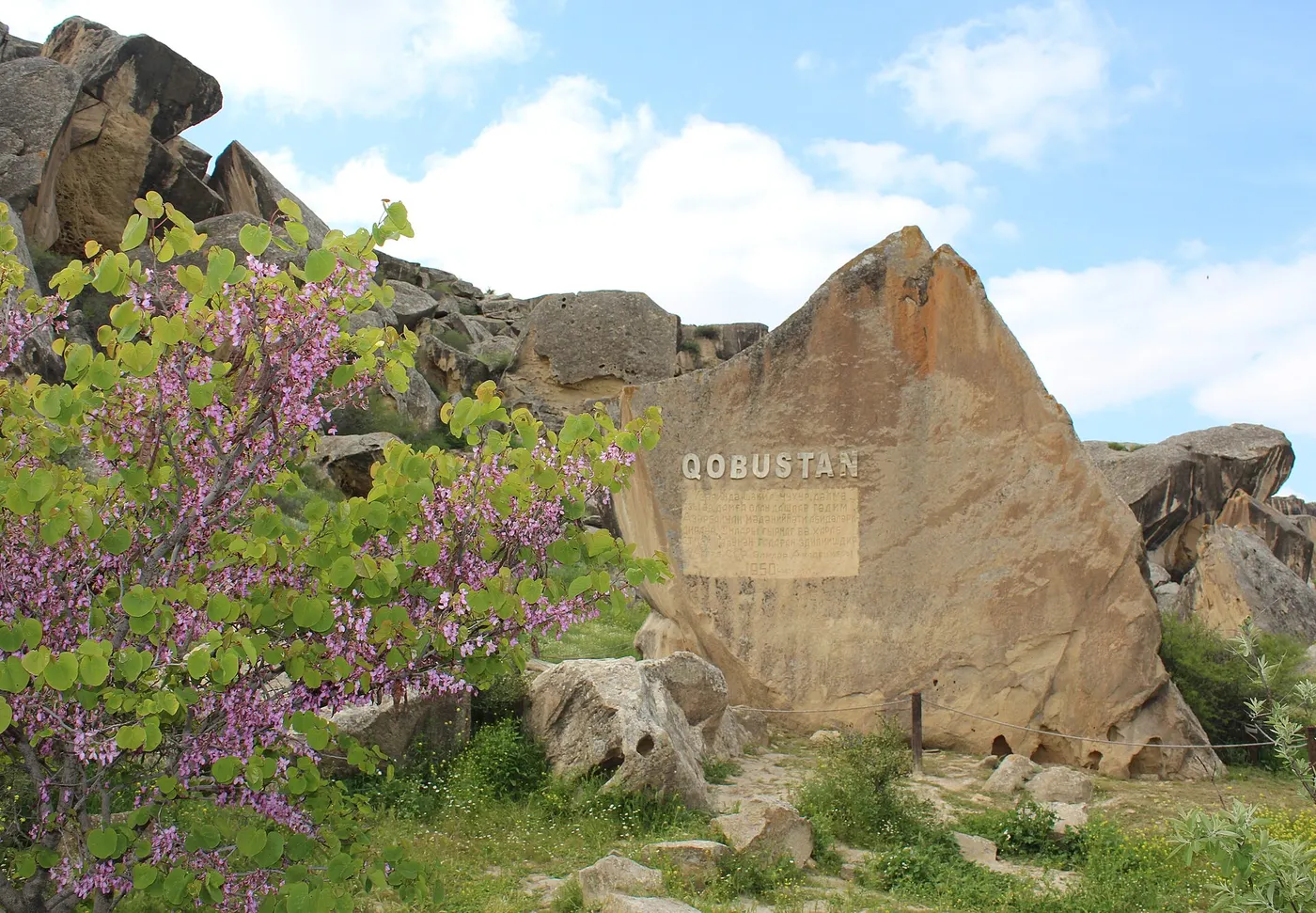
Gobustan
A rock massif outside Baku with more than six thousand petroglyphs, the oldest up to forty thousand years old. The gaval dash stands here too — the tambourine stone, a slab that gives a resonant note when struck and was evidently played. Thor Heyerdahl visited three times and argued that the boats depicted are related to Norwegian petroglyphs, deriving a Caucasian origin for the Scandinavians — a hypothesis specialists did not accept.

Lake Sevan
A high-altitude lake that supplies almost all of Armenia's fresh water. In Soviet times its level was deliberately dropped by nearly twenty metres for hydroelectricity, and what lay beneath came out: Bronze Age settlements, fortresses and necropolises. The Sevan peninsula was an island before that draining. The monastery of Sevanavank was founded in 874 by Princess Mariam, and tradition has it built by monks exiled from Echmiadzin for misconduct.
Lake Issyk-Kul
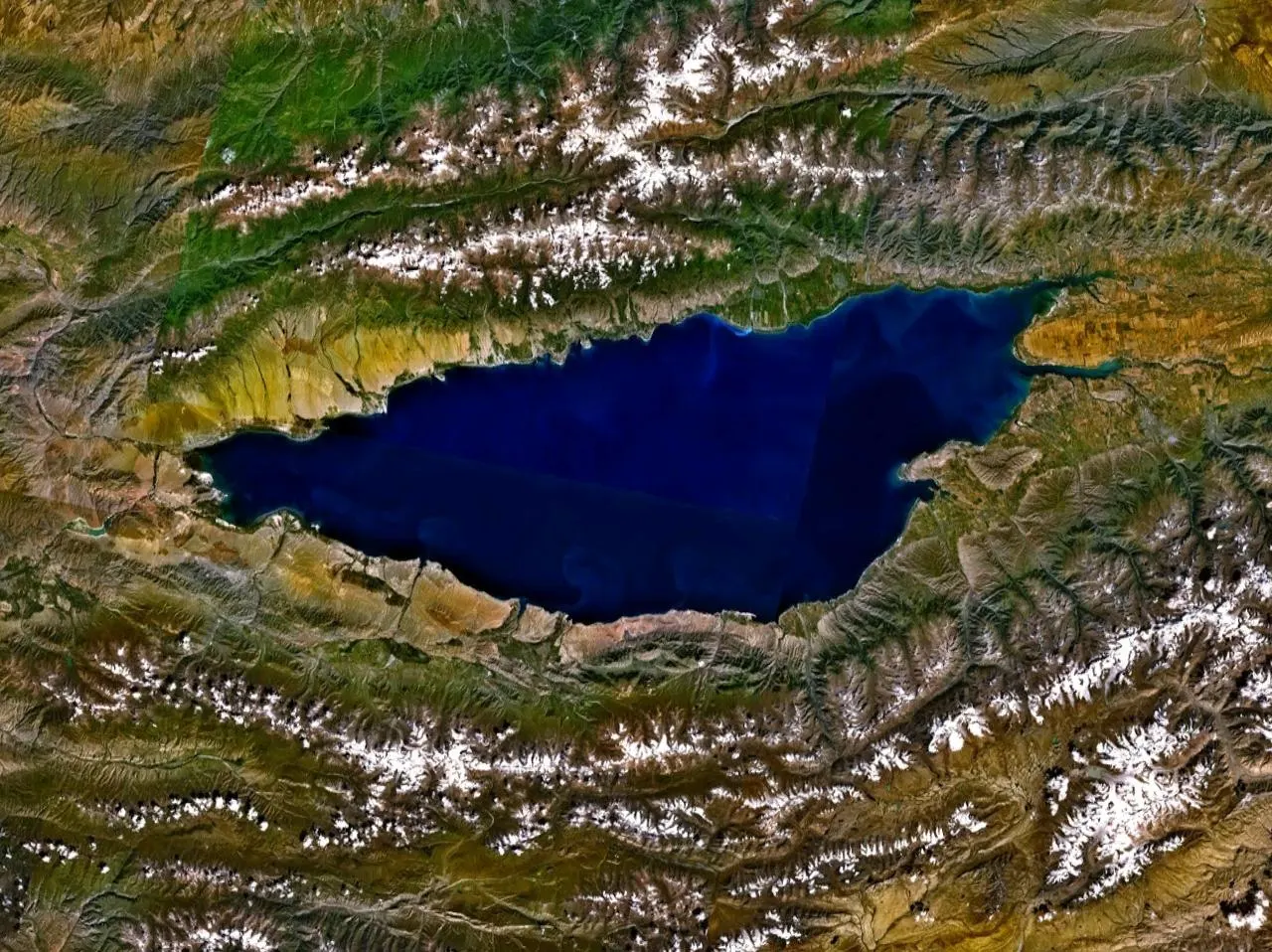
A non-freezing mountain lake in the Tien Shan with several drowned settlements beneath it, from Saka times through the middle ages. Divers have brought up bronze cauldrons, coins and courses of brickwork. One legend ties the lake to Tamerlane's grave, another to a monastery of Armenian brothers where, according to the Catalan Atlas of 1375, the relics of the apostle Matthew were kept. The last is taken seriously enough that expeditions still work the lake.
The Ustyurt Plateau
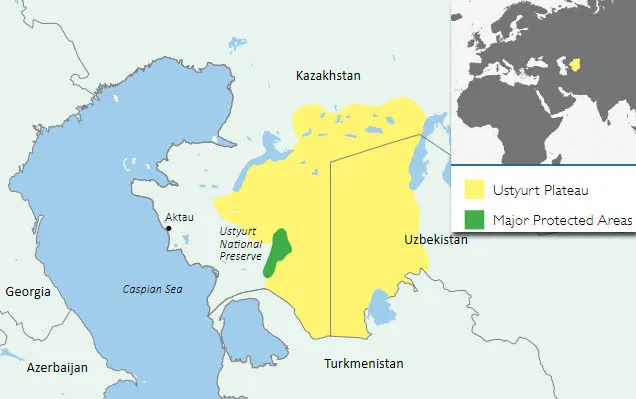
A stony desert between the Caspian and the Aral, breaking to the plain in escarpments a hundred and fifty metres high. From the air the Ustyurt arrows are visible — stone-built structures up to a kilometre long, noticed only in aerial survey in the 1980s. They are read as drive-hunting traps, but who built them is disputed, and estimates of their age run into thousands of years. The place is empty enough that several ungulate species presumed extinct were found here.
Barsa-Kelmes
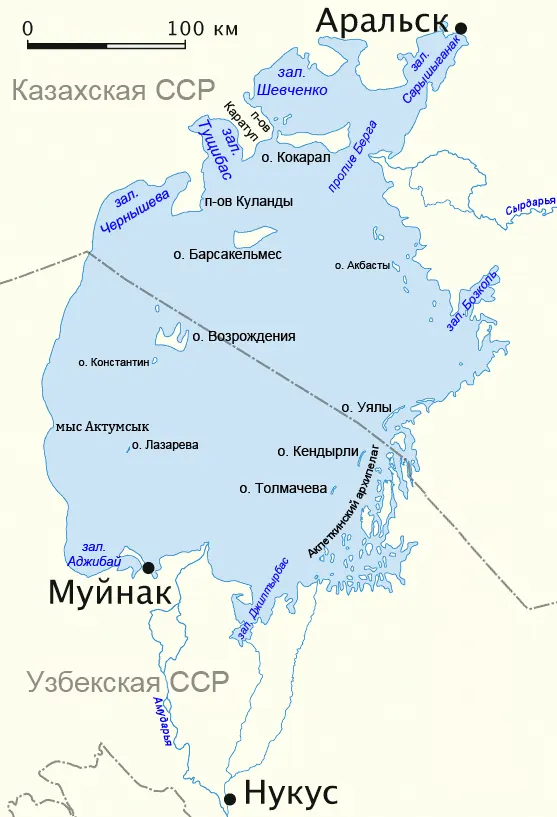
A former island in the Aral Sea whose Kazakh name means "go and you will not return". As the sea retreated it stopped being an island and became part of a salt desert. In Soviet times it carried stories of time slips: people who left for a day and came back weeks later, watches running behind. They ran in the magazine Tekhnika — Molodyozhi in the 1980s, which is where they spread from. No instrumental confirmation ever appeared, and the place has since become a monument to an ecological catastrophe instead.
The Stone Graves
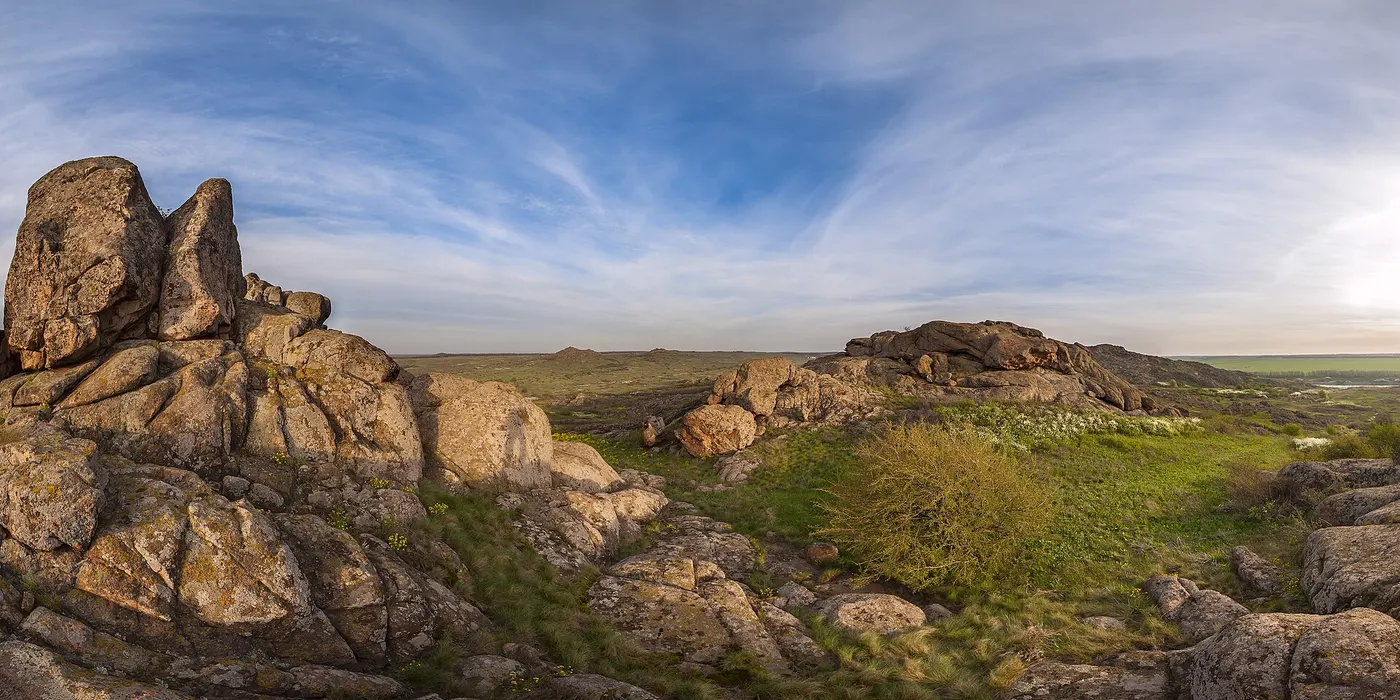
The Kamiani Mohyly ("Stone Tombs") Nature Reserve is a compact granitic inselberg formation spanning approximately 400 hectares, rising dramatically above the open Priazovian steppe along the Karatysh River (at the border of Donetsk and Zaporizhzhia Oblasts). For over a century, local historians, geographers, and travelers linked this 100-meter-tall labyrinth of pink granite crags to the chronicle-attested Kalka River and the tragic Battle of 1223—the first catastrophic clash between combined Kievan Rus'-Cuman forces and the Mongol reconnaissance vanguard led by Jebe and Subutai.
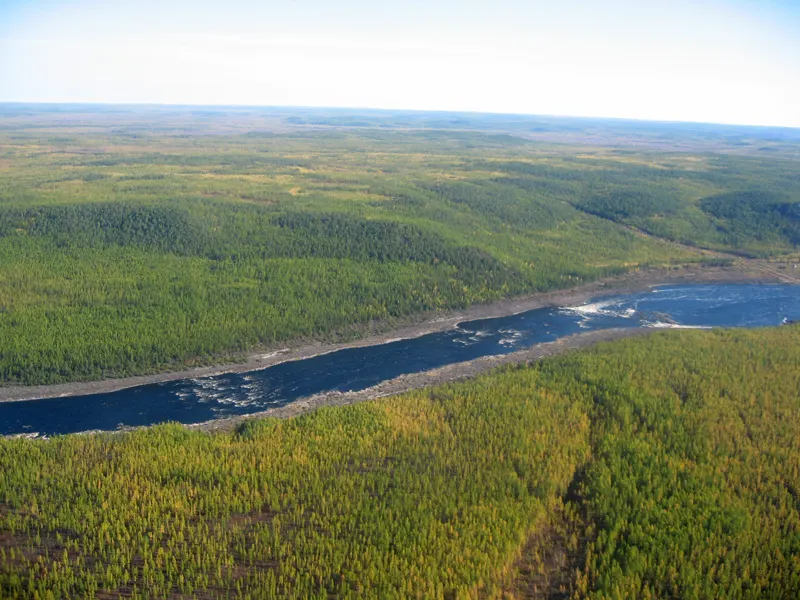
The Valley of Death on the Vilyuy
A stretch of the upper Vilyuy known to the Yakuts as Elyuyu Cherkechekh, the valley of the dead. Tradition places metal hemispheres in the ground there, warm inside, in which one can shelter from the cold — but whoever spends the night falls ill and dies soon after. The first written mentions of the cauldrons date to the nineteenth century. No expedition has found anything, including several in the 2000s with metal detectors; explanations range from outcrops of trap basalt to spent rocket stages.
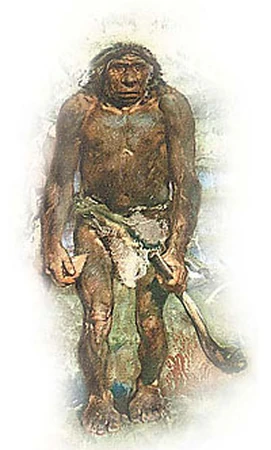
The Chuchunya of Verkhoyansk
The Chuchuna (Yakut: Chuchunaa; Evenki: Mulen) is a legendary "wild man" and relict forest wanderer pervasive in the oral traditions of indigenous populations across Northeastern Siberia. Centered within the jagged slopes of the Verkhoyansk Range and the subarctic river basins of the Yana, Adycha, Dulgalakh, and Sartang (Verkhoyansky District, Sakha Republic / Yakutia), the entity is traditionally depicted as a tall, feral nomad clad in raw reindeer hides who raided storage caches and avoided all human contact. During the 20th century, the Chuchuna transitioned into a cornerstone of Soviet cryptozoology and hominology alongside the Yeti and the Central Asian Almas.
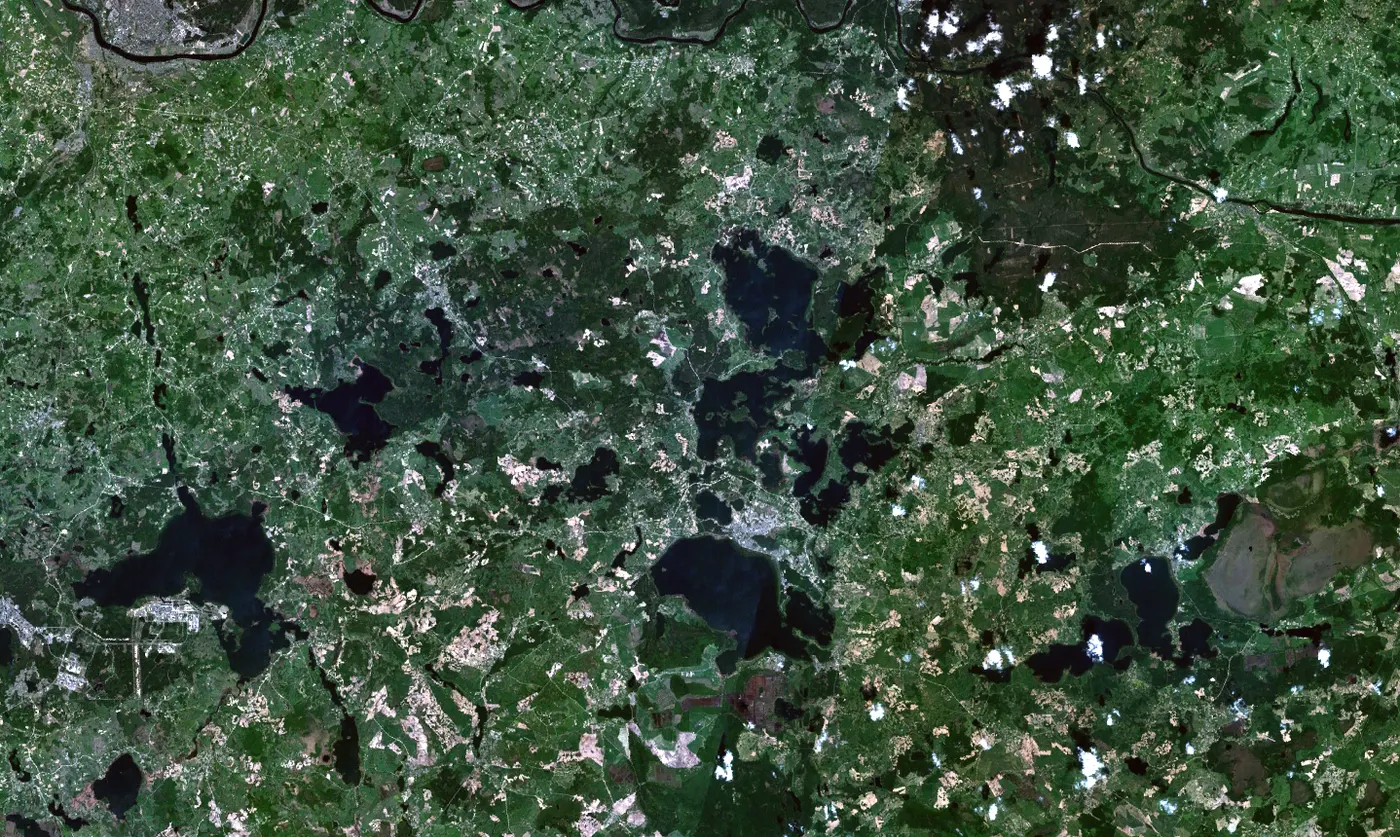
The Braslav Lakes and the Tsmok
Braslav Lakes National Park in the Vitebsk Region of Belarus is a scenic expanse of glacial lakes, rolling ridges, and island labyrinths steeped in ancient Baltic-Slavic folklore. The region's core mythological symbol is the Tsmok—the legendary Belarusian dragon and aquatic serpent said to inhabit the deep, cold waters of local lakes such as Drivyaty and Volos.
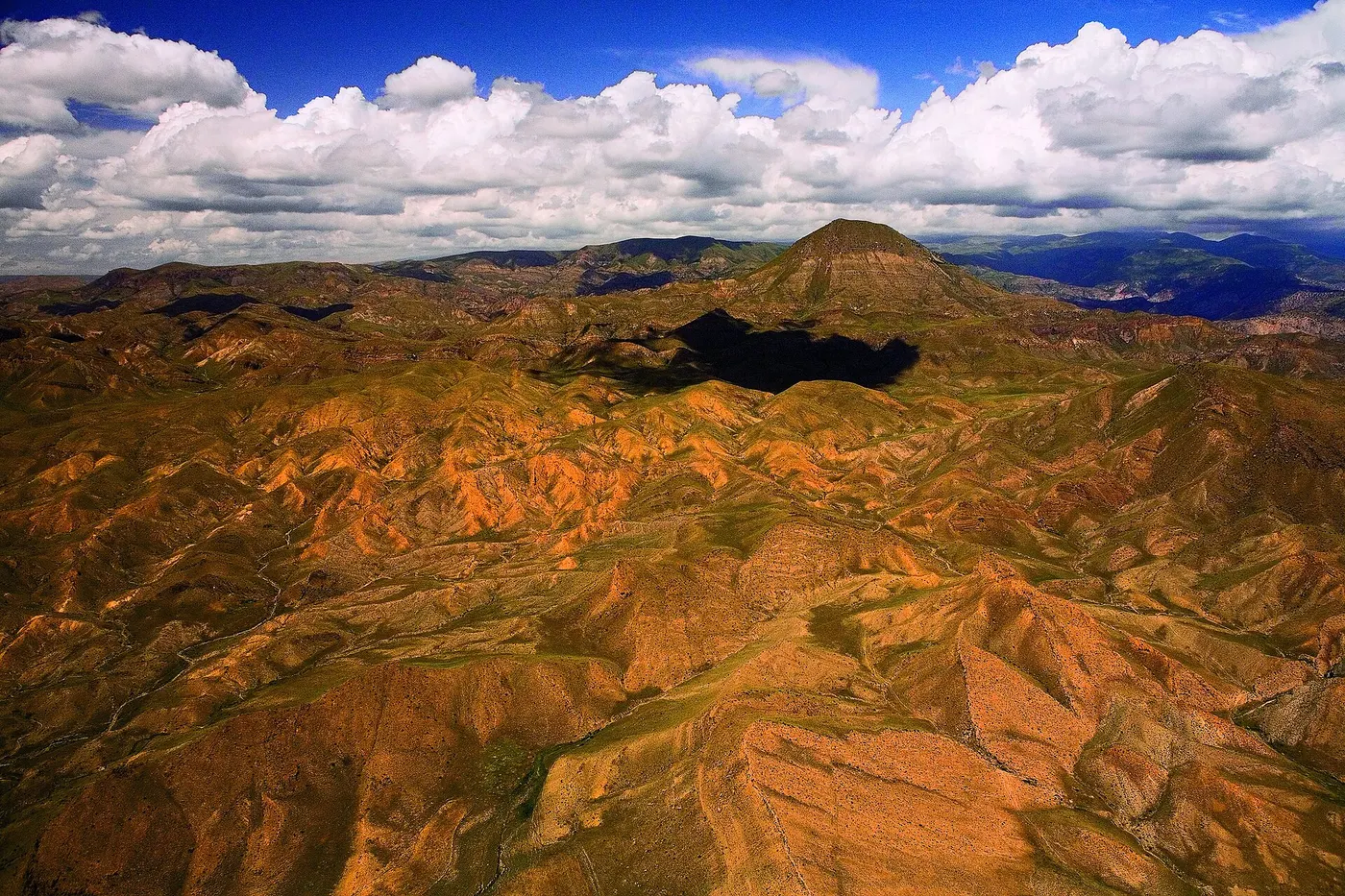
The Vishap Stones of the Gegham Mountains
On the high pastures of Armenia stand the vishaps — stone stelae up to five metres tall, carved as fish or wrapped in the hide of a bull. They are some four thousand years old and were set at springs and water channels. In Armenian mythology the vishap is a dragon that lives in the mountains and holds back the water, until the hero Vahagn defeats it. The stelae predate the written tradition, so who raised them and why is known only from the stone.
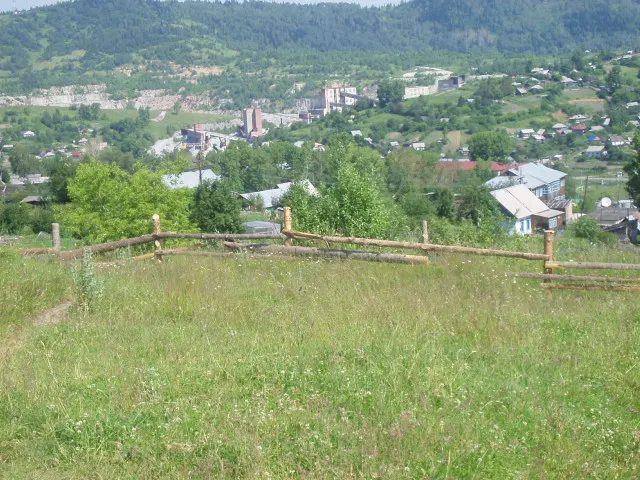
The Azass Cave and the Kuzbass Yeti
Azasskaya Cave is a karst cavern formation located at the headwaters of the Azas stream within Shorsky National Park in the Tashtagolsky District of Kemerovo Oblast (Mountain Shoria), southern Siberia. Featuring an impressive arched entryway grotto measuring up to 12 meters in height and a freezing subterranean stream flowing from its mouth, the site gained international renown in the late 2000s as the alleged primary lair of a surviving relict hominid population: the "Kuzbass Yeti."
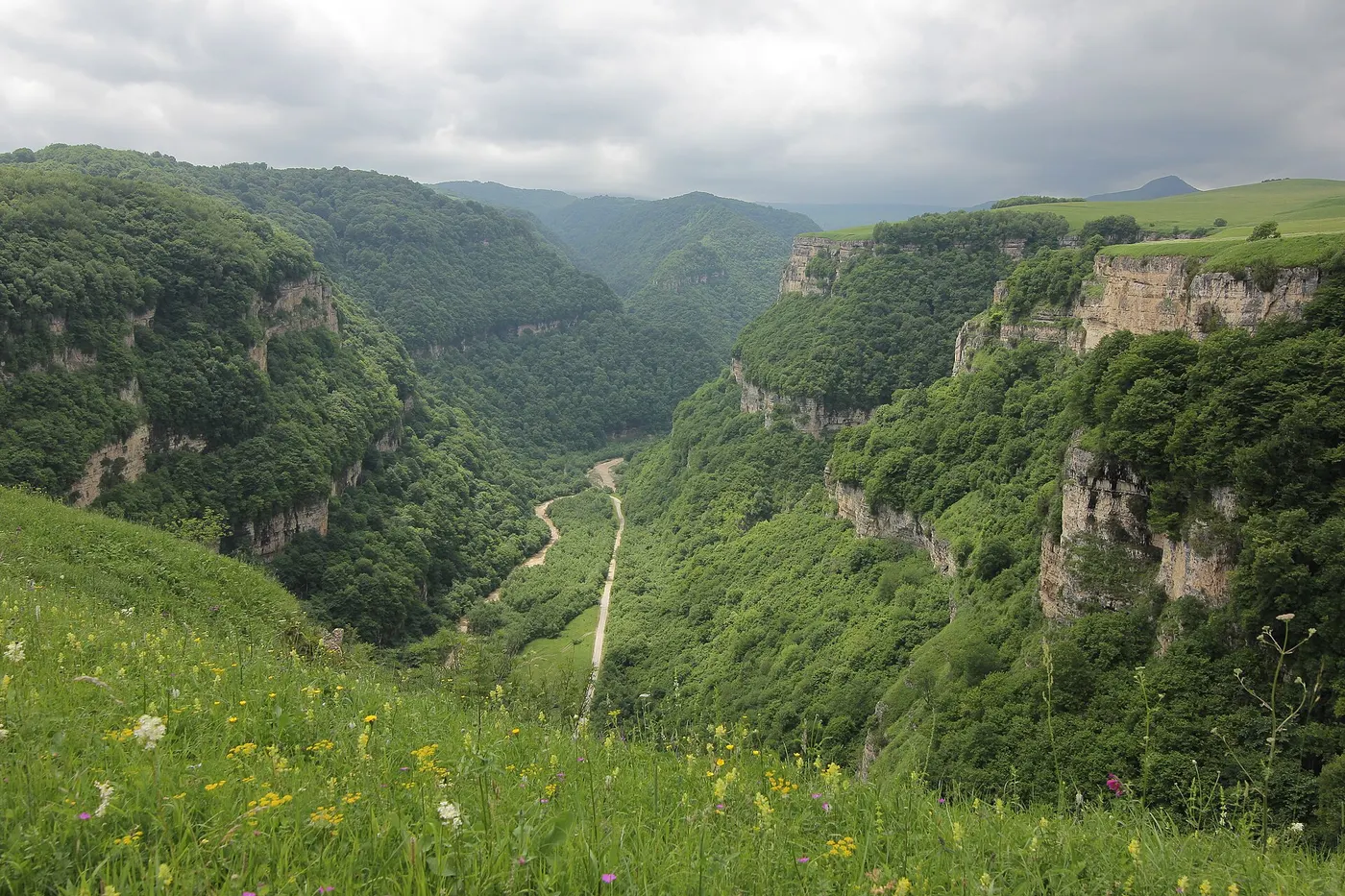
The Almasty of Kabardino-Balkaria
The Caucasus is the heartland of the Almasty, the Caucasian wild man: a creature some two metres tall covered in reddish hair which, by the accounts of mountain villagers, comes down to the sheepfolds and takes livestock. In the 1960s Professor Boris Porshnev collected testimony here for the Academy of Sciences and examined the case of Zana, a woman who lived in an Abkhaz village in the nineteenth century and whom locals held to be a captured Almasty. Her descendants were traced into the twentieth century; genetic analysis in 2015 found ordinary African ancestry.
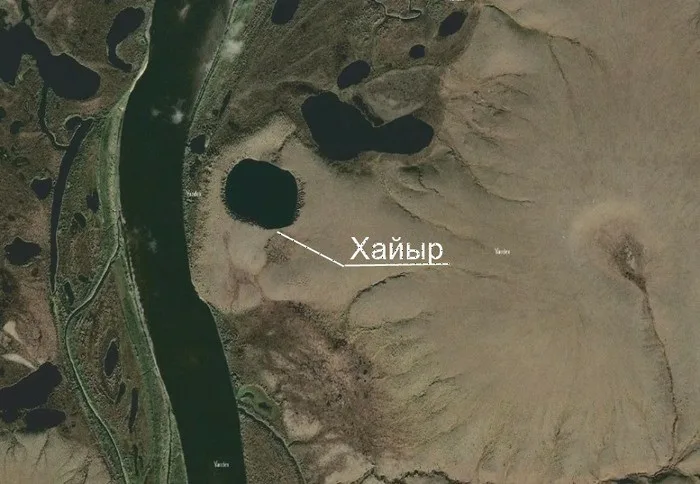
Lake Khaiyr
Lake Khayyr is a small, landlocked thermokarst lake situated within the subarctic tundra of the Ust-Yansky District in the Sakha Republic (Yakutia), Russia, located in the lower basin of the Omoloy River north of the Arctic Circle. In 1964–1965, this remote northern water body gained nationwide prominence when Soviet periodicals reported sightings of the "Khayyr Monster" ("Khayyr Beast")—an alleged relict aquatic reptile sporting an elongated neck and dorsal crest, transforming the lake into the Soviet Union's counterpart to the Loch Ness myth.
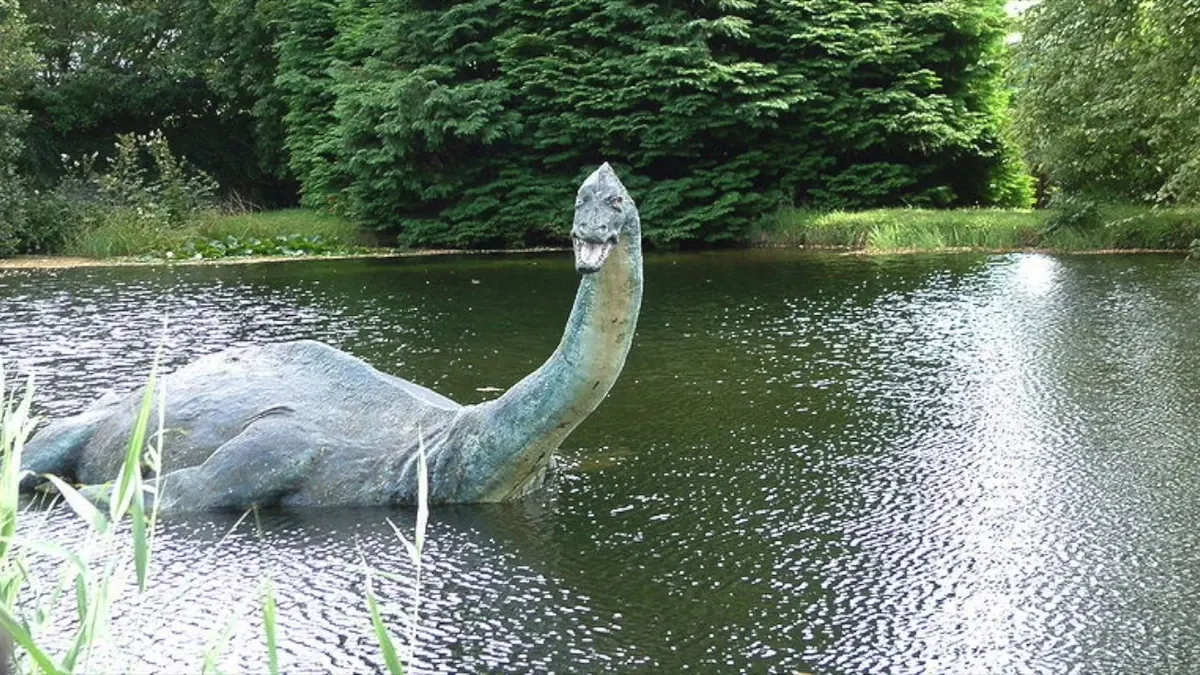
Lake Brosno and Its Dragon
Lake Brosno in the Tver Region is one of the deepest freshwater lakes in Central Russia, widely dubbed the "Russian Loch Ness." Surrounded by dense Valdai taiga and reaching depths of over 40 meters, the lake is famous for the cryptozoological legend of the "Brosno Dragon"—a mysterious giant aquatic beast said to dwell in its subterranean karst caverns.
Lake Seydozero and the Kuiva
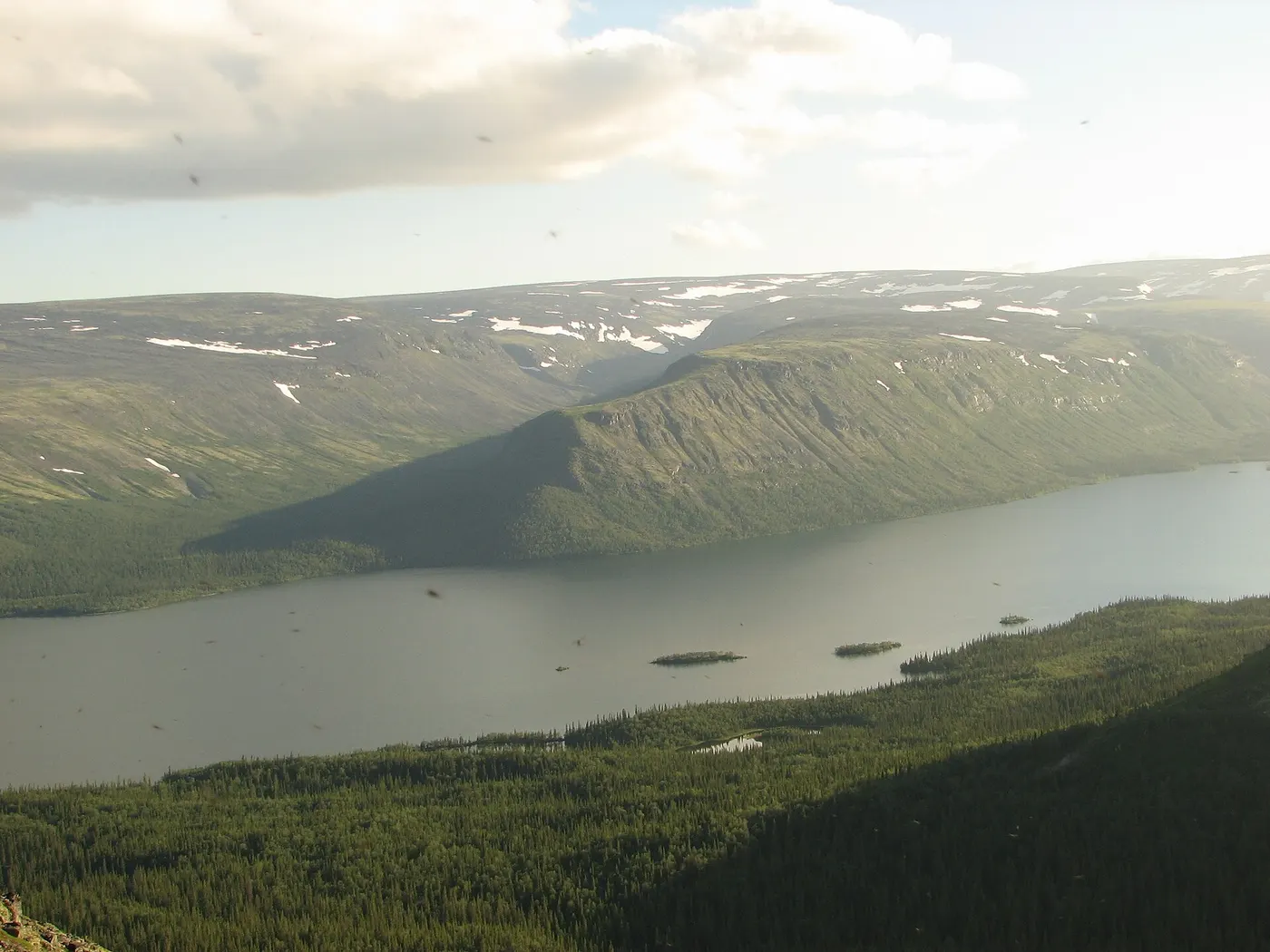
A sacred Sámi lake in the Lovozero massif, on whose sheer cliff a dark human figure nearly seventy metres tall stands out — the Kuiva. The Sámi took it for the shadow of a giant killed for attacking their land, and avoided fishing within sight of the rock. Geologists speak of lichen staining and wet stone in the fissures. Barchenko's expedition came here in 1922 looking for traces of Hyperborea and, by rumour, found something; the material was classified and the man himself shot in 1938.

Nan Madol
A city of ninety-two artificial islets built off Pohnpei in Micronesia from basalt columns weighing up to fifty tons, stacked like logs without mortar. How they were moved is unknown; local tradition says sorcerers made the stones fly. The city was abandoned around 1628. Pohnpeians consider the place dangerous and say one does not sleep there — a chief who tried, the account goes, was dead by morning.
Wadi Rum
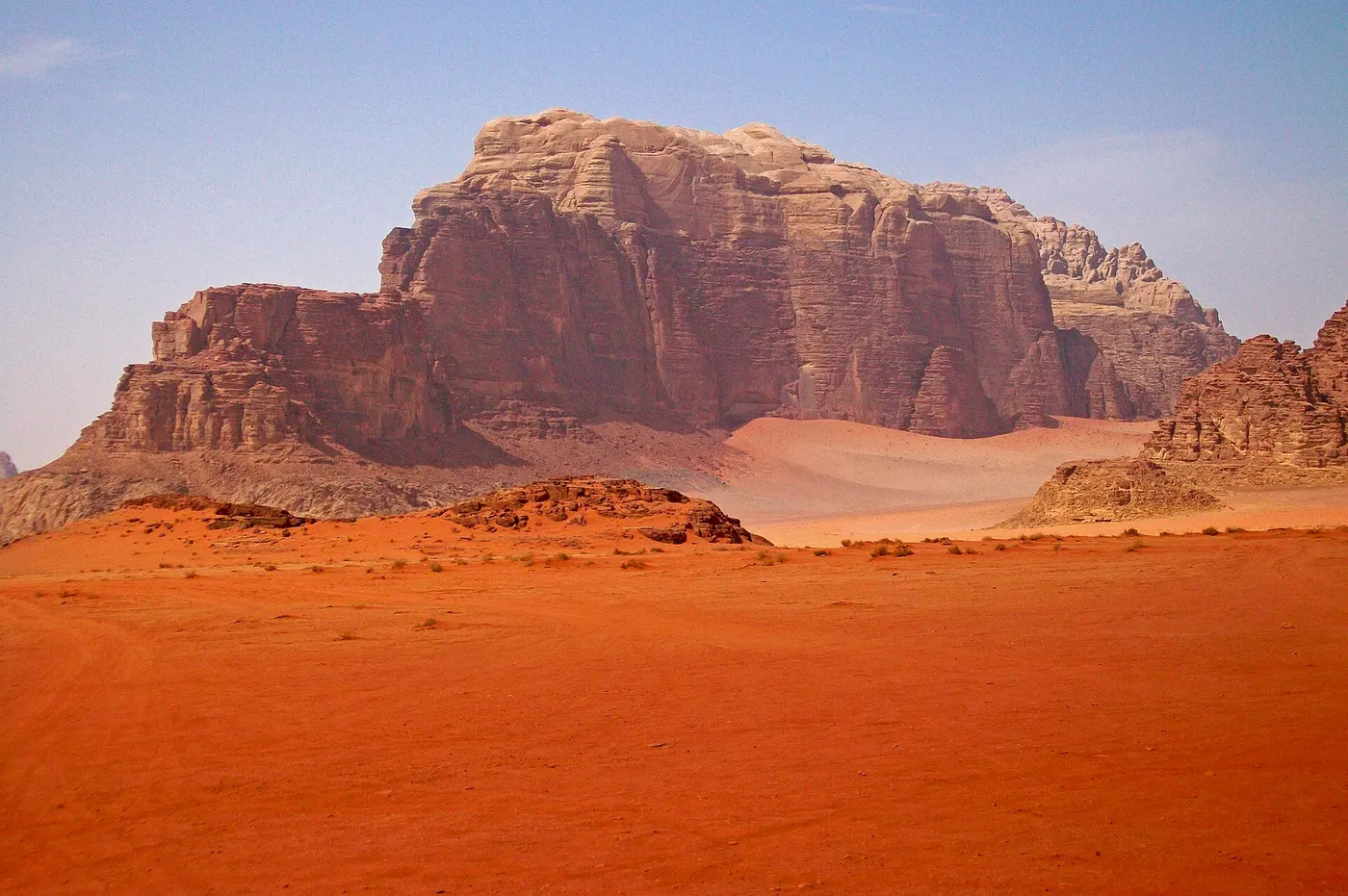
A sandstone desert in southern Jordan that the Bedouin call the Valley of the Moon. Its rocks carry twenty-five thousand petroglyphs and twenty thousand inscriptions, the oldest twelve thousand years old. Bedouin tradition fills the gorges with jinn, and the place obliges: the temperature difference between sun and shade reaches twenty degrees, and in the narrow canyons your own footsteps come back with a delay.