Anomalous zones — mystical places on the map
Stretches of ground with a reputation for things going wrong: instruments disagreeing, engines cutting out, people losing their way. A few have an explanation — a magnetic anomaly, escaping gas, an unlucky current — and the rest do not have one yet.
47 places
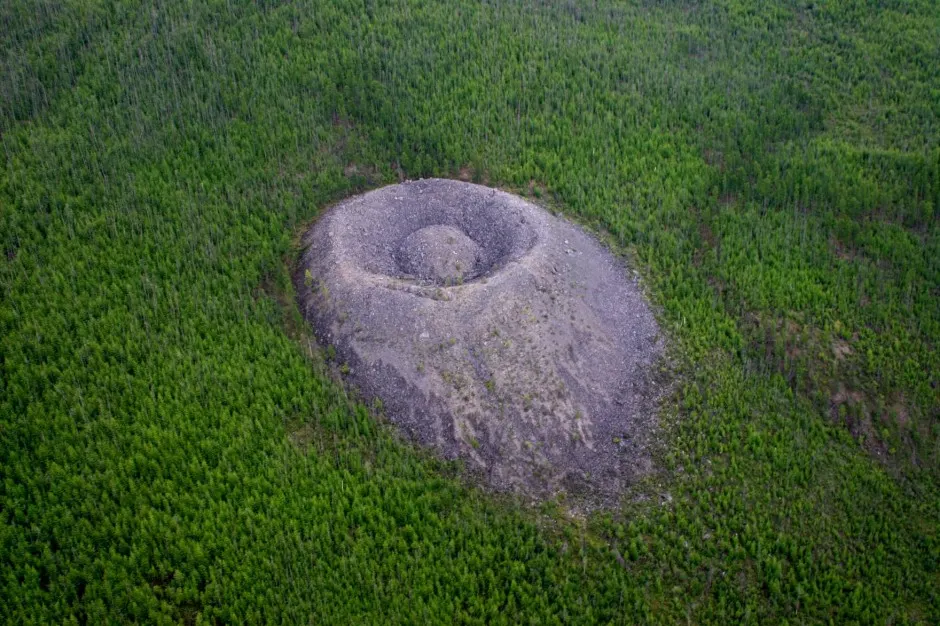
The Patomskiy Crater
A cone of shattered limestone forty metres high in the remote taiga of Irkutsk Oblast, found by the geologist Vadim Kolpakov in 1949. The Evenks called it the Fire Eagle's Nest and kept away. Every explanation has been tried: meteorite, volcanic gas, an underground nuclear blast, a uranium deposit. None is confirmed, and the leader of the 2005 expedition died of a heart attack on the way to it, which did the reputation no harm.
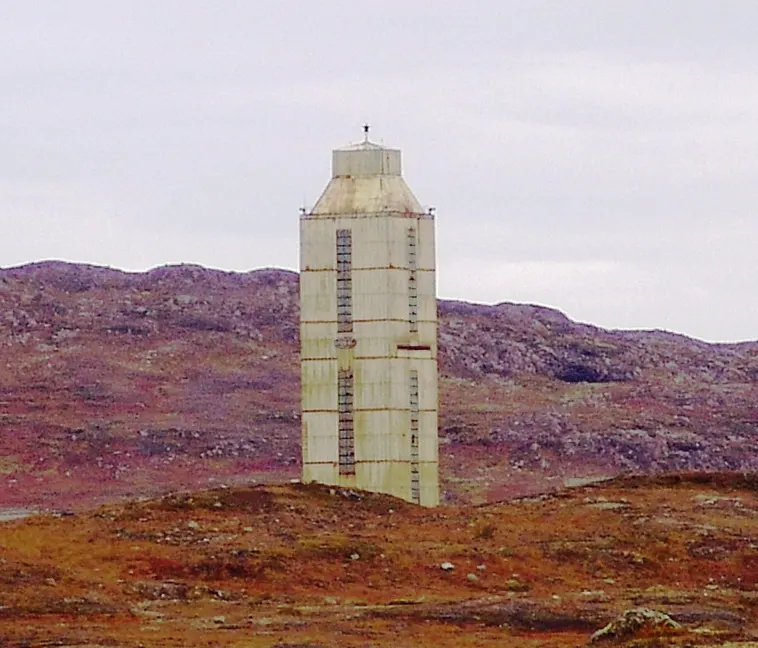
The Kola Superdeep Borehole
The deepest borehole in the world — 12,262 metres, drilled between 1970 and 1992. Science got surprises out of it: water at a depth where there should be none, and microscopic fossils in rock two billion years old. Urban legend added its own: that a microphone lowered into the hole recorded screaming, and drilling was abandoned because of a well to hell. No such recording exists and the project ended when funding collapsed, but the story lives on its own.
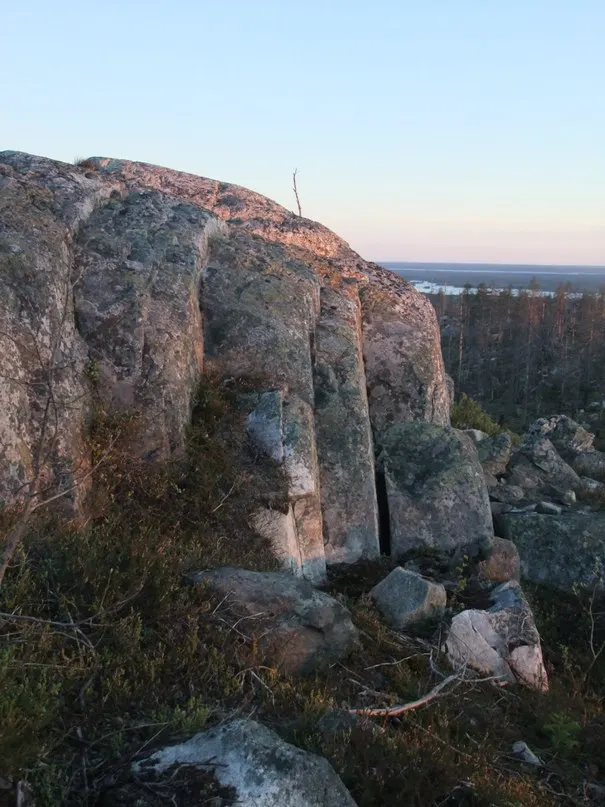
Vottovaara
A hill in Karelia whose summit carries some fifteen hundred seids — boulders set up on smaller stones as though on legs. Their origin is unsettled: some read them as Sámi cult objects, others as the work of a retreating glacier. The trees on top are twisted and broken, attributed to an earthquake some nine thousand years ago. It is considered one of the principal places of power in the Russian north.
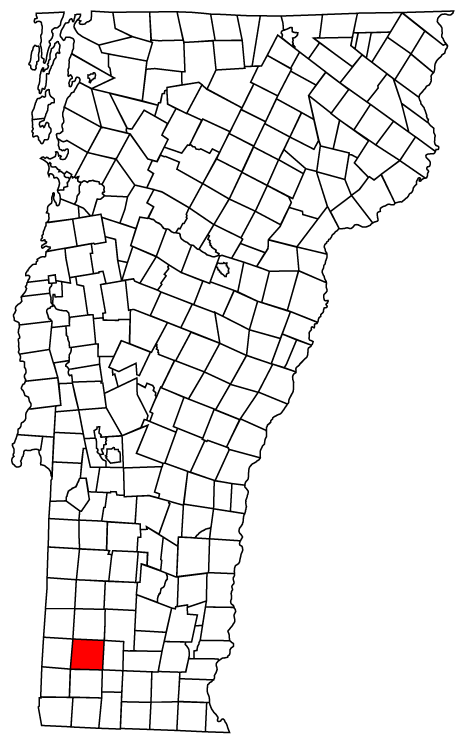
The Bennington Triangle
Between 1945 and 1950 five people vanished without trace in the woods below Glastenbury Mountain: an experienced guide, a college student, a war veteran, an eight-year-old boy, and a woman travelling by bus. Only one body was ever found, seven months later, on ground that had already been searched. Tradition holds that the local tribes considered the mountain cursed and used it only for burial. The town of Glastenbury itself was formally unincorporated in 1937 for want of residents.
The Bridgewater Triangle
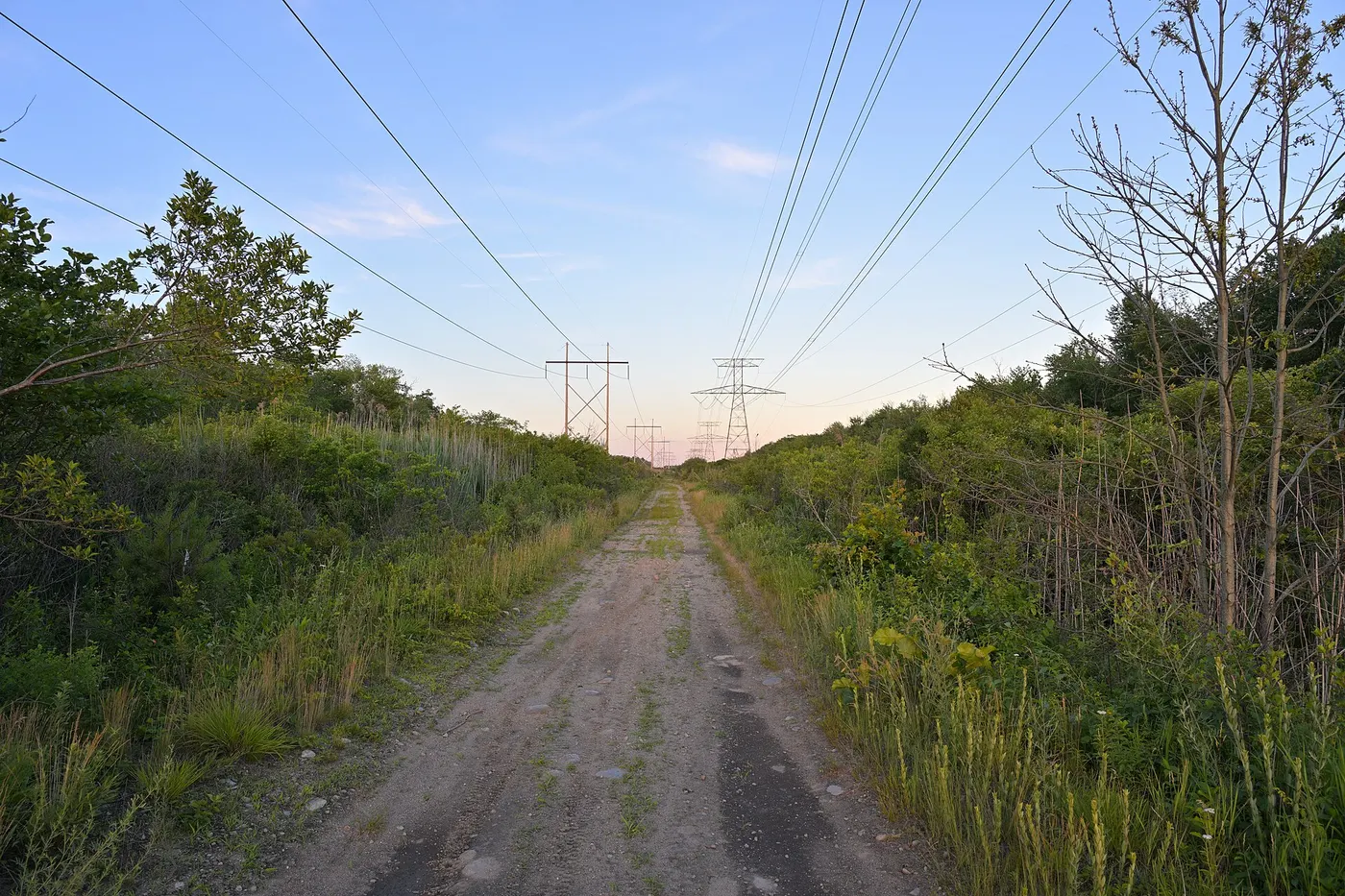
A two-hundred-square-mile patch south of Boston, centred on Hockomock Swamp — Wampanoag for "the place where spirits dwell". Every sort of story collects here at once: lights in the sky, Bigfoot sightings, giant birds, ritually killed livestock, disappearances. The cryptozoologist Loren Coleman gathered them under one name in the 1970s, and the triangle has lived as a single anomaly since, though nothing but geography connects the stories.
The Sedona Vortexes
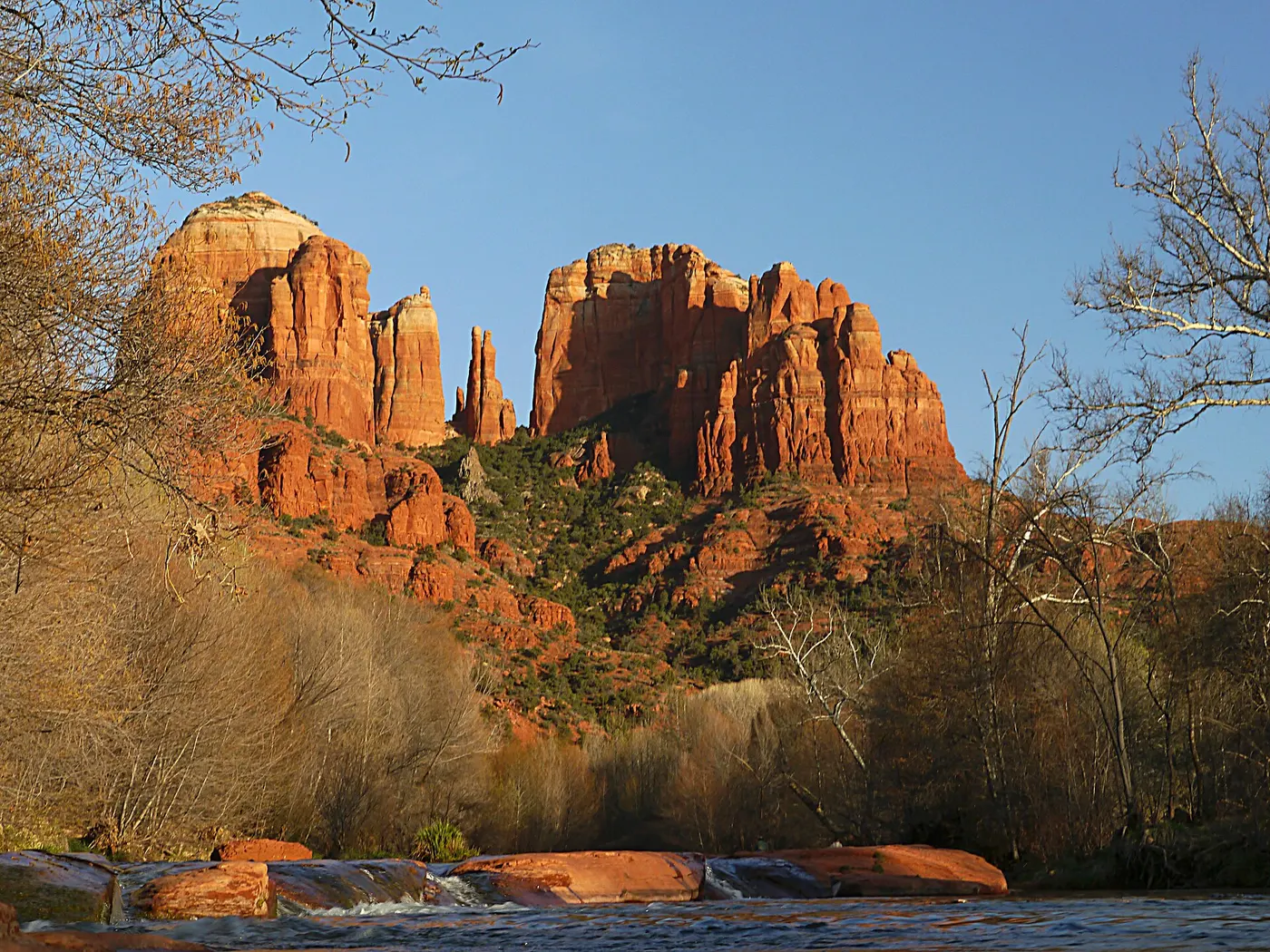
A town among the red rocks of Arizona that people have come to since the 1980s for its "vortexes" — points where visitors hold that the earth's energy surfaces, felt as tingling, dizziness or unusual clarity. Instruments find no magnetic or electrical anomaly at any of them. Sedona lives on it regardless: thousands come each year for the sensation, and most say they got it.
The Superstition Mountains
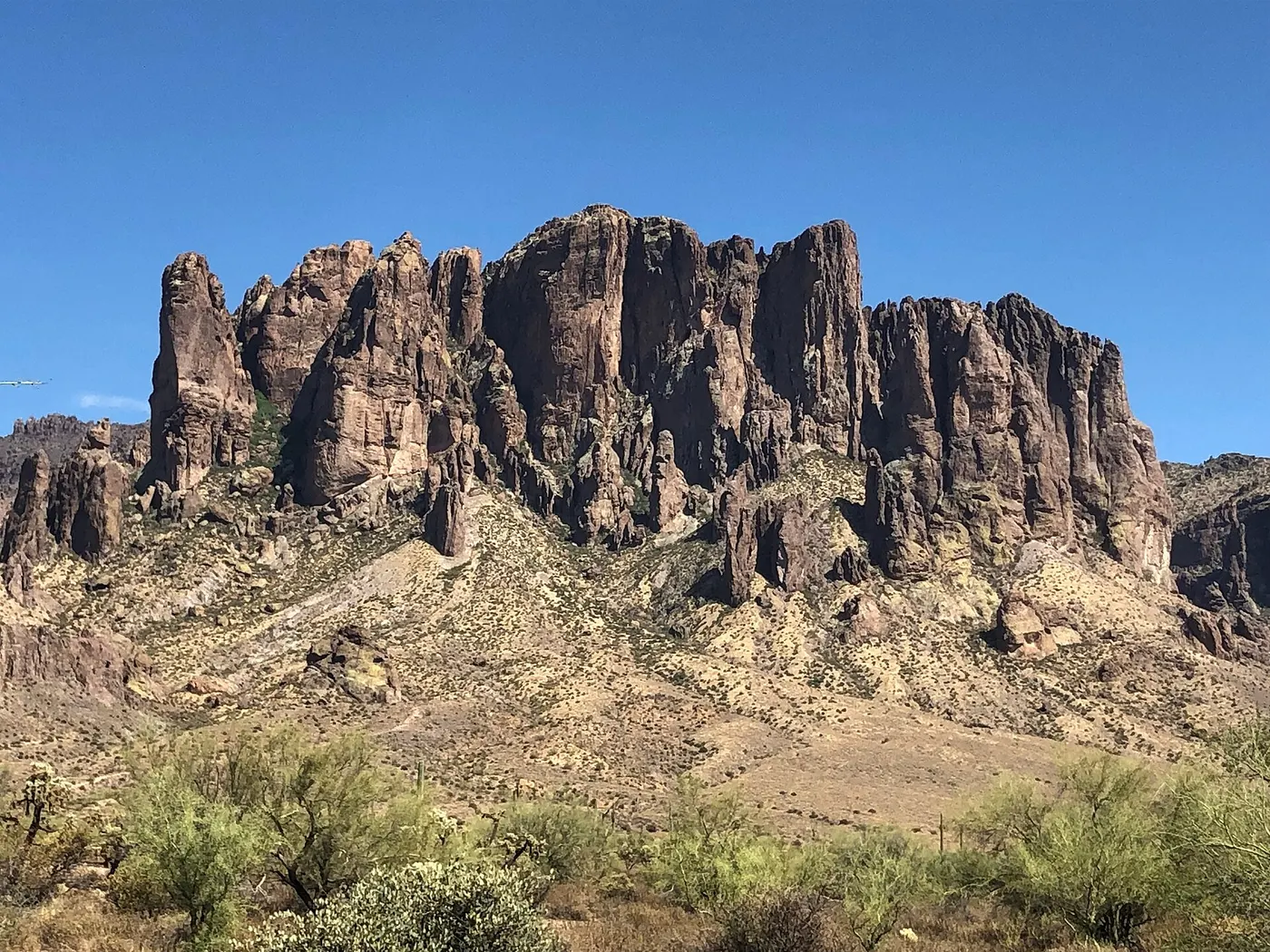
The range east of Phoenix, wrapped around the legend of the Lost Dutchman's Mine — a gold vein the German Jacob Waltz supposedly found in the 1870s and took to his grave. Dozens of searchers have died or vanished here since, several found beheaded. The Apache hold these mountains to be an entrance to the underworld and warned against disturbing them, a warning gold hunters have traditionally ignored.
The Taos Hum
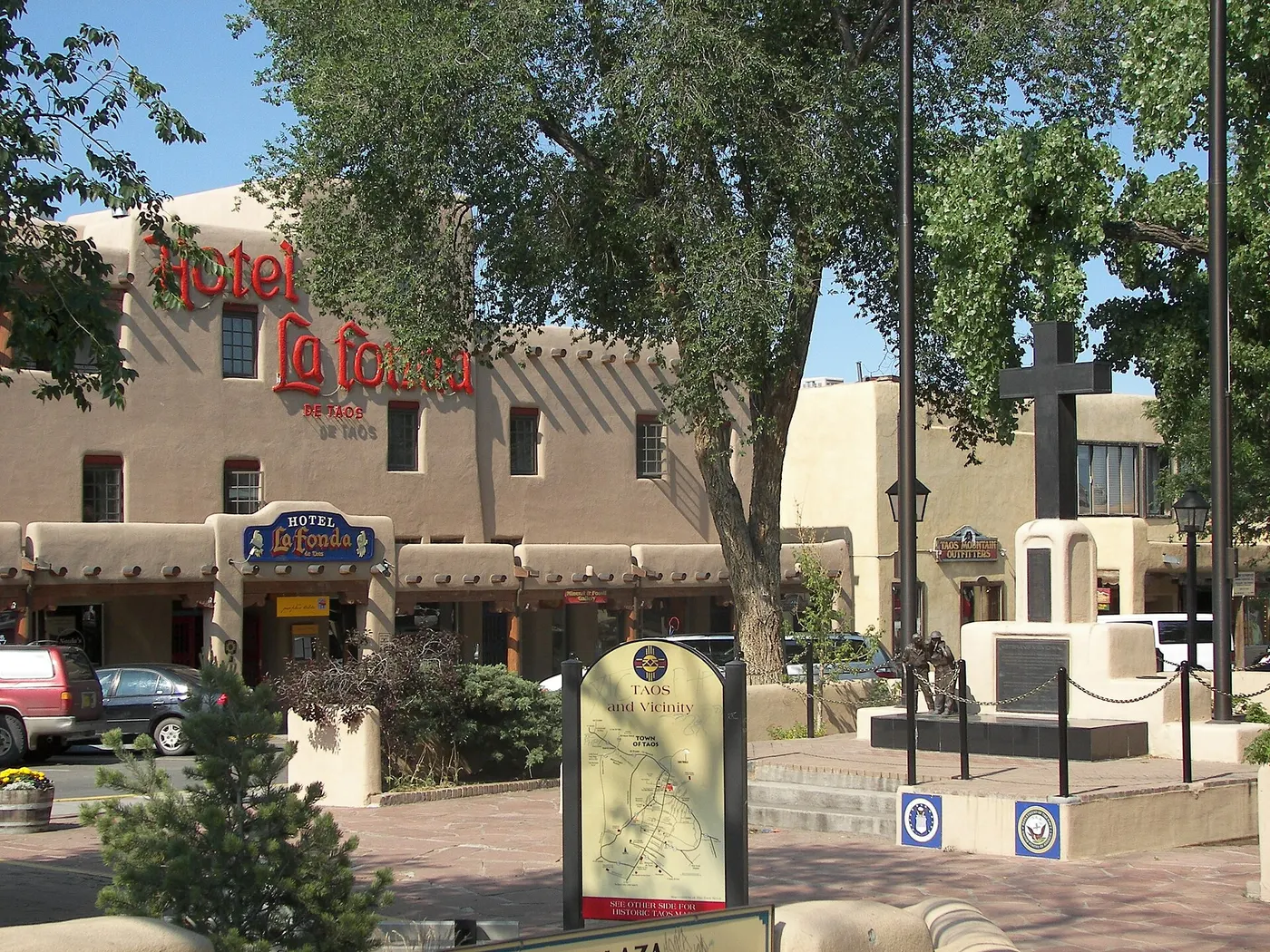
Since the early 1990s a fraction of this town's residents have heard a low steady hum that the rest cannot hear at all. In 1993, under pressure from complaints, Congress commissioned a study by Sandia and Los Alamos; instruments in the homes of hearers recorded nothing matching the descriptions. The hum is described as a distant diesel engine, it keeps people from sleeping, and there is no shutting it out — earplugs do not help.
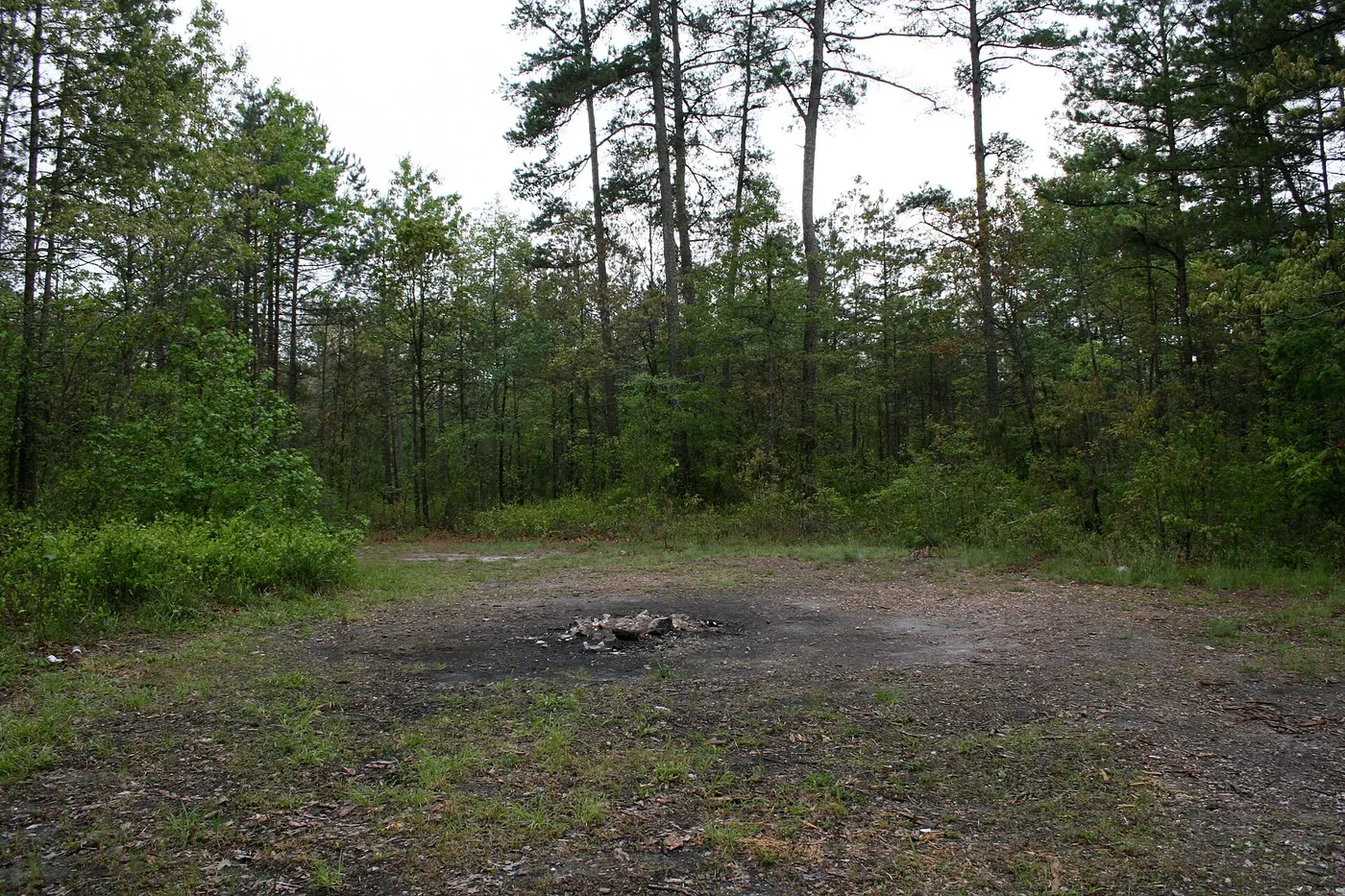
The Devil's Tramping Ground
The Devil's Tramping Ground in Chatham County, North Carolina, USA, is a barren circular clearing roughly 12 meters (40 feet) in diameter in the middle of dense pine woods where vegetation has refused to grow for centuries. It is one of the oldest and most enduring paranormal landmarks in the American South, steeped in tales of demonic footprints and barren-earth anomalies.
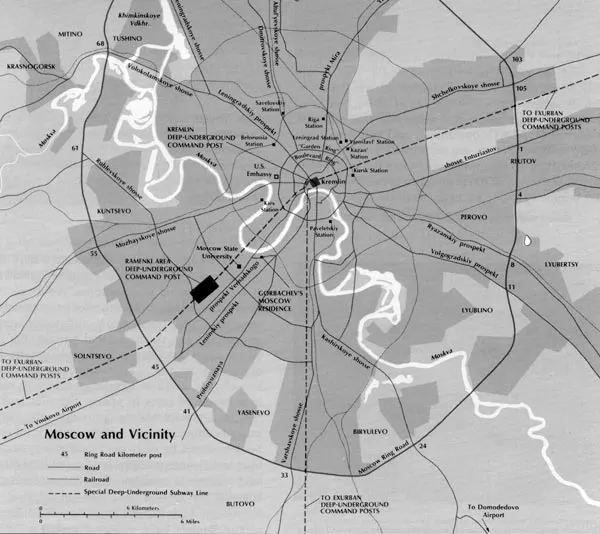
Metro-2
A secret metro line that officially does not exist — Moscow's most durable urban legend. As the story goes, "D-6" links the Kremlin with bunkers, the ministry building on Smolenskaya and Stalin's Near Dacha, and an entrance sits in the basements of Moscow State University's main building, which is said to have as many floors below ground as above. Diggers have published maps for decades that do not agree with one another; the defence ministry has never confirmed anything and never clearly denied it either. The legend runs on that silence: the less that is said, the more detailed the map becomes.
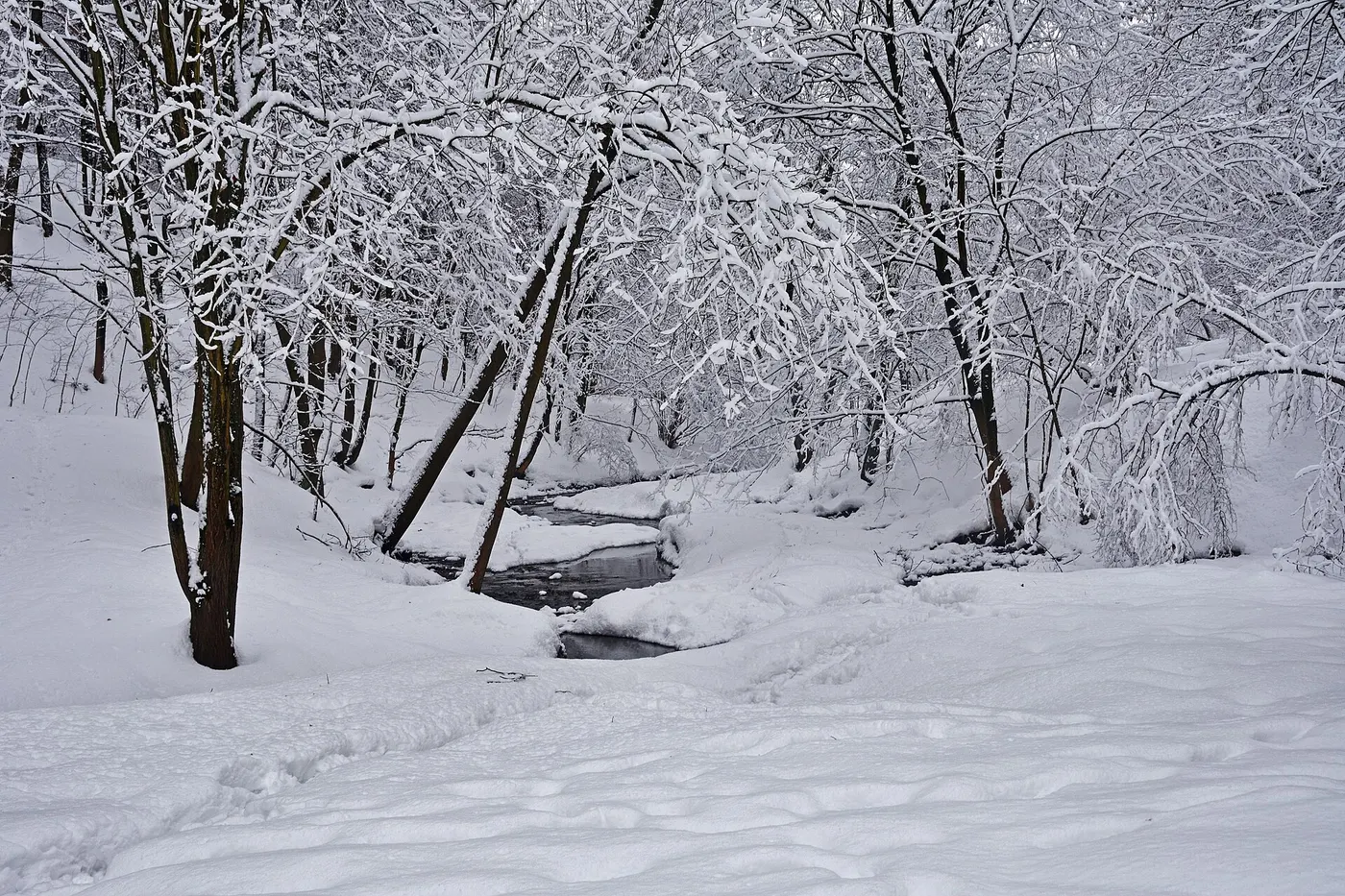
Golosov Ravine
A ravine in Kolomenskoye that Moscow tells stories about as a place where time comes loose. In the best-known version, a detachment of Tatar horsemen vanished into it during Devlet Giray's raid of 1571 — and in 1621 riders in antique armour appeared at the tsar's gates. Questioned, they insisted they had gone down into the ravine to escape pursuit, hidden in a greenish fog on its floor, and stepped out of it a few minutes later. Fifty years had passed. Two enormous boulders lie at the bottom, the Goose and the Maiden Stone; people still come to make wishes on them, and the fog really does linger there longer than on the slopes.
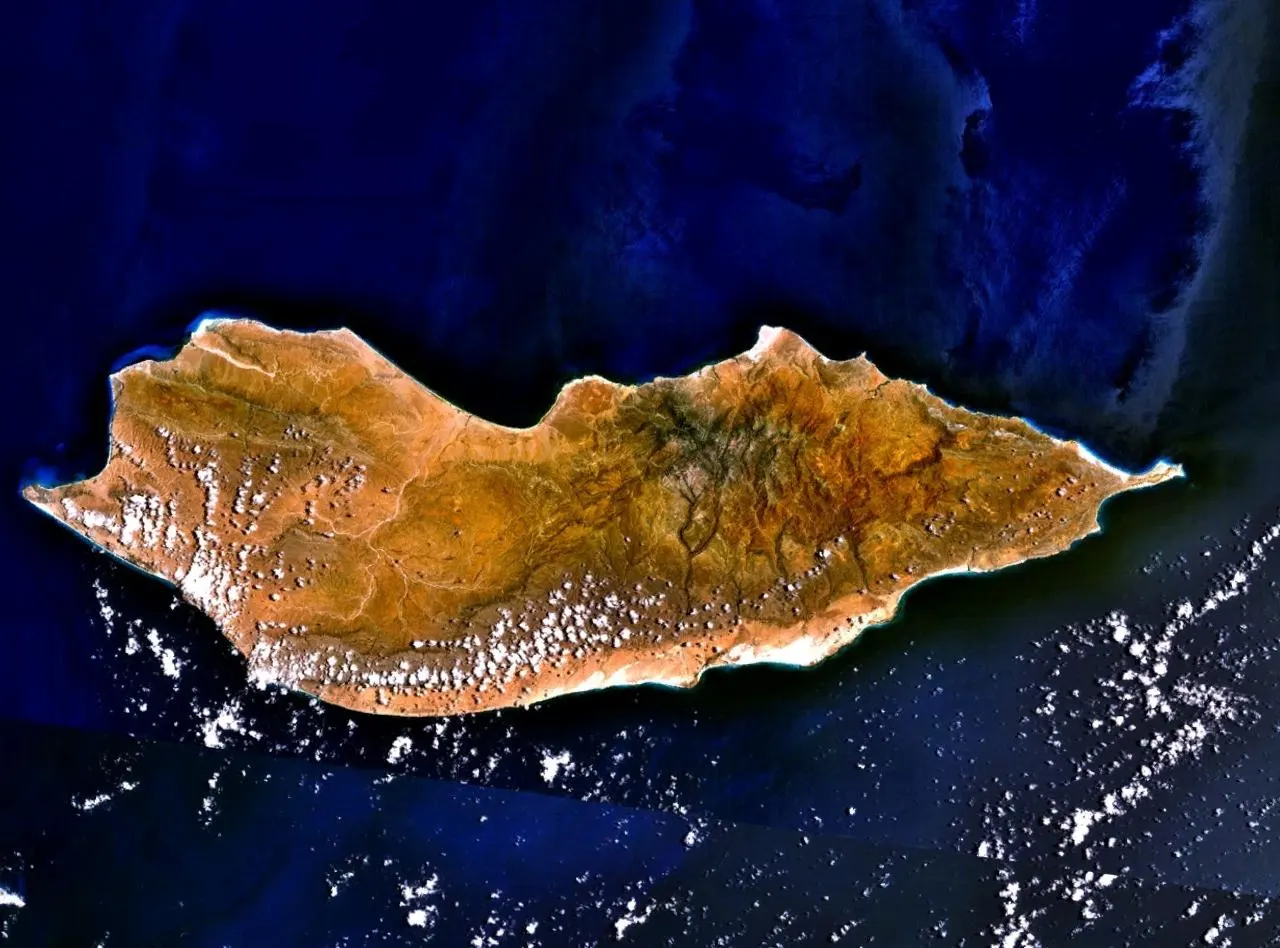
Socotra
A Yemeni island in the Indian Ocean, cut off from the mainland for millions of years. A third of its plants grow nowhere else — including the umbrella-crowned dragon's blood trees that make it look extraterrestrial.
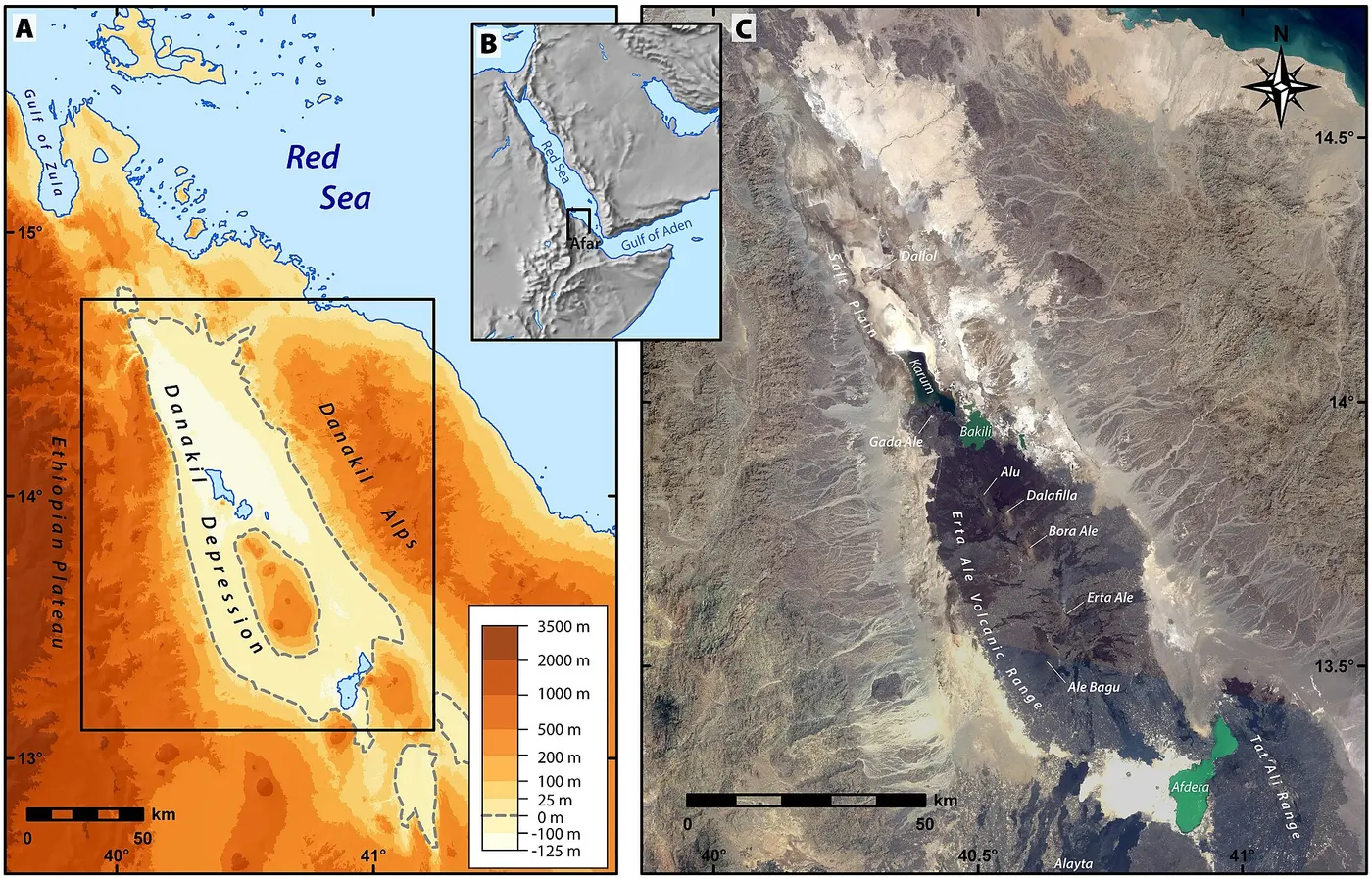
Danakil Depression
One of the hottest and lowest places on Earth, in northern Ethiopia: acid pools, salt flats and sulphur fields in yellow and green. The landscape is otherworldly enough that Mars life-detection instruments are tested here.
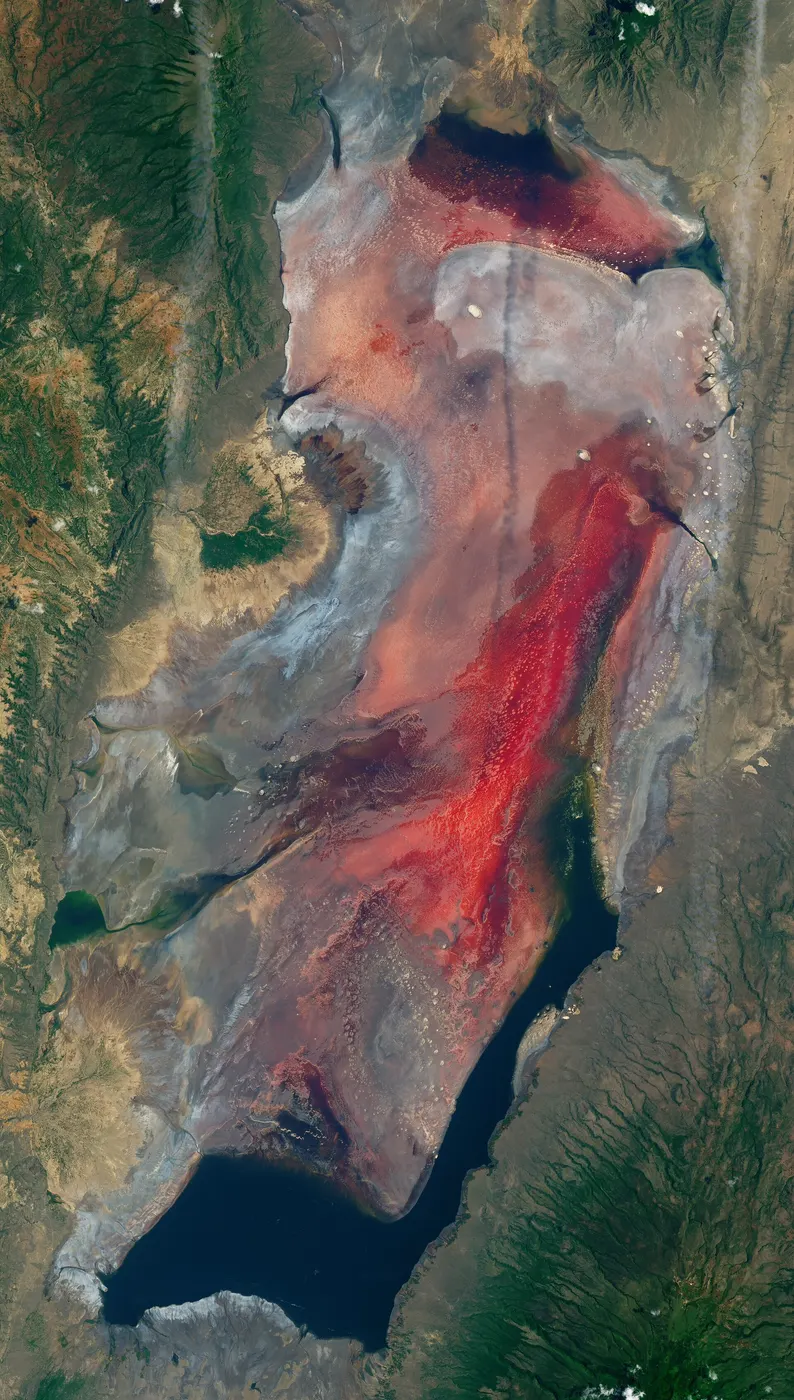
Lake Natron
An alkaline lake in Tanzania with rust-coloured water reaching 60 °C. Its chemistry preserves the bodies of dead birds under a calcified crust — the source of those photographs of "petrified" animals.
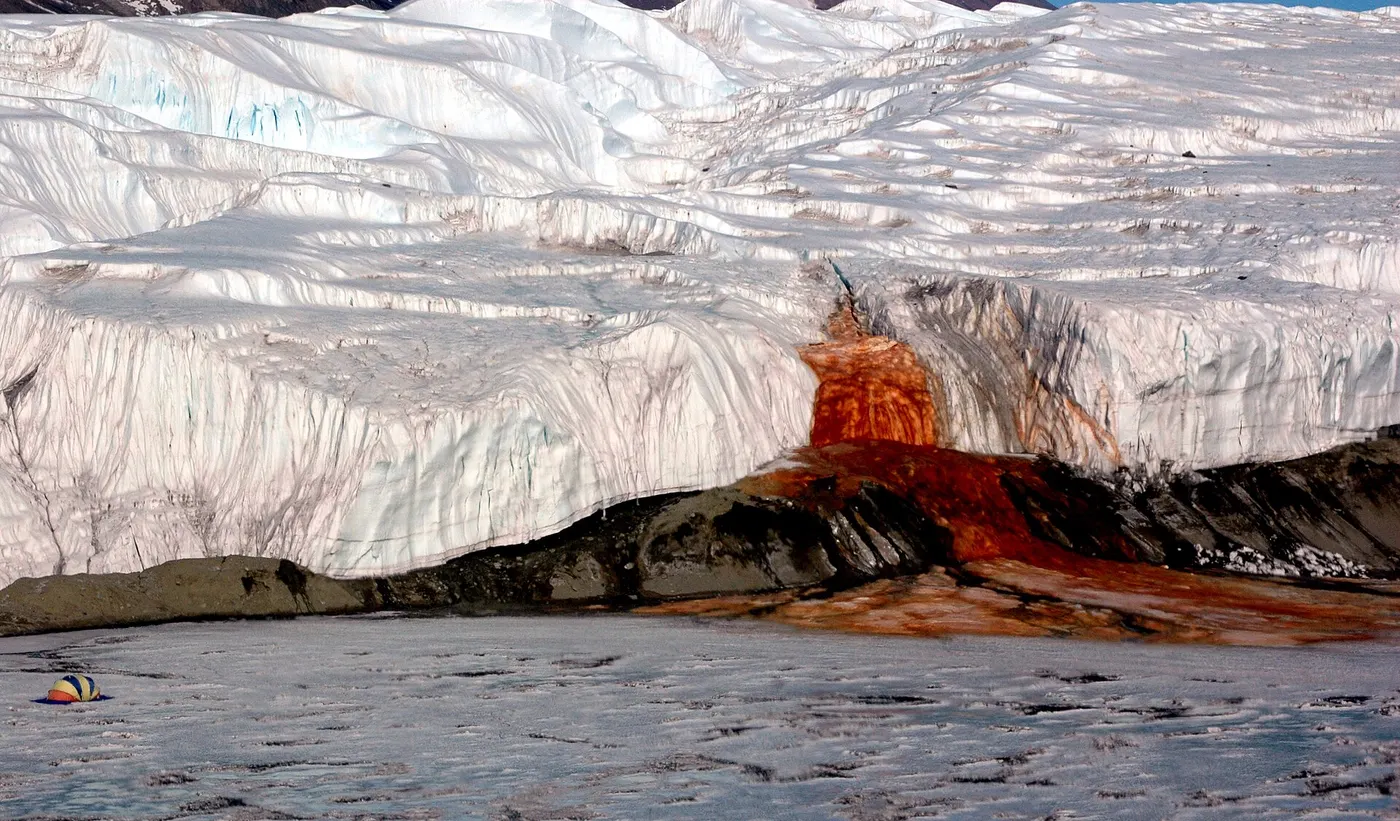
Blood Falls
A vividly red flow seeping from Antarctica's Taylor Glacier. The colour comes from iron in an ancient brine lake, sealed under the ice for millions of years along with microbes living without light.
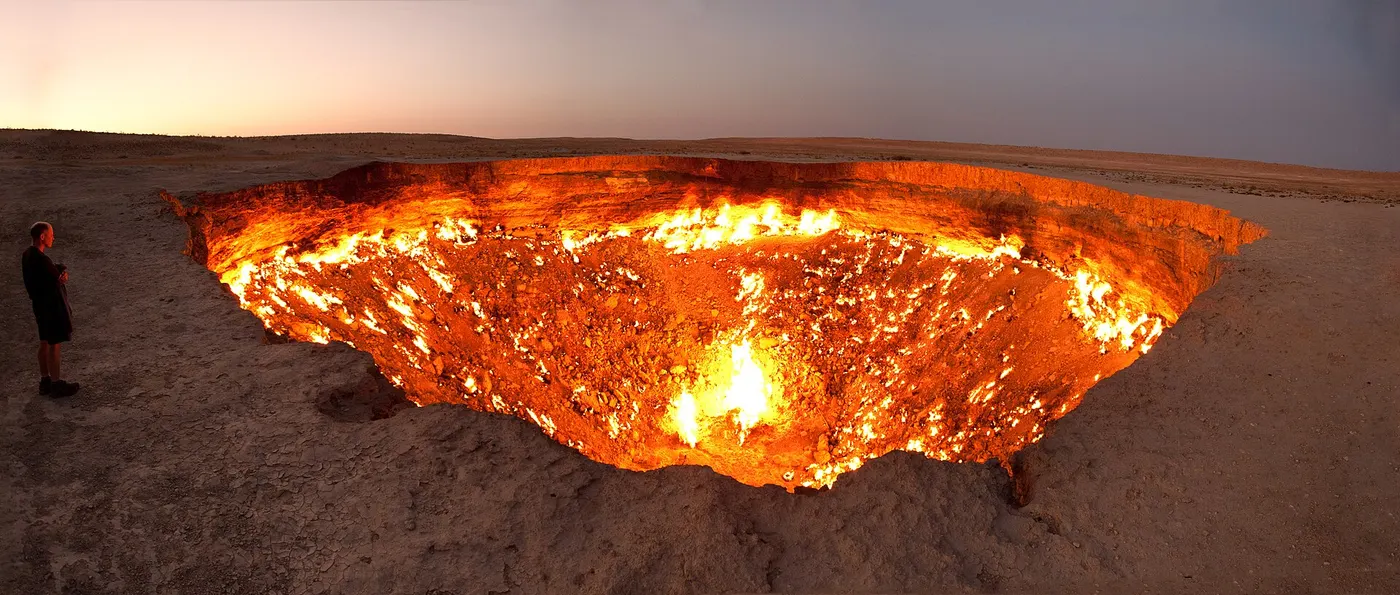
Darvaza Gas Crater
A burning gas crater some 70 metres across in Turkmenistan's Karakum desert. By the common account geologists set it alight expecting the gas to burn off in days — it has been burning since 1971.
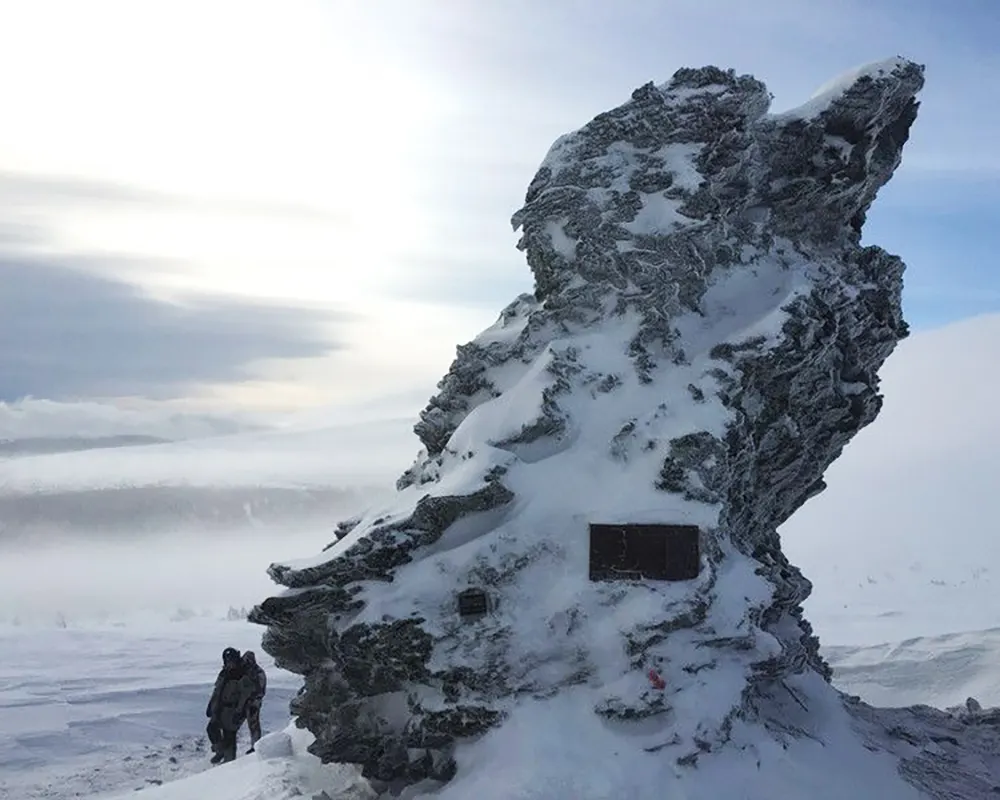
Dyatlov Pass
Dyatlov Pass is a mountain saddle situated between unnamed Peak 905 and the eastern flank of Kholat Syakhl (Mansi for "Dead Mountain") in the northern Ural Mountains of Russia's Sverdlovsk Oblast. This remote subarctic wilderness became the focal point of one of the 20th century's most persistent mysteries following the tragic and perplexing deaths of nine Soviet ski hikers in the winter of 1959.
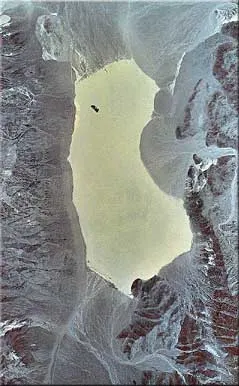
Racetrack Playa
A dry lakebed in Death Valley where stones move by themselves, leaving long trails behind them. The puzzle was only solved in 2014: thin sheets of ice push the rocks along under a light wind.
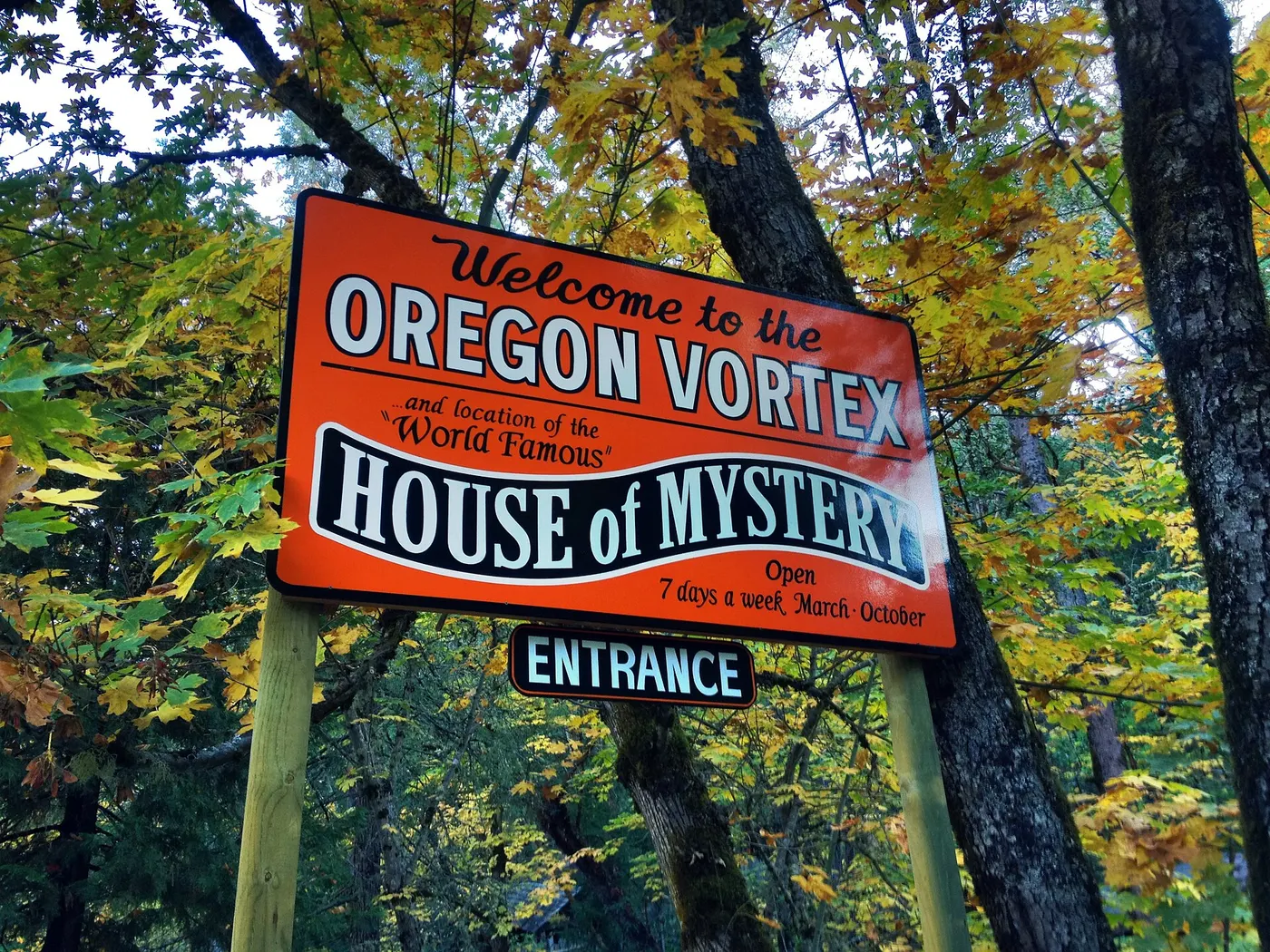
Oregon Vortex
A hillside in Oregon with a tilted cabin where balls appear to roll uphill and a person's height seems to change from spot to spot. A classic "mystery house" — the effect comes from sloped planes and a missing true horizon.
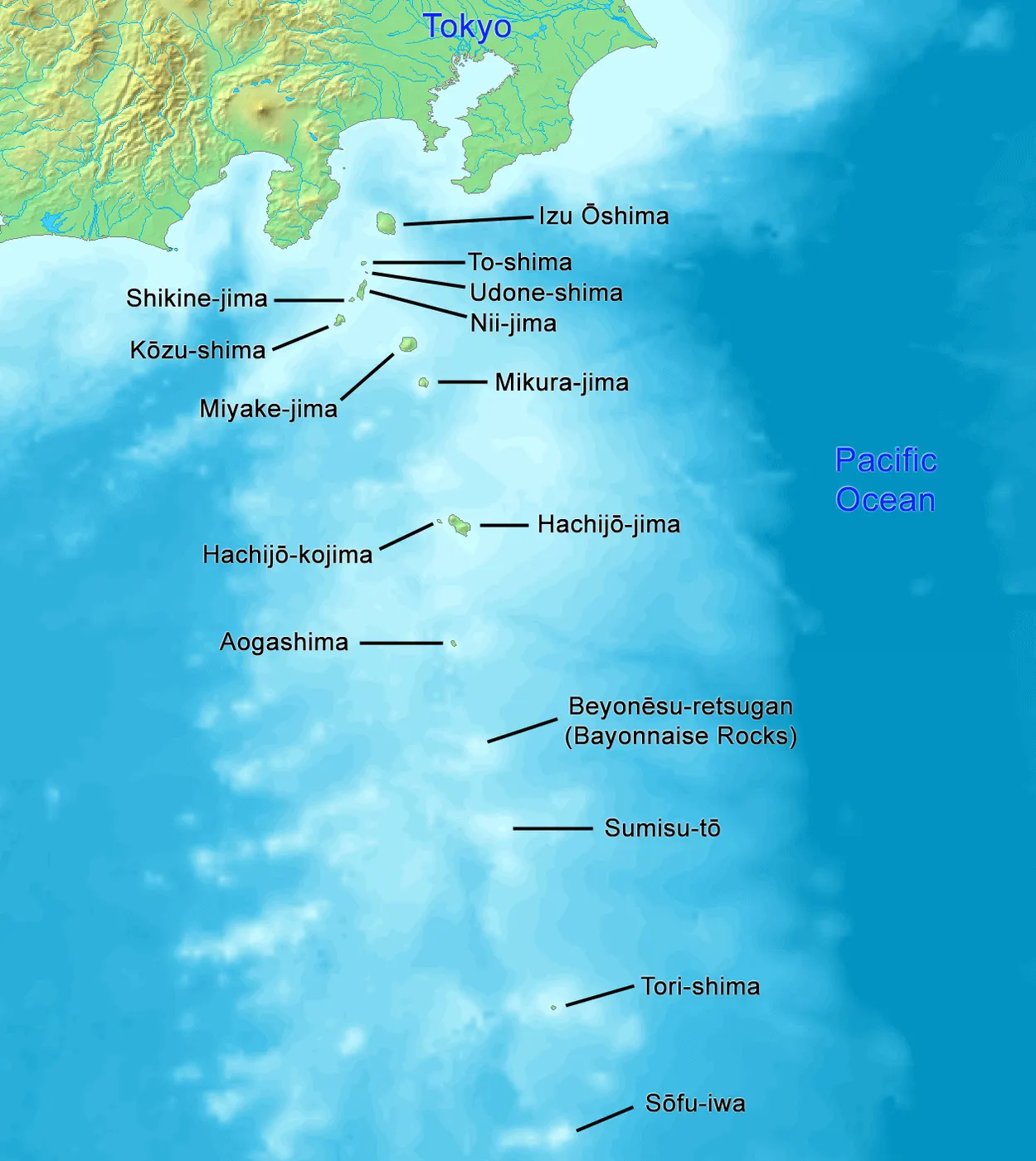
Devil's Sea
A stretch of the Pacific south of Japan known as the "Dragon's Triangle", a Pacific counterpart to the Bermuda one. Its reputation came from fishing vessels lost in the late 1940s and early 1950s.
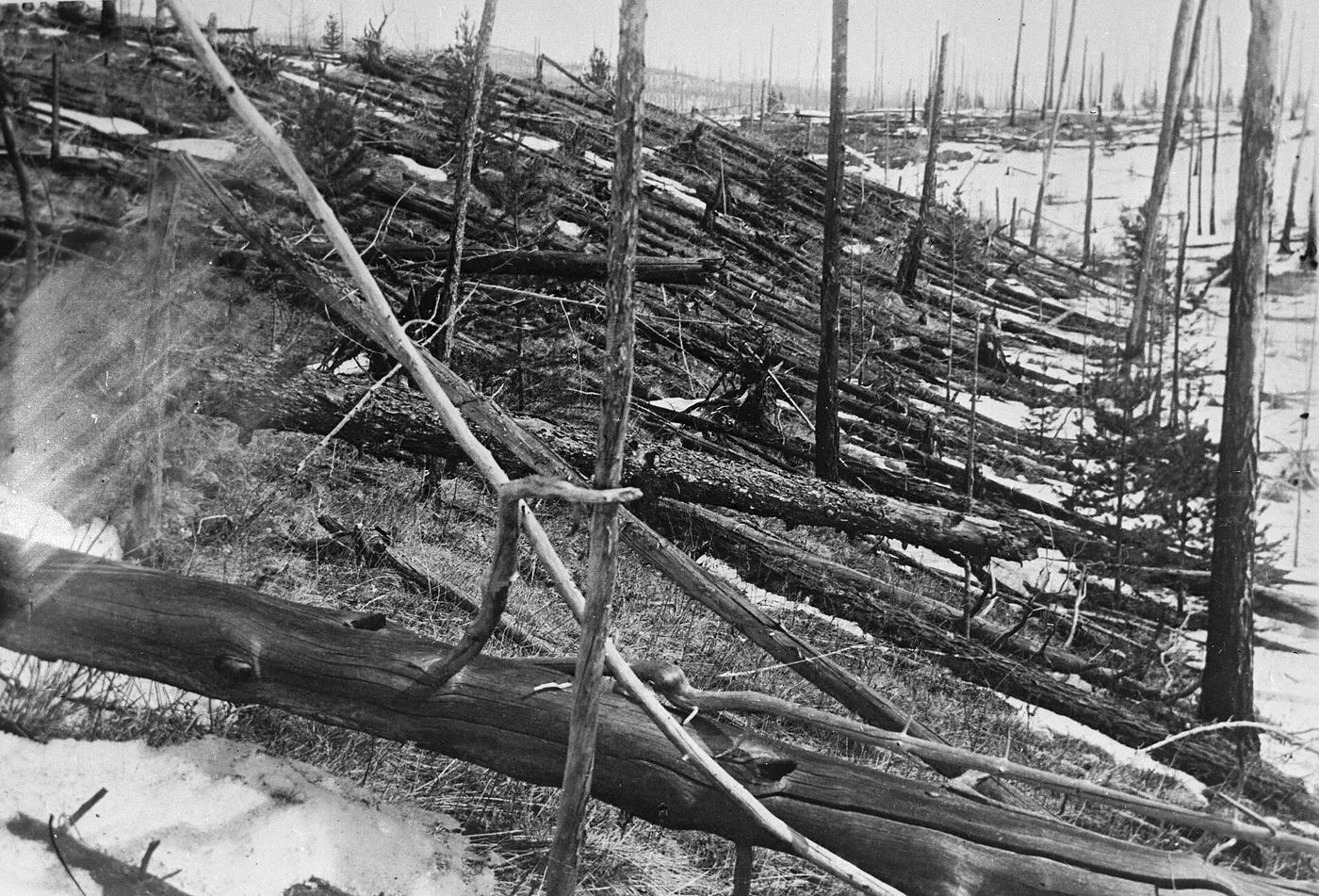
Tunguska Event
In June 1908 an explosion over the Siberian taiga flattened some 80 million trees across more than 2,000 km². No crater was ever found, and the cause has been argued over for more than a century.
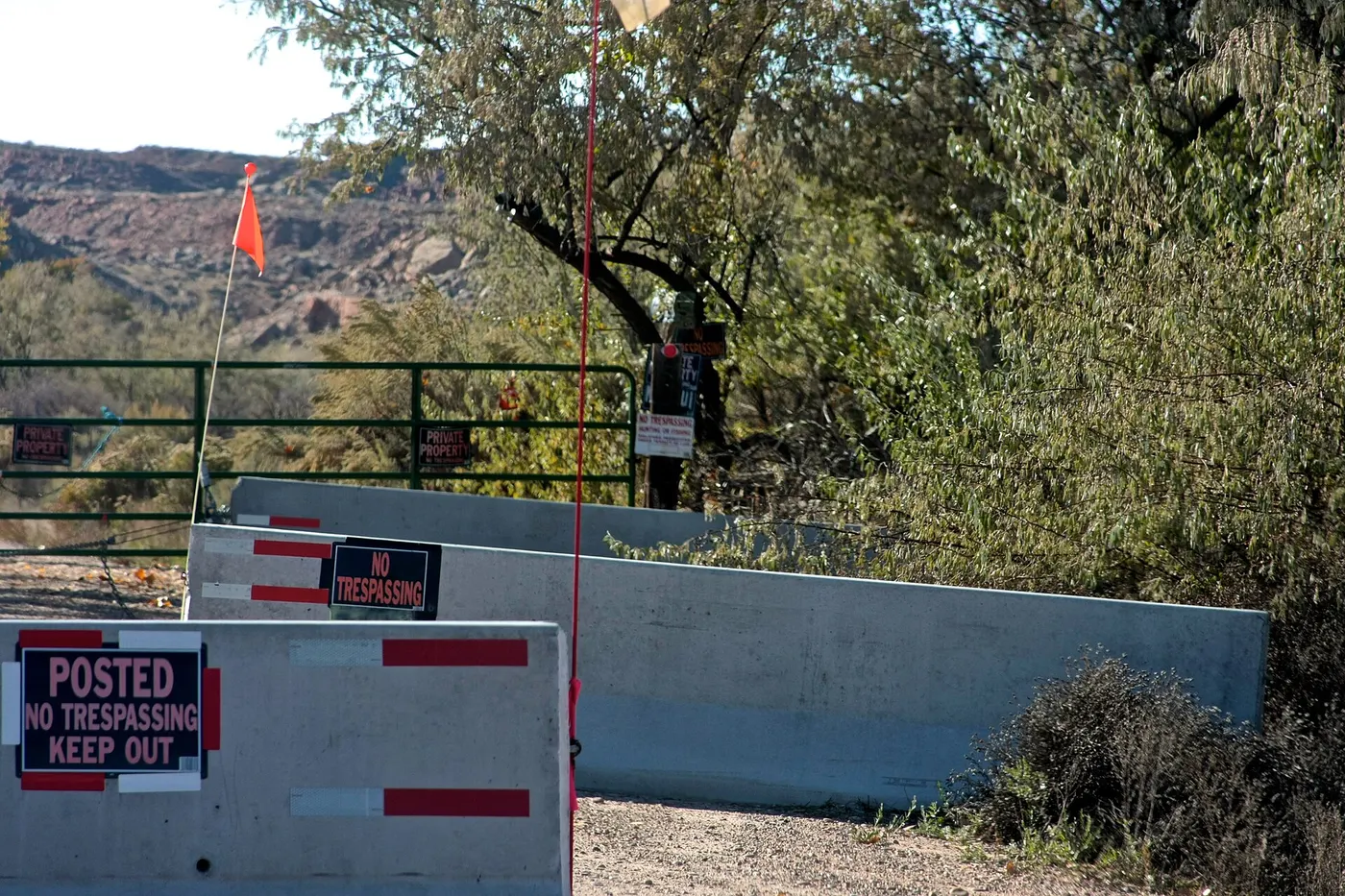
Skinwalker Ranch
A ranch in Utah known for decades of reported UFO sightings, unexplained phenomena, and mysterious livestock deaths. Named after the skin-walker of Navajo folklore.
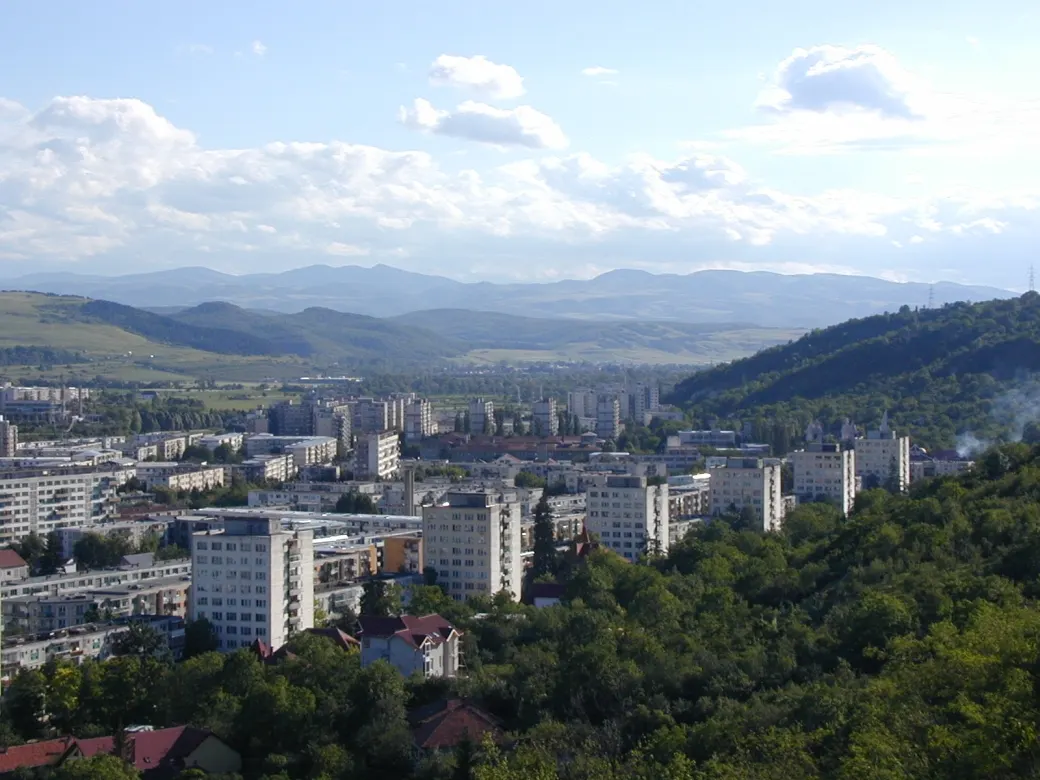
Hoia Baciu Forest
A forest in Romania often called the world's most haunted: bent tree trunks, reports of UFOs, unexplained lights, and visitors losing their sense of direction.