Folklore — mystical places on the map
Points on the map a local tradition has grown around: a lake with a spirit in it, a mountain with a prohibition on it, a stone people still visit to ask for something. Not a scare story but something the people living there count as part of their own history.
81 places
Mount Nemrut
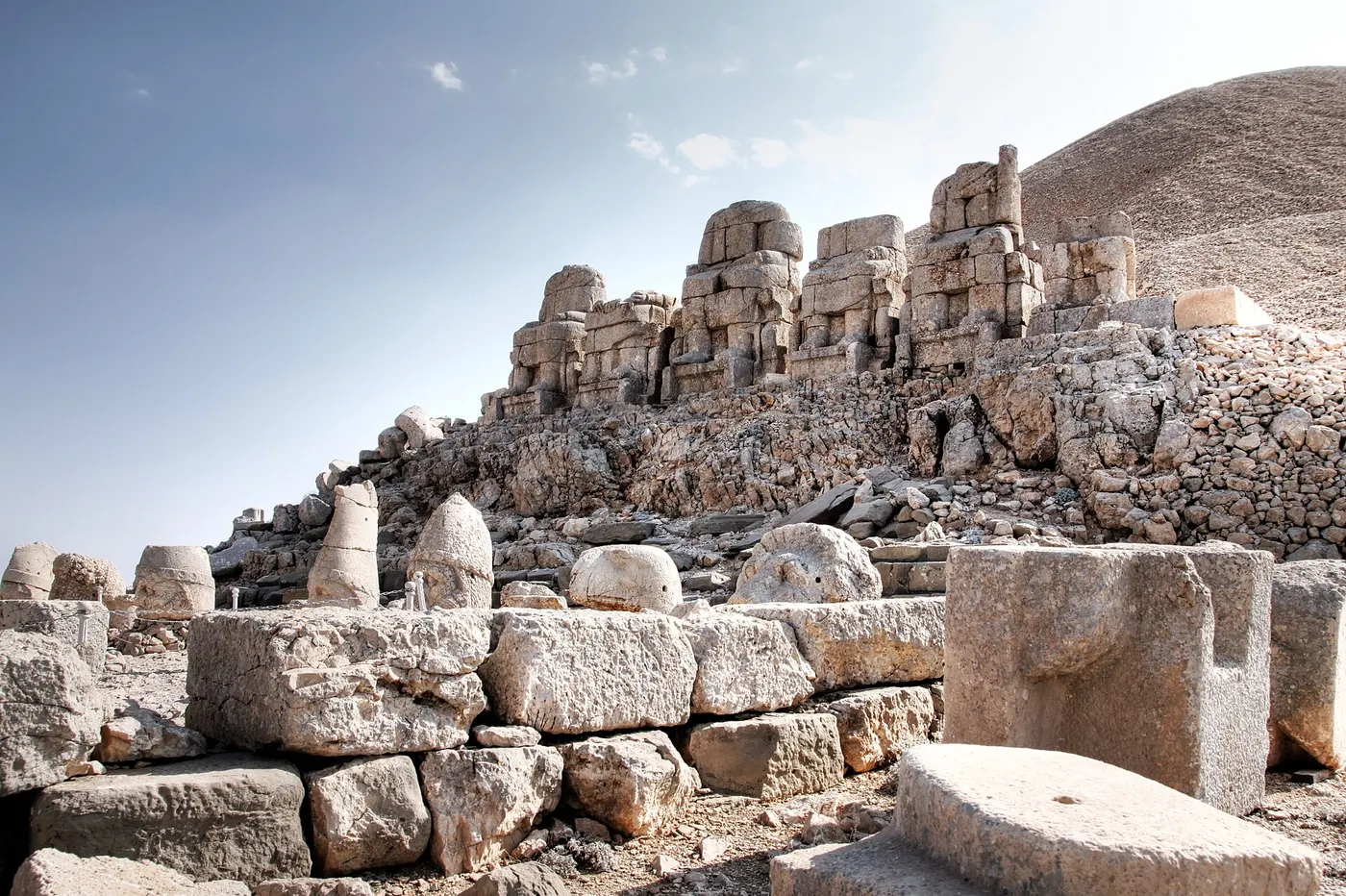
A summit in south-eastern Turkey where Antiochus I of Commagene built himself a tomb in the first century BC and set up nine-metre statues of the gods and of himself. Earthquakes knocked the heads from the bodies, and they now lie separately on the terraces, facing different ways. The tomb itself has never been found: the tumulus of loose gravel cannot be excavated without collapsing.
Ha Long Bay
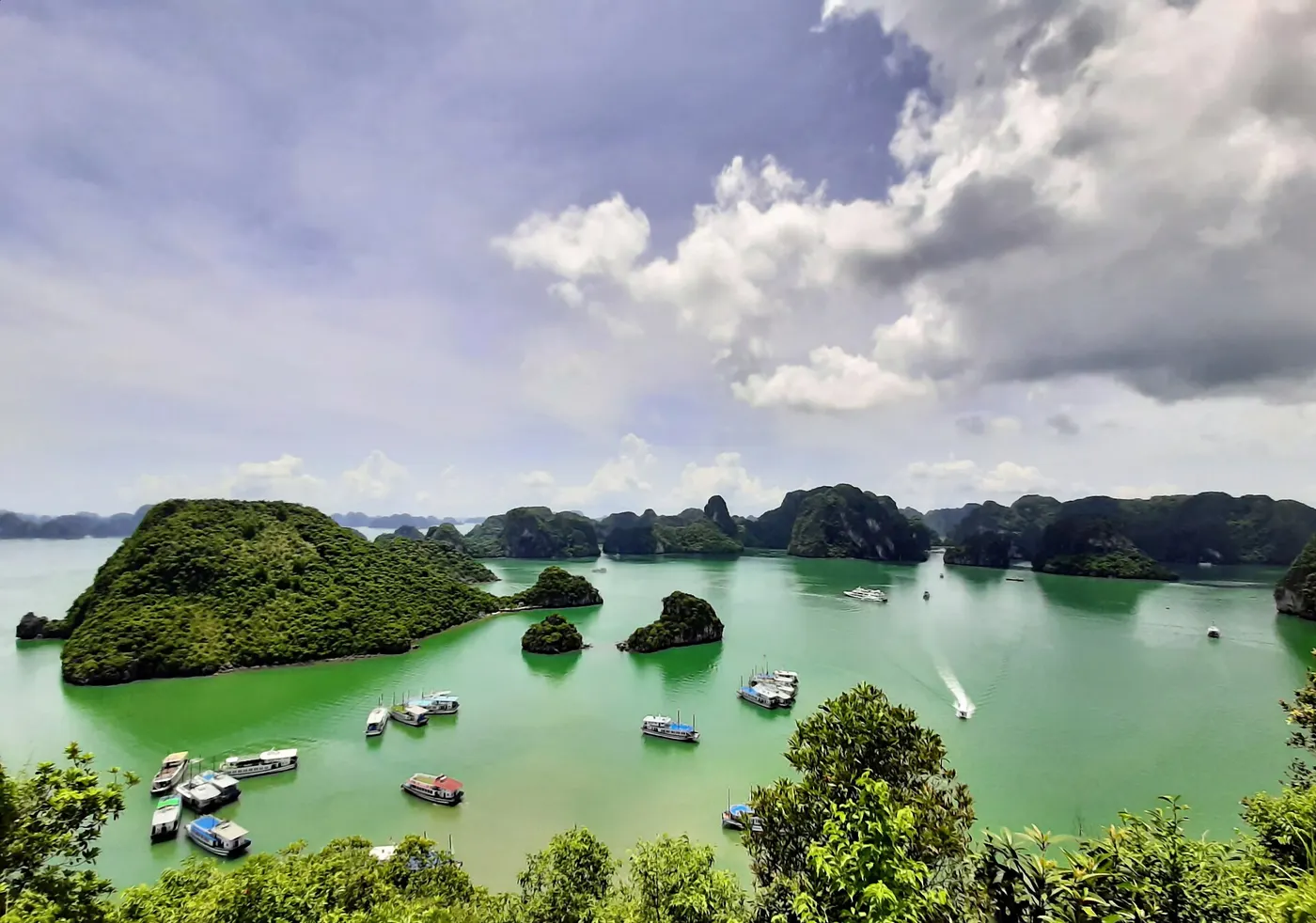
Fifteen hundred limestone islands in the Gulf of Tonkin. The name means descending dragon: gods sent dragons to defend the Vietnamese against invaders, tradition holds, and they spat out pearls and jade that became the islands. A separate strand is sailors' accounts of a sea creature that French colonial officers reported in the bay in the 1890s.

Lake Toba
The largest volcanic lake in the world, in the caldera of a supervolcano whose eruption some seventy-four thousand years ago is counted among the greatest catastrophes in the planet's history — by a contested hypothesis, it nearly finished humanity. The Batak people fill the lake with spirits and keep a tradition of a man who married a fish turned woman; breaking the promise he made her brought the flood that made the lake.
Mount Kinabalu
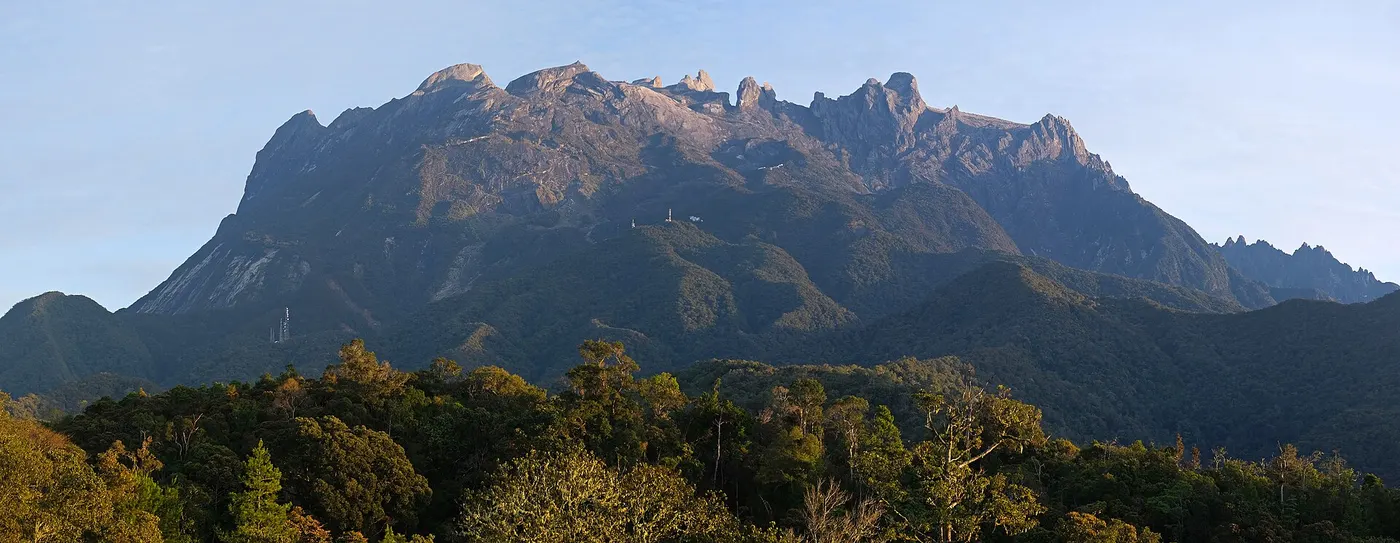
Borneo's highest mountain, held by the Kadazan-Dusun to be the resting place of ancestral spirits. Until the 1990s a rite involving the sacrifice of seven white chickens was required before climbing, and it is still performed once a year. In 2015 a group of tourists stripped at the summit for photographs; days later an earthquake killed eighteen people, and local authorities connected the two directly.
The Waitomo Caves
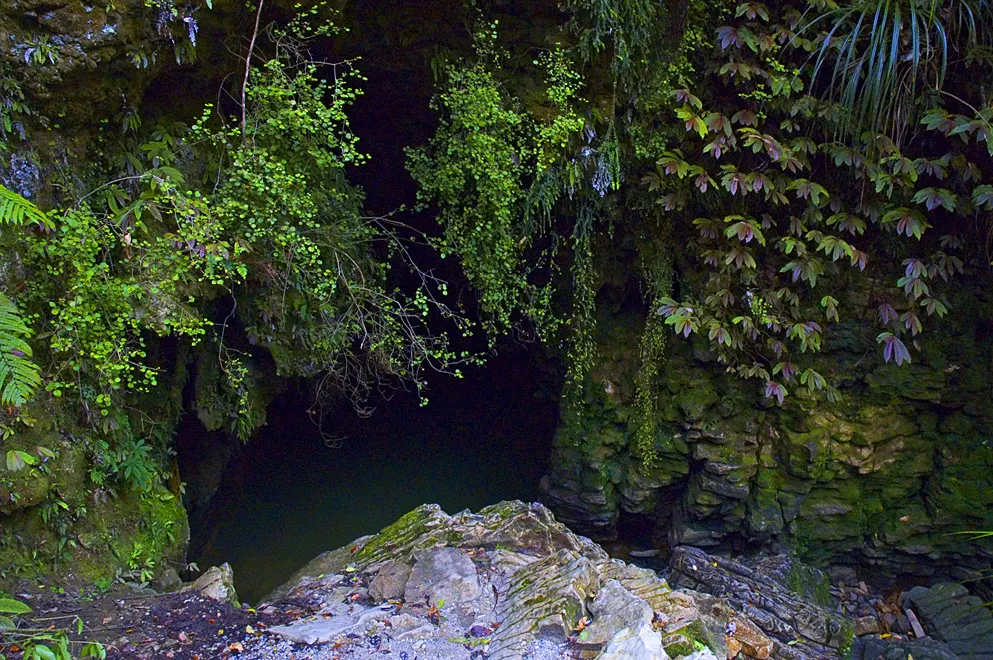
Limestone caves on New Zealand's North Island whose ceilings glow with the larvae of Arachnocampa luminosa, a species found nowhere else. Thousands of blue points above an underground river look like a night sky; they are in fact lures for prey the larvae catch on sticky threads. Māori knew the caves long before Europeans, and the chief Tāne Tinorau led the first survey into them in 1887.
Hanging Rock
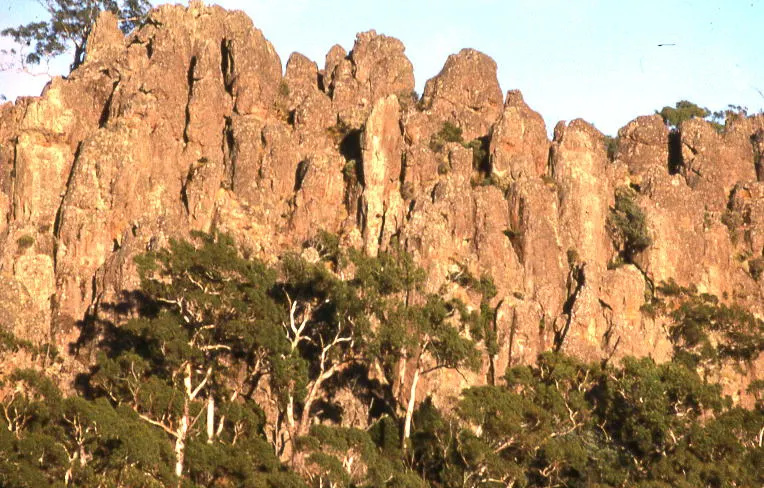
A volcanic formation in Victoria, known from Joan Lindsay's novel and Peter Weir's film about schoolgirls vanishing on a picnic. The book is written so that many readers still believe the story is true — there was no disappearance. The rock, however, produces exactly the impression described: narrow passages between boulders, an abrupt silence, and the distortion of time sense that many visitors mention.

Lake Fundudzi
The sacred lake of the Venda people in northern South Africa, one of the country's few natural freshwater lakes, formed by an ancient landslide. Nobody approaches the water without the chief's permission, and the lake is properly viewed with one's back to it, through the legs. Tradition places a guardian white crocodile in it, and a drowned village on the bottom whose people refused hospitality to a leper.

Mount Kenya
Africa's second-highest mountain, held by the Kikuyu to be the dwelling of Ngai: houses were traditionally built with the door facing the summit, and prayers directed there. Climbing the main peak, Batian, was long considered something a person did not undertake. The glaciers the first Europeans described have lost more than ninety per cent of their extent in a century.
Lake Baikal
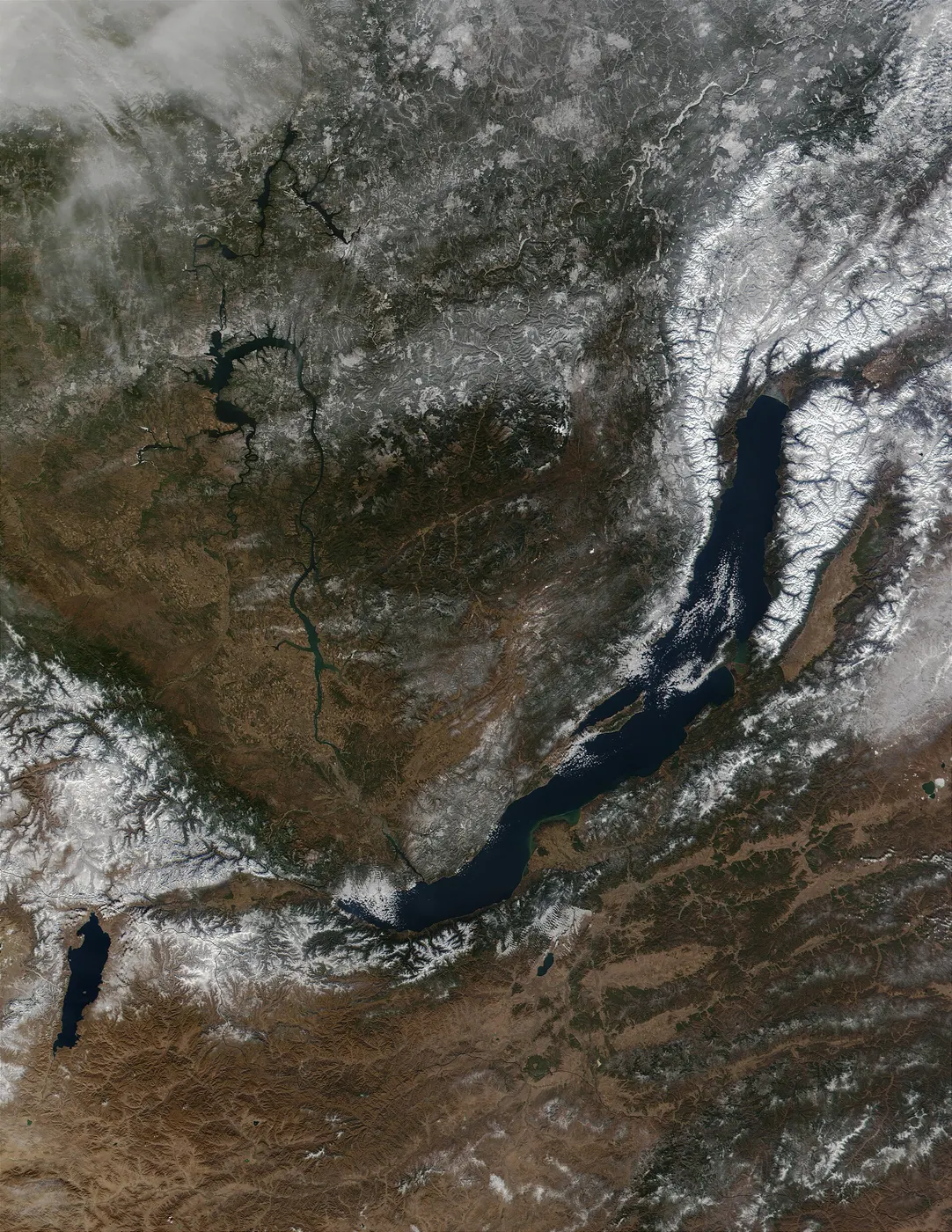
The deepest lake on earth, holding a fifth of the world's unfrozen fresh water. Buryat tradition fills it with spirits, and Cape Burkhan on Olkhon is one of the nine shrines of Asia, which not every shaman may approach. A separate body of stories concerns the Baikal mirages, in which non-existent shores and ships are seen above the water; the effect is physically real and comes from temperature layers in the air.
Ergaki
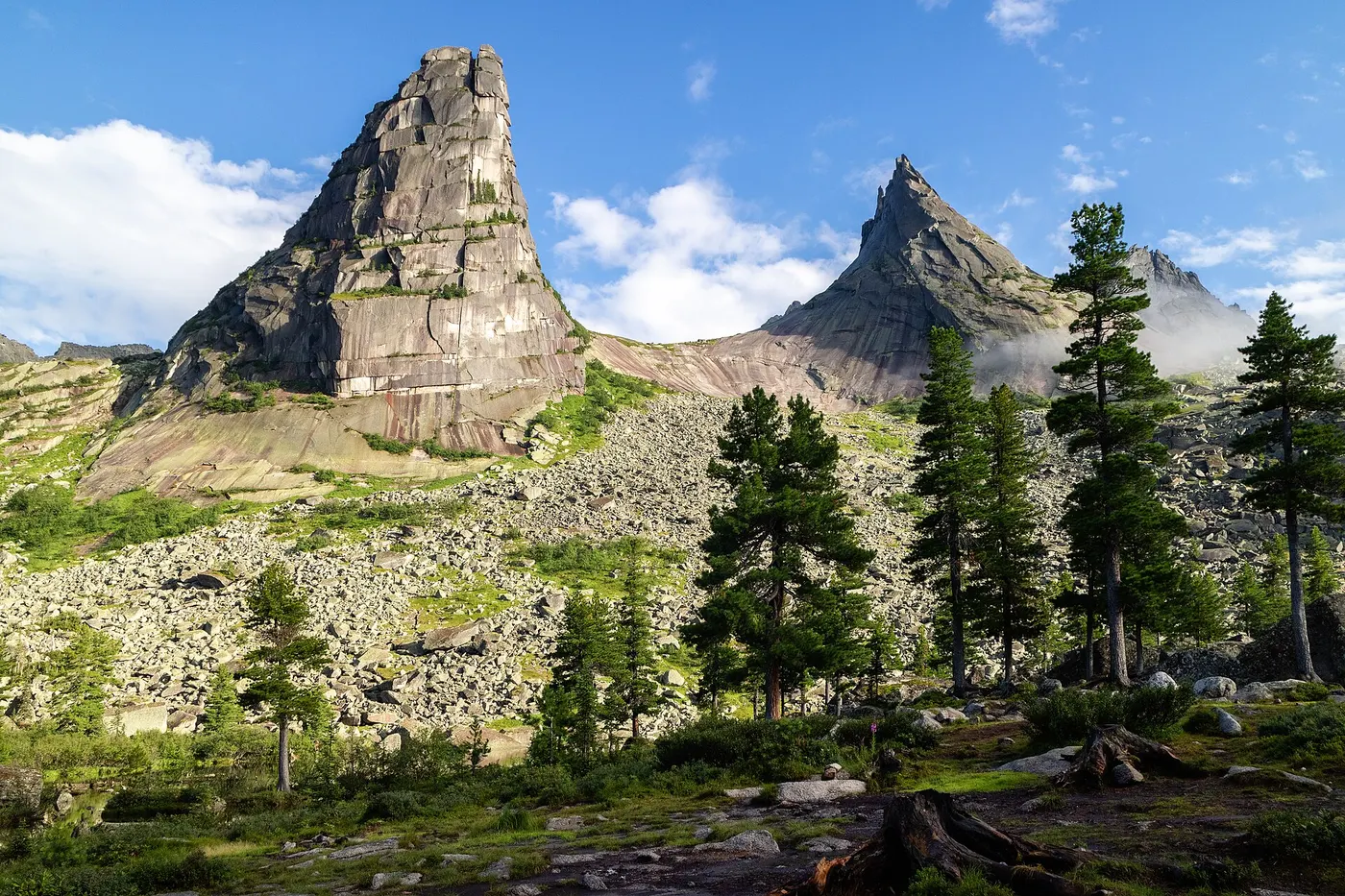
A mountain knot in the Western Sayan with the Hanging Stone — a many-ton block balanced on a rock face so finely that, by the accounts, it could be rocked by hand. Local tradition says that when it falls, disaster follows; in the 2000s it shifted and stopped moving, which caused visitors noticeable unease. Separately there is the Sleeping Sayan, a ridge whose profile reads as a reclining human figure.
Mount Elbrus
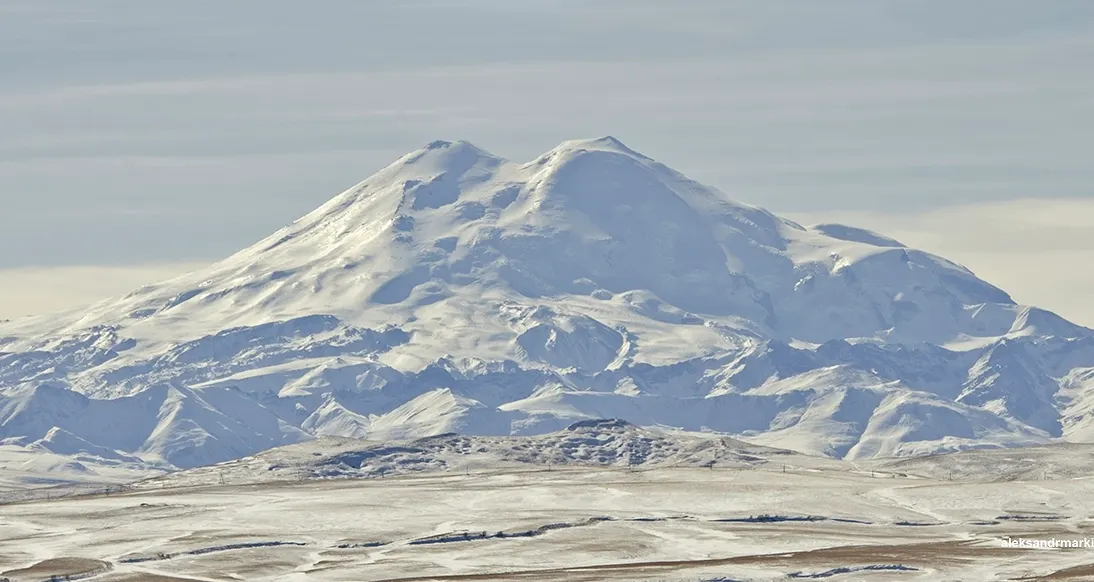
The highest peak in Europe and a dormant volcano to which, in one version of the tradition, Prometheus was chained. The mountain has accumulated a body of stories of its own: the Priyut 11 hut that burned in 1998, the bodies of German Edelweiss division troops found where they planted a flag in 1942, and figures in the mist that climbers describe in almost the same words used on Scotland's Ben Macdui.
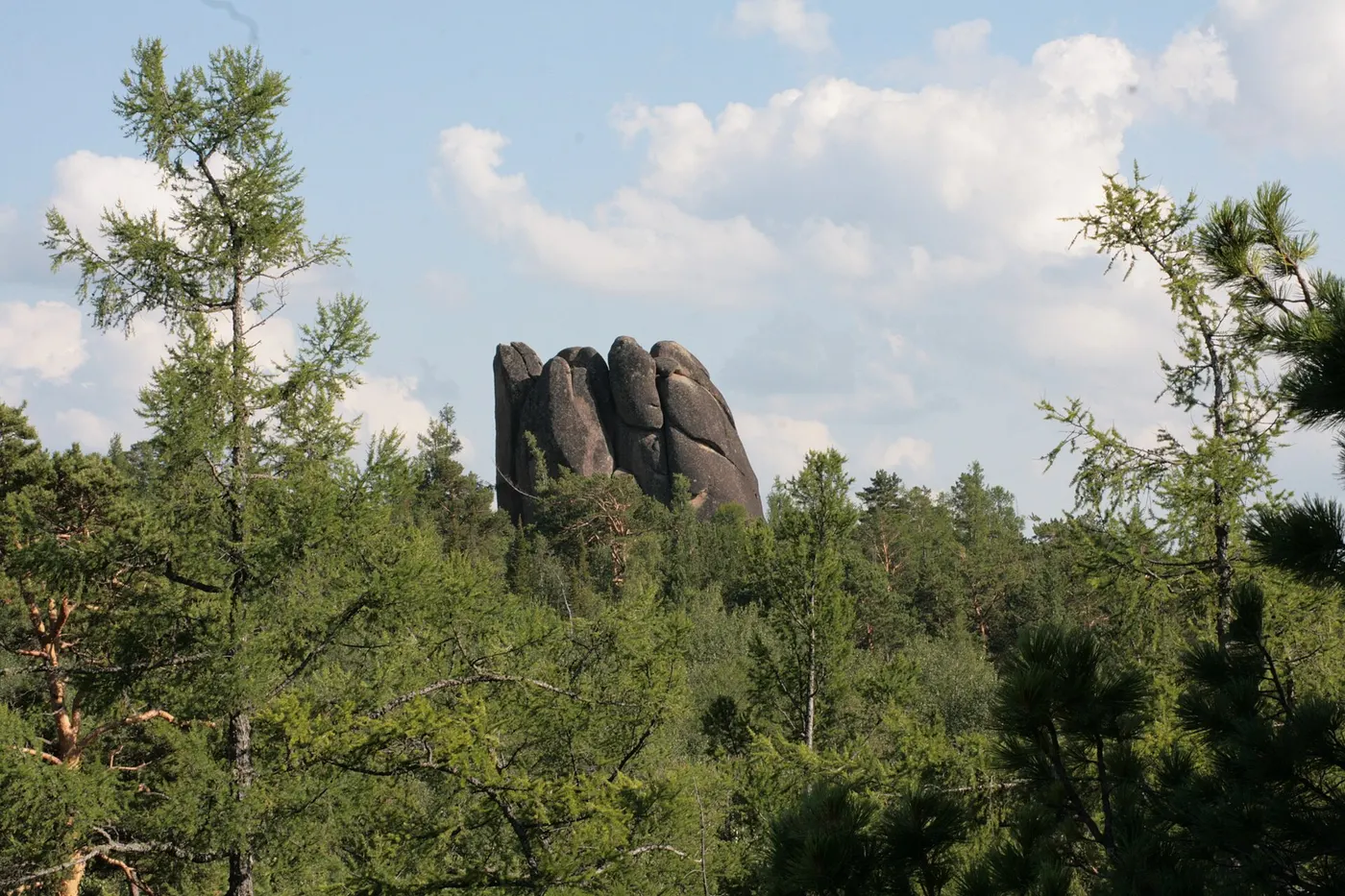
The Krasnoyarsk Pillars
Krasnoyarsk Stolby National Park (formerly a state nature reserve) is a protected ecological expanse located on the northwestern spurs of the Eastern Sayan Mountains, bordering the right bank of the Yenisei River on the southern outskirts of Krasnoyarsk, Russia. Covering nearly 47,000 hectares of Siberian taiga, the park is world-renowned for its dramatic pink-grey syenite rock pillars rising up to 100 meters above the forest canopy, as well as the birthplace of "Stolbism"—a historic community tradition of free solo rock climbing.
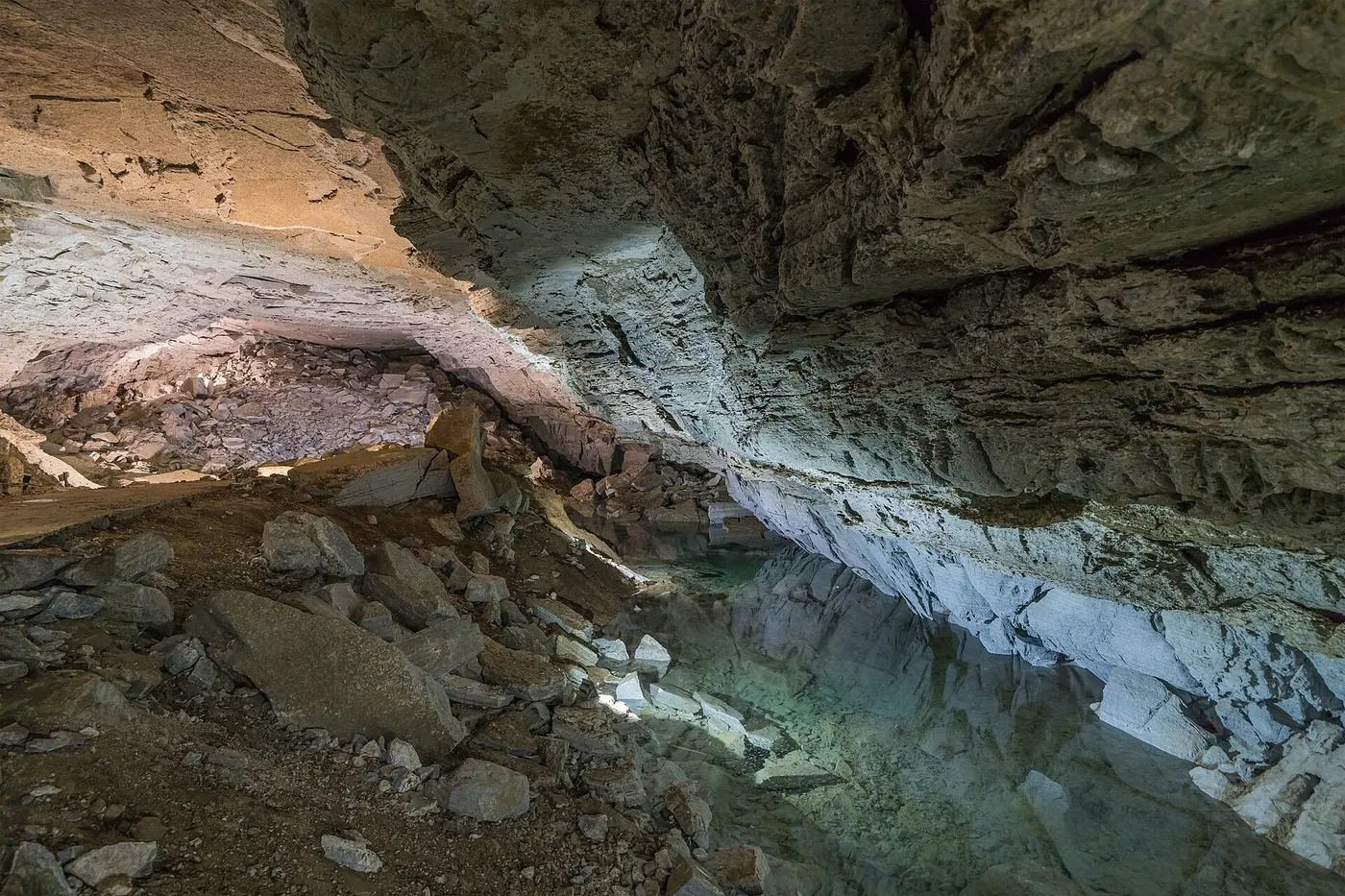
The Kungur Ice Cave
A gypsum cave in Perm Krai some six kilometres long, with seventy underground lakes and permanent ice in the entrance chambers. The first survey was drawn in 1703. Tradition holds that Yermak's band wintered here before crossing the Urals, and one grotto is called the Ladies' Tears — legend has a daughter of Christian X of Denmark slipping and dying here on a visit.
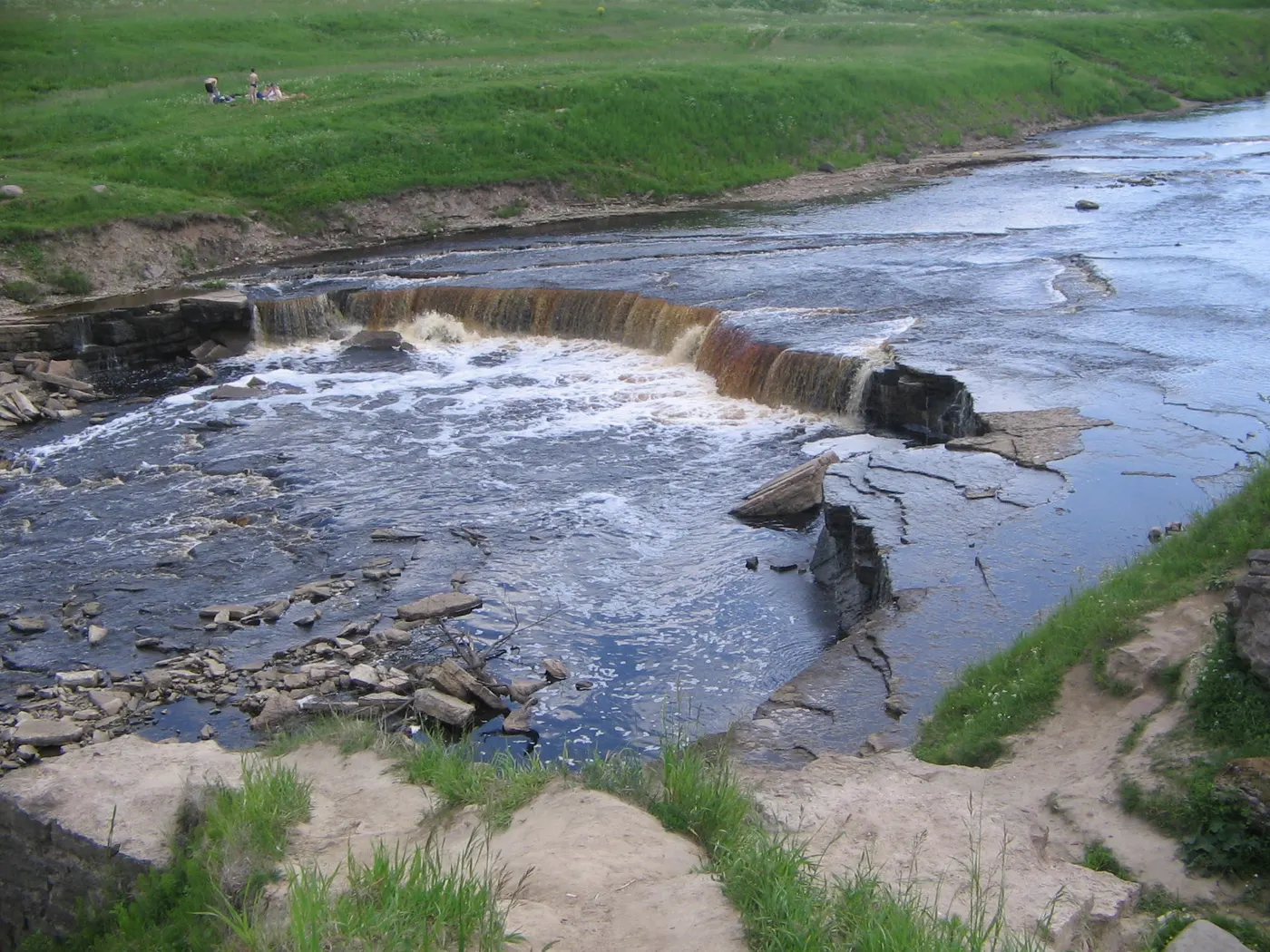
The Sablino Caves
Disused quartz sand workings outside St Petersburg, mined from the nineteenth century to supply glassworks. Several dozen kilometres of passages remain, with collapses, underground lakes and colonies of hibernating bats. The caves were long ago adopted by the city's subculture: a homemade shrine stands near one entrance, and everyone here can tell you about the White Caver, a ghost that either saves or dooms those who get lost.
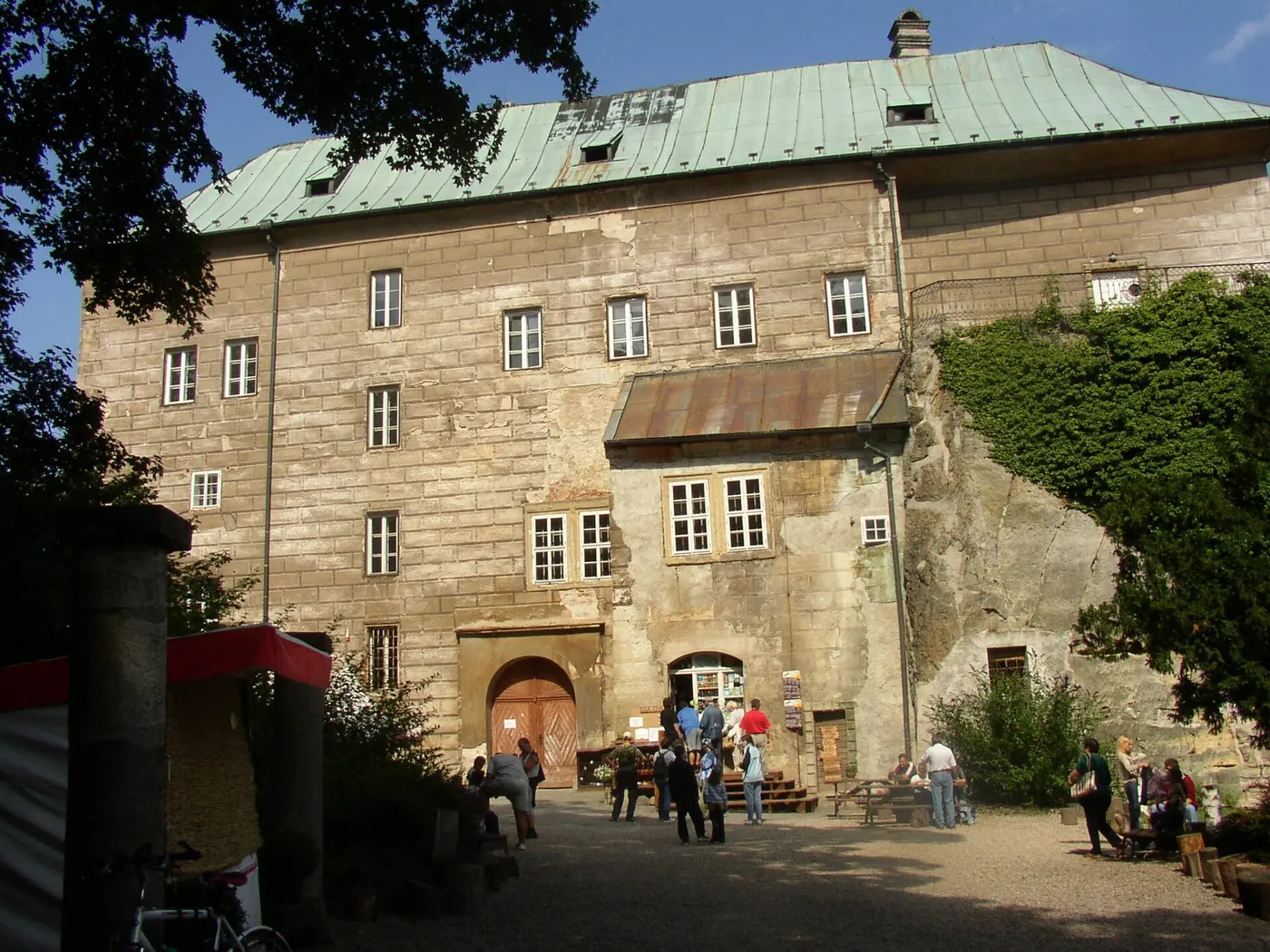
Houska Castle
A Gothic castle in Bohemia, built in the thirteenth century in a place with no water, no roads and no population — that is, with no military or economic purpose at all. Legend explains it by the chapel standing directly over a chasm held to be an entrance to hell: a condemned man was promised his freedom for going down, came back white-haired and died within days. The castle is fortified as though against something inside rather than out.
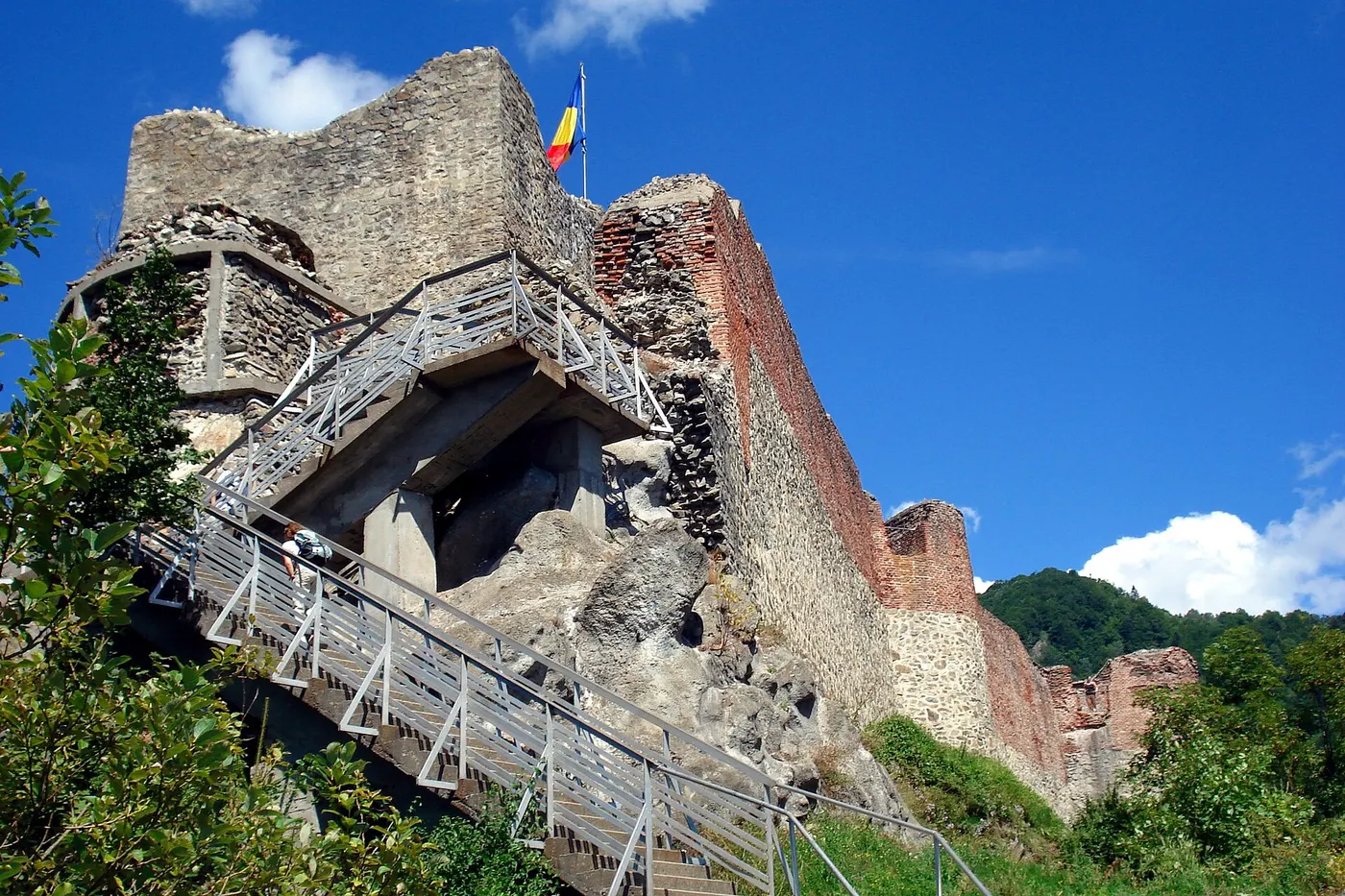
Poenari Castle
Vlad the Impaler's actual fortress — as opposed to Bran Castle, which had almost nothing to do with him. Vlad rebuilt it with the hands of the boyars he blamed for his brother's murder: they were marched here after an Easter feast and worked until their clothes fell apart. Tradition has Vlad's wife throwing herself from it into the Argeș on hearing the Turks were coming. Fourteen hundred and eighty steps lead up to it.
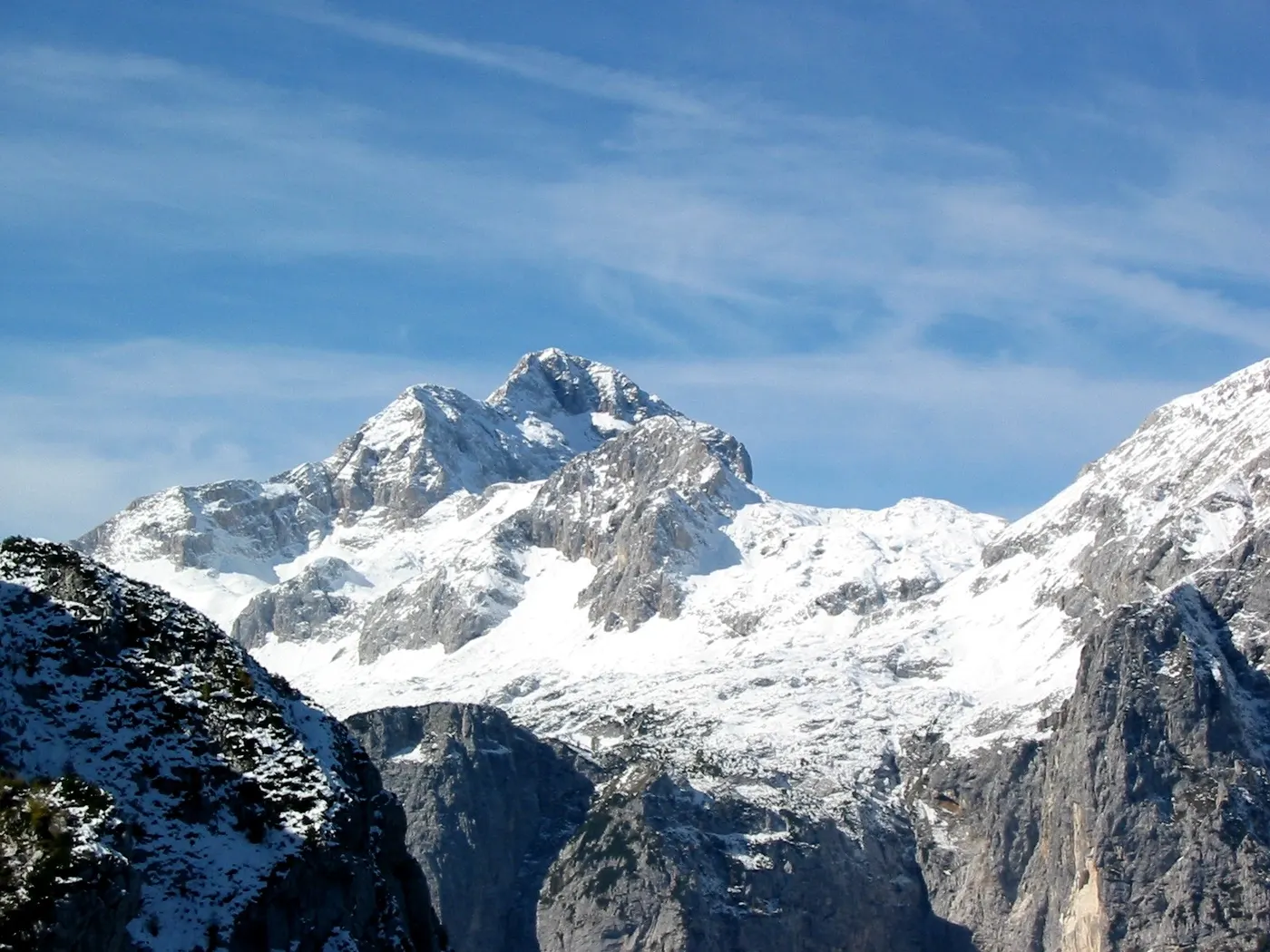
Triglav
Slovenia's highest mountain, named for a three-headed Slavic deity and shown on the national coat of arms. Local tradition places Zlatorog on its slopes — a white chamois with golden horns guarding treasure; the hunter who wounded him died, and flowers grew from the drops of blood that restored the animal's strength. Slovenes have a saying that you are not one until you have climbed it.
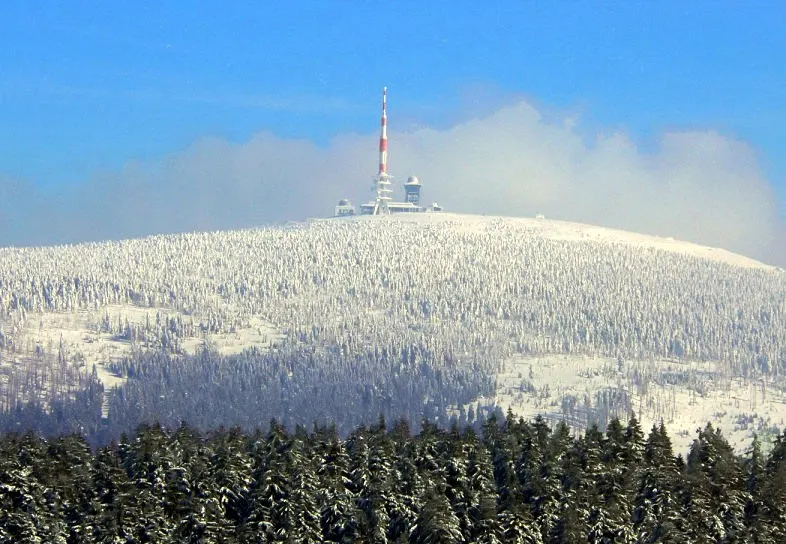
The Brocken
The highest point of the Harz, where German tradition has witches gathering on Walpurgis Night — Goethe sent Faust there. The mountain gave its name to an optical effect: the Brocken spectre, the observer's own vast shadow cast on cloud below with a rainbow halo round the head. The effect is real and explicable, and probably lies behind a share of the stories of encounters at the summit.
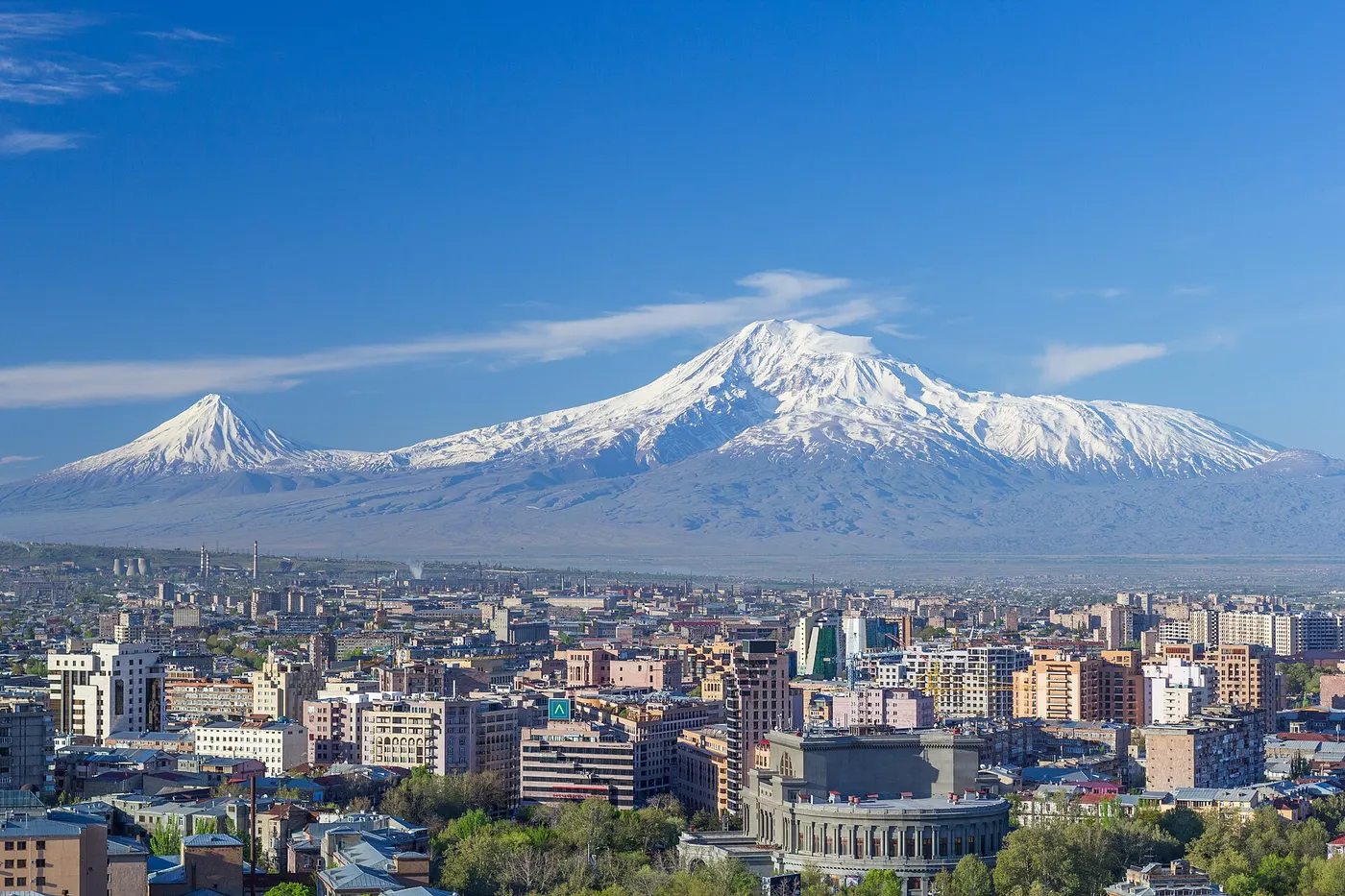
Mount Ararat
A mountain in eastern Turkey that biblical tradition names as the resting place of the ark. Searches have run since the nineteenth century and have not stopped: in 1949 aerial photography recorded a dark structure on the glacier, known as the Ararat Anomaly, whose images were only declassified in 1995. Geologists explain it as an outcrop. The mountain is closed to unrestricted climbing, which has not deterred anyone.
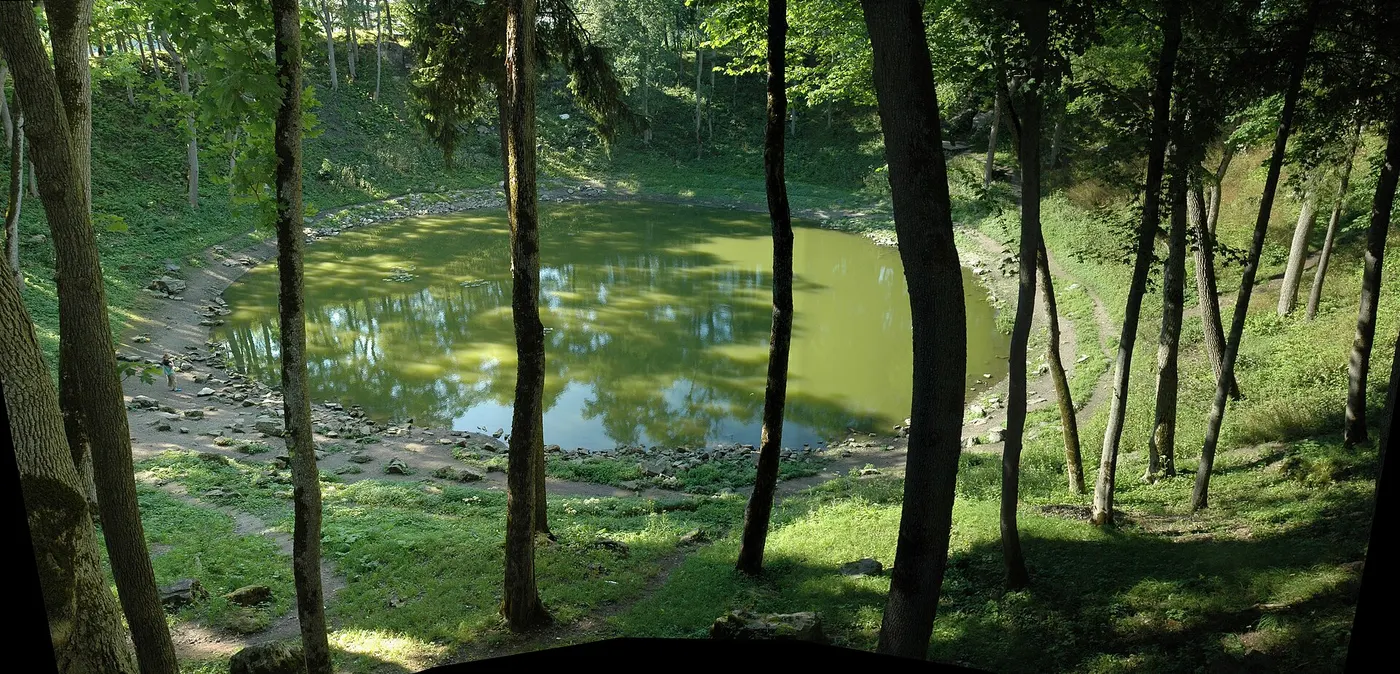
The Kaali Crater
A meteorite crater on the Estonian island of Saaremaa, formed around 1500 BC — within the memory of people living nearby. The blast burned the forest for six kilometres, and the event probably entered Finnish and Norse mythology as the sun falling. The lake in the crater served as a sacrificial site for centuries: animal bones are found on the bed and around the shore, and a stone wall once enclosed it.
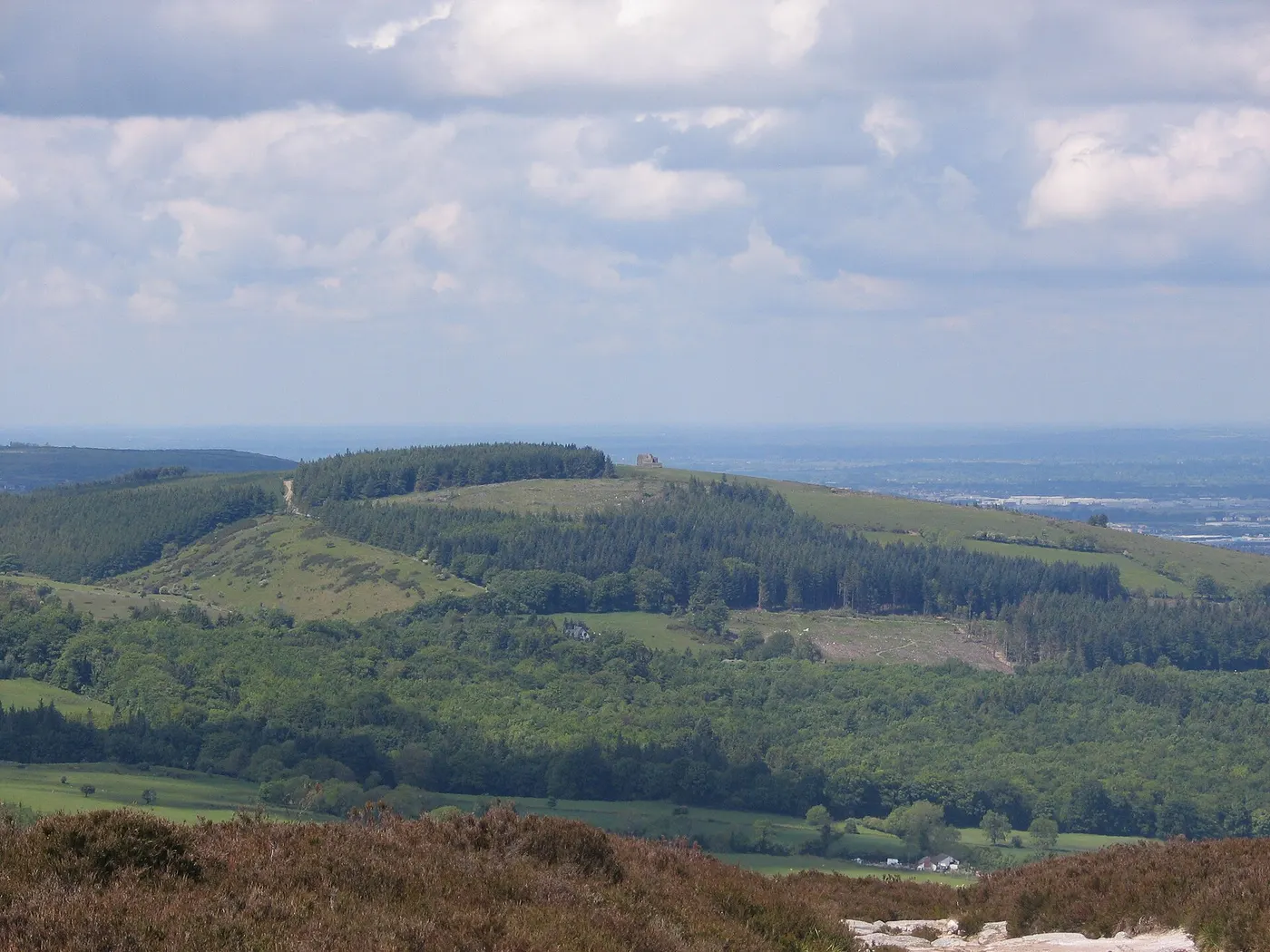
The Hellfire Club on Montpelier Hill
A hunting lodge built above Dublin in 1725, using stone taken from a prehistoric cairn destroyed for the purpose — locals said at once it would end badly. The roof was taken off by a storm soon after. The Irish Hellfire Club later took the building over; accounts of what went on inside vary, and the best-known has a card game at which one of the guests was noticed to have a hoof instead of a foot.
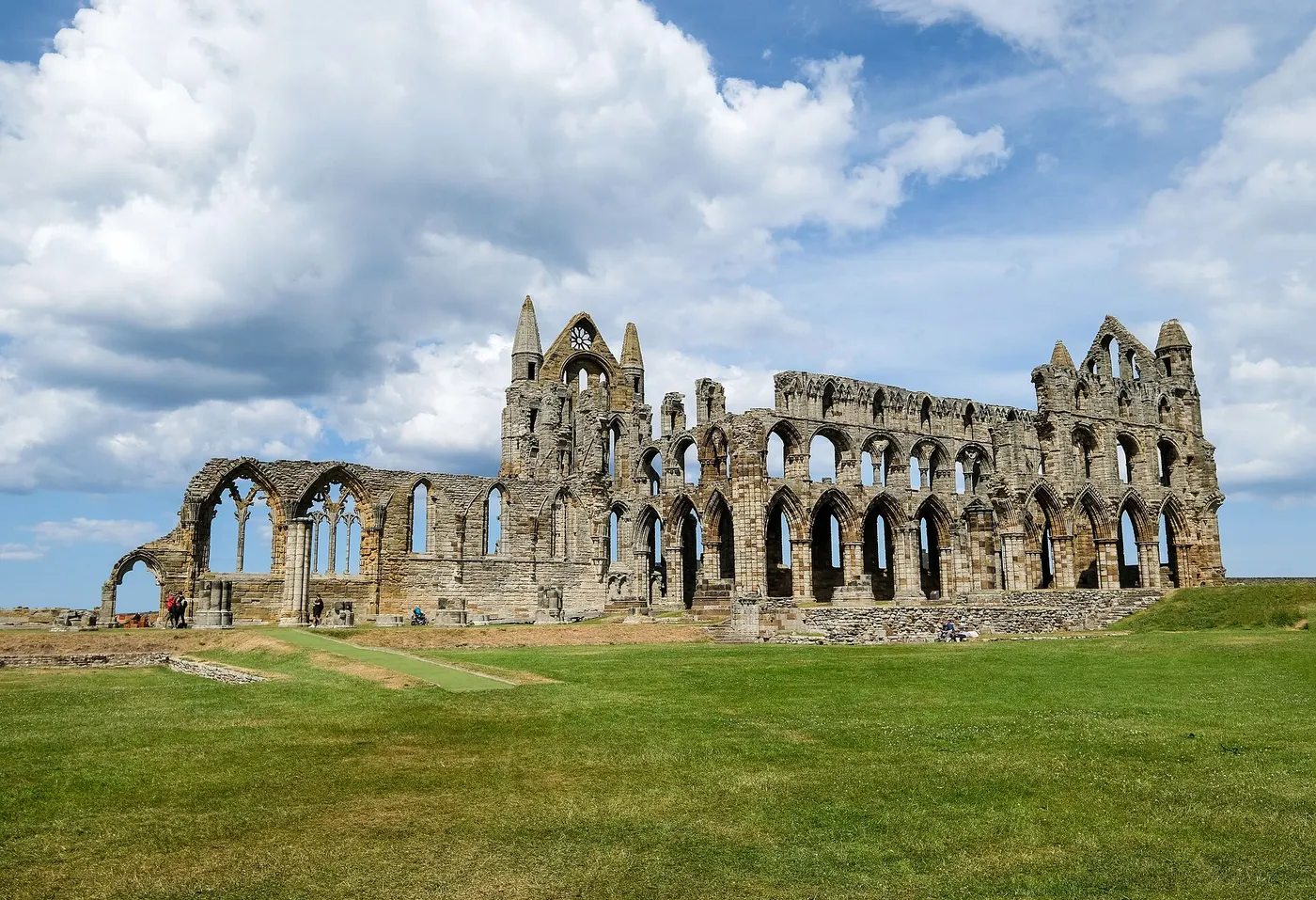
Whitby Abbey
The ruins of a Benedictine abbey on a cliff above the North Sea, where Bram Stoker spent a holiday in 1890 and found the name of the Wallachian prince Dracula in the local library. In the novel it is here that the Demeter runs aground and the count, in the shape of a black dog, bounds up the hundred and ninety-nine steps to the church. The steps are real, the abbey is real, and one of Europe's largest goth festivals gathers in Whitby every year.
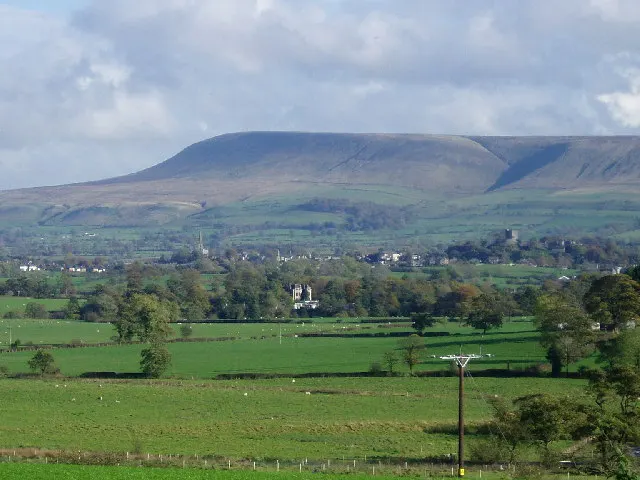
Pendle Hill
A Lancashire hill beneath which the most famous English witch trial took place in 1612: twelve accused, ten hanged, charges of ten murders by witchcraft. Much of the evidence came from a nine-year-old girl testifying against her own family. Thousands climb to the summit every Hallowe'en, and Lancashire police ask them not to every year.
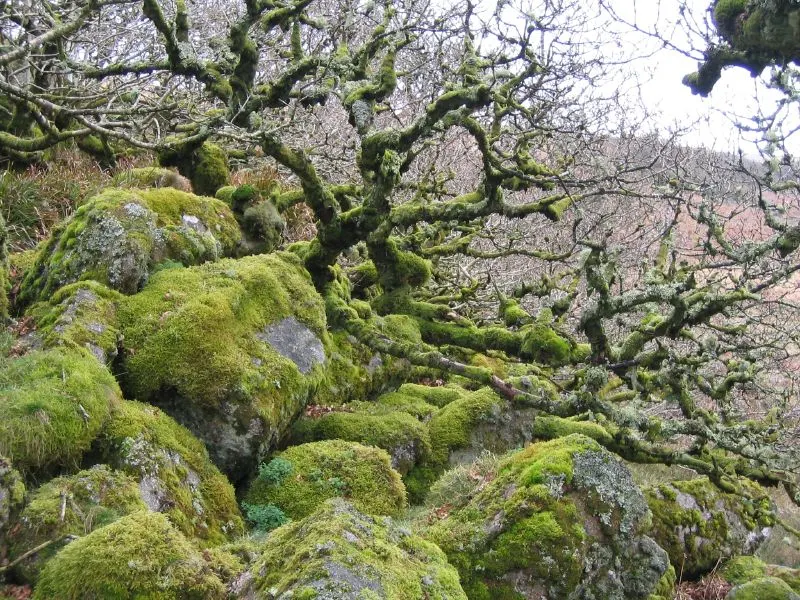
Wistman's Wood
A tiny grove of dwarf oaks on Dartmoor, growing straight out of granite boulders and covered entirely in moss and lichen. The trees are wind-twisted past recognition and there are gaps between the stones deep enough to swallow a person. The name is traced to the dialect word wisht — eerie, enchanted. It is thought to be one of the last remnants of the forest that covered Dartmoor before the Bronze Age.