Folklore — mystical places on the map
Points on the map a local tradition has grown around: a lake with a spirit in it, a mountain with a prohibition on it, a stone people still visit to ask for something. Not a scare story but something the people living there count as part of their own history.
81 places
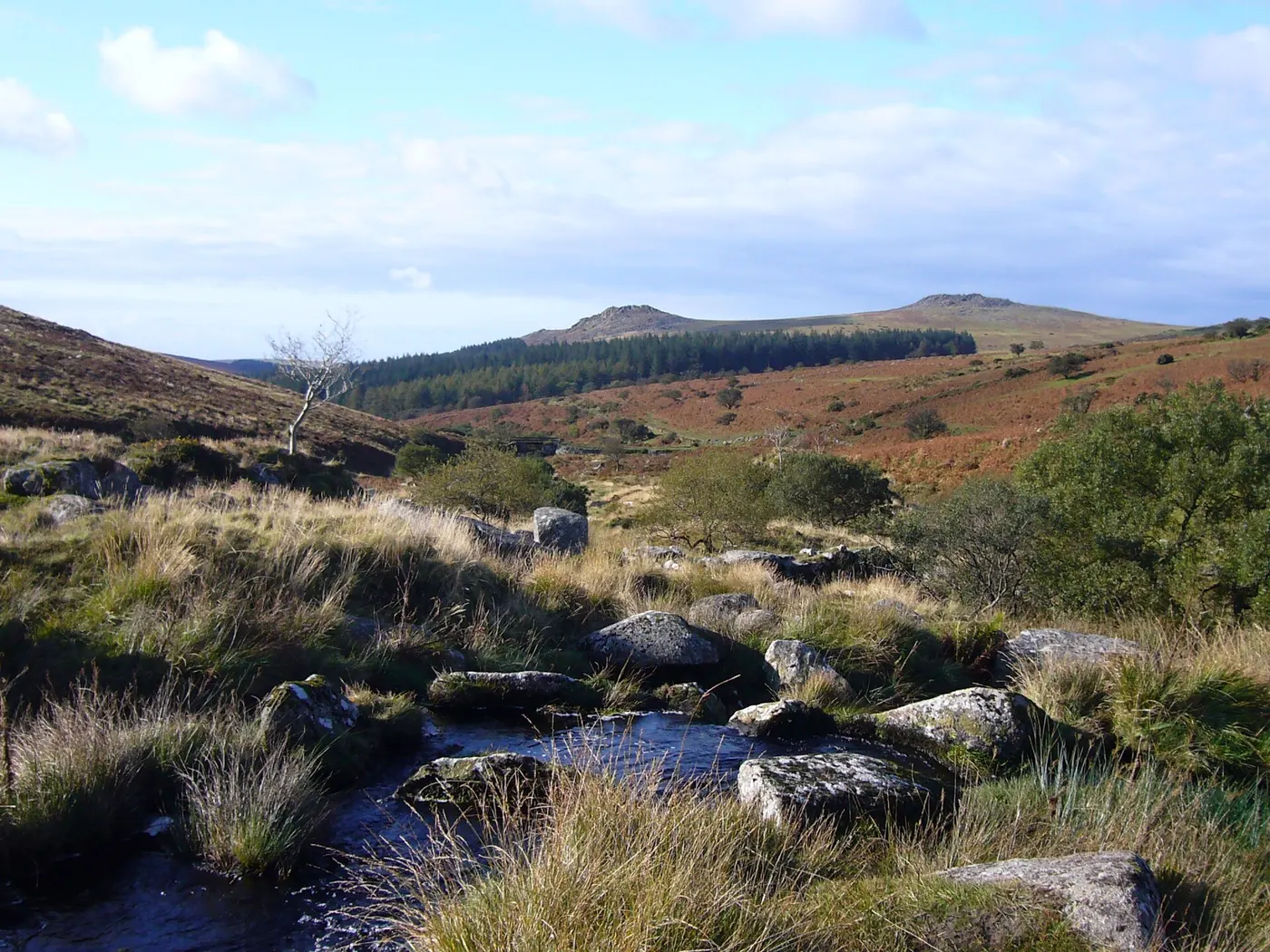
Dartmoor
The Devon moor that gave Conan Doyle The Hound of the Baskervilles: he heard here the tradition of Richard Cabell, a seventeenth-century squire whose coffin was said to have been followed by a pack of spectral hounds. They are called the Wisht Hounds and are still described along the old track. A separate story concerns the Hairy Hands on the B3212, which motorcyclists say grab at the handlebars.
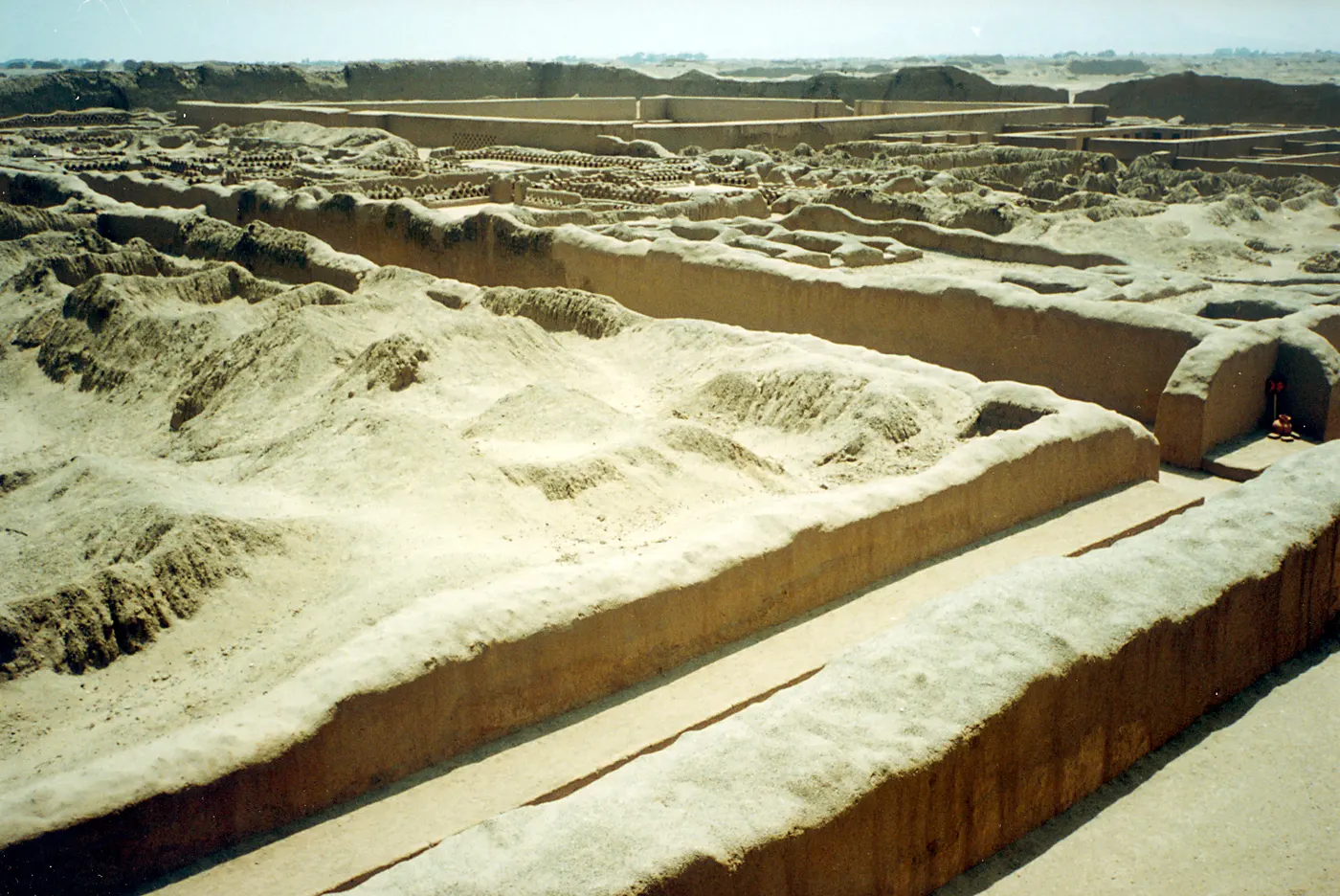
Chan Chan
The largest adobe city in the world: twenty square kilometres of mudbrick walls, capital of the Chimú kingdom until the Inca took it around 1470. The walls carry reliefs of sea creatures and waves. In 2018 a burial was found here containing the remains of more than a hundred and forty children and two hundred llamas — the largest known child sacrifice in history, made, judging by the silt layers, during a flood.
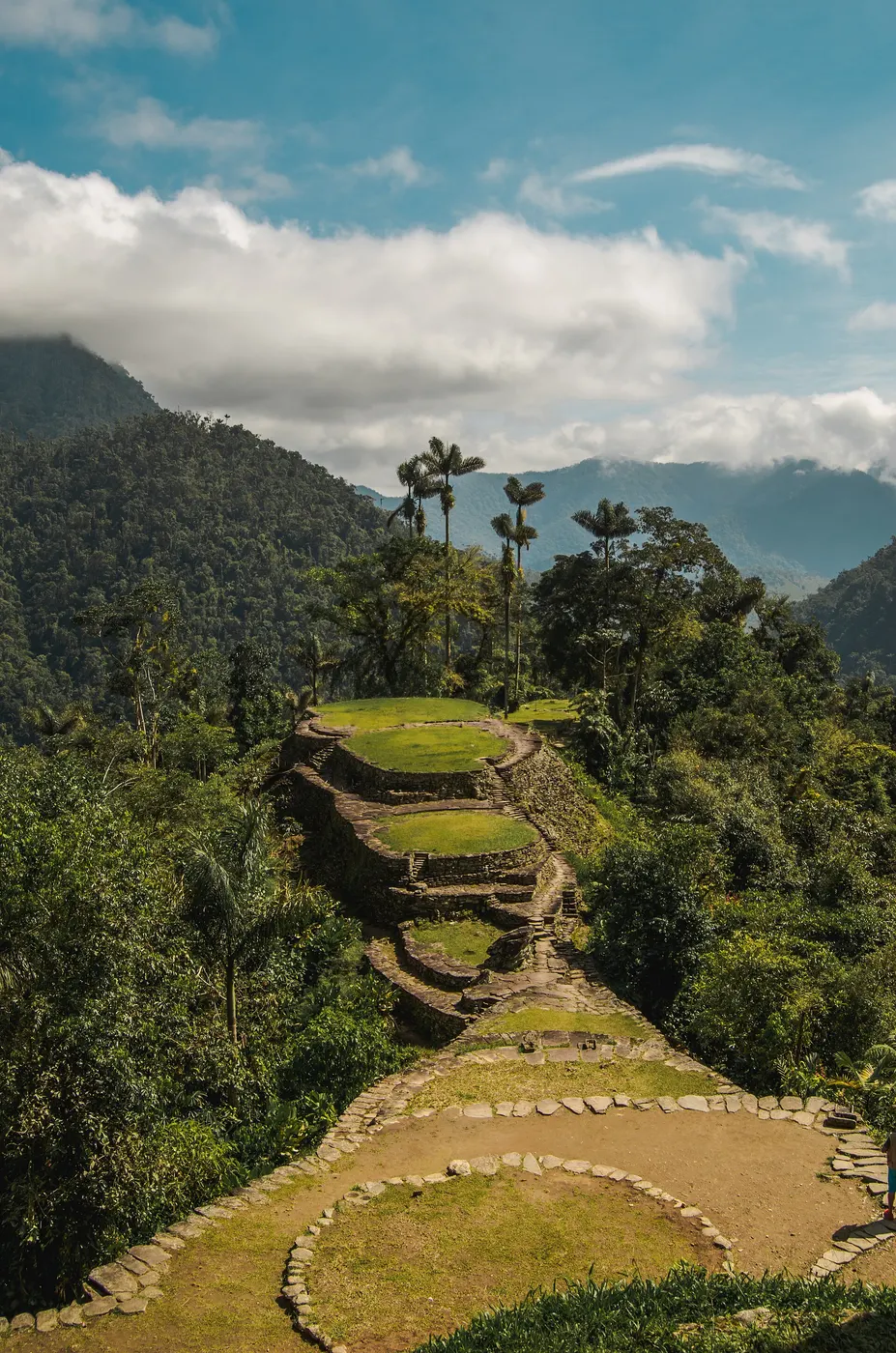
Ciudad Perdida
A Tairona city in the Colombian Sierra Nevada, founded around 800 AD — six and a half centuries before Machu Picchu. Abandoned during the Spanish conquest and found again only in 1972, by grave robbers who came upon twelve hundred steps climbing through the jungle. The Kogi peoples living nearby consider themselves its keepers and say they never lost it.
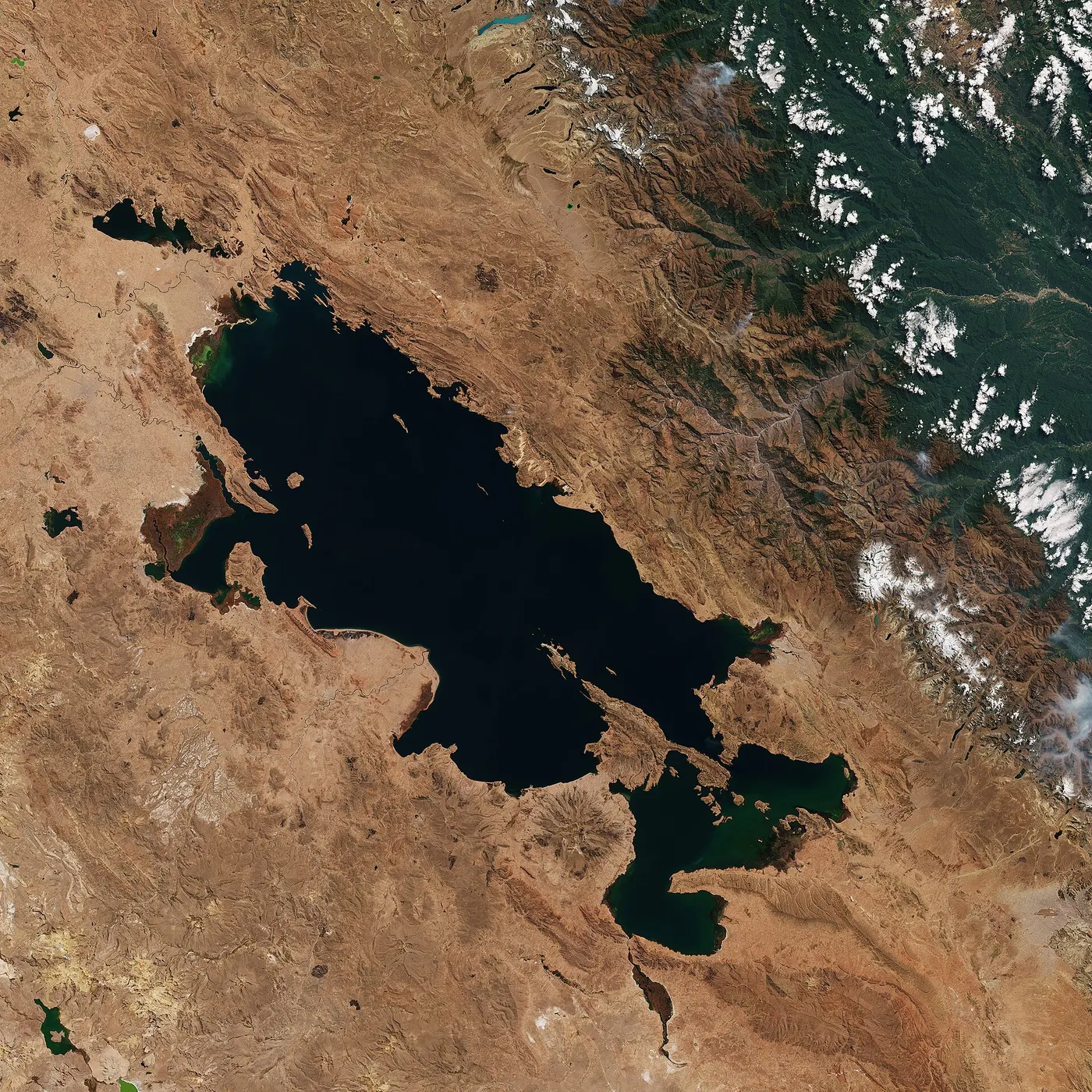
Lake Titicaca
The highest navigable lake in the world, on the Peru–Bolivia border, from which Inca tradition has Manco Cápac emerging to found their empire. In 2000 an underwater expedition found a stone terrace and a wall some eight hundred metres long on the bed near the Island of the Sun — pre-Inca Tiwanaku construction, now submerged. Offerings are still recovered from the bottom: gold figurines, incense, llama bones.
Machu Picchu
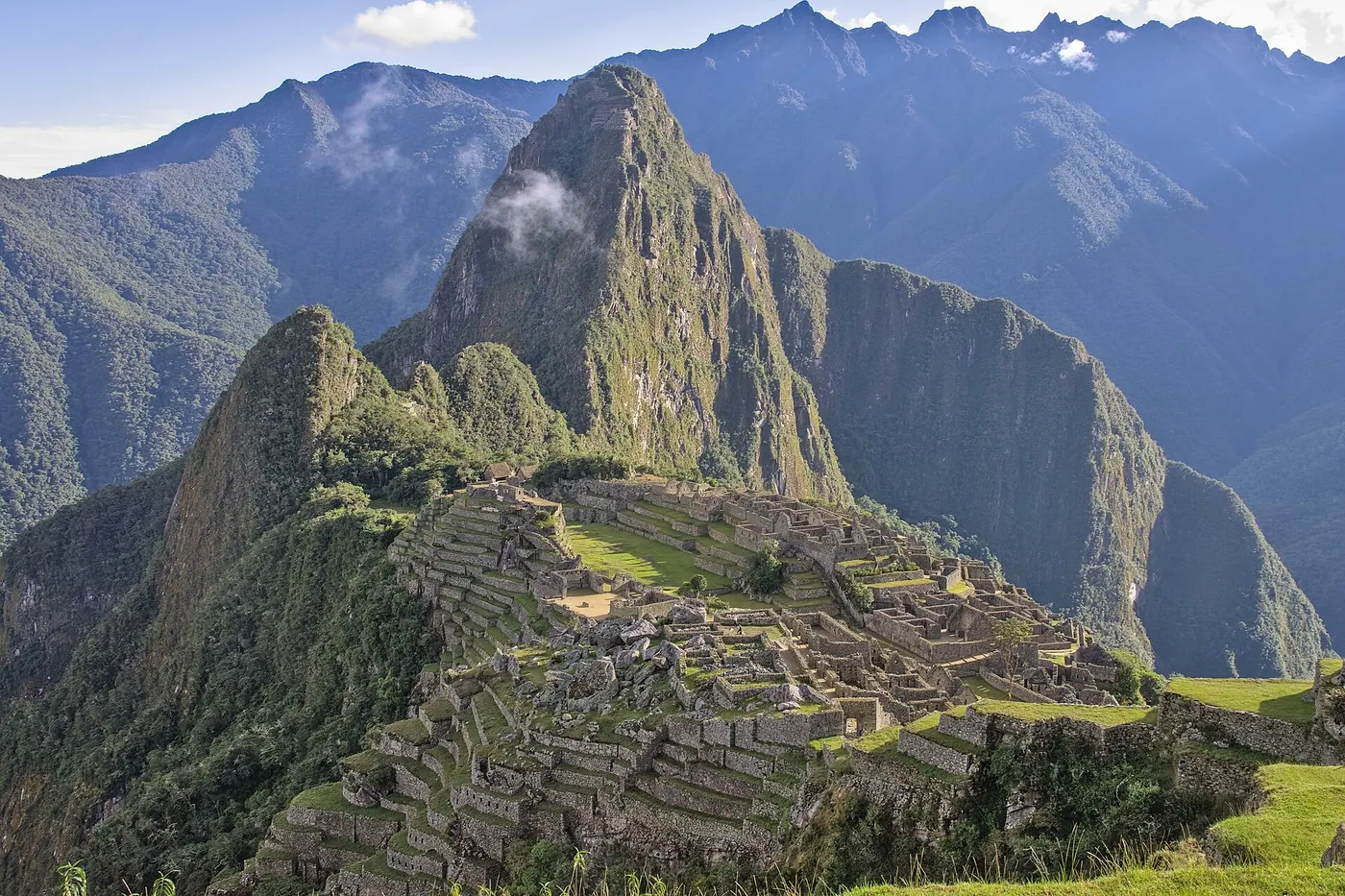
An Inca city on the saddle between two peaks at eight thousand feet, built around 1450 and abandoned perhaps a century later — probably to smallpox, which arrived ahead of the Spaniards themselves. The conquistadors never reached it and never learned it was there. The stones are fitted without mortar so closely that a knife blade will not go between them, and the Intihuatana, a carved pillar, casts almost no shadow at the solstices.
Teotihuacan
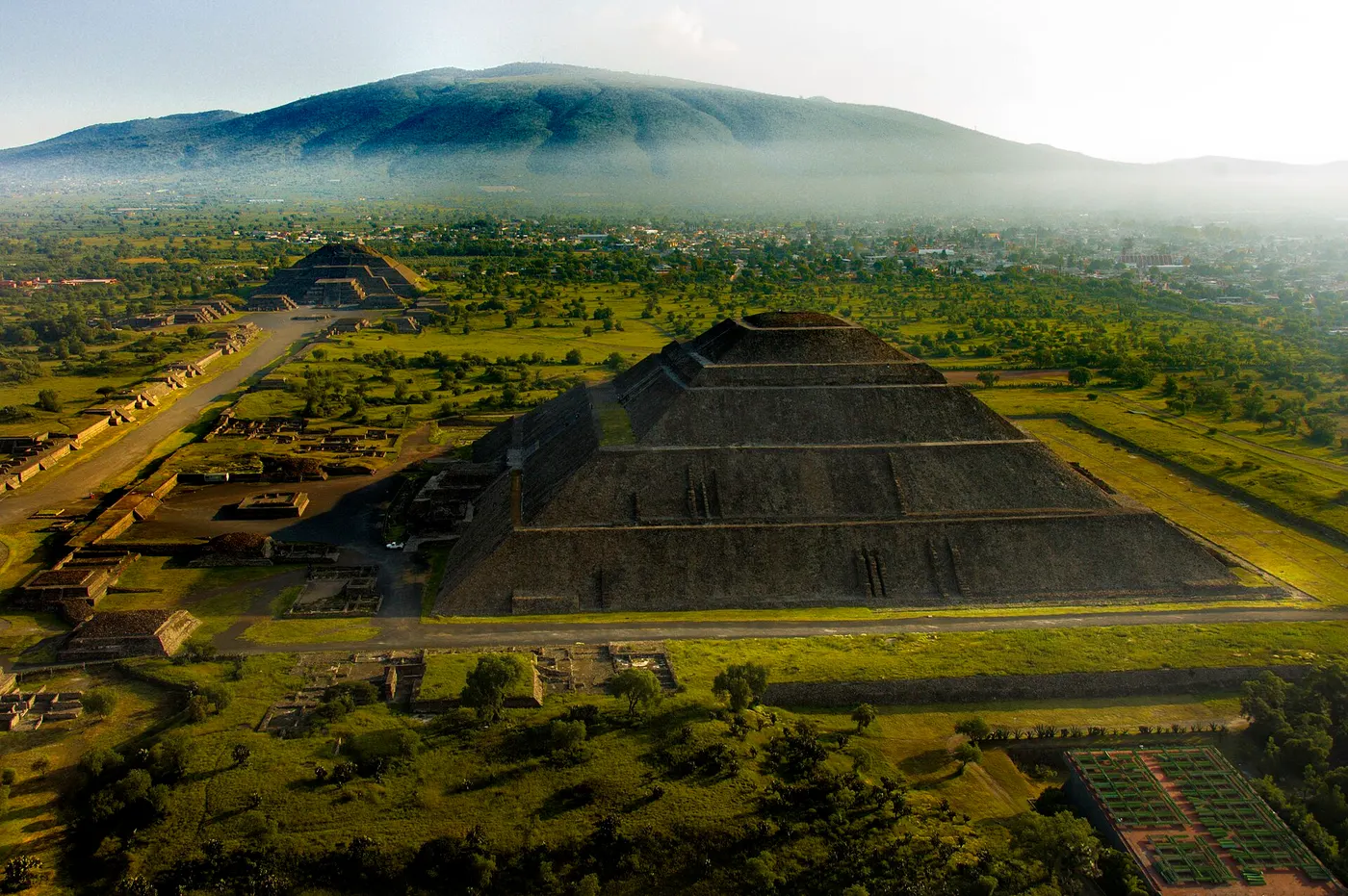
A city that was the largest in the Western Hemisphere by 500 AD and had already stood in ruins for centuries when the Aztecs arrived. They did not know who built it and named it the place where men become gods. Beneath the Temple of the Feathered Serpent, archaeologists found a tunnel in 2003 that had been sealed for nearly two thousand years: thousands of objects inside, chambers with ceilings dusted in pyrite to imitate a night sky, and pools of liquid mercury.
America's Stonehenge
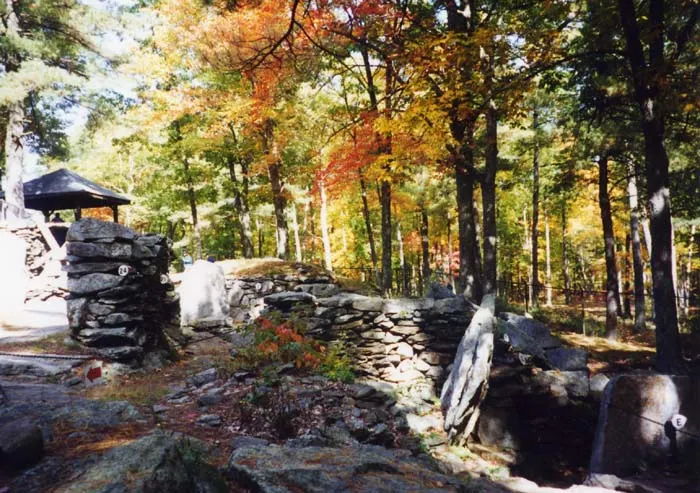
A cluster of stone chambers, walls and slabs on a New Hampshire hill whose purpose has been argued for a century. Some read it as a pre-Columbian observatory aligned to the solstices, others as colonial farm structures and a nineteenth-century soap works. The central slab with a channel cut round its edge is known as the sacrificial table; it could equally be a lye press. The site works as an attraction and as an argument that does not resolve.
Cahokia
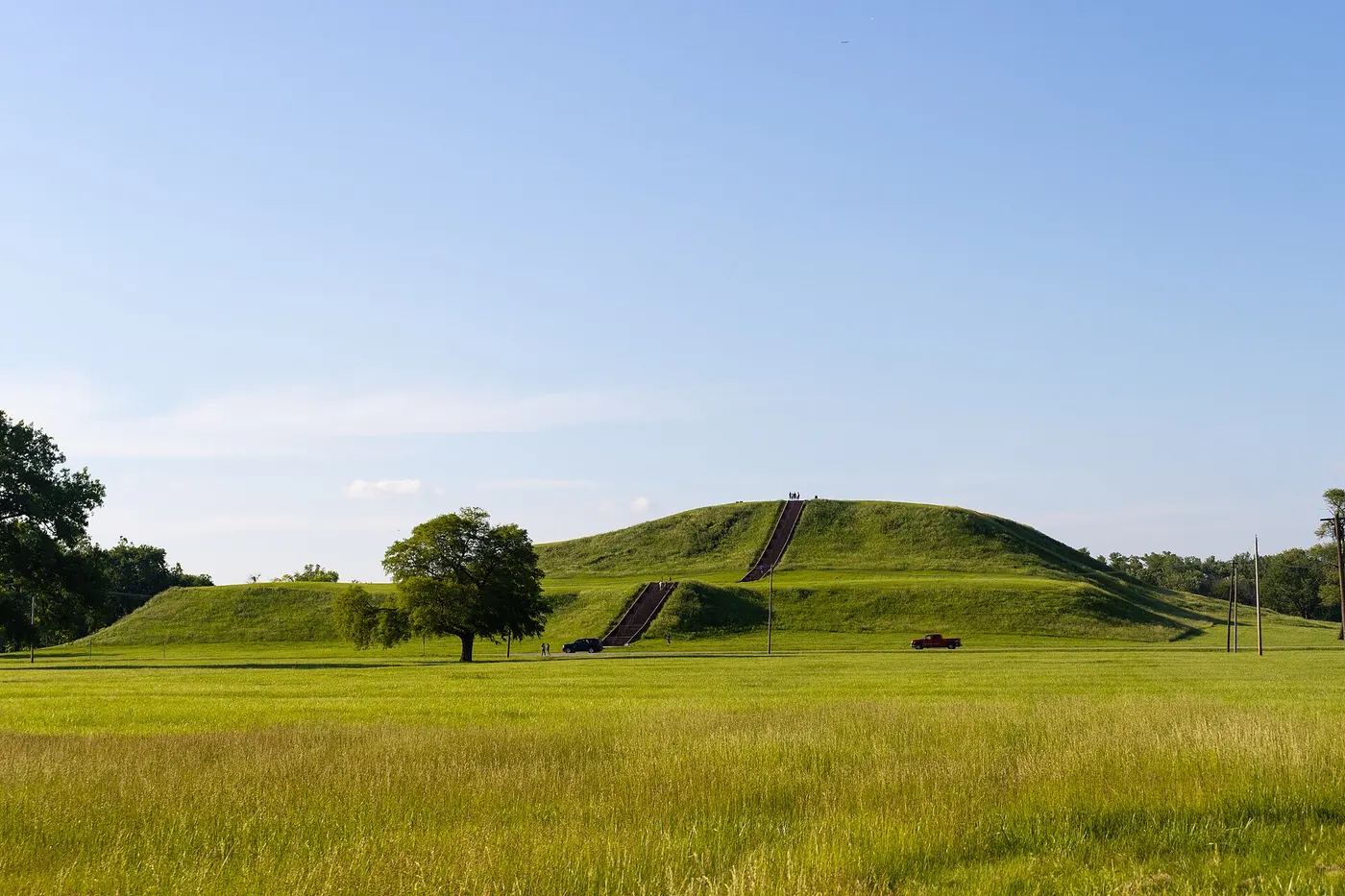
The largest pre-Columbian city north of Mexico: at its height around 1100 it held perhaps twenty thousand people, more than London at the time. Monks Mound has a larger base than the Great Pyramid. Mound 72 contained a burial with over fifty young women laid out in rows, almost certainly sacrificed. By 1350 the city was empty, for no clear reason, and it has never been explained.
Salem
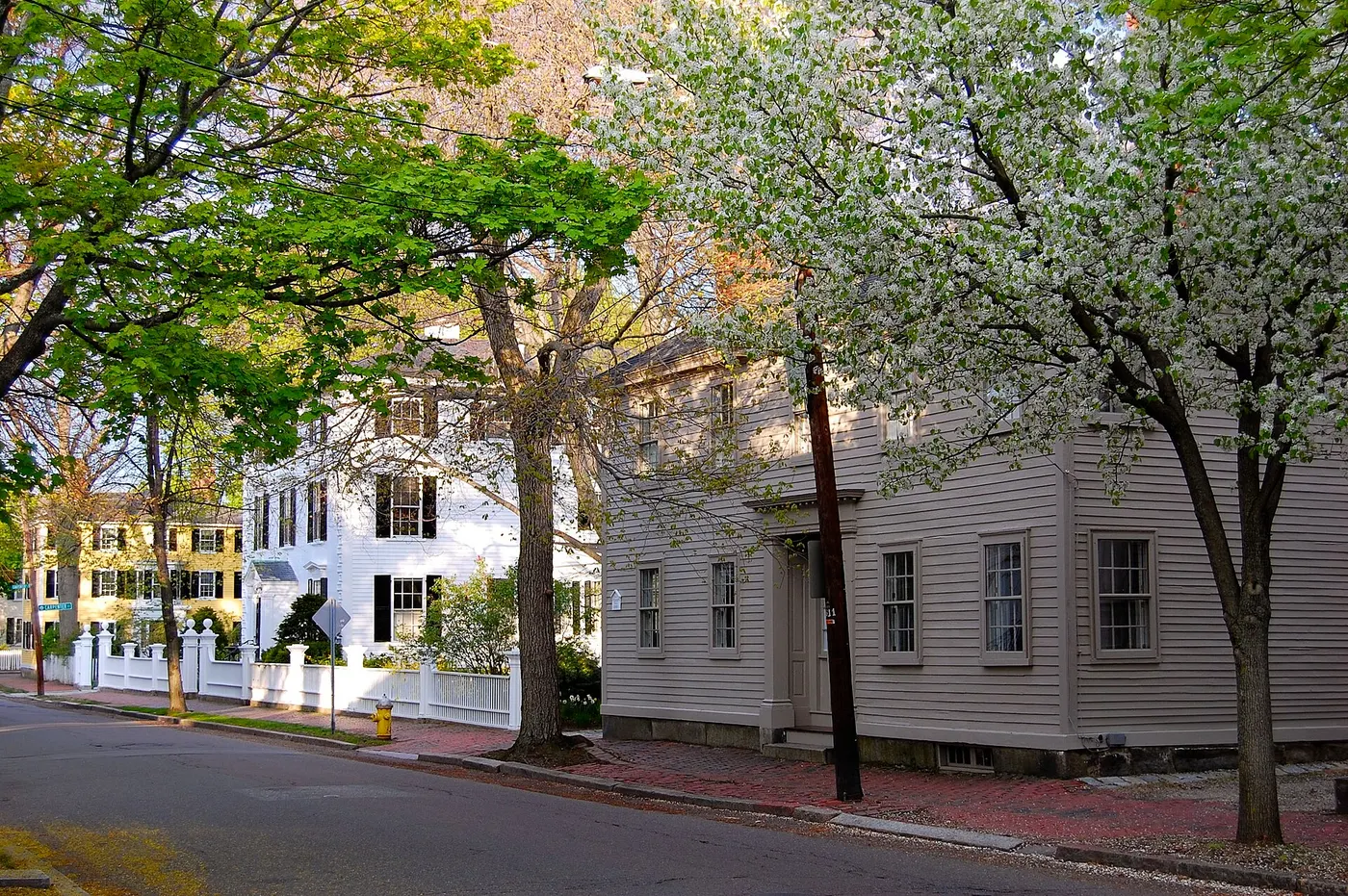
In 1692 nineteen people were hanged here for witchcraft, one was pressed to death under stones, and several more died in gaol. It began with the fits of two girls and evidence the court accepted without proof — including "spectral" testimony, meaning a claim that the accused's spirit had appeared to a witness. Salem lives on the story openly now: museums, a memorial on the execution ground, and a reputation that fills the town every October.
Lake Pontchartrain, at the Gates of Voodoo
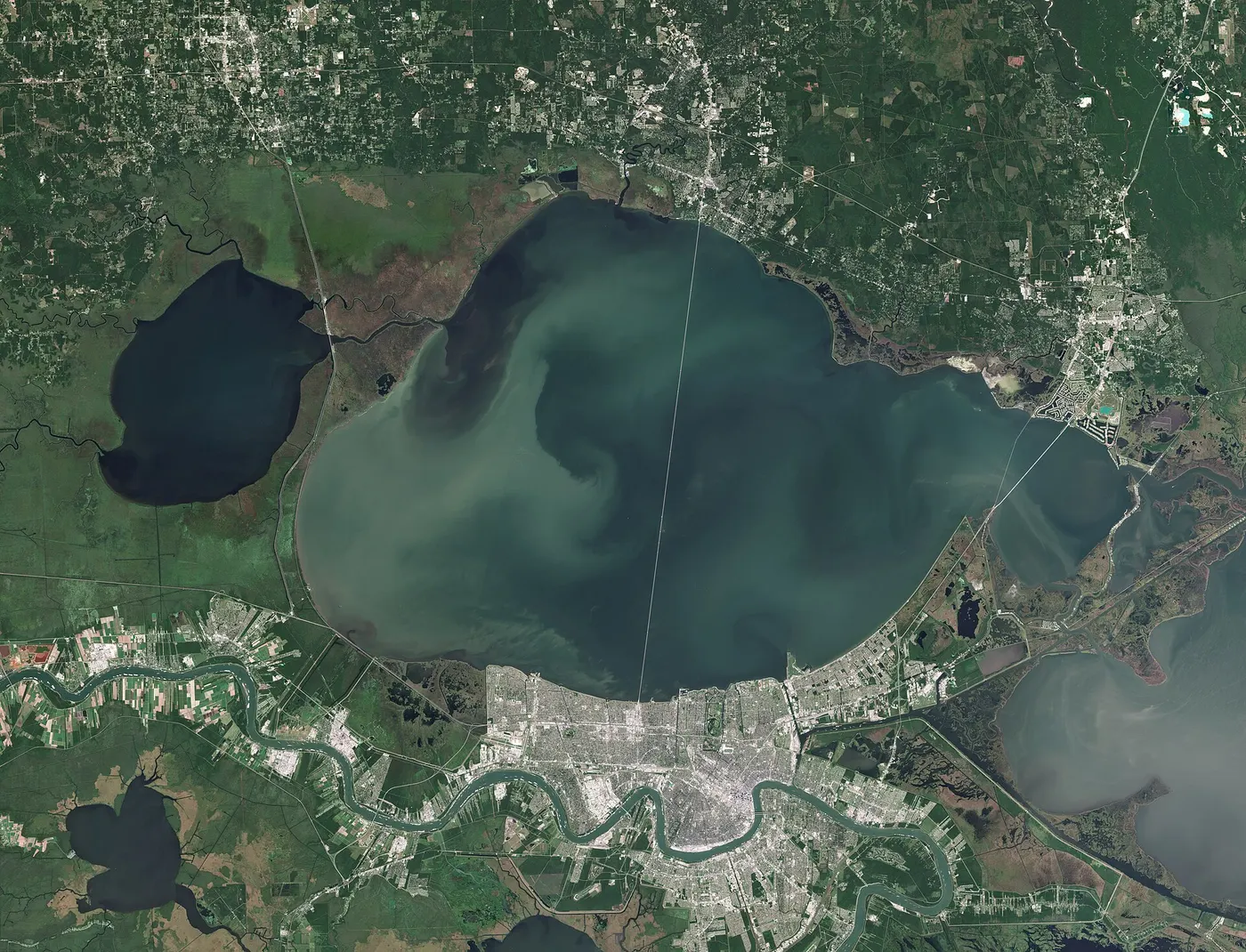
The vast brackish estuary beside New Orleans, on whose shores voodoo rites were held through the nineteenth century — most famously Marie Laveau's St John's Eve gatherings at Bayou St John. Traces of offerings still turn up at night: candles, coins, bones. A causeway nearly twenty-four miles long crosses the lake, and from its middle no shore is visible at all — a sensation locals count as its own reason not to drive it in fog.
The Site of the Sukharev Tower
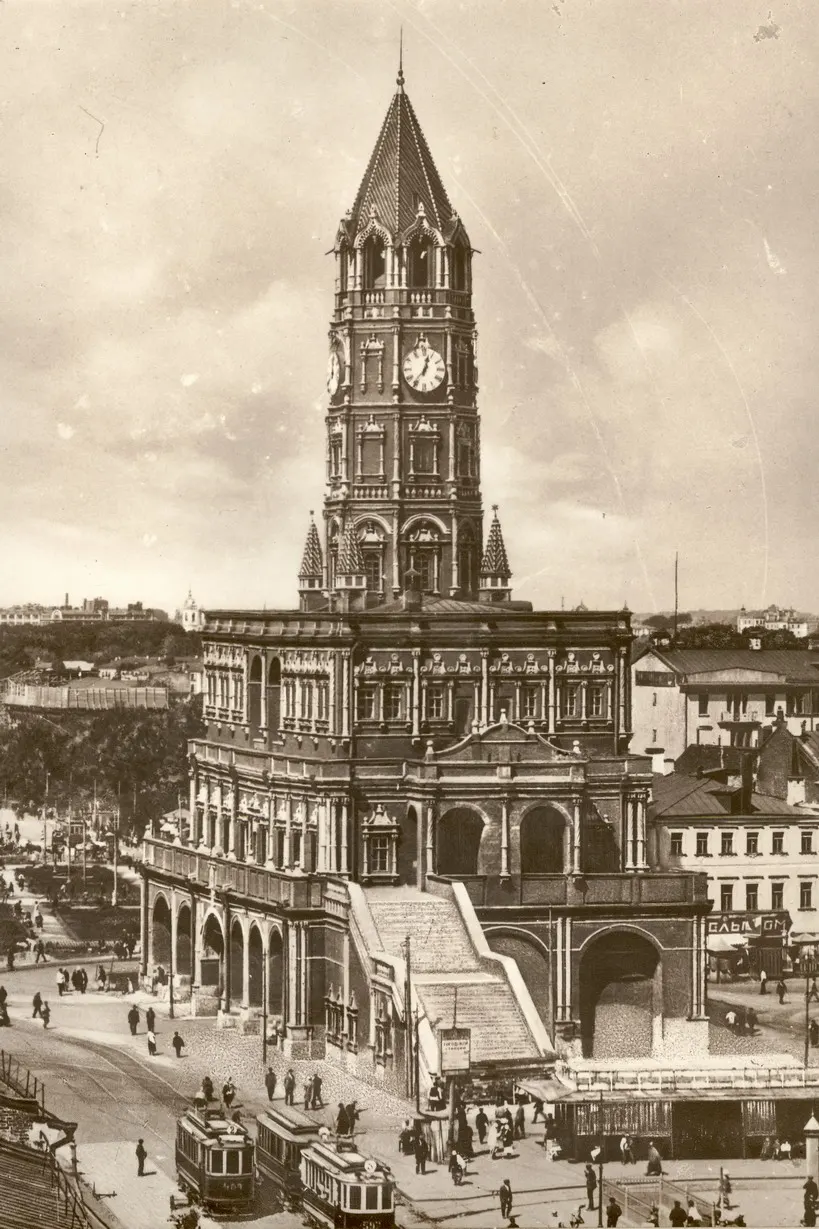
Sukharevskaya Square in Moscow is the historic site where the famed Sukharev Tower stood from the late 17th century until its demolition in 1934. A masterpiece of Naryshkin Baroque architecture, it served alternately as a triumphal gate, astronomical observatory, and Russia's first naval navigation academy, while enduring in city folklore as Moscow's premier occult epicenter tied to Peter the Great's polymath advisor and alleged "warlock," Jacob Bruce.
The Bad Apartment on Bolshaya Sadovaya
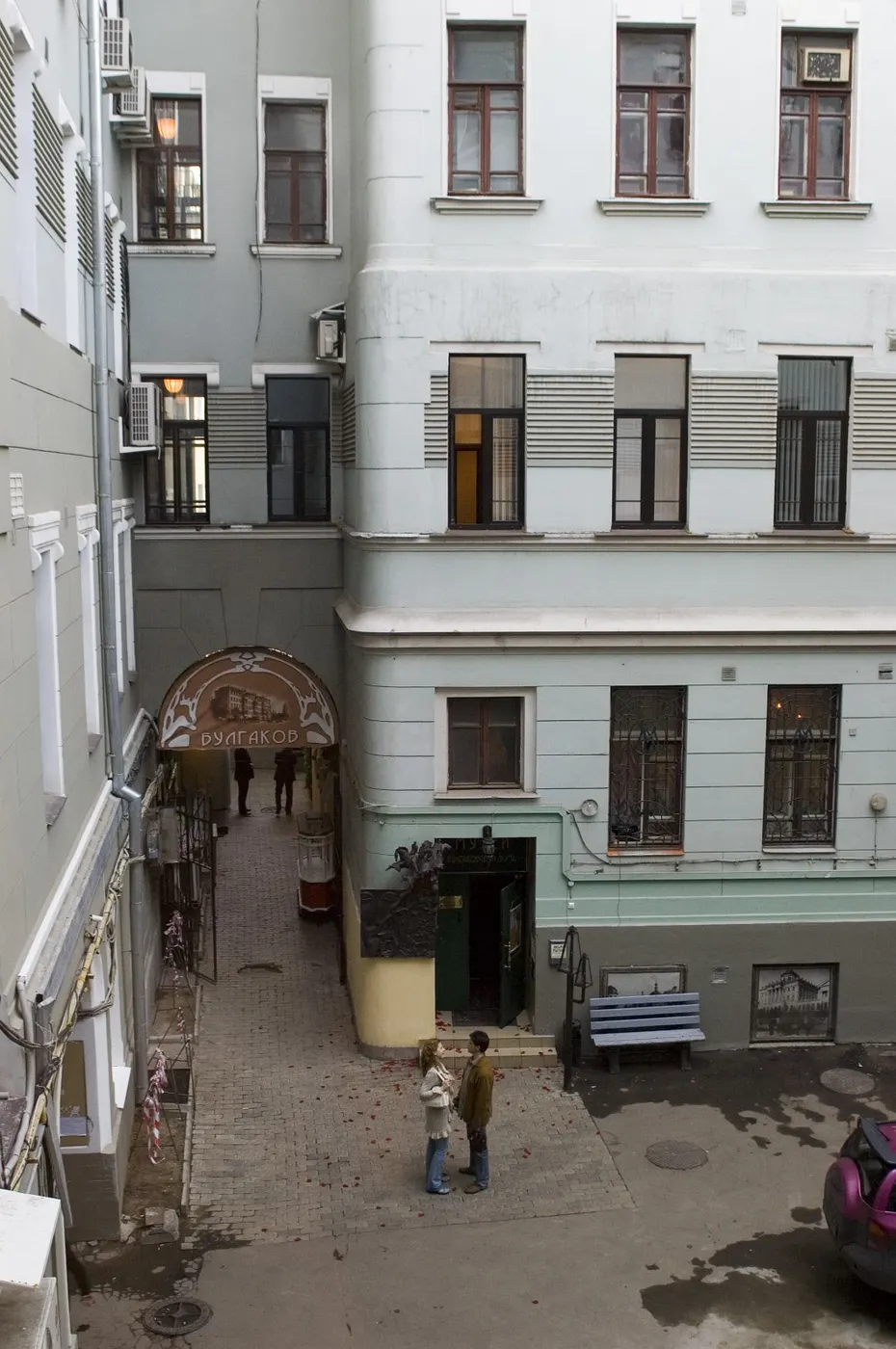
Apartment No. 50 in the Ilya Pigit tenement building at 10 Bolshaya Sadovaya Street in Moscow is the famed "Bad Apartment" from Mikhail Bulgakov's masterpiece The Master and Margarita, which served as the temporary headquarters for Woland and his retinue. In reality, Bulgakov lived here from 1921 to 1924 in a chaotic communal flat whose volatile domestic atmosphere inspired the novel's supernatural satire.
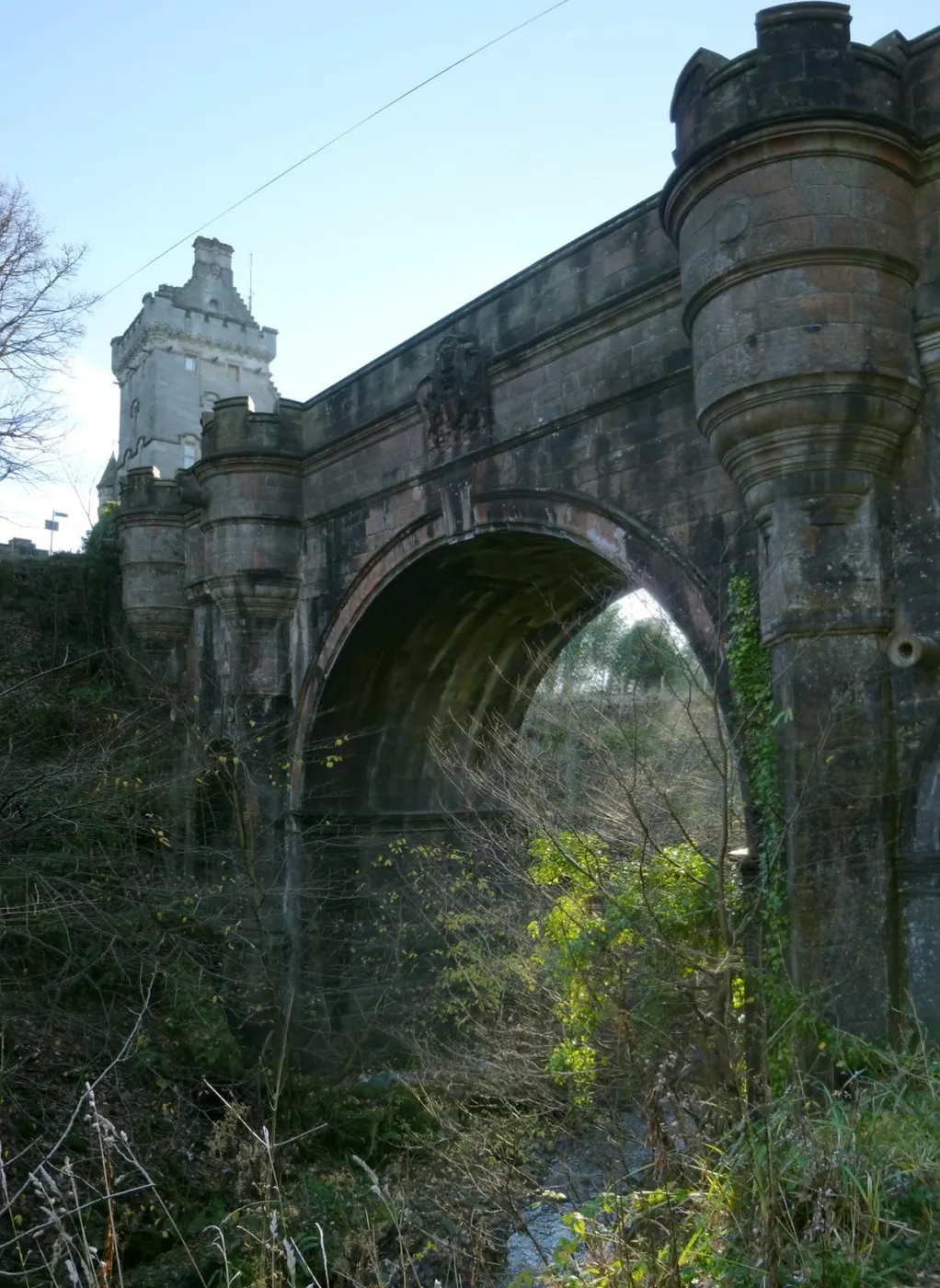
Overtoun Bridge
A Victorian bridge in Scotland from which dozens of dogs have leapt over the decades — some of them more than once. The likeliest explanation is the scent of mink below and a solid parapet that hides the drop.
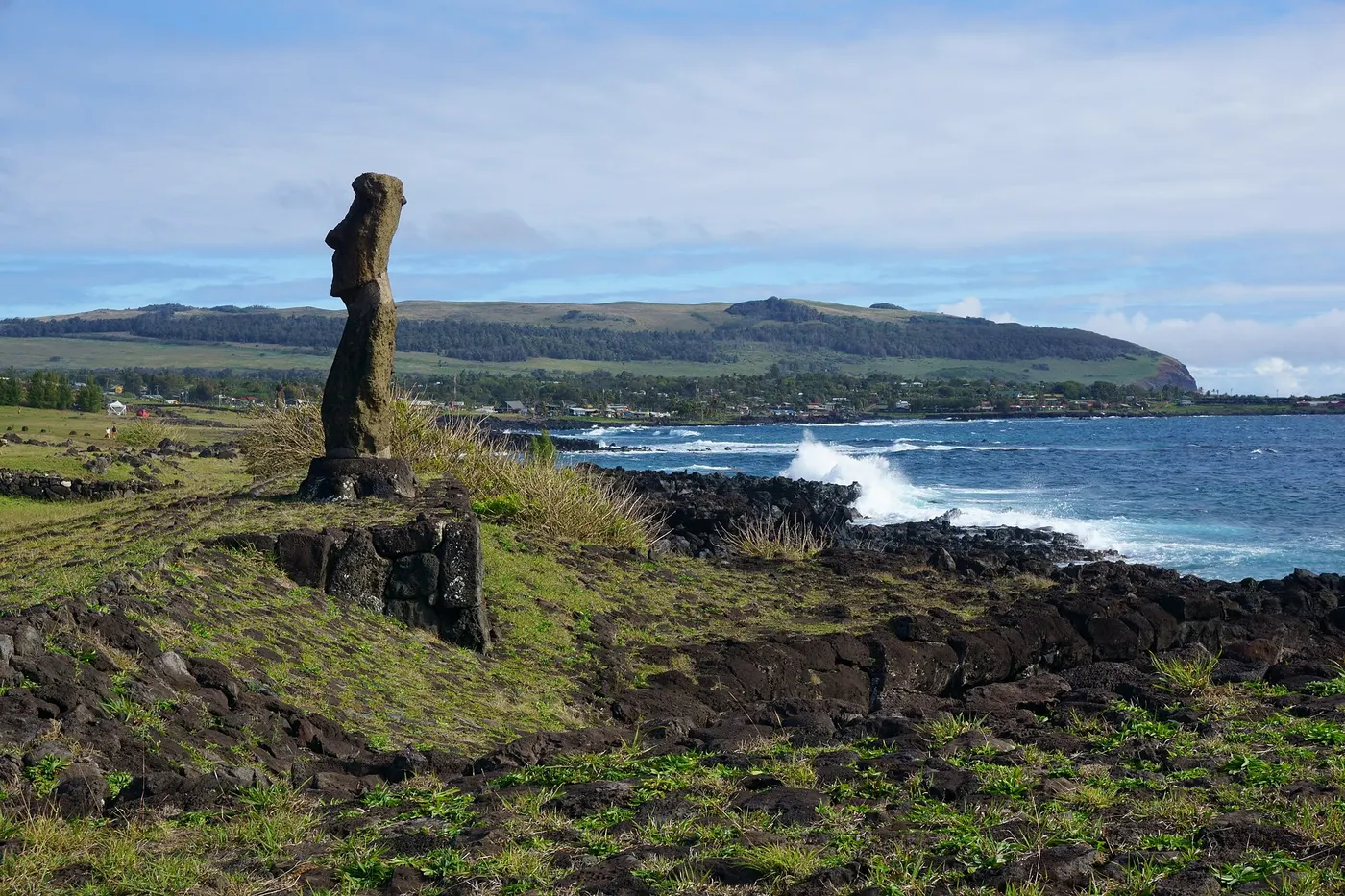
Easter Island
One of the most remote inhabited islands on Earth, holding nearly 900 moai statues. How they were carved, moved for kilometres and raised had a simple Rapa Nui answer: the moai "walked".
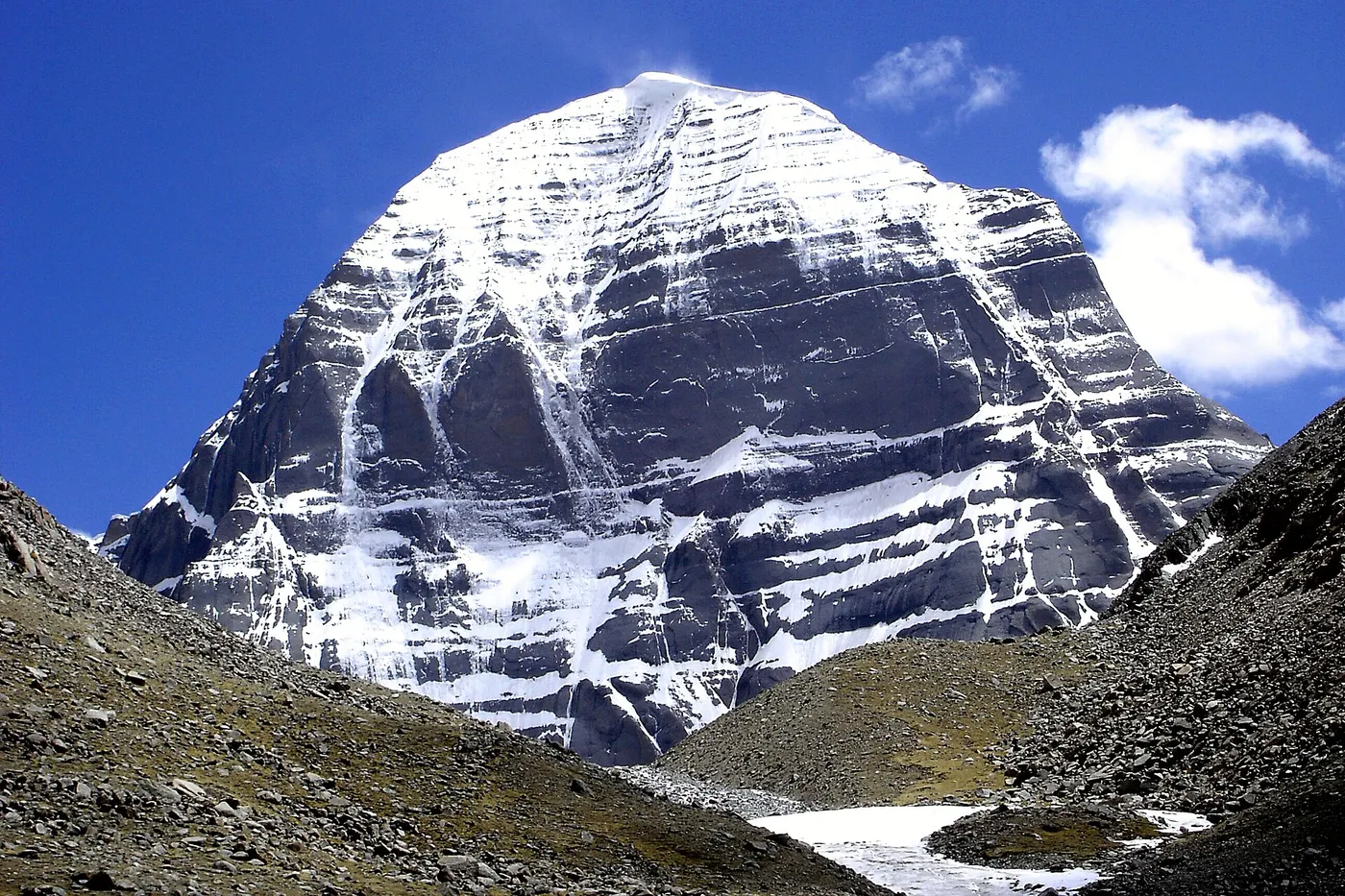
Mount Kailash
A peak in western Tibet held sacred by four religions at once — Hinduism, Buddhism, Jainism and Bön. It has never been climbed: ascent is considered sacrilege, and pilgrims instead walk a circuit around it.

Arkaim
A circular Bronze Age fortified settlement in Russia's Chelyabinsk region, excavated in 1987 just before it was to be flooded. The archaeological site quickly attracted an esoteric following — visitors come from across Russia "for the energy".
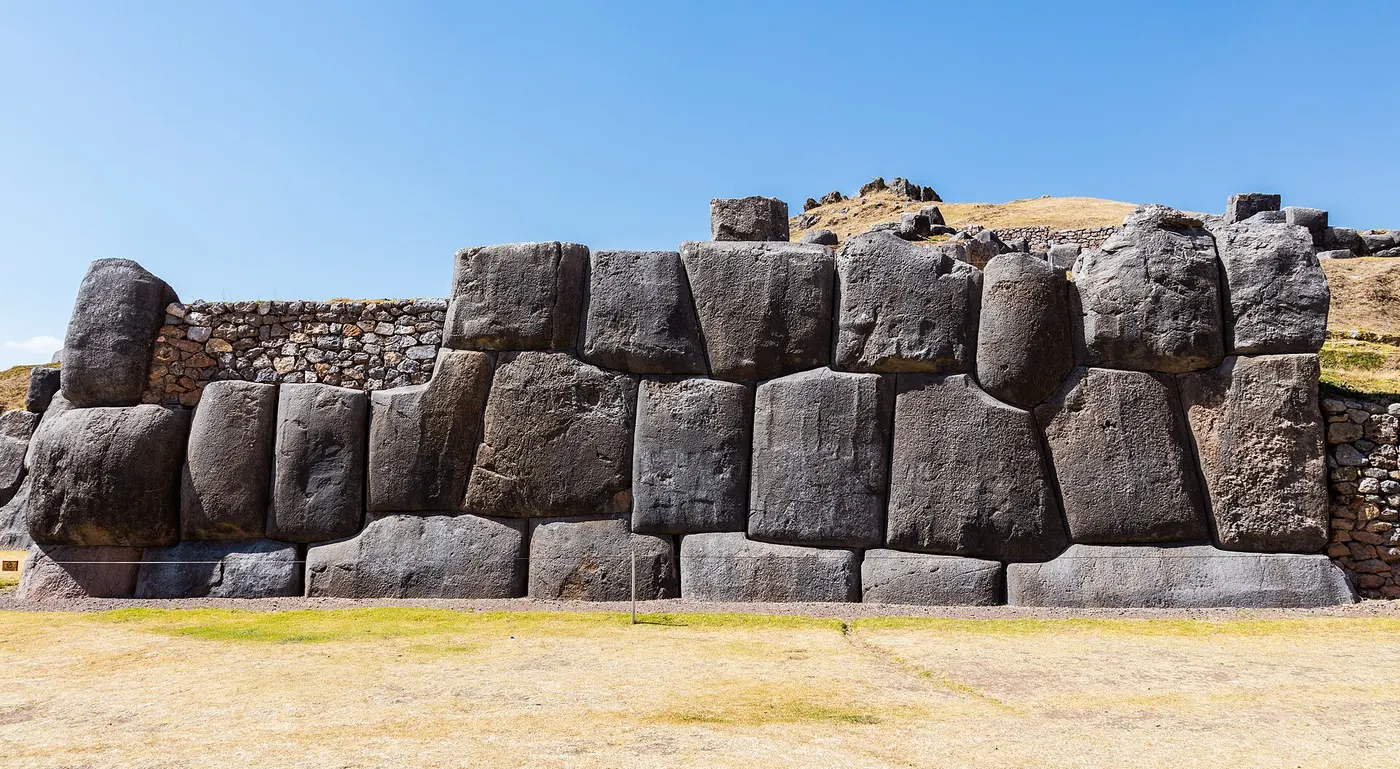
Sacsayhuamán
An Inca fortress above Cusco, built from multi-tonne blocks fitted together without mortar so tightly that a knife blade will not pass between them. How they were shaped and lifted is still debated.
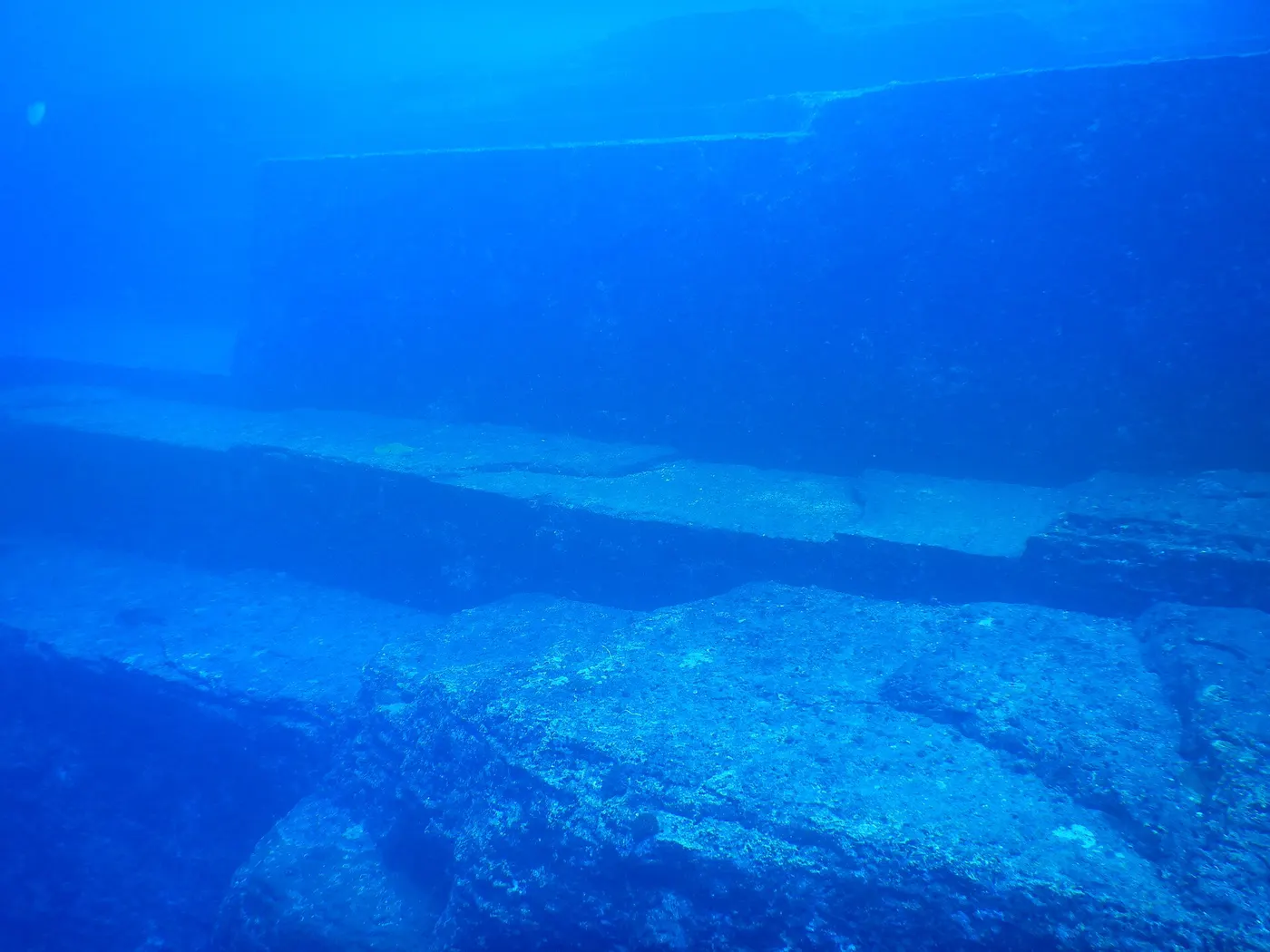
Yonaguni Monument
An underwater formation off the Japanese island of Yonaguni with flat terraces and right angles. Some read it as a sunken city, others as natural sandstone split along its bedding — the argument is still open.
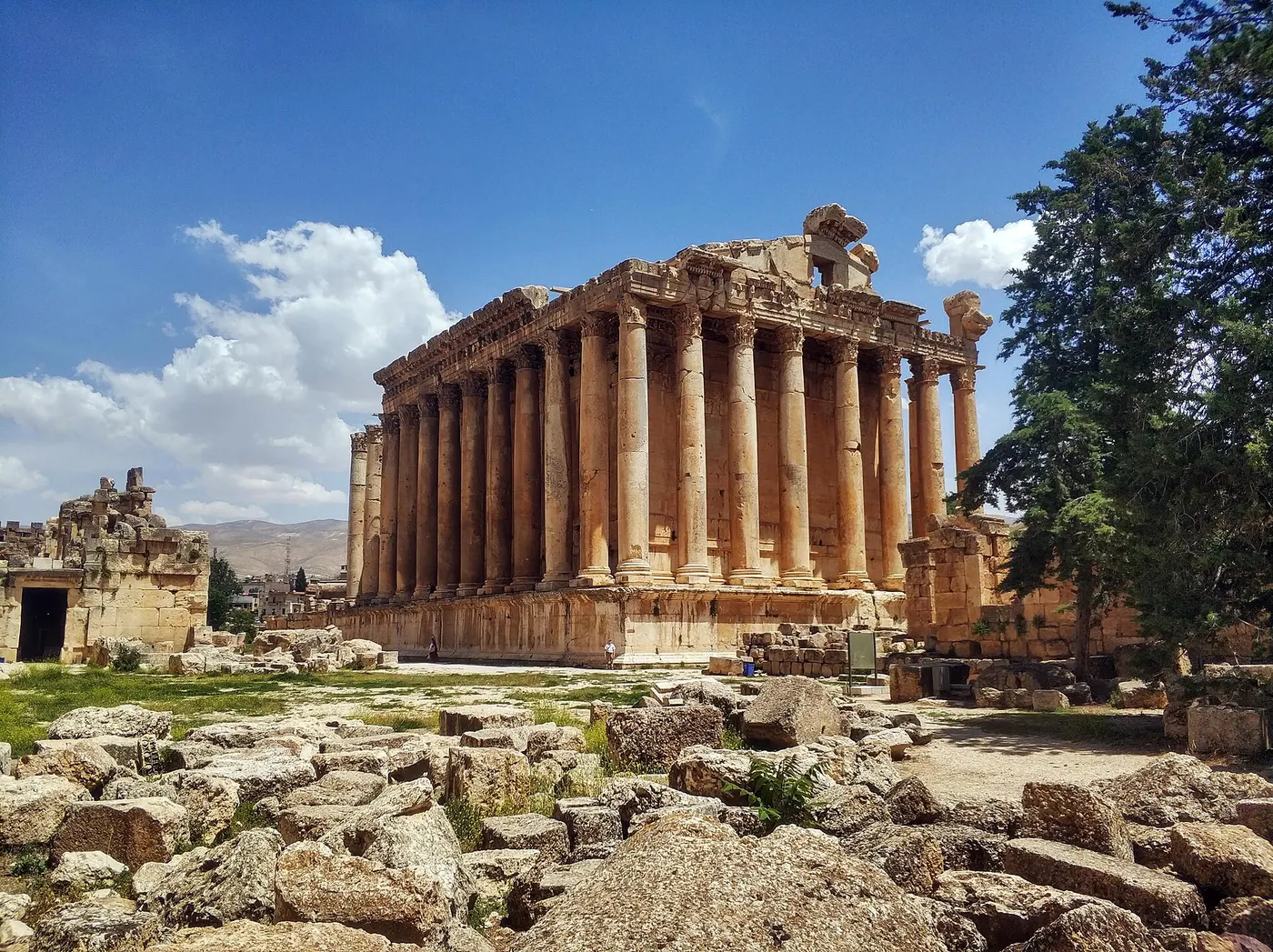
Baalbek
A Roman temple complex in Lebanon standing on a base of megaliths weighing up to 800 tonnes. Exactly how those blocks were moved is not settled — which is what fuels the stream of alternative theories about them.
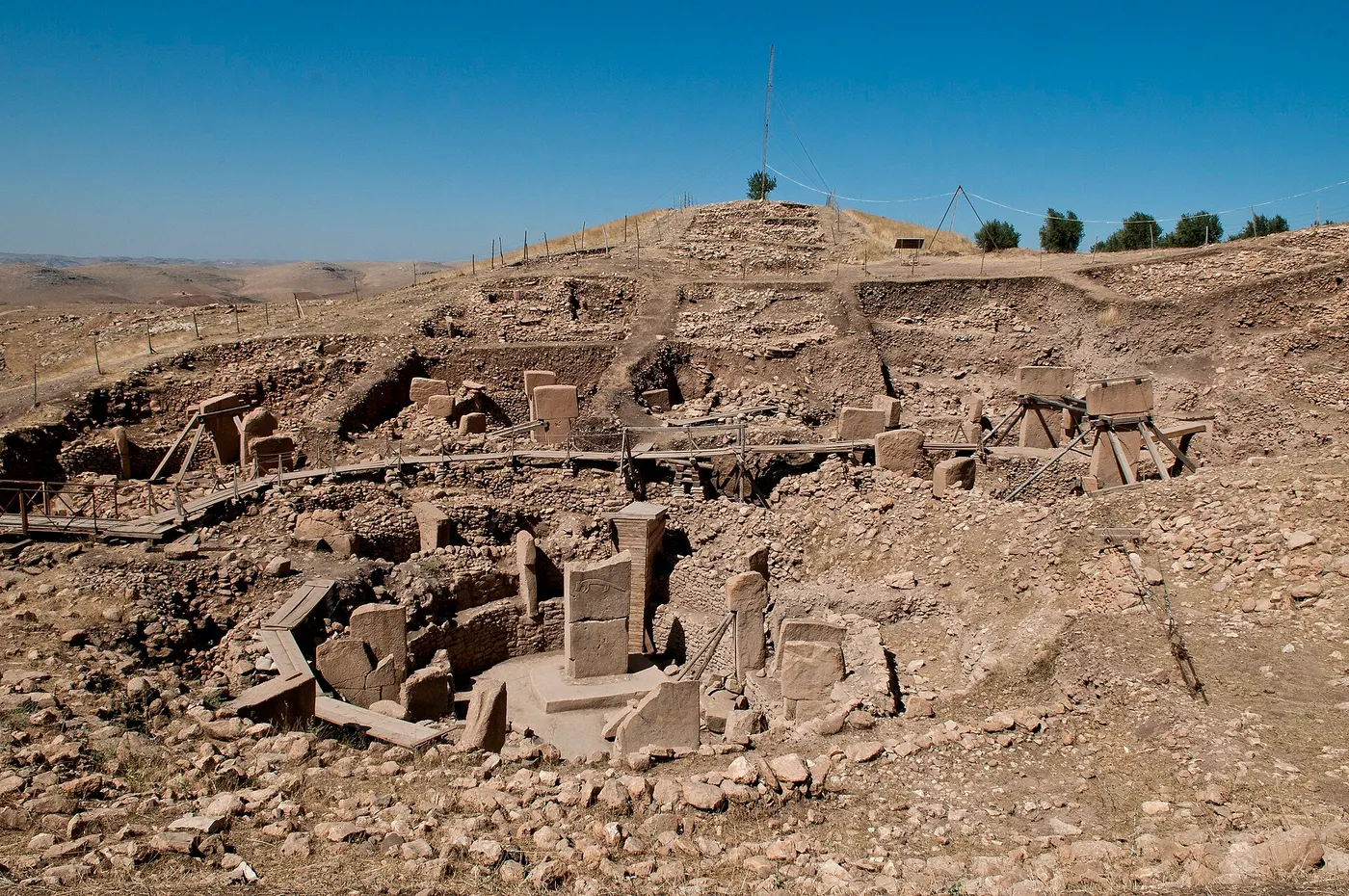
Göbekli Tepe
A sanctuary in south-eastern Turkey around 11,500 years old — older than farming, pottery or the wheel. Its circles of T-shaped pillars carved with animals upended assumptions about what came first, the temple or the town.
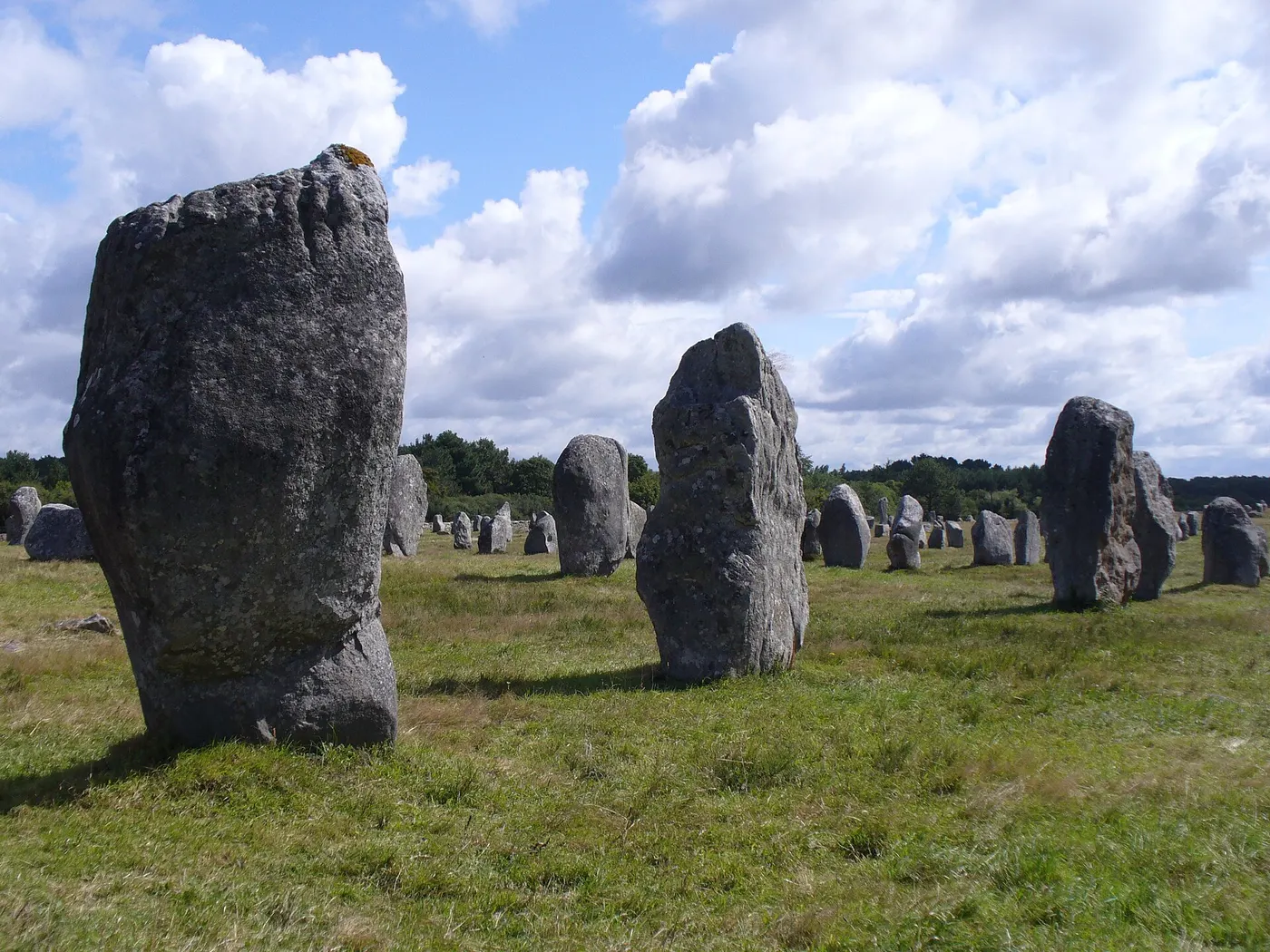
Carnac Stones
Over 3,000 standing stones set in long rows on the Brittany coast around 4500 BC. Why they were raised is unknown; Breton legend calls them a Roman legion turned to stone by Saint Cornelius.
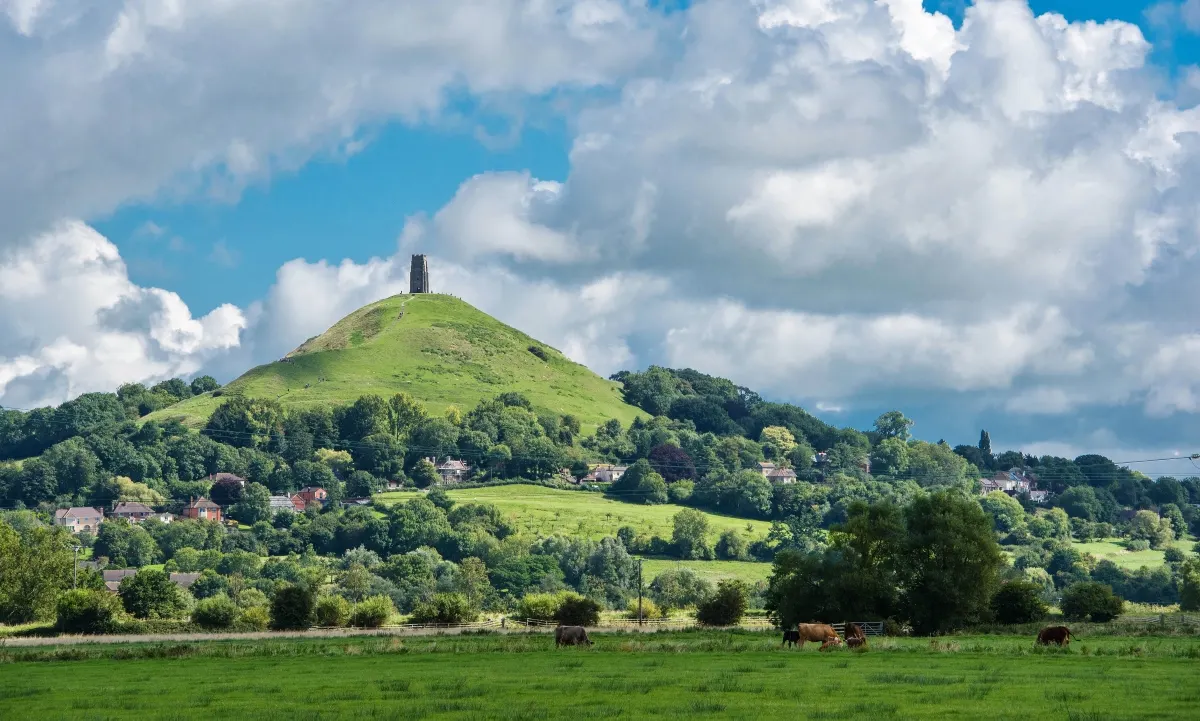
Glastonbury Tor
A Somerset hill crowned by the lone St Michael's Tower, its slopes cut into terraces. It is identified with the legendary Avalon, where the wounded King Arthur was carried, and counted a centre of Britain's Celtic mythology.
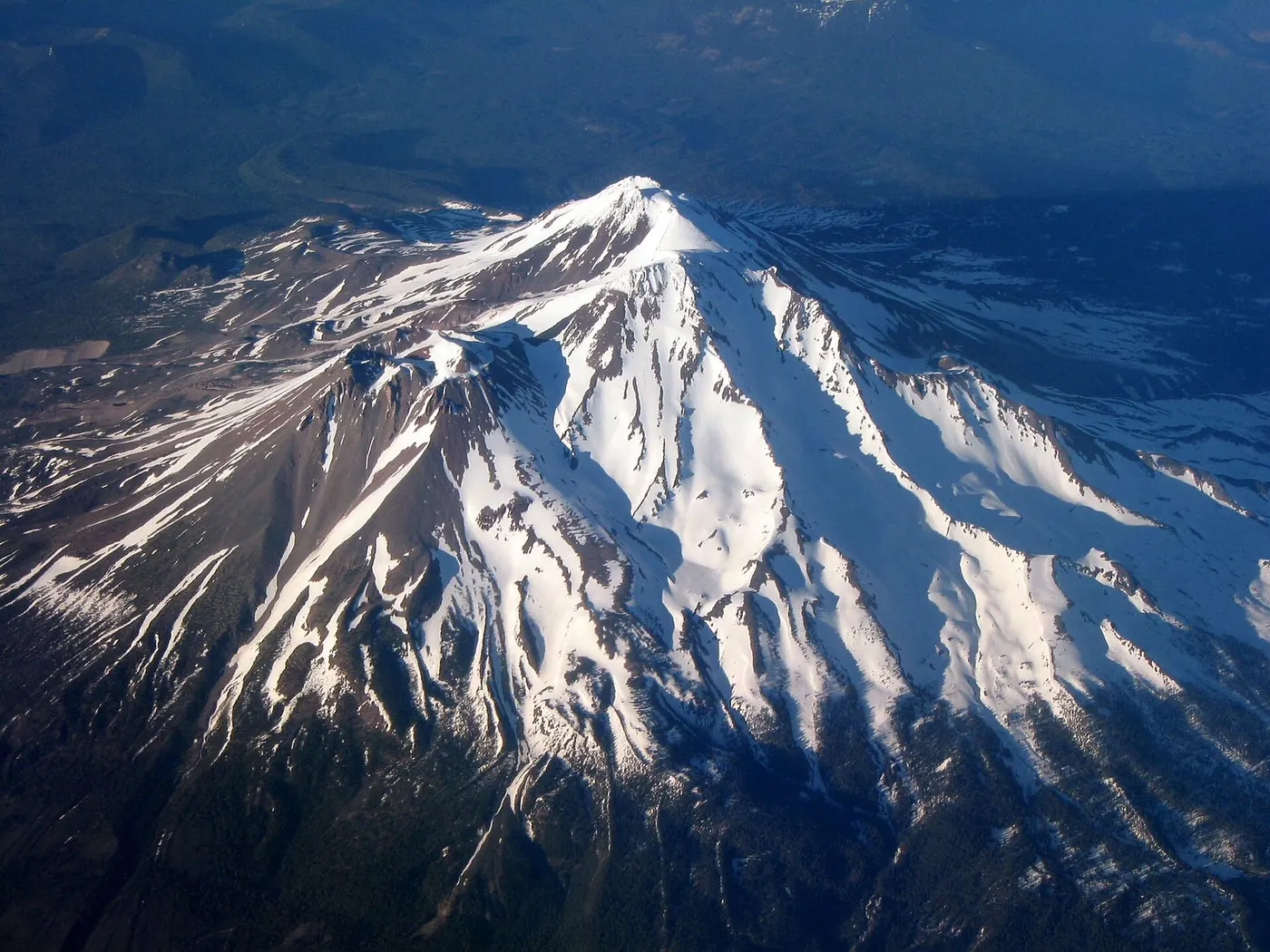
Mount Shasta
A volcano in northern California surrounded by perhaps the densest tangle of esoteric legend in America — from Telos, an underground Lemurian city, to reports of glowing objects above the summit.
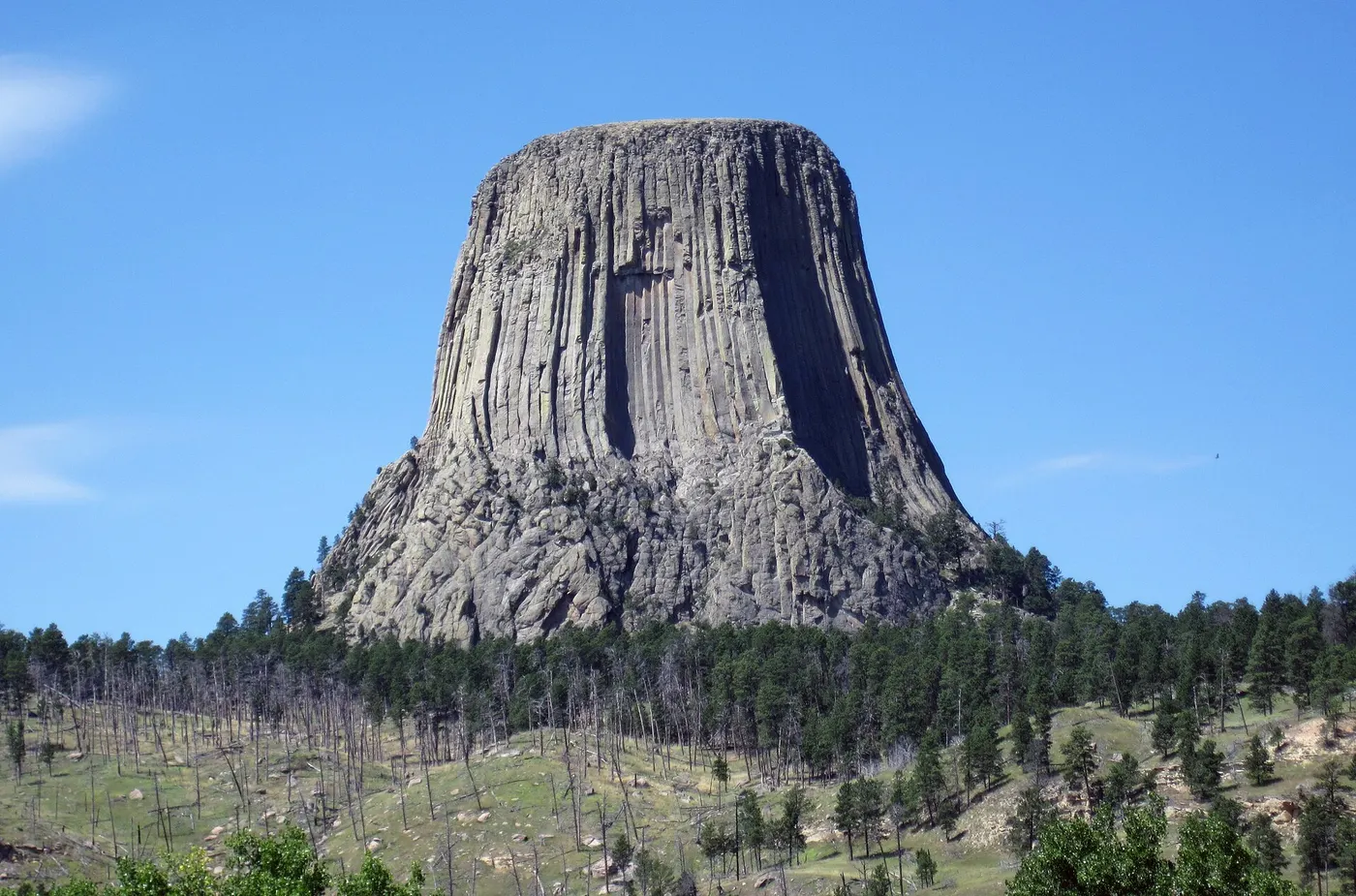
Devils Tower
Devils Tower is a colossal columnar igneous monolith rising 386 meters (1,267 feet) above the Belle Fourche River valley in northeastern Wyoming, USA. It holds historic significance as the very first designated U.S. National Monument (established in 1906). Formed of striking vertical phonolite columns, the formation serves as a sacred cultural sanctuary for indigenous tribes and a global icon of pop culture and ufology.