Folklore — mystical places on the map
Points on the map a local tradition has grown around: a lake with a spirit in it, a mountain with a prohibition on it, a stone people still visit to ask for something. Not a scare story but something the people living there count as part of their own history.
81 places
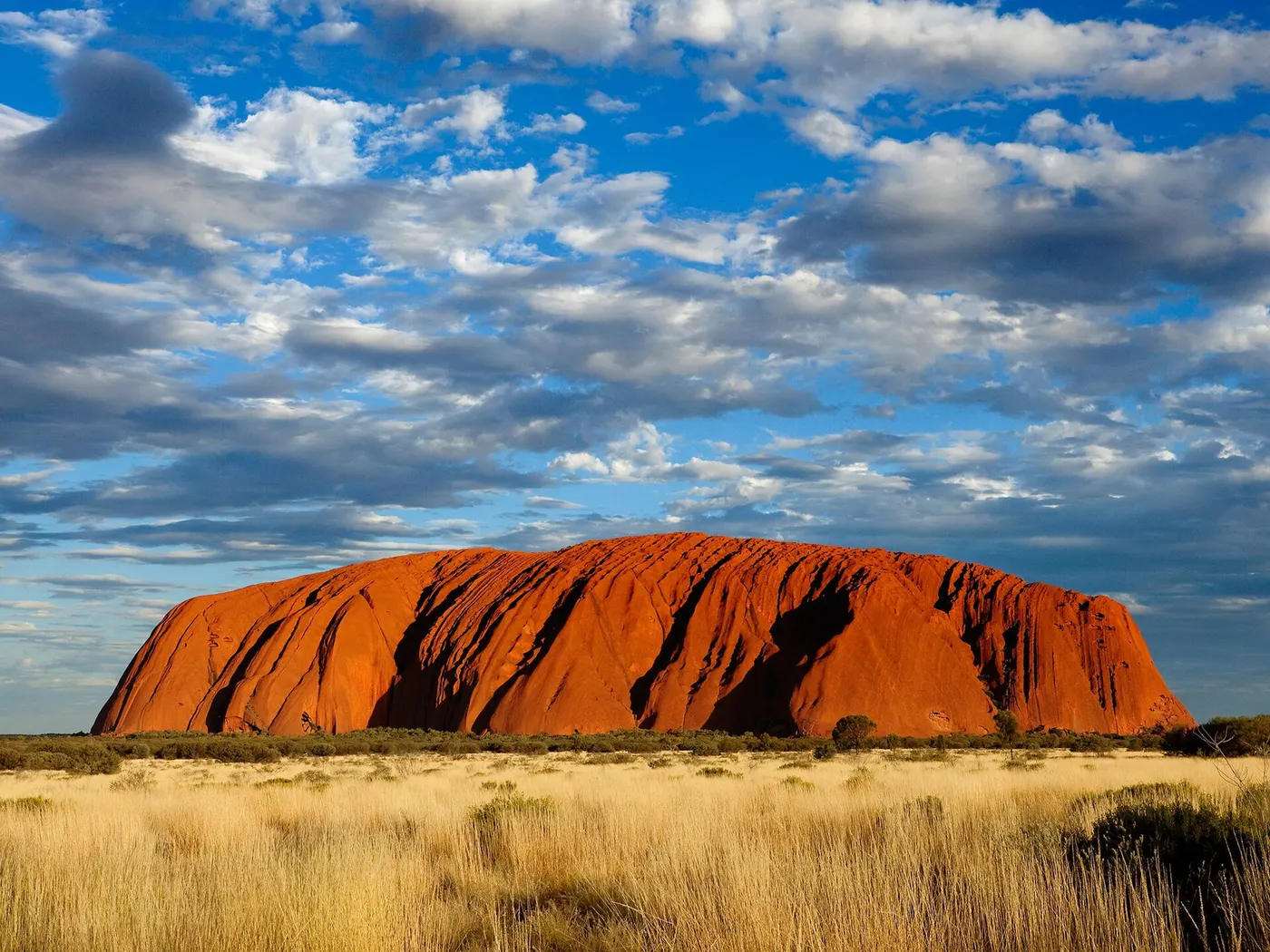
Uluru
A massive sandstone monolith in central Australia that shifts from ochre to deep red at sunset. For the Aṉangu people it is a sacred site with its own rules about what may be photographed and where one may not climb.
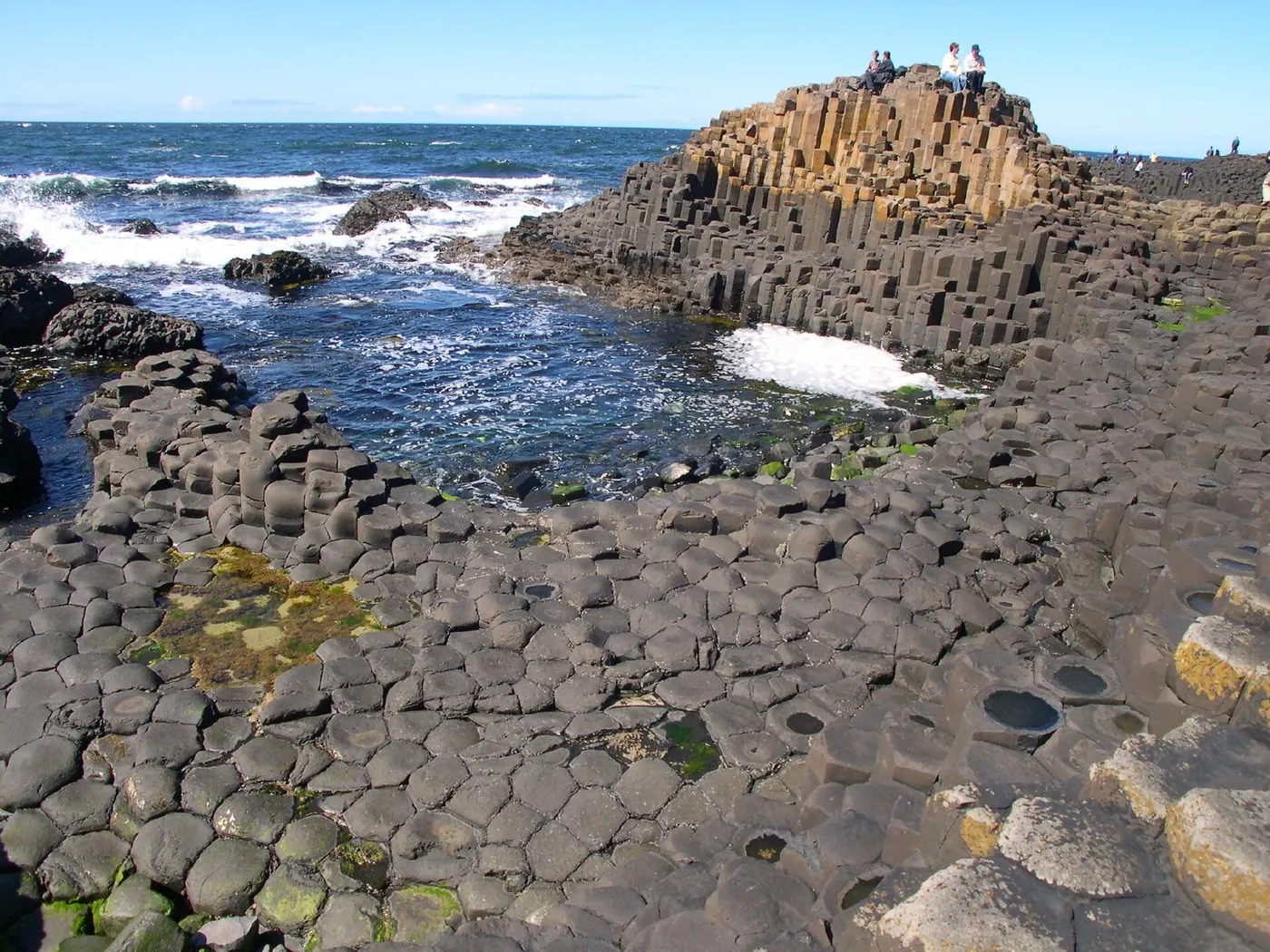
Giant's Causeway
Some 40,000 basalt columns on the coast of Northern Ireland, formed as lava cooled. Legend has it the giant Finn McCool built the causeway across the sea to reach a rival in Scotland.
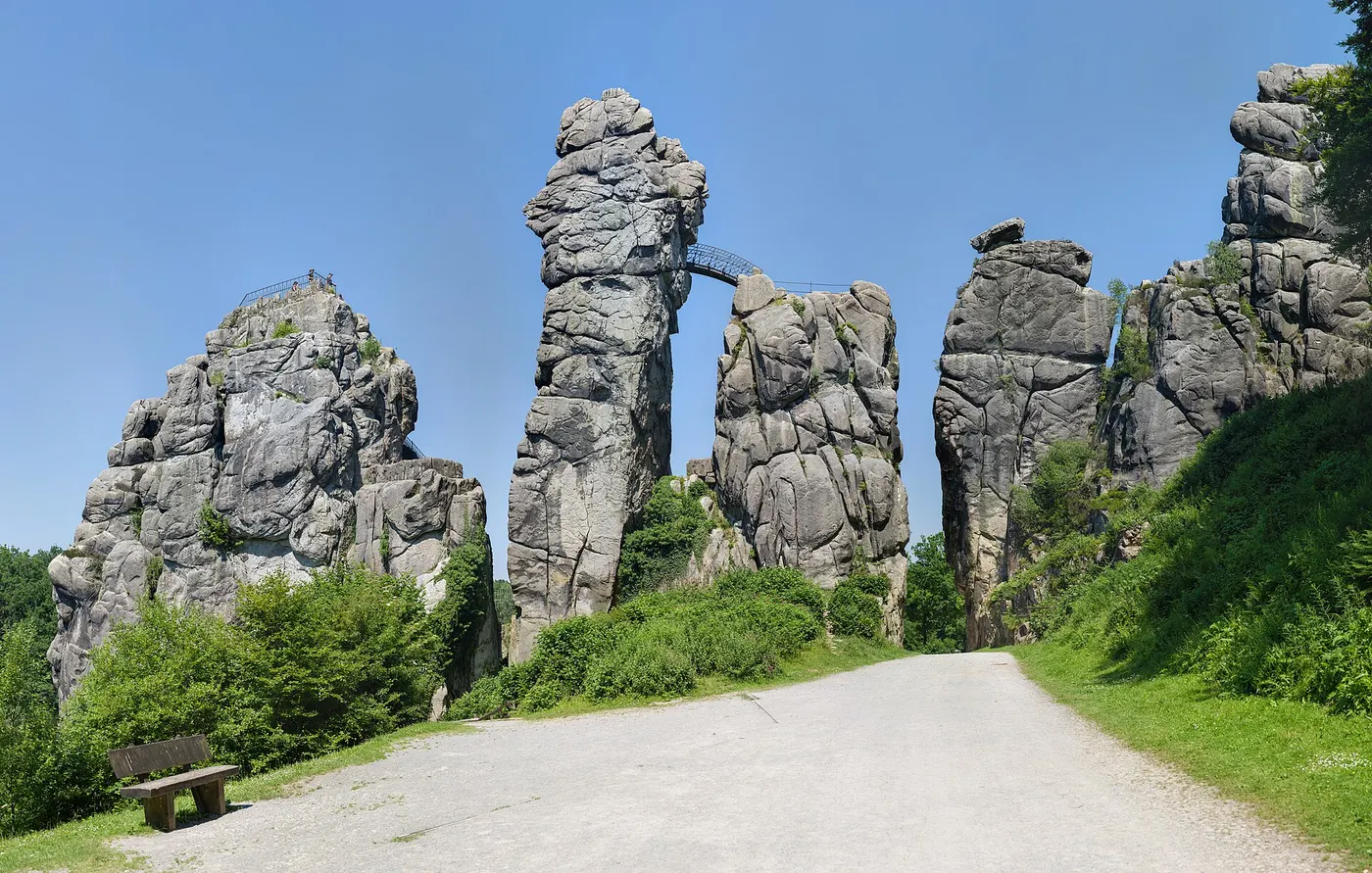
Externsteine
A ridge of sandstone pillars in the Teutoburg Forest with a chapel and a 12th-century relief carved into the rock. It has attracted theories of an ancient sanctuary for centuries — from 19th-century romantics to Third Reich ideologues.
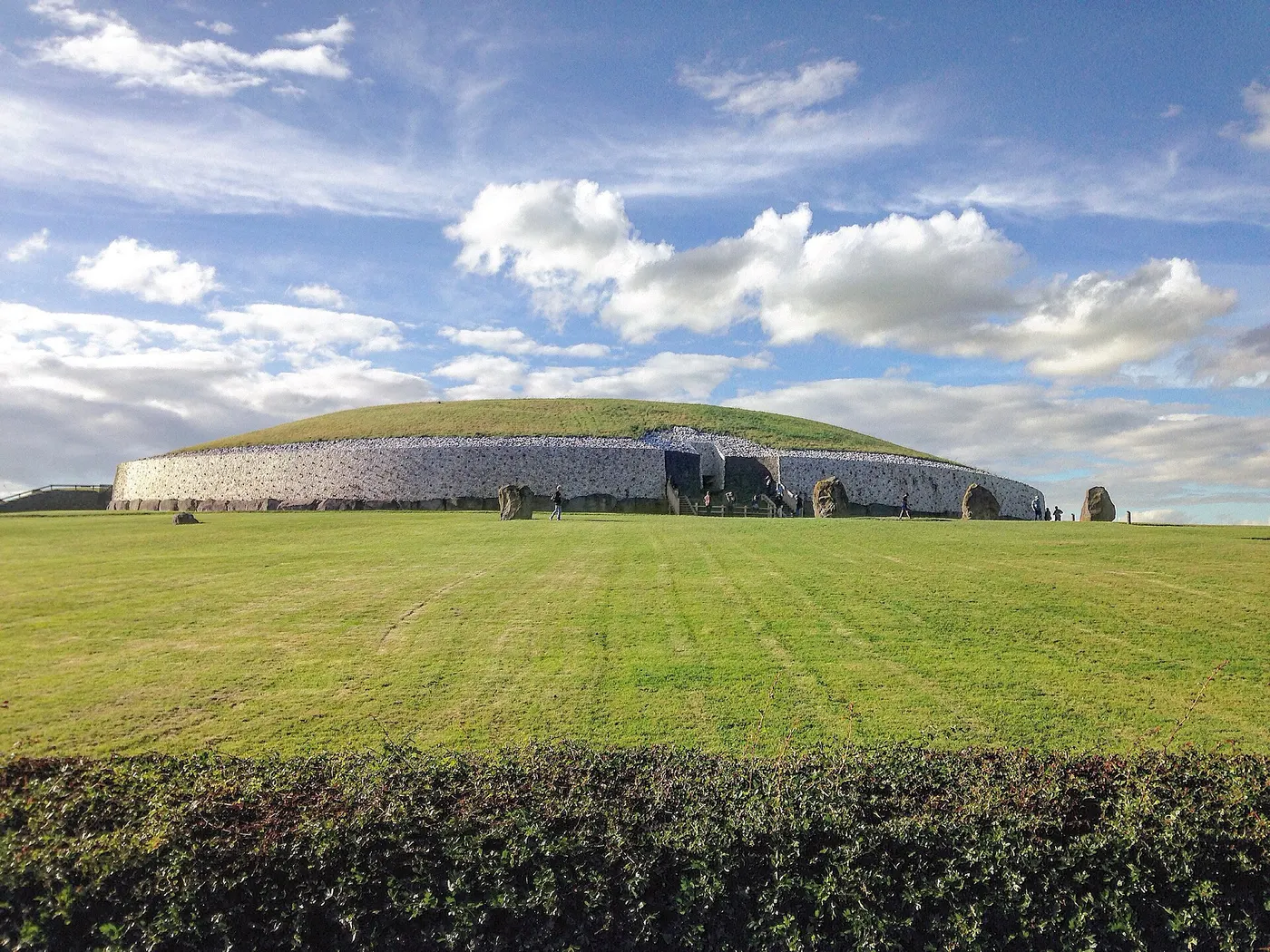
Newgrange
An Irish passage tomb built around 3200 BC — older than Stonehenge and the Egyptian pyramids. At the winter solstice a beam of rising sun passes through a narrow opening and lights the chamber deep inside.
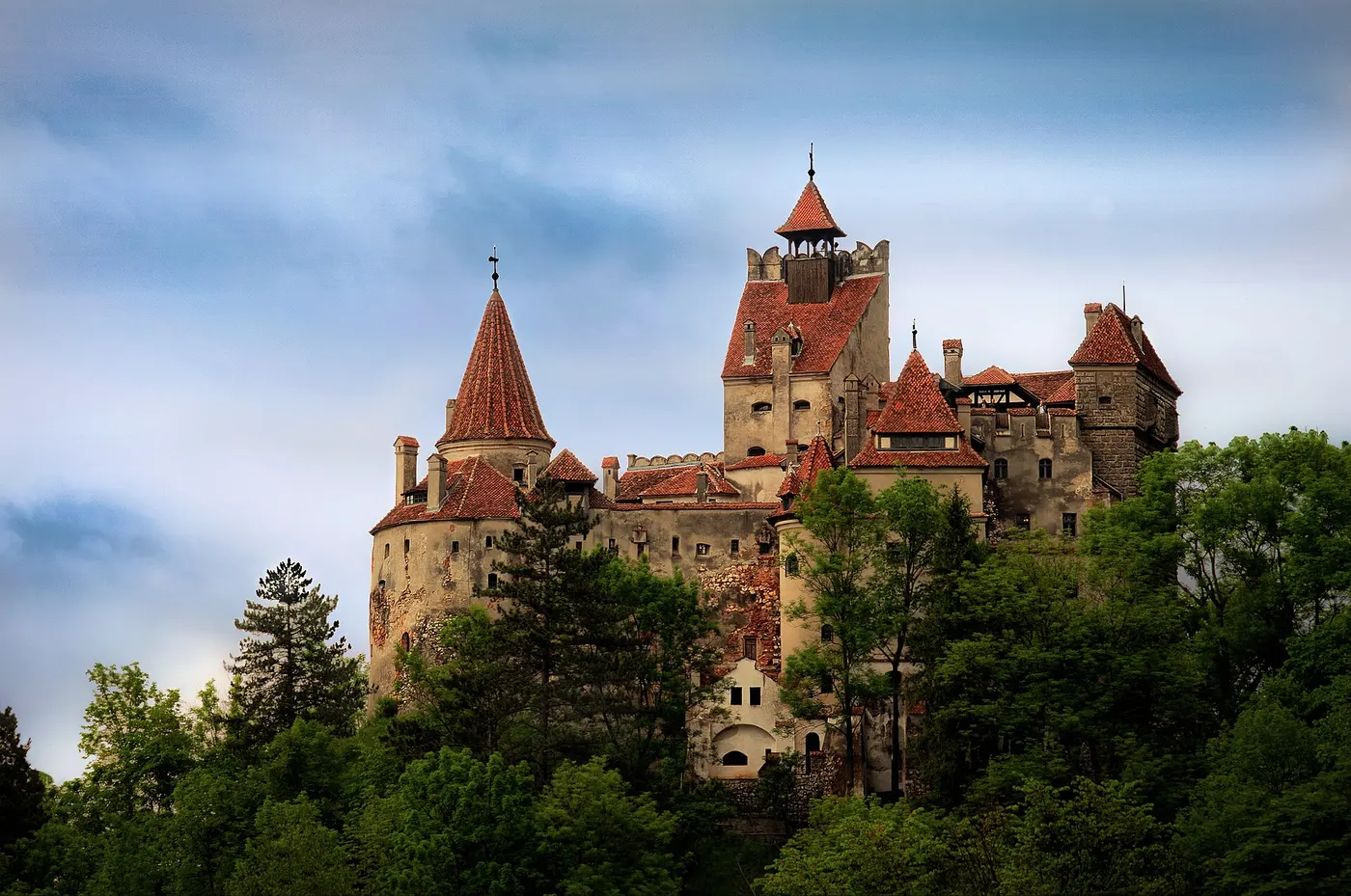
Bran Castle
A fortress on a Carpathian mountain pass, known as "Dracula's Castle". Vlad the Impaler almost certainly never lived here — the link to Stoker's novel came later, though the silhouette on its crag fits it well.
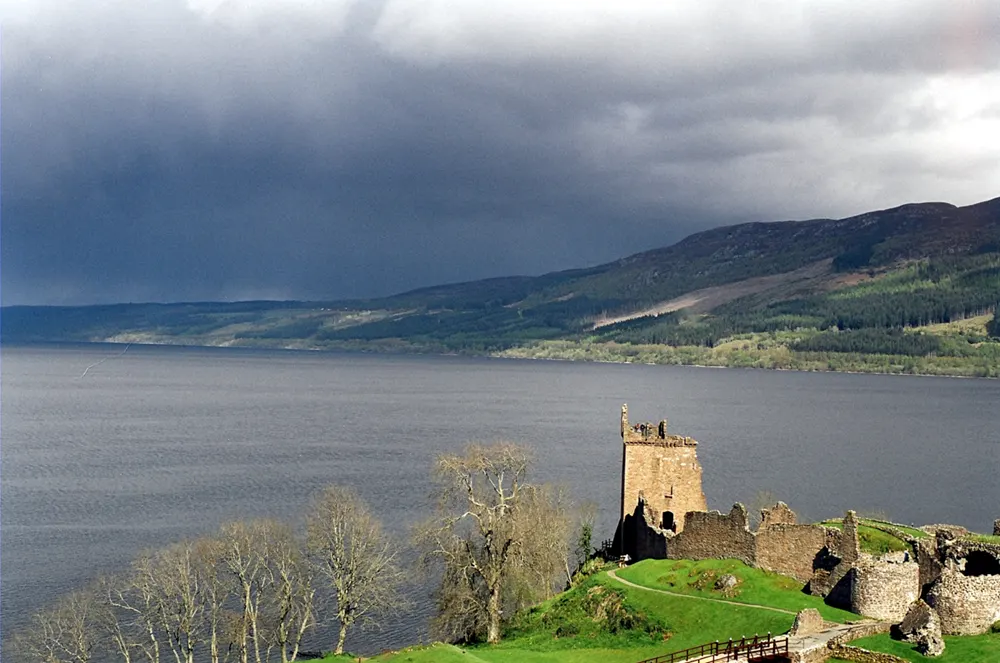
Loch Ness
A deep loch in the Scottish Highlands holding more water than every lake in England and Wales combined. Monster reports date from 1933; sonar sweeps and DNA surveys have found no such animal.
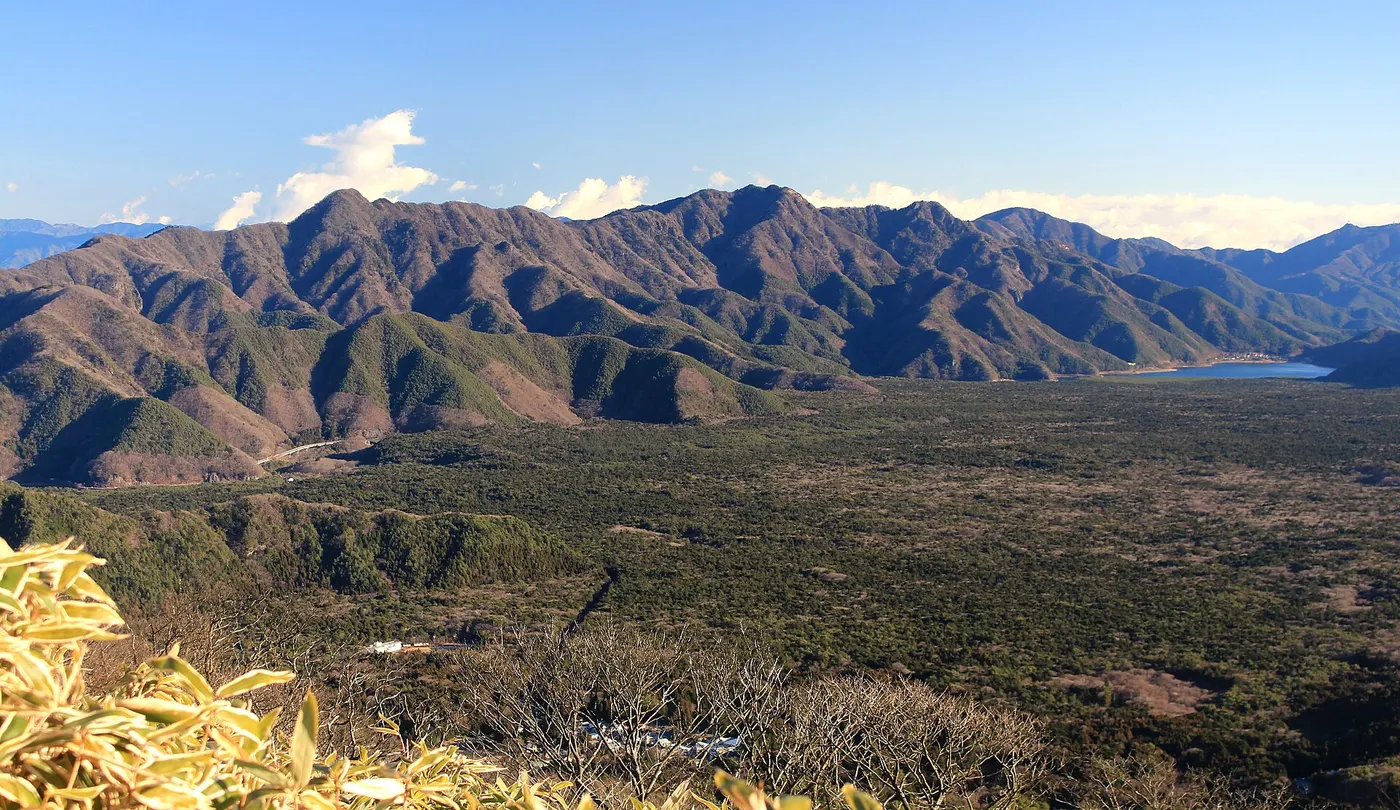
Aokigahara Forest
A dense forest at the foot of Mount Fuji in Japan, known in folklore as a home to yūrei — the spirits of the dead. Its heavy silence and tree roots gripping hardened lava give it a singular atmosphere.
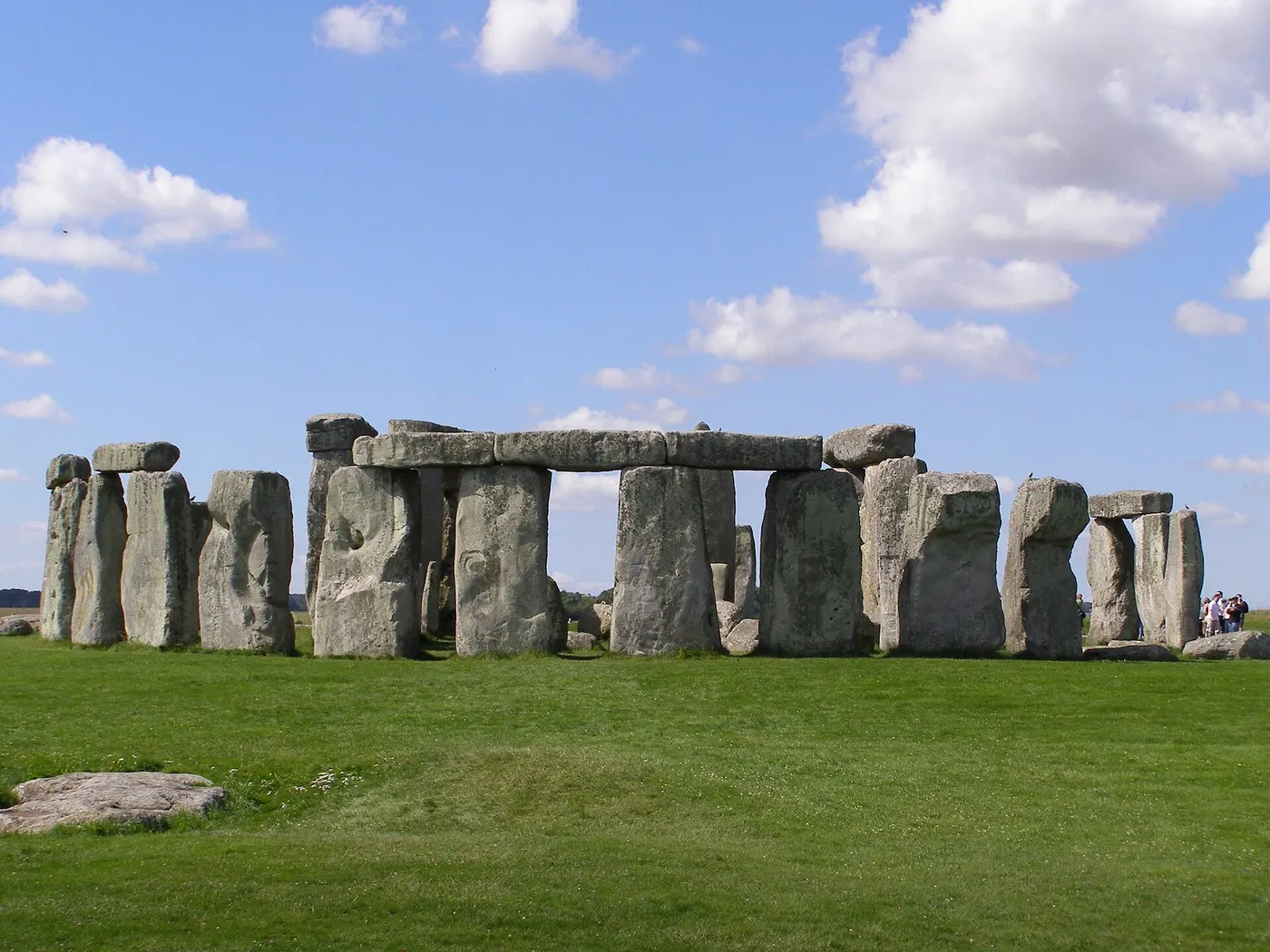
Stonehenge
Stonehenge is a world-renowned prehistoric megalithic monument situated on Salisbury Plain in Wiltshire, southern England. Constructed between 3000 and 1500 BC, the earthwork and stone circle complex consists of an outer ring and inner horseshoe of massive sarsen silcrete monoliths joined by lintels via tongue-and-groove and mortise-and-tenon joints, along with smaller volcanic bluestones. Inscribed as a UNESCO World Heritage Site, it remains the ultimate archaeological icon of the British Isles, historically enveloped in folklore involving Celtic druids, the wizardry of Merlin, extraterrestrial beacons, and modern conspiratorial "1954 construction" hoaxes.
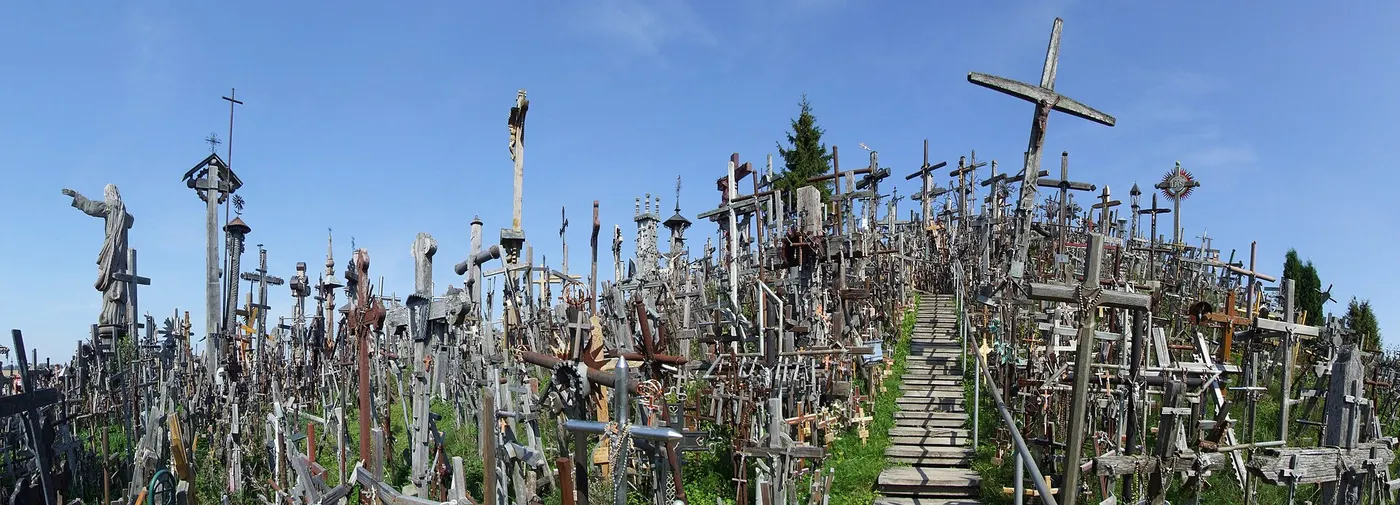
Hill of Crosses
A hill in northern Lithuania covered with hundreds of thousands of crosses left by pilgrims since the 19th century. Soviet authorities bulldozed it three times — the crosses reappeared within nights each time.